

Picture the classic retirement: a green field, afternoon sun, an old horse dozing with one hind leg cocked. It looks like the easy life. But that postcard hides a body with stiff joints, worn teeth, a slower gut and a nervous system that notices every small change around the yard.
Here are the 14 things a senior horse quietly expects every day, and most of them have nothing to do with a field and a flake of hay. Some are simple. Others are details yards get wrong constantly, and owners often don’t spot them until weight is dropping or a once-bright horse has gone flat. Start with the one that shapes the whole day, and stay for #1, the one almost nobody wants to talk about.
#14 – A Rock-Solid Daily Routine
🔥 Would you like to save this?
We'll email this post to you, so you can come back to it later!
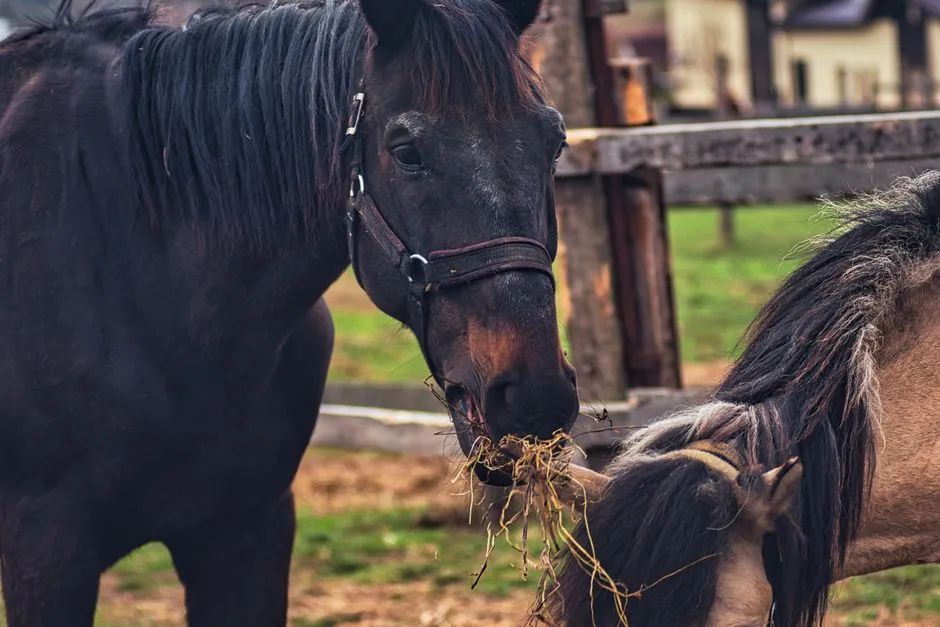
Old horses live by the clock. Their digestion is slower and their stress responses are less flexible than they were at ten years old. A shift in feeding or turnout that a young horse shrugs off can leave a senior pacing the fence, skipping meals or standing hunched at the gate.
Stress hormones can climb when a horse’s day stops making sense, and appetite is often the first casualty. A late breakfast can turn into a flat, picky, off-feed day for a sensitive senior. Caregivers who keep close to exact clock times often report steadier weights and fewer worried calls to the vet.
The trouble is that many yards build the day around show horses and their flexible schedules. Retirees are left to adapt or suffer in silence.
- Feed at the same hour every morning and evening without exception.
- Turnout windows should align within 15 minutes daily to reduce pacing.
The single most overlooked detail is that seniors often pace or weave when the herd leaves without them at the expected moment. That behavior signals rising stress, and it compounds over weeks.
#13 – Constant Access to Fresh, Clean Water
🔥 Would you like to save this?
We'll email this post to you, so you can come back to it later!
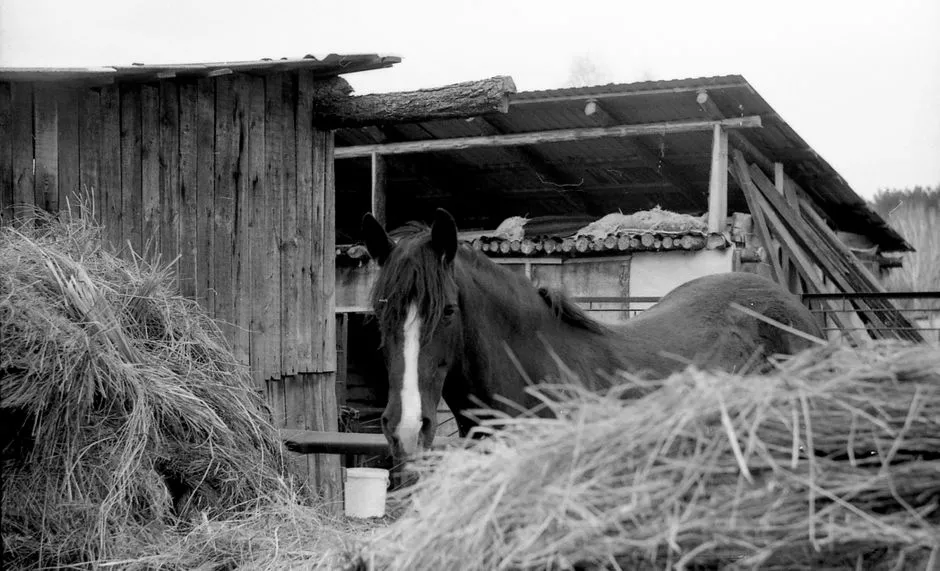
Senior horses can drink less when water tastes off or is painfully cold, yet dehydration hits them harder because kidney function declines with age. A horse typically drinks several gallons a day, and a drop in that number is one of the earliest warning signs of trouble.
Many yards assume troughs stay adequate. In reality, algae, slime and ice creep in fast, especially in shoulder seasons when mornings freeze and afternoons warm up. Automatic drinkers need checking at least twice daily for flow, temperature and cleanliness.
The bold truth is that a senior who turns up his nose at icy or stale water may quietly drink far less than he needs, and low water intake is a recognized risk factor for impaction colic. Yards that heat troughs in winter tend to see far fewer digestive emergencies.
- Offer at least two sources per stall or paddock so one can be cleaned without interruption.
- Add electrolytes only under veterinary guidance during heat waves.
#12 – Weather-Proof Shelter With Soft Ground
🔥 Would you like to save this?
We'll email this post to you, so you can come back to it later!
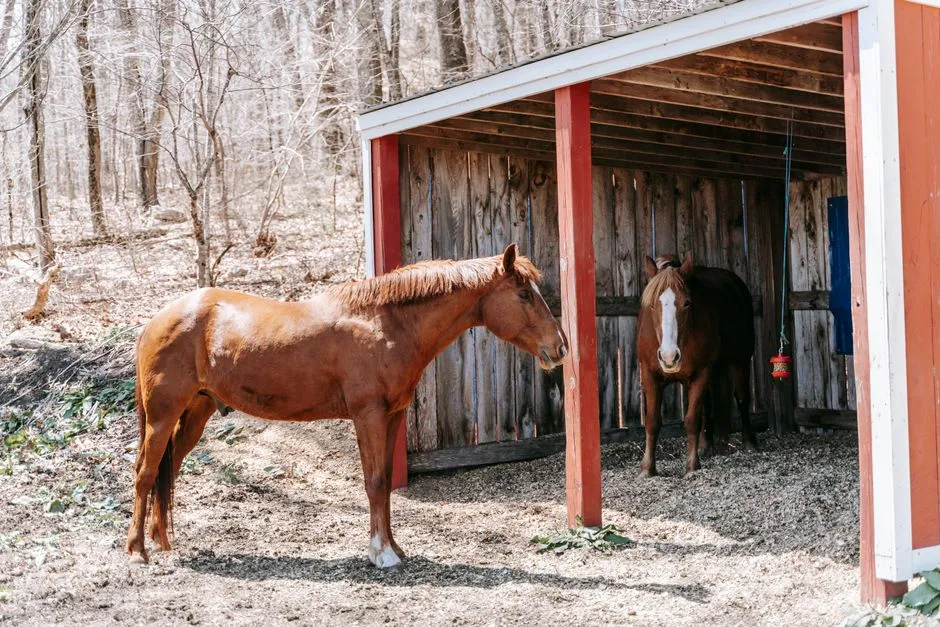
Most yards think of shelter as a roof. Seniors need a floor. Arthritic joints take a beating during long stretches of standing, and hard-packed dirt or concrete speeds up wear on hocks and stifles.
Deep bedding or rubber mats in run-in sheds can be the difference between a comfortable retirement and chronic stiffness. A layer of sand over mats helps ease pressure points, which matters because older skin bruises and sores more easily. Many facilities still use the same footing for every age group and never consider it.
The controversial view among long-term owners is that some high-end yards pour money into fancy barns while skimping on the ground that matters every single day. A horse never admires the chandelier. He feels the surface under his feet.
- Provide at least 12×12 feet of sheltered space per horse with several inches of soft footing.
- Ensure run-ins face away from prevailing winds for true protection.
#11 – Forage Available Almost Around the Clock
🔥 Would you like to save this?
We'll email this post to you, so you can come back to it later!
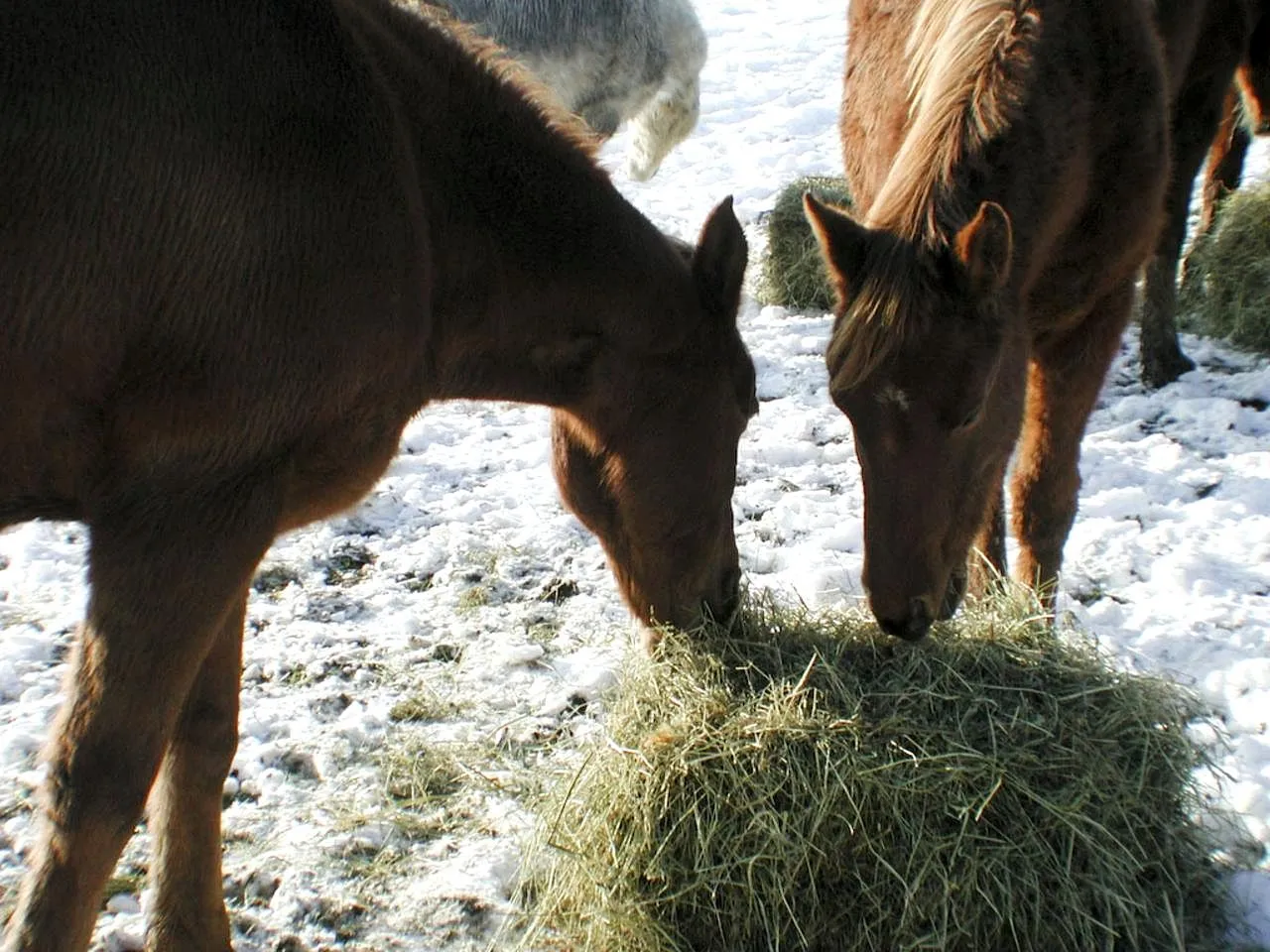
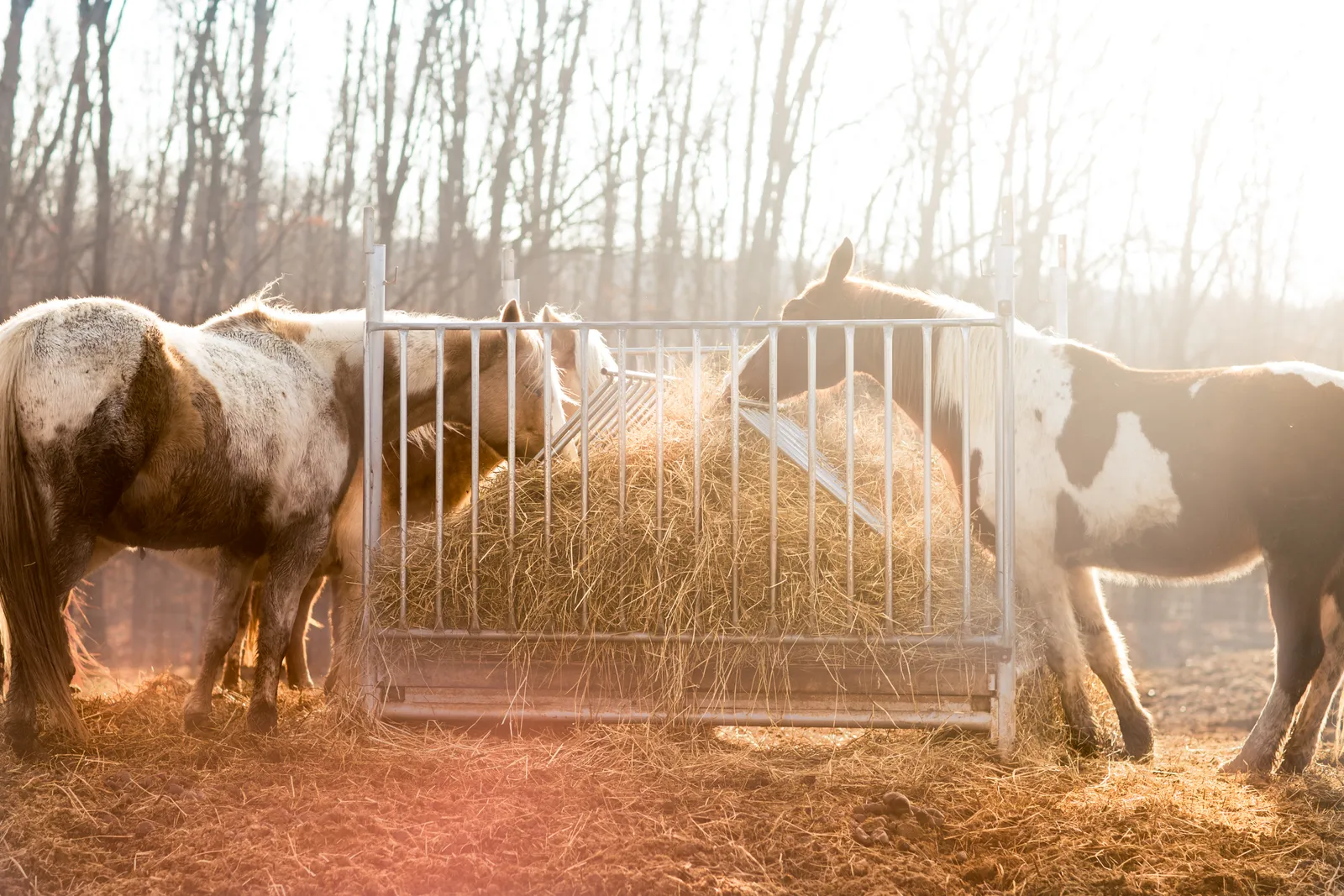
Horses are built to graze, not to eat two big meals and wait. Their stomachs produce acid continuously, so long gaps without forage can leave them uncomfortable and more prone to ulcers. For a senior who is already fragile, an empty stomach is not a neutral state.
Many old horses also burn through energy faster than they used to, especially in cold weather. Small, frequent portions of hay, or slow-feed nets that stretch eating time, keep the gut moving and the body warm from the inside. It is a simple change with a big payoff.
Yards often cut corners here because it takes labor. A tidy two-meal schedule is easier on staff, but it can be hard on a horse whose body expects a steady trickle of fiber.
- Aim to avoid long stretches without hay, especially overnight.
- Use slow-feed nets or small-hole feeders to extend eating time without extra labor.
Fast Facts
- Most adult horses eat roughly 1.5 to 2 percent of their body weight in forage daily, which is about 15 to 20 pounds of hay for a 1,000-pound horse.
- Many equine vets advise against letting a horse go more than about four to six hours without something to chew.
- Stomach acid keeps flowing whether or not there is food to buffer it.
- Seniors with poor teeth may need that forage soaked or swapped for chopped or cubed alternatives.
#10 – Feed Their Teeth Can Actually Handle
🔥 Would you like to save this?
We'll email this post to you, so you can come back to it later!
Teeth wear down over a lifetime, and by the senior years some horses simply can’t grind long-stem hay well anymore. The telltale sign is quidding, where a horse drops soggy wads of half-chewed hay from his mouth. Weight loss with a good appetite is another clue that chewing is the problem.
The fix is often as simple as changing the texture. Soaked hay cubes, soaked pellets and complete senior feeds can be turned into a soft mash that delivers fiber and calories without the grinding. Your vet or equine dentist should guide the choice, since needs vary widely from horse to horse.
Dental checks matter just as much as the menu. Seniors usually benefit from regular exams, often more often than once a year, because a sharp edge or loose tooth can quietly sabotage every meal.
- Watch for dropped hay balls, slow eating and weight loss despite a good appetite.
- Soak feed in water until fully soft, and clean the bucket daily.
#9 – A Herd That Treats Him Kindly
🔥 Would you like to save this?
We'll email this post to you, so you can come back to it later!
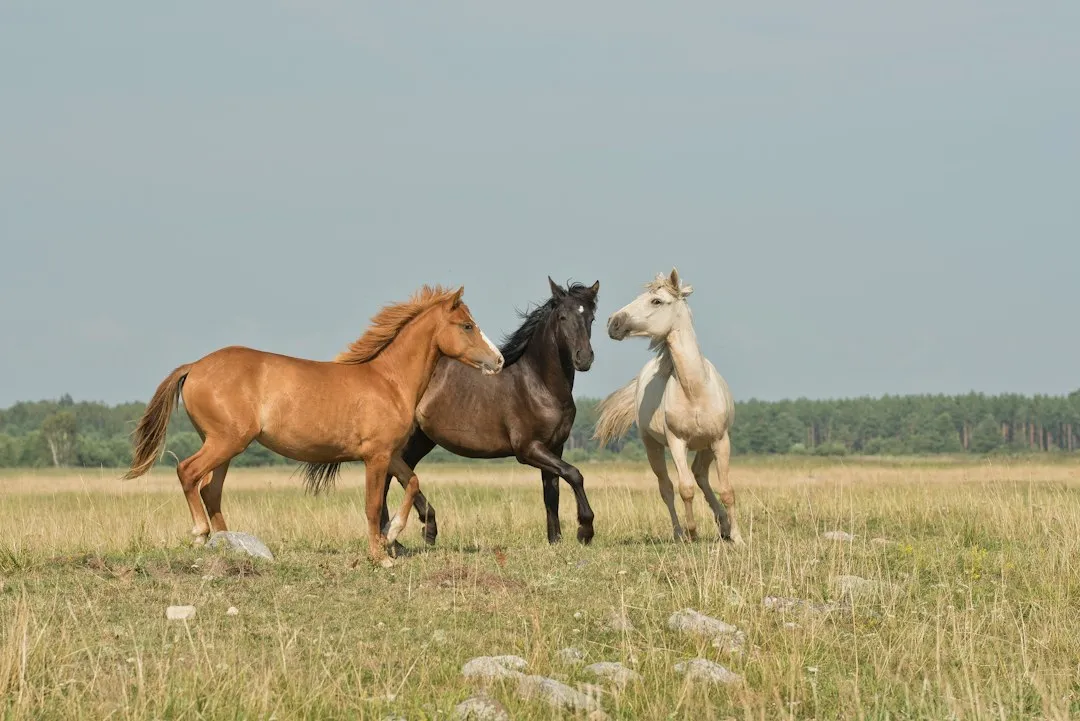
Horses are deeply social animals, and an old horse who loses his place in the herd loses a lot more than company. Companions help him feel safe, and that sense of safety shapes how well he eats, rests and lies down.
But herd life is not always gentle. A senior who moves slowly can end up at the bottom of the pecking order, shoved off hay piles and chased away from shelter by younger, pushier horses. It can happen quietly, with no dramatic fight, just a thin horse who keeps getting there last.
A good yard watches the group dynamics and acts early. That might mean pairing him with calm, older friends, or feeding seniors separately so mealtime is peaceful instead of a contest.
- Look for bite marks, missed meals and a horse who hangs at the edge of the group.
- Provide multiple feeding stations spaced well apart so he never gets cornered.
#8 – A Hands-On Check Every Single Day
🔥 Would you like to save this?
We'll email this post to you, so you can come back to it later!
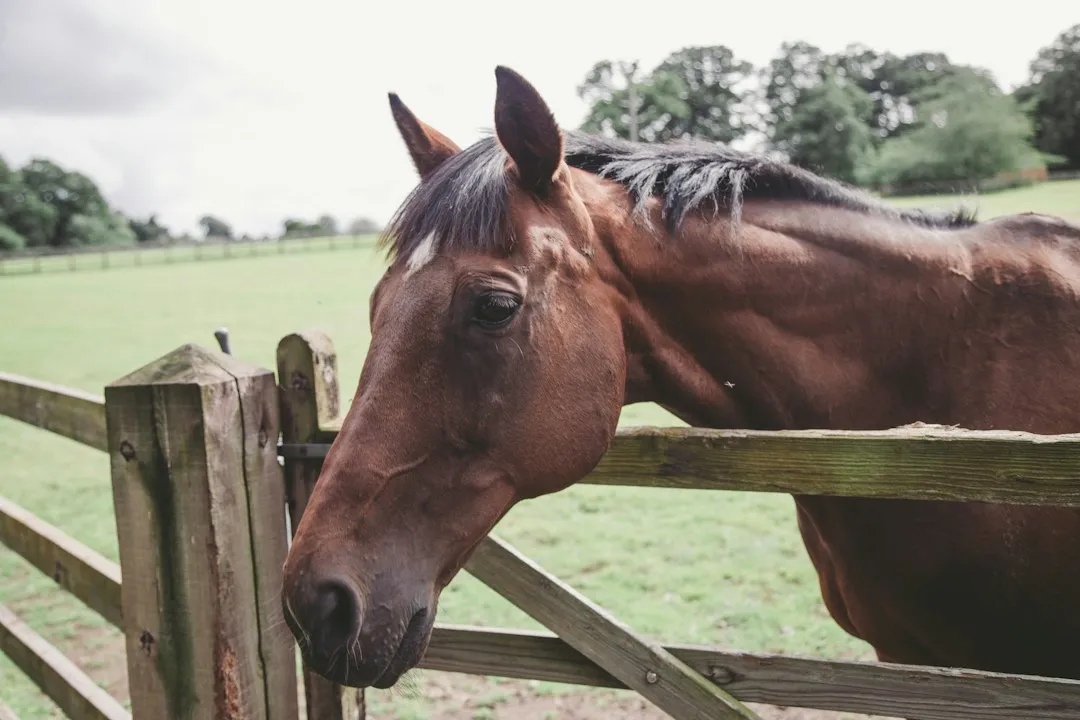
Old horses hide trouble well, and by the time a problem is obvious it has often been brewing for days. A daily hands-on check catches the small changes first. It takes only a few minutes, but it can be the most valuable routine on the whole yard.
The best caregivers look at the same things in the same order. They check eyes and nostrils for discharge, feel legs for heat or swelling, watch how he moves out of the stall, and note whether his manure and appetite look normal. They know the usual healthy ranges: a resting temperature of roughly 99 to 101.5 degrees Fahrenheit and a heart rate in the high 20s to mid 40s per minute.
Pawing, repeatedly looking at his flank, or lying down and getting up again are classic colic signs. Spotting them early can change the whole outcome.
- Check eyes, legs, gums, manure and appetite every day.
- Know his normal so changes stand out immediately.
At a Glance: Typical Adult Vital Signs
- Temperature: about 99 to 101.5°F at rest.
- Heart rate: roughly 28 to 44 beats per minute.
- Breathing: around 8 to 16 breaths per minute.
- Gums: moist and pink, with color returning in about two seconds after a gentle press.
#7 – Hoof Care on a Strict Schedule
🔥 Would you like to save this?
We'll email this post to you, so you can come back to it later!
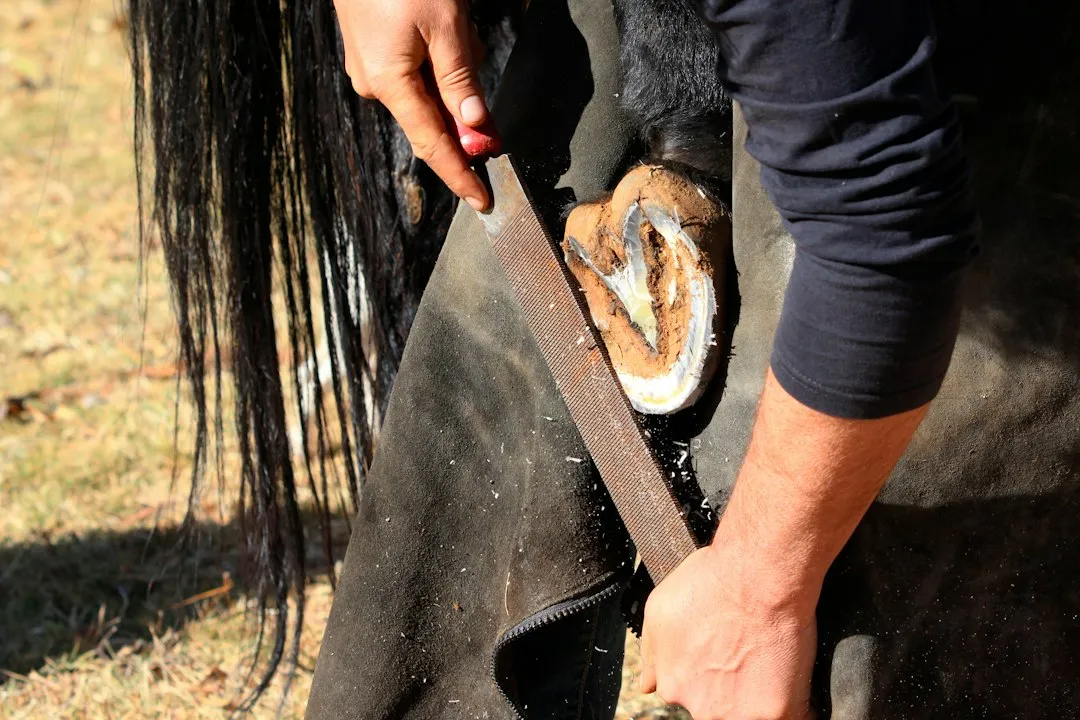
The old saying “no hoof, no horse” gets truer with age. Seniors with arthritis or weak muscles can’t compensate for a long toe or an unbalanced foot the way a young horse can. Small hoof problems become big joint problems fast.
Most horses do best with trimming or shoeing roughly every six to eight weeks, and some seniors need a shorter cycle. Farriers who are patient with older horses matter enormously. Standing on three legs for a long time is hard on a stiff horse, so breaks and a gentle approach can make the visit comfortable instead of miserable.
Thrush, abscesses and soft soles also love wet, muddy conditions. A yard that keeps paddocks drained and picks feet regularly is protecting more than hooves.
- Keep the trimming or shoeing schedule tight and consistent.
- Pick out feet daily and watch for odd smells, heat or lameness.
#6 – Layers That Match the Weather and His Body
🔥 Would you like to save this?
We'll email this post to you, so you can come back to it later!
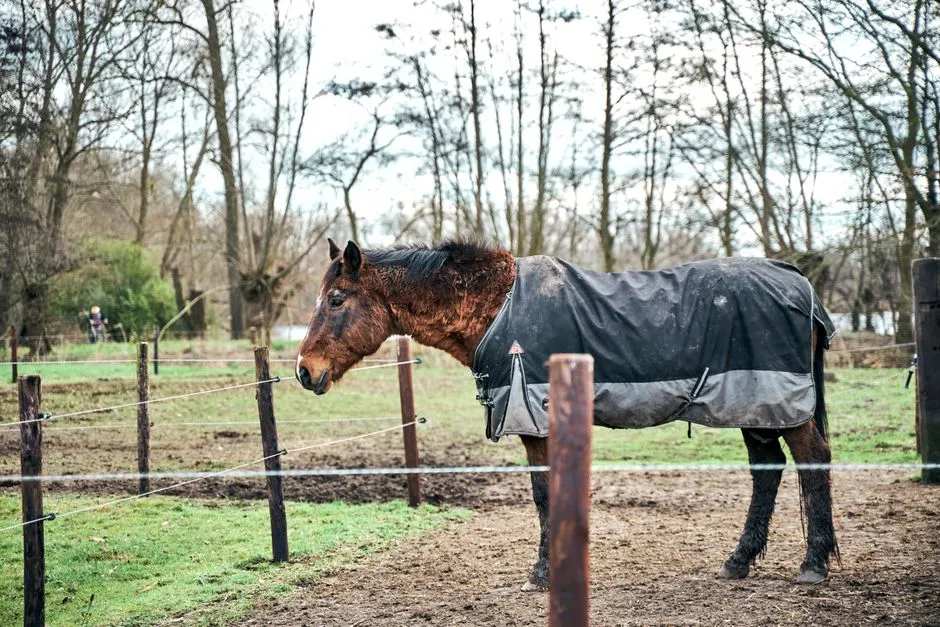
Older horses are often less efficient at staying warm. They can have less muscle and body fat, and cold, wet, windy weather drains their calories quickly. A senior who looks fine in October can look painfully thin by February.
Blanketing is not automatic, though. It should match the individual horse, the actual weather and his body condition, and blankets need adjusting as conditions change. A wet or ill-fitting blanket can do more harm than none, so daily checks for rubs and soaking are essential.
Coats tell a story too. A very long, curly coat that refuses to shed can be a sign of a hormonal condition called PPID, which is worth raising with your vet. A good yard notices a coat that looks different from last year’s.
- Check under blankets daily for rubs, damp spots and weight loss.
- Report a long, curly or late-shedding coat to your vet.
#5 – Daily Movement, Not Stall Rest
🔥 Would you like to save this?
We'll email this post to you, so you can come back to it later!
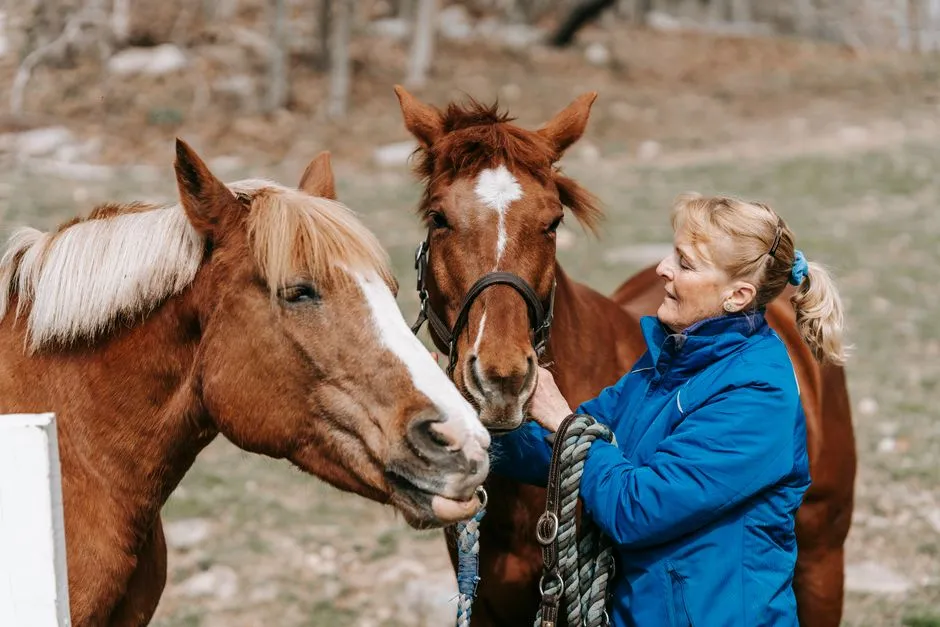
It sounds kind to let a stiff old horse rest in a stall. In practice, movement is often what keeps him comfortable. Joints loosen up with gentle motion, circulation improves, and the gut works better when a horse can walk and graze.
That is why turnout beats confinement for most seniors, as long as the footing is safe and the company is calm. Even a small paddock where he can wander around is far better than hours of standing still. Many old horses are visibly stiffer in the morning and loosen up as they walk.
Some seniors also enjoy light hand-walking or easy riding if their vet approves. It keeps them engaged, and a bored horse is rarely a happy one. Always follow your vet’s advice on what he can handle.
- Offer turnout daily on safe footing, even in bad weather if possible.
- Ask your vet what level of activity suits his joints and heart.
#4 – Vet Care That Hunts for Quiet Problems
🔥 Would you like to save this?
We'll email this post to you, so you can come back to it later!
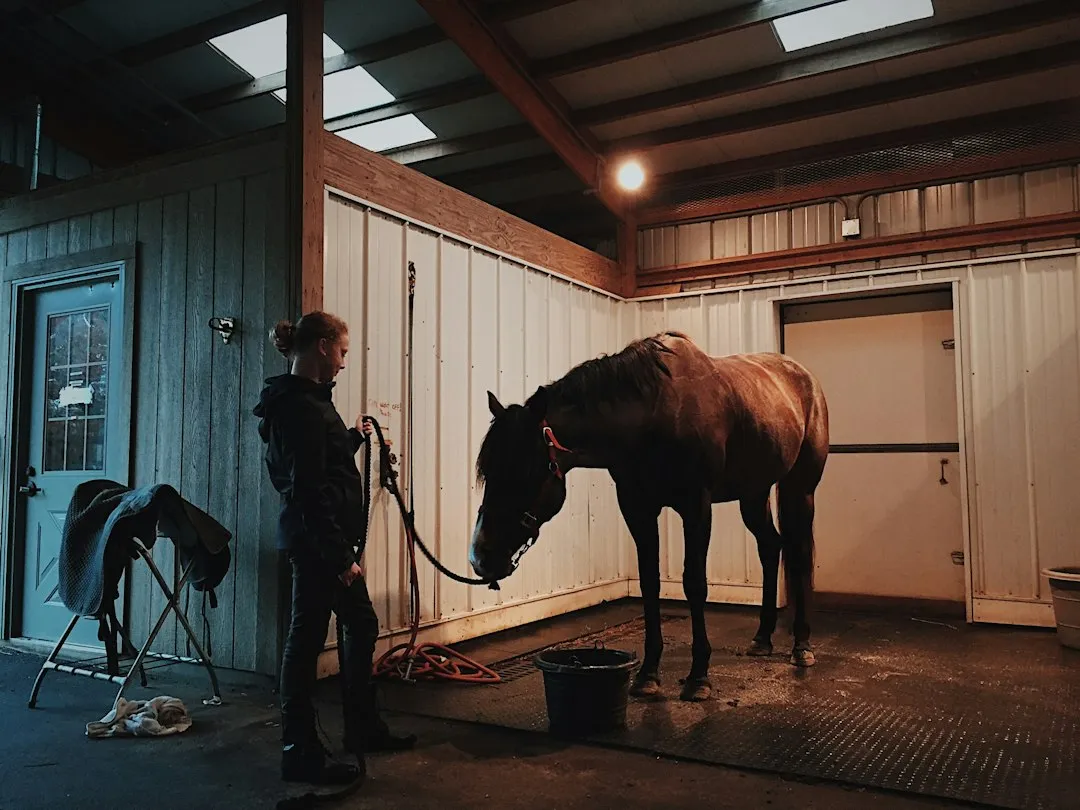
Many senior horse problems don’t announce themselves. PPID, sometimes called equine Cushing’s, can show up as muscle loss along the back, a shaggy coat, drinking more, and a higher risk of laminitis. Insulin problems, kidney changes and dental disease can all creep in the same way.
That is why a good yard supports regular vet visits, and why it lets the vet in on observations. Bloodwork, dental checks and a review of his medications can catch trouble early. Deworming based on fecal egg counts, rather than a blind calendar, is another modern approach that vets often recommend.
Some of these conditions are very manageable once caught. A horse with PPID, for example, can often live well for years with the right treatment and management, but only if someone notices.
- Schedule wellness exams, dental checks and bloodwork as your vet advises.
- Keep a log of subtle changes, such as drinking, coat, weight and attitude.
#3 – A Weight Check That Happens Before It’s a Crisis
🔥 Would you like to save this?
We'll email this post to you, so you can come back to it later!
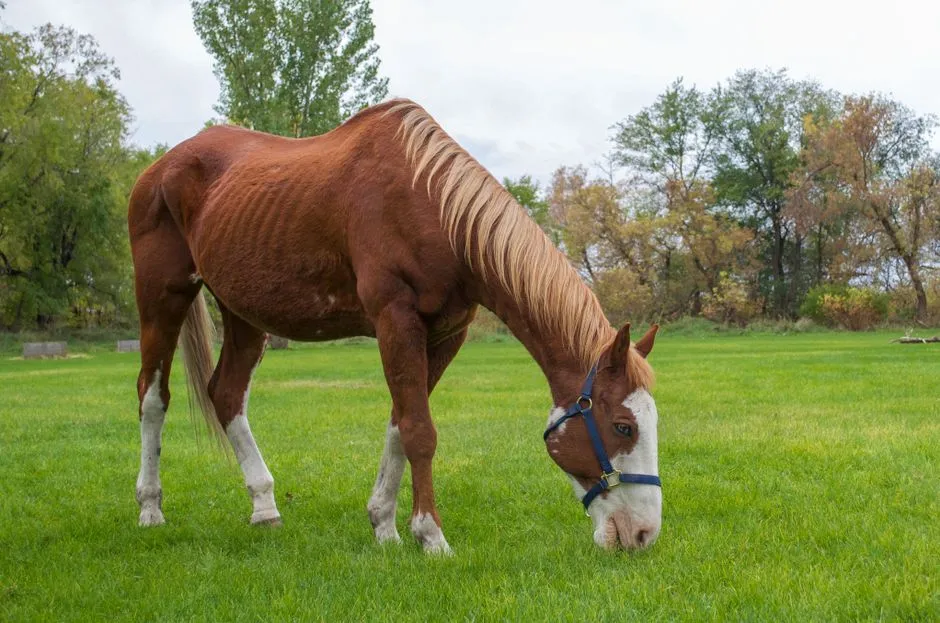
By the time a senior looks thin from across the field, he has usually been losing for a while. Winter coats and blankets can hide the whole story. The solution is to measure instead of guess.
A weight tape and a simple body condition score give you real numbers. Many people use the nine-point Henneke scale, where the middle of the range is often the target. Running your hands along the ribs, spine and tail head every week or two tells you far more than a quick glance.
Quick Compare: The Henneke Scale
- Score 1 to 3: poor to thin, with ribs, spine and hips easy to see or feel.
- Score 4 to 6: the comfortable middle, with ribs felt but not seen. Score 5 is the classic target.
- Score 7 to 9: fleshy to obese, with ribs hard to feel under a layer of fat.
Photos from the same angle each month are another easy tool. Side by side, they can show a slow slide that nobody noticed at the daily level. When weight changes, a quick call to your vet beats waiting to see what happens.
- Record weight and body condition on a regular schedule.
- Take monthly photos from the same spots to spot slow changes.
#2 – People Who Know His Quirks
🔥 Would you like to save this?
We'll email this post to you, so you can come back to it later!
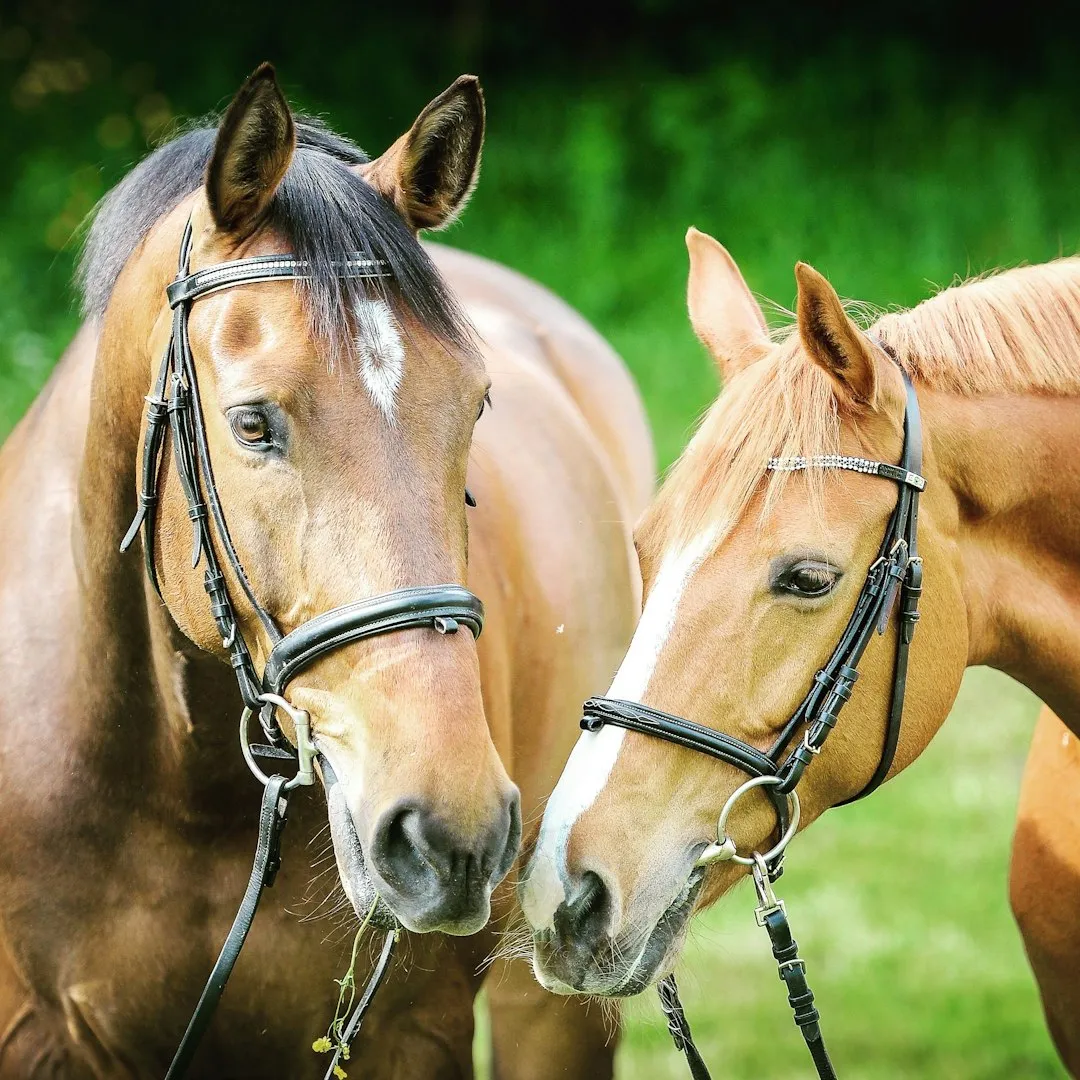
The best thing a yard can offer an old horse is someone who knows him. Which side he prefers to be led from, how he reacts to a new gate, which friend he hates being separated from, how he looks when he’s feeling good. These details turn care from a checklist into real attention.
It matters even more as eyesight fades. Senior horses can develop cataracts or other vision changes, and a paddock that gets rearranged overnight can suddenly feel dangerous. Keeping gates, feeders and water in the same place helps a half-blind horse move with confidence.
The smartest yards write it all down. A simple care card on the stall door, covering feed, medications, quirks and warning signs, keeps every handler on the same page and helps a stand-in notice when something is off.
- Keep a written care plan for each senior, visible to all staff.
- Avoid moving gates, feeders and water sources without a very good reason.
#1 – A Plan for the Hard Day
🔥 Would you like to save this?
We'll email this post to you, so you can come back to it later!
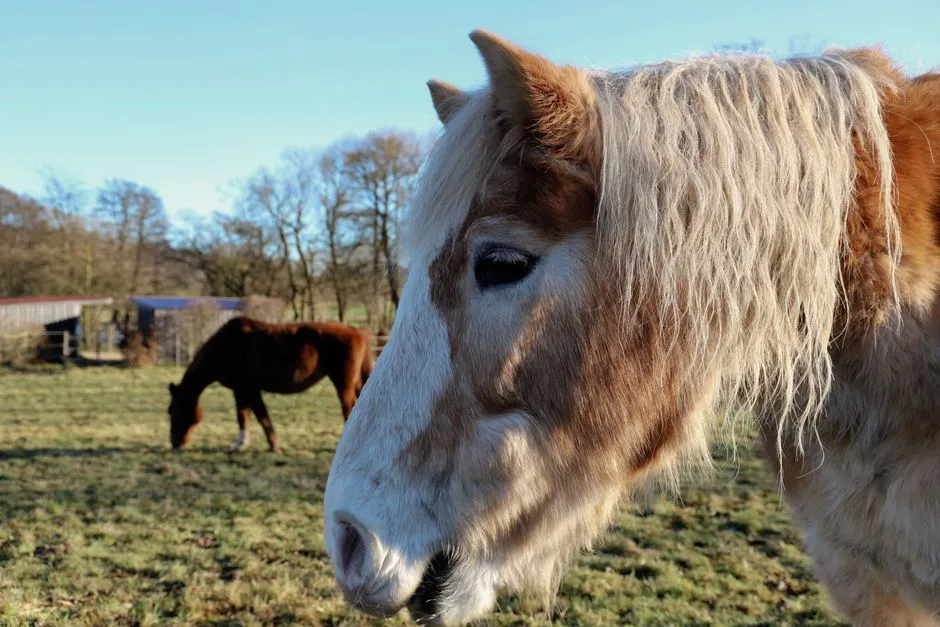
This is the one nobody likes to bring up, and it may be the most loving thing on the list. Every old horse eventually reaches a point where comfort matters more than time. A good yard is willing to talk about that day long before it arrives.
That means honest conversations about quality of life, pain management and what the vet is seeing. Does he still eat with interest? Can he get up and down? Does he still enjoy the herd? Some owners use a simple list of good days versus bad days to stay honest with themselves.
It also means knowing the practical plan in advance, so a crisis doesn’t force a rushed, frightened decision. A calm, planned goodbye, with the horse he trusts nearby and a vet who knows him, is often the last real kindness a yard can give.
The yards that deserve a senior horse are not the prettiest ones. They are the ones that treat his age as a daily job, not a footnote.
My opinion is that retirement is not a lower level of care. It is a higher one, with more attention, more detail and more honesty than a young horse ever requires. If a yard can’t promise most of these 14 things, it isn’t offering retirement. It’s offering storage. An old horse has spent decades carrying people through their best years, and the least we owe him is a yard that pays attention.

- 7 Everyday Habits That Can Make Your Senior Dog Happier - November 5, 2026
- 10 Enigmatic Structures That Continue to Puzzle Scientists Today - November 5, 2026
- 10 Strange Ruins in the Americas That Challenge What We Know About Early History - November 5, 2026