
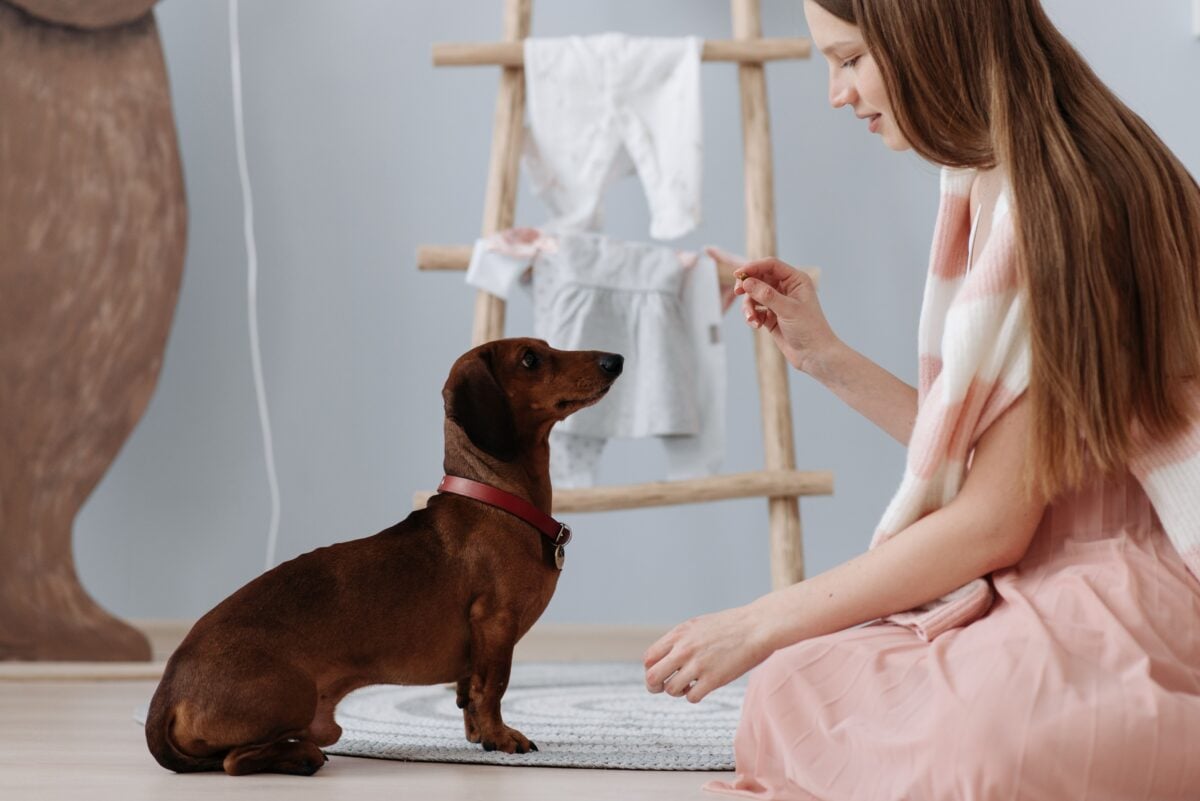
Most people think a dachshund is a small, low-effort dog that slots neatly into any home. Then the dog arrives, and within weeks the sofa has a ramp, the hallway has a runner and the garden fence has been inspected from ground level. That’s the pattern long-time owners describe, and it’s why this list is worth your time: these are the real changes people make, not the cute ones from the breed brochure.
The reason comes down to the dog’s original job. This breed was built to chase badgers underground, which gave it a long spine, a stubborn streak and a nose that overrides common sense. Some of the changes below are surprising, a few are uncomfortable, and one of them matters more than every ramp you’ll ever buy.
#14 – The Sofa Secretly Becomes a Cliff
🔥 Would you like to save this?
We'll email this post to you, so you can come back to it later!
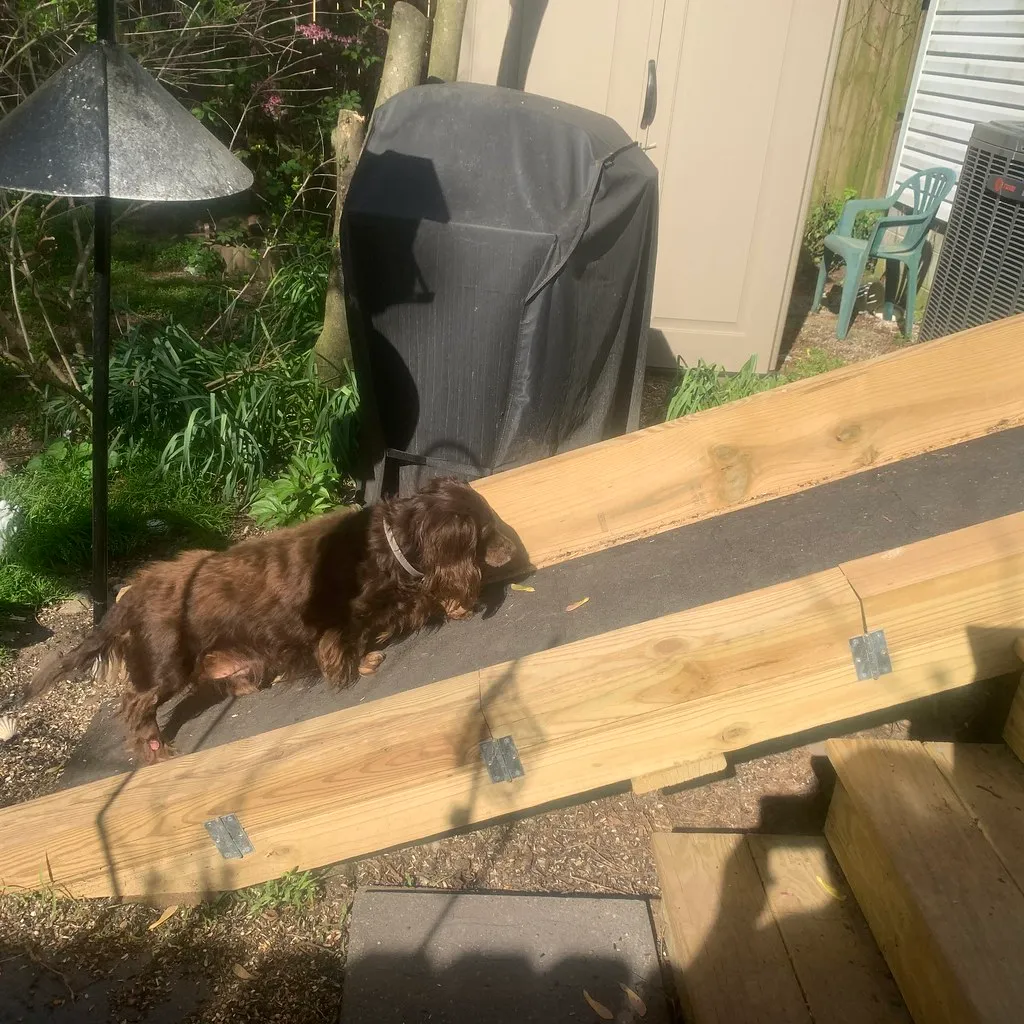
To a dachshund, your favorite sofa isn’t furniture. It’s a ledge above a drop, and the dog will happily launch itself off it.
Dachshunds are a “chondrodystrophic” breed. That means short legs come paired with spinal discs that tend to degenerate early. Veterinary sources routinely list the breed among the most prone to intervertebral disc disease, or IVDD.
Often-quoted estimates suggest roughly one in four dachshunds may face disc trouble at some point in life. Figures vary by study, but they all point the same way.
So owners change the setup. Ramps or pet steps appear beside the sofa and bed, and a house rule forms: ask first, then get lifted. It feels fussy for about a week, then it’s just how the living room works.
- Choose ramps with a grippy surface and a gentle slope.
- Support the chest and the hindquarters when lifting.
- Never let the dog launch off the arm of the couch.
But the sofa is the easy part. The next problem splits owners into two camps.
#13 – Stairs Turn Into a Daily Debate
🔥 Would you like to save this?
We'll email this post to you, so you can come back to it later!
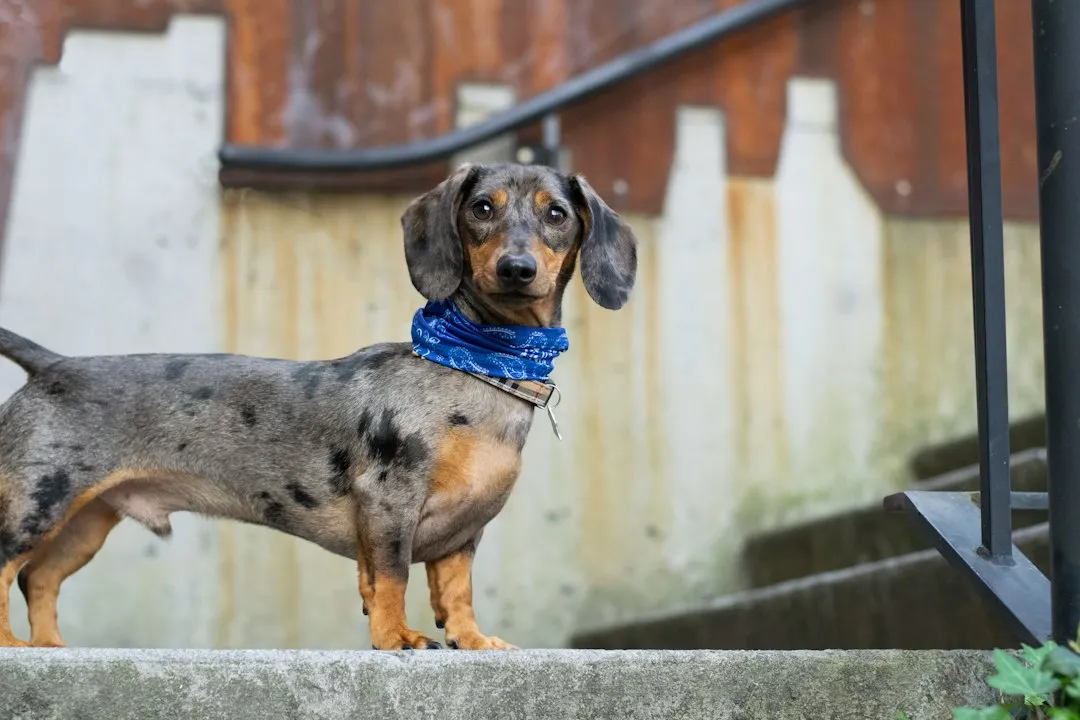
Few topics divide dachshund owners faster than the staircase.
Some research on dachshunds has linked frequent stair climbing and jumping from heights with a higher risk of disc disease. The evidence isn’t a ban on stairs. It does suggest that repeated daily stair use may be one of the most overlooked risk factors in an ordinary house.
That leaves owners making practical choices. Some carry the dog on every trip, and some use baby gates to close the staircase off altogether. Others allow a few controlled climbs and work hard to keep the dog lean.
Quick Compare
- Carry every time: the gentlest option for the spine, but it only works if everyone in the house is consistent.
- Gate the stairs: removes the temptation entirely, though it limits where the dog can roam.
- Controlled climbs: the most flexible choice, and one to discuss with your vet first, especially for puppies and seniors.
Here’s the controversial part. Many owners insist stairs are fine because their dog “has done them for years.” Many experts now argue that years of luck aren’t a strategy, especially for a dog with a family history of back trouble.
Ask your vet for advice that fits your dog’s age, weight and history. Puppies and seniors usually need the strictest rules.
But stairs aren’t the only thing under your dog’s paws, and the next surface might surprise you.
#12 – Your Hard Floors Are Quietly Working Against You
🔥 Would you like to save this?
We'll email this post to you, so you can come back to it later!
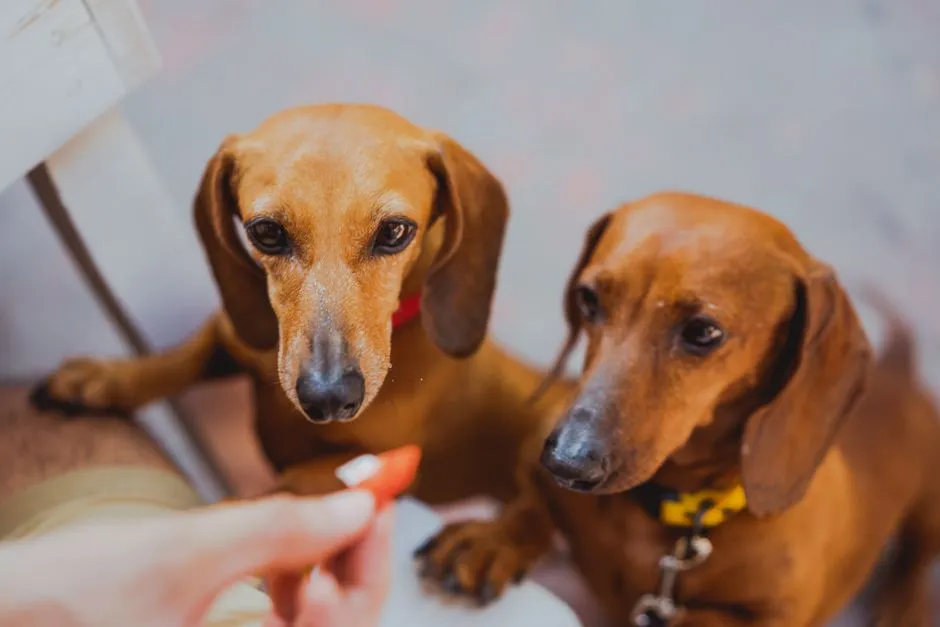
Sleek hardwood looks great. For a long-backed dog, it’s basically an ice rink.
Dachshunds have short legs and long bodies. When their paws slide, the back twists and the hips splay. Owners usually notice the skittering first, then the hesitation, as the dog starts to distrust the floor.
The fix is cheap. Most owners lay runners along the dog’s main routes, such as bed to door and kitchen to sofa. Others use washable rugs with non-slip backing.
- Keep nails trimmed so paws can grip properly.
- Trim the hair between the paw pads if your dog’s coat is long.
- Place mats at doorways where the dog turns and accelerates.
Most people don’t realize that long nails change how a dog stands. They push the toes upward and reduce traction. That’s a small grooming mistake with a big mechanical effect on the legs and spine.
But traction is only half of the walking problem. The next fix involves what’s around the dog’s neck.
#11 – The Collar Gets Replaced by a Harness
🔥 Would you like to save this?
We'll email this post to you, so you can come back to it later!
A flat collar and a tugging dachshund are a poor combination.
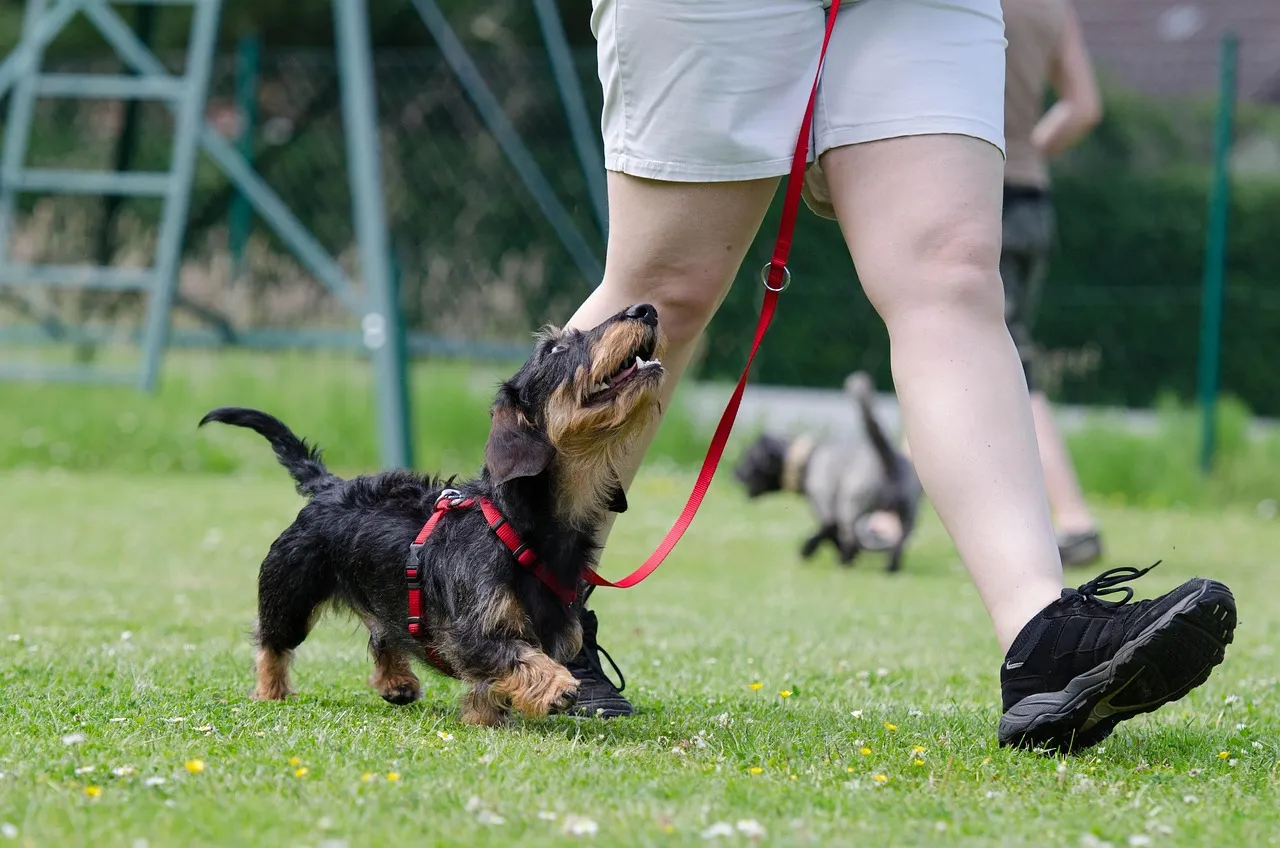
Dachshunds pull when a scent grabs them. A collar sends that force straight to the neck. Many vets and trainers recommend a well-fitted harness for the breed instead, so pressure spreads across the chest.
Owners also learn that fit matters more than brand. A harness that’s too loose lets the dog back out of it in a flash. One that’s too tight rubs behind the front legs, where short-legged dogs often chafe.
Walking style changes too. Retractable leashes are a common mistake with this breed, because a nose-led dog can hit the end of the line at full speed.
- Pick a harness that doesn’t restrict shoulder movement.
- Use a fixed-length leash for neighborhood walks.
- Check the fit again after coat changes or weight changes.
But the reason the dog is pulling in the first place is something owners underestimate for years.
#10 – The Nose Is Actually Running Your House
🔥 Would you like to save this?
We'll email this post to you, so you can come back to it later!
Your dachshund isn’t ignoring you. It’s reading something far more interesting.
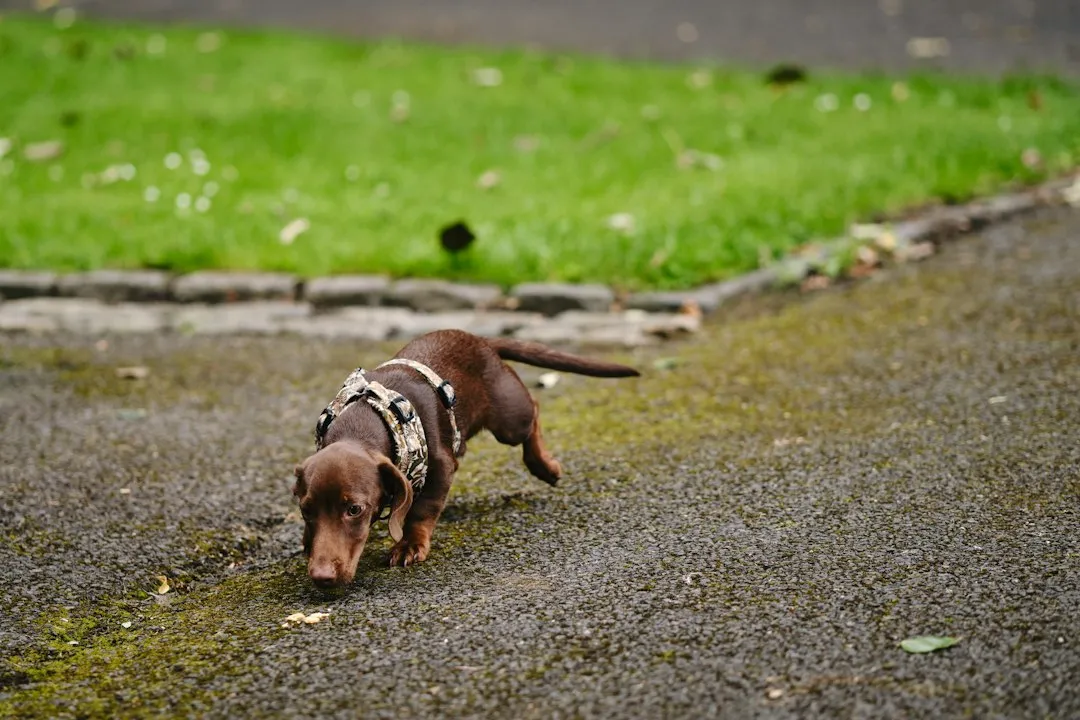
Dachshunds belong to the scent hound family. Their job was to track prey and keep going underground, often out of the handler’s sight. That’s why a dachshund can drop everything you’ve taught it the second a smell appears.
At home, that drive shows up as sniffing laundry, raiding bins and trailing crumbs across the kitchen. Owners learn to manage the environment instead of trusting willpower.
The smartest ones redirect the nose instead of fighting it. Snuffle mats, scattered kibble and simple hide-and-seek games give the dog a legal outlet. Many dogs settle better after a good sniffing session than after a hurried walk.
Meanwhile, bins go behind doors and food stays off low tables. Dropped socks and shoes disappear into closed cupboards.
That badger-hunting heritage also explains something far stranger that happens in your bedroom.
#9 – The Bed Turns Into a Burrow
🔥 Would you like to save this?
We'll email this post to you, so you can come back to it later!
If your dachshund vanishes under the blanket, that’s not a quirk.
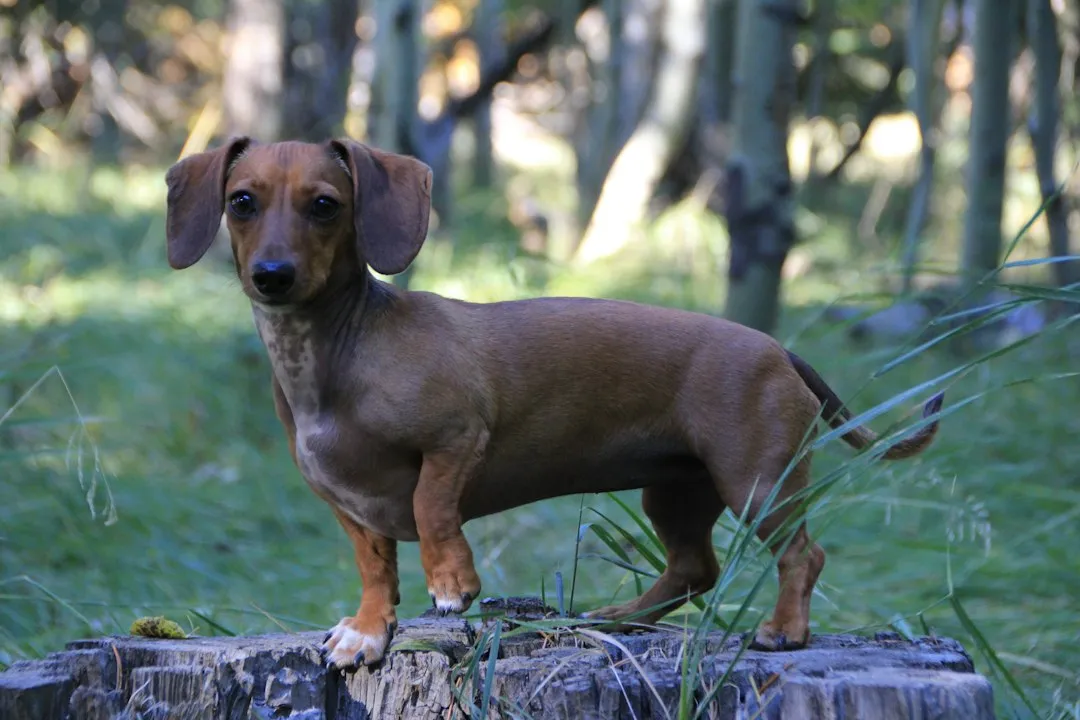
The breed was developed to go into tunnels. Many owners find their dogs dive under covers, tunnel into laundry piles and squeeze beneath cushions. It’s instinct in a living room costume.
Owners learn to work with it. A burrow bed, a heavy throw or a hooded blanket gives the dog a legal den. Without one, your duvet gets the job.
There’s a safety side too. A dog buried under bedding can be stepped on or sat on by accident, so many owners keep the bed set-up simple and check before sitting down.
- Offer a dedicated burrow blanket.
- Wash it regularly, since burrowers carry a lot of scent and dirt into it.
- Keep heavy objects away from favorite hiding spots.
Here’s a take that irritates some owners. Letting a dachshund sleep under your covers every night may be comfortable for both of you, but it can also teach the dog to see your bed as its territory. Whether you allow it is a personal call, but make it deliberately.
But a cozy sleeping spot won’t help with the next problem, which has frustrated owners for generations.
#8 – Housetraining Takes Longer Than Anyone Admits
🔥 Would you like to save this?
We'll email this post to you, so you can come back to it later!
Plenty of dachshund owners will quietly tell you that housetraining was the hardest part.
The breed has a reputation for being slow to train, and a lot of owners say the same. Small dogs also have small bladders, and a tiny accident in a quiet corner is easy to miss.
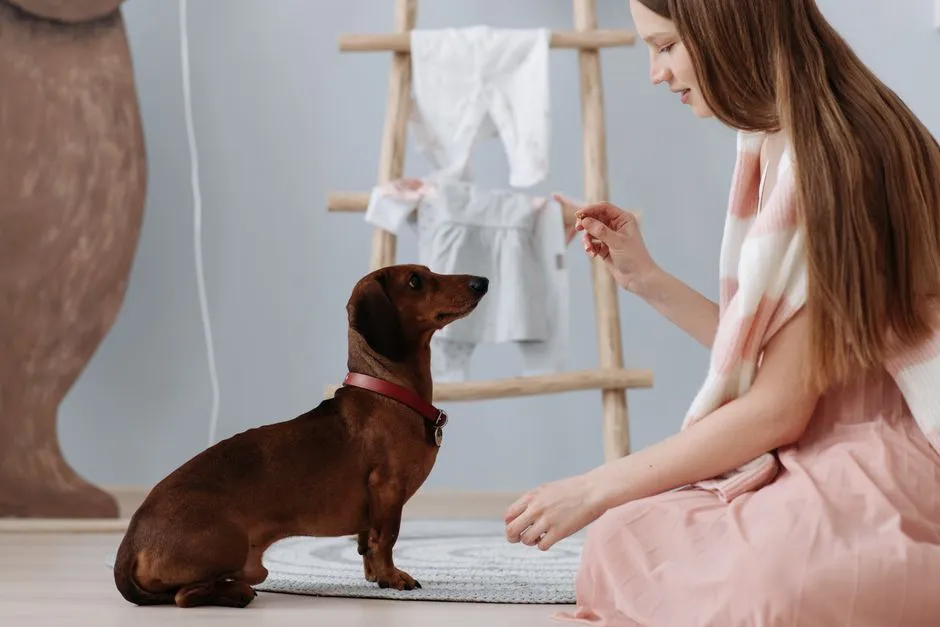
The owners who succeed treat it like a project. They use a strict schedule, constant supervision and high-value rewards. Dachshunds are food-motivated, so treats usually work better than scolding.
Cold or wet weather makes everything harder, since many dachshunds hate going out in it. Owners report that a covered potty spot, a coat or a short path to the garden helps.
- Take the dog out after meals, naps and play.
- Reward instantly, outside, not when you get back indoors.
- Clean accidents with an enzymatic cleaner to remove the scent.
But a clean floor won’t prepare you for the noise, which is far larger than the dog.
#7 – The Bark Is Much Bigger Than the Dog
🔥 Would you like to save this?
We'll email this post to you, so you can come back to it later!
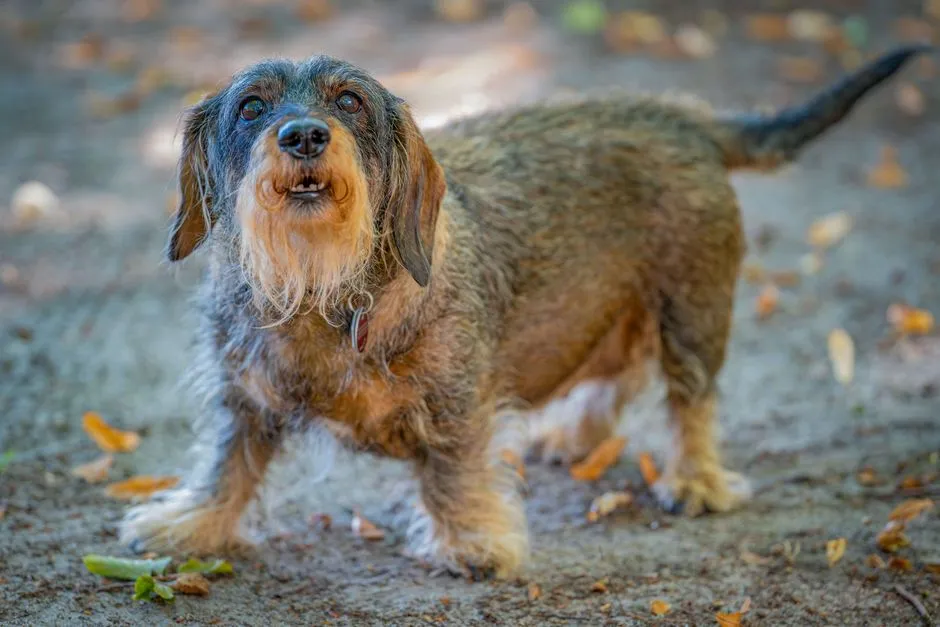
Dachshunds have a bark that doesn’t match their size, and every neighbor of every dachshund knows it.
The breed was developed to work independently and to signal where it was. A deep, carrying voice was useful on a hunt. In an apartment, that same voice can travel through walls and wake the entire building.
Owners discover that barking is mostly a management problem. Doorbells, delivery people and squirrels outside the window set the dog off. So people block the view with window film, rearrange furniture or run white noise.
Worth Knowing
- Most barking is triggered by something the dog sees or hears, so blocking the trigger often works faster than training alone.
- A bored, under-exercised dog tends to bark more, especially at predictable times of day.
- Shouting can be read by the dog as joining in, not as a correction.
- Calm, consistent rewards for quiet build the habit over weeks, not days.
Training helps, but timing matters. Teaching a “quiet” cue and rewarding calm behavior works better than yelling.
- Cover low windows that face the street.
- Reward silence after the first alert bark.
- Exercise the dog before the usual noisy times of day.
But the noise indoors is nothing compared with what a dachshund does the second it reaches your garden.
#6 – The Garden Needs a Security Audit
🔥 Would you like to save this?
We'll email this post to you, so you can come back to it later!
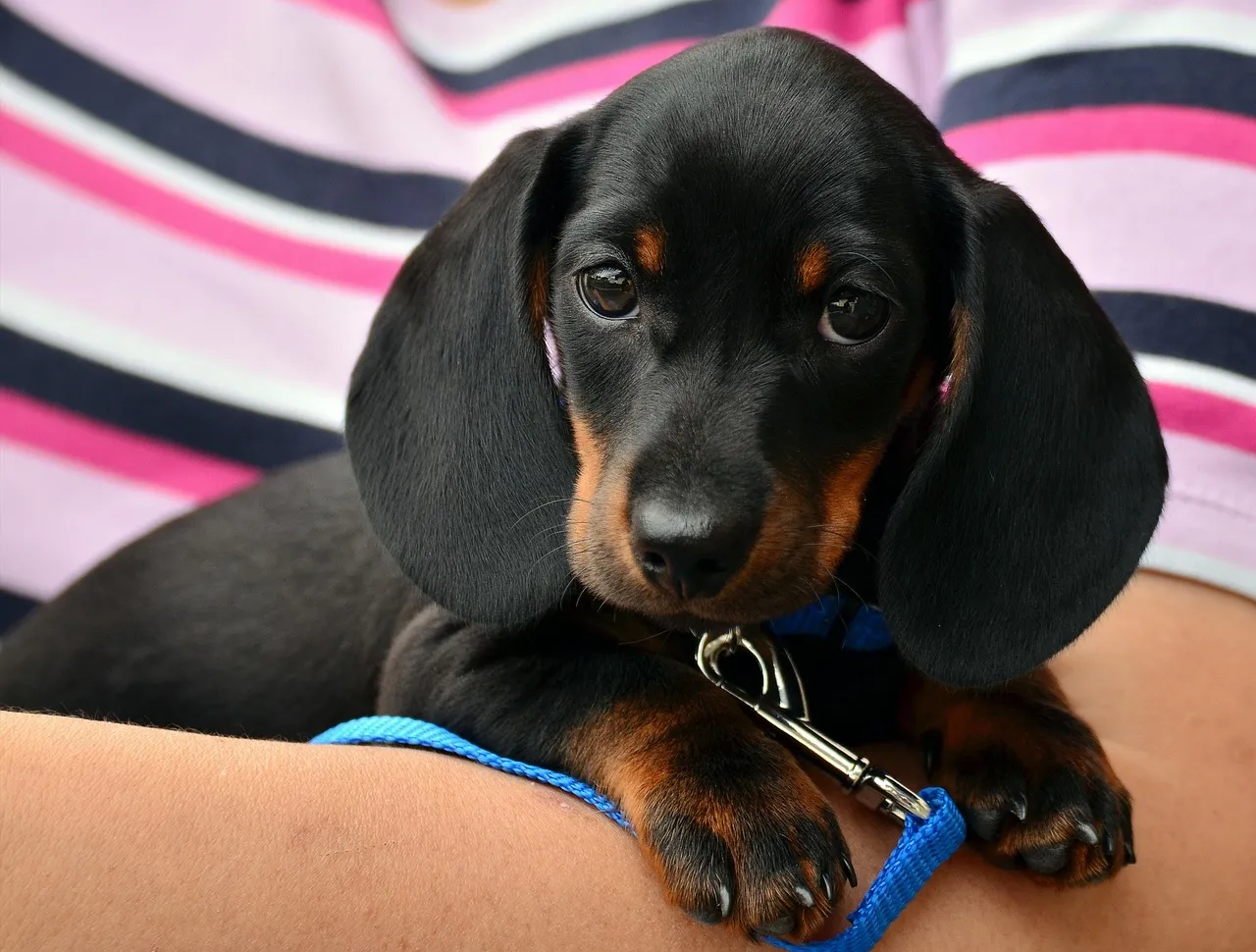
Dachshunds don’t just walk in a yard. They investigate it from below.
Digging is a natural outlet for a breed designed to go to ground. Flower beds, lawn edges and fence lines all look like tunnels waiting to happen. Many owners find that no amount of “no” erases the urge.
So they redirect it. A designated digging patch, a sandbox or a buried toy makes the instinct legal. Meanwhile, the fence needs checking at ground level, since a determined dog can squeeze under gaps that look harmless.
Here’s the part owners learn the hard way. A dachshund can often fit through a gap far smaller than you’d expect, thanks to that narrow, low body.
- Check fence bottoms for gaps and soft soil.
- Lay chicken wire or paving along the base where needed.
- Keep garden chemicals and sharp tools locked away.
But even a secure garden can’t protect your dog from something that happens in the kitchen.
#5 – Every Gram of Weight Becomes a House Rule

🔥 Would you like to save this?
We'll email this post to you, so you can come back to it later!
Extra weight is a bigger deal on a dachshund than most owners realize.
A long back carries that weight with little margin. Vets often warn that excess weight adds stress to the spine and joints, and it’s one of the few risk factors owners can control.
The breed is also notoriously food-driven. Owners often say their dachshund has a talent for acting starved. Meanwhile, tiny treats add up, and a few bites matter far more on a small dog.
So household rules appear. Everyone feeds by measure. Treats count toward the daily total. Family members stop sneaking food under the table.
- Measure meals with a scale or cup, not by eye.
- Use part of the daily kibble for training rewards.
- Ask your vet to check body condition, not just weight.
Here’s a take that starts arguments. Many experts argue free-feeding is one of the worst habits you can have with this breed, even though it’s the easiest routine for busy households.
But the food bowl isn’t the only part of the house that has to change, because grooming does too.
#4 – The Coat Type Decides Your Cleaning Routine
🔥 Would you like to save this?
We'll email this post to you, so you can come back to it later!
“Dachshund” isn’t one look, and the coat changes everything at home.
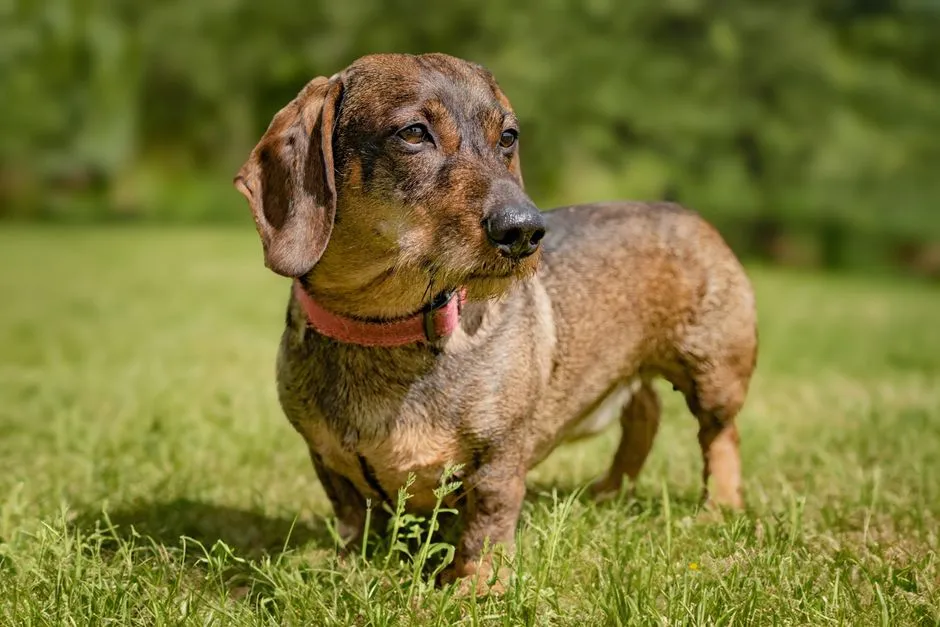
The breed comes in three coat types: smooth, wirehaired and longhaired. Each needs a different routine. Smooth coats are low-maintenance, while longhaired dogs collect tangles and debris.
Owners of wirehaired dachshunds often discover the coat needs specialist grooming rather than simple clipping. Owners of longhaired dogs find that burrs, mud and leaves travel straight onto the sofa.
The breed also comes in standard and miniature sizes, which changes how much space a dog needs and how fast it can get into trouble.
At a Glance
- Coats: smooth, wirehaired or longhaired.
- Standard size: typically 16 to 32 pounds, according to the AKC breed standard.
- Miniature size: 11 pounds or under at 12 months and older.
- Typical lifespan: often cited as 12 to 16 years, which makes the home setup a long-term commitment.
- Smooth: quick wipe-downs and regular brushing.
- Wirehaired: ask a groomer about coat care that suits the texture.
- Longhaired: frequent brushing, especially behind the ears and legs.
Keep a towel near the door for wet days. Many owners say a dedicated paw-wipe routine saves their floors more than any vacuum ever did.
And the real surprise isn’t the mess. It’s how closely these dogs follow you around it.
#3 – The “Velcro Dog” Rewrites Your Schedule
🔥 Would you like to save this?
We'll email this post to you, so you can come back to it later!
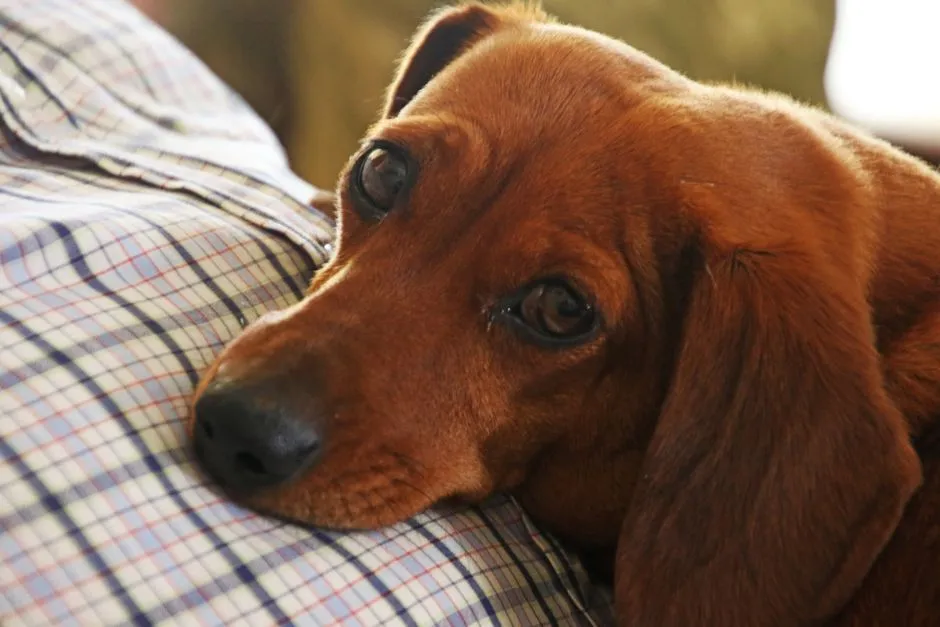
A dachshund doesn’t just live in your house. It tracks you through it.
Many owners describe their dogs as clingy. They follow you to the bathroom, the kitchen and the laundry room. That devotion is a big reason people love the breed.
The flip side is stress when you leave. Some dachshunds struggle with being alone, and owners report barking, chewing and accidents. It isn’t spite. It’s usually a sign that the dog needs gradual practice with alone time.
So households adapt. They leave quietly, use short practice absences and provide chew toys. Many arrange a midday visit from a friend or a dog walker.
- Build alone time in small steps.
- Leave a safe chew or puzzle toy.
- Keep arrivals and departures calm.
Here’s a controversial view. The idea that dachshunds are low-maintenance apartment dogs is partly a myth, because their company needs are high.
That companionship is also why the next change reshapes the layout of your whole home.
#2 – Rooms Become Zones
🔥 Would you like to save this?
We'll email this post to you, so you can come back to it later!
Experienced owners rarely give a dachshund free run of the whole house.
Baby gates, playpens and closed doors become standard equipment. They keep the dog away from stairs, kitchens, bins and rooms with slick floors or tempting items.
Zoning also helps when you’re not home. A safe area with a bed, water and toys lowers the chances of chewing electrical cords or swallowing something dangerous. It also gives you control during recovery periods if a vet prescribes limited movement.
Why It Stands Out
- It protects the spine by limiting stairs, jumps and slippery rooms.
- It cuts down on swallowed socks, chewed cords and bin raids.
- It gives a clingy dog a predictable, calm place to wait.
- It makes vet-ordered rest far easier to enforce.
Vets often recommend crate or pen rest for dogs with suspected back problems, because limiting movement can aid recovery. Always follow your own vet’s instructions.
- Gate off stairs and the kitchen.
- Pick up shoes, socks and small items at floor level.
- Use a pen for supervised downtime.
Most people don’t realize that a dachshund’s eye-level view makes the floor its entire world. If something sits down there, the dog will test it.
But all the gates and ramps in the world matter less than what comes next.
#1 – You Learn to Spot Back Pain Before It Becomes an Emergency
🔥 Would you like to save this?
We'll email this post to you, so you can come back to it later!
The biggest change isn’t in the furniture. It’s in how closely you watch your dog.
Experienced owners learn the early signs of back pain. These can include yelping when touched, reluctance to jump or climb, a hunched posture, trembling and refusing food or walks.
Wobbly back legs, dragging paws or sudden weakness are more serious. Vets treat these as urgent, and delays can affect how well a dog recovers. Don’t wait to see whether it passes.
That’s why owners keep their vet’s number, their emergency clinic’s address and a pet carrier somewhere easy to reach. They also learn to lift carefully and keep the dog calm while they travel.
- Contact a vet quickly if you notice weakness or loss of coordination.
- Keep the dog as still as possible on the way.
- Don’t give human painkillers, because many are toxic to dogs.
That’s the change that sums up every other one on this list.
Owning a dachshund means designing your home around a spine, a nose and a stubborn personality. Ramps, rugs, harnesses, gates and measured meals aren’t extras. They’re the real cost of the breed.
Our view is blunt. If you want a dog that adapts to your house without effort, this probably isn’t the breed. If you accept the trade, it’s one of the most devoted companions you’ll find.
The biggest surprise is how small the changes are. A ramp, a rug and a habit of watching closely can protect a dog for years.
Which change did you make first, and which one do you still argue about?

- The Remarkable Intelligence of Octopuses: Beyond What Scientists Imagined - November 5, 2026
- What Your Dog’s Tail Wags Are Really Trying to Tell You - November 5, 2026
- The Surprising Reason Some Animals Thrive in Extreme Environments - November 5, 2026