
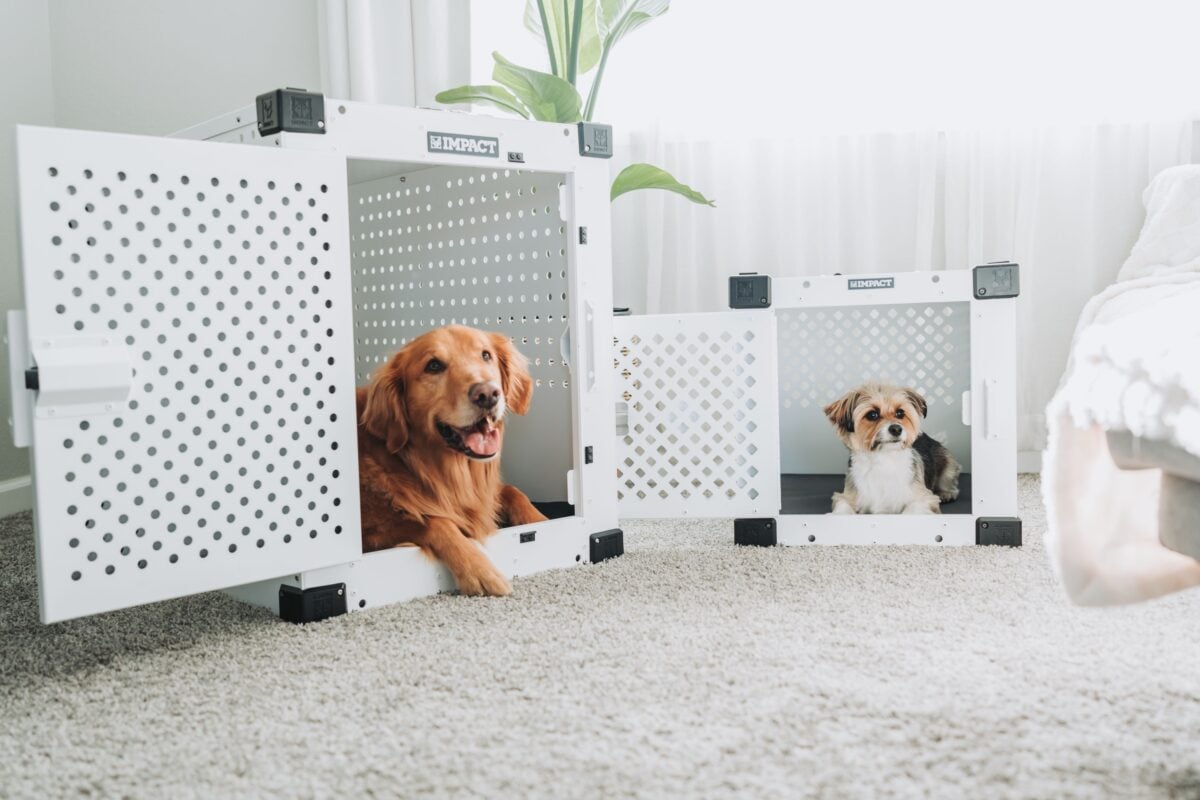
Most people picture a rescue dog’s first night as one long, grateful cuddle puddle – relief, tail wags, maybe a few happy tears on the car ride home. The truth is messier and much quieter than that. That first night is usually a whirlwind of confusion, hardwired survival instincts, and small, silent behaviors that quietly reveal everything the dog has already survived.
Some of these moments even look “cute” on camera – the shy corner-sleeper, the wide-eyed stare, the shadow who won’t leave your side. But behaviorists say a lot of these are actually stress signals in disguise, the kind most new owners miss completely in the excitement of adoption day. Once you know what you’re actually looking at, that first night stops feeling confusing and starts feeling like the most important 24 hours you’ll ever spend with your dog.
#14 – They Freeze in the Middle of the Room Like a Statue
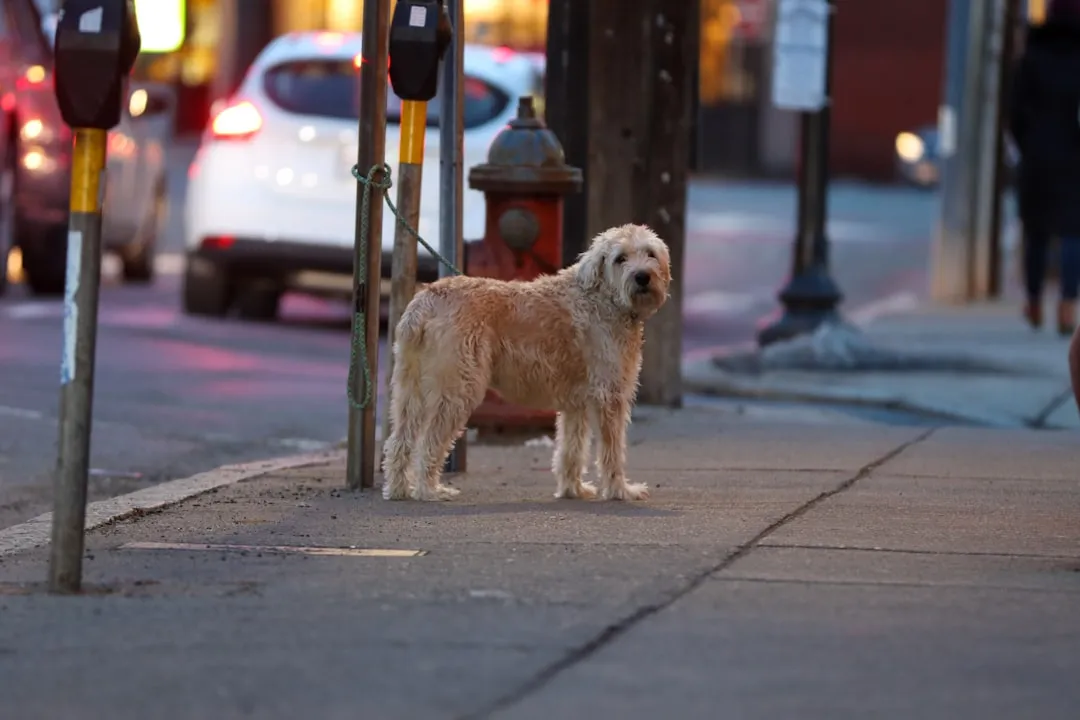
Most new owners expect zoomies. Instead, their rescue dog walks in, sniffs twice, and just stops – completely still, eyes wide, barely blinking. Freezing is one of the most common stress responses in dogs, and it’s their nervous system quietly cataloguing every smell, sound, exit, and human in the room.
That glassy stillness isn’t calm. It’s overload. Behaviorists call it a “shutdown” state, and dogs who’ve cycled through shelters, the streets, or multiple failed homes fall into it fast, because reacting got them punished before. The fix isn’t toys or hugs – it’s quiet, slow movement and a safe little space they can retreat to. How you respond to that frozen first night can either confirm every fear they walked in with, or start quietly rewriting the story.
#13 – They Follow You from Room to Room… Then Won’t Come Close
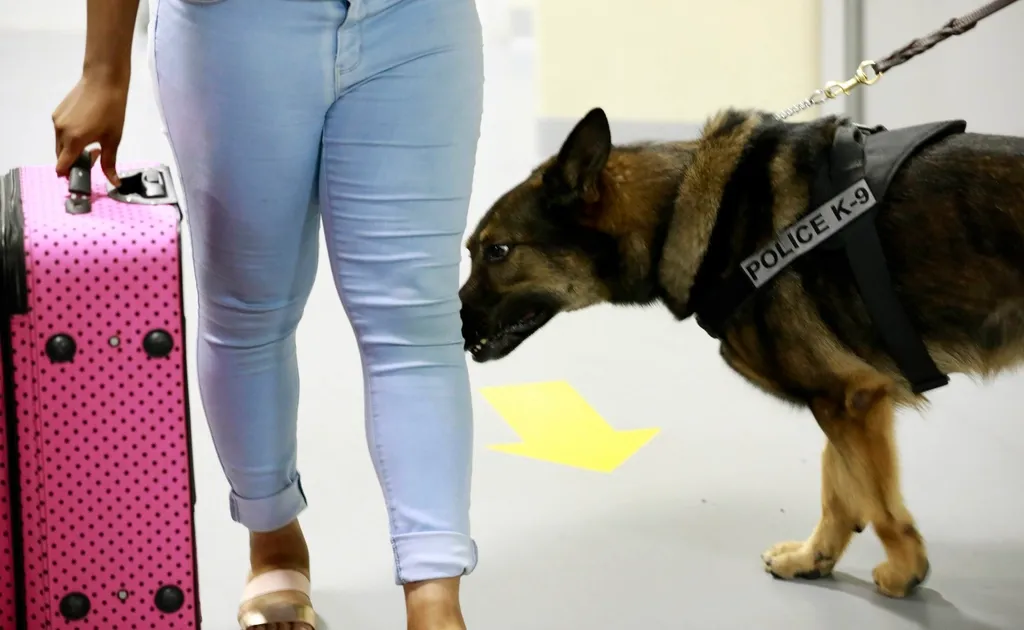
On night one, plenty of rescue dogs turn into your shadow – trailing you down the hallway, peeking around corners – and then stopping just out of reach the second you turn around. It’s a heartbreaking tug-of-war between wanting connection and not trusting it yet.
Trainers call this the “magnet and force field” pattern: the dog orbits you but flinches if a hand comes toward them, especially from above. The fix isn’t coaxing harder. Sit sideways on the floor, skip the direct eye contact, and toss treats away from yourself so the dog gets to choose the distance. That tiny gesture says something huge: you get to decide how close you come. That invisible line usually shrinks fast in the days ahead – but on night one, watching it hold is genuinely heartbreaking.
#12 – They Refuse to Eat the “Good Food” You Carefully Prepared
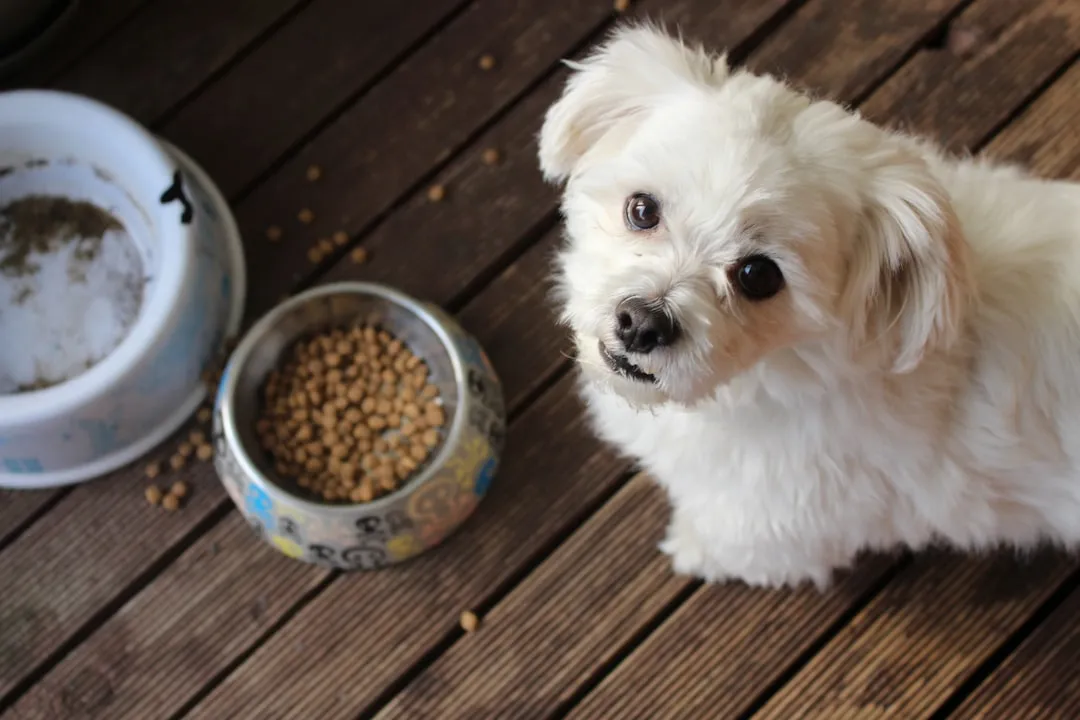
You put out the premium kibble, maybe a little chicken on top, and your new dog sniffs it, walks away, and doesn’t take a single bite. New owners panic. They assume the dog is picky, or worse, sick.
In reality, a healthy dog skipping food on night one is almost always stress, not taste. The “fight or flight” system physically suppresses appetite, and dogs who learned to eat fast or not at all in a loud shelter don’t automatically know how to relax into a quiet house. Their brain isn’t asking “is this tasty?” – it’s asking “am I safe?” Leave the bowl down for 15-20 minutes and pick it up, offer something soft later that evening, and resist hovering. A skipped meal on night one is a nervous system talking, not a dog being ungrateful.
#11 – They Curl Up in the Smallest, Strangest Corner Instead of the Comfy Bed
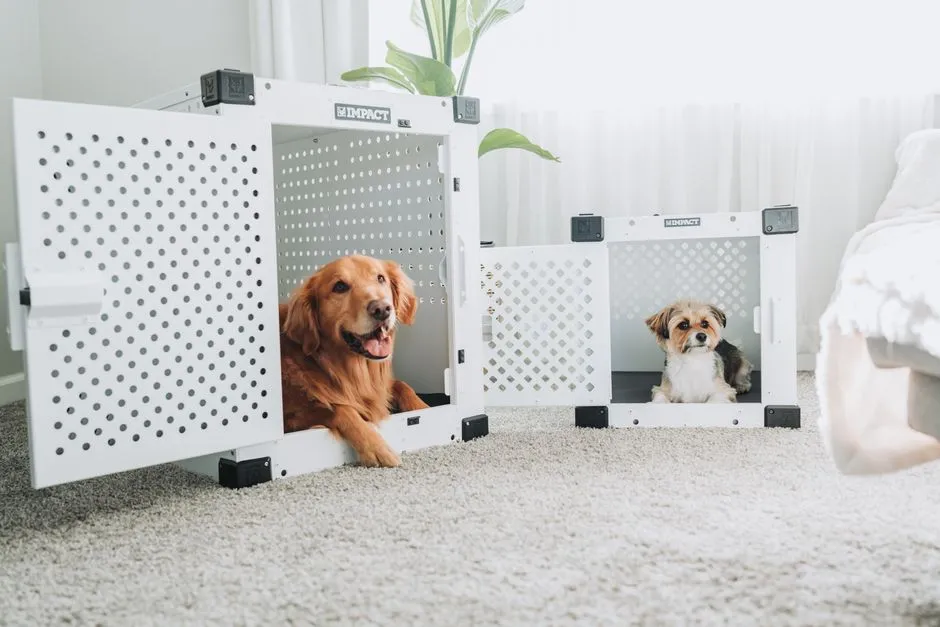
You buy the plush bed, lay down a warm blanket, and your rescue dog wedges themselves under a table, behind the toilet, or into a tight corner of the laundry room instead. It looks like rejection. It’s actually the opposite.
Small, enclosed spaces feel safer than wide-open rooms to a dog carrying survival history – walls guard their back and sides, and they only have to watch one direction instead of four. Offering a covered crate or a semi-enclosed nook on night one, instead of insisting on the fancy bed in the living room, respects that instinct. Slip a worn t-shirt of yours into their chosen hideout so your scent starts meaning safety. Dragging them out “to socialize” might feel loving, but it usually just confirms their fear that humans don’t respect boundaries.
#10 – They Pant and Pace Even When the House Is Cool and Quiet
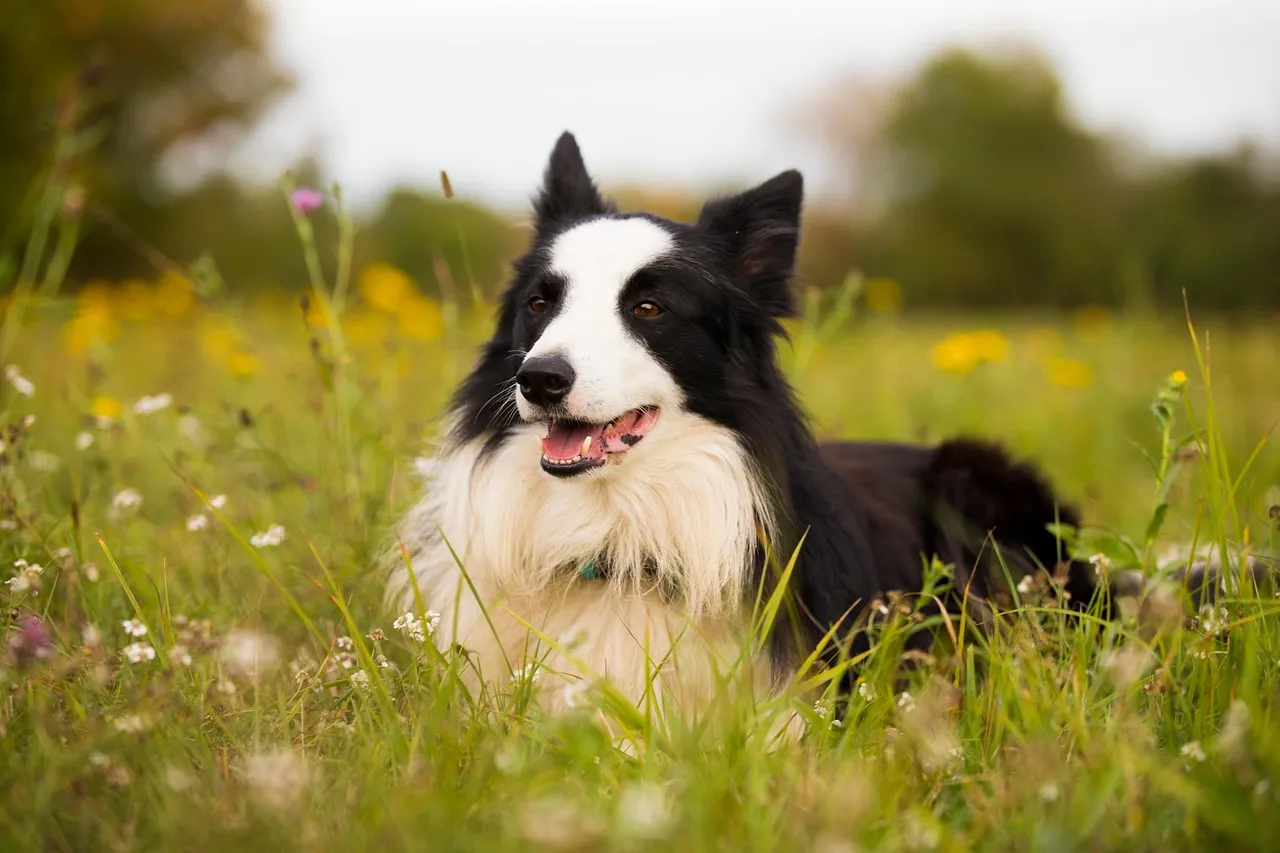
Plenty of new owners mistake heavy indoor panting for overheating. The temperature is usually fine. The dog’s cortisol levels are not.
Panting, pacing, and wide, scanning eyes at night are textbook signs of acute anxiety – a heart rate stuck in overdrive, hypervigilant to every creak and shadow. You’ll see the same loop over and over: walking a circuit around the room, lying down, popping back up seconds later. This hits especially hard in dogs coming out of loud kennels, where sudden silence itself feels unnerving. Soft background noise, dim lighting, and simply staying in the room without forcing contact helps far more than yelling “settle down” or shutting them away alone – a move that only teaches them distress equals isolation. Some behaviorists now argue that a dog bed near your own on night one speeds up adjustment dramatically, something old-school trainers still resist.
Fast Facts
- Panting and pacing without heat exposure usually signal cortisol-driven stress, not temperature discomfort.
- Hypervigilance – scanning doors, windows, and shadows – is common in dogs from loud or chaotic shelters.
- Dim lighting and steady background noise can calm a stressed dog faster than total silence.
- Isolating a panting dog often backfires, teaching them that distress leads to being left alone.
#9 – They Flinch at the Sound of Everyday Household Noises
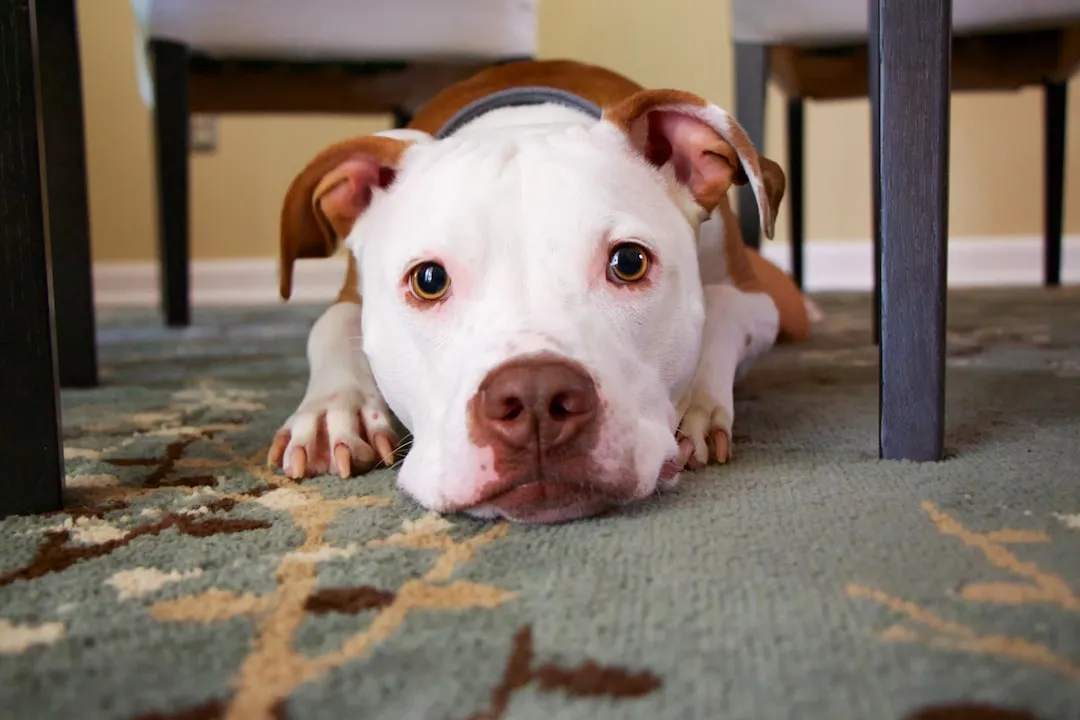
You flip on the blender, drop a spoon, or shut a cabinet a little too hard, and your new dog jumps out of their skin – bolting from the room, cowering, or licking their lips nervously. It’s not drama. It’s a nervous system on a hair trigger.
Many rescues have never actually lived inside a home. Vacuum cleaners, surround sound, even a microwave beep can be brand-new and terrifying, and for some dogs, loud noises are tangled up with memories of punishment – a slammed door or a raised voice once meant danger. Keeping volume low, movements predictable, and pairing small sounds with tossed treats gently rewires that association: that noise doesn’t predict harm anymore. Most dogs adjust remarkably fast, but that first flinch is a window straight into the life they had before you.
#8 – They Cling to One Person and Seem to Ignore Everyone Else
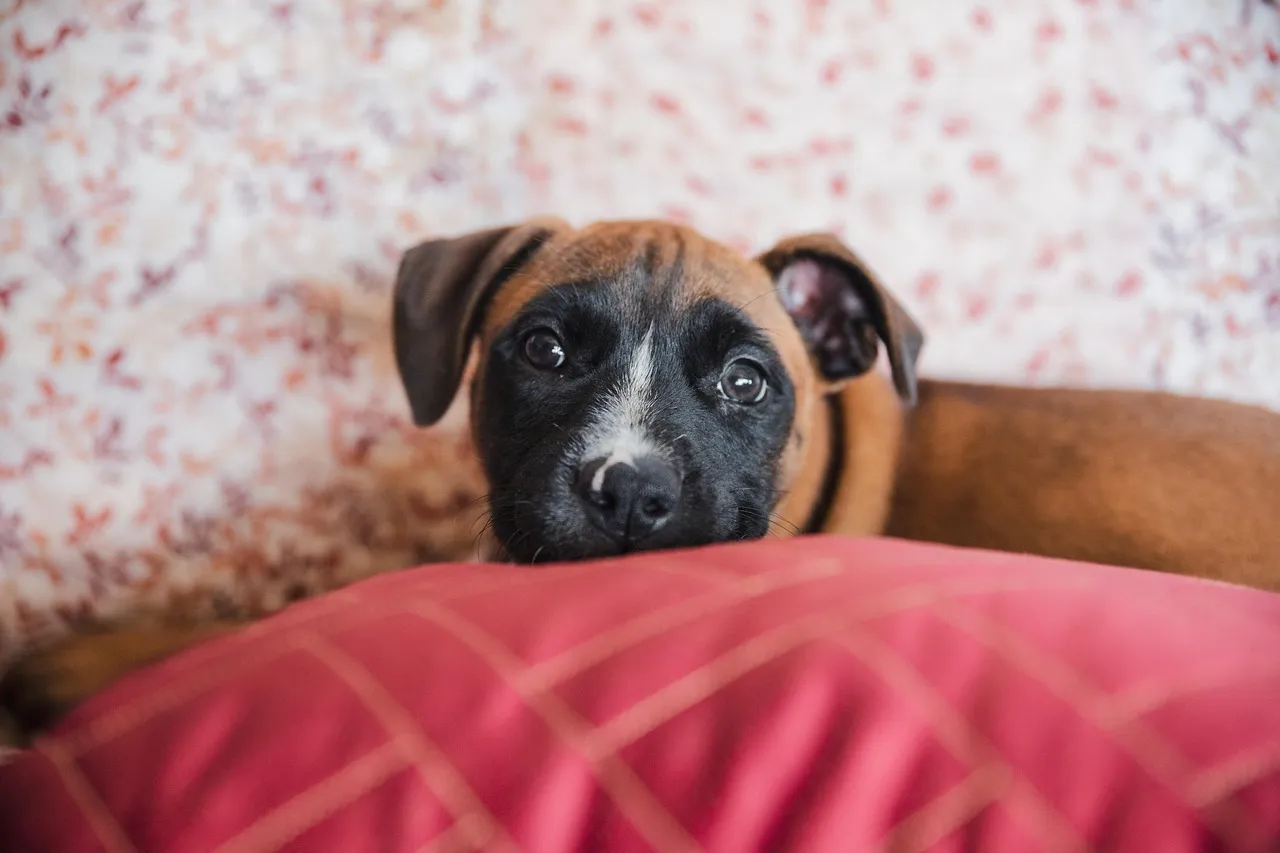
Families are often stunned when a rescue dog walks past three people and glues themselves to just one – following that person around, lying at their feet, chasing eye contact, while barely acknowledging anyone else in the room.
It’s not random. Dogs read micro-signals with startling precision: posture, tone, softness of the eyes, speed of movement. The chosen one is almost always the calmest, least pushy person in the room, or simply the one who let the dog approach first instead of reaching out. It can sting if you’re not “the favorite,” but it isn’t a permanent verdict – resist competing for attention, let the anchor person stay predictable, and have everyone else offer quiet, low-pressure good things. Watching a dog instantly pick someone on night one is heart-melting and a little heartbreaking, all at once.
#7 – They Stare at You with “Whale Eyes” While You Think They’re Just Being Cute
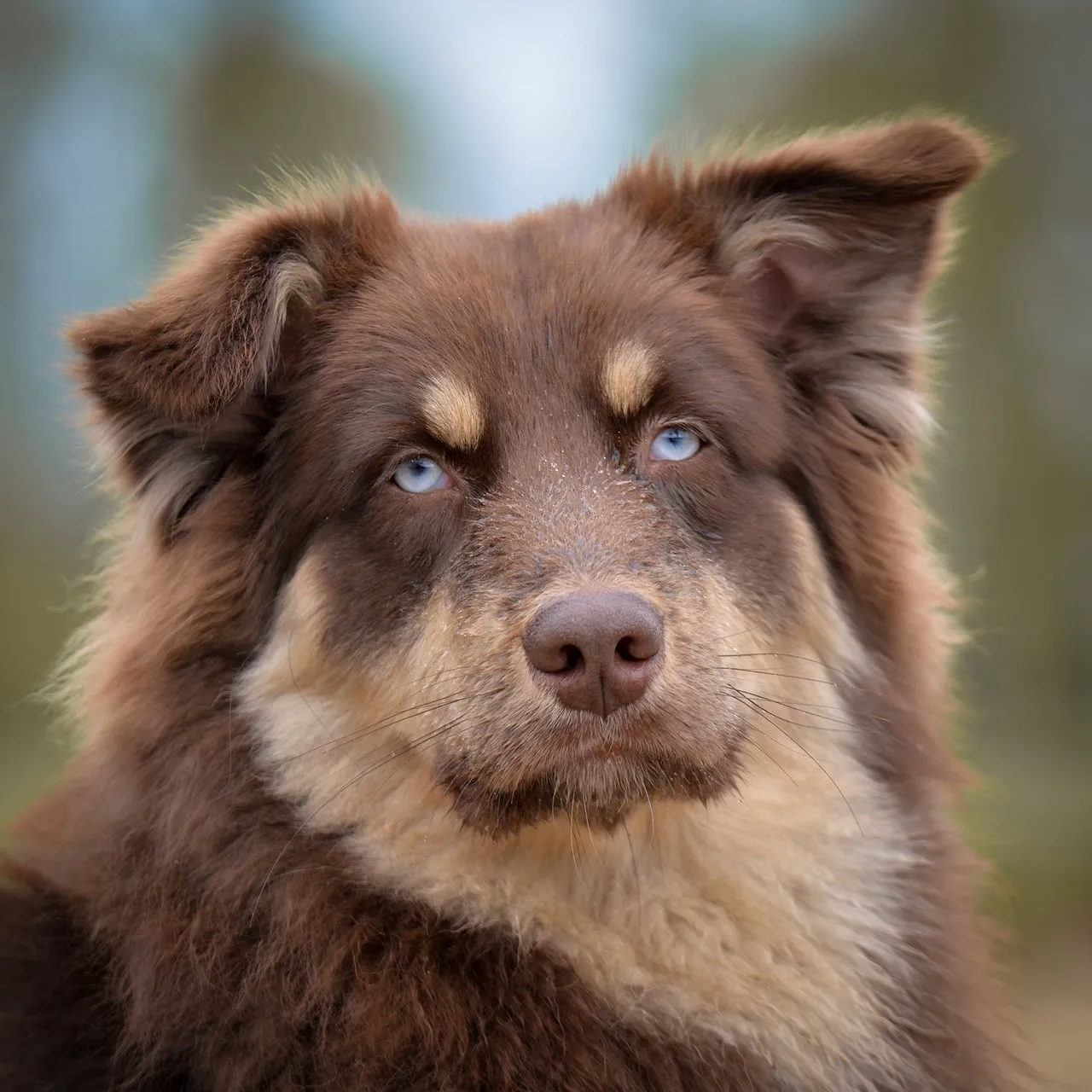
Big, wide eyes with a rim of white showing look adorable in photos. Behaviorally, they’re a red flag most new owners completely miss.
“Whale eye” shows up when a dog feels cornered, touched before they’re ready, or confused by what’s happening – and it’s often paired with a stiff body, closed mouth, slow tail wag, lip licking, or a head turned away. New owners frequently read this as shyness and lean in for more selfies and cuddles, while the dog is mentally screaming for space. The kind response is to back off immediately, angle your body sideways, and leave an escape route. Ignore whale eye on night one and you accidentally teach a dog that humans don’t listen when they whisper discomfort – which is exactly how a whisper eventually becomes a shout.
Quick Compare
- Whale eye: looks curious or cute – actually means the dog feels cornered or overwhelmed.
- Slow tail wag: looks friendly – actually means uncertainty, not excitement.
- Lip licking: looks like hunger – actually means mild anxiety or discomfort.
- Turned head: looks aloof – actually means a polite request for space.
#6 – They Sleep Hard… but in Shockingly Short Bursts
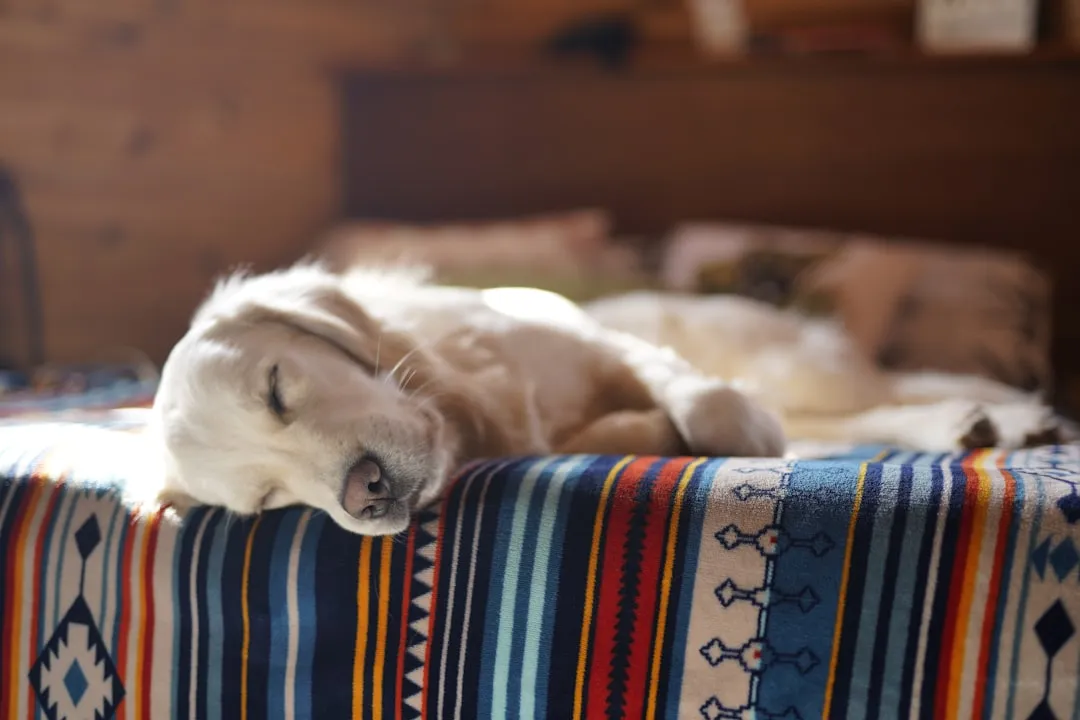
Many rescue dogs collapse into deep sleep that first night, utterly exhausted – only to jolt awake at the slightest sound, scanning the room like something’s about to go wrong.
This fragmented sleep is classic for a body coming down from chronic stress: physically wrecked, but the brain still half on guard. Real, uninterrupted rest was rare in the shelter, where doors slam and staff move around at all hours. Keeping lighting low, avoiding sudden bright flashes, and letting the dog settle in one consistent spot – even at the foot of your bed – can cut overnight anxiety dramatically. The old advice to confine every new dog alone on night one often backfires into panicked crying that people mistake for a dog “testing boundaries.”
#5 – They React Strangely to Doors and Thresholds
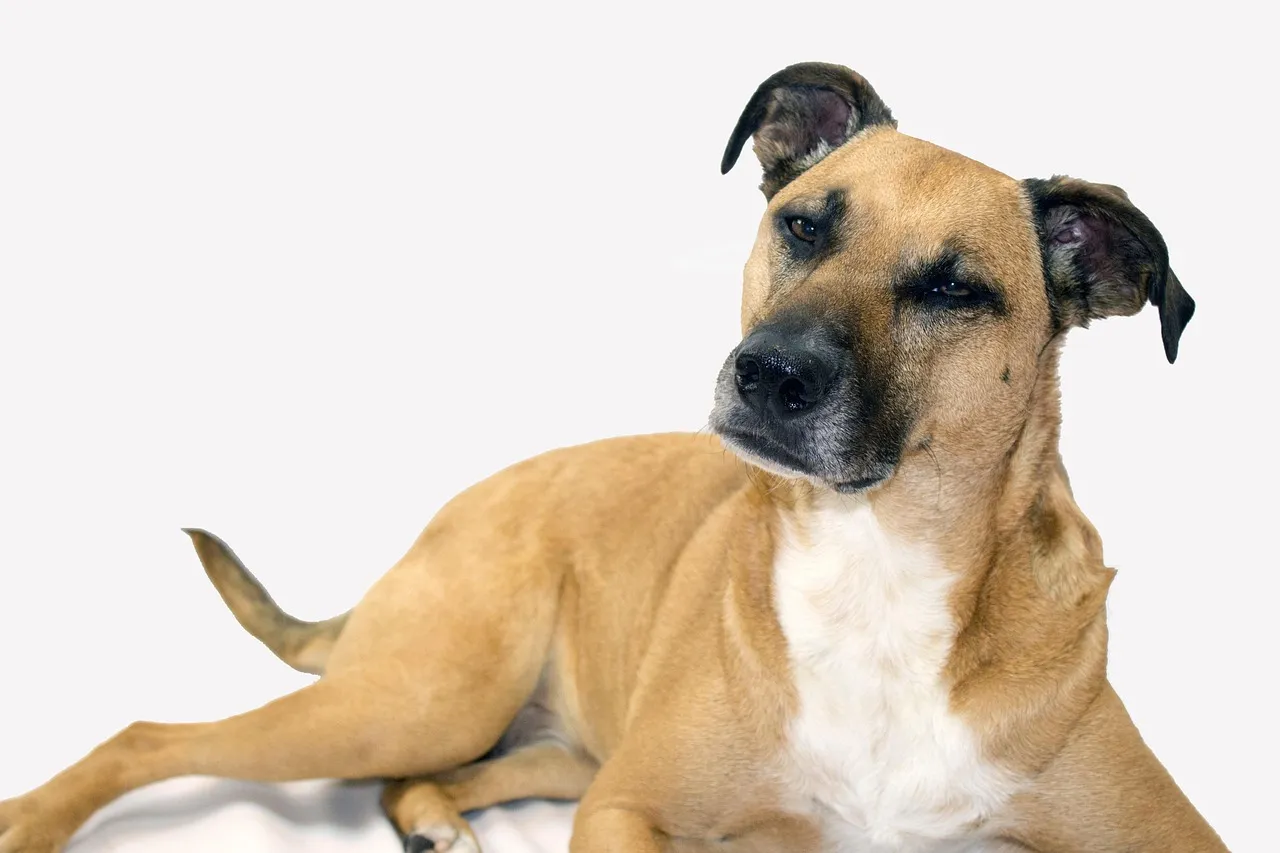
One of the quietest, most heartbreaking first-night behaviors: a rescue dog who freezes, lowers their body, or slinks through a doorway – or refuses to enter certain rooms entirely.
Doors have history for a lot of these dogs. They can mean being shut away, dragged out, or separated from something familiar, and thresholds change smells, sounds, and floor textures all at once. You might see total confidence in the living room and sudden hesitation at a dark hallway, or a dog happy to enter a room but panicked the moment you close the door. Standing back and tossing treats near the threshold, letting the dog choose when to cross, works far better than pulling or luring. Watching a dog panic at something as ordinary as a doorway is a sharp reminder that “normal house life” is a completely foreign language to them.
#4 – They Guard a Toy, Bed, or Even You… Out of Pure Survival Habit
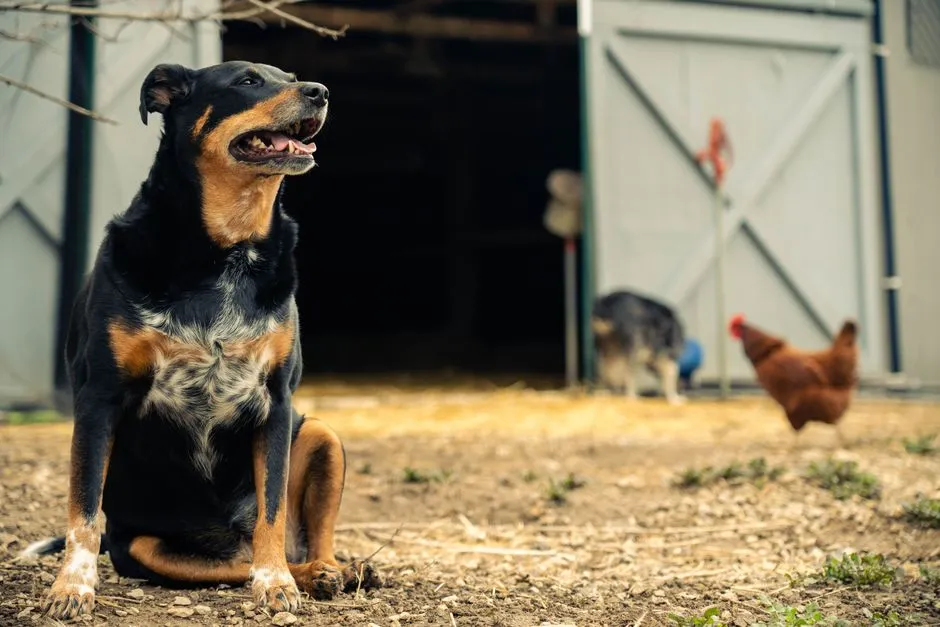
It shocks a lot of adopters: hand a new dog a chew or point them to a bed, and suddenly they stiffen, hover over it, or growl low when someone walks past. The instant label is usually “aggression.” It’s almost never that simple.
Resource guarding on night one is a trauma echo, not a personality flaw. In shelters and chaotic homes, food, space, and attention are scarce and unpredictable, so a dog’s brain learns fast: I’d better not lose this. Punishing or snatching the item away only confirms their worst fear – that humans steal good things. Quietly increasing distance when they stiffen, and saving any “trade up” training for later in the week instead of night one, lets most dogs eventually let go of guarding entirely. Seeing it for the first time, though, is both scary and quietly devastating for a new owner.
Worth Knowing
- Resource guarding on night one is more common in dogs from multi-dog shelters or strays who once competed for food.
- A low growl over an item is a warning, not defiance – respect it by giving space instead of reaching in.
- “Trade up” training works best once a dog feels secure, not during the first stressful hours home.
- Most guarding behavior eases significantly within the first few weeks as routines become predictable.
#3 – They Cry or Howl When You Leave the Room, Even for a Minute
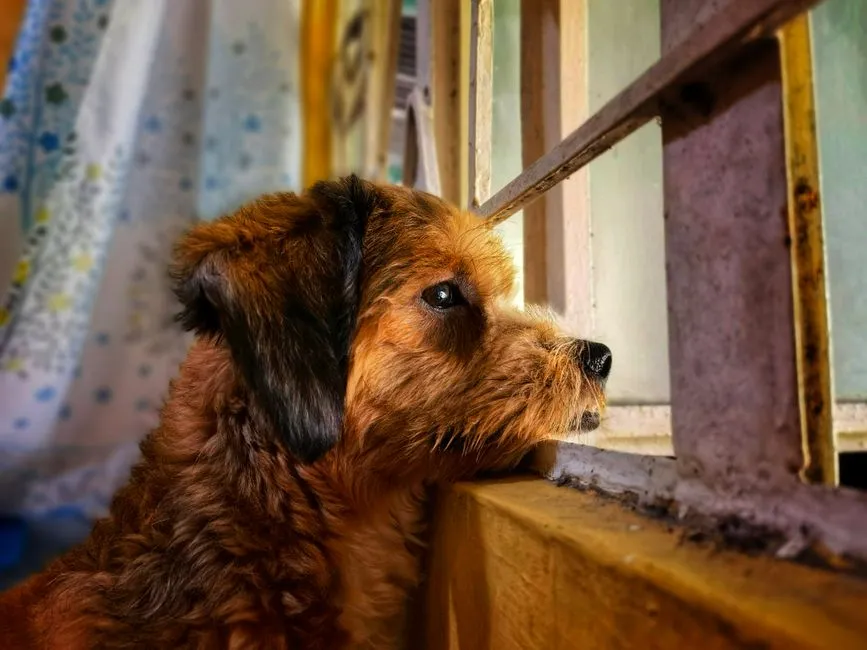
Separation distress can show up shockingly fast. You get up to grab your phone from the next room, and your new dog panics – whining, barking, scratching at the door, pacing in tight circles.
They’re not spoiled. They’re terrified of being abandoned again, and their pattern-recognition brain has already learned that humans disappearing can mean hours, days, or forever. This is exactly the moment some behaviorists say you shouldn’t insist on independence – briefly tolerating clinginess, letting them follow you to the bathroom or sleep near your bed, can actually prevent full-blown separation anxiety down the road by proving that absences are short and predictable. The old “let them cry it out” advice from night one might work on a dog with a stable past. For a rescue whose entire life has been instability, many experts now call that approach unnecessarily cruel.
#2 – They Offer Tiny “Appeasement” Gestures That Look Like Guilt
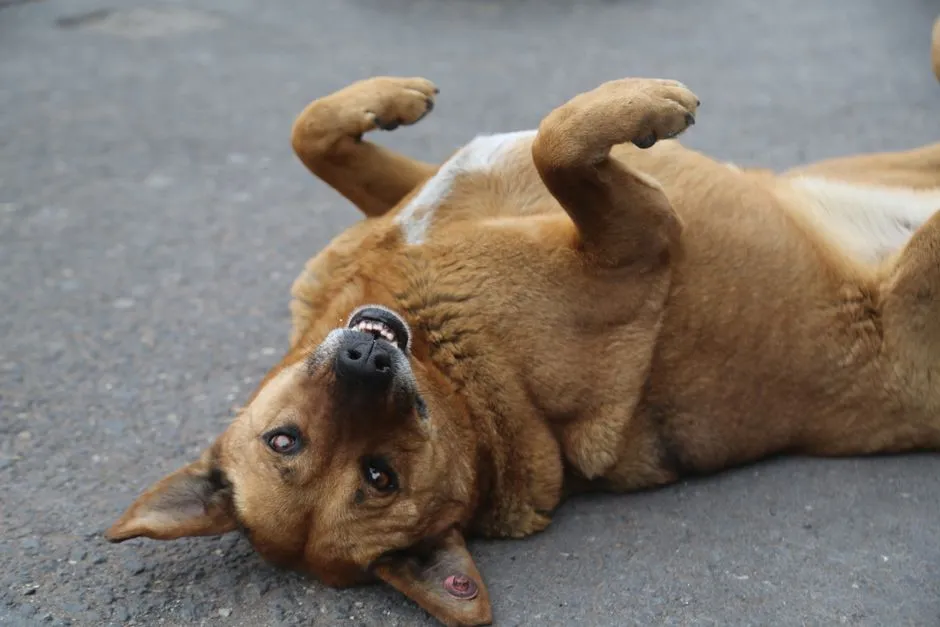
First-night rescue behavior is full of misread “cute” moments – the slow blink, the air lick, the crouch-and-wag, the half-roll onto their side the second you approach. Owners call it “apologizing” or being submissive.
It’s actually polite dog language for please don’t hurt me; I mean no harm. Soft low tail wags with a lowered head, quick tongue flicks, yawns, a head turned slightly from your hand – these are dogs working hard to keep peace with a stranger they don’t trust yet. Loud praise, fast petting, or looming over them can overwhelm; a soft voice, slow blinks, and brief, gentle scratches build trust far faster. The heartbreaking part is how often owners mistake appeasement for “they’re fine now” and push social interaction too fast, too soon.
#1 – They Test One Quiet, Terrifying Question: “Is This Really Forever?”
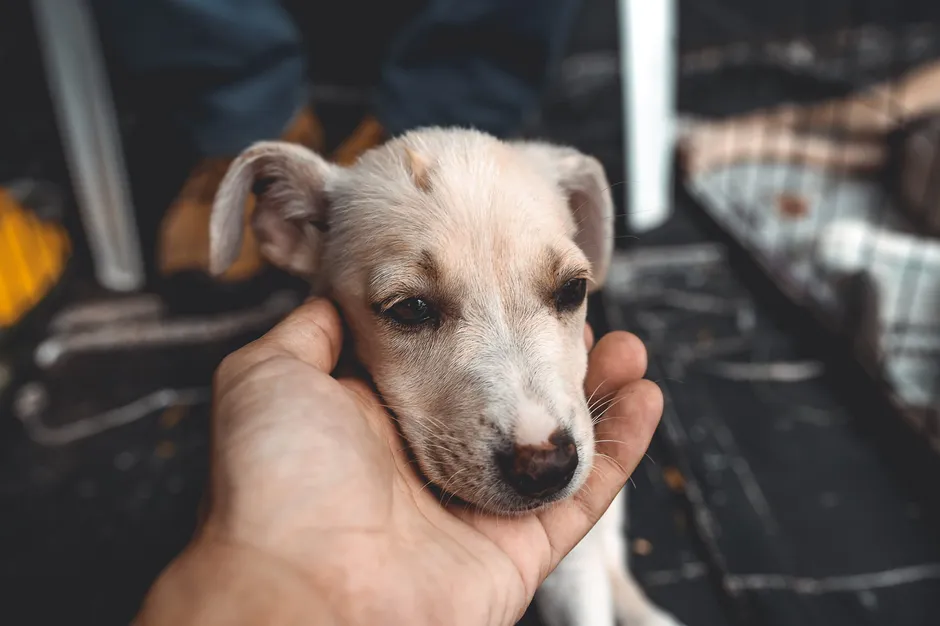
The most heartbreaking thing rescue dogs do on night one isn’t any single behavior. It’s the way all the small ones stack up into one question their nervous system keeps quietly asking: is this place safe, and will it stay safe?
They sniff your clothes like they’re memorizing you. They glance at the door every time it opens. They finally curl up to sleep, then jolt awake as if checking whether the dream already evaporated. You’ll catch micro-moments that undo you completely – a dog who hesitates before fully lying down, as if rest itself feels dangerous, or one who leans into your hand for half a second before pulling away.
Until one has loved an animal, a part of one’s soul remains unawakened.
Anatole France
Underneath all of it is attachment science happening in real time – a brain quietly rewriting its expectations about humans, space, and safety. Your job that first night isn’t to fix anything. It’s to be boringly kind, relentlessly predictable, and generous with patience instead of pressure. The behaviors may break your heart, but they’re also the first fragile threads of trust forming, whether you notice them or not.
The Bottom Line
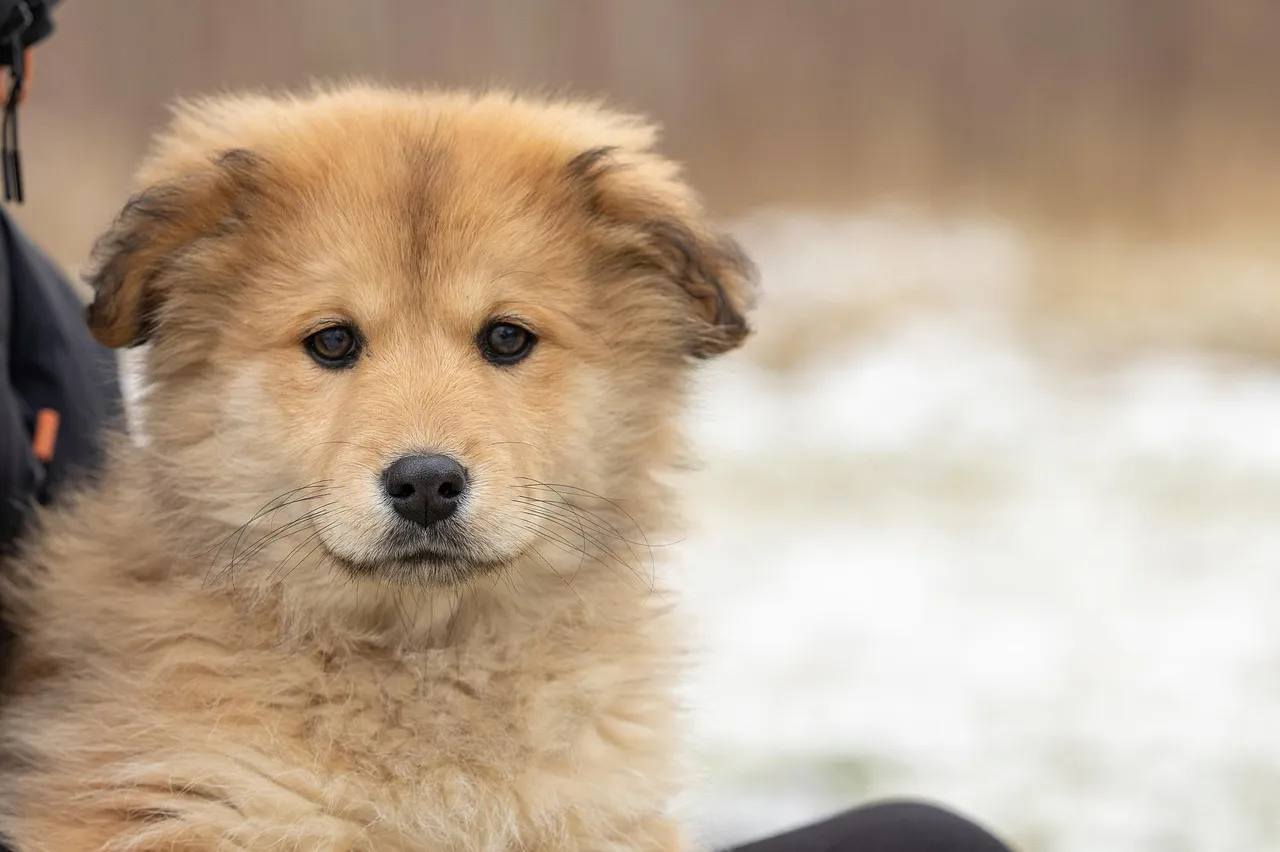
Rescue dogs rarely arrive as blank slates. They come with entire survival manuals written into their nervous systems. Freezing mid-room, panting at midnight, hiding behind the toilet, guarding a chew toy, crying when you leave for thirty seconds – none of it is a “bad habit.” It’s the logical output of everything that happened before you walked into their life.
At a Glance: Helping a Rescue Dog Through Night One
- Keep lighting low and movements slow and predictable.
- Let the dog choose the distance – avoid reaching or looming over them.
- Leave food down without hovering, and skip the pressure to “perform” tricks.
- Stay nearby instead of isolating a stressed or crying dog.
- Expect real behavioral shifts within days to weeks, not overnight.
The brutal truth is that many of the first-night behaviors people punish or dismiss are actually the clearest cries for safety a dog knows how to give. Homes that respond with structure, patience, and respect for those subtle signals tend to see real transformation in weeks, not years – and the old “show them who’s boss on day one” advice isn’t just outdated, it’s actively harmful to a lot of these dogs.
In the end, the first night was never really a test for the dog. It was a test for you – whether you’d listen to what their fear was quietly saying, or try to love them only on your own terms.

- 14 Things Rescue Dogs Do on Their First Night Home That Break Everyone's Heart - August 5, 2026
- 16 Animals Vets Say Form Bonds With One Person That Rival Any Dog – Most Families Never Expect Them - August 5, 2026
- 13 Gentle Signs a Senior Dog Is Saying Something Most Owners Don't Realise Until Later - August 5, 2026