
You expect tail wags. You expect a little confusion, maybe a few accidents on the carpet. What you don’t expect is watching a grown dog shake in the corner of your kitchen at 2 a.m., too scared to come near the food bowl you filled hours ago.
Shelter dogs carry more into your home than a leash and a folder of vaccination records. They carry the weight of every place they’ve ever been abandoned, and that weight shows up in ways most new owners never see coming. Here’s what actually happens behind closed doors on night one, and why almost none of it means what you think it means.
1. The Pacing That Never Seems to Stop

Some dogs walk the same six-foot loop through your living room for hours, nails clicking against the floor like a metronome that won’t quit. It looks like restlessness, but it’s closer to panic wearing a calmer disguise. Every new smell, every unfamiliar shadow on the wall is information their nervous system is scrambling to process, and pacing is often the only outlet they have.
This isn’t a dog being difficult. It’s a dog running on pure adrenaline in a body that has nowhere safe to land yet. Dimming the lights, closing off the space to one quiet room, and simply sitting nearby without forcing interaction can do more than any command ever could that first night.
2. The Whimpering That Sounds Like a Question

There’s a particular sound shelter dogs make in the dark that new owners describe as almost unbearable to listen to, a soft, broken whimper that seems to ask, will anyone come this time. It’s not manipulation. It’s the residue of nights spent in a kennel where crying rarely brought anyone closer.
Responding with a calm voice or a gentle hand, without turning it into a party, teaches them something they may never have learned before: that a small cry can be met with comfort instead of silence. That single lesson can rewire how safe they feel in your house for weeks to come.
3. Disappearing Into the Smallest Space They Can Find
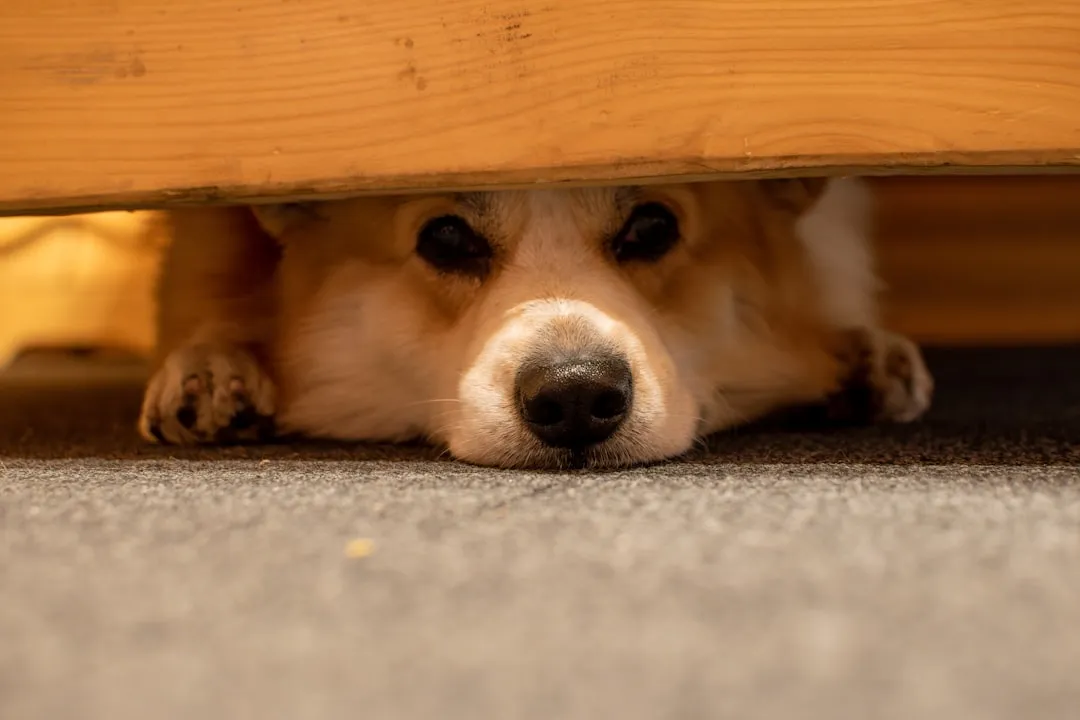
Give a stressed shelter dog an open living room and a narrow gap behind the couch, and most will choose the gap every time. Closets, under-bed shadows, the space behind a recliner, these become makeshift dens where nothing can sneak up on them from behind.
It feels like rejection, especially if you spent weeks preparing a plush new dog bed for this exact moment. It isn’t. Letting them claim that tight, awkward little hideout, at least for the first few nights, often builds trust faster than any amount of coaxing toward the bed you picked out for them.
Fast Facts
- Many shelters and rescues reference the “3-3-3 rule”: roughly 3 days to decompress, 3 weeks to learn a routine, and 3 months to feel fully at home.
- Hiding is considered a normal, healthy stress response in new dogs, not a red flag about the adoption.
- A single quiet, low-traffic room for the first 24 to 48 hours is a common recommendation for easing that adjustment.
4. Turning Away From Food Like It’s a Trap

You’d think a dog fresh out of a shelter would eat like it’s their last meal. Instead, plenty of them stare at a full bowl and simply walk away, sometimes for a full day or longer. Fear has a way of shutting down hunger completely, no matter how good the kibble is.
This is one of the moments that quietly terrifies new owners the most, watching a dog refuse food and wondering if something is medically wrong. Usually it isn’t. Offering something familiar-smelling, warming the food slightly, or simply leaving the bowl down and stepping away gives their body permission to eventually relax enough to eat.
5. Licking or Grooming Themselves Raw

Some dogs cope with overwhelming stress the same way people bite their nails, they turn it inward. A paw gets licked, then licked again, then licked until the fur is damp and the skin underneath starts to look irritated.
It’s a self-soothing loop that can spiral if nobody steps in. Gently redirecting their attention, offering a chew toy, or simply distracting them with calm touch can interrupt the cycle before it turns into a physical wound on top of an emotional one.
6. Sleeping Like They’ve Been Awake for Years

Then there’s the opposite extreme, dogs who collapse into a heap of exhausted limbs and barely move for twelve or fourteen hours straight. It can look alarming, almost like something is wrong, when really it’s the body finally allowing itself to shut off after what may have been days or weeks of hypervigilance.
Emotional exhaustion is real, and it hits dogs just as hard as it hits people. A soft blanket, a low-traffic corner of the house, and permission to simply sleep it off is often the kindest thing you can offer on night one.
7. Flinching at Sounds You Don’t Even Notice

The refrigerator hums. A car door slams outside. Your foot creaks on a loose floorboard. To you, it’s background noise. To a dog whose entire world just changed overnight, it can trigger a full-body flinch or a frantic scramble under the nearest table.
This is where patience matters more than anything else you do that first week. Reacting calmly to their startle, rather than making a big deal of it, teaches them that your house is not the unpredictable place their body assumes it is.
At a Glance
- Common startle triggers on night one include appliance hums, door slams, footsteps, and sudden changes in lighting.
- Keeping noise low and lighting soft for the first evening tends to reduce the number of startle reactions.
- A predictable, quiet routine in week one often matters more than any actual training.
8. Shadowing You Everywhere, Even to the Bathroom

Some dogs latch onto their new person with a kind of desperate loyalty within hours of walking through the door. They follow you from room to room, press against your leg, and seem to panic the moment you’re out of sight.
It’s touching, but it can also tip into something less healthy if it isn’t gently managed. Letting them stay close while slowly practicing short separations, even just stepping into another room for thirty seconds, helps them learn that your absence isn’t abandonment.
9. Staring at a Toy Like It’s a Foreign Object

You bought the squeaky duck. You bought the rope toy shaped like a bone. And your new dog looks at both like they’ve never seen anything so pointless in their life. A stressed brain simply doesn’t have room for play, no matter how enticing the toy.
This one tends to sting a little for new owners who imagined instant joy and tail-wagging fetch sessions. Give it time. The interest usually comes back once the fear does, sometimes days later, sometimes not until the second week.
10. Refusing to Look You in the Eye

A dog who won’t hold your gaze isn’t being cold or distant, even though it can feel that way. In dog language, avoiding eye contact is often a plea for peace, a way of saying I mean no harm, please don’t hurt me.
It’s one of the more heartbreaking realizations for new owners, understanding that their dog has learned to read direct eye contact as a threat rather than an invitation. Soft, sideways glances and slow blinking on your part, rather than staring, can quietly rebuild that trust over time.
11. Panting Hard With Nowhere to Run
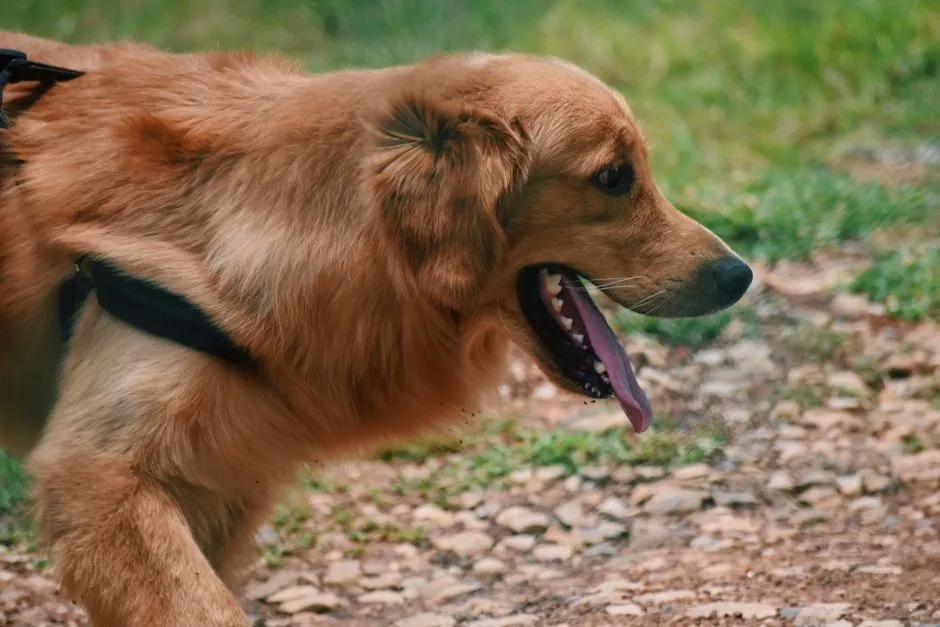
No exercise, no heat, no obvious trigger, and yet the panting won’t stop. Heavy, open-mouthed breathing is one of the clearest physical signs of anxiety in dogs, and it shows up often on that first overwhelming night.
Watching a dog pant like they’ve just sprinted a mile while lying perfectly still is unsettling. A cool, quiet room and a calm presence nearby, rather than fussing over them, tends to bring their breathing back down faster than anything else.
12. Trying Desperately to Get Out

Scratching at doors, squeezing toward gaps in fences, bolting the second a door cracks open, this is fear in its most physical form. Somewhere in their history, escape meant survival, and that instinct doesn’t disappear just because they now have a warm home.
This is also the single most dangerous behavior on this list, because a panicked dog in an unfamiliar neighborhood can get lost or hurt within minutes. Secure fencing, a well-fitted collar, and close supervision during those first outdoor moments aren’t optional, they’re essential.
Worth Knowing
- Escape attempts are most common during the first one to two weeks, before a dog has fully bonded to a new home.
- A well-fitted collar with ID tags, plus an up-to-date microchip registration, are considered essential safety steps for new adopters.
- Keeping a leash on indoors near exterior doors during the adjustment period is a common precaution against sudden bolting.
13. Acting Like They’ve Forgotten Every Command
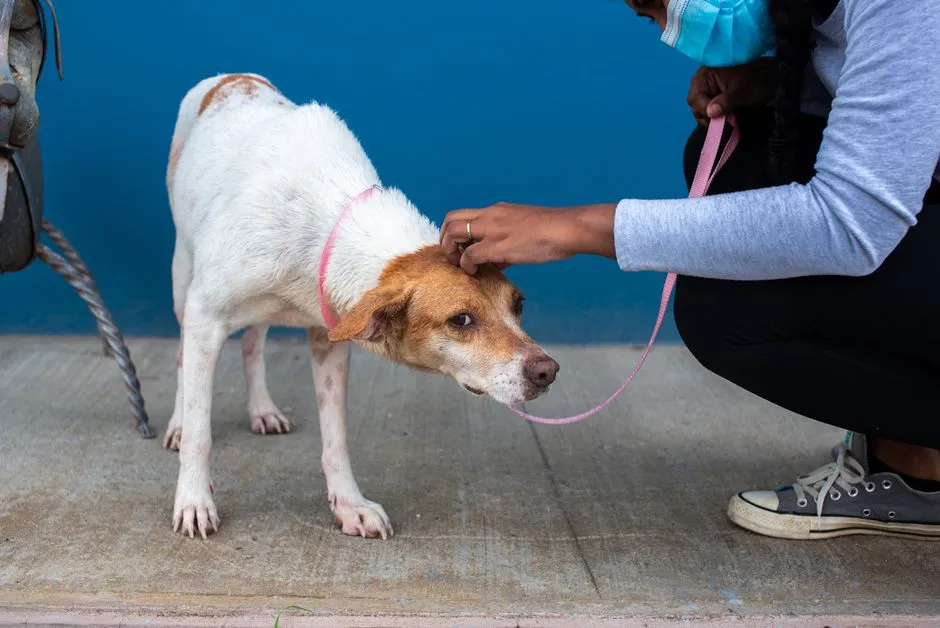
A dog who supposedly knew sit, stay, and come suddenly seems to have no idea what those words mean. It’s not defiance and it’s not a training failure on the shelter’s part. Fear floods the brain with stress hormones that make even familiar cues hard to process.
Watching a well-trained dog blank out completely can feel discouraging, almost like you adopted a different animal than the one described on the shelter profile. Give it a week or two of low-pressure practice before worrying. The training is usually still in there, just buried under fear that hasn’t drained out yet.
14. Crying Out in the Middle of Sleep

This is the one that undoes almost everyone. A dog twitching, whimpering, sometimes letting out a sharp, startled bark while fully asleep, clearly caught in the grip of a dream they can’t wake from. It’s impossible to watch without wondering exactly what they’re reliving.
Nobody can know for certain what a dog dreams about, but the timing rarely feels like coincidence on night one. A hand resting gently nearby, a familiar voice murmuring that they’re safe now, often quiets it faster than letting the dream run its course alone.
The Truth Nobody Tells You Before You Adopt
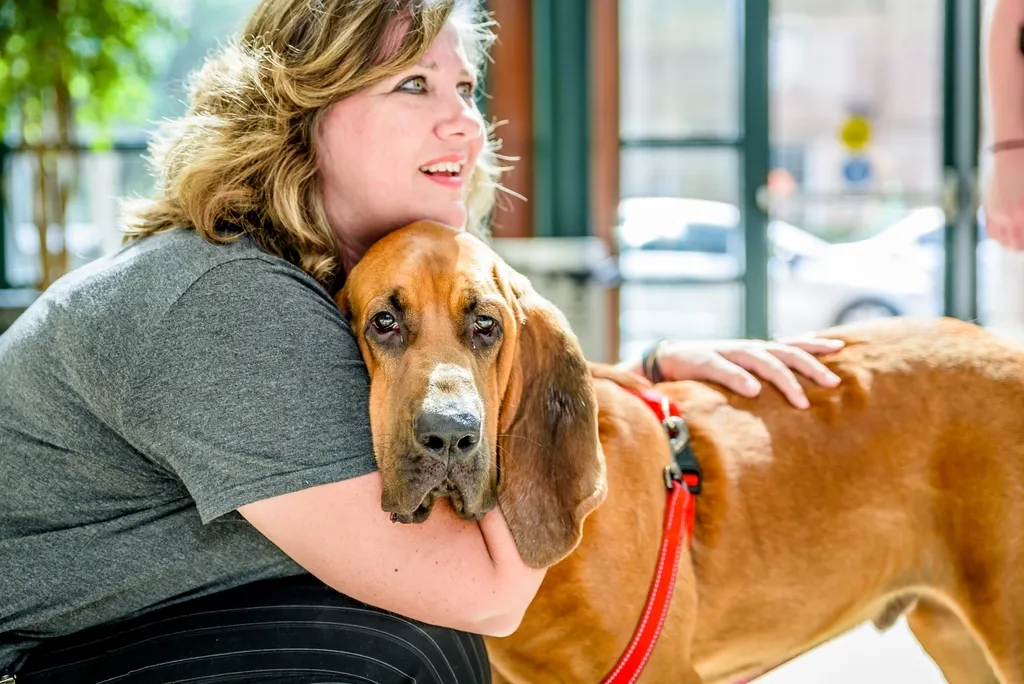
Here’s the part shelters don’t put on the adoption paperwork: that first night isn’t a preview of the dog you’re getting, it’s a preview of everything that dog survived before you showed up. The pacing, the hiding, the refusal to eat, none of it is who they are. It’s just what fear looks like when it hasn’t had time to wear off yet.
Most of these behaviors fade within a week or two, some within days, if you give them space instead of pressure and patience instead of panic of your own. The dogs who cried in their sleep on night one are, more often than not, the same dogs who end up sleeping belly-up and snoring like nothing bad ever happened to them. That transformation is the whole point of adopting in the first place, and honestly, it’s the best argument anyone could make for choosing a shelter dog over anywhere else.
Quick Compare
- Night One: pacing, hiding, refusing food, avoiding eye contact.
- Week Two: cautious curiosity, tentative tail wags, first real interest in toys.
- Month Three (per the 3-3-3 rule): settled routines, a fully visible personality, and deep-rooted trust.
