

Most people assume shelter staff melt for anyone who walks in and says, “I want to adopt.” The reality is quieter and a little more unnerving. Experienced staff are already reading you before you’ve finished signing in, and within five minutes they’re picking up patterns that often separate a dream adopter from a future surrender.
They aren’t judging your outfit or your car. They’re watching tiny, unplanned behaviors you probably don’t realize you’re showing. Those first impressions can shape which animals you meet, how honest staff are with you, and whether anyone goes the extra mile to help. A few of these tells will make you nod. A few might sting. And the one at #1 may change how you say the word “dog” forever.
#14 – Whether You Go to the Animal First or the Paperwork
🔥 Would you like to save this?
We'll email this post to you, so you can come back to it later!
Staff clock this one almost instantly: do you walk straight to the animals, or straight to the desk? It takes two seconds, and it says a lot.
People who beeline to the kennels without a glance at the process often want a “shopping” experience. They’re drawn to looks and instant chemistry. That’s not automatically bad, but it can signal impulsiveness if they seem bored by rules, fees, or medical history.
People who pause at the front desk, ask “How does this work?” and read the posted guidelines tend to be better prepared for the real responsibility. Staff read that as respect, both for the animals and for the system built to protect them.
They also notice whether you acknowledge the barking, meowing residents at all, or just scan the clipboard to “pick” quickly. Adopters who crouch down, say hello, or read kennel cards carefully are treating animals as individuals, not products. Staff take that as a promising sign.
- Go to the desk first? Signals process focus.
- Go straight to the kennels only? Signals emotion-first, maybe impulsive.
But that’s nothing compared to what staff notice about #13…
#13 – Your Body Language Around Noise, Smell, and Chaos

🔥 Would you like to save this?
We'll email this post to you, so you can come back to it later!
The average shelter is loud, smelly, and a little overwhelming. Staff pay close attention to how your body reacts in those first chaotic moments.
If you flinch at every bark, wrinkle your nose dramatically, or mutter “This is disgusting,” staff make a mental note. If the shelter already feels like “too much,” a shedding, vomiting, zooming pet at home might feel that way too, especially a young dog or a stressed cat.
Worth Knowing
- The noise that rattles you is rattling the animals too, and stressed pets often act very differently than they will at home.
- A frantic or shut-down animal in a kennel isn’t always showing their true personality.
- Staff watch visitors in the loudest zone because real life at home gets chaotic too.
- Slow movements and a soft voice help every animal within earshot, not just the one you’re visiting.
Adopters who look sad but compassionate get flagged very differently. Someone who says, “Poor babies, this must be so stressful for them,” isn’t ignoring the noise. They’re centering the animal’s discomfort more than their own.
Staff also watch how you move. Do you stomp down the aisle and talk over the barking, or slow down and soften your voice? A calm physical presence is gold in a place where every animal is on high alert.
- Relaxed shoulders and a quiet voice = comforting energy.
- Big gestures, loud talking, dramatic reactions = stress amplifier.
But that’s nothing compared to what staff notice about #12…
#12 – Whether You Listen to the Rules or Try to Bend Them

🔥 Would you like to save this?
We'll email this post to you, so you can come back to it later!
This is a big one. Within minutes, staff see how you handle boundaries, and animals desperately need adults who can respect limits.
The classic test is a sign that says “Do Not Put Fingers in Cages” or “Please Ask Before Opening Kennel Doors.” Staff care about safety, but they’re also watching whether you treat the sign like a suggestion. Adopters who poke fingers through the bars anyway, or open an enclosure without asking, get quietly flagged as higher risk.
Then comes the correction. A simple “Oh, sorry, I didn’t see that” and immediate compliance tells staff you’re teachable. Defensive replies like “I know what I’m doing” or “Relax, it’s just a dog” raise red flags instantly. That same attitude often shows up later as ignored training advice or skipped vet recommendations.
Here’s the snapshot of what staff are checking:
- Do you read posted signs without being prompted?
- Do you accept guidance without arguing?
- Do you ask “Is this okay?” before reaching or opening?
But that’s nothing compared to what staff notice about #11…
#11 – How You Talk About Your Previous Pets
🔥 Would you like to save this?
We'll email this post to you, so you can come back to it later!
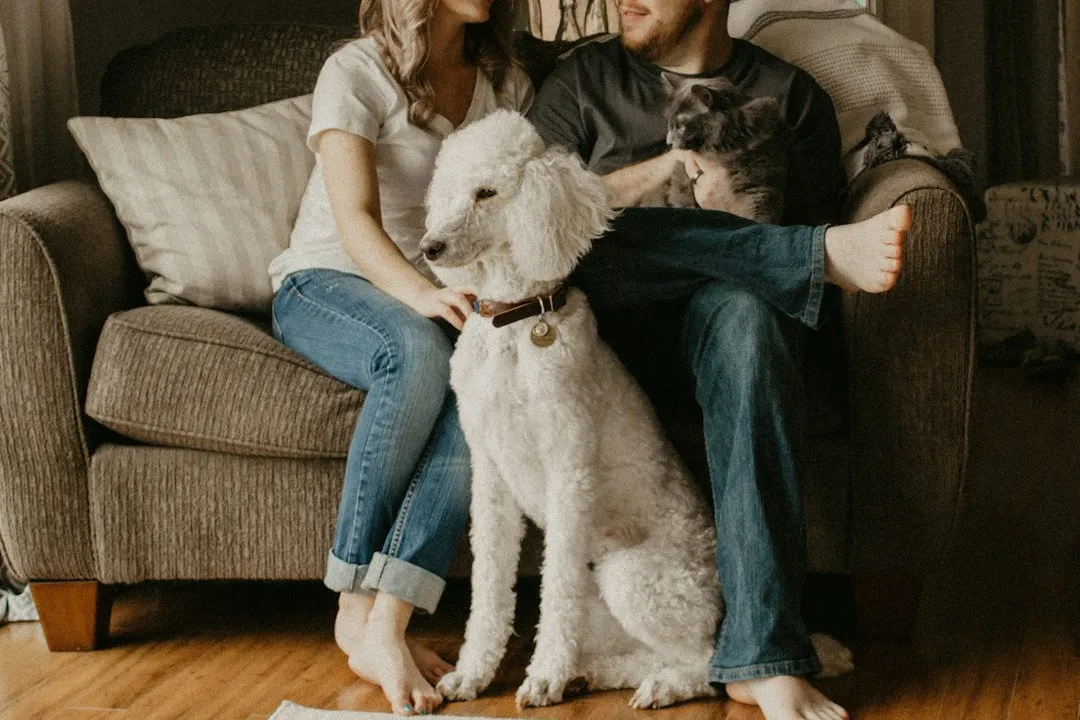
Within the first five minutes, almost every adopter mentions a past or current pet. Staff listen very closely to how you describe them.
If your story is all blame (“He was so stubborn,” “She was crazy,” “We tried everything”), staff mentally tap the brakes. Especially when “everything” turns out to be leaving the TV on and one obedience class. People who talk about past animals like broken appliances are more likely to give up when the next pet isn’t perfect either.
Compare that with, “We made mistakes with our last dog. We didn’t understand his energy needs.” That’s a growth mindset, and shelter workers love adopters who can admit what went wrong without trashing the animal. It suggests you might actually use the resources offered this time.
They also listen for how you talk about the end of a pet’s life. Did you hand over a senior animal because it became inconvenient? Did you delay necessary vet care? Or did you make hard, compassionate decisions, even when it hurt?
- High-empathy language: “We were heartbroken, but it was kinder.”
- Low-empathy language: “He was old and gross, so we brought him here.”
But that’s nothing compared to what staff notice about #10…
#10 – Whether You Ask About the Animal’s Needs or Your Own Wishlist
🔥 Would you like to save this?
We'll email this post to you, so you can come back to it later!
Staff know everyone has preferences. The red flag isn’t wanting a small dog or a low-shedding cat. It’s what you ask about first.
Many people open with: “I want something that doesn’t bark, doesn’t shed, is good with all kids, is okay alone all day, and is also super cuddly.” That laundry list tells staff you’re picturing a pet that slots into your life with minimal disruption.
What staff love to hear instead:
- “Which animals have been here the longest?”
- “Who’s struggling the most in this environment?”
- “Is there a dog who needs a quieter home like mine?”
When you start with the animal’s story, medical needs, energy level, and history with people, staff move you into the “serious adopter” category. They’re far more likely to be brutally honest about challenges, because you’ve already shown you care about reality, not fantasy.
They also notice if you ask about support: “If I run into issues, who can I call?” People who plan ahead for training or behavior help are usually better prepared for the messy middle.
But that’s nothing compared to what staff notice about #9…
#9 – How You Interact With Your Own Family in the Lobby

🔥 Would you like to save this?
We'll email this post to you, so you can come back to it later!
You might think staff only watch how you touch the animals. They’re also tracking how you treat the humans you came with, especially kids and older relatives.
If you snap at your partner, roll your eyes at your kids, or brush past a nervous family member’s concerns, staff get a preview of your home. A tense, chaotic, or dismissive dynamic can be hard on a fearful or reactive animal.
Here’s what they’re noticing:
- Do you include quiet family members in the conversation?
- Do you shut kids down harshly instead of redirecting them?
- Do you listen when someone says, “I’m a little scared of big dogs”?
Families who collaborate, check in with each other, and problem-solve out loud are more likely to handle training setbacks together, instead of one person quietly resenting the animal.
Staff also watch whether everyone is equally on board. A sulking teen saying, “I don’t even want a dog,” or a partner muttering, “This is your thing, not mine,” is a real warning sign. An animal dropped into a split household often bonds with the one enthusiastic person and gets resented by everyone else.
But that’s nothing compared to what staff notice about #8…
#8 – Your Reaction to “Unpopular” Animals

🔥 Would you like to save this?
We'll email this post to you, so you can come back to it later!
Every shelter has animals that get overlooked: the black cats, the senior dogs, the big blocky-headed mixes, the shy ones trembling at the back of the kennel. Staff watch where your eyes go as you walk past them.
If you rush toward only the youngest, fluffiest, social-media-ready animals, that’s normal, but it isn’t memorable. What catches staff attention is when you stop for the “hard sells”: the dog with scars, the cat missing an eye, the senior with cloudy lenses.
Why It Stands Out
- You notice the quiet kennels, not just the loudest, cutest ones.
- You ask “How long has he been here?” before asking about looks.
- You stay calm and curious around scars, missing eyes, or cloudy lenses.
- Staff remember you when a tougher-to-place animal needs a home.
You don’t have to adopt the hardest case to impress staff. What matters is whether you see them at all. A simple “Poor guy, how long has he been here?” already puts you in a different category from people who skip every kennel without a movie-poster face.
Many shelters will introduce particularly sensitive or long-term residents first to adopters who showed compassion for the “unpopular” ones. Those adopters are more likely to stick through medical issues, slower bonding, and behavior quirks.
But that’s nothing compared to what staff notice about #7…
#7 – Whether You’re Glued to Your Phone

🔥 Would you like to save this?
We'll email this post to you, so you can come back to it later!
This one surprises people, but it’s brutally simple: staff notice how often you’re on your phone in those first minutes. A quick photo or two is fine. Scrolling, texting, taking calls, or filming everything like content turns adoption into a performance.
Staff feel it. Animals feel it. And it makes everyone wonder whether this pet will be a prop or a family member.
When people keep putting the phone away to crouch down, read kennel cards, and ask questions, the message is clear: “I’m here to be present.” Adopters who give their full attention early usually do the same during introductions, training sessions, and vet visits.
Some staff get quietly skeptical when the first question is “Can I post this dog on TikTok?” instead of “What’s his medical history?” That order reveals priorities, even if you don’t mean it to.
- Phone used briefly to coordinate or snap a photo, then pocketed = no issue.
- Phone constantly in hand, animal as backdrop = possible vanity adopter.
But that’s nothing compared to what staff notice about #6…
#6 – Your Questions About Cost (or Lack of Them)

🔥 Would you like to save this?
We'll email this post to you, so you can come back to it later!
Money talk in shelters is touchy, but staff absolutely notice how you approach finances in the first conversation. The red flag isn’t “How much is the fee?” That’s completely normal.
The concern is when someone says, “Wait, I have to pay vet bills every year too?” or “I don’t do shots, that’s a scam.” If your whole focus is haggling down the adoption fee, staff worry you’ll cut corners on food, medical care, and training later.
Oddly, never mentioning cost at all can also be a quiet flag. People who refuse to think about money may be underestimating the long-term expenses. The best first-five-minutes move is simple: ask about fees, ongoing care costs, and maybe even pet insurance or an emergency fund.
Staff relax when they hear questions like:
- “What’s a realistic yearly cost for this kind of dog or cat?”
- “Does this breed mix tend to have expensive health issues?”
- “Are there low-cost clinics you recommend if we need help?”
But that’s nothing compared to what staff notice about #5…
#5 – How You React to Behavior Warnings

🔥 Would you like to save this?
We'll email this post to you, so you can come back to it later!
Within minutes, staff often float a small reality check: “This dog is still learning leash manners,” or “This cat hides at first.” Your immediate reaction tells them almost everything.
There are two common responses:
- “Oh, that’s fine, we’ll work with him.”
- “I don’t want a dog with problems.”
The second isn’t evil, but it’s revealing. It tells staff you want a plug-and-play pet, not a relationship that might need training and adjustment. Pair that with young kids, long work hours, or a chaotic home, and staff may rule out certain matches entirely.
The people who impress them most don’t romanticize it. They say, “Okay, so what does that look like day to day?” or “What training has helped him so far?” They’ve already shifted from fantasy to problem-solving mode.
Some will even ask, “Which behavior issues would be deal-breakers for placing with kids?” That kind of honesty makes staff far more willing to get creative to find you a fit.
But that’s nothing compared to what staff notice about #4…
#4 – Whether You Take Initiative Without Overstepping
🔥 Would you like to save this?
We'll email this post to you, so you can come back to it later!
In the first five minutes, staff see whether you’re passive, pushy, or in that rare sweet spot in the middle.
Passive adopters stand in the lobby waiting to be led through every step. They never read the posted info or ask a clarifying question. They’re not “bad,” but staff worry they’ll also be passive when a training or health issue needs decisive action.
At the other extreme are the over-confident visitors who march in announcing, “I train dogs, I know what I’m doing,” then ignore basic protocols. Both ends of that spectrum make placements harder.
The people who stand out most tend to:
- Read the intake form without being asked.
- Ask, “Is there a calmer area?” or “Should we sanitize between kennels?”
- Offer information unprompted: schedule, housing type, experience level.
That respectful initiative tells staff you’ll likely be proactive at home too: booking the vet, enrolling in classes, and asking questions before problems explode.
But that’s nothing compared to what staff notice about #3…
#3 – Your Realistic Sense of Time and Lifestyle

🔥 Would you like to save this?
We'll email this post to you, so you can come back to it later!
What’s the fastest way to make shelter staff tense? Say, “We’re super busy and barely home, but we think a young, high-energy dog will help us be more active.” They’ve heard that story, and they’ve seen how it ends.
Within minutes, they’ll ask (or mentally note) your work hours, commute, travel, and hobbies. If your life is wall-to-wall activities but you insist on a puppy, they know someone is going to suffer, and it’s usually the dog.
Quick Compare
- Gone most weekdays: a calmer, lower-energy adult is often kinder than a puppy.
- Home often and active: a higher-energy dog may work, with staff guidance on exercise.
- Short on time but want company: ask whether an independent adult cat could suit your schedule.
- Unpredictable routine: ask if a foster-to-adopt or trial period is offered.
By contrast, they’re pleasantly surprised when people admit limits: “We’re gone most weekdays. Maybe a lower-energy adult would be kinder.” That self-awareness is rare, and it dramatically improves adoption outcomes.
Staff also notice when a pet is being pitched as an instant cure for a child’s anxiety, a couple’s conflict, or a lonely parent. Pets can absolutely help emotionally. But “We think a dog will fix our marriage” or “Maybe a cat will make him stop gaming” isn’t a fair job description for an animal.
- Time honesty = better match.
- Magical thinking = likely disappointment.
But that’s nothing compared to what staff notice about #2…
#2 – How You Handle Being Told “No”

🔥 Would you like to save this?
We'll email this post to you, so you can come back to it later!
Most visitors assume that if they can pay the fee, they can take any animal home. Shelters know better, and your reaction when they say “no” is one of the most revealing five-minute tells.
Sometimes staff decline a specific match: a high-prey-drive dog for a home with cats, a fearful dog for a house with toddlers, a climber for a high-rise balcony apartment. They brace for impact, because this is often where someone’s real personality shows up.
Mature reactions sound like:
- “I’m disappointed, but I get it. Who might be a better fit?”
- “Thank you for being honest. We don’t want to set anyone up to fail.”
Entitled reactions sound like:
- “You can’t tell me what to do.”
- “If I pay, it’s my choice.”
- “We’ll take our business elsewhere.”
Staff remember both types for a long time. Cooperative, flexible adopters may be flagged as “great future matches” even if they leave empty-handed that day. Combative ones? Many shelters quietly note the name and may decline later adoptions.
But that’s nothing compared to what staff notice about #1…
#1 – Whether You See an Individual Animal… or Just “A Dog” or “A Cat”

🔥 Would you like to save this?
We'll email this post to you, so you can come back to it later!
The single biggest thing staff notice in those first five minutes is how you talk about the animals as a whole.
Some people walk in saying, “I want a dog” or “We’re here for a cat,” full stop. Every animal becomes “it,” and the comments stay generic: “That one looks fine,” “This one’s calmer.” It’s subtle, but staff feel the emotional distance. Those adopters often struggle most when the pet’s real personality emerges at home, because they never saw an individual in the first place.
At a Glance
- Generic: “I want a dog.” Individual: “Tell me about Daisy.”
- Generic: “Which one’s the easiest?” Individual: “What does he do when he’s nervous?”
- Generic: skims past the kennel cards. Individual: reads every line.
- Generic: “it.” Individual: a name and a pronoun.
Others switch to names and pronouns the moment they see a kennel card. “Oh, her name is Daisy? How long has she been here?” or “He looks nervous. Has he had any training?” In under five minutes, they’ve moved from consumer to potential guardian.
Staff also notice whether you linger to read backstories, medical notes, or “favorite things” on the cards, even if you end up adopting a different animal. That curiosity is the same mindset that, months later, leads you to ask “What is this dog trying to tell me?” instead of “Why is this dog broken?”
Shelter staff aren’t mind-readers, but after watching thousands of adoptions go right and wrong, they’ve become sharp pattern-readers. In five minutes they aren’t grading your outfit or your car. They’re noticing how you handle rules, stress, family, money, and disappointment.
Here’s the opinionated part: too many people walk in wanting a fantasy animal for their existing life, not a real animal with real needs. Shelters shouldn’t apologize for noticing that, and honestly, they should be even bolder about acting on it. Saying no to a bad match isn’t gatekeeping. It’s the only thing standing between a scared animal and a second heartbreak.
The adopters who quietly stand out ask hard questions, admit their limits, take “no” with grace, and see a personality behind the kennel bars. They don’t have to be perfect, wealthy, or professional trainers. They just have to be honest, teachable, and willing to put the animal’s needs on equal footing with their own.
So which of these did you recognize in yourself, and which ones stung a little? If you’ve seen a first-five-minutes tell we missed, drop it in the comments.

- 10 Common Garden Pests That Are Actually Beneficial To Your Backyard Ecosystem - November 5, 2026
- 10 Unusual Reasons Older Adults Bond More Deeply With Certain Dog Breeds - November 5, 2026
- The Cheetah: The Speed King of the Animal Kingdom - November 5, 2026