


The majestic bald eagle, America’s national bird, is renowned for its impressive wingspan, piercing gaze, and symbolic significance. However, beyond these well-known characteristics lies a fascinating world of courtship, mating, and pair bonding that sets these raptors apart from many other bird species. Bald eagles (Haliaeetus leucocephalus) demonstrate remarkable loyalty, elaborate aerial displays, and unique reproductive strategies that have helped ensure their survival despite facing near extinction in the 20th century. This article explores fifteen extraordinary aspects of bald eagle mating behavior that highlight why these magnificent birds deserve not only our admiration but also our continued protection.
14. Spectacular Aerial Courtship Displays

Bald eagle courtship involves breathtaking aerial displays that showcase strength, agility, and compatibility. The most dramatic of these is the “cartwheel display,” where two eagles fly to great heights, lock talons, and spin downward in a death-defying spiral, sometimes releasing just moments before hitting the ground. These acrobatic performances serve multiple purposes: they allow potential mates to demonstrate physical fitness, help establish pair bonds, and may reinforce existing relationships between mated pairs. Researchers have observed these displays occurring not only during initial courtship but also throughout the breeding season, suggesting they play an ongoing role in strengthening the eagles’ bond. The precision and coordination required for these displays speak to the sophisticated communication abilities between potential or established partners.
13. Lifelong Monogamy and Remarkable Fidelity

Unlike many bird species, bald eagles typically mate for life, with pairs remaining together until one partner dies. This lifelong monogamy is rare in the animal kingdom, with studies showing that the divorce rate among bald eagles is estimated at less than 5%. Their fidelity extends beyond simply breeding together; mated pairs hunt cooperatively, defend their territory as a team, and share parenting responsibilities. Some documented eagle partnerships have lasted over 20 years in the wild. This long-term bonding provides significant evolutionary advantages, as established pairs become increasingly coordinated and efficient at raising young successfully. Their loyal partnerships allow them to develop complex cooperative behaviors that improve their reproductive success over time.
12. Extended Breeding Season Preparations
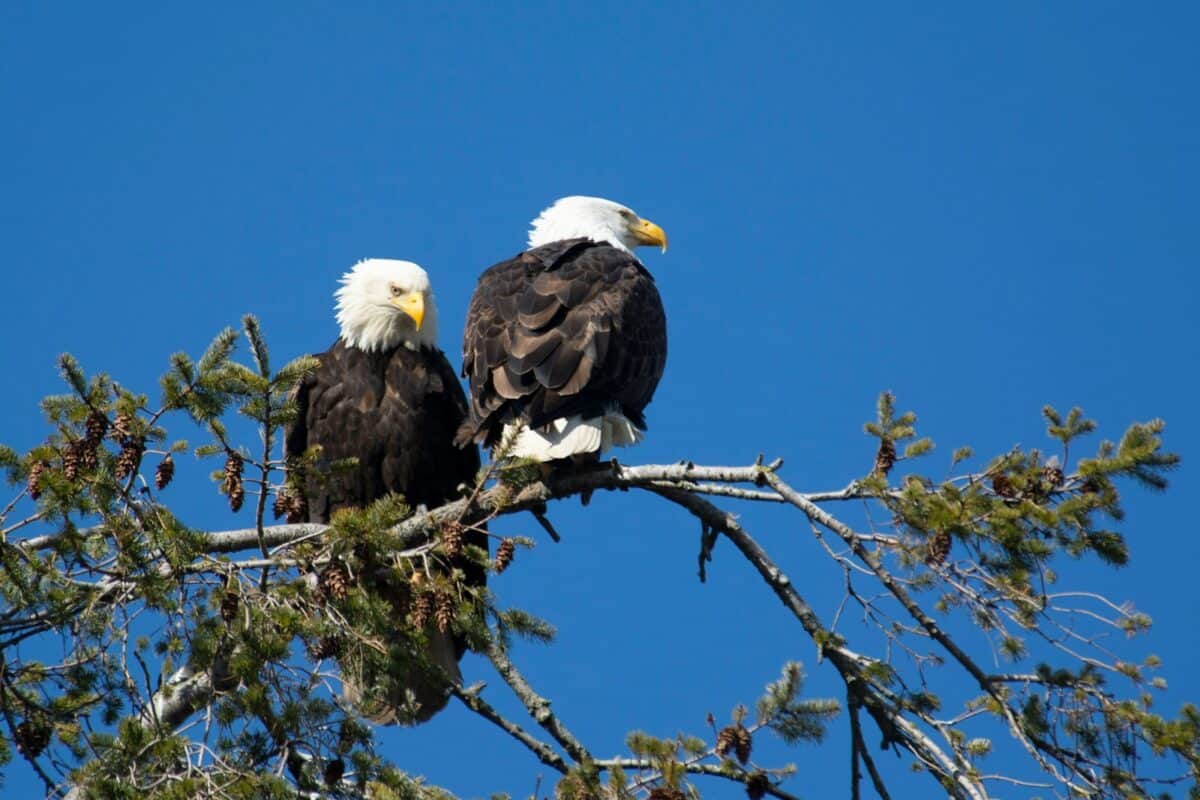
Bald eagles exhibit exceptional planning in their breeding cycle, beginning preparations months before eggs are actually laid. In most regions, courtship and nest-building start in late fall or early winter, often 3-6 months before egg-laying occurs. This extended preparation period allows the pair to construct or refurbish their massive nest, establish or reinforce territory boundaries, and build up nutritional reserves needed for the demanding breeding season ahead. During this time, eagles engage in frequent mating behaviors even though fertilization won’t occur until much later—a practice that strengthens their pair bond. The timing also allows young eagles to hatch when food resources are most abundant in spring, demonstrating an evolutionary synchronization with seasonal cycles that maximizes offspring survival chances.
11. Record-Breaking Nest Construction

Bald eagle nests represent some of the most impressive structures in the animal kingdom, directly tied to their mating and reproduction strategy. Mated pairs work cooperatively to build or maintain these massive structures, adding new materials each breeding season. The largest documented bald eagle nest, found in St. Petersburg, Florida, measured 9.5 feet in diameter, 20 feet deep, and weighed over two tons. These enormous nests, called eyries, serve as both the mating ground and nursery for eagle pairs. Their substantial size provides protection from predators and weather extremes while creating a stable platform for raising young. Eagle pairs typically add 1-2 feet of new material annually, creating structures that can last for decades and become multi-generational landmarks if the location remains undisturbed. The collaborative nest building process also strengthens the pair bond between mates.
10. Highly Synchronized Egg-Laying Process

The reproductive synchronization between mated bald eagles is remarkably precise. After copulation, females typically lay eggs at 3-5 day intervals, usually producing 1-3 eggs per breeding season. This carefully timed process requires intricate hormonal coordination between partners, with male behaviors and vocalizations influencing the female’s reproductive cycle. Interestingly, despite mating activity occurring throughout their preparation period, the female’s body delays fertilization until environmental conditions are optimal. The first eggs receive immediate incubation, creating an age difference among siblings that establishes a natural hierarchy within the nest. This staggered hatching, known as asynchronous hatching, serves as a natural adaptation to unpredictable food supplies. In years of abundance, all eaglets may survive, while during scarcity, resources are naturally concentrated on the oldest and strongest offspring, ensuring at least some reproductive success.
9. Shared Incubation Responsibilities
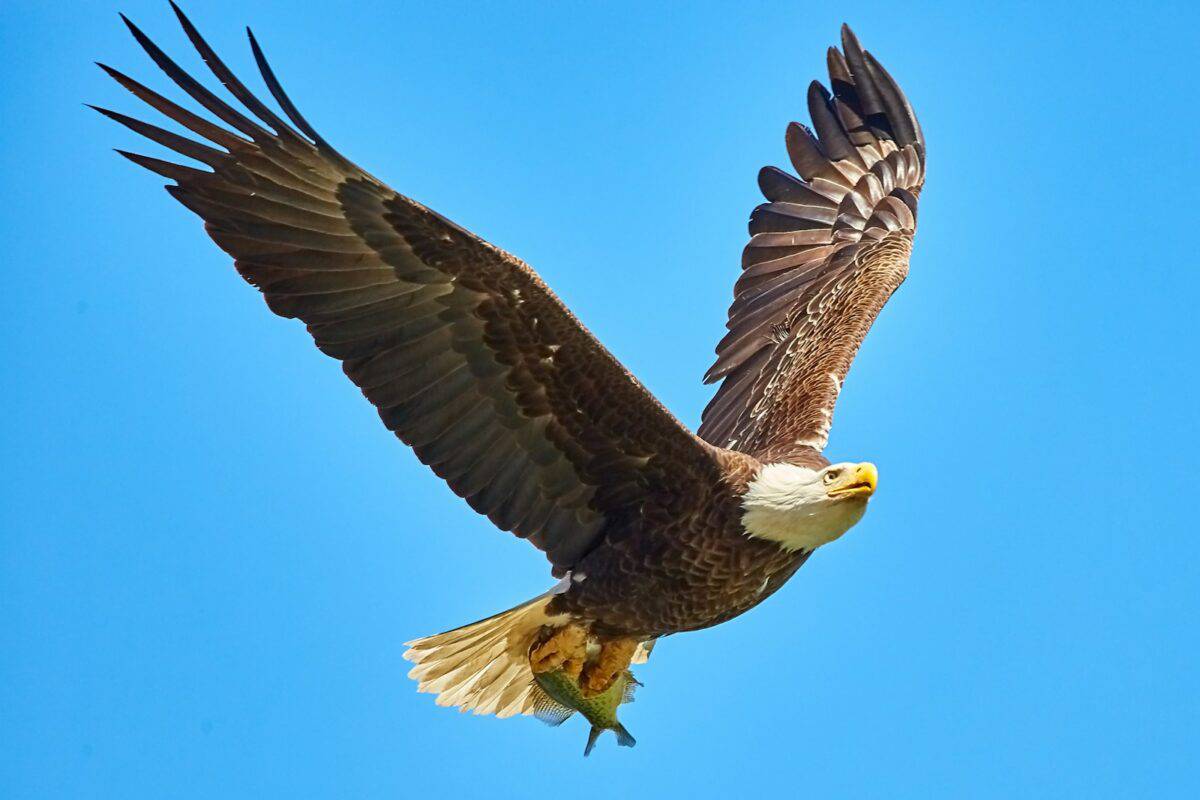
Unlike many bird species where one sex handles most or all incubation duties, bald eagles share this critical responsibility nearly equally. Both male and female take turns incubating their eggs for 34-36 days before hatching, with remarkably coordinated handoffs that ensure the eggs are rarely exposed. Studies using nest cameras have revealed that females typically handle about 60% of incubation time, with males covering the remaining 40%. This equitable division of labor demonstrates the deep cooperative relationship between mated eagles. During partner switches, the incoming eagle often brings nesting material or food as a gift—a behavior that reinforces their bond while providing practical benefits. The shared incubation allows both parents to maintain their physical condition throughout this demanding period, as each can alternate between guarding the nest and hunting for food, maximizing their efficiency as a reproductive team.
8. Vocal Duets During Mating Season

Bald eagles engage in complex vocal communication during courtship and mating that strengthens their pair bond. Contrary to popular representations, these raptors don’t produce the high-pitched screech often attributed to them in media. Instead, mated pairs perform coordinated duets consisting of a series of high-pitched whistling or piping calls. These vocalizations serve multiple purposes in their relationship: they help synchronize reproductive readiness, warn off potential territorial intruders, and reinforce recognition between partners. Researchers have documented that each eagle pair develops distinctive vocal patterns unique to their relationship, similar to a private language between partners. The frequency and intensity of these duets increase dramatically during the weeks immediately preceding egg-laying, serving as both an external territorial declaration and an intimate form of communication that coordinates their reproductive timing.
7. Mutual Feeding Rituals

One of the most intimate aspects of bald eagle courtship involves elaborate feeding rituals that demonstrate commitment and strengthen pair bonds. During the courtship period, males frequently hunt and bring food to females, carefully presenting their catch as a gift. This behavior, known as courtship feeding, goes beyond simple nutrition—it demonstrates the male’s hunting prowess and ability to provide for future offspring. As the relationship develops, females may reciprocate this behavior, creating a mutual exchange that reinforces their partnership. The manner of food sharing is equally significant, with partners sometimes passing prey items back and forth several times before consumption. Ornithologists have observed that successful, long-term eagle pairs engage in more frequent and elaborate feeding rituals than newly formed couples, suggesting these interactions become more refined throughout their relationship. This food-sharing behavior continues even during the child-rearing phase, when parents will tear food into appropriate-sized pieces for their eaglets.
6. Cooperative Parenting Strategy

Bald eagle parenting represents one of nature’s most impressive examples of cooperative child-rearing. Both parents actively participate in every aspect of eaglet care for 10-12 weeks post-hatching, from feeding and protection to teaching essential survival skills. This shared approach allows for nearly constant supervision of vulnerable young while maintaining the parents’ hunting efficiency. During the eaglets’ first weeks, one parent remains at the nest almost continuously while the other hunts, with regular shift changes throughout the day. As eaglets grow, parents coordinate hunting expeditions to meet increasing food demands, sometimes making 15-20 hunting trips daily. This intensive team approach to parenting requires sophisticated communication and coordination between mates, further strengthening their bond. Research has shown that eaglets raised by established pairs with well-developed cooperative routines have higher survival rates than those raised by newly formed or less coordinated couples, highlighting the evolutionary advantage of their committed co-parenting approach.
5. Territory Fidelity and Generational Nesting Sites

Bald eagle pairs demonstrate extraordinary fidelity not only to each other but also to their territory and nest sites. Established pairs typically return to the same nesting territory year after year, with some documented cases of eagles using the same general area for over 35 years. This territorial fidelity creates a multi-generational connection to specific landscapes, with successful nesting sites sometimes being used by successive pairs for more than a century. The pair defends this territory cooperatively, with both males and females participating equally in territorial defense through vocalizations, displays, and if necessary, physical confrontations with intruders. This shared defense further strengthens their bond while protecting critical resources. Interestingly, while fiercely territorial during breeding season, many eagle pairs migrate separately during non-breeding months, only to reunite with remarkable precision at their established territory when the next breeding season approaches—a testament to both their navigational abilities and their commitment to their mate and home.
4. Unique Genetic Compatibility Assessment
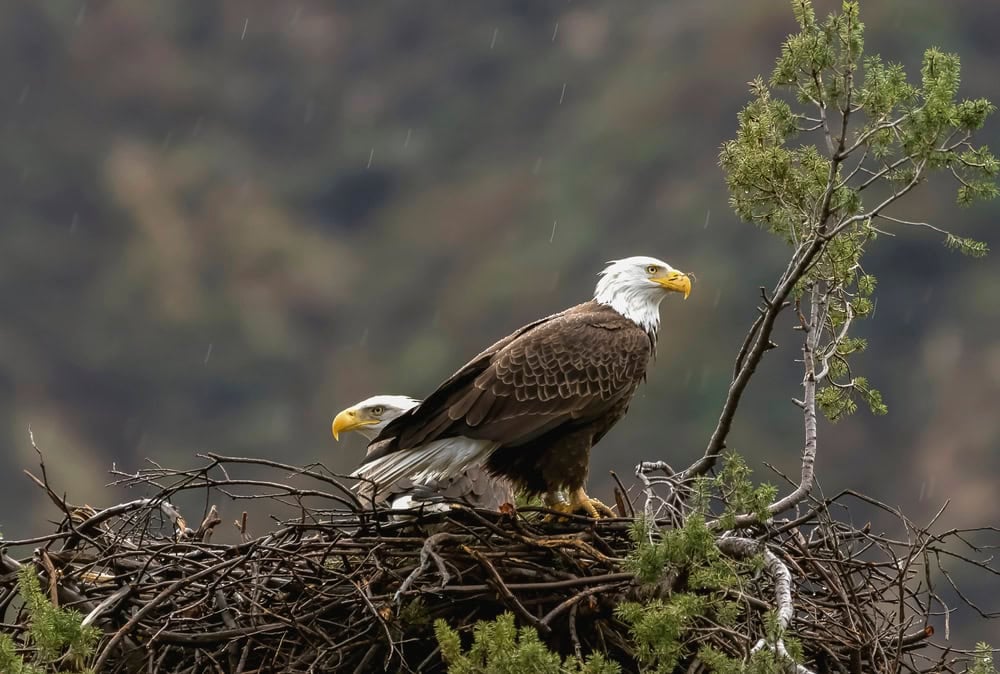
Recent research suggests that bald eagles possess sophisticated mechanisms for assessing genetic compatibility with potential mates, going beyond mere displays of strength or hunting prowess. During courtship, eagles appear to evaluate subtle biological markers that indicate genetic diversity—a critical factor for producing healthy offspring. One theory suggests that the close physical interaction during aerial displays allows eagles to detect pheromones or other biochemical signals that provide information about a potential mate’s genetic makeup. Eagles typically avoid mating with close relatives, with studies showing that pairs formed between unrelated individuals have higher reproductive success than those between eagles sharing recent ancestry. This genetic assessment capability is particularly important for eagle populations that experienced severe bottlenecks during their near-extinction in the mid-20th century, when DDT contamination decimated their numbers. The eagles’ ability to select genetically compatible partners has likely played a significant role in their successful recovery from fewer than 500 breeding pairs in the 1960s to over 10,000 pairs today.
3. Adaptable Mating Schedules Based on Geography

Bald eagles display remarkable geographical adaptation in their mating and breeding schedules, with pairs adjusting their reproductive timing based on their specific location. Eagles in southern Florida may begin nesting as early as October, while pairs in Alaska might not start until April—a six-month difference within the same species. This adaptation allows eagles throughout their range to synchronize egg-laying and hatching with optimal local conditions and food availability. The timing flexibility extends to their entire reproductive cycle, with courtship, nest-building, and fledging all adjusted according to regional patterns. Interestingly, when eagle pairs relocate to new territories in different climate zones, they can adjust their breeding schedule within 1-2 seasons, demonstrating impressive reproductive plasticity. This geographical adaptation represents an evolutionary advantage that has helped bald eagles establish successful breeding populations across extremely diverse environments, from the subtropical Everglades to the arctic regions of Alaska and everywhere in between.
2. Sequential Polyandry in Special Circumstances

While bald eagles typically maintain monogamous relationships, researchers have documented rare cases of sequential polyandry—a female mating with multiple males in succession within a single breeding season. This unusual behavior typically occurs only when a female’s primary mate is injured or killed after courtship but before egg-laying is complete. In these situations, a female may quickly establish a bond with another male to complete the breeding cycle. This reproductive flexibility represents an evolutionary adaptation that allows females to salvage reproductive opportunities despite the loss of their primary partner. What makes this behavior particularly unique is that the second male will often accept and help raise eggs that may have been fertilized by the previous partner—an uncommon acceptance of non-biological offspring in the avian world. Wildlife biologists believe this flexibility may have been particularly important during periods when bald eagle populations were severely depleted, maximizing reproductive output when potential mates were scarce.
1. Elevated Copulation Frequency

Bald eagles engage in copulation with significantly greater frequency than biologically necessary for reproduction, with mated pairs often mating multiple times daily throughout their extended breeding season. While a single successful copulation could theoretically fertilize an entire clutch of eggs, researchers have documented eagle pairs mating 10-15 times per day during peak periods—far more than required for fertility. This high frequency serves multiple purposes beyond reproduction: it strengthens the pair bond, reinforces the partnership, and may help synchronize the partners’ hormonal cycles. Copulation typically occurs on the nest rim or nearby perches and follows a distinctive pattern of vocalizations and movements recognized by both partners. Interestingly, the frequency of mating behavior increases dramatically in the presence of potential territorial intruders, suggesting it also serves as a visible declaration of the pair’s established bond and territorial claim. This behavior continues throughout the breeding season, even after egg-laying is complete, further indicating its importance in maintaining the relationship beyond mere reproduction.
Conclusion: The Evolutionary Success of Bald Eagle Mating Strategies

The bald eagle’s complex and multifaceted approach to mating represents one of nature’s most successful reproductive strategies, combining lifelong partnership, shared parental investment, and remarkable adaptability. These fifteen unique aspects of their mating behavior have collectively enabled bald eagles to recover from near-extinction to become one of conservation’s greatest success stories. Their ability to form lasting pair bonds that improve in efficiency and coordination over time gives them significant advantages in raising young successfully in challenging environments. The commitment demonstrated through their shared responsibilities—from nest building and territory defense to incubation and eaglet rearing—illustrates why cooperative partnerships have proven so evolutionarily advantageous for these apex predators. As we continue to study and protect these magnificent birds, their extraordinary mating behaviors remind us that nature’s most successful species often rely not on competition alone, but on cooperation, communication, and commitment—lessons that extend well beyond the animal kingdom.

As a little kid, I fell in love with nature, wildlife, and animals. Living in the USA, South Africa, Italy, China and Germany gave me the opportunity to discover the world's Wildlife. My favorite animals are Mountain Gorillas, Siberian Tigers, and Great White Sharks.
I'm a certified PADI Open Water Diver, went to Everest Base Camp and Trekked Gorillas in Uganda. I hold a Master of Science in Economics and Finance.
Please send any feedback to feedback@animalsaroundtheglobe.com
- 13 Aquatic Mammals That Don not Look It - July 10, 2026
- 15 Unlikely Hunters With Killer Instincts - July 10, 2026
- 10 Low-Maintenance Pets for Busy Owners - July 10, 2026