
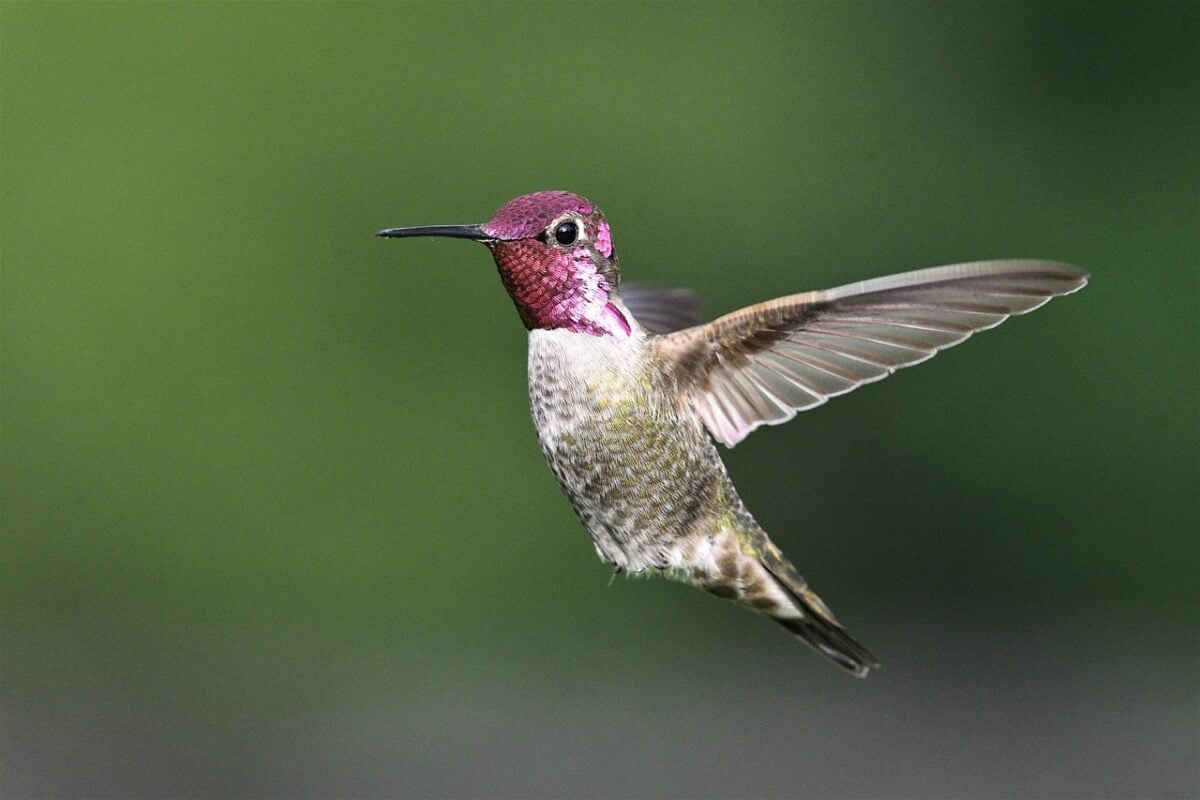
You planted the tubular red flowers. You hung the feeder in the perfect spot. You even researched the exact nectar ratio down to the tablespoon. And yet, morning after morning, the feeder just hangs there, untouched, while the rest of the neighborhood seems to have hummingbirds zipping past every window but yours.
Here’s the uncomfortable truth: hummingbirds aren’t ignoring your yard by accident. Something in it is quietly telling them to stay away, and it’s rarely the obvious thing you’d expect. The 14 reasons below range from small design flaws to invisible signals only a hummingbird would notice, and by the end, you’ll probably recognize at least one mistake happening in your own backyard right now.
14 – Presence of Predators
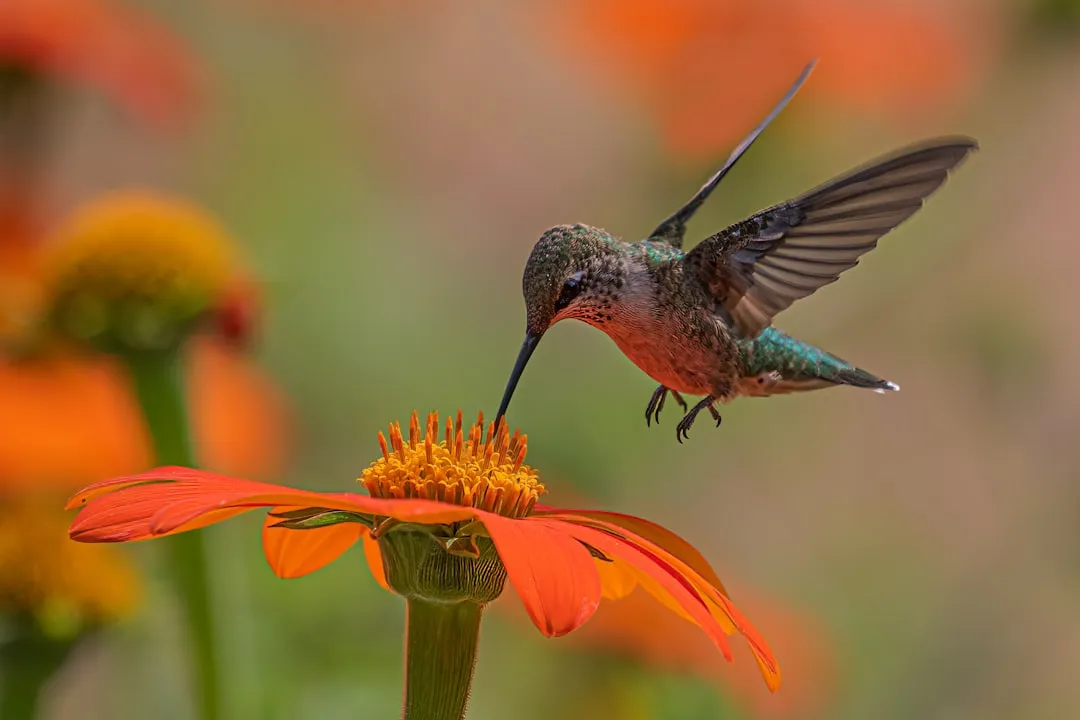
Even the mere shadow of a predator can send a hummingbird darting away for good, and it doesn’t take a real attack to do it. Just the sight of a lurking threat is enough to make a hummingbird cross your yard off its mental map entirely.
Domestic cats, hawks, and even larger, bolder birds pose real danger to something so small and fragile. Hummingbirds have sharp eyesight and long memories, and they will actively avoid areas where they’ve spotted a predator before. Keeping pets indoors during peak feeding hours and placing feeders away from dense, shadowy foliage where predators can hide gives these tiny visitors the confidence to stick around.
13 – Insect Infestations
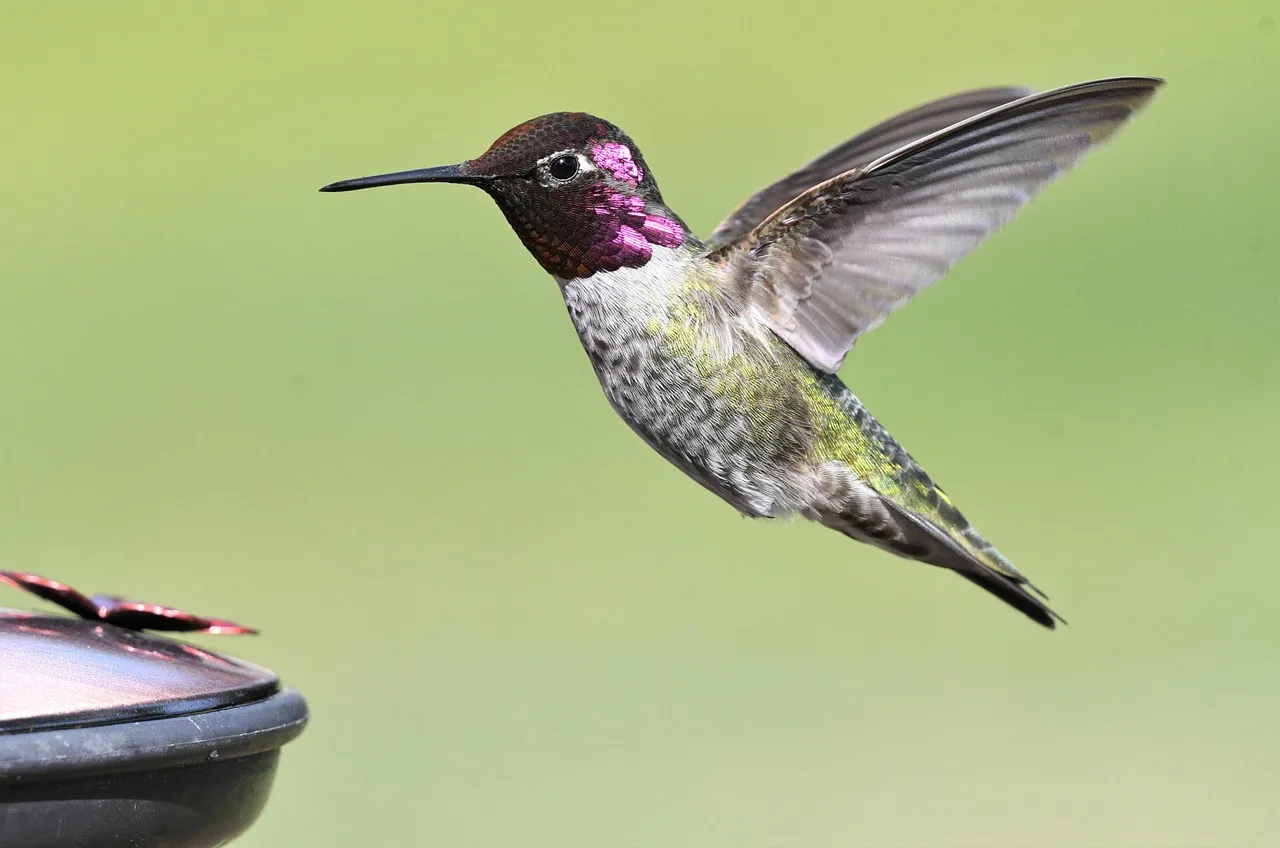
A feeder that should be a peaceful buffet can quickly turn into a swarming battlefield. When that happens, hummingbirds don’t stick around to fight for their share.
Bees, wasps, and ants are drawn to the same sugary nectar hummingbirds crave, and when they take over a feeder, the birds simply move on. Feeders with built-in bee guards or ant moats help keep the bullies out. Wiping up sticky spills and cleaning the feeder regularly also removes the scent trail that draws insects in the first place.
12 – Dirty or Spoiled Nectar
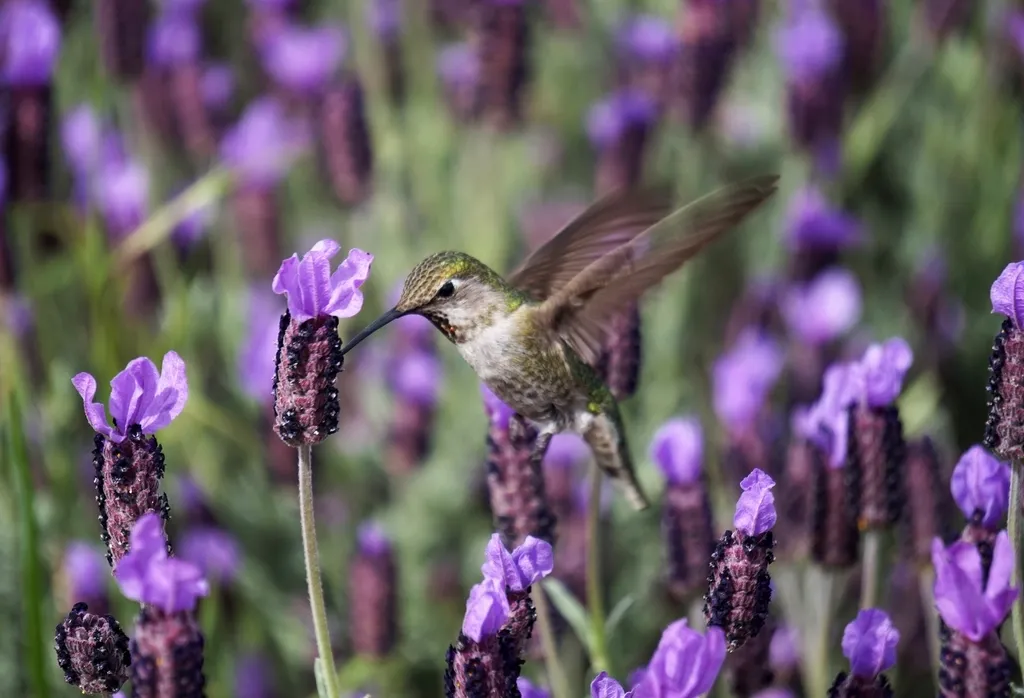
Stale nectar isn’t just unappetizing to a hummingbird, it can actually be dangerous. And these birds seem to know it instantly.
In warm weather, nectar ferments fast, growing mold and bacteria that can make hummingbirds sick. Their sensitivity to these changes means a feeder left too long will simply get skipped over, day after day. Swapping out the nectar every 2 to 3 days and giving the feeder a real scrub-down, not just a rinse, keeps it on the birds’ regular rotation instead of their blacklist.
Fast Facts
- Nectar can turn cloudy and start fermenting in as little as a day or two once temperatures climb into the 80s and 90s
- The standard homemade nectar ratio is 4 parts water to 1 part white sugar, never dyed or honey-based
- Mold growing inside a feeder port can lead to a fungal infection that damages a hummingbird’s tongue
- Hot water and a bottle brush clean a feeder better than soap, which can leave a residue birds detect instantly
11 – Poor Feeder Placement
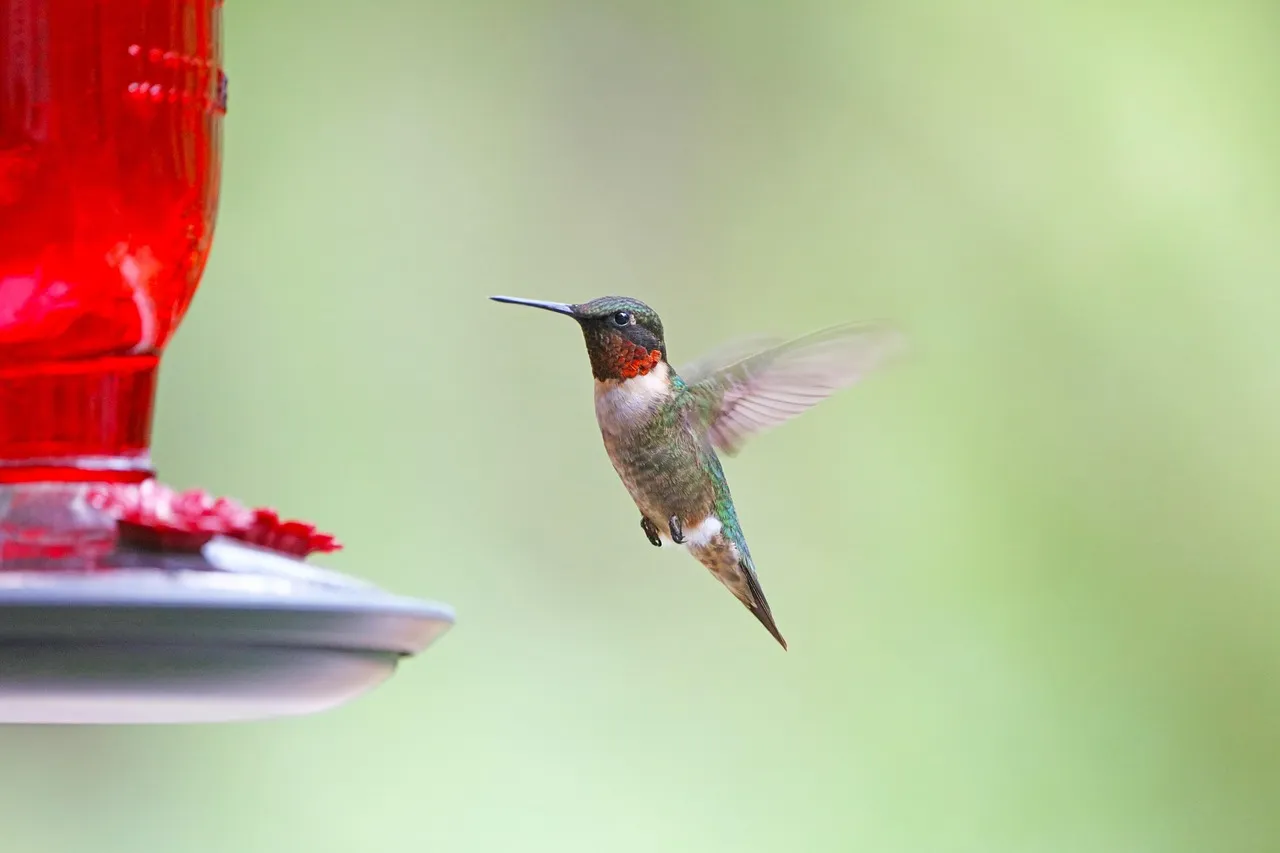
Where you hang the feeder matters just as much as what’s inside it. Get the location wrong, and even the freshest nectar won’t save you.
Feeders placed in high-traffic zones, right against windows, or baking in full afternoon sun tend to get ignored. Hummingbirds gravitate toward quiet, partially shaded spots where they can feed without feeling exposed. The sweet spot is a feeder that’s visible enough to be found, but tucked away enough to feel safe.
10 – Inappropriate Feeder Design
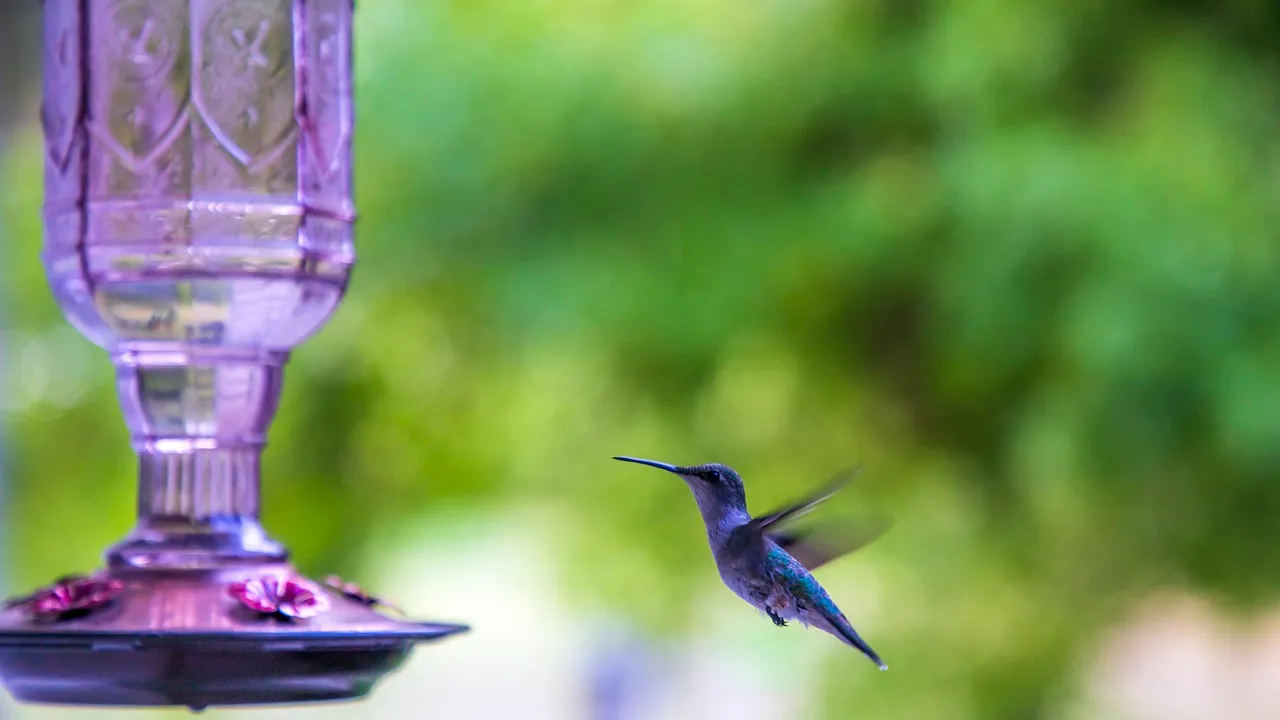
Not every feeder on the shelf is actually built with a hummingbird in mind, no matter how charming it looks in the store. Overly ornate designs can be more style than substance.
Complicated feeders with tiny openings or awkward angles make feeding frustrating for birds that already work hard for every calorie. Simple designs with red accents tend to perform best, since red is a color hummingbirds are naturally drawn to from a distance. Look for a feeder with sturdy perches and easy-to-clean parts, because function beats decoration every time.
9 – Lack of Natural Shelter
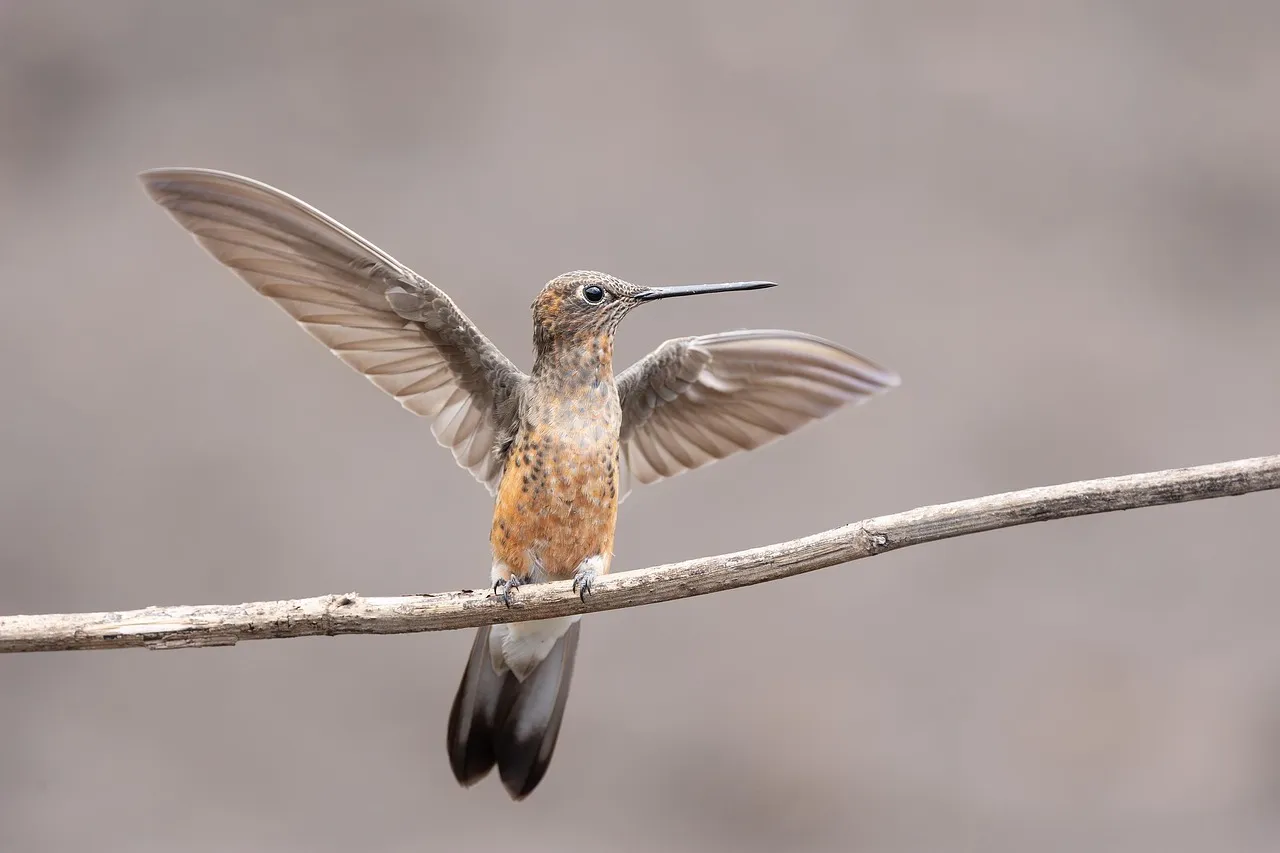
Hummingbirds aren’t just hunting for a meal, they’re scouting for a safe place to rest between feedings. A yard that’s all open lawn and no cover can feel like a dead end to them.
Without trees, shrubs, or dense native plants nearby, hummingbirds have nowhere to perch, hide, or wait out a threat. Adding native shrubs and small trees gives them a place to rest and watch the yard before committing to a feeding run. A yard with layers of cover almost always outperforms a bare, manicured one.
8 – Invasive Plant Species
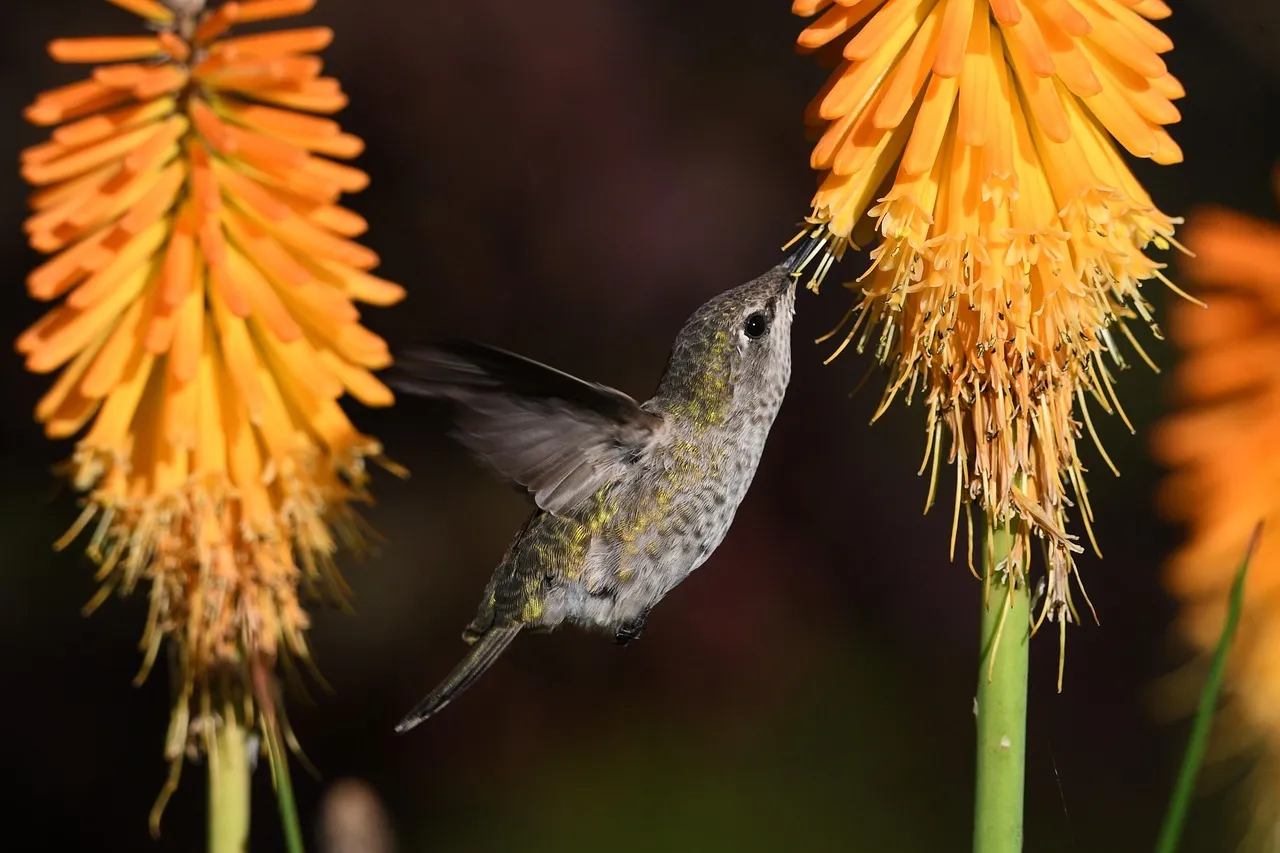
Not every green, flowering plant in your yard is actually helping the hummingbirds you’re trying to attract. Some are quietly working against you.
Invasive species often crowd out the native plants hummingbirds depend on for real nectar, leaving your yard looking lush but nutritionally empty to them. That mismatch pushes birds to search elsewhere for food that actually sustains them. Choosing native, nectar-rich flowers instead gives hummingbirds a reason to treat your yard as a genuine feeding stop, not just scenery.
7 – Use of Pesticides

A chemically treated yard might look perfectly clean to you, but to a hummingbird, it can feel like a trap. The consequences go deeper than most people realize.
Pesticides don’t just kill the “bad” bugs, they wipe out the tiny insects hummingbirds rely on for protein, especially when feeding their young. Residue can also linger in nectar sources, creating a hidden health risk with every sip. Switching to natural pest control methods protects the very food web hummingbirds need to survive.
Worth Knowing
- Nectar covers energy needs, but soft-bodied insects like gnats, aphids, and fruit flies supply the protein hummingbirds can’t get anywhere else
- Nesting females feed their chicks a diet that’s almost entirely tiny insects and spiders during the first weeks of life
- A yard sprayed clean of bugs can look tidy while quietly starving the birds you’re trying to feed
- Letting a few “messy” corners of the garden go chemical-free often does more for hummingbirds than another flower bed
6 – Excessive Noise
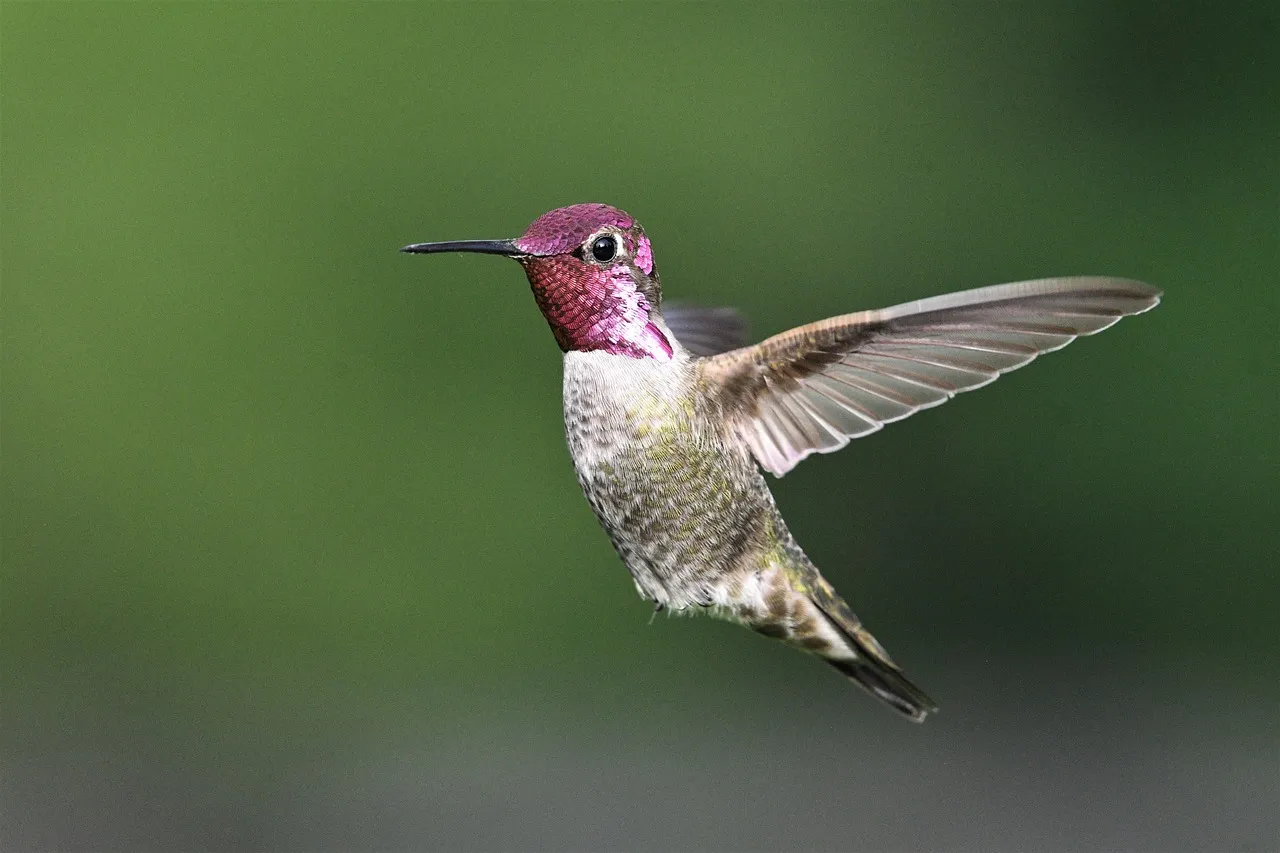
These birds are wired for stillness, and a loud yard can feel like a threat even when nothing dangerous is actually happening. Noise alone is often enough to keep them away.
Lawn mowers, power tools, construction, or even a speaker blasting music can send hummingbirds fleeing before they ever reach the feeder. They favor calm, predictable environments where they can feed without constantly bracing for danger. Simply timing yard work away from peak morning and evening feeding hours can make a noticeable difference.
5 – Reflective Surfaces
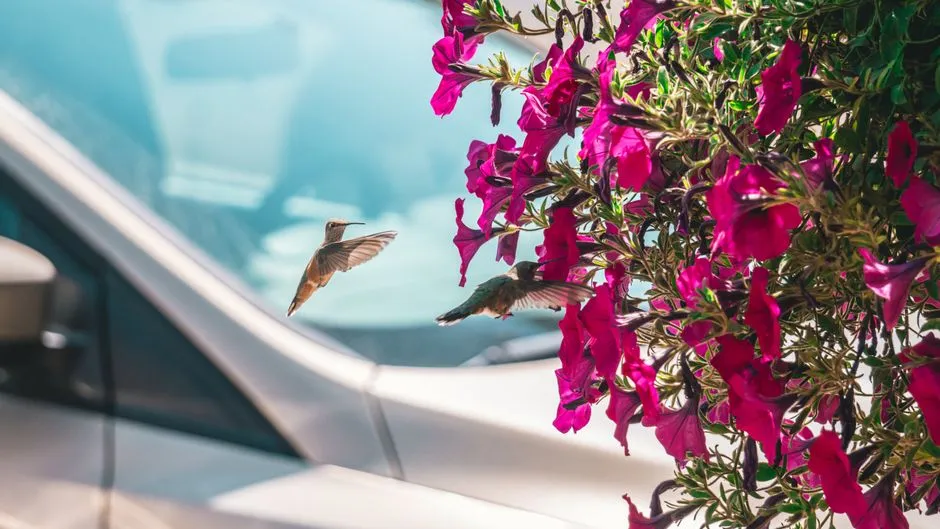
Shiny décor might catch your eye, but it can genuinely spook a hummingbird. What looks like a nice garden accent to you can look like a threat to them.
Mirrors, glass, and metallic ornaments can create confusing reflections that hummingbirds misread as obstacles or rival birds. That split-second confusion is often enough to make them avoid the area entirely. Repositioning feeders away from reflective surfaces, or adding decals to break up window glare, removes that invisible barrier.
4 – Strong or Unfamiliar Scents
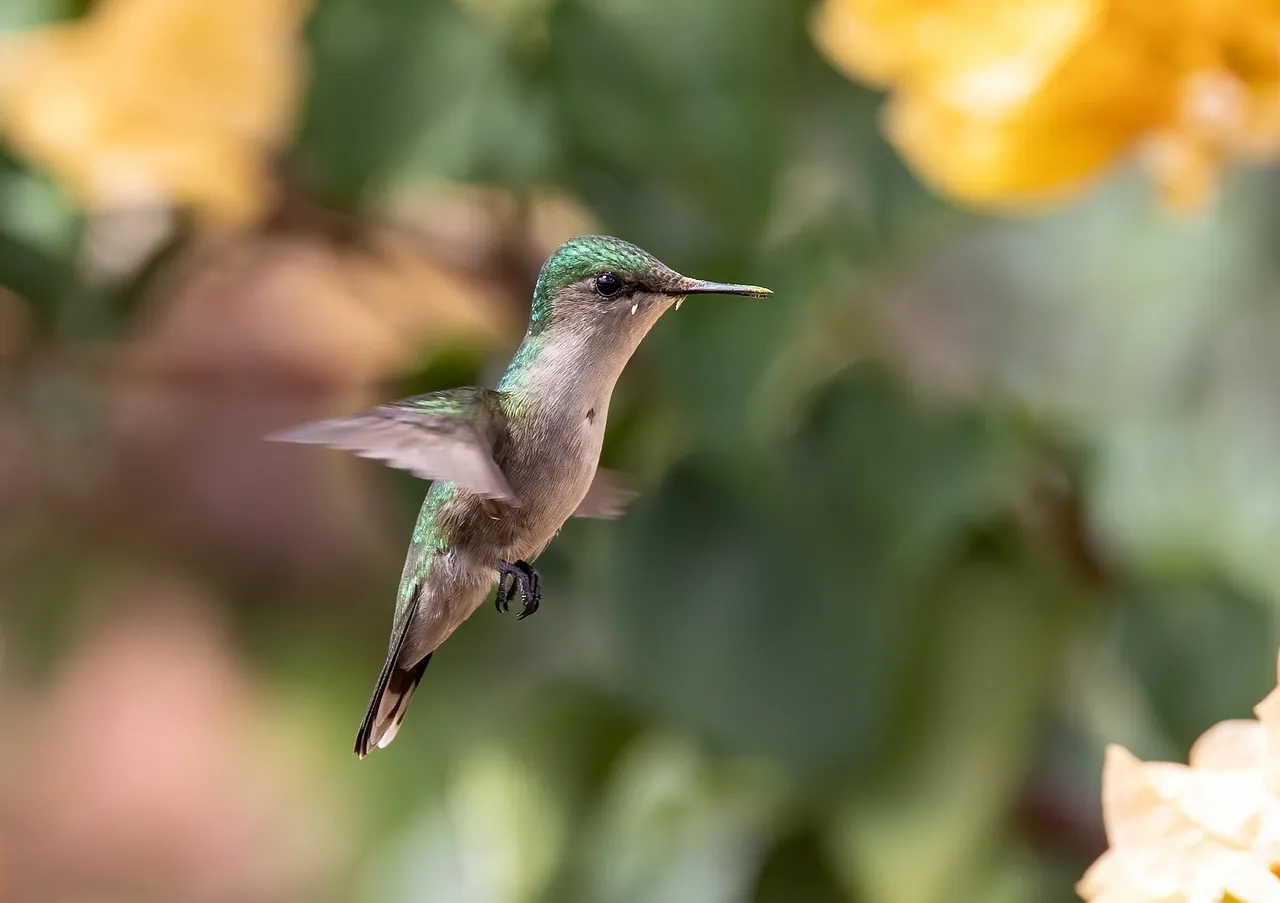
Hummingbirds navigate partly by scent, which means your yard’s smell matters more than you’d think. An overpowering or unfamiliar odor can be as off-putting as a bad location.
Heavy perfumes, strongly scented plants, or chemical treatments can mask the natural cues hummingbirds use to find nectar. When the scent trail gets confusing, they simply stop investigating. Keeping the area around feeders free of strong artificial smells helps hummingbirds trust what they’re sensing.
3 – Aggressive Hummingbirds
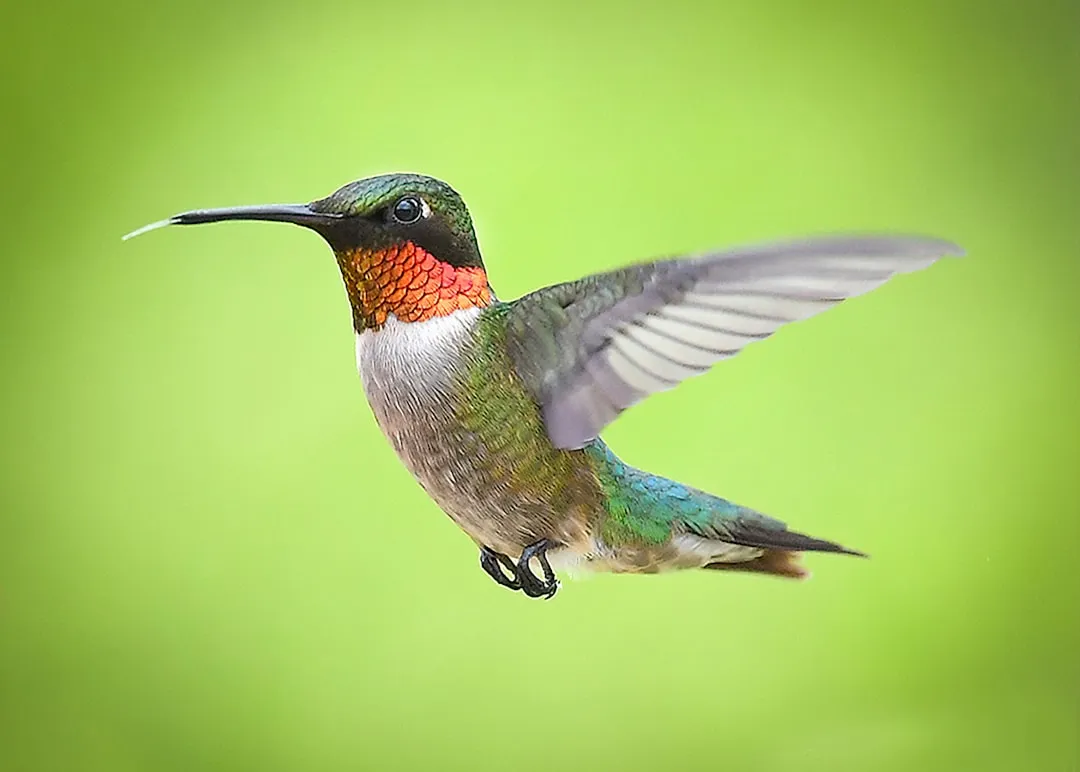
Sometimes the biggest obstacle to more hummingbirds is the hummingbird already there. These birds can be surprisingly territorial for something so small.
A single dominant bird will often claim a feeder and chase off every other visitor that tries to approach, discouraging repeat visits from anyone but the bully. Setting up multiple feeders spaced out of each other’s sightlines breaks up that monopoly. Spreading feeding stations around the yard gives shy or younger birds a real chance to feed without a fight.
2 – Nectar With Red Dye
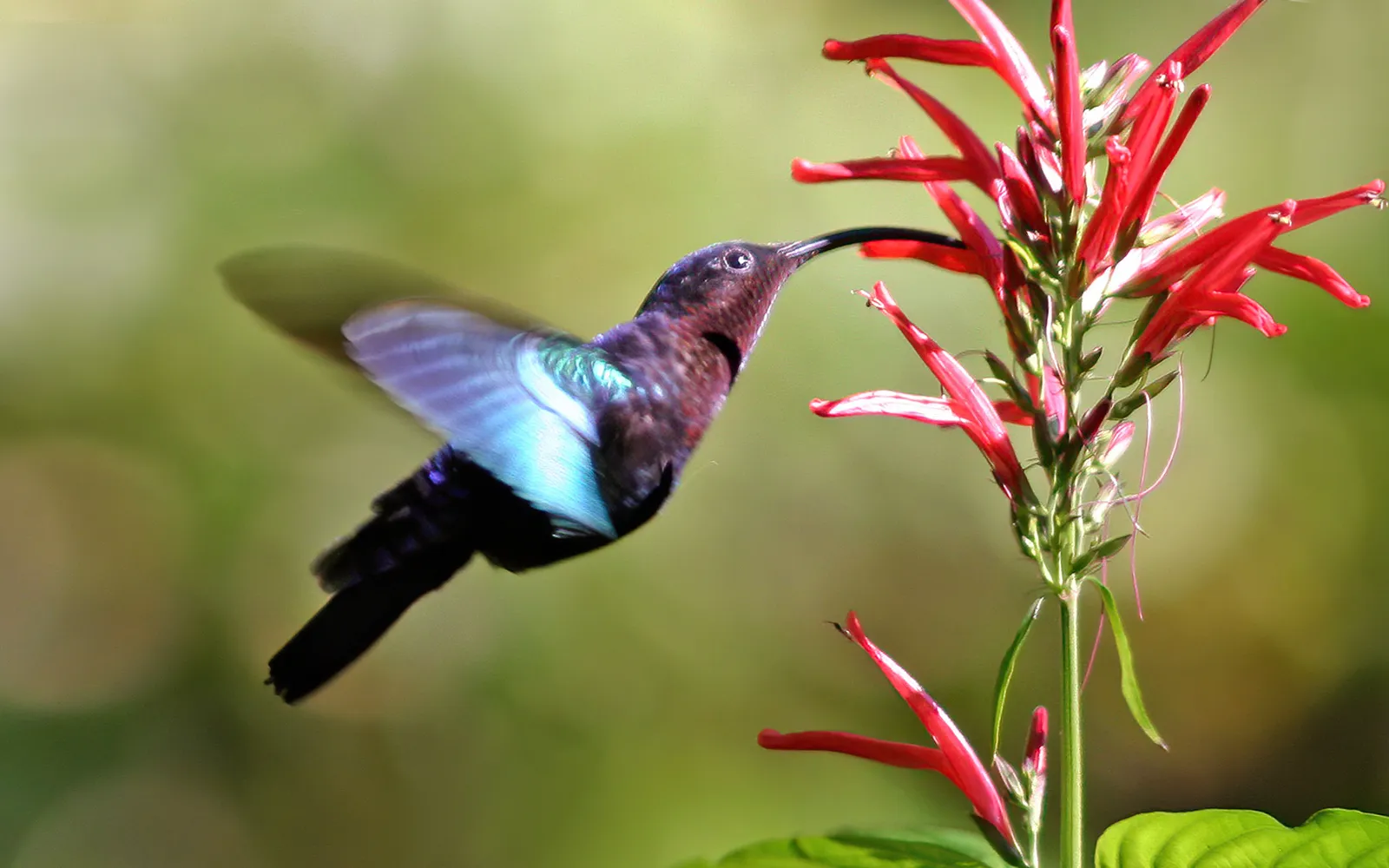
That bright red nectar in the store might look festive, but it’s solving a problem that never needed solving. Hummingbirds don’t need artificial color to find your feeder.
Red dye adds no nutritional value and may actually cause the birds to avoid nectar that smells or tastes subtly “off” compared to the real thing. Most feeders already have red accents built into the design, which is more than enough to catch a hummingbird’s attention. A simple, clear mixture of sugar and water, without any dye, is what these birds actually prefer and need.
1 – Constantly Moving or Refilling the Feeder Late
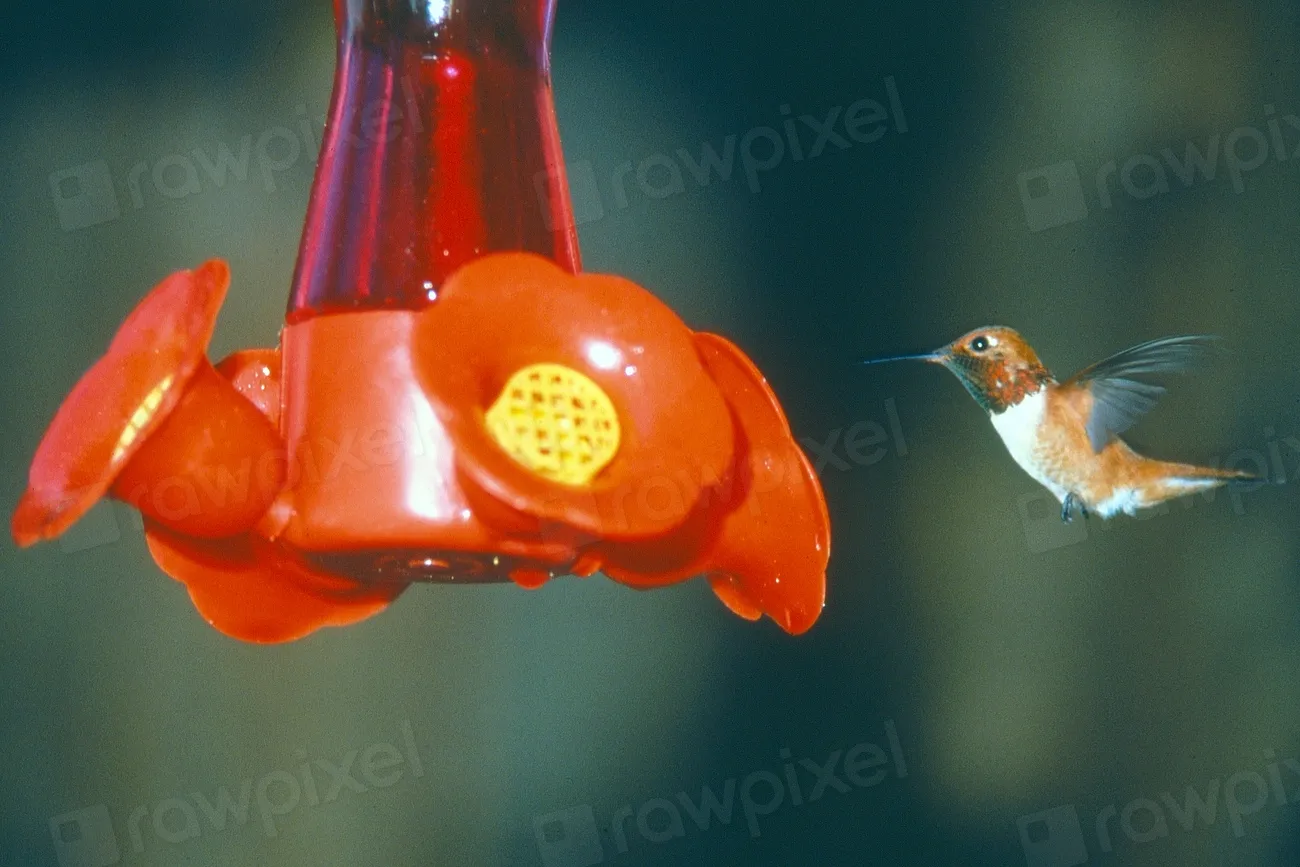
Hummingbirds are creatures of habit in a way most people don’t expect. They memorize feeding routes down to the exact bush, fence post, and feeder location, and they return to those same spots for weeks or even years.
Move the feeder to a “better” spot, or let it sit empty for a few days, and a bird that used to visit like clockwork may simply never find its way back. Consistency matters more than perfection here. Keeping the feeder in the same place and reliably filled is often the single biggest factor in whether hummingbirds keep coming back at all.
At a Glance
- Hummingbirds can hold a mental map of every reliable feeder and flower patch across their entire territory
- Migratory hummingbirds are known to return to the very same yard, sometimes the same feeder pole, year after year
- Even a short gap of an empty feeder can be enough for a bird to drop your yard from its regular route
- Predictability, not perfection, is what turns an occasional visitor into a daily regular
If there’s one thing this list makes clear, it’s that hummingbirds aren’t picky in the way people assume, they’re just paying closer attention than we give them credit for. They notice the noise, the neglected feeder, the shiny ornament, the moved location, long before we ever realize we’ve done anything wrong. The good news is that almost every deterrent on this list is fixable in an afternoon. The real question isn’t whether your yard can attract hummingbirds, it’s whether you’re willing to see it the way they do.
