


Zoo escapes have captivated public imagination and made headlines around the world for decades. These extraordinary events showcase animals’ intelligence, determination, and sometimes pure luck as they find freedom beyond their enclosures. While zoos implement rigorous safety measures to prevent escapes, clever animals occasionally find weaknesses in even the most sophisticated containment systems. From cunning primates who carefully plan their getaways to powerful predators who seize unexpected opportunities, these 15 remarkable zoo escapes demonstrate the unpredictable nature of working with wildlife and the challenging balance between conservation, education, and containment that modern zoos must navigate.
Ken Allen The “Hairy Houdini” of San Diego Zoo

Perhaps the most famous zoo escape artist of all time, Ken Allen the orangutan earned the nickname “Hairy Houdini” for his persistent escape attempts from the San Diego Zoo during the 1980s. Between 1985 and 1987, Ken escaped from his enclosure at least six times, typically by finding unnoticed handholds in his exhibit, unscrewing bolts, or using improvised tools. Most remarkably, Ken never acted aggressively during his escapes – instead, he would calmly stroll around the zoo, observing other animals and visitors. Zoo officials were forced to implement a “Ken-proofing” program, removing potential climbing aids and reinforcing the exhibit. They even hired staff disguised as tourists to monitor how he was escaping. Ken’s intelligence and persistence made him a beloved figure, demonstrating the remarkable cognitive abilities of orangutans and their close genetic relationship to humans.
Rusty the Red Panda’s Washington DC Adventure

In June 2013, a young red panda named Rusty captured America’s attention when he vanished from his enclosure at the Smithsonian’s National Zoo in Washington, DC. The zoo sent out an urgent alert on social media, sparking a city-wide search. Rusty was eventually spotted in the nearby Adams Morgan neighborhood after a Twitter user posted a photo of him walking along a residential street. Zoo officials theorized that Rusty used overhanging tree branches to climb out of his enclosure, which had been made more accessible by heavy rainfall the previous night that may have bent the branches closer to the enclosure edge. The escape prompted the zoo to trim back trees and add electric wires to the exhibit. Fortunately, Rusty was safely recovered within hours and returned to the zoo unharmed, though his brief taste of freedom earned him national fame.
The Taipei Zoo Cobra Crisis

In 2017, the Taipei Zoo faced a crisis when a highly venomous king cobra named Zero escaped from its enclosure. The escape wasn’t immediately detected, creating significant safety concerns throughout the facility. After an extensive search, zoo staff discovered that Zero had managed to slither through a small ventilation hole that was supposed to be too small for the snake to pass through. The zoo subsequently closed for three days while staff conducted a meticulous search, eventually locating Zero hiding in a crevice near the reptile house. The incident highlighted the remarkable ability of snakes to compress their bodies to fit through surprisingly small openings. Following the escape, the zoo implemented comprehensive improvements to all reptile enclosures, including smaller mesh coverings for ventilation areas and double-barrier systems. The escape also led to enhanced safety protocols and emergency response procedures for dangerous animal escapes.
Inky the Octopus’s Ocean Return

In April 2016, Inky the octopus executed one of the most ingenious escapes in zoo history at the National Aquarium of New Zealand. Aquarium staff arrived one morning to find Inky missing from his tank, with a trail of water leading to a small drainage pipe that led directly to the ocean. Investigators determined that Inky had squeezed his flexible body—which can fit through any opening larger than its beak—through a small gap at the top of his tank, crossed the floor, and slipped down the 164-foot drainpipe to Hawke’s Bay and ultimately to the Pacific Ocean. The escape demonstrated the extraordinary intelligence and problem-solving abilities of octopuses, which are considered among the most intelligent invertebrates. Marine biologists noted that wild octopuses are known to be escape artists with excellent spatial awareness and memory. While Inky was never recaptured, his daring escape is considered a successful return to his natural habitat.
The Leipzig Zoo Penguin Escape

In March 2012, a group of six Humboldt penguins at Germany’s Leipzig Zoo orchestrated a synchronized escape that left zookeepers bewildered. The penguins managed to find a loose section in their enclosure fence and waddled out as a group during a quiet morning period. Zoo visitors spotted the penguins exploring the park grounds, seemingly enjoying their freedom while staying together. What made this escape particularly interesting was the penguins’ behavior—rather than attempting to leave the zoo entirely, they wandered around exploring other exhibits, especially fascinated by the aquatic displays. Zookeepers were able to calmly guide the curious birds back to their habitat without incident. Following the escape, Leipzig Zoo reinforced the penguin enclosure and added additional monitoring. The incident became a popular attraction for the zoo, with many visitors specifically requesting to see the “escape artist” penguins during their visits.
Evading Capture Cyril the Sea Lion

In 2012, Cyril the sea lion made headlines after escaping from Blackpool Zoo in the United Kingdom and embarking on a three-hour adventure. The clever marine mammal managed to climb out of his pool using rocks that had been arranged as natural-looking features, then navigated through two security doors that had been accidentally left open during cleaning. Cyril was discovered swimming in a pond in the zoo’s flamingo exhibit, appearing to thoroughly enjoy his impromptu field trip. Staff created a human chain to guide him back to his enclosure, but the intelligent sea lion continuously evaded capture by swimming under and around the zookeepers. Eventually, keepers used his favorite fish treats to lure him into a transport crate. Following the incident, the zoo redesigned the rock formations in Cyril’s enclosure and implemented stricter protocols for securing doors during maintenance. Cyril’s escapade delighted the public while highlighting sea lions’ agility both in water and on land.
The Great Gorilla Escape at Buffalo Zoo

In 2012, Koga, a 400-pound male western lowland gorilla, triggered panic at Buffalo Zoo when he escaped through an unlocked door in his holding area. The 24-year-old gorilla made his way into a zoo staff-only area, where he encountered a female zookeeper. The keeper, following emergency protocols, locked herself in a bathroom while raising the alarm. Zoo officials immediately implemented their dangerous animal escape procedures, evacuating visitors and bringing in the emergency response team. Remarkably, Koga displayed no aggression during his brief freedom. When confronted by keepers armed with tranquilizers, he actually returned to his enclosure voluntarily after approximately one hour of freedom. The incident prompted the zoo to overhaul its door locking mechanisms and security protocols, installing electronic verification systems for all primate enclosures. Despite the frightening nature of having such a powerful animal loose, Koga’s calm behavior supported research showing that gorillas, despite their immense strength, are generally peaceful unless threatened.
The London Zoo Silverback Incident
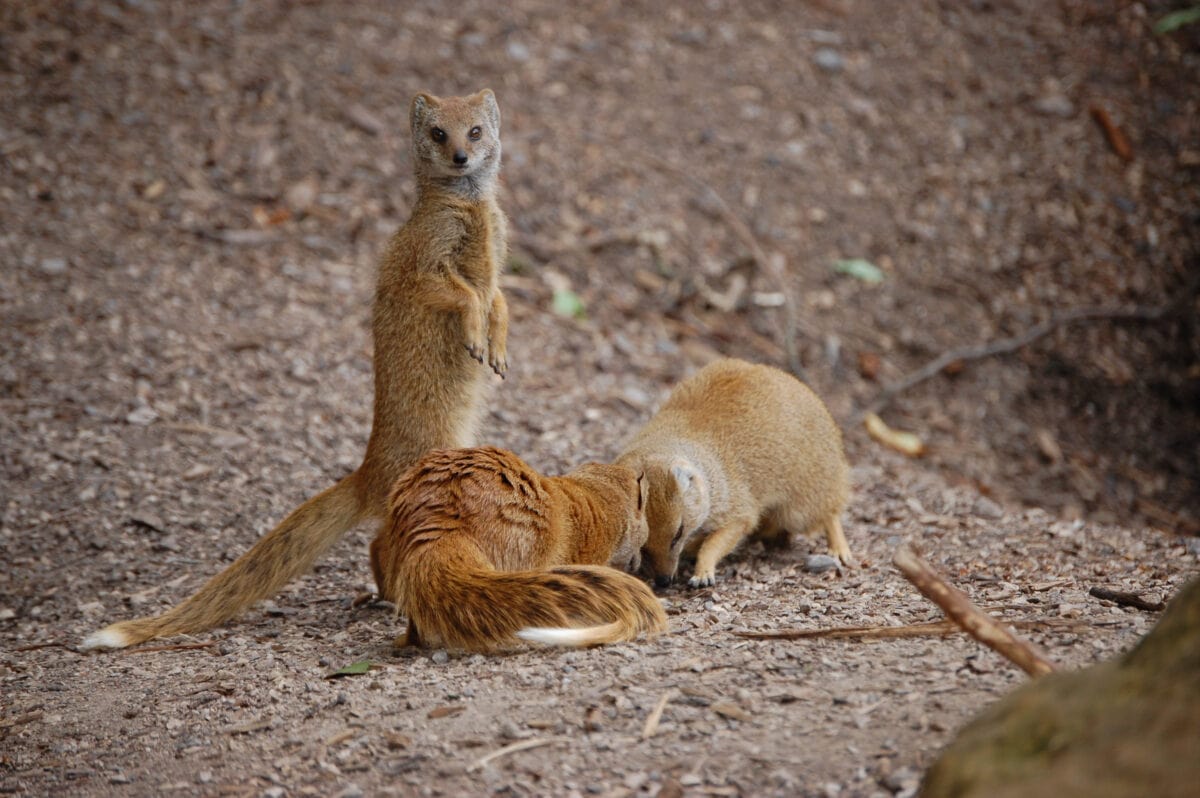
In October 2016, visitors to London Zoo experienced terrifying moments when Kumbuka, a 418-pound silverback gorilla, escaped from his enclosure in the zoo’s Gorilla Kingdom. The escape occurred after a door separating the gorilla’s den from a service corridor was left unsecured. Kumbuka had shown signs of agitation earlier in the day, reportedly due to being provoked by visitors. Once free, he entered a keeper area where he drank five liters of undiluted blackcurrant squash but did not enter public zones. The zoo initiated a full emergency lockdown, with visitors sheltered in buildings throughout the facility. Armed police responded to the scene, but zoo staff were able to tranquilize Kumbuka without injury to the gorilla or humans. A subsequent investigation revealed failures in security protocols and door locking procedures. The incident raised significant questions about gorilla welfare in captivity and resulted in improved safety measures, including double-verification systems for enclosure doors and stricter visitor behavior guidelines.
Reggie the Alligator’s Los Angeles Tale

In 2005, a remarkable story unfolded in Los Angeles when an alligator appeared in Machado Lake at Harbor Regional Park. Named “Reggie” by locals, the 6.5-foot American alligator was illegally released by a former police officer who had raised him as a pet. Although not technically a zoo escape, Reggie’s case represents an unauthorized exotic animal release that created a two-year saga. Multiple capture attempts failed as Reggie evaded professional wranglers, wildlife experts, and city officials, periodically disappearing for months before being spotted again. The elusive reptile became a local celebrity, with “Reggie watches” and merchandise created in his honor. In May 2007, Reggie was finally captured and brought to the Los Angeles Zoo, where he has resided ever since in a custom exhibit. The incident highlighted the serious problems associated with exotic pet ownership and releases, leading California to strengthen penalties for abandoning non-native animals. Today, Reggie remains one of the zoo’s most popular attractions, with his capture anniversary celebrated annually.
The Honolulu Zoo’s Fugitive Bear
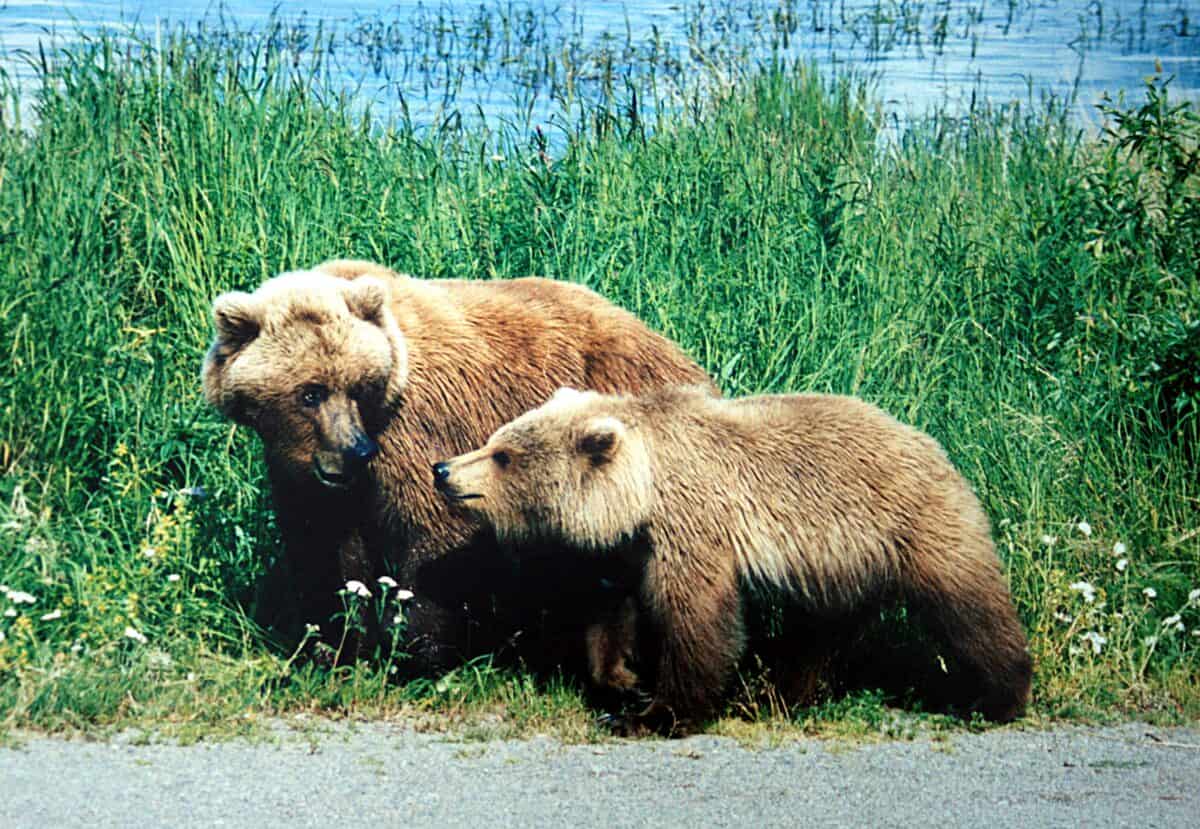
In 1994, the Honolulu Zoo faced an unprecedented emergency when a 300-pound Syrian brown bear named Scooter escaped from his enclosure. Maintenance workers had accidentally left a door unsecured while cleaning the habitat, allowing the powerful bear to push through. The escape triggered the zoo’s first-ever complete evacuation and lockdown. Scooter roamed freely through the zoo grounds for nearly three hours, exploring various areas but fortunately avoiding visitor sections. Zoo staff attempted to track and tranquilize the bear, but dense vegetation made this challenging. Eventually, Scooter was spotted near the elephant habitat, where veterinarians successfully darted him with a tranquilizer. The incident prompted the Honolulu Zoo to completely redesign their bear enclosure with redundant security features and to implement stricter maintenance protocols requiring multiple staff verifications before entering dangerous animal habitats. Despite the serious nature of the escape, Scooter became something of a local legend, with attendance actually increasing in the weeks following the incident as residents came to see the “celebrity bear.”
The Toronto Zoo Capybara Caper

In May 2016, the Toronto Zoo became the site of one of the most prolonged and publicized escape sagas when two capybaras—later nicknamed Bonnie and Clyde—escaped during a transfer to a new enclosure. The capybaras, which are the world’s largest rodents, fled into Toronto’s High Park, setting off an extensive search operation that captivated the city. Despite their size (about 150 pounds each), the capybaras proved remarkably elusive, adapting well to the park’s environment with its ponds, vegetation, and ample food sources. Residents reported numerous sightings, but the animals remained free for over a month. The zoo used various tactics to recapture them, including setting food traps, playing recorded capybara calls, and deploying staff to monitor potential sighting areas. The first capybara was finally captured after 19 days, while the second remained free for 36 days. The escape turned the capybaras into local celebrities, with social media accounts, T-shirts, and even a “Capybara Day” established in Toronto. Following their recapture, the pair was returned to the zoo where they later produced offspring nicknamed “the capybabies.”
Tatiana the Tiger’s Tragic San Francisco Escape

One of the most tragic zoo escapes occurred on Christmas Day 2007, when Tatiana, a Siberian tiger at the San Francisco Zoo, leaped from her enclosure and attacked three visitors, killing 17-year-old Carlos Sousa Jr. and injuring brothers Paul and Kulbir Dhaliwal. The 243-pound tiger cleared a wall that was later measured at 12.5 feet tall, significantly shorter than the recommended height standards for tiger enclosures. After killing Sousa, Tatiana tracked the brothers to a café 300 yards away where police were forced to shoot and kill the tiger. The incident sparked major controversy, with investigations revealing multiple safety deficiencies at the zoo. Evidence suggested the victims may have provoked the tiger by taunting her, though this remains disputed. The escape led to a complete redesign of the big cat enclosures at the San Francisco Zoo, with wall heights increased to 19 feet and additional electrified wiring installed. The tragedy also prompted zoos nationwide to reassess their containment systems and emergency response protocols for dangerous animal escapes, leading to significant industry-wide safety improvements.
The Taipei Crocodile Hunt
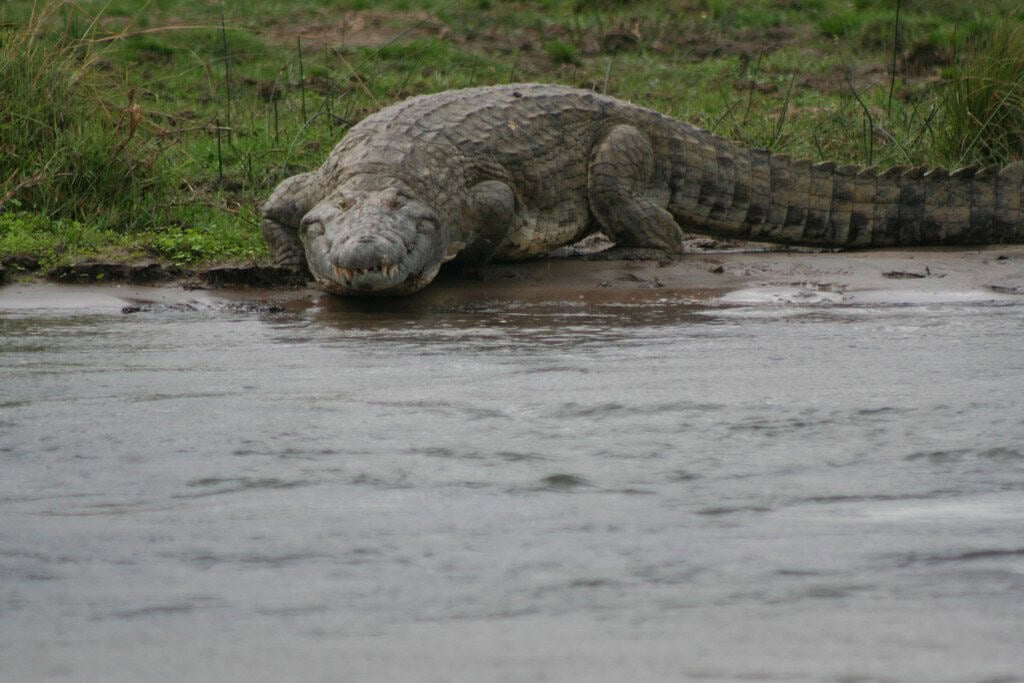
In 2019, the Taipei Zoo faced an unusual challenge when a critically endangered Tomistoma crocodile (false gharial) escaped from its enclosure during a severe typhoon. The storm caused significant flooding that allowed the 1.7-meter crocodile to swim over the barriers of its habitat. Once zoo staff discovered the escape, they implemented emergency protocols, closing affected areas and initiating a facility-wide search. The crocodile’s cryptic coloration and semi-aquatic nature made it exceptionally difficult to locate, particularly in the typhoon’s aftermath when numerous pools of water had formed throughout the grounds. After five days, the reptile was finally discovered hiding in dense vegetation near a water feature in an unused section of the zoo. Wildlife experts successfully captured the animal using specialized nets and returned it to a secure, temporary enclosure while its habitat was redesigned with higher barriers and improved drainage systems to prevent future flood-related escapes. The incident highlighted how extreme weather events, increasingly common due to climate change, present unique challenges for zoological institutions.
The Wellington Zoo Lemur Breakout

In 2018, Wellington Zoo in New Zealand experienced an unusual mass escape when eight ring-tailed lemurs found a weakness in their enclosure fence and broke free as a group. The highly social primates stayed together during their adventure, initially climbing into tall trees within the zoo grounds where staff couldn’t reach them. As evening approached, the lemurs split into smaller groups, with some venturing beyond the zoo perimeter into the surrounding botanical gardens. Zoo staff collaborated with local wildlife experts and used the lemurs’ natural behaviors to their advantage, placing familiar food items and calling to them using recognizable keeper voices. Within 48 hours, all eight lemurs were safely recovered without requiring sedation or force. The escape prompted Wellington Zoo to completely redesign the lemur habitat, installing angled mesh overhangs to prevent climbing out and removing trees that were too close to enclosure boundaries. The incident provided valuable research observations about lemur group dynamics and decision-making in novel environments, as the primates maintained their social hierarchy and communication systems throughout their temporary freedom.
Conclusion: Lessons from Zoo Escapes Safety, Ethics, and Evolution
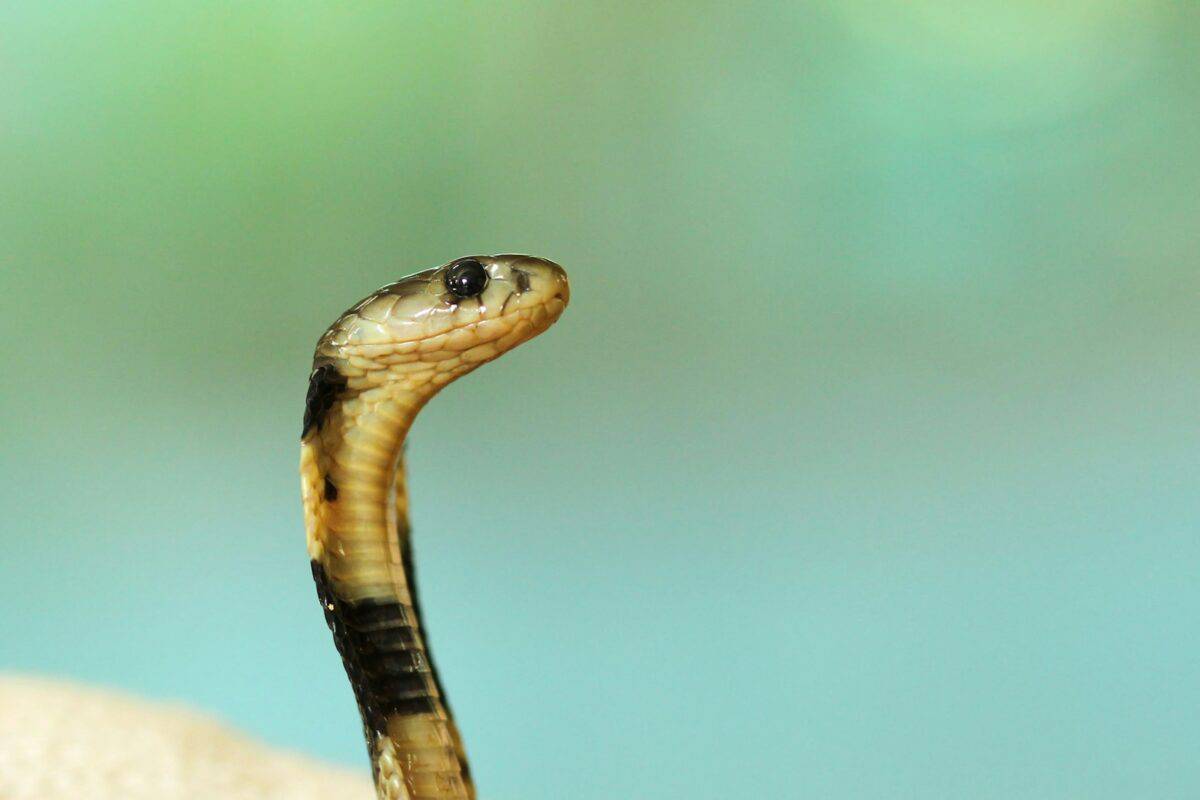
These fifteen zoo escapes represent more than just sensational stories—they highlight the complex challenges facing modern zoological institutions. Each incident has contributed to significant improvements in animal containment systems, with facilities implementing redundant safety features, electronic monitoring, improved staff training, and species-specific security measures. These escapes have also sparked important ethical discussions about the role of zoos in conservation and animal welfare. Many institutions have responded by creating more naturalistic habitats with environmental enrichment that better accommodates animals’ physical and psychological needs. Additionally, the public fascination with these escapes reflects our complex relationship with wildlife—we are simultaneously drawn to these animals’ freedom while recognizing the conservation value modern accredited zoos provide through breeding programs and public education. As zoos continue to evolve, these escape incidents serve as valuable learning opportunities that ultimately improve safety for animals, staff and visitors while advancing our understanding of the remarkable species in their care.

As a little kid, I fell in love with nature, wildlife, and animals. Living in the USA, South Africa, Italy, China and Germany gave me the opportunity to discover the world's Wildlife. My favorite animals are Mountain Gorillas, Siberian Tigers, and Great White Sharks.
I'm a certified PADI Open Water Diver, went to Everest Base Camp and Trekked Gorillas in Uganda. I hold a Master of Science in Economics and Finance.
Please send any feedback to feedback@animalsaroundtheglobe.com
- 14 Native Plants That Thrive in the Worst Corner of Your Yard and Feed Wildlife Too - July 11, 2026
- 13 Aquatic Mammals That Don not Look It - July 10, 2026
- 15 Unlikely Hunters With Killer Instincts - July 10, 2026
Leave a comment
You must be logged in to post a comment.