


Volcanoes are among Earth’s most awe-inspiring natural phenomena, characterized by their unpredictable nature and potential for widespread impact. While their eruptions can be spectacular, they often pose significant risks to communities, ecosystems, and the global climate. Some volcanoes are restlessly simmering, hinting that an eruption might be imminent. This article highlights 14 volcanoes that scientists are monitoring closely, suggesting they could erupt sooner than expected.
Understanding Volcanic Activity

Volcanic eruptions are dramatic natural events caused by the movement of magma from a volcano’s chamber to the Earth’s surface. The activity can vary from effusive eruptions, characterized by lava flows, to explosive eruptions with violent blasts that release ash and gases into the atmosphere. Understanding the underlying geology and recent activity of volcanoes is key to predicting their eruptions.
Kilauea, Hawaii
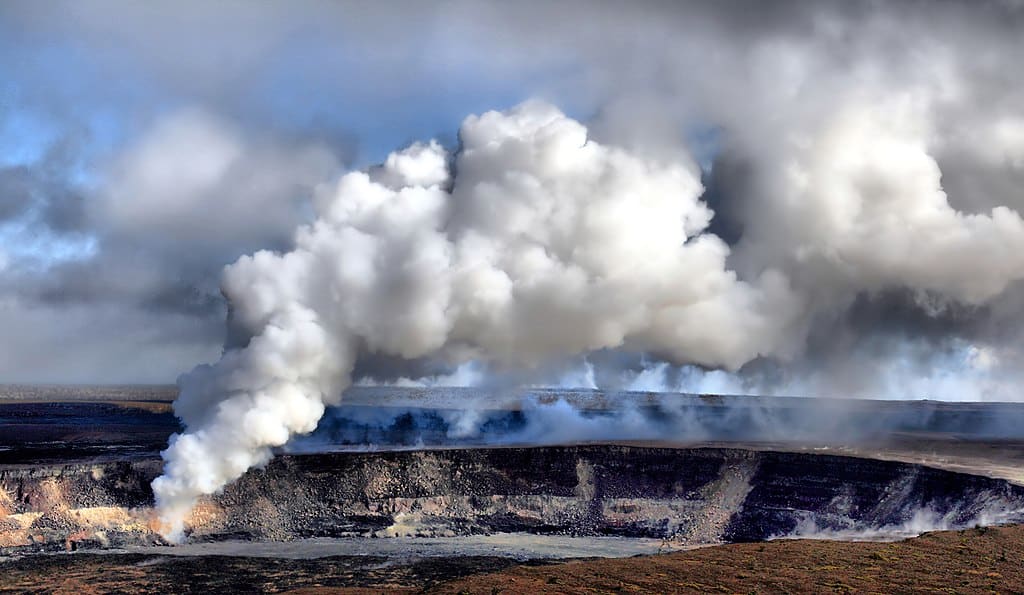
Located on the Big Island of Hawaii, Kilauea is among the world’s most active volcanoes. It has been erupting almost continuously since 1983. Recent increases in seismic activity and ground deformation suggest that its next significant eruption could occur sooner rather than later. Scientists closely monitor Kilauea to protect residents and visitors from potential hazards.
Mount St. Helens, United States
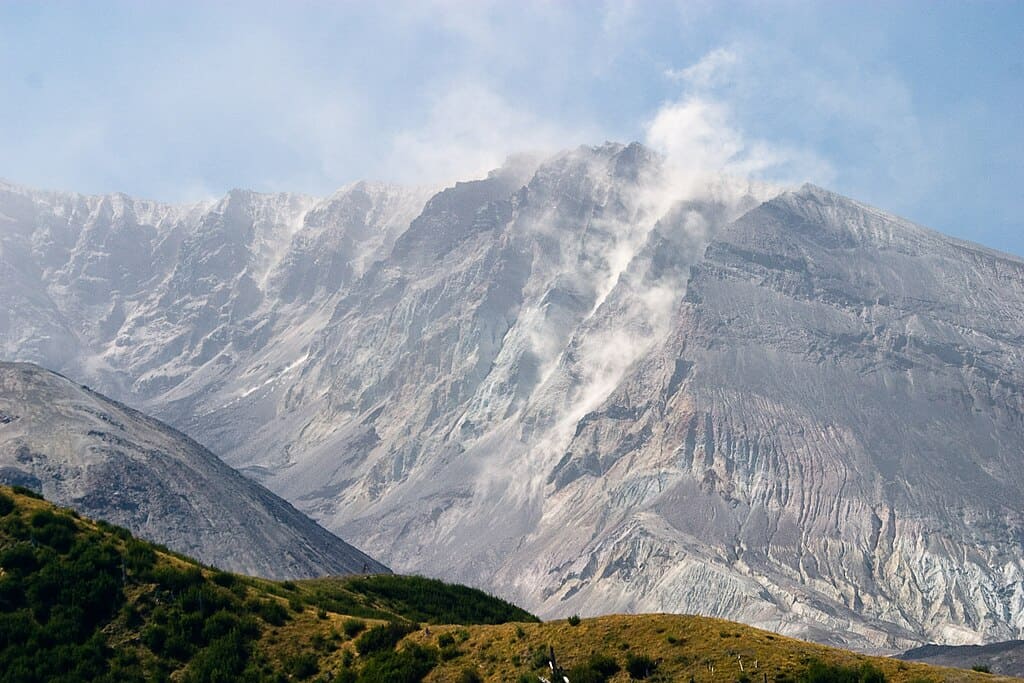
Mount St. Helens in Washington state is infamous for its catastrophic 1980 eruption. Since then, it has been one of the most studied volcanoes in the world. Recent signs of volcanic unrest, including earthquake swarms and gas emissions, indicate that Mount St. Helens could awaken again in the near future.
Agung, Indonesia
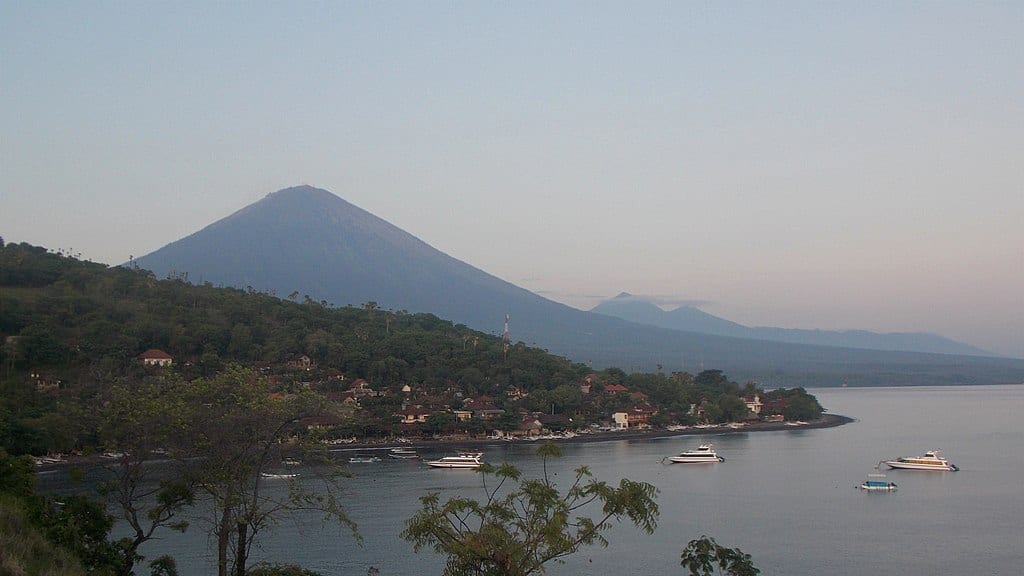
Mount Agung is one of Indonesia’s most active volcanoes. Its last significant eruption in 2017-2018 led to widespread evacuations and airport closures. Continuous tremor activity and increasing volcanic gas emissions suggest that Agung might be building towards another eruption.
Popocatépetl, Mexico
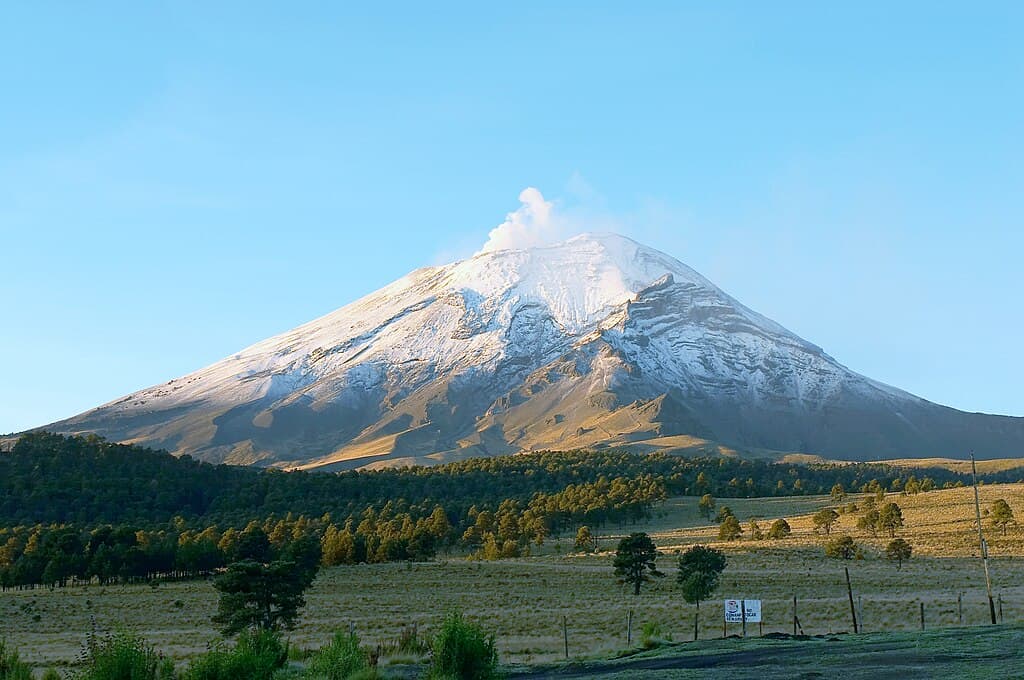
Sitting just 70 kilometers southeast of Mexico City, Popocatépetl is a constant source of concern. The volcano has been active for centuries, with its most recent phase beginning in 1994. Regular explosions and ash emissions highlight that Popocatépetl remains a significant threat to the surrounding area.
Etna, Italy
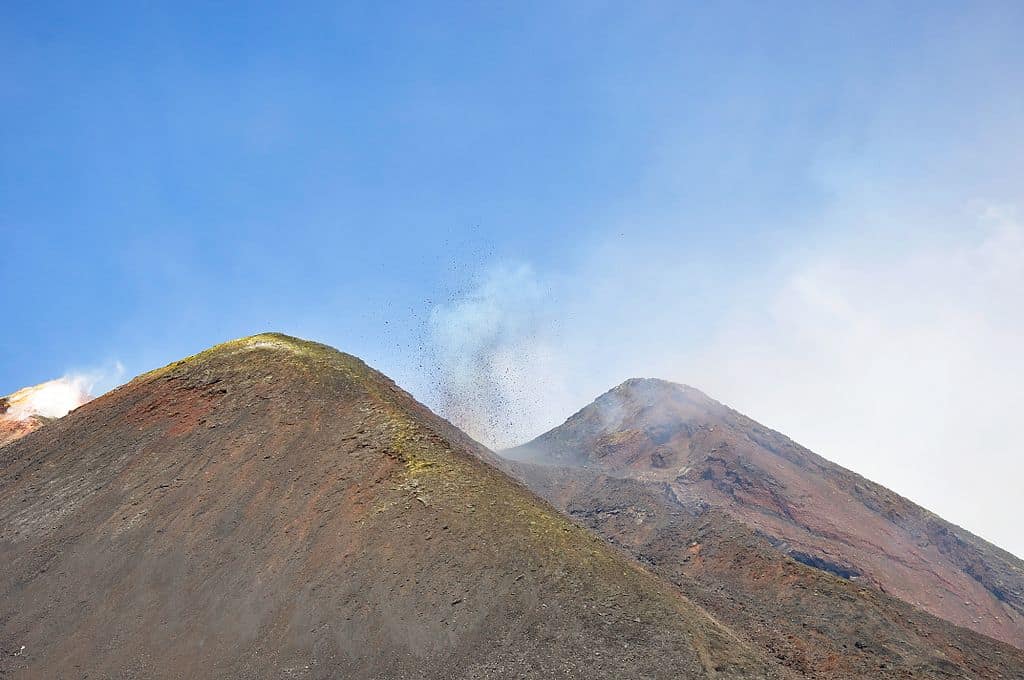
Mount Etna is Europe’s most active volcano and one of the most studied in the world. It boasts nearly constant activity, primarily through effusive and explosive eruptions. Persistent volcanic tremors and lava flows indicate that Etna’s eruptions could escalate with little warning.
Nishinoshima, Japan
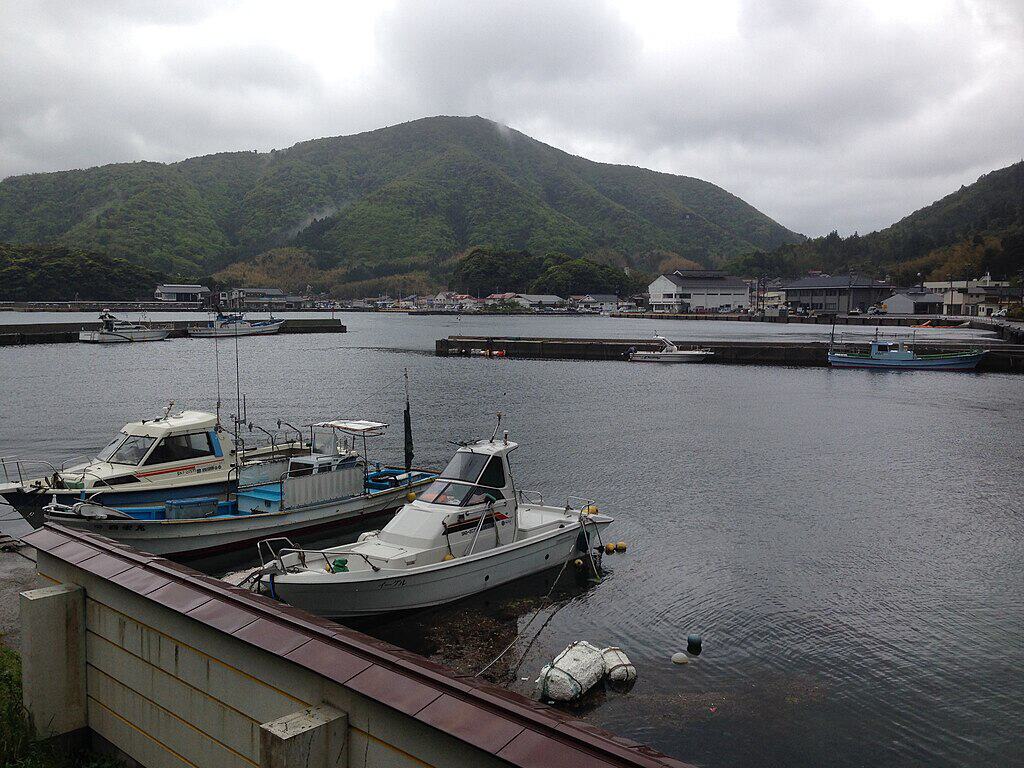
Located in the Pacific Ocean, Nishinoshima has been expanding since its major eruption in 2013. The ongoing volcanic activity shows that the volcanic island is far from settling down, with fresh lava flows continuously altering its geography. Monitoring efforts are ongoing to understand its developments better.
La Soufrière, Saint Vincent and the Grenadines
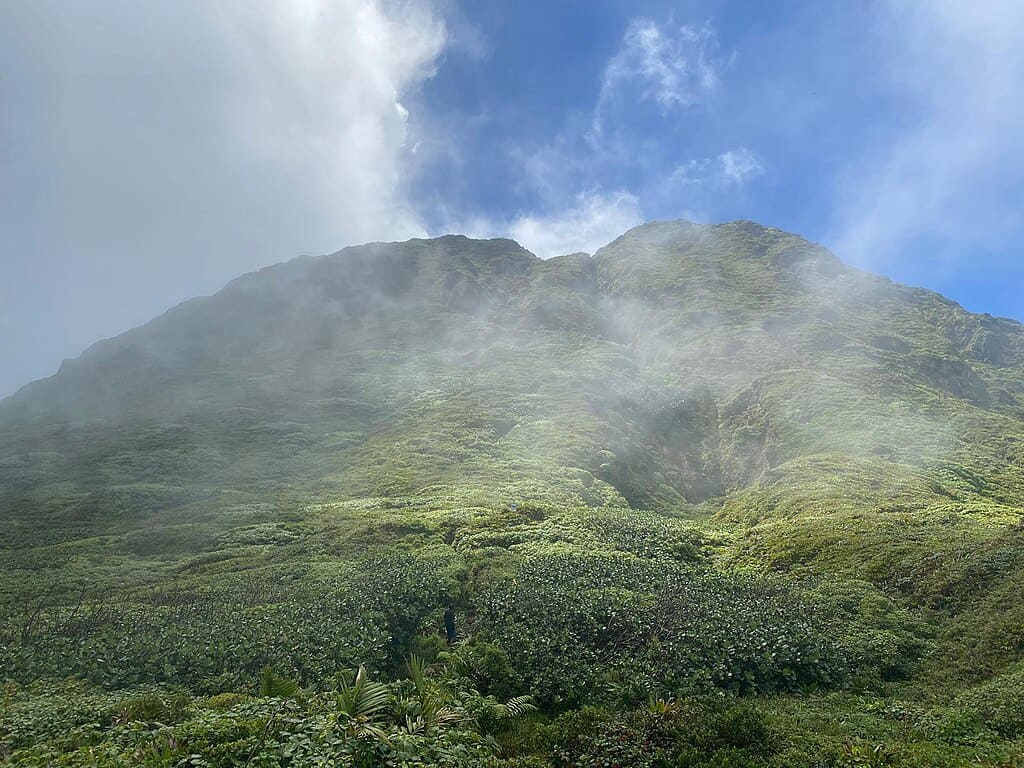
April 2021 marked the most recent explosive eruption of La Soufrière, decimating nearby life and property. Ongoing seismic activity and fumarolic manifestations suggest the volcano might not remain dormant for long. Scientists are closely monitoring signs of renewed unrest.
Taal, Philippines

Taal volcano, located on the island of Luzon, Philippines, is known for its picturesque crater lake setting. Its eruption in January 2020 resulted in mass evacuations and significant damage. Ongoing seismic activity and gas emissions highlight the potential for another imminent eruption.
Sakurajima, Japan
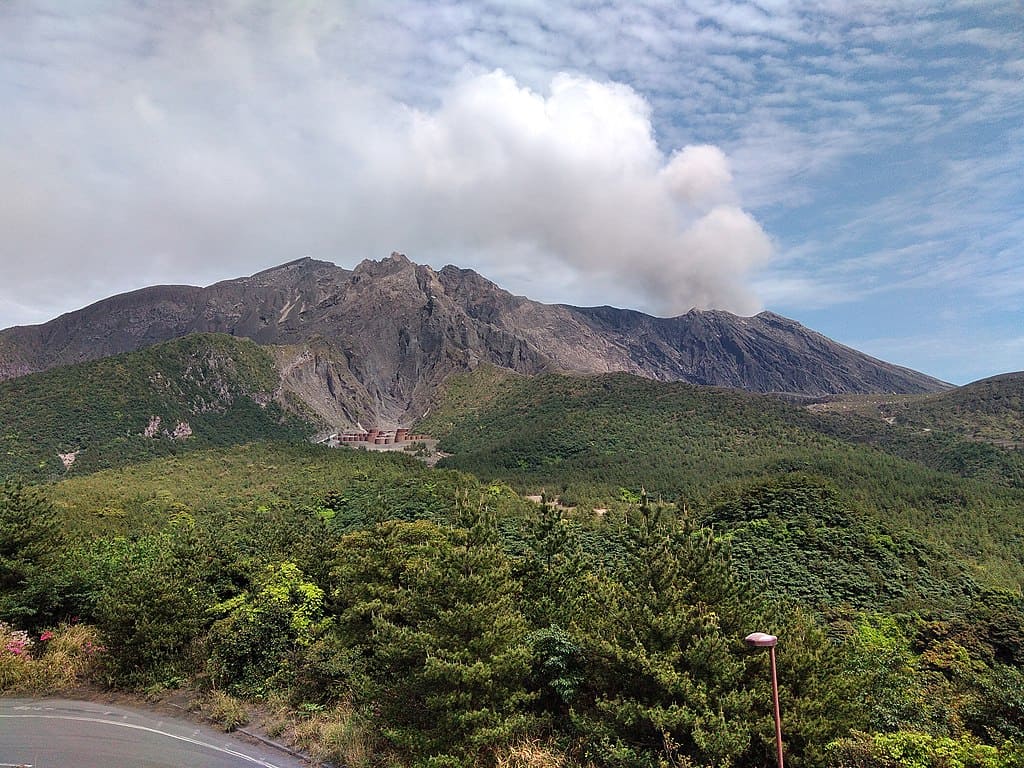
Located in the Kagoshima Prefecture, Sakurajima is a highly active and monitored volcano. Daily eruptions and ash clouds frequently disrupt local life. The continuous seismic activity suggests that a larger eruption could be on the horizon.
Villarica, Chile
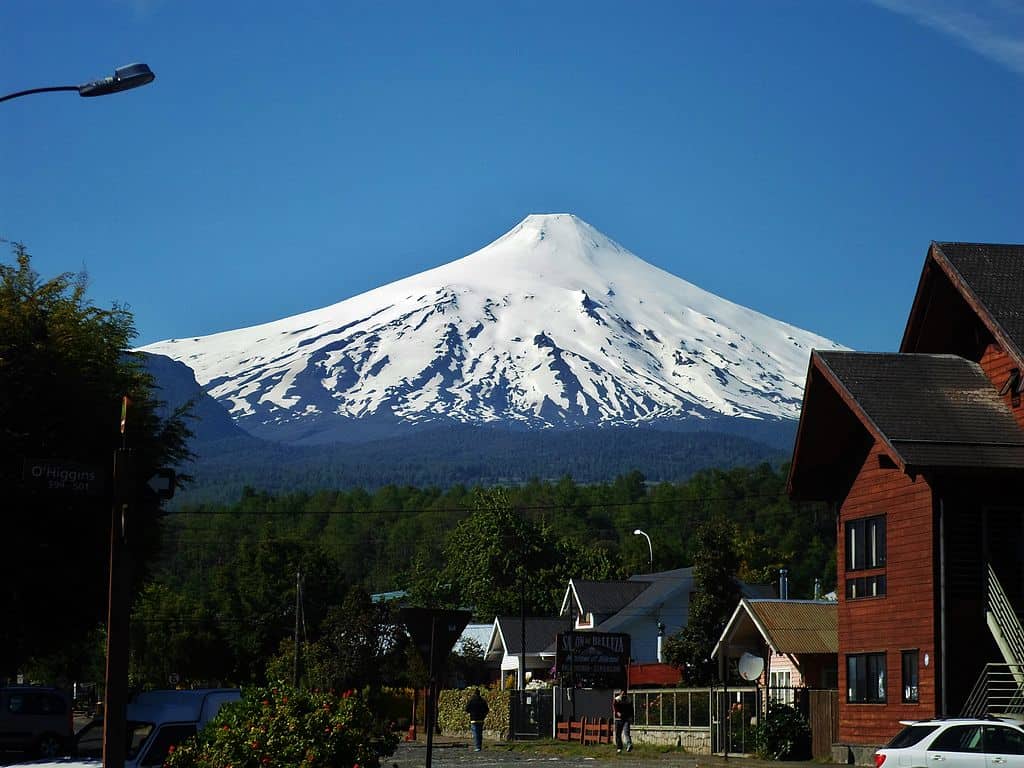
Known for its spectacular lava lake, Villarica is one of Chile’s most active volcanoes. Regular minor eruptions and ongoing fumarolic activity suggest that this volcano could produce a major eruption with limited warning time.
Nyiragongo, Democratic Republic of Congo
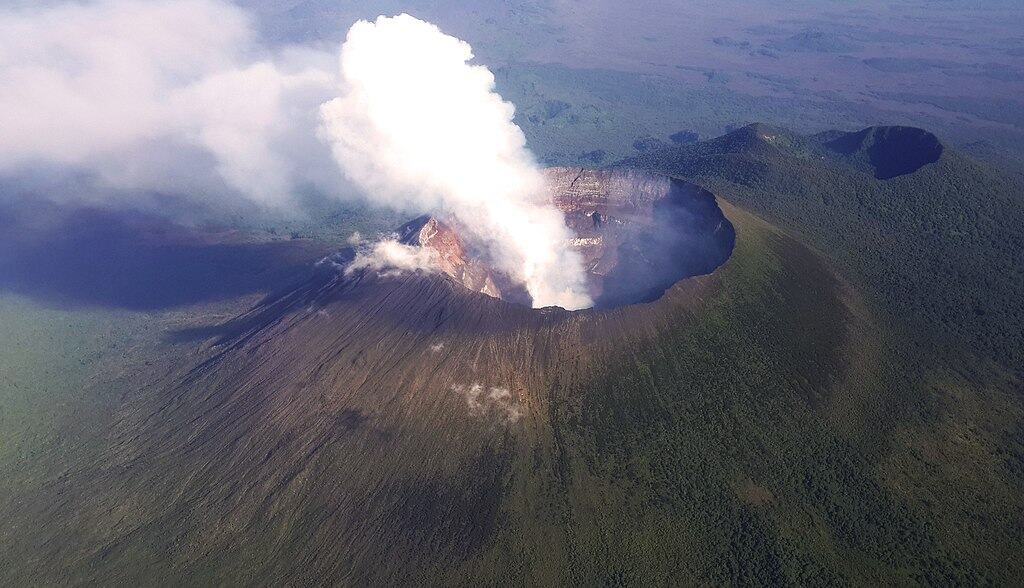
Nyiragongo is notorious for its rapidly flowing lava due to its high basaltic content. The 2021 eruption caused massive destruction in Goma. Continued seismic activity in the region suggests that the threat of another eruption looms large.
Katla, Iceland

Located beneath the Mýrdalsjökull glacier, Katla is known for violent eruptions, usually followed by massive glacial meltwater floods known as jökulhlaups. Increased seismic activity beneath the volcano hints at the brewing of another potential eruption.
Conclusion:

Volcanoes are powerful and unpredictable forces of nature that captivate our imagination and challenge our preparedness. The 14 volcanoes highlighted here are a stark reminder of the restless nature of our planet. While predicting eruptions with exact precision remains a challenge, advances in technology and continuous monitoring efforts have helped mitigate risks. By staying informed and prepared, we can better coexist with these fiery mountains and prioritize the safety of those living in their shadows.

As a little kid, I fell in love with nature, wildlife, and animals. Living in the USA, South Africa, Italy, China and Germany gave me the opportunity to discover the world's Wildlife. My favorite animals are Mountain Gorillas, Siberian Tigers, and Great White Sharks.
I'm a certified PADI Open Water Diver, went to Everest Base Camp and Trekked Gorillas in Uganda. I hold a Master of Science in Economics and Finance.
Please send any feedback to feedback@animalsaroundtheglobe.com
- The 10 Rarest Dog Breeds Making a Comeback in America - July 19, 2026
- 13 Creatures That Survived Mass Extinctions - July 19, 2026
- 12 Pets That Are Perfect for Seniors - July 19, 2026