

Your dog just wagged its tail at you. It looks fine. It ate breakfast, followed you to the door, maybe even nudged your hand for a scratch. Everything about that moment says “I’m okay.”
Except dogs are some of the best actors in the animal kingdom, and they didn’t learn it for attention. They learned it to survive, and now they use that same instinct on the people they trust most. What looks like a normal Tuesday could actually be your dog quietly working through pain it has no intention of showing you. Here are the 14 ways they pull it off, and why almost every owner misses them.
14. The Silent Language of a Bent Spine
🔥 Would you like to save this?
We'll email this post to you, so you can come back to it later!
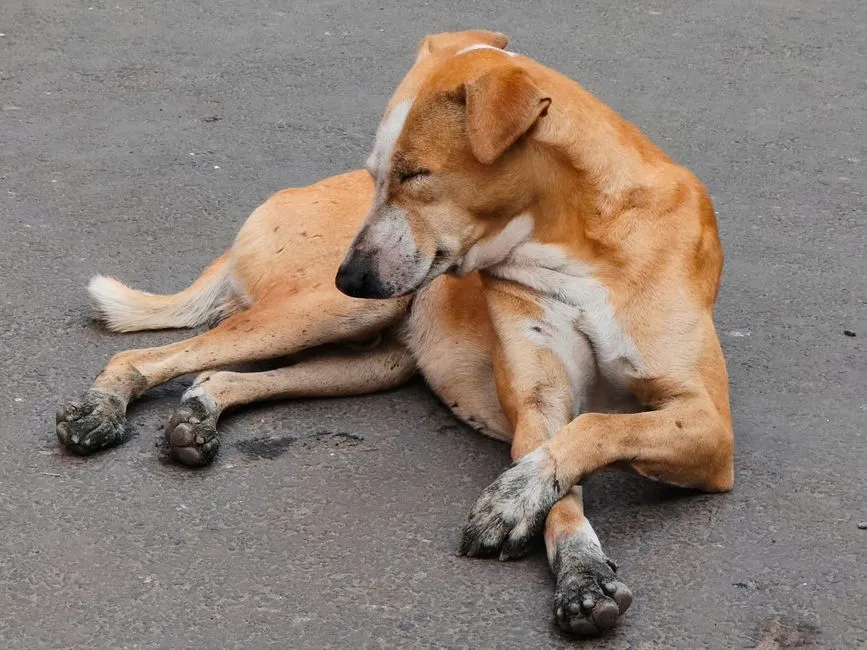
Before a dog ever whimpers, its body starts talking. A lowered head, a subtly arched back, or a tucked-in belly can all be quiet confessions of pain that most owners scroll right past because the dog is still walking, still eating, still “acting normal.” It’s not dramatic. That’s the point.
Watch for what vets sometimes call the “praying position”: front legs stretched out flat on the floor while the back end stays raised in the air, almost like a stretch that never finishes. It looks harmless, even a little cute. In reality, it’s frequently a dog’s instinctive way of easing abdominal pain, and it’s one of the earliest tells that something is wrong long before anything looks urgent.
Fast Facts
- The “praying position” (front legs flat, rear raised) often points to abdominal discomfort.
- A tucked tail or hunched back can signal pain before any limping appears.
- A stiff, guarded posture is frequently mistaken for calmness.
- Reduced tail wagging during normal activities is an early red flag.
13. When Sleep Becomes an Escape, Not a Rest
🔥 Would you like to save this?
We'll email this post to you, so you can come back to it later!
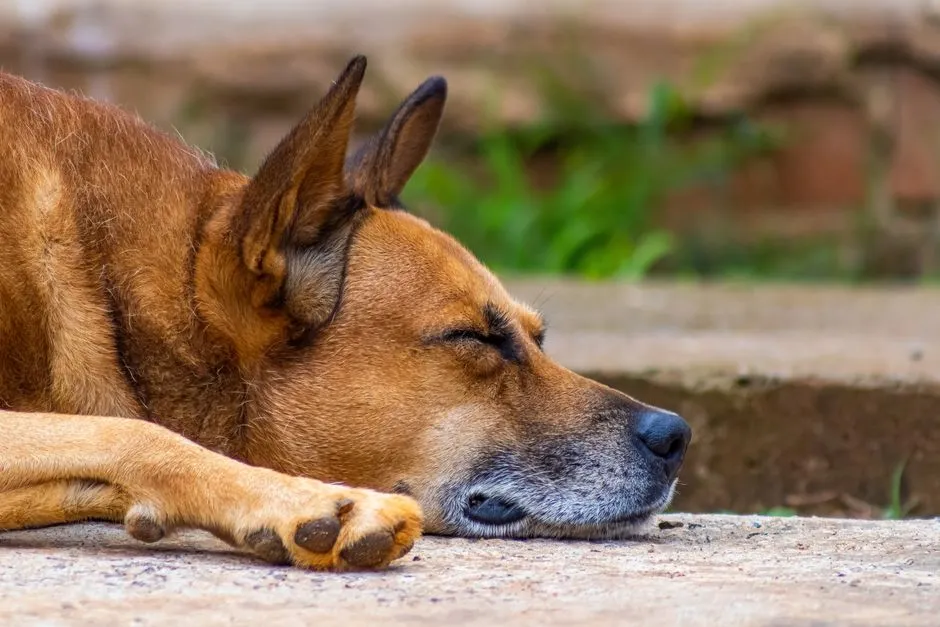
A dog sleeping more might just seem lazy. But pain has a sneaky way of turning sleep into an escape hatch, a place to disappear from discomfort rather than actually rest. Other dogs do the opposite: they can’t get comfortable at all, shifting positions again and again through the night like they’re searching for a setting that doesn’t exist.
Some dogs even abandon their favorite bed entirely. If your dog suddenly prefers the cold tile floor over the plush dog bed you bought them, it’s not a design critique. It may be their body telling them that soft surfaces now put pressure exactly where it hurts.
12. The Empty Bowl Nobody Talks About
🔥 Would you like to save this?
We'll email this post to you, so you can come back to it later!
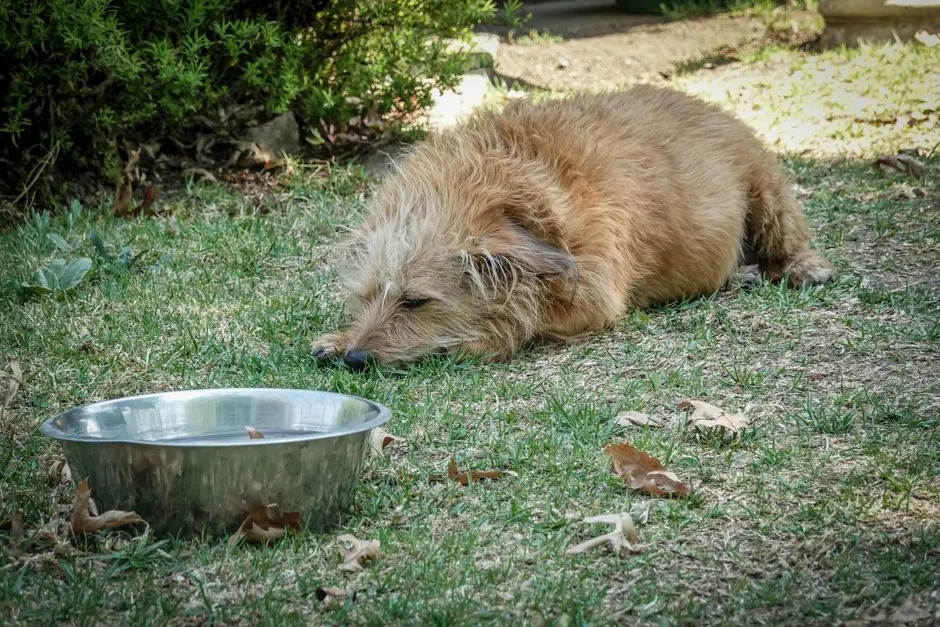
Dogs are famous for loving food unconditionally, so when the bowl starts going untouched, it should set off alarm bells. Dental pain, stomach issues, and even joint pain that makes bending down to eat uncomfortable can all quietly kill an appetite that used to be reliable.
Here’s the detail that gets missed: even treats get refused. A dog who says no to bacon or peanut butter isn’t being picky. That’s a dog whose body is overriding one of its strongest instincts, and it deserves to be taken seriously.
11. The Wound They Made Themselves
🔥 Would you like to save this?
We'll email this post to you, so you can come back to it later!
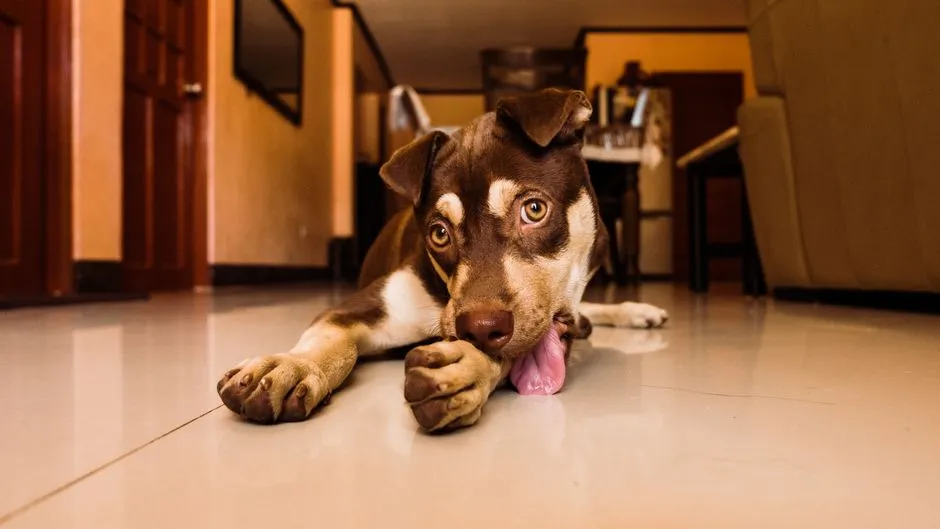
Dogs can’t tell you where it hurts, so sometimes they show you instead, by licking or chewing one specific spot until the fur thins or the skin turns raw. It looks like a bad habit. It’s often closer to a coping mechanism, a dog trying to self-soothe pain it has no other way to communicate.
This is especially common in older dogs dealing with joint pain, where a single paw or hip becomes the fixation point. If you notice your dog obsessively returning to the same patch of skin, that repetition is the message, not the behavior itself.
10. The Growl That Isn’t Really Anger
🔥 Would you like to save this?
We'll email this post to you, so you can come back to it later!
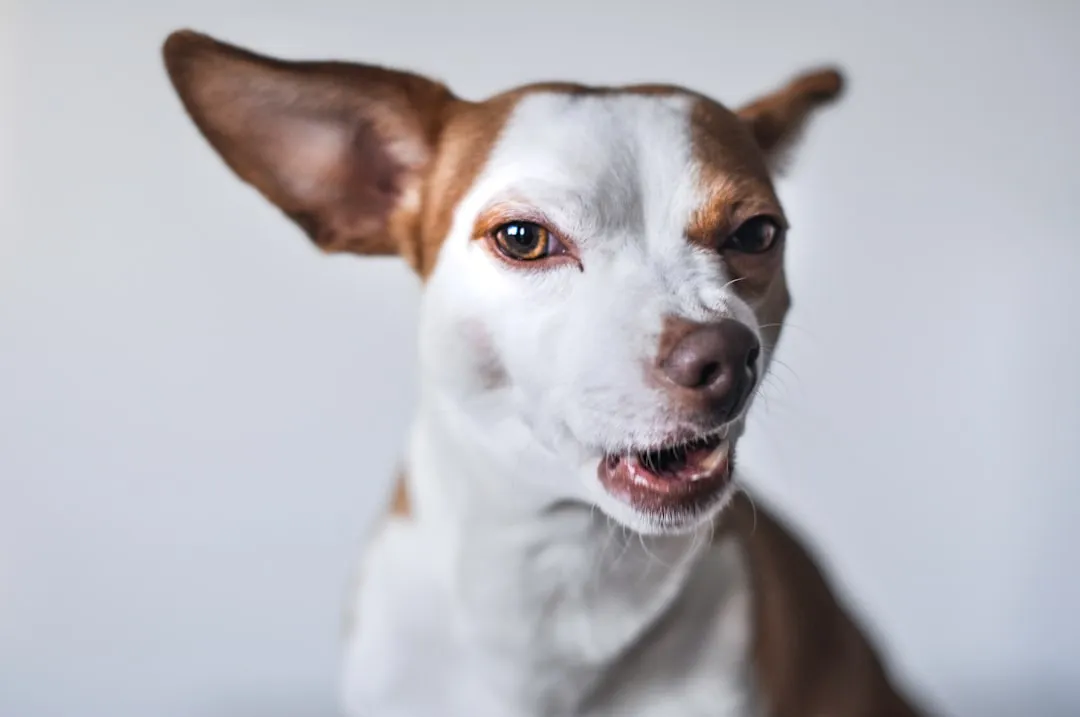
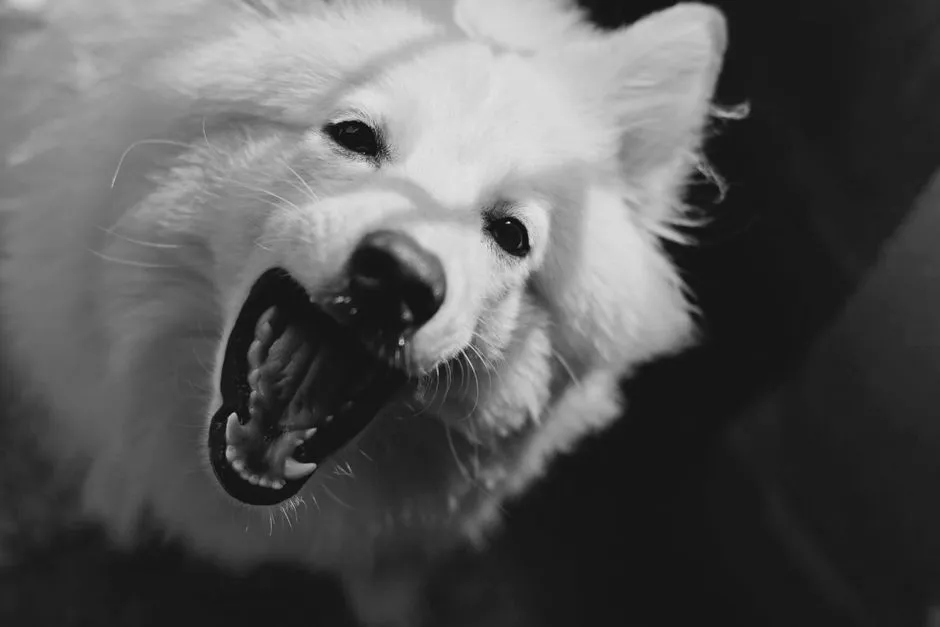
A sweet, easygoing dog suddenly snapping or growling feels like a betrayal, but it’s rarely about temperament. Pain lowers a dog’s tolerance fast, especially when a sore spot gets touched without warning. The aggression isn’t a personality change; it’s a warning shot from a body that’s had enough.
This is one of the hardest signs for owners to read with compassion instead of frustration, because it feels personal. It isn’t. A dog that suddenly avoids being touched, or reacts sharply when you go near a certain area, is asking for space, not a fight.
9. The Toy That Gathers Dust
🔥 Would you like to save this?
We'll email this post to you, so you can come back to it later!
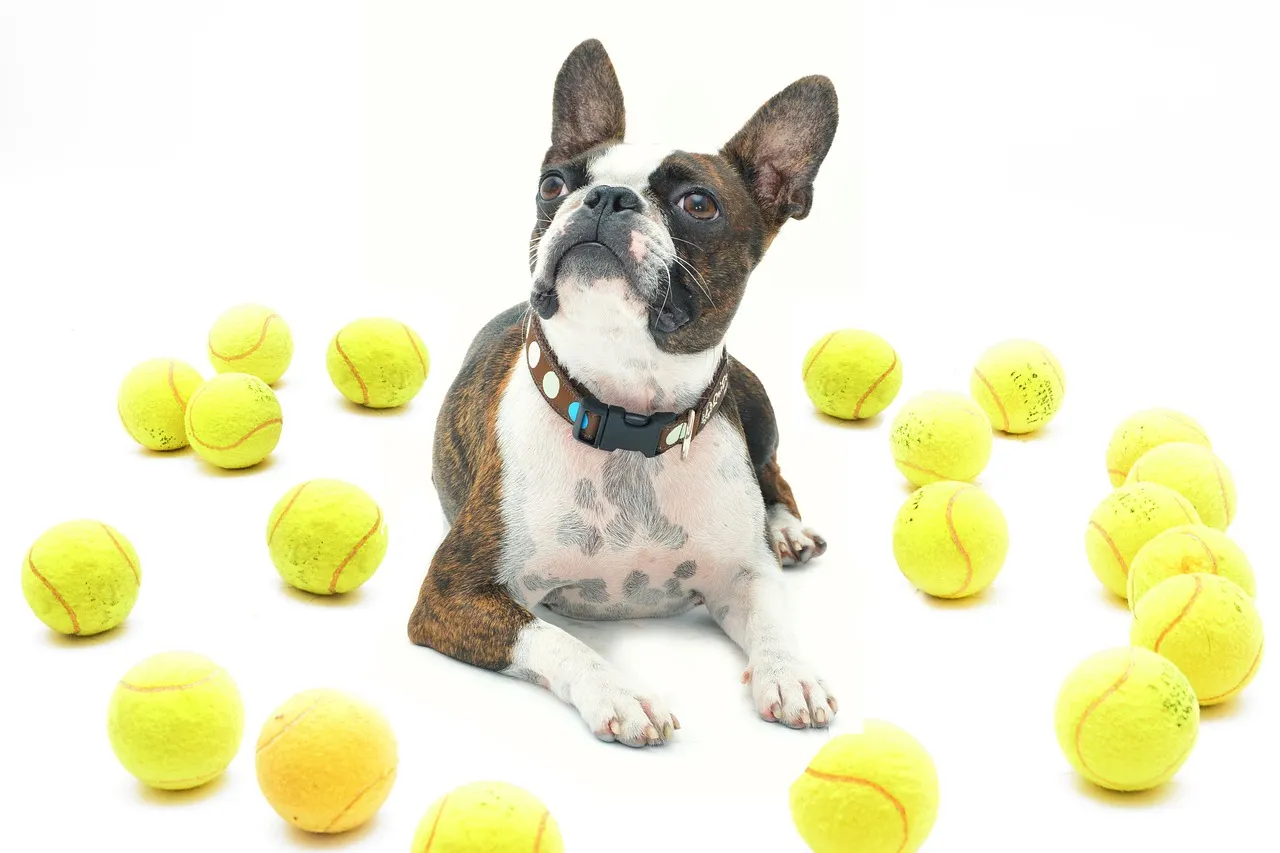
When a dog who used to sprint to the door for a walk suddenly seems indifferent, most people chalk it up to age. Sometimes that’s fair. But sudden disinterest in walks, jumping, or play can be a much more immediate signal that movement itself has started to hurt.
The tell is in the abruptness. Gradual slowing down over years looks like aging. A dog who was chasing the ball yesterday and refuses it today, with no gradual buildup, is showing you something changed, not that they got older overnight.
8. The Coat That Stopped Shining
🔥 Would you like to save this?
We'll email this post to you, so you can come back to it later!
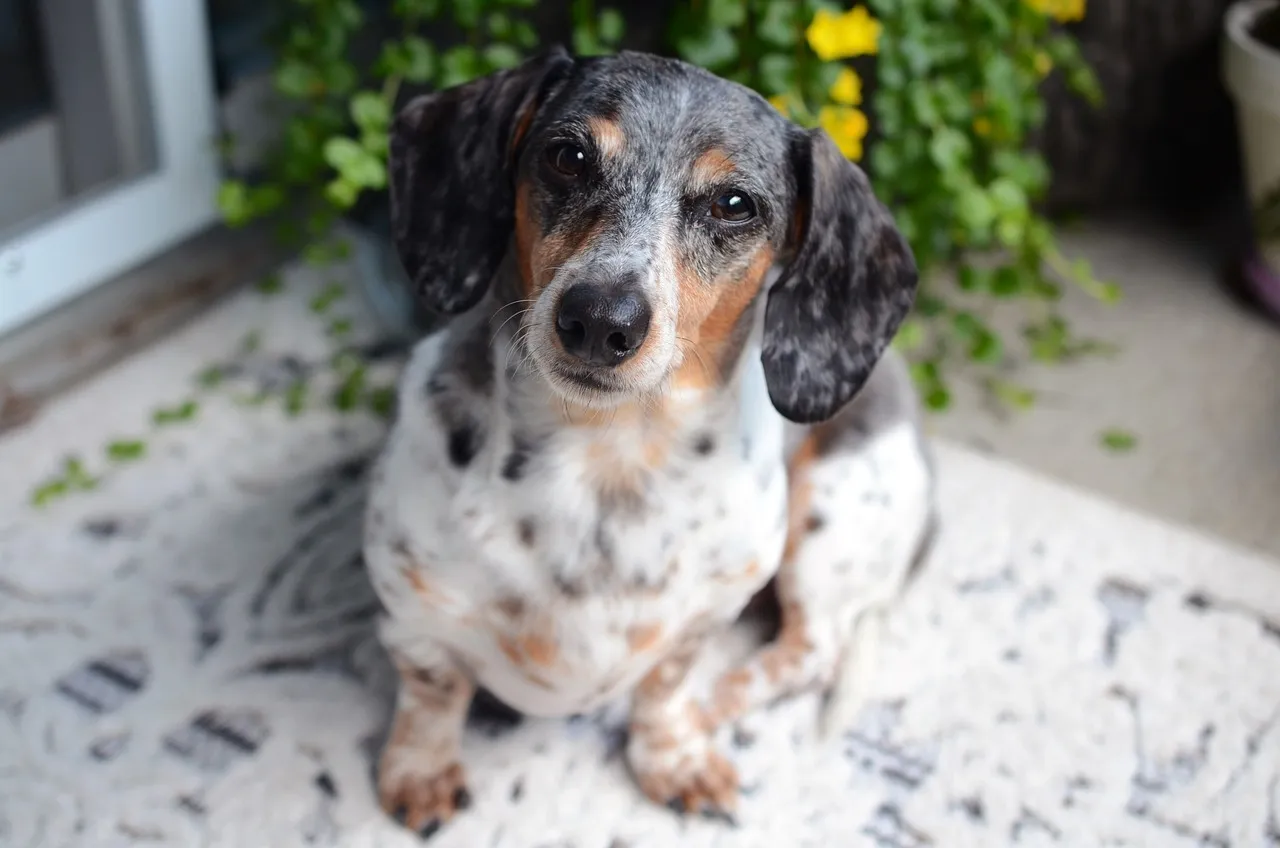
Grooming takes energy, and pain has a way of draining exactly that. A dog in discomfort may simply stop bothering, leading to a dull, matted, unkempt coat that feels out of character for a dog who used to keep themselves clean.
Other dogs swing the opposite direction, over-grooming one area so intensely that bald patches or irritated skin show up. Whichever direction it goes, the coat is often one of the most visible, and most ignored, indicators that something under the surface isn’t right.
7. The Pacing at 3 A.M.
🔥 Would you like to save this?
We'll email this post to you, so you can come back to it later!
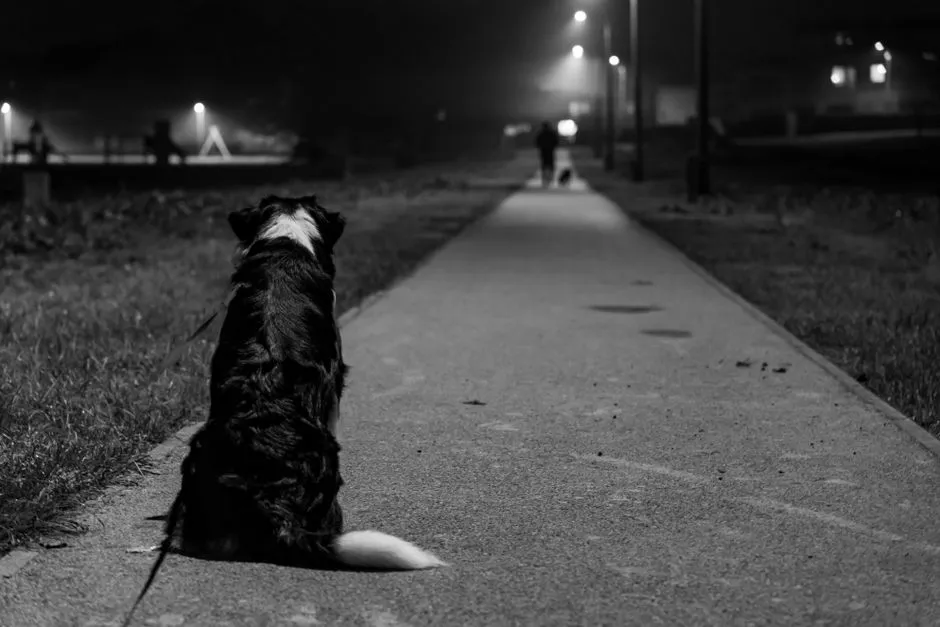
Restlessness is easy to dismiss as a bad night, but a dog who can’t settle, who keeps circling, shifting, or pacing instead of lying down, is often physically unable to find a position that doesn’t hurt. It’s not anxiety in the traditional sense. It’s discomfort with nowhere to hide.
This pattern tends to show up at night specifically, when the house is quiet and there’s nothing to distract from how they’re actually feeling. If your dog has suddenly become a nighttime wanderer, that’s worth paying attention to, not sleeping through.
At a Glance
- Restless circling or repositioning that never settles
- Pacing that spikes specifically overnight, when distractions disappear
- Difficulty finding a comfortable lying position
- Sudden avoidance of a favorite sleeping spot
6. The Whimper They Try to Swallow
🔥 Would you like to save this?
We'll email this post to you, so you can come back to it later!
Dogs don’t vocalize pain the way people expect. Instead of constant crying, it often comes out as a short whine or yelp tied to a specific movement, getting up, being touched, climbing stairs, then silence again immediately after.
That brevity is exactly why it gets missed. A single yelp feels like a one-time fluke instead of a pattern. But dogs conserve their vocal signals carefully, and even a small, infrequent sound tied consistently to one action is a message they didn’t want to have to send.
5. The Breath That Gives Them Away
🔥 Would you like to save this?
We'll email this post to you, so you can come back to it later!
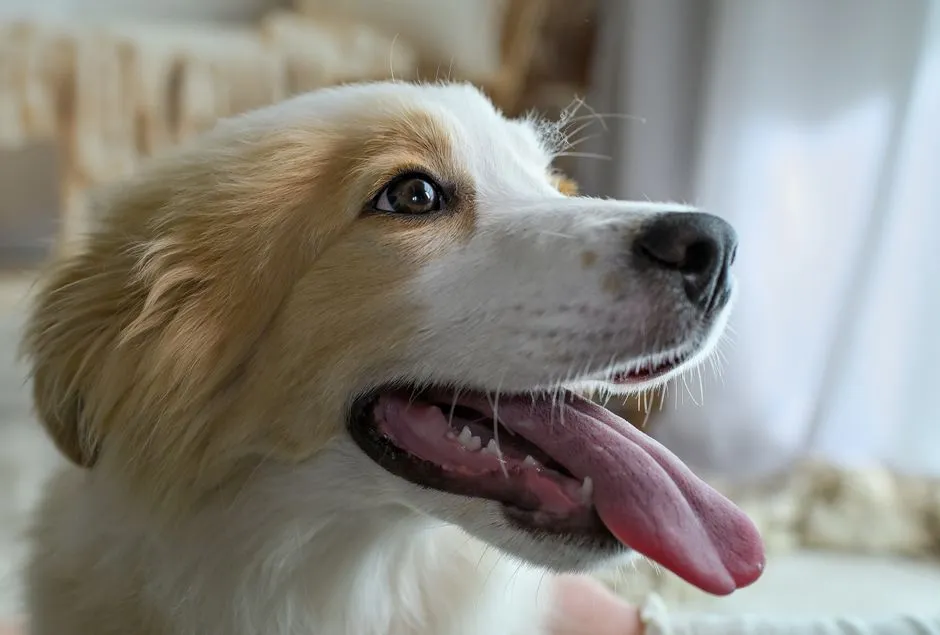
Panting is supposed to mean hot or tired. So when a dog is panting while lying still in an air-conditioned room, that mismatch is the red flag most owners overlook because panting seems so normal for a dog.
Shallow, rapid breathing paired with stillness is the body working overtime to manage something the dog can’t otherwise express. Combined with any of the other signs on this list, it stops looking like a coincidence and starts looking like a pattern.
Quick Compare
- Normal panting: follows exercise, heat, or excitement, and fades within minutes.
- Pain-driven panting: happens at rest, in a cool room, with no clear trigger.
- Normal panting: paired with a relaxed body and loose posture.
- Pain-driven panting: paired with stillness, tension, or reluctance to move.
4. Flinching From the Hands They Trust Most
🔥 Would you like to save this?
We'll email this post to you, so you can come back to it later!
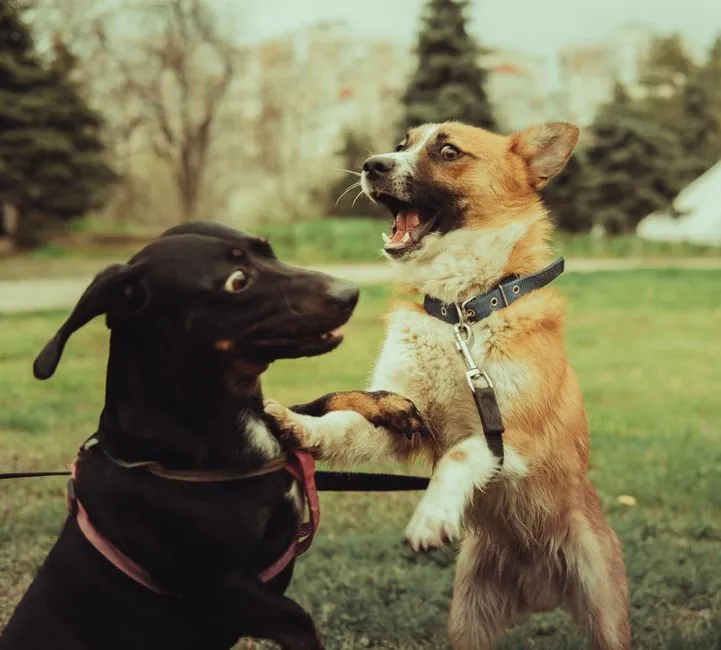
This one stings emotionally in a way the others don’t. A dog who usually leans into affection suddenly pulling away, flinching, or tensing up when touched isn’t rejecting you. They’re protecting a part of their body that has started to hurt, even from the people who’ve never hurt them.
It can feel like a loss of closeness, but it’s actually the opposite. Dogs don’t fear their people; they fear pain. The withdrawal is a dog trying to keep the relationship intact while their body sends signals they can’t control.
3. Disappearing Into the Quiet
🔥 Would you like to save this?
We'll email this post to you, so you can come back to it later!
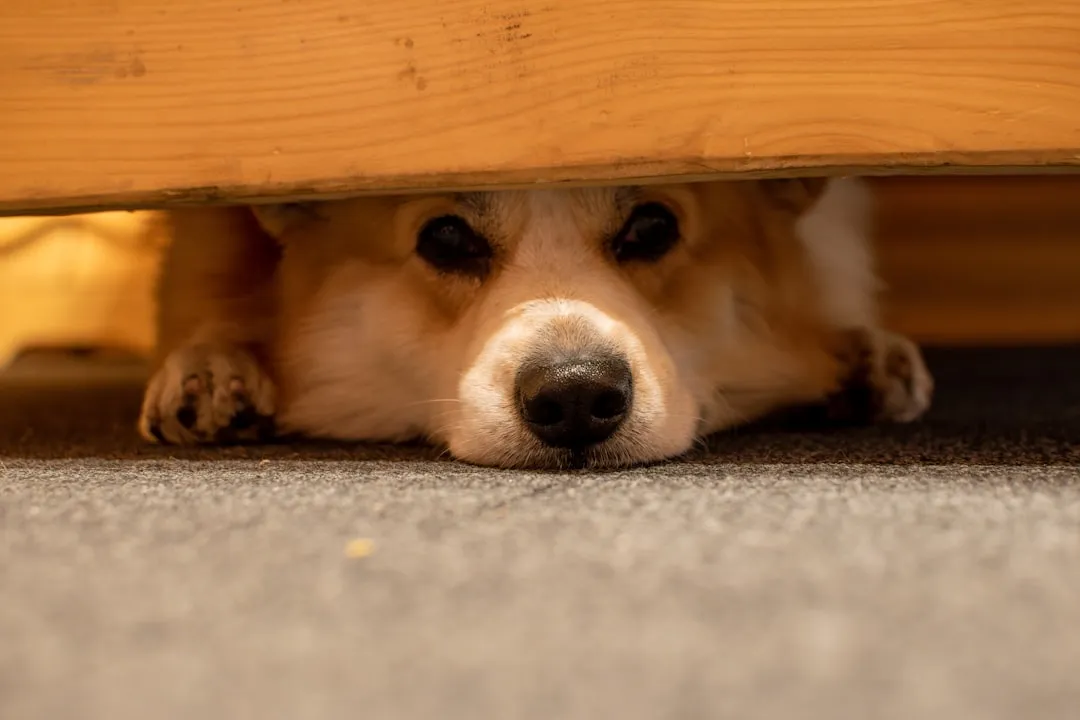
A naturally social dog who starts hiding under the bed, behind furniture, or in unfamiliar corners of the house is doing something wild dogs have done for thousands of years: retreating to feel safe while vulnerable. Domestication didn’t erase that instinct. It just makes it easier to miss in a house full of people.
This is one of the most heartbreaking signs precisely because it looks like independence instead of distress. A dog seeking solitude isn’t choosing to be alone. They’re choosing to be unseen, which is a very different thing.
2. The Face That Forgets How to Relax
🔥 Would you like to save this?
We'll email this post to you, so you can come back to it later!
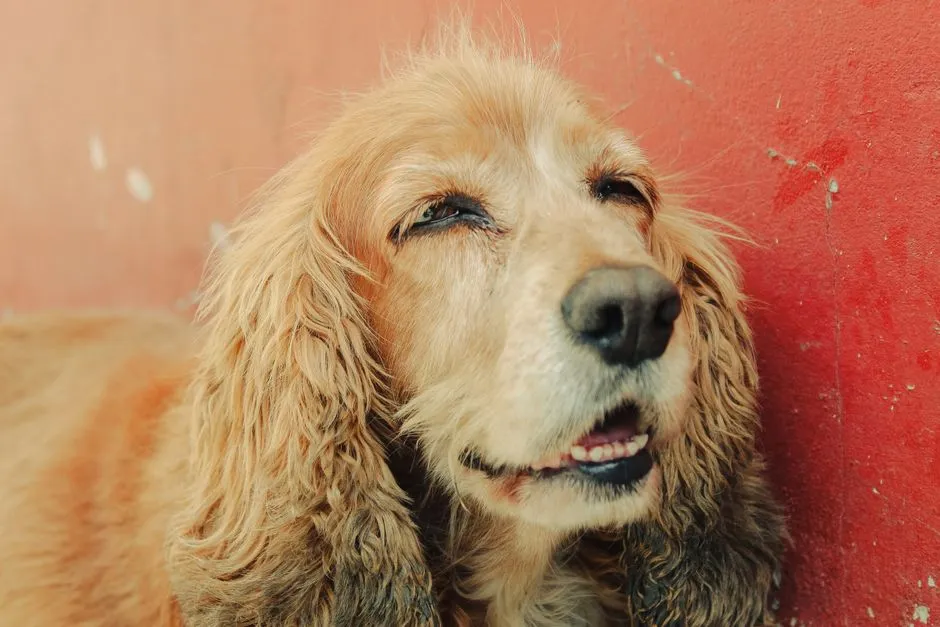
Dogs’ faces hold more information than most owners ever learn to read. A furrowed brow, tightened muscles around the eyes, a glazed or distant stare, these micro-expressions are often the earliest physical proof of pain, showing up before limping or vocalizing ever do.
Veterinary pain scales actually use facial expression as a real diagnostic tool now, because the face is harder for a dog to consciously control than behavior is. If your dog’s expression looks “off” in a way you can’t quite name, trust that instinct. You’re likely picking up on something real.
Worth Knowing
- Veterinarians now use standardized facial pain scales, like the Canine Grimace Scale, in clinical assessments.
- Tight muscles around the eyes and a lowered ear position are common markers.
- Facial changes are harder for dogs to consciously control than behavior, making them a more reliable early clue.
- A distant or glazed stare is usually most meaningful alongside other signs on this list, not on its own.
1. The Fake Smile They Wear Just for You

🔥 Would you like to save this?
We'll email this post to you, so you can come back to it later!
This is the one that changes how you see every dog you’ve ever loved. Even mid-pain, many dogs will still wag their tail when you walk in the door, still perk up their ears at your voice, still perform “fine” because your happiness matters to them more than their own comfort. It isn’t dishonesty. It’s devotion running on autopilot.
Wild canine ancestors hid weakness to avoid being targeted by predators or rivals. Somewhere along the way, that survival instinct got repurposed into something almost tender: a dog masking pain not to protect itself, but to protect the bond it has with you. That’s the uncomfortable, beautiful truth buried underneath every sign on this list.
Here’s the part worth sitting with: dogs don’t hide pain because they don’t trust us. They hide it because they trust us completely, and somewhere in their instincts, comfort still means staying useful, cheerful, and present for the people they love. That’s not a flaw in dogs. It’s a design flaw in how we’ve trained ourselves to only believe pain when it’s loud. If you take one thing from this list, let it be this: check on your dog even when nothing looks wrong, because for a dog, nothing looking wrong is often the whole performance.

- 7 Everyday Habits That Can Make Your Senior Dog Happier - November 5, 2026
- 10 Enigmatic Structures That Continue to Puzzle Scientists Today - November 5, 2026
- 10 Strange Ruins in the Americas That Challenge What We Know About Early History - November 5, 2026