
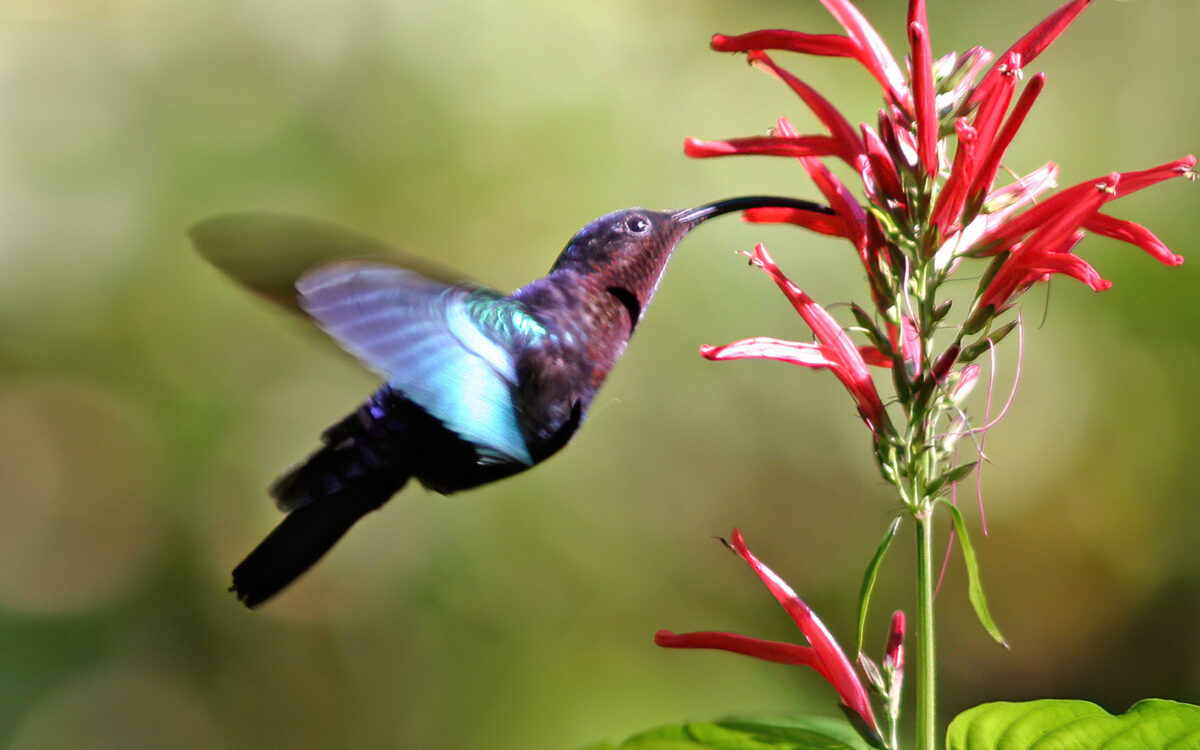
Most people think a feeder full of sugar water is all it takes to “attract hummingbirds.” It isn’t. Hummingbirds are wired for paranoia – they burn calories at a rate that would kill most animals, and staying alive means staying suspicious of everything, including you.
So when a hummingbird stops treating your yard like a war zone and starts acting relaxed, nosy, even a little bossy, that’s not random. That’s a verdict. Here are the real, specific behaviors that mean a hummingbird has quietly decided your yard is one of the safest places on its entire map.
#1 – They Quit Bolting the Second You Step Outside
🔥 Would you like to save this?
We'll email this post to you, so you can come back to it later!
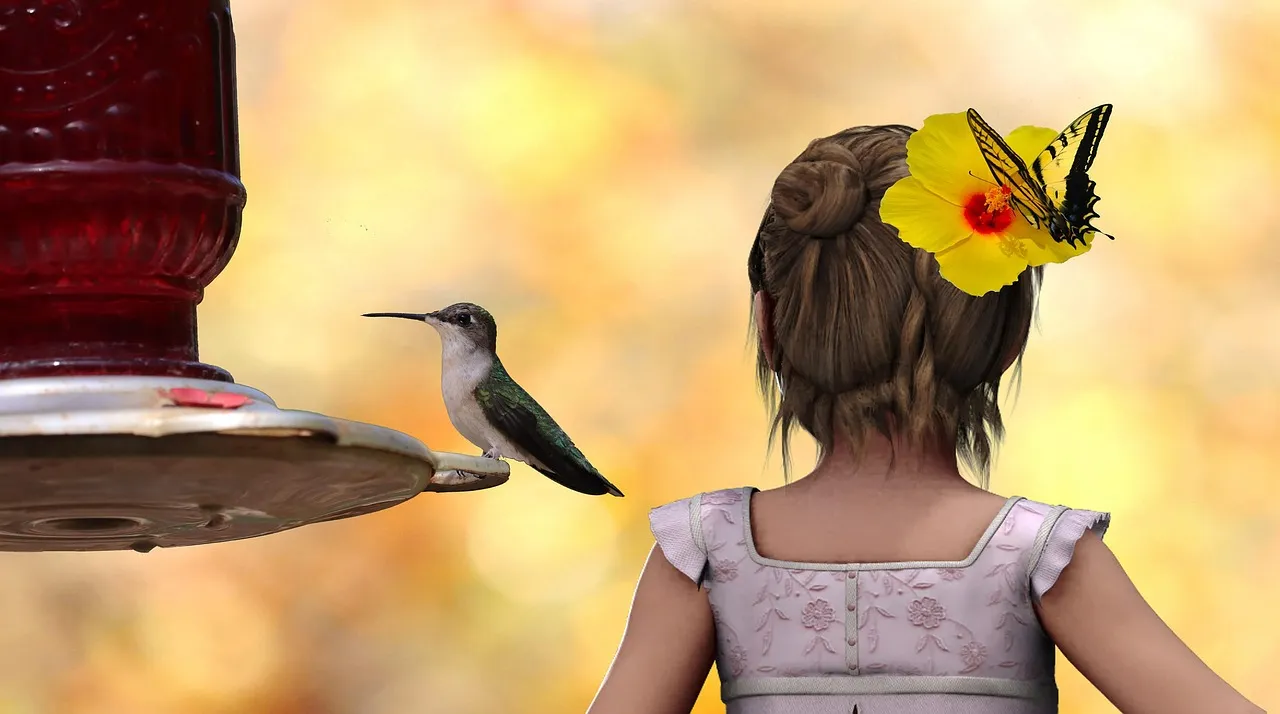
In the beginning, every hummingbird in your yard treats you like a threat. Open a door too fast, walk near the feeder, and they’re gone in a blur before you even register they were there. That jumpy reflex is survival, not rudeness.
Trust shows up as stillness. A hummingbird that’s decided you’re not dangerous will pause mid-sip, glance at you, and simply keep feeding while you water the tomatoes ten feet away. That’s not an accident – bird researchers call this habituation, where repeated harmless encounters gradually shut off the panic response. When a hummer stops wasting energy fleeing from you specifically, it’s telling you it has done the math and you’re not worth the fear anymore.
Fast Facts
- A hummingbird’s heart can race up to 1,200 beats per minute under stress or fast flight
- Their wings beat roughly 50 to 80 times per second, draining energy reserves quickly
- Needless panic flights cost calories a hummingbird may not recover for hours
- Constant fear responses often make a bird cut its visits short or avoid a yard altogether
#2 – They Feed With Their Back Turned to You
🔥 Would you like to save this?
We'll email this post to you, so you can come back to it later!
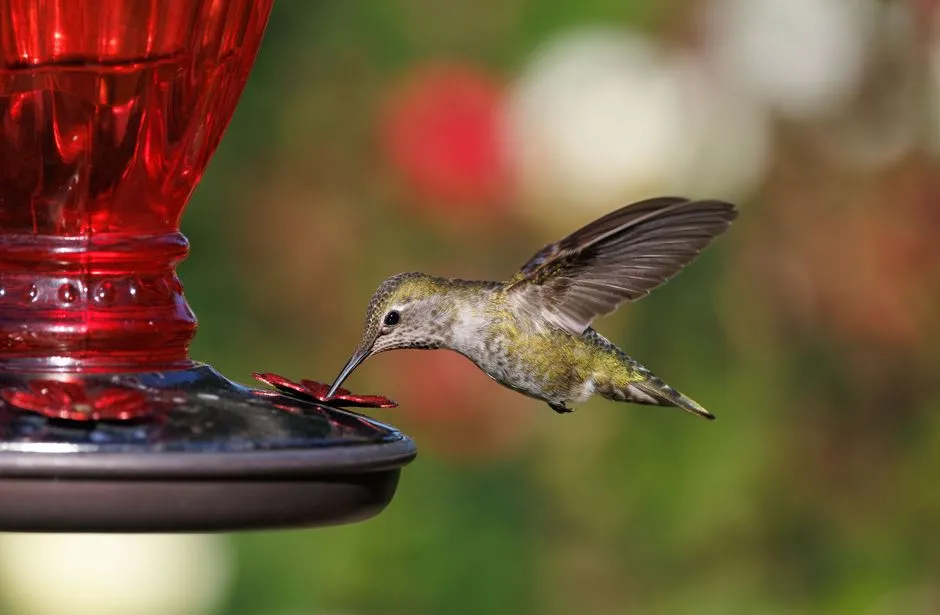
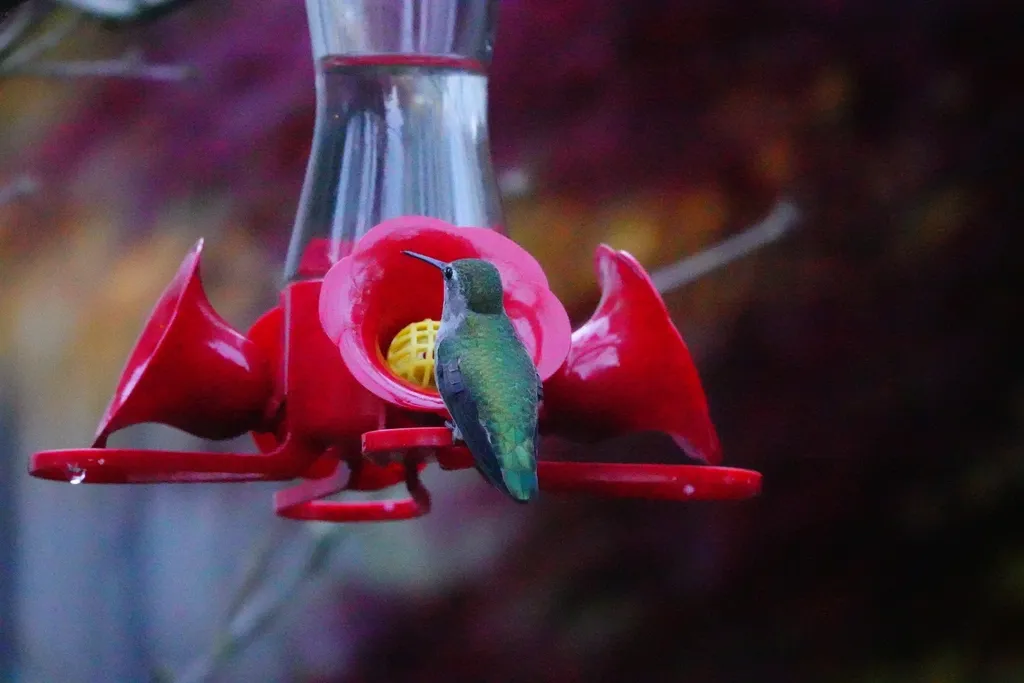
Watch which side of the feeder a nervous hummingbird chooses. It’ll always pick the port that keeps you in view, angled so it can rocket away the instant you move. That’s tactical positioning from a bird that still sees you as a variable.
A hummingbird that trusts your yard gives that advantage up completely. It’ll land facing away from you, tail loose, shoulders relaxed, sipping with its back fully exposed. Some will even close their eyes for a half-second between pulls of nectar – an almost absurd luxury for an animal that normally can’t stop scanning for hawks and cats. That posture is the closest thing to “I’m off the clock” a hummingbird can express.
#3 – They Ditch the Feeder for Your Actual Garden
🔥 Would you like to save this?
We'll email this post to you, so you can come back to it later!
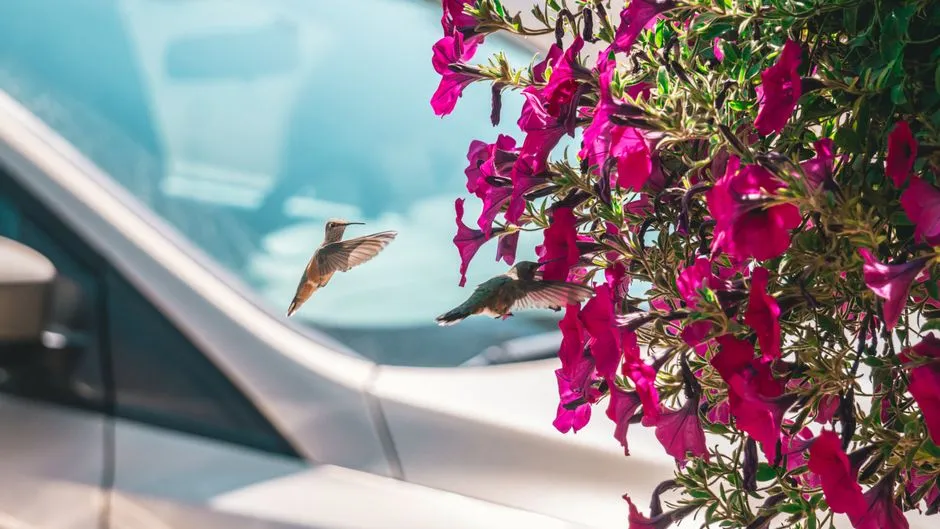
Here’s an uncomfortable truth for anyone proud of their feeder setup: a hummingbird that only ever visits the feeder doesn’t trust your yard – it’s just using your snack bar. Real comfort looks different. It looks like a hummingbird working your salvias, bee balm, and penstemons the way it would forage in a wild meadow, unhurried and unbothered.
Watch for the pace. A bird that’s still wary does a quick grab-and-go, darting in and bailing fast. A bird that trusts the space forages slowly, moving bloom to bloom without those frantic escape exits. Some hosts even notice the same hummingbird checking the same flowers at nearly the same time every day, like it’s running a route it knows by heart. That’s not coincidence – that’s a bird that has claimed your garden as its own territory.
#4 – They Perch Out in the Open Instead of Hiding
🔥 Would you like to save this?
We'll email this post to you, so you can come back to it later!
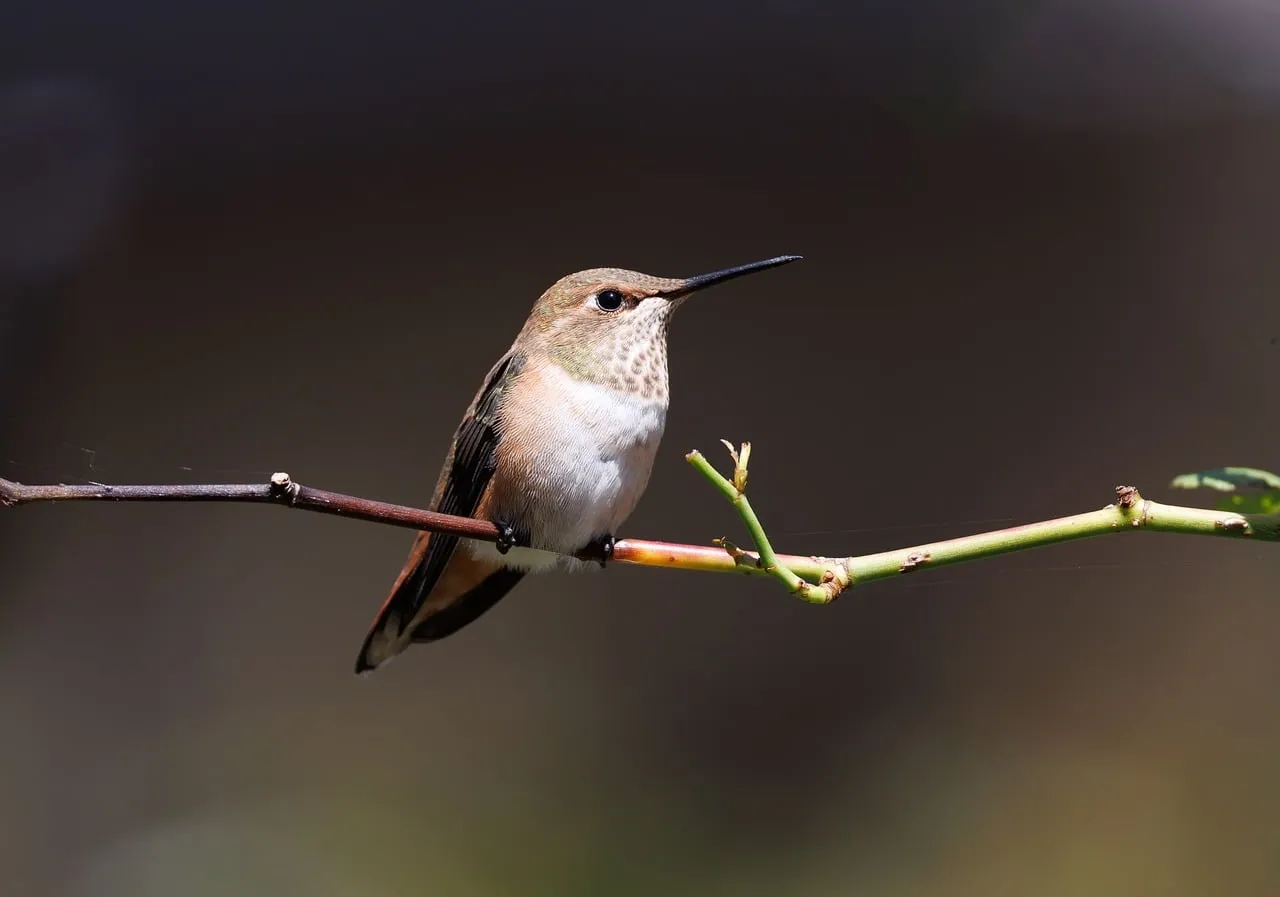
Most people underestimate how much a hummingbird’s choice of perch actually reveals. A nervous bird disappears into dense leaves where predators can’t clock its outline. A confident bird does the opposite – it picks the bare tip of a tomato cage, the top of a shepherd’s hook, an exposed twig with a clear view of the whole yard.
That’s a bold move, and it’s deliberate. An open perch means the bird believes the airspace is relatively safe and wants a launch point to defend its nectar sources. You’ll catch them scratching their head with one foot, ruffling their feathers, taking their sweet time preening in plain sight. A hummingbird grooming itself out in the open is basically saying, out loud, “I live here now.”
#5 – They Bathe in Your Yard’s Water Features
🔥 Would you like to save this?
We'll email this post to you, so you can come back to it later!
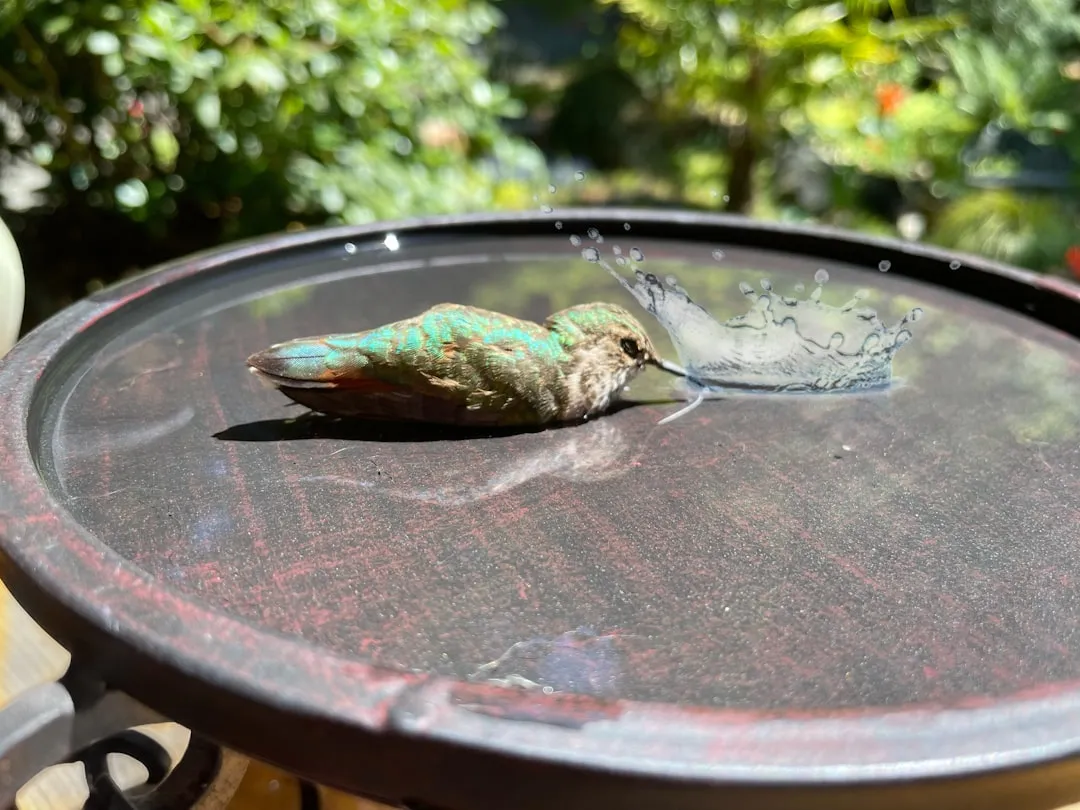
Bathing is one of the most vulnerable things a bird can do. Wings splayed, vision blurred by splashing water, reaction time cut in half – it’s a terrible position to be caught in if a predator shows up. Hummingbirds know this, which is exactly why they’re brutally picky about where they’ll do it.
They ignore deep birdbaths entirely. What they want is a fine mist from a hose or mister, or the shallow trickling edge of a tiny fountain. When a hummingbird starts fanning its tail and fluttering through your spray on a regular basis, it has decided your yard is a safe enough spa to let its guard down completely. Some longtime birders consider steady bathing behavior an even stronger loyalty signal than feeder visits – and it usually lines up with yards that have skipped the pesticides and kept the cats indoors.
#6 – They Treat Your Yard Like a Midday Rest Stop
🔥 Would you like to save this?
We'll email this post to you, so you can come back to it later!
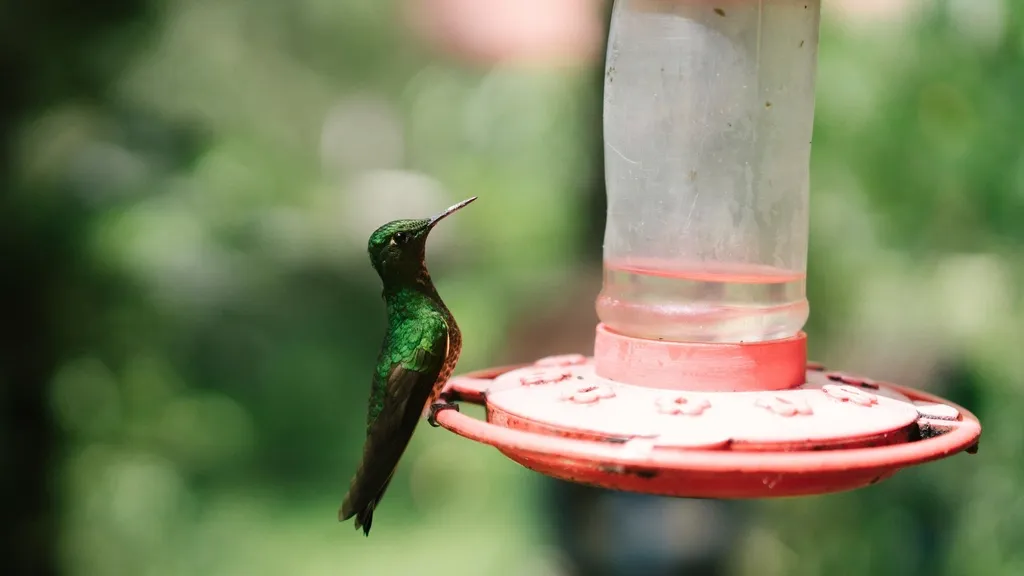
Most casual observers only spot hummingbirds at dawn and dusk and assume that’s the whole story. But a bird that fully trusts a space will linger through the heat of the day too – feeding, perching, resting in the shade, doing absolutely nothing productive for stretches at a time.
For a creature that needs near-constant fuel just to stay alive, “wasting” the middle of the day sitting quietly on a branch is a real statement. It means the microclimate feels safe and the resources nearby are plentiful enough that it doesn’t need to be commuting constantly. If you walk outside at random hours and still catch the soft chip notes or a tiny silhouette on a wire, your yard has stopped being a gas station in their mind. It’s become their living room.
#7 – They Stop Picking Fights With Every Other Bird
🔥 Would you like to save this?
We'll email this post to you, so you can come back to it later!
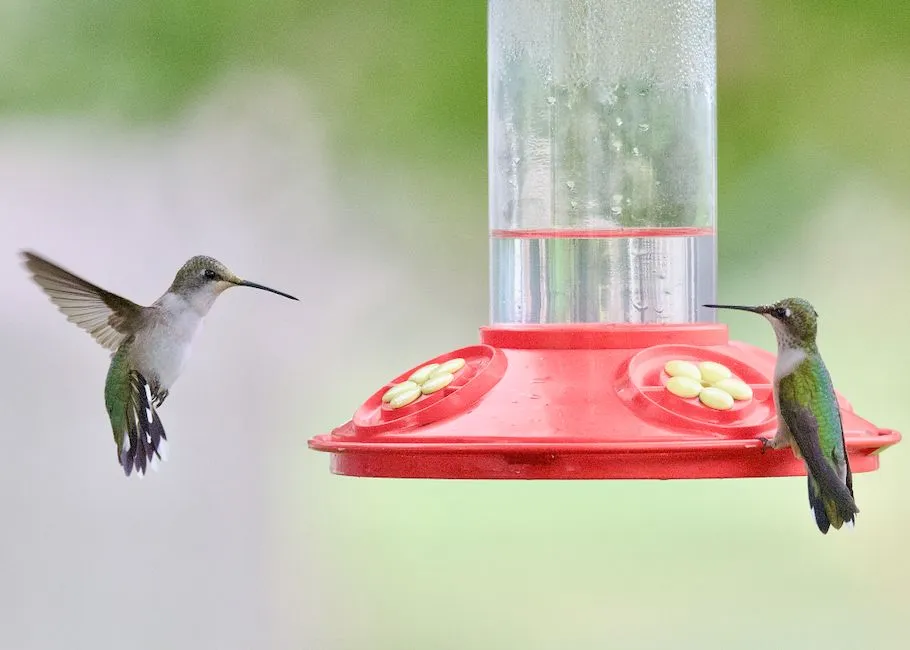
This one surprises a lot of backyard birders: a hummingbird that never shares airspace isn’t necessarily dominant – it might just be anxious. A yard where a hummer has truly settled in often looks calmer, not more territorial. You’ll see it zip past finches at the seed feeder or dart near a robin on the lawn without flaring up every single time.
That tolerance means something specific. It tells you there isn’t a constant sense of threat, and that food is abundant enough that the bird doesn’t have to waste energy declaring war on every visitor. Watch closely and you’ll see them weaving through mixed flocks, timing their moves between a jay’s calls or a titmouse dropping in. The default shifts from frantic warfare to something closer to managed traffic – a bird that has learned your yard’s rhythm and stopped fighting it.
Quick Compare
- Anxious hummingbird: chases every visitor away from the feeder
- Settled hummingbird: tolerates finches, robins, and other birds nearby
- Anxious hummingbird: feeds in short, jittery bursts
- Settled hummingbird: lingers, perches, and shares airspace calmly
#8 – They Show Up on an Almost Exact Schedule
🔥 Would you like to save this?
We'll email this post to you, so you can come back to it later!
Hummingbirds love routine when conditions let them have it. Once a yard earns their trust, you’ll start noticing clock-like reappearances – the same window in early morning, the same lull in late afternoon, sometimes even a reliable lunchtime drop-in.
That predictability isn’t just convenient for you; it’s a signal in itself. A stable visiting pattern means the bird is confident your feeders and flowers will be ready and doesn’t expect sudden disturbances when it arrives. Long-time hosts often swear their hummingbirds sync their loops to lawn-mowing breaks or sprinkler timers, which sounds like folklore until you’ve watched it happen for a full summer. Repetition, in hummingbird language, is trust with a timestamp.
#9 – They Hover Inches From Your Face to Check You Out
🔥 Would you like to save this?
We'll email this post to you, so you can come back to it later!
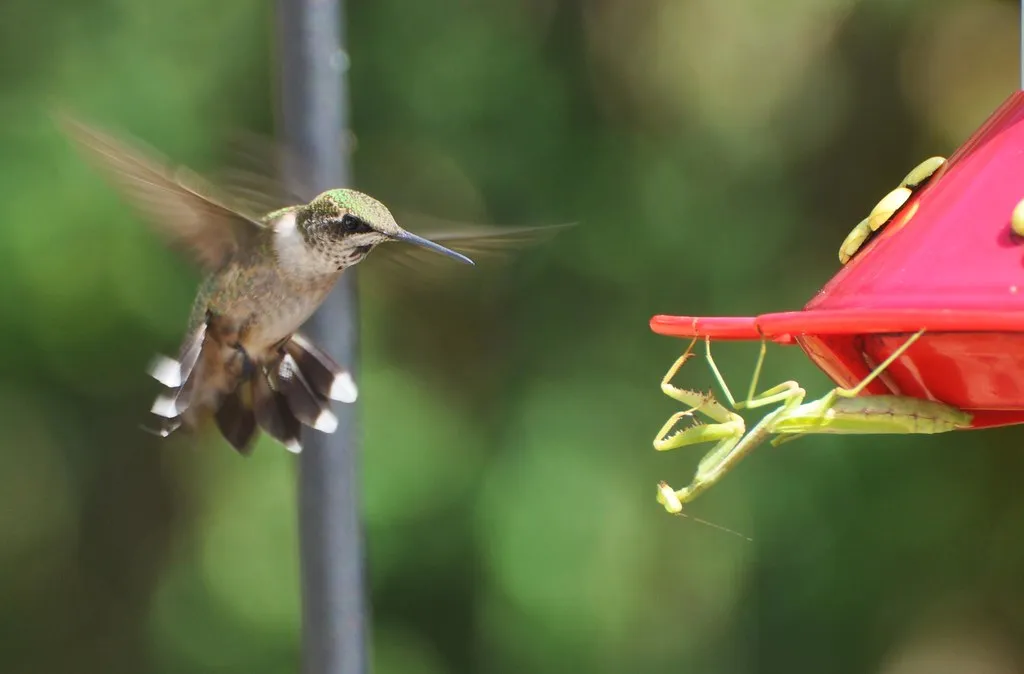
At some point, a fully comfortable hummingbird will do something that catches most people off guard – it flies straight up to your face and just hovers there, staring, inches from your nose. It looks aggressive. It isn’t.
That’s pure curiosity, and curiosity only happens once a bird isn’t spending all its energy on fear. It tends to happen when you’re holding something bright – a cup, a phone, a hat – or standing near their favorite feeder without moving much. They’ll bob side to side, sometimes chirp softly, then zip off with zero panic, like they got the information they needed. Some hosts even report hummingbirds doing slow fly-bys whenever they talk on the phone outside, apparently keying in on the sound of a familiar voice.
#10 – They Chatter Softly Instead of Screaming Alarms
🔥 Would you like to save this?
We'll email this post to you, so you can come back to it later!
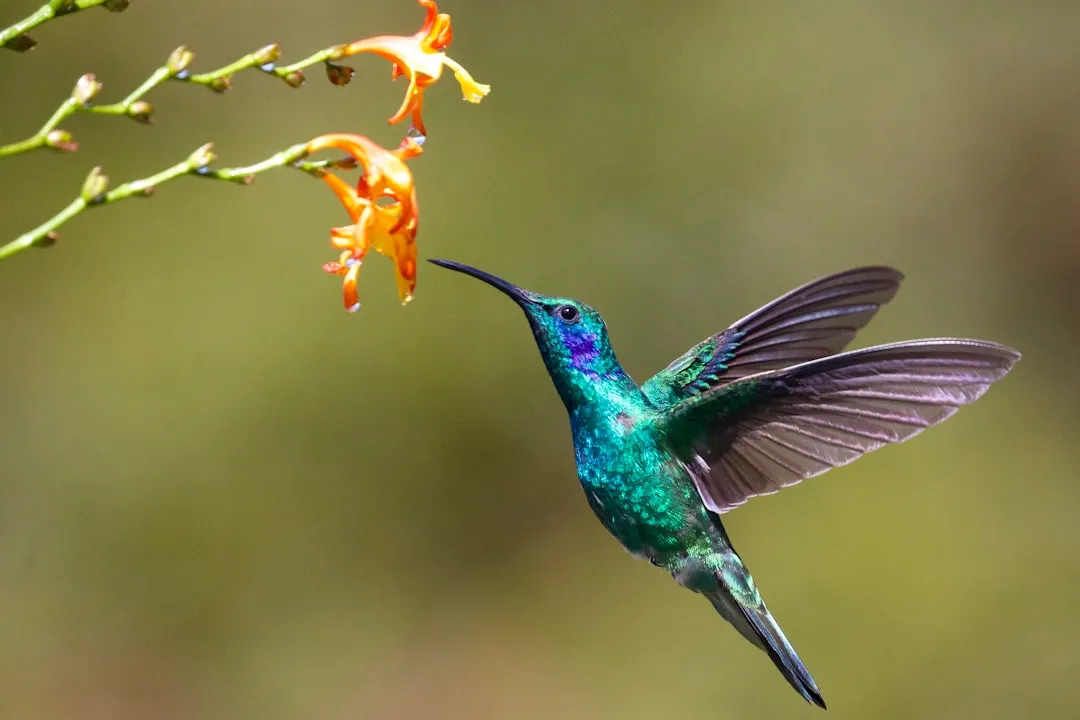
Most people only notice hummingbirds when they’re fighting – sharp chips, angry squeaks, wings buzzing like tiny engines. That’s the sound of stress. A trusted yard tends to have a different soundtrack entirely: quiet “tik-tik” notes from a perch, soft conversational chirps, occasional song-like patterns when no rival is anywhere close.
Those calmer sounds tell you their territorial status feels secure – they’re not stuck in constant defense mode, and they feel safe enough to announce themselves without inviting a fight. You might hear this gentle background chatter from a favorite perch even when nothing is happening at all. It’s less warning siren, more small talk. If your yard has gone from silent drive-bys to regular hummingbird commentary, something has shifted emotionally, not just logistically.
#11 – They Stay Loyal Even When the Feeder Runs Dry
🔥 Would you like to save this?
We'll email this post to you, so you can come back to it later!
Here’s a blunt test of how much a hummingbird actually trusts your yard: let the feeder run empty for a day and see what happens. If the bird vanishes the moment the sugar water disappears, your yard was never anything more than a snack stop to it.
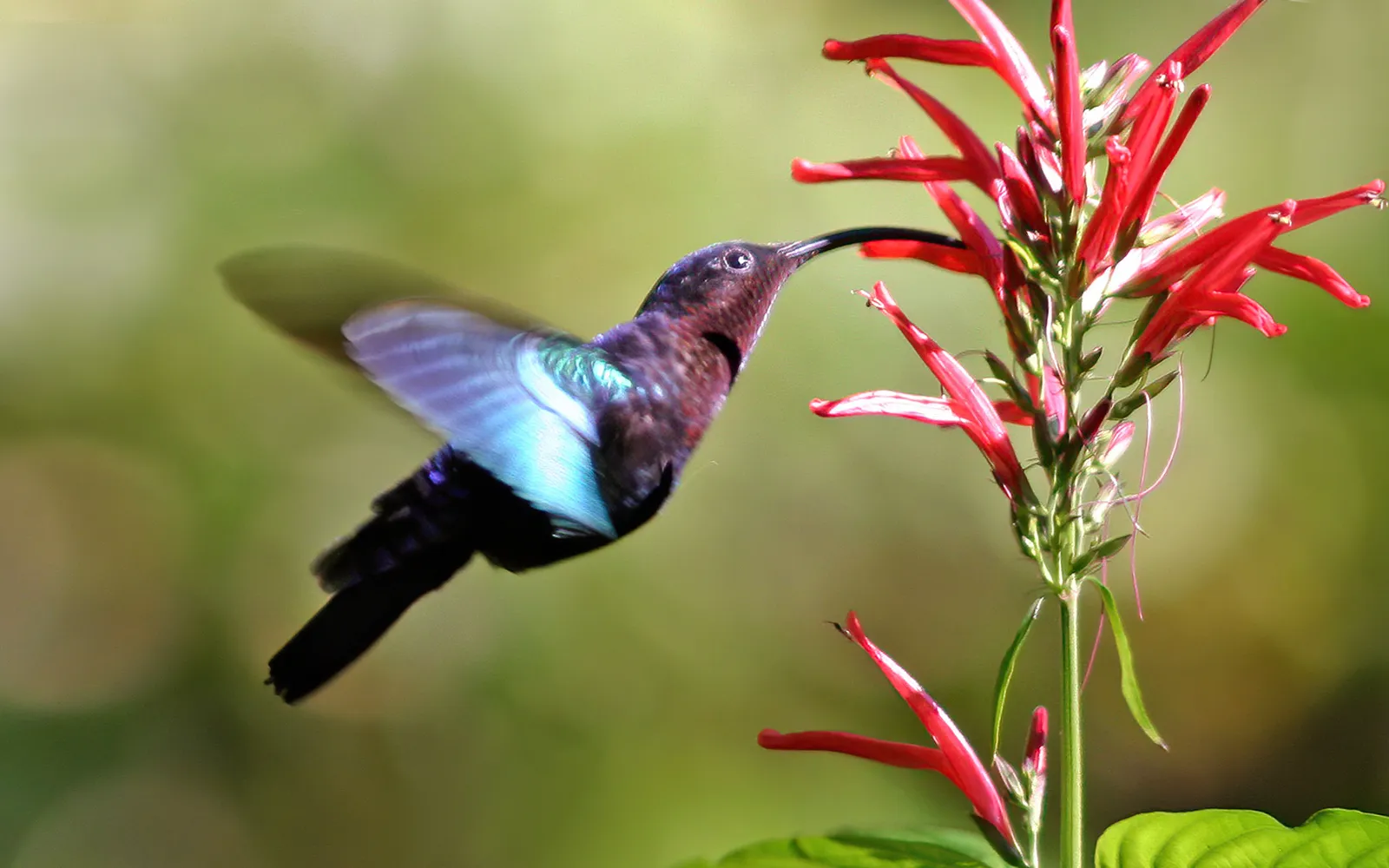
But if you forget to refill and the bird is still there – working the flowers, perching, patrolling like nothing changed – that’s a completely different level of investment. Hummingbirds that believe in a yard shift toward natural nectar sources and simply recheck the feeder later instead of writing the whole place off. This is exactly why relying on a feeder alone is a mistake long-term. A yard with native plants, water, safe perches, and occasional sugar water tells a hummingbird the whole ecosystem is worth its loyalty, not just one plastic port.
At a Glance
- Snack-stop bird: disappears the moment the feeder runs dry
- Loyal bird: shifts to garden flowers and checks back later
- Snack-stop bird: visits only one spot in the yard
- Loyal bird: uses feeders, flowers, water, and perches interchangeably
#12 – They Bring Their Babies to Meet Your Yard
🔥 Would you like to save this?
We'll email this post to you, so you can come back to it later!
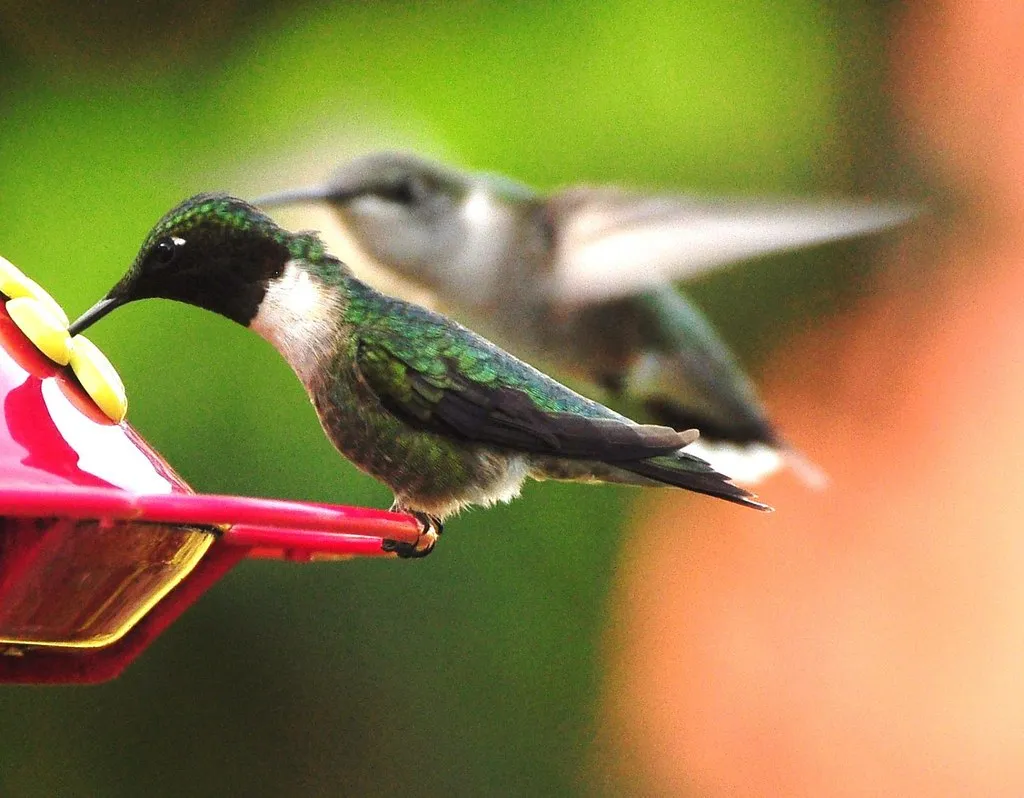
This might be the most emotional sign on the entire list. When a female hummingbird shows up guiding a slightly clumsy juvenile toward your flowers or feeder, she is making a decision with real stakes attached. A mother bird does not risk her offspring in a place she doesn’t trust.
You’ll recognize the fledgling immediately – a shorter tail, shaky hovering, awkward crash-landings onto perches that a grown adult would nail without thinking. The mother often hovers nearby while the youngster figures things out, sometimes nudging it toward the easiest blooms. Scientists still debate how much of this is active teaching versus pure instinct, but one thing isn’t up for debate: choosing your yard as the classroom is never random. It’s the highest compliment a hummingbird can pay, along with the biggest responsibility.
#13 – They Nest Practically on Your Porch
🔥 Would you like to save this?
We'll email this post to you, so you can come back to it later!
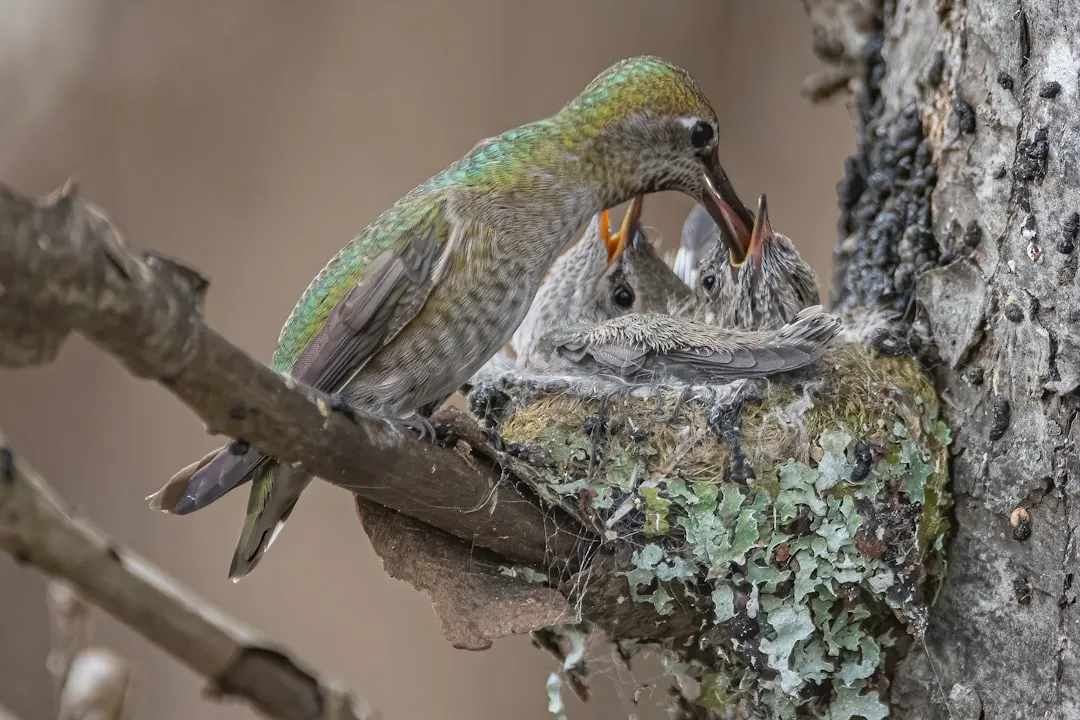
Conventional wisdom says hummingbirds nest in quiet, hidden spots, and that’s generally true. What most guides leave out is that a truly trusted yard often gets nests built shockingly close to porches, patios, and walkways – as long as those areas stay calm and cat-free.
When a hummer hangs a tiny cup-shaped nest on a low branch right along your regular path, that’s about as strong a confidence vote as they come. Nesting mothers are choosing based on reliable cover, low predator traffic, and human patterns that feel stable rather than chaotic. If you notice the same bird repeatedly returning to one shrub with bits of spiderweb or plant fluff in its beak, pay close attention – nesting is the single highest-stakes decision a hummingbird makes all year, and she just made it inside your daily orbit.
Worth Knowing
- A hummingbird nest is often smaller than a golf ball, built with spiderweb silk that stretches as the chicks grow
- Females build the nest and raise the young entirely on their own
- Most clutches hold just two eggs, each roughly the size of a coffee bean
- Trusted nesting spots are frequently reused or rebuilt nearby year after year
#14 – They Follow You Around Like a Tiny Supervisor
🔥 Would you like to save this?
We'll email this post to you, so you can come back to it later!
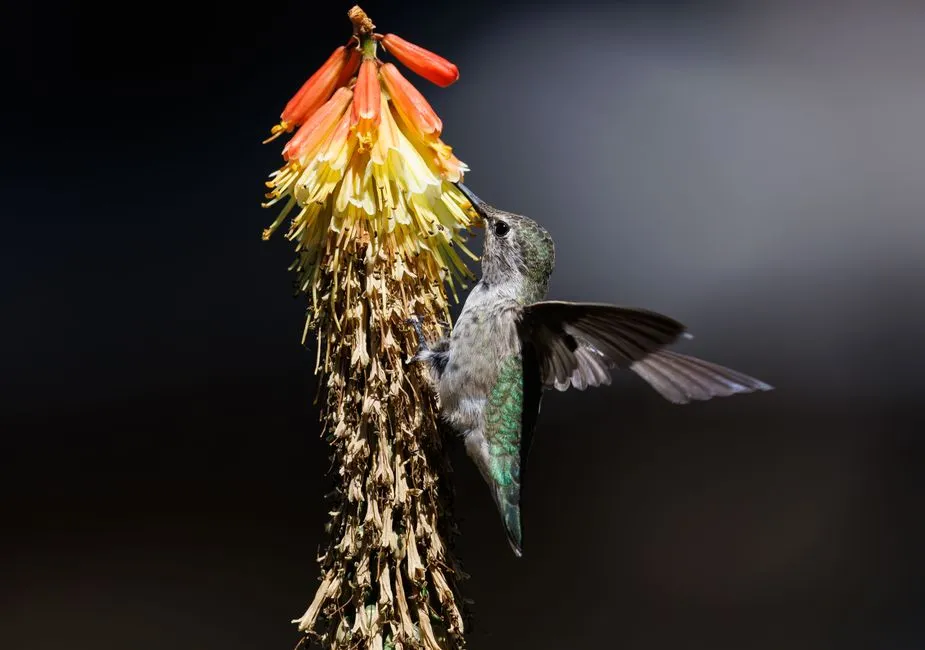
This is where trust tips into something almost comical. In long-term, well-established yards, some hummingbirds start following the homeowner around during chores – hovering over the hose, inspecting freshly pruned flowers, darting straight through the spray while you’re watering. It’s not domestication. It’s advanced habituation, and it’s earned.
In extreme cases, they’ll pause inches from your hand, your hat, or your shoulder, treating you like a temporary landmark rather than a threat. They’ve mapped your movements closely enough to know your presence usually means stirred-up insects or freshly opened blooms, not danger. Plenty of longtime hosts swear their hummingbirds “supervise” yard work or appear the second someone steps outside demanding a refill. Scientists are cautious about calling that intention – but functionally, that bird has filed you under safe, useful, and part of the neighborhood.
When a hummingbird goes from a skittish blur to a bird that bathes in your mist, naps in your shade, brings its babies by, and hovers in your face out of pure curiosity, it’s telling you something most yards never earn. A feeder gets you noticed. Calm, routine, fearless behavior is what gets you trusted, and those are not the same achievement.
My honest take: too many people chase hummingbird numbers when they should be chasing hummingbird comfort. A yard with three relaxed, loyal hummingbirds that nest nearby and bathe in your sprinkler is worth more than a yard with fifteen jumpy ones fighting over a feeder and vanishing by July. Trust, not traffic, is the real trophy – and once you’ve seen it, a full feeder with no birds relaxing around it will never look impressive again.

- 7 Everyday Habits That Can Make Your Senior Dog Happier - November 5, 2026
- 10 Enigmatic Structures That Continue to Puzzle Scientists Today - November 5, 2026
- 10 Strange Ruins in the Americas That Challenge What We Know About Early History - November 5, 2026