
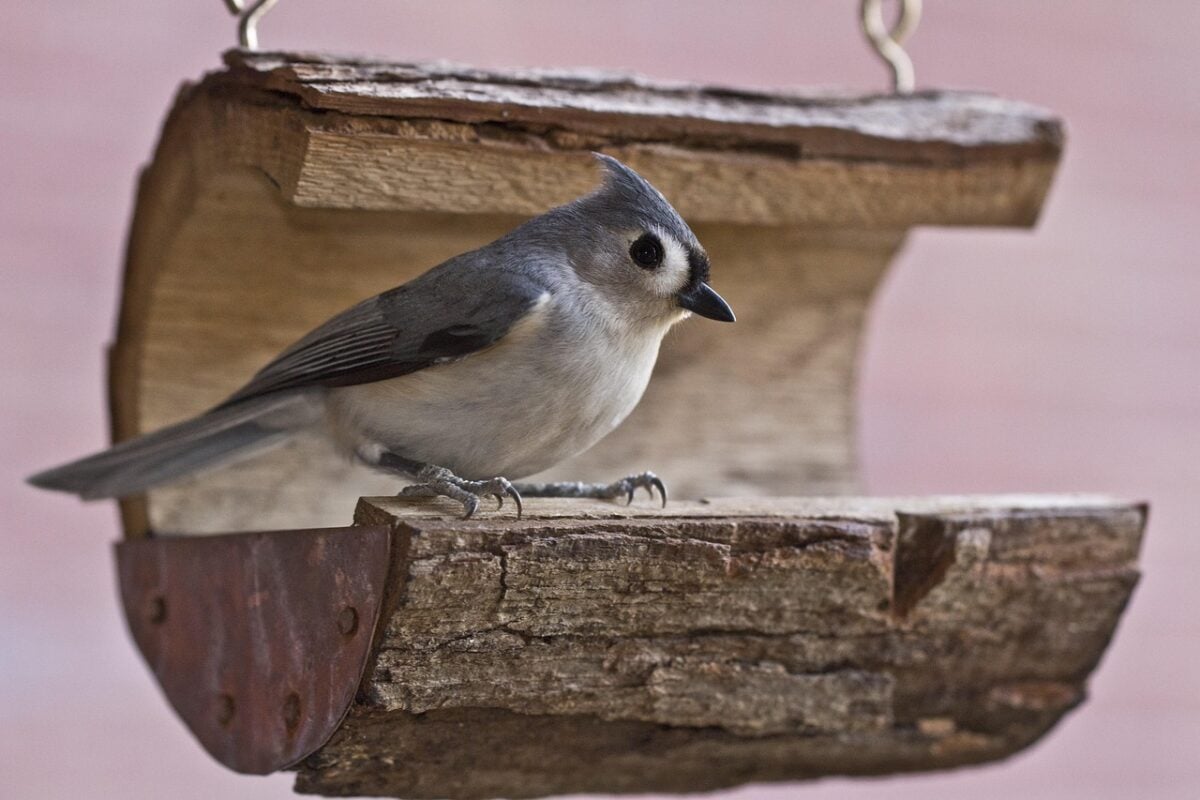
Most people walk past a quiet feeder and assume the show is over. No jays fighting, no chickadee traffic jam, nothing to film for the neighborhood group chat – so they look away. That’s exactly the moment a tufted titmouse starts doing the most interesting things it ever does.
Strip away the competition and this little gray bird stops performing for the crowd and starts running its actual playbook: cautious scout, secret hoarder, tiny landlord, storm forecaster. Fourteen behaviors are hiding in that “boring” silence, and once you know what to look for, you’ll never call an empty feeder quiet again.
#1 – The Slow, Suspicious First Approach
🔥 Would you like to save this?
We'll email this post to you, so you can come back to it later!
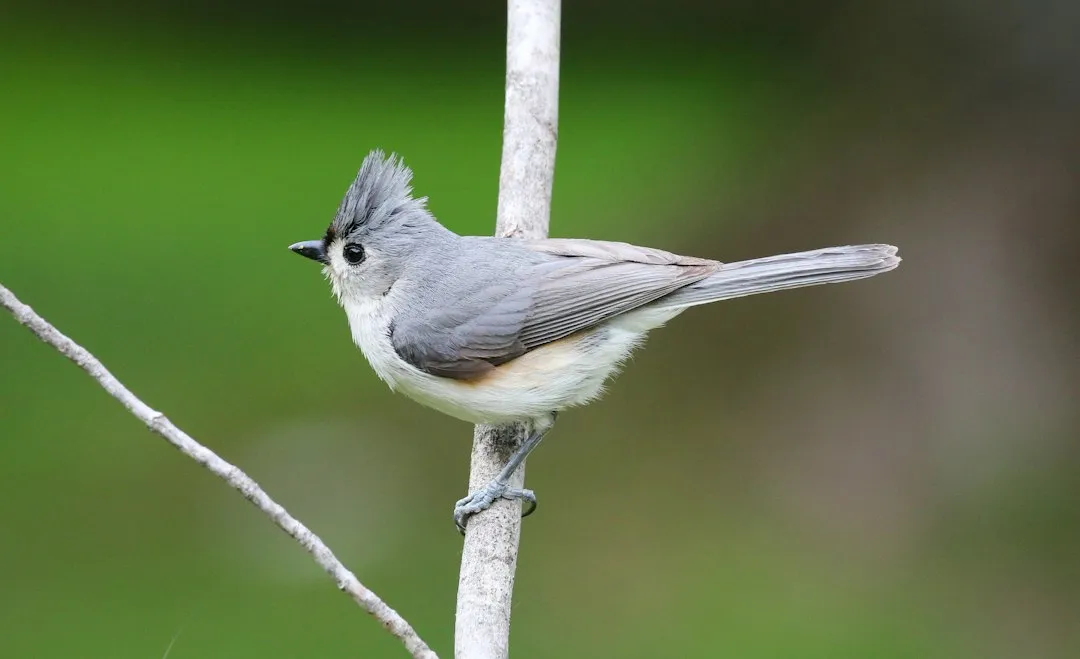
When no other birds are around, a tufted titmouse doesn’t just swoop in and start eating. It stages a slow, almost theatrical inspection first – landing on a nearby branch, body stretched long, crest slightly raised, tail flicking in short nervous bursts. It can sit there for a full 10 to 30 seconds, scanning the feeder, the ground, the sky, even your kitchen window.
This isn’t shyness, it’s math. Titmice sit in the middle of the backyard pecking order and know they’re on plenty of predators’ menus. With no other species around to test the water first, the titmouse has to be its own scout – often tracing a silent little circuit from branch to feeder arm to hook before finally committing to that first seed.
Fast Facts
- Tufted titmice are year-round residents across the eastern and central U.S. and don’t migrate.
- They typically measure about 5.5 to 6.3 inches long and weigh roughly 21 to 26 grams.
- They belong to the same family as chickadees, the Paridae, and share many of the same feeder habits.
- Wild titmice usually live 2 to 3 years, though banded individuals have been recorded living well past 10.
#2 – The Single-Seed Grab-and-Go, Even With Zero Competition
🔥 Would you like to save this?
We'll email this post to you, so you can come back to it later!
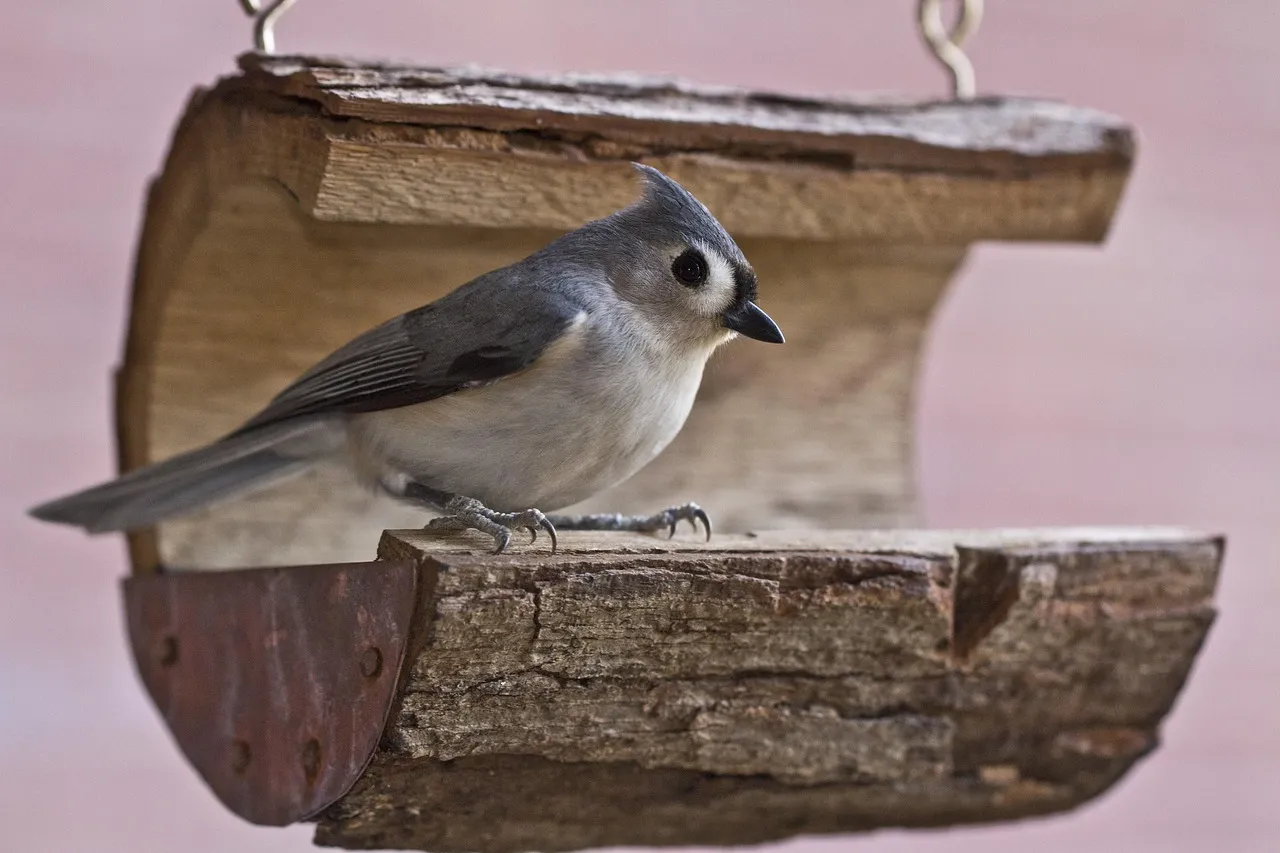
Here’s the part that trips people up: even with the entire feeder to itself, a titmouse usually grabs one seed and bolts, instead of settling in for a feast. To us, that looks wildly inefficient. To the bird, it’s basic survival arithmetic – every second in the open is a second a hawk, a cat, or a bullying jay could show up uninvited.
Listen closely after it leaves and you’ll often hear the soft crack of shelling happening in a nearby tree, not at the feeder. The bird is using your feeder as a dispenser, not a dining room. Some backyard birders assume a lingering titmouse means it finally feels “safe,” but extended feeding out in the open can just as easily mean the bird is making a risky bet it hasn’t fully thought through.
#3 – The Hidden Seed Stash Network You Never See
🔥 Would you like to save this?
We'll email this post to you, so you can come back to it later!
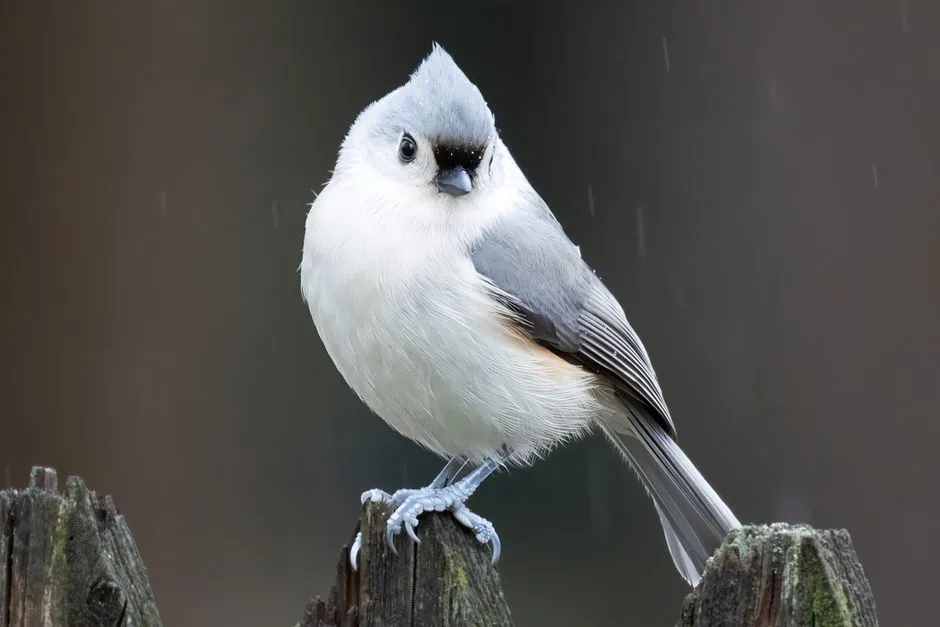
Your “empty” feeder might be quietly funding an entire secret storage operation. Tufted titmice are relentless cachers – tucking seeds into bark crevices, under flakes of lichen, into dead leaves, even into the seams of your patio furniture. When nobody else is competing for the food, you’ll see them shuttle back and forth rapidly, building dozens of tiny stashes in a matter of minutes.
Two things change when the feeder is quiet: the caching circle gets wider, and the hiding spots get higher and better concealed, since there’s no flock pressure rushing the job. Titmice can remember hundreds of these locations, and they’re surprisingly picky about what goes in them – you might watch one pick up a seed, reject it, toss it aside, and grab another. That’s quality control, happening on your dime.
#4 – Turning Your Feeder Into a Private Training Ground
🔥 Would you like to save this?
We'll email this post to you, so you can come back to it later!
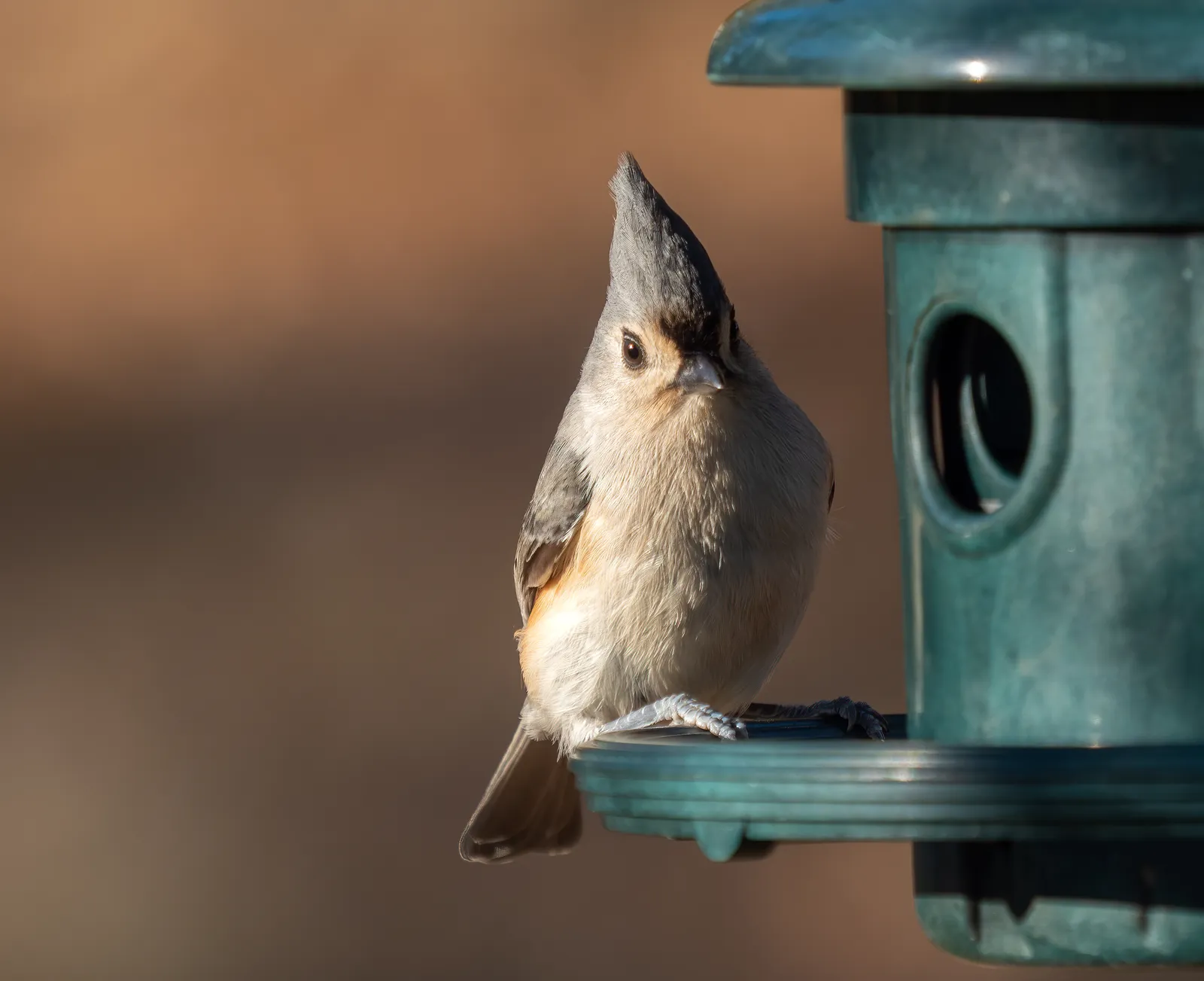
When there’s no crowd, the feeder becomes a practice arena for raising the next generation. You’ll sometimes see a hesitant juvenile perched nearby, wings flicking in that classic begging posture, while an adult repeatedly lands, grabs a seed, and returns – essentially walking the youngster through the move step by step.
Without pushy chickadees or bullying jays crowding the perch, adults also slow down to test new feeder styles, unfamiliar seed mixes, or different approach angles – flying in from below one time, from the side the next. People love to say titmice “hate change,” but what’s really happening is they’re waiting for a low-pressure window, like an empty feeder, to try something new without getting shoved aside mid-experiment.
#5 – The Silent Alarm System You Never Hear
🔥 Would you like to save this?
We'll email this post to you, so you can come back to it later!
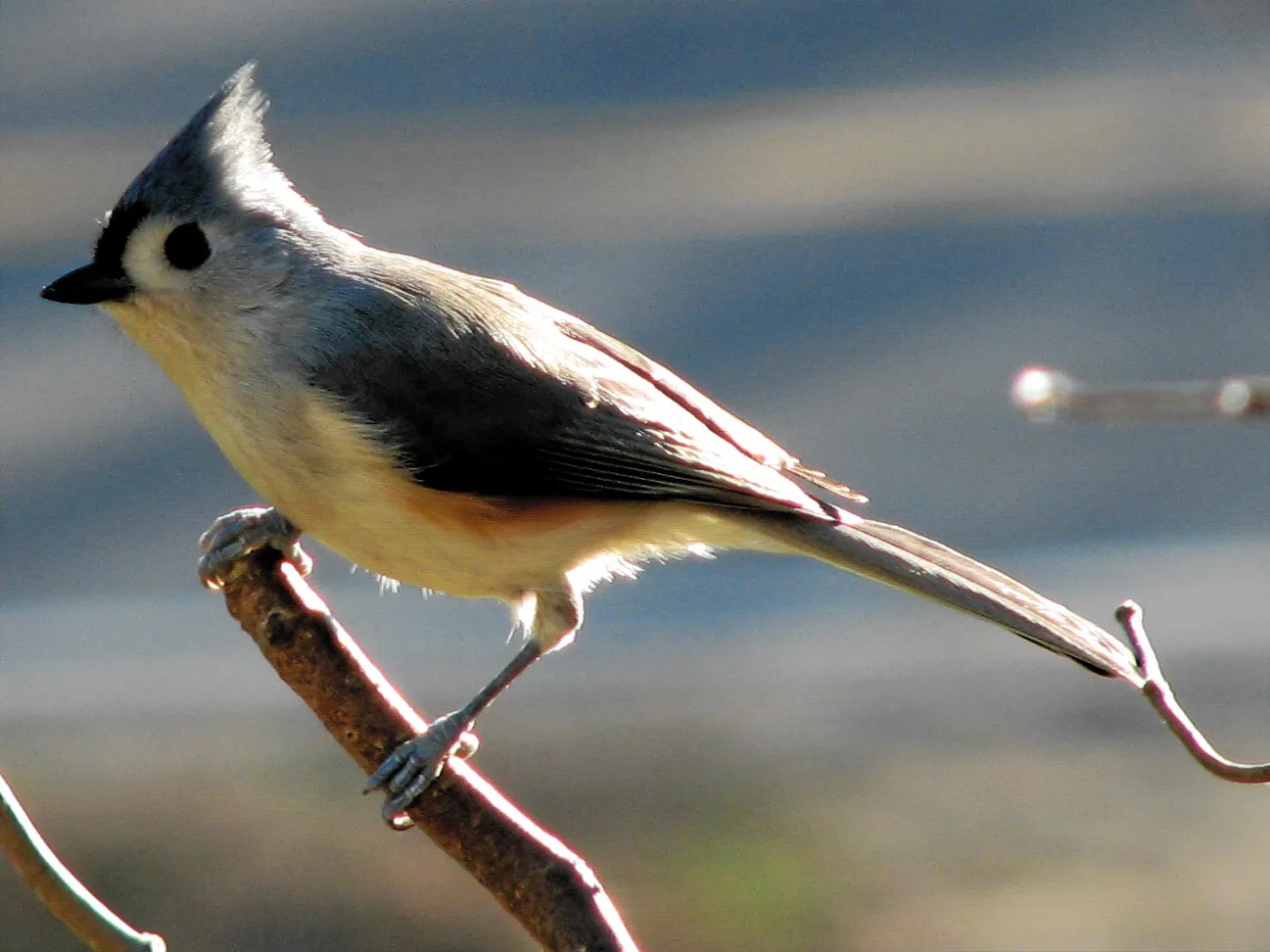
In a busy mixed flock, titmice are famous for their loud, scolding calls. But at an otherwise empty feeder, their alarm behavior turns eerily quiet. Instead of a dramatic “tsee-tsee-tsee,” the bird just freezes mid-peck, body flattened, crest slicked back, then vanishes in a low, fast streak toward cover.
Without a crowd to warn, there’s no reason to broadcast – the bird is just trying to survive, not send a memo. Watch for sudden half-approaches that end in retreat, or long motionless perching with only the head swiveling. Some birders read this as the titmouse “not liking” the food. In reality, that silence is often the loudest possible warning that a hawk is somewhere close by.
#6 – Quietly Claiming the Feeder as Personal Territory
🔥 Would you like to save this?
We'll email this post to you, so you can come back to it later!
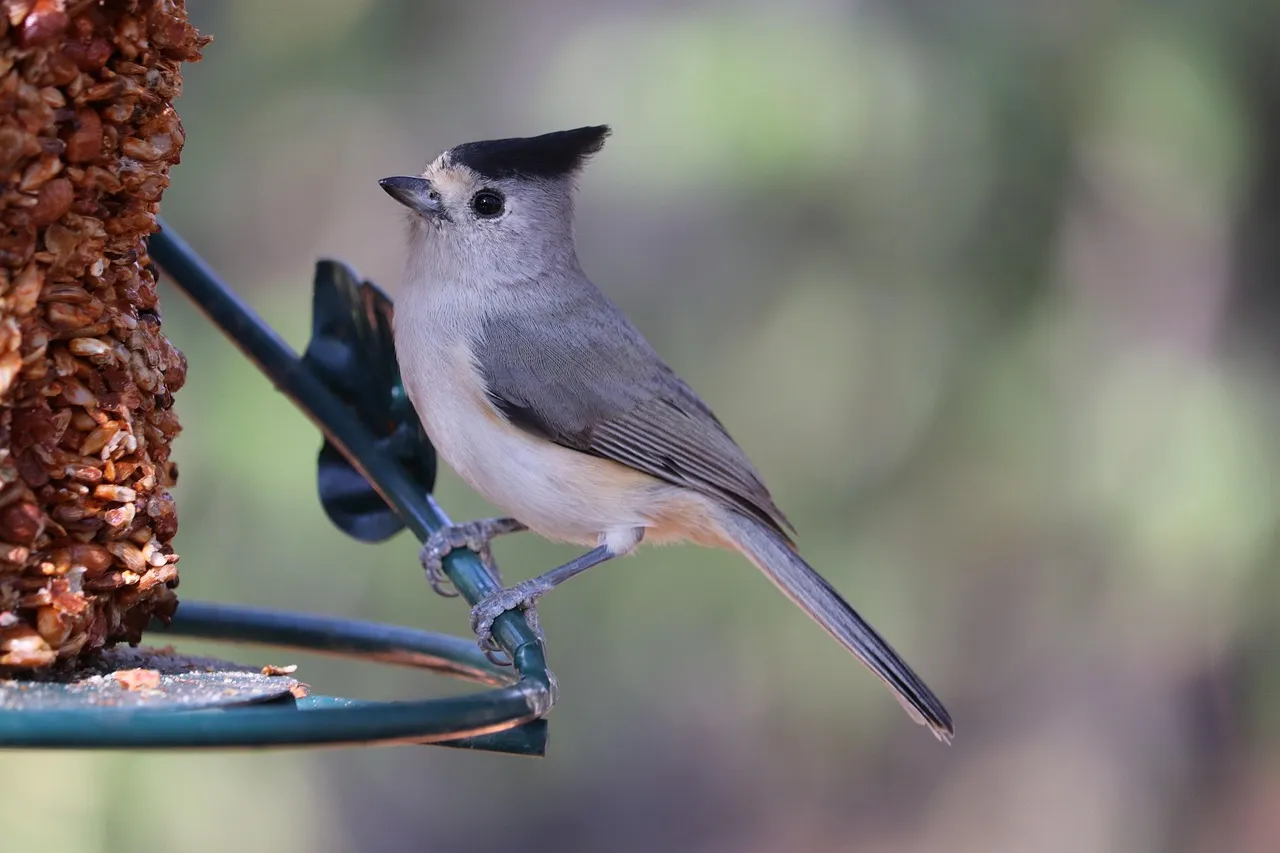
Titmice aren’t classic feeder bullies the way jays are, but when they’ve had a feeder to themselves for a while, they start treating it like leased property. You’ll notice one bird running a repeating loop – feeder, watch post, another vantage point, back to the feeder – essentially patrolling a micro-territory it has claimed.
This gets especially obvious in late winter and early spring, when pairing and nesting decisions ramp up. A titmouse that’s grown used to solo access may start chasing off late-arriving chickadees or nuthatches with sharp little lunges, or give insistent chase calls to remind everyone the spot is spoken for. That “quiet” feeder might be the exact center of one bird’s future nesting territory.
#7 – Testing Every Perch Like a Tiny Engineer
🔥 Would you like to save this?
We'll email this post to you, so you can come back to it later!
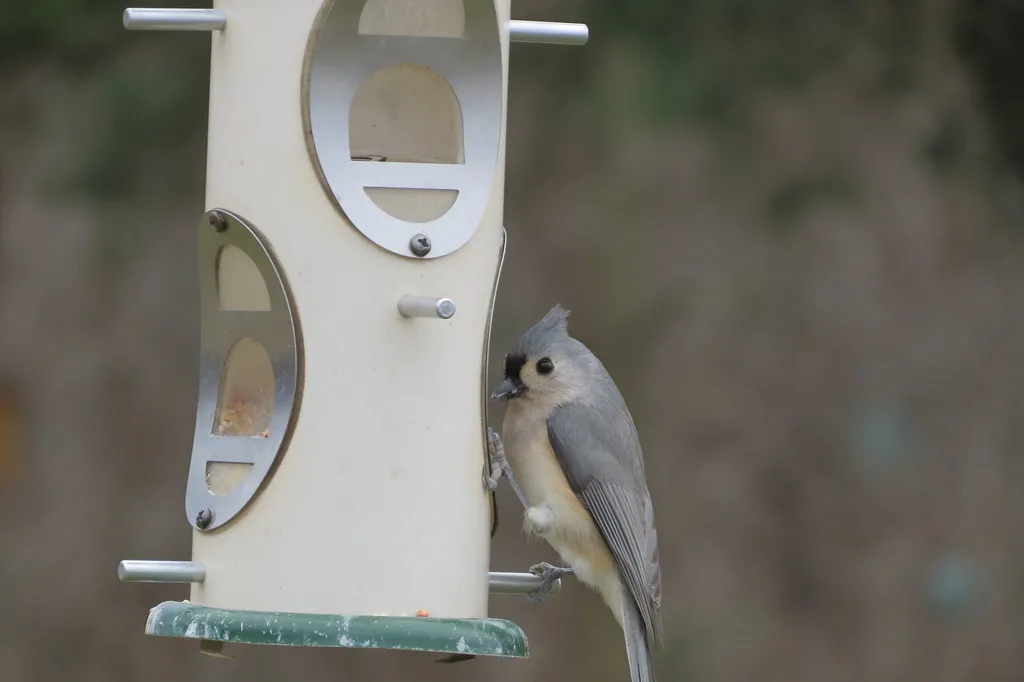
At a crowded feeder, a titmouse takes whatever perch it can get and figures it out on the fly. Alone, it becomes a picky designer. Watch one work an unfamiliar or slightly wobbly feeder with no competition around, and you’ll see it try multiple landing spots, angles, and wing beats – running its own private series of micro-experiments.
It’ll land, lean, hop to a different side, try again from another angle, maybe hang upside down briefly to reach an awkward port, then abandon that move if it feels unstable. That’s not fussiness, it’s optimization. Later, during a busy feeding rush, that same bird goes straight to its pre-tested sweet spot and looks like a fearless acrobat. What reads as natural confidence is often hours of unseen solo practice on the feeder everyone assumed was “unused.”
#8 – Using the Feeder as a Social Listening Post
🔥 Would you like to save this?
We'll email this post to you, so you can come back to it later!
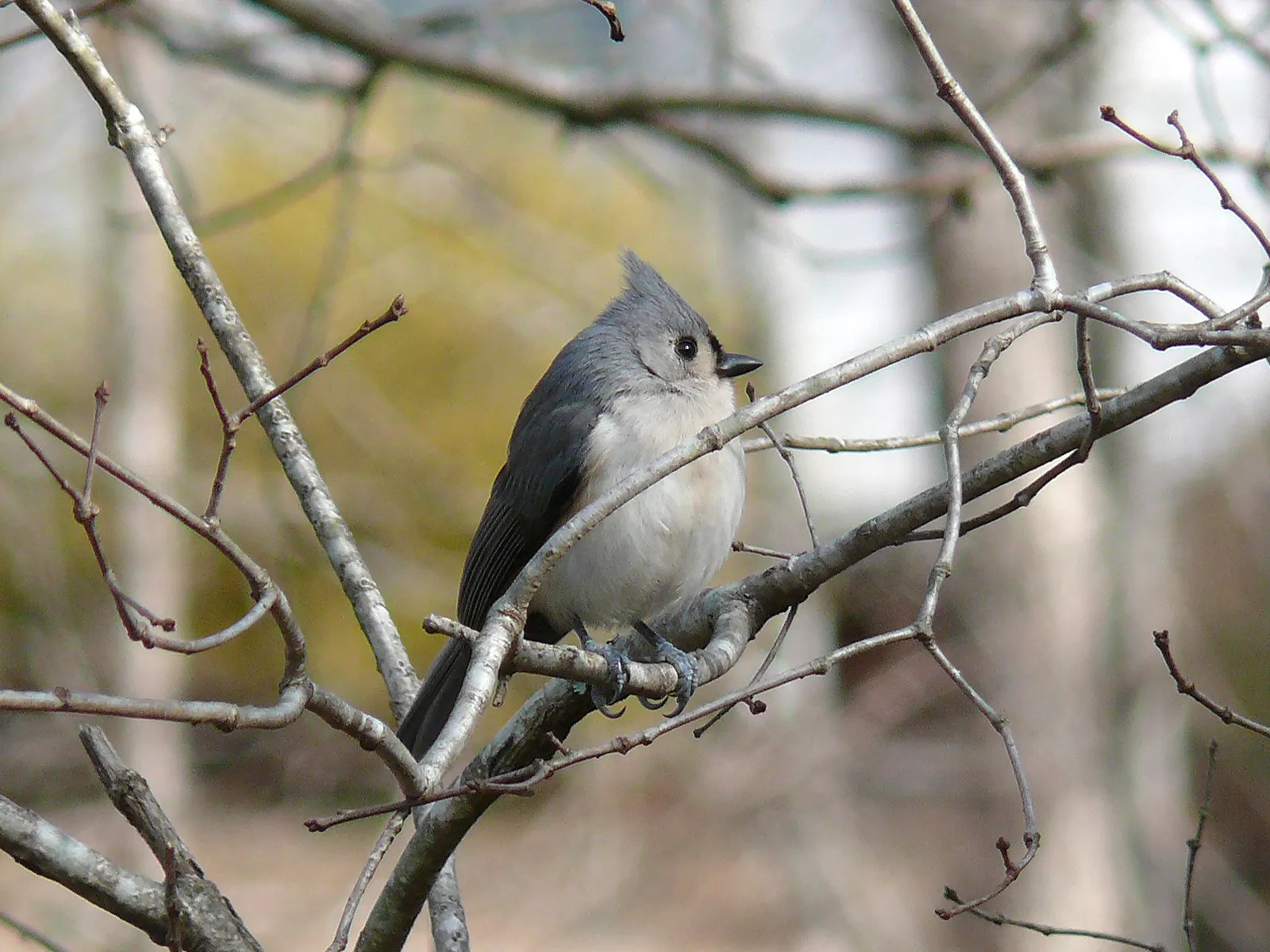
Here’s a behavior almost nobody notices: at a quiet feeder, titmice sometimes use it more as a listening post than a food source. They’ll perch on or near it, barely eating, spending minutes just scanning and listening. In a mixed-species world, information is worth as much as calories.
Watch how the head swivels toward distant chickadee or jay calls, and how the bird’s posture tightens in response to far-off alarms before you even hear anything yourself. The feeder gives it a clear vantage point and a reward if the coast stays clear. Some call this “loafing,” but that badly underestimates what’s happening – it’s a real-time risk calculation, shifting between listening mode and feeding mode depending on what the soundscape is telling it.
Worth Knowing
- Titmice often act as a lead species in winter mixed flocks, with chickadees, nuthatches, and woodpeckers keying off their behavior.
- Their alarm calls are considered one of the more trusted warnings in a mixed flock, so other species tend to react to them fast.
- Even alone at a feeder, a titmouse may still be functioning as an unofficial lookout for birds it can’t currently see or hear well.
#9 – Quietly Switching Food Choices Based on Mood and Season
🔥 Would you like to save this?
We'll email this post to you, so you can come back to it later!
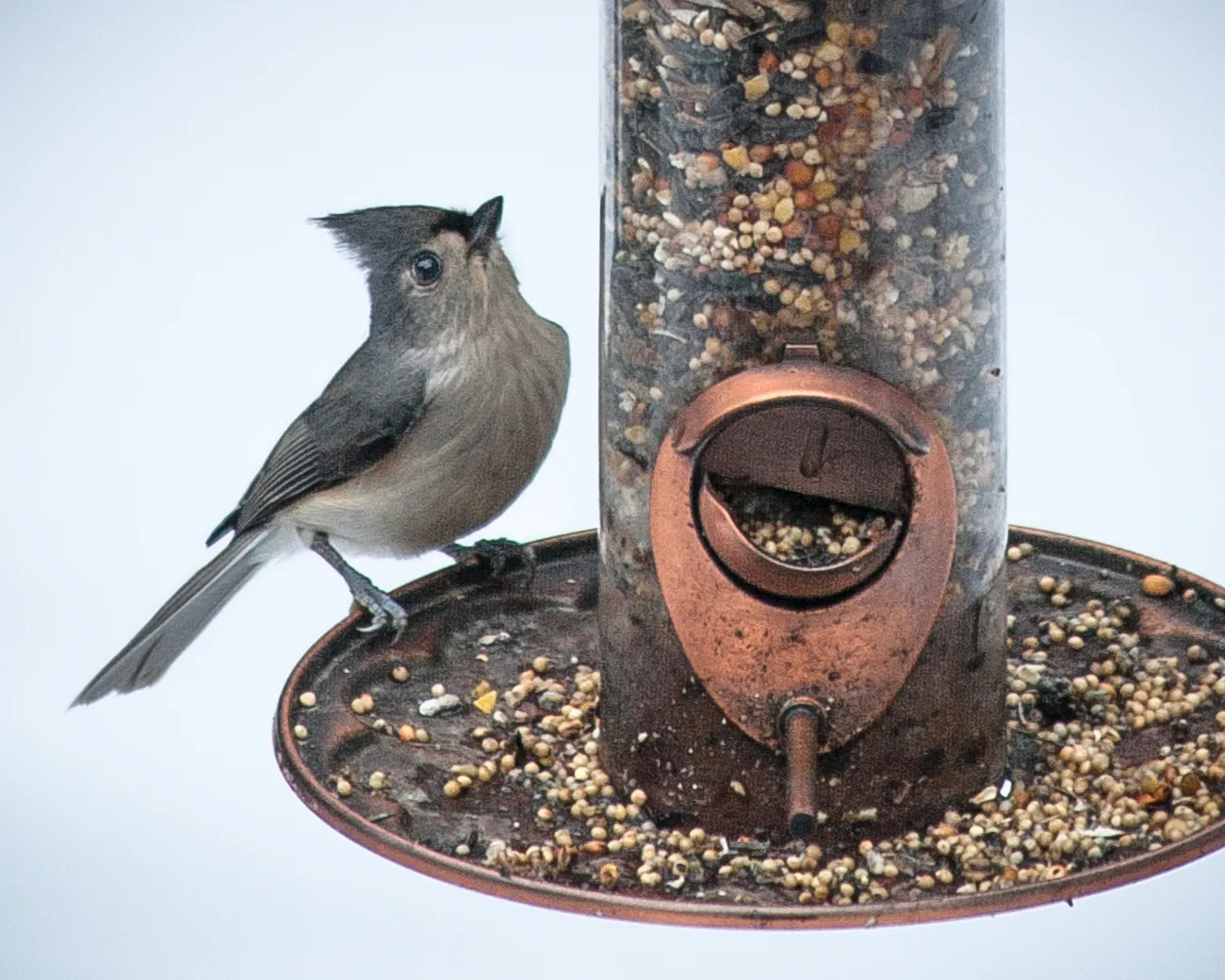
Most people assume titmice just like sunflower seeds and leave it at that. Give one a feeder with zero competition, though, and its preferences get surprisingly specific. With nobody rushing it, the bird can actually pick through the offerings instead of grabbing the first thing it sees.
On cold mornings, high-fat seeds and suet bits get first priority. On warmer days, interest shifts to smaller seeds, or the bird may ignore food altogether in favor of just prospecting around. It’ll toss aside chipped or lower-quality seeds – effectively grading your mix in real time. A feeder that sits “unused” for a stretch might simply be offering the wrong menu for what the titmice want that particular week.
#10 – The Tender Pair-Bond Moment You Only Catch When It’s Quiet

🔥 Would you like to save this?
We'll email this post to you, so you can come back to it later!
During courtship and early nesting season, an empty feeder turns into a stage for something surprisingly gentle. Titmice pairs will sometimes perform courtship feeding right at the feeder when no other birds are watching – usually the male grabs a seed, shells it, and offers it bill-to-bill to his mate.
You might see both birds arrive together, one hanging back while the “provider” works the feeder, followed by brief wing-fluttering from the receiving bird that looks a lot like juvenile begging. Around a busy, competitive feeder this ritual usually retreats to a nearby branch to avoid interruptions. Ironically, the quietest moments in your yard are often the ones showing the most intimate bird behavior you’ll ever catch – especially right after sunrise or just before dusk.
#11 – Treating the Feeder as an Early Weather Warning
🔥 Would you like to save this?
We'll email this post to you, so you can come back to it later!
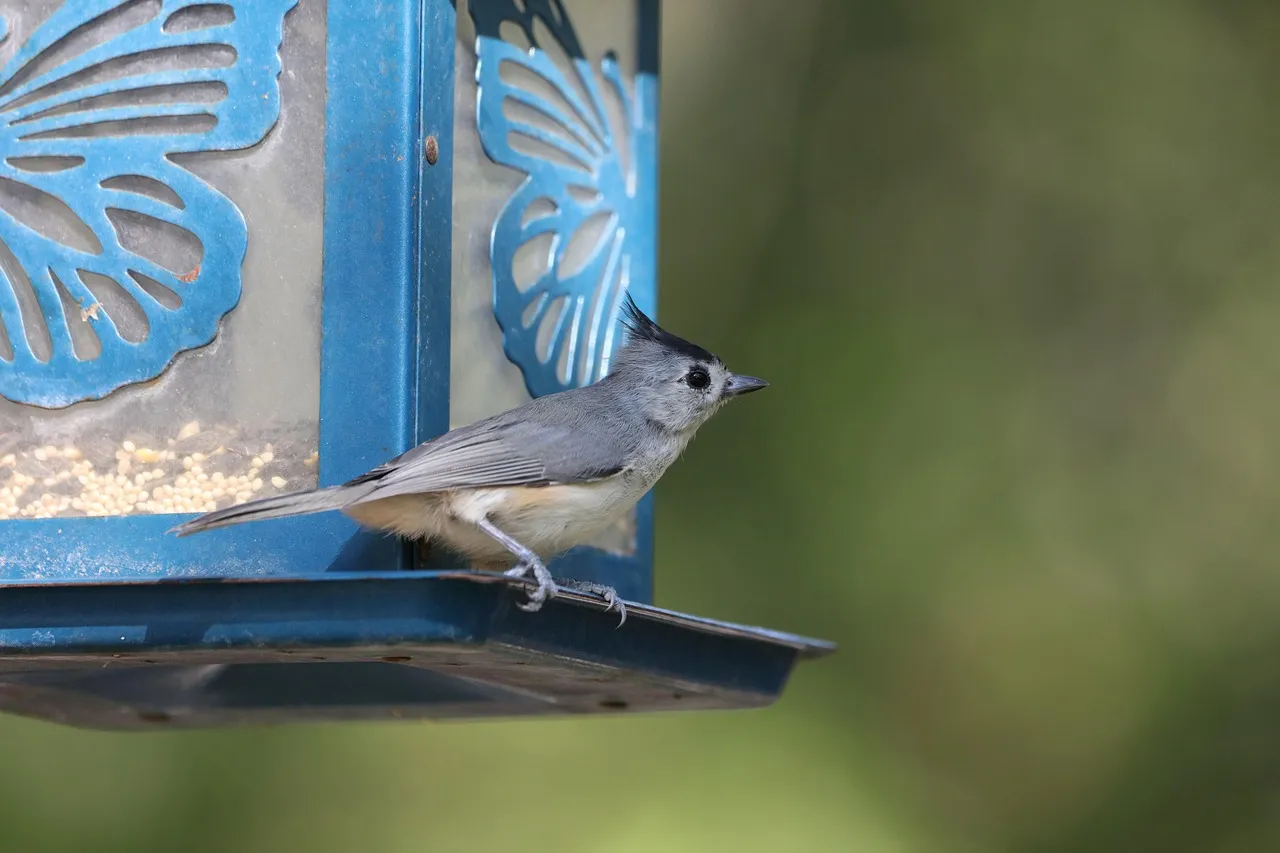
When nobody else is using the feeder, a titmouse can give you the earliest heads-up that the weather’s about to turn. Hours before a snowstorm or cold front, a previously quiet feeder can suddenly see a lone titmouse making rapid, almost frantic trips – cramming in calories and caching extras nearby as fast as it can move.
Watch for a sudden spike in visits after a lull, with barely any pause between grabs, and far less pickiness about seed type as the bird takes almost anything calorie-dense. Some birders swear by juncos or nuthatches as their storm indicator, but titmice at isolated feeders often shift behavior first. If your “gas station” feeder suddenly gets busy out of nowhere, check the sky – the bird already checked it for you.
#12 – The Forensic Inspection After You Refill or Rearrange
🔥 Would you like to save this?
We'll email this post to you, so you can come back to it later!
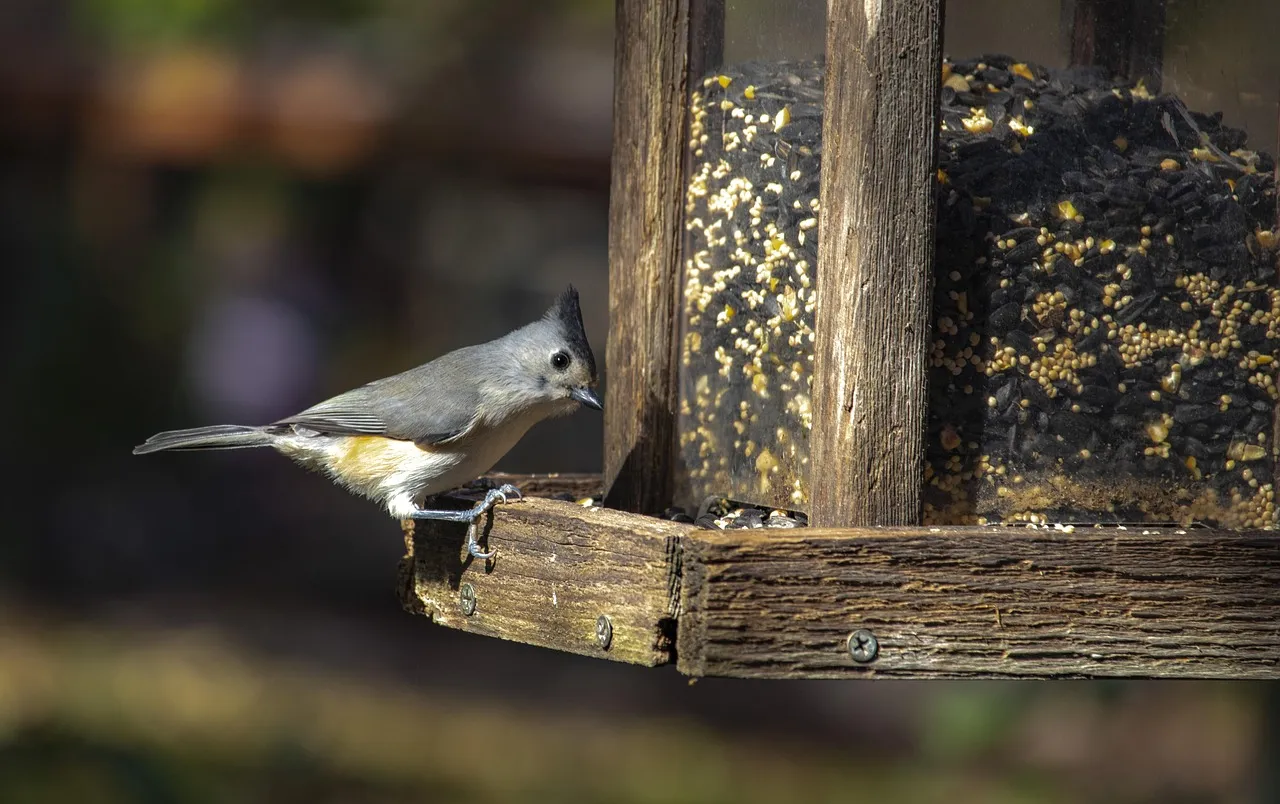
Most people fill a feeder and walk away, assuming birds will either mob it immediately or ignore it completely. Titmice do something in between – a series of cautious, almost forensic inspections after a feeder has been refilled, cleaned, or moved and nobody else has claimed it yet. They’re often the first to notice a change, but not the first to commit to it.
Watch for quick fly-bys that don’t end in a landing, as if the bird is scanning for something “off,” or short landings on the pole rather than the feeder itself. They’re checking for gloss from new plastic or wet surfaces, unfamiliar smells like soap residue, or unstable movement. A titmouse might visit three or four times, barely touching the food, before finally committing to a full grab. If you think it’s rejecting the seed, it might just be rejecting the setup you changed without telling it.
Quick Compare
- Titmice: cautious, one-seed grab-and-go visits with wide, well-hidden caching routes.
- Chickadees: similar caching instinct, but tend to make faster, closer stashes and revisit them sooner.
- Titmice: sharp, loud alarm calls in a crowd, but nearly silent retreats when alone.
- Chickadees: often keep calling even solo, which makes them easier to track by ear.
#13 – Using the Feeder as a Private Flight Gym
🔥 Would you like to save this?
We'll email this post to you, so you can come back to it later!
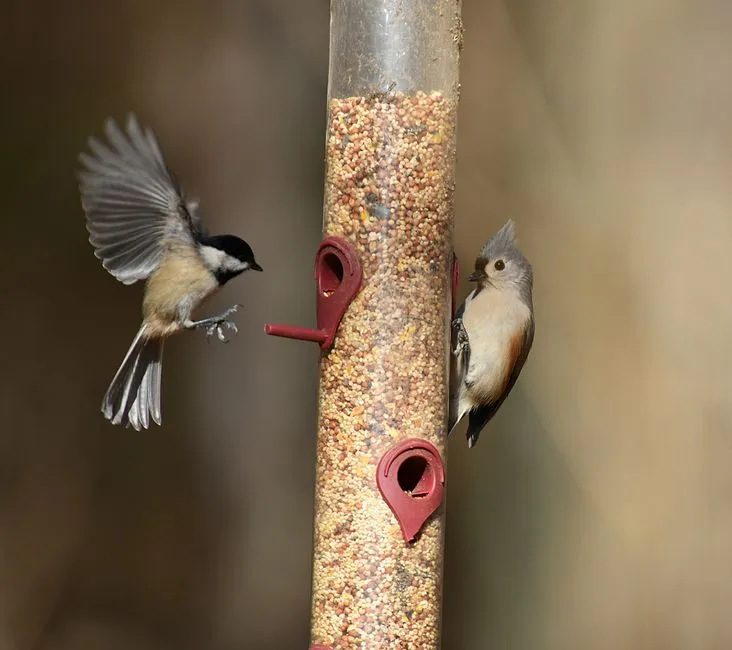
With no crowd pressure, a titmouse will sometimes turn the feeder into a mini obstacle course. You’ll see it practice short, precise flights and landings, repeating the same hop-flight pattern over and over with barely any actual eating involved – launching from the same branch to the same perch like a runner doing laps.
Look for deliberate near-misses where it veers off at the last second, or brief mid-air hovering and course corrections before it finally latches on. This isn’t clumsiness, it’s refinement – young birds especially use these low-risk moments to sharpen the maneuvering skills they’ll need to dodge predators and navigate tight branches later. That effortless, acrobatic landing you see during a busy feeding hour usually started as quiet, unglamorous practice at an “empty” feeder nobody was watching.
#14 – Vanishing Completely When Your Feeder Isn’t Worth the Risk
🔥 Would you like to save this?
We'll email this post to you, so you can come back to it later!
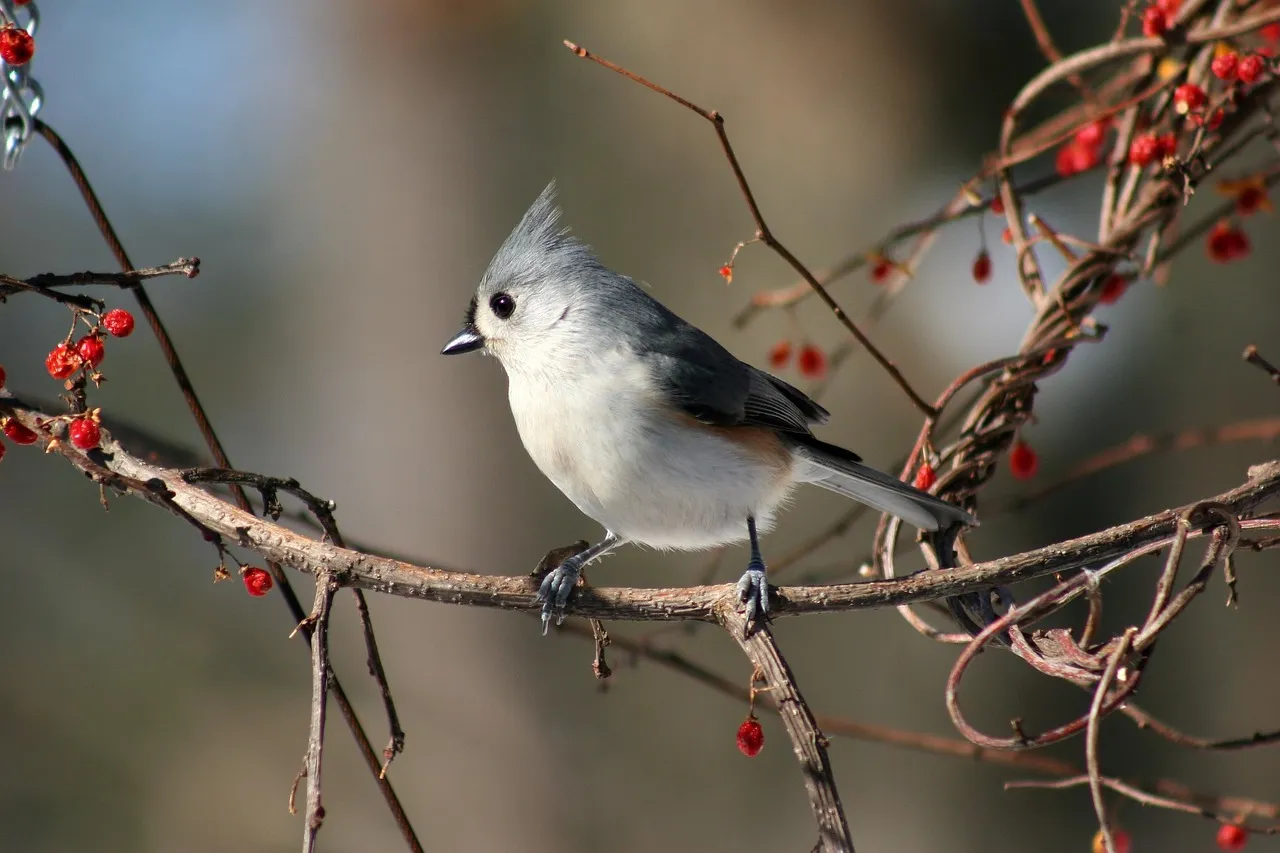
Here’s the part most people don’t want to hear: sometimes an “unused” feeder means your titmice already looked at the whole picture and decided it’s not worth the risk or the energy anymore. When they’re the only species using a feeder, they’re also the ones making the final call – weighing food quality, cover, predator pressure, and better options nearby, then leaving without any warning.
Common triggers include long stretches of low-quality or moldy seed, cats or hawks working the yard regularly, or better natural food showing up elsewhere. This isn’t forgetfulness, it’s a repeated, conscious decision to stay in safer, richer territory. Backyard birders love to blame the weather when their titmice disappear, but the truth is simpler and a little humbling – tufted titmice are perfectly capable of voting with their wings, and a quiet feeder is sometimes just their verdict on your yard.
The Bottom Line
🔥 Would you like to save this?
We'll email this post to you, so you can come back to it later!
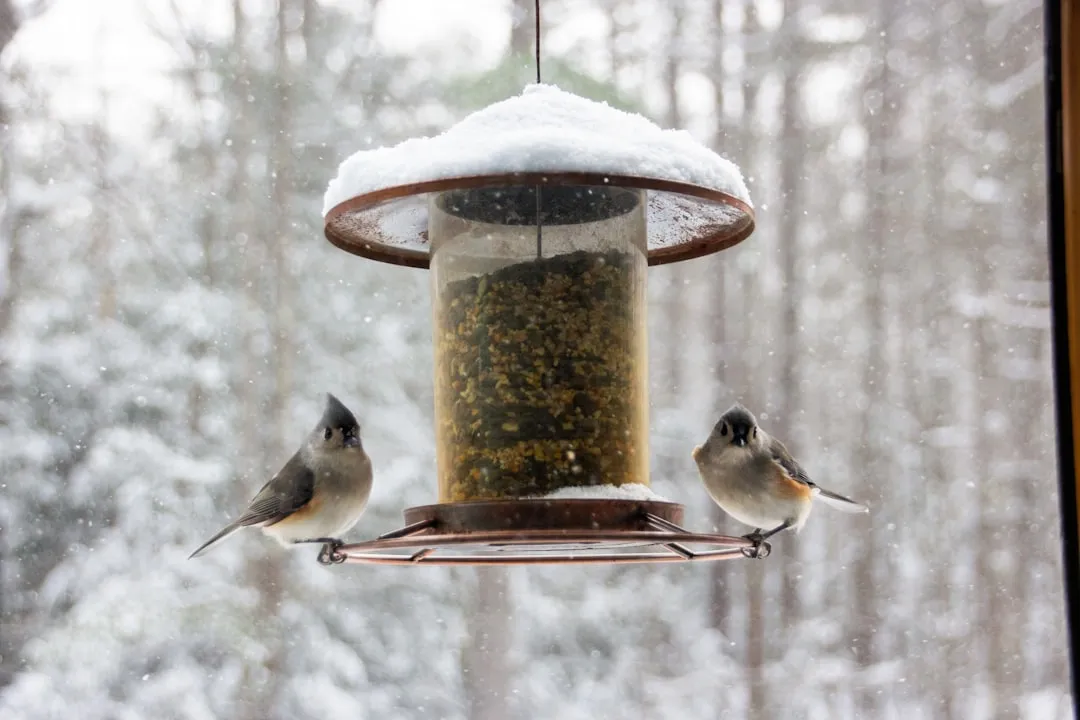
When nobody else is using your feeder, the tufted titmouse isn’t bored, broken, or absent-minded. It’s simply being what it actually is – a small, sharp survival strategist that doesn’t need an audience to keep working.
Alone time at the feeder reveals forensic inspections after refills, secret caching runs, storm-prep binges, tender pair-bond rituals, and quiet territorial patrols most backyard birders never notice, because they only look up when things get loud. That’s the real trick a busy feeder pulls on you: the chaos hides how calculated these birds actually are.
I’ll say it plainly – the “empty” feeder is the more honest one. It’s not failing to attract birds, it’s showing you exactly how a titmouse thinks when nobody’s forcing its hand. If your feeder looks quiet, don’t assume nothing’s happening. Assume you’re just not watching closely enough yet, and go look again.

- 7 Everyday Habits That Can Make Your Senior Dog Happier - November 5, 2026
- 10 Enigmatic Structures That Continue to Puzzle Scientists Today - November 5, 2026
- 10 Strange Ruins in the Americas That Challenge What We Know About Early History - November 5, 2026