

#1. Capybara
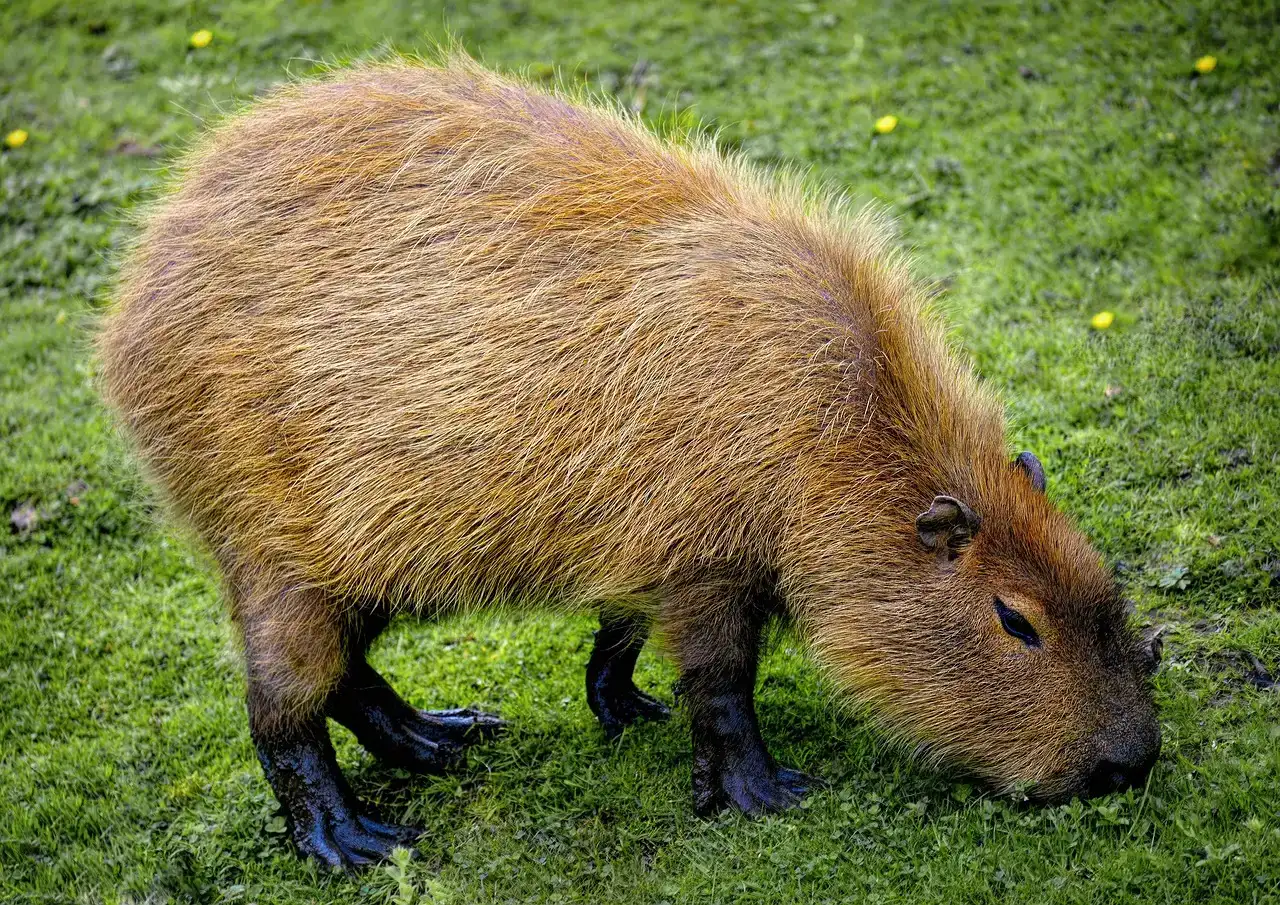
Capybaras are widely known for their calm, gentle temperament and emotionally steady behavior. Unlike many exotic animals that can be reactive or unpredictable, capybaras tend to remain relaxed and observant in most situations. Their herbivorous lifestyle plays a big role in this. Since they don’t need to hunt or defend kills, they have no reason to act aggressively. In contrast, big cats or wolves must compete for food and territory. The capybara’s plant-based diet frees them from that pressure, allowing for a gentler, more cooperative lifestyle.
Capybaras are highly social herd animals that form strong emotional bonds with both their companions and human caregivers. They feel safest when surrounded by familiar individuals and consistent daily interaction. When raised with gentle handling from an early age, capybaras become comfortable around people and often choose to stay near their caregivers during daily activities. They’re also famously tolerant of other species, often serving as living platforms for birds, monkeys, and even caimans. This behavior stems from their calm nature and the mutual benefits these relationships provide.
#2. Elephant
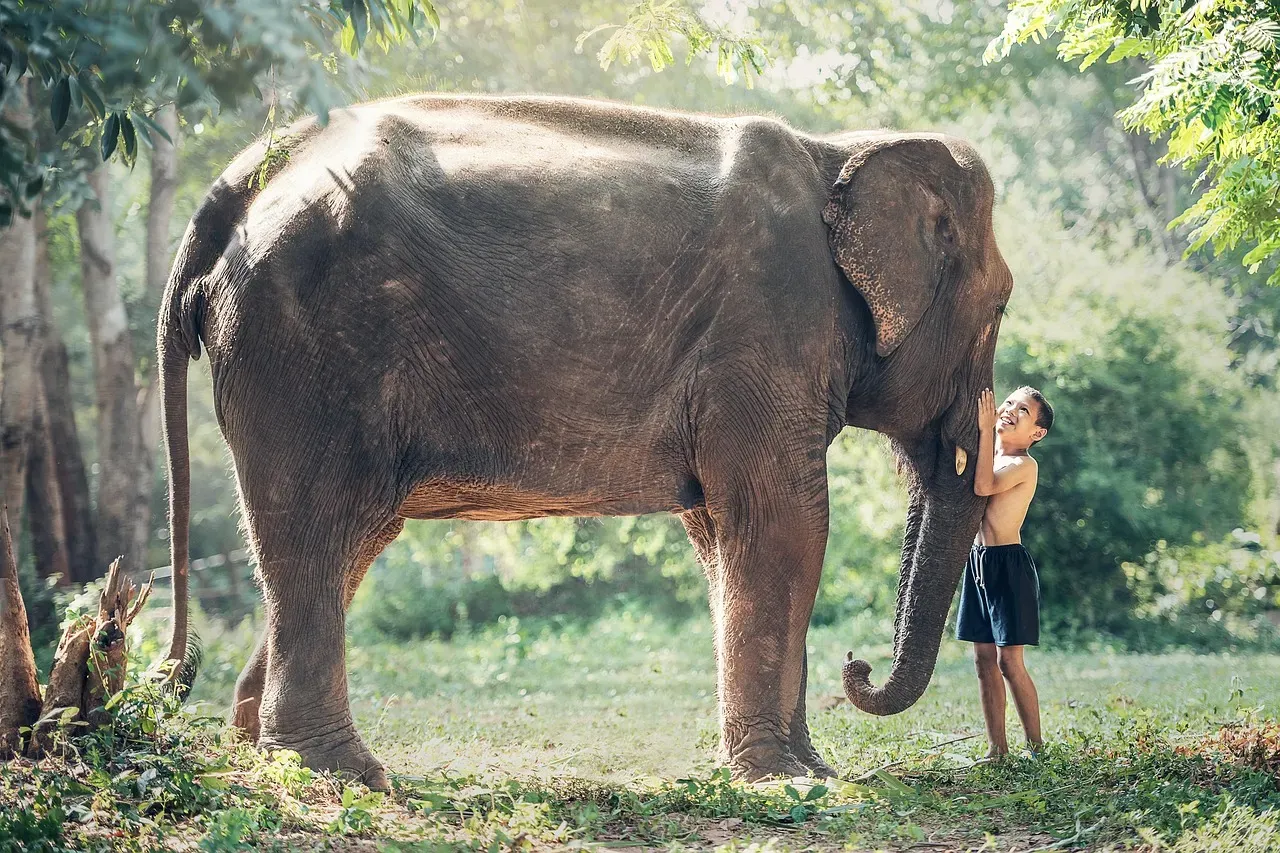
Elephants are among the most emotionally complex creatures in the animal kingdom, known for their intelligence, social structures, and surprisingly, their gentle disposition toward humans. They exhibit rich emotional lives and complex social structures. In the wild and ethical sanctuaries, they form tight-knit groups led by matriarchs, where cooperation and empathy are vital. Their emotional intelligence is not just behavioral spectacle. It’s deeply functional.
Elephants, the gentle giants of the animal kingdom, are known for their intelligence and strong familial bonds. Their interactions with humans can be both profound and heartwarming. In sanctuaries, elephants often demonstrate empathy and understanding, forming bonds with their human caregivers. Signs of a content elephant include relaxed, gently flapping ears, slow coordinated grazing, playful trunk use, and social grooming between adults and calves. Sanctuary reports and field observations show increased social interactions and lower stress hormones when those behaviors are frequent.
#3. Gorilla
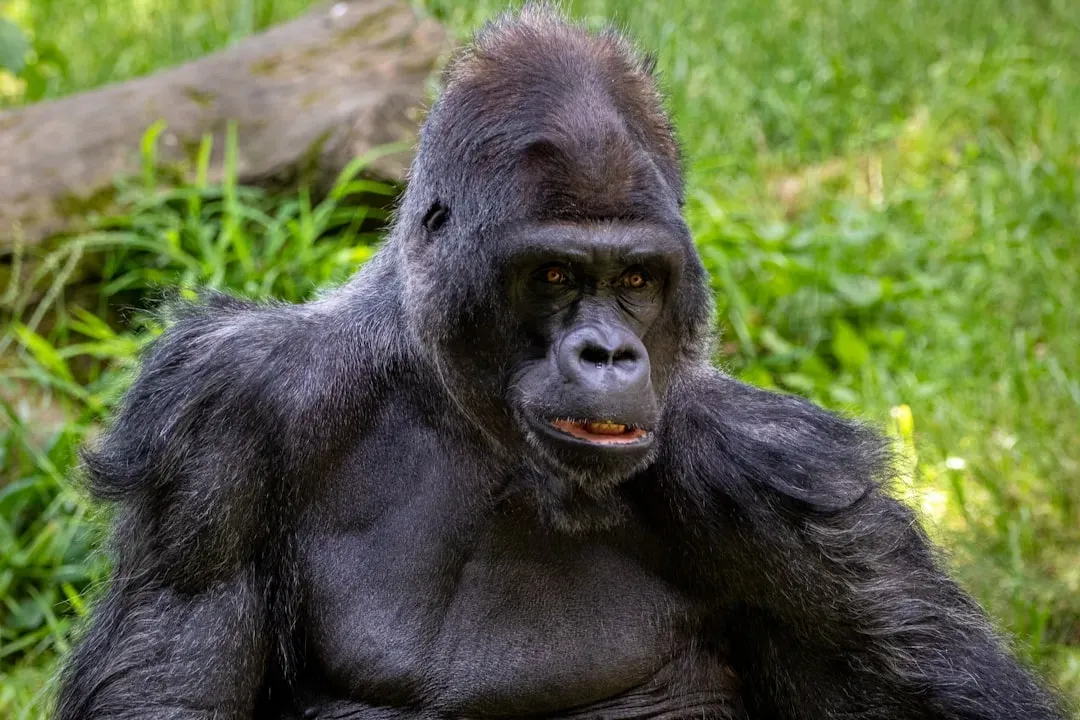
Despite their formidable size and strength, gorillas are generally reserved and peaceful animals. Encounters between humans and these majestic primates, especially within controlled environments or during supervised treks, often reveal a surprising gentleness. Gorillas, particularly family groups led by a silverback, maintain peace through social bonds and communication rather than aggression. Their reputation for violence is largely a misread of their posturing behaviors, which are designed to avoid conflict, not escalate it.
Some smaller wild cats, like servals or caracals, can become inseparable if introduced at a young age or share a similar background. Similarly for gorillas, early socialization in a sanctuary environment shapes how they relate to the humans around them. Research in gorilla groups suggests that formation of new social groups is most likely to be successful when individuals are young. Sanctuary workers who raise young gorillas from infancy report animals that are curious, affectionate, and remarkably in tune with human emotions.
#4. Sloth
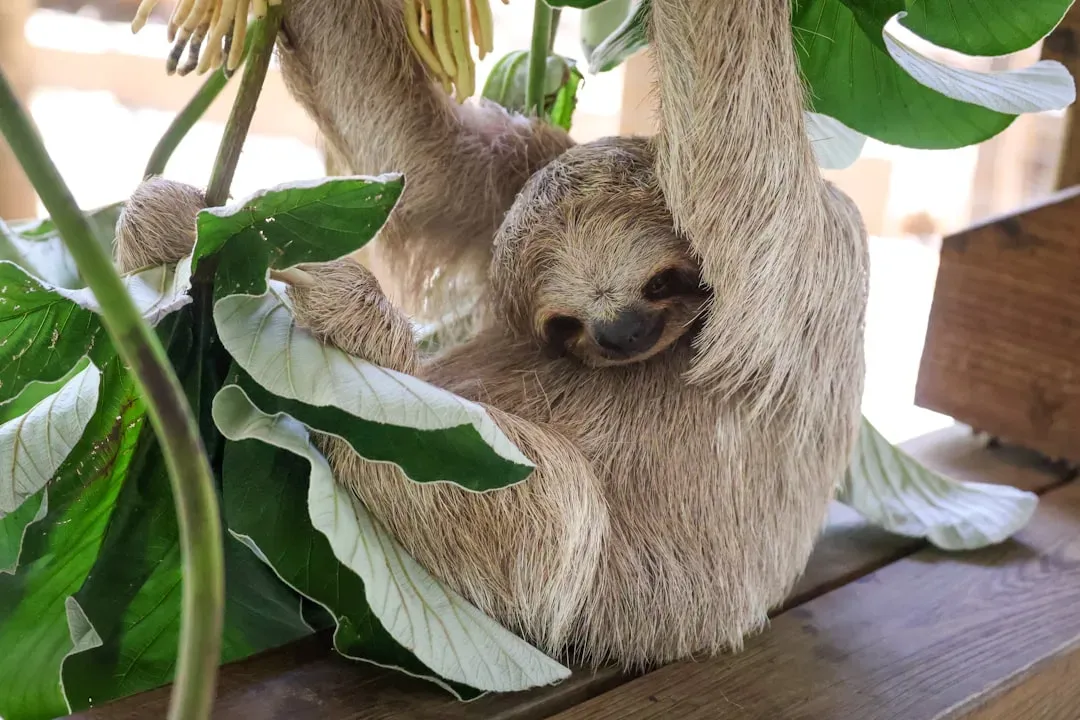
Sloths are the embodiment of gentleness in the animal kingdom. These arboreal mammals spend most of their lives hanging from trees in the rainforests of Central and South America. Their slow movements and docile nature have endeared them to many, and while they are wild animals, they often exhibit calmness around humans. There’s something almost meditative about them. They simply don’t have the urgency that drives aggression in most species.
Sanctuary workers who care for rescued sloths often describe animals that are surprisingly tolerant of gentle human contact, especially when raised in rehabilitation centers from a young age. Their low metabolic rate means they operate in a kind of permanent slow motion, which translates into behavior that reads as profoundly calm. Sloths raised around people tend to cling, stay still, and show little fear response, which is exactly why families who encounter them in ethical sanctuaries often leave genuinely astonished.
#5. Kangaroo
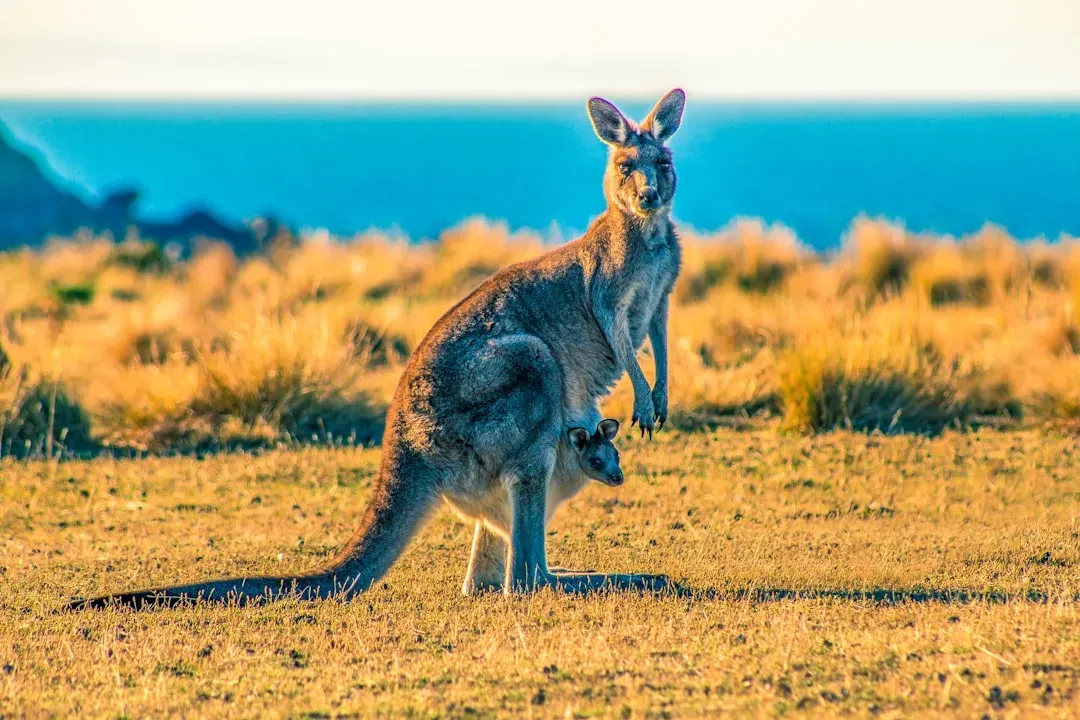
Kangaroos, native to Australia, can be surprisingly gentle toward humans, especially if raised in a sanctuary or rescue center from a young age. Though wild kangaroos should be cautiously approached, those accustomed to human presence exhibit curiosity and can engage in gentle interactions. Many kangaroos that arrive at sanctuaries as orphaned joeys imprint on their human carers, creating a bond that persists well into adulthood.
Kangaroos may seem intimidating with their powerful legs and tails, but they can be incredibly friendly in the right settings. In wildlife parks and reserves across Australia, kangaroos are known to approach visitors for snacks or gentle pats. They often exhibit curiosity toward humans, standing upright to inspect or interact with those nearby. The key factor, as sanctuary workers consistently note, is whether the animal grew up with regular, respectful human contact from an early stage of life.
#6. Manatee
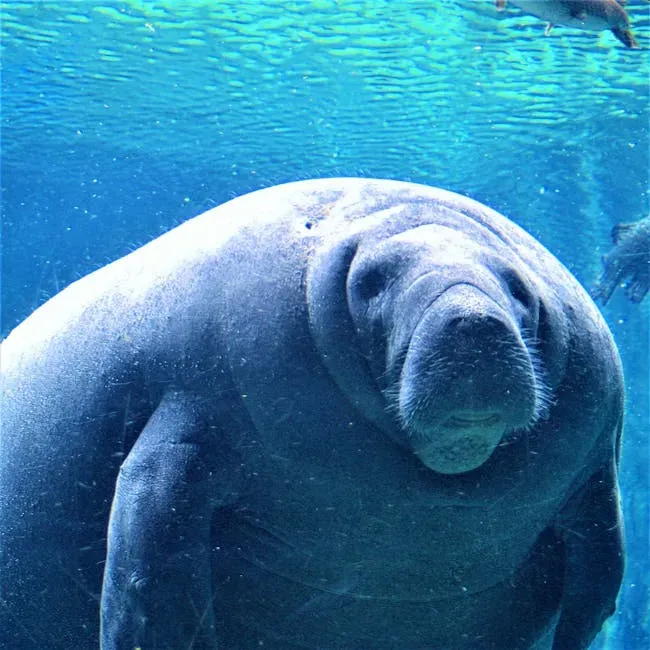
Manatees, often called sea cows, are gentle giants of the marine world. These slow-moving herbivores are known to approach human swimmers with curiosity, albeit in environments where they feel safe and unthreatened. Despite their massive size, manatees exhibit a calm demeanor, propelling themselves through the water with graceful ease. They’re one of the few large wild animals on Earth that will reliably seek out human contact rather than avoid it.
Manatees’ lack of natural predators has allowed them to avoid aggressive behavior, so they tend to be gentle and respond well to people. Often called a sea cow due to its docile nature, the manatee lives a relaxed life, balancing sleep, grazing, and traveling. As an herbivore, the large mammal doesn’t have the same types of teeth or intent to bite as other marine life. Moreover, the gentle giant is naturally more curious than wary of humans, which has led to many boaters and swimmers having positive interactions.
#7. Red Panda
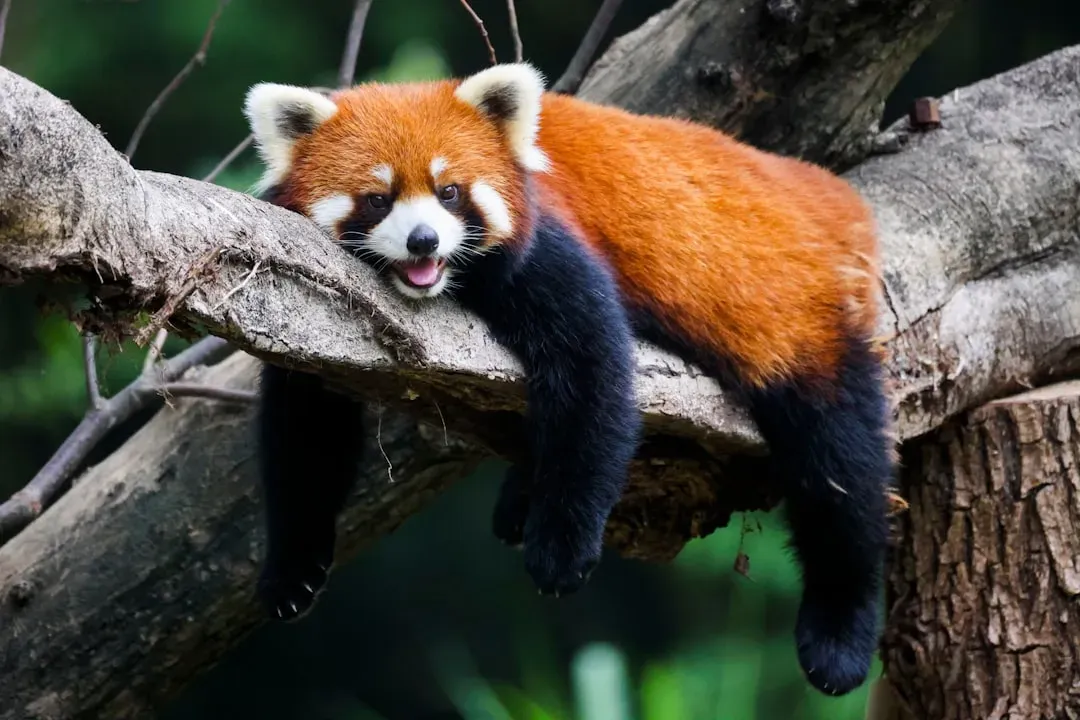
Known for their adorable, raccoon-like faces and playful demeanor, red pandas have a surprising tolerance for humans. While naturally shy in the wild, those in captivity or rehabilitation settings often show friendliness toward caretakers. With their striking rust-colored fur and bushy tails, red pandas are often described as shy yet surprisingly approachable. Found in the forests of the Himalayas, these creatures are adept climbers, spending much of their time in trees. Despite their elusive nature, red pandas have been known to show curiosity toward human visitors, sometimes engaging in playful antics.
Their charming antics and gentle approach make them a joy to interact with, earning them a spot as one of the most beloved animals. Although they might seem reserved initially, a little patience often reveals their playful and affectionate side. Sanctuary workers who care for red pandas describe a gradual process of trust-building. Once that trust is established, these small animals can become remarkably sociable, allowing close proximity and even gentle contact during feeding routines.
#8. Giraffe
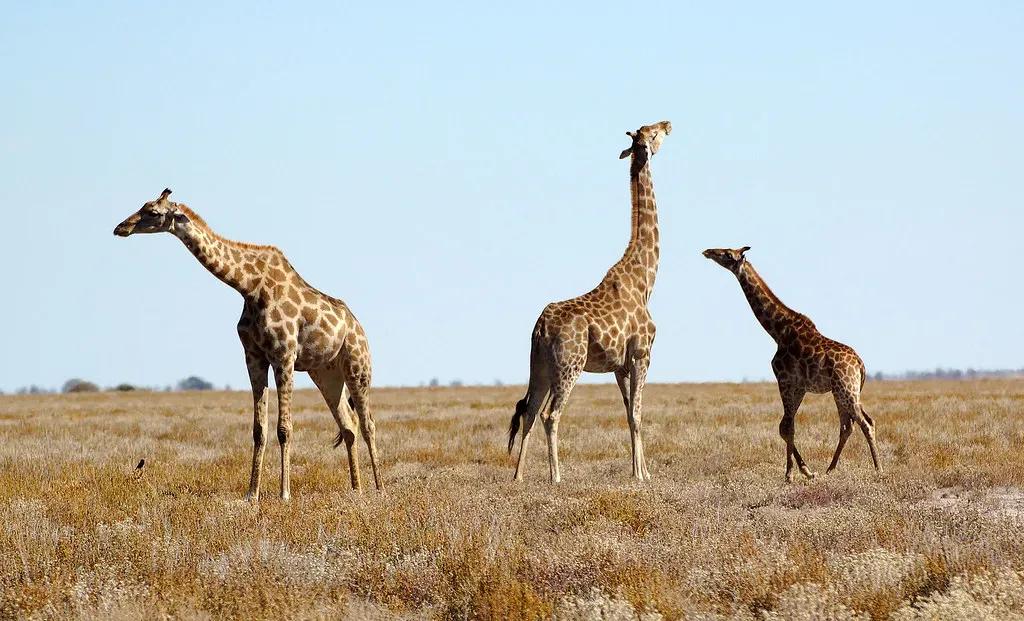
Giraffes, with their towering necks and gentle eyes, have an elegant presence that captivates many. In wildlife reserves, giraffes often exhibit a calm curiosity toward human visitors. Their gentle interactions, such as nuzzling or accepting food, foster a sense of mutual respect and wonder. For an animal that stands nearly six meters tall, the experience of one quietly lowering its head toward you is something that tends to stay with people.
These majestic creatures symbolize grace and serenity, reminding us of the beauty of the natural world. Giraffes’ unique appearance and calm demeanor make them unforgettable ambassadors of the wild, bridging the gap between human and animal realms. Giraffe calves raised in sanctuary settings, particularly those rescued from conflict zones or habitat destruction, often demonstrate a striking openness to human contact. Sanctuary staff regularly describe them as curious, calm, and surprisingly affectionate once they’ve settled into their environment.
#9. Bonobo
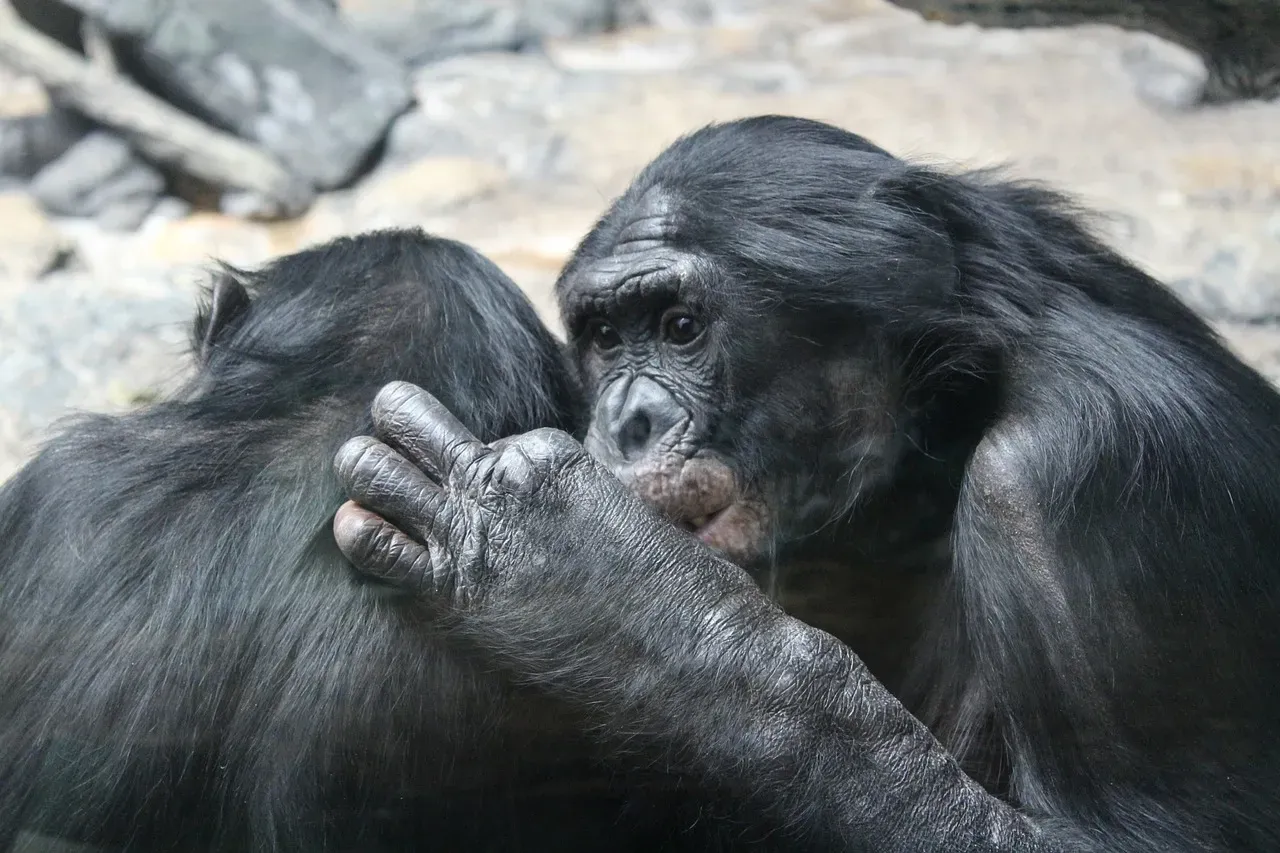
Bonobos, our closest relatives alongside chimpanzees, exhibit a peaceful and social demeanor. Unlike their chimpanzee cousins, bonobos are known for solving conflicts through play and grooming. This gentle approach extends to their interactions with humans. In certain protected areas, bonobos have shown uncharacteristic friendliness and even curiosity toward human visitors. Their social intelligence is genuinely striking, and those who work with them in sanctuary environments often describe interactions that feel startlingly human.
Researchers have observed these primates extending hands in a gesture of peace. Their society, led by females, thrives on cooperation, presenting a mirror to human social evolution. Bonobos remind us of the power of empathy and understanding in the animal kingdom. Bonobos raised around people from infancy tend to be calm, socially curious, and attentive. The challenge is always ensuring they retain their essential wild nature, which is why responsible sanctuary programs work hard to balance human contact with appropriate species-specific socialization.
#10. Fox
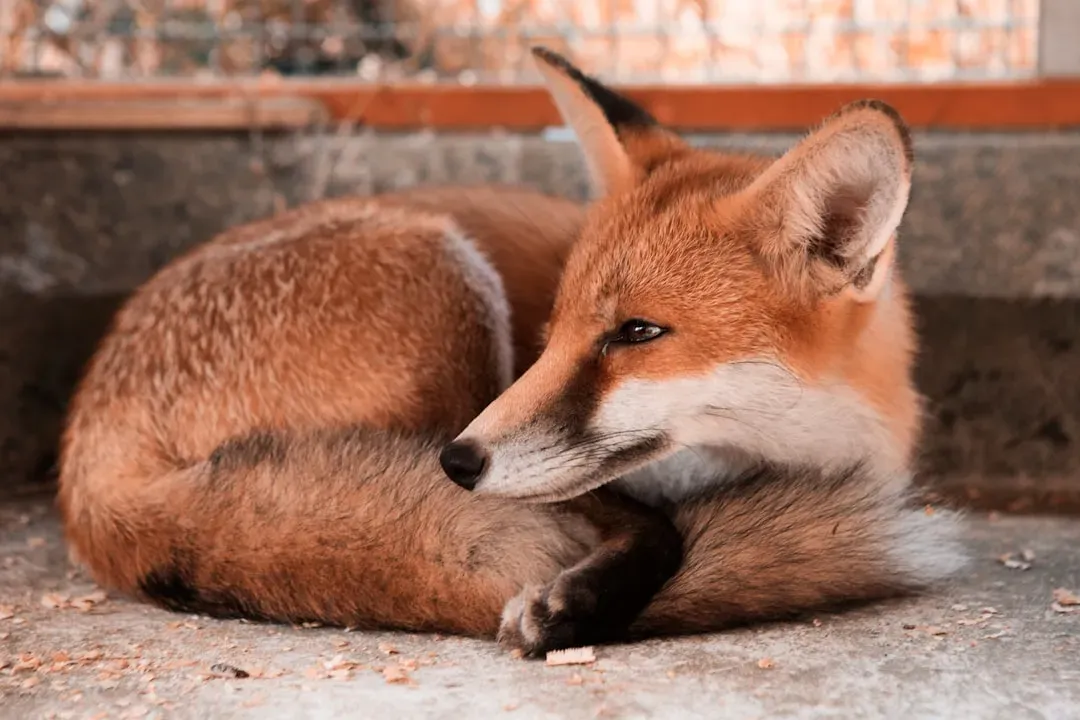
Wild foxes are typically cautious of humans, but they’ve shown surprising friendliness in areas where they’ve adapted to urban environments. Some foxes even form bonds with people who feed or rescue them. Their intelligence and playful behavior often endear them to those lucky enough to gain their trust. Red foxes in particular have been known to exhibit dog-like behavior, such as wagging their tails or even bringing gifts to humans.
On social media, sanctuary foxes have demonstrated the potentially affectionate nature of a wild fox. Whether through begging for attention or playing with other animals, they have become spokespeople for animals in need and charmed many with their antics. Sanctuary workers who raise rescued fox kits from a young age consistently note how quickly these animals develop affectionate, playful personalities. Their behavior can resemble that of a spirited dog, with the added layer of sharp instinct and independent thinking that keeps the relationship interesting.
#11. Deer
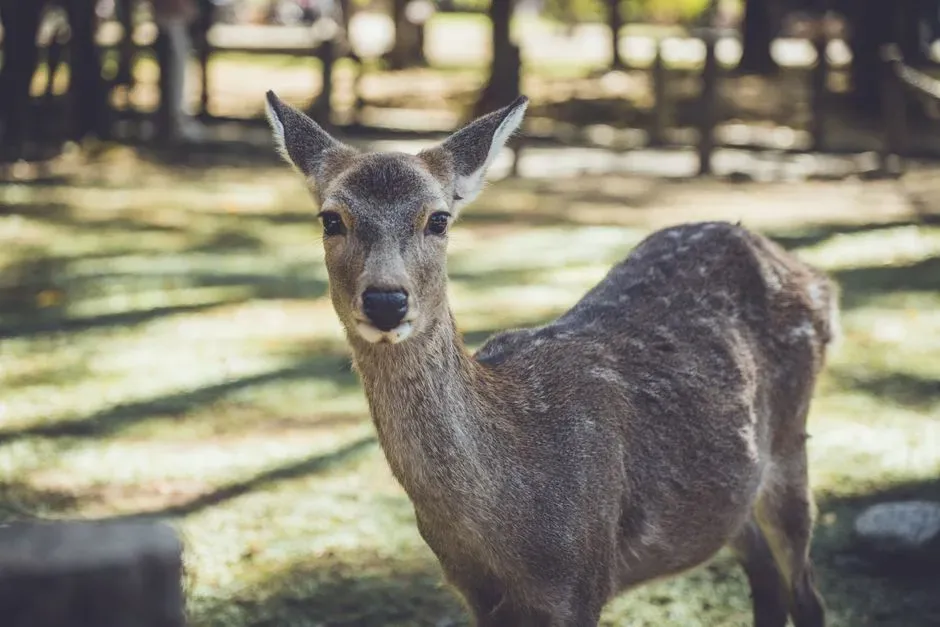
Deer are usually shy creatures, but in areas where hunting isn’t a threat, they’ve shown surprising friendliness toward humans. Parks and wildlife reserves often host deer populations that will approach people for food or attention. For example, Sika deer in Japan’s Nara Park are famous for bowing to visitors in exchange for treats. It’s a small but telling detail about how deeply animal behavior can shift when fear is removed from the equation.
Deer, often seen gracefully navigating forests and meadows, embody a remarkable blend of elegance and gentleness that captivates nature enthusiasts. Their large, expressive eyes and slender limbs create an image of vulnerability, yet these creatures possess a surprising resilience. Fawns raised in wildlife rehabilitation centers often become extraordinarily gentle around the families of sanctuary workers. Those who have spent time with hand-raised deer describe animals that are calm, inquisitive, and deeply responsive to routine and familiar human voices.
#12. Penguin
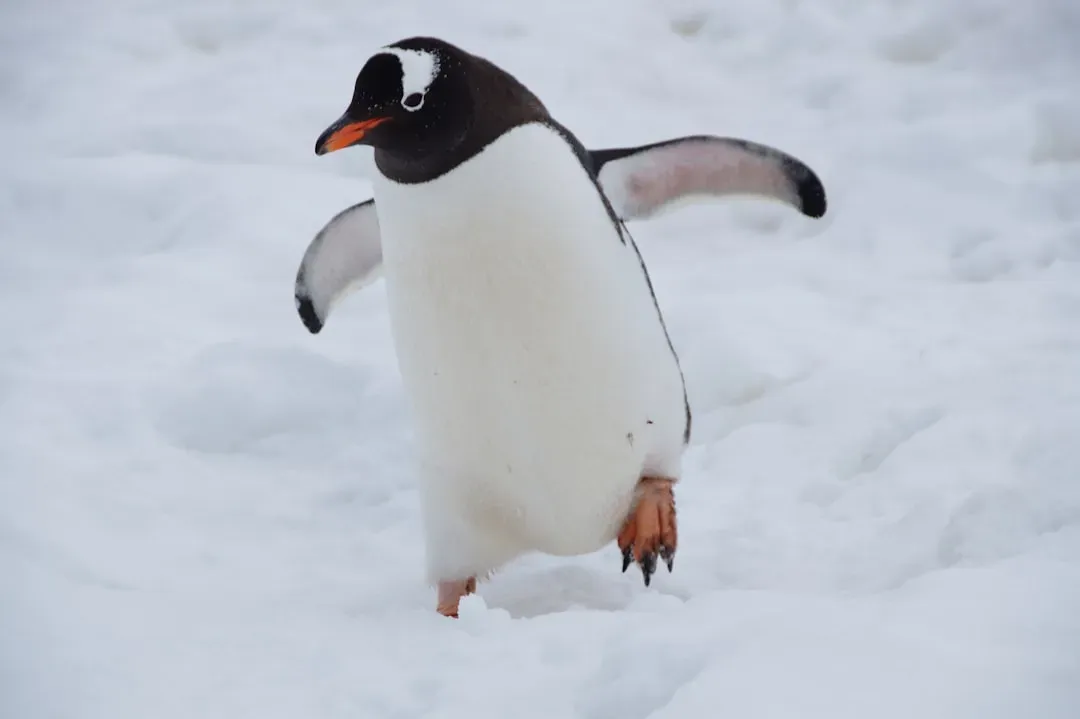
Penguins, especially those living in remote areas like Antarctica, are remarkably unafraid of humans. They often waddle right up to researchers or tourists, seemingly curious about the strange two-legged visitors in their icy world. Emperor and Gentoo penguins in particular are willing to engage with people, sometimes even posing for photos. Their boldness isn’t bravado. It reflects a creature that simply hasn’t learned to be afraid of people.
Sanctuary workers caring for rescued penguins, particularly those recovering from oil spills or habitat disruption, often remark on how quickly the birds develop a comfort with human handling. Once the initial stress of arrival passes, many penguins become curious and sociable, approaching caregivers at feeding time and even vocalizing in response to familiar voices. Their expressive waddling and vocal communication make them one of the most genuinely endearing animals in any sanctuary setting.
#13. Orangutan
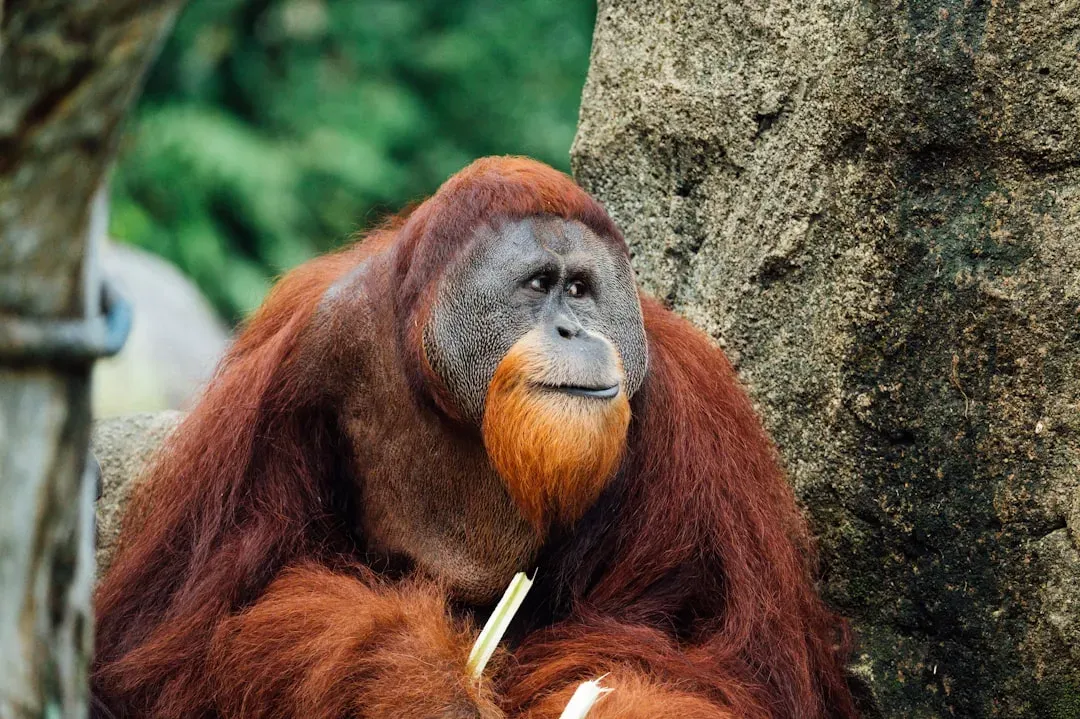
In the dense jungles of Borneo, orangutans move with a deliberate, thoughtful grace. Known for their intelligence and gentle curiosity, they are keen observers of their environment. Their soulful eyes and slow, purposeful actions reveal a depth of character that resonates with anyone fortunate enough to glimpse their world. Orangutans are among the most cognitively advanced primates, which has a direct bearing on how they relate to the humans who care for them.
Primates like chimpanzees or lemurs often thrive in social groups, grooming each other and developing complex hierarchies that resemble their wild counterparts. Orangutans in ethical sanctuary settings follow a similar pattern, forming meaningful bonds with caregivers while maintaining a clear sense of their own individuality. Sanctuary workers who raise orphaned orangutans from infancy describe animals that are patient, observant, and capable of a kind of quiet emotional attunement that is genuinely surprising for a wild species.
#14. Bear
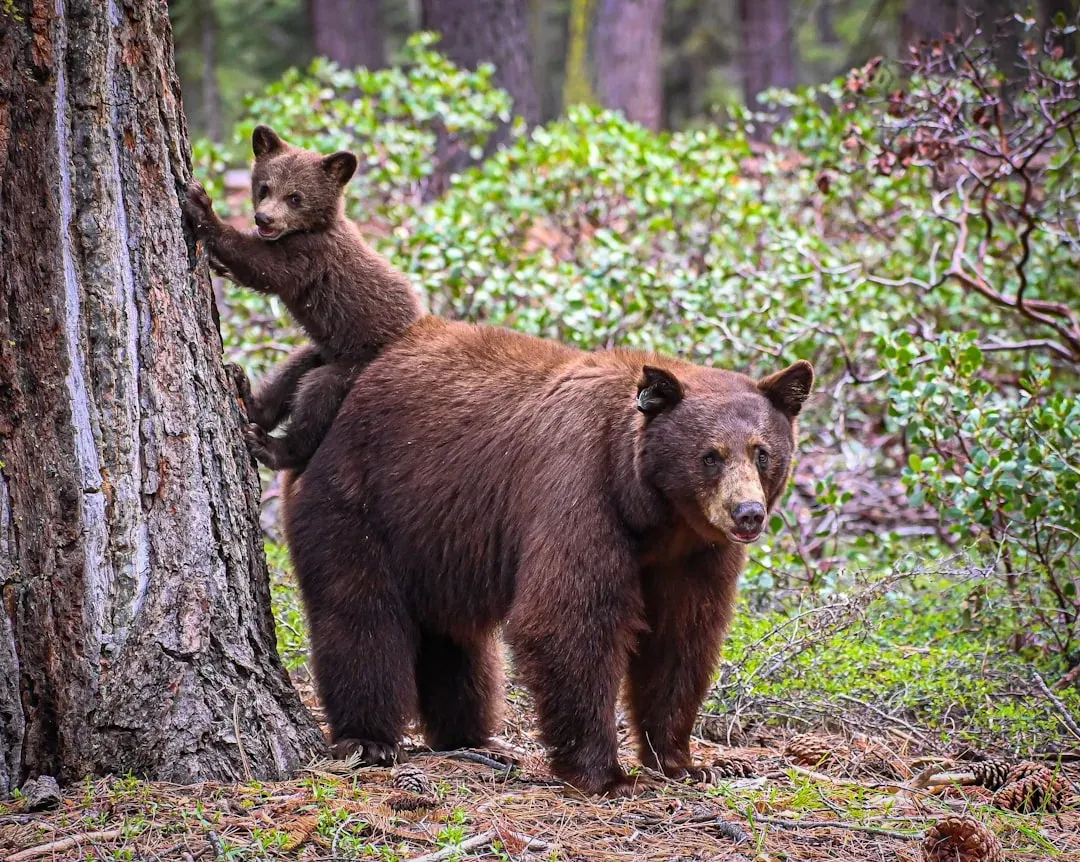
Bears can show an unexpected social side once in a wildlife sanctuary. Many rescued bears come from heartbreaking backgrounds, including roadside zoos, abusive living conditions, or even illegal pet trades, where they’ve never had a chance to interact with other bears on their terms. When they arrive at a sanctuary with adequate space, enrichment activities, and proper care, they often relax and reveal behaviors rarely seen in the wild. The transformation is often remarkable.
Bears might wrestle playfully, swim side by side, or curl up in a shared den area for naps, which are signs of a bond developing. Caretakers introduce them gradually, ensuring each bear feels safe and isn’t forced into contact. Over time, these rescued animal interactions can evolve into genuine companionship, where bears genuinely enjoy each other’s company and develop a sense of emotional security they didn’t have before. Bears raised in sanctuary environments with consistent, calm human presence often become surprisingly relaxed around familiar caregivers, displaying a playful, curious side that most people never associate with the species.
What This Tells Us About Wild Animals and Human Connection
Sanctuaries act on behalf of the animals, and the caregivers work under the notion that all animals in the sanctuary, human and non-human, are of equal importance. That philosophy shapes everything, from the pace of introductions to the consistency of daily routines. It’s precisely this patience and respect that creates the conditions for gentleness to emerge in animals that most people would never expect it from.
In many true sanctuaries, the animal residents act as fellow rehabilitators who teach newcomers how to get back in touch with their instincts and embrace their new environment. That detail alone says something profound about how these animals experience the world. The animal kingdom is full of species that challenge our perceptions of wild animals as dangerous or indifferent to humans. Many creatures can exhibit a gentle side under the right circumstances, encouraging a sense of wonder and respect for the natural world.
The real takeaway here isn’t that wild animals make good pets or that their gentleness should be tested. It’s that our assumptions about them are often incomplete. Given safety, consistency, and the absence of fear, many wild animals reveal something that looks a lot like trust. That’s worth paying attention to, whether you ever visit a sanctuary or not.

- What Small Dog Breed Are you According to Your Zodiac Sign - July 19, 2026
- What Nocturnal Animal Are You According to Your Zodiac Sign - July 19, 2026
- The Secret Lives of Nocturnal Animals: What They Do While We Sleep - July 19, 2026