


Wolves, as highly social and intelligent apex predators, exhibit fascinating behaviors that demonstrate the intricate social structures within their packs. These behaviors go far beyond simple hierarchies, revealing complex emotional bonds, sophisticated communication systems, and remarkable cooperative strategies that have evolved over thousands of years. Understanding these behaviors not only provides insight into wolf ecology but also helps explain many characteristics we see in domestic dogs, their evolutionary descendants. From elaborate greeting ceremonies to nuanced vocalizations, wolves display a rich tapestry of social interactions that ensure pack survival and cohesion in challenging environments. This article explores 18 distinct behaviors that highlight the depth and complexity of wolf pack dynamics.
The Alpha Greeting Ritual

When pack members reunite after being separated, they engage in an elaborate greeting ritual that reinforces social bonds and pack hierarchy. The alpha pair – the breeding male and female leaders of the pack – are typically at the center of these interactions. Lower-ranking wolves approach them with submissive postures, including lowered heads, tucked tails, and ears pulled back. They may lick at the corners of the alpha’s mouth, a behavior that evolved from wolf pups stimulating regurgitation in adults but now serves as a sign of respect and acknowledgment of status.
These greeting ceremonies aren’t merely displays of dominance but serve crucial social functions. They reestablish connections, reduce tension, and confirm each wolf’s place within the group. Researchers have observed that the intensity of these greetings often correlates with the length of separation, with longer absences resulting in more enthusiastic reunions. The ritual helps maintain pack cohesion by reinforcing the emotional bonds between members while simultaneously acknowledging the leadership structure that guides pack decisions.
Cooperative Hunting Strategies
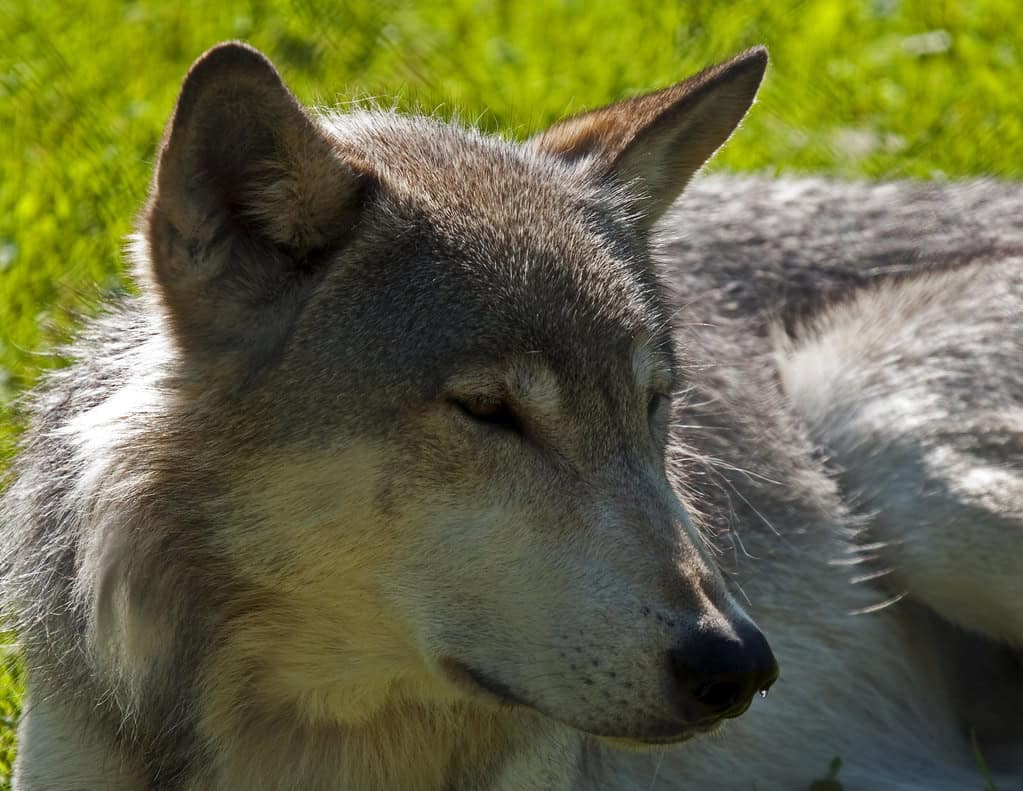
Unlike solitary predators, wolves employ sophisticated cooperative hunting techniques that showcase remarkable coordination and role specialization. When pursuing large prey like elk, moose, or bison, wolves often adopt distinct roles – some act as “scouts” that locate prey, others position themselves as “ambushers” to intercept fleeing animals, while others serve as “drivers” to direct prey toward the ambush. This division of labor isn’t random but typically aligns with each wolf’s strengths, personality, and position within the pack. Older, more experienced wolves may take strategic positions requiring less physical exertion but more hunting knowledge.
The coordination during hunts is facilitated through subtle body language, vocalizations, and learned patterns developed through repeated hunts together. Studies have shown that wolf packs with stable membership have higher hunting success rates than disrupted packs, suggesting that familiarity and established communication systems enhance cooperative efficiency. This collaborative approach allows wolves to take down prey animals many times their individual size, demonstrating how their social structure directly translates to survival advantage in challenging environments.
Communal Pup Rearing
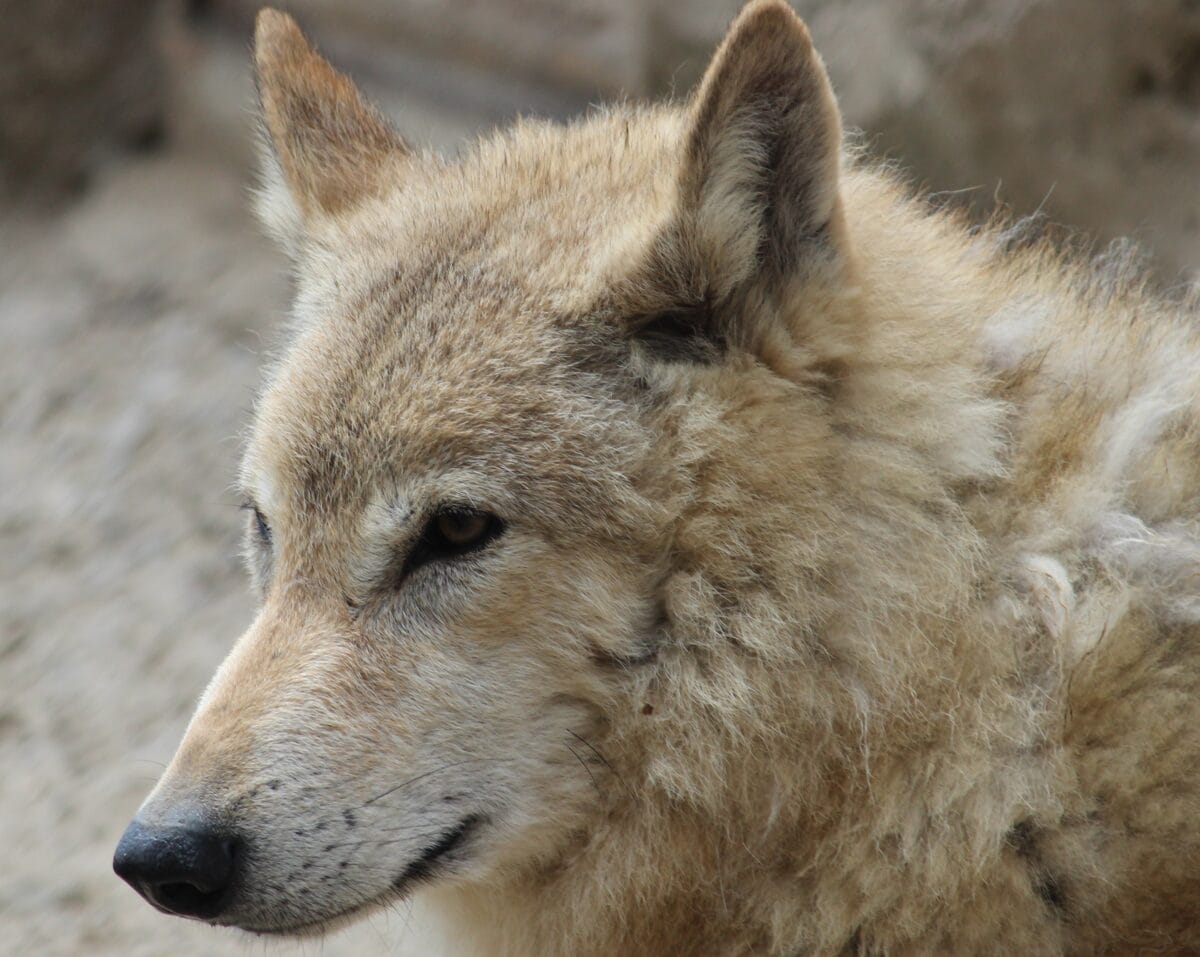
Wolf packs demonstrate remarkable communal investment in raising their young, with nearly all pack members contributing to pup care. While typically only the alpha pair breeds, non-breeding pack members (often older offspring from previous years) take on roles as “babysitters,” “providers,” and “teachers” for the new generation. These helper wolves regurgitate food for pups, play with them to develop physical skills, supervise them when parents are hunting, and even discipline them when necessary. This alloparental care (care from individuals other than parents) increases pup survival rates significantly.
The teaching aspect of wolf pup rearing is particularly fascinating. Adult wolves gradually introduce pups to hunting by bringing small prey back to the den, later progressing to demonstrations of hunting techniques on live prey. As pups mature, they’re allowed to participate in increasingly complex aspects of hunts. This multi-generational knowledge transfer ensures that crucial survival skills are preserved within the pack. The communal rearing system also strengthens pack bonds across generations and demonstrates how wolf packs function as extended family units rather than simply as hunting groups.
Territory Marking and Defense

Wolves maintain territories ranging from 50 to over 1,000 square miles depending on prey density and pack size. They demarcate these territories through an intricate system of scent marking, using urine, feces, and glandular secretions strategically placed at boundary lines and frequently used travel routes. Alpha wolves perform the majority of marking, with the alpha male lifting his leg higher when urinating near boundaries, seemingly attempting to place his scent as high as possible for maximum dispersion. These scent markers convey complex information about the pack’s size, reproductive status, and how recently they patrolled the area.
Beyond passive marking, wolves actively defend territories through direct confrontation and howling displays. Packs will aggressively pursue and sometimes kill intruding wolves, with territorial disputes representing one of the leading natural causes of wolf mortality. Interestingly, territorial defense behavior intensifies dramatically during denning season when vulnerable pups are present. Researchers have documented that wolf packs can distinguish between the howls of neighboring packs versus unknown wolves, responding more aggressively to unfamiliar vocalizations – evidence of their sophisticated territorial recognition system that helps prevent unnecessary, potentially deadly conflicts.
Sophisticated Vocal Communication

Wolf vocalizations extend far beyond the iconic howl, comprising a complex language of whines, growls, barks, woofs, and subtle variations that convey specific information. Each vocalization serves distinct purposes within pack communication. Howls, which can carry for miles across open terrain, function primarily for long-distance communication – helping separated pack members reunite, warning neighboring packs away from territories, or coordinating movements during hunts. Researchers have identified unique vocal signatures in individual wolves, suggesting they can recognize specific pack members by voice alone.
The nuance in wolf vocalizations becomes apparent during close interactions. Short, high-pitched whines often signal submission or friendly intent, while growls communicate warnings or threats. Particularly fascinating is the “chorus howl,” where multiple pack members howl together but at slightly different pitches. This creates an acoustic illusion that makes the pack sound larger than it actually is – a clever adaptation that may deter rival packs from encroaching on territory. Studies using spectrographic analysis have revealed that wolf howls contain identifiable emotional components, with variations in pitch, duration, and harmonics corresponding to different emotional states.
Play Behavior and Social Learning

Play serves crucial developmental and social functions in wolf packs, occurring throughout their lives but peaking during adolescence. These play sessions involve complex rule-following behavior, with larger wolves self-handicapping when playing with smaller pack members – deliberately holding back their strength to maintain fair play. Common play behaviors include play bows (lowering the front quarters with hindquarters raised), inhibited biting, exaggerated movements, and role reversals where dominant wolves temporarily allow subordinates to pin them. These interactions help young wolves develop physical coordination, hunting skills, and appropriate social behaviors.
Beyond physical development, play serves as a testing ground for social boundaries and relationship building. Wolves learn pack rules through play, with inappropriate aggression typically met with temporary ostracism – a powerful corrective force in such social animals. Researchers have observed that play frequency increases before cooperative activities like hunts, suggesting it may serve to strengthen the social bonds necessary for effective collaboration. The persistence of play into adulthood, even among senior pack members, demonstrates its importance beyond simply physical development, revealing its role in maintaining the social harmony required for pack success.
Mourning and Grief Responses

Wolves display behaviors that strongly suggest emotional responses to the death of packmates, particularly bonded partners or offspring. Researchers have documented wolves returning repeatedly to the sites where packmates died, howling mournfully, losing appetite, and showing reduced activity levels following such losses. In several observed cases, wolves have remained beside dead packmates for days, sometimes trying to rouse them or defending the bodies from scavengers. These behaviors indicate a level of emotional attachment and awareness of death that goes beyond simple instinct.
Perhaps most compelling are the long-term behavioral changes observed in wolves following significant losses. Alpha wolves who lose their mates often abandon their leadership roles, with some never forming new breeding bonds. Packs that lose members often exhibit temporary disorganization in hunting patterns and territorial defense. While scientists debate the extent to which these behaviors represent grief as humans understand it, the consistent patterns of response to death across different wolf populations suggest a deep emotional capacity that contributes to pack cohesion. This emotional dimension adds another layer to our understanding of wolf pack dynamics as more than merely pragmatic survival arrangements.
Dynamic Leadership Transitions
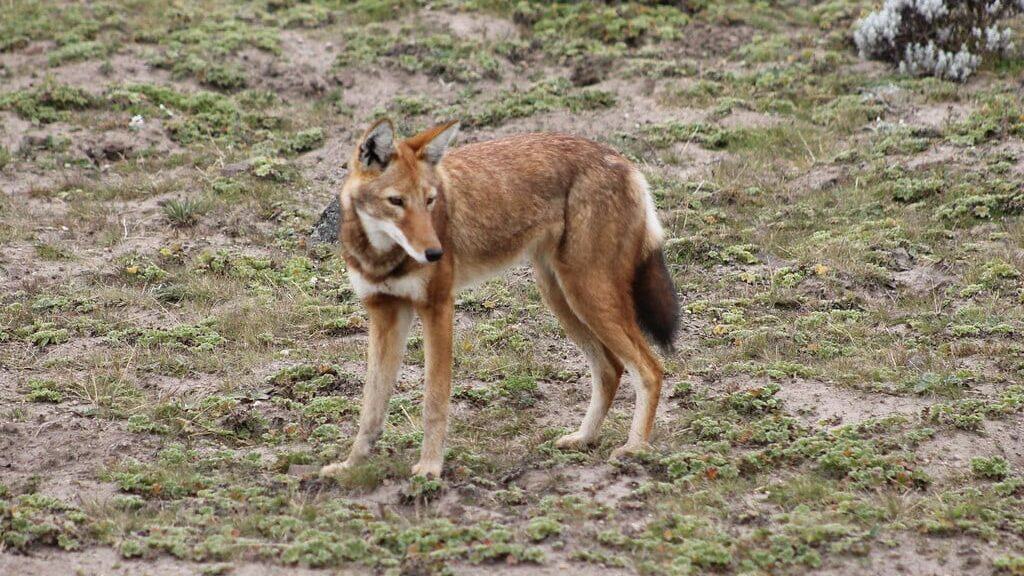
Contrary to popular misconceptions about rigid “alpha dominance,” wolf pack leadership transitions occur through complex social processes rather than through violent overthrow. In natural wolf packs (as opposed to artificial captive groups), the alpha pair typically consists of the breeding parents, with leadership passing to offspring as they mature and the original leaders age. These transitions often happen gradually, with aging alphas voluntarily ceding certain responsibilities like lead hunting positions or territorial patrol to younger, more physically capable pack members while maintaining their breeding status and decision-making authority.
Researchers have observed fascinating nuances in these leadership shifts. During transitional periods, different wolves may take situational leadership roles based on their specific expertise – for instance, a wolf with extensive knowledge of a particular hunting territory might lead during hunts in that region even if they aren’t the formal alpha. In cases where alpha position does change more abruptly, such as when an alpha dies, the succession typically favors wolves who have built strong social alliances within the pack rather than simply the most aggressive individuals. This political dimension of wolf pack dynamics reveals the importance of relationship-building and cooperative tendencies rather than mere physical dominance.
Conflict Resolution Mechanisms

Wolf packs have evolved sophisticated methods for resolving internal conflicts without resorting to serious violence that would threaten pack cohesion. When disputes arise over food, breeding rights, or status, wolves typically rely first on ritualized displays rather than actual fighting. These displays include staring contests, teeth displays, raised hackles, and stiff-legged approaches that communicate intention and status claims without physical harm. If these initial displays don’t resolve the conflict, wolves may progress to inhibited fighting – physical confrontations where bites are pulled (not delivered at full force) and typically directed at less vulnerable body parts.
Perhaps most remarkable are the reconciliation behaviors that follow conflicts. Researchers have documented wolves approaching former opponents with submissive postures, licking at their mouths, or initiating play shortly after confrontations. These reconciliation rituals appear to repair social bonds damaged during conflicts. Studies show that wolves that engage in these post-conflict affiliative behaviors maintain stronger long-term relationships within the pack. The presence of these sophisticated conflict management systems demonstrates how wolf societies balance the need for clear social structure with the equally important need for pack cohesion – a balance crucial for their cooperative hunting and territorial defense strategies.
Seasonal Behavior Adaptations
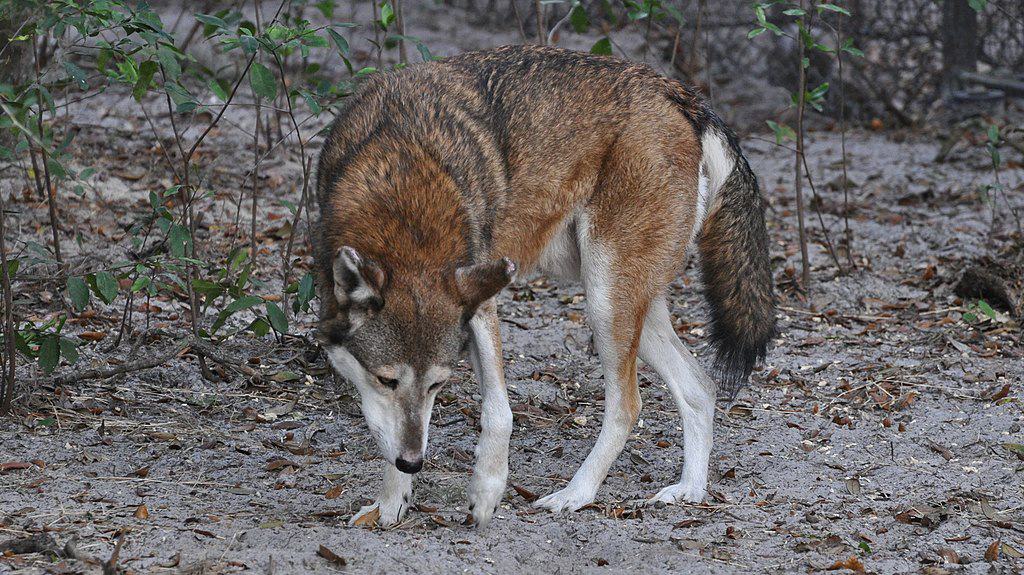
Wolf packs demonstrate remarkable behavioral plasticity across seasons, adapting their social organization, movement patterns, and hunting strategies to changing environmental conditions. During winter months in northern regions, packs typically become more cohesive, traveling and hunting together more frequently to take advantage of larger prey vulnerable in deep snow. Pack members sleep in close physical contact to conserve body heat, with lower-ranking wolves often surrounding the breeding pair – a behavior that both protects the reproductive future of the pack and benefits the subordinates through shared warmth.
In contrast, summer brings a dramatic shift in pack dynamics. With the birth of pups, packs become more stationary, centering activities around den sites. The pack often fragments into smaller hunting groups that take turns returning to feed pups, maximizing foraging efficiency while ensuring constant pup supervision. During prey scarcity, some studies have documented “resource partitioning” where packs temporarily split to reduce competition among members, only to reunite when conditions improve. These seasonal adaptations highlight the remarkable flexibility in wolf social structures – not rigidly hierarchical but responsive to changing ecological conditions while maintaining core pack identity and cooperation.
Strategic Pack Size Regulation

Wolf packs maintain optimal sizes through various self-regulating mechanisms that balance resource availability with pack needs. Contrary to the assumption that packs simply grow indefinitely, they typically stabilize at 5-12 members depending on habitat and prey base. When pack size approaches the upper limit for their territory’s carrying capacity, multiple regulatory behaviors emerge. The most common is dispersal, where young adults (typically 1-3 years old) voluntarily leave to seek new territories and mates. This dispersal is often prompted by subtle cues from the alpha pair, including reduced food access and increased social tension.
Other regulatory mechanisms include reproductive suppression, where subordinate females experience physiological blocks to breeding despite being sexually mature. Research has shown that the presence of the alpha female inhibits estrus in lower-ranking females through pheromonal and behavioral cues. During lean times, some packs exhibit “fission” behavior, splitting into smaller, more sustainable units. These regulatory mechanisms demonstrate remarkable adaptation to environmental constraints, ensuring packs maintain the delicate balance between having enough members for successful hunting and territory defense while avoiding unsustainable growth that would lead to resource depletion and increased conflict.
Adaptive Hunting Specializations

Beyond general cooperative hunting, wolf packs develop specialized techniques adapted to their specific prey and habitat. Packs that primarily hunt bison employ different strategies than those that target deer or elk, with these specializations passing through generations as cultural knowledge. In wood bison territory, researchers have documented wolves using strategic positioning to drive prey into boggy terrain where the massive animals become vulnerable. In contrast, packs hunting mountain sheep demonstrate skills in coordinated upslope pursuits that capitalize on their superior endurance compared to their prey’s initial speed advantage.
Individual wolves within packs often develop personal specializations that complement the pack’s hunting approach. Some wolves excel at flushing prey from cover, others at strategic positioning to intercept running animals, while others specialize in the final chase. Studies using GPS collars have revealed that these roles aren’t random but consistent across multiple hunts, suggesting intentional role specialization. During hunts, packs adjust formation based on terrain, prey behavior, and the specific wolves present – a remarkable display of tactical flexibility. This combination of pack-level hunting culture and individual specialization demonstrates how wolf societies blend innate predatory instincts with learned, culturally transmitted hunting knowledge.
Ritualized Food Sharing

Wolf packs have developed complex protocols governing food distribution that balance hierarchy with group cohesion. Contrary to popular belief that alphas always feed first, the actual patterns are more nuanced and situational. During times of abundance, breeding wolves often step back, allowing yearlings and pups priority access to kills. This seemingly counterintuitive behavior ensures nutritional needs of growing pack members are met, securing the pack’s future viability. However, when food is scarce, access becomes more strictly hierarchical, with dominant wolves asserting feeding priority.
The mechanics of food sharing involve sophisticated communication. Subordinate wolves approach food with ritualized submissive postures – lowered bodies, ears back, tails tucked – essentially “requesting” permission to feed. Rather than aggressive confrontations, access is typically negotiated through subtle signals like eye contact, body positioning, and brief vocalizations. Particularly interesting is the observation that wolves that have made significant contributions to a successful hunt (regardless of rank) are often granted earlier access to the kill, suggesting a rudimentary form of merit-based resource allocation. These food-sharing protocols demonstrate how wolf societies balance the competing needs of maintaining clear social structure while ensuring sufficient nutrition across all pack members.
Decision-Making Through Consensus
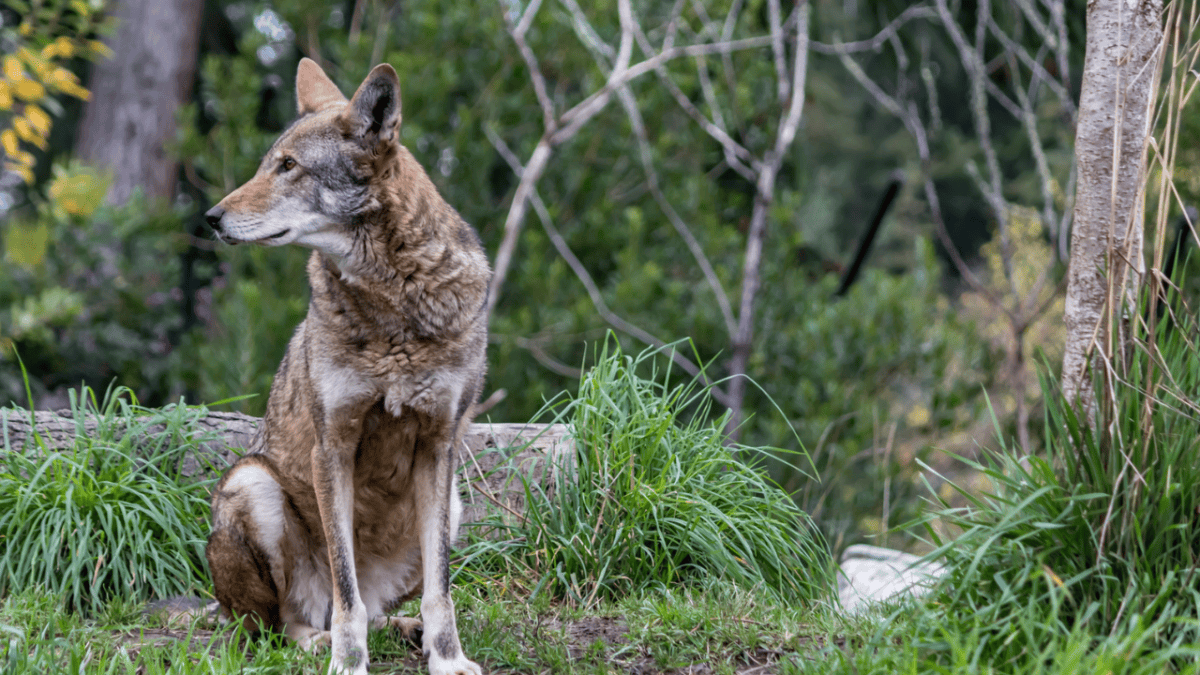
Wolf packs make collective decisions about critical activities like hunting, traveling, and den relocation through processes that involve more than simple dominant-subordinate dynamics. Researchers studying pre-movement behaviors have documented fascinating “voting” behaviors where pack members indicate preferred directions or activities through body orientation, excited movements, or initiating behaviors like play bows or stretching. When a critical threshold of pack members signals interest in a particular action, the pack typically proceeds in that direction. This suggests decision-making involves a form of quorum sensing rather than solely alpha dictation.
The role of experienced pack members in these consensus processes appears particularly significant. Senior wolves with knowledge of territory and successful hunting grounds often initiate movement suggestions, with their proposals more likely to be followed by the group. However, persistent initiatives from any pack member may eventually gain traction if continued over time. Studies of GPS-collared wolves reveal that packs sometimes split temporarily when consensus can’t be reached, with subgroups pursuing different activities before reuniting – demonstrating flexibility in decision-making that prevents deadlock while maintaining pack cohesion. This balanced approach to group decisions showcases the democratic elements within wolf society that complement their hierarchical structure.
Conclusion:


As a little kid, I fell in love with nature, wildlife, and animals. Living in the USA, South Africa, Italy, China and Germany gave me the opportunity to discover the world's Wildlife. My favorite animals are Mountain Gorillas, Siberian Tigers, and Great White Sharks.
I'm a certified PADI Open Water Diver, went to Everest Base Camp and Trekked Gorillas in Uganda. I hold a Master of Science in Economics and Finance.
Please send any feedback to feedback@animalsaroundtheglobe.com
- 11 Close Calls With Avalanche Zones - August 4, 2026
- Top 10 Animals and Wildlife in the Maldives - August 4, 2026
- Where to see Penguins - August 4, 2026