


Red pandas are some of the most charming creatures in the animal kingdom, often overshadowed by their larger, black-and-white namesakes. These russet-furred mammals captivate hearts with their teddy bear-like appearance and playful antics. Native to the eastern Himalayas and southwestern China, these endangered animals deserve our attention not just for their undeniable cuteness, but also for their ecological importance and fascinating characteristics. From their unusual diet to their surprising taxonomic history, red pandas are full of interesting surprises. Let’s explore 15 delightful facts about these adorable creatures that you’ll definitely want to share with fellow animal enthusiasts.
Not Actually Pandas

Despite their name, red pandas aren’t closely related to giant pandas at all! These crimson-coated creatures actually belong to their own unique family, Ailuridae. For years, scientists debated whether red pandas should be classified with bears or raccoons, but genetic studies have revealed they’re so distinctive they deserve their own taxonomic family. Their scientific name, Ailurus fulgens, translates to “shining cat,” a nod to their somewhat feline appearance and nocturnal gleaming eyes. This taxonomic independence makes red pandas a truly special evolutionary story—they’ve been following their own evolutionary path for approximately 26 million years, making them living fossils of sorts in the modern animal kingdom.
Bamboo Connoisseurs

Like giant pandas, red pandas primarily feast on bamboo, consuming up to 30% of their body weight daily in bamboo leaves and shoots. However, unlike their larger counterparts, red pandas can’t digest cellulose efficiently, so they must eat prodigious amounts to extract enough nutrients. This inefficient digestion means they spend approximately 13 hours a day either eating or searching for food. Interestingly, while bamboo constitutes about 95% of their diet in the wild, red pandas are technically omnivores. They supplement their bamboo consumption with fruits, insects, bird eggs, and small lizards when available, especially during breeding season when they need extra protein and energy. Their specialized wrist bone—which functions somewhat like a thumb—helps them grip bamboo stems while feeding, demonstrating a perfect evolutionary adaptation to their specialized diet.
Masters of Camouflage

The red panda’s striking russet fur serves a practical purpose beyond its aesthetic appeal. This rich reddish-brown coloration provides excellent camouflage among the canopies of their forest habitat, where branches are often covered with reddish-brown moss and lichens. Their distinctive facial markings—white patches and tear tracks—may help reflect light to see better in dim forest settings and reduce glare. The dark belly fur, contrary to many mammals with lighter undersides, helps them blend into their arboreal environment when viewed from below. This natural camouflage is essential for their survival, protecting them from predators such as snow leopards and martens. Even their bushy, ringed tails contribute to their disguise by breaking up their body outline among dappled forest light and shadows.
Tiny But Mighty Carnivore Teeth

Despite their primarily herbivorous diet, red pandas retain the sharp teeth and dental structure of their carnivorous ancestors. Their powerful molars and premolars are perfect for crushing bamboo, while their sharp canines could handle meat if necessary. This dental contradiction reflects their evolutionary history—red pandas descend from carnivorous ancestors but adapted to a specialized plant-based diet over millions of years. Their jaw muscles are exceptionally strong for their size, allowing them to process tough bamboo stems and leaves efficiently. Interestingly, baby red pandas are born nearly toothless, developing their full set of 38 teeth as they mature and transition from their mother’s milk to solid bamboo. This retention of carnivore dental features in a primarily herbivorous animal makes red pandas a fascinating study in evolutionary adaptation and dietary specialization.
Cat-Like Cleaning Habits

Red pandas exhibit fastidious grooming behaviors reminiscent of domestic cats. They clean themselves meticulously by licking their fur and using their paws to wipe their faces—a behavior that’s not only adorable to observe but essential for their health and wellbeing. This grooming routine helps remove food particles, maintains their fur’s insulating properties, and reduces parasite loads. Like cats, they often groom after meals and before resting periods. Red pandas have specialized saliva that contains natural cleaning compounds, helping to maintain their lustrous coat even in their humid forest habitats. Their flexible bodies allow them to reach most areas, though they sometimes engage in mutual grooming when in pairs, particularly during breeding season. This cat-like cleanliness contradicts the misconception that wild animals are naturally dirty and highlights the sophisticated behavioral adaptations these creatures have developed.
Extraordinary Climbers

Red pandas are arboreal masters, spending about 90% of their waking hours in trees. Their sharp, semi-retractable claws provide excellent grip on tree bark, while their flexible ankle joints allow them to descend headfirst—a rare ability among mammals. This exceptional climbing prowess is supported by their strong, muscular legs and low center of gravity. When sleeping, red pandas often wrap their luxurious tails around themselves for warmth and balance, sometimes draping their bodies over branches in seemingly precarious positions. Unlike many arboreal animals, they can rotate their ankles 180 degrees, enabling them to climb down trees headfirst with remarkable control. Young red pandas begin practicing their climbing skills at just two months of age, though they don’t become truly proficient until about five months old. Their treetop lifestyle helps them avoid ground-dwelling predators and access bamboo leaves that other animals can’t reach.
Surprising Cold Adaptations

Despite their tropical appearance, red pandas are remarkably well-adapted to cold climates. Their thick fur coat consists of a dense woolly undercoat covered by long guard hairs, providing excellent insulation in their mountainous habitats where temperatures can drop below freezing. Their famous bushy tails serve as cozy blankets when they curl up to sleep, wrapping around their bodies for additional warmth. Even the soles of their feet are covered with fur, a characteristic shared with polar bears and other cold-climate mammals, providing both insulation and traction on snowy surfaces. Their small ears and compact limbs minimize heat loss, following Allen’s rule of biological adaptation to cold environments. During particularly cold periods, red pandas can lower their metabolic rate and enter a state of torpor, reducing their energy needs by up to 40%—an impressive energy conservation strategy for an animal that relies on a low-calorie diet of bamboo.
Vocal Communicators

Red pandas have a surprisingly diverse vocal repertoire for such small, typically solitary animals. They communicate through a variety of sounds, including whistles, squeaks, and a peculiar “quack-snort” that serves as a greeting or recognition call between familiar individuals. When threatened, they can produce a startling alarm call that sounds remarkably like a high-pitched whistle. During mating season, males produce a gentle twittering sound to court females, while mothers and cubs maintain contact through soft chirping vocalizations. Particularly distinctive is their “huff-quack”—a warning sound made by forcefully expelling air through their nostrils when startled or threatened. Cubs are especially vocal, making consistent “wah” sounds when separated from their mothers, ensuring they remain together in the dense forest canopy. This complex communication system contradicts the common perception that non-primate mammals have limited vocal abilities and highlights the sophisticated social behaviors of these seemingly simple creatures.
Population Decline Crisis

Red pandas face a severe conservation crisis, with population numbers declining alarmingly over recent decades. Current estimates suggest fewer than 10,000 wild red pandas remain, earning them an “Endangered” classification on the IUCN Red List. Their population has declined by approximately 50% in just three generations (about 18 years), primarily due to habitat loss, fragmentation, and poaching. Deforestation for agriculture, logging, and infrastructure development has destroyed approximately 50% of red panda habitat in the last century. Climate change presents an additional threat, as warming temperatures affect bamboo flowering cycles and reduce viable habitat range in mountainous regions. Poaching for the illegal pet trade and for their distinctive fur continues despite protective legislation in all range countries. Each wild red panda requires approximately 2.5 square kilometers of suitable forest habitat to thrive, making habitat conservation particularly challenging in regions with growing human populations and development pressures.
Solitary Lifestyle

Despite their cuddly appearance, red pandas are predominantly solitary creatures, coming together primarily for breeding purposes. They maintain individual territories ranging from 1-2 square kilometers, which they mark with scent from their anal glands and urine. Males typically have larger territories that may overlap with several females’ ranges, but they generally avoid direct contact outside of mating season. This solitary nature helps reduce competition for limited bamboo resources in their forest habitats. Communication between individuals primarily occurs through scent marking rather than direct interaction, with specialized scent glands on their cheeks, feet, and anal regions providing chemical information about identity, reproductive status, and territory boundaries. Interestingly, captive red pandas sometimes demonstrate more social behavior than their wild counterparts, suggesting their solitary nature may be partly resource-driven rather than strictly instinctual. This preference for solitude makes their rare social interactions, particularly during courtship, all the more significant and specialized.
Unusual Reproductive Biology

Red pandas have one of the animal kingdom’s most interesting reproductive cycles. Unlike most mammals, they can control their pregnancy through delayed implantation—after fertilization, the embryo remains dormant for weeks or months before attaching to the uterine wall and continuing development. This adaptation allows cubs to be born during spring when bamboo is most abundant and nutritious. Female red pandas are fertile for just one day per year during a brief mating season between January and March. After a gestation period of 114-145 days (variable due to delayed implantation), they typically give birth to one to four cubs, with twins being most common. The cubs are born blind and extremely dependent, weighing just 100-130 grams (about the size of a stick of butter). They stay in their nests for about 90 days before venturing out, and remain with their mothers until the next breeding season approaches—approximately 8-9 months after birth. This reproductive specialization contributes to their vulnerability as an endangered species, as their slow reproduction rate makes population recovery particularly challenging.
Firefox Inspiration

The popular web browser Firefox actually draws its name and logo inspiration from the red panda! When the browser was first developed in 2002, it was temporarily named “Phoenix,” but trademark issues forced a change. The name “Firefox” was chosen—a reference to the red panda’s Chinese nickname, “hun-ho” or “fire fox,” which refers to their fiery coloration and fox-like appearance. The browser’s circular logo, with its flame-like red creature embracing a blue globe, stylistically represents a red panda wrapping around the Earth. This connection has raised awareness about red pandas among millions of internet users worldwide. Mozilla, the organization behind Firefox, has occasionally partnered with conservation organizations to support red panda protection efforts, leveraging their brand connection to highlight conservation needs. This relationship between technology and wildlife conservation demonstrates how cultural representations can contribute to awareness of endangered species, though many Firefox users remain unaware of the browser’s vulpine inspiration.
Ancient Fossil History

Red pandas have an impressive evolutionary history dating back approximately 25-30 million years, with fossil evidence showing they once had a much wider distribution across Eurasia and North America. Paleontological findings include ancestral red panda species throughout Europe, with particularly significant fossils discovered in Spain, France, and the United Kingdom. One of the most notable fossil relatives is Parailurus, a slightly larger red panda ancestor that lived during the late Miocene and Pliocene epochs. Studies of these fossils reveal that ancient red pandas were more diverse and widespread than today’s single remaining species, with some prehistoric varieties reaching sizes nearly twice that of modern specimens. Climate change during the Pleistocene era dramatically reduced their range, restricting them to their current limited distribution in Asia. This extensive fossil record makes red pandas something of a living fossil—a window into an ancient lineage that once thrived across the Northern Hemisphere but has since contracted to a small geographic pocket. Their long evolutionary history independent from other carnivore lineages highlights their biological uniqueness and importance to biodiversity.
Thumb-Like Wrist Bone

Red pandas possess a specialized extended wrist bone that functions similarly to a thumb, though it’s not a true opposable digit like those found in primates. This modified radial sesamoid bone extends outward from the wrist, creating a sixth “pseudo-digit” that allows them to grasp bamboo stems and tree branches with remarkable dexterity. This adaptation evolved independently from the giant panda’s similar feature, representing a fascinating case of convergent evolution—where unrelated species develop similar traits in response to similar environmental pressures. The pseudo-thumb provides red pandas with enhanced grip strength, allowing them to safely navigate thin branches and efficiently strip bamboo leaves from stems. Interestingly, while this adaptation is perfect for their current bamboo diet, anatomical studies suggest it evolved before their dietary specialization, possibly originally serving other functions. This anatomical curiosity demonstrates nature’s ingenuity in solving problems through unexpected adaptations rather than developing entirely new structures, and remains one of the most studied aspects of red panda physiology.
Conservation Ambassadors

Despite their endangered status in the wild, red pandas have become important conservation ambassadors in zoos and wildlife parks worldwide. Their charismatic appearance makes them popular attractions that draw visitors and create opportunities for education about biodiversity loss and habitat protection. Successful breeding programs in zoos have helped maintain genetic diversity, with over 500 red pandas currently living in captivity as part of managed conservation programs. The international Red Panda Network works with local communities in Nepal, India, and Bhutan to create sustainable conservation solutions, including training former poachers as “Forest Guardians” who monitor and protect red panda habitats. Several countries, including Nepal and Bhutan, have established protected areas specifically designed to preserve red panda populations, often incorporating community-based conservation approaches that benefit both wildlife and local people. These conservation efforts demonstrate how a single charismatic species can serve as an umbrella for protecting entire forest ecosystems and the thousands of less visible species that share their habitat.
Conclusion: The Enduring Charm of Red Pandas
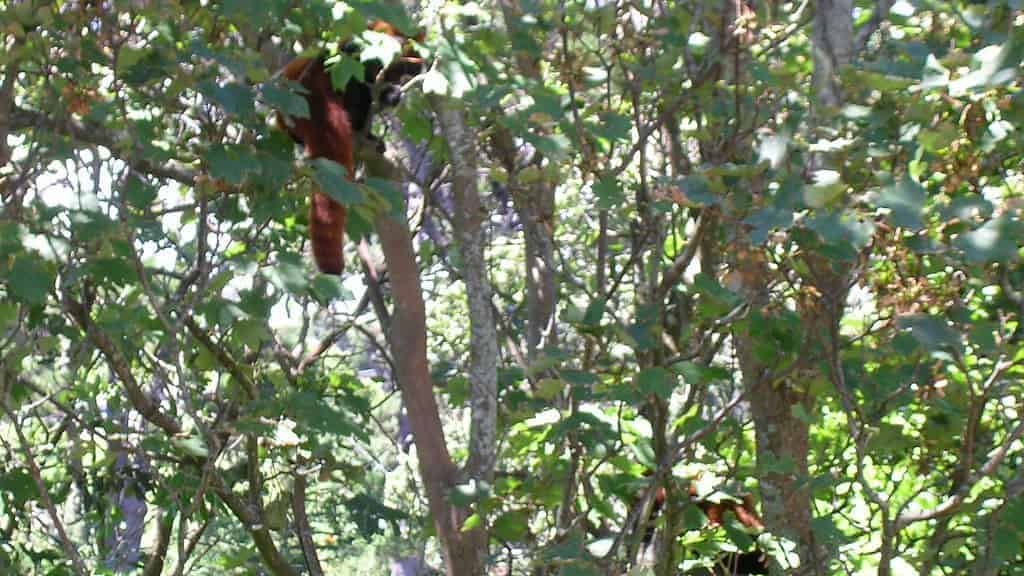
Red pandas represent a perfect intersection of biological fascination and heart-melting charm, making them ideal ambassadors for conservation in our increasingly nature-disconnected world. Their unique evolutionary history, specialized adaptations, and endangered status create a compelling narrative that helps drive conservation action across their native range. Despite their current challenges, successful breeding programs and dedicated conservation initiatives offer hope for the future of these remarkable creatures. As we continue to learn more about red pandas, each new discovery reinforces both their ecological importance and their special place in the tapestry of life that makes our planet so extraordinary. By sharing these fascinating facts about red pandas, we not only spread knowledge but also inspire the kind of connection to wildlife that ultimately drives conservation success.

As a little kid, I fell in love with nature, wildlife, and animals. Living in the USA, South Africa, Italy, China and Germany gave me the opportunity to discover the world's Wildlife. My favorite animals are Mountain Gorillas, Siberian Tigers, and Great White Sharks.
I'm a certified PADI Open Water Diver, went to Everest Base Camp and Trekked Gorillas in Uganda. I hold a Master of Science in Economics and Finance.
Please send any feedback to feedback@animalsaroundtheglobe.com
- The 12 Quietest Dog Breeds Perfect for Apartment Life - July 27, 2026
- Pet Monkey - July 27, 2026
- 11 USA Cities That Could Run Out of Water - July 27, 2026