

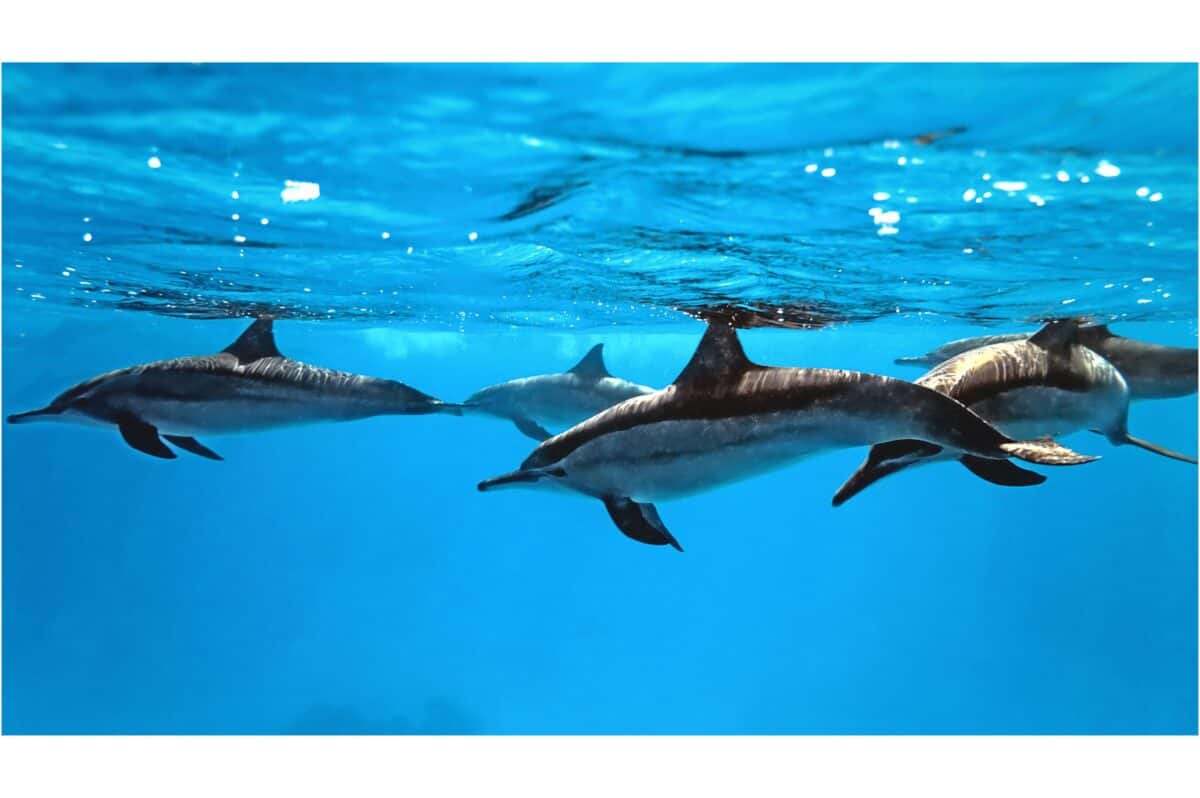
Dolphins are intelligent marine mammals belonging to the family Delphinidae. They inhabit both freshwater and saltwater environments, with the most well-known being the bottlenose dolphin. Dolphins are celebrated for their playful behavior, complex vocalizations, and advanced problem-solving skills. They use echolocation to navigate and hunt for prey. Their social structures are complex, often living in groups known as pods, which can communicate and coordinate in sophisticated ways.
Duck

Ducks are waterfowl birds found in freshwater and marine environments worldwide. They belong to the family Anatidae, which also includes swans and geese. Ducks have a varied diet, feeding on aquatic plants, small fish, insects, and crustaceans. Known for their distinctive quack and waddle, ducks play a significant role in ecosystems by helping to control insect populations and disperse plant seeds.
Deer
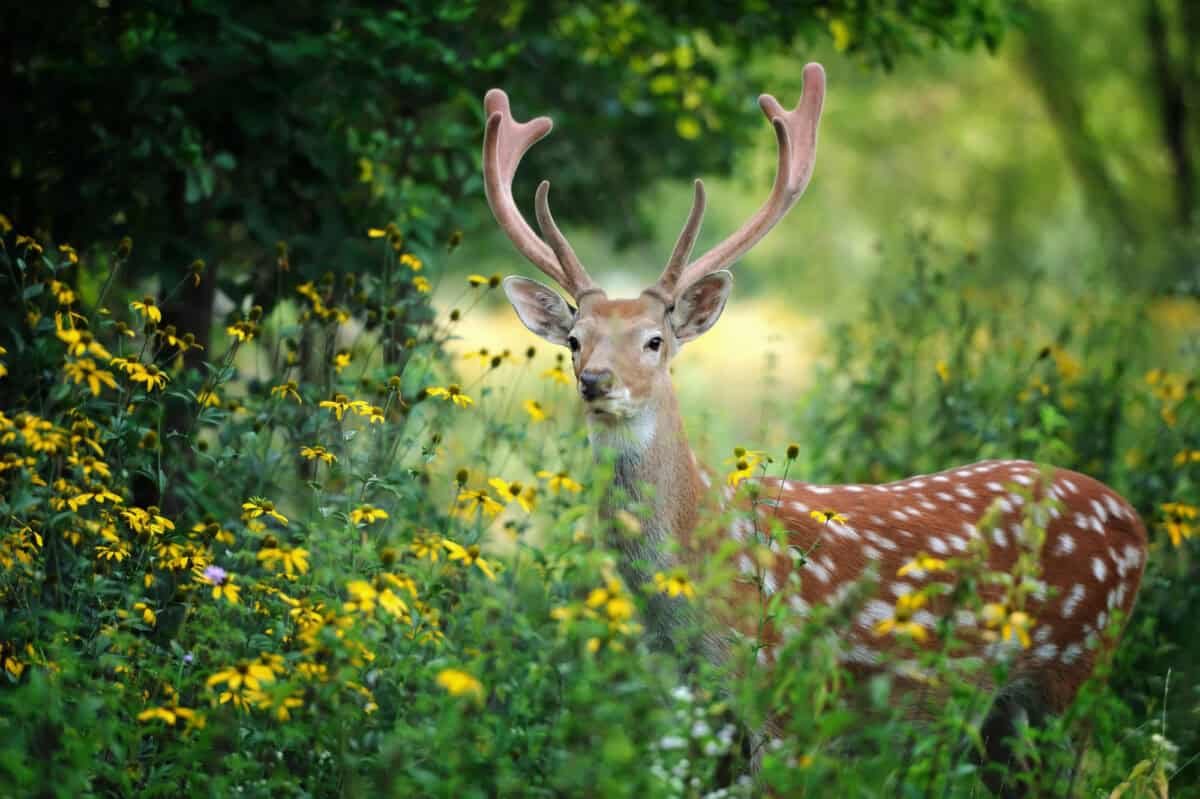
Deer are herbivorous mammals found in diverse habitats, including forests, grasslands, and even wetlands. They are part of the Cervidae family and are easily identified by their antlers, which male deer typically shed and regrow annually. Deer are ruminants, meaning they have a specialized stomach for digesting plant material. They play a crucial role in their ecosystems by aiding in plant seed dispersal and providing prey for predators.
Dingo

The dingo is a wild canine found mainly in Australia, though it is also present in parts of Southeast Asia. Resembling domestic dogs, dingoes are medium-sized with a bushy tail and erect ears. They’re highly adaptable predators with a diverse diet that includes mammals, birds, and reptiles. Dingoes play a key role in maintaining the balance of their ecosystems as apex predators, but their interactions with humans, especially in Australia, are complex and sometimes contentious.
Dromedary Camel
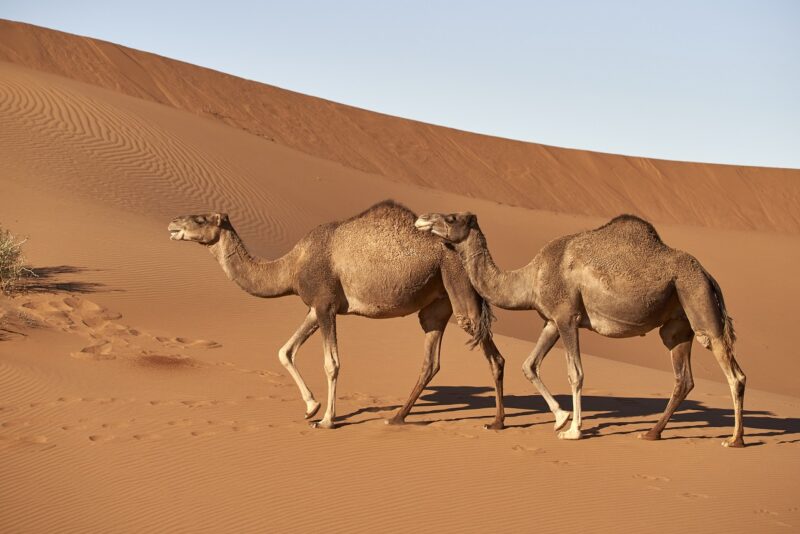
Also known as the Arabian camel, the dromedary has a single hump and is well-adapted to living in harsh, arid environments. Native to the Middle East and the Horn of Africa, dromedaries have been domesticated for thousands of years and are used for transportation, milk, and meat. They are incredibly efficient at water conservation, allowing them to survive in desert conditions where resources are scarce.
Dragonfly

Dragonflies are ancient insects belonging to the order Odonata. With a wingspan that ranges from a few centimeters to over ten centimeters, they’re known for their vibrant colors and powerful flight. Dragonflies are skilled predators, hunting and capturing other insects mid-air. Their presence is an indicator of healthy ecosystems as they thrive in clean water environments. They go through an aquatic nymph stage, during which they also play a role in controlling mosquito populations.
Donkey
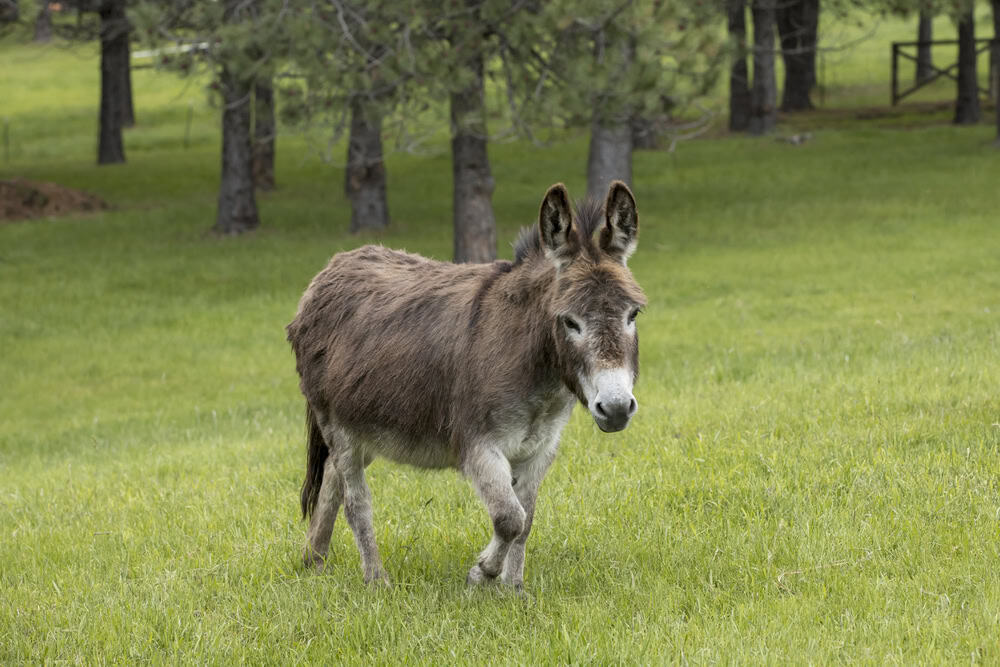
Donkeys are domesticated members of the horse family, Equidae. Known for their strength and resilience, they have been used as working animals for thousands of years. Donkeys are known for their distinctive braying and cautious nature, usually preferring to avoid risky situations. They are social animals, often forming close attachments, and are capable of living in harsh environments, making them indispensable in many agricultural communities.
Dugong

The dugong is a large marine mammal closely related to the manatee. It is recognized by its unique appearance, which includes a fusiform body and fluked tail. Dugongs are found in warm coastal waters from East Africa to Australia. They are herbivorous and graze on seagrass meadows. Dugongs have cultural significance in many regions and are a focus of conservation due to their vulnerability to habitat degradation and hunting.
Diprotodon
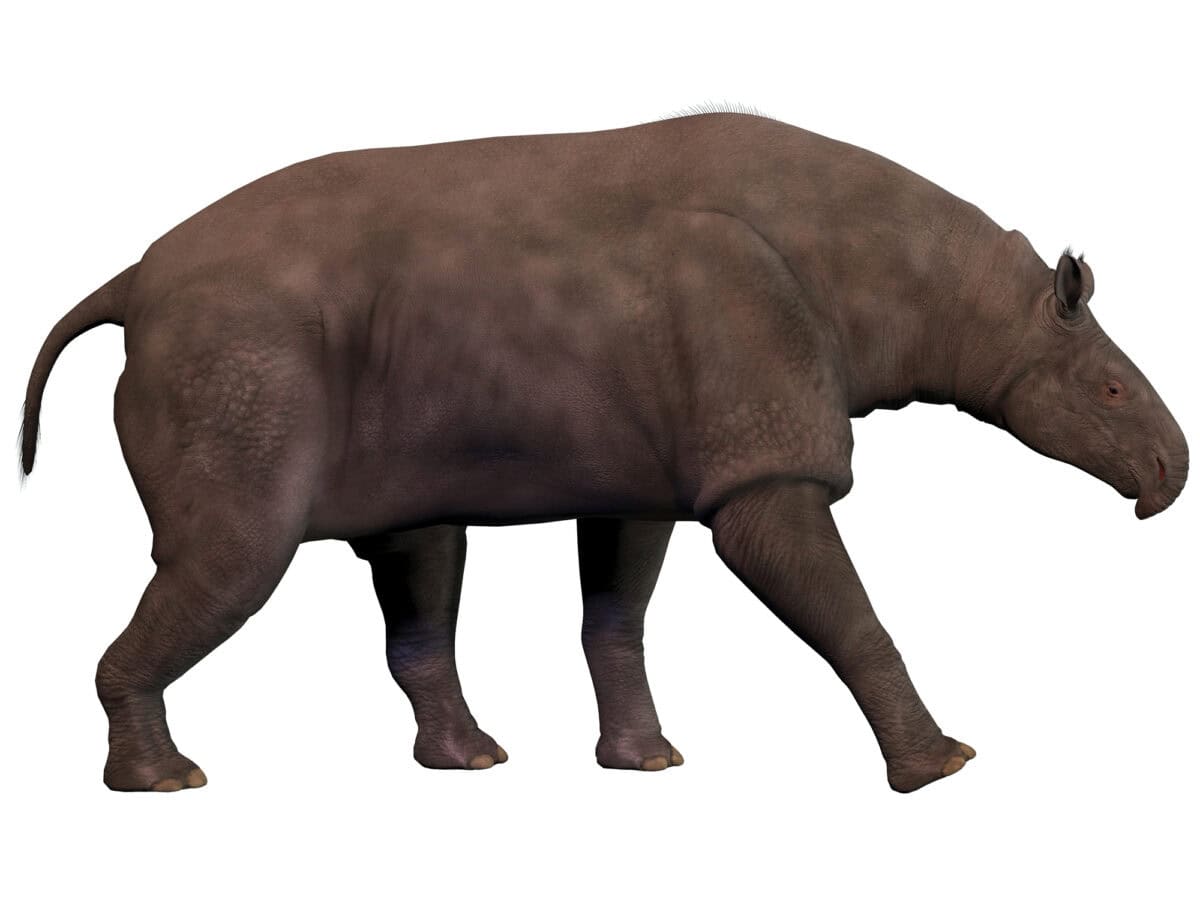
Diprotodon was an extinct genus of marsupials considered one of the largest known from the Australian Quaternary. Resembling gigantic wombats, these herbivores roamed Australia in the Pleistocene epoch. They played a significant role in shaping the prehistoric Australian ecosystem. Fossil evidence provides insights into their behavior, diet, and ecological interactions, helping scientists understand ancient biodiversity and ecology.
Damselfish

Damselfish are small, brightly colored fish commonly found in coral reef ecosystems. They belong to the family Pomacentridae and are known for their territorial behavior. They often occupy a central role in the ecological community of reefs. Damselfish feed primarily on plankton and algae, helping to maintain the balance of coral reefs. Their vibrant colors make them popular in the aquarium trade.
Dik-Dik
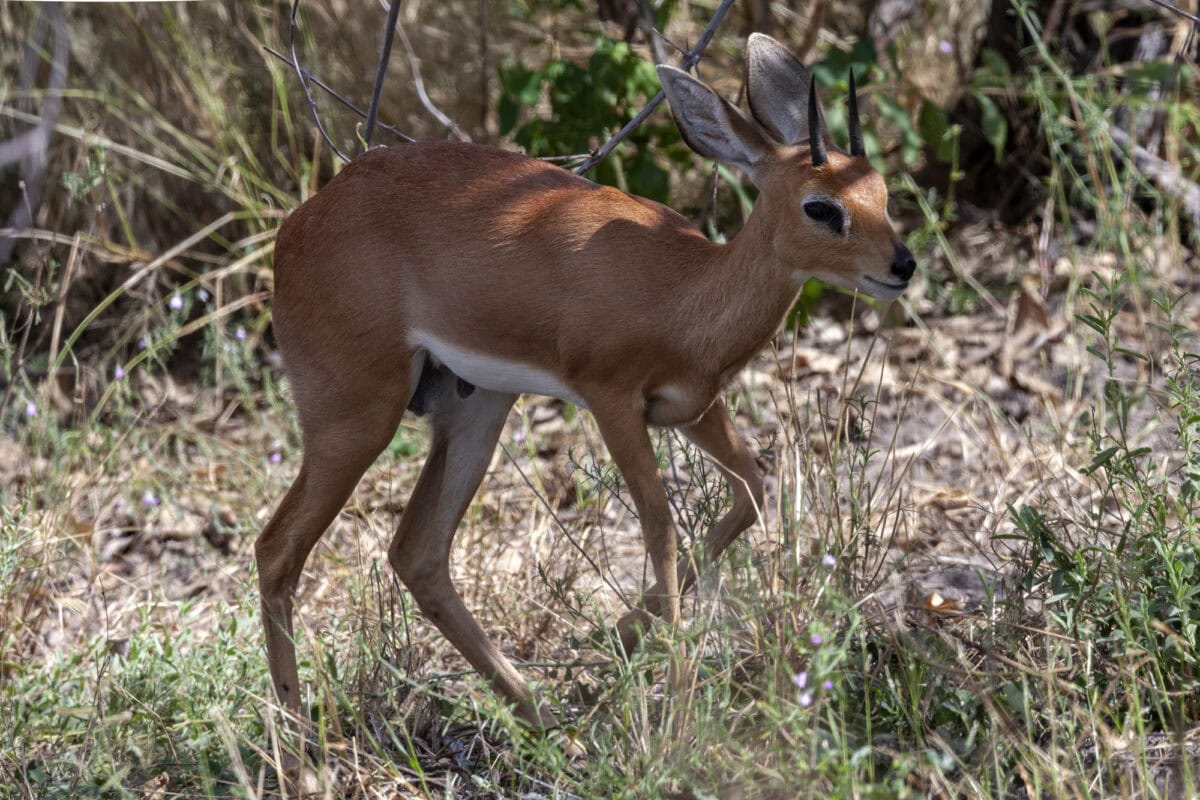
Dik-diks are small antelopes native to Eastern and Southern Africa. Their name comes from the sound they make when alarmed. These animals are adapted to live in arid environments and are highly water-efficient, obtaining moisture from their diet of leaves and fruits. Dik-diks are monogamous, forming lifetime pair bonds and are known for their territorial behavior. They are an important part of the food chain, serving as prey for larger predators.
Desert Tortoise
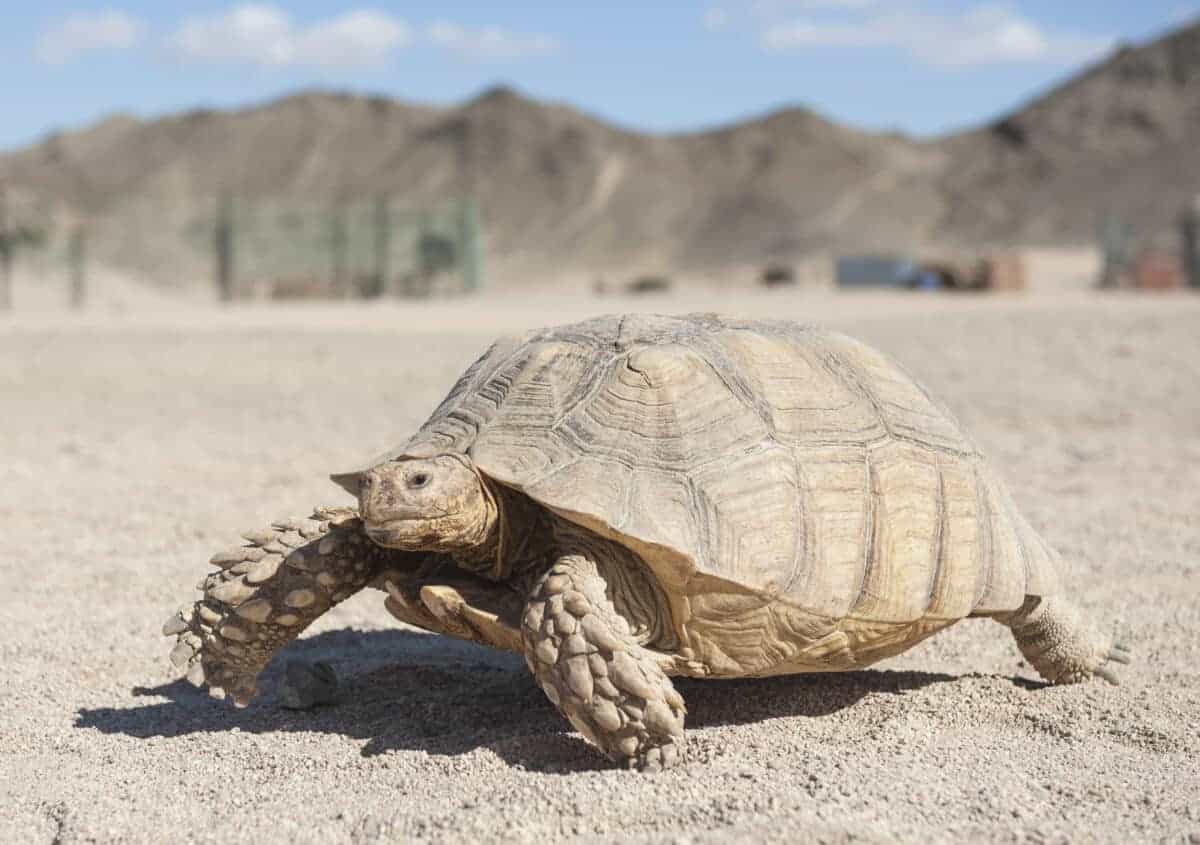
The desert tortoise is a land-dwelling reptile found in the arid regions of the southwestern United States and northwestern Mexico. It is well-adapted to its environment and able to dig large burrows to escape the heat and store water in its bladder. The tortoise’s diet consists of herbs, grasses, and desert plants. The desert tortoise is considered a keystone species, playing a vital role in its ecosystem, particularly in seed dispersion and providing burrows for other animals.
Dhole
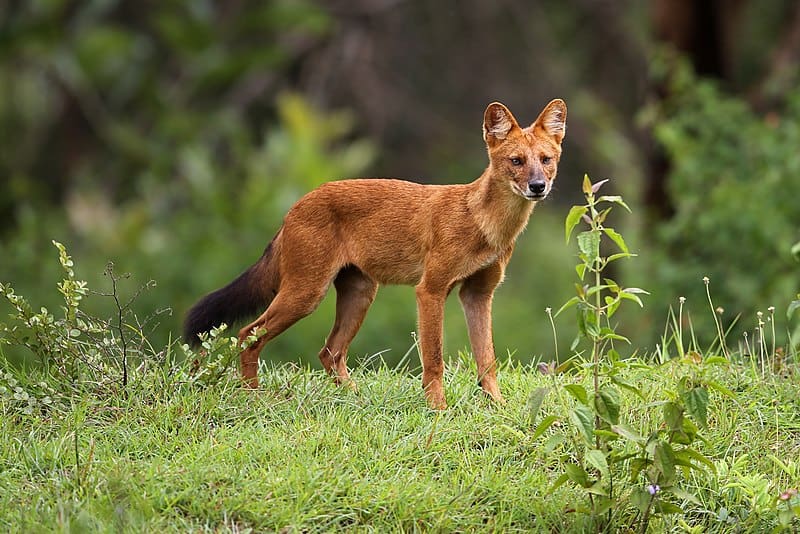
The dhole, also known as the Asiatic wild dog, is a highly social and pack-oriented canid native to Asia. Dholes are remarkable hunters, and their diet largely consists of medium-sized ungulates. Their vocal communications are complex, allowing them to coordinate during hunts. Dholes play a crucial role in controlling prey populations within their habitats. Unfortunately, they face severe threats from habitat loss and diseases from domestic animals.
Darwin’s Fox

Darwin’s fox is a small, critically endangered species endemic to Chile. Charles Darwin first documented it during his famous voyage on the Beagle. These foxes inhabit dense forests and primarily feed on insects, fruit, and small vertebrates. Conservation efforts are underway to protect their rapidly declining population, threatened by habitat destruction and introduced species.
Dabchick
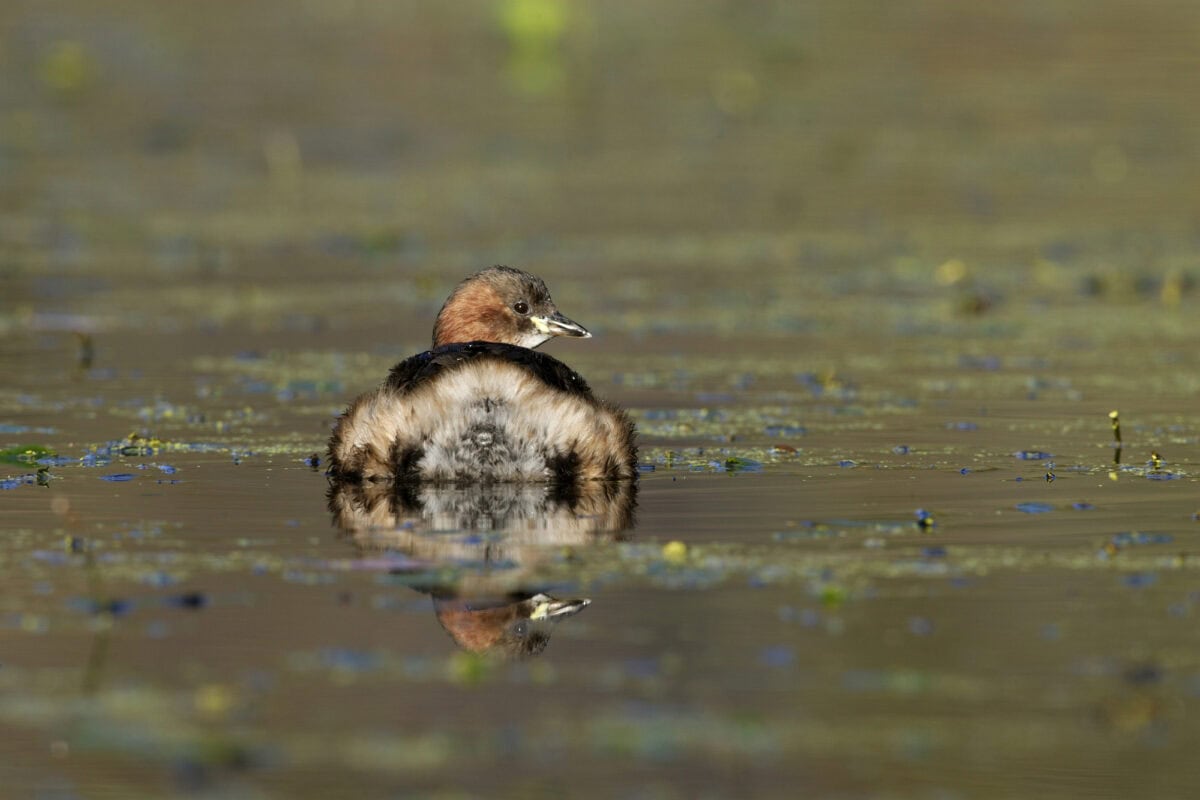
Also known as the little grebe, dabchicks are small water birds in the family Podicipedidae. They are found in freshwater lakes and marshes throughout Europe, Africa, and Asia. Dabchicks are expert divers who feed on fish, insects, and larvae. Their presence indicates healthy aquatic ecosystems. Recognizable by their distinctive chattering calls, they lead a somewhat secretive life hidden among the reeds and aquatic vegetation.

As a little kid, I fell in love with nature, wildlife, and animals. Living in the USA, South Africa, Italy, China and Germany gave me the opportunity to discover the world's Wildlife. My favorite animals are Mountain Gorillas, Siberian Tigers, and Great White Sharks.
I'm a certified PADI Open Water Diver, went to Everest Base Camp and Trekked Gorillas in Uganda. I hold a Master of Science in Economics and Finance.
Please send any feedback to feedback@animalsaroundtheglobe.com
- The 10 Rarest Dog Breeds Making a Comeback in America - July 19, 2026
- 13 Creatures That Survived Mass Extinctions - July 19, 2026
- 12 Pets That Are Perfect for Seniors - July 19, 2026