


The animal kingdom is full of fascinating creatures, each with unique characteristics and behaviours. In this article, we’ll explore 15 animals and wildlife species that start with the letter “E.” From majestic birds to elusive marine life, get ready to discover some extraordinary creatures and learn intriguing facts about them!
1. Elephant
🔥 Would you like to save this?
We'll email this post to you, so you can come back to it later!
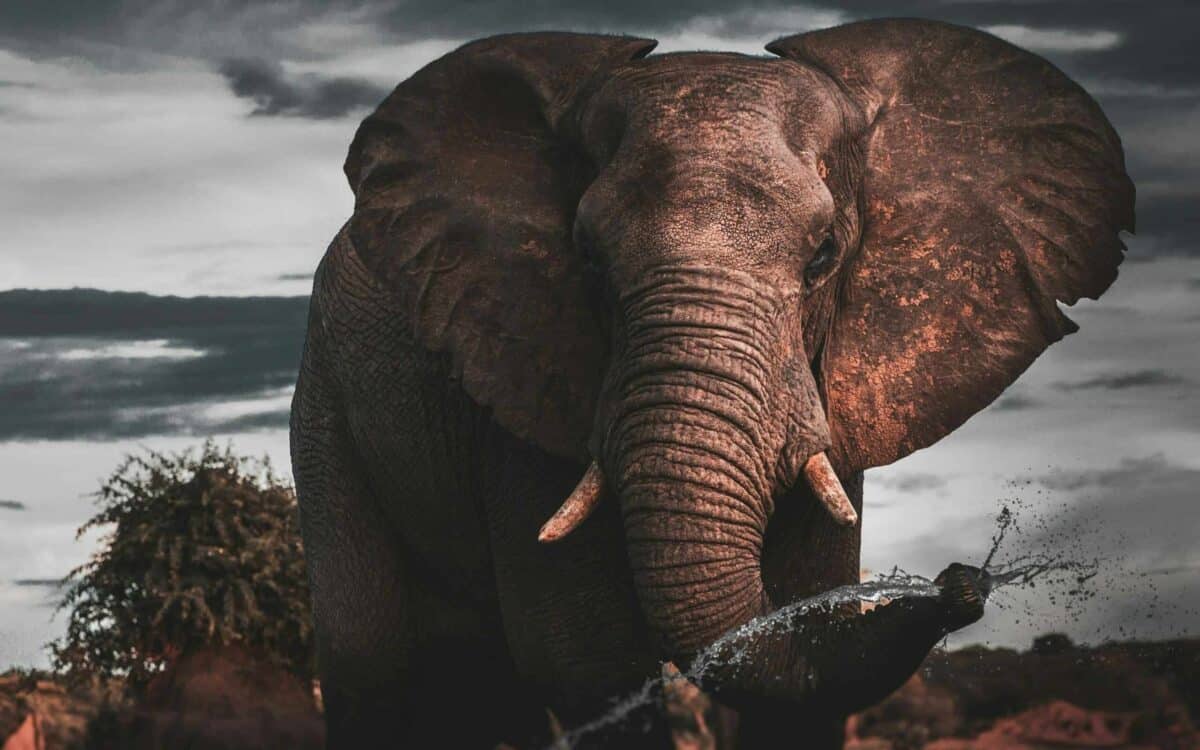
Elephants are the largest land mammals on Earth. They are renowned for their impressive size and intelligence. There are three species: the African savanna, African forest, and Asian elephants. These majestic creatures are characterized by their long trunks, large ears, and social behaviour. Elephants are keystone species crucial for their ecosystems, as they help disperse seeds and create pathways in dense forests.
2. Eagle
🔥 Would you like to save this?
We'll email this post to you, so you can come back to it later!
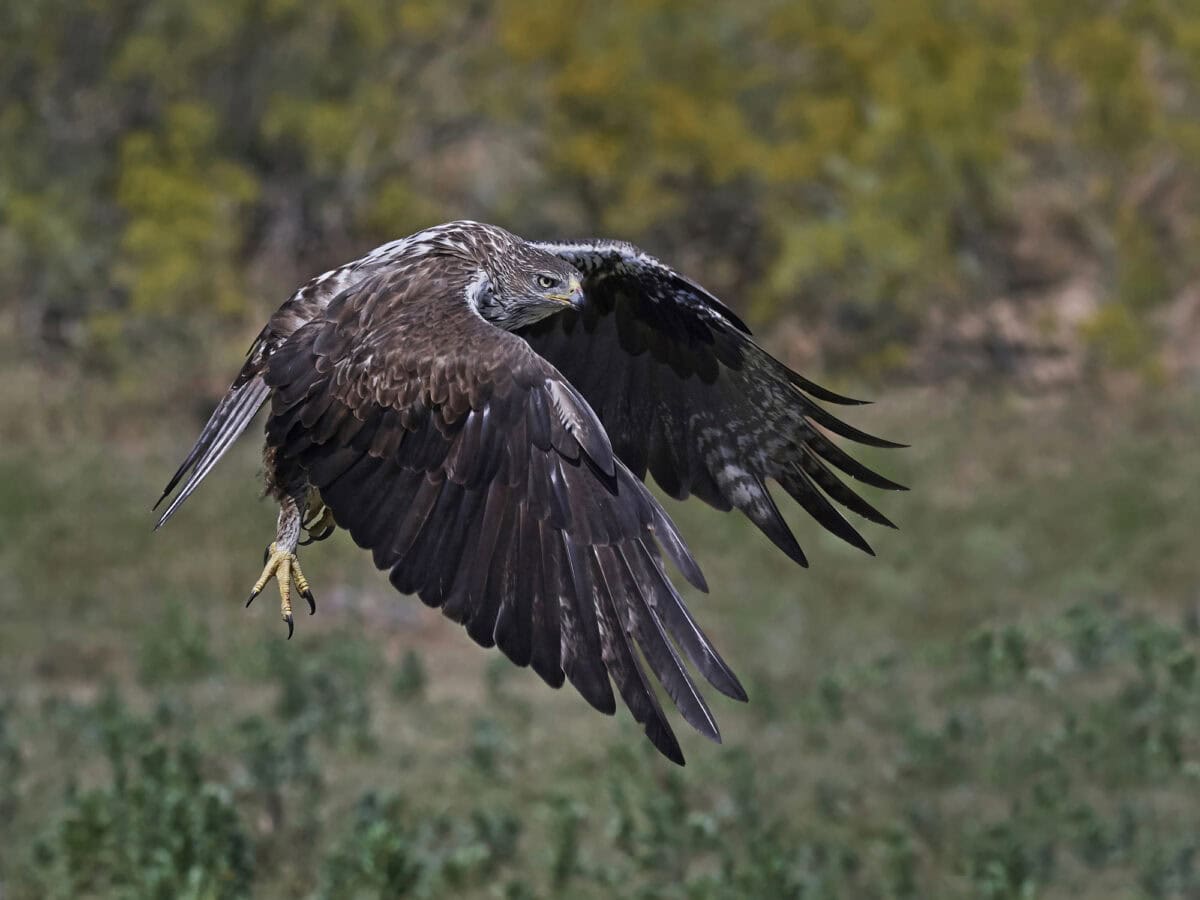
Symbolic of power and freedom, eagles are large birds of prey with exceptional eyesight. They are primarily found in the Northern Hemisphere, with various species like the bald eagle and golden eagle. Eagles are apex predators, and their diet typically includes fish, small mammals, and other birds, playing a vital role in the ecological balance by controlling prey populations.
3. Eel

🔥 Would you like to save this?
We'll email this post to you, so you can come back to it later!
Eels are elongated fish that can be found in fresh and saltwater. The most well-known is the electric eel, which generates electric shocks to ward off predators and catch prey. Eels are important in aquatic ecosystems, both as predators and as prey for larger fish and mammals.
4. Emu

🔥 Would you like to save this?
We'll email this post to you, so you can come back to it later!
The emu is the second-largest bird in the world, native to Australia. Despite being flightless, emus are fast runners and can travel long distances. They play a significant role in seed dispersal due to their diverse diet. Social and curious, emus are an intriguing subject of study for ornithologists.
5. Eland

🔥 Would you like to save this?
We'll email this post to you, so you can come back to it later!
Eland is the largest antelope found in Africa’s plains and savannas. There are two species: the common eland and the giant eland. Known for their spiral horns and impressive size, elands are herbivores that contribute to the health of their habitat by trimming foliage and spreading seeds through their grazing.
6. Echidna

🔥 Would you like to save this?
We'll email this post to you, so you can come back to it later!
Native to Australia and New Guinea, echidnas are fascinating monotremes, laying eggs despite being mammals. They have spiny coats and long snouts, which they use to hunt ants and termites. Echidnas are solitary creatures and are crucial for their ecosystem as they help control insect populations.
7. Egret

🔥 Would you like to save this?
We'll email this post to you, so you can come back to it later!
Egrets are wading birds belonging to the heron family. They are found in freshwater and shoreline environments worldwide. Egrets are recognized by their white plumage and long legs, which they use to stalk fish and amphibians. They are important indicators of healthy wetlands, where they assist in maintaining aquatic populations.
8. Elk

🔥 Would you like to save this?
We'll email this post to you, so you can come back to it later!
Elks, also known as wapiti, are large members of the deer family native to North America and eastern Asia. These herbivorous mammals are social and typically form large herds. As both prey and grazers, elk are integral to their ecosystems, influencing vegetation structure and providing sustenance for predators.
9. Ermine

🔥 Would you like to save this?
We'll email this post to you, so you can come back to it later!
The ermine, or stoat, is a small mammal known for its seasonal coat change, turning white in winter. Found across Europe, North America, and Asia, these agile predators hunt small rodents, birds, and insects. Ermines are crucial for controlling pest populations, making them vital for ecological balance.
10. Electric Ray

🔥 Would you like to save this?
We'll email this post to you, so you can come back to it later!
Electric rays are unique cartilaginous fish capable of delivering electric shocks, a defence mechanism and a hunting tool. They inhabit both deep and shallow waters worldwide. By controlling prey populations and scavenging, electric rays contribute to the health of marine ecosystems.
11. Eucalyptus Beetle

🔥 Would you like to save this?
We'll email this post to you, so you can come back to it later!
The eucalyptus beetle, primarily found in Australia, specifically targets eucalyptus trees. They play a crucial role in natural selection, enabling the strongest plants to thrive while providing a food source for birds and other predators and maintaining ecological equilibrium.
12. Emerald Tree Boa

🔥 Would you like to save this?
We'll email this post to you, so you can come back to it later!
The emerald tree boa is a strikingly beautiful snake found in the Amazon rainforest. Known for their vibrant green colour and arboreal lifestyle, they hunt small mammals and birds. These boas are predators that help manage populations of smaller animals, thereby maintaining the rainforest’s ecological balance.
13. Endler’s Livebearer

🔥 Would you like to save this?
We'll email this post to you, so you can come back to it later!
A small and colorful freshwater fish, Endler’s livebearer is popular in the aquarium trade. Native to Venezuela, they share habitats with guppies and are live-bearing fish. In the wild, they play a role in the food chain both as predators of small invertebrates and as prey for larger animals.
14. Eurasian Lynx
🔥 Would you like to save this?
We'll email this post to you, so you can come back to it later!
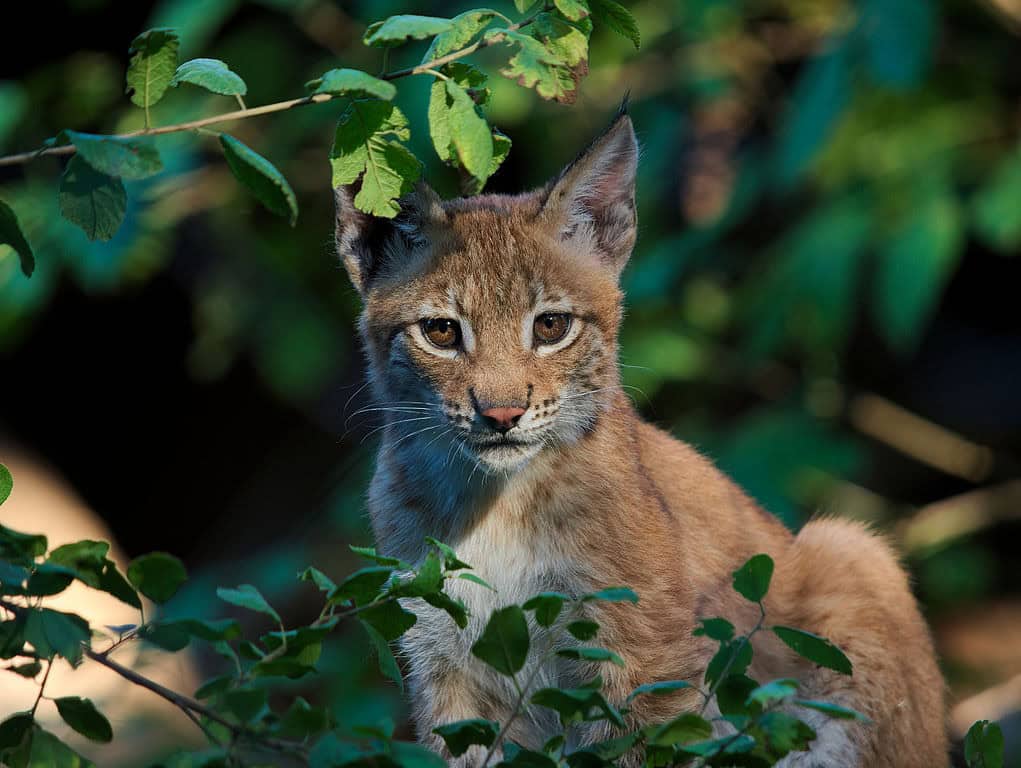
This medium-sized wild cat is found in forests of Europe and Siberia. The Eurasian lynx is recognized for its tufted ears and spotted coat. As a solitary and elusive predator, the lynx helps control the populations of grazing animals, supporting forest regeneration.
15. Earthworm

🔥 Would you like to save this?
We'll email this post to you, so you can come back to it later!
Earthworms are vital members of the terrestrial ecosystem, essential for soil health. Through their burrowing, they aerate the soil and facilitate nutrient cycling, which supports plant growth. Earthworms are a crucial food source for many birds and small mammals, showcasing their ecological importance.
Each animal plays an essential role in its respective ecosystem, underscoring the diversity and interconnectedness of life on Earth. From the massive elephant to the tiny earthworm, these species contribute uniquely to the biodiversity that sustains our planet.

As a little kid, I fell in love with nature, wildlife, and animals. Living in the USA, South Africa, Italy, China and Germany gave me the opportunity to discover the world's Wildlife. My favorite animals are Mountain Gorillas, Siberian Tigers, and Great White Sharks.
I'm a certified PADI Open Water Diver, went to Everest Base Camp and Trekked Gorillas in Uganda. I hold a Master of Science in Economics and Finance.
Please send any feedback to feedback@animalsaroundtheglobe.com
- 18 Powerful Lessons We Can Learn from Orca Social Structure - November 5, 2026
- 10 Incredible Migration Journeys in the Animal Kingdom - November 5, 2026
- 10 Sounds Dogs React To And 3 That Annoy Them - November 5, 2026