
Most gardeners think birds only start “getting ready” for winter when the first snowflake falls. They’re weeks late. By the night of the first hard frost, when temperatures drop to roughly 28°F or lower and tender plants turn black, your garden birds have already rewritten their menus, their sleeping arrangements and even their social circles.
You’ve probably watched half of this happen without knowing what you were seeing: the sudden feeder brawls, the oddly round robin, the garden that goes silent and then erupts. Below, we count down 15 behaviors that explain what’s really going on outside your window. A couple near the end may change how you tidy up your yard forever.
#15 – They Eat Hardest at the Edges of the Day
🔥 Would you like to save this?
We'll email this post to you, so you can come back to it later!
Birds don’t spread their meals evenly across the day, and the pattern gets sharper as nights get colder. If your feeder looks like a rush-hour subway at dawn and again before dusk, that’s no coincidence.
Small birds burn through their reserves overnight just staying warm. Some tiny species can lose as much as a tenth of their body weight on a freezing night. By first light they are at their leanest, which is why they arrive at the feeder desperate.
Many small songbirds deliberately gain fat during the day and burn it off overnight, repeating the cycle every 24 hours. It works like a daily budget that never gets a day off.
The timeline looks roughly like this:
- Early morning: thinnest point, urgent refueling
- Midday: steadier feeding to build a buffer
- Late afternoon: a final rush before the temperature drops
That budget gets even riskier at #14, where a bird can fail by gaining too much…
#14 – They Gain Fat on Purpose, Then Risk Getting Too Much
🔥 Would you like to save this?
We'll email this post to you, so you can come back to it later!
That “plump” bird on your fence isn’t getting lazy. It’s building a fuel tank.
In autumn, birds instinctively eat more berries, seeds and nuts to build up fat reserves. That energy supports migration for some species and helps others get through the long, cold nights.
But fat is a trade-off. Carry too little into a frigid night and the bird might not wake up. Carry too much and it becomes slower and easier prey for hawks.
That’s why high-fat foods like sunflower hearts, suet and peanuts matter more in late autumn than cheap filler mixes. A bird’s body weight is a daily gamble between starving and being caught.
Bargain seed mixes full of filler are a false economy. Birds often kick the filler out of the feeder and ignore it, leaving you with a mess and them with an empty stomach.
Worth Knowing
- Sunflower hearts: no husks to discard, so almost nothing is wasted.
- Suet: dense, concentrated energy that suits cold snaps.
- Peanuts: offer them plain and unsalted, ideally in a mesh feeder.
- Skip: salted, flavored or moldy food of any kind.
And once food gets this valuable, the neighbors stop being polite. First, though, comes #13, where birds stop acting like loners…
#13 – They Form Flocks and Stick Together
🔥 Would you like to save this?
We'll email this post to you, so you can come back to it later!
Birds that ignored each other in July suddenly travel in packs. One minute your garden is empty, and the next it’s a crowd.
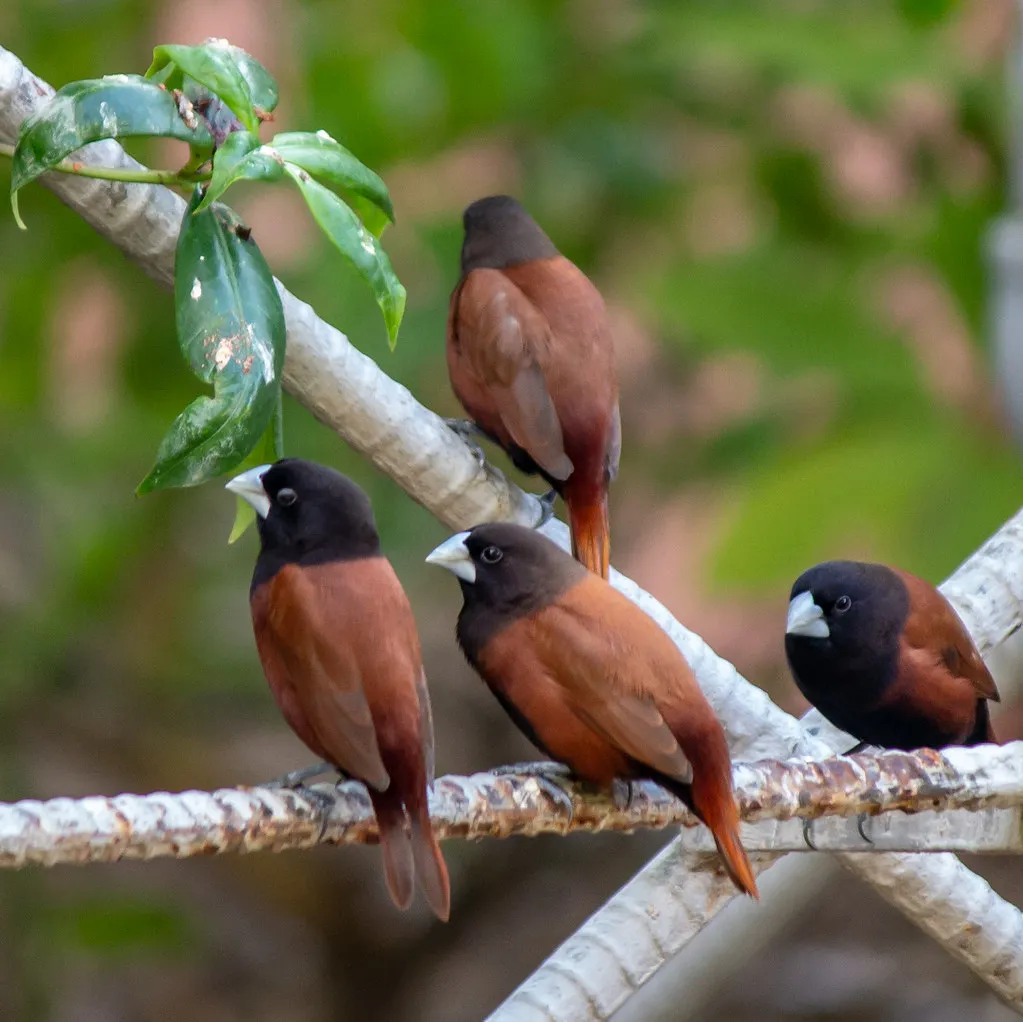
Many species form flocks in autumn, gathering in large numbers to feed and roost together. Tits, finches, sparrows and other small birds often move through gardens in loose parties. More eyes mean a predator is spotted sooner, and the whole group can react before one bird is caught off guard.
Flock life pays off in other ways too:
- Shared alarm calls
- Better odds of finding food patches
- Less time spent scanning for danger
Safety in numbers has a catch, though. Next up is #12, where the good manners end…
#12 – The Feeder Fights Get Ugly
🔥 Would you like to save this?
We'll email this post to you, so you can come back to it later!
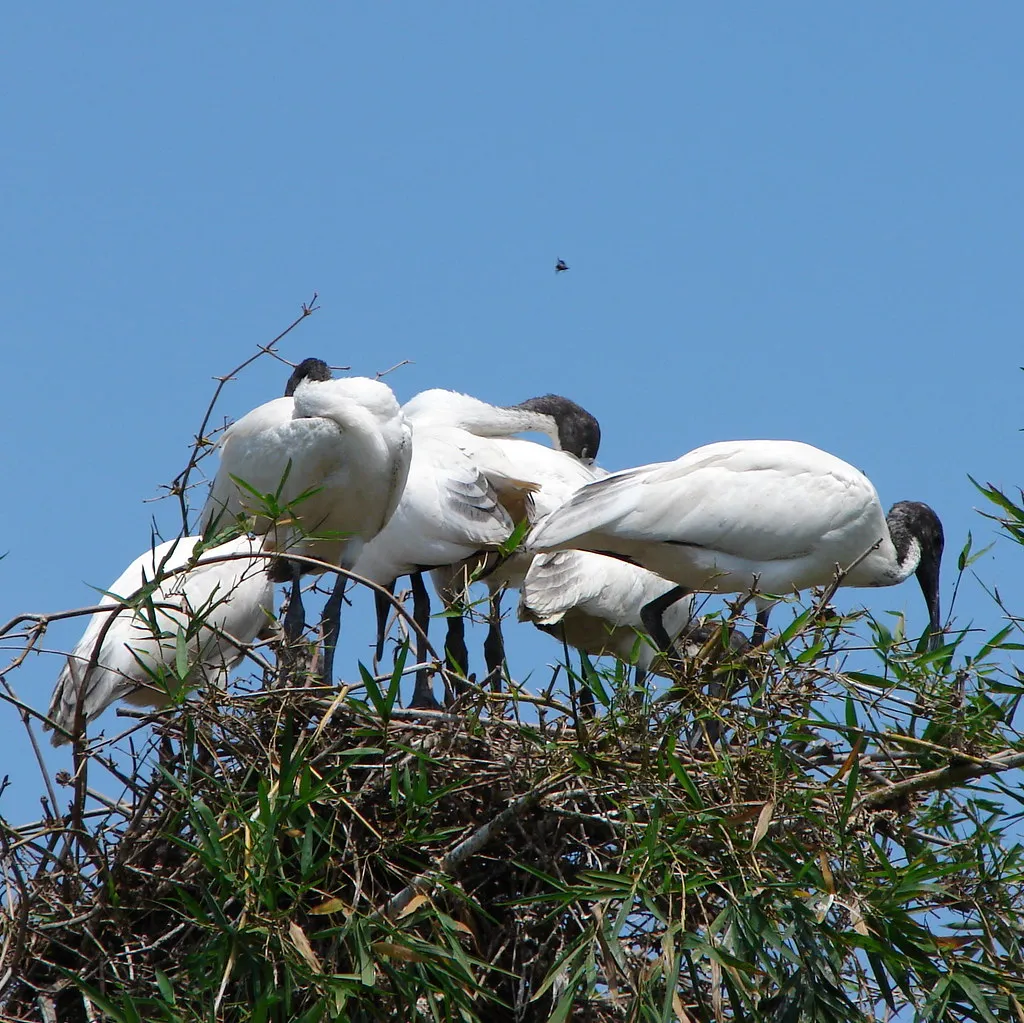
Your peaceful feeder is turning into a battleground, and it’s not your imagination.
Fights increase because every fatty seed suddenly matters, and dominant birds bully weaker ones off the best spots. Ranking counts for more when food is the difference between a good night and a bad one.
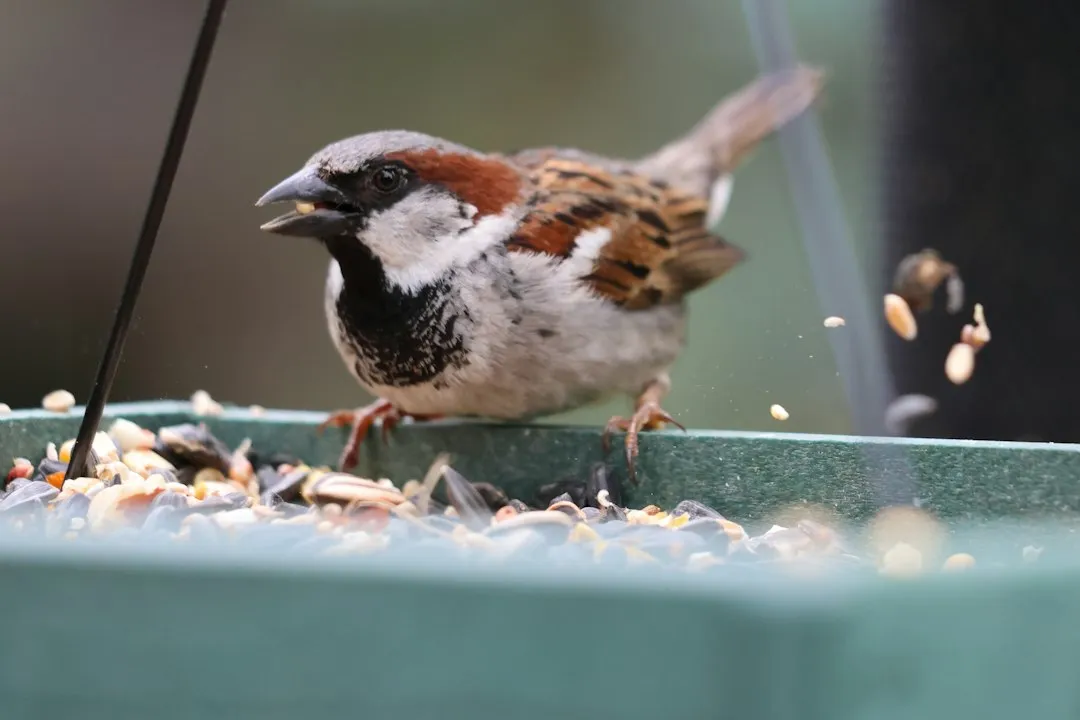
Watch closely and you’ll see a pecking order. Larger or older birds claim the best perches. Smaller birds dart in, grab one seed and retreat to eat it elsewhere.
Most people assume the bully is simply mean. It’s actually a bird protecting its overnight survival budget. Wildlife gardeners often suggest that one feeder is a recipe for conflict, while several feeders spaced apart give subordinate birds a way in.
While the fighting happens up top, something stranger is going on below, at #11, right under your lawn…
#11 – Ground Feeders Abandon the Worm Buffet
🔥 Would you like to save this?
We'll email this post to you, so you can come back to it later!
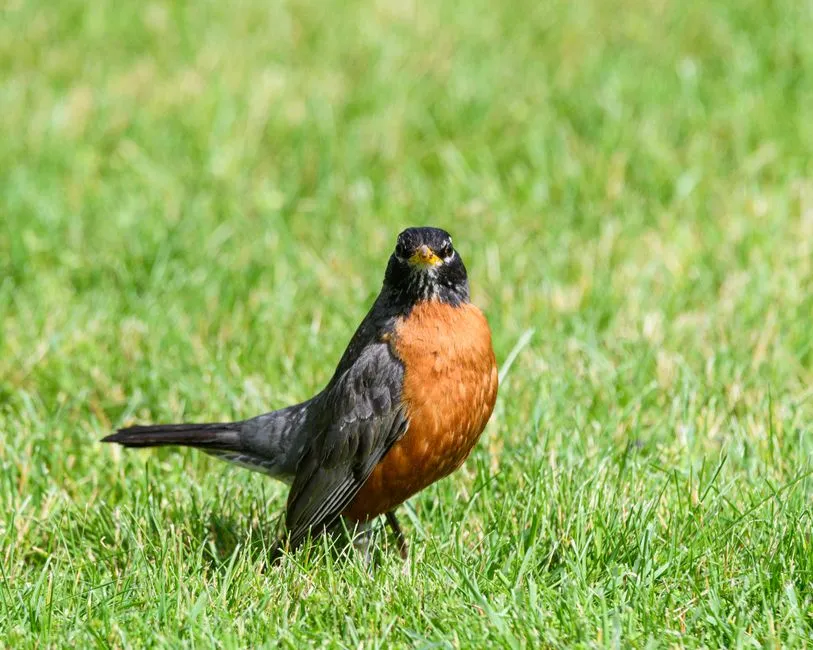
Your robin isn’t ignoring the lawn out of boredom. The menu has changed.
Cold soil pushes earthworms deeper, so the easy pickings vanish. Robins, thrushes and other ground-feeding birds shift hard toward berries and seeds.
That’s why berry shrubs suddenly get raided. Hawthorn, holly, rowan, cotoneaster and similar plants turn into pantries almost overnight.
Here’s the controversial part. Many wildlife gardeners argue that a pristine, striped lawn is ecologically close to a desert for birds in late autumn. A bit of rough edge, a berry hedge and an undisturbed border offer far more food.
You may like a tidy lawn. The thrushes don’t.
Berries are the visible pantry. The hidden one is #10, and it looks like a secret bank…
#10 – They Run a Secret Network of Food Stashes
🔥 Would you like to save this?
We'll email this post to you, so you can come back to it later!
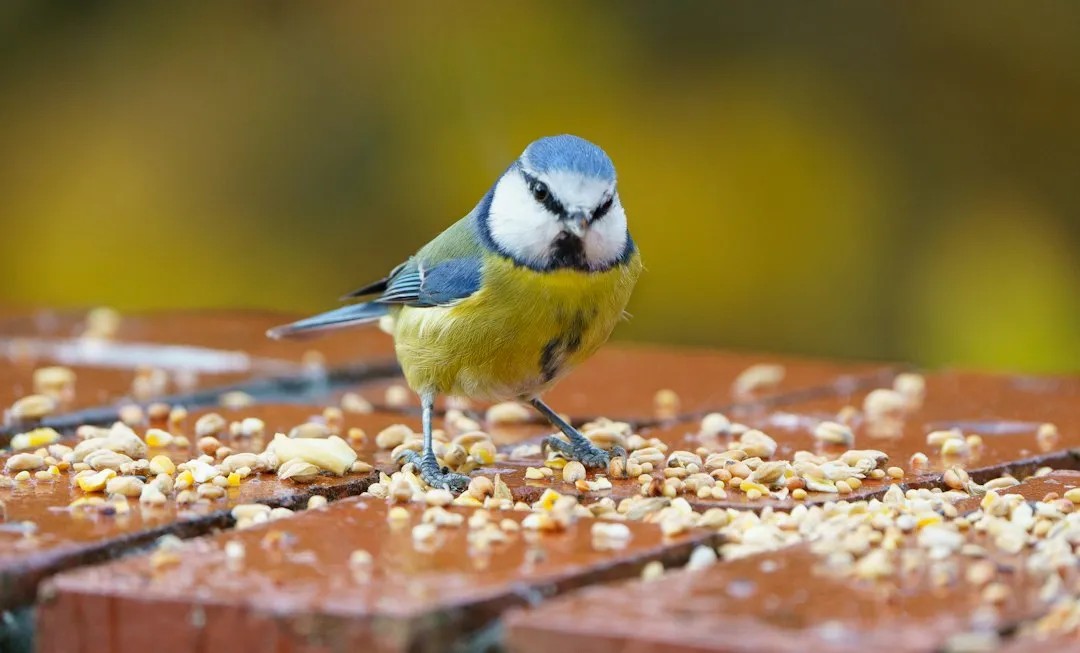
Some of your garden birds are hiding food right now, in places you walk past every day.
Many jays, woodpeckers, nuthatches, chickadees and titmice begin caching food, storing it instead of eating every morsel. Seeds go into bark crevices, fence posts and dead stalks.
The strategy is called scatter hoarding. Each item goes into its own spot, not into a pile. If one cache is raided, the bird loses a single seed instead of a whole stockpile.
Some birds may use dozens or even hundreds of hiding places and revisit them throughout winter as other foods dwindle. The bird isn’t saving food for tomorrow. It’s building a winter bank account with hundreds of tiny deposits.
But how does a bird the size of your fist remember hundreds of hiding spots? The answer, at #9, is inside its head…
#9 – Their Brains Physically Prepare for Winter
🔥 Would you like to save this?
We'll email this post to you, so you can come back to it later!
The most surprising change isn’t on the outside. It’s in the bird’s head.
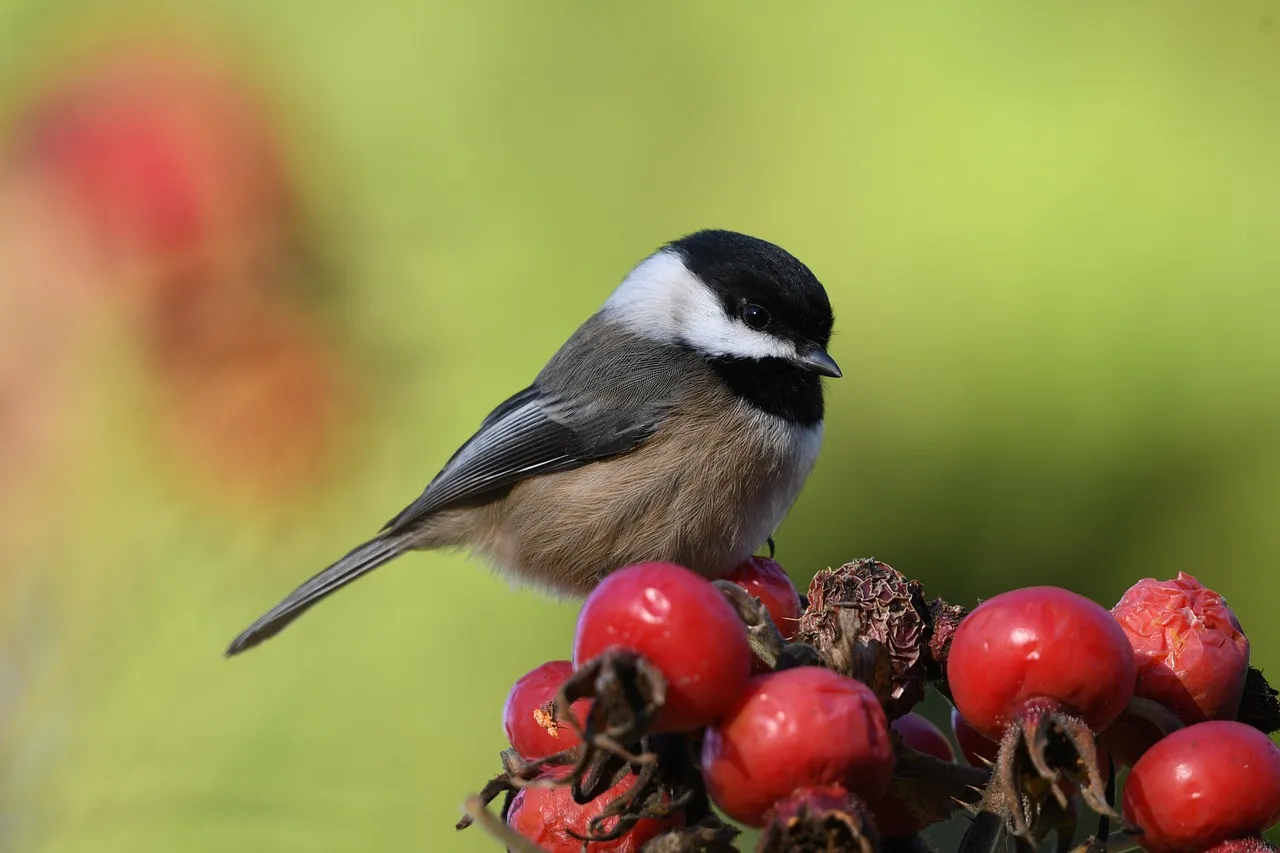
Finding hundreds of hidden seeds takes serious spatial memory. Research on chickadees suggests the hippocampus, the brain region tied to spatial memory, changes with the seasons and is especially active in fall, when caching peaks.
This isn’t a party trick. It’s survival gear. A bird that forgets where it hid its seeds has wasted its energy and loses a meal it can’t afford. A tiny bird essentially upgrades its memory just before the season that tests it hardest.
Fast Facts
- Brain region: the hippocampus, linked to spatial memory.
- Peak season: fall, when caching is at its height.
- Size check: a chickadee weighs roughly as much as two or three nickels.
- Payoff: seeds retrieved weeks or months after they were hidden.
The next time you see a chickadee grab a seed and fly off, don’t assume it’s greedy. It’s filing something away.
Not every bird caches heavily, though. Some species rely on constant foraging and on flocks that know where food is.
The champion hoarder is #8, and you may have cursed it for wrecking your flowerbed…
#8 – Jays Turn Your Garden Into a Storage Yard
🔥 Would you like to save this?
We'll email this post to you, so you can come back to it later!
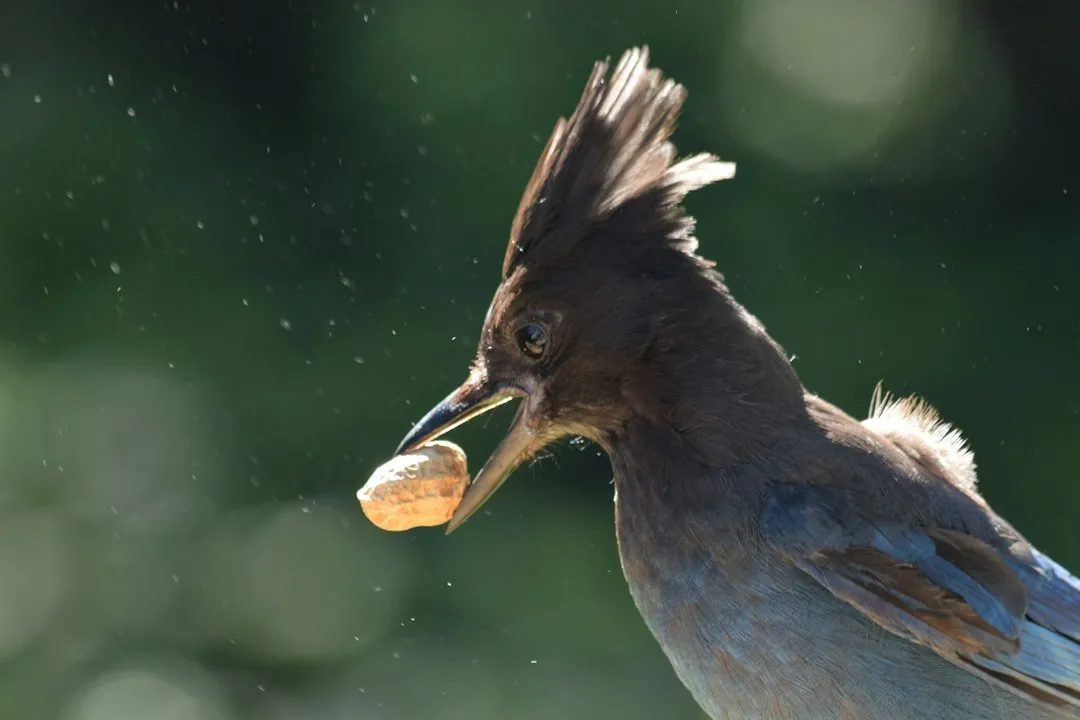
Jays are the heavy-duty hoarders of the bird world, and they aren’t tidy about it.
They gather acorns and nuts and bury or tuck them into lawns, plant pots and gaps all over the garden. A single jay can bury thousands of acorns in one autumn, and it often retrieves them weeks or months later.
Some stashes are never found again, and that accident has consequences. Forgotten acorns can sprout, which means jays have helped oak woodlands spread.
Gardeners often curse the bird for digging up bulbs or flowerbeds. But that disruption usually means a jay is working through a storage plan, not simply vandalizing your border.
Jays plant the future. At #7, birds harvest the present, and most gardeners ruin the harvest…
#7 – They Strip Your Seed Heads Before You Can Cut Them
🔥 Would you like to save this?
We'll email this post to you, so you can come back to it later!
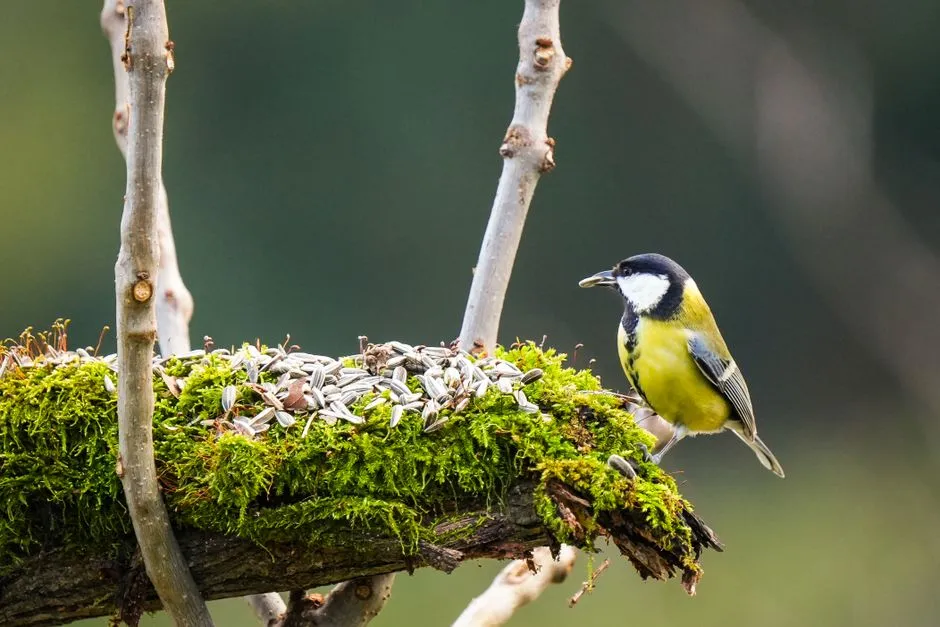
That brown, ragged flower border is a late-season restaurant, and it’s open for business.
In the days before a hard frost, goldfinches, sparrows, juncos and others swarm the seed heads of coneflower, black-eyed Susan and goldenrod. They know exactly when the seed is ripe.
Here’s the mistake many gardeners make. They rush to cut back every stem the minute the flowers fade. They are throwing away free, high-quality bird food that took all summer to grow.
Plants worth leaving standing include:
- Coneflowers
- Black-eyed Susans
- Goldenrod
- Teasel and sunflowers, where space allows
If you’ve ever raked your beds clean, #6 may sting a little…
#6 – They Work the Leaf Litter Like Professionals
🔥 Would you like to save this?
We'll email this post to you, so you can come back to it later!
The messy corner you keep meaning to clear is a feeding station.
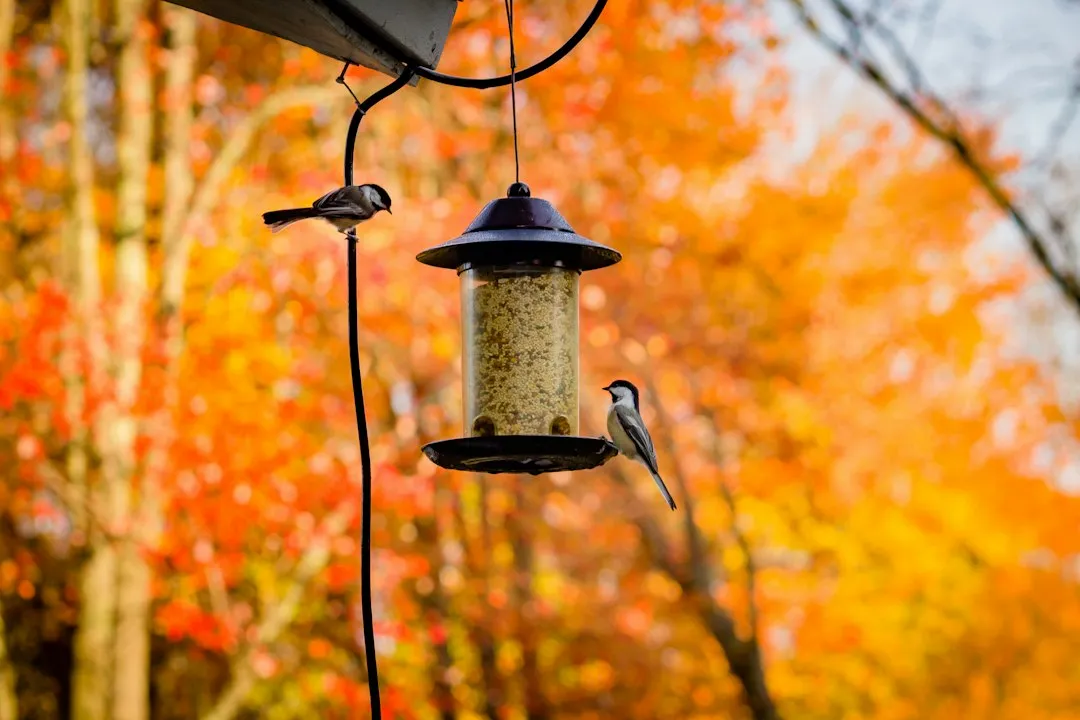
Fallen leaves hide insects, spiders, larvae and seeds. Chickadees and titmice work the edges of leaf piles daily, and sparrows scratch through them with both feet.
The frantic scratching you see under a feeder follows the same logic. Birds are wringing the last calories from the ground before snow buries the buffet.
Many people believe a clean garden is a healthy garden. Wildlife gardeners argue the opposite for birds. Raking everything away strips out one of the best cold-weather food sources in the garden. One leaf pile left under a hedge can change the picture.
Quick Compare
- Raked bare bed: little cover, few insects, nothing to scratch through.
- Leafy corner: a steady supply of spiders, larvae and seeds, plus shelter from wind.
Food is only half the survival equation. At #5, a few inches decide who makes it to morning…
#5 – They Hunt for Microclimates
🔥 Would you like to save this?
We'll email this post to you, so you can come back to it later!
Birds know which three square feet of your garden are the warmest.
Frost isn’t uniform. Walls, fences and dense evergreens create pockets that stay slightly warmer and less windy. Birds roost on the lee side of trunks, feed where snow melted first near foundations, and crowd into dense evergreens during wind gusts.
A few degrees can be a big saving when a bird has nothing to burn but its reserves. A sheltered perch can cut the energy a bird loses in a single night.
Watch where birds sit on a cold morning. They usually face the sun, tuck in against a wall or hold still deep in a hedge.
Those sheltered birds look a certain way, and at #4 almost everyone reads it wrong…
#4 – They Fluff Up and Fool You Into Thinking They’re Fat
🔥 Would you like to save this?
We'll email this post to you, so you can come back to it later!
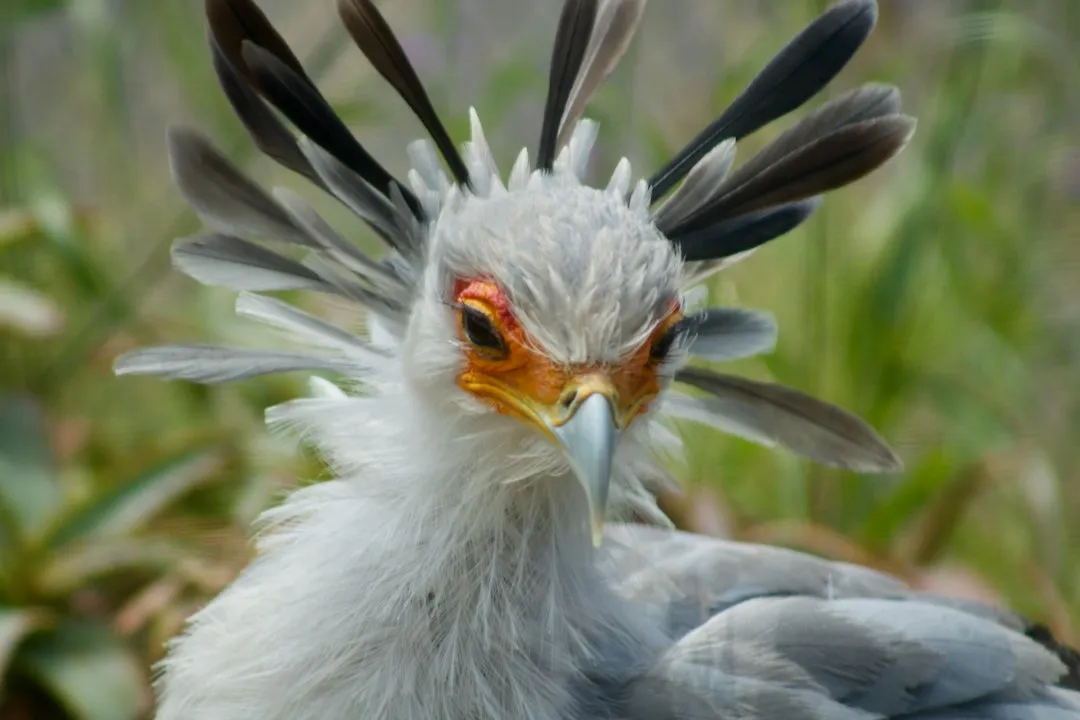
That round, puffy bird isn’t overweight. It’s wearing a feather coat.
Birds may look fat on cold days, but they’re actually fluffed up, using their feathers to trap air that insulates them. The rounder look is a heating strategy.
They adjust other parts of the body too. Many tuck their bills into their back feathers. Many stand on one leg, pulling the other into the warmth of their plumage.
Some birds also grow denser, better-insulating plumage for the cold months. A fluffed-up bird in the morning is often a bird that has just survived a cold night.
A warm coat is great, but a warm bed is better. At #3, the house-hunting begins now…
#3 – They Scout Their Overnight Shelters
🔥 Would you like to save this?
We'll email this post to you, so you can come back to it later!
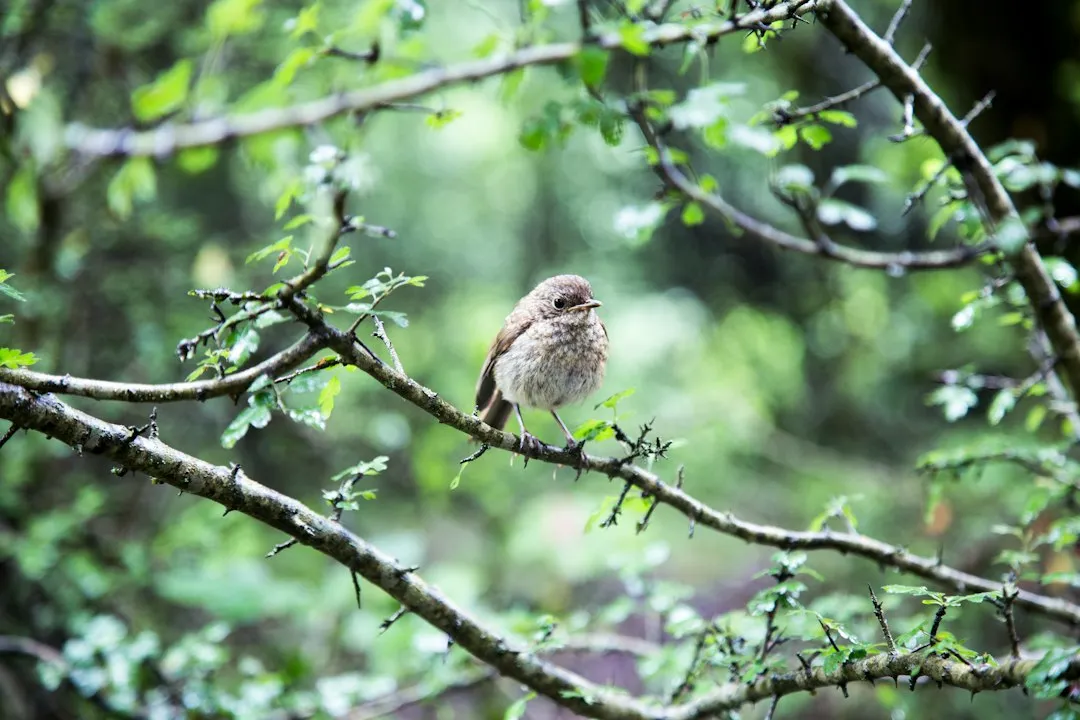
Before the cold arrives, birds are already choosing where they’ll sleep.
Garden birds seek sheltered roosting spots in dense shrubs, evergreen trees, and sometimes bird boxes or other roosting pockets. A bird that picks well wakes up with more energy left.
You may see birds checking out nest boxes in autumn. That isn’t confusion. It’s house-hunting for winter, not for breeding.
Good roost sites share a few features:
- Shelter from wind and rain
- Cover from predators
- A tight space that holds warmth
Many people clean out boxes only in late winter. Wildlife gardeners often suggest autumn is the better window, so the box is dry, clean and ready when birds start looking.
At a Glance
- Clear out: remove old nesting material once the breeding season is over.
- Let it dry: a damp box is a cold box.
- Check the entrance: keep the hole clear and the box fixed firmly in place.
- Mind the weather: position it out of the prevailing wind.
Now picture a roost that’s a little too cozy. #2 breaks every “loner” rule…
#2 – They Squeeze Together in Shocking Numbers
🔥 Would you like to save this?
We'll email this post to you, so you can come back to it later!
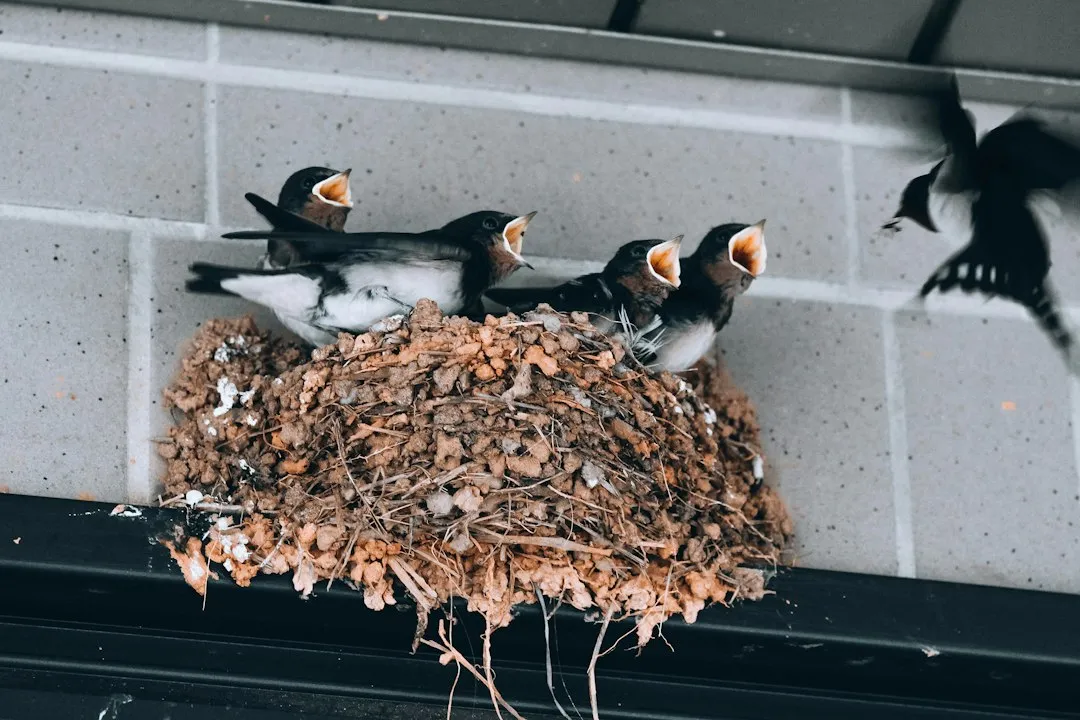
Some birds that spend the day as fierce rivals sleep pressed against each other at night.
Huddling conserves body heat, and roosting together also improves the chance of surviving predators. It’s a double benefit.
Wrens are the record-holders. In 1969, 61 wrens were found roosting together in a single nest box in Norfolk. These are birds the size of a small ball of fluff, sharing a space smaller than a shoebox.
Bigger roosts happen too. Starlings gather in the hundreds or thousands before dusk, wheeling across the sky before dropping into a sheltered spot.
All of that is visible if you look. The last behavior happens while you sleep…
#1 – Whole Cast Lists Change Overnight
🔥 Would you like to save this?
We'll email this post to you, so you can come back to it later!
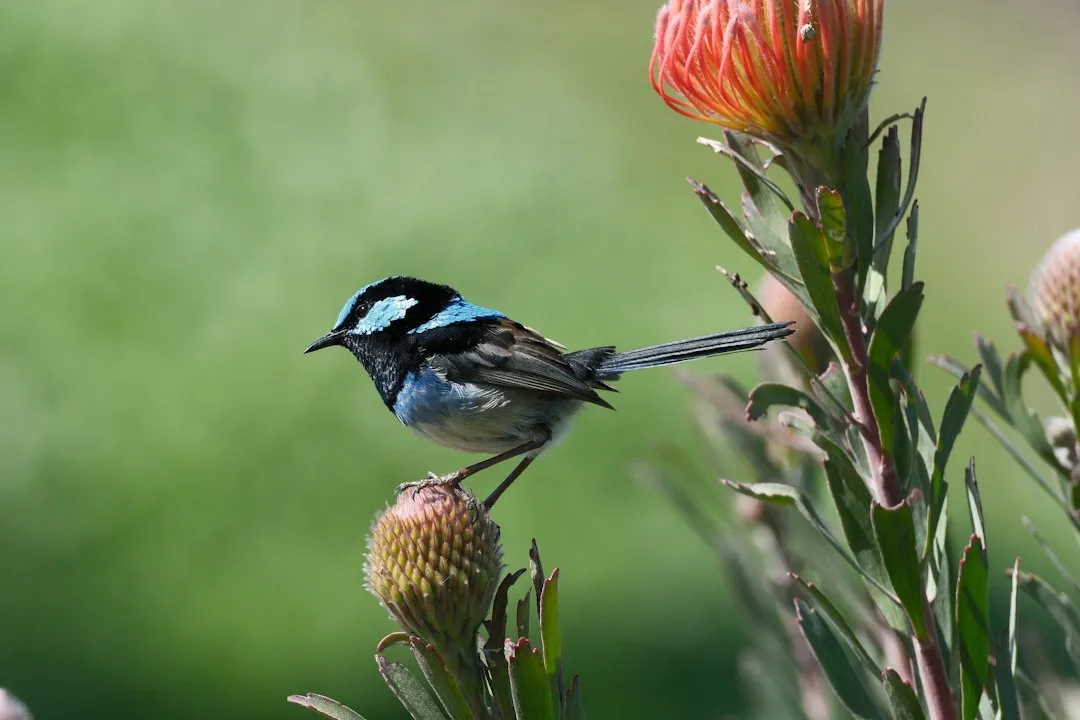
The most dramatic behavior of all is a quiet one: the birds you know are suddenly gone.
Many songbirds migrate under cover of darkness, so you may never see the departure. One evening the garden is busy. The next morning it feels oddly empty.
But the garden is never empty for long. Winter visitors move in, and resident birds shift to different foods and territories. Birds that stay year-round adapt, relying more on berries, seeds and other available foods.
The birds at your feeder in January are often not the same individuals you saw in August, even if the species look familiar.
So a sudden change in who visits is rarely a mystery. It’s the final stage of a preparation that began weeks earlier. Your garden hasn’t gone quiet. It has just changed its cast.
Most people see garden birds as simple creatures. The weeks before a hard frost show something else: they plan, budget, hide, remember and cooperate, all before you’ve found your winter gloves.
Here’s our view, and we’ll stand by it. Tidiness is the biggest mistake gardeners make in autumn. Cutting every stem and clearing every leaf removes food and shelter exactly when birds need them most. A slightly scruffy garden with fat-rich food, a few evergreens and a clean nest box beats any spotless lawn.
So here’s the real question. Would you leave one border uncut this year, or is a tidy garden still worth more to you than a thriving one?

- 8 Fascinating Facts About Owls You Never Knew - November 5, 2026
- 10 Plants That Repel Mosquitoes in Texas - November 5, 2026
- What Egyptian God Are You According to Your Zodiac Sign - November 5, 2026