
A bison wanders into view, and for about ten seconds a family is as happy as a family can be. Then someone steps off the pullout for a better shot, and the mood changes. Park staff watch this exact moment play out every season, and the patterns are surprisingly consistent. Here are the 15 conclusions they keep reaching, and the first one is not about animals at all.
Most people assume the risky part of wildlife watching is the animal. Park guidance points the other way. Each year, visitors are injured by wildlife after approaching too closely, and the trouble usually starts with the audience. Some of these findings will sound obvious, but a few might make you rethink your last family trip. Stay for #1, because it changes what a good sighting actually means.
#15 – Almost Nobody Checks the Rules First
🔥 Would you like to save this?
We'll email this post to you, so you can come back to it later!
The most important wildlife rule is the one families read last.
Families arrive excited and head straight for the viewpoints. The distance rules get skipped, and the food storage rules get skipped right along with them. Most people don’t realize those rules differ from park to park.
Every park sets its own guidelines, including minimum viewing distances, and the NPS suggests checking the website, the app, or asking a ranger. That takes a few minutes. It is also the step most visitors skip.
Here is the mistake in practice:
- Assuming one park’s distance rule applies everywhere
- Reading the rules only after an animal appears
- Leaving all the planning to one adult
Olympic National Park, for example, asks for a minimum of 50 yards. A family that memorized a different number at another park could be breaking the rule without knowing it. Making one kid the official “rule reader” for the day is a small trick that gets everyone involved.
But that’s nothing compared to what happens the moment an animal actually appears, which is #14…
#14 – The First Instinct Is to Step Closer
🔥 Would you like to save this?
We'll email this post to you, so you can come back to it later!
The moment a family spots an animal, everyone leans in.
People point, whisper, raise their phones, and drift toward the animal without noticing. Almost nobody backs away on instinct. It is human nature, and it is exactly what staff see on repeat.
Experts say that instinct is the problem. The NPS gives a simple test: you’re too close if an animal reacts to you, and you should move back if animals come near. The animal is telling you where the line is, and it is not shy about it.
The lean-in reflex is hard to override once the excitement starts. That is why rangers stress deciding on a plan before anyone sees an animal. A family that has agreed to “stop at the pullout and use binoculars” reacts very differently from one making it up as they go.
But even a family that wants to stay back has a bigger problem than instinct, and it’s our next finding…
#13 – Everyone Misjudges Distance
🔥 Would you like to save this?
We'll email this post to you, so you can come back to it later!
“We were far enough away” is the most common claim and the least reliable one.
Humans are bad at judging yardage outdoors, especially with a big animal in view. Large animals tend to look farther away than they really are, and open landscapes make it worse.
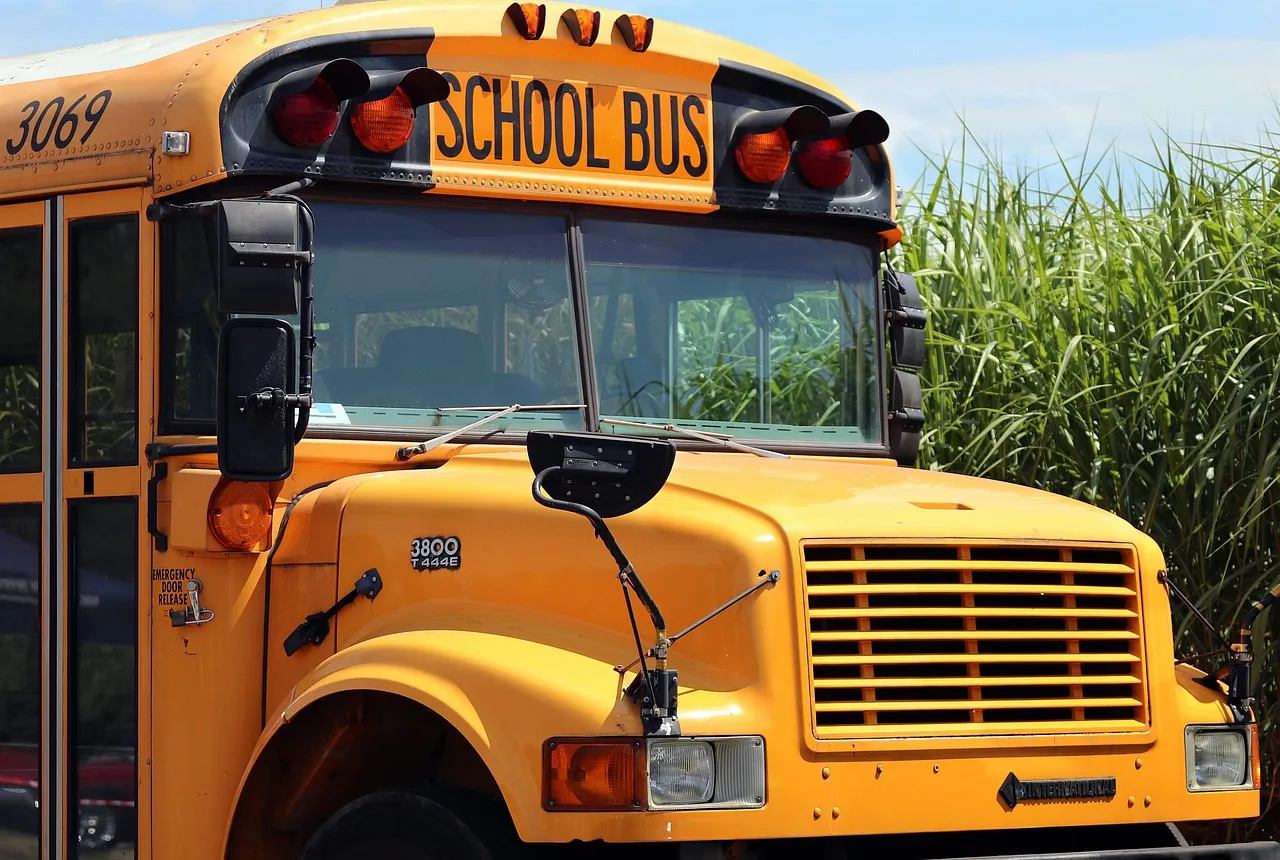
That is why the NPS uses school buses as a visual aid. 75 feet (25 yards) is about two bus lengths, and 150 feet (50 yards) is about four. Picture that gap and compare it with where your family is standing.
Quick Compare: Distance in Bus Lengths
- 25 yards (75 feet): about 2 school buses, the baseline for squirrels and most wildlife
- 50 yards (150 feet): about 4 school buses, the minimum at Olympic National Park
- 100 yards (300 feet): about 8 school buses, the distance for bears
Most people don’t realize how large that last gap is until they picture it. A long adult stride is roughly a yard, so 25 yards is about 25 big steps, which is a lot more space than it feels like.
The truth: if you can read an animal’s expression with your naked eye, you are almost certainly too close.
But the loudest lesson in distance comes from the smallest observers in the group, as #12 shows…
#12 – Kids Copy the Adults, Not the Signs
🔥 Would you like to save this?
We'll email this post to you, so you can come back to it later!
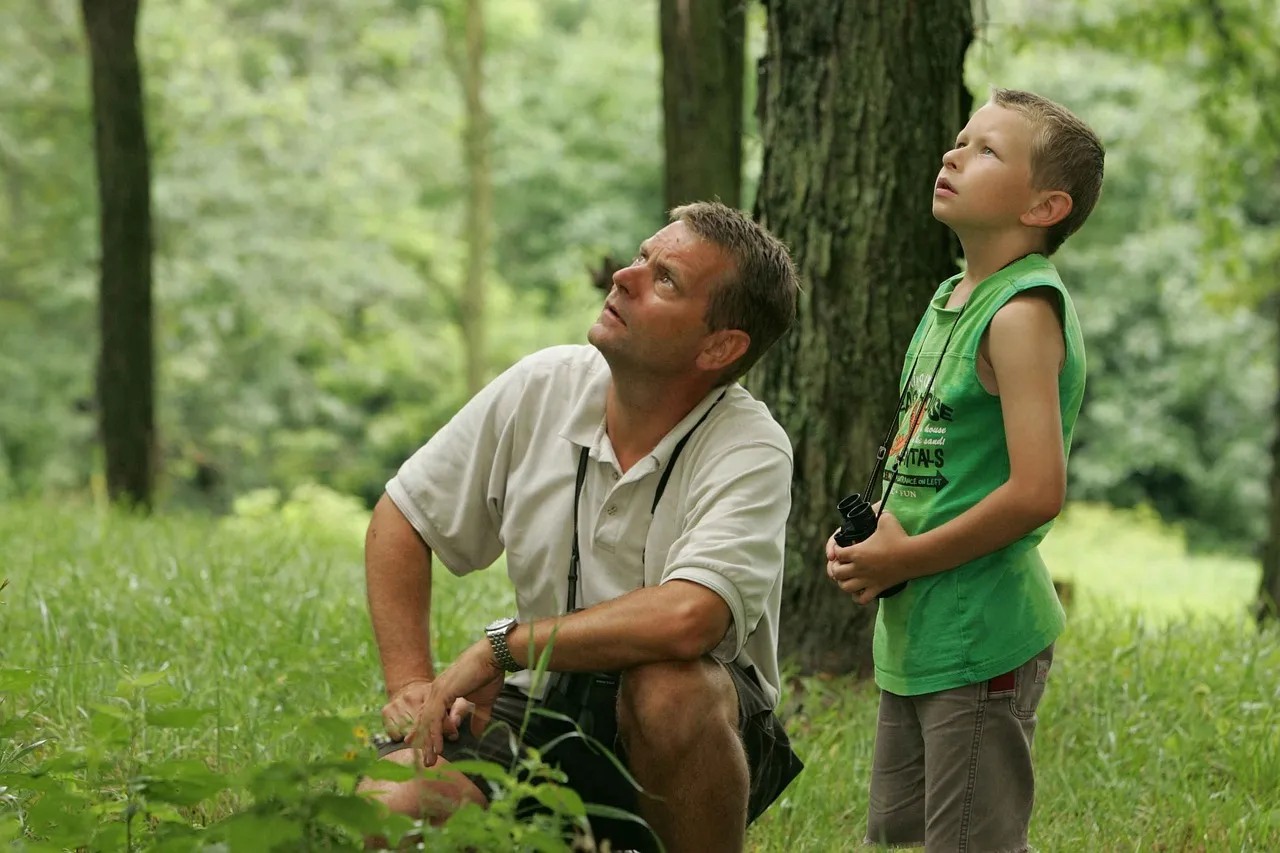
A child’s behavior around wildlife follows the nearest adult.
Children pick up cues from the adults around them. If a parent creeps closer for a better view, a child will likely do the same. That is ordinary social learning, not misbehavior.
The reverse also works. A parent who stops, lowers their voice, and reaches for binoculars is teaching the whole group without saying a word. Kids notice who goes quiet, who moves first, and who takes a step back.
The lesson from the family dynamic is simple:
- Adults set the distance
- Kids copy the body language
- A calm adult makes a calm group
Here’s an opinion some will dispute: lecturing children on rules works worse than modeling the behavior. Many parents disagree and rely on firm warnings instead. Either way, the example you set is the one that sticks.
But the real distance-killer isn’t a child at all. It’s what’s in the family’s hands, which is #11…
#11 – The Phone Is Secretly the Biggest Risk
🔥 Would you like to save this?
We'll email this post to you, so you can come back to it later!
Cameras make people braver than they should be.
A screen turns a live animal into something that feels like a video. That mental distance is false. The animal doesn’t know it’s being filmed, and it can still react.
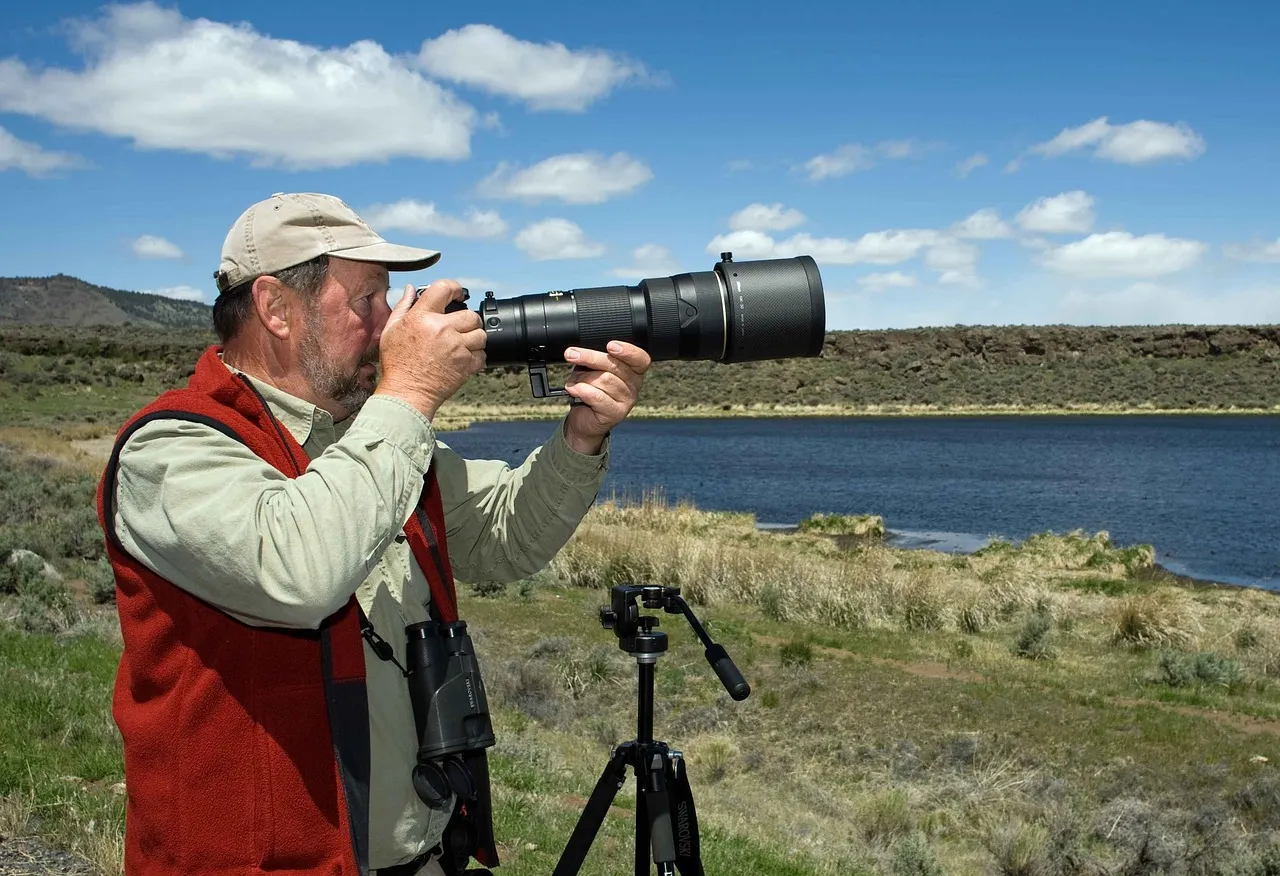
The mistake most families make is relying on the phone’s wide default lens. Animals look tiny in the frame, so people step forward to fill the screen. Then they step forward again, and now the phone is the thing deciding where the family stands.
The fix is easy. Yellowstone advises binoculars or telephoto lenses for safe viewing and to avoid disturbing wildlife. Zoom is the safe way to get the close-up, and cropping later is better than stepping closer now.
The park message is blunt: never approach a bear to take a photo. That applies to every animal, not just bears.
But the best tool for a family isn’t a camera at all, as we found in #10…
#10 – Binoculars Change the Whole Experience
🔥 Would you like to save this?
We'll email this post to you, so you can come back to it later!
One pair of binoculars can turn a nervous crowd into a patient family.
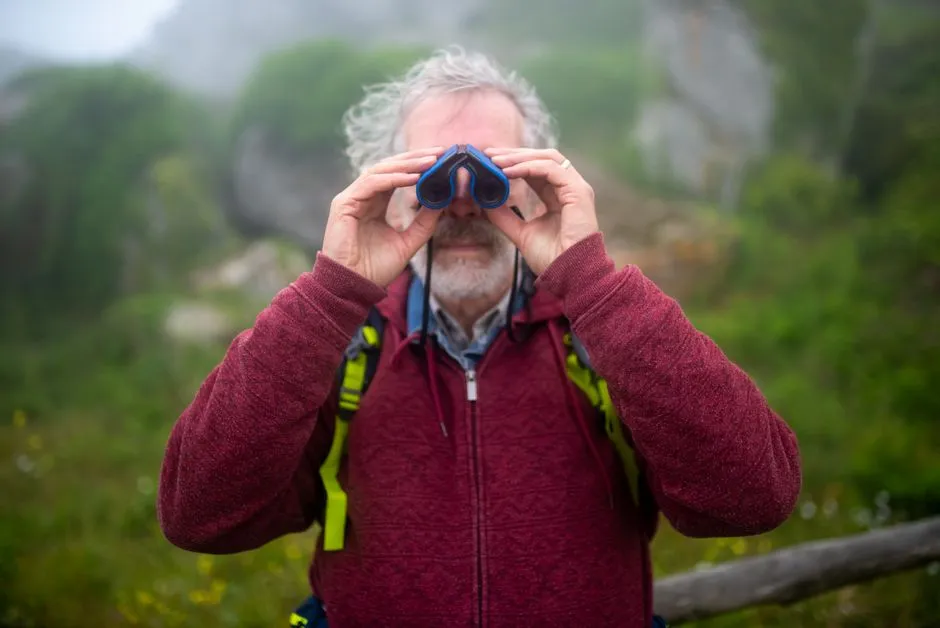
Park staff consistently recommend optics. Binoculars, spotting scopes, or long lenses give close views and photographs without crowding the animal.
Optics also change what people see. Instead of a distant shape, a family notices behavior: grazing, grooming, calling, and watching its surroundings. Those details keep kids engaged far longer than a quick glance.
Why It Stands Out
- Close views without crowding the animal
- Shows real behavior, not just a distant shape
- Works as a built-in distance check for the whole group
- Gives restless kids a job as the family “spotter”
Here is a hot take: binoculars are a better family purchase than another souvenir. Some travelers still insist that real wildlife viewing means being close. Park guidance leans the other way, and the natural behavior it describes tends to disappear when people crowd in.
A cheap pair shared among the kids also works as a built-in distance rule. If you need the binoculars to see it, you are probably the right distance away. Handing a child the job of “spotter” gives them something to do besides inch forward.
But even with the right gear, families make another costly mistake in groups, which is #9…
#9 – Roadside Crowds Create Their Own Hazard
🔥 Would you like to save this?
We'll email this post to you, so you can come back to it later!
Sometimes the biggest problem isn’t the animal. It’s the traffic jam.
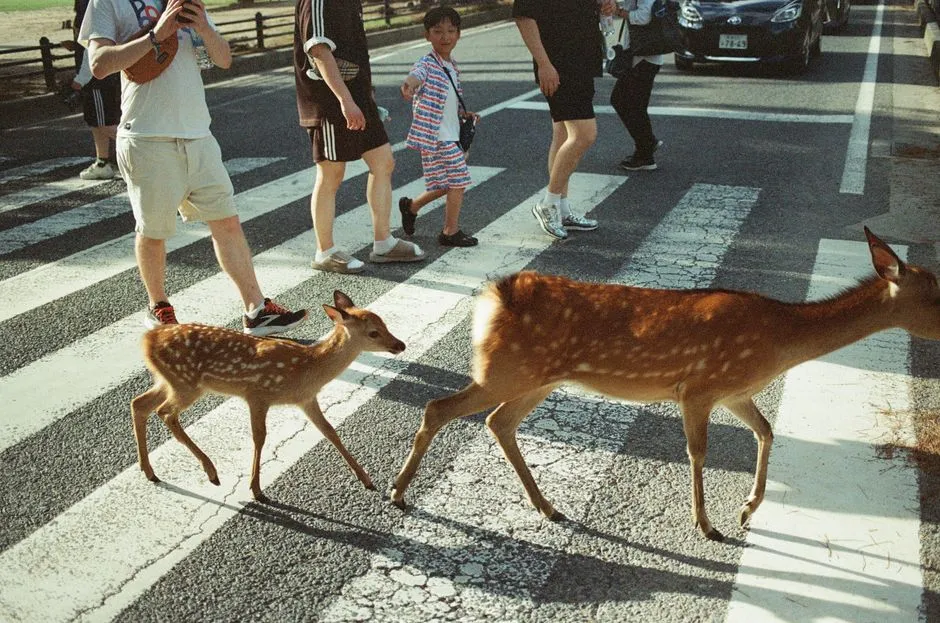
When one car stops, others follow. People pile out and cluster at the roadside. A crowd can press in on the animal and block the road at the same time.
The guidance is clear. Yellowstone asks visitors to use roadside pullouts when viewing wildlife. Stopping in the lane puts everyone at risk, including drivers who didn’t see the commotion coming.
Another controversial view: many seasoned visitors now consider roadside “animal jams” the most overrated part of a park trip. The animal is often far off, the crowd is loud, and the experience is rushed. Plenty of travelers love them anyway, so this one is up for debate.
For families, the lesson is to park legally, stay near the vehicle, and keep voices low. A parked car also makes a decent viewing blind. A crowd that behaves like observers rather than a mob is far less stressful for everyone, animal included.
But timing matters more than most families realize, which brings us to #8…

Glass Hummingbird Feeder for Outdoors Hanging
Check Price on AmazonAs an Amazon Associate, we earn from qualifying purchases.
10/7/2026 1:21 pm GMTi

Hand Blown Glass Hummingbird Feeders for Outdoors Hanging, 24oz Wild Bird Nectar Feeder
Check Price on AmazonAs an Amazon Associate, we earn from qualifying purchases.
10/7/2026 1:23 pm GMTi

Dog Stairs for Bed 18" H, 4-Step Dog Steps for High Bed
Check Price on AmazonAs an Amazon Associate, we earn from qualifying purchases.
10/9/2026 2:42 pm GMTi

Portable Dog Water Bottle Foldable Dog Travel Water Bottle
Check Price on AmazonAs an Amazon Associate, we earn from qualifying purchases.
10/7/2026 1:29 pm GMTi

Halloween Cat Costume Cloak Witch Hat Pet Accessories
Check Price on AmazonAs an Amazon Associate, we earn from qualifying purchases.
10/9/2026 2:44 pm GMTi
#8 – Timing Beats Luck
🔥 Would you like to save this?
We'll email this post to you, so you can come back to it later!
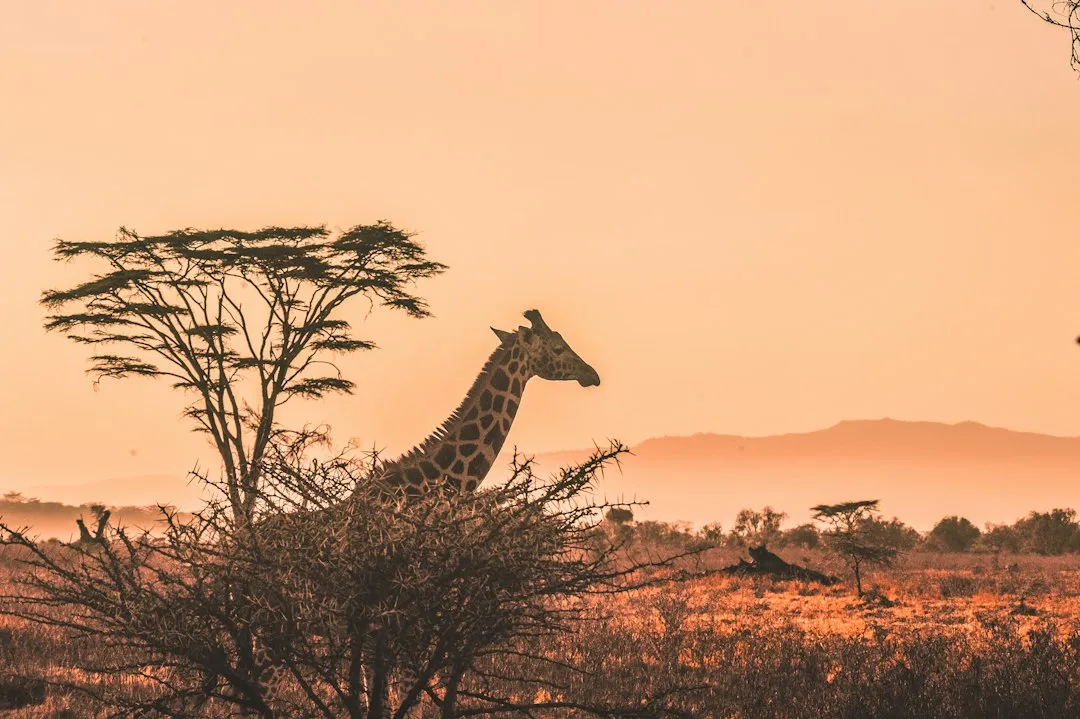
Families who see the most wildlife usually just show up at the right hours.
Animals follow daily rhythms. Yellowstone notes that early morning and evening are when animals tend to be feeding and are more easily seen.
That means a midday stop often disappoints, and disappointment pushes families toward bad decisions. Kids get restless, adults start hunting for the animal, and someone wanders off the path to look.
Patience at the right hour beats wandering at the wrong one. A family that arrives at dawn with snacks and binoculars is far more likely to have a calm, memorable sighting.
Habitat helps too. Habitat preferences and seasonal cycles of movement determine, in a general sense, where a particular animal may be at a particular time. A ranger or visitor center can tell you where to look and where animals have recently been seen.
But the most tempting mistake of all involves food, which is #7…
#7 – “Just One Cracker” Is Never Harmless
🔥 Would you like to save this?
We'll email this post to you, so you can come back to it later!
The friendliest-looking moment is often the most damaging one.
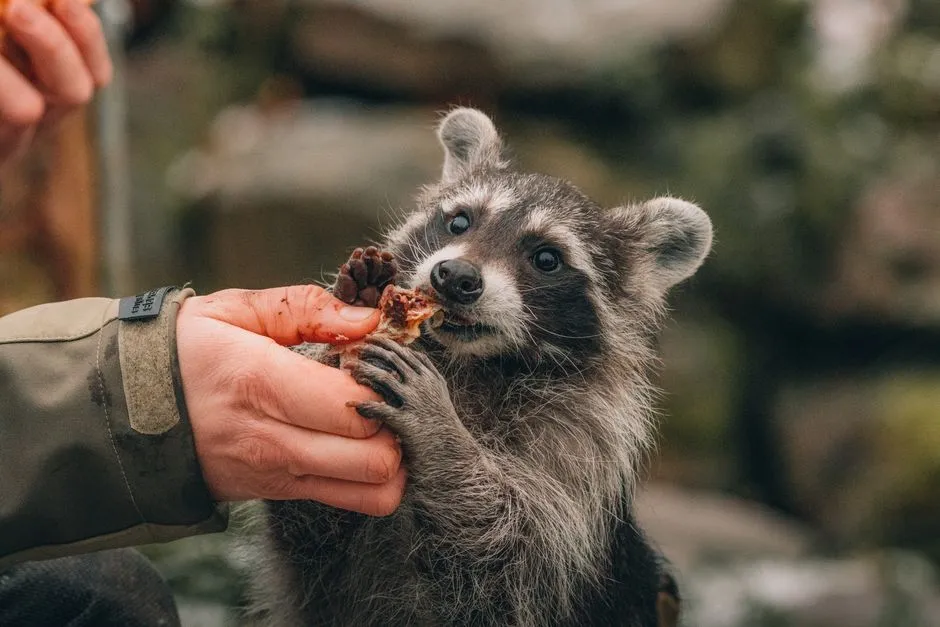
A child holds out a snack, a squirrel creeps closer, and the whole family laughs. It feels like the best photo of the trip. Park staff see it as a serious problem.
The rule is blunt. Never feed wildlife, even birds and squirrels. The NPS also says it is illegal to feed, touch, tease, frighten, or intentionally disturb wildlife.
Here is what experts say happens next:
- Animals learn to link people with food
- They approach visitors more boldly
- Bold animals are more likely to cause conflicts
The widely used ranger slogan, “a fed bear is a dead bear,” exists because food-conditioned animals can end up being removed. A kind gesture can have a harsh outcome. The animal pays for the family’s good mood.
But the cute ones aren’t the only risk. The small animals deserve a closer look in #6…
#6 – Small Animals Get Dangerously Casual Treatment
🔥 Would you like to save this?
We'll email this post to you, so you can come back to it later!
Families will keep a respectful distance from a bear and then reach toward a chipmunk.
Size changes behavior. People treat small animals like pets. They are not.
The park message is that wildlife in parks is wild and can be unpredictable when disturbed or surprised. Contact can harm both people and animals, including injury and disease. That includes the small ones.
The NPS distance guide starts with a squirrel at 25 yards, or two school bus lengths. Most visitors have never heard that, and most squirrels at a picnic area have never been told either.
Here’s an opinion that may annoy some readers: “cute” is the most dangerous word in wildlife watching. It lowers guard faster than any warning sign. Many families disagree and see small animals as harmless fun. The park guidance doesn’t.
But there’s another group families underestimate even more, as #5 reveals…
#5 – “Plant-Eaters Are Safe” Is a Costly Myth
🔥 Would you like to save this?
We'll email this post to you, so you can come back to it later!
Grazers can hurt you as easily as predators can.
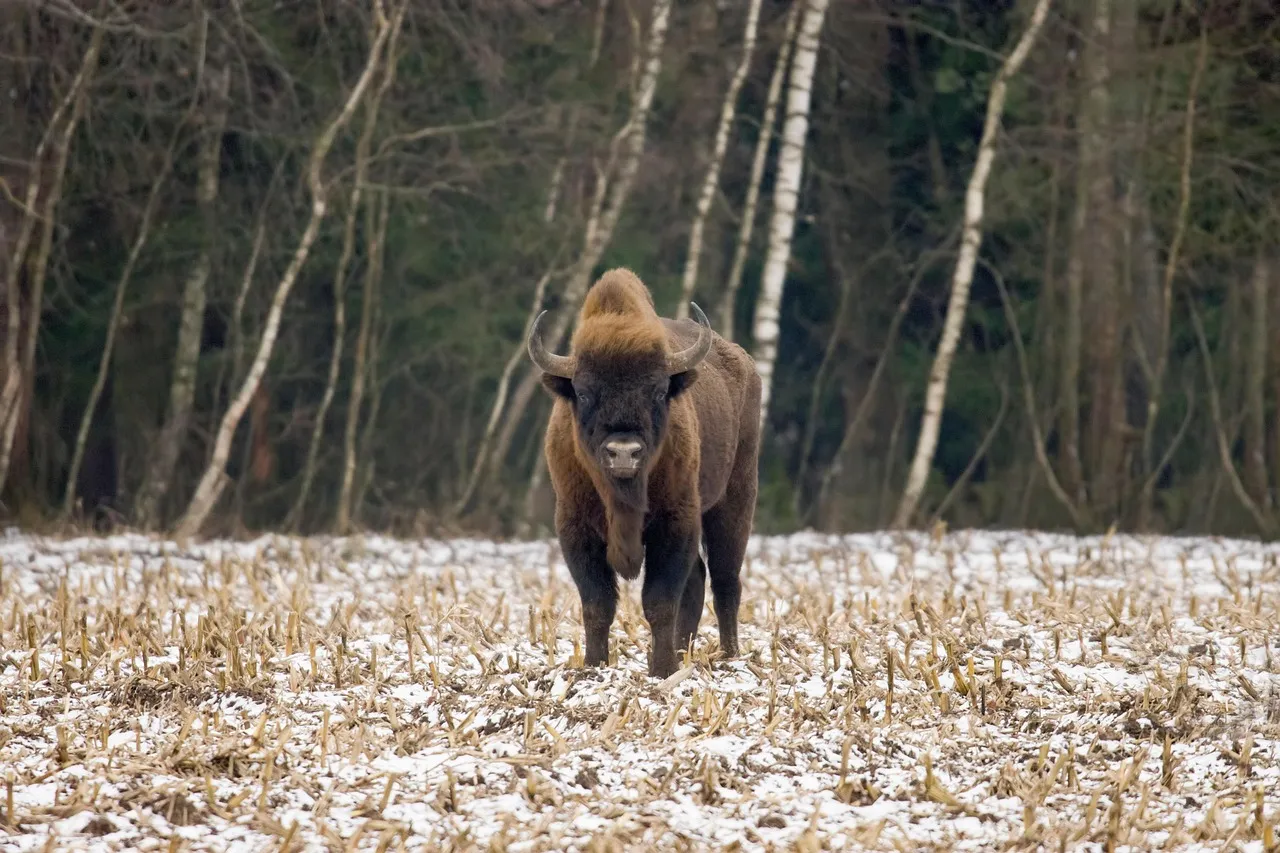
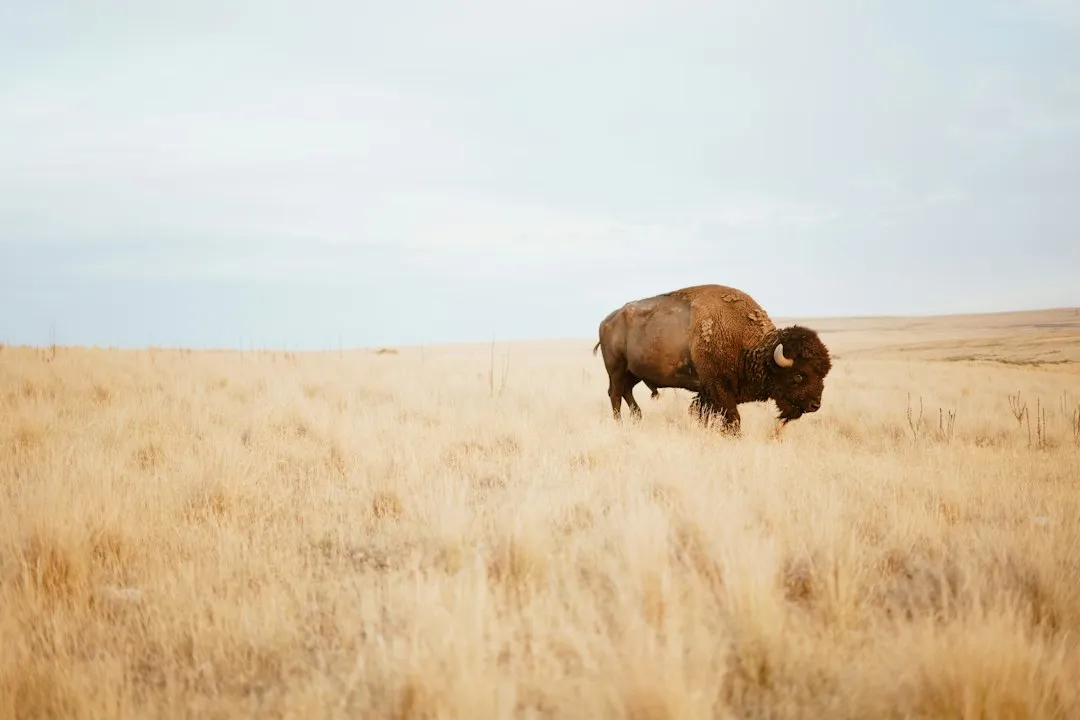
Bison, elk, and moose look calm. They graze, they stand still, and they seem relaxed. That calm is deceptive.
Yellowstone reports that bison have injured more people in the park than any other animal, and it notes they can run up to 30 miles per hour. Visitors must stay at least 25 yards from all animals other than bears and wolves, and that includes bison and elk. The rule exists for a reason.
Most people don’t realize how fast large grazers can move or how little warning they give. A family that thinks “it’s only a bison” is making the same mistake as one that approaches a bear.
Fast Facts: Bison
- Top speed: up to 30 miles per hour, which is roughly 44 feet per second
- Minimum viewing distance in Yellowstone: 25 yards, or 75 feet
- Time to cover that gap at full speed: under two seconds
- Yellowstone injury record: more visitors hurt by bison than by any other animal
Experts also stress that animals protect space, young, and food. A calf nearby, rutting season, or a crowded trail can change an animal’s mood quickly. Respecting the 25-yard line is the simplest safeguard.
But when it comes to predators, the rules change completely, as #4 shows…

Professional 7 in 1 Dog Paw Cleaner for Dogs & Cats - Includes 1 Portable Paw Washer, 1 Bath Brush
Check Price on AmazonAs an Amazon Associate, we earn from qualifying purchases.
10/7/2026 1:26 pm GMTi

Orthopedic Extra Large Dog Bed, Waterproof Washable XL Pet Bed 44"
Check Price on AmazonAs an Amazon Associate, we earn from qualifying purchases.
10/7/2026 1:32 pm GMTi

2 Pcs Halloween Pet Hat Bandana Set, Witch Pumpkin Costumes for Dogs
Check Price on AmazonAs an Amazon Associate, we earn from qualifying purchases.
10/9/2026 2:45 pm GMTi

PetSafe Oasys Pet Fountain, 1/2 Gallon (64 oz), Small Dogs & Cats
Check Price on AmazonAs an Amazon Associate, we earn from qualifying purchases.
10/8/2026 8:14 am GMTi

Smart Bird Feeder with Camera Solar Powered, 2K HD Live Video, 10,000+ Bird Species AI Identification
Check Price on AmazonAs an Amazon Associate, we earn from qualifying purchases.
10/7/2026 1:22 pm GMTi
#4 – Predators Need Four Times the Space
🔥 Would you like to save this?
We'll email this post to you, so you can come back to it later!
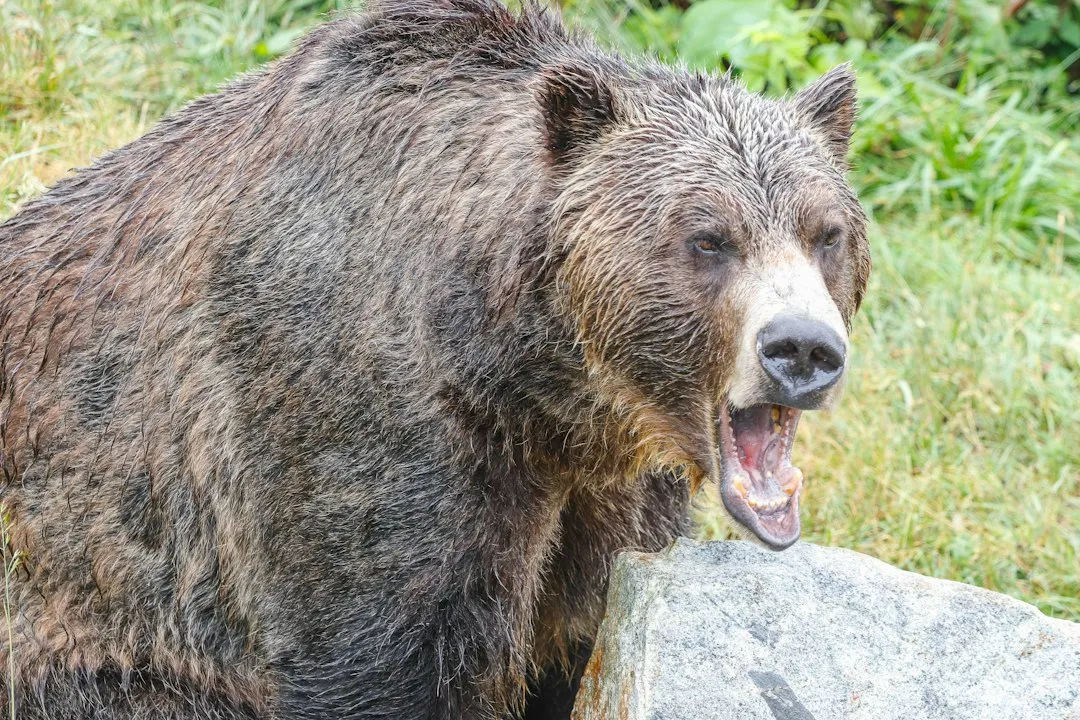
For bears and wolves, 25 yards isn’t even close to enough.
The standard distance jumps for predators. In Yellowstone, approaching on foot within 100 yards of bears or wolves, or within 25 yards of other wildlife, is prohibited.
That is a big gap, and families tend to forget it when excitement spikes. The same rule appears in Grand Teton, where the distance applies whether you are in your vehicle or on foot.
Surprise encounters happen, so preparation matters. Yellowstone suggests periodically yelling “Hey bear!” to alert bears of your presence. It also advises scanning your surroundings regularly to spot bears from a distance.
Revealed: the safest family sighting is the one watched from far away with binoculars, not the one that gets a close-up.
But distance isn’t the only warning system. The animals give signals too, which is #3…
#3 – The Animal Is Giving You a Warning Nobody Reads
🔥 Would you like to save this?
We'll email this post to you, so you can come back to it later!
Wildlife usually signals discomfort long before it acts.
The simplest rule is the one park staff repeat most often: if animals react to your presence, you are too close. Stopping feeding, staring, moving away, or changing posture are all signs of stress.
Families rarely notice these cues. They are watching the animal, not reading it. Teaching kids to ask “is it looking at us?” turns a passive crowd into attentive observers.
One guide lists warning signs for bison: snorting or head tossing. Treat any such behavior as a signal to back away calmly.
The key points to teach:
- Back away slowly, not suddenly
- Keep your group together
- Don’t turn the retreat into a photo opportunity
But the families who handle all this best share one habit, which is #2…
#2 – The Calmest Families Have a Plan
🔥 Would you like to save this?
We'll email this post to you, so you can come back to it later!
Preparation, not luck, separates a stressful sighting from a memorable one.
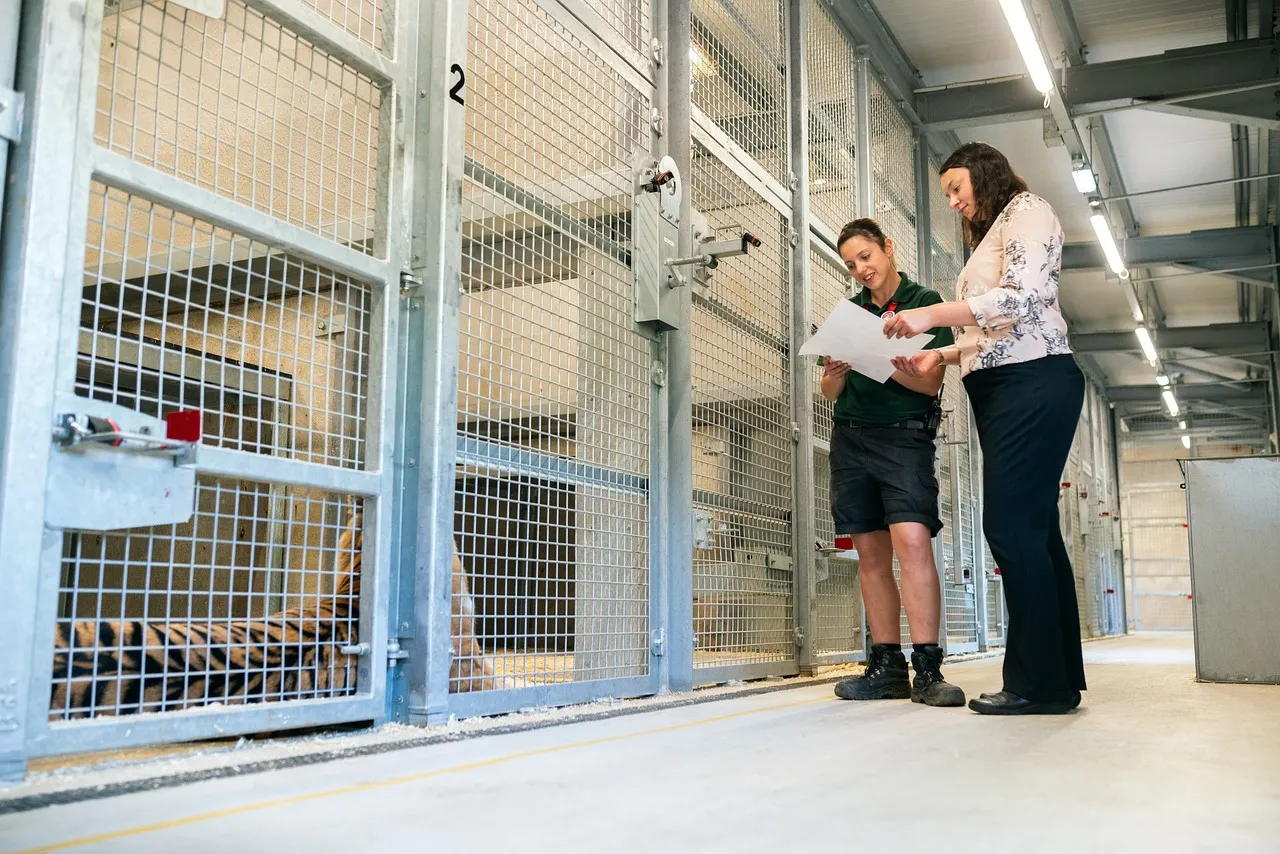
Families who handle wildlife well tend to agree on the basics beforehand. They know the distances, they carry binoculars, and they know what to do if an animal approaches.
The NPS makes this easy. Its safety advice starts with knowing before you go, and it points to the park website, the app, and rangers. Visitor centers can also tell you where animals have recently been seen.
A short pre-trip chat works well: who carries binoculars, where to stand, and who says “time to go.” Some parents find this over-the-top. In practice, a plan reduces arguments in the moment.
Staying on trails also helps keep human presence in predictable areas, which makes it easier for animals to avoid us.
But the finding that changes everything about the family experience is #1…

Earth Rated XL Dog & Puppy Pee Pads, Discreet Top, Max Absorbency
Check Price on AmazonAs an Amazon Associate, we earn from qualifying purchases.
10/7/2026 1:28 pm GMTi

Halloween Dog Collar with Bow, Orange Cute Ghost Collar,
Check Price on AmazonAs an Amazon Associate, we earn from qualifying purchases.
10/9/2026 2:43 pm GMTi

Air Purifiers for Home Pets Large Room Up to 3000 Ft²,HEPA Air Cleaner with Washable Double-Side Filter, PM2.5 Air Quality Monitor,15dB Sleep Mode for Bedroom Odor Dust Pollen,White
Check Price on AmazonAs an Amazon Associate, we earn from qualifying purchases.
10/8/2026 8:23 am GMTi

Glass Hummingbird Feeder for Outdoors Hanging, 16 oz Leak-Proof Nectar Feeder with Bee Guards & Ant Moat
Check Price on AmazonAs an Amazon Associate, we earn from qualifying purchases.
10/7/2026 1:22 pm GMTi
#1 – The Best Reactions Happen When Everyone Stays Still
🔥 Would you like to save this?
We'll email this post to you, so you can come back to it later!
The most memorable family moments are the quiet ones.
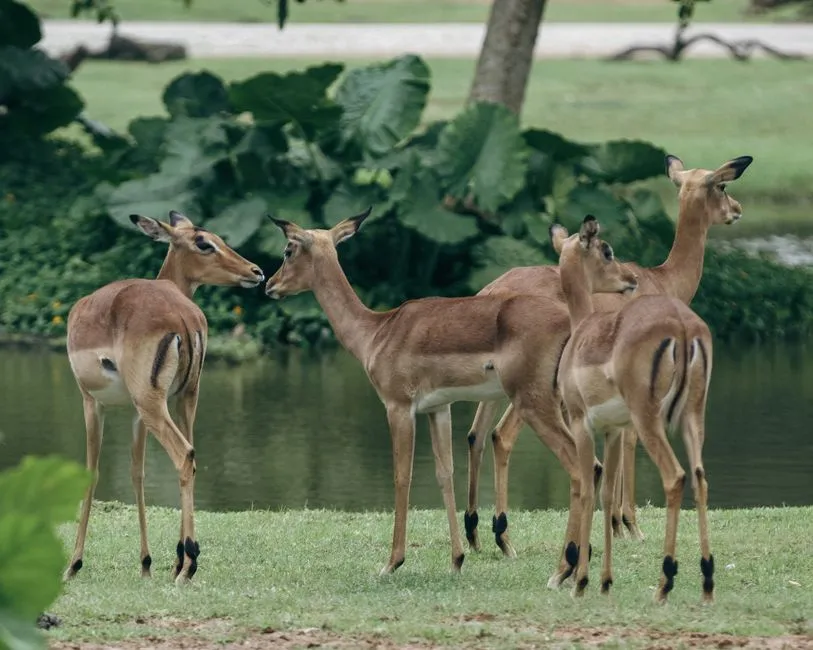
When a family holds still, keeps its voice low, and lets the animal carry on, something changes. Kids stop reaching for the phone. Adults stop narrating. Everyone watches.
That quiet is also what the rules protect. The NPS puts the idea simply: leaving wildlife alone can help your viewing experience. An undisturbed animal behaves naturally, and natural behavior is what people remember.
The reaction that park staff value most isn’t the scream or the selfie. It is the whispered “look at that” from a child who has watched for ten patient minutes.
That is the real conclusion. Great wildlife viewing is built on restraint. Distance, binoculars, timing, and patience don’t limit the experience. They are the experience.
Park guidance and ranger advice point the same way across all 15 findings: the animals are rarely the problem. Human impulses are. Stepping closer, feeding “just once,” trusting the phone, and treating small animals as harmless all cause trouble. Binoculars, early-morning timing, a shared plan, and 25 or 100 yards of space solve most of it.
My opinion: the “close-up” has been oversold. A calm family at a safe distance has the better wildlife trip every time. What is the one rule your family always forgets when an animal shows up?

- Animal Behaviorists Say When Your Dog Shows the Whites of Its Eyes While Being Hugged It May Be Telling You It Is Uncomfortable - November 6, 2026
- Project Diana: Bouncing Radio Waves Off The Moon - November 6, 2026
- The Hidden World of Nocturnal Animals: Secrets of the US Nighttime Ecosystem - November 6, 2026