


Earthquakes are one of the most awe-inspiring yet terrifying natural phenomena on Earth. Their suddenness and power have led to the development of numerous myths that create more confusion than clarity. In this article, we’ll shatter some of the most pervasive earthquake myths and shed light on the actual science behind these seismic events.
Earthquakes Only Happen in Certain Areas
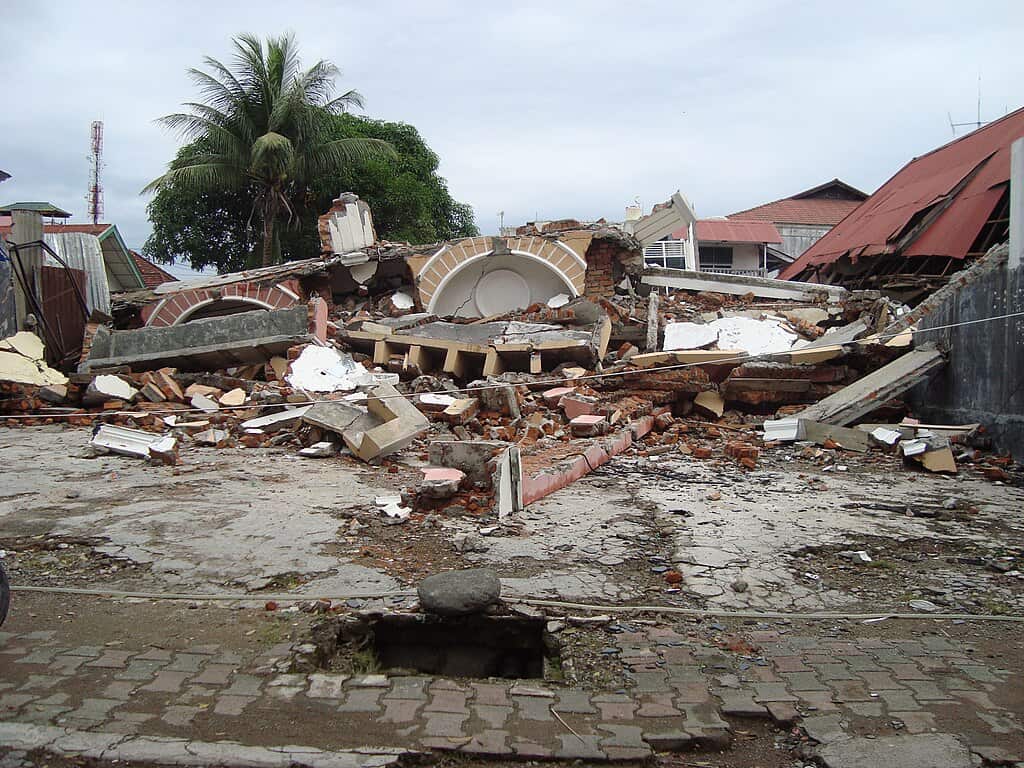
Many people believe that earthquakes are limited to specific regions, such as California or Japan. While these areas experience more frequent seismic activity due to plate boundaries, earthquakes can and do occur worldwide. Every region within a tectonic plate is potentially susceptible to earthquakes.
Small Earthquakes Prevent Big Ones
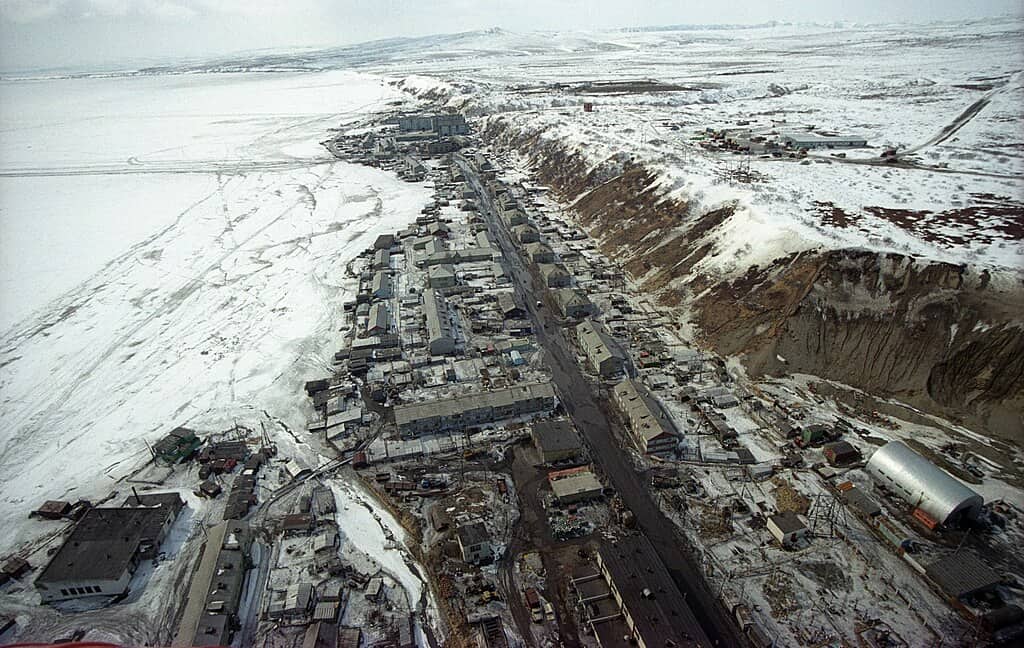
The misconception that smaller earthquakes can “release” energy to prevent larger ones is widespread but inaccurate. While small earthquakes indicate active tectonics, they don’t significantly impact the occurrence of larger quakes. Major earthquakes occur due to the release of accumulated energy that far exceeds the sum of numerous small quakes.
There’s Always Earthquake Weather
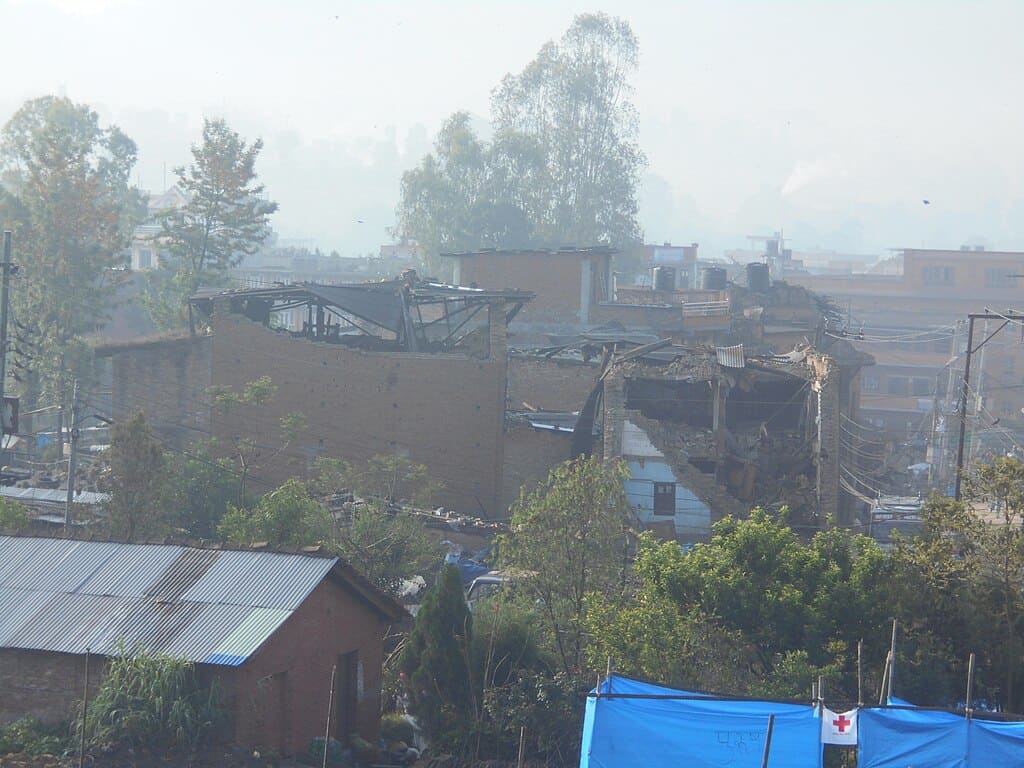
The idea of “earthquake weather” is one of the oldest myths, suggesting certain weather patterns trigger earthquakes. Scientific studies consistently show no correlation between weather and seismic activity. Earthquakes originate deep within the Earth’s crust, where surface weather has no effect.
Animals Can Predict Earthquakes

Reports of strange animal behavior before earthquakes abound, fueling the myth that animals can predict them. However, scientific validation is lacking. While animals might sense preliminary seismic waves unnoticed by humans, this is not a reliable prediction method and doesn’t provide a significant warning.
Doorways Are the Safest Place During an Earthquake

Many believe standing in a doorway offers safety during an earthquake, but modern building codes make this outdated advice. It’s better to “Drop, Cover, and Hold On” under a sturdy piece of furniture to protect against falling debris and injuries.
Skyscrapers Are Extremely Dangerous

Contrary to popular belief, properly engineered skyscrapers are among the safest places during an earthquake. Modern high-rise buildings are designed to withstand significant shaking, incorporating features that allow flexibility and energy absorption.
Earthquakes Can Be Predicted

No scientific method currently exists for predicting earthquakes with precision. While scientists can estimate earthquake risk based on historical and geological data, predicting the exact time and location remains beyond our current capabilities.
Earthquakes Occur Only on Land
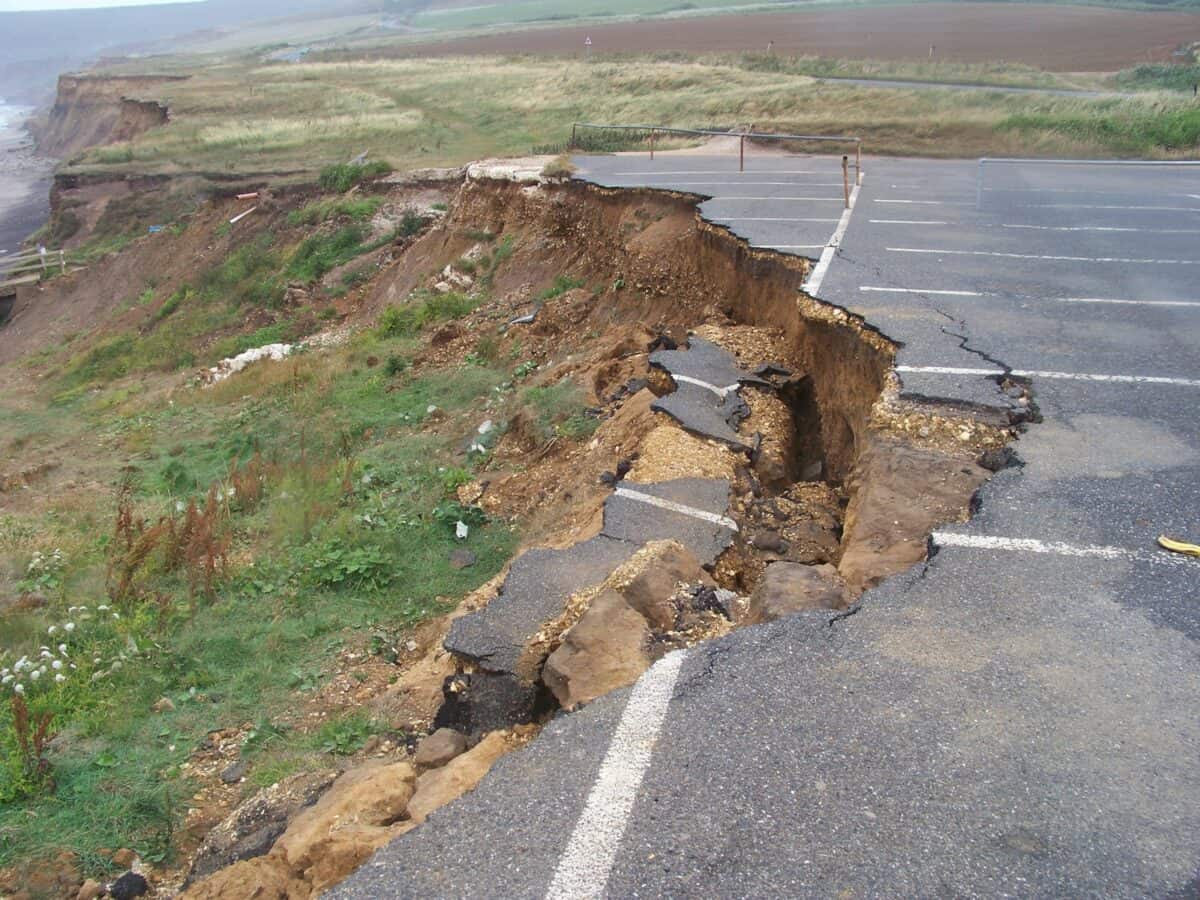
Earthquakes can occur both on land and beneath the ocean floor. Subduction zones, where oceanic plates drive beneath continental plates, are primary sources of marine earthquakes, often leading to tsunamis.
The “Triangle of Life” Is Safer

The “Triangle of Life” suggests finding space next to furniture rather than beneath it. Most safety organizations, including the American Red Cross, endorse “Drop, Cover, and Hold On” as the safest response tactic during urban earthquakes.
Easy to Self-Rescue After Being Trapped

Some believe they can easily escape after being trapped in rubble following an earthquake. In reality, attempting to move without professional assistance can be dangerous. Rescue teams are trained to handle these situations safely.
Small Aftershocks Mean Safety
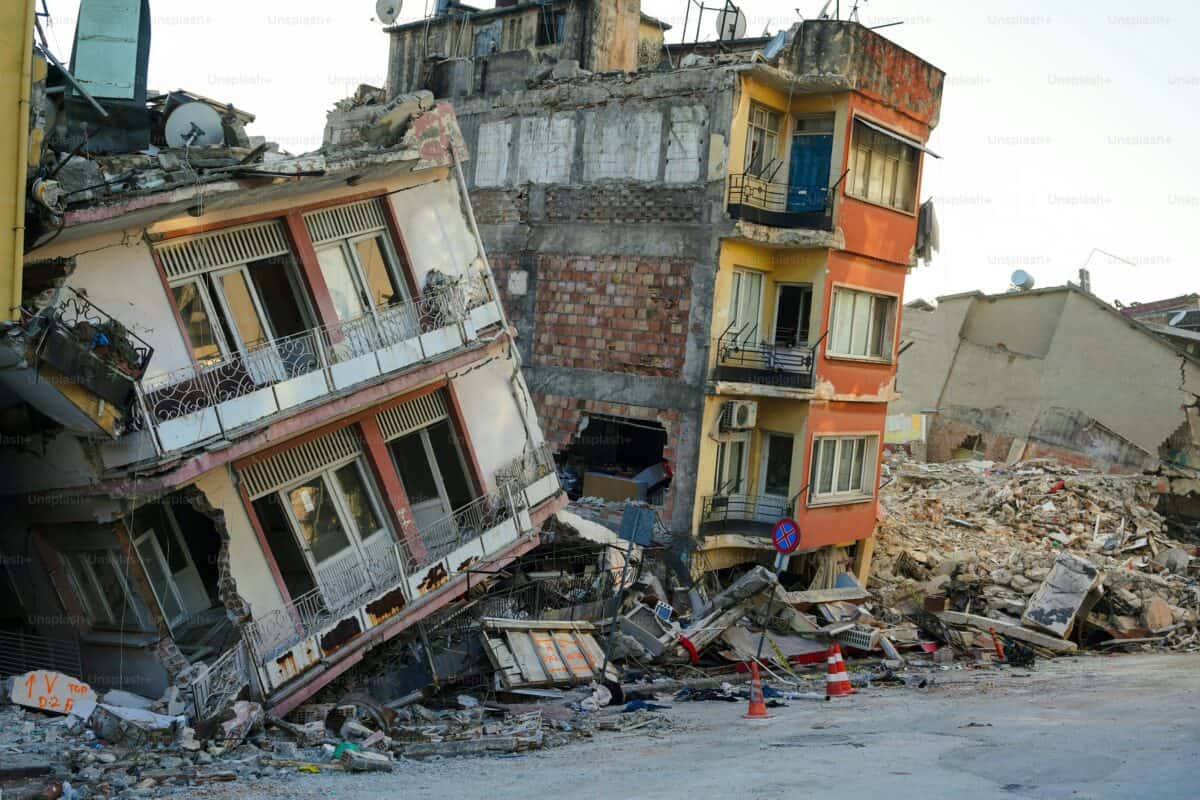
After a large earthquake, small aftershocks are common. While they indicate the main quake’s stress release, subsequent larger aftershocks are still possible, making caution necessary.
Earthquakes Cause Gaping Ground Openings

Movies often depict massive chasms forming during earthquakes, but such scenarios are fictional. Ground movement during earthquakes creates shifts along fault lines, but gaping openings are not typical.
Human Activity Does Not Influence Earthquakes

While natural processes primarily drive earthquakes, certain human activities, like wastewater injection and reservoir-induced seismicity, can trigger minor seismic events. However, these are typically smaller in scale compared to naturally occurring earthquakes.
Earthquakes Are Getting More Frequent

There is a perception that earthquakes are becoming more frequent, but this is mainly due to better detection and reporting technology. Over the centuries, the annual occurrence of earthquakes has remained relatively stable.
Big Quakes Only Happen During Certain Times of the Day

Some myths suggest that big earthquakes only happen at certain times due to patterns or supernatural beliefs. In truth, earthquakes are random and can occur at any time of the day or night.
Conclusion:

In conclusion, understanding the science behind seismic activity helps dispel myths and foster informed reactions to earthquake scenarios. While earthquakes can be unpredictable and devastating, knowledge and preparedness significantly enhance safety and resilience. Embrace scientific understanding and equip yourself with facts for a safer approach to dealing with these dynamic natural events.

As a little kid, I fell in love with nature, wildlife, and animals. Living in the USA, South Africa, Italy, China and Germany gave me the opportunity to discover the world's Wildlife. My favorite animals are Mountain Gorillas, Siberian Tigers, and Great White Sharks.
I'm a certified PADI Open Water Diver, went to Everest Base Camp and Trekked Gorillas in Uganda. I hold a Master of Science in Economics and Finance.
Please send any feedback to feedback@animalsaroundtheglobe.com
- The 10 Rarest Dog Breeds Making a Comeback in America - July 19, 2026
- 13 Creatures That Survived Mass Extinctions - July 19, 2026
- 12 Pets That Are Perfect for Seniors - July 19, 2026