


Every day, social media feeds fill with adorable clips of tigers nuzzling their owners, monkeys playing video games, and sugar gliders snuggling in hoodies. Behind these heartwarming moments lies an unsettling reality that most viewers never see. In the United States, an estimated 13 million households own exotic pets, and around 17.6 million exotic pets are currently owned in the United States.
The exotic pet trade is booming like never before. The exotic pet trade is surging around the world. Each year, more and more exotic animals are making their way into people’s homes and being featured in online videos. Yet these seemingly magical relationships between humans and wild animals often mask a darker truth filled with hidden dangers, unexpected tragedies, and consequences that extend far beyond the home. Let’s dive into the captivating world of exotic animal bonds and uncover what really happens when the cameras stop rolling.
#15 Tigers – The Ultimate Fantasy Pet with Deadly Consequences
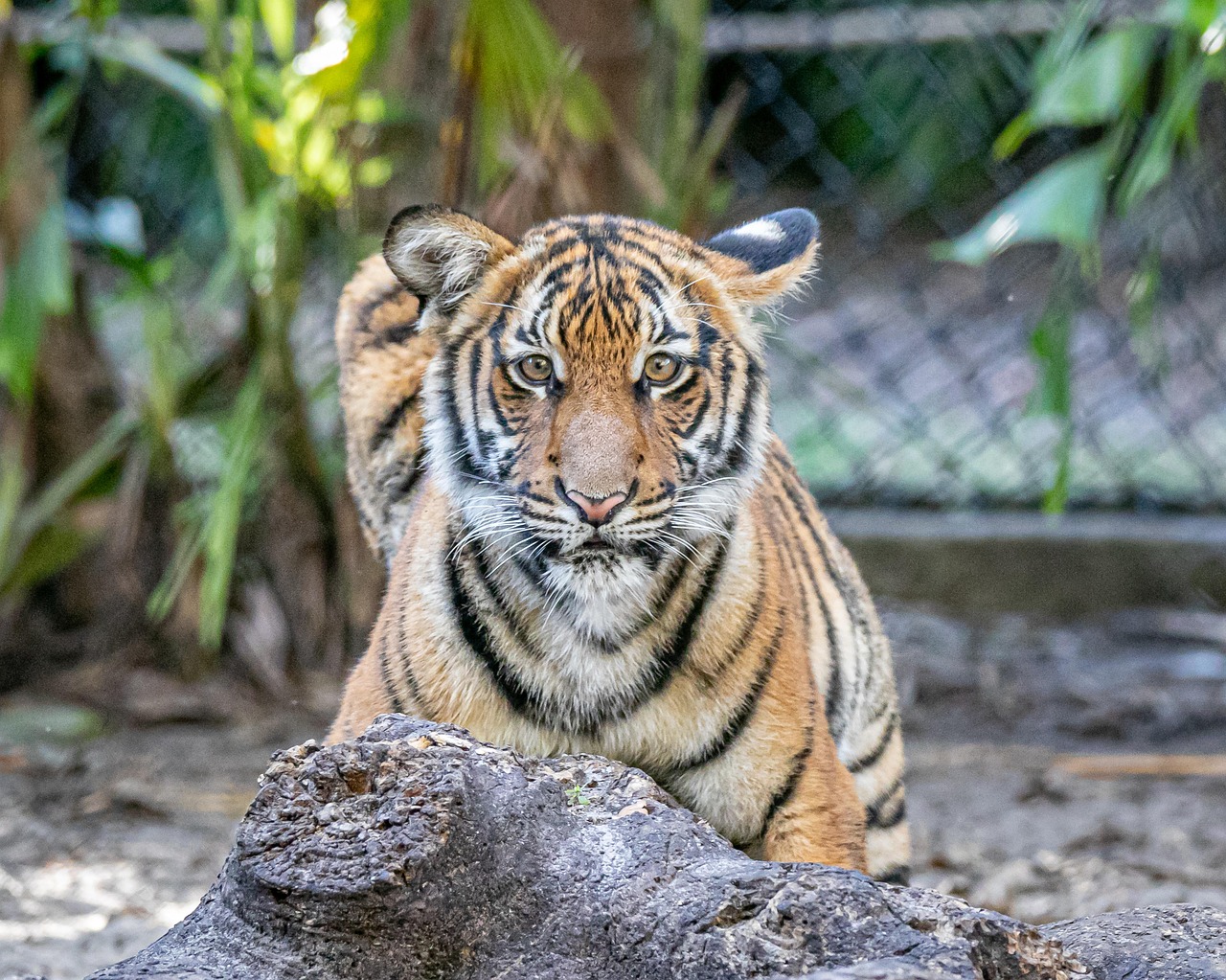
Tigers represent the pinnacle of exotic pet ownership fantasies. These magnificent apex predators can weigh over 400 pounds and form surprisingly intense bonds with their human caretakers when raised from cubs. An estimated 5,000 to 10,000 tigers are kept in captivity in the United States. Of these tigers, only around 350-400 currently live in AZA-accredited facilities.
The terrifying reality behind tiger ownership becomes clear when examining the statistics. “Large wild and exotic cats such as lions, tigers, cougars, and leopards are dangerous animals … Because of these animals’ potential to kill or severely injure both people and other animals, an untrained person should not keep them as pets. Doing so poses serious risks to family, friends, neighbors, and the general public.” Tigers are incredibly strong and beautiful creatures, but they should not be kept as pets. Tigers can be unpredictable and pose a serious risk to their owners.
#14 Capuchin Monkeys – Intelligent Companions with Complex Needs
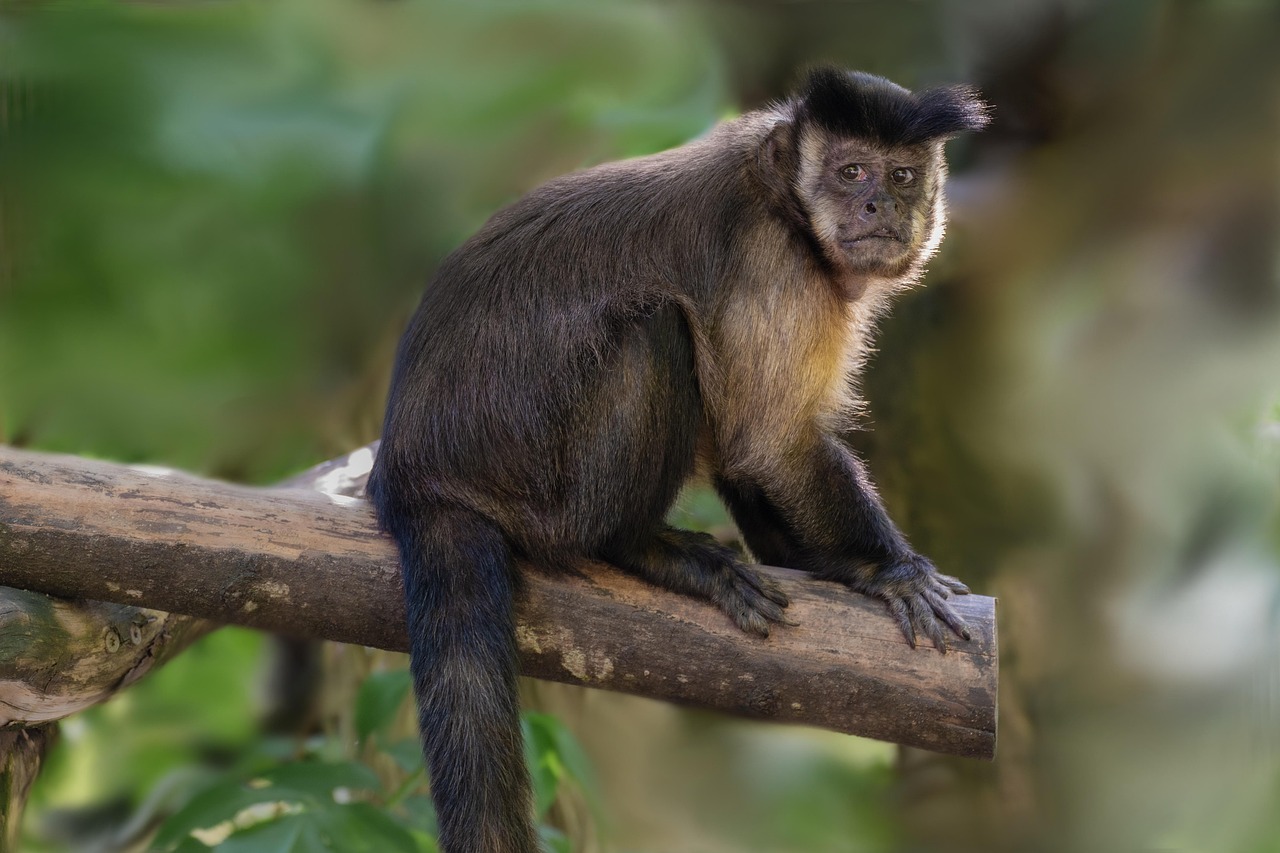
Capuchin monkeys captivate owners with their remarkable intelligence and ability to form deep emotional bonds. Capuchin monkeys are intelligent and social animals that can form strong bonds with their owners. They require a lot of mental stimulation and enrichment to prevent boredom. These primates can learn to use tools and even assist people with disabilities.
The hidden dangers emerge as these animals mature and their wild instincts resurface. A large percentage of macaque monkeys carry the Herpes B virus, and Monkeys tend to have the most potential of giving different diseases. They are known to carry Herpes B, Monkey Pox, and Ebola. Their intelligence becomes a liability when they use problem-solving skills to escape enclosures or manipulate situations to their advantage.
#13 Sugar Gliders – Pocket-Sized Marsupials with Giant Hearts
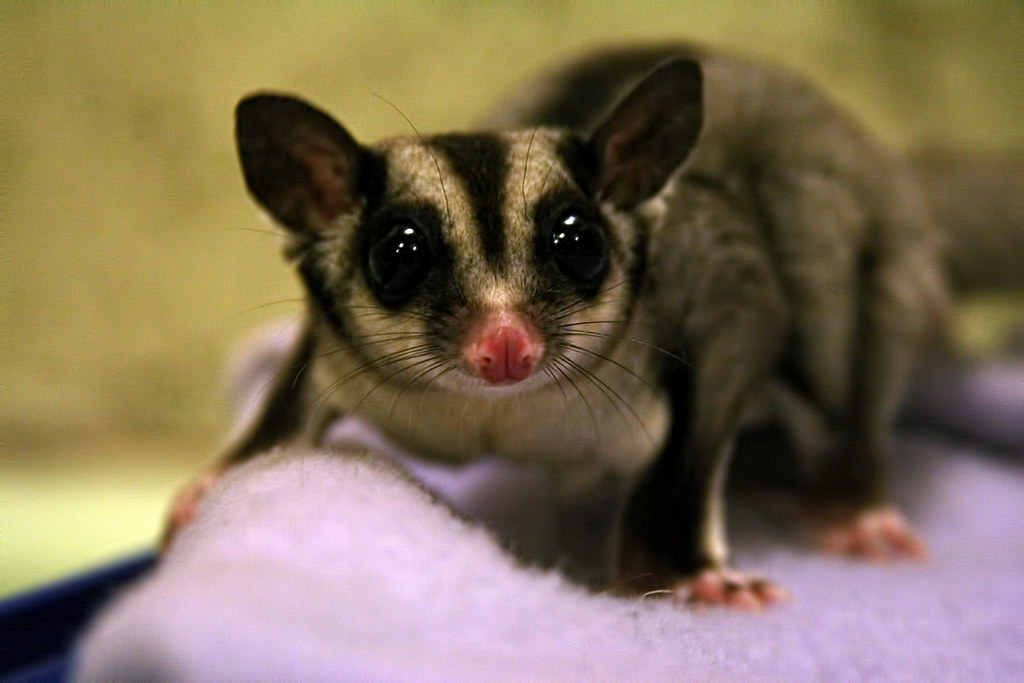
Sugar gliders win hearts instantly with their adorable appearance and remarkable bonding capacity. Sugar gliders, originating from Australia and Indonesia, are charming marsupials with social and affectionate personalities. These endearing creatures form strong bonds with their owners and fellow gliders. Sugar gliders are small, nocturnal exotic animals that bond deeply with their owners and can live up to 15 years in captivity.
Their seemingly innocent nature masks serious care requirements that most owners underestimate. Sugar gliders might look easy to care for, but they need a roomy cage, a healthy diet, and lots of social time. It’s often suggested to have more than one since they are social creatures. Depression and self-mutilation become serious concerns when their complex social needs aren’t met.
#12 Fennec Foxes – Desert Dwellers with Surprising Adaptability
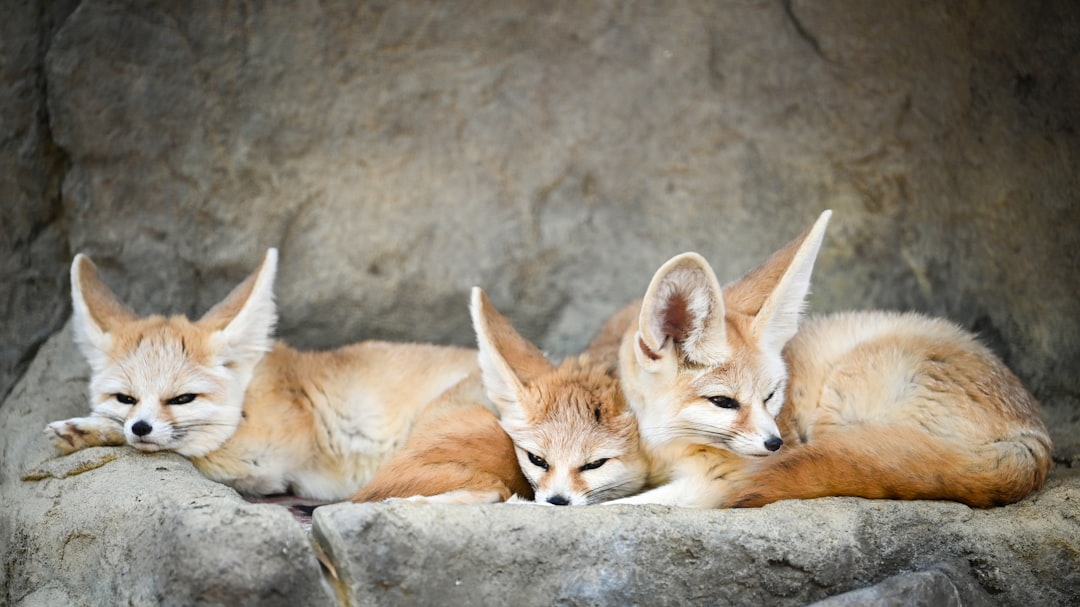
Fennec foxes charm their way into hearts with oversized ears and playful personalities reminiscent of puppies. Fennec foxes are gaining popularity as exotic pets due to their large ears and small size. These animals are naturally playful and curious. Their desert origins make them surprisingly adaptable to various climates.
The reality of fennec fox ownership proves far more challenging than their cute appearance suggests. They can be trained, but they tend to be more independent than domestic dogs or cats. Fennec foxes are active at night, so owners should be ready for this behavior. Their nocturnal nature means sleepless nights for owners unprepared for their energetic midnight activities.
#11 Ball Pythons – Serpentine Souls That Recognize Their Owners
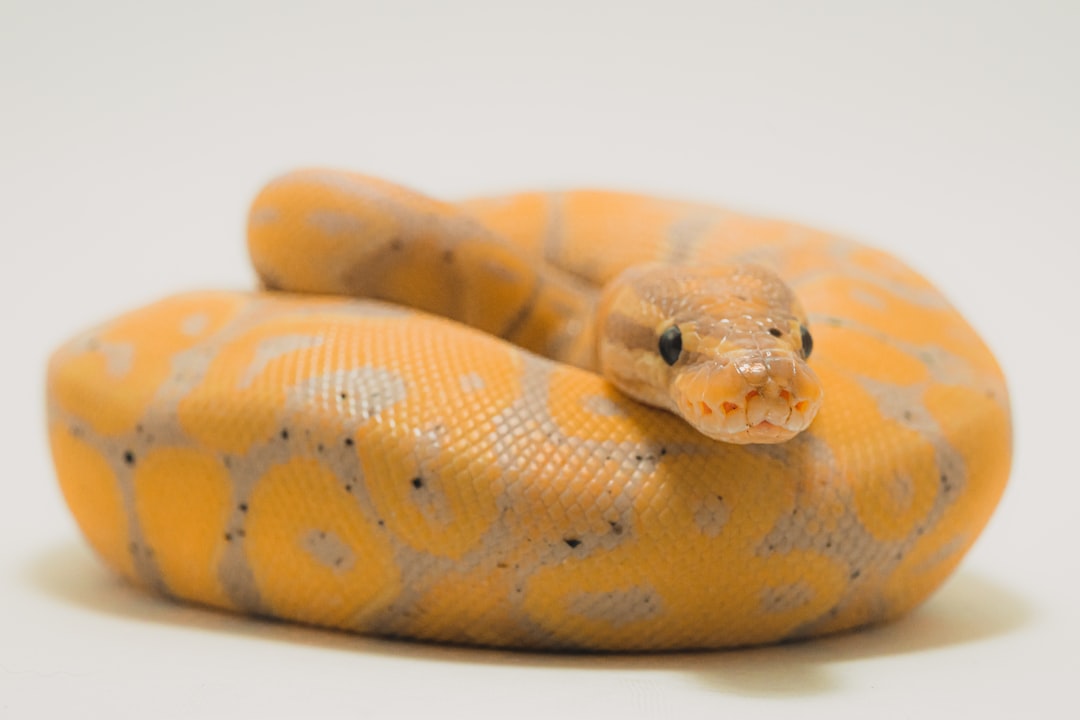
Ball pythons develop recognition patterns that surprise many snake enthusiasts. These docile constrictors often become calm when handled by familiar caregivers and can distinguish between different people. Their relatively manageable size makes them appealing starter snakes for reptile enthusiasts.
The hidden dangers lie in their deceptive strength and unpredictable behavior patterns. According to the University of Florida, approximately 7,000-8,000 venomous snake bites are reported annually in the United States (it is uncertain how many of these snakes are pets), about 5 of which result in death. Moreover, there have been several reported incidences involving strangulation by snakes. For example, on August 28, 1999, in Centralia, IL, a 3-year-old boy was strangled to death by the family’s pet python.
#10 Kinkajous – The “Honey Bears” with Razor-Sharp Claws
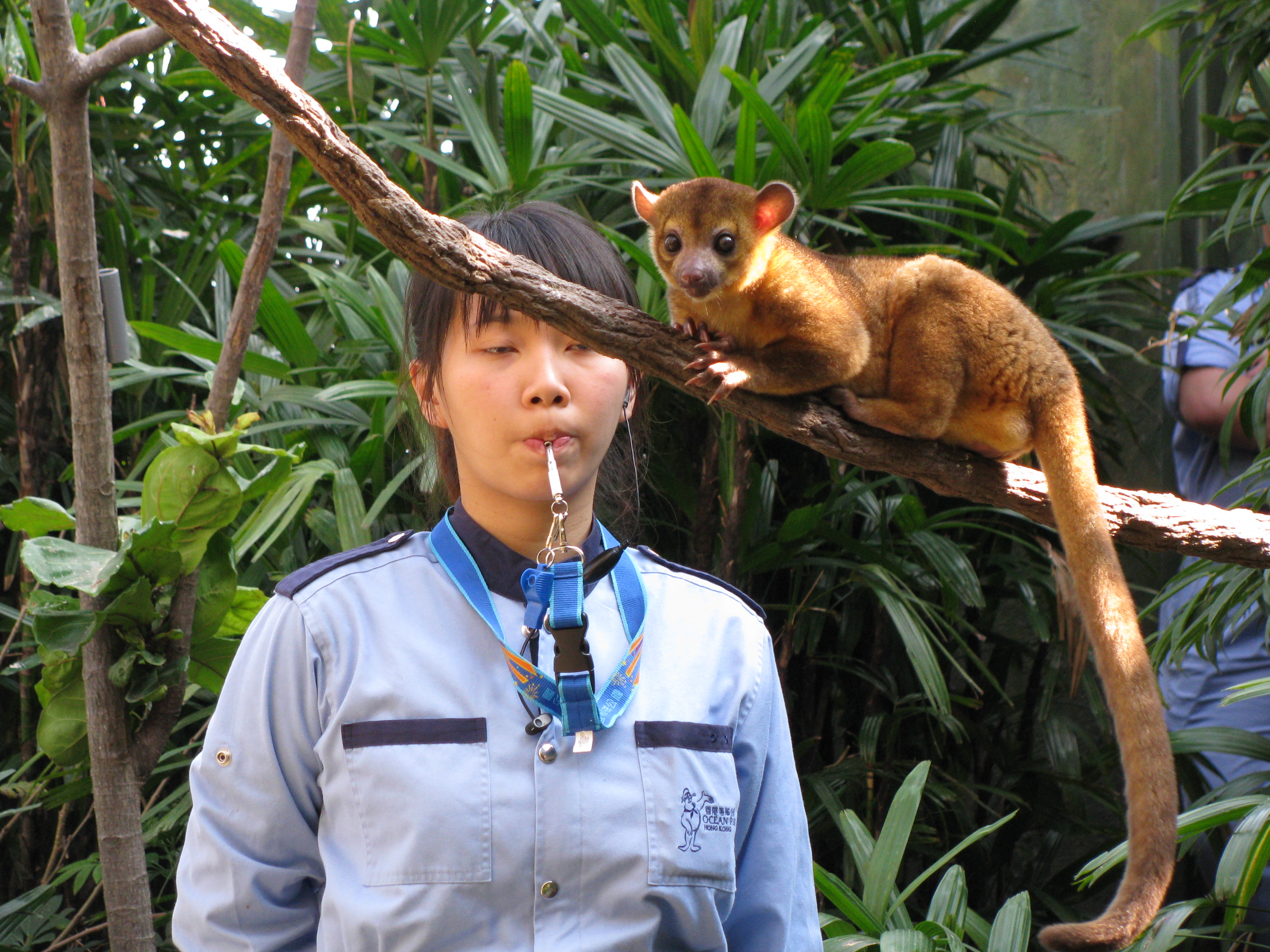
Kinkajous earn the nickname “honey bears” through their sweet appearance and affectionate nature toward trusted humans. Also known as “honey bears,” kinkajous are cute and cuddly animals that are native to tropical forests. They are social creatures that require a lot of attention and interaction. Their prehensile tails and nimble fingers create an almost primate-like bond with their owners.
Their nocturnal nature and powerful claws create unexpected hazards for unprepared owners. Kinkajous possess incredibly sharp teeth and claws capable of inflicting serious wounds during play or stress. Their arboreal lifestyle means they require extensive climbing opportunities that most homes cannot safely provide.
#9 Bearded Dragons – Reptilian Companions with Surprising Personalities
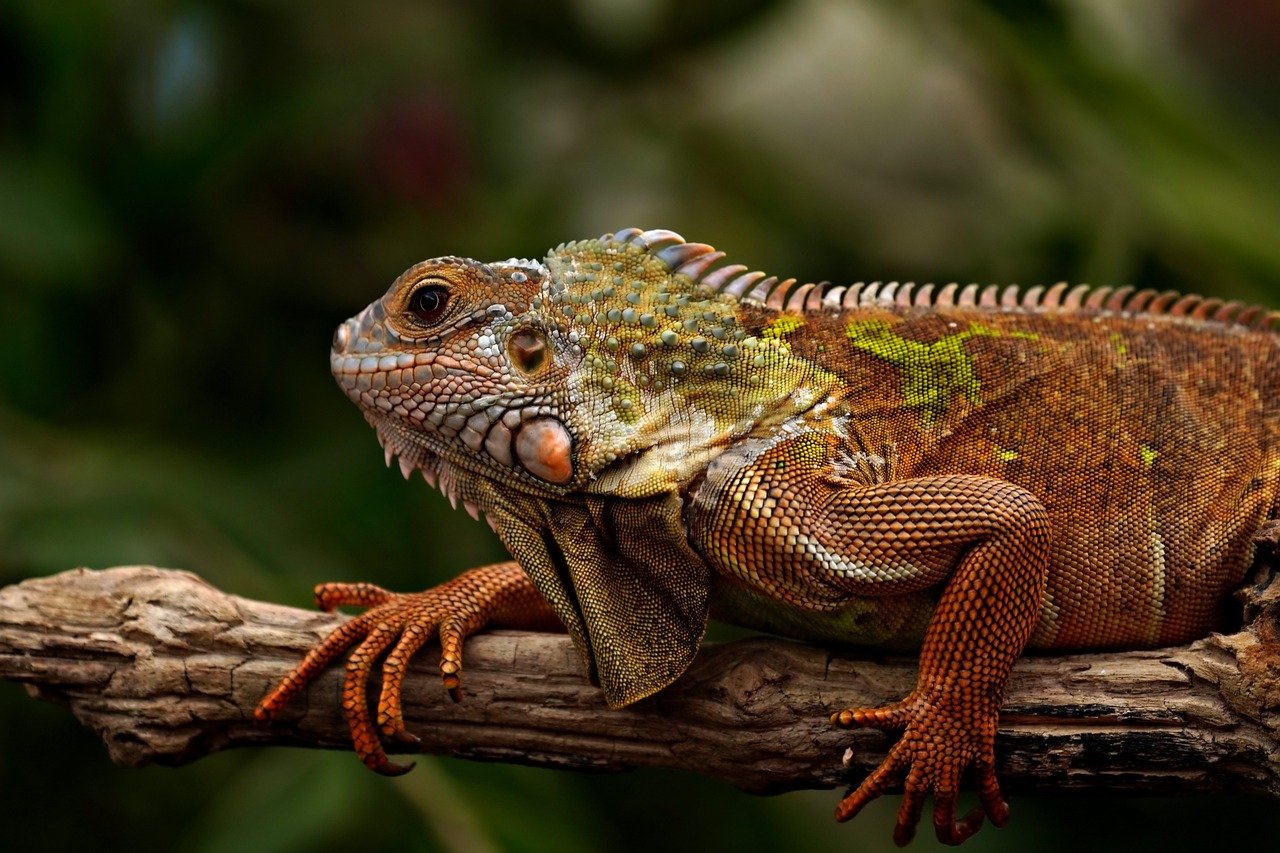
Bearded dragons display remarkable personality traits that often surprise first-time reptile owners. Bearded dragons are one of the most popular exotic animals for beginners due to their gentle nature and relatively straightforward care requirements. These fascinating reptiles can live up to 15 years with proper care. Many owners report their dragons seeking attention and showing preference for specific family members.
The seemingly simple care requirements mask complex environmental needs that frequently lead to health problems. Metabolic Bone Disease: This condition is common in reptiles and results from improper UVB lighting or calcium supplementation, leading to weakened bones and potential deformities. Improper temperature or humidity levels can quickly lead to respiratory infections that prove fatal without immediate veterinary intervention.
#8 Hedgehogs – Spiny Sweethearts with Defensive Instincts
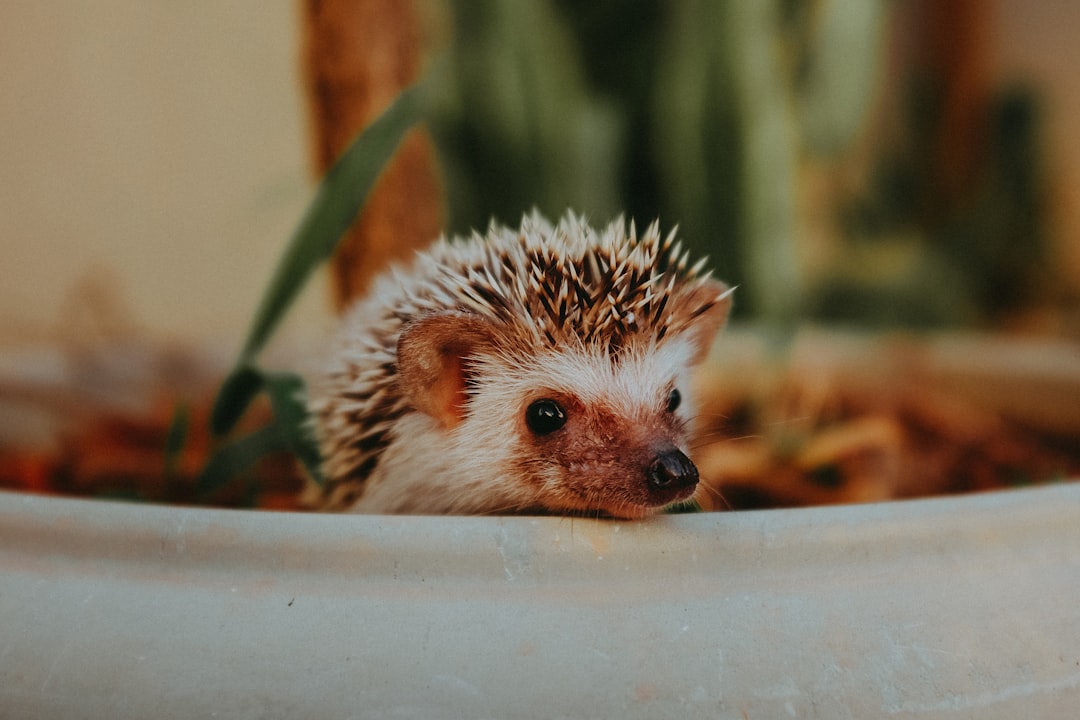
Hedgehogs develop unique bonds with their owners through their curious nature and surprising intelligence. Hedgehogs have garnered popularity as captivating exotic pets, thanks to their distinctive appearance and low-maintenance lifestyle. These insect-eating mammals are generally solitary creatures. Their quill-covered exterior protects a surprisingly social personality that emerges with patient handling.
Their delicate health requirements and stress-sensitive nature create ongoing challenges for even experienced owners. Temperature fluctuations can trigger hibernation attempts that often prove fatal in captivity. Their insectivore diet requires careful supplementation that many commercial foods fail to provide adequately.
#7 Wallabies – Miniature Kangaroos with Powerful Kicks
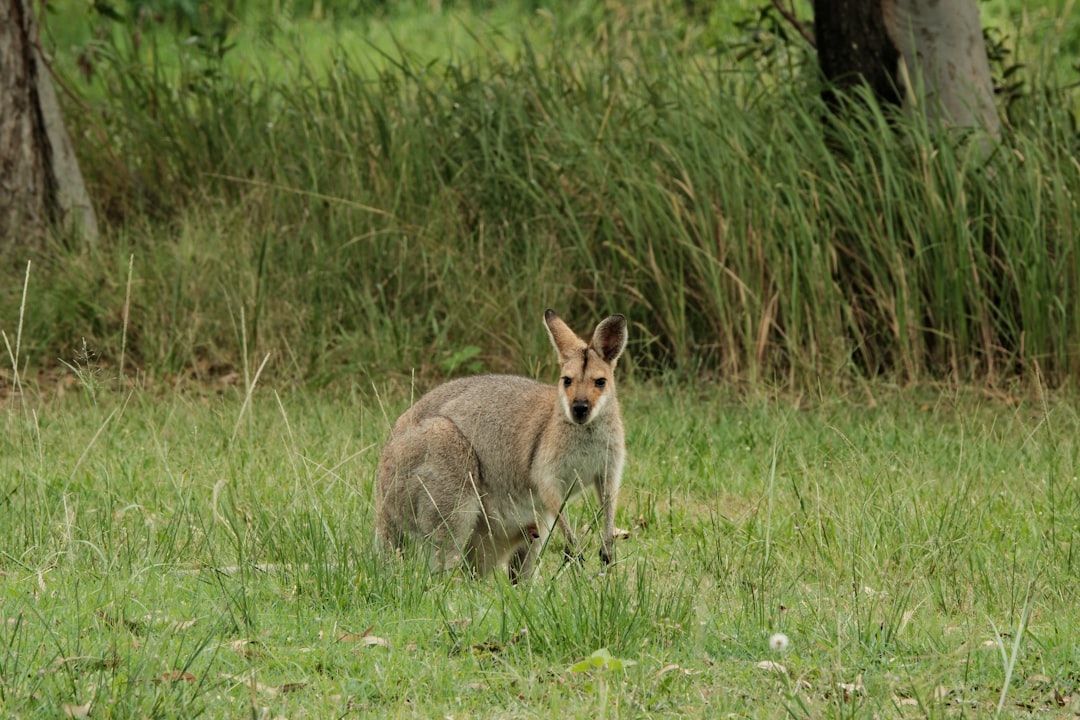
Wallabies offer the appeal of owning a miniature kangaroo with their gentle demeanor and unique hopping locomotion. Wallabies are small marsupials that are native to Australia and New Guinea. These kangaroo-like creatures are becoming increasingly popular as pets due to their unique appearance and gentle nature. Hand-raised wallabies often seek human companionship and can be surprisingly affectionate.
Their powerful hind legs pose serious injury risks that many owners underestimate until accidents occur. Wallabies require extensive space for exercise and specialized diets that prove expensive and difficult to maintain. Their social nature means single wallabies often develop behavioral problems that manifest as aggression or self-harm.
#6 Serval Cats – Wild Felines with Domestic Dreams
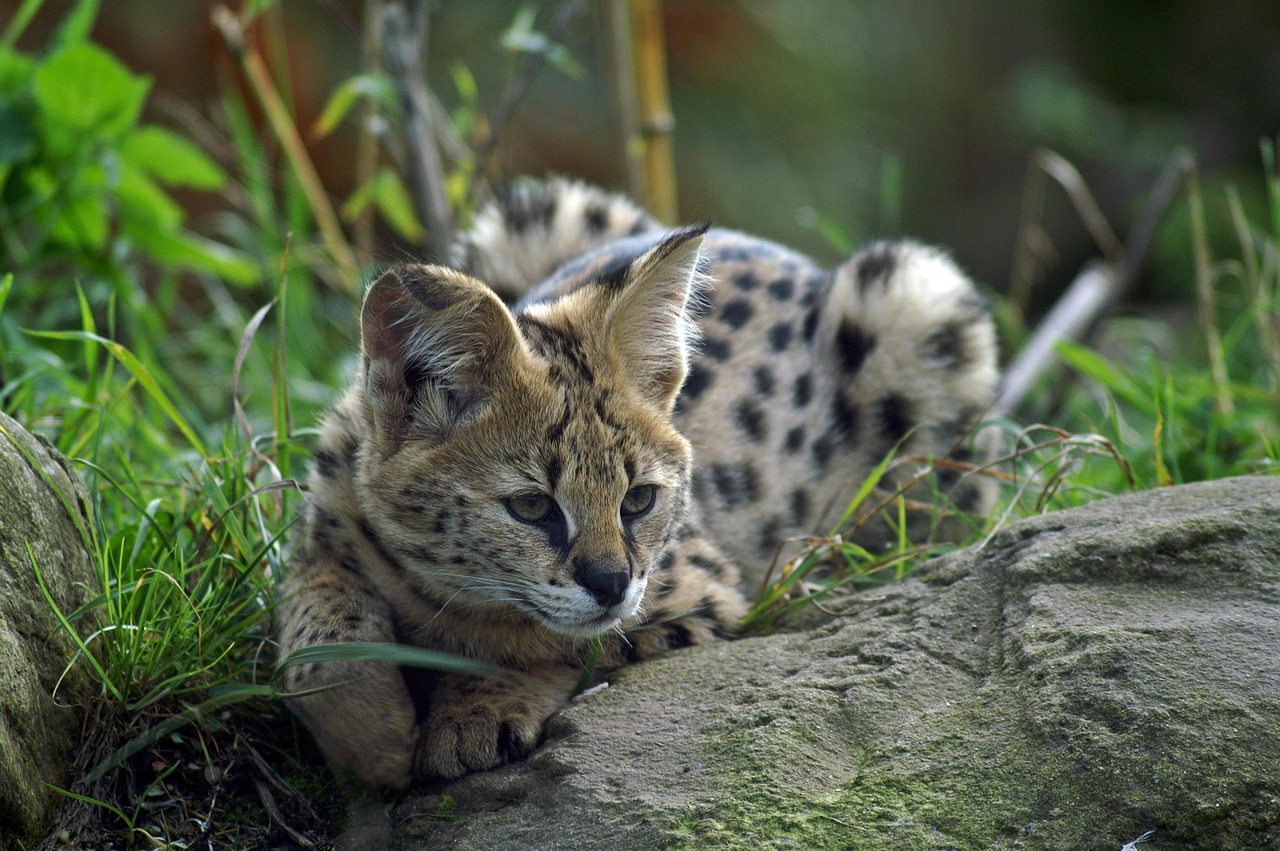
Serval cats bridge the gap between wild and domestic with their stunning appearance and capacity for human bonding. These African wildcats can weigh up to 40 pounds and possess incredible jumping abilities that fascinate their owners. Many servals develop dog-like loyalty to their primary caregivers.
Their wild instincts create unpredictable situations that can turn dangerous without warning. Servals mark territory through spraying and possess hunting drives that make them unsuitable around small pets or children. Their specialized dietary needs and high exercise requirements prove overwhelming for most households attempting to provide appropriate care.
#5 Spider Monkeys – Acrobatic Primates with Strong Social Bonds
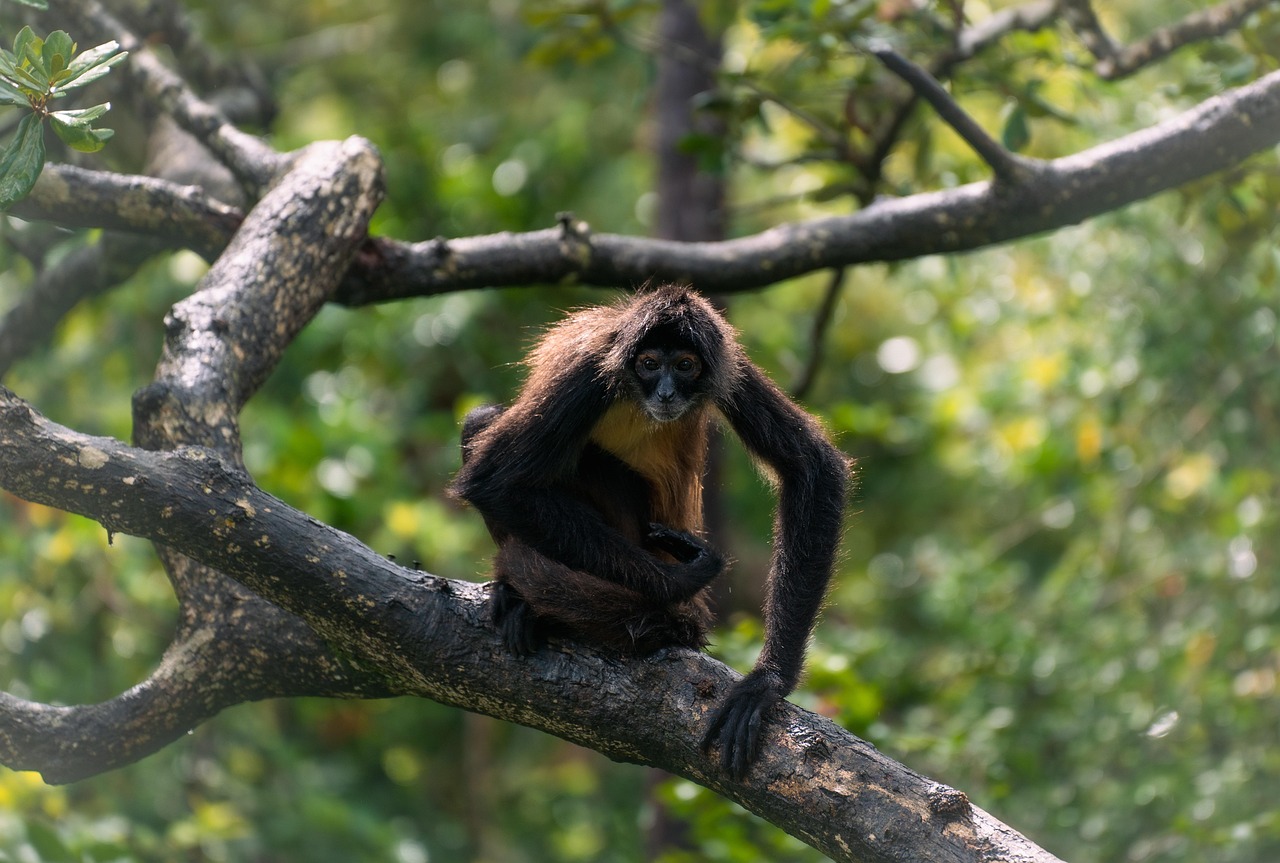
Spider monkeys form incredibly strong emotional attachments to their human caregivers through their highly social nature. Four-month-old spider monkey Mateo is a survivor of the exotic pet trade, though it’s hard to say he was lucky, considering the trauma he experienced. Found inside a vehicle console at the Port of Hidalgo, Texas, Mateo was likely captured from his wild home as an infant. Their long arms and prehensile tails make them fascinating companions for those who appreciate their acrobatic abilities.
The reality behind their acquisition involves devastating consequences for wild populations. The Not a Pet campaign says: “This scenario typically involves the mother being killed first, to make it easier for poachers to steal. Once caught, Mateo would have likely made the traumatic journey to the border stuffed inside a bag or small cage”. Adult spider monkeys can become aggressive and possess enough strength to cause serious injuries.
#4 Axolotls – Aquatic Aliens with Remarkable Abilities
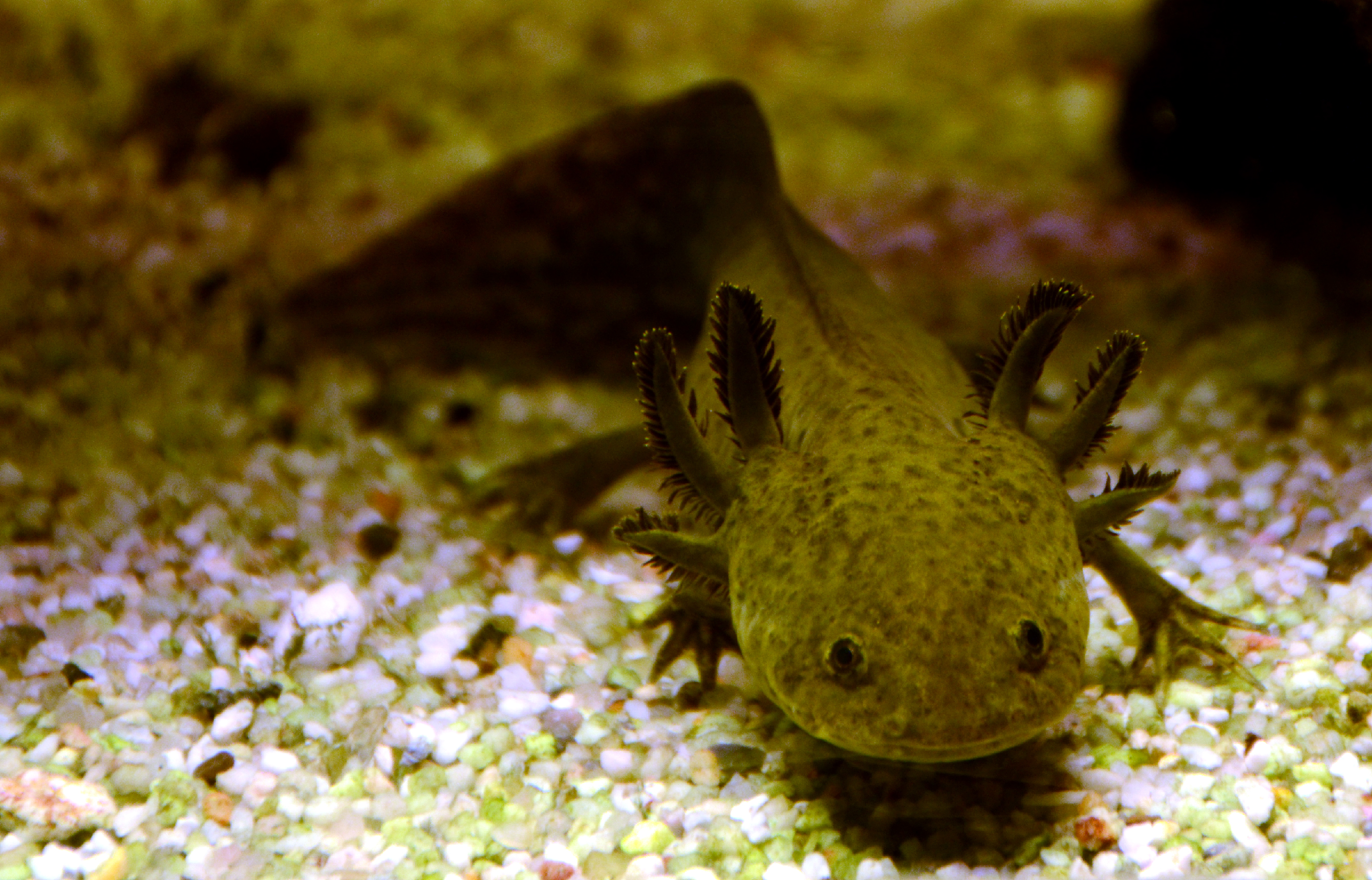
Axolotls captivate owners with their otherworldly appearance and remarkable regenerative abilities. These aquatic salamanders remain in their larval form throughout their lives, creating a perpetually youthful appearance that enchants aquarium enthusiasts. Axolotls: These salamanders are endangered in the wild and can be challenging to breed in captivity.
Their seemingly simple aquatic lifestyle masks complex water chemistry requirements that prove challenging for novice owners. Temperature fluctuations can quickly prove fatal, and their sensitive skin makes them vulnerable to water quality issues. Finding veterinary care for axolotls proves nearly impossible in many areas, leaving owners helpless during medical emergencies.
#3 Slow Lorises – Venomous Primates with Deceptive Cuteness
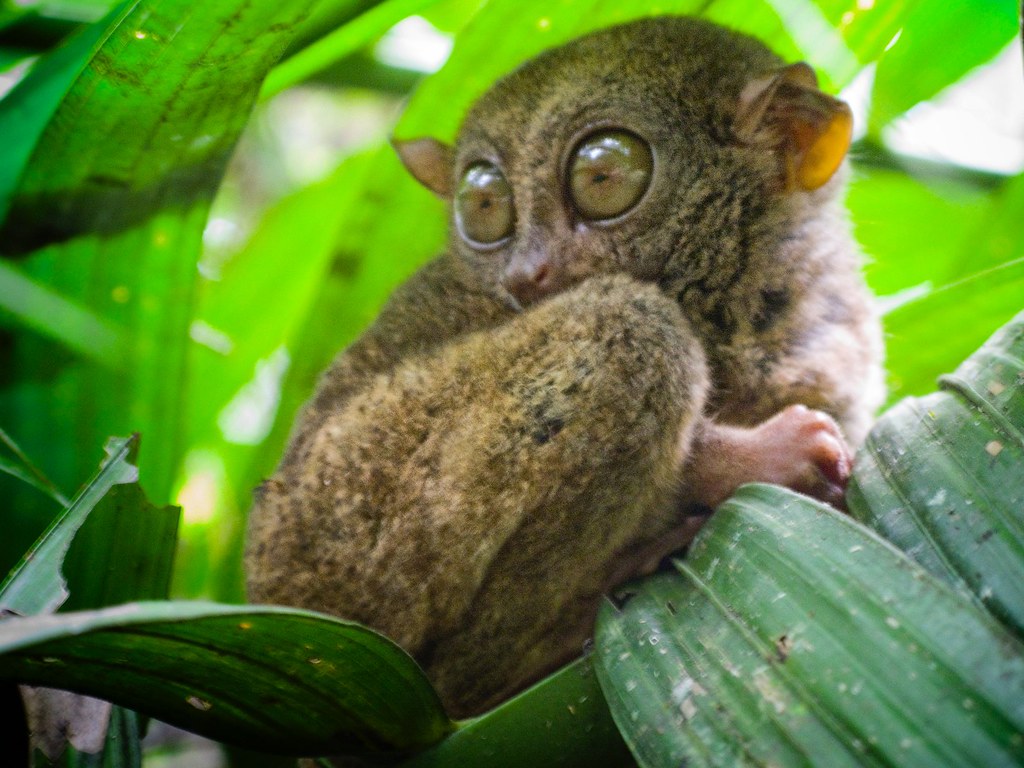
Slow lorises possess an almost supernatural cuteness that makes them irresistible to potential owners. Their large eyes and slow movements create an appealing, docile appearance that masks their true nature. Many people remain unaware that slow lorises are among the world’s only venomous mammals.
The trafficking statistics reveal the horrific reality behind their cute social media presence. Slow lorises are highly social primates with complex needs. Their capture, often involving brutal methods to remove their venomous teeth, and the stress of transport often lead to a devastatingly high mortality rate. Some species, like slow lorises, have a mortality rate of up to 90% during transportation. Their venomous bite can cause severe allergic reactions and tissue necrosis in humans.
#2 Marmosets – Tiny Monkeys with Enormous Care Requirements
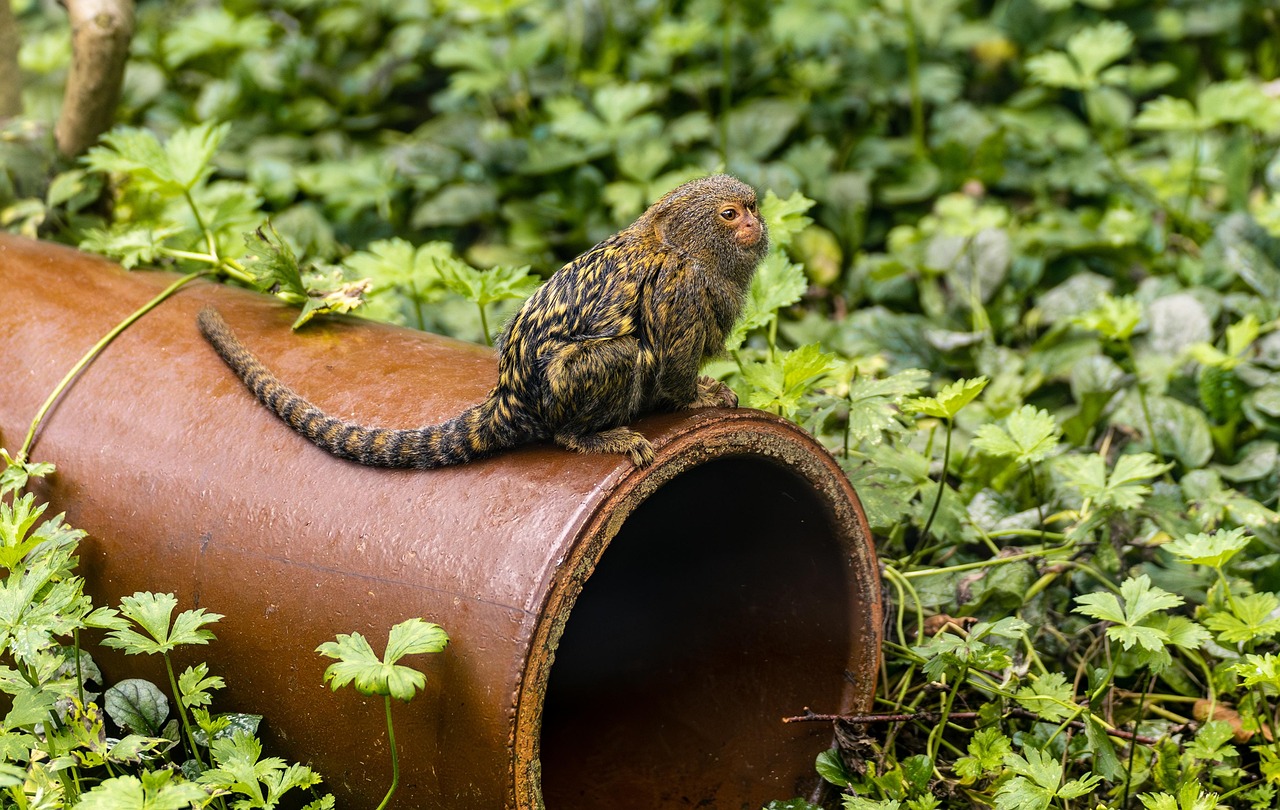
Marmosets win hearts through their miniature size and expressive faces that seem almost human in their emotional range. Marmosets are legal to own as pets in Florida, but be advised, they’re very social animals. They want to interact with their human, so you need to be that human. Their finger-sized babies and family-oriented behavior create strong emotional connections with their caregivers.
Their complex social structure and specialized dietary needs prove overwhelming for most private owners. Marmosets require constant companionship and can develop severe depression when isolated. Their high-pitched vocalizations and scent-marking behaviors make them unsuitable for most residential environments. Finding appropriate veterinary care often proves impossible, leaving owners helpless during medical crises.
#1 Chimpanzees – Our Closest Relatives with Terrifying Strength
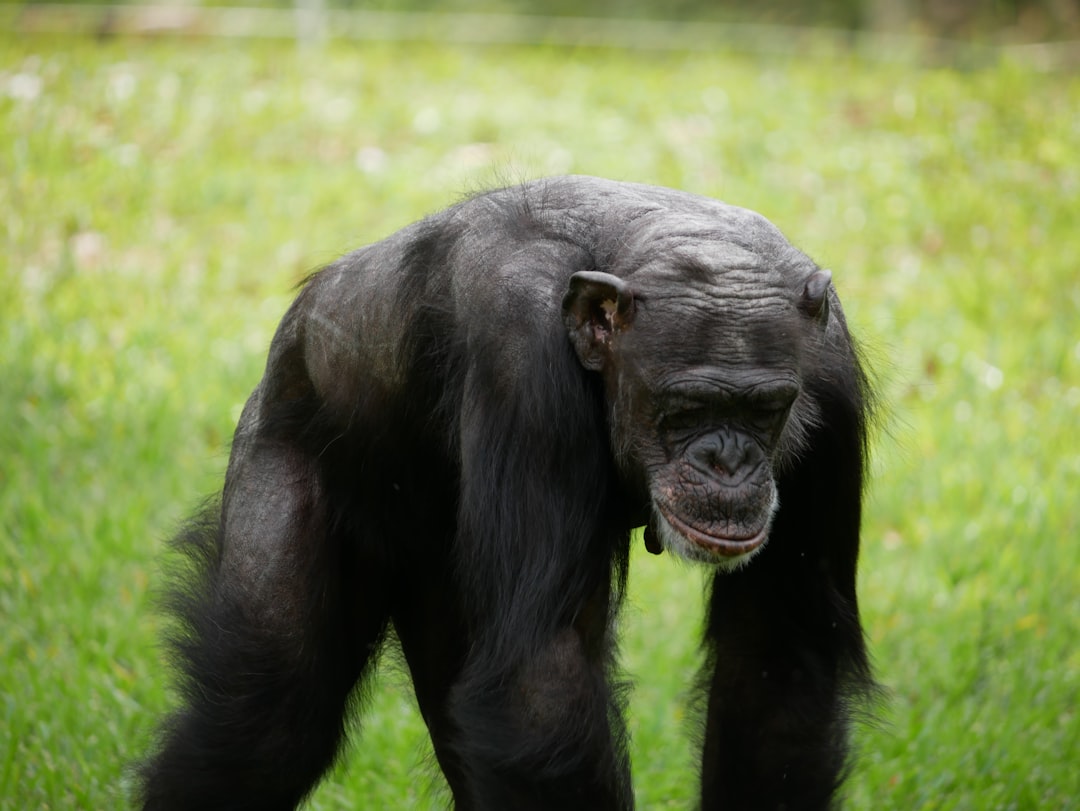
Chimpanzees share nearly identical DNA with humans, creating an almost irresistible appeal for those seeking the ultimate exotic companion. Baby chimps display human-like behaviors and emotions that create profound bonding experiences. Animals that once seemed sweet and cuddly, like tiger cubs or baby chimps, can quickly turn ferocious – and once they get big and strong, they’re not easy to handle safely.
The tragic reality of chimpanzee ownership becomes apparent as these animals mature into creatures capable of devastating violence. Exotic pet injury statistics remind us of a case in 2009 where a pet chimp attacked and brutally mauled a family friend trying to return the pet to its cage. As a result, Charla Nash had the first double hand and face transplant. Adult chimpanzees possess strength five times greater than humans and can inflict injuries that prove life-altering or fatal.
Conclusion
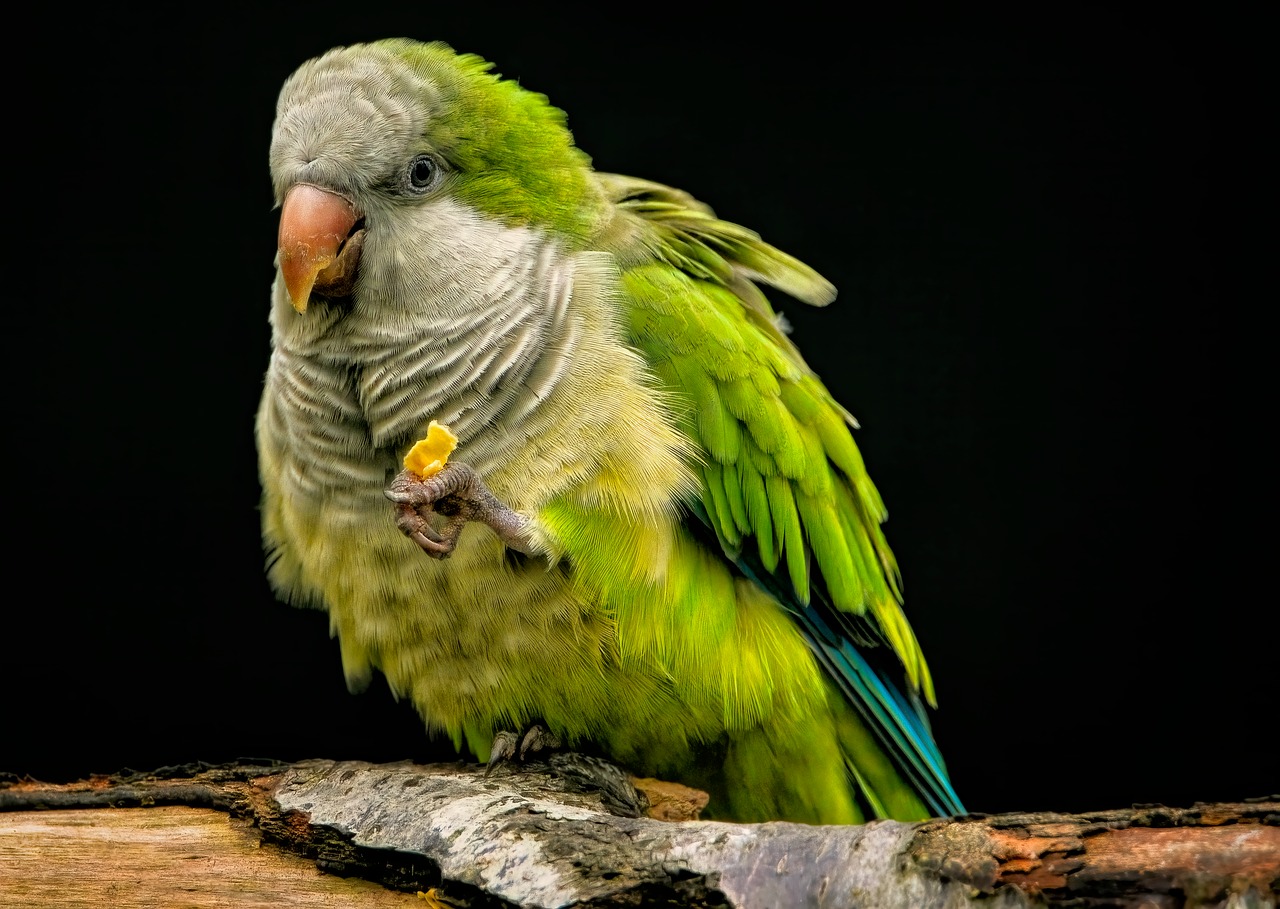
The allure of bonding with exotic animals taps into something primal within the human spirit. Yet behind every heartwarming video lies a complex web of dangers that extend far beyond what meets the eye. Many exotic pets die prematurely due to inadequate care and stress, and There were 91 incidents of death by exotic pets between 1990–2021.
The true tragedy isn’t just the human casualties or financial costs. It’s the millions of wild animals torn from their natural habitats, subjected to inadequate care, and ultimately abandoned when reality doesn’t match expectations. These creatures deserve better than becoming casualties of our misguided attempts to bring the wild into our homes.
What do you think about exotic pet ownership after learning these sobering statistics? Tell us in the comments.

- 12 Creatures That Survive on Earth’s Highest Altitudes - August 15, 2026
- 8 Things That Happen To Your Body on Everest’s Death Zone - August 14, 2026
- 5 Amazing Native Flowers for Your Garden - August 14, 2026