


Axolotls, with their perpetual smiles and feathery external gills, have captured the imagination of scientists and pet enthusiasts alike. These aquatic salamanders native to Mexico possess some of the most extraordinary biological traits in the animal kingdom. From regenerative abilities that seem straight out of science fiction to their neotenic development that keeps them forever young, axolotls challenge our understanding of what’s biologically possible. This article explores 15 mind-boggling facts about these remarkable creatures that highlight why they’ve become both critical research subjects and beloved exotic pets.
15. Axolotls Can Regenerate Almost Any Body Part

Perhaps the most astonishing ability of axolotls is their extraordinary regenerative capacity. These salamanders can regrow entire limbs, parts of their heart, sections of their spinal cord, and even portions of their brain without scarring or loss of function. This regeneration isn’t just superficial—the regrown limbs contain all the original structures including bones, muscles, nerves, and blood vessels. Scientists have documented axolotls regenerating the same limb multiple times with no apparent reduction in quality or function. This remarkable capability has made axolotls invaluable research subjects for regenerative medicine, with scientists hoping to unlock the genetic secrets that might one day help humans repair damaged tissues and organs.
14. They Remain in Larval Form Their Entire Lives
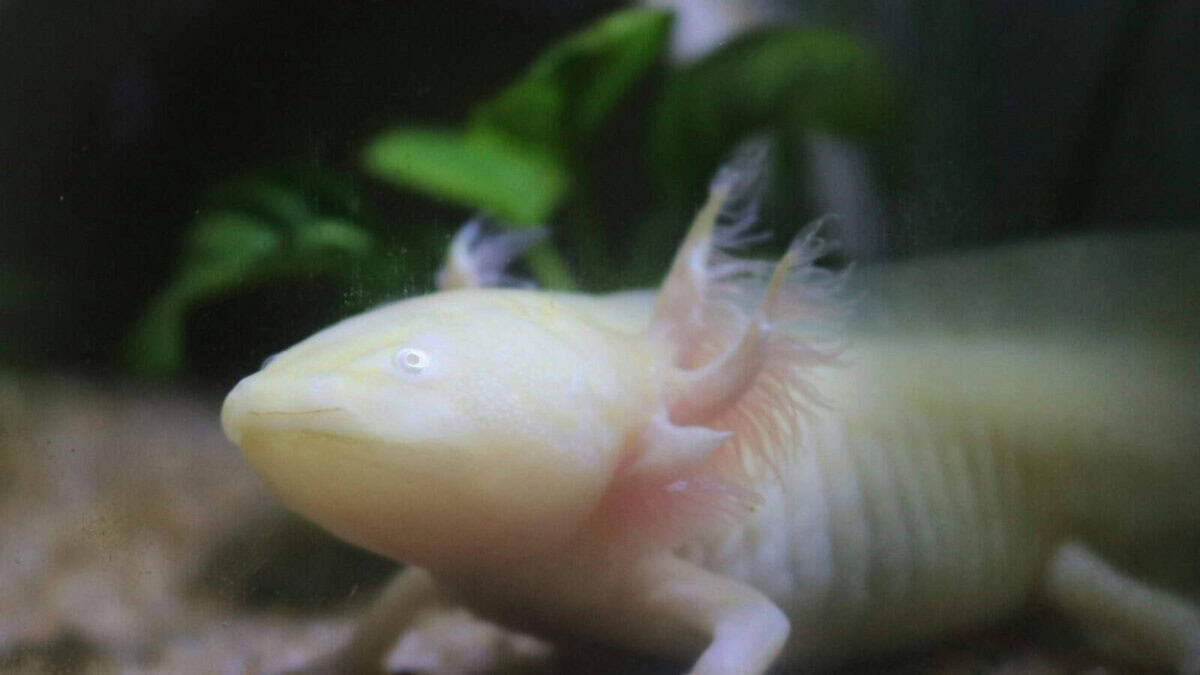
Unlike most amphibians that undergo metamorphosis to develop into terrestrial adults, axolotls exhibit a phenomenon called neoteny or paedomorphosis. This means they retain juvenile characteristics throughout their lives, never losing their aquatic larval features like external gills and tail fins. While they develop functional reproductive organs and can breed, they never transform into the terrestrial adult form typical of other salamanders. This biological peculiarity is believed to be an adaptation to their original high-altitude lake habitat in Mexico, where cold temperatures triggered evolutionary changes in their thyroid function. In extremely rare cases, and usually only when artificially induced with thyroid hormones, axolotls can undergo metamorphosis—losing their gills and developing lungs—though this typically shortens their lifespan significantly.
13. Their Name Comes From an Aztec God

The name “axolotl” derives from Nahuatl, the language of the Aztecs, and refers to Xolotl, the god of fire, lightning, deformities, and death. According to Aztec mythology, Xolotl transformed himself into an axolotl to escape sacrifice. The name approximately translates to “water monster” or “water dog.” Beyond their mythological significance, axolotls were also a practical food source for indigenous peoples of the Mexico Valley. The cultural importance of these creatures extends back centuries, with their images appearing in ancient Aztec art and artifacts. This deep cultural connection makes their current endangered status all the more poignant, representing not just a potential ecological loss but a severing of ancient cultural ties to the region’s wildlife.
12. They Can Absorb and Integrate Donor Cells From Other Axolotls

In a process that seems almost like biological science fiction, axolotls can accept and incorporate cells from other axolotls into their own bodies. When tissue from one axolotl is transplanted to another, the recipient often integrates the donor cells seamlessly instead of rejecting them. This remarkable ability extends to accepting organs and limbs from other individuals, sometimes even those with different genetic backgrounds or coloration. Scientists have leveraged this trait to create chimeric axolotls—animals with cells from multiple genetic sources—to study cell migration, differentiation, and development. This cellular hospitality is linked to the axolotl’s unusual immune system, which appears more flexible and accommodating than those of mammals, making them exceptional models for studying transplantation biology.
11. They Have One of the Largest Genomes in the Animal Kingdom

The axolotl genome is massive, containing approximately 32 billion base pairs—about ten times larger than the human genome. This enormous genetic blueprint was fully sequenced only recently, in 2018, representing a significant scientific achievement given its size and complexity. The genome contains many repeated sequences and segments that may contribute to the axolotl’s remarkable regenerative abilities. Interestingly, despite its size, the axolotl genome doesn’t necessarily contain more genes than other vertebrates; rather, it includes vast stretches of non-coding DNA whose functions remain largely mysterious. Researchers believe that understanding these genetic peculiarities may provide insights into evolutionary biology, development, and potentially therapeutic applications for human medicine.
10. Axolotls Come in Multiple Natural and Created Color Variants
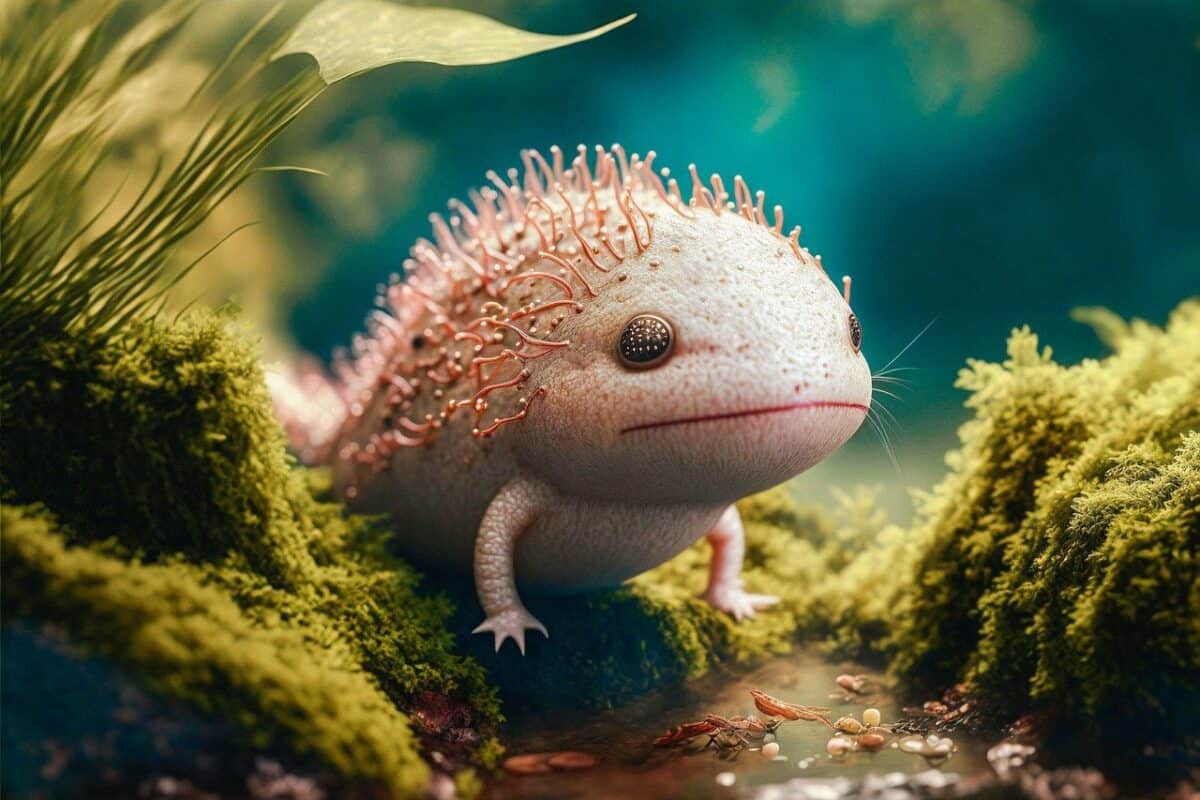
While wild axolotls typically display a mottled brown or olive coloration that provides excellent camouflage in their natural muddy habitat, captive breeding has produced a rainbow of striking variants. The leucistic axolotl, with its pearly white body and striking black or dark eyes, is perhaps the most recognizable and commonly kept variety. Other notable color morphs include the golden albino (pale gold with red eyes), the melanoid (entirely black), and the rare copper (salmon-pink body with metallic sheen). The GFP axolotl, created by introducing green fluorescent protein genes from jellyfish, actually glows green under certain light conditions. These color variations result from specific genetic mutations affecting pigment production and distribution, making axolotls valuable models for studying the genetics of coloration and development.
9. They Have Remarkable Longevity for Amphibians

Axolotls can live significantly longer than many other amphibian species, with a typical lifespan of 10-15 years in captivity when properly cared for. Some exceptional individuals have been documented living beyond 20 years. This longevity is especially impressive considering they reach sexual maturity relatively quickly, often able to reproduce by 12-18 months of age. Their extended lifespan may be connected to their neotenic state, which keeps them in a perpetual juvenile-like condition, and their remarkable cell regeneration abilities that could help mitigate aging effects. Scientists study axolotl aging processes to better understand the connections between regeneration, neoteny, and longevity, which could potentially offer insights into human aging and age-related diseases.
8. Axolotls Are Critically Endangered in the Wild

Despite their popularity in research laboratories and the pet trade, wild axolotls face a precarious future. The International Union for Conservation of Nature (IUCN) lists them as critically endangered, with population declines exceeding 90% in recent decades. Originally endemic only to Lake Xochimilco and Lake Chalco in the Valley of Mexico, their habitat has been dramatically reduced as Mexico City expanded. Today, they survive only in a greatly diminished Lake Xochimilco and the canal systems that remain from it. Major threats include urban expansion, water pollution, introduced predatory fish like tilapia and perch, and over-collection for food and the pet trade. Conservation efforts include habitat restoration projects, captive breeding programs, and education initiatives, though the species’ long-term survival in the wild remains uncertain despite their abundance in captivity worldwide.
7. They Possess Unusual Respiratory Capabilities

Axolotls employ a fascinating triple-breathing system that makes them remarkably adaptable to varying oxygen conditions. Their feathery external gills are their primary respiratory organs, extracting oxygen from water with their extensive surface area. However, they also possess rudimentary lungs that allow them to gulp air from the surface when necessary. Additionally, they can absorb oxygen directly through their skin, a process called cutaneous respiration. This respiratory flexibility helps axolotls survive in habitats with fluctuating oxygen levels, including the historically high-altitude, oxygen-poor lakes of their native Mexico. Their ability to shift between respiratory methods depending on environmental conditions has inspired research into amphibian respiration and potential applications for understanding respiratory adaptations in changing environments.
6. Their Teeth Are Unlike Those of Most Animals
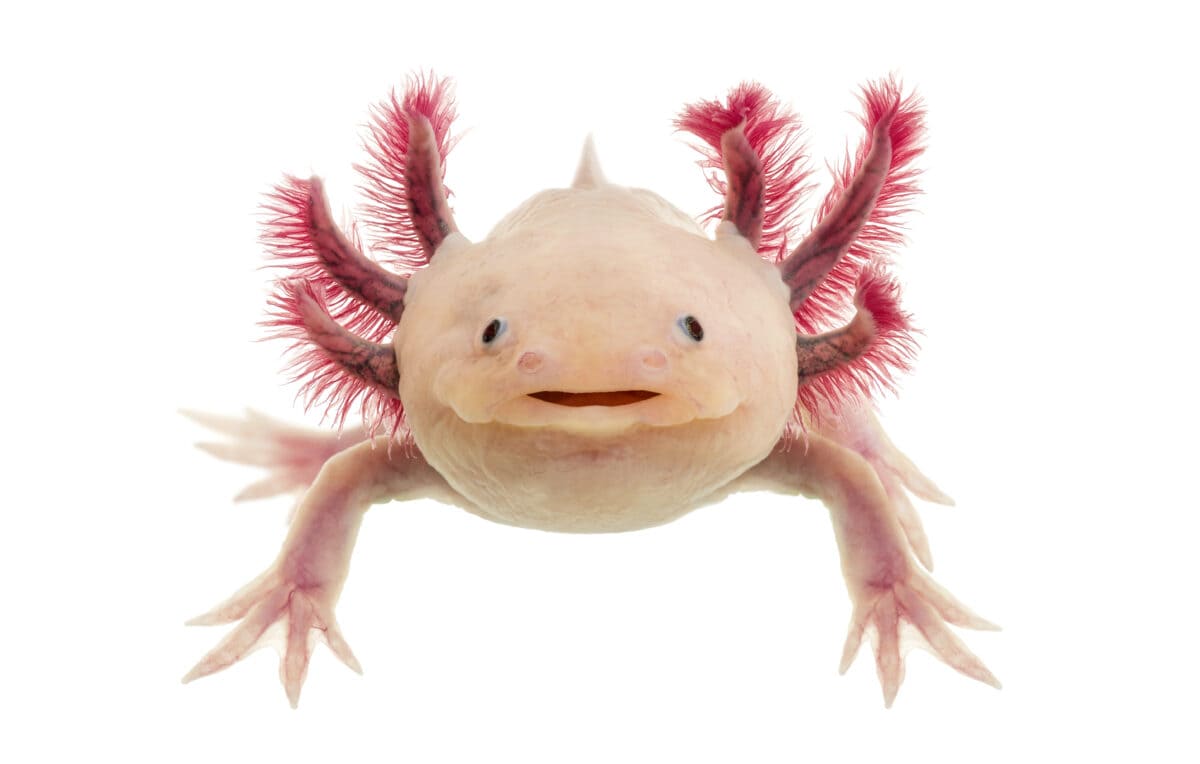
Axolotls possess a unique dental structure that sets them apart from most vertebrates. Rather than having teeth embedded in their jaws, they have sharp, conical structures called “tooth plates” that line both their upper and lower jaws. These aren’t true teeth in the conventional sense, as they lack the enamel and dentin structure of mammalian teeth. Instead, they’re specialized keratinized structures optimized for their feeding style. Axolotls are suction feeders, rapidly opening their mouths to create a vacuum that pulls prey inside, where these tooth plates help grip slippery food items like small fish, worms, and crustaceans. Even more remarkably, these dental structures are continuously replaced throughout the axolotl’s life, with new tooth plates developing to replace those that wear down—another example of their impressive regenerative capabilities.
5. They Have Remarkable Healing Without Scarring

Beyond their ability to regenerate entire limbs and organs, axolotls possess another medically significant trait: they heal injuries without forming scar tissue. When an axolotl is wounded, specialized cells called fibroblasts migrate to the injury site. Unlike in mammals, where these cells would form fibrous scar tissue, axolotl fibroblasts dedifferentiate—essentially reverting to a stem cell-like state—and then rebuild the damaged area according to the original genetic blueprint. This perfect healing extends even to severe injuries, with the restored tissue being functionally and structurally indistinguishable from the original. Medical researchers are intensely studying this scarless healing process, hoping to identify the genetic and cellular mechanisms that might someday be applied to improve human wound healing, reduce scarring, and potentially treat conditions like heart disease where scar tissue formation impairs organ function.
4. Axolotls Have a Unique Walking Gait
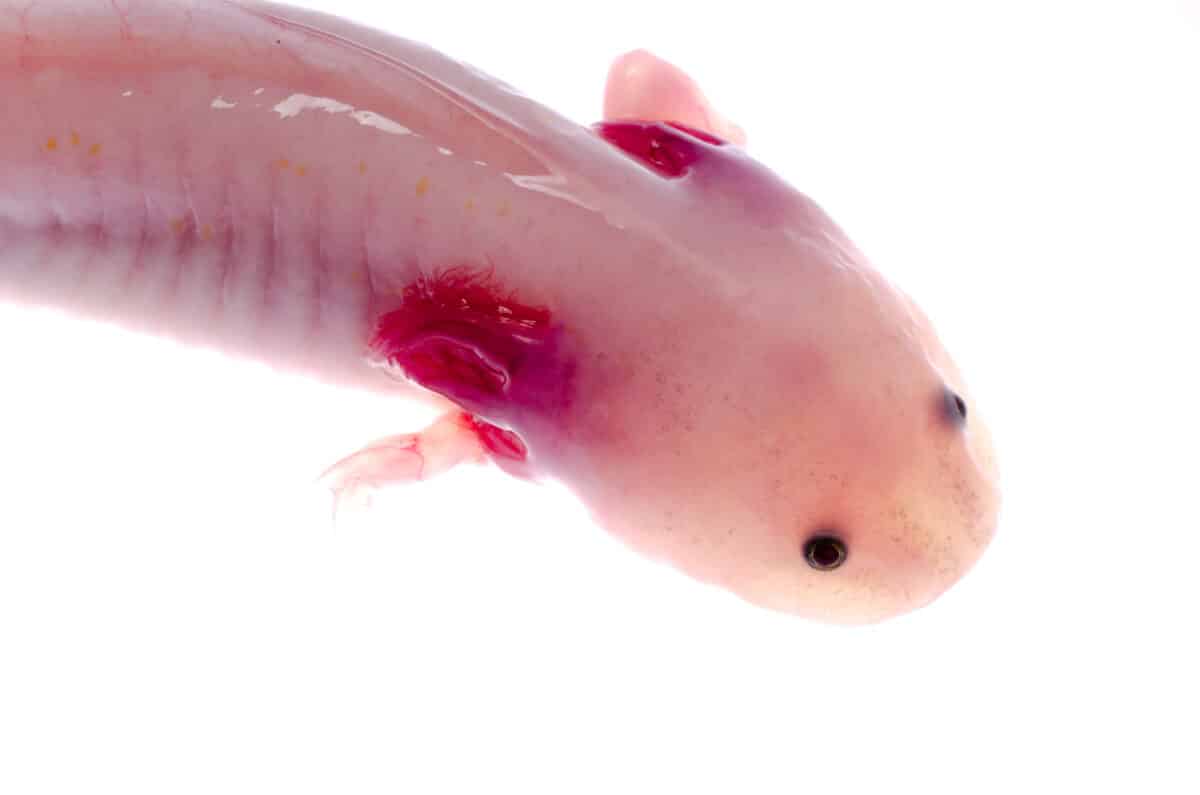
The locomotion pattern of axolotls is distinctly different from most other four-limbed animals. While many tetrapods use a diagonal gait (moving front-right and back-left limbs together, then front-left and back-right), axolotls employ a lateral sequence gait, moving limbs on the same side of their body in coordination. This unusual walking pattern, which resembles a slow-motion trot, is thought to be a primitive tetrapod characteristic and provides insights into the evolution of vertebrate locomotion, particularly the water-to-land transition. Researchers study axolotl movement to understand the neural circuits controlling coordinated limb motion and how these networks develop and regenerate after injury. Their distinctive gait, combined with their regenerative capabilities, makes axolotls valuable models for investigating both the evolution and rehabilitation of movement patterns in vertebrates.
3. They Can Regrow Their Hearts After Significant Damage

The regenerative abilities of axolotls extend to their cardiovascular system in ways that seem almost miraculous by mammalian standards. Researchers have demonstrated that axolotls can recover from having up to 20% of their heart tissue surgically removed. Unlike human cardiac tissue, which forms non-functional scar tissue after injury, axolotl hearts regenerate fully functional cardiac muscle. This process involves the dedifferentiation of existing heart cells near the wound site, which then proliferate and redifferentiate to rebuild the damaged sections. Even more remarkably, the regenerated heart maintains normal structure and function, with no detectable difference from the original organ. Cardiac researchers are intensely studying these mechanisms, hoping to identify genetic pathways that might someday help human heart attack patients regenerate damaged heart tissue instead of forming debilitating scar tissue.
2. Axolotls Have Been Key Research Animals for Over 150 Years

The scientific importance of axolotls dates back to 1864, when the first specimens were shipped from Mexico to Paris, quickly becoming essential laboratory animals for developmental biologists. These aquatic salamanders have contributed to fundamental discoveries in embryology, regeneration, evolution, and genetics. Their large, easily manipulated embryos and clear developmental stages made them ideal subjects for early experiments on embryonic development. In the early 20th century, they became central to understanding tissue transplantation and regeneration. The modern era has seen axolotls contribute to breakthroughs in stem cell research, gene editing technologies, and regenerative medicine. Major research colonies exist worldwide, with the most notable at the University of Kentucky, which has maintained an axolotl colony since 1936, creating standardized genetic lines used by scientists globally.
1. They Can Survive Without Food for Extraordinary Periods

Axolotls possess remarkable metabolic flexibility that allows them to endure extended periods without food. Healthy adult axolotls can survive for 3-4 months without eating when necessary, drawing on fat reserves and dramatically slowing their metabolism. This ability likely evolved as an adaptation to their native habitat’s seasonal fluctuations in food availability. During food scarcity, axolotls enter a state of reduced activity and lowered metabolic rate, similar to torpor in other animals. Their efficient energy utilization extends to their regenerative processes—even during periods of limited nutrition, they maintain their ability to heal and regenerate, though at a slower pace. This metabolic resilience makes them particularly hardy as both research subjects and pets, though such extended fasting periods are stressful and should be avoided in captive care.
Conclusion: Nature’s Living Marvels

Axolotls represent one of nature’s most extraordinary evolutionary experiments, combining primitive features with advanced biological capabilities that continue to astonish scientists. Their remarkable regenerative abilities, unusual development, and distinctive physiological adaptations make them not only fascinating creatures but also invaluable models for medical research that could someday transform human healthcare. The paradox of their story—critically endangered in the wild while thriving in laboratories and aquariums worldwide—serves as a poignant reminder of our complex relationship with the natural world. As we continue to unravel the genetic and cellular secrets behind their seemingly magical abilities, axolotls stand as living testaments to the extraordinary possibilities encoded in the language of life, offering hope that their survival both in the wild and in captivity will continue to benefit science and inspire wonder for generations to come.

As a little kid, I fell in love with nature, wildlife, and animals. Living in the USA, South Africa, Italy, China and Germany gave me the opportunity to discover the world's Wildlife. My favorite animals are Mountain Gorillas, Siberian Tigers, and Great White Sharks.
I'm a certified PADI Open Water Diver, went to Everest Base Camp and Trekked Gorillas in Uganda. I hold a Master of Science in Economics and Finance.
Please send any feedback to feedback@animalsaroundtheglobe.com
- 11 Most Endangered Insects Buzzing in America Today - July 22, 2026
- 10 Most Frequently Googled Animal Birth Facts - July 22, 2026
- 10 Incredible Migration Journeys in the Animal Kingdom - July 22, 2026