

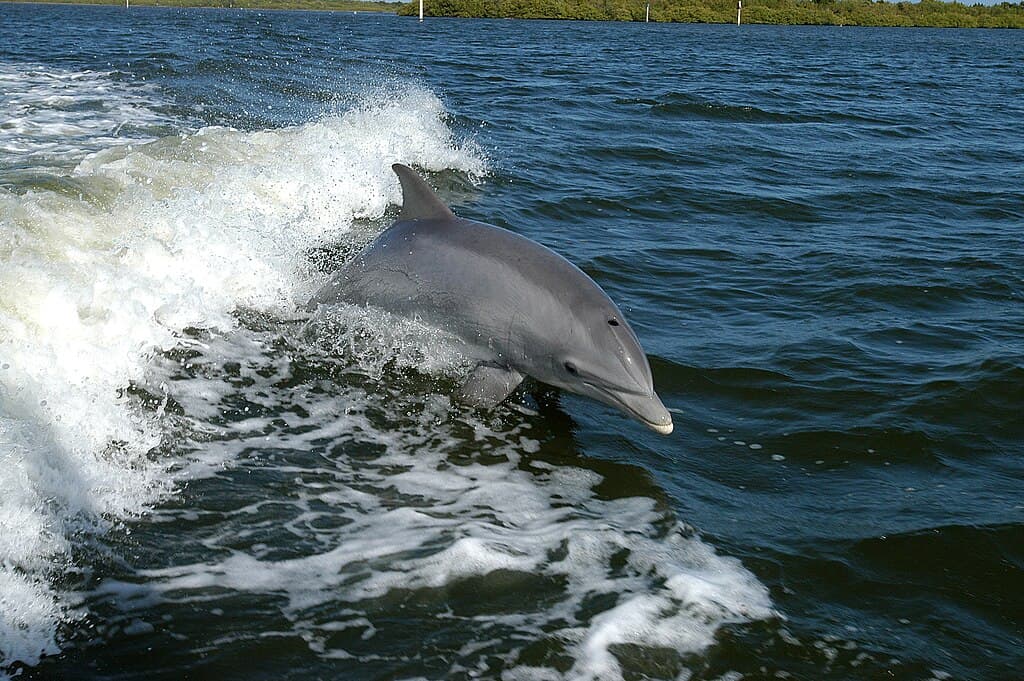
Bottlenose dolphins, with their permanent “smile” and playful nature, have captivated human hearts for centuries. These remarkable marine mammals are not only incredibly intelligent but also possess some of the most complex social structures in the animal kingdom. From their extraordinary communication abilities to their problem-solving skills, bottlenose dolphins continue to amaze scientists and ocean enthusiasts alike. This article explores fifteen fascinating facts about these charismatic creatures that showcase why they remain one of the most beloved species in our oceans.
15. Exceptional Intelligence Rivals Great Apes

Bottlenose dolphins possess cognitive abilities that place them among the most intelligent creatures on Earth. Their brain-to-body mass ratio is second only to humans, surpassing even that of great apes. This remarkable brain power enables them to solve complex problems, use tools, and demonstrate self-awareness—a trait once thought unique to humans. In mirror recognition tests, bottlenose dolphins quickly recognize their reflection as themselves rather than another dolphin, placing them in the elite group of animals capable of self-recognition alongside great apes and elephants. Their intelligence extends to understanding abstract concepts and the ability to comprehend symbolic language systems taught by researchers.
14. Sophisticated Communication Through Whistles and Body Language

The communication system of bottlenose dolphins is extraordinarily advanced. Each dolphin develops its own unique “signature whistle” by its first year of life, functioning essentially as a name. These whistles help dolphins identify and locate each other in the vast ocean, especially mothers and calves who need to maintain contact. Beyond signature whistles, dolphins use an elaborate vocabulary of clicks, squeaks, and body postures to convey information. Recent research suggests they can even mimic the signature whistles of absent pod members—essentially “calling them by name.” Their communication doesn’t stop at sounds; they use synchronized swimming, fin slapping, and jaw clapping as additional forms of expression, creating one of the most sophisticated non-human communication systems known.
13. Echolocation Capabilities Surpass Human Technology
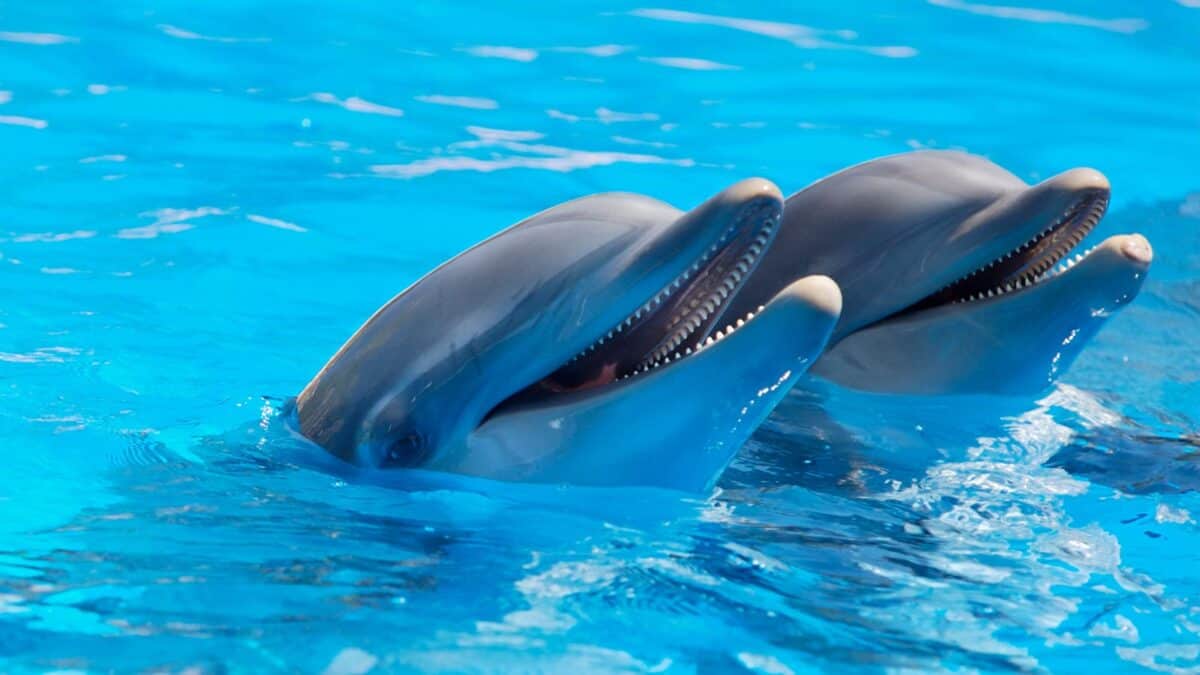
Bottlenose dolphins navigate their underwater world using echolocation that remains superior to any human-made sonar system. By producing high-frequency clicks that travel through water and bounce off objects, dolphins create detailed mental “images” of their surroundings. Their echolocation is so precise they can detect objects the size of a pea from more than 15 meters away and can distinguish between objects of different densities, shapes, and materials. Even more remarkably, dolphins can identify objects buried under sand using only their biosonar. Scientists have discovered that dolphins can use echolocation to detect pregnancy in other dolphins and even identify different fish species through a barrier, demonstrating sensory capabilities that continue to astonish researchers developing advanced sonar technology.
12. Complex Social Structures and Alliances
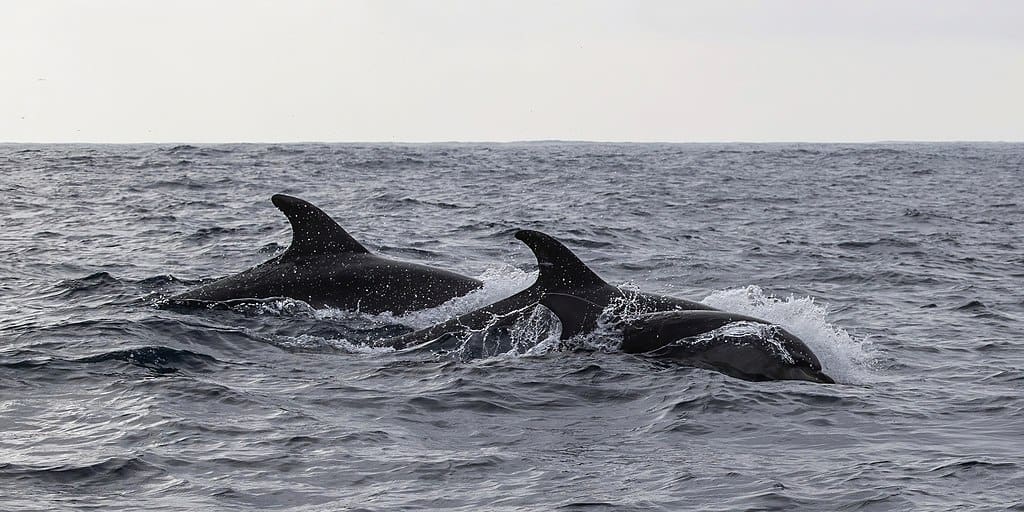
The social lives of bottlenose dolphins rival the complexity of human societies. They form sophisticated alliance systems where groups of males collaborate to help each other secure mating opportunities with females. These alliances can be multi-tiered, with dolphins forming both close partnerships and broader coalition networks that can last for decades. Female dolphins maintain strong bonds with other females, creating nursery groups that assist in calf rearing and protection. Researchers have documented communities with distinct cultural practices that are passed down through generations, including unique hunting techniques. The social intelligence required to navigate these complex relationships demonstrates cognitive abilities that were once thought exclusive to primates, making dolphin societies some of the most intricate in the animal kingdom.
11. Half-Brain Sleeping Technique
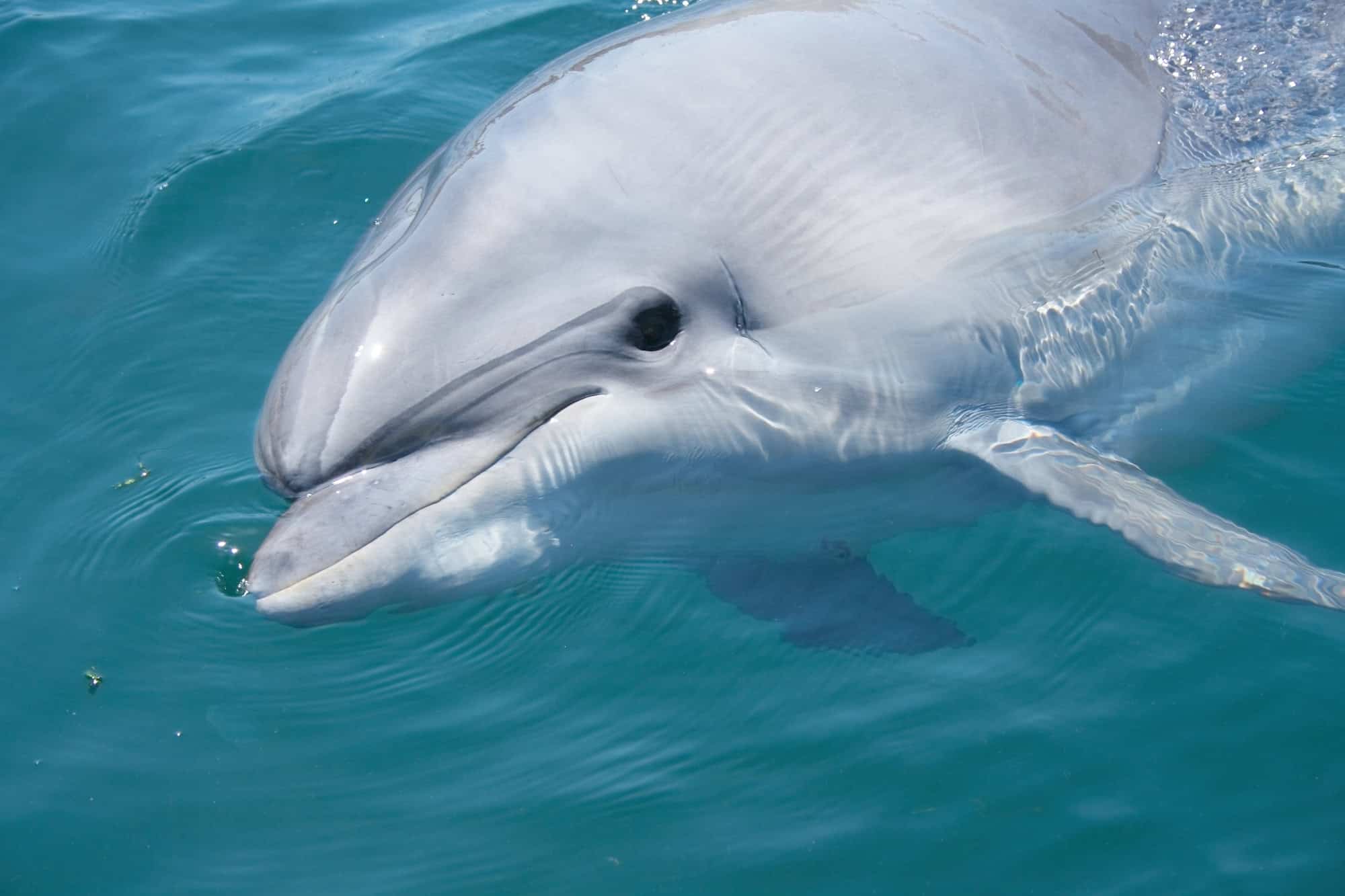
Unlike humans, bottlenose dolphins cannot afford to fall completely unconscious when sleeping, as they must surface regularly to breathe. To solve this problem, they’ve evolved the remarkable ability to rest one hemisphere of their brain at a time while keeping the other alert. This unihemispheric sleep allows them to maintain essential body functions, continue swimming, surface for breathing, and remain vigilant for predators. During this half-brain sleep, one eye remains open—the eye corresponding to the awake hemisphere. Dolphins typically sleep in this manner for about 4-5 hours each day, usually in two-hour intervals. This adaptation showcases the evolutionary ingenuity that allows these air-breathing mammals to thrive in an aquatic environment where continuous consciousness is necessary for survival.
10. Impressive Longevity and Growth
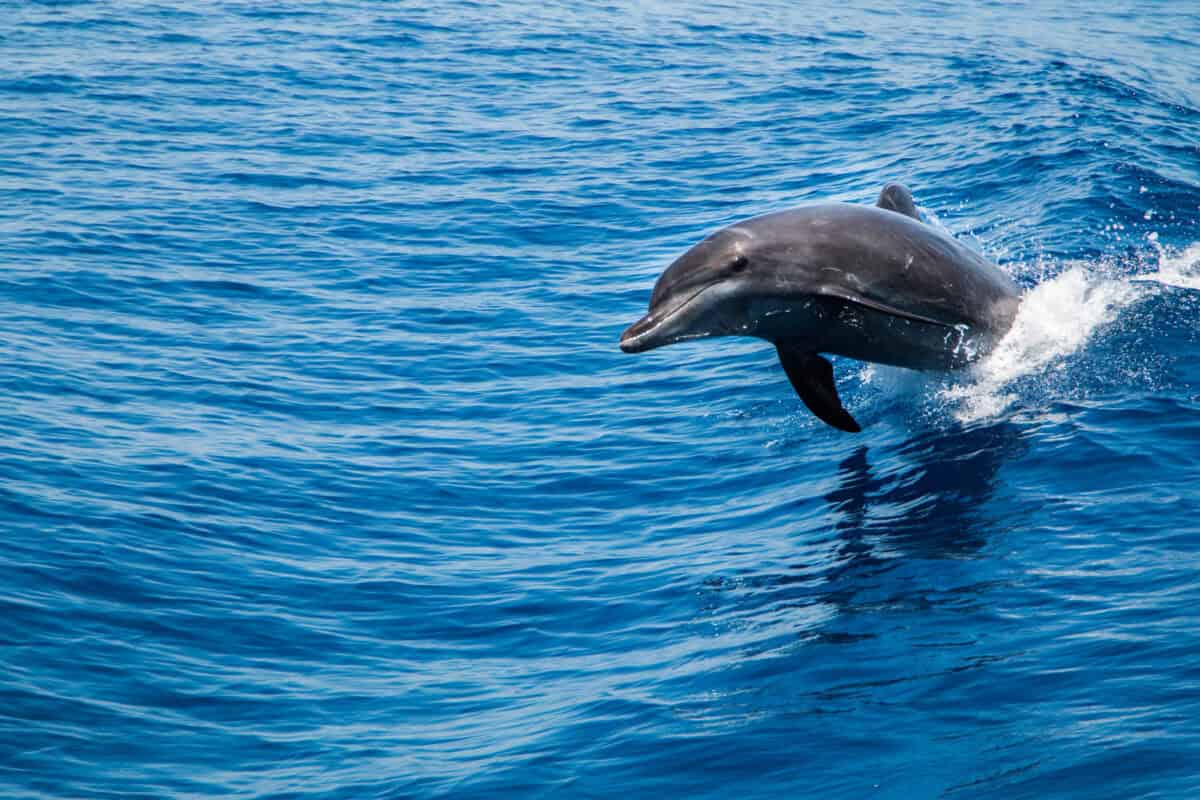
Bottlenose dolphins enjoy relatively long lifespans compared to many marine mammals. In the wild, they typically live 40-60 years, with females generally outliving males. The oldest documented bottlenose dolphin reached 67 years of age. These marine mammals are born at about 0.9-1.3 meters (3-4 feet) long and weigh approximately 18-20 kg (40-44 pounds). Adults grow to an average length of 2-4 meters (6.6-13 feet) and can weigh between 150-650 kg (330-1,430 pounds), with males typically larger than females. Their growth rate is most rapid during the first five years of life, and they reach sexual maturity between 5-14 years, depending on the population and geographic location. This extended development period allows juvenile dolphins ample time to learn complex social and hunting skills from their pod members.
9. Cultural Transmission of Knowledge and Skills

Bottlenose dolphins demonstrate cultural learning that mirrors aspects of human culture. They pass down specialized knowledge and skills through generations without genetic inheritance. One of the most documented examples is tool use, where dolphins in Australia’s Shark Bay wrap marine sponges around their rostrums (beaks) as protection while foraging on the seabed—a behavior called “sponging.” This technique is primarily passed from mother to daughter. Other examples include cooperative fishing with humans in Brazil, where dolphins herd fish toward fishermen’s nets in a mutually beneficial relationship that’s continued for generations. Dolphins also teach specific vocalizations and hunting strategies within pods, creating distinct “cultural groups” with unique practices. This cultural transmission demonstrates a level of social learning once thought exclusive to humans and some primates.
8. Remarkable Physical Adaptations

The bottlenose dolphin’s body represents a marvel of evolutionary adaptation to marine life. Their streamlined shape allows them to swim at speeds up to 35 km/h (22 mph) and dive to depths exceeding 300 meters (985 feet). Their blubber layer serves multiple functions: insulation in cold waters, energy storage, and buoyancy control. Unlike most mammals, dolphins lack hair except for a few bristles around their rostrum at birth, which they quickly lose. Their skin regenerates every two hours—a rate about nine times faster than human skin—helping them maintain hydrodynamic efficiency. Perhaps most impressive is their respiratory system, which allows them to exchange 80% of the air in their lungs in a single breath (compared to about 17% in humans) and hold their breath for up to 7 minutes during deep dives.
7. Global Distribution and Habitat Flexibility
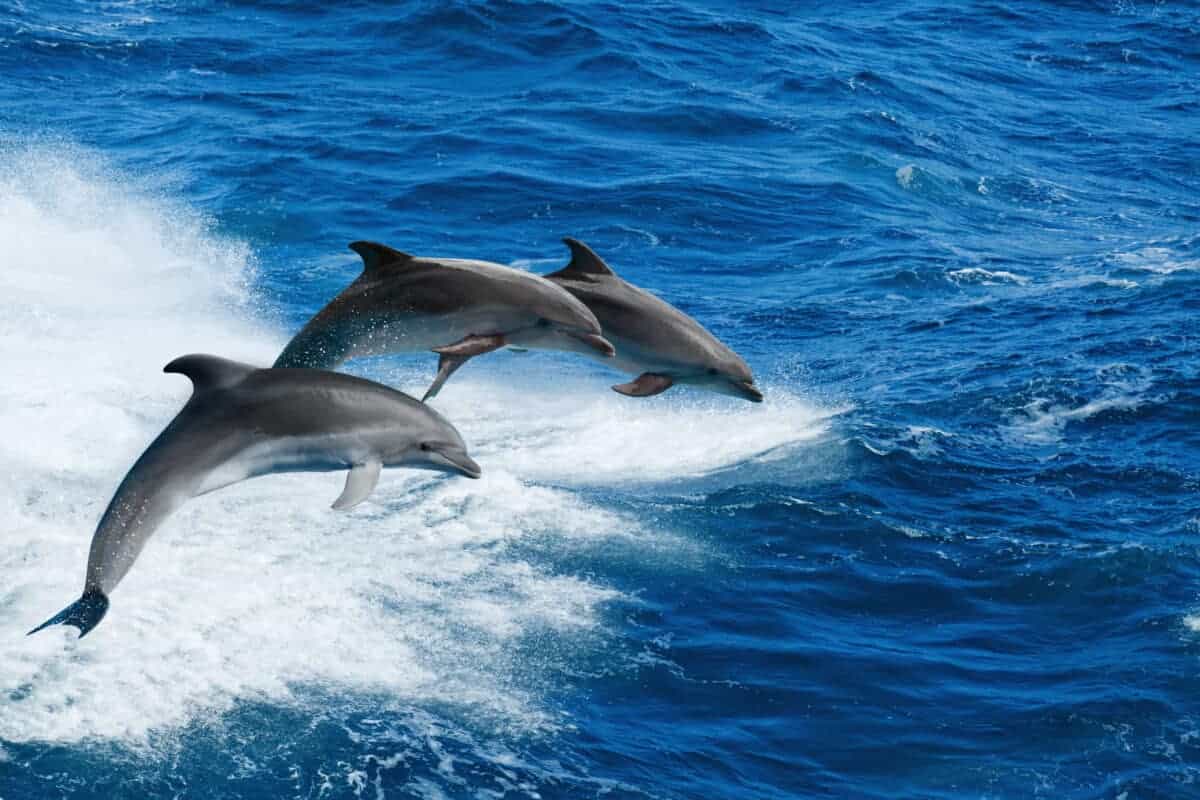
Bottlenose dolphins demonstrate remarkable adaptability, inhabiting a wide range of marine environments across the globe. They’re found in temperate and tropical waters worldwide, from coastal shallows to open ocean habitats. Two ecotypes exist: the smaller coastal form that frequents bays, estuaries, and river mouths, and the larger offshore variety that roams deeper pelagic waters. This adaptability extends to temperature tolerance, with populations thriving in waters ranging from 10°C to 32°C (50°F to 90°F). Their dietary flexibility further supports this wide distribution—bottlenose dolphins opportunistically feed on whatever prey is abundant in their habitat, including fish, squid, and crustaceans. This remarkable adaptability has helped bottlenose dolphins become one of the most widespread cetacean species, though it also exposes them to varied anthropogenic threats across their range.
6. Cooperative Hunting Strategies
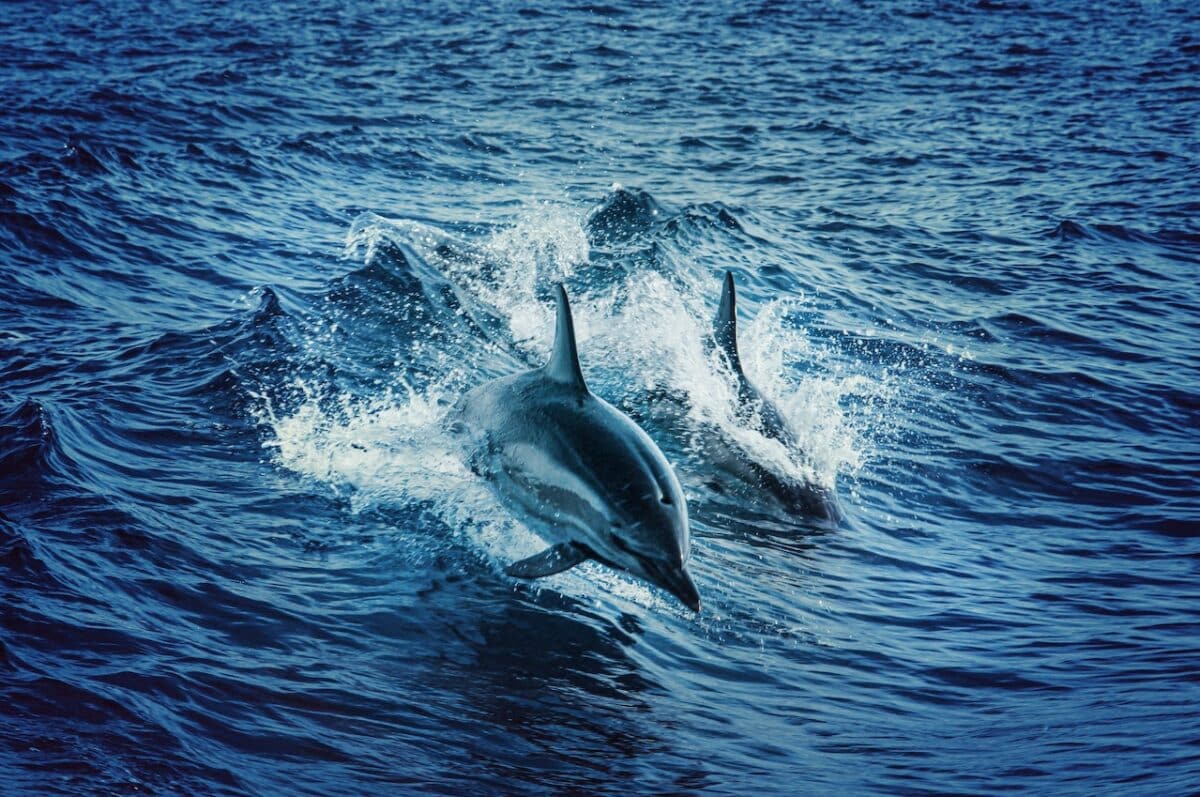
Bottlenose dolphins employ sophisticated cooperative hunting techniques that showcase both their intelligence and social cohesion. In one impressive strategy called “mud ring feeding,” dolphins in Florida circle schools of fish while slapping their tails on the seafloor, creating a ring of disturbed sediment that traps the fish. The disoriented fish jump out of the water to escape the mud cloud, directly into the waiting dolphins’ mouths. In South Carolina, dolphins practice “strand feeding,” where they coordinate to herd fish onto shorelines, then temporarily beach themselves to consume the stranded prey. Perhaps most remarkable is their ability to adapt these strategies to local conditions and pass them to younger generations. These cooperative hunting behaviors require planning, coordination, and role specialization—cognitive abilities once thought exclusive to humans and some land predators like wolves and lions.
5. Exceptional Healing Abilities
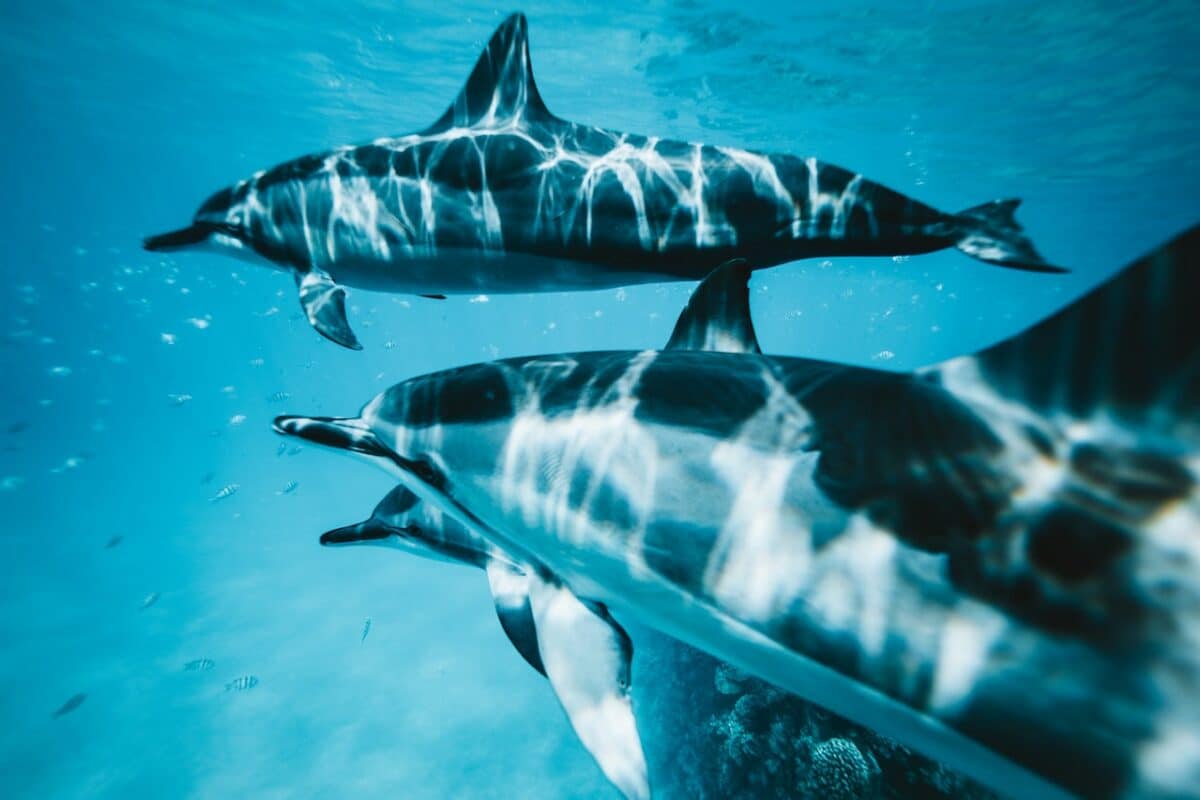
Bottlenose dolphins possess healing capabilities that have astounded marine biologists for decades. They can recover from severe shark bites and deep lacerations that would be fatal to most other animals. Their wound healing is accelerated by their unique blood chemistry, which features higher levels of clotting factors and antimicrobial properties that help prevent infection in the bacteria-rich ocean environment. Additionally, dolphins have evolved a specialized healing mechanism that prevents wounds from developing in a way that creates drag while swimming, which would further damage tissue. Research has shown that their blubber contains compounds with antimicrobial properties, and their immune systems appear particularly effective at fighting off pathogens. These remarkable healing abilities have inspired medical researchers who study dolphin physiology in hopes of developing improved wound treatments for humans.
4. Playful Nature and Object Manipulation
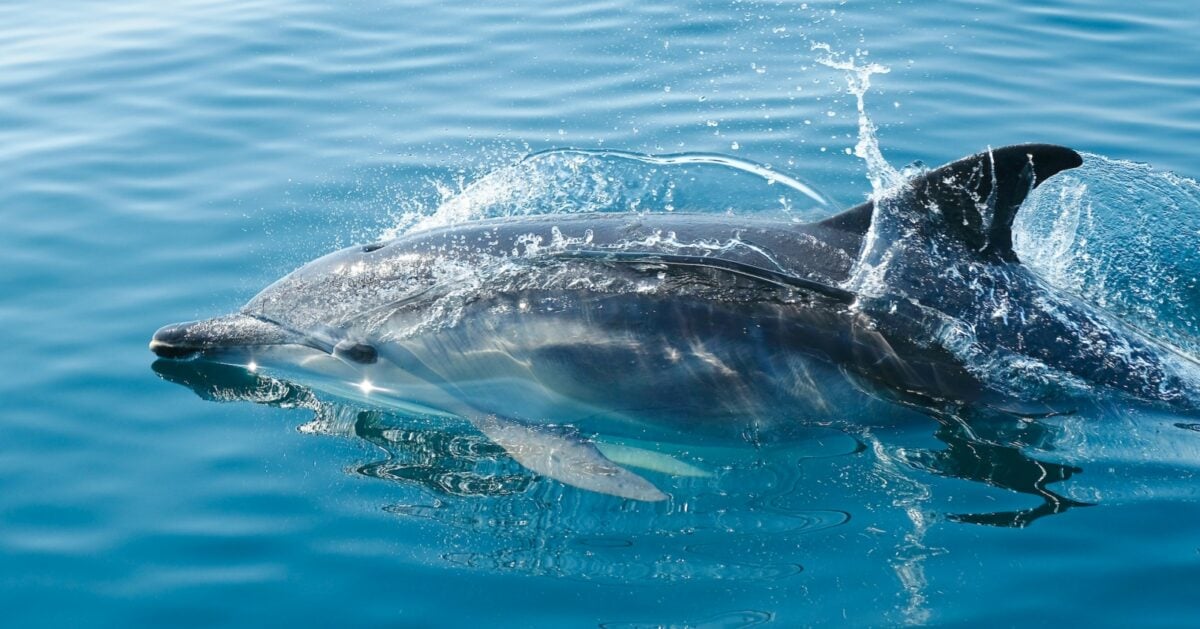
The playful behavior of bottlenose dolphins extends far beyond simple recreation—it serves crucial developmental and social functions. Dolphins engage in elaborate play with seaweed, bubbles, and other objects they find in their environment, demonstrating creativity and problem-solving skills. They’ve been observed creating bubble rings underwater and then manipulating these rings with their rostrums in complex ways. Young dolphins play to develop hunting skills, practice mating behaviors, and establish social hierarchies. Adults continue playful activities throughout their lives, which researchers believe helps maintain cognitive function and strengthen social bonds. Dolphins even engage in cross-species play, initiating games with humans, other cetaceans, and occasionally sea turtles. This persistent playfulness throughout their lifespan is relatively rare in the animal kingdom and highlights the importance of both physical and mental stimulation in dolphin well-being.
3. Specialized Parenting Techniques
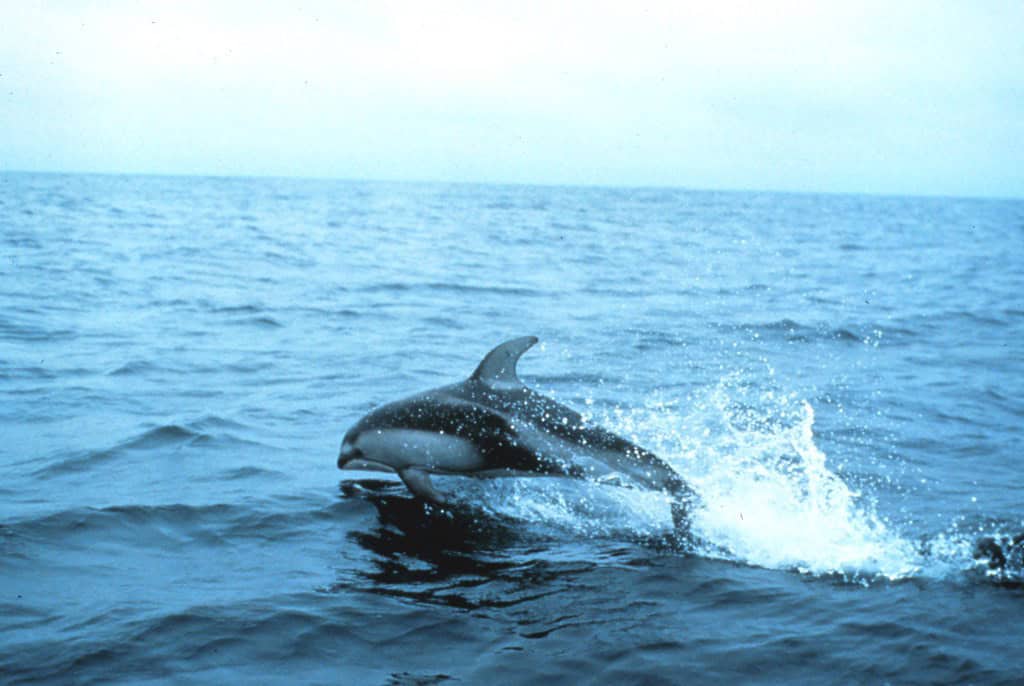
Bottlenose dolphin mothers invest significantly in raising their young, with calves typically staying with their mothers for 3-6 years—one of the longest dependency periods in the marine world. Mothers teach their calves essential survival skills through a process similar to apprenticeship. They demonstrate proper breathing techniques, hunting strategies, and social etiquette within the pod. Female dolphins often practice “babysitting,” where aunts or other female pod members temporarily care for calves, giving mothers breaks and allowing calves to develop broader social connections. Mothers produce extremely rich milk (containing up to 33% fat compared to the 4% in human milk) that enables rapid calf growth. Perhaps most touchingly, dolphin mothers sing unique signature whistles to their babies in the womb, beginning the bonding process even before birth and establishing vocal recognition that will be crucial for keeping track of calves in murky waters.
2. Medicinal Use of Marine Organisms
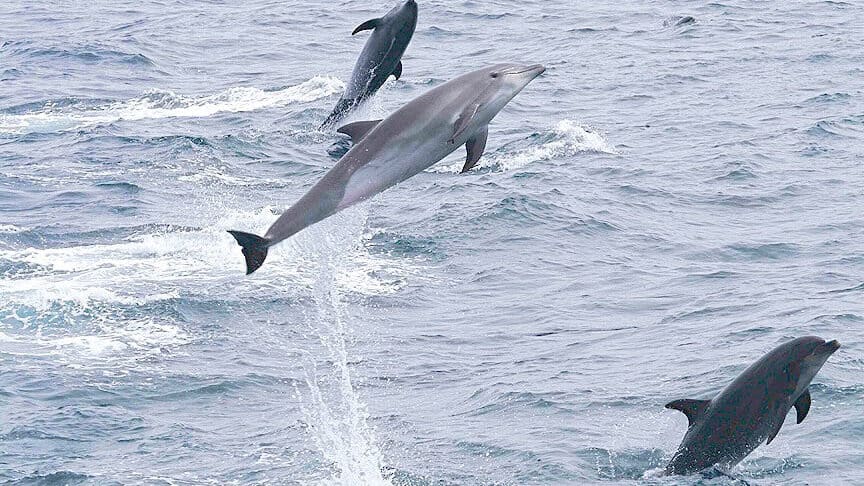
In a behavior that suggests remarkable knowledge of their environment, bottlenose dolphins have been observed deliberately rubbing against certain coral and sponge species that contain compounds with antimicrobial, antifungal, and cytotoxic properties. Researchers studying Indo-Pacific bottlenose dolphins noticed them queuing up to rub against specific gorgonian corals and certain sponges, particularly after shedding skin or when they had visible skin irritations. Chemical analysis of these marine organisms revealed bioactive compounds that could help treat skin conditions. This behavior suggests dolphins may be practicing a form of self-medication, selecting specific marine organisms for their medicinal properties. The selective nature of this rubbing behavior—targeting only certain species among the hundreds available—indicates this isn’t random but rather purposeful selection based on the therapeutic benefits, revealing another dimension of dolphin intelligence and environmental awareness.
1. Names and Responses to Human Signals
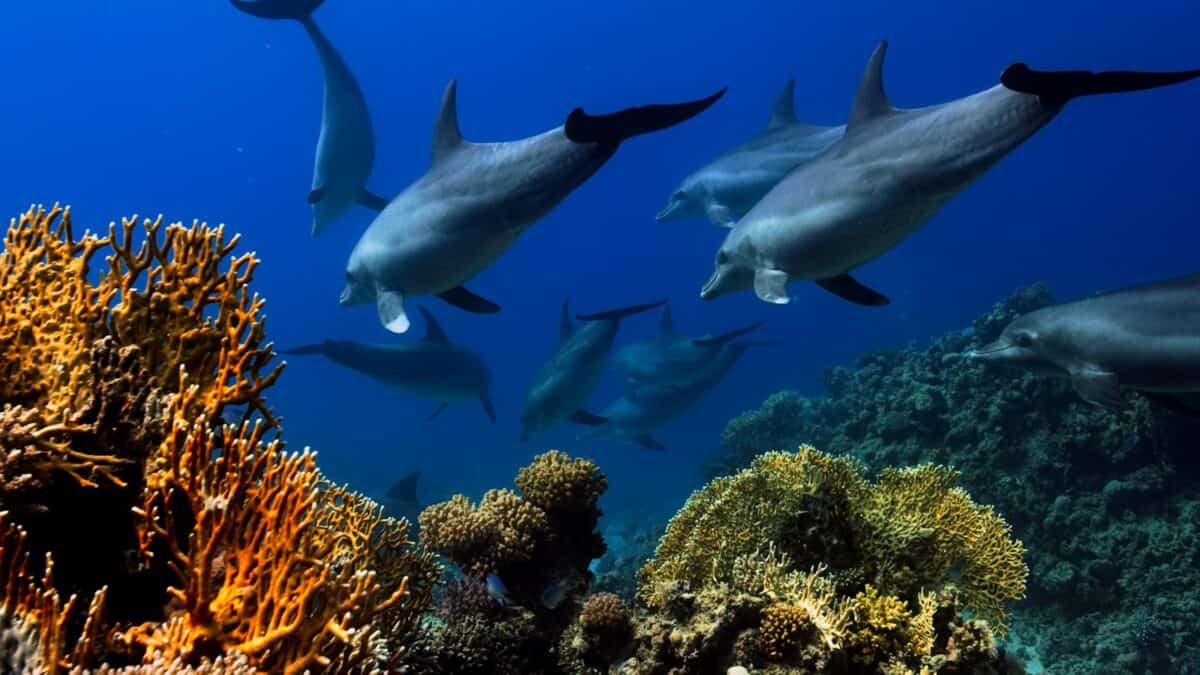
Bottlenose dolphins not only recognize their own signature whistles as names but can remember the signature whistles of other dolphins they’ve encountered for over 20 years—an extraordinary feat of social memory. In human-dolphin interaction studies, they’ve demonstrated understanding of complex commands, including syntax (the order of gestures), and can comprehend both verbal and visual cues. Perhaps most impressively, dolphins understand the concept of “innovation” when trained with the signal for “do something new,” they consistently perform previously undemonstrated behaviors. They also understand abstract concepts like “larger” and “smaller” and can apply these concepts to novel objects. These abilities place bottlenose dolphins among a very select group of animals that can understand symbolic representation, abstract concepts, and innovation on command—cognitive abilities that were once considered uniquely human.
Conclusion: Ocean Ambassadors Worthy of Protection

Bottlenose dolphins represent one of nature’s greatest achievements in cognitive and social evolution. Their remarkable intelligence, complex societies, and adaptability have allowed them to thrive in diverse marine environments worldwide. As we continue to learn more about their sophisticated communication, problem-solving abilities, and cultural transmission, the line between human and non-human intelligence grows increasingly blurred. Yet despite their adaptability, bottlenose dolphins face significant threats from human activities, including habitat degradation, pollution, fishing gear entanglement, and climate change. Their charisma and intelligence make them natural ambassadors for ocean conservation, helping us recognize the intricate connections between marine ecosystem health and our own wellbeing. By protecting bottlenose dolphins and their habitats, we not only preserve one of Earth’s most extraordinary species but also safeguard the oceanic environments upon which all life ultimately depends.

As a little kid, I fell in love with nature, wildlife, and animals. Living in the USA, South Africa, Italy, China and Germany gave me the opportunity to discover the world's Wildlife. My favorite animals are Mountain Gorillas, Siberian Tigers, and Great White Sharks.
I'm a certified PADI Open Water Diver, went to Everest Base Camp and Trekked Gorillas in Uganda. I hold a Master of Science in Economics and Finance.
Please send any feedback to feedback@animalsaroundtheglobe.com
- 10 Most Unique Reptiles You will See in the US - July 21, 2026
- 3 Dangerous Invasive Species the USA Must Eradicate - July 21, 2026
- 10 Things That Calm Cats And 4 That Make Them Nervous - July 21, 2026