


Wild mustangs gallop through the American landscape as living symbols of freedom and resilience. These magnificent creatures have captured our collective imagination for centuries, starring in countless films, books, and artwork. But beyond their romantic portrayal lies a complex history and fascinating biology that makes these feral horses truly remarkable. From their European origins to their current conservation challenges, wild mustangs tell a compelling story of adaptation and survival. Let’s explore fifteen fascinating facts about these iconic American horses that showcase their unique place in both natural history and cultural heritage.
15. Mustangs Aren’t Native to North America
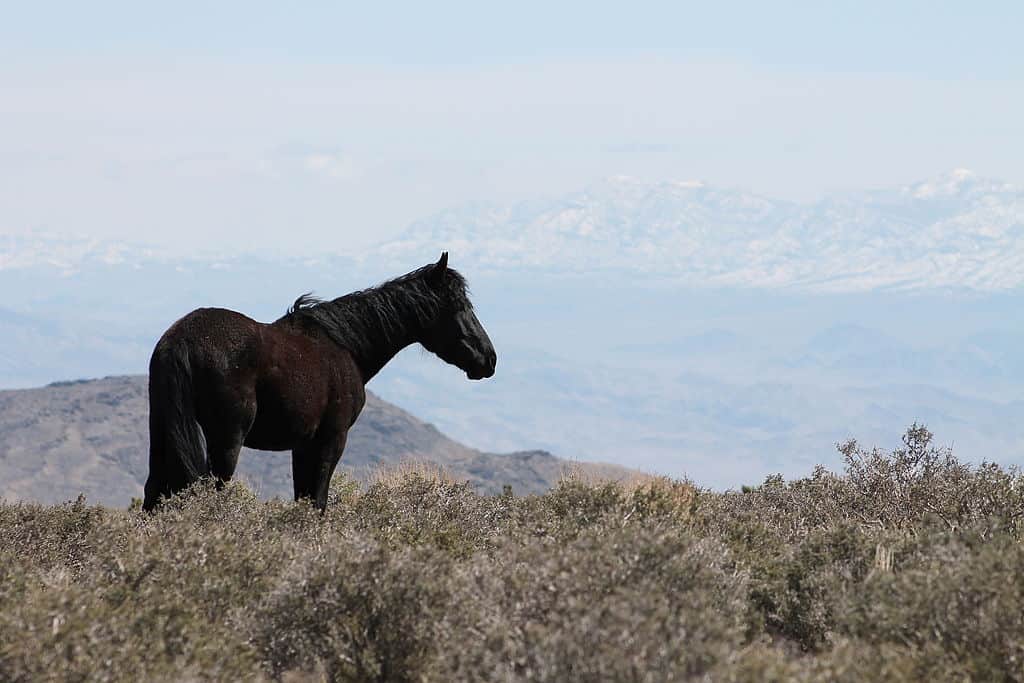
Despite their iconic status as symbols of the American West, wild mustangs are not indigenous to North America. These horses descended from domesticated horses brought by Spanish explorers and conquistadors in the 16th century. When some of these horses escaped or were released, they established wild populations that spread across the continent. The word “mustang” itself comes from the Spanish word “mesteño” or “monstenco,” meaning “wild or stray.” This Spanish heritage is still visible in certain mustang herds, particularly those with colonial Spanish horse ancestry, which show distinctive traits that connect them directly to their Iberian forebears.
14. Mustangs Display Remarkable Genetic Diversity
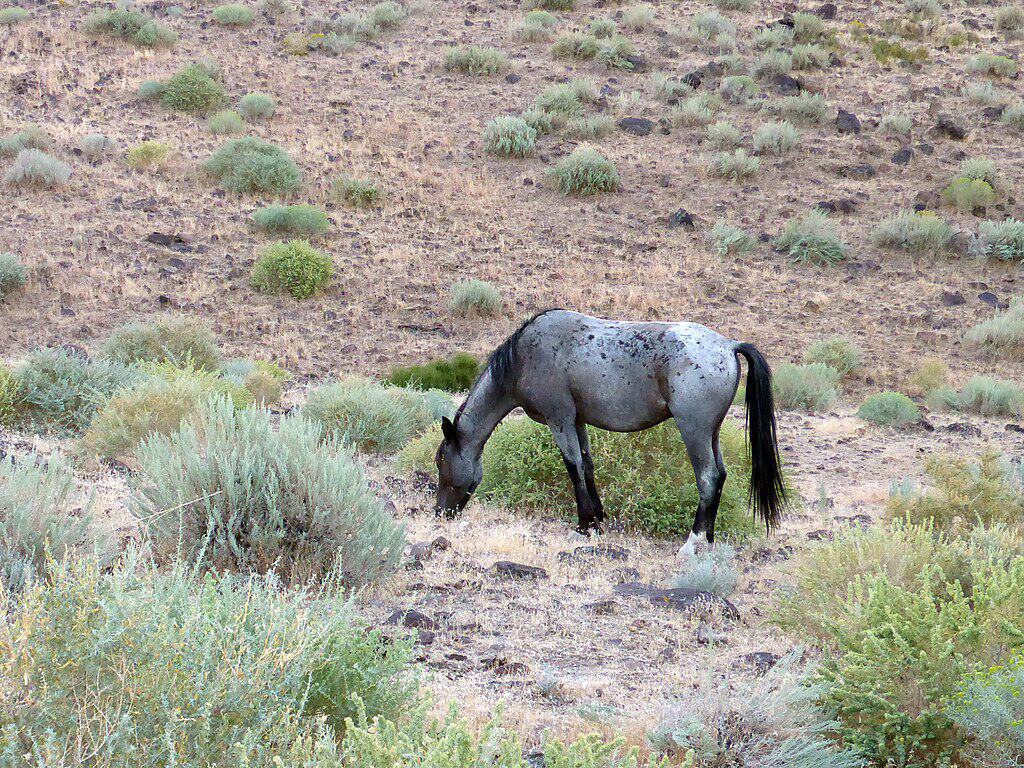
Wild mustang herds exhibit extraordinary genetic diversity, reflecting their mixed ancestry from various European horse breeds. Different herds can display distinctive characteristics based on their foundational bloodlines, which might include Spanish Barbs, draft horses, cavalry mounts, and ranch horses. Research conducted by geneticists has revealed that some isolated herds maintain rare genetic markers no longer found in domestic breeds. This genetic diversity makes mustangs particularly resilient, with strong disease resistance and adaptability to harsh environments. Conservation efforts now focus on preserving this genetic heritage as it represents a living repository of equine genetic material that could prove valuable for future breeding programs.
13. They Have Incredible Adaptations for Survival

Wild mustangs have developed remarkable adaptations to survive in challenging environments. Their hooves are exceptionally hard and durable compared to domestic horses, allowing them to navigate rocky terrain without shoes. Their digestive systems have adapted to process low-nutrient forage that domestic horses might struggle to thrive on. During harsh winters, mustangs grow thick, insulating coats and can maintain body condition by metabolizing fat reserves efficiently. They’ve developed acute senses, with excellent vision that can detect movement up to a mile away and hearing capabilities that can register sounds far beyond human perception. These physical adaptations, combined with intelligent social behaviors, have enabled mustangs to survive in landscapes ranging from arid deserts to mountain meadows.
12. Mustang Social Structure Is Complex and Sophisticated

Wild mustangs live in highly organized social groups called bands, typically consisting of a dominant stallion, several mares, and their offspring. This family band structure forms the foundation of mustang society, with strong bonds developing between members. Leadership within bands is more complex than commonly believed—while stallions provide protection, older mares often make crucial decisions about migration routes and grazing locations based on their environmental knowledge. Young males who haven’t established their own bands often form “bachelor bands” until they’re mature enough to challenge established stallions or find unattached mares. This sophisticated social organization enhances survival by providing collective defense against predators and efficient utilization of resources.
11. They Communicate Through Subtle Body Language
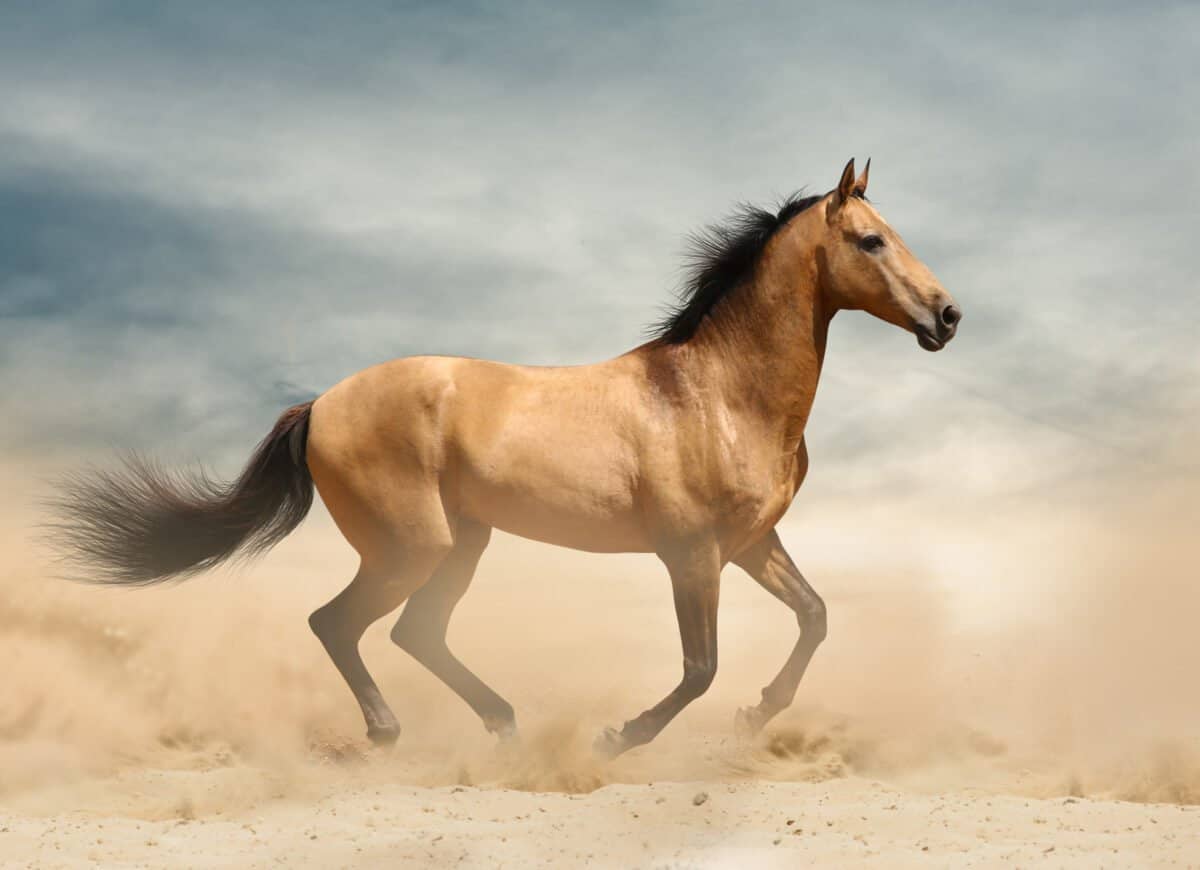
Mustangs have developed a sophisticated non-verbal communication system that relies on subtle body cues. Their ears, tail, posture, and facial expressions convey complex messages to herd members. A mustang’s ear position alone can signal curiosity, aggression, fear, or relaxation. Dominance hierarchies are established and maintained largely through body language rather than physical confrontation, preserving energy and preventing serious injury. Mustangs also communicate through vocalizations, with different calls for alarm, greeting, and maintaining contact during poor visibility. Research has documented that mustangs can recognize individual herd members from considerable distances based solely on their movement patterns and silhouettes, demonstrating their remarkable observational abilities.
10. Their Population Once Numbered in the Millions

Wild mustang populations once reached staggering numbers across North America. Historical estimates suggest that between 2-5 million wild horses roamed the American West by the late 1800s. These vast herds were a common sight across the Great Plains and mountain ranges, creating a spectacular vision of freedom that became embedded in American cultural identity. However, systematic removal campaigns, habitat loss, and commercial exploitation led to a dramatic population decline. By 1971, when federal protection was finally established, fewer than 25,000 wild mustangs remained—less than 1% of their historic numbers. Today, approximately 86,000 wild horses live on public lands, with another 50,000 in government holding facilities—a fraction of their former abundance but a testament to their resilience.
9. Mustangs Have Played Crucial Roles in American History
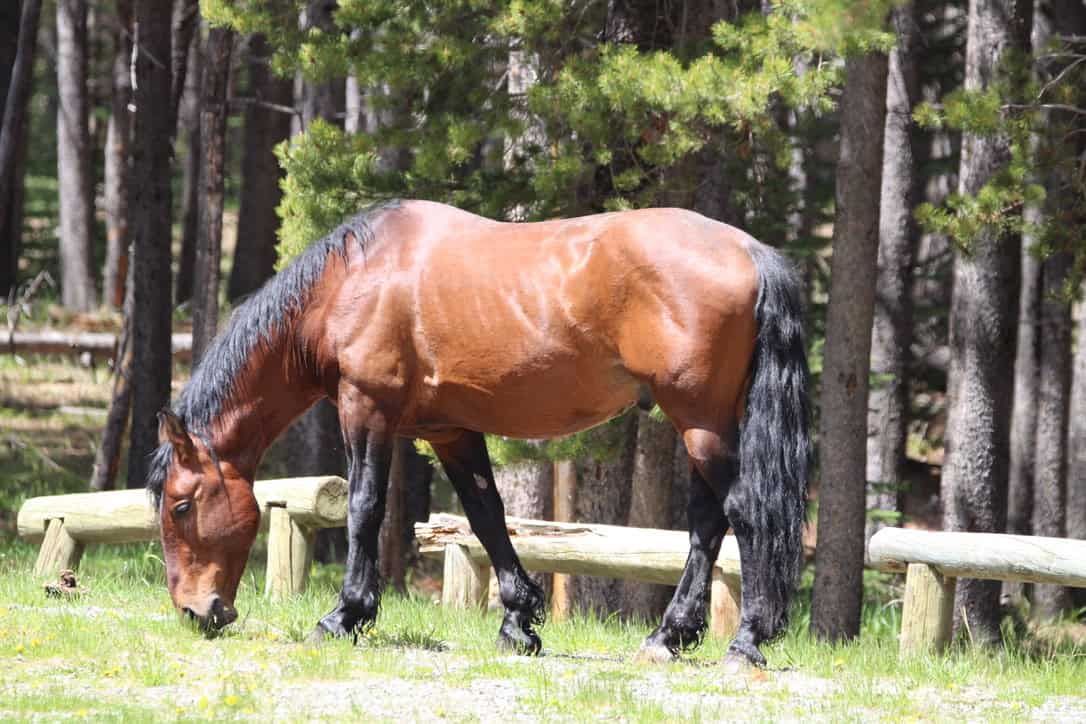
Wild mustangs have significantly influenced American history in ways many people don’t realize. Native American tribes who acquired horses transformed their cultures dramatically, developing renowned horsemanship skills that changed warfare, hunting, and transportation patterns. During westward expansion, mustangs captured from wild herds became essential for pioneers, ranchers, cavalry units, and the Pony Express. Their endurance and surefootedness made them invaluable for navigating the challenging western terrain. During both World Wars, thousands of mustangs were gathered and sent to Europe as military mounts. Their contribution to building America was so significant that some historians argue the settlement of the American West would have progressed much differently without these hardy horses.
8. They Can Travel Incredible Distances
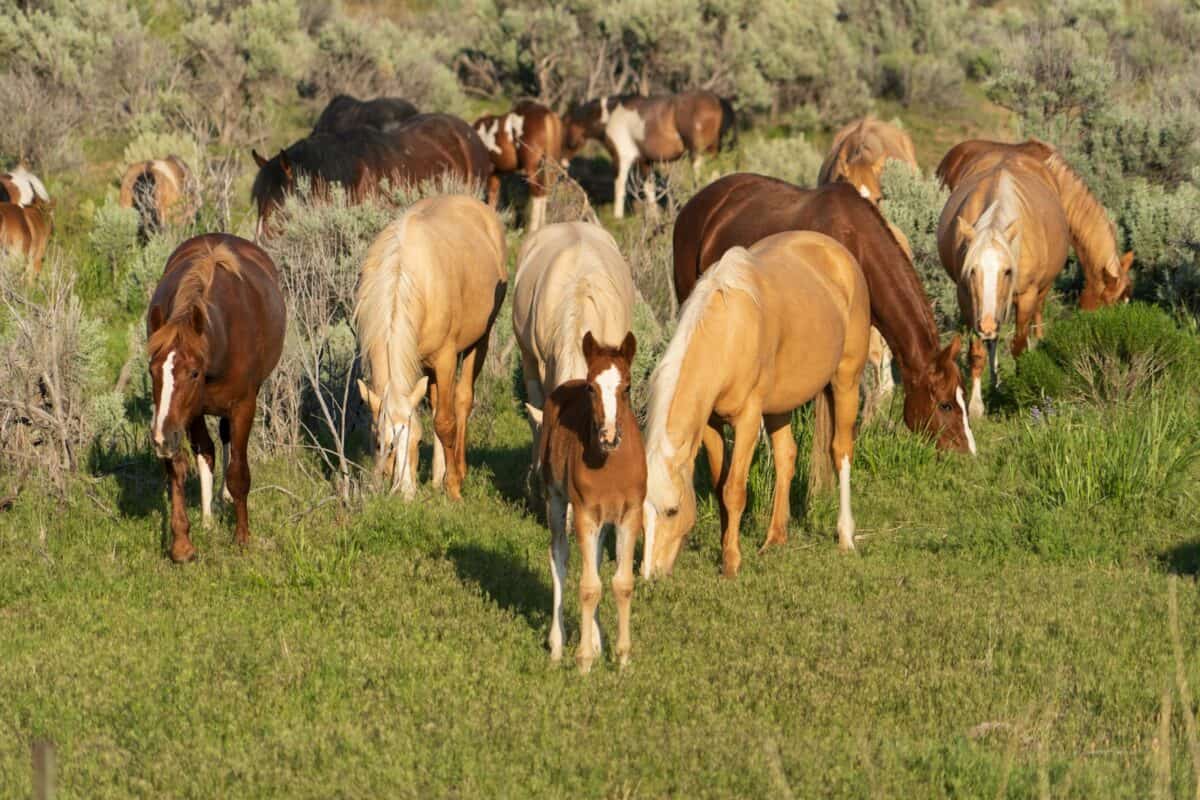
Wild mustangs are renowned for their exceptional endurance and ability to cover vast distances. A healthy mustang band can travel 20-30 miles daily when necessary, navigating between water sources and seasonal grazing grounds. Their efficient movement stems from natural selection favoring horses with superior stamina and energy conservation. GPS tracking studies have documented some herds maintaining territories exceeding 200 square miles, with seasonal migrations covering hundreds of miles annually. This remarkable mobility allows mustangs to utilize resources across diverse landscapes and escape environmental threats like wildfires or drought. Their movement patterns typically follow traditional routes passed down through generations, demonstrating a form of cultural knowledge transmission rarely acknowledged in non-human species.
7. Mustangs Are Protected by Federal Law

Wild mustangs and burros gained federal protection in 1971 when Congress passed the Wild Free-Roaming Horses and Burros Act, declaring these animals “living symbols of the historic and pioneer spirit of the West.” This landmark legislation, signed by President Nixon, made it illegal to capture, brand, harass, or kill wild horses on public lands. The Bureau of Land Management (BLM) and U.S. Forest Service were tasked with managing these animals as integral parts of the natural ecosystem. While this protection saved mustangs from potential extinction, implementation challenges have emerged as competing land uses create conflicts. The law established specific Herd Management Areas where wild horses are permitted, but debates continue about appropriate population levels and management strategies within these designated territories.
6. Each Mustang Has Unique Markings and Coloration

Wild mustangs display remarkable diversity in their appearance, with coat colors ranging from common bay, black, and sorrel to rarer colors like buckskin, palomino, roan, and even the occasional striking blue-eyed cremello. Distinctive facial and leg markings create unique identification patterns that researchers use to track individual horses. This variety reflects their diverse genetic heritage and the natural selection processes in different environments. Some herds show distinctive color patterns based on their ancestry—the Kiger mustangs of Oregon, for instance, are known for their dun coloration with primitive markings like dorsal stripes and zebra-like leg barring. These genetic expressions not only create visually stunning horses but also provide insights into historical bloodlines and adaptation processes across different regions.
5. Mustangs Can Live Up to 25-30 Years in the Wild

Wild mustangs demonstrate impressive longevity, with documented cases of horses surviving 25-30 years in natural settings—remarkable considering the harsh environments they inhabit. This lifespan approaches that of well-cared-for domestic horses, despite wild mustangs facing predators, extreme weather, and inconsistent food supplies. Their longevity stems from natural selection favoring robust health, efficient metabolism, and strong immune systems. Older mares are particularly valuable to herds, as they carry crucial knowledge about seasonal water sources, shelter locations, and migration routes. These elder horses often serve as “lead mares,” guiding band movements based on decades of environmental experience. Researchers studying mustang demographics have observed that these elder horses play essential roles in band cohesion and survival during environmental challenges.
4. They Can Recognize Individual Humans

Despite their wild nature, mustangs possess remarkable cognitive abilities, including the capacity to recognize and remember individual humans. Research has demonstrated that mustangs can distinguish between familiar and unfamiliar people based on appearance, scent, and behavior patterns. They can retain these memories for years, recognizing specific humans even after long periods without contact. This cognitive ability likely evolved as a survival mechanism, allowing horses to identify potential threats or safe interactions. When mustangs are gathered for management purposes, they often remember which handlers treated them well and which did not. This capacity for recognition and memory challenges simplistic views of these animals as merely instinct-driven and highlights their sophisticated neural processing capabilities.
3. Mustangs Transform Dramatically When Adopted

When removed from the wild and placed in domestic settings, mustangs undergo remarkable transformations. Initially cautious and sometimes defensive, these horses typically develop strong bonds with their human handlers once trust is established. The Extreme Mustang Makeover competitions showcase how quickly these adaptable animals can transition from wild to domestic life, with some mustangs learning complex tasks within months of being gathered. Trainers who specialize in mustangs often report that once the initial fear barrier is overcome, these horses demonstrate exceptional intelligence, problem-solving abilities, and loyalty compared to domestic breeds. Their natural alertness and independence, rather than being liabilities, become assets in various disciplines from trail riding to competitive events. Many adopters describe their mustangs as the most perceptive and resilient horses they’ve ever partnered with.
2. Modern Mustangs Face Numerous Threats

Today’s wild mustangs face multiple challenges to their continued existence. Habitat fragmentation from development, mining operations, and expanded livestock grazing reduces their available range. Climate change intensifies drought conditions in many western regions, limiting access to critical water sources and vegetation. Management controversies about appropriate population levels have led to large-scale removals, with thousands of mustangs now living in government holding facilities rather than wild habitats. Illegal activities like unauthorized shooting and harassment continue despite legal protections. Additionally, some mustang herds face genetic challenges from small population sizes, leading to concerns about inbreeding in isolated groups. Conservation strategies must address these diverse threats to ensure wild mustangs remain a viable presence on American landscapes for future generations.
1. Some Mustang Herds Preserve Rare Spanish Colonial Bloodlines
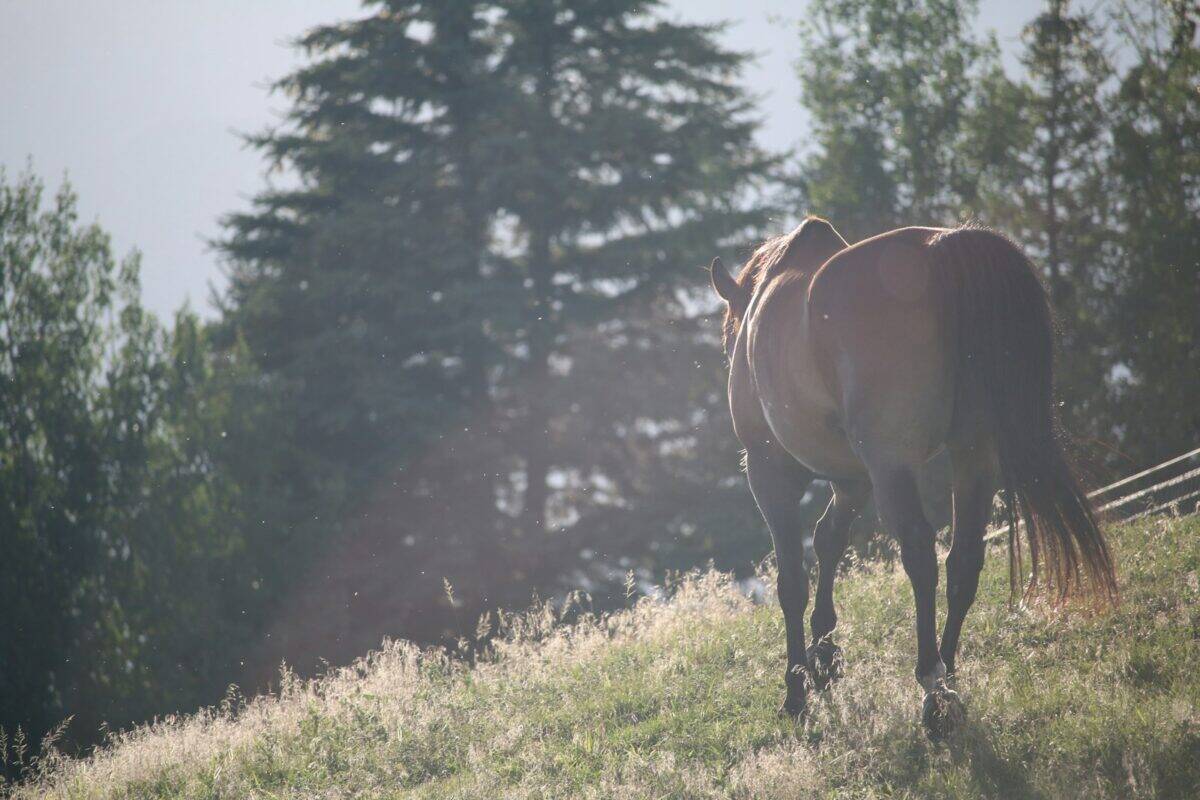
Several isolated mustang herds represent living genetic repositories of Spanish colonial horse bloodlines that have largely disappeared elsewhere. The Pryor Mountain mustangs of Montana, Kiger mustangs of Oregon, and Sulphur Springs mustangs of Utah are among populations that genetic testing has confirmed retain significant Spanish colonial horse ancestry. These horses display distinctive “primitive” markings, compact builds, and genetic markers linking them directly to the horses brought by Spanish explorers in the 1500s. Conservation efforts particularly focus on these herds as they represent a living connection to historical equine populations that shaped early American development. Preservation of these special populations has become a priority not only for their cultural significance but also for maintaining genetic diversity that could benefit domestic horse breeding programs seeking to reintroduce hardiness, disease resistance, and other valuable traits.
Conclusion: Preserving America’s Living Legends

Wild mustangs represent far more than just feral horses—they embody a living connection to America’s historical development and natural heritage. Their remarkable adaptability, complex social structures, and genetic diversity make them fascinating subjects for scientific study and cultural appreciation. As we navigate the challenges of balancing mustang conservation with other land use priorities, we must recognize that these iconic animals deserve thoughtful management approaches that honor both their biological needs and their symbolic importance. By protecting wild mustangs through informed conservation strategies, we preserve not only a magnificent animal but also a tangible link to our shared past and the untamed spirit that continues to define the American experience. These living legends of the western landscape remind us of our responsibility to safeguard natural heritage for future generations.

As a little kid, I fell in love with nature, wildlife, and animals. Living in the USA, South Africa, Italy, China and Germany gave me the opportunity to discover the world's Wildlife. My favorite animals are Mountain Gorillas, Siberian Tigers, and Great White Sharks.
I'm a certified PADI Open Water Diver, went to Everest Base Camp and Trekked Gorillas in Uganda. I hold a Master of Science in Economics and Finance.
Please send any feedback to feedback@animalsaroundtheglobe.com
- 10 Ways to Get Rid of Groundhogs in Your Garden - July 20, 2026
- 12 Extreme Animals That Thrive in the Sierra Nevada - July 20, 2026
- The Most Surprising Animals Adapting to USA Droughts - July 20, 2026