
Picture a rescue dog’s first week in your home. He stands in the doorway, sniffing the rug like it might bite. You’d assume the hard part is learning your rules, but that’s only half the story.
A month in, many dogs are still getting used to ordinary things most pets never think twice about: a quiet room, a soft bed, a person who comes back. Here are 15 of those everyday freedoms, counted down from the quietly sweet to the genuinely heartbreaking, based on what behavior experts and shelter researchers commonly describe. Some will make you look at your own living room differently, and the one waiting at #1 is hard to unsee once you know it.
#15 – Choosing Where to Lie Down

🔥 Would you like to save this?
We'll email this post to you, so you can come back to it later!
Your living room floor is the first real menu of choices your rescue dog has ever had.
In a kennel, the layout decides where a dog sleeps, eats and eliminates. A home offers dozens of options. Dogs often test them slowly, circling a rug, sampling the hallway, then claiming a corner.
Behaviorists often see newly adopted dogs pick a spot with a wall at their back and a clear view of the room. It gives them cover and a quick look at who is coming and going.
What to watch for in the first weeks:
- Where the dog settles when relaxed
- Whether they move when you walk past
- Which rooms they avoid completely
Don’t read too much into a "weird" spot. It’s usually a safety decision, not stubbornness. Many dogs widen their territory only once the house feels predictable.
But that’s nothing compared to what a simple chew toy reveals in #14…
#14 – Chewing Without Looking Over Their Shoulder

🔥 Would you like to save this?
We'll email this post to you, so you can come back to it later!
A chew toy is only relaxing when a dog believes nobody will take it.
Shelter life often means shared spaces, passing dogs and unpredictable handling. Some dogs learn to gulp food or hide a treat fast. That’s an understandable survival habit, not a character flaw.
Chewing is a stress-relief behavior, so a dog who finally gnaws on something for twenty relaxed minutes is showing real comfort. Licking and chewing are widely recommended enrichment because they give dogs something calming to do.
Here’s a point that sparks debate. Some trainers insist you should regularly take food away from a new dog to "prove" you’re in charge. Many modern behavior professionals call that a mistake, because it can create the very guarding it’s meant to prevent.
Safer habits for month one:
- Feed in a quiet corner
- Give chews when the dog is already settled
- Keep kids and other pets away during chew time
Trust usually shows up as a loosened jaw and a heavy sigh.
But the biggest difference between kennel and home isn’t what a dog chews. It’s what they hear in #13…
#13 – Living Without the Constant Racket
🔥 Would you like to save this?
We'll email this post to you, so you can come back to it later!
Silence may be the most underrated luxury a rescue dog ever receives.
Kennels are loud places. Barking echoes off concrete, doors clang, and cleaning crews and visitors add to the noise. Researchers who measured shelter noise have recorded levels high enough to raise welfare concerns for dogs and staff.
Dogs also hear a wider range of frequencies than people do. Sounds that feel merely annoying to us can be considerably more intense for a dog’s ears, so a quiet house can feel like stepping out of a wind tunnel.
Fast Facts
- People hear up to roughly 20,000 Hz. Dogs can detect sounds up to around 45,000 Hz.
- Studies of shelter kennels have recorded noise peaks above 100 decibels.
- Workplace safety guidelines start flagging prolonged exposure near 85 decibels as a hearing risk for people.
- Hard surfaces like concrete bounce barking around, making a kennel row louder than it looks.
Some dogs react to the relief in odd ways. They may sleep far more than you expect during the first weeks. That’s usually recovery, not laziness.
Common signs of a dog decompressing:
- Long naps during the day
- Fewer startle reactions to doors and footsteps
- Gradually relaxed ears and tail
Keep the household calm for now. Parties and loud visitors can wait.
And while the noise fades, something softer is under your dog’s body in #12…
#12 – Stretching Out on Something Soft

🔥 Would you like to save this?
We'll email this post to you, so you can come back to it later!
Hard floors are the default for many shelter dogs, and a plush bed can be a shock.
Kennel dogs often rest on concrete or raised cots, sometimes with a blanket. A cushioned bed in a warm room is brand new to many of them. Some dogs won’t touch it at first and sleep beside it on the floor.
Dogs don’t automatically know what a bed is for, and some need days or weeks before they trust one. That’s normal learning, not rejection.
Softness matters more than most owners realize. Dogs spend a large share of the day resting, and comfortable surfaces matter for joints, especially in seniors and large breeds. Many rescues also arrive thin or with old injuries nobody has noticed yet.
Some experts argue that expensive orthopedic beds are overhyped for young, healthy dogs. A thick, washable, well-placed bed often does the job. Where it sits matters at least as much as the price tag.
Once they trust the bed, you’ll probably catch the full-body stretch you’ve been waiting for.
But the next freedom comes with a bowl, and it changes how dogs think about the whole day in #11…
#11 – Knowing When the Next Meal Is Coming
🔥 Would you like to save this?
We'll email this post to you, so you can come back to it later!
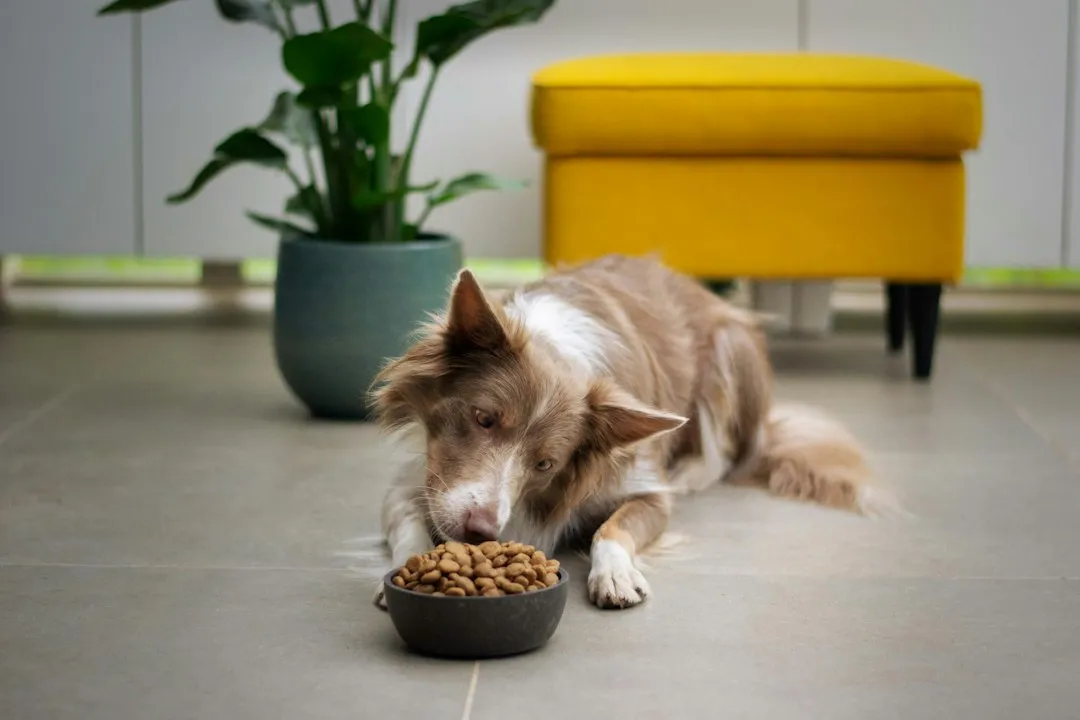
Predictable meals are secretly a mental health tool.
Dogs are creatures of routine. A rescue who’s unsure where the next meal is coming from may eat fast, scan the room or shadow you around the kitchen. Regular feeding times let the dog stop doing the math.
Consistency builds a dog’s sense of safety, and a bowl that appears at the same hour every day does more than a pricey treat ever will. Over a few weeks, many dogs relax around food on their own.
Practical points for the first month:
- Feed at fixed times rather than leaving food out
- Use the same bowl and place
- Switch foods gradually to avoid stomach upset
Don’t rush to correct fast eating in week one. Slow feeders and puzzle bowls can wait until the dog is comfortable.
Then comes a much less glamorous freedom, and it shows up by the front door in #10…
#10 – Going Outside When Nature Calls
🔥 Would you like to save this?
We'll email this post to you, so you can come back to it later!
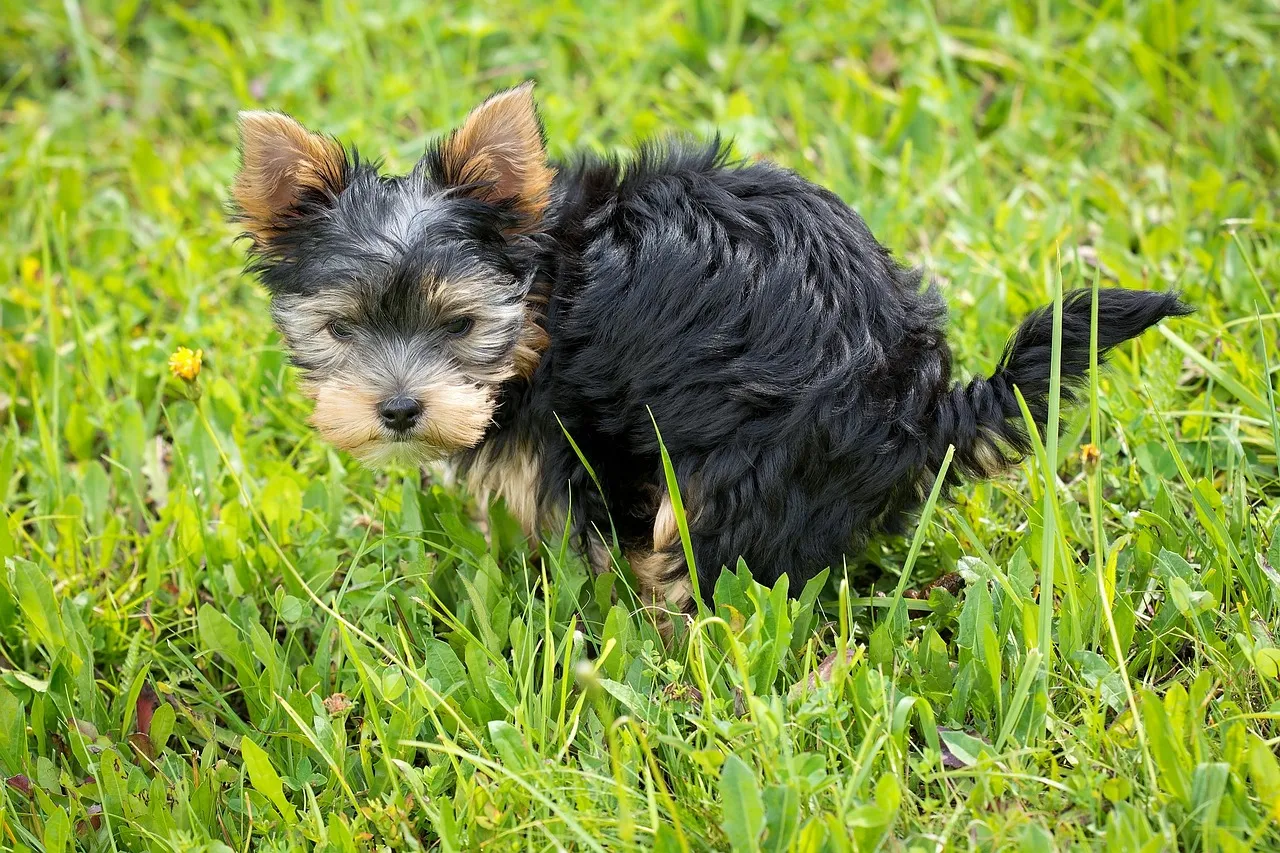
Holding it is one of the hardest things a kennel dog can be asked to do.
Many dogs dislike soiling the area where they sleep. In crowded shelters they often have little choice. Even well-run facilities can’t walk every dog every time one needs to go.
That preference for a clean sleeping area is why toilet training often goes faster than owners fear. It’s real, but a dog’s history, age and stress level all affect how quickly it shows up at home.
Expect accidents in the first month. They’re data, not defiance. Stress, new surroundings and unfamiliar floors can all make a house-trained dog slip.
A simple routine helps:
- Take them out after waking, eating and play
- Reward right after they finish outside
- Clean accidents with an enzymatic cleaner
Punishing a dog for an accident often teaches them to hide when they go.
Once outside, though, the next freedom may be the one dogs treasure most, in #9…
#9 – Sniffing Without Being Hurried
🔥 Would you like to save this?
We'll email this post to you, so you can come back to it later!
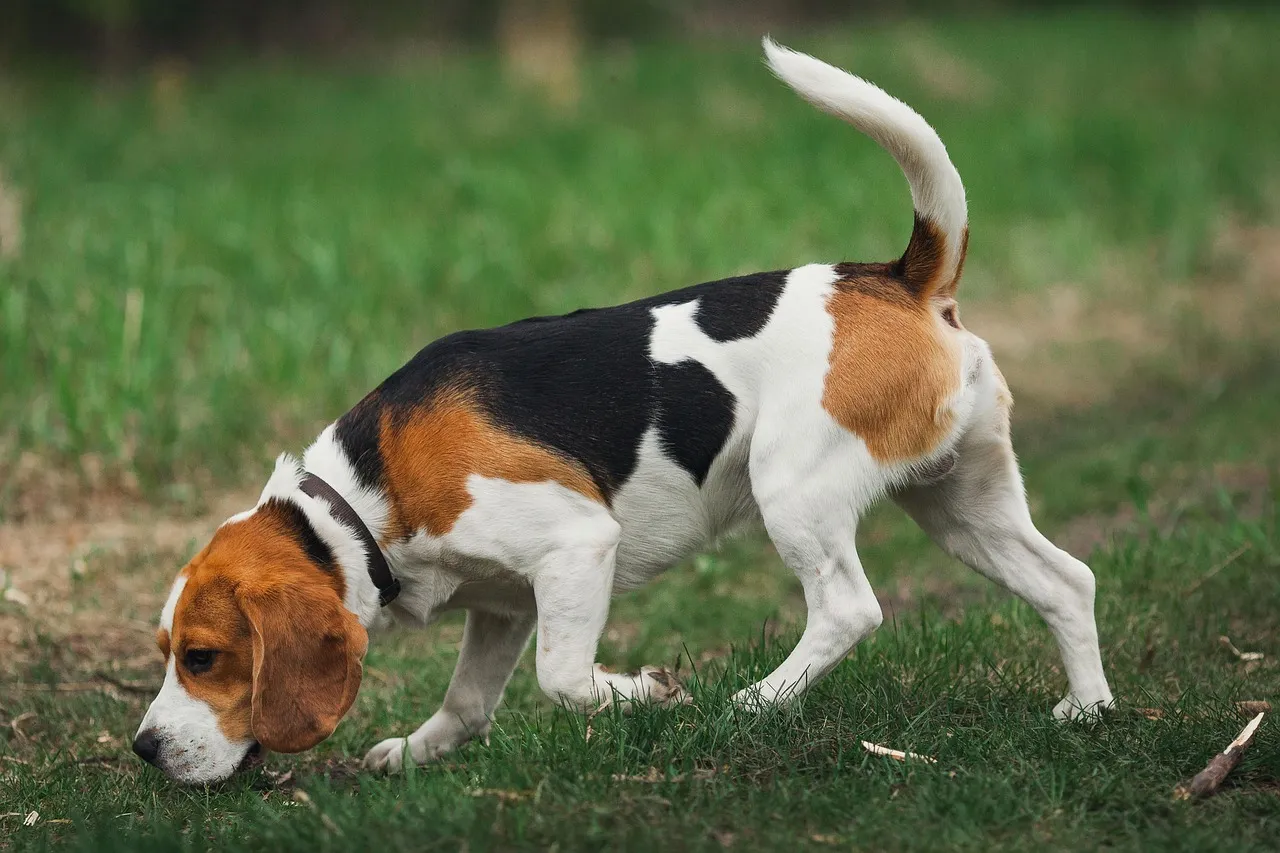
A slow sniff walk is closer to reading the morning news than taking exercise.
Dogs gather a huge amount of information through scent. Their noses contain far more scent receptors than ours, and a large part of their brain is devoted to processing smell. Rushed, short, on-schedule walks can’t satisfy that need.
Many trainers argue that letting a dog sniff can be as tiring and satisfying as running. Mental effort wears dogs out, which is why a relaxed sniffing walk can leave them calmer than a fast one.
Owners often disagree here. Some insist dogs must "heel" the whole walk to learn manners. Many behavior experts say that’s a mistake in the first month, when the dog needs to decompress.
How to do a decompression walk:
- Use a long, comfortable lead
- Pick a quiet route, not a busy street
- Let the dog set the pace for part of it
Of course, the best part of a long day outside is what comes after, in #8…
#8 – Sleeping in the Dark

🔥 Would you like to save this?
We'll email this post to you, so you can come back to it later!
Real, uninterrupted rest is something a kennel rarely offers.
Many shelters keep lights on for at least part of the night, and noise doesn’t stop entirely. Dogs may sleep in short bursts, always half-aware of their surroundings.
Adult dogs typically sleep for around half the day or more, so a good night’s rest changes everything. The exact amount depends on age, breed and activity.
At a Glance
- Kennel nights: lights often on, noise on and off, sleep in short bursts
- Home nights: a dim, quiet room allows longer, deeper stretches
- Typical adult total: roughly 12 to 14 hours a day, day and night combined
- Early weeks: restless nights are common and usually ease as the house gets familiar
Don’t be surprised if the first weeks are bumpy. Dogs in new homes often wake at small sounds or pace at night, and that tends to ease as the house becomes familiar.
Tips that help:
- Keep the bedtime routine the same
- Dim the lights and lower the noise
- Consider placing the bed near your room at first
Some owners worry that letting a rescue sleep close will create dependency. Most behavior professionals say a new dog needs security first, and independence comes later. You can move the bed gradually once the dog is settled.
But sleep isn’t the only thing that changes when the lights go off. The view changes too, in #7…
#7 – Watching the World From a Window
🔥 Would you like to save this?
We'll email this post to you, so you can come back to it later!
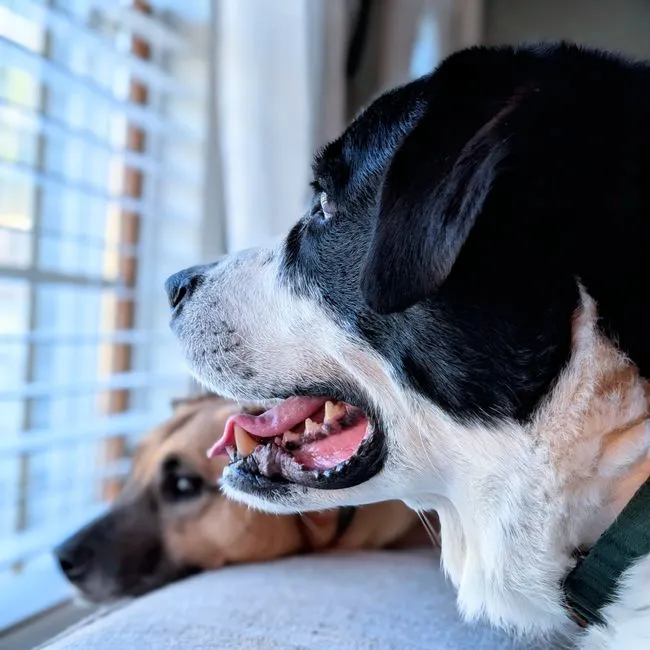
A window is a free television channel, and most rescues have never had one.
In a kennel, the view is usually the next kennel or a corridor. At home, birds, cars, neighbors and weather are all on show. Dogs often spend long stretches watching quietly.
Some dogs go from fearful to curious simply by watching the street from a safe place. Observing without having to interact lets them learn what’s normal.
Not every dog handles it well. Some bark at every passer-by, which can raise their arousal rather than relax them. A soft, loose posture is fine. A stiff, tense one means it’s too much.
If your dog gets overexcited:
- Partially block the lower part of the window with film
- Move furniture so they can’t perch there all day
- Offer a chew in another room
Looking is one thing. Being touched is another, and it’s far more complicated in #6…
#6 – Being Touched Gently
🔥 Would you like to save this?
We'll email this post to you, so you can come back to it later!
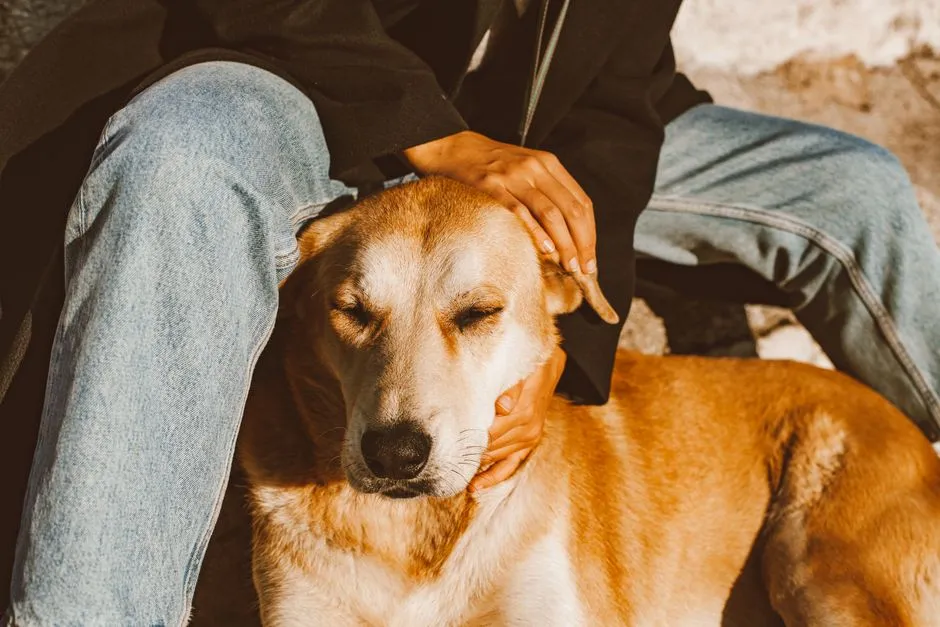
Not every dog actually wants a pat, and understanding that is the secret to winning one over.
Shelter handling is often quick and necessary: leashes, exams, moves. A dog who’s been handled a lot but rarely cuddled may not know how to receive calm affection at first.
Research on dog-human bonding found that mutual gazing can raise oxytocin levels in both species. Gentle interaction seems good for both sides, but only when the dog is a willing partner.
Learn the signals of "enough":
- Turning the head away
- Licking the lips or yawning when not tired
- Stiffening or moving away
Here’s an opinion that gets heated. Many people believe hugging a dog is the best way to show love. Many behaviorists say most dogs find hugs stressful, and that a scratch on the chest or shoulder is a better choice.
Touch matters. But who is touching matters even more, as we’ll see in #5…
#5 – Having One Familiar Person
🔥 Would you like to save this?
We'll email this post to you, so you can come back to it later!
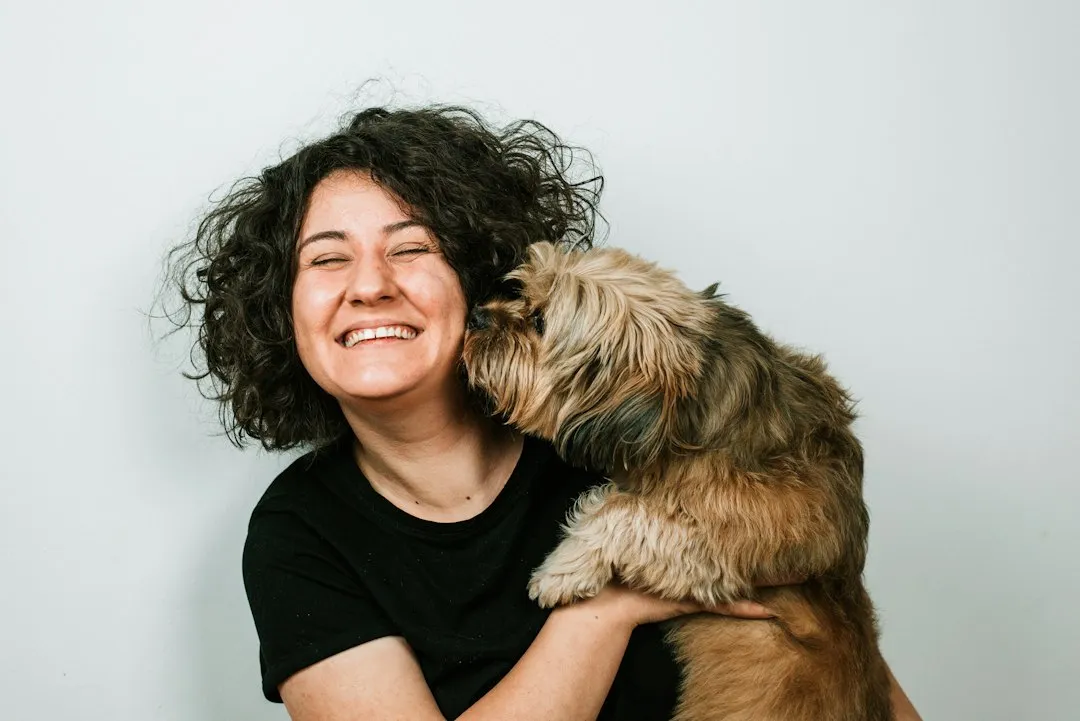
For a dog, a steady face is worth more than a room full of toys.
Shelter dogs meet a rotation of staff, volunteers and visitors. Each is kind, but none is permanent. At home, there’s one voice and one smell that’s always there.
It can take weeks for a dog to build a stable attachment, so a month in is often the first stretch of real trust. The timeline varies, and some dogs take much longer.
You may see changes that look like a "second personality." The shy dog starts to play. The quiet dog gets chatty. That’s often the dog finally feeling safe enough to behave naturally.
What builds trust:
- Predictable daily rhythms
- Calm, consistent responses
- Letting the dog come to you
Don’t overdo the attention. Constant fuss can overwhelm some dogs. Be steady, not smothering.
Worth Knowing
- Following you from room to room is a common early sign of growing attachment.
- A loose body, soft eyes and leaning against your legs usually signal comfort.
- Sudden new quirks at this stage often mean safety, not regression.
- Some dogs bond in weeks and others need many months, and both are normal.
Next comes a freedom that depends entirely on you doing less, in #4…
#4 – Saying No Thanks
🔥 Would you like to save this?
We'll email this post to you, so you can come back to it later!
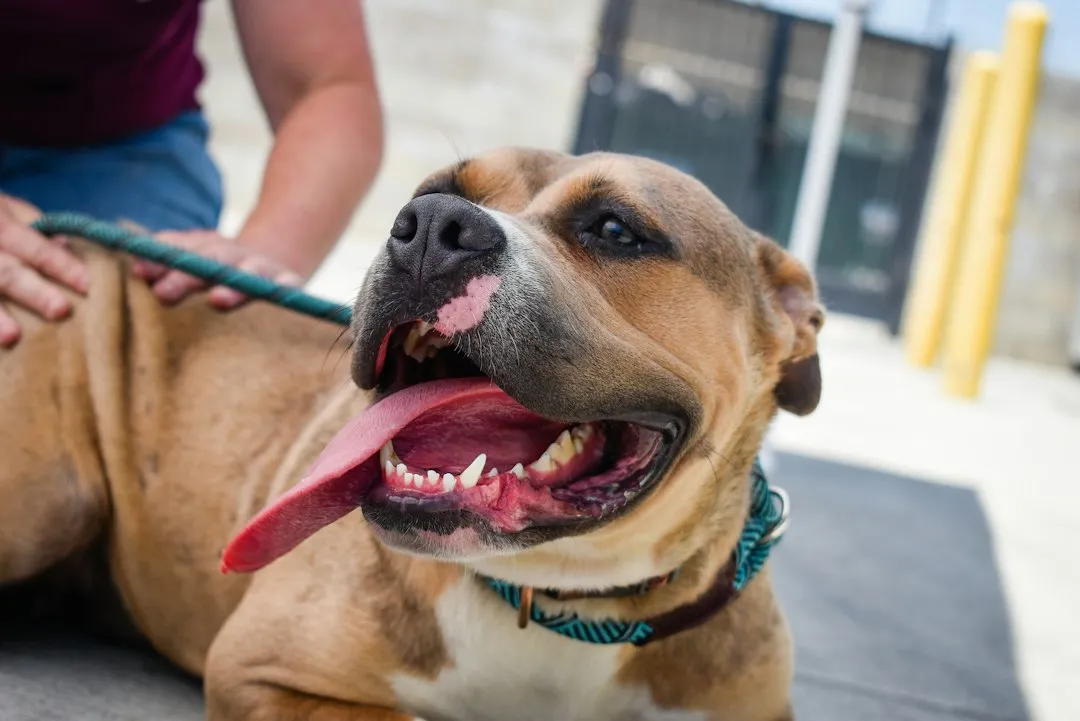
A rescue dog who walks away from you is learning to speak, and you should let them.
Kennel life gives dogs few chances to refuse. They’re moved, handled and examined on someone else’s schedule. At home, a dog can leave a room, ignore a visitor or turn from a pat.
Dogs that can refuse safely tend to need to warn less, because their early signals get respected. Growling or snapping often shows up when quieter signals are ignored.
This is where I’ll take a side. Visitors who insist on petting a new rescue dog "to help them get over it" are making a mistake. Forced exposure doesn’t build confidence in most dogs. It usually teaches them that polite signals don’t work.
Respect a dog’s boundaries by:
- Giving them a quiet room or crate they can retreat to
- Asking guests to ignore the dog at first
- Never pulling a dog out of a hiding spot
If that surprises you, wait until you see what a dog is allowed to get wrong in #3…
#3 – Making Mistakes Without Paying for It
🔥 Would you like to save this?
We'll email this post to you, so you can come back to it later!
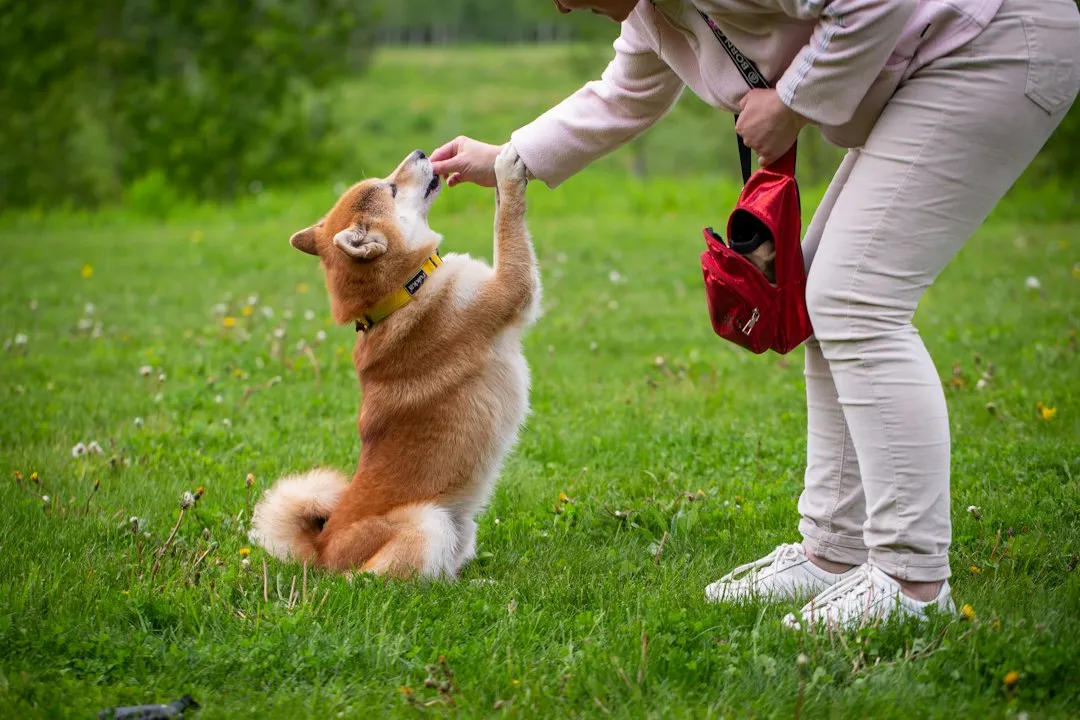
Mistakes are the cost of learning, and a month in is when dogs finally get to make them.
A dog in a shelter is often expected to be "good" so that someone will choose them. At home, they can chew a shoe or bark at the wrong moment and still get dinner.
Punishment-based methods have been linked in research to more stress-related behavior in dogs. That’s why veterinary behavior groups and many professional bodies recommend reward-based training.
That doesn’t mean "anything goes." It means redirecting rather than scolding. Hand over a chew. Block access to the shoes. Reward the dog for the choice you want.
Expect a "honeymoon" followed by a rough patch. Many adopters report that new behaviors appear around weeks three to six, as the dog feels safe enough to show their real personality. That timeline is anecdotal, not guaranteed.
But there’s another thing rescue dogs finally get to stop doing, and it’s heartbreaking in #2…
#2 – Stopping the Performance
🔥 Would you like to save this?
We'll email this post to you, so you can come back to it later!
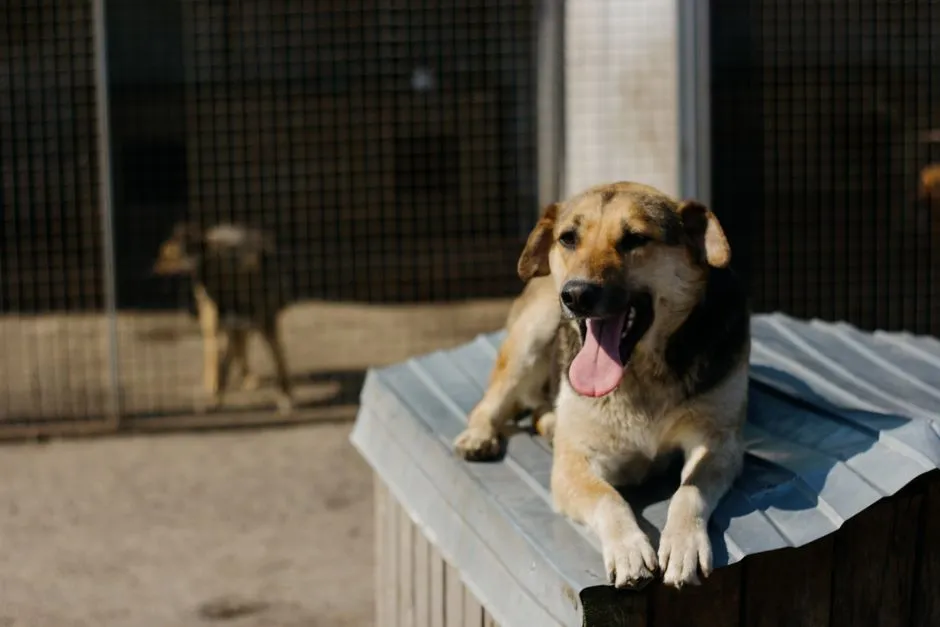
Many shelter dogs spend their days auditioning for strangers.
Visitors walk the aisles. Some dogs jump, bark and spin at the front of the kennel. Others retreat to the back. Neither tells you much about the dog at home.
A dog’s kennel behavior can be a poor guide to who they really are. Stress changes behavior. A dog that seems frantic may be relaxed on a sofa, and a "quiet" dog may be shut down.
Why It Stands Out
- Frantic kennel behavior is often stress, not personality.
- A silent, still dog can be overwhelmed rather than calm.
- Quiet meet-ups outside the kennel give a more honest picture.
- A few weeks at home usually reveals far more than any aisle visit.
Shelter workers often make this point themselves. Behavior in a stressful environment is only a snapshot. Some shelters now use quieter spaces, walks and meet-ups outside the kennel to get a more honest picture.
In the first month, you might notice:
- A dog who stops barking at every person
- A dog who starts playing for the first time
- A dog who finally lets their guard down
None of this is guaranteed. Every dog is different, and some need a lot longer. But the real shift is the one waiting in #1…
#1 – Being Missed
🔥 Would you like to save this?
We'll email this post to you, so you can come back to it later!
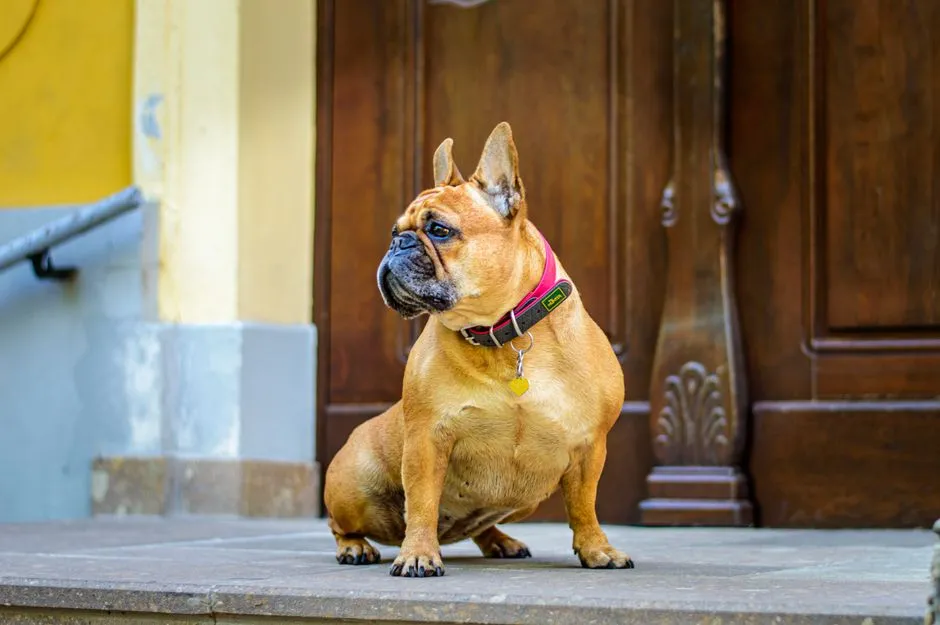
The biggest freedom is the simplest one: someone is coming back.
Think about what a kennel teaches. People appear, people go, and nothing is guaranteed. A dog doesn’t know whether a person at the door means a walk, a vet visit or a goodbye.
By roughly a month in, many dogs learn to wait at the door, because they’ve worked out that you return. It’s one of the clearest signs of attachment, and it usually builds gradually.
This is also why short, calm separations matter. Leave for a few minutes, come back, and keep it uneventful. The dog learns the pattern at their own speed.
If your dog struggles when alone, ask your vet or a certified behavior professional for help. Separation distress is common in rescues and can be treated.
Here’s my honest take. We spend a lot of time training rescue dogs to adapt to us, and this list suggests the opposite matters just as much. Quiet, choice, routine, softness and a steady person aren’t treats. They’re the baseline a dog needs before anyone can see who they really are.
Popular guidelines like the "3-3-3 rule" of three days, three weeks and three months are handy, but they aren’t scientific laws. Some dogs settle in a week. Others take a year.
So skip the pressure, the hugs from strangers and the obedience drills for now. Give the dog the boring, beautiful basics first. Which of these freedoms surprised you the most?

- 12 Surprising Facts About North American Mountain Lions You Never Knew - November 5, 2026
- Wild Salmon Populations Are Rebounding in the Pacific Northwest, A Sign of Healthier Rivers - November 5, 2026
- 8 Fascinating Facts About Owls You Never Knew - November 5, 2026