
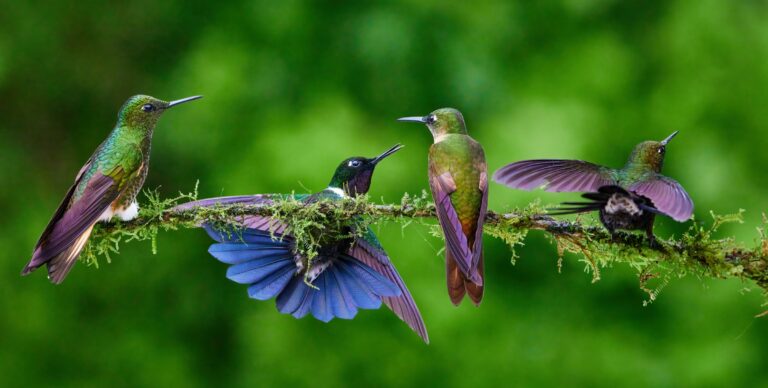
You spot a hummingbird at your salvia and think you’ve caught the moment it discovered your garden. You haven’t. By the time that tiny bird lands in your line of sight, it has usually scouted the place, judged it, and made several quiet decisions you’ll never hear about.
Below are 15 gentle changes that hummingbirds register first. They’re slow, small, and almost impossible for a person to catch. Some have nothing to do with flowers. One involves something you probably sweep away every spring, and another may explain why your feeder is swarmed at 8 a.m. and ignored by 3 p.m. Stick with the countdown, because #1 changes how you’ll look at a hummingbird sitting perfectly still on a twig.
#15 – The Nectar Shift That Happens Before the Bud Even Opens
🔥 Would you like to save this?
We'll email this post to you, so you can come back to it later!
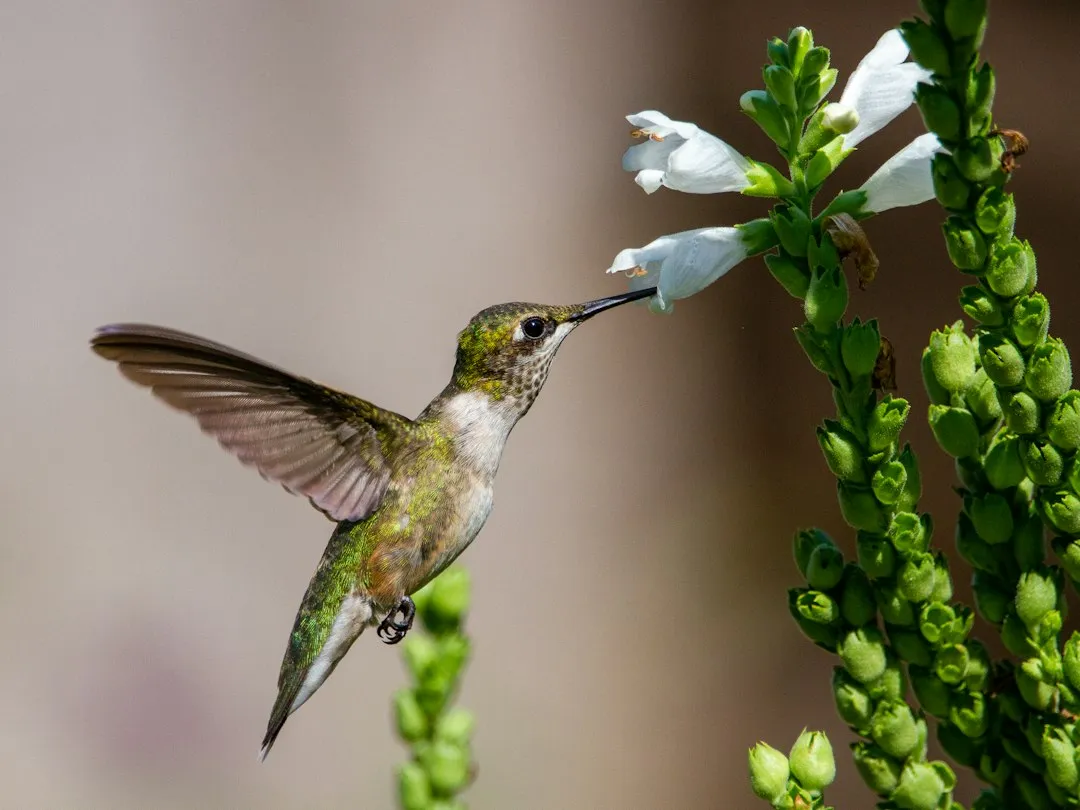
Hummingbirds don’t wait for a flower to look “in bloom” to us. They track the nectar itself, and they remember which plants paid off last week. A bud just starting to loosen can get a quiet test visit while you’re still telling yourself it’s almost ready.
Even a small bump in nectar sweetness or volume can pull a hummingbird in before the petals fully unfurl. To you, it’s still a closed blossom. To them, it’s a nearly ready fuel station.
It works in reverse too. When a plant starts producing less, hummingbirds often drop it from their route days before wilting becomes obvious. Gardeners notice fading color, while hummingbirds notice a failing payoff.
You’ll see this most with:
- Trumpet-shaped flowers like penstemon, salvia, and trumpet vine
- Deep tubular blossoms that hold more nectar
- Plants that bloom in waves, where the next wave gets checked early
That’s just the warm-up. Number 14 involves a part of the garden most people never think to look at.
#14 – The Tiny Bug Boom You Never Think to Look For
🔥 Would you like to save this?
We'll email this post to you, so you can come back to it later!
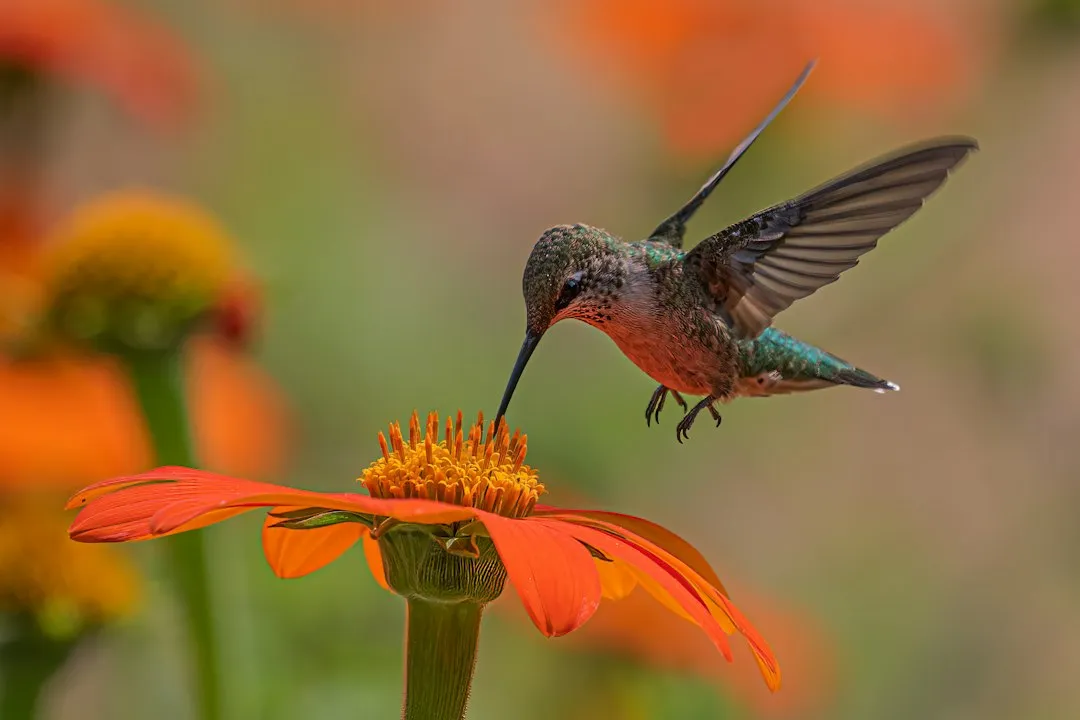
Most of us plant for nectar and color. Hummingbirds are also scanning for protein, because they’re far more carnivorous than their sweet-tooth reputation suggests. Gnats, fruit flies, and tiny spiders are a regular part of their diet.
A small uptick in insects around your flowers works like a flashing “bonus protein” sign for a hummingbird. You may see them hover differently, zigzag more, or snap something out of the air mid-flight.
Those sharp side-to-side darts that look like play are often hunting. Hummingbirds will also inspect spider webs, partly for the trapped insects and partly for the sticky silk they use in nest building.
Watch for this activity near:
- Drip-irrigated beds, where moist soil breeds small insects
- Compost areas and slightly overripe fruit
- Shrubs with a lot of small webs
Next up is a signal that has nothing to do with the garden’s beauty, and it may explain a pattern you’ve already noticed.
#13 – Sugar Water That’s Going Off Before It Looks Wrong
🔥 Would you like to save this?
We'll email this post to you, so you can come back to it later!
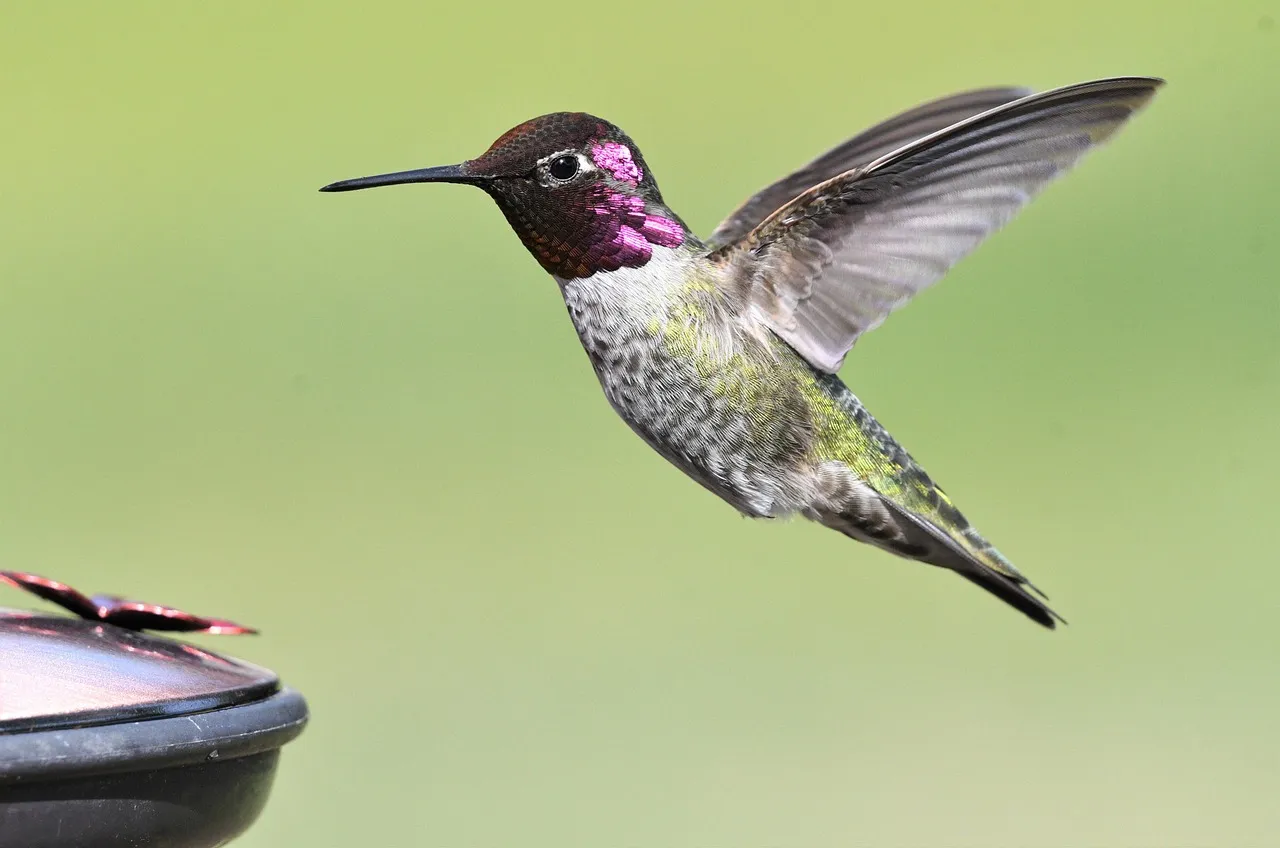
Most of us judge a feeder by the calendar: “I filled it three days ago, it’s fine.” Hummingbirds judge by taste. As sugar water ages, yeast and bacteria begin changing its chemistry, and the birds seem to react well before the liquid turns cloudy.
Hummingbirds appear to lose interest in sugar water that is just starting to ferment or break down, long before a person sees anything wrong. They may still sip if nothing else is around, but visits get shorter, and they pivot to flowers or a neighbor’s feeder.
Heat makes it worse. Afternoon sun can cook a feeder fast, so a solution that looked perfectly clear at breakfast may be unpleasant by midafternoon. That’s the classic setup for a feeder that’s mobbed in the morning and empty-looking by late day.
Fast Facts
- The standard recipe is 1 part plain white sugar to 4 parts water. Skip honey, red dye, and sugar substitutes.
- In hot weather, swapping the solution every day or two keeps it fresher. Cooler days stretch that window.
- Cloudy liquid or black specks mean it’s long overdue, and the birds often object sooner.
- Shade slows spoilage, while full afternoon sun speeds it up.
The usual pattern looks like this:
- Heavy use at first light
- A sharp drop-off in the afternoon, even with birds still around
- A sudden revival after you clean and refill, ideally in shade
The next one is even sneakier, because the change is measured in inches.
#12 – A Perch That Moved Two Inches
🔥 Would you like to save this?
We'll email this post to you, so you can come back to it later!
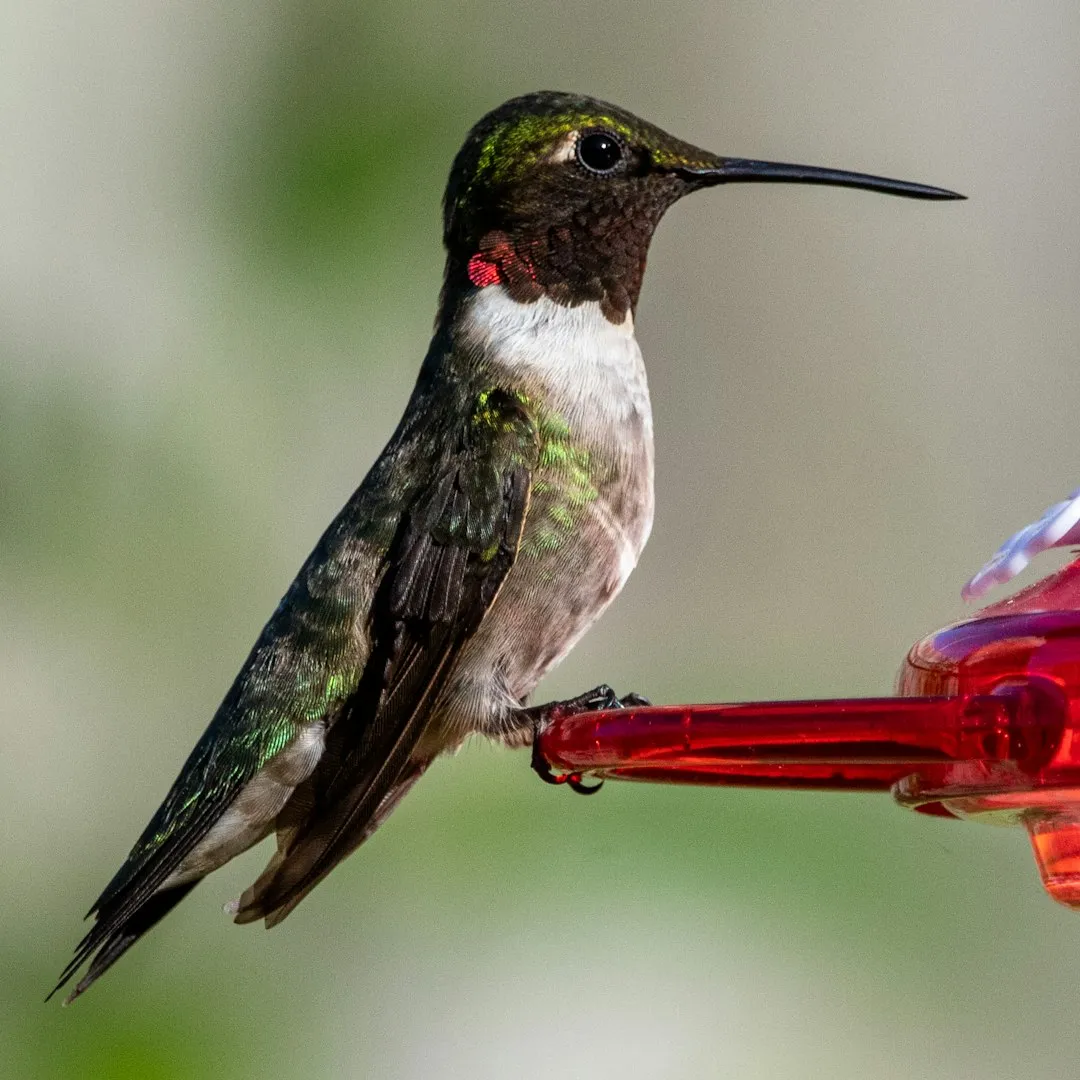
Move a lawn chair and you barely think about it. Shift a favorite branch by two inches and a hummingbird may rethink the whole yard. Hummingbirds, especially territorial males, rely on high, clear perches to guard their feeding spots.
Even a subtle sag in a favorite perch, caused by growth, wind, or added weight, changes the bird’s view and its escape angles. They may abandon a spot you never knew they were using because it no longer offers a clean launch path.
You might never connect a slightly drooping branch with the sudden absence of a bird from that shrub. But the bird remembers where it used to watch from, and notices when that spot stops working.
Their favorite lookout spots usually:
- Sit slightly above the main flower or feeder zone
- Have an open “air lane” in at least one direction
- Aren’t constantly disturbed by swaying leaves or other birds
If perches feel subtle, wait until you see what they do with the first flower of the season.
#11 – The First Bloom on a Plant That Paid Off Last Year
🔥 Would you like to save this?
We'll email this post to you, so you can come back to it later!
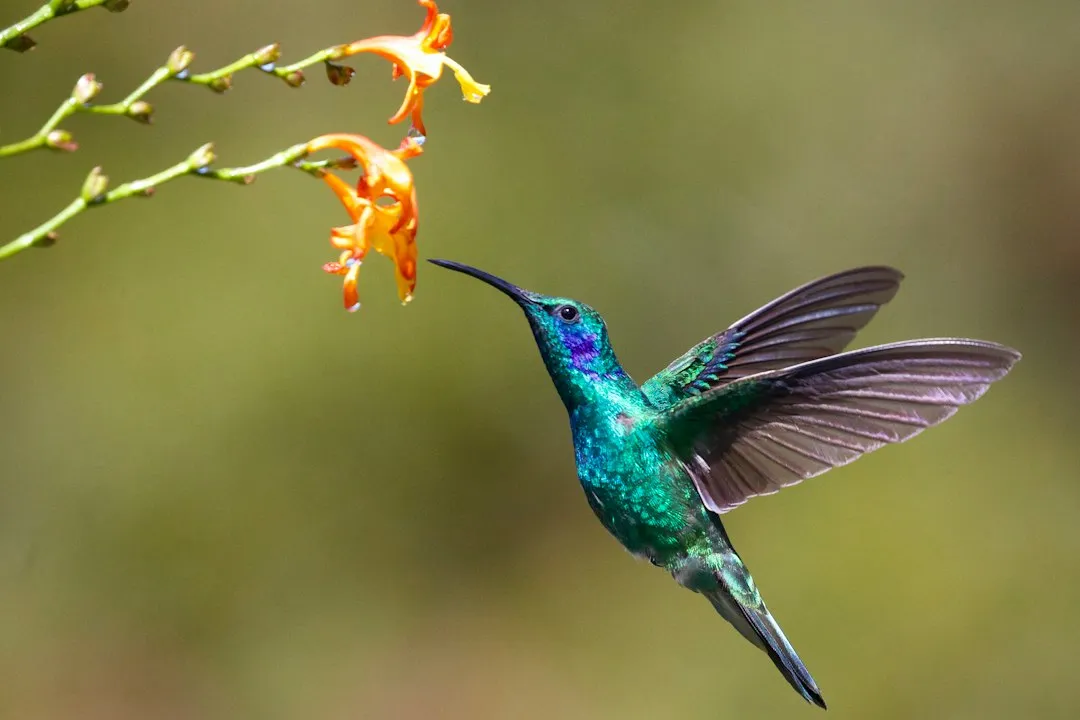
Humans notice full color. Hummingbirds notice the opening act. If a plant delivered in previous seasons, they’ll check it as temperatures and daylight shift, sometimes daily.
They can be on the very first bloom the day it opens, or even when it’s cracked just enough to offer a single drop. Meanwhile, you’re still saying, “Oh, it’s almost flowering.”
That’s why some plants seem to attract hummingbirds overnight. The birds have been casing the place for days or weeks, and they remember that your salvia, bee balm, or fuchsia was worth the trip before.
If you look closely, you may catch:
- Brief inspection flights around swelling buds
- Birds hovering at not-quite-open flowers and probing anyway
Now we leave plants behind for something you can’t see at all.
#10 – Air Currents You Can’t Feel
🔥 Would you like to save this?
We'll email this post to you, so you can come back to it later!
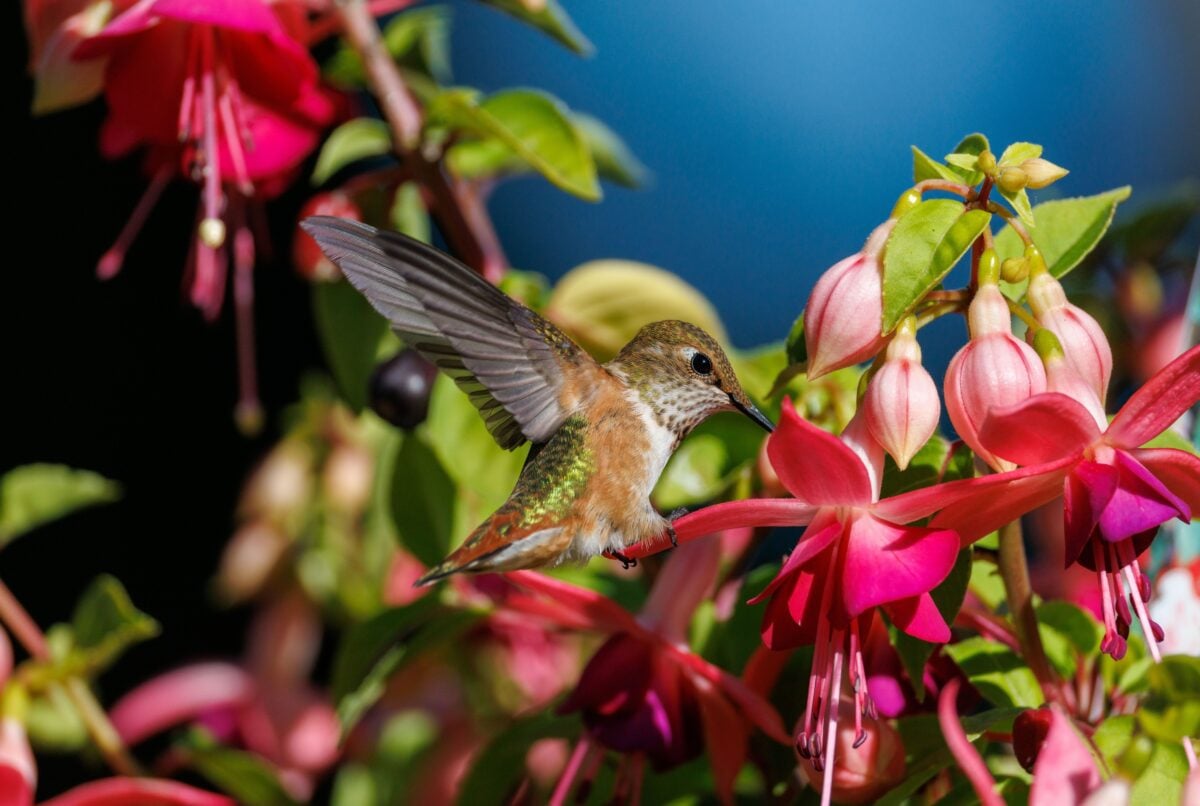
You step outside and say, “No wind today.” A hummingbird might disagree. Hovering depends on stable air, and eddies and tiny gusts around walls, fences, and tree lines can make feeding feel like wrestling a tiny hurricane.
Hummingbirds seem to sense subtle updrafts and swirls near structures that humans never register. Those currents can help them hover with less effort or make a feeding spot exhausting.
That’s why a feeder that “never gets used” can suddenly become popular after you move it a few feet out of a turbulent corner. The birds saw it before. They just didn’t want to fight the breeze around it.
Patterns to watch for:
- More visits on calm mornings than on breezier afternoons
- Birds choosing flowers sheltered by shrubs over fully exposed stems
- A feeder ignored in a windy spot that gets used after a small move
Next is a sound that may be drawing birds to your yard right now.
#9 – The Faint Sound and Sparkle of New Water
🔥 Would you like to save this?
We'll email this post to you, so you can come back to it later!
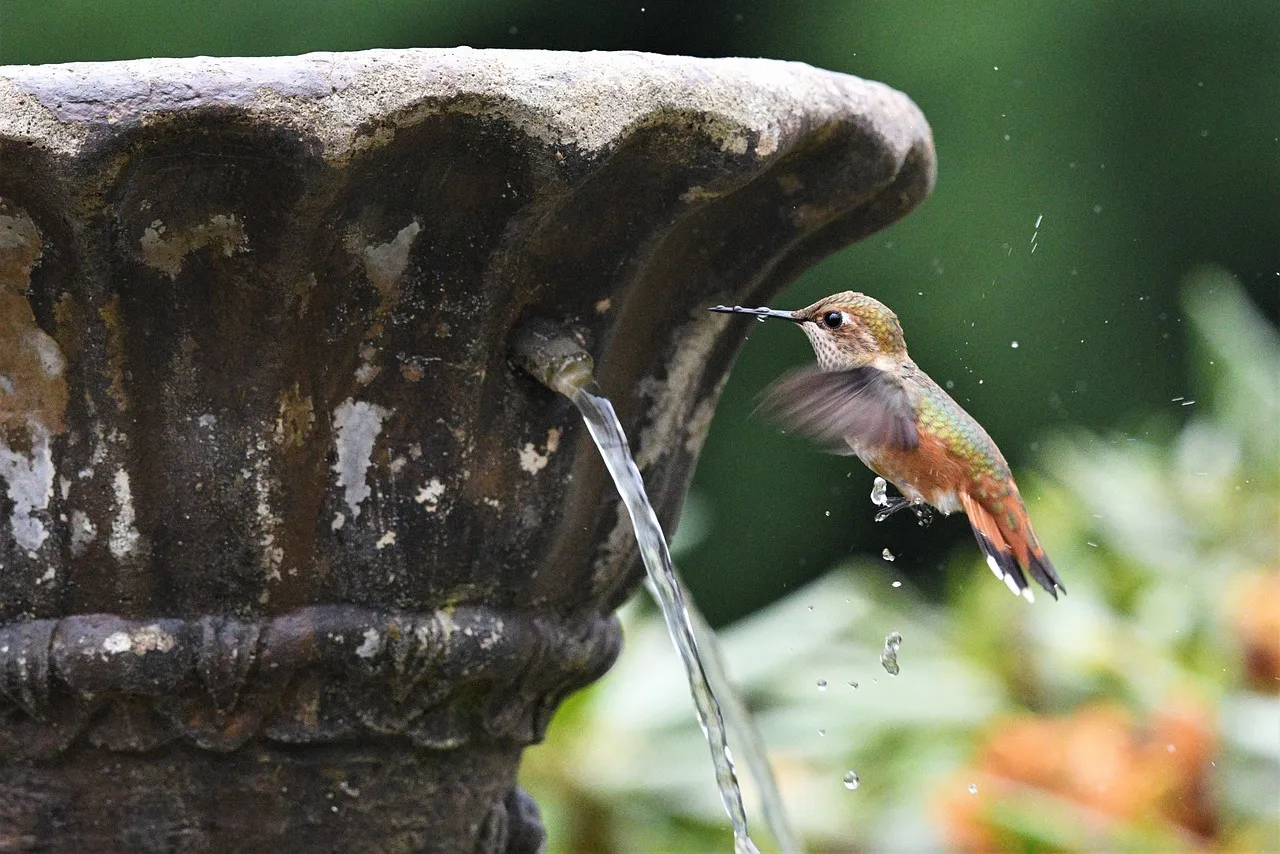
People notice water by looking for it. Hummingbirds can find it through movement, glitter, and the sound of droplets. A new fountain, dripper, or mister doesn’t need to be dramatic to get noticed.
Even a faint trickle or fine spray can draw hummingbirds in long before you realize they’ve discovered it. They tend to prefer moving water that makes tiny droplets and mist over deep, still birdbaths.
They’ll test different distances from the source, flying through the mist in quick passes or hovering close enough to dampen their feathers. You’ll miss many of these early recon runs unless you happen to watch at quiet times of day.
A few water sources they spot first:
- A hose with a slow leak creating a micro-mister effect
- Morning condensation dripping rhythmically from foliage
- A small bubbler tucked into plants
Number 8 gets into something that will make you look at your flowers differently.
#8 – Color Fading You Can’t See
🔥 Would you like to save this?
We'll email this post to you, so you can come back to it later!
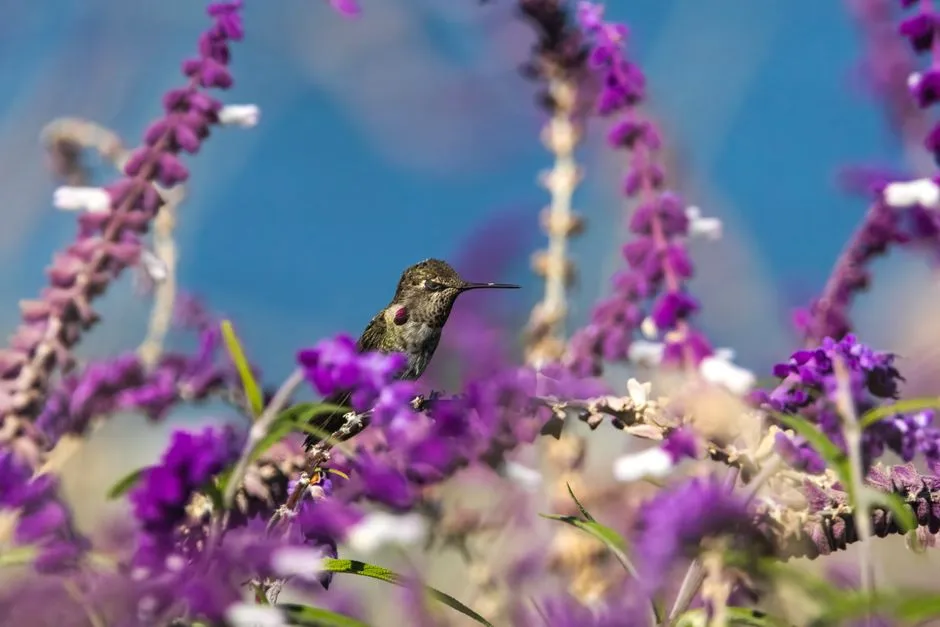
You see “red.” A hummingbird sees something richer. Birds, including hummingbirds, can see into the ultraviolet range, which means they perceive hues and contrasts we simply can’t.
A flower that looks identical to you from Monday to Wednesday may look noticeably “louder” or “quieter” to a hummingbird as pigments age and the light changes. A slight fade in saturation can signal that a blossom is past its prime, sometimes before it looks spent to us.
Quick Compare
- Human eyes: three types of color-sensing cones, with ultraviolet completely out of view.
- Hummingbird eyes: four types, including one that picks up ultraviolet, so a bloom carries an extra hidden layer of color.
- The payoff: a petal that looks flat and plain to you may look patterned or bold to the bird.
They respond best to high-contrast signals, like a deep tube with vividly saturated petals set against darker foliage. Shape and contrast matter as much as the color red itself.
Some gardeners trip over this:
- Swearing by “anything red” without considering flower shape and contrast
- Overlooking orange, magenta, and pink blooms that hummingbirds often visit eagerly
From here, the countdown shifts from flowers to the social drama playing out around them.
#7 – Rival Pressure Building at the Edge of the Yard
🔥 Would you like to save this?
We'll email this post to you, so you can come back to it later!
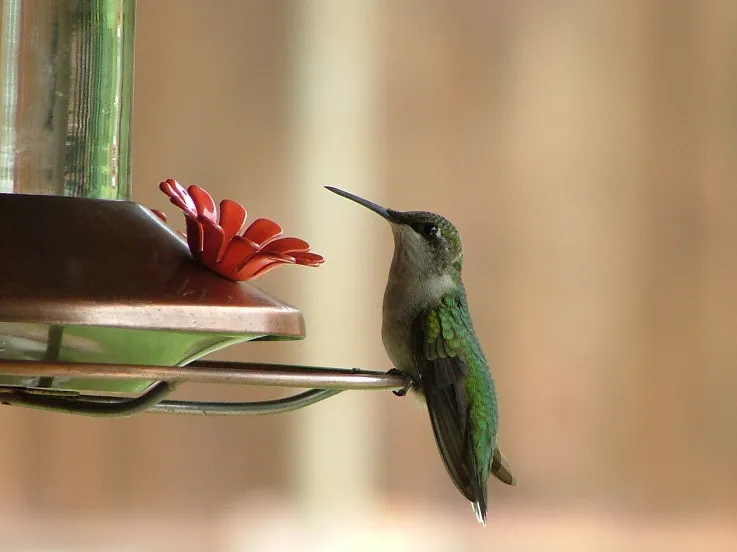
Most people only notice drama when two hummingbirds chase each other in a blur. The birds feel the pressure long before it turns into an air battle. Territorial males in particular keep track of how often rivals show up at the edge of their space.
A few extra chirps, a silhouette hovering slightly closer to “their” feeder, or a new patrol pattern is enough to change how a bird moves through your yard.
Before you ever see a chase, you may notice:
- Visits becoming shorter and more cautious
- More pauses to scan between sips
- Extra time spent on higher or more central perches
If you suddenly see fewer hummingbirds but more aggression when they do appear, your garden hasn’t necessarily lost its appeal. The local power balance may have shifted.
Number 6 is the one that makes birds seem to vanish, when they’ve actually just changed their schedule.
#6 – Light Creeping Earlier Across the Garden
🔥 Would you like to save this?
We'll email this post to you, so you can come back to it later!
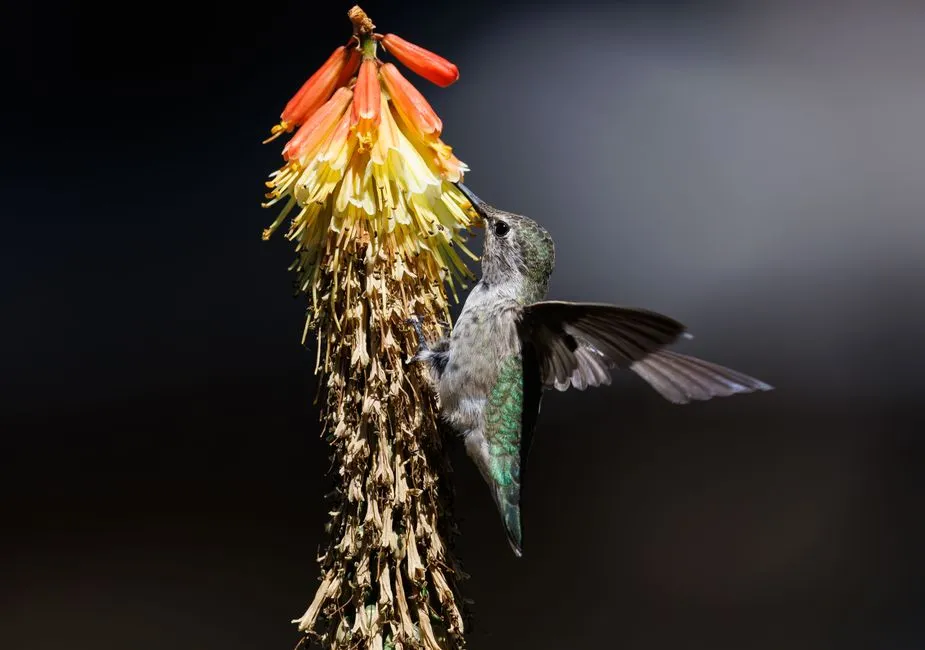
You might vaguely notice that the days are getting longer. Hummingbirds treat it like a calendar alert. As dawn arrives earlier or dusk lingers, they adjust their feeding windows and routes.
Even a small seasonal change in first light can shift when they show up, making it seem like they’ve disappeared when they’ve only changed the schedule. The garden you check at 7 a.m. may already have been visited at 6.
They also read how light lands on specific spots. A corner in shade at 7:00 a.m. in early spring might catch gentle sun at the same hour a month later, and a flower that was too exposed at midday can turn into a prime stop in softer evening light.
Things they pick up on first:
- The moment a usually shadowed nectar source starts catching morning sun
- The first stretch of days when evenings stay warm enough for later feeding
And if you think light is subtle, wait until you see what’s happening over their heads.
#5 – Foliage Quietly Closing Overhead
🔥 Would you like to save this?
We'll email this post to you, so you can come back to it later!
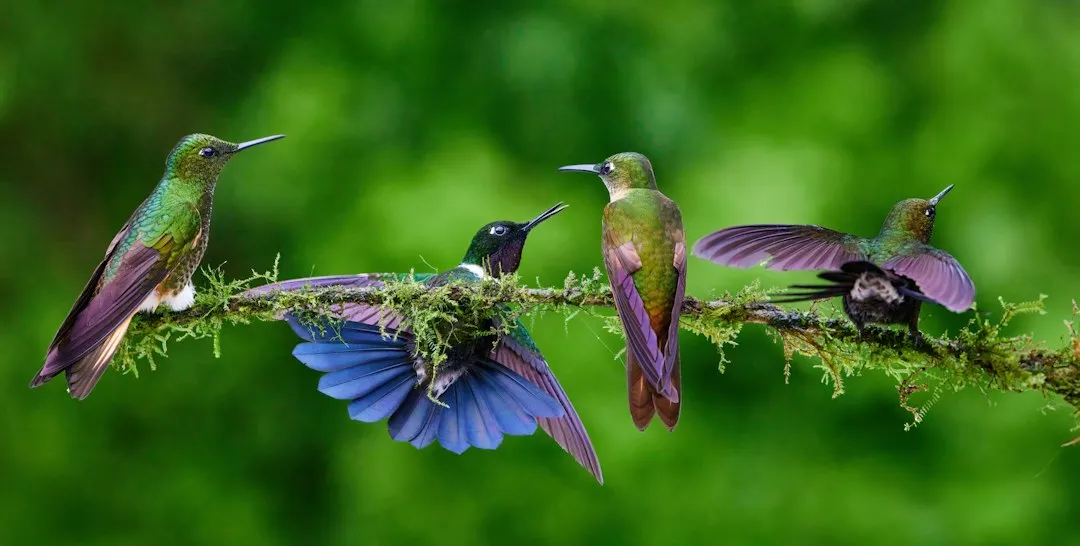
Gardeners obsess over flowers at eye level. Hummingbirds pay close attention to what’s above them. As trees and shrubs leaf out, the canopy thickens a little at a time.
A barely noticeable increase in overhead cover can turn a previously ignored corner into a secure flyway or staging area. That means more perching, hovering, and feeding under that living roof.
They’re constantly balancing two needs:
- Open space to maneuver and escape
- Enough cover to break up their outline from hawks and larger birds
Early in the season, a spot may feel too exposed. A few weeks of leaf growth later, it becomes prime real estate, and the hummingbirds decode that while you’re still seeing “the same” patch of green.
Watch how it plays out: hummingbirds begin looping through new paths under branches, then briefly vanish into thicker zones before reappearing to feed.
The next one is a modern problem, and you may be causing it without realizing.
#4 – New Noise in a Once-Quiet Corner
🔥 Would you like to save this?
We'll email this post to you, so you can come back to it later!
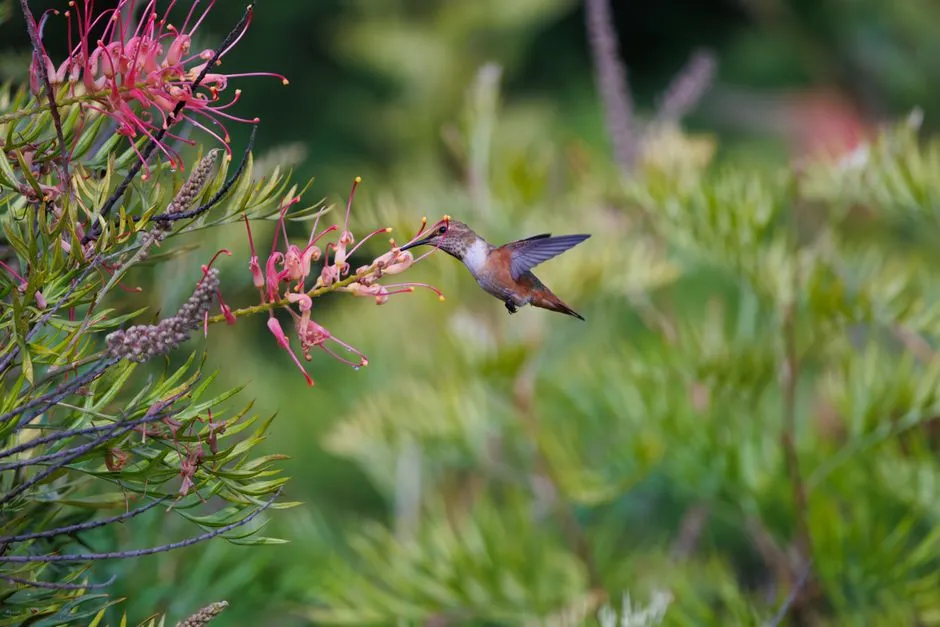
You may think your yard is peaceful enough. Hummingbirds are tiny, vulnerable, and always alert, so they’re quick to respond when the soundscape changes.
Even moderate new noise, like a nearby roofing job, a new air conditioner cycling on, or frequent dog barking, can make them reroute feeding away from the loudest corner. The moment the sound pattern shifts, they take note.
Ironically, people add a loud fountain or a set of wind chimes and then wonder why visits drop in that area. The birds connect the dots faster than we do.
Common signs include:
- Hesitation before approaching a feeder near a new sound source
- More time spent at quieter flowers farther from the house
- An abrupt mid-season change in favorite spots with no visible change to the plants
Now for the one that will make you think twice before your next spring cleaning.
#3 – The Cobwebs You Were About to Sweep Away
🔥 Would you like to save this?
We'll email this post to you, so you can come back to it later!
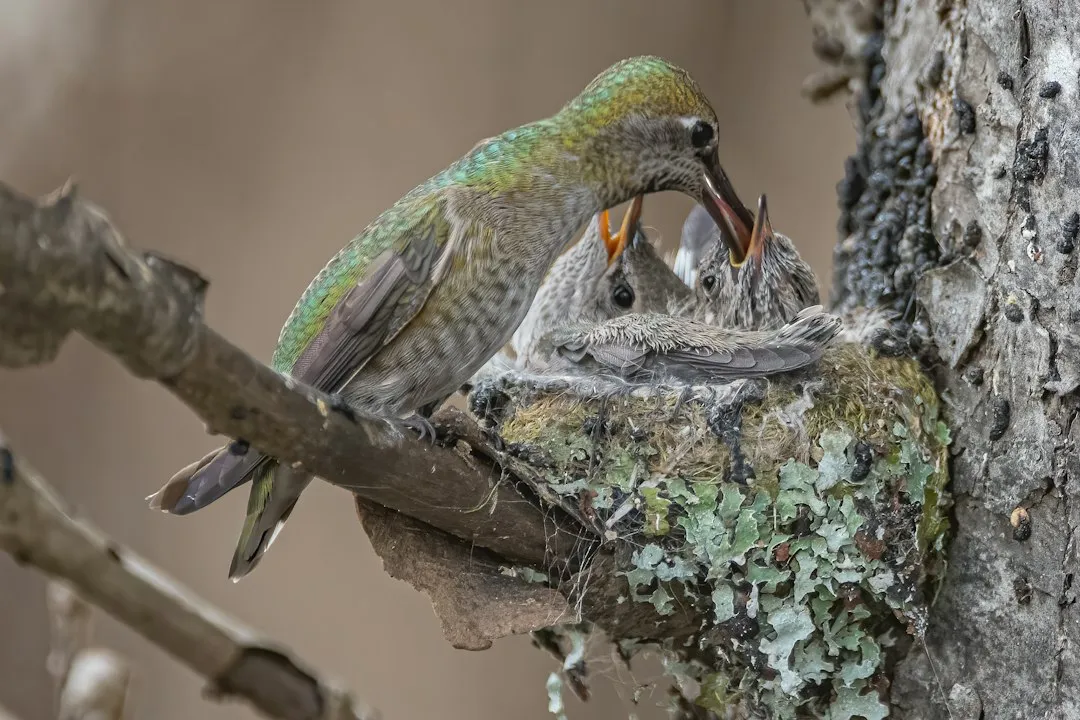
Most people see cobwebs as something to knock down. Hummingbirds see building material. Their nests are tiny, stretchy cups made with spider silk, plant down, and bits of lichen, and the silk is what lets the nest expand as the chicks grow.
A few fresh webs along branches, fence posts, or railings tell a nesting female your garden has the right raw materials. She can notice this long before you ever spot a nest, and a nest can be roughly the size of a walnut or a thimble.
Worth Knowing
- The female builds the nest on her own and raises the chicks without help from the male.
- A typical clutch is just two eggs, each often compared in size to a jelly bean.
- Incubation takes about two weeks, and chicks usually leave the nest around three weeks after hatching.
They’ll briefly hover around:
- Corners of railings and light fixtures
- Under eaves where spiders set up shop
- Forked branches and shrubs where webs catch
Many homeowners erase these clues with overzealous cleaning. To a hummingbird scouting a nest site, a spotless, web-free yard can feel like a hardware store with empty shelves.
Two more to go, and the next is a surprise hiding in the stones and soil.
#2 – Warm and Cool Pockets Hidden in Plain Sight
🔥 Would you like to save this?
We'll email this post to you, so you can come back to it later!
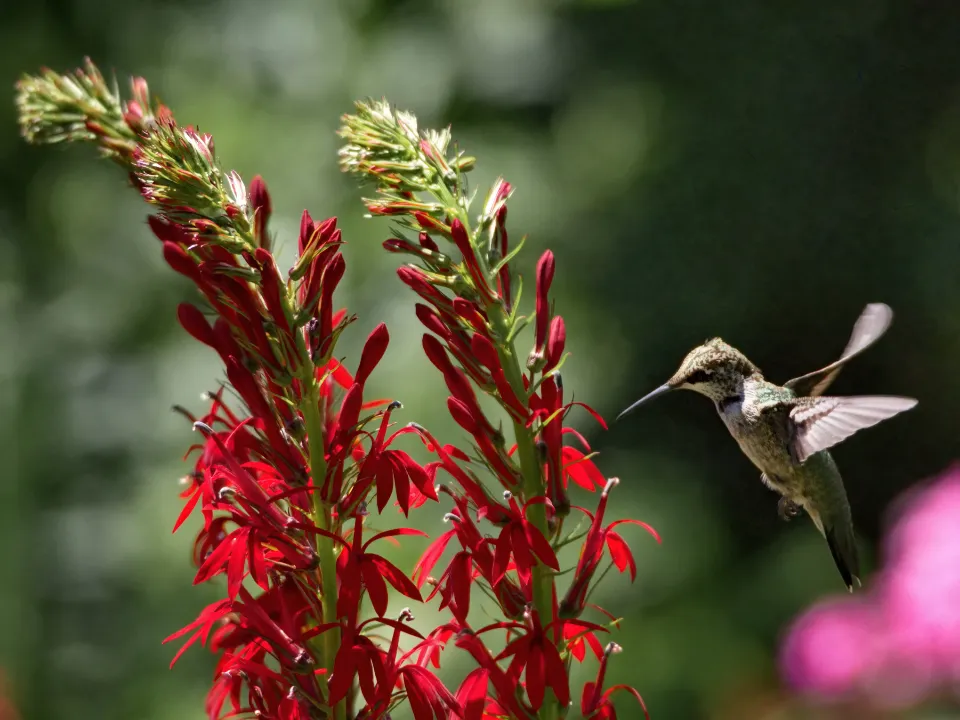
You check the weather report. Hummingbirds check the microclimate around every plant. They’re sensitive to small differences in temperature and humidity between sun and shade, stone and soil, damp and dry.
A barely perceptible warm pocket near a stone wall at dusk, or a cooler, moister zone beside a shaded bed, can change where they rest and refuel. A garden that looks uniform to you is a patchwork of tiny weather stations to them.
That matters because hummingbirds run on a razor-thin energy budget. On cold nights they can enter torpor, a deep, energy-saving state, so the warmth around a roosting spot can matter more than we’d guess.
They notice when:
- A south-facing wall starts radiating warmth in early spring
- A dense planting holds cooler, humid air on hot afternoons
- A mulched bed feels more stable than bare soil
All of this feeds into the biggest change of all, and you’ll probably never see it happen.
#1 – The Moment Your Yard Quietly Becomes “Home”
🔥 Would you like to save this?
We'll email this post to you, so you can come back to it later!
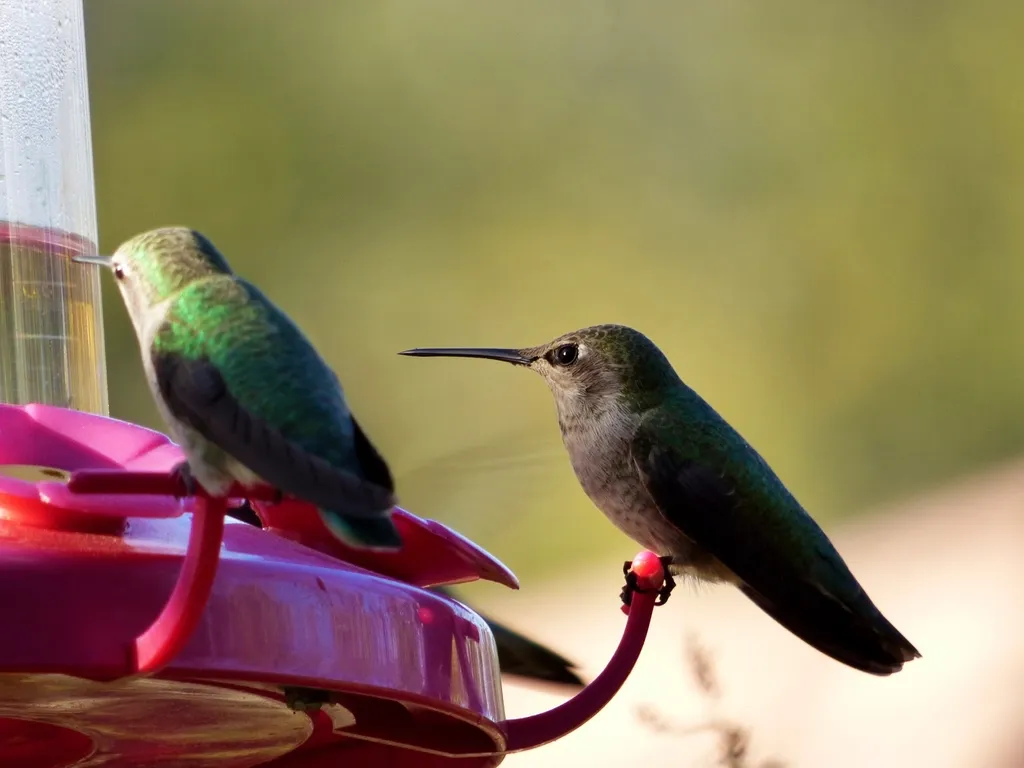
Humans realize hummingbirds have moved in when the visits become regular. The birds decide long before that. The shift from “passing through” to “this is mine” is a gentle but profound change in a garden.
At first, a hummingbird simply samples. Then one day, long before you’d call it a resident, it upgrades your garden to home base. From that point, everything else on this list gets filtered through a new lens: defend, patrol, return.
Early signs you’ll miss but they won’t:
- One bird returning to the same high perch many times a day
- Very short check-in feeds even when flowers are plentiful, because it’s monitoring, not just eating
- More chips and buzzes from consistent locations
Once a bird mentally claims your space, it pays close attention to every change: new plants, new noises, shifting light, rival birds, even where you tend to walk. That’s why a garden can feel suddenly alive, even though nothing about it looks different to you.
Here’s my honest take: hummingbirds aren’t casual visitors, and your garden isn’t pretty background to them. It’s a constantly shifting survival puzzle they solve in real time, while we’re busy admiring the color red.
What wins them over isn’t one magic plant or a fancier feeder. It’s a layered habitat with overhead cover, clean and shaded feeders, tolerated cobwebs, moving water, a few insects, and bloom times that overlap. Together, those details tell a hummingbird this place works.
A perfectly manicured, always-silent, cobweb-free yard may look better on Instagram than it does to a hummingbird. If you want more of them, stop tidying away the things they’re reading, and let your garden be a little messier and more alive.
Have you noticed a subtle hummingbird behavior in your own yard that didn’t make this list? Drop it in the comments and let other bird-obsessed gardeners weigh in.

- 7 Everyday Habits That Can Make Your Senior Dog Happier - November 5, 2026
- 10 Enigmatic Structures That Continue to Puzzle Scientists Today - November 5, 2026
- 10 Strange Ruins in the Americas That Challenge What We Know About Early History - November 5, 2026