
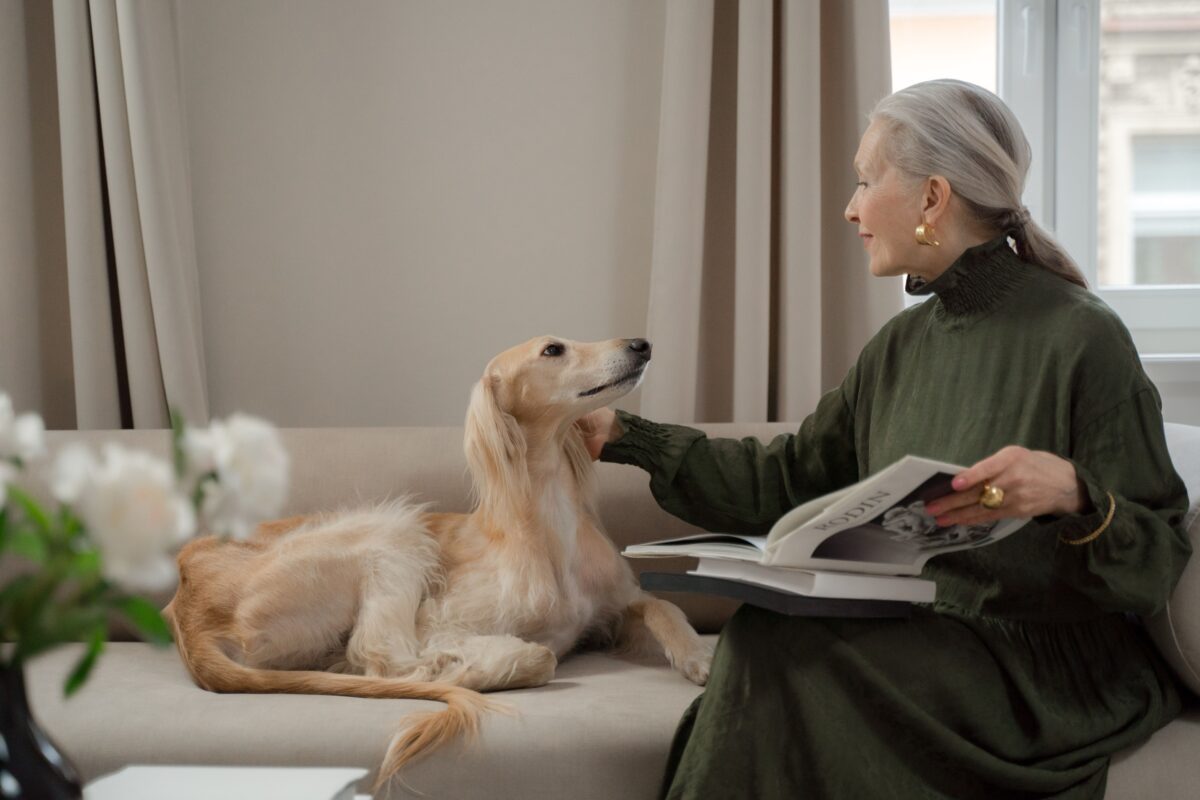
Most people picture an ageing dog as a pet who simply slows down and trades walks for naps. The real change is quieter, and a lot more touching. Joints ache, eyes cloud, ears dull, and a hallway that used to be a racetrack starts to feel like a long trip.
Dogs rarely complain, so they leave clues instead. A bed in a strange new corner. A shadow at your chair. A pause at the bottom of the stairs that wasn’t there last year. Each habit is a quiet request, and the 15 comforts below decode them. We start with one that’s probably under your dog right now and end with the one that matters more than everything else combined.
#15 – A Bed That Takes the Weight Off
🔥 Would you like to save this?
We'll email this post to you, so you can come back to it later!
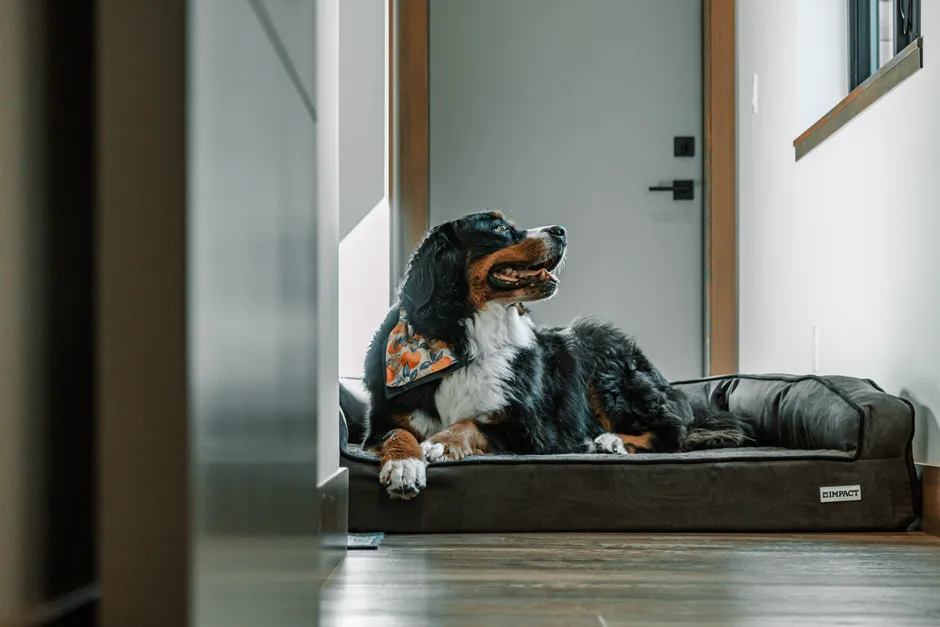
Your senior dog’s favorite bed may be doing a job you never gave it.
Many older dogs live with stiff, achy joints, and arthritis is among the most common reasons they slow down. Hard floors press on hips, elbows, and shoulders. A dog who once flopped anywhere now circles the room, shifts, circles again, and finally lowers themselves with a long sigh.
Thick, supportive bedding spreads that pressure out. Orthopedic foam beds are the usual recommendation, though a bed that’s too soft can actually make standing up harder for a dog with weak legs. Firm support with a low entry edge tends to work best, so your dog can step in instead of climbing over a tall bolster.
Look for these signs that the bed isn’t working:
- Long hesitation before lying down
- Frequent shifting or repositioning
- Choosing the tile or bare floor instead
Here’s the twist most owners miss. A dog who picks a cool, hard floor isn’t always being stubborn. Sometimes the bed is too hard to get out of, or too warm for sore joints. The floor is a vote, and it’s worth reading.
At a Glance
- Support: Firm orthopedic foam beats a squishy pile of fluff
- Entry: A low edge lets stiff legs step in, not climb
- Cover: Washable, in case of accidents
- Location: Away from drafts, but close to the family
But that’s nothing compared to the hidden hazard lurking under your dog’s paws at #14…
#14 – Floors That Stop Slipping
🔥 Would you like to save this?
We'll email this post to you, so you can come back to it later!
The surface your dog walks on every day may be the biggest mistake in your home.
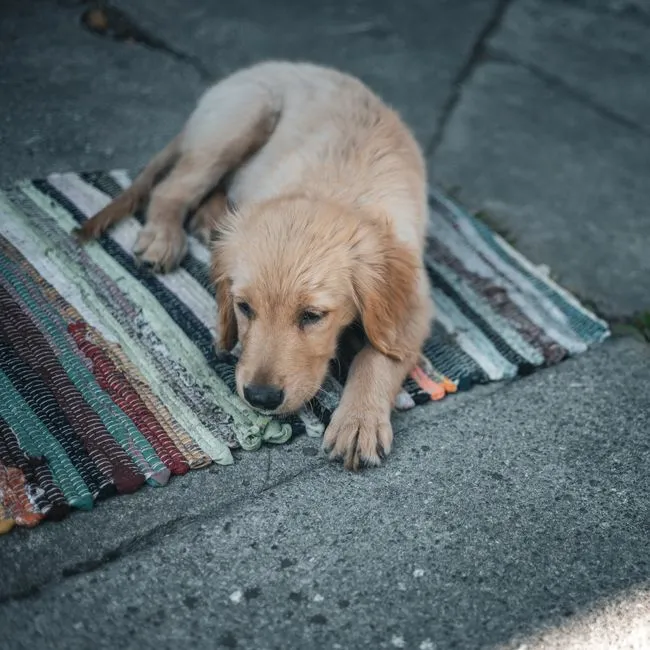
Hardwood, tile, and laminate are slick for paws, and ageing dogs lose the muscle strength and toe grip that once kept them steady. A single slide can make a dog fearful of a whole room. Some stop crossing open floors altogether.
That’s why you’ll often see a senior dog hug the edges or only walk along the rug. They’re mapping out safe routes. To them, the house really has become bigger, and riskier.
Practical fixes help a lot:
- Runners or washable rugs with non-slip backing along main routes
- Yoga mats or carpet tiles near food bowls and doors
- Trimmed paw fur and nails, so pads actually touch the floor
Surprisingly, a dog who “suddenly refuses” a room often isn’t being difficult at all. The floor is the reason, and a few well-placed rugs can bring that room back.
Of course, slick floors aren’t the only barrier. There’s one more at #13, and it’s probably in your living room…
#13 – A Shortcut to Their Favorite Spots
🔥 Would you like to save this?
We'll email this post to you, so you can come back to it later!
Your dog hasn’t stopped wanting the couch. They’ve stopped being able to reach it.
Jumping takes power in the back legs, and that’s usually what ageing and arthritis wear down first. Many dogs still try, which risks a bad landing. Others quietly give up their favorite places, and owners rarely notice the loss.
Ramps and pet steps give that access back. Experts generally favor ramps for dogs with significant joint trouble, because steps still require lifting each leg high. Small dogs may do fine with low steps, while large dogs often need a gentler slope.
Introduce any ramp slowly:
- Choose one with a non-slip surface
- Reward every attempt with treats
- Let your dog sniff and walk it without pressure
Some people insist ramps “spoil” a dog. The truth is the opposite. Letting a stiff dog keep climbing into their usual spot protects both their joints and their routine.
Quick Compare
- Ramps: Best for big dogs, serious joint trouble, or long-backed breeds. They take more floor space.
- Steps: Fine for small dogs with mild stiffness. Every step still means lifting each leg.
- Either way: A grippy surface matters more than the brand.
But there’s a comfort most owners overlook that has nothing to do with furniture, and it’s at #12…
#12 – A Warm Spot That Stays Warm
🔥 Would you like to save this?
We'll email this post to you, so you can come back to it later!
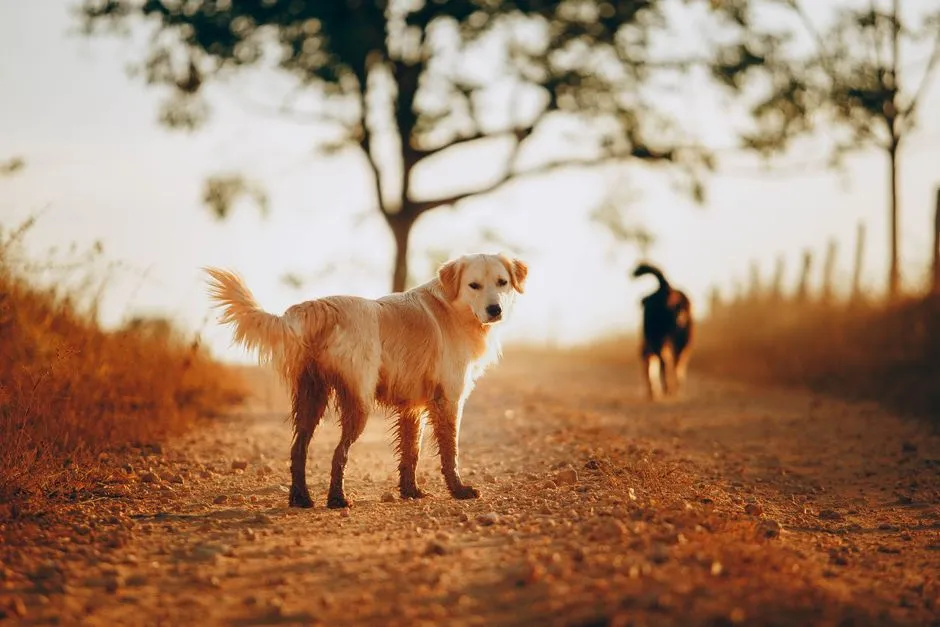
An older dog’s body doesn’t regulate temperature the way it used to.
Ageing dogs often have less muscle and body fat to insulate them, and some have conditions that affect circulation or metabolism. Cold can make stiff joints feel worse. That’s why your dog may park right in a sunbeam or beside a heating vent, soaking it in like a cat.
Heat can be a problem too. Senior dogs may struggle in hot rooms, particularly flat-faced breeds and dogs with heart or breathing conditions. The goal isn’t “warmer.” It’s a choice of temperatures.
A good setup offers both: a bed away from drafts, a blanket nearby, and a cooler floor spot within reach. Dogs will often move between them through the day without any prompting. Watch where yours goes, and you’ll learn what their body needs.
Next up is a comfort that sounds boring but may matter most at #11…
#11 – Meals That Fit a Changing Body
🔥 Would you like to save this?
We'll email this post to you, so you can come back to it later!
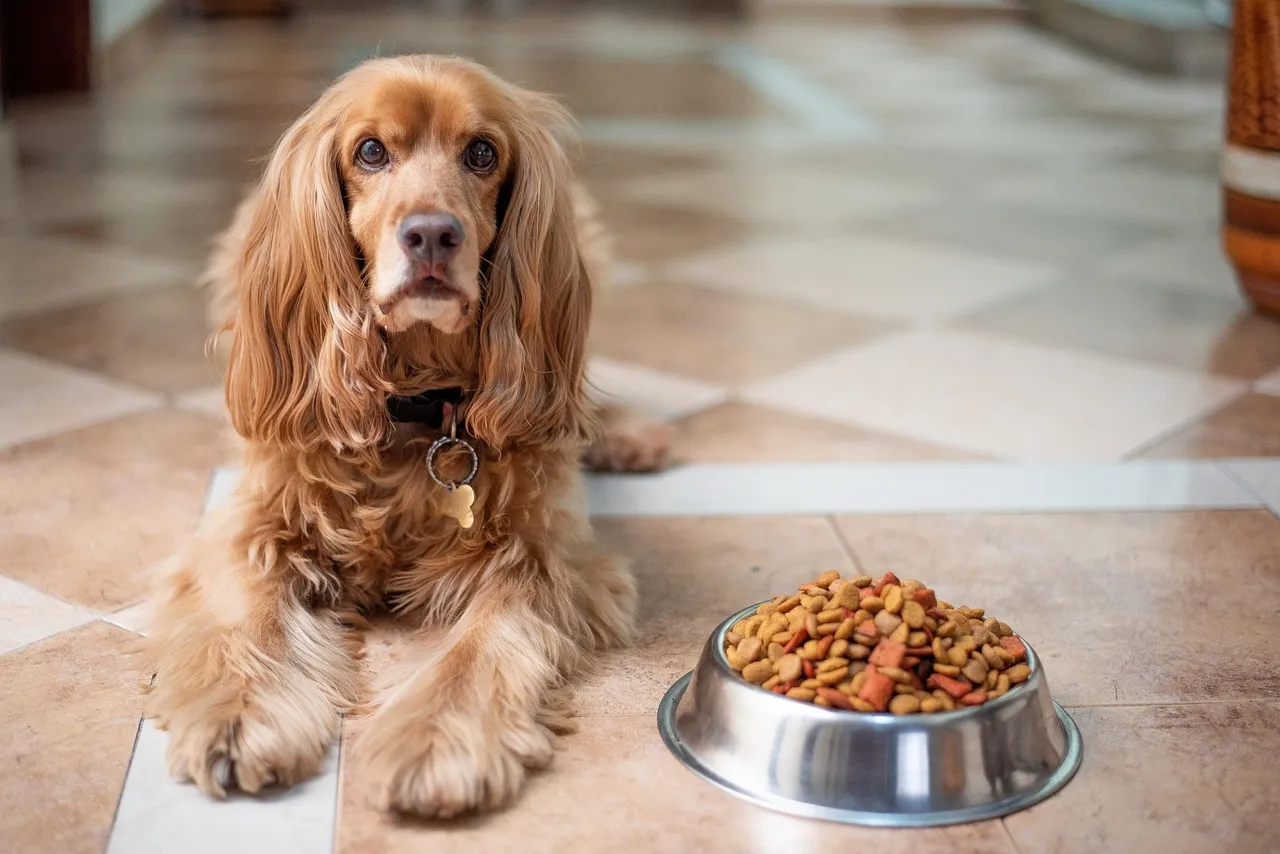
Mealtime can quietly become uncomfortable for an older dog.
Dental disease is common in ageing dogs, and a sore mouth can turn hard kibble into a chore. Some dogs begin dropping food, chewing on one side, or walking away from a full bowl. Owners often assume “picky eating” when pain is the real cause.
Standing hunched over a low bowl can also strain stiff necks and shoulders. Some dogs do better with a slightly raised dish. But the evidence here is mixed, and raised bowls have been linked to bloat risk in certain large, deep-chested breeds. Ask your vet before changing bowl height on a big dog.
Gentle adjustments often help:
- Softening food with warm water
- Offering smaller, more frequent meals
- Using a non-slip mat under the bowl
Sudden appetite changes always deserve a vet visit. Never write them off as “just getting old.”
But the next comfort has nothing to do with the body, and it explains why your dog follows you everywhere at #10…
#10 – A Routine That Never Changes
🔥 Would you like to save this?
We'll email this post to you, so you can come back to it later!
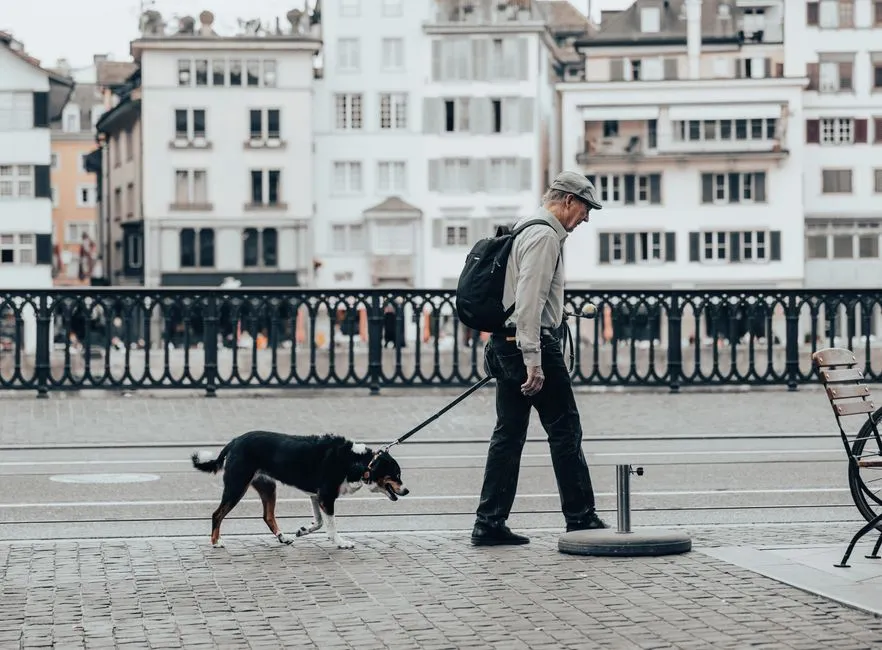
Predictability is secretly one of the strongest comforts a senior dog has.
Dogs read time through repeated patterns: when the food comes, when the leash appears, when you leave and return. As senses fade, those patterns become a kind of map. When the day runs the same way, there’s less to figure out.
Some older dogs develop canine cognitive dysfunction, a condition sometimes compared to dementia in people. Affected dogs may seem lost, restless at night, or confused in familiar spaces. A steady daily rhythm can’t cure it, but it can lower the stress of a confusing day.
Keep feeding, walks, and bedtime within roughly the same window each day. Even a small change, like a new schedule or a moved bowl, can unsettle a dog whose memory is slipping.
And if your dog bumps into things at night, the comfort at #9 is the one to know…
#9 – Soft Light on the Path at Night
🔥 Would you like to save this?
We'll email this post to you, so you can come back to it later!
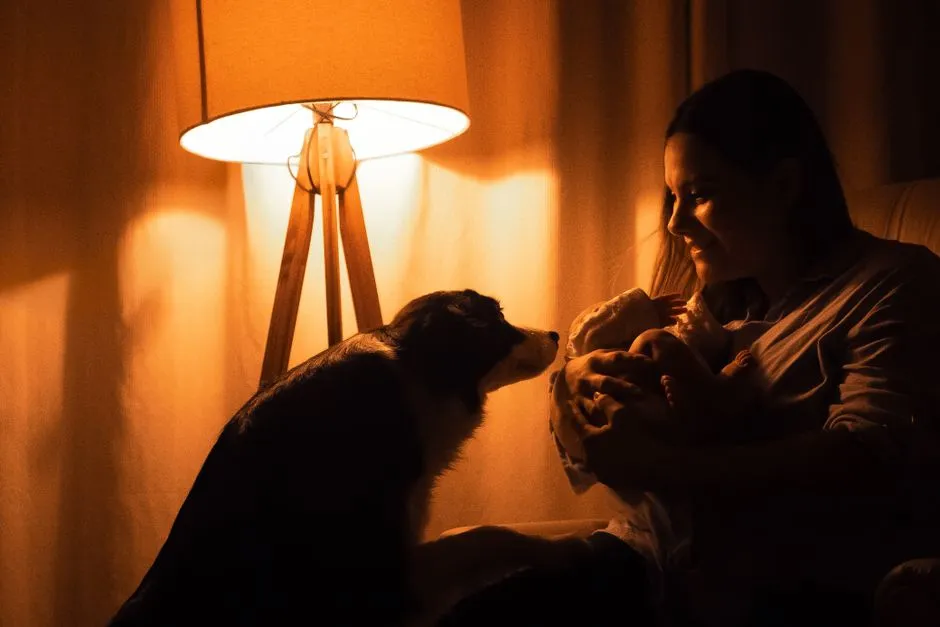
Dogs see better in dim light than people do, but ageing changes that.
Older dogs commonly develop a cloudy look to their eyes. Some of that is harmless lens hardening, but other changes, like cataracts, can genuinely affect vision. Night is when it shows. A dog who once glided down the hall now stalls at doorways.
A small night light along the route to water, the back door, and your bedroom can make a real difference. Even a little glow gives a dog with weak eyesight a reference point.
Watch for these clues of vision trouble:
- Hesitating at stairs or thresholds
- Startling when touched unexpectedly
- Walking into furniture in unfamiliar lighting
Any sudden vision change calls for a prompt vet visit. Don’t wait it out.
But the cozy spot that matters most may be smaller than you’d guess, as #8 reveals…
#8 – A Smaller Space That Feels Safe
🔥 Would you like to save this?
We'll email this post to you, so you can come back to it later!
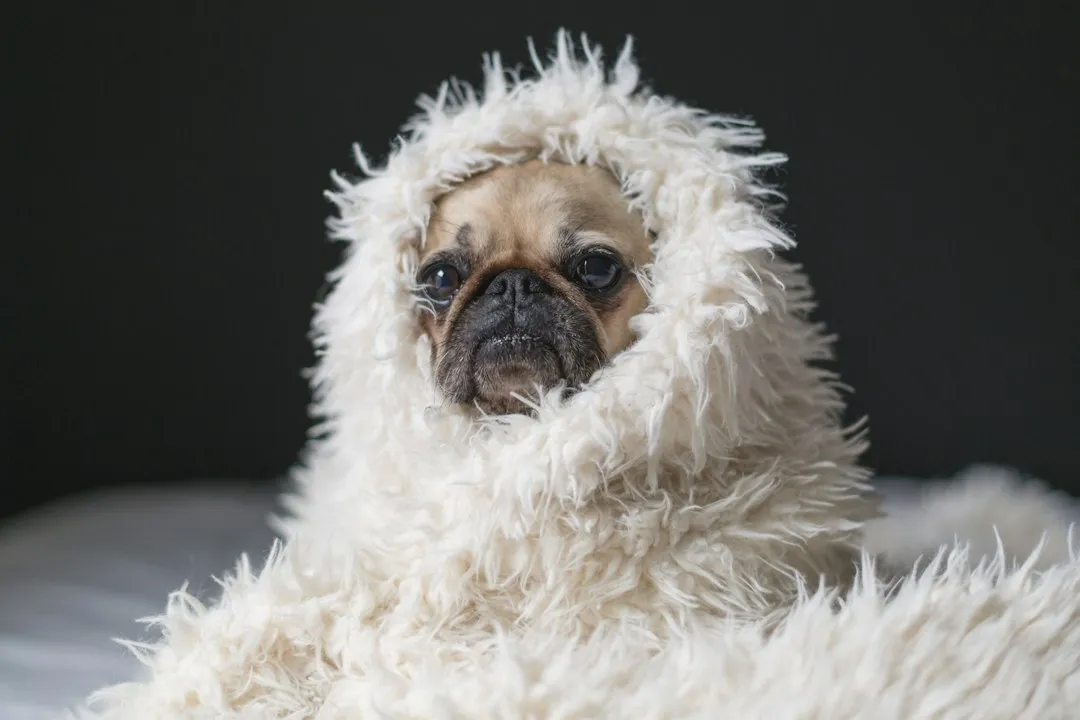
When the house feels huge, a senior dog will often shrink their world on purpose.
Maybe your dog now sleeps in the laundry room, wedged beside the sofa, or under a desk. That isn’t random. Snug, enclosed spots can feel secure when senses and balance aren’t what they were.
Many owners worry this means their dog is “withdrawing.” Sometimes it does signal pain or illness, so a change like this deserves a check-in. But often, it’s simply comfort-seeking.
Make that spot work for them:
- Place a bed in a corner with walls on two sides
- Keep it close to family activity, not isolated
- Add a baby gate only if your dog is calm about it
A common mistake is hauling a dog back to the “proper” bed in the living room. If they’ve chosen a spot that feels safe, it’s usually smarter to improve it than to move them.
Worth Knowing
- A cozy hideaway is usually fine. A sudden, total retreat is not.
- Hiding paired with panting, restlessness, or skipped meals deserves a vet call.
- Staying within earshot of the family keeps comfort from turning into isolation.
- Check the spot for drafts and slick floors before you call it perfect.
But the next comfort will change how you think about your daily walk at #7…
#7 – Shorter, Slower Walks
🔥 Would you like to save this?
We'll email this post to you, so you can come back to it later!
The hour-long hike isn’t the gift you think it is.
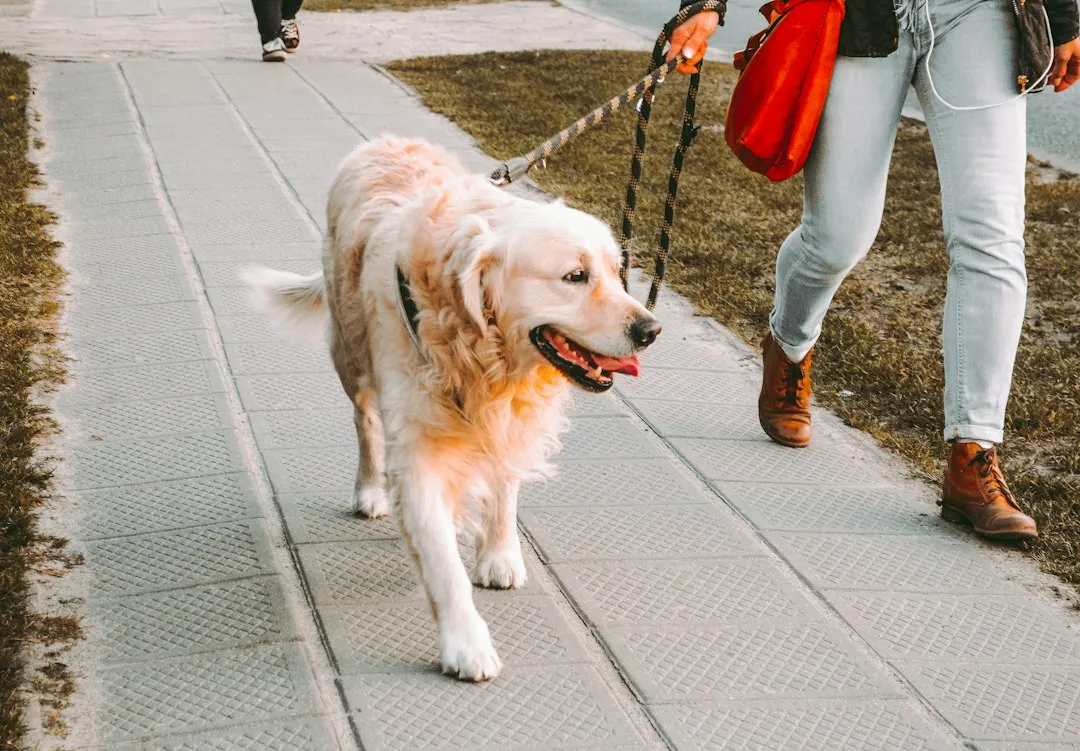
Many owners keep older dogs on a hard exercise schedule out of guilt, or fear of weight gain. But many vets favor regular, shorter outings for senior dogs over a single long trek. Muscles stay active, and joints are spared a marathon.
It’s tempting to believe more exercise always means better health. Yet one big weekend adventure often leaves a stiff dog sore for days. Consistency beats intensity.
Let your dog set the pace and stop to sniff. That slow sniffing is real mental work, and it counts as exercise. Watch for lagging, limping, or lying down mid-walk. Those are clear signs to cut the route short.
And sniffing deserves its own spotlight, because #6 is even more surprising…
#6 – Sniffing Games Instead of Sprints
🔥 Would you like to save this?
We'll email this post to you, so you can come back to it later!
A dog’s nose usually outlasts their legs.
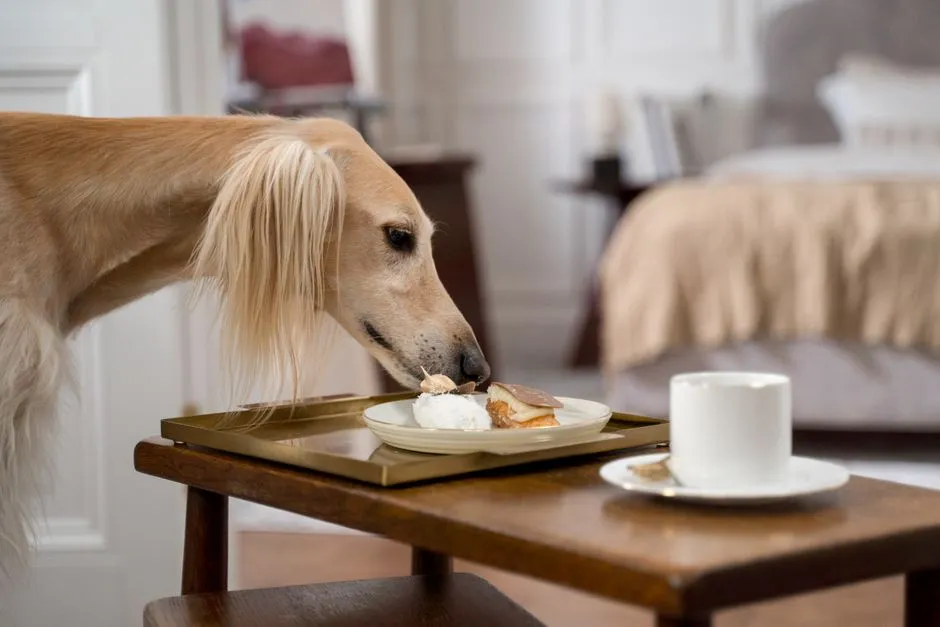
Even when hips ache and eyes cloud, scent remains a powerful sense for many older dogs. Giving that nose a job can keep them mentally engaged without any strain on the body.
Simple scent games work well:
- Hide a few treats around one room
- Scatter kibble in a snuffle mat
- Let your dog “find it” from a seated position
Mental stimulation matters for ageing dogs, and puzzles and scent work are commonly suggested to keep minds active. They don’t replace medical care, but they do add variety to quiet days.
Keep sessions short and easy. A confused or frustrated dog isn’t enjoying it. Turn the difficulty down and end on a success.
But the next comfort could shake up your whole living room at #5…
#5 – Furniture That Stays Where It Is
🔥 Would you like to save this?
We'll email this post to you, so you can come back to it later!
Rearranging the living room can feel like moving the walls to a dog with poor eyesight.
Dogs with fading vision often memorize the layout of a home. They know where the table leg is and how many steps it takes to reach the water bowl. Move a chair, and the map breaks.
Hearing loss adds to it. A dog who can’t hear you approach, or can’t hear their own steps echo, relies even more on a familiar layout. That’s why a small change can lead to bumps and sudden spooking.
A few simple rules help:
- Keep walkways clear of clutter
- Leave food, water, and beds in the same spot
- Block off hazards like open stairs with a gate
If you must redecorate, make changes gradually and walk your dog through the new setup. Most owners don’t think of this until after the first collision.
But the next comfort may start an argument in your household at #4…
#4 – Permission to Be on the Furniture
🔥 Would you like to save this?
We'll email this post to you, so you can come back to it later!
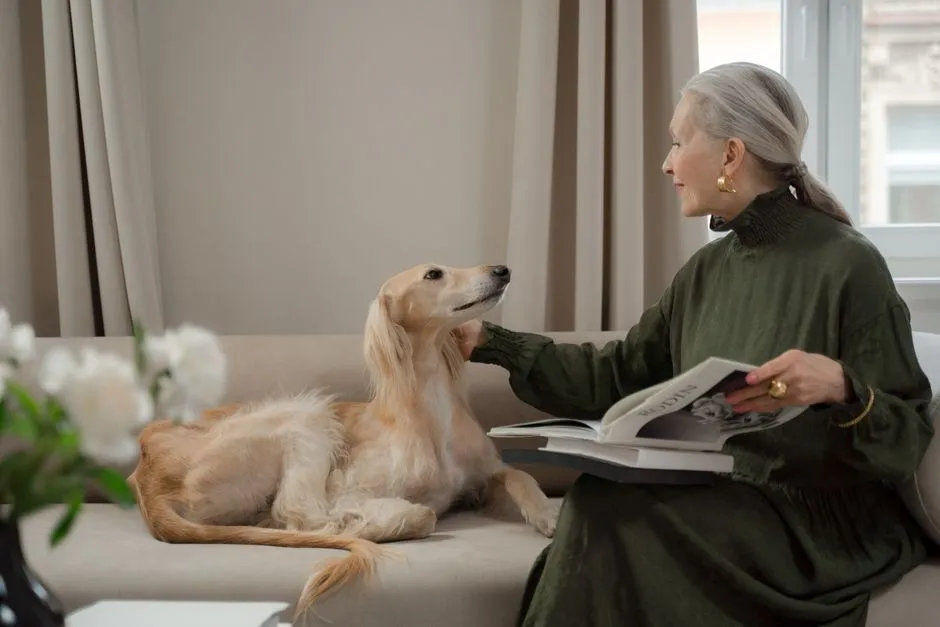
The “no dogs on the couch” rule probably needs to retire.
Honestly, this is an opinion, but a well-grounded one. For a stiff senior dog, a soft sofa with a ramp is often more comfortable than any bed on the floor. It also lets them stay beside the people they love.
Some trainers worry about spoiling or behavior problems. For an older dog with no history of guarding furniture, those concerns usually carry less weight than the simple benefit of comfort and closeness.
There are real exceptions. If your dog growls over a spot, or you share your home with a restless pet, set up a separate cozy place. Comfort should be safe for everyone.
But the next comfort prevents the most heartbreak, and it’s waiting at #3…
#3 – Easy, Frequent Trips Outside
🔥 Would you like to save this?
We'll email this post to you, so you can come back to it later!
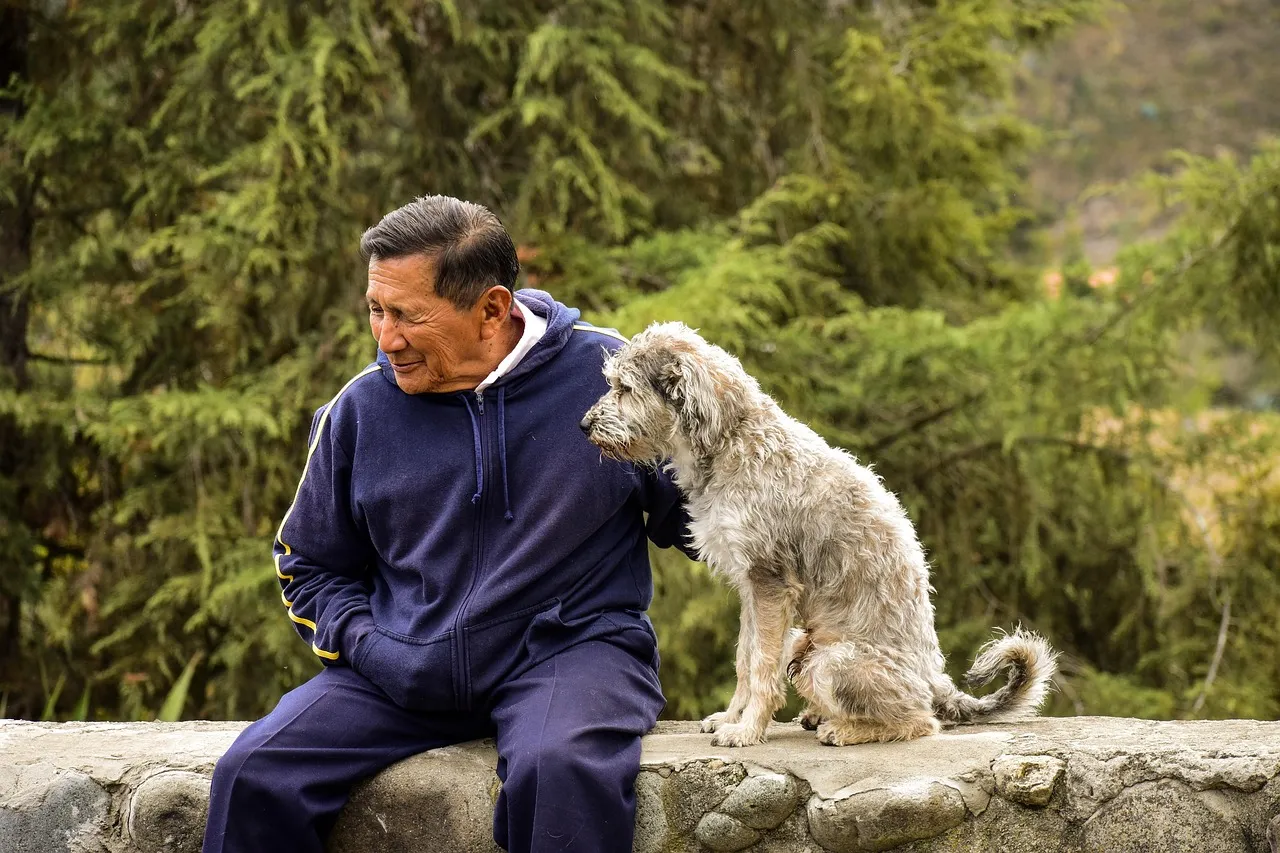
An accident indoors is rarely a behavior problem in an older dog.
Weaker bladder control, kidney or hormonal conditions, and cognitive changes can all make holding it harder. Stairs and cold mornings can turn a quick trip outside into an ordeal.
Scolding only makes it worse. A dog who is punished for something they can’t control learns to hide it, not stop it. Experts consistently recommend patience and a vet visit for sudden changes in bathroom habits.
Small changes ease the pressure:
- More frequent outings, even if short
- A ramp or non-slip path to the yard
- Washable bedding for accidents
Increased thirst or urination is a classic reason to call the vet. Never assume it’s age alone.
But the next comfort is one most owners miss completely at #2…
#2 – A Calm Voice and Clear Signals
🔥 Would you like to save this?
We'll email this post to you, so you can come back to it later!
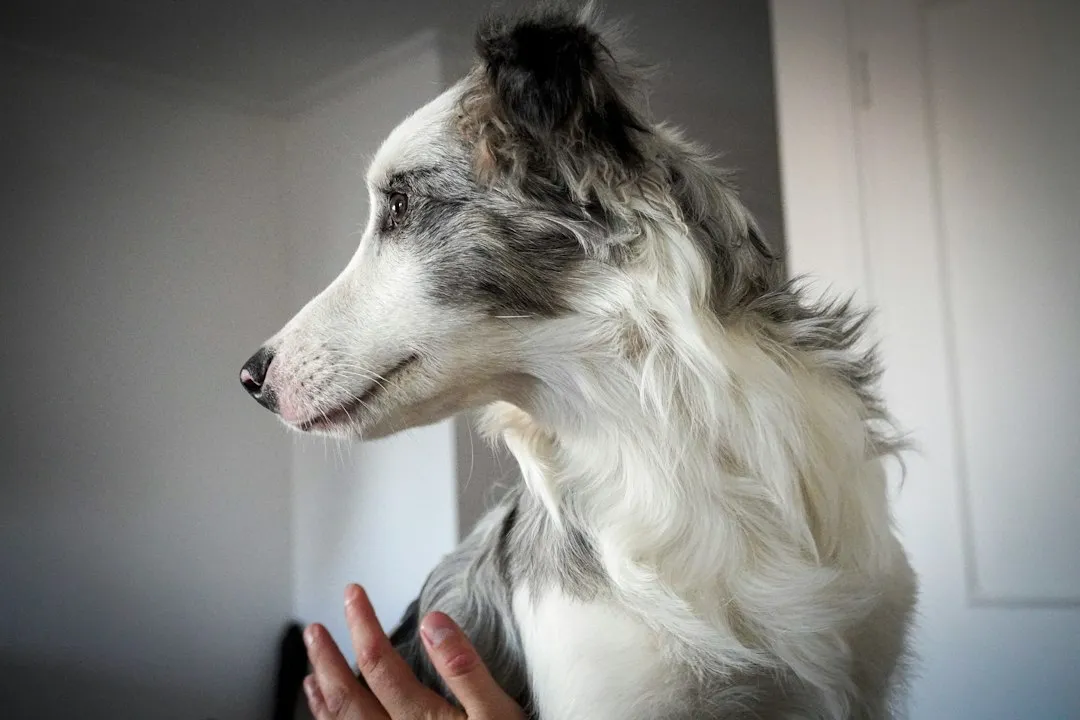
Your dog may not be ignoring you. They may genuinely not hear you.
Hearing loss is common in older dogs. It often comes on slowly, so owners mistake it for selective listening. A dog who doesn’t come when called may simply not catch the sound.
Visual cues can fill the gap. Many owners teach hand signals, which work well because they don’t depend on hearing. A flashlight blink or a gentle foot stomp can also get a deaf dog’s attention.
A few habits help:
- Approach from the front, not from behind
- Touch gently on the shoulder, not suddenly
- Use consistent, simple hand signals
A startled dog, especially one in pain, may snap out of fear. That is why gentle approaches matter most in a house with children.
Fast Facts
- Hearing loss usually creeps in, so “selective listening” may be a clue.
- Hand signals can be taught to many dogs well into their senior years.
- Floor vibrations, like a light stomp, can help signal you’re near.
- Let a sleeping dog wake gently, never with a sudden grab.
And the final comfort is the one every other item here depends on, at #1…
#1 – You, Close By
🔥 Would you like to save this?
We'll email this post to you, so you can come back to it later!
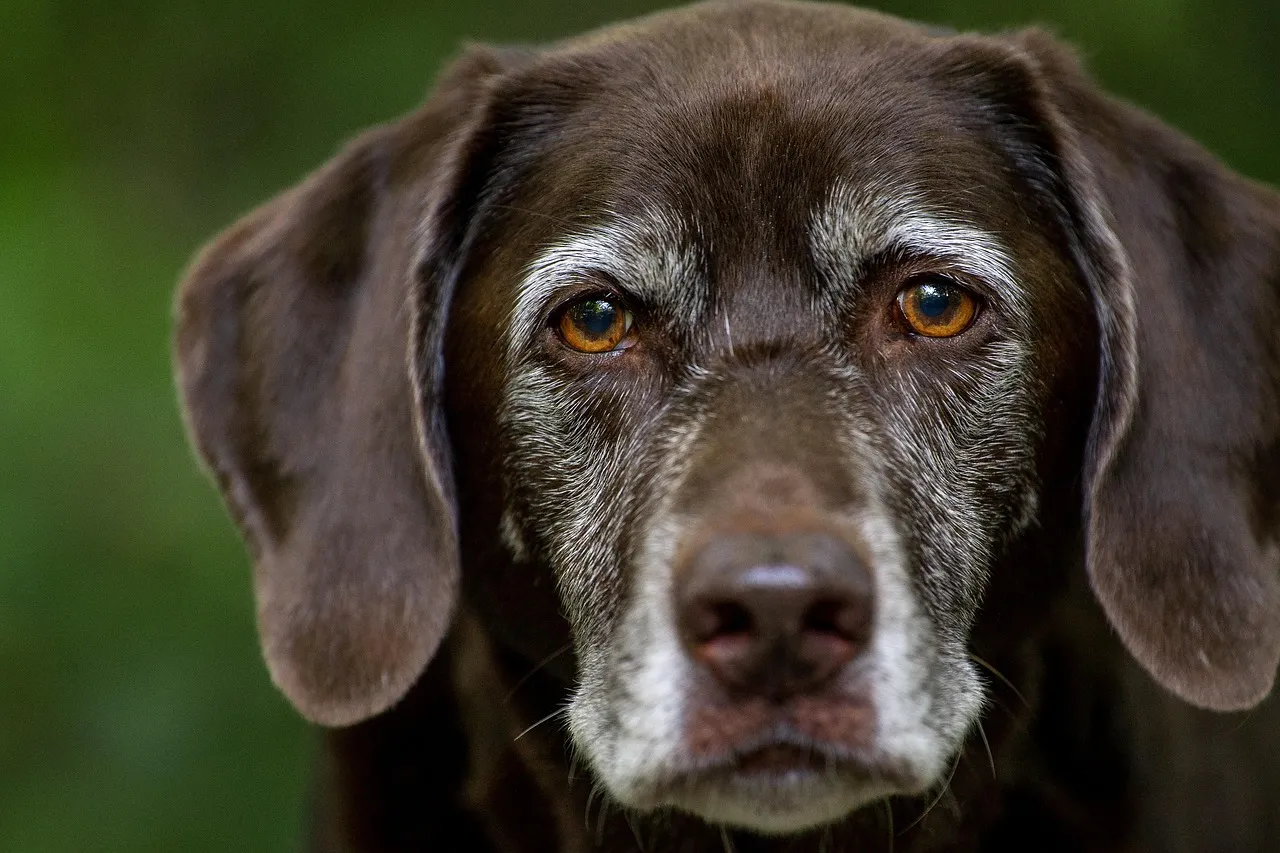
The one thing a senior dog wants most isn’t something you can buy.
Dogs are social animals, and for many, the comfort of a familiar person nearby matters more than any bed. As senses fade, your presence becomes an anchor. That’s why an older dog may follow you from room to room, or sleep pressed against your leg.
Some dogs also become more anxious about being alone as they age. Short absences, calm departures, and a worn T-shirt left on their bed can ease that stress.
Quiet time together, like gentle petting, sitting nearby, or just talking, is a real form of care. It costs nothing, and it’s what most dogs value most.
Which brings us to the bigger picture.
Here’s my honest take: most of what an ageing dog needs is cheap, simple, and easy to overlook. Better traction, a supportive bed, a ramp, a steady routine, and a gentle voice often matter more than any gadget on the shelf.
The biggest mistake is shrugging off slowing down as “just age” when pain or illness may be involved. Your vet can often help. But the heart of senior dog care is making a shrinking world feel safe, and you’re the center of it.
Which comfort made the biggest difference for your own older dog?

- Embracing the Quiet Magic of Adopting a Senior Dog - November 5, 2026
- Scientists May Have Miscalculated Our Global Warming Timeline - November 5, 2026
- Marine Biology Says When Dolphins Suddenly Go Silent in Open Water It's Not Rest – They've Detected a Predator You Cannot See and Their Survival Strategy Reveals How They Read Danger - November 5, 2026