
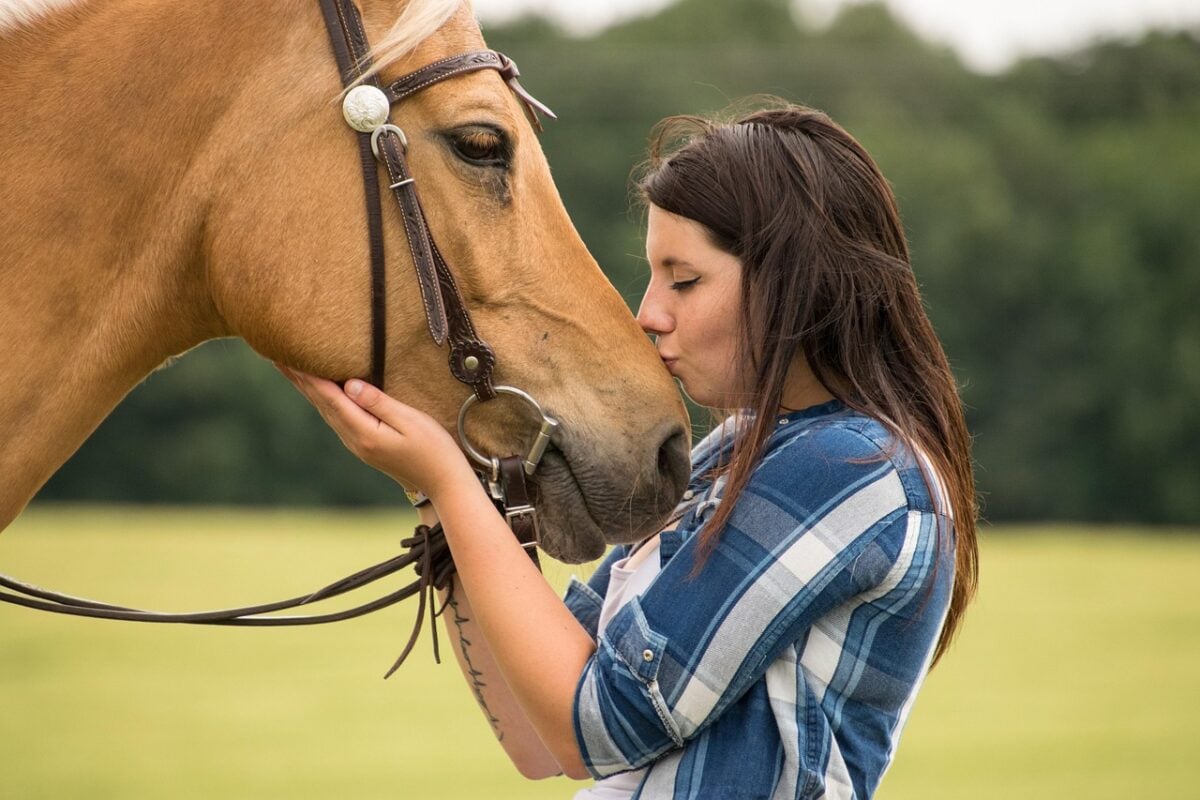
Most people picture senior horse care as a softer life and a scoop of extra feed. That’s the brochure version. The real version is stranger, because the best yards rebuild their whole routine around an old horse, usually without a single meeting about it.
Feeding order shifts. Bedding gets deeper. Water gets warmer. Even the stall itself can quietly move across the barn. Most owners never see it happen, and one change on this list is so counterintuitive that plenty of devoted horse people still get it backwards. Count down with us from fifteen to find out which one.
#15 – The Quieter Spot in the Feed Queue
🔥 Would you like to save this?
We'll email this post to you, so you can come back to it later!
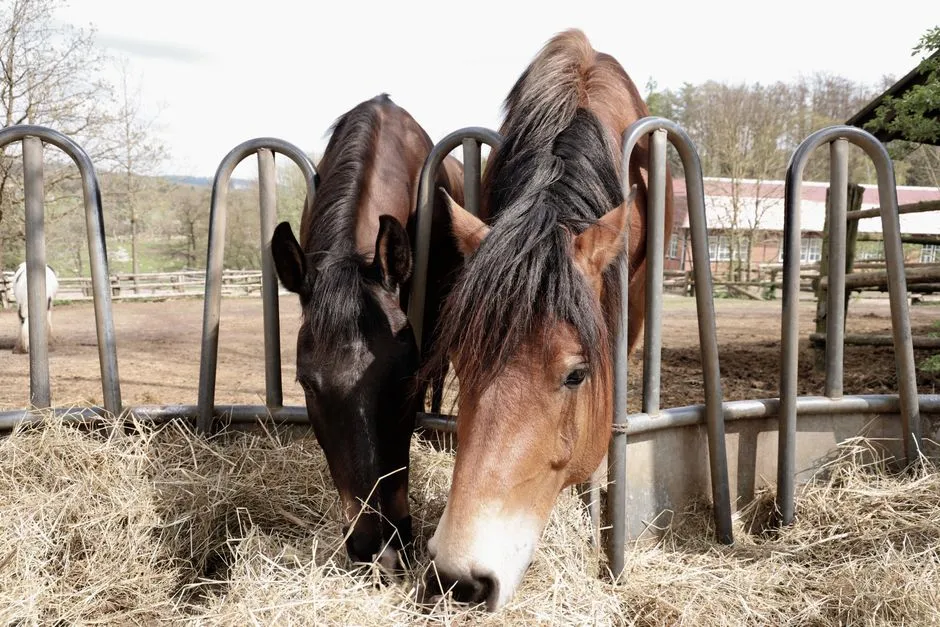
Feeding time is where the pecking order gets cruel.
In a busy yard, dominant horses bolt their food and then eye the neighbor’s bucket. An older horse, slower and often stiffer, can lose out without anyone seeing it. Some seniors quietly go hungry for months before anyone clocks the weight loss.
So experienced yards adapt. The old horse gets fed first, or last, or out of sight. Some use a separate stall, a partition or a quiet corner of the field.
The goal is simple: let him eat at his own speed without being watched. Nobody calls it a policy. It just becomes how the yard runs.
- Feed seniors out of reach of dominant horses
- Give them extra time to finish every meal
- Watch who actually clears the bucket
But the next change is one you can actually hear from the stall door at #14…
#14 – Softer Feed for Worn-Down Teeth
🔥 Would you like to save this?
We'll email this post to you, so you can come back to it later!
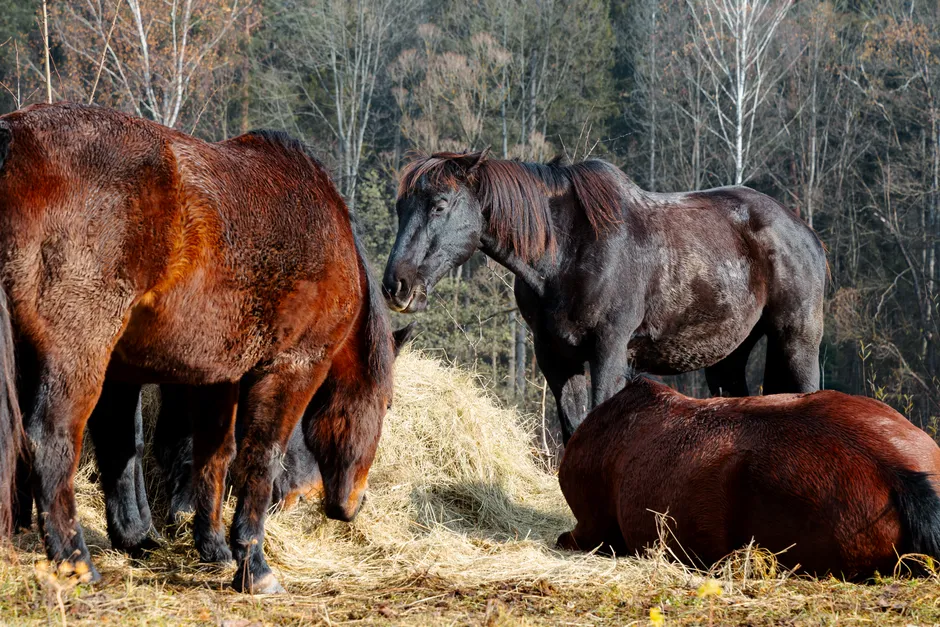
Horse teeth don’t last forever, and the feed room knows it.
A horse’s teeth keep erupting through life while grinding wears them down. In very old horses, there may be almost no reserve tooth left to grind with. Hard hay and coarse fiber become a real chore.
That’s why many yards switch seniors to soaked feeds, chopped forage or soaked hay pellets. These mixes can double as a hydration source, too. The quiet giveaway is quidding: soggy little balls of half-chewed hay dropped near the stall.
If you ever find those, the horse is telling you something. He’s still hungry. He just can’t finish the job.
- Soak pellets and cubes thoroughly to lower choke risk
- Offer chopped forage if long hay is a struggle
- Report quidding or slow eating to your vet
Next, a surprising change to how often the old horse eats at #13…
#13 – More Meals, Smaller Portions
🔥 Would you like to save this?
We'll email this post to you, so you can come back to it later!
Two big meals a day is quietly the wrong rhythm for many old horses.
A horse’s stomach is small for his body size and designed for a steady trickle of forage. His stomach also produces acid continuously, which is one reason long gaps without hay are a problem. Seniors often digest less efficiently too, so large, infrequent meals can waste nutrients. Long gaps without forage are a mistake many yards stopped making years ago.
Smaller, more frequent feeds are the common fix. Some yards add a late-night hay round. Others use slow-feed nets so forage lasts through the dark hours without a competitive rush.
Fast Facts
- An adult horse’s stomach holds only roughly 2 to 4 gallons, a small slice of the whole digestive tract
- Acid production never really switches off, while saliva, a natural buffer, flows mainly when the horse chews
- A widely used guideline is at least 1.5% of body weight in forage daily, about 15 lb for a 1,000 lb horse
- Many vets advise avoiding long stretches without forage, often cited as more than 4 to 6 hours
The extra visits double as informal health checks. Every trip to the stall is a chance to spot who’s off their food, who’s stiff and who’s lying down when they shouldn’t be.
Wait until you see what happens to the bedding at #12…
#12 – Deeper Bedding for Creaky Joints
🔥 Would you like to save this?
We'll email this post to you, so you can come back to it later!
A thin layer of shavings looks fine until the horse has arthritis.
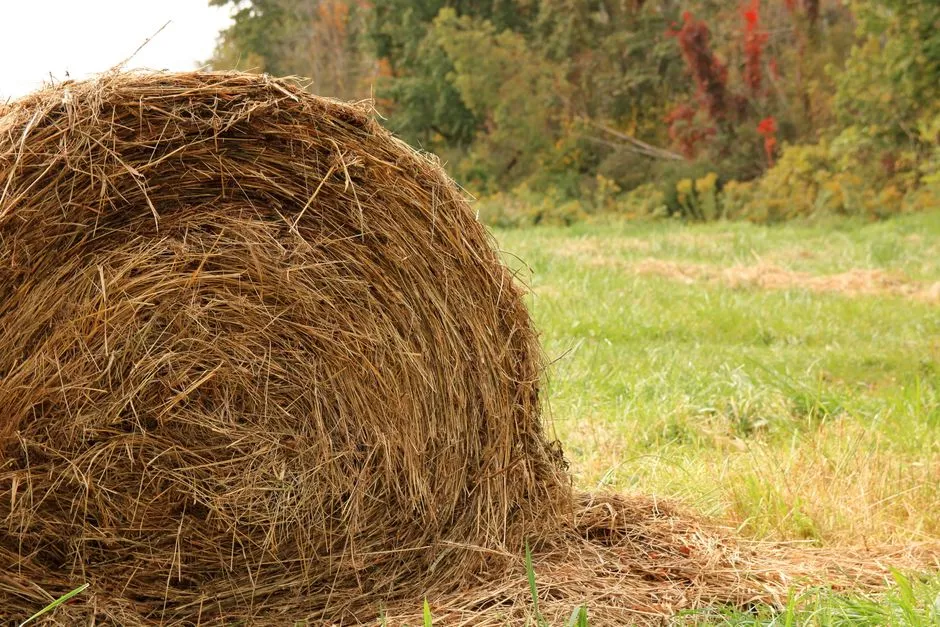
Old joints don’t like hard ground. Deep, well-kept bedding cushions the horse as he lies down and gives him more grip when he gets up. A stiff horse that finds lying down painful may simply stop doing it.
That matters because horses need to lie down to reach their deepest sleep. They can doze on their feet, but a horse that avoids lying down for long stretches can become chronically tired. A thick, dry, clean bed is often the cheapest painkiller in the yard.
Many yards also bank the bedding up the walls. That gives the horse a little leverage when he’s trying to roll or rise.
And the next one has everything to do with the weather forecast at #11…
#11 – Earlier Rugs, Warmer Nights
🔥 Would you like to save this?
We'll email this post to you, so you can come back to it later!
Cold doesn’t hit an old horse the way it hits a young one.
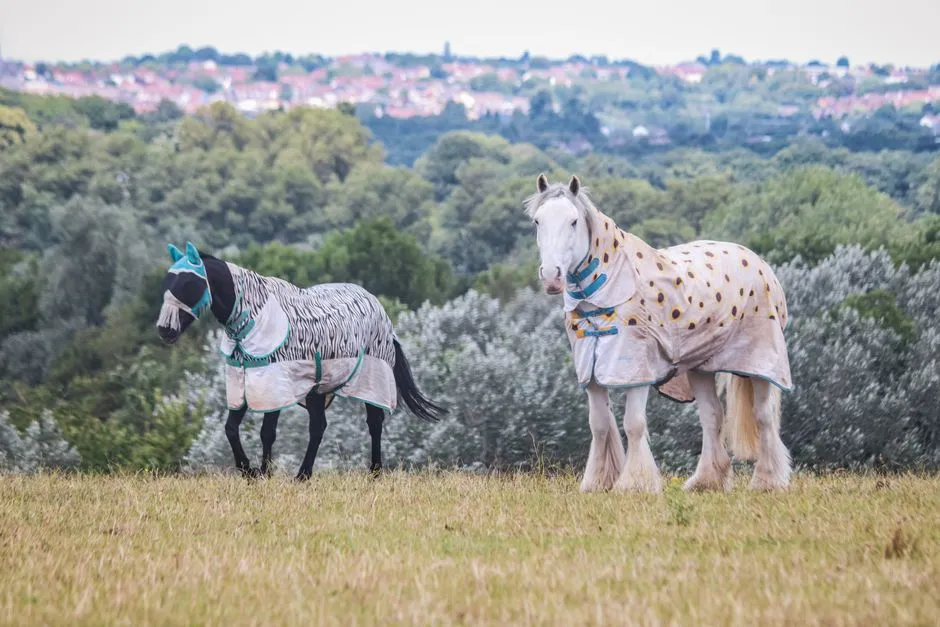
Older horses often struggle to hold their weight and body heat, particularly in winter. They burn calories to stay warm, and calories are exactly what many seniors can’t afford to lose. A rug that goes on a few degrees earlier can protect condition, not just comfort.
Yards usually make this call horse by horse. Some seniors need a rug in conditions that leave their younger neighbors untouched. Others, especially those with a long, curly coat, can overheat just as easily.
Check under the rug, not over it. A damp, sweaty neck is as much a problem as a shivering one.
Next up: the part of the yard most people never think about at #10…
#10 – Non-Slip Footing Everywhere
🔥 Would you like to save this?
We'll email this post to you, so you can come back to it later!
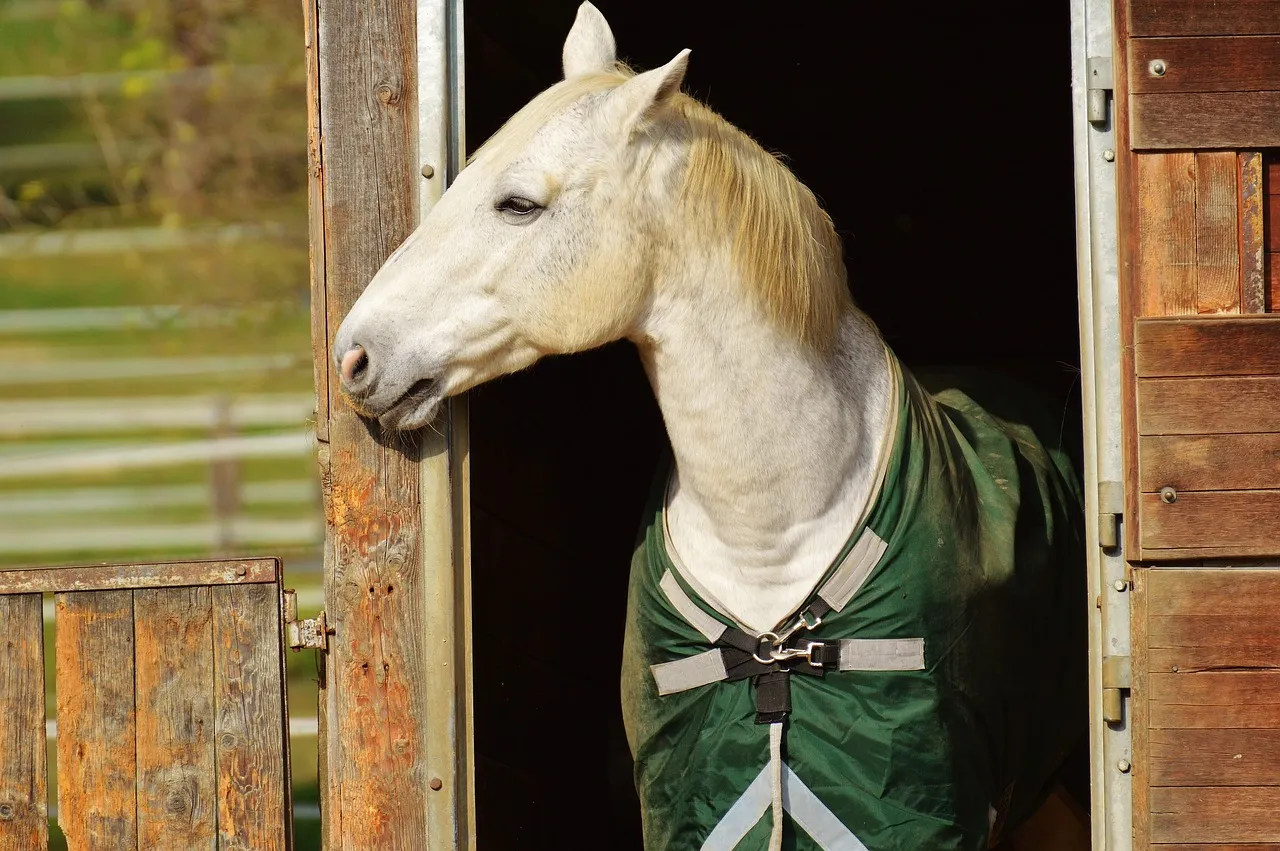
The most dangerous spot for an old horse is often the doorway.
Concrete aisles, wet gateways and frozen puddles are real hazards for a stiff or unsteady horse. A slip that a young horse shrugs off can mean a pulled muscle or a fall for a senior. The risky moments are often the short walks between stall and field, not the field itself.
So rubber mats, sand, grit and shavings appear in high-traffic spots. Gateways get topped up with hardcore or gravel. In icy weather, many yards simply keep seniors in until the ground is safe.
Even the pace of leading changes. A slow, calm walk gives a stiff horse time to place each foot.
Quick Compare
- Rubber matting: best for aisles and doorways, where grip and cushioning matter most
- Sand or grit: a fast fix for icy paths and slick patches
- Hardcore or gravel: built for gateways that churn into mud
- Slow, calm leading: costs nothing and works on every surface
Still, nothing in the stable is quite as overlooked as what happens at #9…
#9 – Water Within Easy Reach, and Warmer
🔥 Would you like to save this?
We'll email this post to you, so you can come back to it later!
Water is where old horses quietly fall behind.
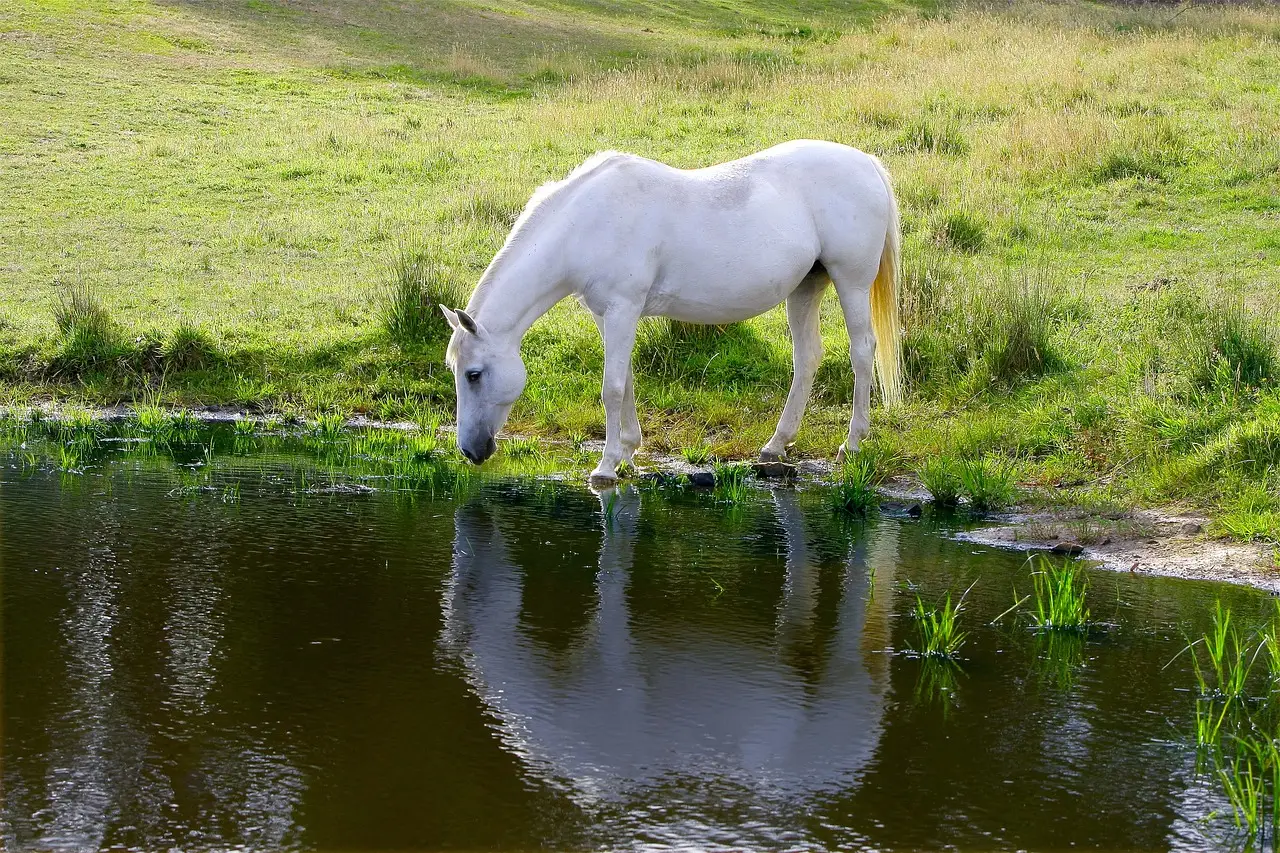
Stiff necks and sore backs make low or awkward buckets harder to use. Cold winter water can put some horses off drinking, which raises colic risk. Dehydration is often cited as one of the sneakiest winter threats for seniors.
Many yards respond by making water easier to reach and nicer to drink. Troughs are kept at a comfortable height, ice is broken first thing, and in very cold weather some staff add a bucket of lukewarm water. Plenty of horses seem to drink more when it’s slightly warmed.
Soaked feed helps, too. It sneaks extra fluid into the daily routine without the horse having to do anything at all.
But the farrier visit at #8 is where many yards make their biggest silent change…
#8 – A Gentler Farrier Visit
🔥 Would you like to save this?
We'll email this post to you, so you can come back to it later!
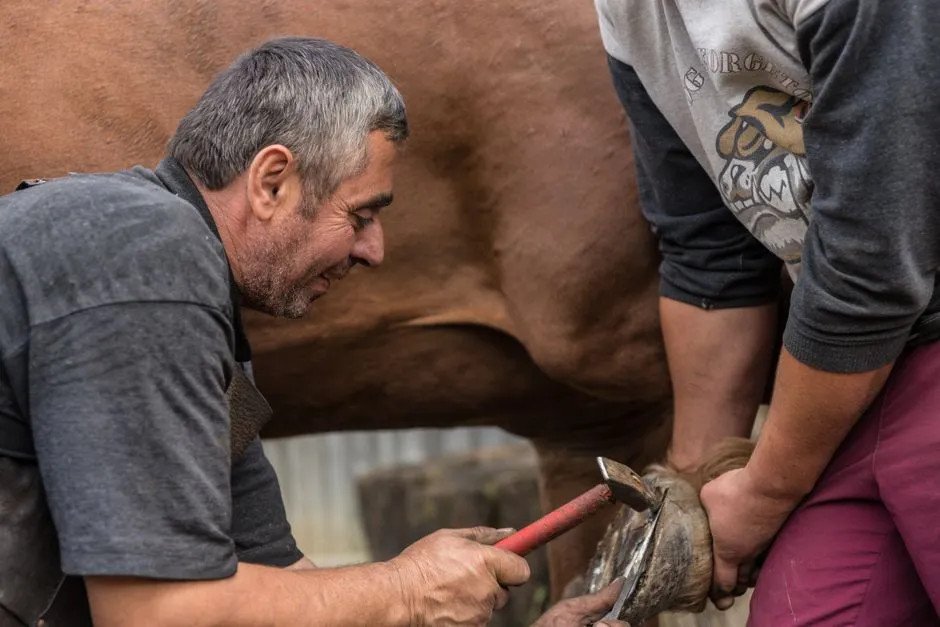
Trimming a hoof is physical work for the horse, too.
Standing on three legs while a farrier holds the fourth is hard on arthritic joints. Holding a leg out sideways or high behind can hurt more than the trimming ever could. A horse that snatches his foot away may be in pain, not misbehaving.
Thoughtful yards tell the farrier early. The visit gets broken into shorter sessions, the leg is kept low and forward, and a calm handler stays at the horse’s head.
Hoof care itself doesn’t stop. A regular trimming cycle remains essential, so only the method changes.
Next comes a decision about location that sounds trivial at #7…
#7 – A Stall Near the Action
🔥 Would you like to save this?
We'll email this post to you, so you can come back to it later!
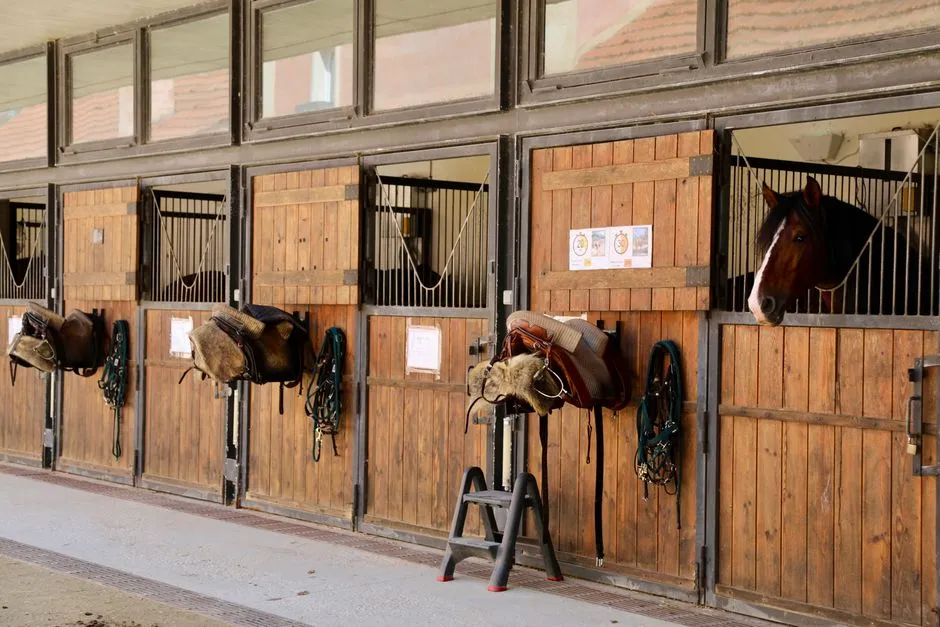
Where the old horse sleeps matters more than what he sleeps on.
Horses are herd animals, and isolation is stressful. A stall at the far end of a dark barn is lonely, and it often means a longer walk on stiff legs. The best stall for a senior is often not the biggest, but the most central.
Yards frequently move older horses closer to the door, the turnout gate and the other horses. That keeps walking distances short and cuts down on steps and slopes. It also puts the horse right where staff pass every hour, so small changes get noticed fast.
- Ground-level access, no steps or tight corners
- A view of other horses and yard life
- Close to the turnout route
Now for the one checkup that can’t wait at #6…
#6 – Dental Checks That Come Round Faster
🔥 Would you like to save this?
We'll email this post to you, so you can come back to it later!
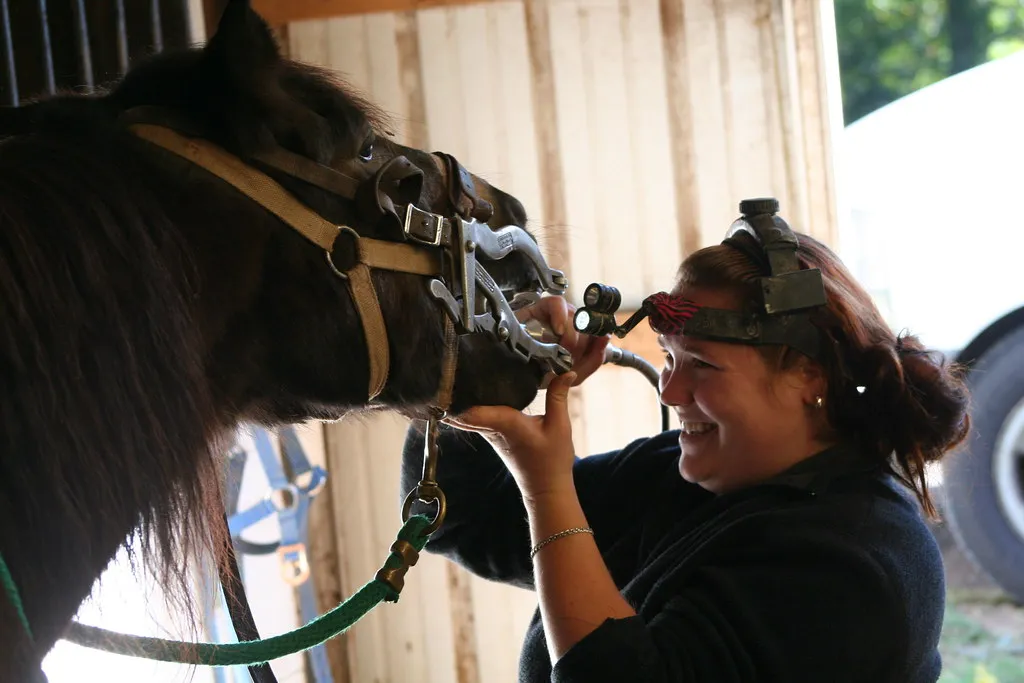
Teeth change quickly in old age, so the schedule has to change with them.
Many horses get a routine dental check once a year. Seniors often need it more often, because sharp points, loose teeth and gum disease can develop between visits. A painful mouth can undo every other kindness on this list.
Watch for slow eating, dropped feed, bad breath, weight loss or head tilting while chewing. Any of these should prompt a call to the vet. Don’t wait for the next scheduled visit.
Equine vets are generally the best judge of how often an individual senior should be seen.
And if you think teeth are the biggest weight clue, wait until #5…
#5 – Regular Weigh-Ins and Body Scoring
🔥 Would you like to save this?
We'll email this post to you, so you can come back to it later!
Eyeballing an old horse is the mistake that hides weight loss.
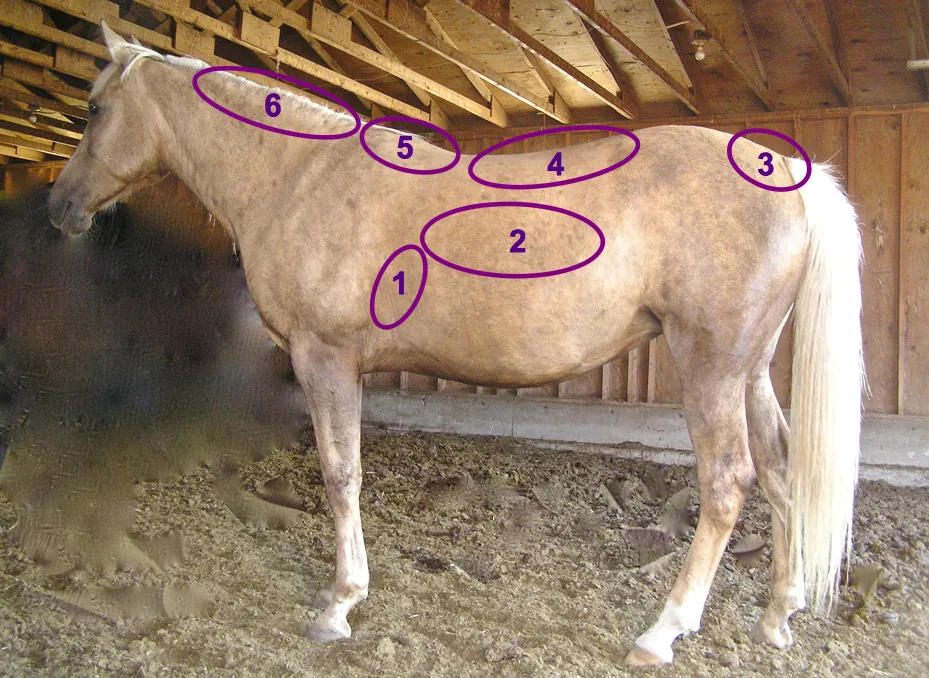
A fluffy winter coat, a rug and a familiar face make it easy to miss changes. Many seniors lose muscle along the back and hindquarters long before it shows up as weight. That’s why feeling the horse matters as much as looking.
Good yards track body condition on a regular schedule, using a weigh tape or scales plus hands-on scoring. They also watch the topline, the muscle over the back. A dipped back or a pointed hip can signal a problem worth a vet visit.
- Run your hands over ribs, withers, back and hips
- Record the score so changes show up over time
- Photograph the horse from the same angle each month
But the next concession isn’t about the body at all, as #4 shows…
#4 – Keeping His Friends Close
🔥 Would you like to save this?
We'll email this post to you, so you can come back to it later!
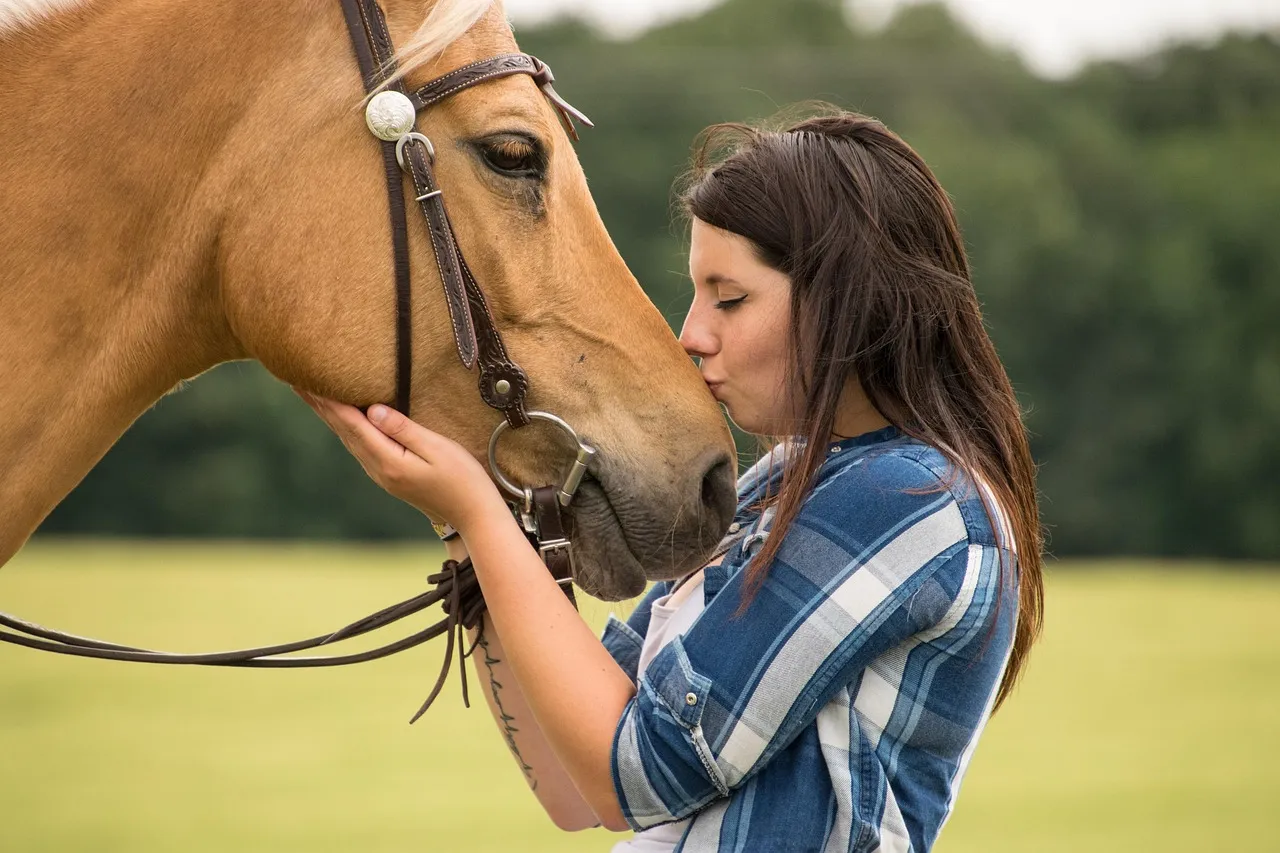
An old horse’s best medicine is often another horse.
Horses form real bonds, and splitting a senior from a longtime field partner can cause stress. A stable that shuffles horses around for convenience may be undoing his sense of safety. Some old horses seem to decline faster after losing a companion.
The reverse can happen, too. Younger, pushier horses may bully a slower senior around hay and gates. Good yard managers watch the group closely and adjust it. A calm, compatible friend is usually better than a crowd.
- Keep established pairs together where possible
- Watch for chasing at gates and feeders
- Introduce changes slowly
And the next point takes on a belief that many owners swear by at #3…
#3 – Turnout That Fits, Not Retirement to a Stall
🔥 Would you like to save this?
We'll email this post to you, so you can come back to it later!
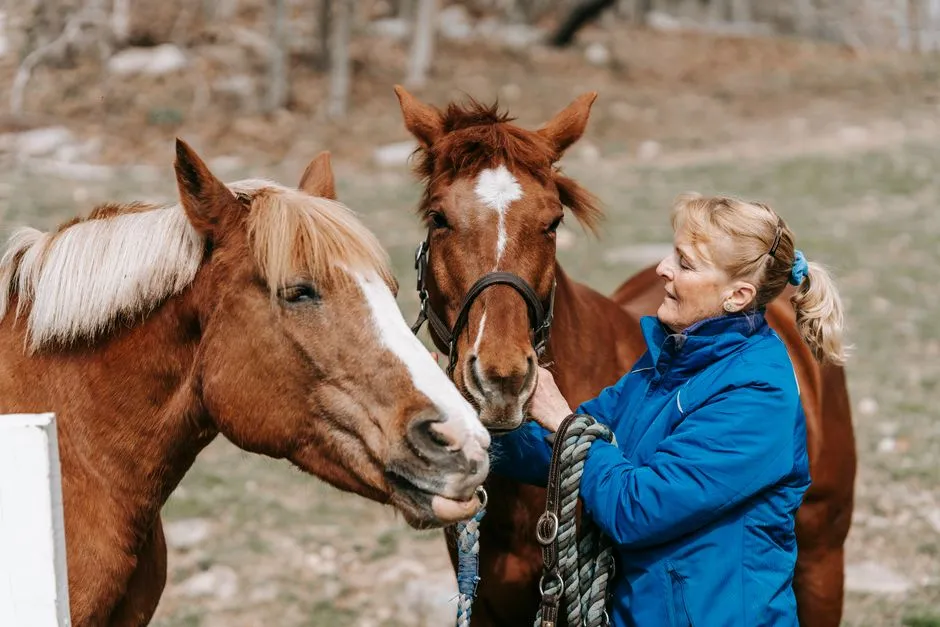
Most people assume a stiff old horse should rest more. Many experts argue the opposite.
Movement keeps joints lubricated and muscles working. Long hours in a stall can leave an arthritic horse stiffer and sorer than before. Confinement is often the real enemy, not exercise.
Yards adapt by offering shorter, safer turnout on flat, well-drained ground, ideally with a calm companion. Slopes, deep mud and bumpy paddocks are avoided. Some horses do best with a little turnout every day rather than a long stint once a week.
The line between enough and too much is an individual call. A vet can help set it.
The next concession is the one most owners hear about too late at #2…
#2 – Watching for Hormonal and Metabolic Trouble
🔥 Would you like to save this?
We'll email this post to you, so you can come back to it later!
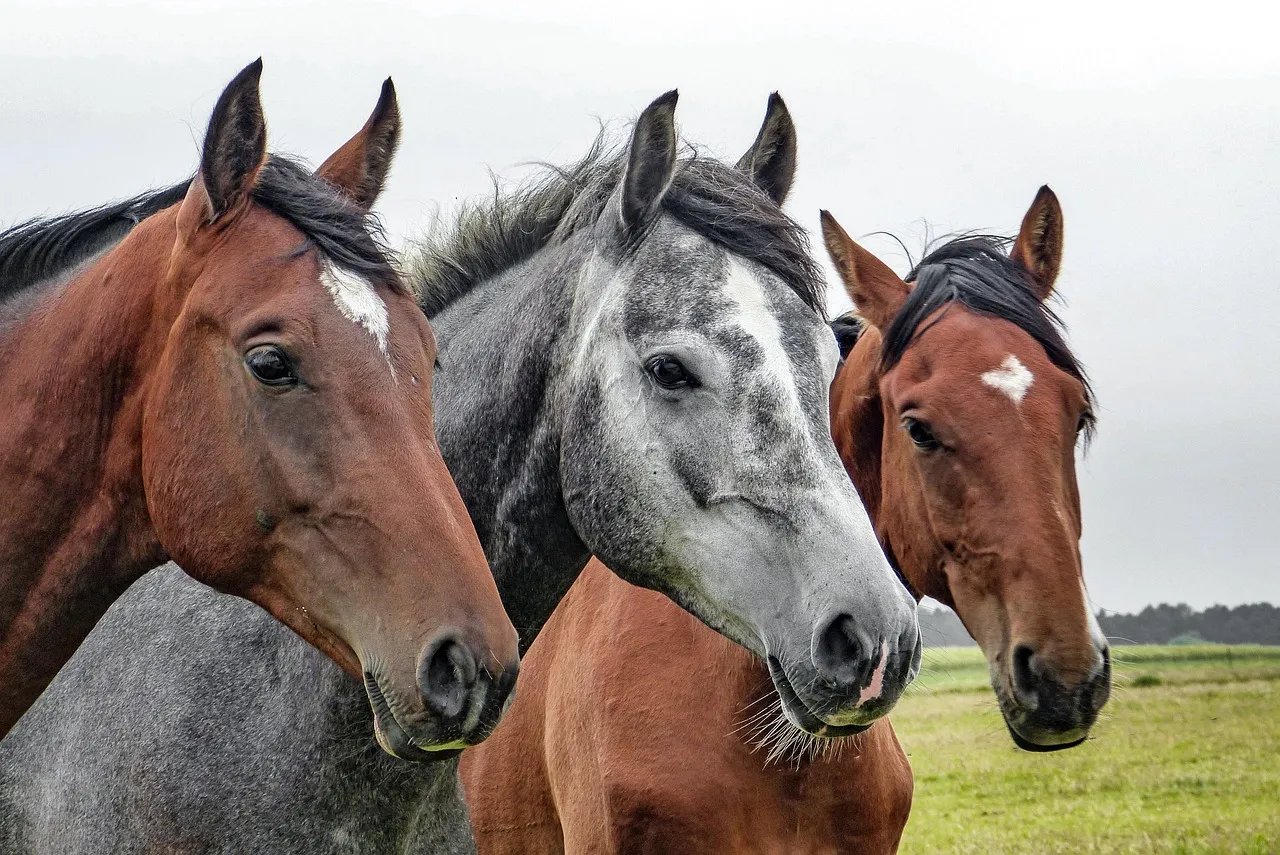
Some of the most serious senior problems look like normal aging.
Pituitary pars intermedia dysfunction, or PPID, is a hormonal condition commonly seen in older horses. It was once widely called Cushing’s disease. A coat that grows long and curly and refuses to shed is one of the classic warning signs.
Other signs include muscle loss, a sagging belly, increased drinking and recurrent laminitis. Good yards raise the alarm early and bring in the vet for testing. Treatment and diet changes are decided case by case.
- Long or patchy coat that won’t shed
- Loss of muscle along the back
- Laminitis episodes or sore feet
But the final concession has nothing to do with feed, bedding or vets at #1…
#1 – Letting the Horse Set the Pace
🔥 Would you like to save this?
We'll email this post to you, so you can come back to it later!
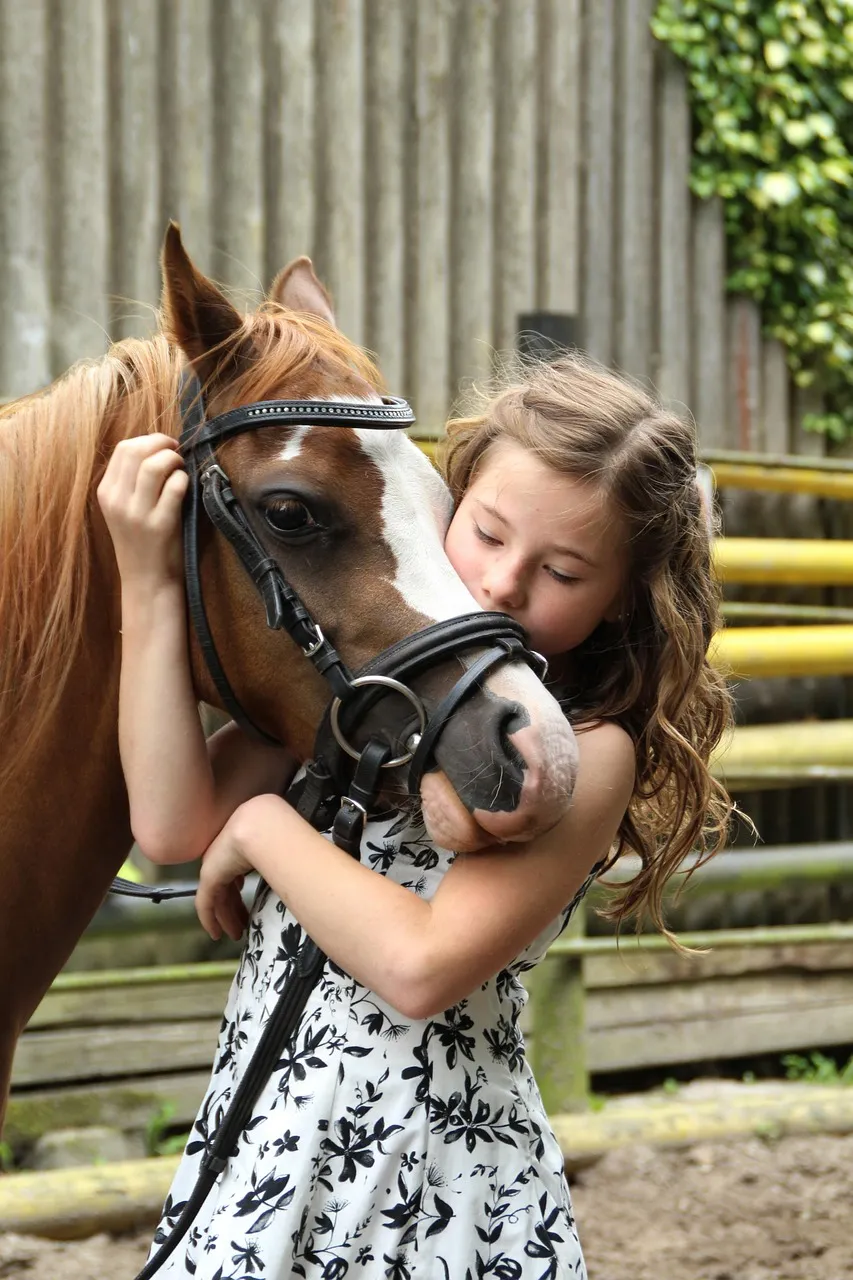
The kindest thing a stable can do is stop asking for what the horse used to give.
Old horses often can’t match the schedule of the yard. They’re slower to be caught, slower to move and slower to settle. Great yards stop treating that as a problem and start treating it as information.
That means no rushing in the aisle, no pushing through a bad day and no pressure to perform. It means being honest about what the horse still enjoys. A short walk, a groom or a quiet afternoon in the sun may now be a full day’s work.
It also means facing hard questions. Vets often suggest regular quality-of-life checks, looking at appetite, mobility, comfort and interest in life. Having that conversation early is a gift, not a betrayal.
Worth Knowing
- Appetite: does he still meet you at feed time with interest?
- Mobility: can he lie down and get up without a struggle?
- Comfort: are pain signs controlled on most days?
- Spark: does he still engage with his friends and surroundings?
- Many owners mark good and bad days on a calendar, so a trend can’t hide behind one sunny afternoon
Looking after an old horse isn’t about one big change. It’s dozens of small ones, made quietly: softer feed, deeper bedding, better footing, more frequent checks and a calmer pace. The biggest myth is that a senior needs less care. He needs more attention, delivered more gently.
My take: any yard that waits for a crisis before adapting isn’t doing senior care at all. It’s doing damage control. Which of these concessions does your yard make without being asked, and which one is still missing?

- 7 Everyday Habits That Can Make Your Senior Dog Happier - November 5, 2026
- 10 Enigmatic Structures That Continue to Puzzle Scientists Today - November 5, 2026
- 10 Strange Ruins in the Americas That Challenge What We Know About Early History - November 5, 2026