
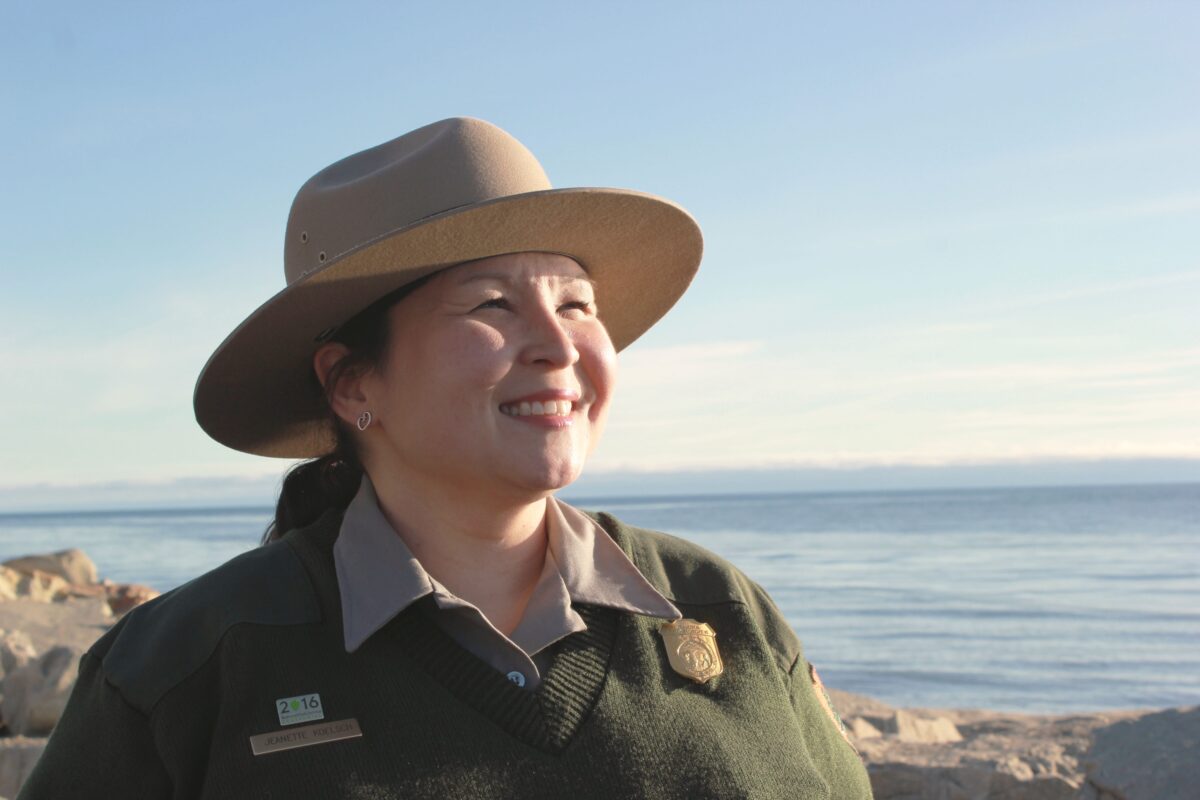
Most people assume national park rangers are there to check passes, hand out maps, and point toward the restrooms. Older visitors know a different truth: the quiet courtesies rangers extend can make or break an entire trip. None of it is printed on a brochure, and you won’t see it in a glossy Instagram reel.
These small, almost invisible gestures are part safety net and part old-school hospitality, and they’re a big reason many seniors keep coming back year after year. Below are 15 of them, counting down, and some are far more calculated than they look. Keep going, because #1 changes how you see the whole green-and-gray uniform.
#15 – Slowing the Pace Without Making It Obvious
🔥 Would you like to save this?
We'll email this post to you, so you can come back to it later!
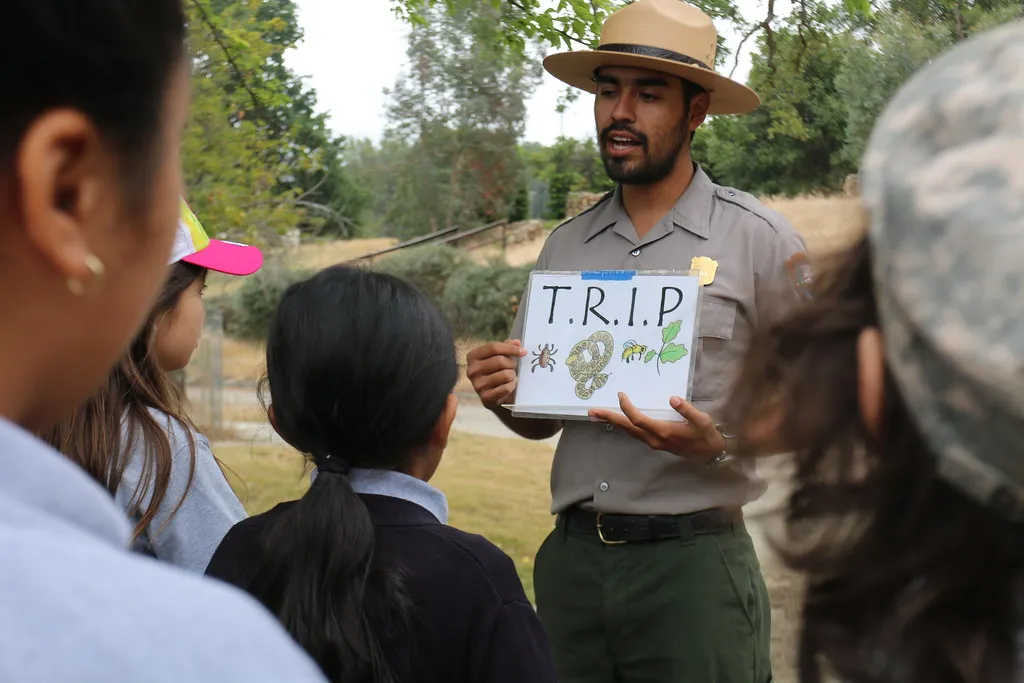
Rangers know that pretending everyone hikes at the same speed is the fastest way to lose older visitors, both on the trail and emotionally. On guided walks, many build in “photo stops” and “interpretive moments” that are really subtle rest breaks for older knees and lungs. They pause to point out lichen on a rock or a distant ridgeline, and suddenly everyone is catching their breath without anyone being labeled “the slow ones.”
It feels organic, not patronizing. You’ll often see a ranger drifting toward the back of the group, right where the oldest visitors naturally fall in. From there they can watch gait, breathing, and comfort without turning the outing into a medical check.
They may also casually suggest a shorter loop or an alternate route, framed as a “scenic option” rather than a downgrade. The phrases do a lot of quiet work:
- “Let’s take a minute to really enjoy this view” = a socially acceptable rest stop
- “Who wants a quick water break?” = a check on everyone’s stamina
#14 – Translating Rough Terrain Into Plain-Language Warnings
🔥 Would you like to save this?
We'll email this post to you, so you can come back to it later!
Maps talk in contour lines and trail ratings. Rangers talk in knees, hips, and balance. Instead of saying a route has “1,000 feet of elevation gain,” a good ranger tells an older visitor, “This feels like climbing several flights of stairs spread over two miles, with a few rocky steps thrown in.”
That translation from abstract numbers to real body experience is a courtesy most people never notice. It lets someone picture the effort honestly, without feeling quizzed about their fitness. Rangers also tend to reframe risk in everyday terms:
- “If you use a cane on sidewalks, this trail will probably feel sketchy.”
- “The way down is harder than the way up, especially on older knees.”
For seniors who grew up before modern outdoor gear was everywhere, rangers will also explain how trekking poles or supportive footwear change the equation. The subtext is always the same: we’re not testing your toughness, we’re protecting your joints.
#13 – Quietly Checking Hydration and Sun Exposure
🔥 Would you like to save this?
We'll email this post to you, so you can come back to it later!
Older bodies regulate temperature differently, and rangers know it, even if they never say the word “thermoregulation” out loud. Instead, they’ll casually ask, “When was the last time you had a sip of water?” or “Want to step into the shade while we talk about this overlook?”
These questions sound like small talk. They’re actually subtle screenings for dehydration and overheating, both more dangerous for seniors. Confusion, dizziness, and sudden fatigue can hit older hikers faster and with less warning.
Fast Facts: Early Warning Signs Rangers Watch For
- Sudden, heavy fatigue that doesn’t match the distance covered
- Dizziness or lightheadedness when standing up from a bench
- Headache or nausea that appears mid-walk
- Confusion, slurred words, or unusual irritability
- Hot, flushed skin, or no sweating at all on a warm day
On scorching days, rangers might gently nudge older visitors to:
- Fill bottles at the last water source, “just in case”
- Wear hats and light layers, even if they “don’t usually burn”
- Take breaks in visitor centers or on shaded benches between viewpoints
What looks like a friendly reminder is really a protective buffer, set up before anything goes wrong.
#12 – Offering “Benign” Alternatives to Risky Viewpoints
🔥 Would you like to save this?
We'll email this post to you, so you can come back to it later!
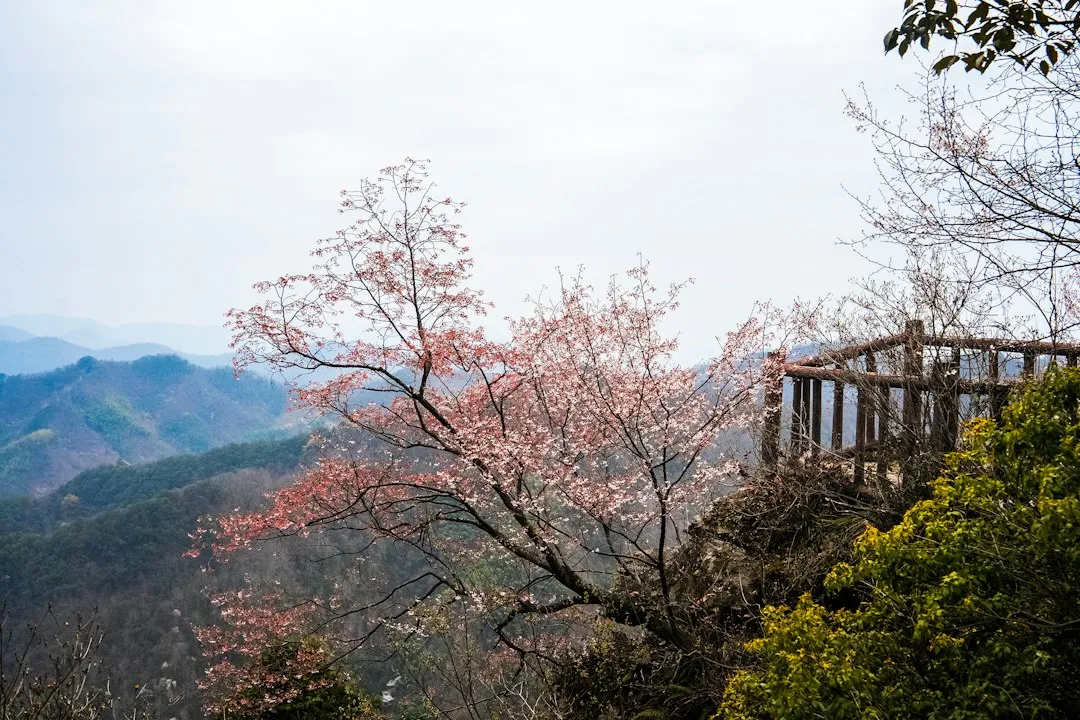
Everyone wants the iconic viewpoint photo. Not everyone should walk right up to the edge to get it. Rangers frequently steer older visitors toward safer, more stable vantage points that still deliver the “wow” factor, and they do it without ever saying, “You might fall.”
They highlight railings, benches, and paved overlooks, presenting them as “the best photo angle” or “the classic shot location.” It just happens to cut trip-and-fall risk dramatically.
You’ll also notice how rangers play down unofficial paths and narrow rock ledges when talking to seniors. The language shifts depending on who is listening:
- To teens: “If you’re careful, some folks do head out that way.”
- To elders: “Honestly, the better view is from this side, and it’s a lot more comfortable to stand here.”
For visitors with canes, walkers, or balance challenges, that subtle redirection can be the difference between a bucket-list view and a life-threatening slip.
#11 – Giving Extra Time and Space at Park Entrances
🔥 Would you like to save this?
We'll email this post to you, so you can come back to it later!
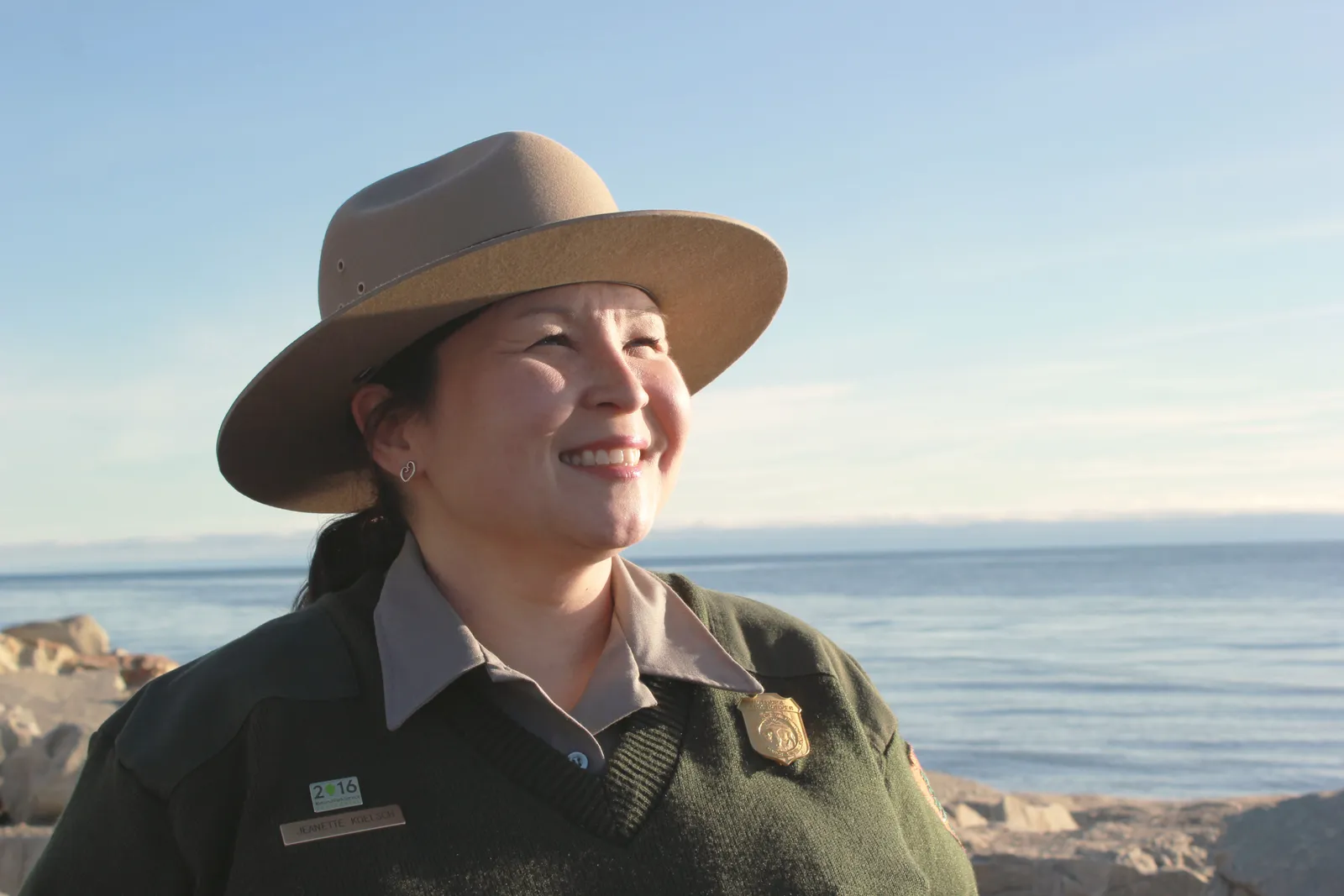
Most visitors think the entrance station is about money. Rangers know it’s also about dignity, especially for older drivers. When an older couple pulls up, many rangers automatically slow the interaction down. They speak clearly, repeat key instructions, and hand over a printed map instead of rapid-fire verbal directions.
Worth Knowing: The Senior Pass Basics
- Available to U.S. citizens and permanent residents age 62 and older
- Costs $80 for a lifetime version or $20 for an annual one
- Generally covers the pass holder and passengers in one private vehicle at per-vehicle fee sites
- Can cut 50% off some amenity fees, such as camping or boat launches
- Buying online adds a $10 processing fee, so many people buy in person
They often lean in a bit, without crowding, so seniors with hearing challenges don’t have to strain or guess. You’ll also notice they’re more likely to:
- Circle key locations on the map rather than just pointing
- Write down campground loops, bus stop names, or shuttle colors
- Confirm, “Do you feel comfortable finding this on your own?”
That small slowdown reduces embarrassment and confusion. It also cuts down on risky last-second turns, the kind that happen when someone misunderstood a direction after pulling away from the booth.
#10 – Treating Assistive Devices as Normal Gear, Not an Inconvenience
🔥 Would you like to save this?
We'll email this post to you, so you can come back to it later!
The cane, the walker, the collapsible stool: older visitors often arrive apologizing for them before they even step out of the car. Rangers who know what they’re doing normalize assistive devices instantly, lumping them in with trekking poles and binoculars instead of treating them like medical baggage.
“Nice setup you’ve got there,” or “That stool is going to make this overlook way more enjoyable,” are tiny comments that reframe the whole outing. The apology disappears, and the gear becomes part of the adventure.
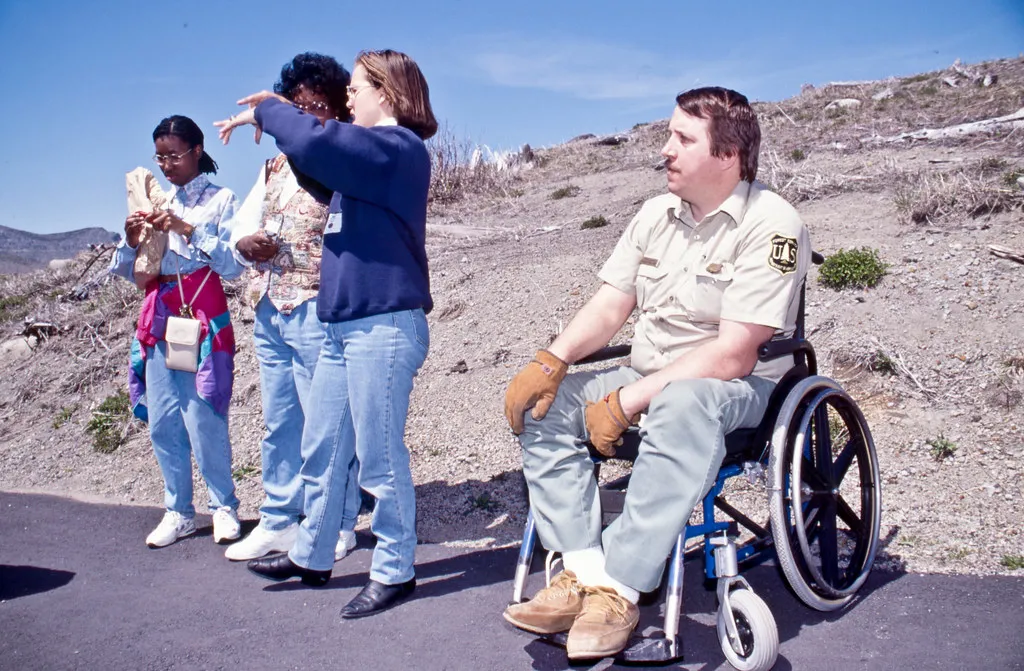
In visitor centers and on short walks, many rangers also adjust their own body language. They match the height of a wheelchair user, face someone who reads lips, or choose routes wide enough for side-by-side walking so conversation isn’t shouted over a shoulder. Some even offer simple hacks:
- Using trekking poles with a cane for extra stability on short dirt stretches
- Parking in slightly farther but flatter spots to avoid steep ramps
- Bringing lightweight folding stools for long ranger talks
#9 – Remembering Names and Faces Across a Visit
🔥 Would you like to save this?
We'll email this post to you, so you can come back to it later!
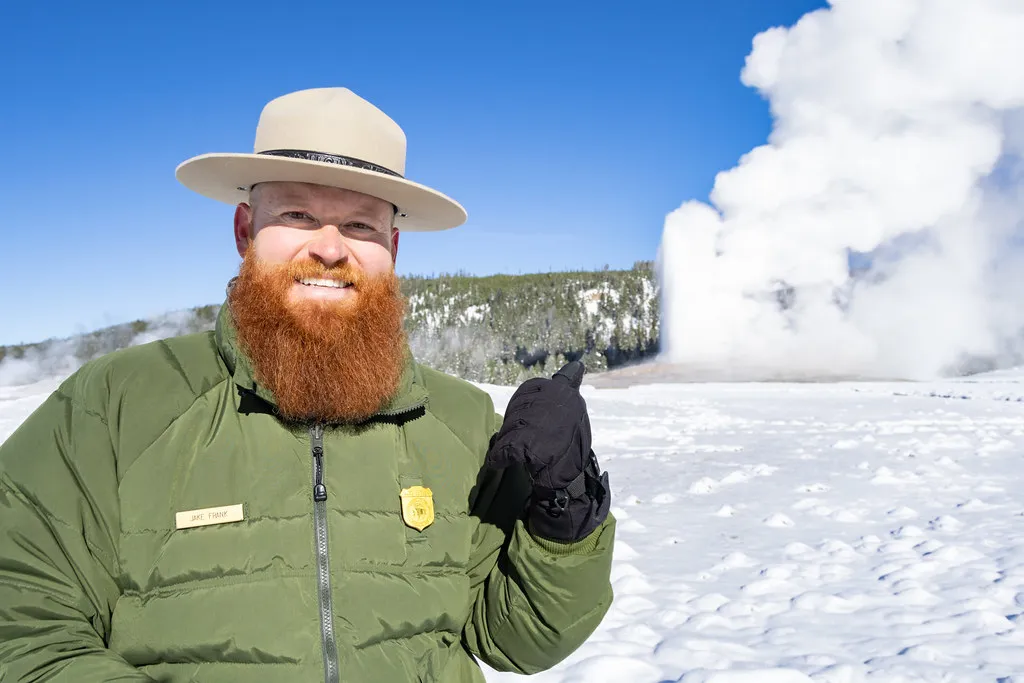
To most visitors, the ranger is just “the ranger.” For a surprising number of older guests, that person quietly becomes an anchor in a place that feels huge and overwhelming. Many rangers make a point to remember seniors they’ve had longer conversations with, then bring up names and details later: “Hey, Mr. Hernandez, did you ever make it out to that lakeshore we talked about?”
That moment of recognition can turn a vast national park into something that feels like a neighborhood.
It isn’t just friendliness, either. If an older visitor with a distinctive hat, stride, or vehicle has been chatting with staff, rangers are more likely to notice when that person seems disoriented later, or when their car is still at a trailhead long past sunset.
- Emotional payoff: seniors feel seen in a crowd
- Practical payoff: staff notice when something’s off
#8 – Offering Unofficial “Backup Plans” for the Day
🔥 Would you like to save this?
We'll email this post to you, so you can come back to it later!
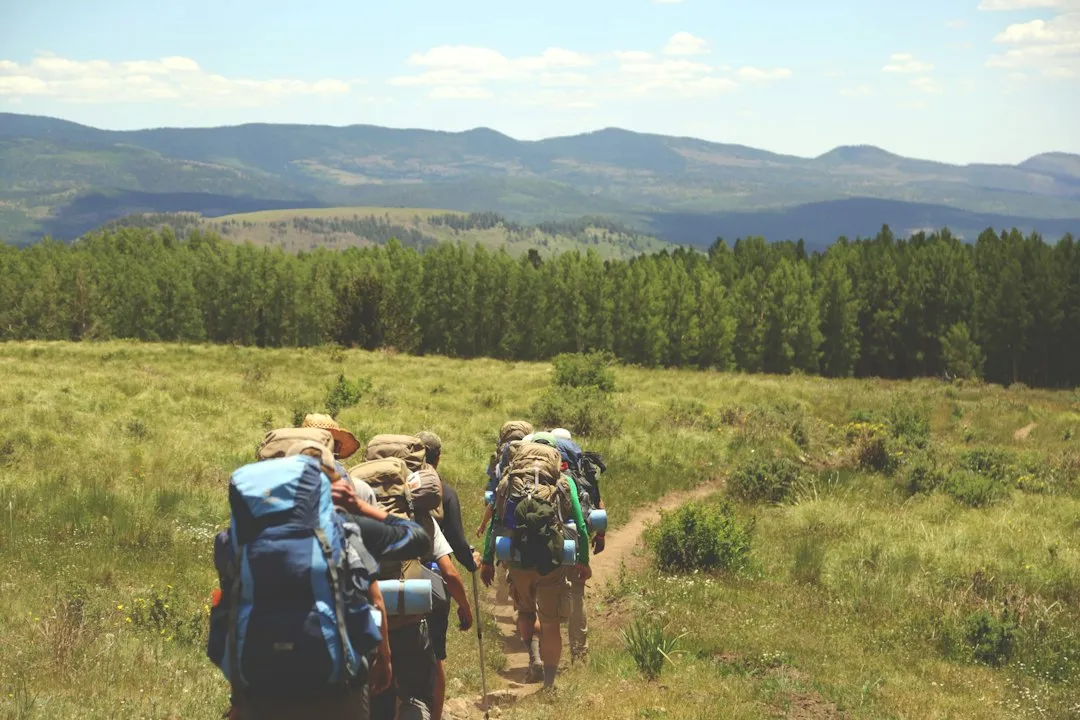
Older visitors often feel pressure to “do the big thing” first: the longest hike, the highest point, the waterfall at the end of a rough road. Savvy rangers gently reframe the day with Plan A, Plan B, and sometimes Plan C, all presented as equally legitimate rather than as consolation prizes.
They might say, “If you wake up with lots of energy, here’s a great option. If you’re a little tired, this loop is beautiful and shorter. And if it’s a lower-energy day, these viewpoints right off the road are fantastic.”
This multi-plan approach does three things at once:
- Removes the shame of “backing out” of an overambitious plan
- Gives older bodies permission to fluctuate from day to day
- Prevents risky decisions driven by sunk-cost thinking (“we came all this way…”)
The key is that rangers describe every option with genuine enthusiasm. They never label the easier plan as “less than,” which keeps pride from pushing seniors into dangerous territory.
#7 – Reading Pride and Fear in the Same Conversation
🔥 Would you like to save this?
We'll email this post to you, so you can come back to it later!
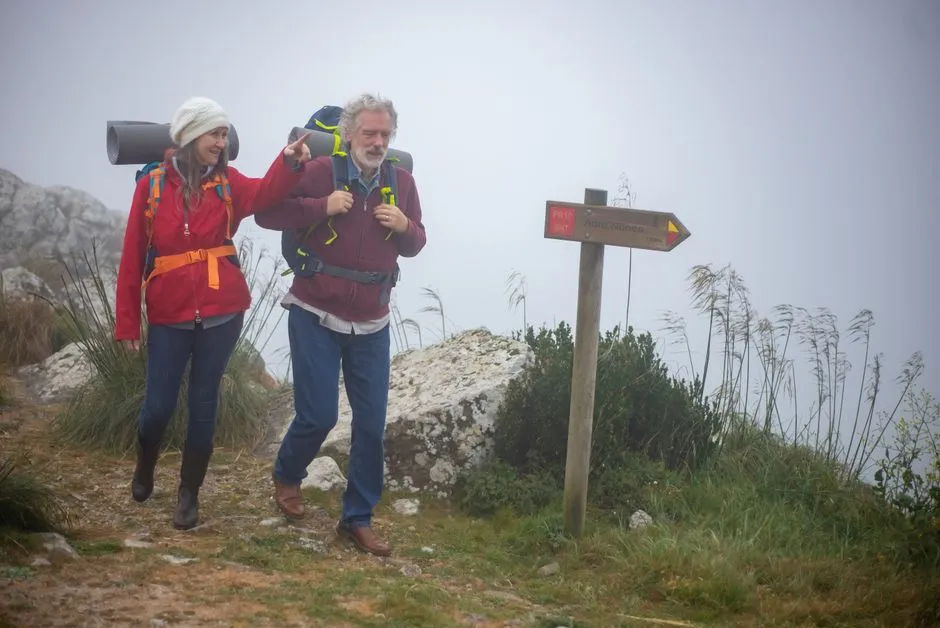
Many older visitors sit right in the tension between “I used to do this all the time” and “I’m not sure I can anymore.” Rangers become low-key body-language experts. They hear the words, “Oh, I’ve always been active!” but watch the hands on the map, the hesitation at steep symbols, the quick glance at a spouse when ladders or drop-offs come up.
When someone says, “I don’t like heights,” a good ranger doesn’t shrug and say, “You’ll be fine.” They describe the reality honestly: “The trail itself is wide, but the drop-offs are constant for about half a mile.”
They notice group dynamics too:
- The adult child urging, “Come on, Mom, you can do it!”
- The grandparent pretending to be more comfortable than they are
- The older partner quietly deferring to the younger driver’s plan
Without calling anyone out, rangers will often introduce a calmer option directly to the older person. That hands them socially acceptable language to opt out or downshift later.
#6 – Steering Seniors Toward Less-Crowded Magic Hours
🔥 Would you like to save this?
We'll email this post to you, so you can come back to it later!
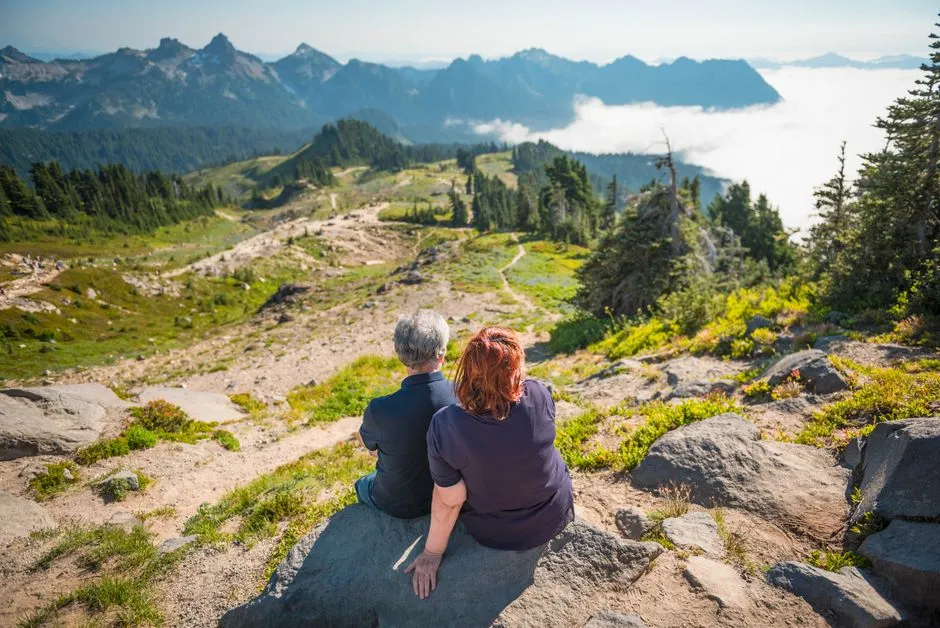
Most tourists chase midday. Rangers quietly recommend mornings and evenings, especially to older visitors. Crowds mean noise, jostling, and rushed viewpoints, and for someone with balance challenges or hearing aids, that chaos is exhausting.
Quick Compare: Which Hour Fits Which Mood
- Midday: peak crowds, longest shuttle lines, and the strongest heat on exposed trails
- Early morning: cooler air, easier parking, and the clearest views
- Evening: softer light, thinner crowds, and a slower, calmer pace
So you’ll hear things like, “If you’re up early anyway, this overlook is incredible right after sunrise,” or “The bus is usually calmer after dinner if you want a peaceful ride.” Some visitors take that as a photography tip. For seniors, it’s a comfort strategy:
- Cooler temperatures for sensitive joints and medications
- Shorter shuttle lines and less standing
- Quieter trails where they can hear their own footsteps (and a ranger’s warnings)
While most travelers treat midday as “prime time,” many rangers would quietly argue it’s the worst window for anyone older who values calm over chaos.
#5 – Protecting Hearing and Vision Without Making It Awkward
🔥 Would you like to save this?
We'll email this post to you, so you can come back to it later!
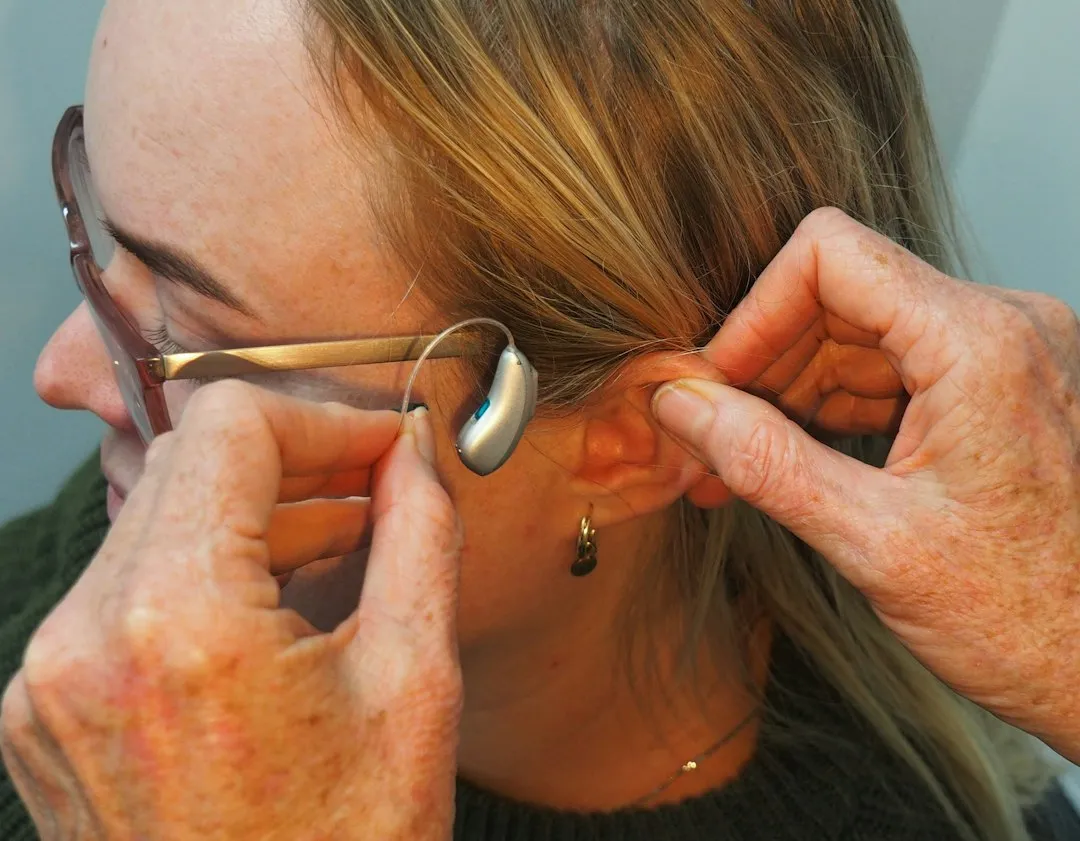
Older visitors sometimes struggle quietly with the very senses parks demand most: sight and hearing. Rangers compensate in subtle ways. During talks, they face the group fully, speak a bit slower, and point clearly instead of saying vague things like “over there” or “behind that.”
If they notice someone squinting, they’ll often walk that person a few steps closer to the viewpoint or exhibit, framing it as “the best angle” rather than a concession. Some will also:
- Avoid standing with bright backlighting that turns them into a silhouette
- Use more hand gestures to trace the shapes of birds, peaks, or constellations
- Check in: “Can everyone hear me okay? Should I speak up?”
These aren’t random quirks. They’re micro-adjustments for aging senses. Younger visitors barely register them, but for someone with progressive hearing loss, that extra clarity is the difference between following the story and nodding politely in confusion.
#4 – Offering Gentle Reality Checks About Weather Windows
🔥 Would you like to save this?
We'll email this post to you, so you can come back to it later!
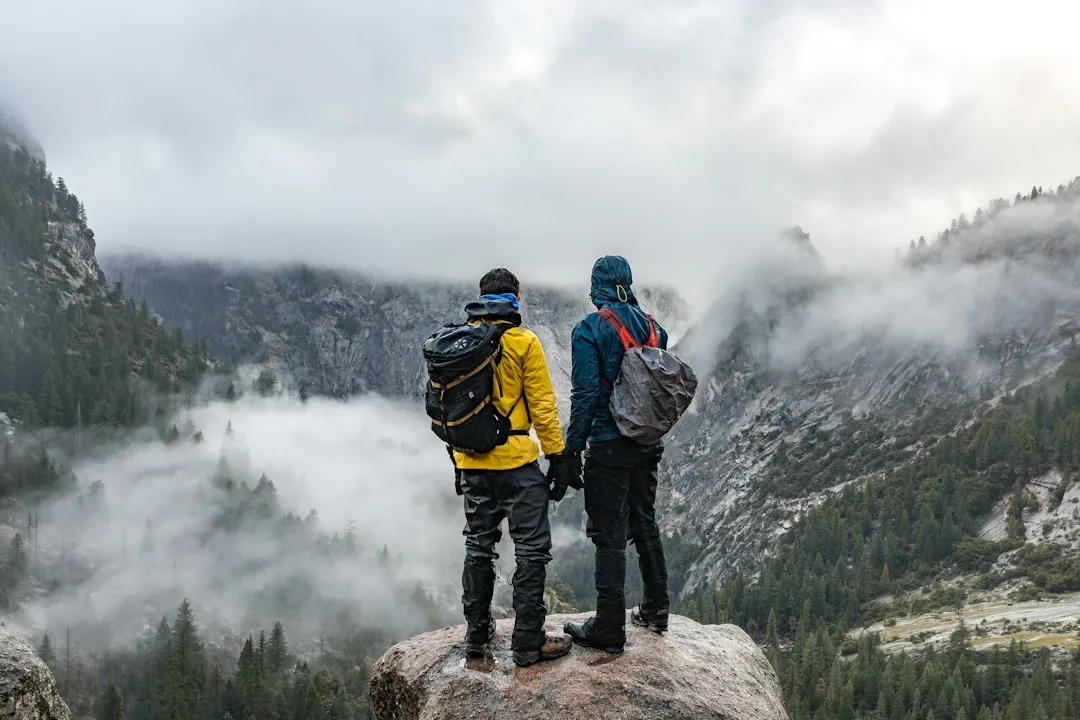
A blue sky at 9 a.m. can turn into a dangerous storm for a slow-moving hiker by midafternoon. Rangers routinely give older visitors stricter “turnaround times” and weather windows than they mention to younger crowds. It isn’t because seniors are fragile. A slower pace plus sudden weather is simply a riskier combination when speed isn’t an option.
At a Glance: A Senior-Smart Weather Plan
- Start early so the hardest stretch is done before afternoon heat or storms
- Pick a firm turnaround time and honor it, even if the summit is close
- Check the forecast at the visitor center, not just on a phone
- Carry a light layer, since temperatures can drop fast at elevation
In practice, that advice often sounds like this:
- “If you start this by 8 a.m., you’ll likely be back before the heat spikes.”
- “For your party, I’d say be off that ridge by early afternoon at the latest.”
- “If those clouds build up like they sometimes do, you’ll want to already be on your way down.”
This isn’t fear-mongering. It’s time math. Older joints descending slick rock in a thunderstorm are not the same situation as a trail runner sprinting out. Rangers calibrate advice to the slowest likely member of the group, not the fittest.
#3 – Watching Out for Solo Seniors Without Hovering
🔥 Would you like to save this?
We'll email this post to you, so you can come back to it later!
Not every older visitor arrives with family. Some are widowed, some are single, and some simply prefer solitude. Rangers notice them without turning them into a project. When a solo older adult asks about a hike, rangers quietly log mental details: car color, trail choice, approximate start time.
They might suggest, “Check back in at the desk later and tell us how it was,” or, “If you’re comfortable with it, jot down where you’re headed on this board.” It sounds like friendly interest, but it’s also a gentle safety net.
A few key courtesies:
- Recommending trails with more foot traffic instead of the most remote backcountry
- Steering them toward routes with better cell reception or radio coverage
- Making sure they know where the last bathroom or water source is
What rangers usually don’t do is scold. Telling an older adult, “You shouldn’t hike alone,” rarely changes anything. Offering slightly safer solo options and an easy way to “check back” often does.
#2 – Protecting Elders From Their Own Over-Generous Hearts
🔥 Would you like to save this?
We'll email this post to you, so you can come back to it later!
Grandparents are notorious for giving up the good stuff: the last seat on the shuttle, the best spot at the rail, the warmest jacket when temperatures drop. Rangers see this all day long. So they often step in with neutral, authority-backed structure: “Let’s have everyone take turns at the rail so nobody has to lean or crowd,” or “We do want all adults in your group to keep their jackets, because temperatures drop fast up there.”
They know many older visitors are quietly cold, tired, or in pain, yet determined not to be “the burden” who slows everyone down. So the ranger becomes the “bad guy” in the best way: an outside rule that lets seniors keep what they need without a family argument.
You might see rangers:
- Insisting all adults carry at least some of their own water
- Limiting how many kids cluster around a grandparent on a narrow path
- Firmly reminding children not to lean on elders for balance near drops
#1 – Treating Older Visitors as Carriers of Memory, Not Just Fragile Bodies
🔥 Would you like to save this?
We'll email this post to you, so you can come back to it later!
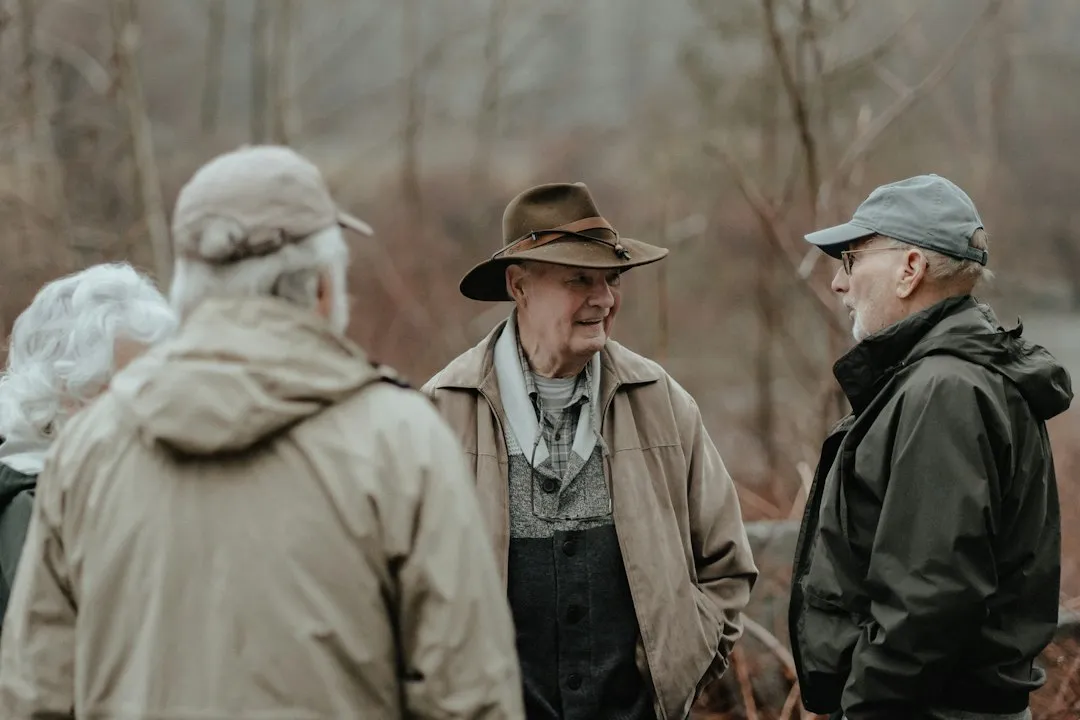
Here’s the courtesy almost nobody talks about: the way rangers treat older visitors as living archives of outdoor history. Instead of just dumping information on them, many rangers ask seniors about parks they visited decades ago, how glaciers, tree lines, or wildlife used to look, and what has changed in their lifetimes.
It’s not small talk. It’s an acknowledgment that elders hold a view across time that no ranger training can replicate. You’ll hear questions like:
- “When were you first here? What was different?”
- “What was travel like when you started camping?”
- “How does this compare to the parks you visited as a kid?”
The energy shifts completely. Older visitors stop being “at-risk bodies to manage” and become partners in witnessing change, whether it’s climate, culture, or access. They’re given authority, not just accommodation.
Some rangers even admit they prefer leading mixed-age groups heavy with elders, because the stories make the place feel more three-dimensional than any official script ever could.
Here’s my honest take: these courtesies aren’t coddling. They’re respect, risk management, and a kind of quiet hospitality that rarely makes it into glossy brochures. Rangers slow the pace, translate danger into everyday language, watch hydration and weather, and build in backup plans, not because they see elders as weak, but because they understand how aging bodies meet rugged landscapes.
The best rangers also refuse to reduce seniors to a list of medical concerns. They treat them as storytellers, decision-makers, and partners. In a culture that often sidelines older adults, American parks may be one of the last public places where elders are openly accommodated and genuinely listened to at the same time.
And honestly, that’s the part every other industry should be copying. The next time you see a ranger lingering at the back of a group, don’t assume they’re just bringing up the rear. They may be looking after the people who built the love of these places in the first place.

- 7 Everyday Habits That Can Make Your Senior Dog Happier - November 5, 2026
- 10 Enigmatic Structures That Continue to Puzzle Scientists Today - November 5, 2026
- 10 Strange Ruins in the Americas That Challenge What We Know About Early History - November 5, 2026