
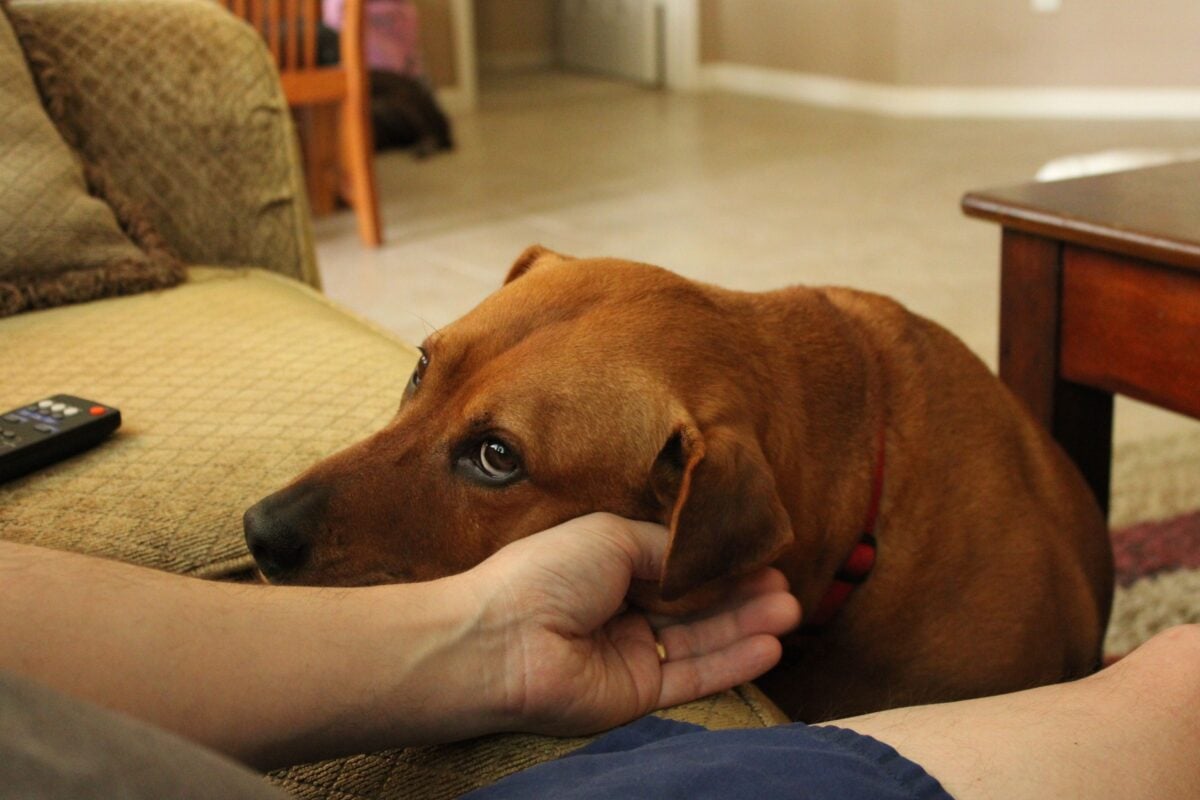
Most people assume an old dog’s contentment is impossible to measure – that comfort in a senior pet’s final years is just sentiment dressed up as wishful thinking. Veterinary behaviorists and hospice-care specialists say the opposite is true. Aging dogs communicate deep security through remarkably consistent physical and behavioral cues, and once you learn to spot them, you’ll never miss them again.
These aren’t just heartwarming anecdotes. They’re a real, observable window into how an old dog experiences the most vulnerable stretch of its life – and some of them are probably happening in your living room right now, whether you’ve noticed or not. Here’s what actually counts as proof your dog feels cherished, straight from the people who study this for a living.
#1 – The Long, Slow Blink That Means “I Trust You”
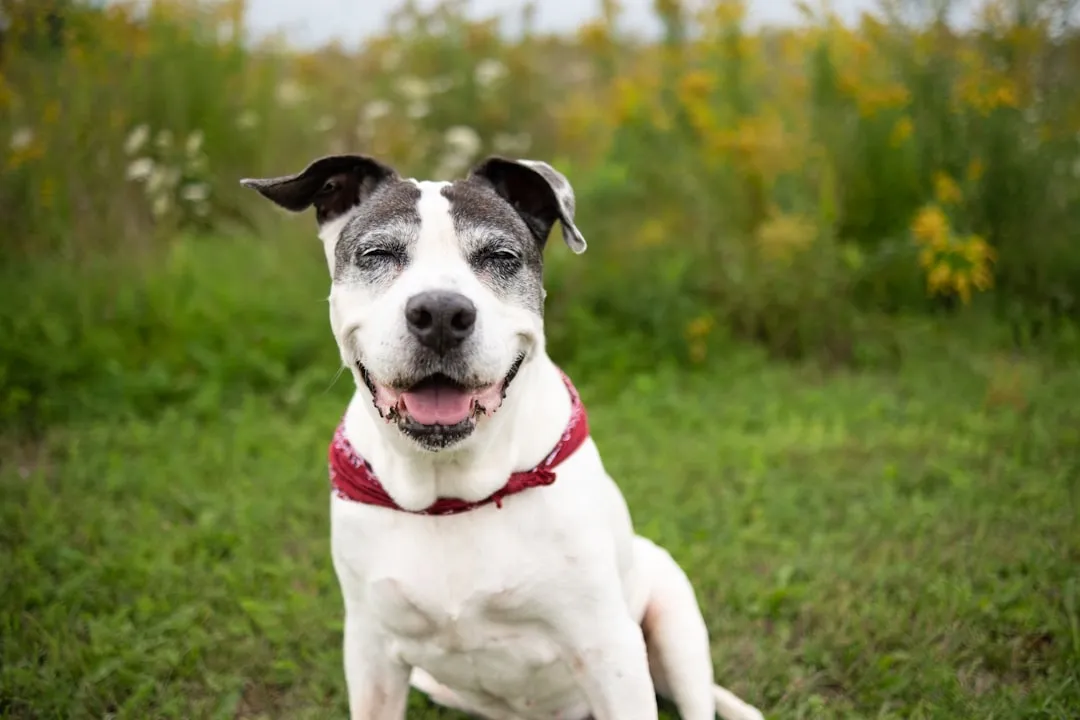
A relaxed, slow blink aimed directly at you isn’t random. Behaviorists sometimes call it a “dog kiss,” and in senior dogs it carries even more weight, because trust tends to deepen with age rather than fade with it.
A secure old dog will hold your gaze and blink slowly instead of staring rigidly or glancing away. This softened look usually surfaces during quiet moments – after a meal, mid belly-rub, or right before a nap. It’s the exact opposite of the tense, wide-eyed stare dogs give when they’re unsure of you. If your senior dog does this often, take it seriously: it’s one of the plainest signals of emotional safety a dog can offer.
#2 – Leaning Into You Instead of Just Sitting Nearby
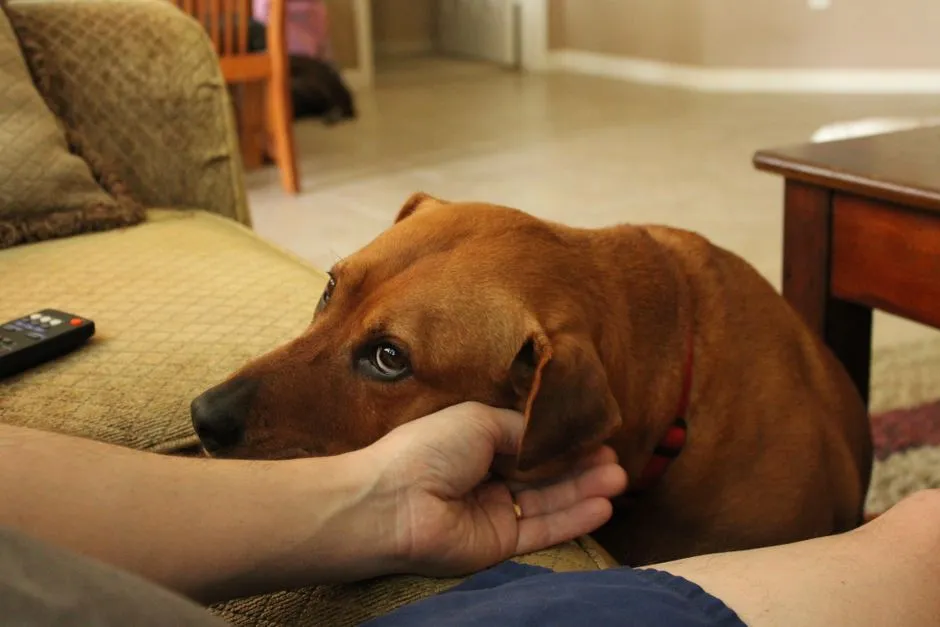
There’s a real difference between a dog who sits near you and one who deliberately presses their weight into your leg or side. It isn’t just about balance. It’s a comfort-seeking habit rooted in puppyhood bonding that many dogs never outgrow.
Senior dogs often lean in harder as they age, using physical contact as reassurance rather than simple companionship. Owners frequently mistake this for clinginess or an early sign of trouble, but paired with loose, relaxed body language, it usually means the opposite. It’s a quiet way of saying you’re the steadiest thing in the room.
#3 – Choosing to Sleep Near You, Not Just in the Same Room
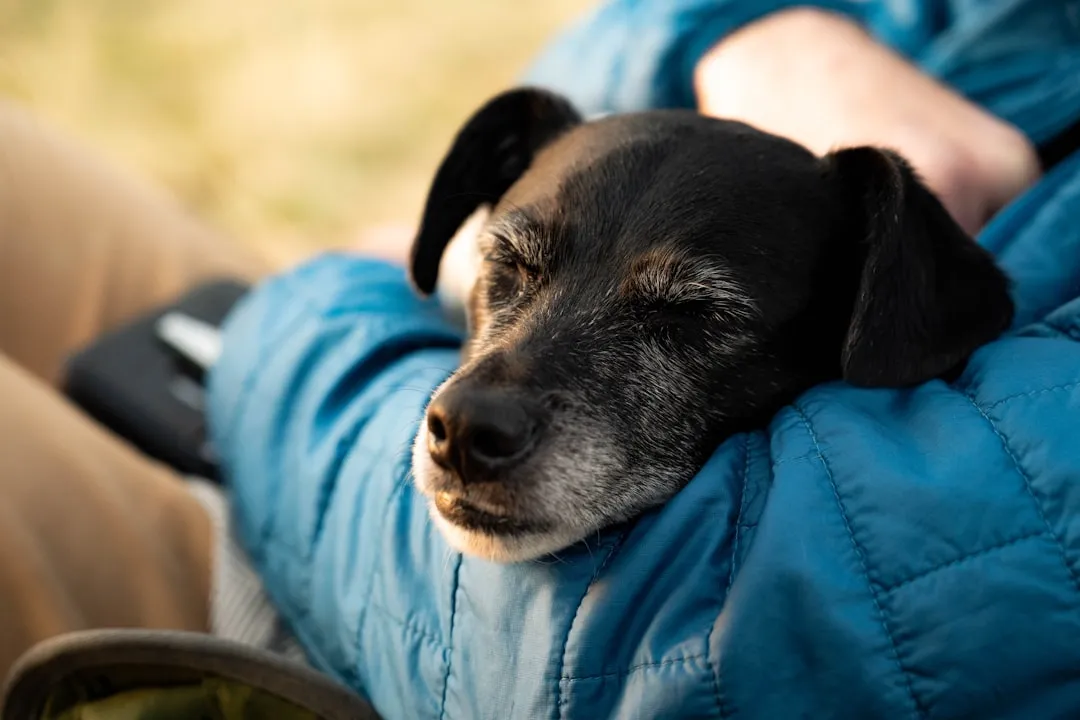
Old dogs are creatures of habit, so a sudden change in sleeping spot is worth noticing. When a senior dog abandons their usual bed for a spot right beside yours, it’s rarely a coincidence.
This proximity-seeking during sleep is one of the strongest markers of felt security in aging dogs. Sleep is a vulnerable state, and dogs instinctively position themselves near whoever makes them feel protected. If your dog has started sleeping closer than they used to, it isn’t just about warmth – it’s about safety, and that same craving for closeness tends to spill into daylight hours too.
Fast Facts
- Senior dogs often sleep 16 to 18 hours a day, more than most healthy adult dogs.
- Deep, restorative sleep typically only sets in once a dog feels fully secure in its surroundings.
- Dogs who feel unsettled tend to sleep in short, easily interrupted bursts instead.
- A tightly curled sleeping posture often signals lingering alertness rather than true rest.
#4 – Following You From Room to Room, Even When It’s Clearly a Struggle
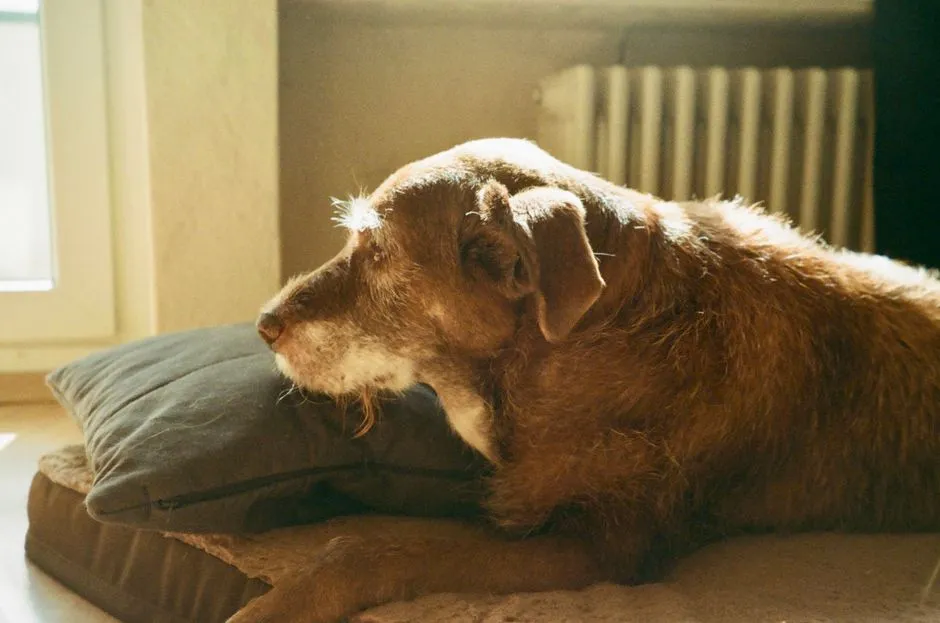
“Velcro dog” behavior means something different in a senior. A dog with stiff joints or thinning stamina who still hauls themselves up to trail you into the kitchen is making a deliberate choice, not a lazy habit.
The extra physical effort is exactly what makes this behavior so meaningful in older dogs, compared to puppies who follow out of pure curiosity. It’s less about needing supervision and more about wanting to be near you, full stop. Many owners feel a pang of guilt watching their dog struggle to keep up – but that persistence is a sign of devotion, not distress.
#5 – A Visible Reaction to Your Voice, Even From Another Room
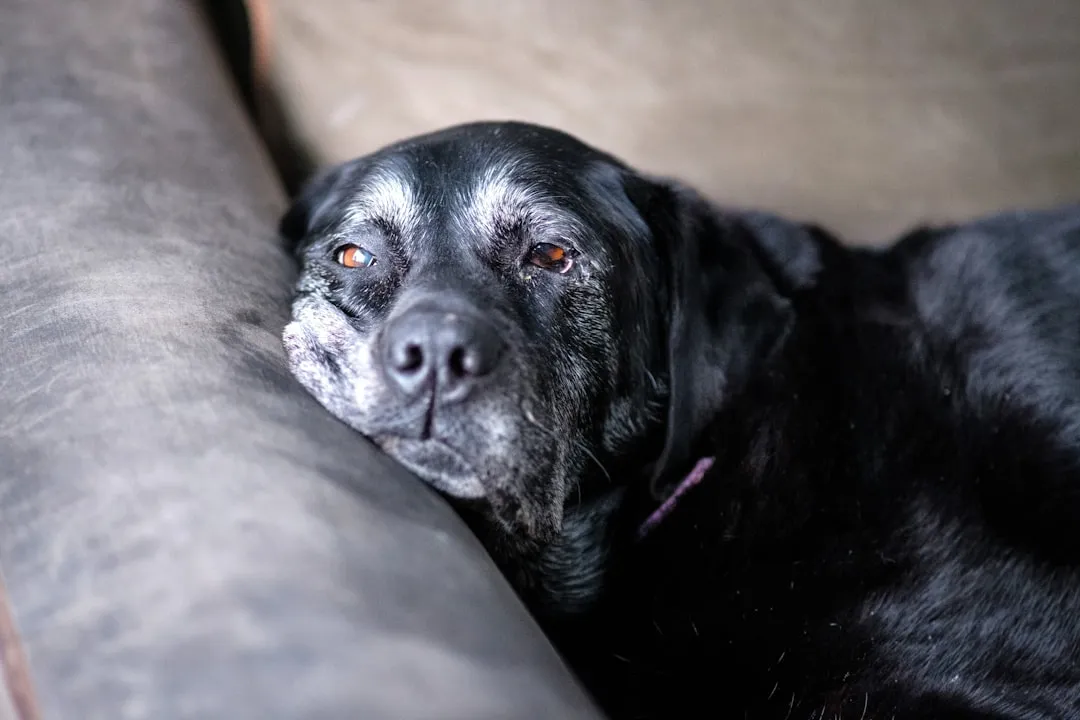
Try calling your dog’s name from the next room. A cherished senior dog will often answer with a tail thump, an ear twitch, or a slow head lift – even if getting up feels like too much work.
This subtle acknowledgment tends to grow more noticeable with age, since hearing and mobility fade long before emotional recognition does. It’s easy to miss because it’s so much quieter than the frantic greetings of a young dog. But it reveals something touching: your voice still registers, clearly and instantly, even when the rest of the world has gone a little duller.
#6 – Sighing While Making Eye Contact, Not Sighing Alone
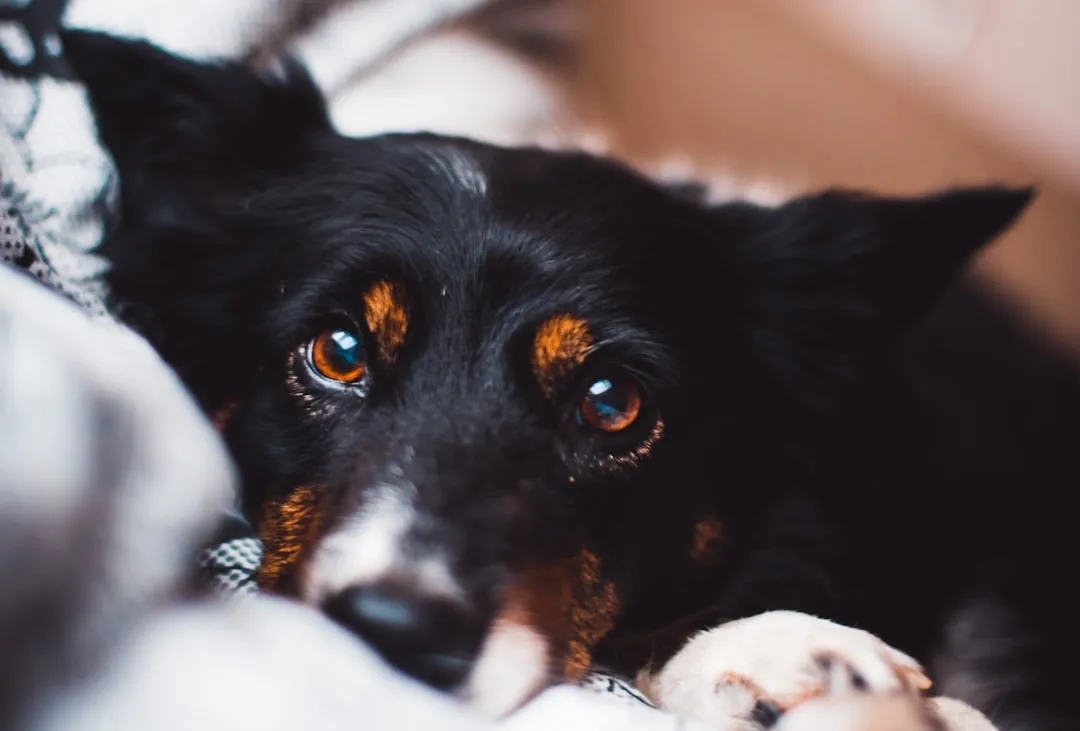
A sigh by itself is ambiguous – it can mean boredom, discomfort, or relief. But a sigh paired with sustained eye contact is a very specific combination behaviorists link to contentment rather than sadness.
This contented sigh gets misread constantly, but context is everything: a relaxed body and soft eyes point to comfort, not distress. Anxious dogs tend to avoid eye contact during vocalizations like this one. It’s the pairing that matters. Once you notice it, you’ll start catching it constantly.
Quick Compare
- Contented sigh: soft eyes, loose body, often paired with direct eye contact.
- Anxious sigh: tense muscles, averted gaze, sometimes repeated in quick succession.
- Bored sigh: flat expression, no eye contact, usually with a flopped-down posture.
#7 – Repositioning the Moment You Sit Down
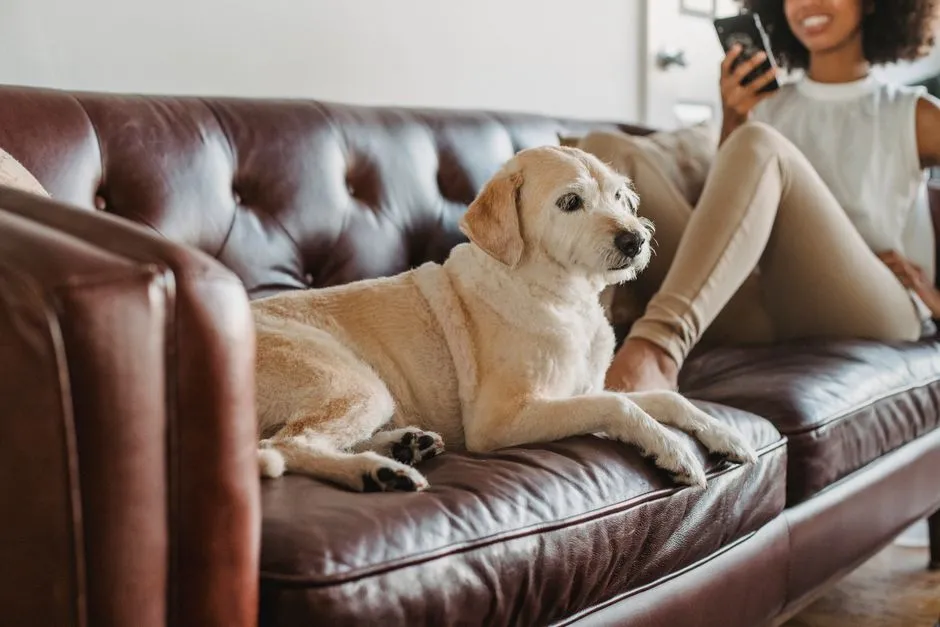
Some senior dogs have an almost reflexive habit: the second you settle onto the couch or floor, they get up and move closer, even if they’d just been comfortably settled clear across the room.
This repositioning reflex suggests your presence, specifically, is what determines where they choose to rest – not the temperature or the softness of the floor. It’s subtle, but it tends to sharpen in dogs who’ve spent years bonded to the same person. It isn’t about wanting your lap. It’s about wanting to be near you, on their own terms.
#8 – Waiting for You Before Eating, Even When Hungry
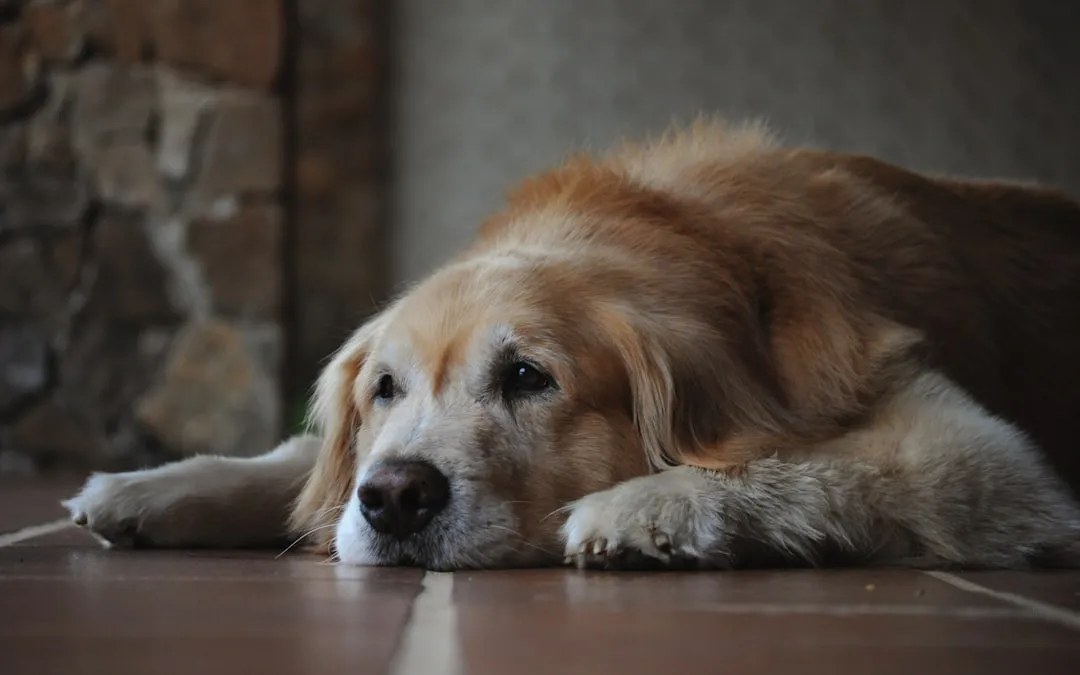
Food usually overrides just about every other instinct a dog has. So when a hungry senior dog pauses at a full bowl, waiting for you to walk in or give a nod before eating, it’s worth stopping to notice.
This voluntary delay, especially in a dog who used to dive in immediately, often reflects a learned link between your presence and feeling safe enough to eat. It’s not obedience training – most dogs who do this were never taught to wait. It’s a comfort ritual that formed on its own, one mealtime at a time, over years of routine together.
#9 – Only Fully Relaxing Once You’re in the Room
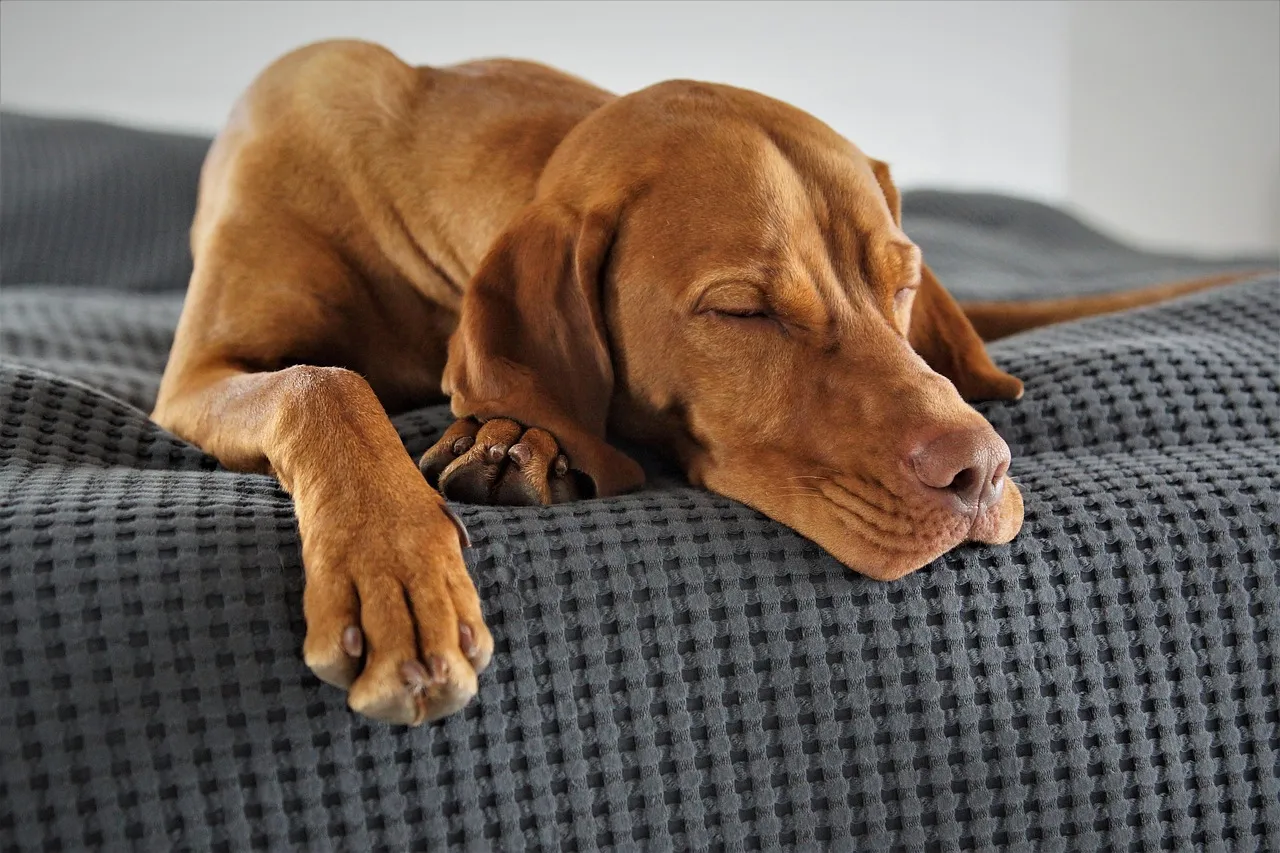
Some senior dogs stay quietly alert – ears twitching, eyes half open – until a specific person walks in. That’s when their whole body finally lets go.
This shift from mild vigilance to full-body relaxation is tied to attachment security, and it tends to intensify as dogs age and lean more heavily on routine. It’s easy to overlook because the “before” state can look like ordinary resting. But side by side, the change in muscle tension and breathing is unmistakable – and it’s one of the more genuinely interesting signs on this whole list.
#10 – Accepting Touch in Spots They Once Flinched From
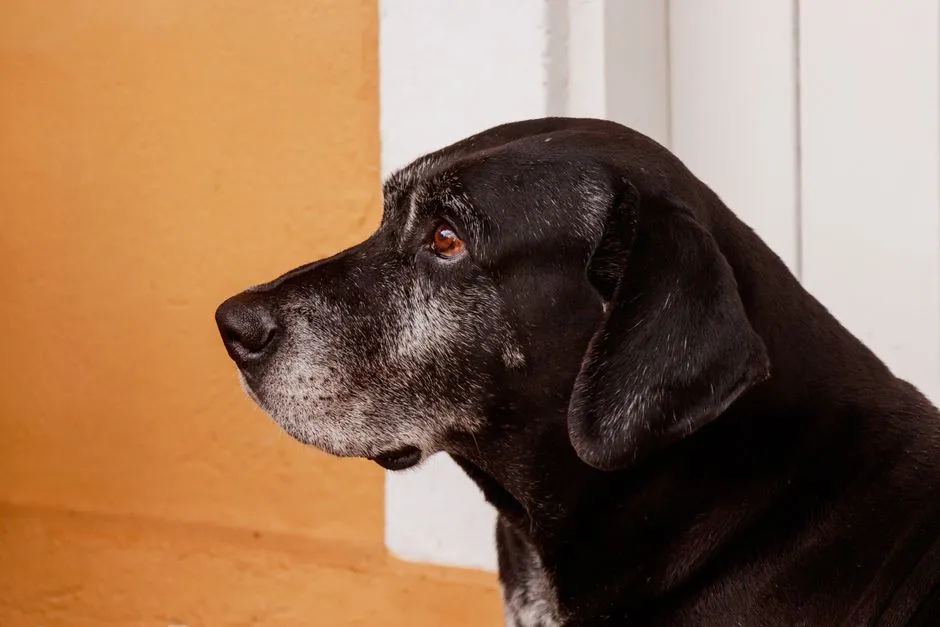
Paws, ears, and bellies are common no-touch zones for dogs, especially once arthritis or age-related sensitivity sets in. So when a senior dog starts allowing – or even leaning into – touch in those exact areas from one specific person, that’s a real trust shift.
This growing tolerance for vulnerable-area touch tends to grow specifically toward the caregiver a dog feels safest with, even as general sensitivity elsewhere may decline from joint pain. It’s a tricky sign to track because pain tolerance shifts day to day. Owners who watch this pattern over weeks, rather than judging any single moment, tend to see it most clearly.
Worth Knowing
- Arthritis is common in senior dogs, which can make touch tolerance shift from day to day.
- Trust-based touch tolerance is usually specific to one person, not a general personality change.
- Watching patterns over several weeks gives a far clearer picture than judging a single moment.
#11 – Breathing Slower and Deeper During Physical Contact
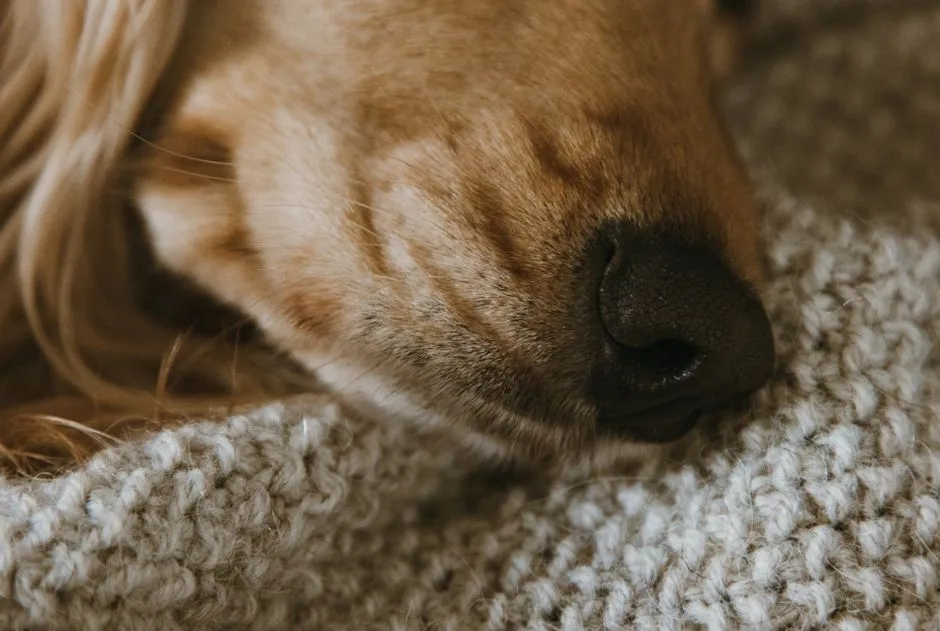
Breathing rate is one of the most underrated tells of a dog’s inner state. Anxious or alert dogs breathe fast and shallow. Relaxed dogs breathe slow and deep – and that shift happens involuntarily.
A slower, deeper breathing pattern during petting or cuddling is a physiological marker of lowered stress, not just a coincidence of resting. It’s one of the few signs on this list that’s genuinely hard to fake, because it’s a bodily response rather than a learned behavior. A senior dog who consistently breathes this way in your arms is telling you something they can’t say out loud.
#12 – Choosing Your Scent Over Their Favorite Toy or Blanket
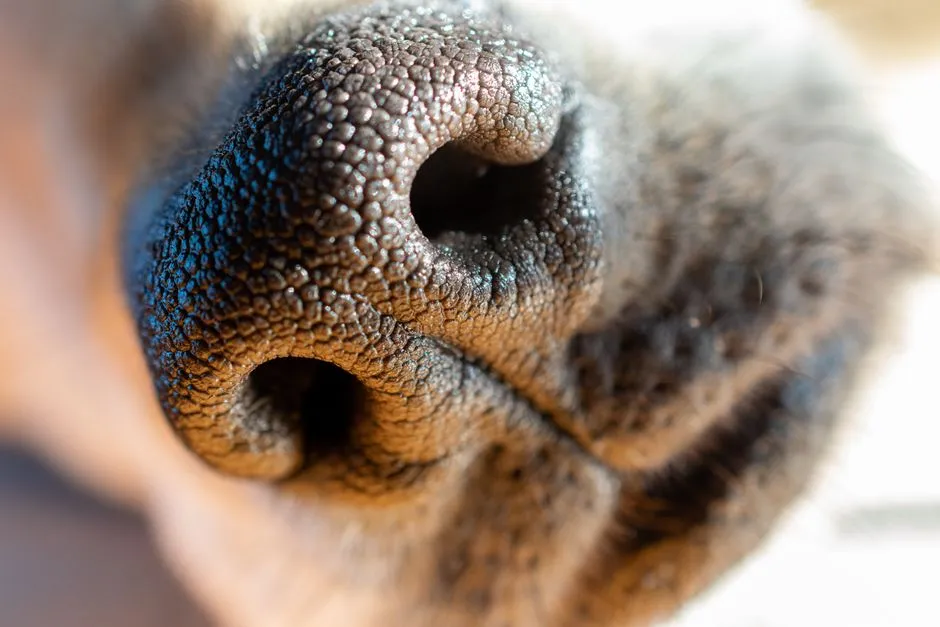
Give a senior dog the choice between a favorite comfort object and something that simply smells like you – a worn shirt, an old blanket – and many will pick your scent, especially as they get older.
This preference tends to grow stronger with age, likely because scent recognition stays sharp long after vision and hearing start to fade. Owners often stumble onto this while packing for a trip, swapping a dog bed for something scented with their own smell, only to watch their dog gravitate straight to it. It’s a small detail, but it says a lot about what actually comforts an aging dog.
#13 – Staying Calm Through Small Disruptions, As Long As You’re There
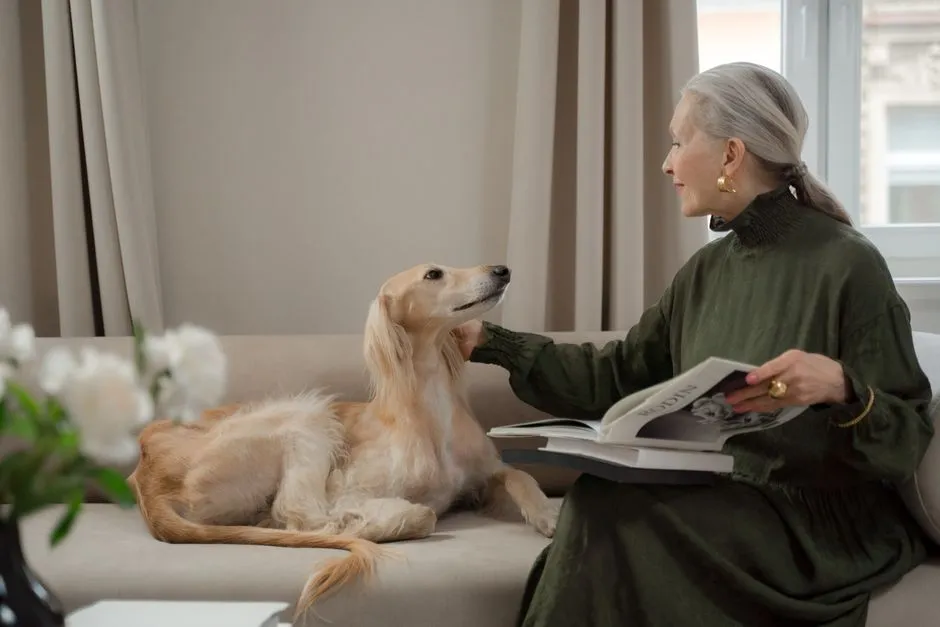
Older dogs generally dislike change more than they used to – new environments, shifted schedules, unfamiliar visitors. But when a trusted person is in the room, many senior dogs show a surprising buffering effect against all of it.
Your presence appears to act as a stress buffer during minor disruptions, softening anxiety responses that would otherwise show up in an unfamiliar situation. Big changes can still rattle them – this isn’t a cure-all. But the bar for what counts as “upsetting” rises noticeably when you’re nearby. Worth saying plainly: some trainers argue this reliance can make eventual separations harder, not easier, which makes this one of the more debatable signs on the list.
#14 – A Tail Wag That’s Slow and Wide, Not Fast and Tight
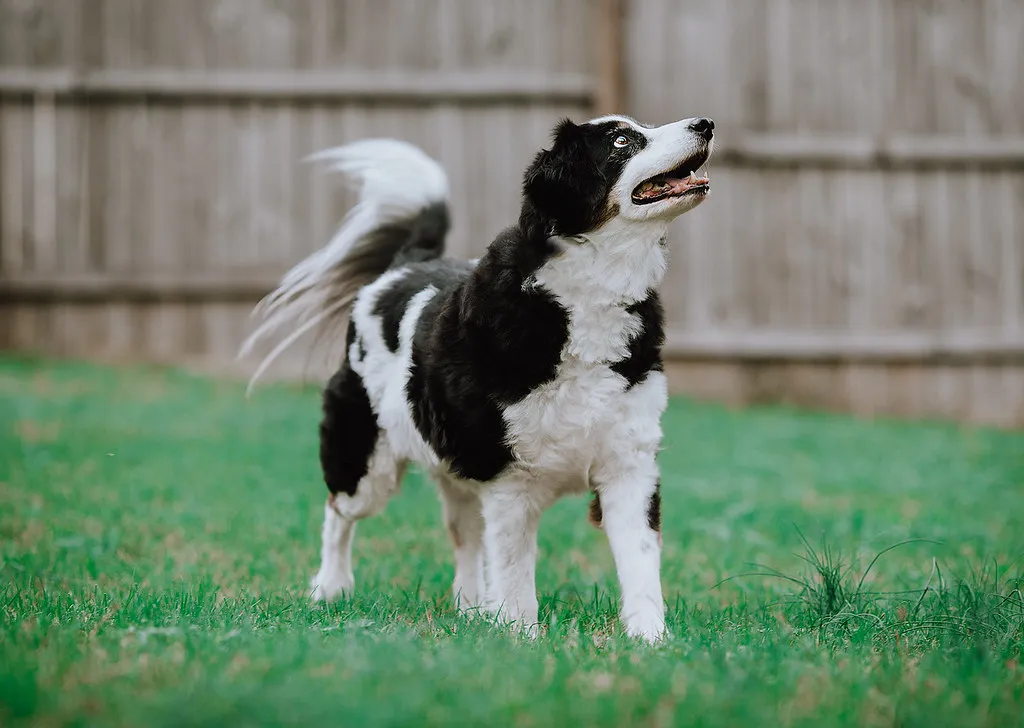
Not every tail wag means the same thing, and the distinction matters more in seniors, whose overall tail movement naturally drops off with age and stiffening joints.
A slow, wide wag reads as calm happiness, while a fast, tight wag usually signals excitement or arousal – two very different emotional states. Because senior dogs wag less overall, the quality of the movement becomes the more useful signal, not the frequency. This is a sign a lot of owners get backward, assuming less wagging means less joy, when it’s usually just an aging body doing its best.
At a Glance
- Slow, wide wag: calm contentment and trust.
- Fast, tight wag: excitement, arousal, or anticipation.
- Low, stiff wag: uncertainty or mild stress.
- Little to no wag, loose body: often just aging joints, not indifference.
#15 – Falling Into a Deep, Fully Relaxed Sleep Near You
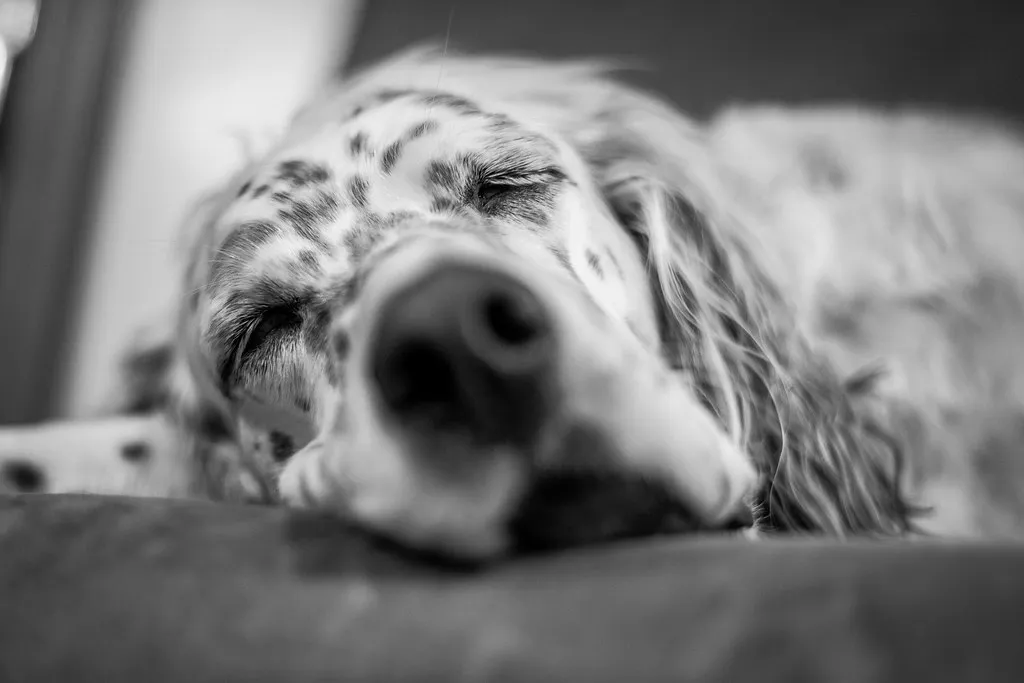
There’s a real difference between a dog who’s merely lying still and one who’s truly, deeply asleep – twitching paws, a loose jaw, a fully collapsed posture instead of a tight, guarded curl.
This deep-sleep state, especially when it happens right beside you instead of alone in another room, is one of the clearest signals of felt safety a dog can give, because true deep sleep requires the nervous system to fully stand down. Many owners find this the most quietly moving sign on the whole list, because it’s total vulnerability. A dog who doesn’t feel safe simply won’t sleep that deeply, no matter how tired they are. It’s an unremarkable-looking moment that, scientifically, carries the most weight of anything here.
What It All Really Means
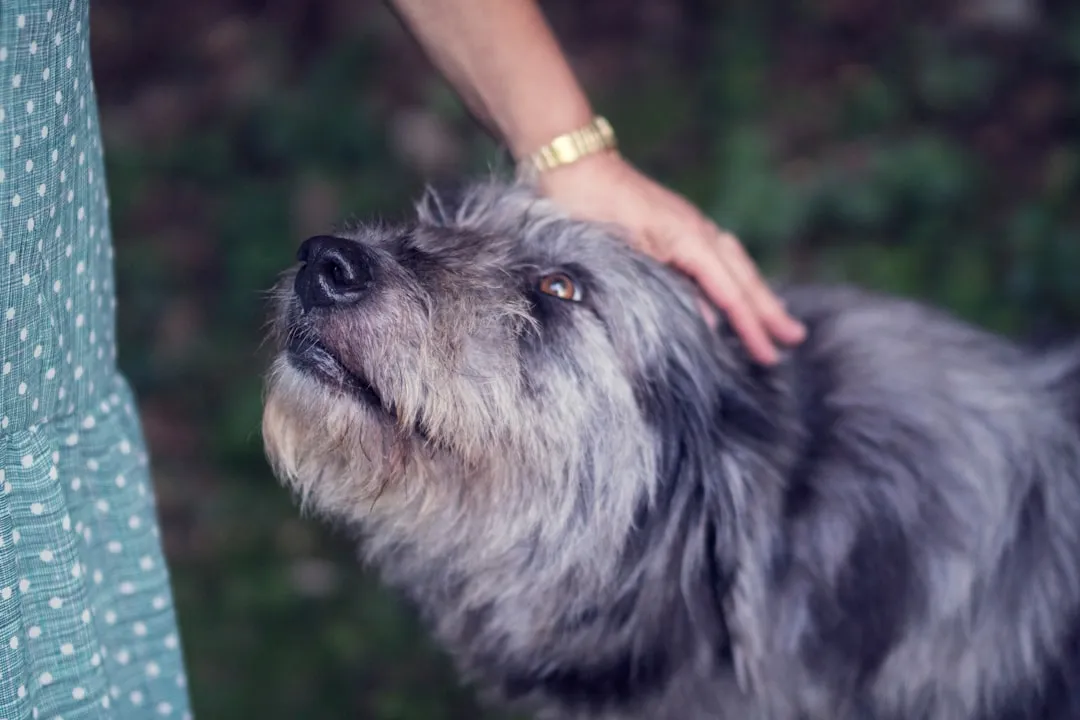
None of these fifteen signs are dramatic. No old dog stands up and performs affection on command. The real signals are quieter than that: slower breathing, a wider wag, a choice to sleep three feet closer than they used to.
If there’s one opinion worth stating plainly, it’s this – owners waiting for big, obvious gestures of love from an aging dog are often missing the smaller, more honest ones happening right in front of them every single day. Pay attention to consistency, not intensity. That’s where the real proof lives.
Dogs are not our whole life, but they make our lives whole.
Roger Caras
So watch the quiet moments this week – the blink, the lean, the sigh with soft eyes. What’s the smallest sign your senior dog has shown you lately? That answer probably says more than you think.
