

If you grew up with a dog in the 1980s, chances are your biggest vet worry was fleas, worms, or maybe a broken bone from one too many fence jumps. Dogs got sick, sure – but the kinds of conditions veterinarians are now diagnosing on a near-routine basis simply didn’t exist yet, or were so rare they barely made it into the textbooks. Something has changed. Dramatically.
The list ahead covers 15 real conditions that have either emerged entirely or exploded in frequency since the Reagan era. Some are tied to environmental shifts. Some are linked to breeding, diet, or the spread of new parasites. And a few are genuinely baffling researchers who still aren’t sure why they’re happening. If you have a dog, or love someone who does, some of what follows will surprise you – and a couple of entries may change how you think about your pet’s next vet visit.
15. Canine Gallbladder Mucocele

Ask a vet from the 1980s about gallbladder mucoceles in dogs and you’d likely get a blank stare. This condition – where thick, abnormal mucus accumulates inside the gallbladder until it swells and potentially ruptures – was genuinely rare before the early 2000s. Now it’s become one of the more alarming abdominal emergencies that small animal surgeons see on a regular basis. Nobody has a clean explanation for why, but genetics, high-fat diets, and hormonal imbalances are all on the suspect list.
Certain breeds carry disproportionate risk. Shetland Sheepdogs, Cocker Spaniels, and dogs with hypothyroidism or Cushing’s disease appear to be particularly predisposed. The cruel part is that the condition can be completely silent until the gallbladder ruptures – and by that point, bile peritonitis can kill a dog within hours. Ultrasound screening has become the only reliable early warning system, which is one reason routine wellness imaging is now a conversation more vets are starting with middle-aged dog owners.
At a Glance
- Condition was virtually undocumented before the early 2000s
- High-risk breeds: Shetland Sheepdogs, Cocker Spaniels, Miniature Schnauzers
- Can be completely silent until gallbladder rupture occurs
- Bile peritonitis after rupture can be fatal within hours
- Abdominal ultrasound is the primary early detection tool
14. Canine Leptospirosis Resurgence

Leptospirosis never fully disappeared, but by the late 1970s and through much of the 1980s, it had been pushed back far enough that many dog owners and even some vets treated it as a historical footnote. Then it came roaring back. The bacterial infection – spread through contact with contaminated water, urine-soaked soil, or wildlife – began reappearing in the 1990s with a twist: the serovars driving new cases were different from the ones the old vaccines were built to fight.
What makes leptospirosis especially unsettling is that it doesn’t stay in the dog. This is a zoonotic disease, meaning infected dogs can pass it to the people who share their homes and their beds. Symptoms in dogs can look deceptively mild at first – lethargy, reduced appetite, a little vomiting – before the infection begins destroying kidney and liver tissue. Urban and suburban dogs are no longer protected by geography; wildlife like raccoons and rats have carried new strains into neighborhoods where no one thought to worry. Updated vaccines exist, but they’re only effective if vets and owners know to ask for them.
13. Canine Hepatozoonosis

This one has a genuinely strange transmission route that sets it apart from nearly every other tick-borne disease: dogs don’t get hepatozoonosis from a tick bite. They get it by eating an infected tick. That single biological quirk kept the disease confined and underdiagnosed for decades, but since the 1990s it has spread steadily across the southeastern United States, and cases are no longer limited to rural hunting dogs.
The culprit is a protozoan called Hepatozoon americanum, and once it’s inside a dog, it invades muscle tissue and triggers an immune response that causes severe pain, fever, and wasting. Diagnosis typically requires a muscle biopsy, not a standard blood panel, which means cases are often misread as mystery lameness or immune disorders for months. Treatment can suppress the parasite but rarely eliminates it entirely, turning hepatozoonosis into a lifelong management challenge. Rigorous tick control – including preventing dogs from scavenging or eating prey animals – is currently the only meaningful prevention.
12. Canine Brucellosis

Brucella canis was first identified in a kennel outbreak in 1966, but for years it remained a concern largely contained to commercial breeders and research colonies. That containment has eroded. Increased international dog imports, the growth of large-scale breeding operations, and inconsistent testing standards have allowed canine brucellosis to become a persistent, underreported problem in the U.S. dog population – and the humans around them.
In dogs, the disease attacks the reproductive system. Males develop epididymitis; females suffer repeated spontaneous abortions, often late in pregnancy. But the reason brucellosis has quietly alarmed public health officials is that it crosses species lines. People who handle infected dogs, their reproductive fluids, or aborted fetuses can contract the infection themselves, and human brucellosis is difficult to treat and prone to relapse. For anyone adopting a dog from a large-scale breeder or importing from abroad, a Brucella canis test before the animal enters the home is no longer optional – it’s essential.
Worth Knowing
- First identified in a U.S. kennel outbreak in 1966; now broadly underreported
- Zoonotic risk: humans can contract brucellosis from infected dogs or their reproductive fluids
- Human brucellosis is notoriously difficult to treat and prone to relapse
- International dog imports are a significant driver of new U.S. cases
- A Brucella canis test before any new dog enters the home is strongly recommended
11. Canine Parvovirus Variants

Canine parvovirus erupted onto the scene in the late 1970s like a biological wildfire, killing puppies by the thousands before anyone fully understood what was happening. By the mid-1980s, vaccines had taken the edge off the worst of it – but the virus wasn’t done evolving. New variants, CPV-2a and CPV-2b, emerged and replaced the original strain entirely, spreading more efficiently and expanding their reach to infect wild canids like coyotes and foxes that had previously been spared.
The troubling reality today is that parvovirus continues to mutate. CPV-2c and additional variants have been documented, and there is genuine scientific debate about how well current vaccines cover the newest strains. The disease itself remains brutally efficient: severe hemorrhagic diarrhea, vomiting, and rapid immune system collapse, most lethal in unvaccinated puppies under six months. Outbreaks still happen, often in communities where vaccination rates have slipped or in shelters overwhelmed with incoming animals. Parvo was supposed to be a 1980s problem. It’s still very much a today problem.
10. Canine Distemper Encephalitis in Adult Dogs

Most people understand distemper as a puppy disease – which it primarily is. But something less well-known began emerging in the 1980s and has been documented with increasing frequency since: a chronic, progressive form of distemper encephalitis that develops in mature, previously vaccinated adult dogs. The immune system appears to hold the virus in check for years, only to lose the standoff later. When that happens, the neurological decline can be slow and deeply confusing to diagnose.
Affected dogs develop seizures, behavioral changes, rhythmic eye movements, and gradual loss of coordination. Because the classic distemper presentation – respiratory illness, nasal discharge, hardened paw pads – may never have appeared, owners and sometimes vets don’t immediately connect the dots. Vaccination has unquestionably reduced distemper’s overall footprint, but pockets of unvaccinated dogs, particularly in areas with wildlife reservoirs, keep the virus circulating and create the conditions for new exposure. The lesson from this entry is an uncomfortable one: vaccination is critical, but it is not a permanent, absolute guarantee.
9. Granulomatous Meningoencephalomyelitis (GME)

The name alone is enough to stop a room, and the disease behind it is just as serious. GME is an inflammatory condition of the central nervous system where the body’s own immune cells form destructive clusters – granulomas – inside the brain and spinal cord. First formally described in 1978, it remained obscure for years. Since then, case reports have climbed steadily, and small breed dogs, particularly toy Poodles, Maltese, and Pugs, appear to be disproportionately affected.
What makes GME particularly hard to face is that its cause is still unknown. The leading theory points to an aberrant immune response, possibly triggered by an environmental factor or infectious agent that researchers haven’t pinned down yet. Clinical signs vary widely – some dogs present with sudden blindness, others with neck pain, others with personality changes that owners initially write off as normal aging. With early and aggressive immunosuppressive treatment, some dogs achieve meaningful remission. Without it, the disease progresses rapidly. For owners of small breeds, knowing GME exists is the first step toward catching it early enough to matter.
Fast Facts
- First formally described in 1978; case frequency has risen steadily since
- Cause remains unknown – an aberrant immune response is the leading theory
- Most commonly affects toy Poodles, Maltese, Pugs, and other small breeds
- Symptoms range from sudden blindness to neck pain to unexplained personality shifts
- Early immunosuppressive therapy offers the best chance at meaningful remission
8. Canine Chagas Disease
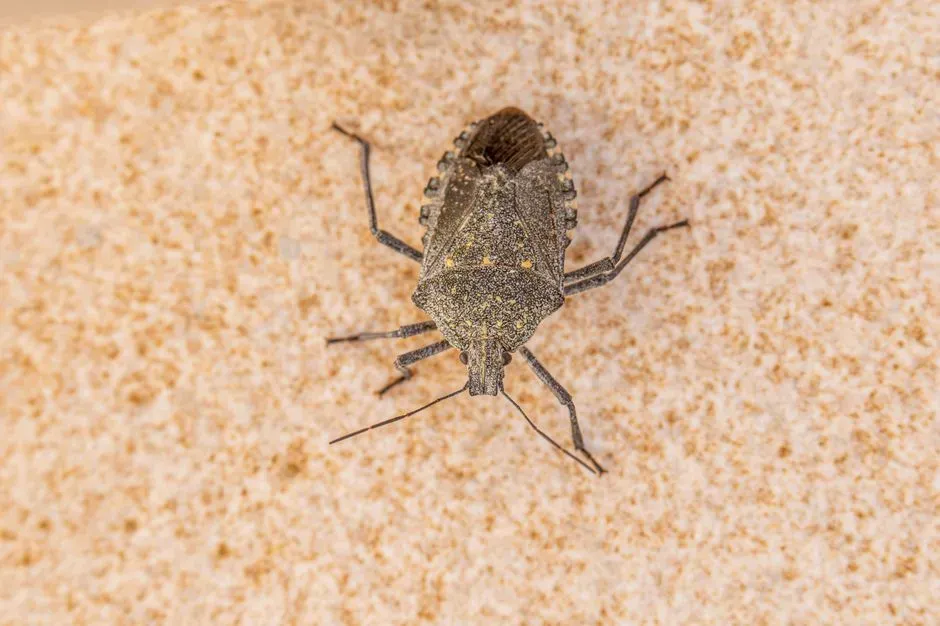
Chagas disease has a long and devastating history in Latin America, but it was rarely a concern for U.S. dog owners before the 1990s. That has changed. The parasite responsible – Trypanosoma cruzi – is transmitted by triatomine insects, commonly called “kissing bugs,” which have expanded their range across the southern United States. Dogs that sleep outside, explore wood piles, or live in rural areas near wildlife are increasingly in the exposure zone.
The disease is particularly cruel in its mechanics. An initial infection may produce few or no symptoms, but the parasite quietly damages heart muscle over months or years. By the time a dog collapses or goes into cardiac arrhythmia, significant and irreversible myocardial damage has already occurred. There is currently no approved, reliably effective treatment for dogs. Chagas is also a zoonotic risk, though human transmission from dogs is indirect and primarily through the insect vector. For dog owners in Texas, Oklahoma, Louisiana, and neighboring states, Chagas is no longer a distant tropical disease – it’s a backyard reality.
7. Canine Norovirus Infections

Norovirus has a well-earned reputation as the virus that ruins cruise ships and school cafeterias. What most people don’t know is that dogs can carry and be affected by their own norovirus strains – and this was essentially undocumented before the early 2000s. The first confirmed detections in dogs came out of Europe, but subsequent studies found the virus present in dog populations worldwide, including in the United States, often in animals that showed few obvious symptoms.
The public health dimension is what elevates this beyond a simple veterinary footnote. Canine noroviruses have shown the capacity to infect human cell lines in laboratory settings, raising questions about whether dogs could serve as a reservoir for human-affecting strains. The practical takeaway for households: dogs that experience unexplained bouts of vomiting and diarrhea may be dealing with something more than a garbage raid, and basic hygiene – handwashing after handling a sick dog, especially around young children or immunocompromised family members – is a genuinely reasonable precaution, not an overreaction.
6. Canine Influenza Virus

Dogs did not have their own influenza virus in the 1980s. That is not an overstatement. Canine influenza as a recognized disease didn’t exist until 2004, when an H3N8 strain jumped from horses to racing Greyhounds in Florida and began spreading through kennels and shelters at alarming speed. A second strain, H3N2, arrived from Southeast Asia around 2015 and proved even more contagious, triggering major outbreaks in Chicago and other cities within months of its arrival.
Unlike the human flu, canine influenza infects nearly every dog it reaches because the population has no pre-existing immunity. Symptoms – persistent cough, thick nasal discharge, fever, and fatigue – can look like kennel cough at first, which leads to misdiagnosis and delays in isolation. Most dogs recover, but pneumonia complications can be fatal, particularly in older or immunocompromised animals. Dogs that visit grooming salons, dog parks, boarding facilities, or doggy daycare are in the highest-exposure category. Vaccines for both strains now exist, but awareness of canine flu as a real, modern threat is still frustratingly low among many dog owners.
Quick Compare: H3N8 vs. H3N2 Canine Influenza
- H3N8: First identified in Florida Greyhounds in 2004; originated from equine influenza
- H3N2: Arrived from Asia around 2015; triggered the major Chicago outbreak; now the dominant strain
- Contagion: Approximately 80% of exposed dogs develop clinical signs of disease
- Shedding window: H3N8 requires 7-day isolation; H3N2 requires up to 21 days
- Vaccination: Separate vaccines exist for each strain; a combined single vaccine is also available
5. Canine Atopic Dermatitis

Skin allergies in dogs were not unheard of in the 1980s, but the scale of what vets are seeing today is categorically different. Canine atopic dermatitis – a chronic, immune-mediated inflammatory skin disease triggered by environmental allergens – has become one of the most common reasons dogs visit a vet in the developed world. The parallels with rising rates of eczema and asthma in human children have not been lost on researchers, and the suspected drivers overlap significantly: altered microbiomes, reduced early exposure to diverse environments, ultra-processed diets, and widespread chemical exposures.
For families living with an atopic dog, the condition is exhausting in a way that’s hard to convey to people who haven’t experienced it. Constant itching, recurrent skin infections, ear infections that never fully clear, hot spots that open overnight – the cycle can feel relentless. Modern treatments have improved substantially, with targeted biologics like lokivetmab (Cytopoint) and JAK inhibitors (Apoquel) offering relief that simply didn’t exist a generation ago. But the underlying prevalence continues to rise, and management is typically lifelong. Something in the modern dog’s environment is driving this, and we don’t yet fully understand what.
Fast Facts
- Estimated to affect up to 10–30% of the canine population, depending on the study
- Prevalence of atopic dermatitis is rising across species – in both dogs and humans
- House dust mites remain the single most common allergen group triggering reactions
- High-risk breeds include West Highland White Terriers, Boxers, Bulldogs, and Labrador Retrievers
- Nearly half of owners of atopic dogs report the disease significantly impacts their own quality of life
- Currently no cure exists; management is typically lifelong
4. Canine Obesity-Related Metabolic Disease

In the 1980s, fat dogs existed – but the clinical consequences of canine obesity were rarely discussed as a disease category in their own right. That has changed completely. Today, veterinary nutritionists recognize obesity in dogs as a gateway condition linked to Type 2-equivalent diabetes, hypertension, orthopedic disease, breathing disorders, and shortened lifespan. Studies estimate that over half of adult dogs in the United States are overweight or obese – a figure that would have seemed impossible to a vet practicing in 1983.
The causes map uncomfortably onto human obesity trends: calorie-dense commercial foods, reduced activity, more time indoors, and the deeply human tendency to express love through food. Many dog owners genuinely don’t realize their pet is overweight because the condition has become so normalized – overweight dogs are the new average, which makes a truly healthy weight look thin by comparison. The metabolic consequences are real and compound over time, with overweight dogs developing insulin resistance, chronic inflammation, and joint degradation years ahead of their leaner counterparts. This is one of the most preventable conditions on this entire list, which makes its prevalence all the more frustrating.
3. Canine Cognitive Dysfunction Syndrome

There’s a particular heartbreak in watching a dog you’ve known for a decade start to seem lost in your own hallway. Canine cognitive dysfunction syndrome – essentially dementia in dogs – was barely on the veterinary radar in the 1980s, not because it didn’t exist, but because dogs simply didn’t live long enough in large enough numbers to develop it at scale. Improved veterinary care, better nutrition, and advances in disease management have extended canine lifespans significantly, and aging brains are arriving at veterinary clinics in numbers that have no historical precedent.
The signs can be subtle at first – a dog who stares at walls, gets trapped in corners, forgets house training after years of reliability, or wakes at 2 a.m. and howls for no apparent reason. The progressive accumulation of amyloid plaques in the aging dog brain mirrors what happens in human Alzheimer’s disease with startling biological similarity, which is part of why dogs are now being studied as a natural model for dementia research. Treatments exist that can slow progression and support quality of life, but the window for intervention is widest early. Knowing the signs – and knowing they are signs of something real, not just “old dog behavior” – is what makes the difference.
At a Glance: Canine Cognitive Dysfunction by the Numbers
- Estimated prevalence: 14% to 35% of the overall pet dog population
- Affects an estimated 28% of dogs aged 11–12 years
- Rises sharply to approximately 68% of dogs aged 15–16 years
- Despite these numbers, only around 1.9% of cases are formally diagnosed by a veterinarian
- Any dog over age 8 may begin developing early signs – don’t wait for obvious symptoms
- Key warning signs: disorientation, house soiling, disrupted sleep, reduced interaction (the “DISHA” pattern)
2. Canine Cancer at Modern Rates
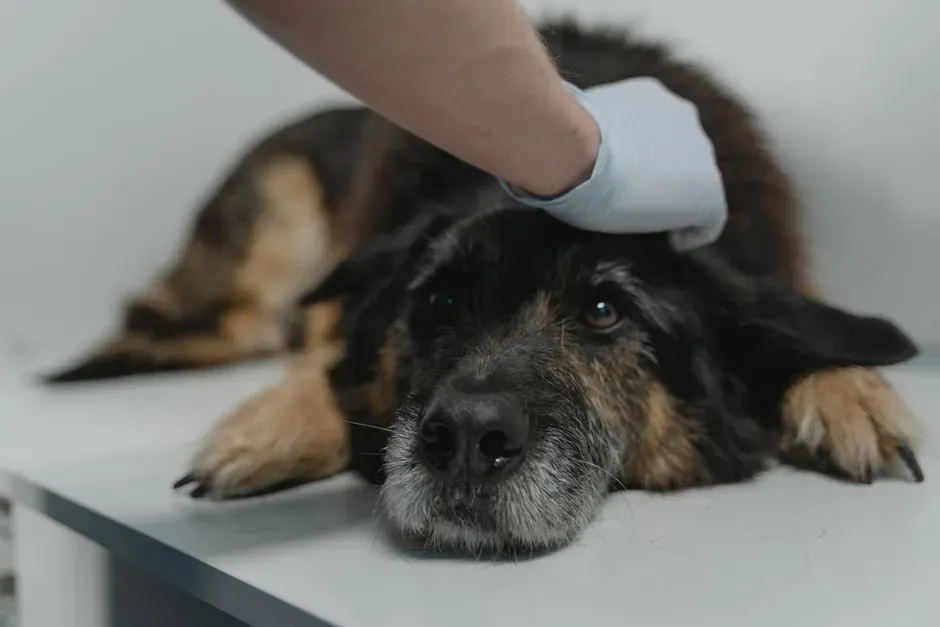
Cancer existed in dogs in the 1980s. But what veterinary oncologists are seeing today – in terms of frequency, variety, and the age at which dogs are developing certain tumors – represents a shift that many in the field describe as striking. Roughly 1 in 4 dogs will develop cancer at some point in their lives, and for certain breeds like Golden Retrievers, the lifetime risk has climbed to nearly 60%. Hemangiosarcoma, osteosarcoma, mast cell tumors, and lymphoma are being diagnosed in dogs younger than they were even two decades ago.
The reasons are genuinely contested. Genetic factors from intensive selective breeding, environmental chemical exposures, lawn herbicides, dietary changes, hormonal influences tied to early spay and neuter practices, and chronic low-grade inflammation from allergic disease are all being investigated. The growth of veterinary oncology as a specialty is itself a reflection of the problem – cancer treatment in dogs now includes chemotherapy, radiation, immunotherapy, and precision medicine approaches that mirror human oncology. That’s remarkable progress, but the more urgent question is why the incidence keeps climbing. For dog owners, the takeaway is vigilance: lumps get checked, bloodwork happens annually, and the conversation about cancer risk starts early, especially for high-risk breeds.
1. Canine Autoimmune Disease Across the Spectrum

If there is one category that captures the sweep of what has changed for dogs since the 1980s, it’s autoimmune disease. Immune-mediated hemolytic anemia, immune-mediated thrombocytopenia, lupus-like syndromes, autoimmune skin disorders, and inflammatory bowel disease driven by aberrant immune responses have all become dramatically more prevalent. In each case, the dog’s immune system turns on its own tissues – destroying red blood cells, attacking skin, inflaming the gut lining – for reasons that involve some combination of genetic predisposition and environmental trigger.
The parallel to rising autoimmune disease rates in humans is impossible to ignore. Researchers studying both species have pointed to disrupted gut microbiomes, early antibiotic overuse, reduced microbial diversity in modern environments, and chronic exposure to novel chemicals as plausible contributors. Dogs, who share our homes and our environments almost entirely, may be functioning as inadvertent sentinels – their rising disease rates a reflection of the same pressures reshaping human immune systems. That framing is both scientifically credible and genuinely sobering. Our dogs are not just getting sicker. They may be showing us something about all of us.
Why It Stands Out
- Spans multiple organ systems: blood, skin, gut, joints, kidneys, and more
- Mirrors the global rise of autoimmune conditions in human populations
- Disrupted gut microbiomes, antibiotic overuse, and chemical exposures are shared suspected drivers
- Dogs sharing our homes may be environmental sentinels for human immune dysfunction
- Genetic predisposition plus environmental trigger appears to be the consistent pattern
The honest conclusion here is uncomfortable: we created many of these problems. Through industrial breeding practices that prioritized appearance over health, through diets engineered for shelf life rather than nutrition, through environments saturated with chemicals our grandparents never encountered, and through medical and lifestyle choices that altered the microbial worlds both we and our dogs inhabit – we have changed the conditions of canine life in ways that are now showing up in examination rooms every single day. Vets in 2025 are managing a roster of diseases that a 1985 practitioner would barely recognize. Some of these conditions were inevitable as dogs lived longer. But many were not. The least we can do is pay attention, advocate for better research, and stop normalizing illness in animals who depend entirely on our choices to protect them.

- 11 Ways Your Cat Is Secretly Protecting You Every Day - August 14, 2026
- 10 Mistakes People Make When Camping in Wolf Country - August 14, 2026
- 8 Dog Breeds That Form the Strongest Bond With One Person - August 14, 2026