
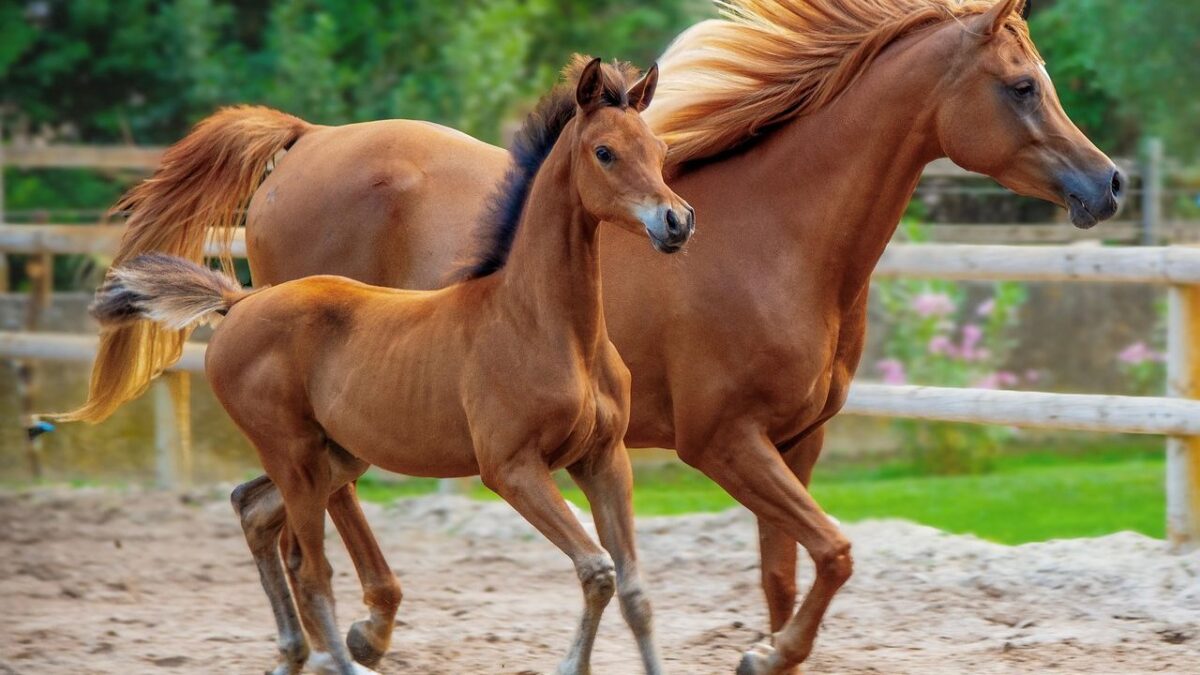
Walk into any large-animal veterinary clinic and ask the staff which part of the job stings the most. It’s rarely the emergencies. It’s the quiet heartbreak of watching a stunning, spirited horse deteriorate in the hands of a well-meaning first-time owner who simply never knew what they were signing up for. The horse didn’t fail. The match did.
What makes this list genuinely uncomfortable is that most of these breeds are popular because they look incredible, carry romantic reputations, or show up cheap on resale sites. Vets aren’t saying these horses are bad. They’re saying the gap between what these breeds need and what a beginner can realistically provide is wide enough to cause real suffering. And a few of the entries will probably surprise you.
#15 – Mustang
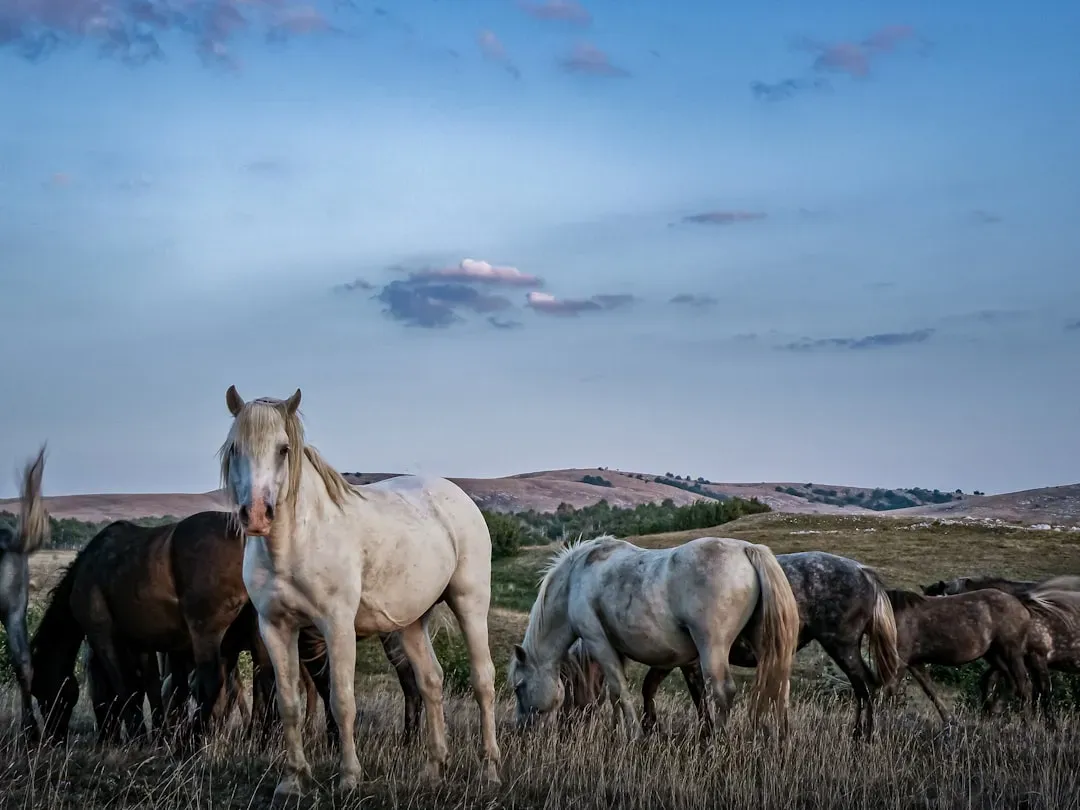
The Mustang sells a dream: wild, free, affordable, and waiting to bond with the right person. That dream is exactly what makes vets nervous. These horses didn’t spend their formative years learning to trust humans – they spent them surviving without us. The self-preservation instincts baked into a Mustang’s DNA don’t disappear after a gentling program. They go quiet until something spooks them, and then a novice handler is suddenly dealing with 1,000 pounds of flight instinct they have no training to manage.
What vets see most often is the physical fallout from years on rough terrain: hoof problems, dental abnormalities, and low-grade injuries that went untreated in the wild and erupt quickly once the horse is under the stress of a new environment and inconsistent handling. A Mustang can absolutely become a wonderful horse – but the path there requires groundwork skills that most first-time owners won’t develop for years. Pairing that learning curve with a horse that’s also learning from scratch is a recipe for dangerous situations that neither horse nor owner sees coming.
Fast Facts
- Mustangs are federally protected under the Wild Free-Roaming Horses and Burros Act of 1971
- BLM adoption programs require adopters to commit to at least one year of training before title transfers
- Average adopted Mustang costs $25–$125 at auction – but first-year training and care regularly exceeds $5,000
- Most gentling programs produce a horse that is “started,” not finished – years of consistent work remain
- Flight response can resurface unpredictably even in horses that have been handled for years
#14 – Thoroughbred
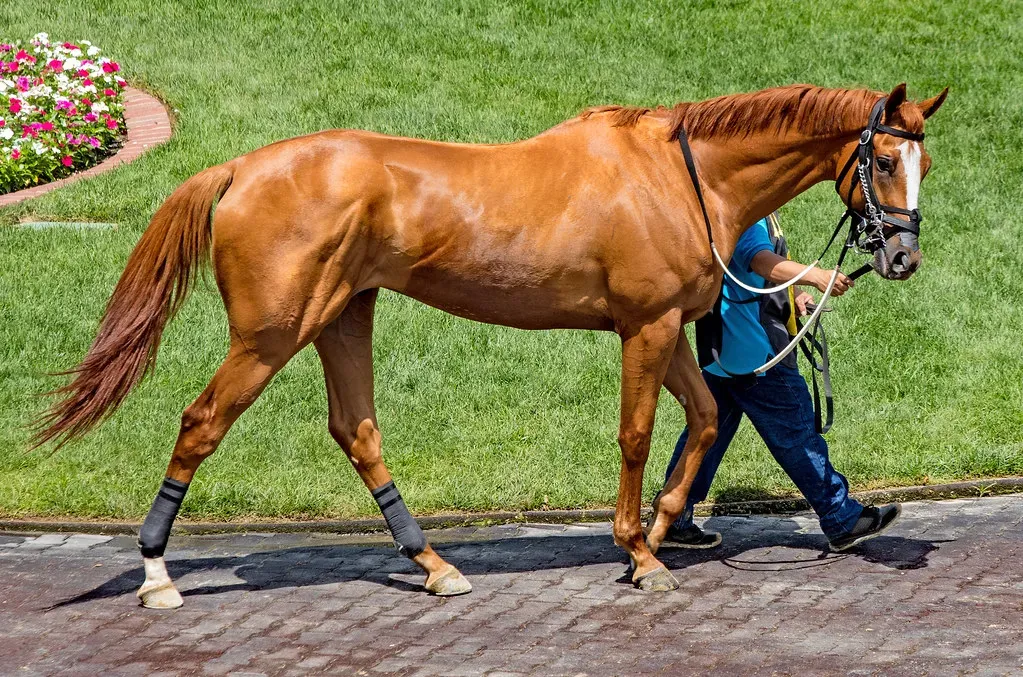
Off-the-track Thoroughbreds often list for a few hundred dollars, and to a first-time buyer, that looks like an extraordinary deal on a beautiful, athletic horse. What the price tag doesn’t reflect is the years of high-intensity training, performance drugs, and metabolic stress that horse’s body has already absorbed. Vets who work with OTTBs regularly see gastric ulcers, kissing spine, and tendon damage that were manageable – or simply masked – under race conditions, and that surface catastrophically once the horse is restarted in an amateur environment.
The temperament piece is just as challenging as the physical one. Thoroughbreds are bred for reactivity. That hair-trigger alertness is a performance asset on a track and a genuine hazard in a backyard paddock with a nervous rider. Small mistakes – a flapping tarp, an unbalanced seat, an unexpected noise – escalate faster than beginners expect. These horses can absolutely be retrained and rehomed successfully, but they need experienced, patient hands during the transition. Putting one with a first-time owner often means the horse pays the price for a mismatch it had no say in.
At a Glance
- Approximately 80% of Thoroughbreds retiring from racing suffer from gastric ulcers ranging from mild to severe
- One veterinary estimate puts active racehorse ulcer prevalence at 85%–90% – and potentially 100% over a full career
- Race training has been shown to increase ulcer severity in as little as three months on the track
- Kissing spine and tendon injuries are frequently masked by race-day medications – and surface post-retirement
- OTTB purchase prices can be under $500; first-year vet and rehabilitation costs routinely run $3,000–$10,000+
#13 – Arabian
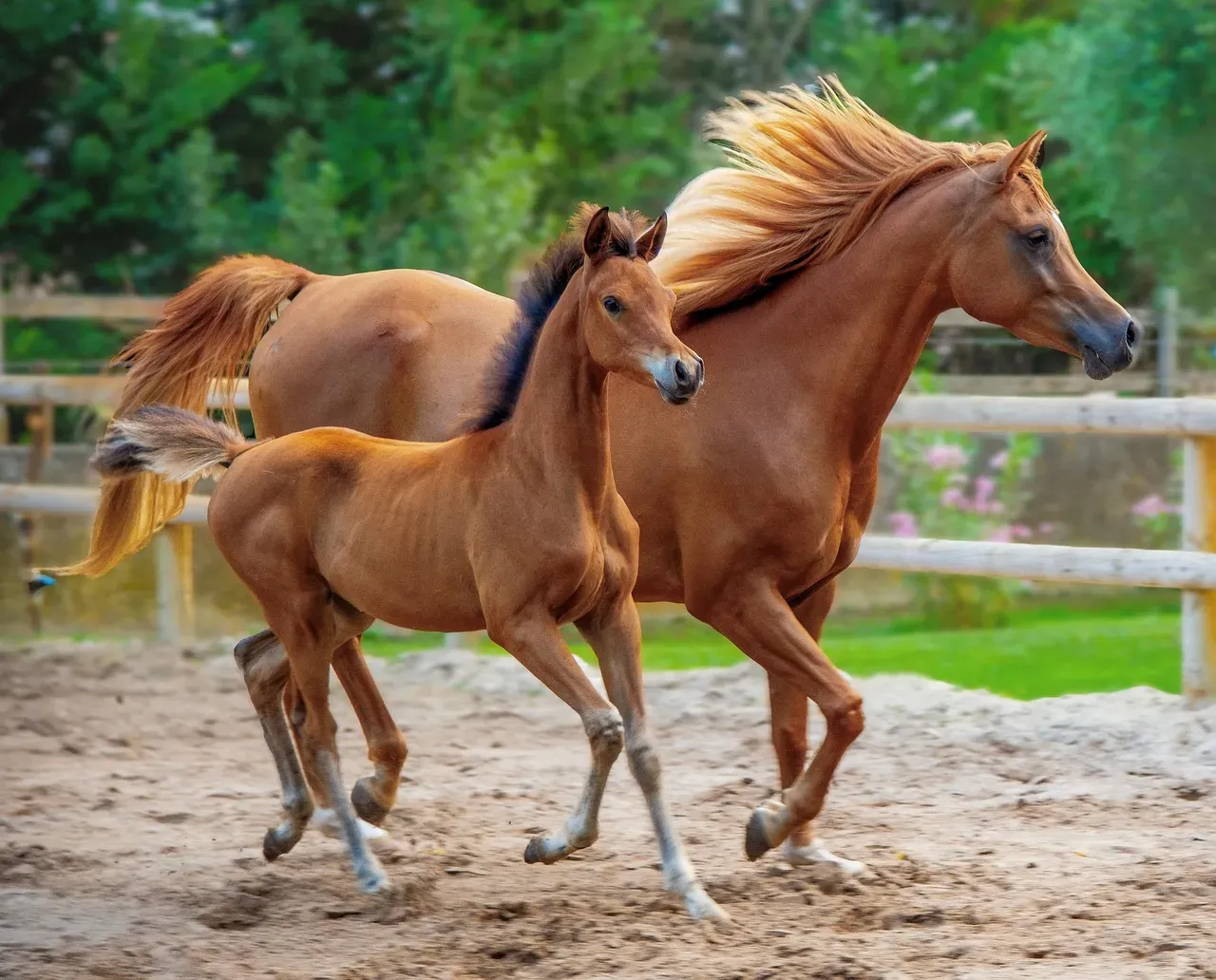
Few breeds are as romanticized as the Arabian, and that reputation is part of the problem. Their intelligence, loyalty, and endurance record make them sound like the perfect first horse, especially for someone who’s been dreaming about horses since childhood. What that reputation glosses over is how tightly wound an Arabian can be. Their sensitivity – the same quality that makes them so responsive to skilled riders – translates into explosive flight responses for anyone still learning to communicate clearly with their body and hands.
Beyond temperament, certain Arabian bloodlines carry a neurological condition called cerebellar abiotrophy, a genetic disorder that affects coordination and balance. Most first-time buyers have never heard of it and don’t know to ask for testing. Add in the breed’s general metabolic sensitivity, their tendency to sour quickly under inconsistent training, and the sheer intensity of their emotional needs, and you have a horse that rewards mastery and punishes inexperience in equal measure. Vets love Arabians. They just don’t love seeing them in the wrong hands.
#12 – Friesian
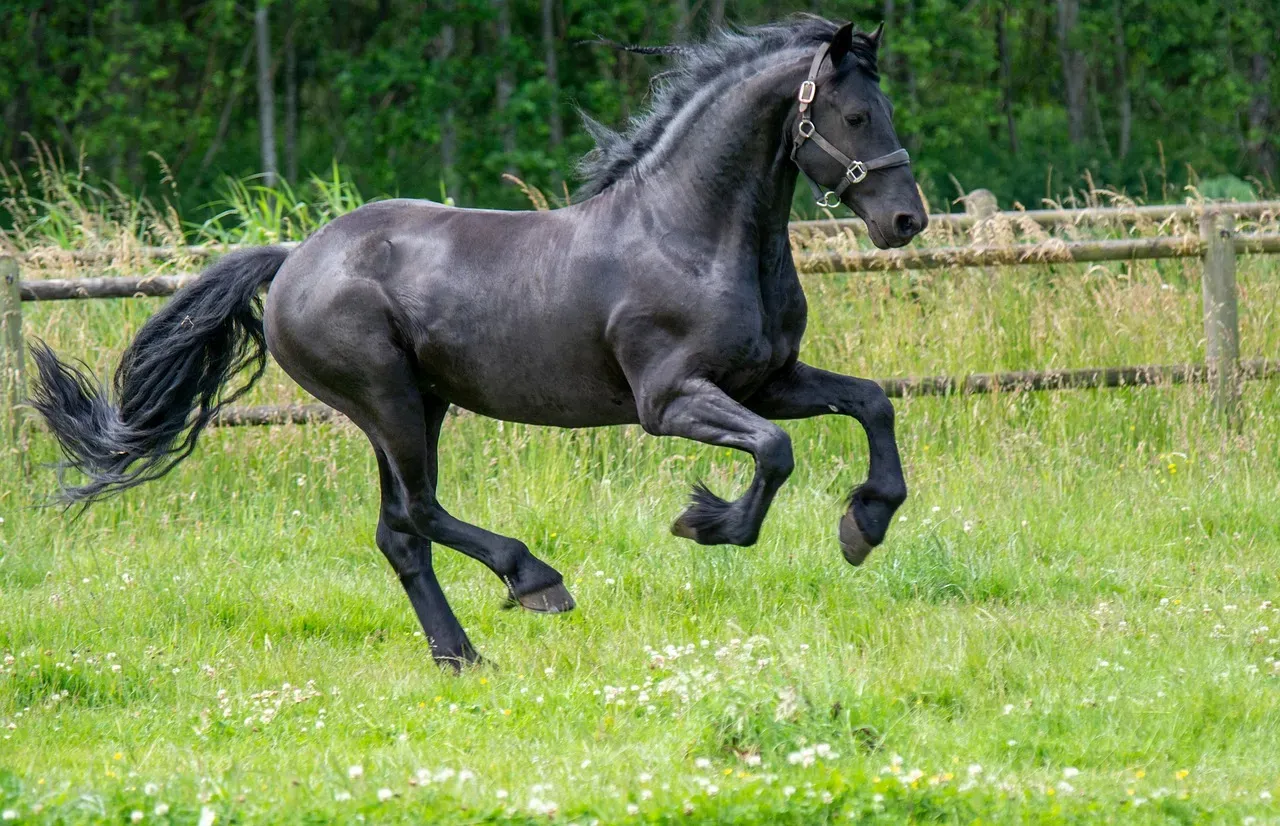
The Friesian is possibly the most visually intoxicating horse on this list, and that beauty is doing real damage. First-time buyers see the flowing mane, the powerful arched neck, the fairy-tale presence, and they stop thinking critically. What they often don’t see until it’s too late is the genetic fragility hiding beneath all that magnificence. Friesians have an unusually narrow gene pool, and the resulting health vulnerabilities – PSSM, megaesophagus, aortic rupture, skin conditions under their heavy feathering – are not rare exceptions. They are documented, breed-wide concerns.
The feathering alone requires daily maintenance to prevent chronic skin infections called “Friesian itch,” a condition that causes horses to rub themselves raw if left unmanaged. Their metabolic sensitivity means feeding errors that a heartier breed would shrug off can trigger laminitis or tying-up episodes in a Friesian. Vets report that owners frequently don’t realize the horse is suffering until the damage is already significant, because Friesians tend to be stoic and the symptoms mimic ordinary stiffness. The horse’s beauty draws people in. The complexity of caring for one properly keeps experienced owners up at night.
Worth Knowing
- In one clinical study, 41 of 45 megaesophagus cases at a major equine clinic were Friesians
- Megaesophagus prevalence in Friesians presenting to Dutch university clinics was approximately 2% – far above the rate in other breeds
- Documented genetic conditions include dwarfism, hydrocephalus, and distichiasis – all inherited through recessive mutations
- Chronic megaesophagus frequently leads to aspiration pneumonia, which can be fatal
- The Royal Friesian Studbook (KFPS) now mandates genetic testing for breeding stock – but many horses sold privately bypass this screening
#11 – Warmblood
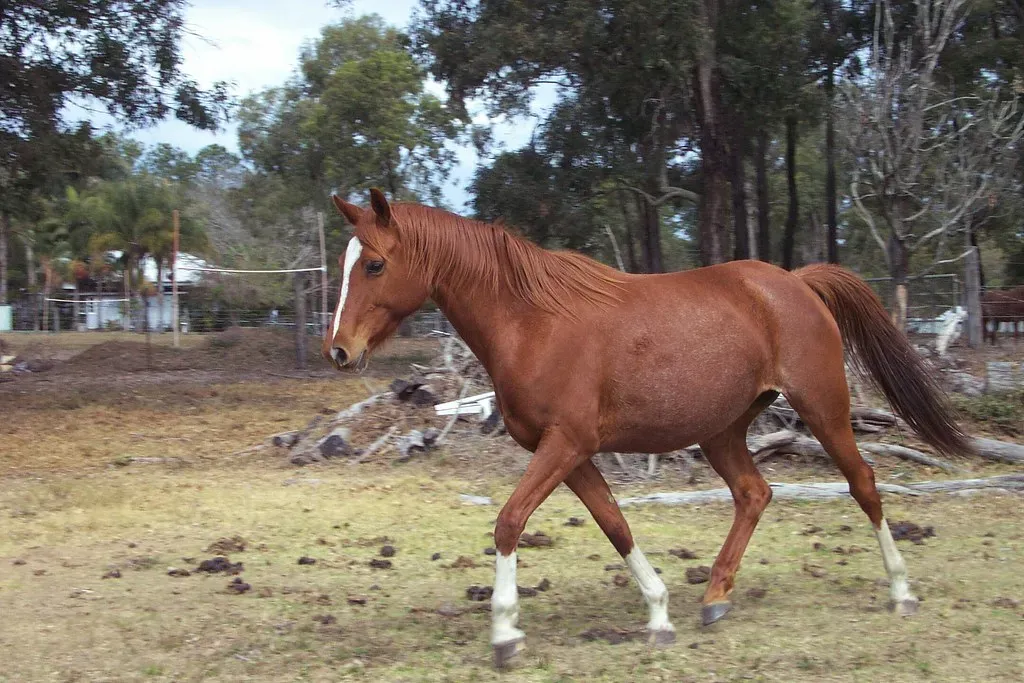
Sport Warmbloods dominate every high-level dressage and show jumping ring in the world, which is precisely why so many first-time owners want one. The problem is those owners are seeing the finished product – a horse that has been professionally developed over years by skilled riders who caught every conformational and behavioral issue early. What they’re buying is often a young, green Warmblood with enormous potential and an equally enormous capacity for lameness, anxiety, and dangerous behavior when handled inconsistently.
Warmbloods are big, powerful, and far more sensitive than their size suggests. They don’t forgive a crooked seat or unsteady hands the way a seasoned school horse does. Many develop joint and soft tissue problems from the conformational demands of their athletic build, issues that an experienced eye catches early and manages carefully. A novice won’t see the subtle shortening of stride that signals something is wrong until it has become a full veterinary crisis. Vets also note that Warmbloods who aren’t worked correctly and consistently can develop sharp, anxious behaviors that escalate quickly – something their size makes genuinely dangerous.
#10 – Andalusian
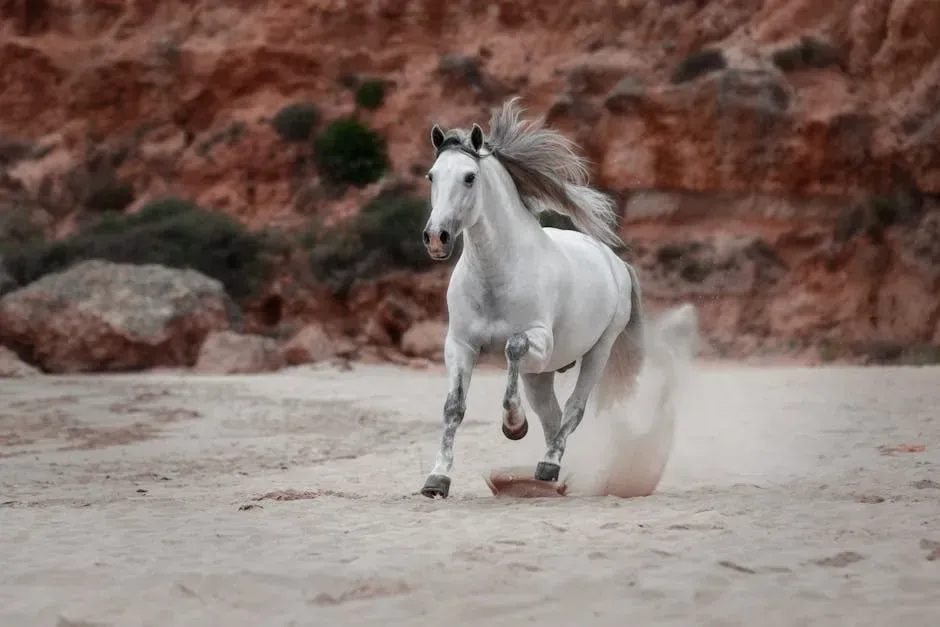
Andalusians carry centuries of prestige and a reputation for being willing, elegant, and cooperative. That reputation holds up – under the right rider. What vets see is that the “willing” part has a condition attached: the rider needs to actually know what they’re doing. Andalusians are opinionated horses with powerful hindquarters, and once they realize a rider lacks confidence or clarity, they will quietly begin to take charge. What starts as a horse that feels forward and energetic quickly becomes one that is strong, difficult to rate, and increasingly hard for a beginner to control safely.
Their baroque build also comes with metabolic considerations that first-time owners rarely research. Certain Andalusian lines carry a predisposition to equine polysaccharide storage myopathy, and the breed in general is an “easy keeper” whose diet needs careful management to avoid obesity and related laminitis. The gap between how an Andalusian looks at a breeding farm – calm, glossy, majestic – and how one behaves with a novice rider six months into ownership is something vets describe as one of the most predictable disappointments they witness.
#9 – Clydesdale
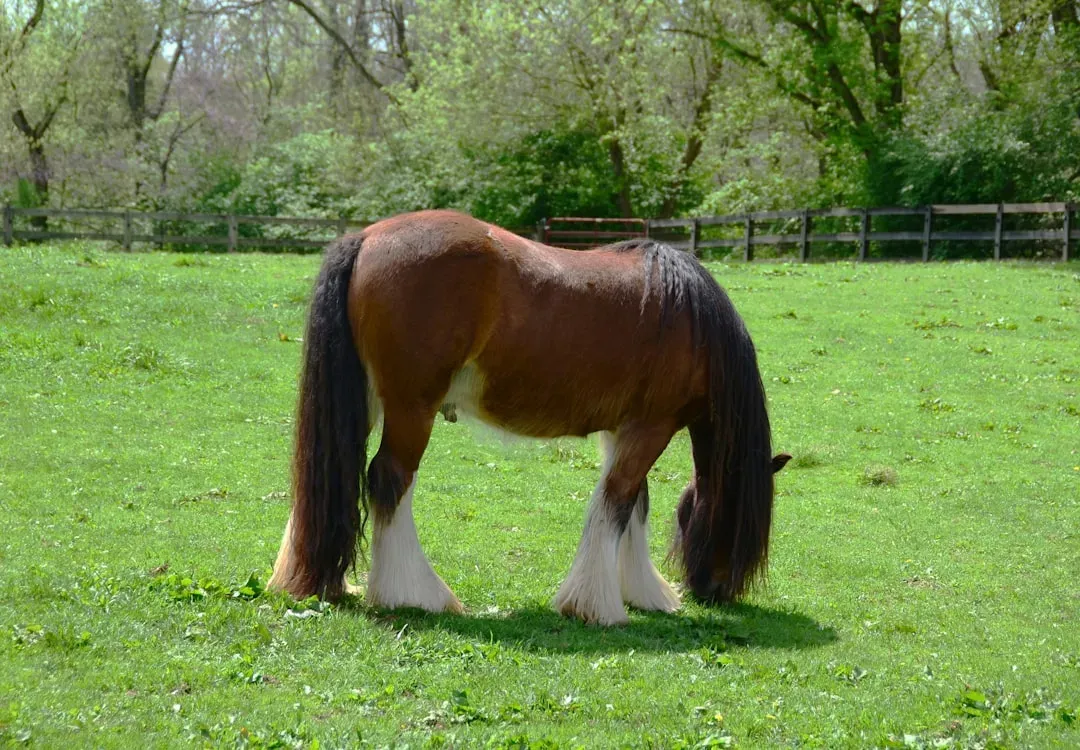
The gentle giant reputation of the Clydesdale is real, but it’s also incomplete. Yes, most Clydesdales have generous, calm temperaments that are genuinely forgiving compared to hot breeds. What that calm presence hides is a maintenance load that shocks first-time owners who assumed bigger and calmer meant simpler. The feathering on their lower legs – that gorgeous, silky cascade of hair – requires almost daily attention to prevent scratches, a painful bacterial skin condition that can become severe and deeply entrenched if ignored.
Their sheer size also means every aspect of care is amplified. Farrier visits require specialized expertise and cost significantly more than shoeing a standard horse. Their feed intake is substantial, and because they’re such easy keepers, overfeeding is almost inevitable without guidance – and overfeeding a Clydesdale can trigger laminitis faster than most beginners anticipate. Vets see a recurring pattern: a family buys a Clydesdale for its docile temperament and finds themselves drowning in maintenance costs and preventable health crises within the first year.
Quick Compare: Draft vs. Light Horse – Hidden Ownership Costs
- Farrier visits: Draft breeds often require custom shoes and specialized trims – costs can run 2x to 3x that of a standard horse
- Feed volume: A 1,800–2,000 lb Clydesdale may need 2–3x the hay of a 1,000 lb Quarter Horse
- Leg feathering maintenance: Daily grooming required year-round – not optional, not seasonal
- Veterinary dosing: Medications, dewormers, and sedation are weight-dependent – draft-size doses cost significantly more
#8 – Miniature Horse
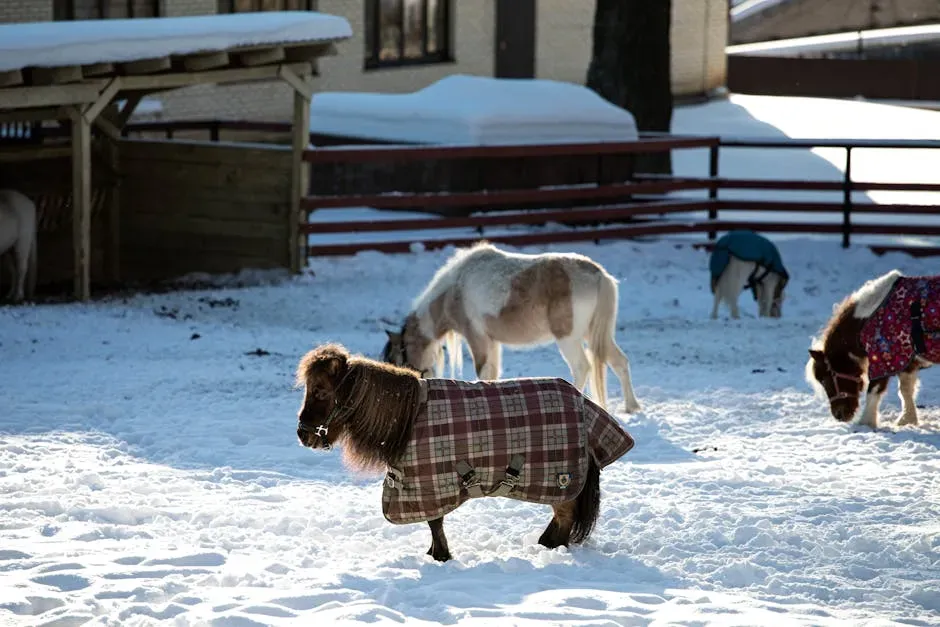
“It’s so small – how hard can it be?” Vets hear some version of this sentence every time a miniature horse ends up in their clinic in crisis. The logic seems reasonable: less horse, less work, less risk. The reality is almost the opposite. Miniature horses carry a disproportionate set of health vulnerabilities for their size. Dental problems are rampant because their teeth are the same size as a standard horse’s compressed into a much smaller jaw. Metabolic issues, including a severe predisposition to hyperlipemia – a condition where fat floods the bloodstream during stress – can be fatal and moves fast.
The deeper problem is cultural. People treat miniature horses like large dogs, feeding them treats, letting them graze unrestricted, skipping regular farrier and dental care because the horse “seems fine.” Overgrown hooves that would be obviously alarming on a full-sized horse are ignored on a mini because the animal is still walking around. By the time vets see many of these horses, the hoof deformation is severe and the metabolic damage is significant. The smaller package doesn’t reduce the responsibility. It just makes it easier to rationalize skipping it.
#7 – Appaloosa
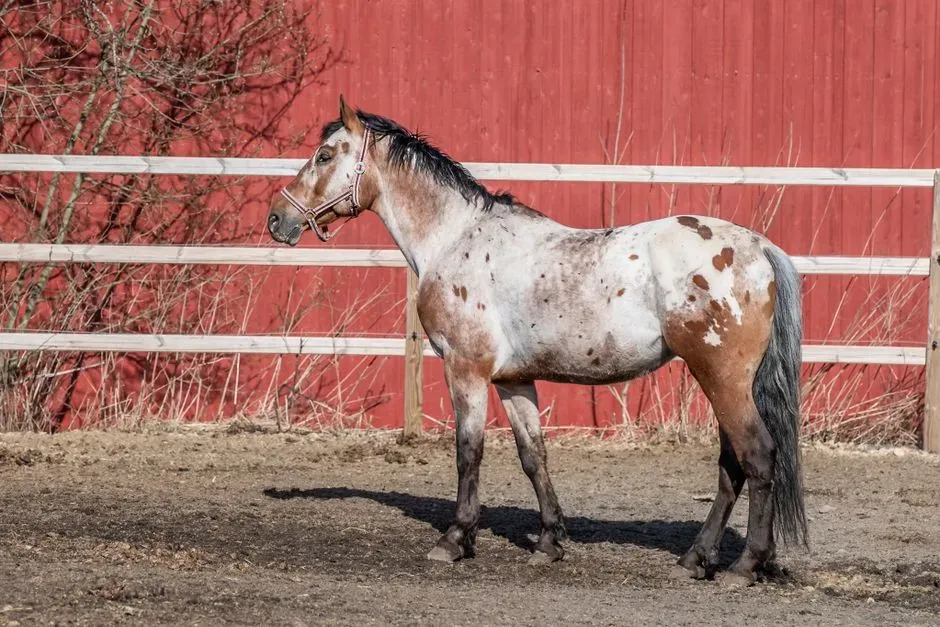
Appaloosas are striking, versatile, and have a well-earned reputation for toughness. They also carry one of the most underappreciated genetic burdens of any popular breed: the leopard complex gene responsible for their distinctive spotting patterns is directly linked to equine recurrent uveitis and congenital stationary night blindness. Horses with two copies of the leopard complex gene – LP/LP – are born with significantly impaired night vision, something most buyers never learn to look for and most sellers don’t volunteer.
Uveitis, the inflammatory eye condition, is painful, progressive, and manageable only with consistent veterinary attention and medication. Vets describe seeing Appaloosas that have been going subtly blind for months while their owners interpreted spookiness, reluctance on trail, or unexpected shying as behavioral problems and responded with more pressure and correction. The horse wasn’t misbehaving. It simply couldn’t see. For a first-time owner without the experience to recognize the signs, that misreading can push an already anxious horse into a dangerous behavioral spiral before anyone understands what’s actually happening.
#6 – American Paint Horse
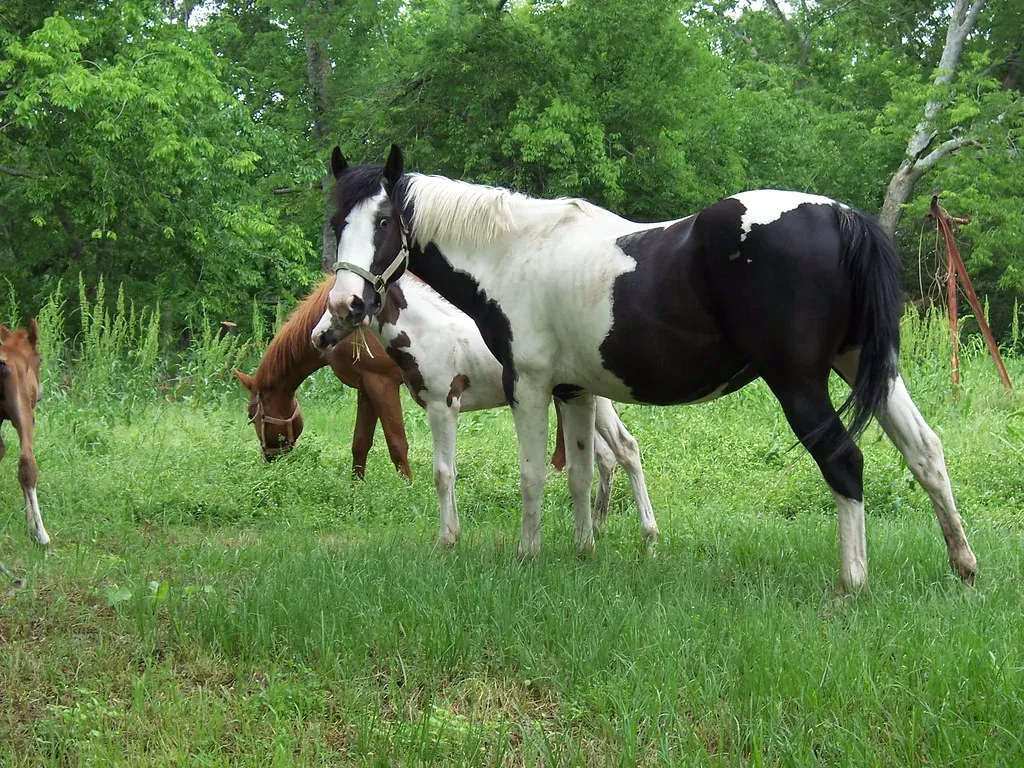
Paint Horses draw beginners in with their bold, eye-catching color patterns and their reputation for the kind of steady, willing temperament that Quarter Horses are known for. The temperament reputation is often deserved. What catches novices off guard is a genetic landmine embedded specifically in certain color genetics: overo-to-overo breeding can produce Overo Lethal White Syndrome, a condition where affected foals are born white, appear healthy, and then die within days because their intestinal nervous system never developed. Most beginners buying a Paint as a riding horse aren’t planning to breed – but they need to understand this risk exists before they’re ever tempted to.
Beyond breeding genetics, Paints share some of the same conformational concerns as heavily muscled Quarter Horse lines, including navicular predisposition and HYPP in horses with certain bloodlines. Their flashy appearance also tends to attract buyers who are prioritizing looks over suitability – a pattern vets see lead to mismatches between the horse’s actual energy level and training requirements and what the owner is capable of handling. A well-matched Paint is a wonderful first horse. The problem is that the coat color is doing the choosing instead of the temperament evaluation.
#5 – Quarter Horse
Quarter Horses are the most popular breed in America, and many of them genuinely do make excellent first horses. The problem is that “Quarter Horse” covers an enormous range of types, from calm, well-built ranch horses to heavily muscled halter horses bred to extremes that create serious soundness issues. Hyperkalemic periodic paralysis, or HYPP, traces back to a single legendary sire named Impressive, and his descendants – still widely sold and popular – can experience sudden, terrifying episodes of muscle trembling, weakness, and collapse. Many novice buyers have never heard of HYPP testing.
The other trap is the breed’s “easy keeper” reputation, which is real but routinely misapplied. Beginners hear “easy keeper” and relax about feeding management. What it actually means is that Quarter Horses gain weight rapidly and require strict monitoring of pasture access and grain intake. Vets see founder – the common name for laminitis – in Quarter Horses with painful regularity, almost always tied to overfeeding by owners who thought a little extra hay or a generous grain ration was a kindness. The breed’s forgiving temperament makes it easy to love. Its metabolic sensitivity makes careless management genuinely harmful.
Worth Knowing: HYPP Facts Every Buyer Should Have
- HYPP traces to a single Quarter Horse sire – the halter stallion Impressive – who has over 55,000 registered descendants
- Affected horses (H/H or N/H genotype) can experience episodes of muscle paralysis, sweating, and collapse without warning
- AQHA now requires HYPP status notation on registrations for Impressive descendants – but testing is not always done before private sales
- A simple genetic test can confirm HYPP status – always request it before purchasing any heavily muscled halter-type Quarter Horse
#4 – Standardbred
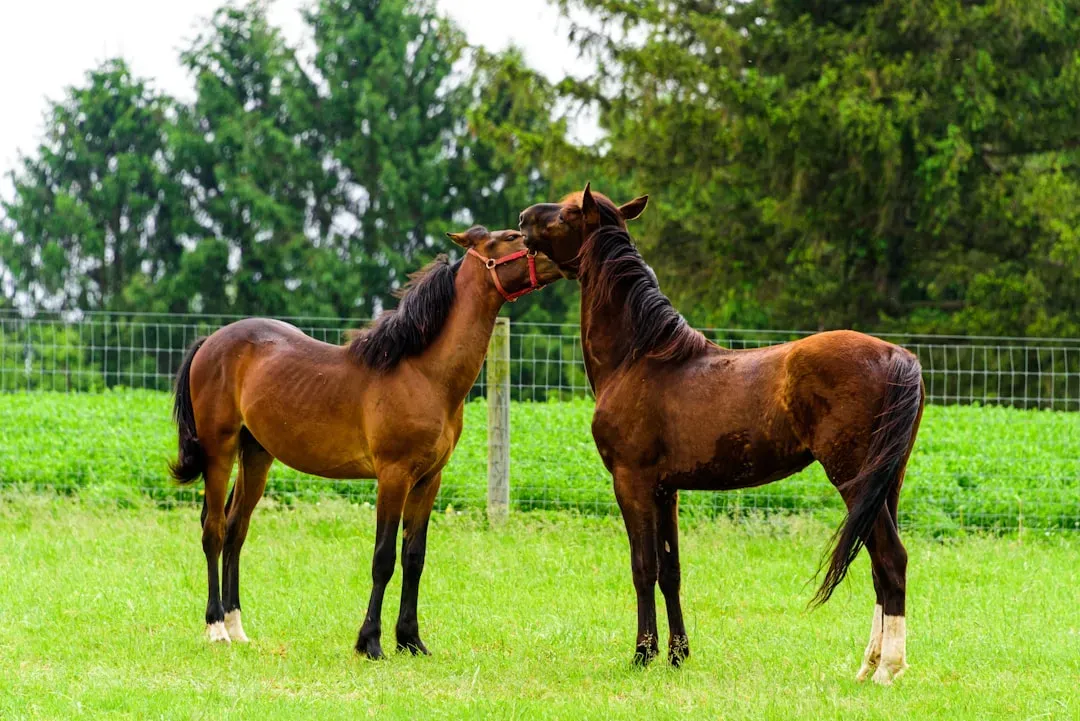
Standardbreds retired from harness racing are often described as easy, sensible horses, and compared to OTTBs, they frequently are. But “easier than a Thoroughbred” doesn’t mean “easy for a beginner,” and that distinction gets lost constantly. These horses spent their careers in harness, moving in a very specific, drilled pattern with equipment that trained them to carry their heads high and respond to a completely different set of cues than a riding horse. Transitioning them under saddle requires patient, methodical retraining that most novices aren’t equipped to provide.
The physical wear from a racing career is also real. Hock and stifle issues, tendon fatigue, and joint changes from years of repetitive high-speed work can be managed with the right conditioning program – but that program requires knowledge most first-time owners don’t have. Without it, a Standardbred that seemed sound at purchase begins to show lameness within months, and the owner is left trying to manage a complex rehabilitation they didn’t anticipate. These are genuinely good horses. They just need someone who understands what it takes to bring them through a major career transition successfully.
#3 – Lusitano
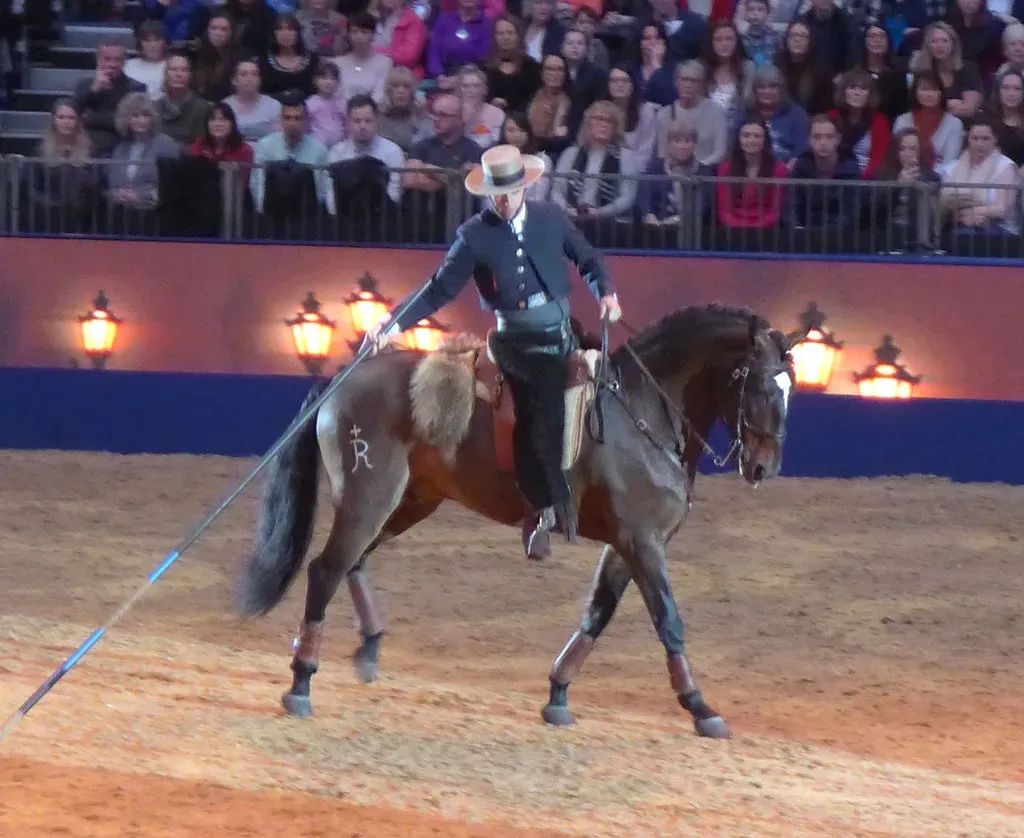
Lusitanos are the Portuguese cousin of the Andalusian, and they carry many of the same strengths and challenges – but with the intensity dialed up. Bred for centuries to work in the bullring and under the demanding discipline of high school dressage, Lusitanos are extraordinarily intelligent and extraordinarily sensitive. They read their riders with an accuracy that is almost unsettling, and when they find an inexperienced or inconsistent hand, they don’t become passive. They become frustrated, resistant, and creative in ways that can quickly turn dangerous.
The breed’s intelligence is genuinely a double-edged sword. A Lusitano paired with a skilled rider who can match its mind and energy becomes something extraordinary to watch. The same horse with a novice who is still figuring out basic position and communication will start inventing its own agenda, and that agenda rarely aligns with safe trail rides or quiet arena work. Vets also note that pre-purchase genetic health testing is frequently skipped because buyers are so captivated by the horse’s presence and movement that due diligence feels almost beside the point. That oversight consistently comes back to haunt them.
#2 – Gypsy Vanner
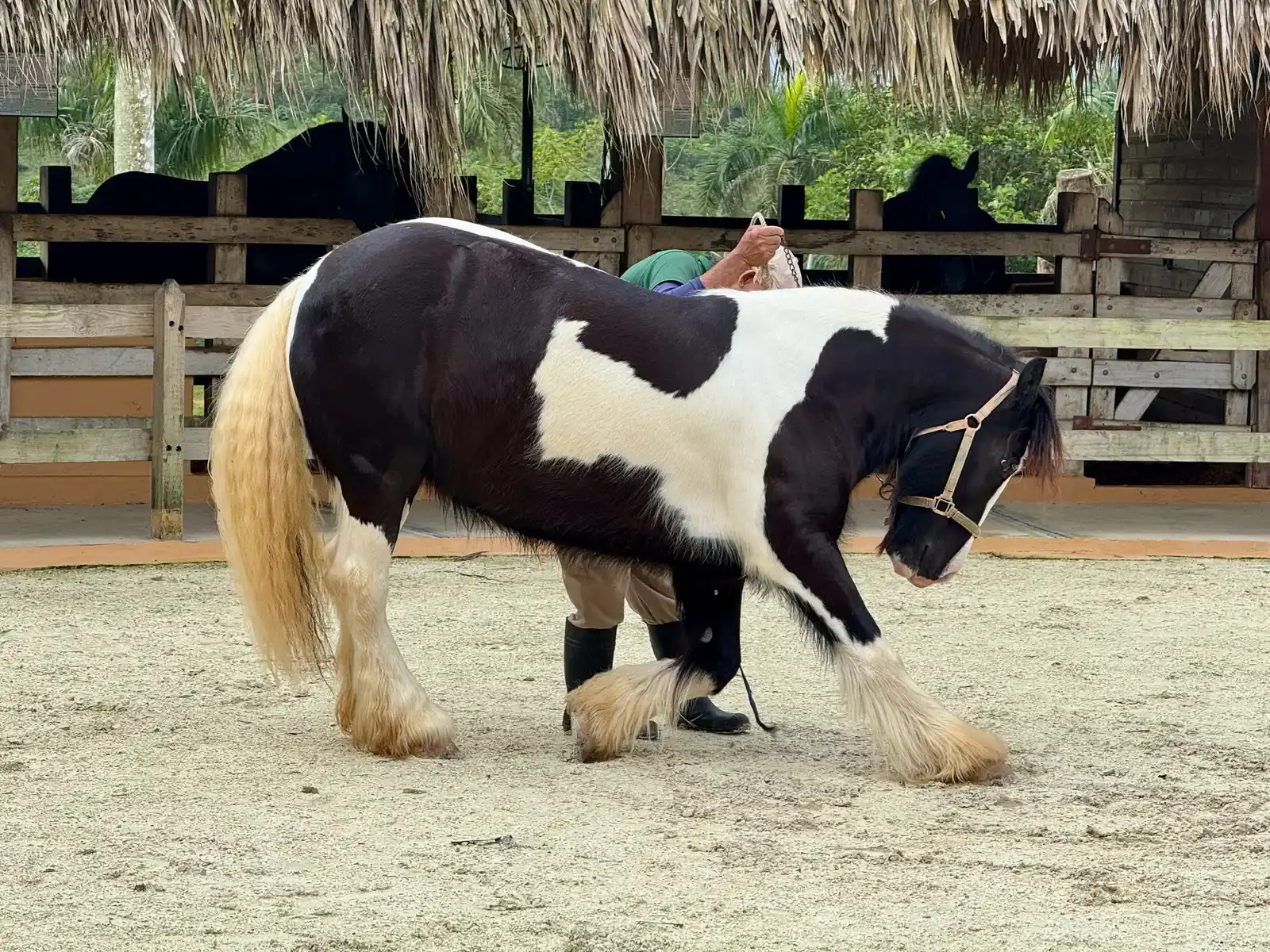
The Gypsy Vanner may be the single most effective example of a breed marketed entirely on aesthetics. The flowing feathering, the piebald coloring, the rolling, powerful movement – it’s a breed that was practically designed to go viral, and it has. First-time buyers are often completely unaware that underneath all that visual drama is a draft-cross horse with substantial maintenance requirements and a set of genetic vulnerabilities that are only beginning to be fully documented. Chronic progressive lymphedema, a condition that causes irreversible swelling in the lower legs, is documented in the breed and worsens without aggressive, consistent management.
The feathering that makes Gypsy Vanners so photogenic is also a liability that vets deal with constantly. Heavy leg feathering traps moisture, harbors bacteria, and creates ideal conditions for scratches and skin infections that can become deeply entrenched. Owners who don’t know to check under the feathering daily often miss infections until the horse is in real pain. PSSM-like muscle symptoms are also appearing with increasing frequency in the breed, and novice owners commonly interpret the resulting stiffness, reluctance, and poor performance as laziness or attitude – and push the horse harder, making everything worse.
Why It Stands Out – And Not in a Good Way
- Chronic progressive lymphedema causes permanent lower-leg swelling and requires lifelong, daily management
- Heavy feathering must be checked and cleaned daily – skin infections beneath it can be advanced before they’re ever visible
- PSSM-like symptoms are increasingly reported in the breed – and are almost always mistaken for behavioral problems by novice owners
- Gypsy Vanners regularly sell for $10,000–$30,000+ on aesthetics alone – making the mismatch financially as well as physically costly
#1 – Akhal-Teke
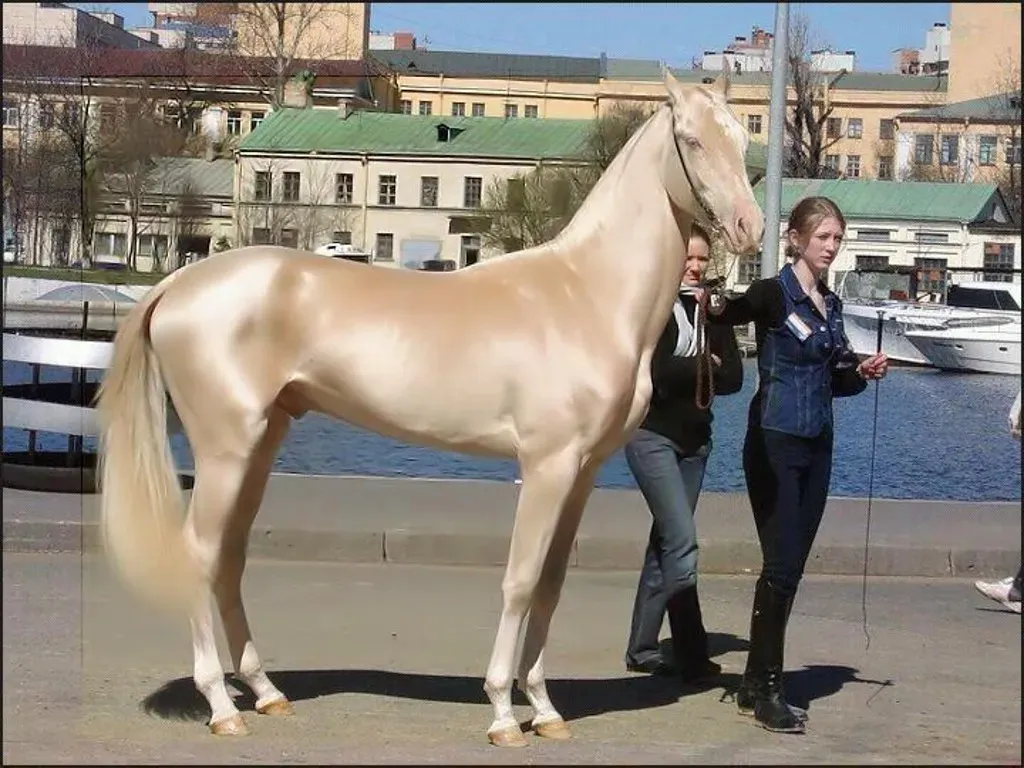
The Akhal-Teke is the most extreme mismatch on this list, and the fact that they’re becoming more visible in Western markets makes vets genuinely uneasy. These horses are one of the oldest and rarest breeds on earth, developed over thousands of years in the brutal deserts of Turkmenistan. Their metallic, iridescent coat is genuinely one of the most striking things in the natural world – and it is exactly that otherworldly beauty that is pulling first-time buyers toward a horse that requires not just experience, but a very specific kind of experience to manage safely.
Akhal-Tekes bond intensely with a single person and do not transfer that bond easily. They are sensitive to an almost neurological degree, reactive to inconsistency, and deeply unhappy in environments that don’t meet their significant physical and psychological needs. Their digestive systems are adapted to the sparse, dry conditions of Central Asian steppe – not the grain-heavy, lush pasture management typical of American horse keeping. Vets who have worked with them describe the consequences of mismanagement as swift and severe: colic, metabolic crises, behavioral deterioration, and a horse that becomes genuinely difficult to handle long before the owner understands what went wrong. These are not beginner horses. They are a lifetime commitment for someone who has already spent years earning the skills to meet them.
Fast Facts: Akhal-Teke at a Glance
- One of the world’s rarest breeds – only approximately 6,600 individuals exist globally, mostly in Turkmenistan and Russia
- Breed history spans over 3,000 years; adapted exclusively to desert survival, not typical Western barn management
- Classified as “Threatened” by the Livestock Conservancy – recommended experience level is Intermediate to Advanced
- Known genetic vulnerabilities include Naked Foal Syndrome, DSLD, cryptorchidism, and a significant predisposition to gastric ulcers
- Bonds intensely to one person – rehoming or handler changes cause genuine psychological distress in the horse
- Requires forage-based, low-grain diets adapted to desert physiology – standard American feeding practices can cause rapid metabolic problems
Here’s the opinion that vets rarely say out loud but probably should: the horse industry does beginners almost no favors. Breeders lead with beauty, sellers lead with price, and social media leads with the most photogenic, dramatic breeds available. Nobody leads with “here’s what this horse will need from you every single day for the next 25 years, and here’s whether you’re realistically ready to provide it.” The horses on this list aren’t broken. Most of them are exceptional. But exceptional horses in the wrong hands don’t thrive – they suffer quietly, and so do the owners who loved them without knowing what they were taking on. If you’re choosing your first horse, let the breed’s actual needs choose for you, not the coat color.

- 9 Curious Facts About the Aardvark: The Nighttime Tunnel Specialist - August 1, 2026
- 10 Happiest Cities in The World in 2025 - August 1, 2026
- 12 Ways to Create a Wildlife-Friendly Garden That Attracts Beautiful Creatures - August 1, 2026