
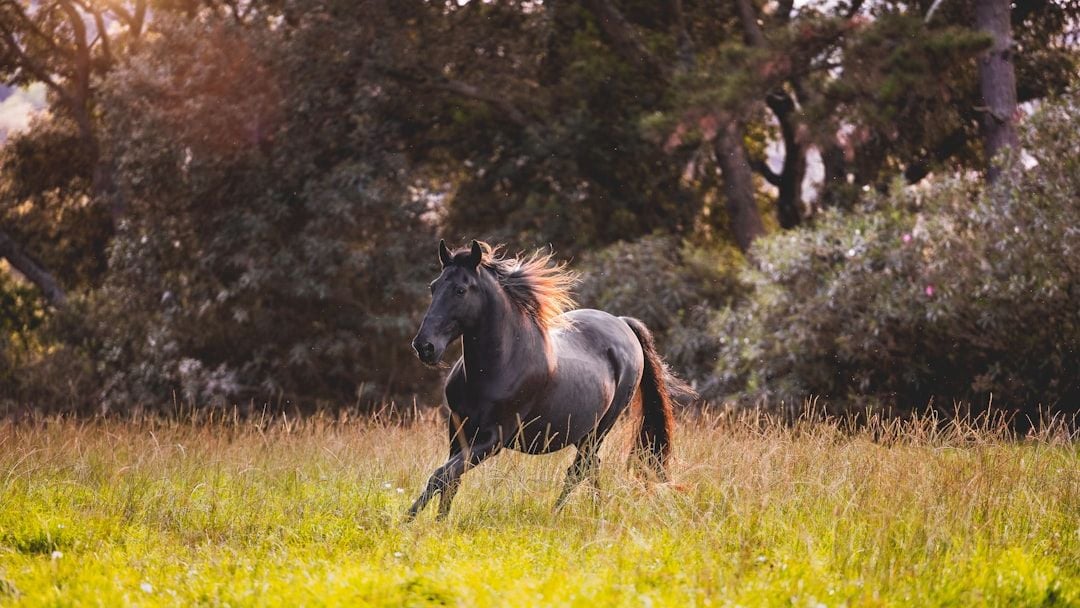
Every year, thousands of first-time horse owners walk into a purchase they are completely unprepared for – and the breed they choose is almost always the reason why. Vets across the country aren’t just seeing more emergency calls. They’re seeing the same breeds, over and over, landing in the same crises: horses that are anxious, injured, or passed along to a third owner before their third birthday. The common thread isn’t bad intentions. It’s a dangerous assumption that popularity equals suitability.
What follows isn’t a list of “bad” horses. Every breed here has produced extraordinary animals in the right hands. The problem is that social media, movies, and word-of-mouth have pushed these fifteen breeds into the hands of people who were never ready for them – and the horses pay the price. Some of what vets report will surprise you. A few entries near the top of this list will genuinely change how you think about what a “beginner-friendly” horse actually looks like.
#15 – Friesian Horses
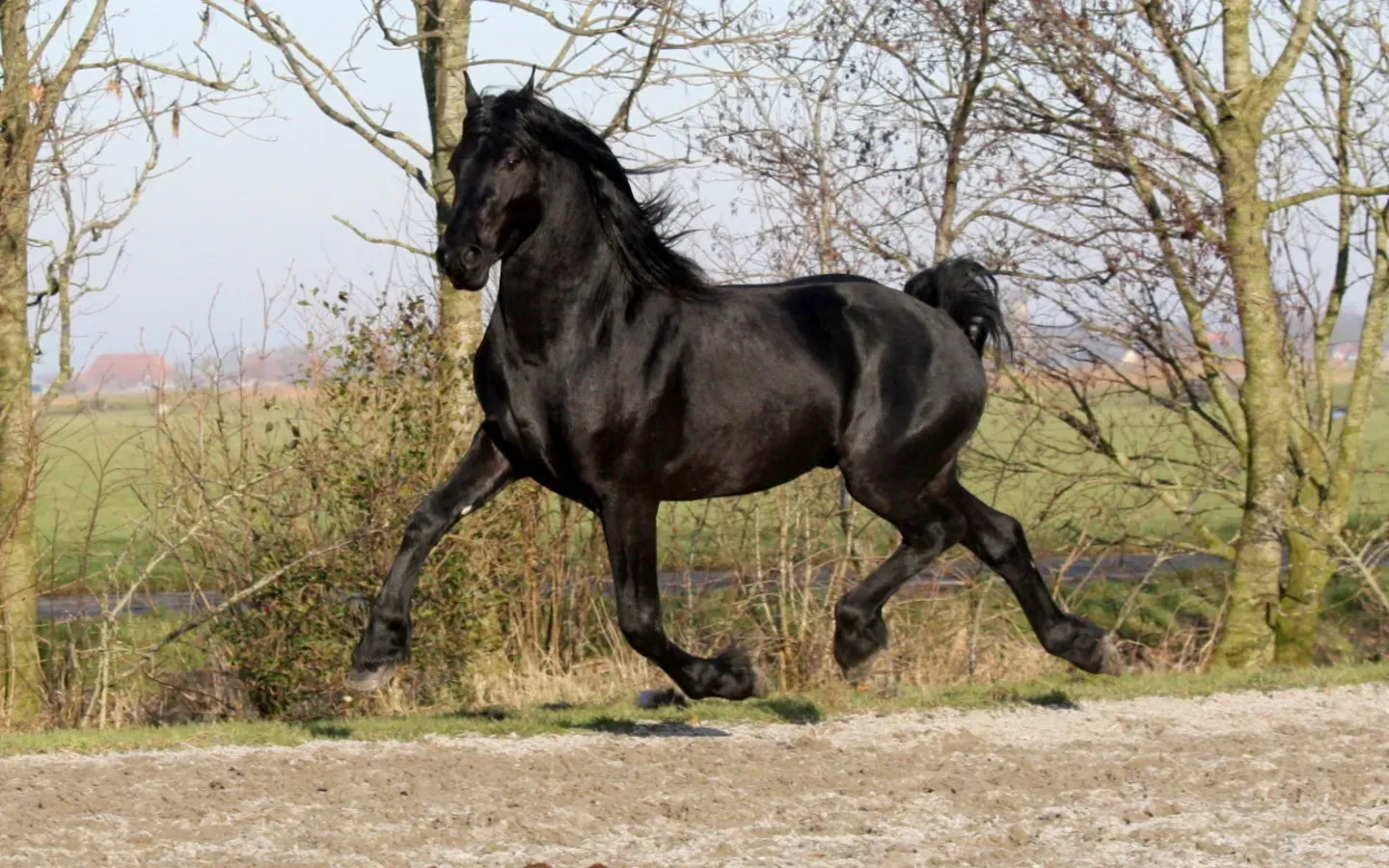
If there is one breed that could be called the Instagram horse, it’s the Friesian. That ink-black coat, the cascading mane, the feathered hooves moving like something out of a fantasy film – the images practically sell themselves. And that’s exactly the problem. Vets see Friesian-related emergency calls spike every time a dramatic video goes viral, because the people buying these horses are buying a visual, not a temperament.
That heavy feathering that looks so stunning in photos traps moisture against the skin constantly, and if it isn’t dried and groomed with real diligence, chronic skin infections called “scratches” or “mud fever” can take hold fast. Beyond the grooming demands, Friesians carry a notably higher rate of PSSM – a painful muscle metabolism disorder – and other metabolic conditions that turn routine ownership into a cycle of vet visits. Their sensitivity to training mistakes means a novice’s small errors don’t just go unnoticed; they compound into behavioral problems that take professional help to unwind.
Fast Facts
- Surveys show scratches account for a significant share of reported Friesian skin problems, with the breed more prone to them than the general horse population.
- Average Friesian lifespan can be as short as 16 years – notably shorter than most horse breeds.
- Friesians are prone to PSSM, aortic rupture, tendon laxity, and chronic progressive lymphedema – a list few novices anticipate.
- Their inbreeding history, dating to a registry founded in 1879, has amplified these genetic vulnerabilities over generations.
- Daily grooming of feathered legs is non-negotiable – skipping even a few days in wet weather can trigger painful skin lesions.
#14 – Andalusian Horses
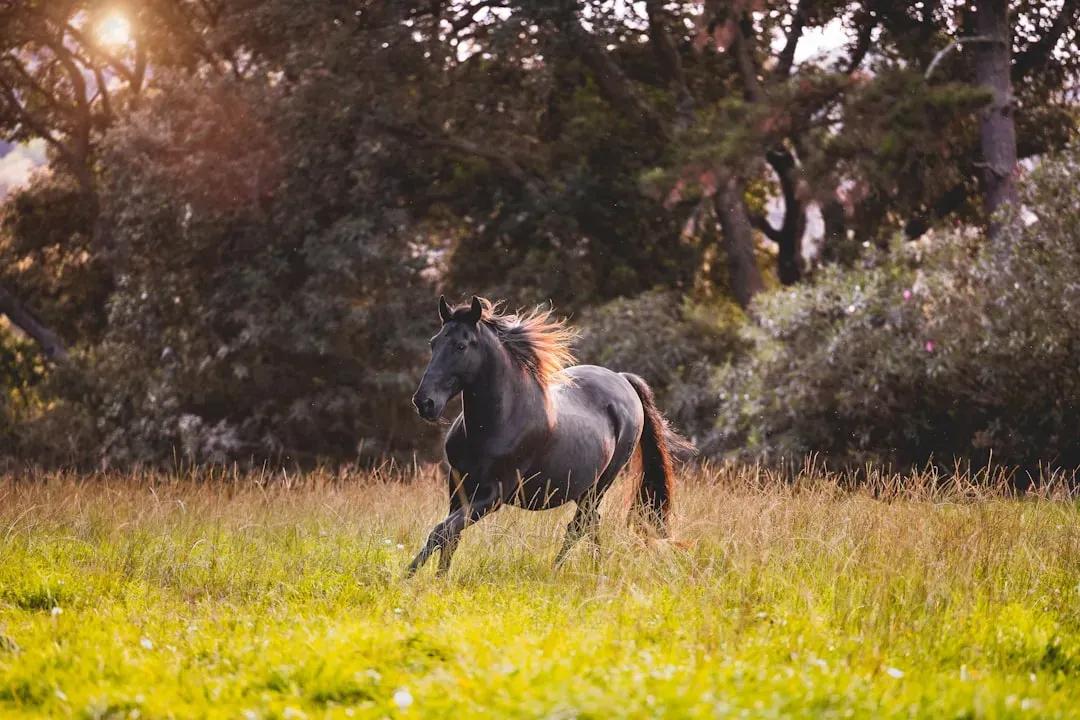
The Andalusian’s history reads like a highlight reel – the preferred mount of Renaissance royalty, trained for war, perfected for high-level dressage. That prestige is a huge part of their appeal to first-time buyers who want something that feels meaningful. What those buyers don’t realize until they’re already in trouble is that centuries of selective breeding for athleticism and responsiveness created a horse that is exquisitely sensitive to every signal a rider sends – including the wrong ones.
Vets flag Andalusians for their powerful flight response. When a handler lacks timing or projects uncertainty, even a minor spook can escalate from a flinch into a full bolt in seconds. These horses are intelligent enough to learn quickly, which sounds like a positive – until the habit they’ve learned is how to read and exploit an inexperienced handler. Andalusians genuinely thrive on advanced work. A casual trail ride with an unconfident rider isn’t just boring for them; it’s a setup for frustration that builds on both sides until someone gets hurt.
#13 – Akhal-Teke Horses

The Akhal-Teke might be the most visually arresting horse on earth. That metallic sheen – a structural quirk of their hair shaft that makes their coat look literally gilded in sunlight – stops people cold. Photographers love them. First-time buyers see them and feel something close to obsession. Vets see them and think about the phone calls they’ll be getting six months later.
These horses were shaped by thousands of years of survival in the Karakum Desert, and that heritage left them with a sharp, self-reliant mind and very little tolerance for inconsistent leadership. They bond deeply with people they trust and become defensive or genuinely anxious around people they don’t. Their thin skin and unusual metabolism require specialized feeding and management that most novice owners never anticipate. First-time owners frequently misread their signals, then mishandle the correction, creating a cycle of distrust that can take months of professional rehabilitation to reverse.
#12 – Hanoverian Warmbloods

Hanoverians are the gold standard of the sport horse world – powerful, athletic, correct in their movement, capable of competing at the highest levels of jumping and dressage. That reputation pulls in ambitious first-time buyers who picture themselves riding something worthy of a competition arena. The reality is that a horse bred to that standard of performance expects a rider who matches it, and very few beginners do.
Vets report consistent patterns of back and joint problems when inexperienced riders push Hanoverians too hard, too early, with unbalanced seats and unclear aids. The breed also carries a genetic predisposition to conditions like kissing spines, a spinal issue that can remain invisible until the wrong kind of stress surfaces it – exactly the kind of unintentional stress a novice applies every ride. The horses don’t get ruined dramatically. They get quietly worn down, becoming resistant or lame in ways that expensive diagnostics eventually explain, long after the damage is done.
At a Glance
- Hanoverians are bred for Olympic-level jumping and dressage – their physical and mental expectations are calibrated to match elite riders.
- Kissing spines (impinging dorsal spinous processes) can stay hidden until unbalanced riding consistently aggravates the spine.
- PSSM type 2 has been documented in Hanoverian warmbloods, adding a metabolic layer most novice buyers never screen for.
- Purchase price for quality Hanoverians often starts in the five figures – financial pressure pushes owners to skip professional training support.
#11 – Lipizzaner Horses
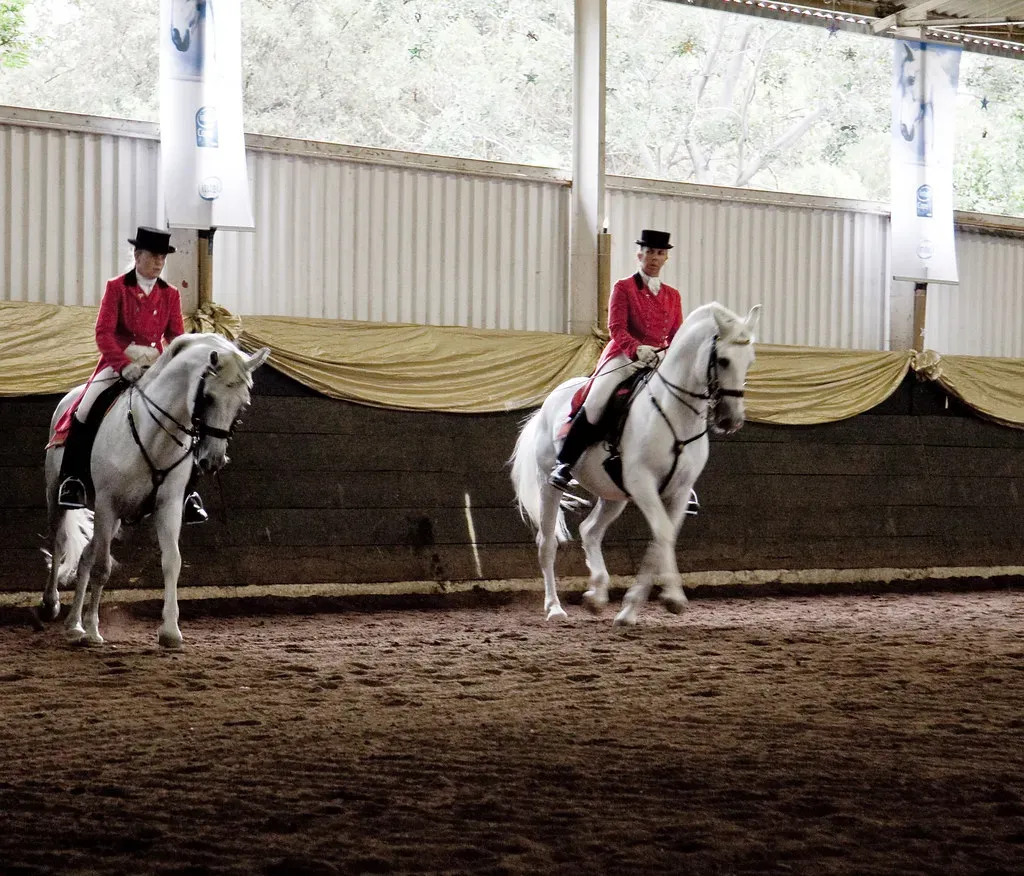
Most people know the Lipizzaner from the Spanish Riding School footage that circulates online – those gravity-defying airs above the ground, that ghost-white coat, the almost theatrical precision. What those videos don’t show is that the riders performing those movements have spent years, sometimes decades, developing their feel. The horse is not doing that work on its own. It is the product of a deep, painstaking partnership between a highly trained animal and a highly trained human.
When a Lipizzaner ends up with a novice owner, that need for precision doesn’t disappear – it just goes unmet. Vets document behavioral deterioration in these horses that traces directly back to handling that lacks patience and exactness. Compounding the problem is the breed’s unusually late physical maturation; many buyers purchase young Lipizzaners not realizing the horse won’t be fully developed until age seven or later, meaning the owner’s skill gap has years to widen before the animal is even ready for serious work. It is a slow-motion mismatch with an entirely predictable ending.
#10 – Tennessee Walking Horses
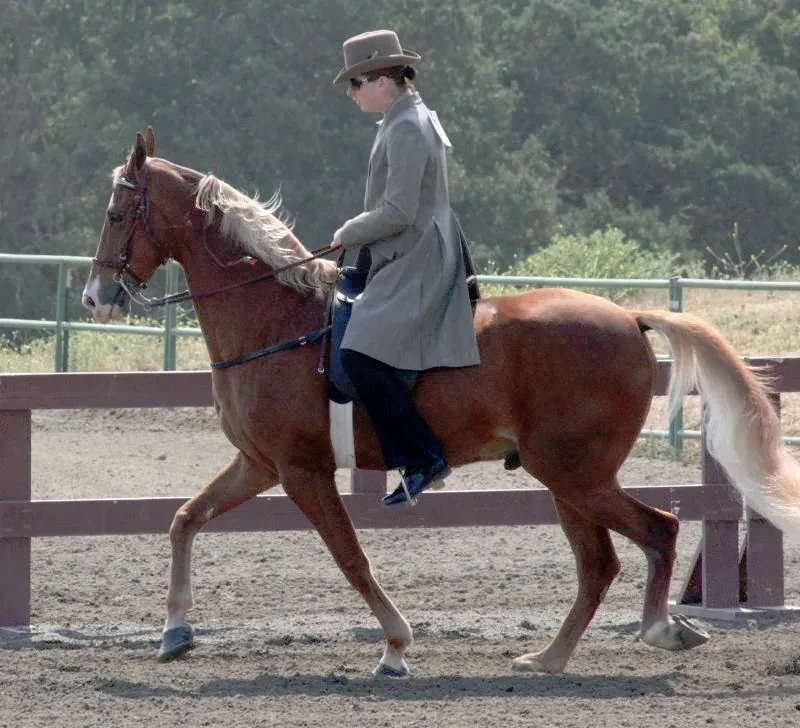
The Tennessee Walker’s famous running walk is genuinely one of the smoothest rides a horse can offer, and for older riders or people with back problems, that comfort is a real draw. Breeders market them heavily as beginner-friendly, and in the right circumstances – the right bloodline, the right training history – some individual horses truly are. But vets see what happens when that marketing oversimplifies a breed with real complexity underneath it.
Gaited horses require specific knowledge to maintain their movement correctly, and beginners who default to standard English or Western cues often confuse the horse enough to disrupt or distort the gait entirely. The breed’s history also includes a shadow that responsible owners can’t ignore: the documented use of abusive training methods called “soring” to exaggerate movement in certain show lines, leaving some horses with chronic pain and deep distrust of handling. Beyond that, hoof and leg issues run higher in individuals with poor conformation – something first-time buyers rarely know to evaluate at purchase. Specialized farriery isn’t optional; it’s constant.
#9 – Icelandic Horses
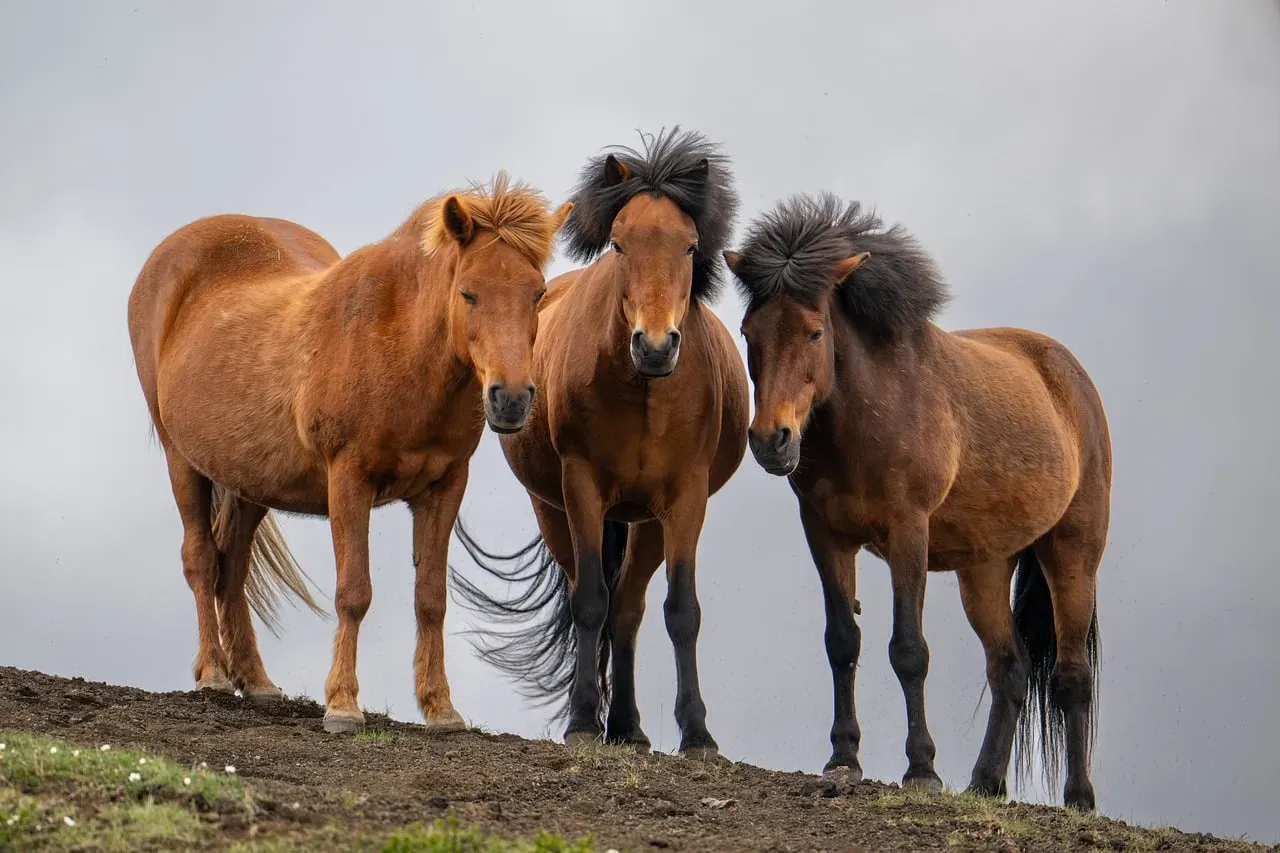
Icelandics have carved out a passionate following, and it’s easy to see why. They’re compact, sturdy, famously long-lived, and they come with extra gaits – including the tolt, a smooth four-beat gait that feels effortless under a rider. They also have a reputation as the “friendly Viking pony,” which draws in beginners who want something manageable in a smaller package. That reputation is real, but it is incomplete in ways that matter.
These horses were bred in geographic isolation for over a thousand years, developing a fierce self-preservation instinct and an independent mind that has never been fully domesticated in the way warmblood breeds have been. Heavy-handed correction or inconsistent leadership doesn’t just frustrate them – it activates a stubbornness that surprises owners who expected a docile pony. Their dense coats and highly efficient metabolism also create serious management challenges in warmer American climates, where many new owners live, making obesity, laminitis, and heat stress real risks. The “easy” horse turns out to require an experienced eye to stay healthy and well-behaved.
Worth Knowing
- Icelandic Horses have been bred in near-total isolation for over 1,000 years – no outside bloodlines, no dilution of their fierce independence.
- Iceland prohibits the re-entry of exported horses, making the breed’s gene pool unusually closed and its traits deeply fixed.
- Their “thrifty” metabolism was built for volcanic tundra, not lush American pastures – obesity and laminitis are constant risks in new climates.
- The tolt and flying pace require breed-specific riding instruction; standard English or Western cues can actively suppress or distort these gaits.
- Despite their pony-sized frame, they are classified as horses – and they carry themselves with every ounce of that distinction.
#8 – Standardbreds
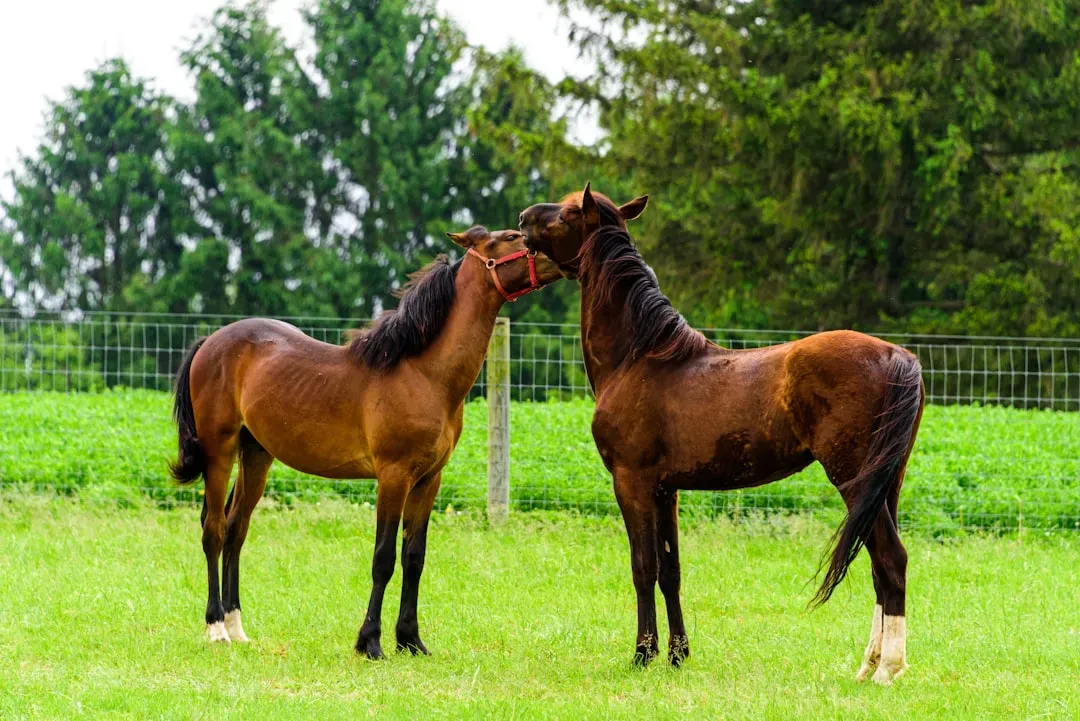
Retired Standardbreds look like a bargain on paper. They’re often inexpensive to acquire, physically tough, and widely praised in rescue circles for their sweet temperaments. Vets don’t dispute the temperament part. What they warn about is what happens when a novice owner doesn’t understand that a horse who spent years on a track has been conditioned, at a neurological level, to respond to specific cues in specific ways – and some of those conditioned responses are genuinely dangerous in a trail or arena setting.
Bolting incidents tied to Standardbreds frequently occur when an inexperienced rider accidentally mimics a racing signal – a shift in weight, a specific sound, a sudden release of pressure – and the horse does exactly what it was trained to do at speed. Their lean frames also require careful, knowledgeable conditioning to stay sound in work that’s completely different from racing, and many carry the metabolic residue of high-sugar track diets that create health surprises months after retirement. The purchase price is low. The ongoing cost of getting it right without professional help rarely is.
#7 – Percheron Drafts
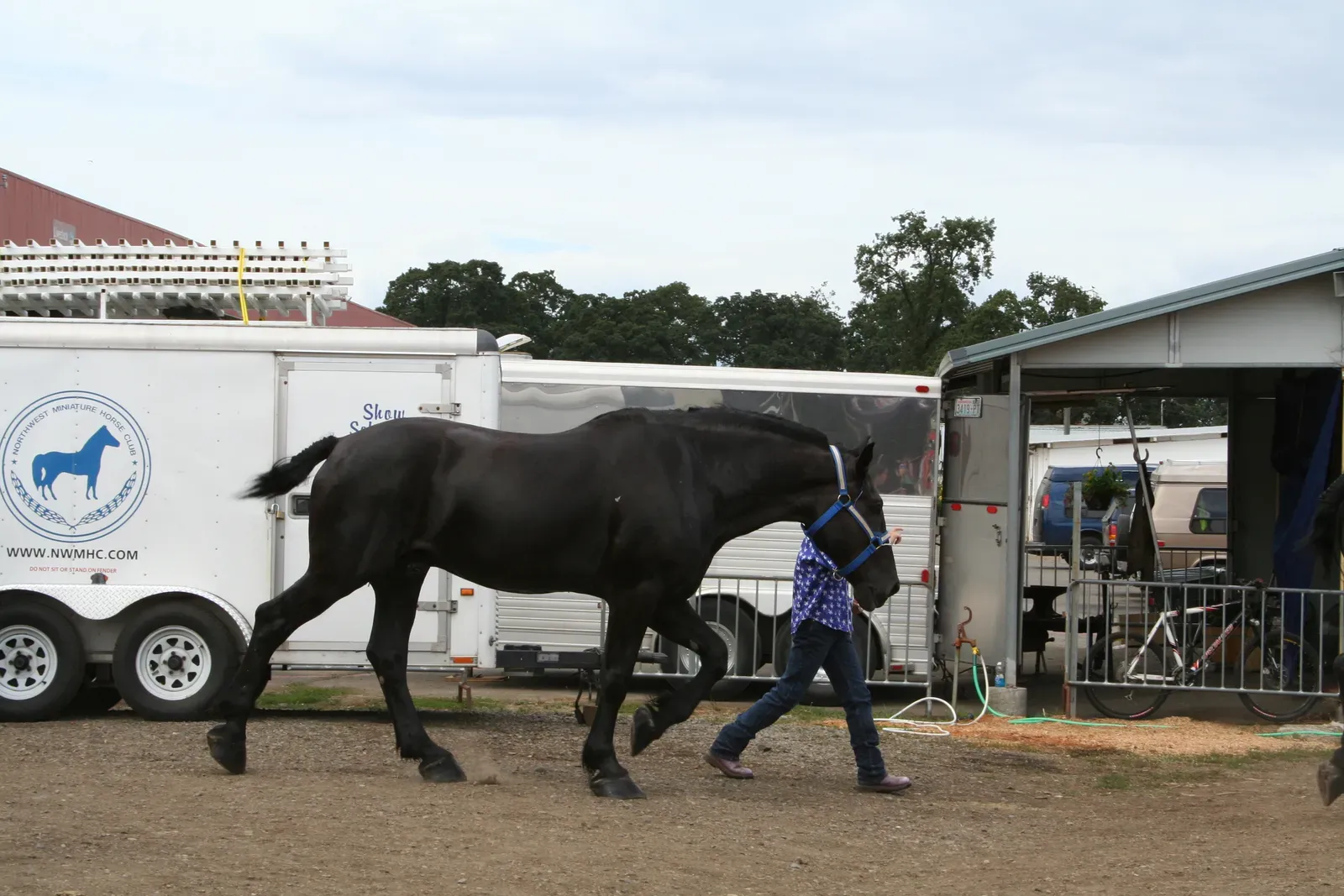
Percherons occupy a sweet spot in beginner fantasy: they’re magnificent to look at, more affordable than many warmbloods, and they carry a reputation as gentle giants that makes nervous first-timers feel safe. Vets understand the appeal. They also treat the injuries. Because “gentle” in a horse that weighs over a ton is a relative term, and gentleness does not compensate for a novice who doesn’t know how to control 2,000 pounds when something goes wrong.
The physical danger is real and immediate – one accidental step, one spook while leading, one bad loading situation, and the size differential between horse and handler becomes a trauma statistic. But the slower danger is metabolic. Percherons are famously easy keepers, meaning they extract maximum nutrition from minimum food, and well-meaning owners who overfeed them face devastating consequences: laminitis, a painful and often permanently debilitating rotation of the hoof bones, is dramatically more common in this breed under novice management. Their large hooves and joints also demand farriers and vets with draft-specific experience that not every rural area can provide.
#6 – Shire Horses
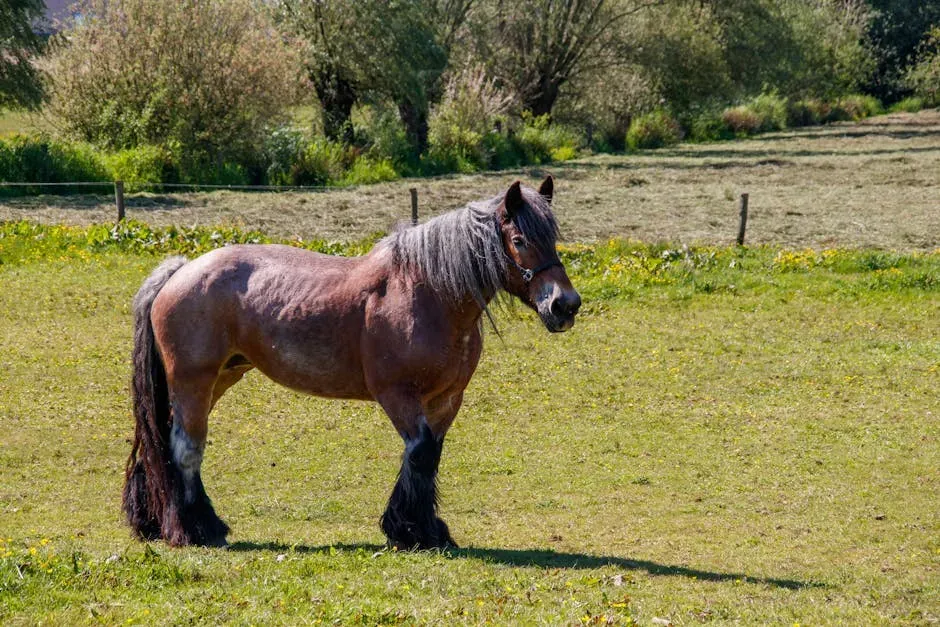
If the Percheron draws buyers with its majesty, the Shire draws them with something close to awe. These are among the largest horses alive, with feathered feet the size of dinner plates and a presence that makes people feel like they’ve stepped into a different century. The impulse to own one is understandable. The reality of caring for one, every single day, in all weather, is something that overwhelms first-time owners faster than almost any other breed on this list.
The feathering that makes Shires visually stunning is a daily grooming obligation, not an aesthetic choice – fail to keep it clean and dry and the horse develops painful skin infections, thrush, and hoof abscesses with alarming speed. Vets also note that the Shire’s famous calm disposition holds only under consistent, experienced handling; push them into confusion or handle them with unearned confidence and a defensive response from a horse this size is not an inconvenience, it’s an emergency. Feed costs, space requirements, and the sheer physical labor of daily care routinely exceed what first-time setups can realistically support.
Quick Compare: Draft Breed Hidden Health Costs
- Chronic Progressive Lymphedema (CPL): Documented in Shires, Clydesdales, Percherons, Friesians, and Belgians – no cure exists, only lifelong management.
- Feather-related skin disease: Daily drying and inspection required; neglect leads to painful dermatitis, thrush, and abscesses within days in wet conditions.
- Feed volume: Large drafts may consume 30–50 lbs of forage daily – feed bills alone can exceed several hundred dollars per month.
- Farrier costs: Draft-specific shoeing requires specialists; costs are significantly higher than for light horse breeds and must occur every 6–8 weeks.
#5 – Clydesdale Horses
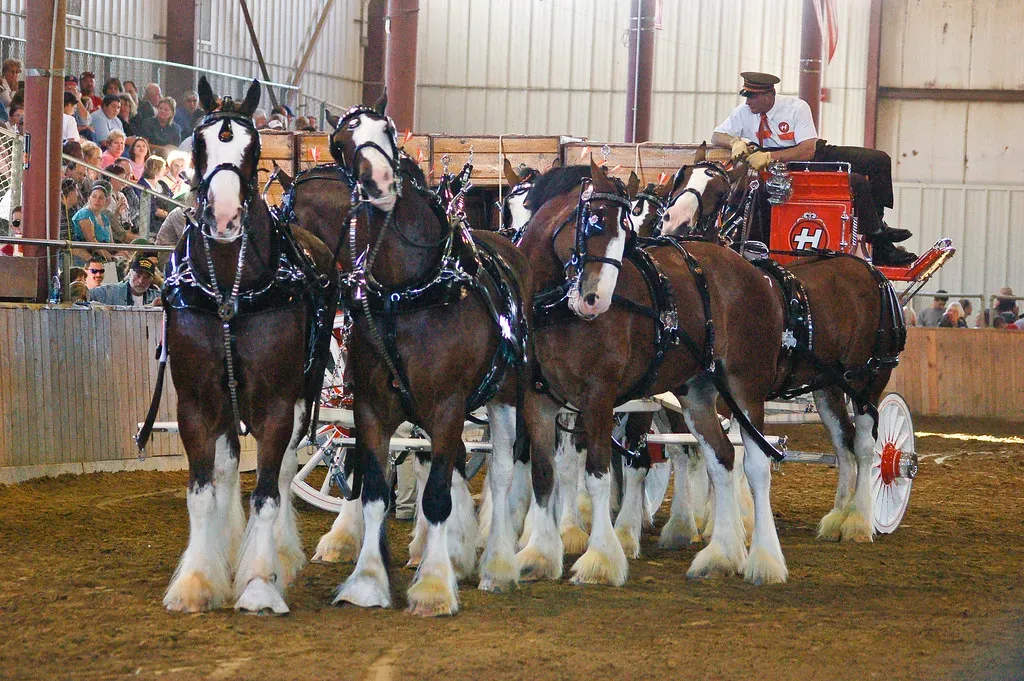
The Budweiser commercials have done more to spike Clydesdale purchases than any breeder’s marketing campaign ever could. Those horses are majestic, undeniably, and the cultural warmth around the breed makes them feel approachable and safe. Vets wish more people understood how much work goes into those commercial horses before they ever appear on screen – and how different that is from what an unprepared owner brings home.
Beyond the daily grooming demands and draft-scale feed and farrier bills, Clydesdales carry a significantly elevated risk of chronic progressive lymphedema – a progressive swelling condition in the lower legs that has no cure and requires lifelong management to keep under control. It is painful, it is expensive, and it is almost always underdiagnosed by owners who don’t know to look for it. First-time owners drawn in by the breed’s iconic look rarely budget for that reality, and the horses suffer for it in ways that are entirely preventable with the right preparation and the right vet relationship from day one.
#4 – Mustangs
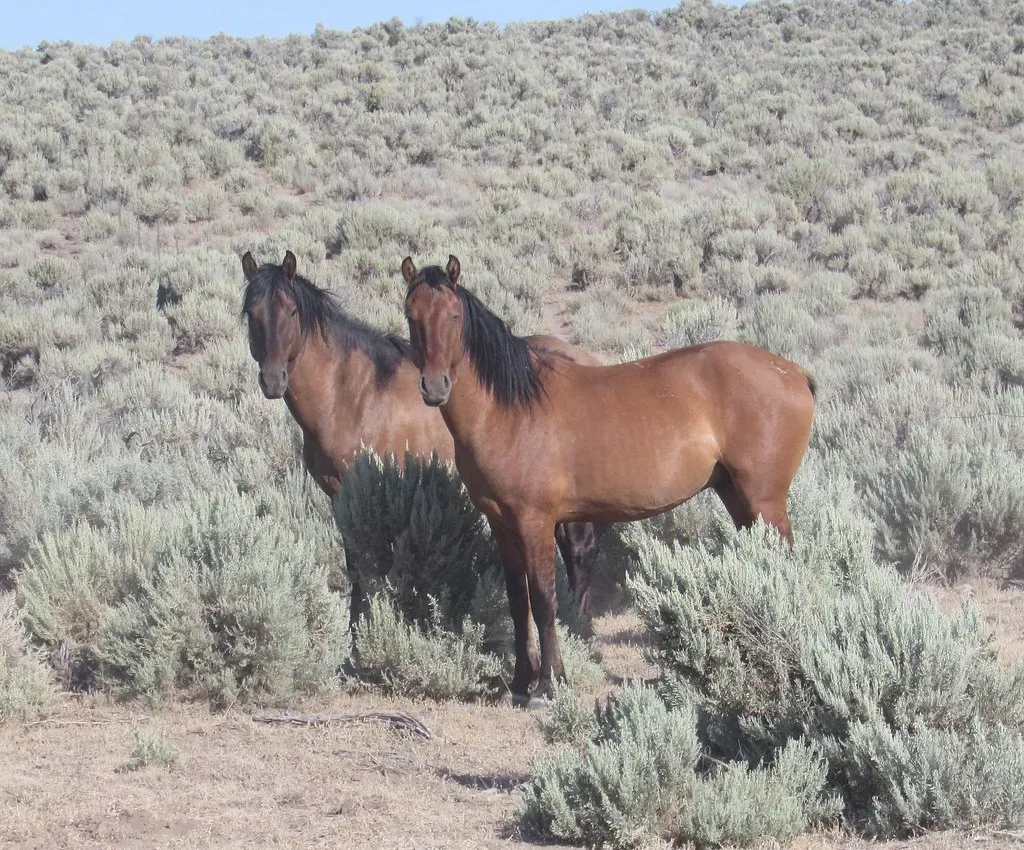
The Mustang carries a story that is hard to resist – wild, free, resilient, waiting to be understood by someone patient enough to earn their trust. Rescue organizations share those stories constantly, and they are often true. What gets left out of the narrative is the qualification fine print: the trainers who successfully gentle Mustangs have usually spent years developing the specific skills required, and those skills are not transferable through enthusiasm alone.
Vets document a high injury rate in novice Mustang adoptions, particularly in the first twelve months when the horse is still establishing its relationship with humans and its understanding of boundaries. Their adaptability – one of the breed’s genuine strengths – cuts both ways: a Mustang will figure out very quickly whether its handler knows what they’re doing, and if the answer is no, the horse will fill that leadership vacuum in ways that are dangerous and difficult to reverse. Adoption programs are transparent about this, recommending professional trainers. Most first-time buyers skip that step anyway, convinced that love and patience are enough. They’re not.
#3 – Thoroughbreds
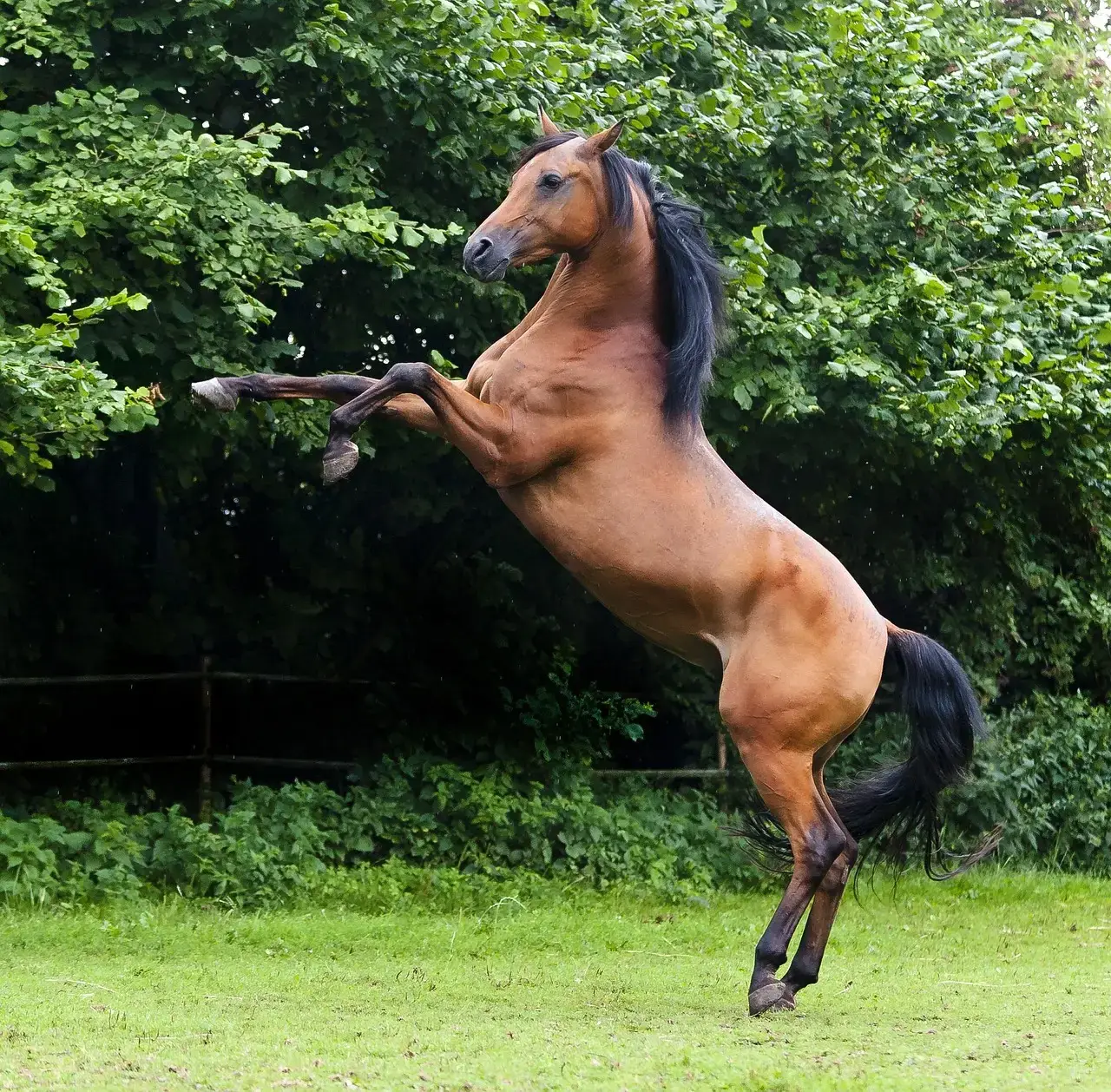
Off-the-track Thoroughbreds have become one of the most heavily promoted rehoming stories in the horse world, and for good reason – they deserve second chances, and in experienced hands, they often become extraordinary animals. The problem is that “off the track” has started to sound like “ready for beginners,” and those two things are not the same. Vets treating Thoroughbreds in novice homes see a specific and recurring pattern of damage: gastric ulcers, soft tissue injuries, and behavioral deterioration driven by the gap between what the horse needs and what the owner can provide.
Thoroughbreds are wired for speed and sensitivity. Their racing past leaves many of them reactive to sudden sounds, unpredictable movements, and inconsistent energy from a rider – exactly the things beginners produce without realizing it. Their flight response is fast and powerful, and on a trail or in a ring with an unbalanced rider, a spook doesn’t just feel big, it is big. They also require daily mental stimulation and precise conditioning to stay sound and emotionally stable, both of which demand a level of horsemanship that takes years to develop. The horses don’t fail. The preparation does.
Fast Facts: Thoroughbreds and Gastric Ulcers
- Studies show gastric ulcer rates in Thoroughbred racehorses can reach 80–100% within just 2–3 months of training.
- Even Thoroughbreds at pasture show ulcer prevalence above 70% in some research populations – this is a breed wired for digestive stress.
- Ulcers often produce no obvious external signs, meaning novice owners miss them entirely until behavioral problems escalate.
- Stress-reactive horses with severe ulcers show measurably higher stress hormone responses – mishandling makes the cycle dramatically worse.
- Transitioning an off-track horse to a low-stress management routine requires months of structured, expert-guided decompression – not a weekend of trail rides.
The horse is a mirror to your soul. Sometimes you might not like what you see in the mirror.
Buck Brannaman
#2 – Arabian Horses
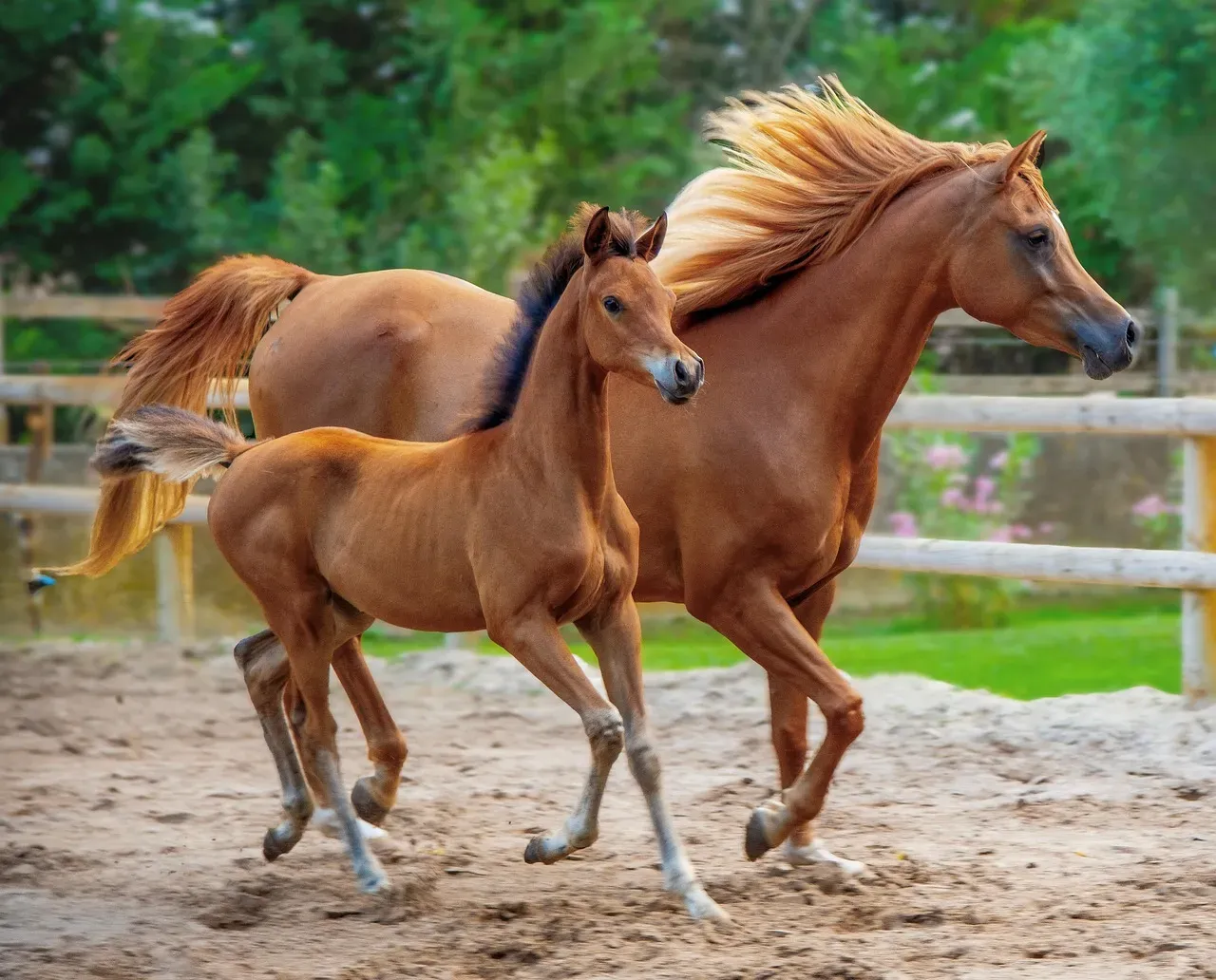
Arabians are one of the oldest and most beautiful breeds in the world, and their endurance, intelligence, and loyalty in the right hands are genuinely exceptional. They are also consistently among the breeds that vets see creating the most serious problems for first-time owners – not because the horses are flawed, but because everything that makes them magnificent also makes them unforgiving of inexperience. Their sensitivity isn’t a quirk. It is the entire operating system of the breed.
An Arabian reads its rider’s confidence, timing, and emotional state with a precision that experienced horsewomen describe as both a gift and a responsibility. A novice who lacks that confidence doesn’t just have a bad ride – they inadvertently teach the horse that uncertainty is normal, and the horse begins to fill that vacuum with anxiety, resistance, or outright reactivity. Behavioral issues in Arabians tied to mismatched ownership are not rare edge cases; vets and trainers see them constantly, and rehabilitation is slow and expensive. The breed’s soaring popularity in media and show circles keeps funneling the wrong buyers toward these horses, and the horses keep paying for it.
Why It Stands Out
- Arabians are classified as “hot-blooded” – veterinary and breed sources consistently flag them as unsuitable for beginners or inexperienced owners.
- Research confirms a genetic predisposition to Equine Metabolic Syndrome, making diet management a lifelong, expert-guided necessity.
- Their intelligence is a double-edged sword: they learn quickly – including bad habits taught accidentally by nervous or inconsistent handlers.
- Arabians have one fewer vertebra and one fewer pair of ribs than most horse breeds, giving them a uniquely compact and sensitive frame.
- Every modern light horse breed traces ancestry back to the Arabian – their sensitivity and responsiveness are foundational, not incidental.
#1 – Miniature Horses
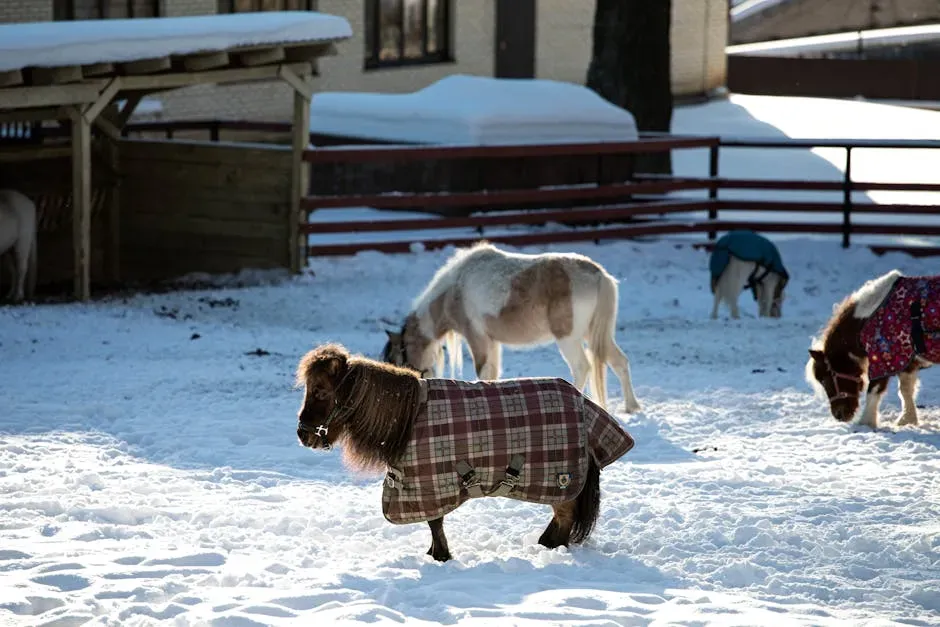
This is the entry that genuinely shocks people, and it should. Miniature horses sit at the absolute top of vets’ most-problematic-for-novices lists not despite their small size, but because of it. The size makes people stop treating them like horses. They’re handled roughly by children, kept in inadequate spaces, fed like pets, and trained with none of the structure that a horse – regardless of height – requires to be safe, healthy, and emotionally stable. The cuteness factor is the entire problem.
What owners discover too late is that miniature horses carry the same dental complexity, hoof care demands, and metabolic vulnerability as full-sized horses, compressed into a smaller frame that is, if anything, more prone to issues like hyperlipemia – a life-threatening metabolic crisis triggered by inadequate nutrition or stress – than their larger relatives. Their stubbornness, misread as adorable defiance, is actually a horse establishing dominance over an owner who doesn’t recognize the dynamic. Many end up as permanent pasture ornaments: alive, but untouchable, unhealthy, and completely unhandled. Vets describe the miniature horse as the breed where the gap between expectation and reality is widest, and where it does the most quiet, sustained damage.
The Real Takeaway
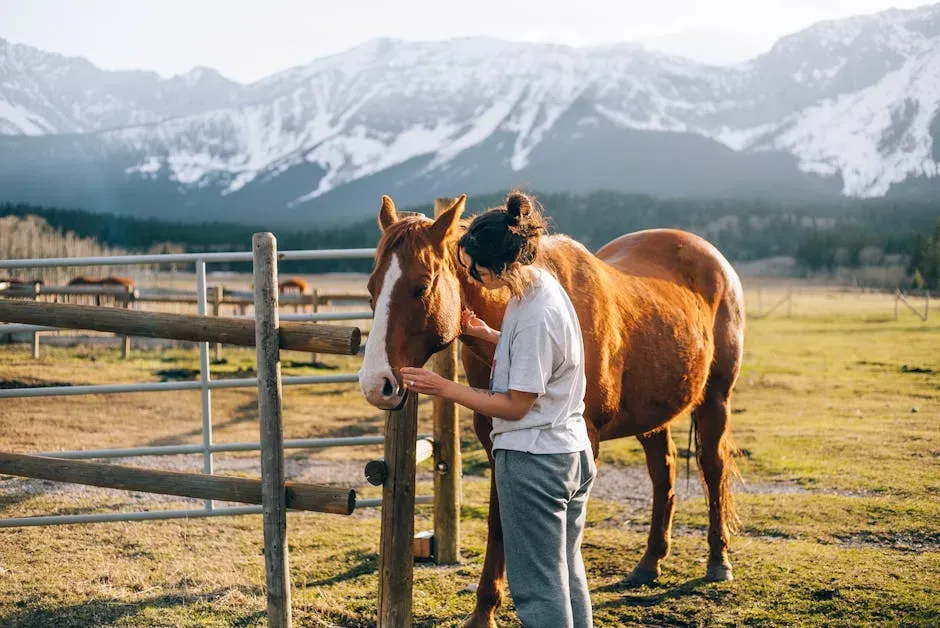
There is a clear and honest conclusion that emerges from everything vets report, and it is this: the horse industry does a poor job of protecting horses from their own popularity. Every breed on this list has produced magnificent animals. Every breed has also produced heartbreaking outcomes when sold to people who were told that wanting one was enough preparation for owning one. It wasn’t. It never is.
The solution isn’t to make these breeds inaccessible. It’s to be radically honest about the gap between the dream and the daily reality – the grooming at 6 a.m. in January, the vet bills that arrive without warning, the years of skill development required before some of these horses will trust you enough to show you what they’re actually capable of. First-time owners deserve that honesty before they sign the papers, not after the first crisis. And the horses – every single one of them – deserve an owner who walked in with their eyes open.

- The 6 Zodiac Signs Whose Spirit Animals Reveal Their Darkest Secrets - August 15, 2026
- 10 Things You Should Never Do Around Cats (Even If You Think They Like It) - August 15, 2026
- What Legendary Animal Are You According to Your Zodiac Sign - August 15, 2026