Some behaviors in the animal kingdom quietly upend long held assumptions about intelligence. Creatures once dismissed as instinct driven reveal themselves as problem solvers who select, modify, and wield objects with clear purpose. These moments of ingenuity invite a closer look at how minds work across species and what that reveals about our own place in the natural order.
Chimpanzees Fishing for Termites with Sticks
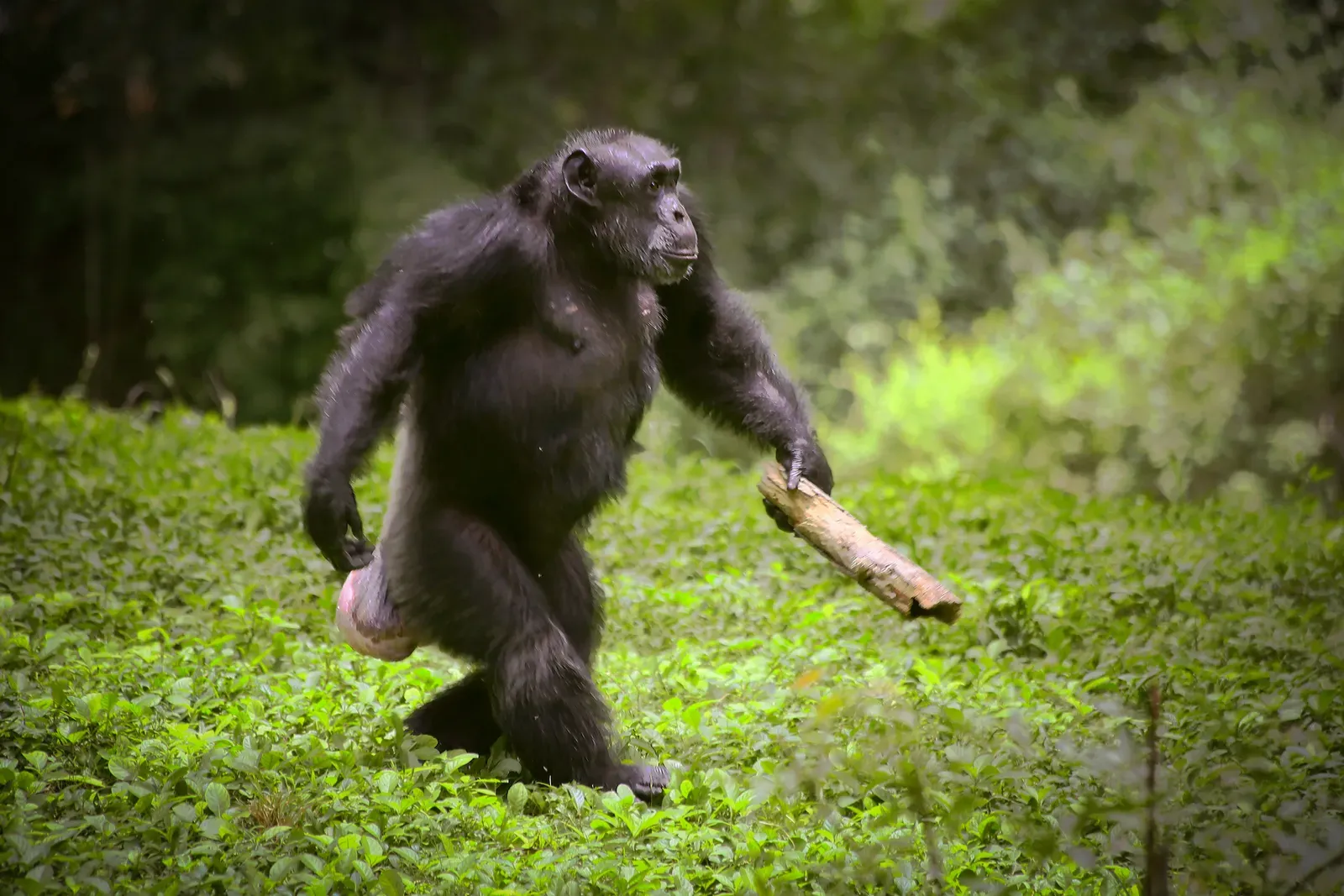
Chimpanzees Fishing for Termites with Sticks (By Dakshin90, CC BY-SA 4.0)
Chimpanzees in several African forests select slender branches or grass stems and strip away leaves to create effective probes. They insert these tools into termite mounds, wait for the insects to cling on, and then withdraw the stick to eat the catch. This technique varies by group, with young chimps watching and copying adults over months or years. The behavior shows planning because individuals often carry suitable sticks some distance to promising mounds. Different communities favor slightly different materials or insertion angles, hinting at local traditions passed along socially. Such observations have helped scientists trace how simple actions can evolve into complex skills without language.
New Caledonian Crows Crafting Hooked Tools
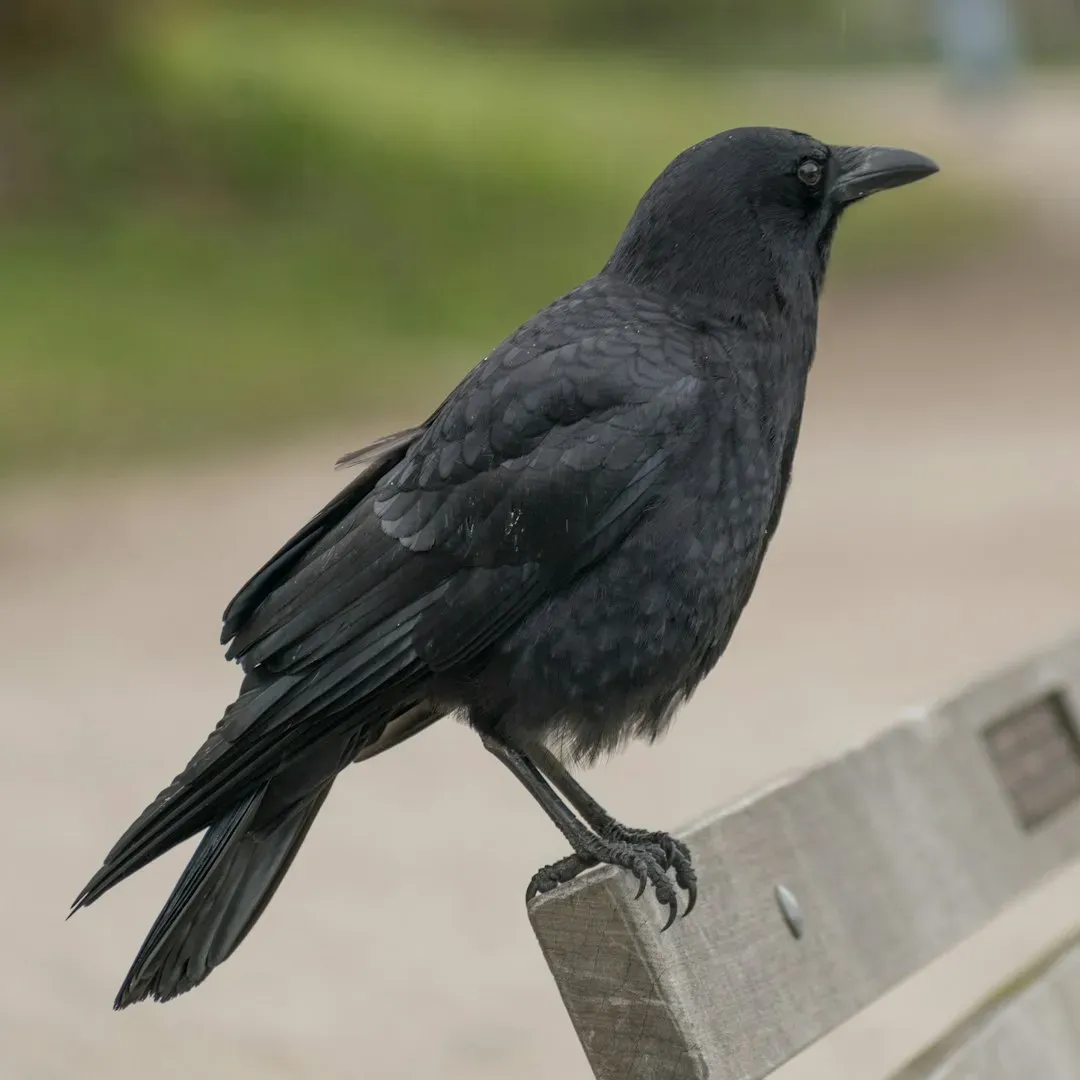
New Caledonian Crows Crafting Hooked Tools (Image Credits: Unsplash)
These crows in the South Pacific bend twigs or strips of pandanus leaves into hooks that reach larvae hidden inside dead wood. They test the shape by probing and adjust it further if needed before committing to a foraging attempt. The process requires precise beak work and an understanding of cause and effect. Researchers have watched the birds discard poorly shaped pieces and start over, demonstrating selectivity rather than random trial. This level of manufacture appears in the wild and persists across generations in certain populations. It stands out because few other non human species reshape objects so deliberately for a single purpose.
Sea Otters Hammering Shellfish with Stones
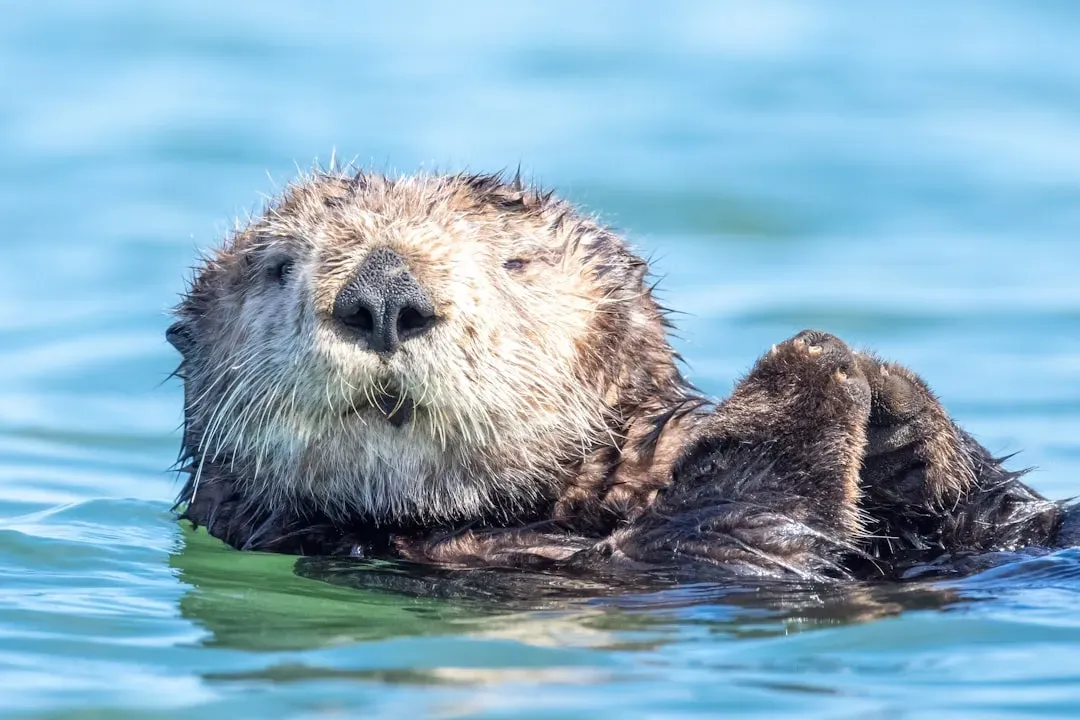
Sea Otters Hammering Shellfish with Stones (Image Credits: Unsplash)
Otters along the Pacific coast dive for abalone, clams, or urchins and surface with a rock tucked against their chest. Floating on their backs, they pound the prey against the stone until the shell cracks open. Some keep a favored rock for an entire foraging session by tucking it into a fold of skin under the arm. The choice of stone matters. Otters avoid soft or crumbly rocks and return to the same anvil like surfaces on repeated dives. This consistent use of an external object expands their diet to include prey too tough for teeth alone.
Dolphins Wearing Sponges While Foraging
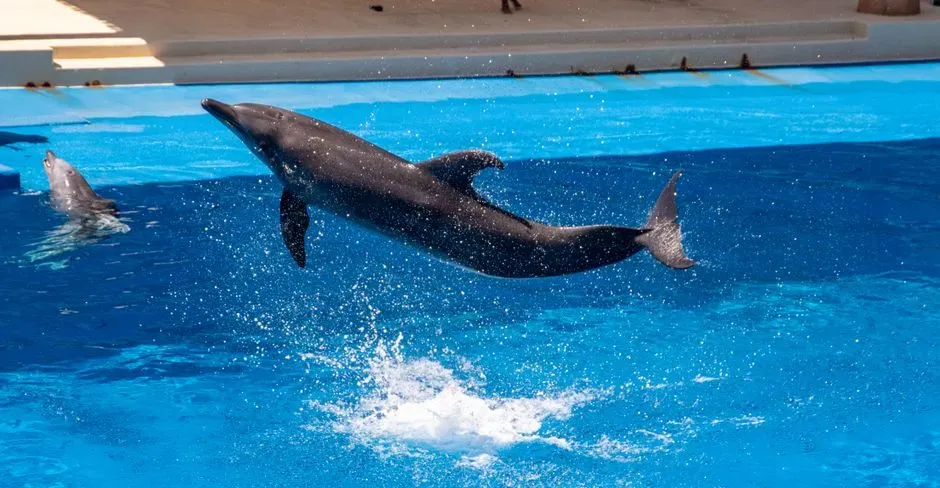
Dolphins Wearing Sponges While Foraging (Image Credits: Pexels)
In Shark Bay, Australia, certain bottlenose dolphins tear off cone shaped sponges and fit them over their rostrums before rooting in the sandy seafloor. The sponge cushions against sharp rocks and stingrays that might otherwise injure the sensitive snout. Only a subset of the population, mostly females, adopts this habit. Mothers pass the technique to daughters through close observation during calf hood. The behavior allows access to fish that hide in sediment and would otherwise remain out of reach. It represents one of the clearest cases of tool use transmitted culturally in a marine mammal.
Octopuses Carrying Coconut Shells for Shelter
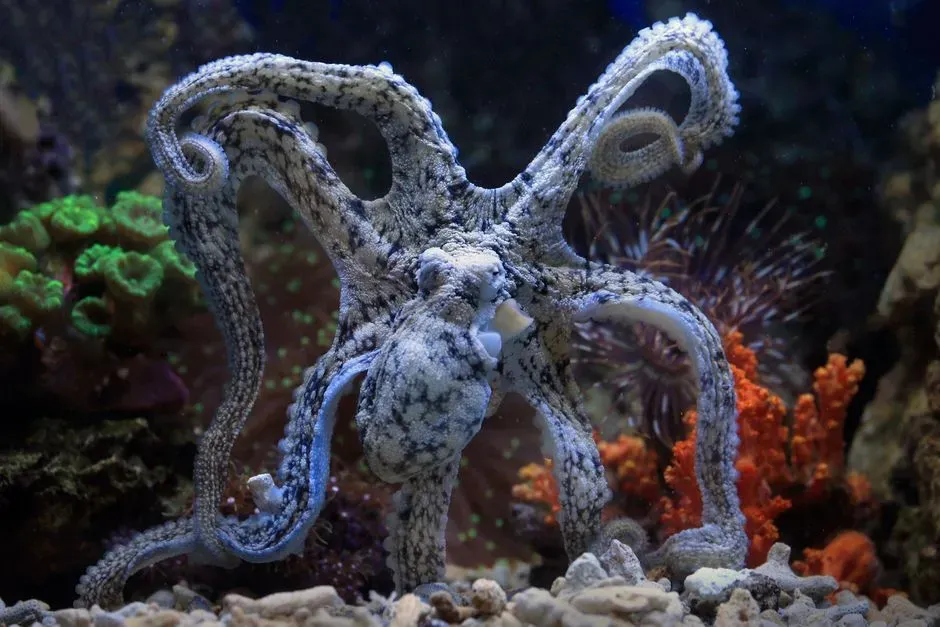
Octopuses Carrying Coconut Shells for Shelter (Image Credits: Pexels)
Veined octopuses in Indonesian waters collect halved coconut shells discarded by humans or naturally split. They carry the pieces while walking on the seafloor, sometimes stacking two halves together. When threatened or needing rest, they assemble the shells into a portable den. The effort of transporting bulky objects shows the animals weigh immediate costs against future safety. They also use the shells to block den entrances or create barriers against predators. This portable architecture highlights flexibility in an invertebrate brain.
Elephants Swatting Flies with Branches
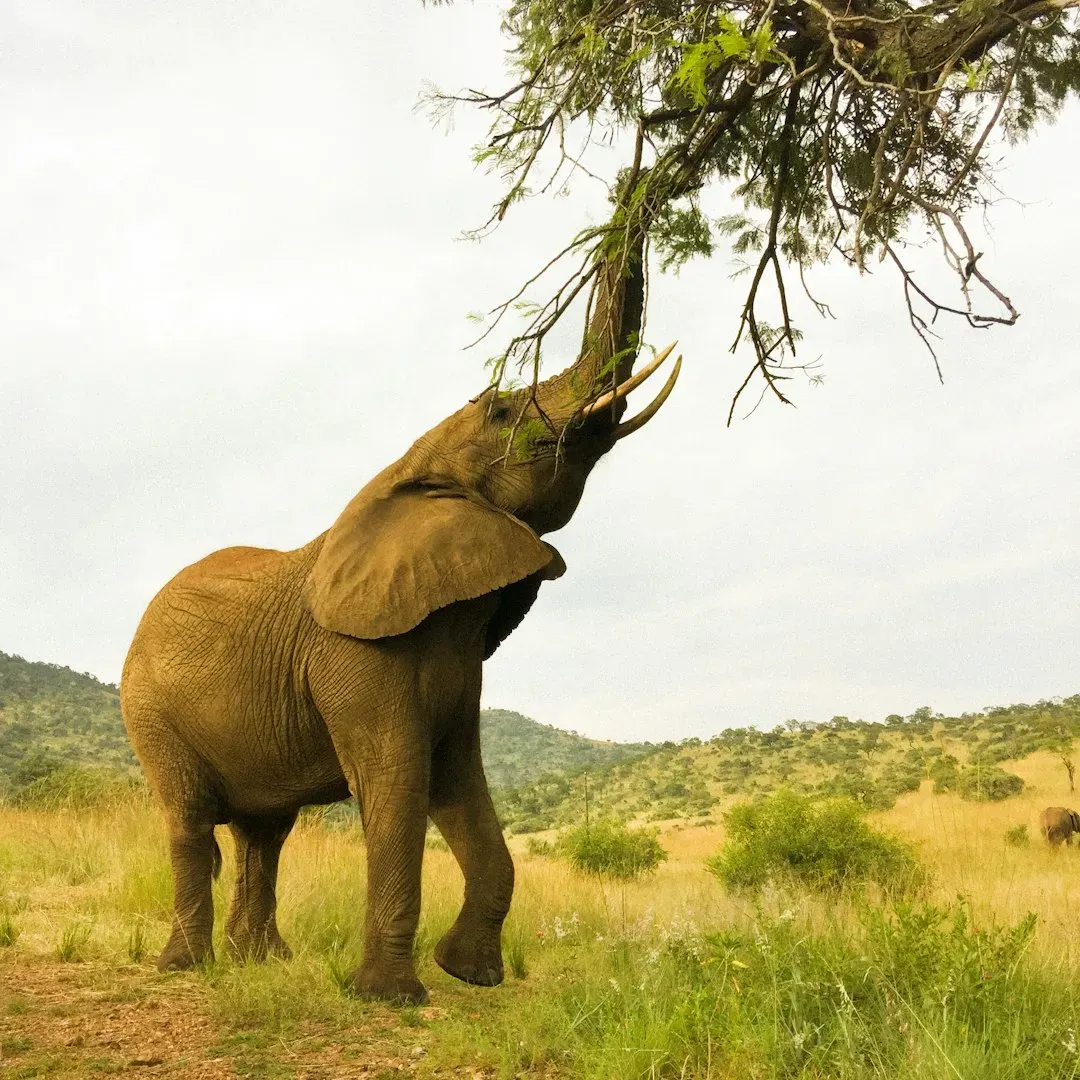
Elephants Swatting Flies with Branches (Image Credits: Unsplash)
African and Asian elephants break off leafy branches and hold them in their trunks to flick away biting insects. They also use sticks to scratch hard to reach spots on their bodies or to plug water holes they have dug so the water does not evaporate quickly. These actions occur in both wild and captive settings. The choice of branch length and leaf density suggests some discrimination. Elephants sometimes modify the tool by stripping extra leaves or shortening the stick. Such comfort and maintenance behaviors expand the definition of tool use beyond food gathering alone.
Capuchin Monkeys Cracking Nuts with Stones
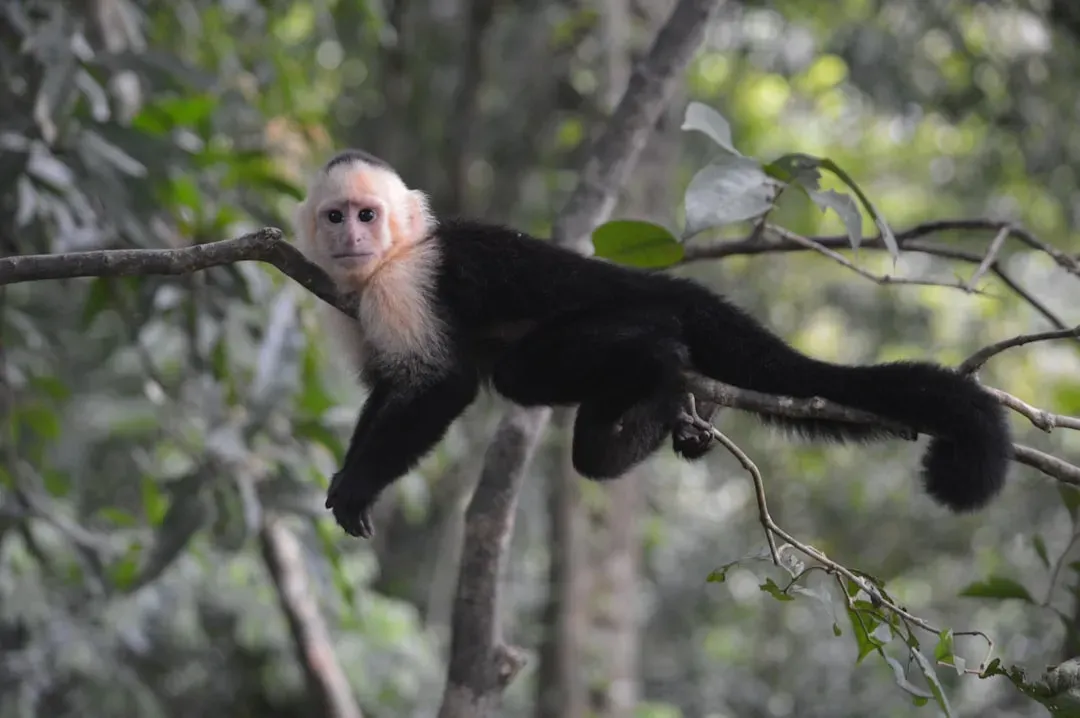
Capuchin Monkeys Cracking Nuts with Stones (Image Credits: Unsplash)
Bearded capuchins in Brazil select heavy stones and position them above hard shelled palm nuts placed on flat rock surfaces. They raise and drop the hammer stones repeatedly until the nut opens. Groups return to the same anvil sites over years, wearing grooves into the rock. Young monkeys spend considerable time watching and practicing before they succeed consistently. The stones chosen are often larger than the monkeys themselves, requiring strength and coordination. This stone tool tradition parallels early human technologies in interesting ways.
Woodpecker Finches Probing with Cactus Spines
Woodpecker Finches Probing with Cactus Spines (Image Credits: Unsplash)
These Galápagos birds grasp cactus spines or small twigs in their beaks and use them to pry insects from crevices in tree bark. When a spine breaks or proves too short, the finch discards it and selects another. The tool extends their reach into spaces their beaks cannot enter directly. The behavior appears most often during dry seasons when insect prey hides deeper. Individuals show individual preferences for certain spine lengths or materials. It offers a clear example of tool use in a bird species outside the crow family.
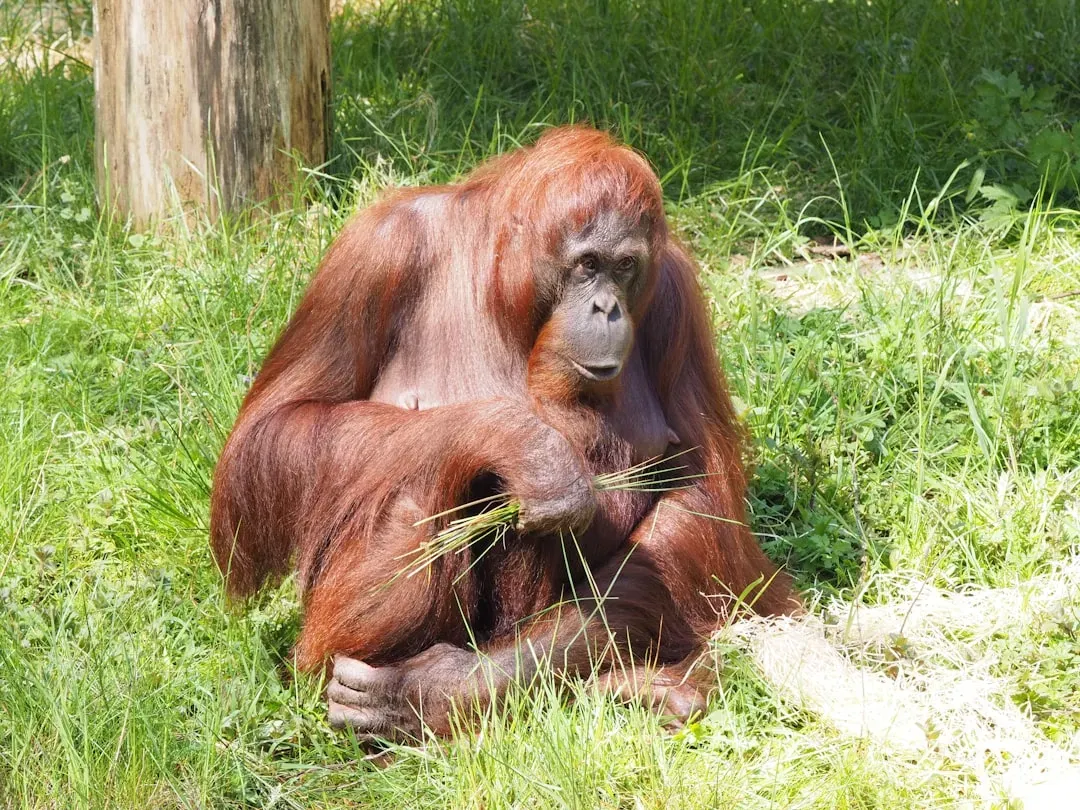
Orangutans Using Sticks to Extract Seeds
Orangutans Using Sticks to Extract Seeds (Image Credits: Unsplash)
Bornean orangutans fashion sticks to pry seeds from the spiny fruits of the Neesia tree. They also hold leafy branches over their heads during rain or use sticks to test the depth of swampy ground before crossing. These actions occur in the canopy and on the forest floor. The seed extraction technique requires careful insertion to avoid the irritating hairs inside the fruit. Mothers have been seen handing modified sticks to offspring, suggesting teaching. The range of contexts shows versatility rather than a single fixed behavior.
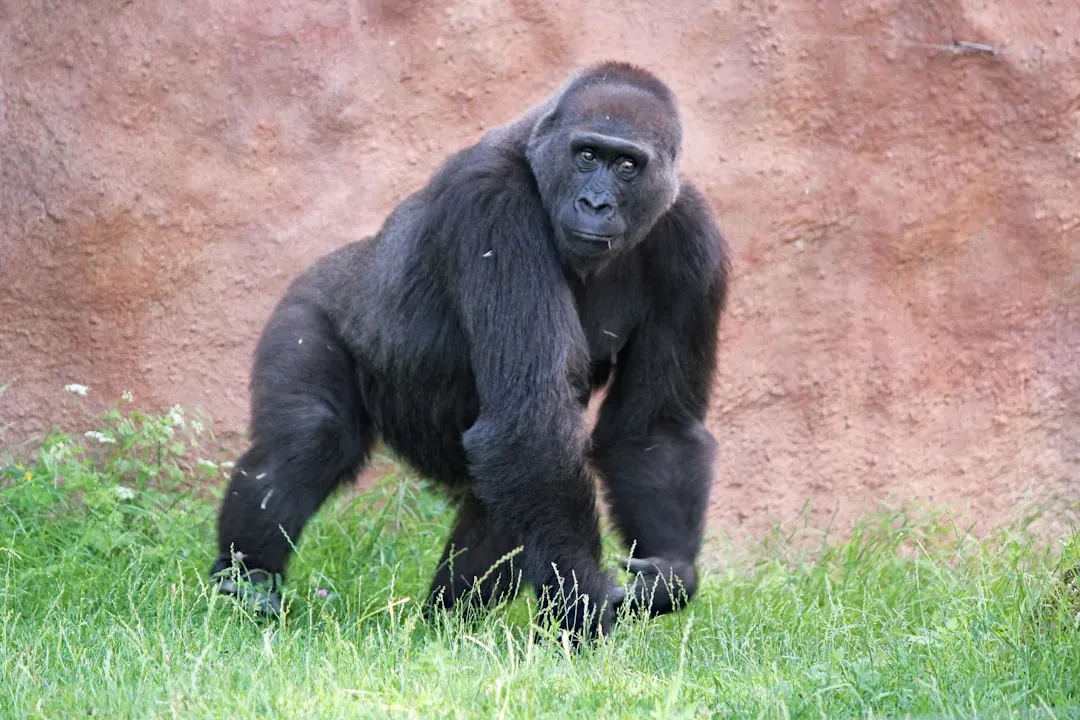
Gorillas Testing Water Depth with Sticks
Gorillas Testing Water Depth with Sticks (Image Credits: Unsplash)
In swampy forests of the Congo, gorillas pick up sticks and probe ahead while wading through deep pools. One documented case involved an adult female laying a trunk across a gap to serve as a bridge. The animals appear to assess stability before committing their full weight. Such caution reduces the risk of getting stuck in mud or hidden holes. The behavior surfaces mainly in specific habitats where water crossings are frequent. It adds another primate example of using an object to gather information about the environment.
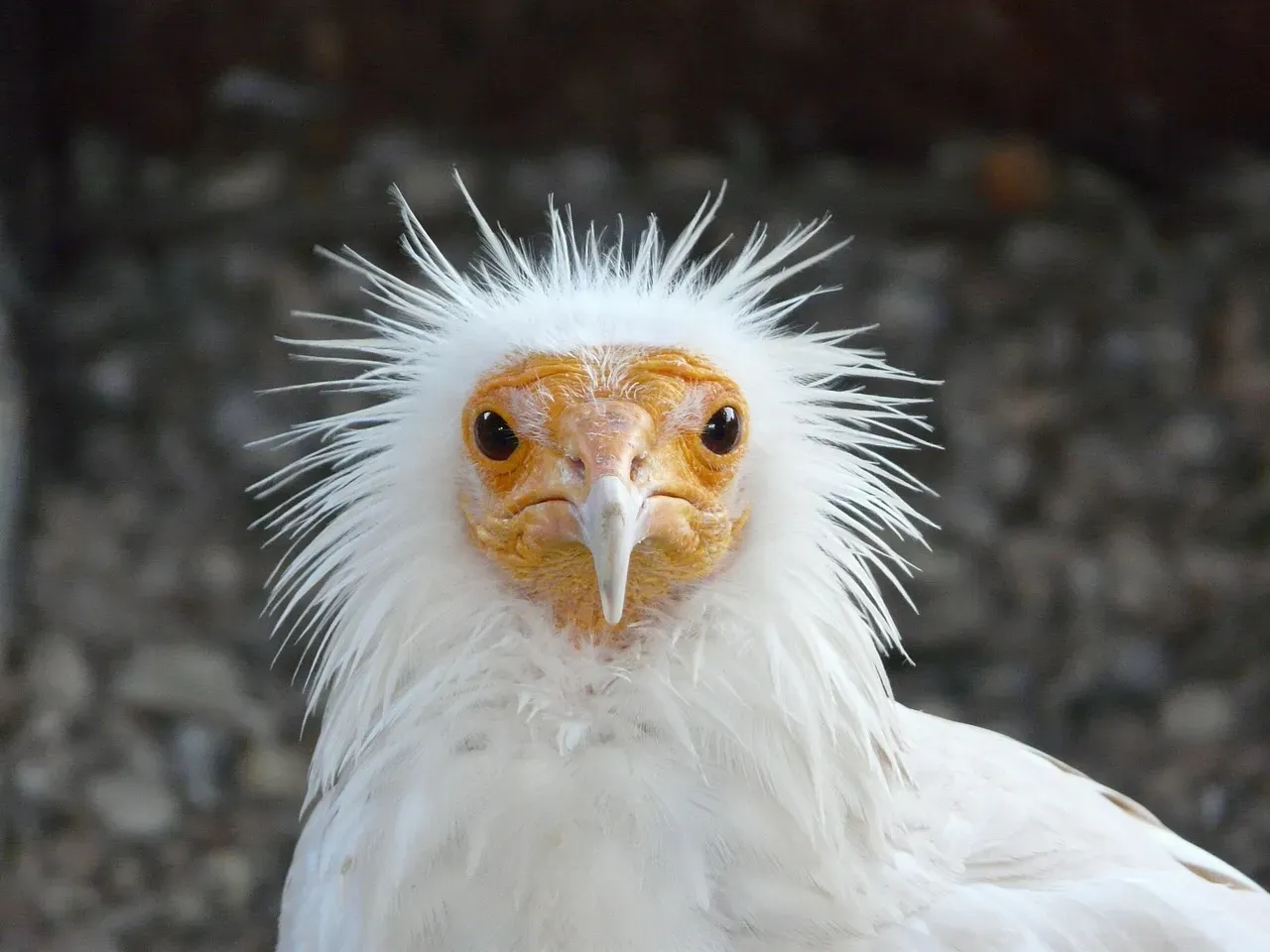
Egyptian Vultures Dropping Stones on Eggs
Egyptian Vultures Dropping Stones on Eggs (Image Credits: Pixabay)
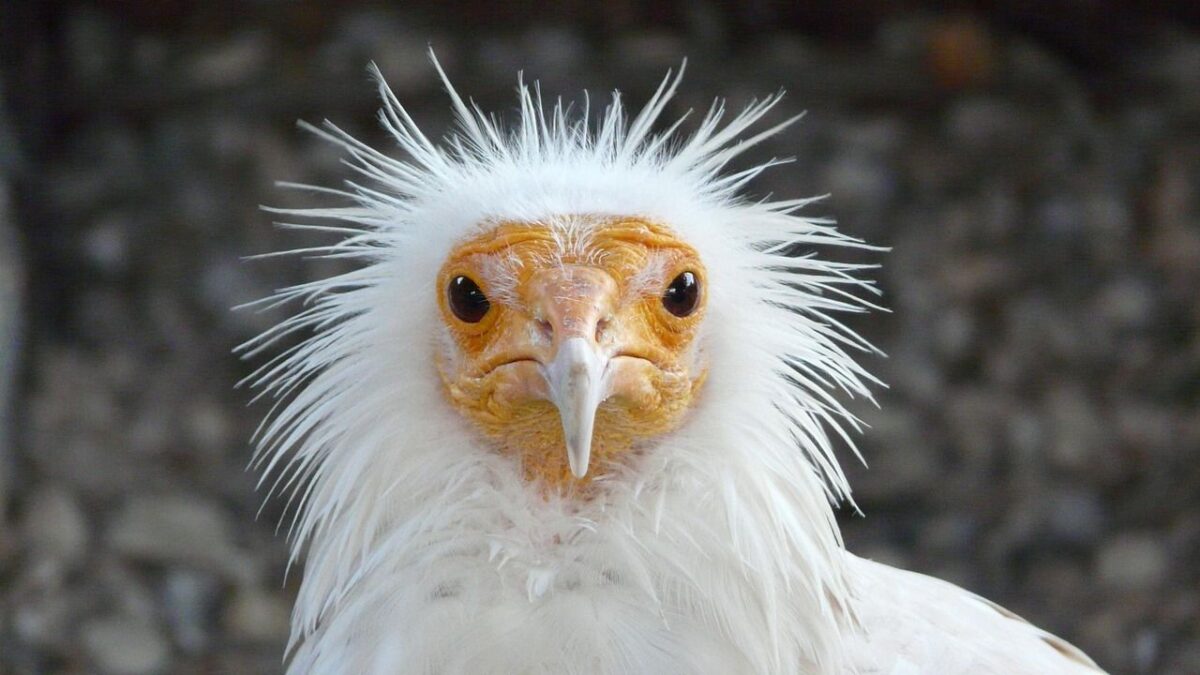
These vultures pick up rocks and drop them from above onto ostrich eggs too thick for their beaks to crack. They select stones of appropriate size and return to productive sites repeatedly. The tactic works best on flat ground where the egg cannot roll away. Success rates improve with practice, and some individuals specialize in this method during nesting season. The behavior spreads through observation within local populations. It demonstrates tool use in a bird that relies on gravity rather than manipulation.
Green Herons Using Bait to Lure Fish
Green Herons Using Bait to Lure Fish (Image Credits: Pixabay)
Green herons drop insects, feathers, or bits of bread onto the water surface and wait for fish to investigate. When a fish approaches the bait, the bird strikes. Some individuals even wiggle the bait to make it more attractive. The herons choose locations with good fish traffic and reuse productive spots. This active manipulation of prey behavior expands their hunting options beyond simple stalking. It appears in both wild and suburban settings where human food scraps are available.
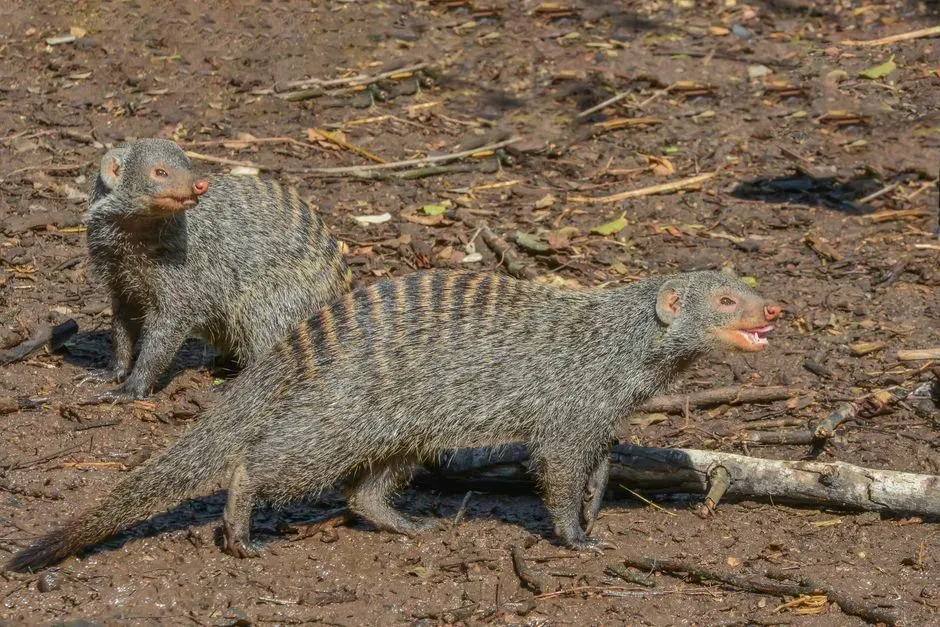
Banded Mongooses Using Anvils for Hard Prey
Banded Mongooses Using Anvils for Hard Prey (Image Credits: Pexels)
Mongooses in African savannas carry hard shelled beetles, snails, or eggs to flat rocks and smash them repeatedly. They select anvils that provide a stable surface and return to favored ones. The force and angle of strikes vary with the prey type. Young mongooses learn by watching adults and practicing on smaller items. The technique opens food sources protected by thick shells that teeth alone cannot breach. It represents tool use in a small carnivore often overlooked in discussions of animal cognition.
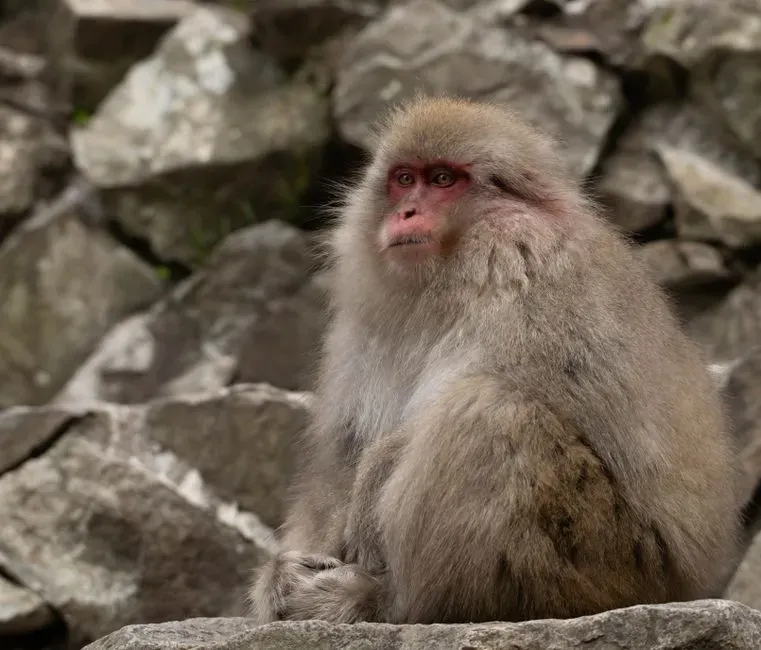
Crab-Eating Macaques Cracking Shells with Stones
Crab-Eating Macaques Cracking Shells with Stones (Image Credits: Pexels)
Long tailed macaques in Thailand and Indonesia use stones to pound open snails, crabs, and oysters along shorelines. They choose rocks of suitable weight and shape, then carry them to processing sites. Some groups show preferences for particular stone types. The behavior occurs mainly at low tide when prey is exposed. Juveniles spend years refining their technique under the guidance of older group members. It extends primate tool traditions into coastal environments.
Shrikes Impaling Prey on Thorns
Shrikes Impaling Prey on Thorns (Image Credits: Pexels)
Loggerhead shrikes and other species impale insects, lizards, or small mammals on thorns, barbed wire, or sharp twigs to secure the meal or store it for later. They select sturdy, pointed objects and maneuver prey onto them with their beaks. This creates a temporary larder that allows the bird to handle larger catches than it could eat at once. The choice of impaling site often favors locations with good visibility for spotting returning prey or avoiding competitors. Populations in open habitats rely on this method more than those in dense forests. It illustrates how an environmental feature becomes a functional tool through consistent use. These examples together illustrate that tool use arises in diverse lineages when ecological pressures reward innovation. They challenge older views that separated human technology from everything else in nature. Continued study of these behaviors sharpens our understanding of cognition, social learning, and the conditions that foster problem solving across the tree of life. In the end, recognizing these capacities deepens respect for the complexity already present in wild populations and underscores the value of protecting the habitats where such skills can persist and evolve.
Did you find this helpful? Share it with a friend who’d love it too!
Gargi is an MA in History and a B.Ed graduate from India, with a deep passion for animals and wildlife awareness. As an article writer and editor at Animals Around The Globe, she combines her love for storytelling with her dedication to educating readers about animals, conservation, and responsible pet care. A devoted dog lover, Gargi enjoys creating engaging and informative content that inspires compassion and awareness toward the natural world.