

Have you ever wondered what it would be like to hear sounds so powerful they could travel for miles underwater, or even cause pain if you stood too close? Nature is filled with creatures that use their voices and bodies in surprising, sometimes shocking ways. From the depths of the ocean to the heart of the jungle, the world’s loudest animals are masters of sound, using noise to communicate, warn, attract, or even stun. Get ready to have your mind blown as we count down the 15 loudest animals on Earth—some of these may leave your ears ringing with amazement!
15. Kakapo

The kakapo, also known as the “owl parrot,” is a flightless bird native to New Zealand and is famous for its booming mating call. During breeding season, the male kakapo produces a deep, low-frequency “boom” that can be heard up to three miles away. This call helps females locate males in dense forests. Despite their comical appearance, these birds rely on their impressive vocal skills for survival. The booming sound is produced by inflating a sac in their chest, showing just how unique their adaptations are. Sadly, the kakapo is critically endangered, making its calls increasingly rare in the wild. Hearing this bird is both a delight and a reminder of the importance of conservation.
14. Hyena

Hyenas are best known for their unsettling, whooping laughs that echo across African savannas at night. The spotted hyena’s laugh can reach up to 112 decibels—about as loud as a rock concert. These sounds are not just for show; they serve critical social functions, such as signaling excitement or distress to other clan members. Their vocalizations can be heard over several kilometers, helping hyenas coordinate group hunts and defend territories. The eerie laughter often sends chills down the spine of anyone nearby, reminding us how animal communication can be both fascinating and unnerving. Next time you hear a hyena’s cackle in a nature documentary, remember you’re listening to one of the loudest voices in Africa.
13. Elephant

Elephants possess some of the most commanding voices in the animal kingdom. Their powerful trumpeting calls can reach 117 decibels and carry for several miles across the savanna. These trumpets are used to express excitement, warn of danger, or communicate with distant herds. Elephants also use infrasound—low-frequency sounds below human hearing—to send messages over even greater distances. Standing near a trumpeting elephant can be a breathtaking experience, as the sound resonates deep within your chest. Their ability to communicate over long distances helps them stay connected with family members. The elephant’s voice is a true testament to the strength and intelligence of these gentle giants.
12. Green Grocer Cicada

Cicadas are the unassuming insects behind the deafening summer chorus in Australia. The green grocer cicada is especially notorious, reaching up to 120 decibels—almost as loud as a chainsaw. Males produce this relentless buzzing to attract mates, with some swarms becoming so loud they drown out all other sounds. Their bodies are equipped with membranes called tymbals, which buckle in and out to create their signature sound. Despite their small size, cicadas prove that volume isn’t always about physical strength. Their calls can be charming or maddening, depending on your patience for summer noise. These tiny insects make sure their presence is known every season.
11. Bullfrog

Bullfrogs are the kings of the pond when it comes to making noise. Their deep, resonating croaks can reach up to 119 decibels and are intended to attract females and stake out territory. On quiet nights, the chorus of bullfrogs creates an almost electric atmosphere near lakes and ponds. Their vocal sacs inflate to amplify their calls, which can be heard from more than a mile away. For such a small animal, the bullfrog’s voice is astonishingly powerful. The croaking is not only a call for love but also a warning to rivals. It’s no wonder these amphibians are often the loudest voices in their watery world.
10. Howler Monkey

Howler monkeys are the undisputed vocalists of the rainforest, with roars that can travel up to three miles. Their calls reach 128 decibels, making them the loudest land animal in the Americas. Howlers use their booming voices to mark territory and keep rival troops at bay. Their enlarged hyoid bones act as natural amplifiers, turning every call into a spine-tingling roar. The rainforest can be eerily silent until a howler monkey’s call erupts, transforming the jungle into a concert hall. Hearing their roars in person is both exhilarating and slightly intimidating. It’s their way of saying, “This is my home—stay away!”
9. North American Bull Elk

During the autumn rut, the haunting bugle of the North American bull elk can echo across valleys and forests. Their calls can reach 120 decibels and are used to attract females and challenge rivals. The bugle is a strange mixture of high-pitched whistles followed by deep grunts, creating an unforgettable soundscape. Hunters and hikers alike often stop in their tracks, captivated by this wild symphony. The bull elk’s vocal prowess is critical during mating season, setting the stage for fierce competition. Each bugle is a bold statement of strength and stamina. It’s hard not to be moved by the raw energy of an elk’s call on a crisp morning.
8. Gray Wolf

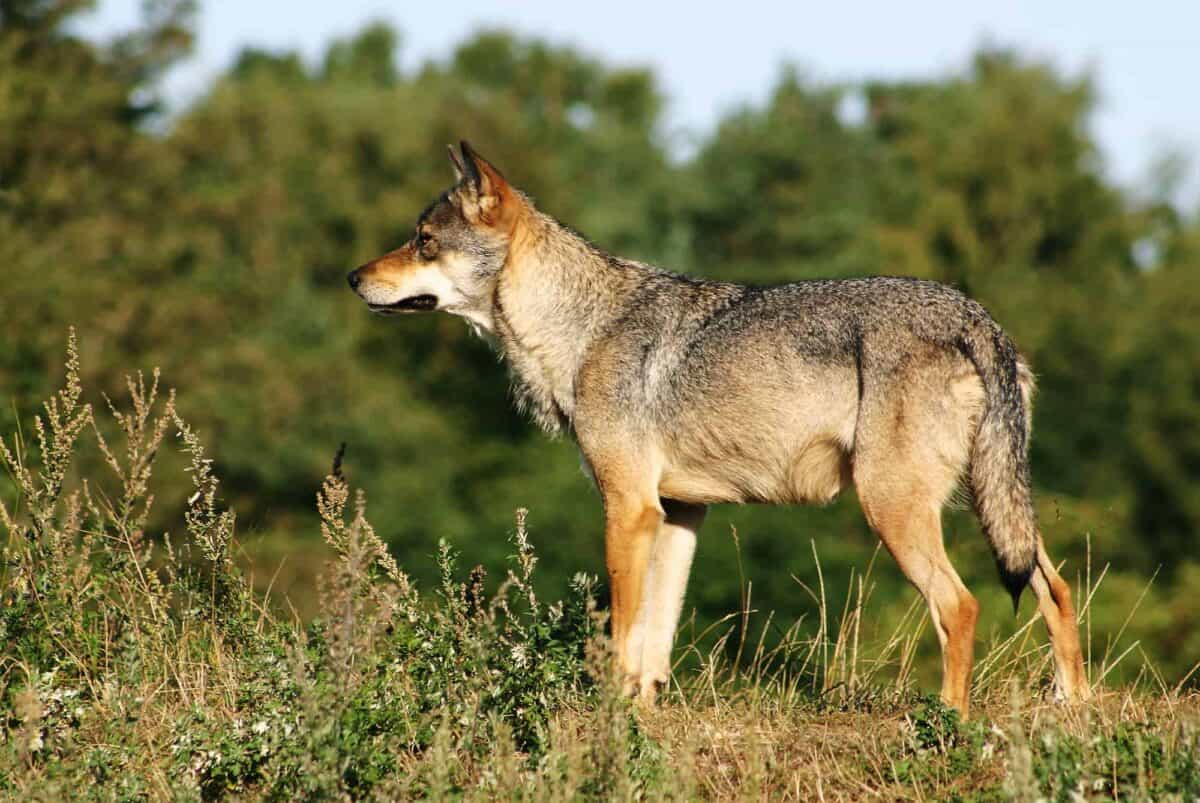
The haunting howl of the gray wolf is one of nature’s most iconic sounds. Wolves can project their howls over vast distances—up to 10 miles in open terrain. Their howls, which can reach around 115 decibels, serve as long-distance communication between pack members, strengthening social bonds and marking territory. The sound can send chills through the woods, especially on a cold night. Wolves often howl in chorus, creating a mesmerizing harmony that’s both beautiful and intimidating. Their vocal skills are essential for coordinating hunts and keeping the pack together. Few wilderness experiences compare to hearing the call of a wild wolf.
7. African Lion

Lions are known as the kings of the jungle, and their roar is a sound of pure dominance. The lion’s roar can reach up to 114 decibels and is detectable from five miles away. Roaring helps lions communicate with their pride, warn intruders, and establish territory. A lion’s roar is so powerful it can be felt vibrating in your chest, leaving a lasting impression on anyone lucky (or unlucky) enough to hear it up close. These roars are often delivered at dawn or dusk, adding an air of drama to the African landscape. It’s a sound that signals both strength and unity. The lion’s voice is a true symbol of wild majesty.
6. Blue Whale

The blue whale, the largest animal on Earth, also holds the title for the loudest. Their low-frequency vocalizations can reach a staggering 188 decibels—louder than a jet engine. These sounds can travel across entire oceans, allowing blue whales to communicate with each other over hundreds of miles. The whale’s calls are so deep that humans can only hear them with specialized equipment. These immense vocalizations are used for navigation, communication, and possibly even finding mates. The sheer power of the blue whale’s voice is almost unimaginable. It’s a reminder of just how extraordinary life beneath the surface can be.
5. Greater Bulldog Bat

The greater bulldog bat uses echolocation calls that are among the loudest airborne sounds made by any mammal. Their calls can exceed 140 decibels, helping them hunt insects and fish in complete darkness. These bats emit high-frequency clicks that bounce off prey, allowing them to “see” with sound. While their calls are beyond human hearing, specialized equipment reveals just how intense they are. The bat’s sonic abilities highlight the incredible adaptations of nocturnal hunters. It’s like having a built-in sonar system, making the bulldog bat a true marvel of nature. Despite their small size, their voices are nothing short of astonishing.
4. Northern Elephant Seal

Male northern elephant seals are famous for their thunderous bellows during breeding season. Their calls, which can reach up to 126 decibels, are part of fierce vocal contests to attract females and establish dominance. The sound is a deep, guttural “clap” that reverberates across crowded beaches. These vocal battles can be heard over long distances, creating a dramatic and chaotic scene. Elephant seals rely on their powerful voices to avoid physical fights whenever possible. The intensity of their calls is matched only by the spectacle of their massive, blubbery bodies. It’s a wild reminder of how important sound is in the animal kingdom.
3. Moluccan Cockatoo

The Moluccan cockatoo, also known as the salmon-crested cockatoo, is a small bird with a huge voice. Their piercing screeches can reach up to 129 decibels, making them one of the loudest parrots in the world. These calls are used to communicate with flock members and signal alarm. In captivity, their screams can easily shatter the peace of any household, much to the surprise of new bird owners. The cockatoo’s voice is a powerful tool for survival in dense rainforests, where visibility is limited. Their calls are both beautiful and startling, a signature of their bold personalities. If you’ve ever met one, you’ll never forget its voice.
2. Common Bottlenose Dolphin

Bottlenose dolphins are celebrated for their intelligence, but their vocal power is just as impressive. Their clicks and whistles can reach up to 170 decibels, used for communication and echolocation. Dolphins rely on these sounds to coordinate group hunts, navigate murky waters, and maintain social bonds. Underwater, their calls are astonishingly clear and can be heard over great distances. The dolphin’s vocal skills are a testament to the complexity of marine life. Watching a pod of dolphins work together, chattering and clicking away, is a magical experience. Their voices are as playful as they are powerful.
1. Sperm Whale

The sperm whale tops the list with the loudest sound made by any animal—a series of clicks that reach an incredible 230 decibels. These clicks, used for echolocation and communication, are so intense that they can actually stun prey. Each click reverberates through the ocean like a thunderclap, traveling for miles. The sperm whale’s vocalizations are a vital part of its hunting strategy, allowing it to locate squid in the darkest depths. For humans, being close to a vocalizing sperm whale would be overwhelming, if not dangerous. This mighty animal’s voice is one of the true wonders of the natural world.
Conclusion

The animal kingdom is full of surprises, and the sheer volume of these creatures is proof that sound is as vital as sight or smell in the struggle for survival. From the tiny cicada to the massive sperm whale, each of these animals uses its unique voice to make an unforgettable mark on the world. Which of these loud voices amazed you the most?

As a little kid, I fell in love with nature, wildlife, and animals. Living in the USA, South Africa, Italy, China and Germany gave me the opportunity to discover the world's Wildlife. My favorite animals are Mountain Gorillas, Siberian Tigers, and Great White Sharks.
I'm a certified PADI Open Water Diver, went to Everest Base Camp and Trekked Gorillas in Uganda. I hold a Master of Science in Economics and Finance.
Please send any feedback to feedback@animalsaroundtheglobe.com
- 15 Animal Migrations That Span Entire Continents - August 12, 2026
- 17 Animals That Survive in Places Humans Can Not - August 12, 2026
- 11 Creatures With Built In Weapons - August 12, 2026