

Imagine risking your own life just to give your children a fighting chance. In the wild, parenting can be downright astonishing—sometimes inspiring, sometimes shocking, and often stranger than fiction. From mothers who starve themselves for their young, to fathers who carry babies on their backs, animal parents have developed some of the most extreme strategies to ensure their offspring survive. These stories of sacrifice, cunning, and sometimes sheer weirdness will make you look at the animal kingdom—and maybe your own parents—a little differently. Get ready to be amazed by the lengths these creatures go for their families!
15. Octopus Mothers Who Starve for Their Babies

Female octopuses take parental commitment to a shocking level. Once a mother lays her eggs, she stops eating completely, dedicating every bit of her attention to guarding and cleaning her precious brood. She protects the eggs from predators, fans them gently with water to provide oxygen, and removes debris with her tentacles. This period can last for months, sometimes up to a year, during which the mother slowly wastes away. By the time her babies are ready to hatch, she is usually too weak to survive. This ultimate sacrifice ensures her young have the best possible chance at life, even though it costs the mother everything.
14. Emperor Penguin Fathers Who Brave Freezing Temperatures

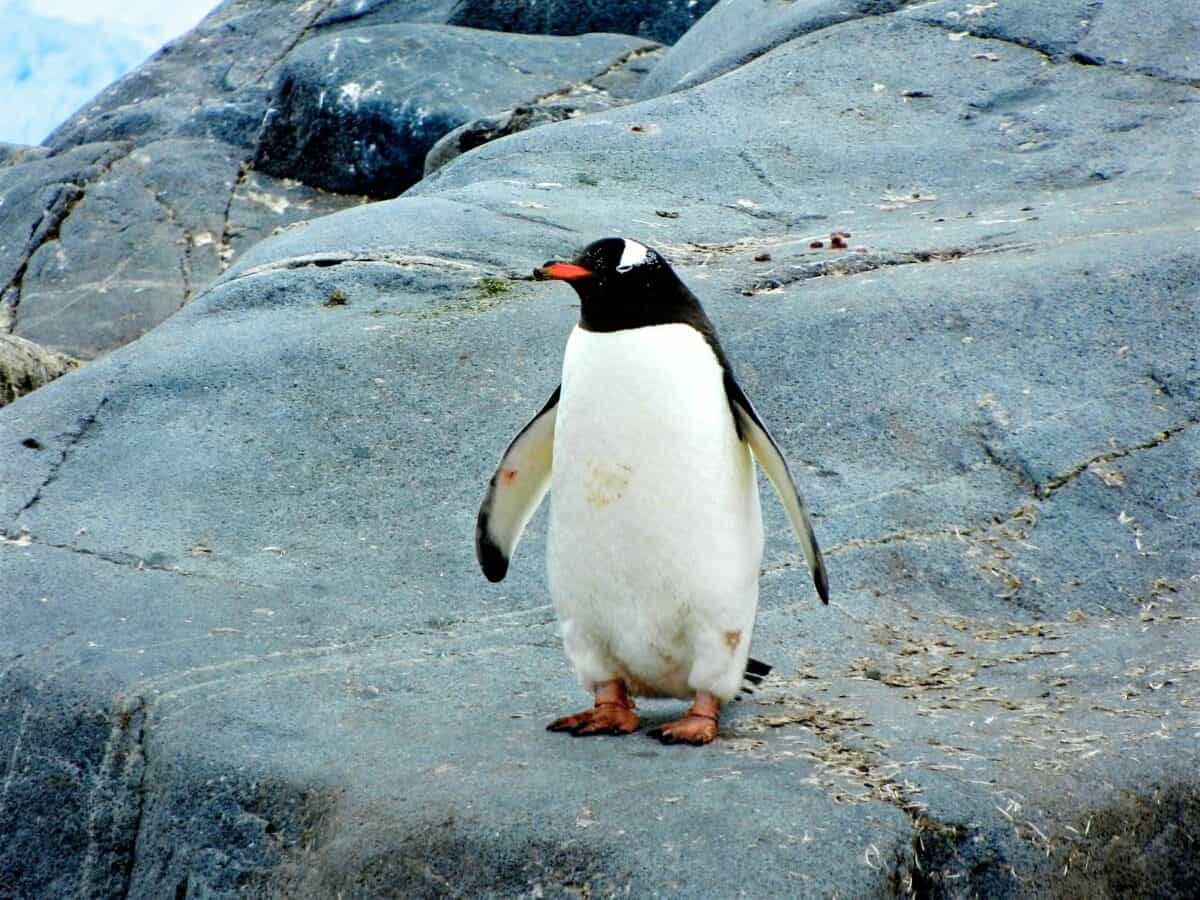
Male emperor penguins are the definition of dedicated dads. After the female lays her single egg, she heads off to feed, leaving the male to incubate the egg on his feet, tucked under a flap of skin. For the next two months, the father endures brutally cold Antarctic winds and temperatures dropping as low as minus 60 degrees Celsius. He doesn’t eat during this entire period, surviving only on the fat reserves he built up before breeding season. Huddled with other fathers for warmth, he carefully balances the egg to keep it from freezing, proving that love really can conquer the coldest odds.
13. Surinam Toads Who Grow Babies in Their Backs

If you thought your childhood was weird, imagine being born out of your mother’s back! Surinam toad mothers carry their fertilized eggs embedded in pockets of skin on their backs. Over several weeks, these eggs develop into tadpoles and then tiny toads, all nestled safely in their mother’s flesh. When they’re ready, the young toads burst out, fully formed and ready to hop away. It’s a bizarre and slightly unsettling process, but it offers the babies protection from predators in their earliest, most vulnerable stages.
12. Poison Dart Frogs Who Piggyback Their Young

Poison dart frog parents don’t leave their young to fend for themselves in a chaotic jungle. Instead, after the eggs hatch, one of the parents (often the father) carefully carries each tadpole on their back, transporting them to water-filled leaves or small pools. The mother returns regularly to feed the tadpoles with unfertilized eggs, providing vital nutrition until they can survive on their own. This level of hands-on parenting is rare among amphibians and ensures the little ones have everything they need to make it in the wild.
11. Cichlid Fish Who Keep Babies in Their Mouths

Some fish go above and beyond when it comes to protecting their offspring. Cichlid mothers (and sometimes fathers) are famous for mouthbrooding—keeping their eggs and even young fry safe inside their mouths. If danger approaches, the babies dart back into the parent’s mouth for shelter. The parent refrains from eating during this period, prioritizing the safety of their young over their own hunger. It’s a remarkable example of self-control and dedication, all for the next generation.
10. Giant Water Bugs Who Carry Eggs on Their Backs

Male giant water bugs have their own unique approach to fatherhood. After mating, the female glues her eggs onto the male’s back, where he carries them until they hatch. The father keeps the eggs moist and safe from predators, sometimes even fanning them with his wings to provide oxygen. This level of involvement ensures the eggs develop safely, while the mother moves on, possibly to lay more eggs with other males. It’s a tough job, but the reward is a new generation of water bug warriors.
9. Koalas Who Feed Babies Their Poop

Koala mothers have to solve a tricky problem: their babies, called joeys, can’t digest eucalyptus leaves right away. The solution? For a time, the mother produces a special form of feces called “pap,” which is packed with the right bacteria to jump-start the joey’s digestive system. The joey eats this pap, gaining the microbes needed to process toxic eucalyptus leaves. It sounds gross, but it’s a brilliant bit of biology, ensuring the next generation can thrive on a diet most animals can’t stomach.
8. Orangutans Who Babysit for Years

Orangutan mothers are the ultimate helicopter parents. Their babies stay with them longer than almost any other mammal—sometimes up to eight years! During this time, the mother teaches her young all the skills they’ll need: what to eat, how to build a nest, and how to move through the treetops. She’s a constant companion and protector, rarely letting her baby out of sight. This long childhood gives young orangutans the best possible start, but it’s a massive investment for the mother.
7. Alligators Who Give Their Babies a Gentle Lift

Alligator mothers might look like terrifying reptiles, but when it comes to their young, they show a surprisingly soft side. After the eggs hatch, the mother carefully carries her hatchlings in her powerful jaws to the water, making sure not to hurt them. She’ll guard the babies fiercely for weeks, keeping watch for predators and even responding to their distress calls. This attentive care is crucial in the dangerous swamp environment, helping more of her offspring survive.
6. Red-Knobbed Hornbills Who Wall Up Their Mates

Red-knobbed hornbill parenting is a true team effort—with a twist. When the female is ready to lay her eggs, she enters a tree cavity, and the male seals her in with mud, leaving only a tiny slit for passing food. The female remains trapped inside for weeks, relying entirely on her mate to bring her and the chicks nourishment. This bizarre strategy protects the eggs and chicks from predators, but it requires total trust between the parents.
5. Seahorse Fathers Who Get Pregnant

Seahorses have one of the most unusual parenting arrangements in the animal kingdom. Instead of the female, it’s the male who gets pregnant! The female deposits her eggs into a special pouch on the male’s belly, where he fertilizes and carries them until they hatch. He even goes through contractions to give birth to tiny, fully formed seahorses. This role reversal might seem strange, but it allows both parents to share the burden—and the magic—of bringing new life into the world.
4. African Elephants Who Form Protective Herds

In elephant society, it takes a village to raise a calf. Elephant mothers are surrounded by a tight-knit group of female relatives who help care for the young. These “allomothers” babysit, protect, and even help feed the calf, giving the mother a break and improving the calf’s chances of survival. The entire herd becomes emotionally invested in each new baby, displaying a level of care and empathy that’s almost human. It’s a touching reminder that love and community aren’t just human traits.
3. Sandgrouse Fathers Who Fetch Water for Chicks

Life in the desert is tough, but sandgrouse fathers have found a clever solution for thirsty chicks. The male flies long distances to water sources, soaks his belly feathers, and returns to the nest with water trapped in his plumage. The chicks drink by nuzzling the wet feathers—a life-saving trick in an environment where water is scarce. This daily marathon demonstrates just how far a parent will go to provide for their young.
2. European Earwigs Who Guard Eggs with Ferocity
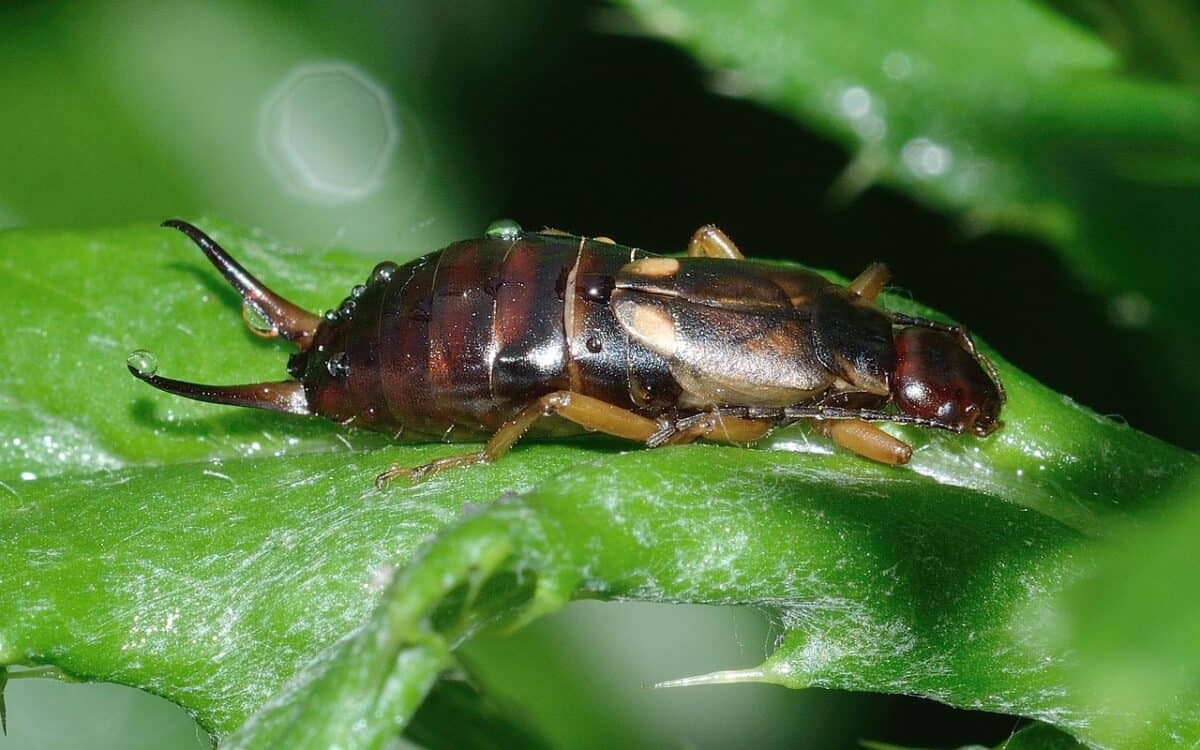
European earwig mothers are tiny but mighty. After laying her eggs, the mother guards them fiercely, cleaning them constantly to prevent mold and turning them to ensure even development. She won’t leave the eggs to eat, risking her own health. Once the nymphs hatch, she continues to protect and feed them until they’re ready to fend for themselves. For such a small insect, her commitment is nothing short of heroic.
1. Emperor Tamarins Who Share Parenting Duties

Emperor tamarins, with their comical mustaches, are more than just cute faces—they’re champions of teamwork. In these monkey families, everyone helps out. Fathers, siblings, and sometimes even unrelated adults pitch in to carry, groom, and feed the babies. This cooperative parenting lightens the load for the mother and gives the young tamarins plenty of attention and care. It’s a beautiful example of how working together can make even the toughest job a little bit easier.
Conclusion

The animal kingdom never fails to surprise us with the wild, sometimes shocking ways parents care for their young. Whether it’s starving for months, carrying eggs in their mouths, or working together as a family, these animals show that parenting is a universal challenge—one that inspires staggering creativity and sacrifice. Did you expect such incredible devotion in the wild?

As a little kid, I fell in love with nature, wildlife, and animals. Living in the USA, South Africa, Italy, China and Germany gave me the opportunity to discover the world's Wildlife. My favorite animals are Mountain Gorillas, Siberian Tigers, and Great White Sharks.
I'm a certified PADI Open Water Diver, went to Everest Base Camp and Trekked Gorillas in Uganda. I hold a Master of Science in Economics and Finance.
Please send any feedback to feedback@animalsaroundtheglobe.com
- The 10 Rarest Dog Breeds Making a Comeback in America - July 19, 2026
- 13 Creatures That Survived Mass Extinctions - July 19, 2026
- 12 Pets That Are Perfect for Seniors - July 19, 2026