

Dive into the mesmerizing world beneath the waves, where the ocean giants command both awe and curiosity. These colossal beings have fascinated humans for centuries, leaving researchers both perplexed and inspired. This article unveils the mysterious allure of 14 ocean giants that continue to captivate scientists and the general public alike.
14. The Blue Whale: The True Titan
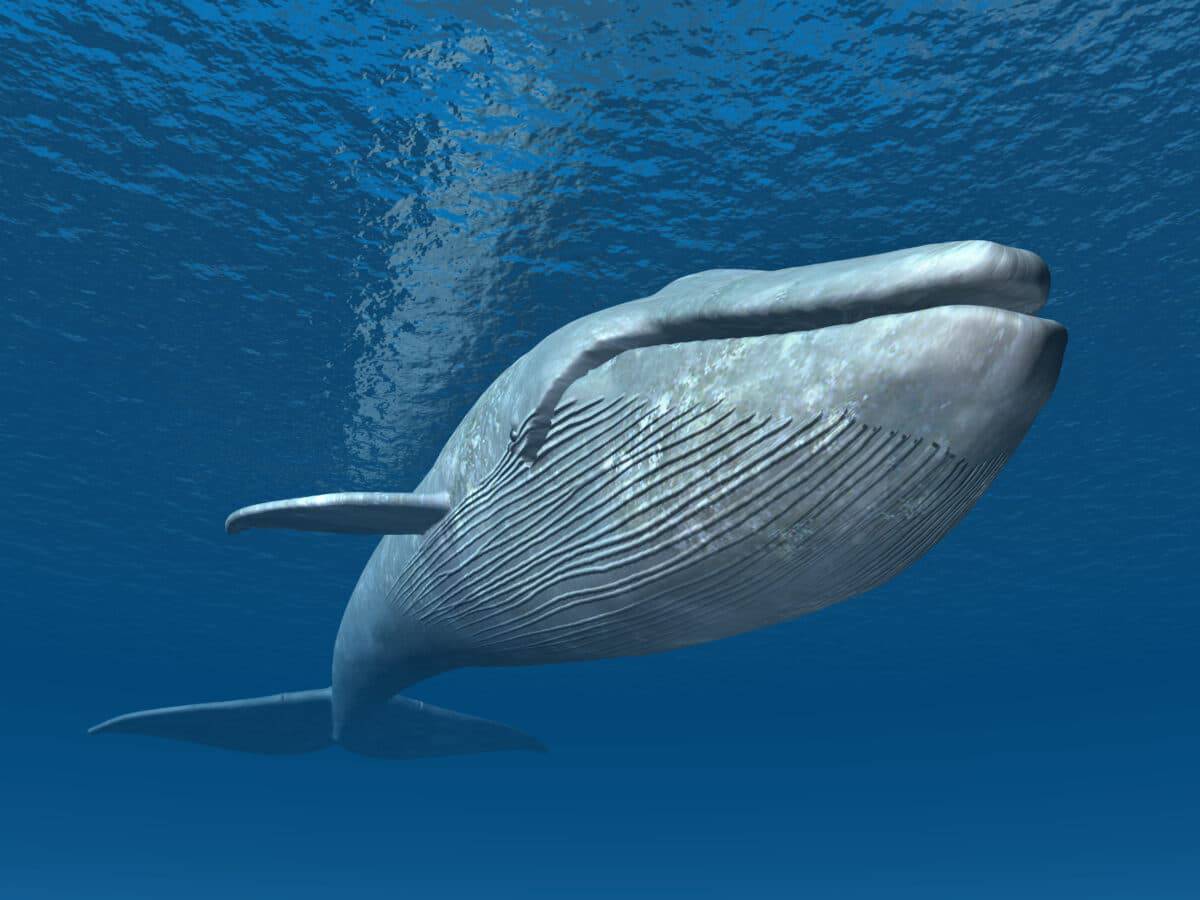
The blue whale holds the title as the largest animal known to have ever existed. These gentle giants can reach lengths of up to 100 feet and weigh as much as 200 tons. Despite their massive size, they subsist primarily on krill, tiny shrimp-like creatures. Blue whales use specialized plates called baleen to filter these small organisms from seawater, demonstrating a remarkable biological adaptation that sustains their enormous bodies.
13. Giant Squid: The Deep Sea Phantom
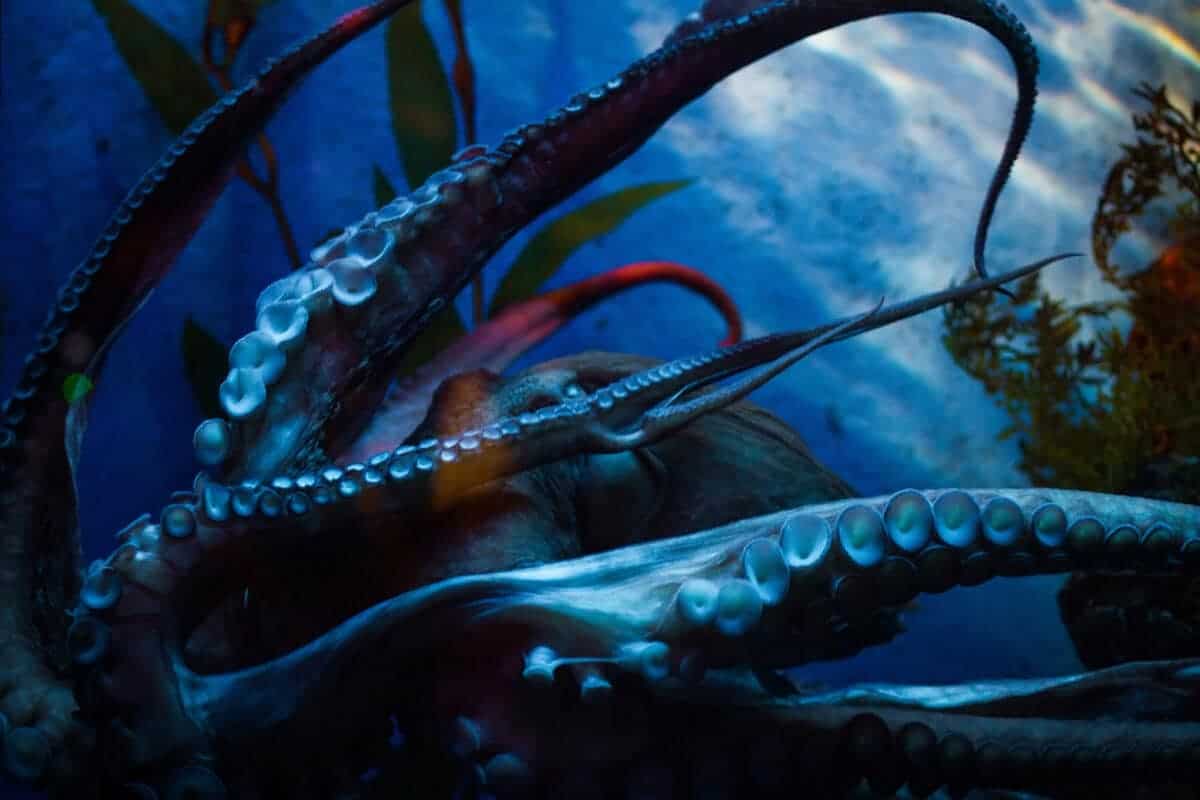
The giant squid is an elusive creature that inhabits the dark depths of the ocean. Rarely seen by humans, this deep-sea giant can grow up to 43 feet long. Its enormous eyes, the size of dinner plates, help it spot prey in the pitch-black waters of the deep sea. The giant squid’s mysterious life continues to intrigue scientists, who slowly piece together its life history through sporadic sightings and washed-up specimens.
12. Colossal Squid: The Enigma of the Antarctic

Even more mysterious than the giant squid, the colossal squid dwells in the frigid waters of the Southern Ocean. Known to be one of the largest squid species, it can weigh up to 1,500 pounds. Unlike its giant cousin, the colossal squid is equipped with swiveling hooks on its tentacles, adding a formidable defense against predators. Despite some recent discoveries, much of its life and habits remain an enigma to marine biologists.
11. Whale Shark: The Gentle Giant
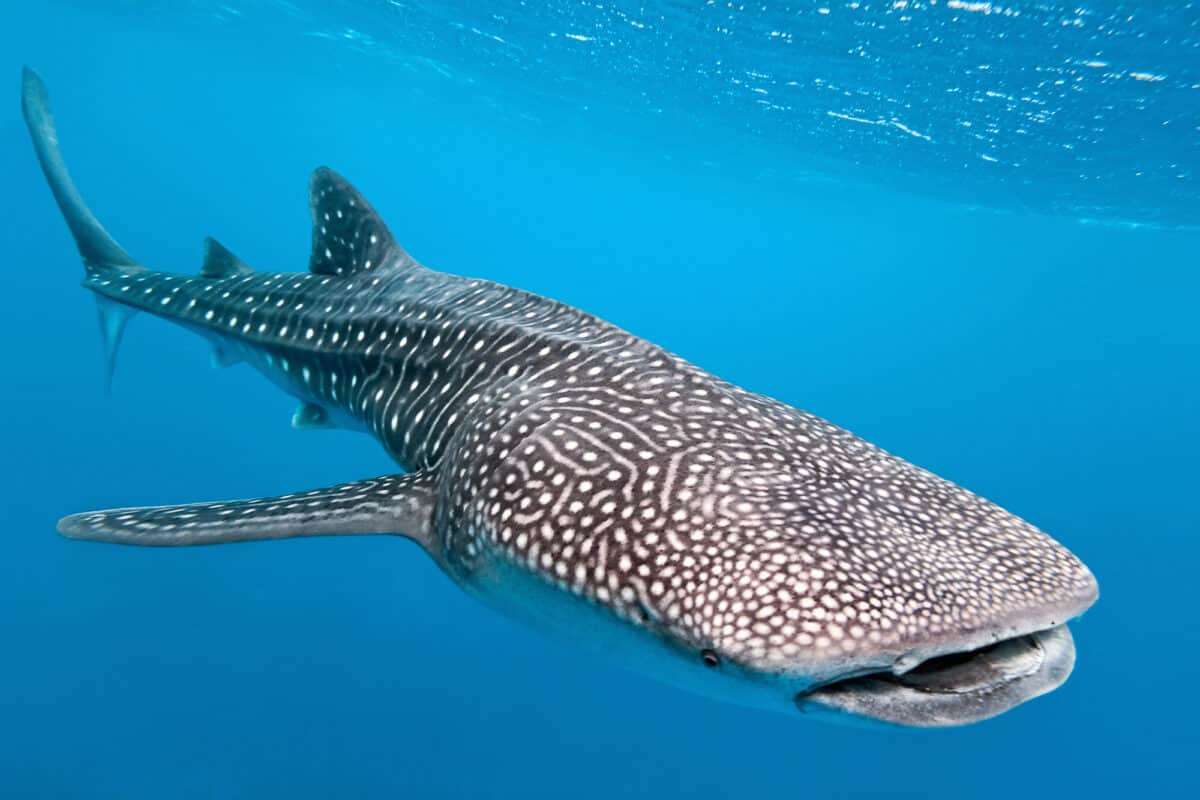
The whale shark is the largest fish in the ocean, with some individuals reaching lengths of 40 feet or more. Despite their size, these imposing creatures pose no threat to humans, as they feed primarily on plankton. Their slow, graceful swimming style attracts divers and snorkelers eager to witness these magnificent animals up close. Whale sharks can live up to 70 years, making conservation efforts vital for ensuring their survival.
10. Sperm Whale: Deep-Diving Champion
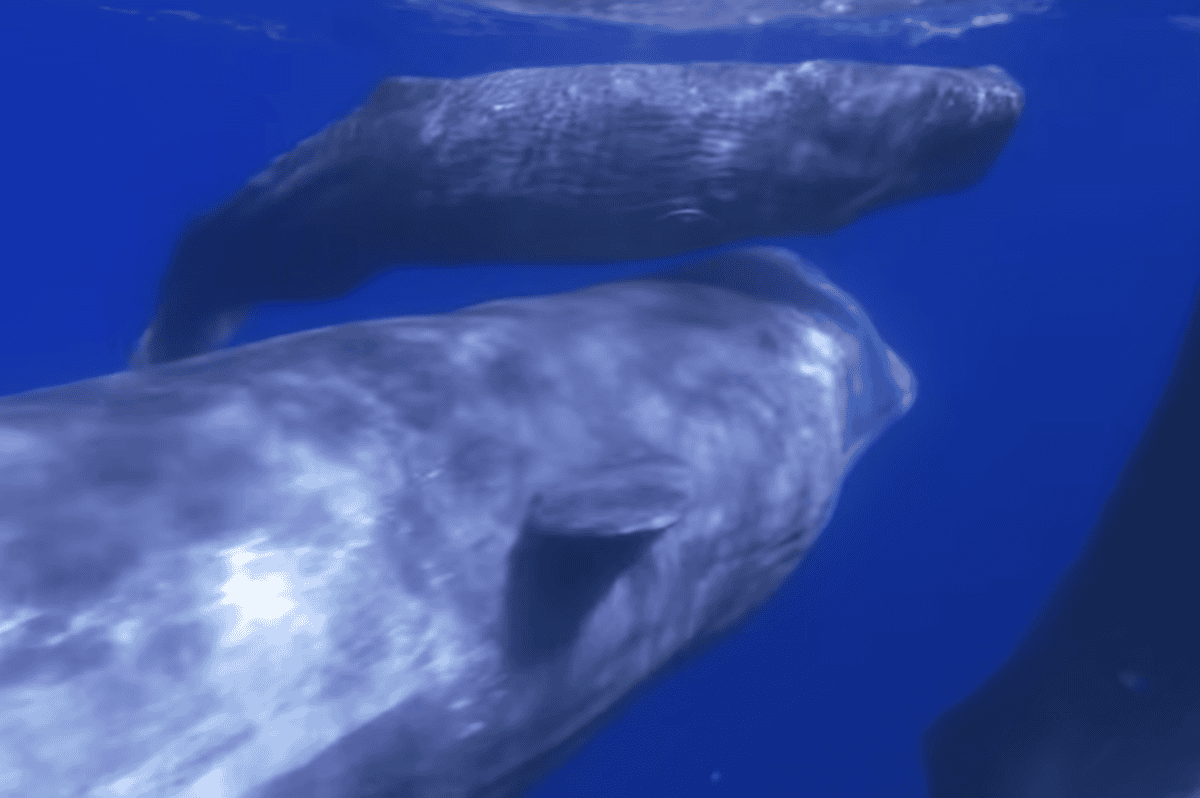
The sperm whale, immortalized in Herman Melville’s “Moby Dick,” is the largest toothed predator on Earth. Known for their distinctive large heads, which house a mysterious substance called spermaceti, these whales are champion divers, reaching depths of over 3,000 feet. Scientists believe they dive so deep in search of squid, yet much about their deep-sea hunting strategies remains unknown.
9. Ocean Sunfish: The Heaviest Bony Fish
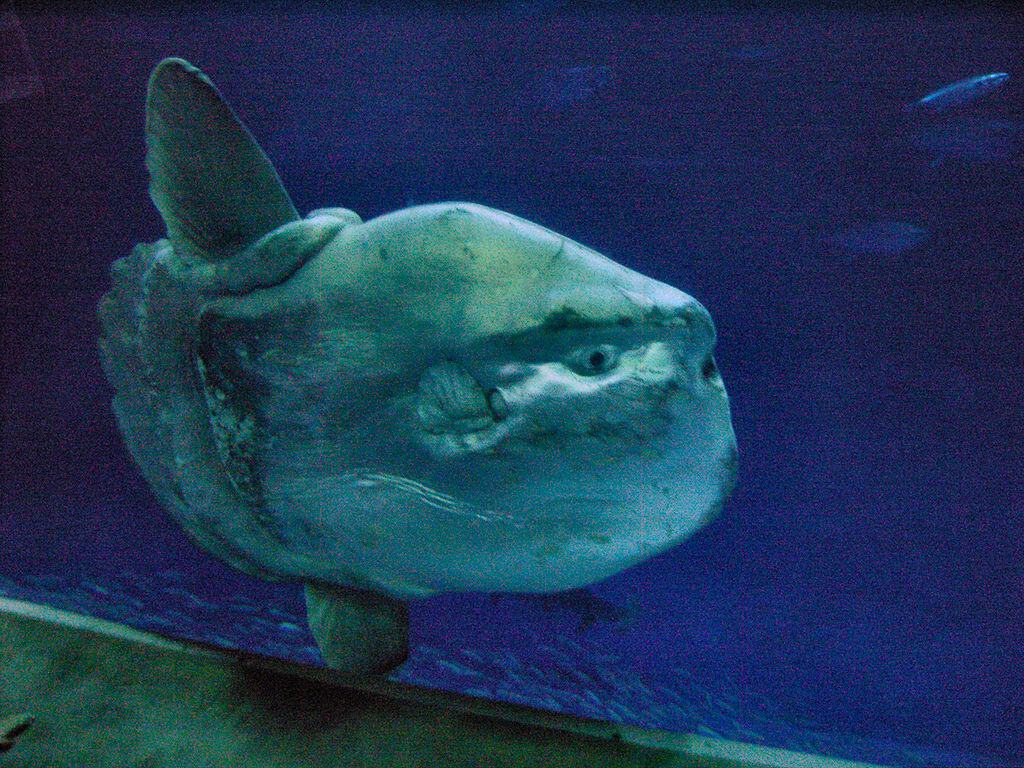
The ocean sunfish, or mola mola, is unusual in both appearance and behavior. With its flattened body and peculiar shape, it is one of the heaviest known bony fish, weighing up to 5,000 pounds. Sunfish often bask near the ocean’s surface, earning them their common name. They feed on jellyfish and are often seen with schools of smaller fish, which remove parasites from their skin.
8. Humpback Whale: The Acrobatic Vocalist

Each winter, humpback whales travel thousands of miles to warmer waters, performing spectacular breaches and tail slaps along the way. Known for their complex songs, humpbacks are a focus of much research, as each group has unique songs that evolve over time. Their acrobatic displays and haunting melodies make them a favorite among whale watchers and marine biologists alike.
7. Orca: The Apex Predator
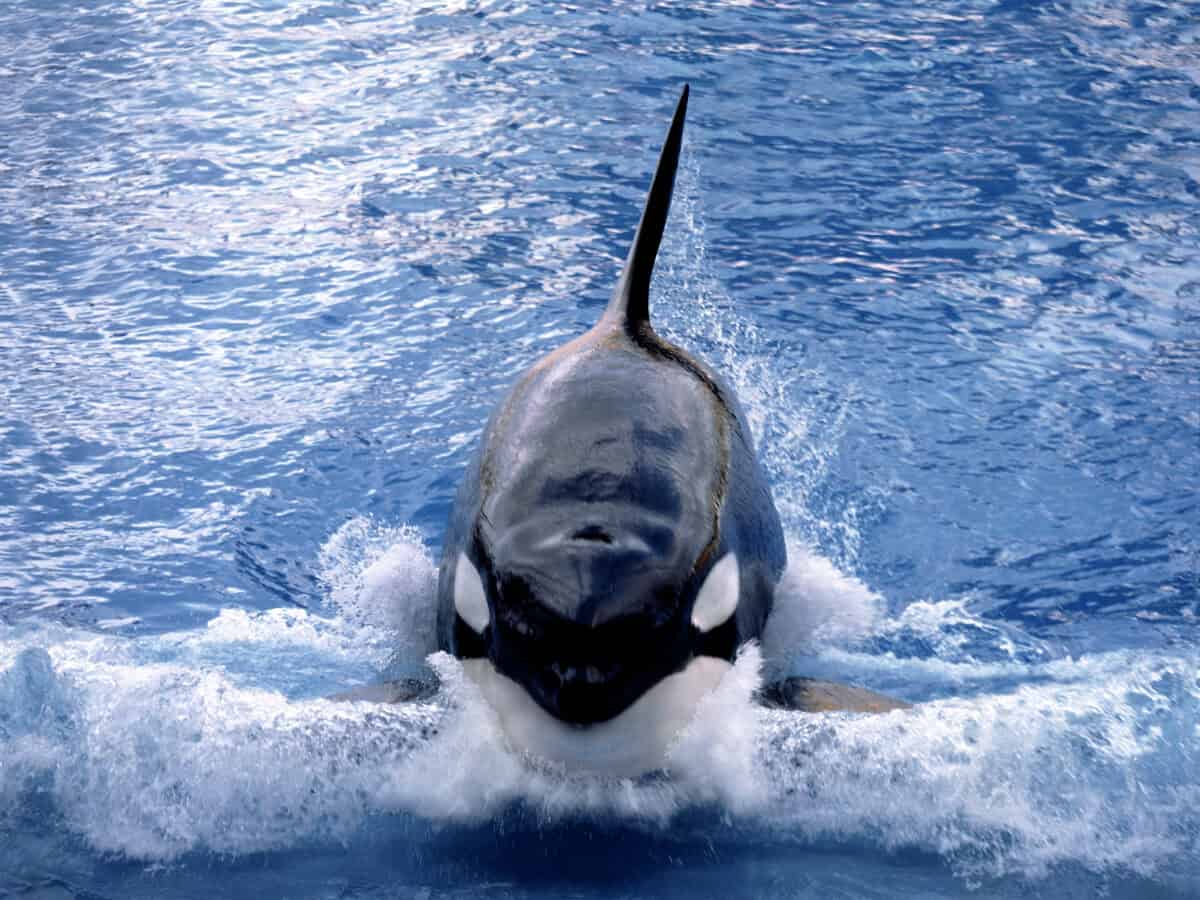
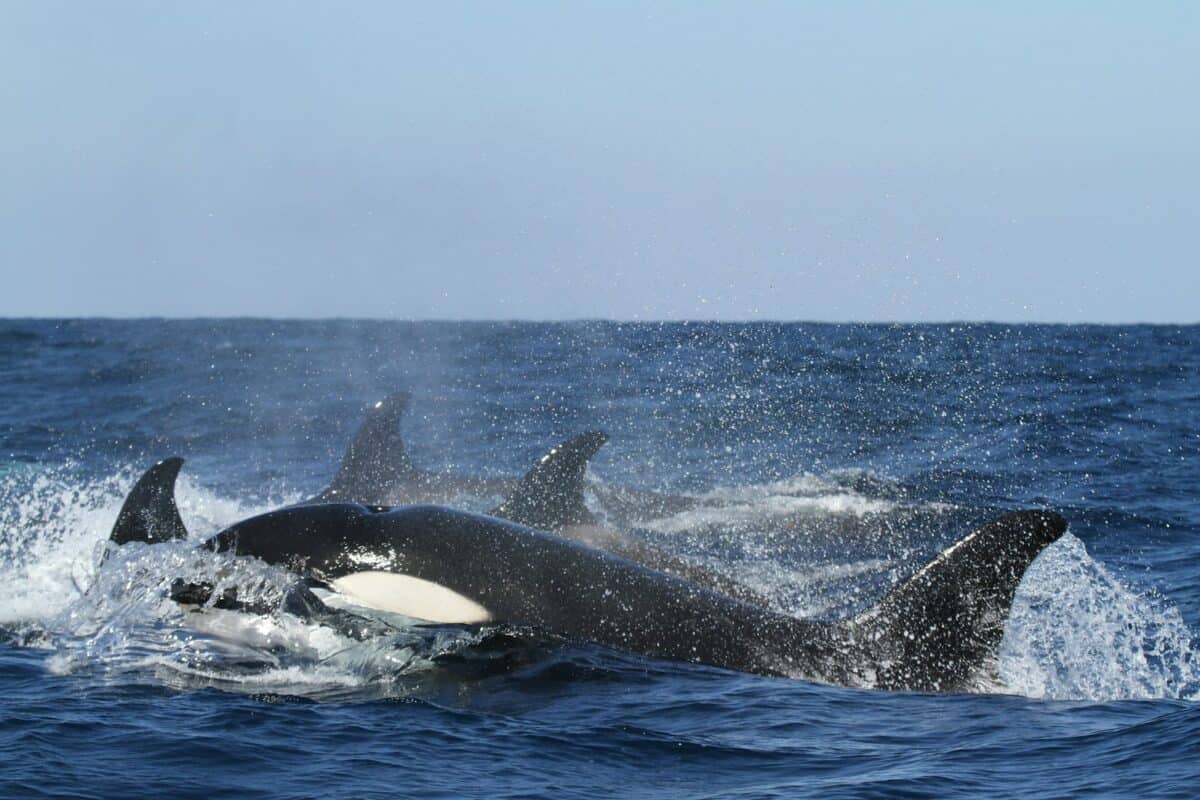
Orcas, or killer whales, are renowned for their intelligence, social structures, and status as apex predators. They are known to hunt in sophisticated pods using coordinated tactics. From preying on seals to taking down blue whales, their hunting prowess is matched by an elaborate communication system. Each pod boasts unique vocalizations, serving as a testament to their complex, intelligent behavior.
6. Leatherback Sea Turtle: The Ancient Mariner
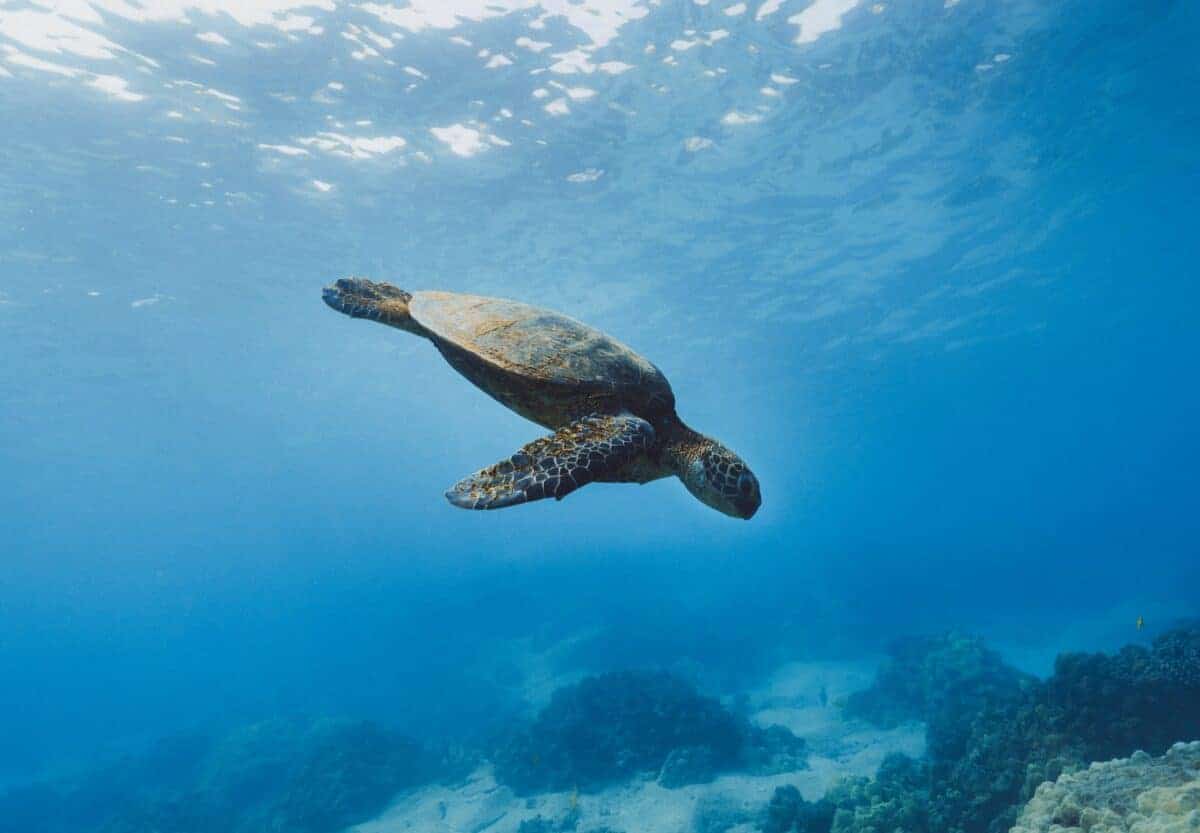
The leatherback sea turtle is the largest of all living turtles, with some individuals weighing over 2,000 pounds. Unlike other sea turtles, leatherbacks have a flexible, leathery shell rather than a hard one, allowing them to dive to exceptional depths. They have traveled the oceans for over 100 million years, but today face threats such as pollution and habitat loss, prompting global conservation efforts.
5. Manta Ray: The Graceful Glider

Manta rays are mesmerizing creatures known for their large, wing-like fins that allow them to glide effortlessly through the water. Reaching wingspans of up to 23 feet, these rays are often seen leaping from the water in spectacular aerial displays. Mantas use their cephalic fins to funnel plankton into their mouths, revealing their reliance on the ocean’s delicate food chain.
4. Great White Shark: The Fearsome Hunter

Great white sharks have long been depicted as the sea’s most fearsome predators. These formidable creatures can grow up to 20 feet long and are known for their powerful jaws and keen sense of smell. Despite their reputation, great whites play an essential role in the ocean’s ecosystem, contributing to the balance between prey and predator populations. Understanding their behavior and migration patterns remains a priority for marine scientists.
3. Basking Shark: The Placid Plankton-eater
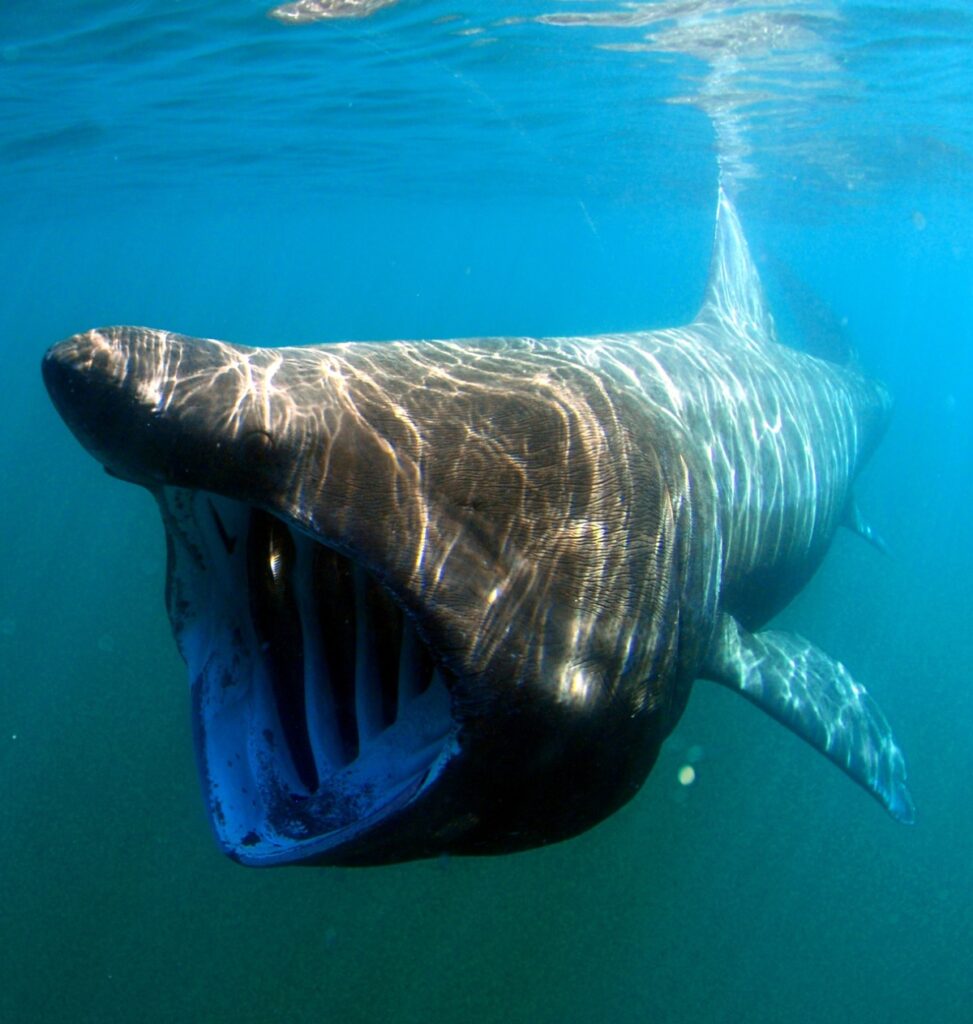
The basking shark, second only to the whale shark in size, is a gentle giant cruising with its cavernous mouth open to filter plankton from the sea. Despite its intimidating size, it poses no threat to humans. Basking sharks enjoy basking in temperate ocean waters, often visible to seafarers and researchers. These peaceful sharks provide insights into the feeding habits of filter-feeding fish in the marine ecosystem.
2. Pacific Walrus: The Icy Titan
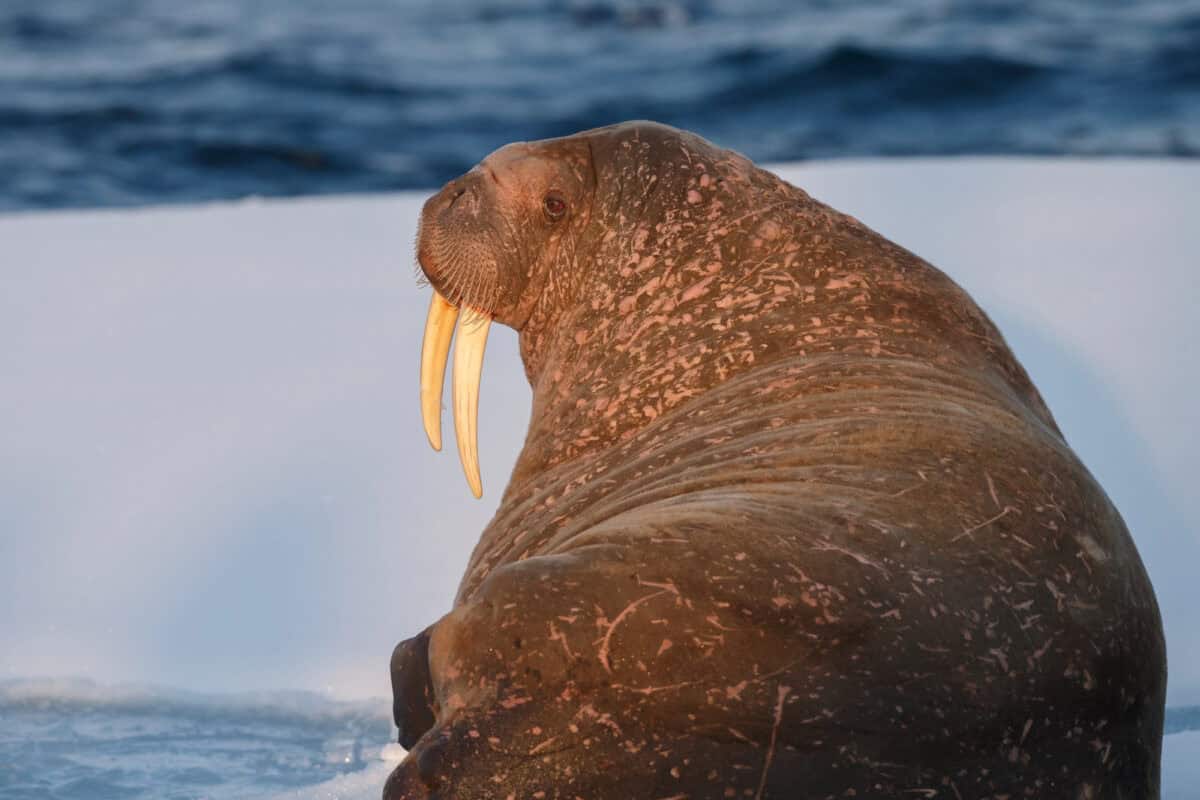
The Pacific walrus is a majestic giant of the Arctic, characterized by its long tusks and wrinkled hide. These sociable creatures can weigh up to 4,000 pounds and often congregate on ice floes in large groups. While their tusks have many uses, from breaking ice to establishing dominance, walruses are vulnerable to climate change, with melting sea ice threatening their habitat. Conservationists emphasize the importance of protecting these iconic animals and their icy environment.
1. Japanese Spider Crab: The Leggy Giant

The Japanese spider crab is known for its extraordinarily long legs, stretching over 12 feet from claw to claw, earning it the title of the largest arthropod. Found in the waters around Japan, this crustacean has a life expectancy of up to 100 years. Its impressive size and bizarre appearance inspire awe and curiosity among marine enthusiasts and researchers alike.
The ocean’s vastness and diversity are reflected in its giants, from the mammoth blue whale to the ancient leatherback sea turtle. Each of these colossal creatures plays a vital role in maintaining the health and balance of marine ecosystems. As we continue to explore the ocean’s deeper depths and uncover its secrets, the awe-inspiring presence of these giants reminds us of the ocean’s immensity and the profound mysteries that still await discovery. Understanding and protecting these majestic beings will ensure that future generations can also marvel at the wonders of the ocean’s giants.

- What We Can Learn From the Way Animals Build Homes - August 9, 2026
- Mini Pigs Are Becoming America’s Fastest-Growing Pet Trend - August 9, 2026
- Beginner’s Guide to Spotting Wolves in the Wild - August 9, 2026
Leave a comment
You must be logged in to post a comment.