

Most people assume that if a book looks dusty, smells like an attic, and has a faded bird printed on the cover, it’s yard-sale junk headed straight for the donation pile. That assumption is quietly costing people real money. A surprisingly active subculture of collectors is hunting for specific bird books published between the 1800s and the 1970s, and some of these unassuming titles are worth hundreds, even thousands, of dollars once someone who actually knows what they’re looking at gets their hands on one.
Here’s the part that stings a little: a lot of these exact titles are probably sitting untouched on your parents’ bookshelf right now, wedged between old photo albums and cookbooks nobody’s opened since 1998. We looked at what serious collectors, auction records, and rare-book dealers actually pay for, and the list runs from mid-century field guides all the way up to something far more personal than any price guide can capture.
#15 – Early Peterson Field Guides That Basically Started the Hobby
🔥 Would you like to save this?
We'll email this post to you, so you can come back to it later!
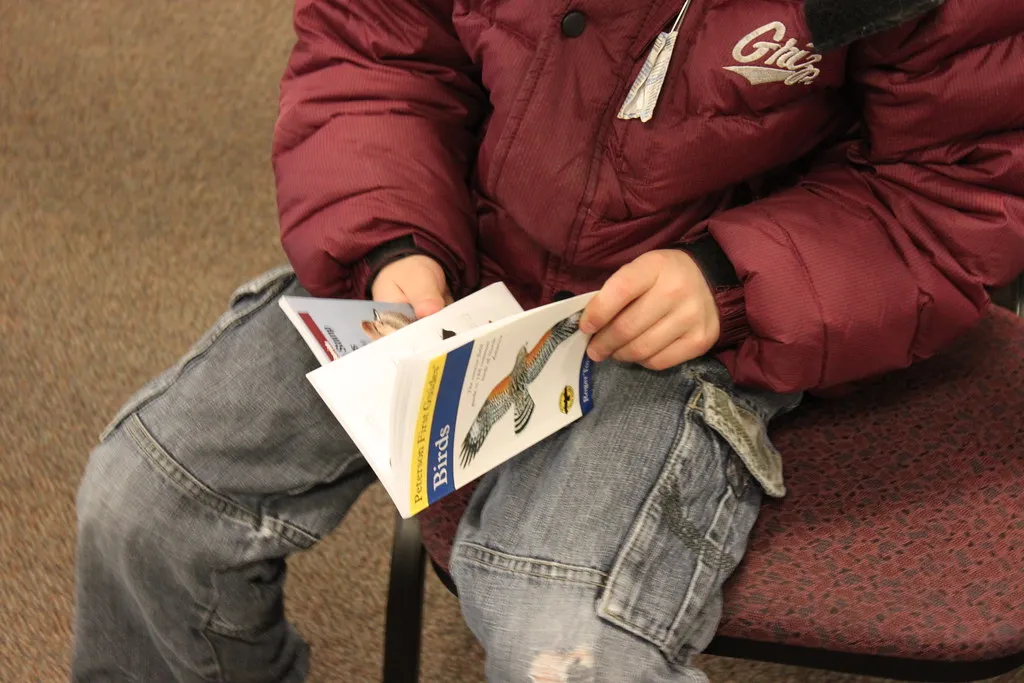
Most people glance at an old field guide and assume it’s worth pocket change. Early Petersons quietly break that rule. The Peterson Field Guide to the Birds, especially printings from the 1930s through the 1950s, helped launch modern bird-watching as a hobby rather than a science-only pursuit.
Collectors chase copies with the original dust jacket, clean unmarked pages, and those classic color plates that look like they were pulled straight out of a roadside diner in 1952. A genuinely early printing in good shape can bring far more than the couple of dollars most families assume it’s worth.
What most people miss is the small print, literally. The publisher’s imprint, the date on the copyright page, and whether “First Edition” or a low-numbered print line shows up matter more than the cover art does.
- A crisp, unclipped dust jacket adds real value
- A gift inscription lowers value slightly, but rarely kills the sale
Not the wildest score on this list, but early Petersons are the gateway drug for bird-book collectors, and that’s nothing compared to what’s hiding in #14.
#14 – The “Birds of America” Reprint Everyone Assumes Is Worthless
🔥 Would you like to save this?
We'll email this post to you, so you can come back to it later!
Almost every family has seen a thick “Birds of America” volume on a shelf somewhere and quietly assumed it’s a jackpot. The truth is less exciting: most of these are later, mass-produced reprints worth very little on their own.
But there’s a smaller category that quietly sells – early 20th-century decorative reprints that hit a sweet spot. They’re affordable next to a true Audubon, yet old enough to feel authentic on a shelf. If your parents have a heavy Audubon-style “Birds of America” with gilt titles, thick pages, and a pre-World War II publication date, don’t toss it without checking first.
Certain 1920s-1930s gift editions can sell in the low hundreds when the binding and plates are still sharp. Condition decides everything here – a broken spine, missing plate, or water stain can gut the price fast.
- Check the title page for dates, publisher, and print history
- Look for intact color plates and a tight, uncracked binding
Most people overestimate the cheap book-club reprints and underestimate these sturdier gift editions. Still, they’re tame compared with what serious collectors chase in #13.
#13 – The Peterson Guides Nobody Talks About Until They Sell
🔥 Would you like to save this?
We'll email this post to you, so you can come back to it later!
Everyone knows the main Peterson bird guide. Collectors pay closer, quieter attention to his regional and specialty titles – the ones that never got reprinted into oblivion.
Think out-of-print guides like “Birds of Britain and Europe,” early regional North American titles, or co-authored works that still carry Peterson’s artwork. These had smaller print runs and got used hard in the field, so a truly clean copy is genuinely rare now.
Why does the demand hold? Peterson is a cornerstone name in American birding, and building a “complete” Peterson shelf is something of a badge of honor in the community.
Birds have wings; they’re free; they can fly where they want when they want. They have the kind of mobility many people envy.
Roger Tory Peterson
Fast Facts
- Specialty titles include “Birds of Britain and Europe” and Peterson’s guide to Mexican birds
- Print runs were far smaller than the flagship U.S. field guide
- Field-worn copies are common, so clean examples are genuinely scarce
- Completing a full shelf of Peterson-authored titles is a small badge of honor among collectors
Your parents might see “just another bird guide.” A collector sees a missing puzzle piece. But as coveted as Peterson is, mid-century art lovers are hunting even harder for #12.
#12 – The Mid-Century Bird Art Books Design Collectors Now Fight Over
🔥 Would you like to save this?
We'll email this post to you, so you can come back to it later!
While most people think of vintage decor as abstract prints, a quieter crowd is hunting for oversized bird-art volumes that scream 1958 living room. These were the big, heavy “showpiece” books – dramatic full-page color plates, thick paper, minimal text.
Titles featuring artists like Charley Harper, Louis Agassiz Fuertes, or select European wildlife illustrators pull in both birders and design collectors at the same time. That’s an unusual combination, and it’s exactly what keeps prices strong.
A clean, unclipped dust jacket with bold mid-century graphics can double or triple the value compared with a naked copy. So many of these plates got framed and pulled out of their books over the decades that intact copies have become rarer than people expect.
- Published roughly between 1945 and 1970
- Large format, often over 12 inches tall
- Strong graphic cover design, not just plain lettering
These books hit multiple markets at once – bird people, vintage-design fans, even interior decorators. That crossover appeal is what keeps them quietly strong sellers. If you think that’s niche, wait until you see what happens with #11.
#11 – The Thin Local Bird Pamphlet That’s Rarer Than It Looks
🔥 Would you like to save this?
We'll email this post to you, so you can come back to it later!
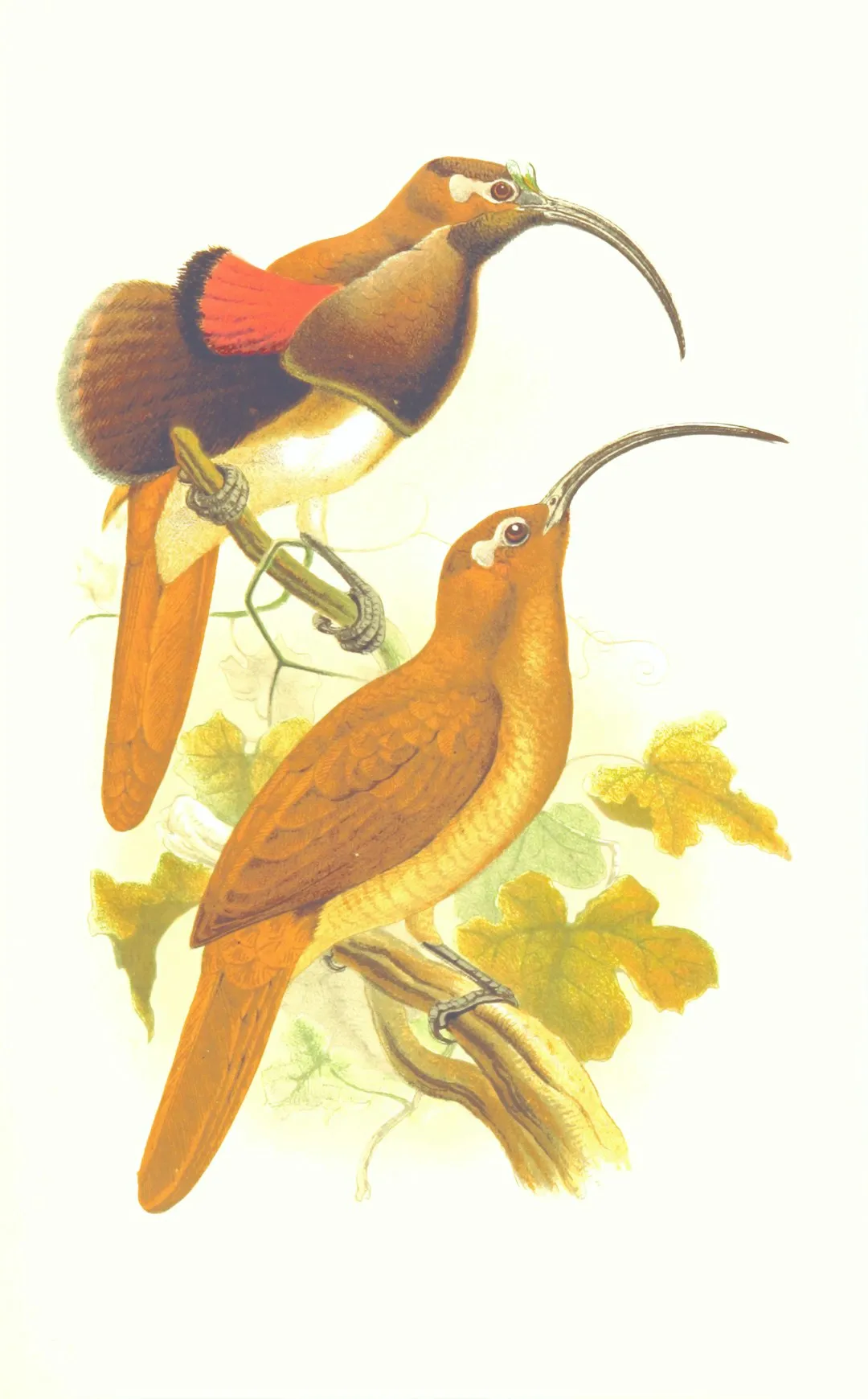
Most people walk right past a thin “Birds of Ohio” or “Birds of the Pacific Northwest” pamphlet without a second glance. Regional works from small presses, universities, or local ornithological societies can be quietly desirable to a very specific buyer.
Before the internet existed, birders relied on these hyper-specific guides for migration records, breeding maps, and hand-typed checklists. Many were printed in runs of only a few hundred copies and never reissued again.
For collectors building a state-by-state library, or for someone chasing the exact region they grew up birding in, these can fetch surprisingly solid prices, especially from the mid-1900s and in good condition.
- Spiral or soft covers from the 1940s through the 1970s
- Names of local ornithological societies or university presses
- Hand-marked checklists, which some collectors actually prize as history
Ironically, the plainer the book, the rarer it sometimes turns out to be. While most people chase flashy coffee-table volumes, the hardcore data collectors are quietly chasing these regional ghosts. Still, none of that touches the name recognition behind #10.
#10 – Any Genuine 19th-Century Bird Book That Isn’t Falling Apart
🔥 Would you like to save this?
We'll email this post to you, so you can come back to it later!
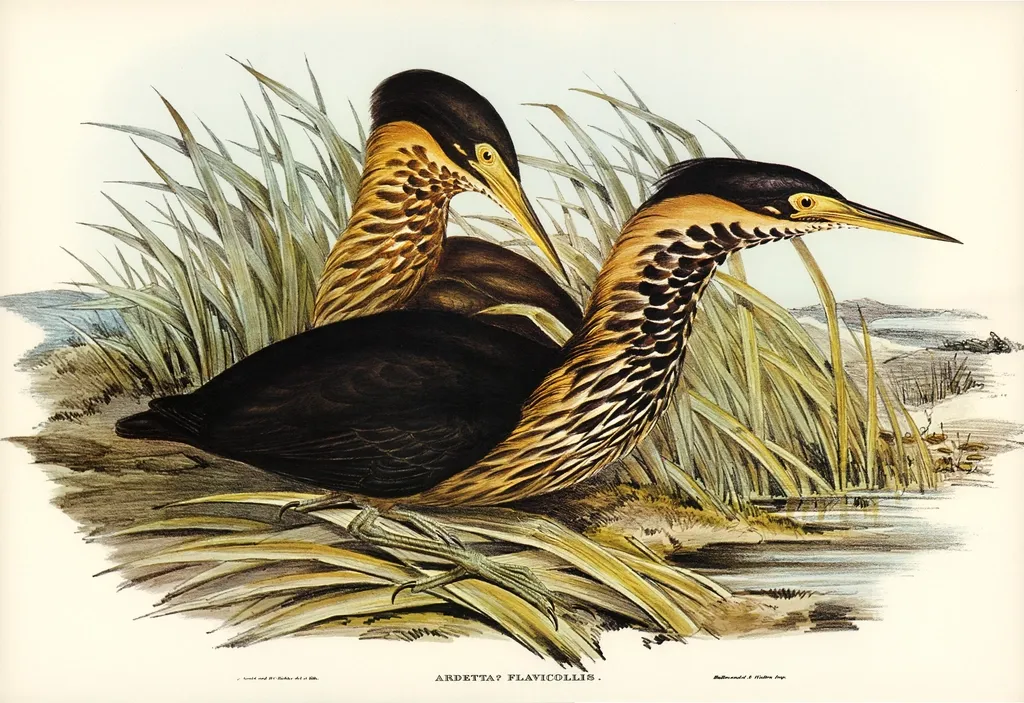
Here’s where most families leave real money sitting on a shelf without knowing it: anything with birds from the 1800s that isn’t obviously shredded. It doesn’t need to be Audubon-famous to matter.
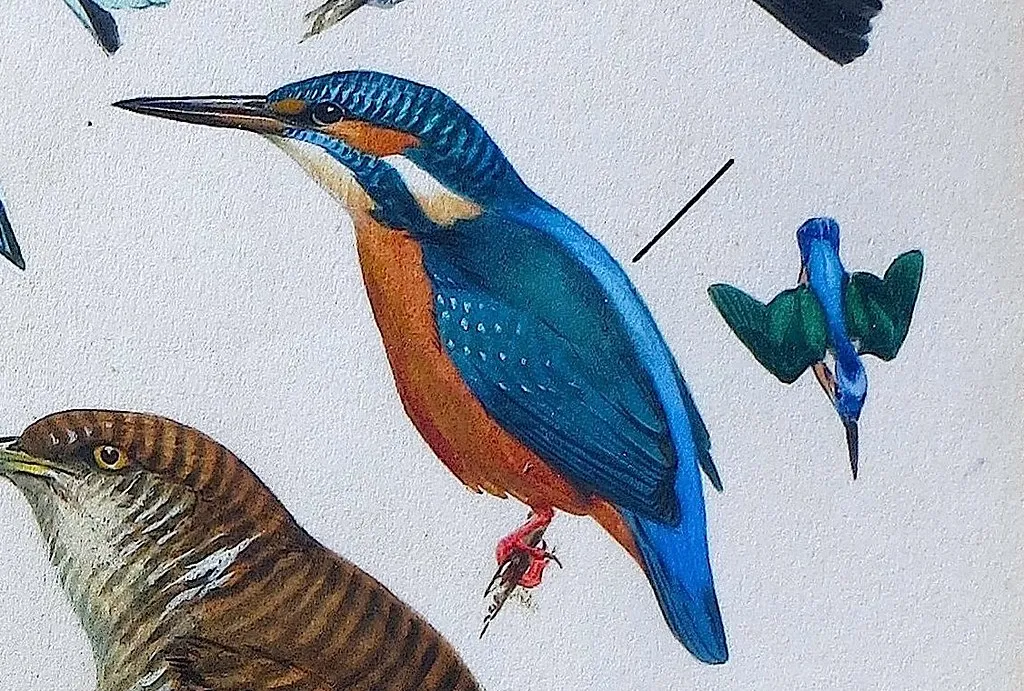
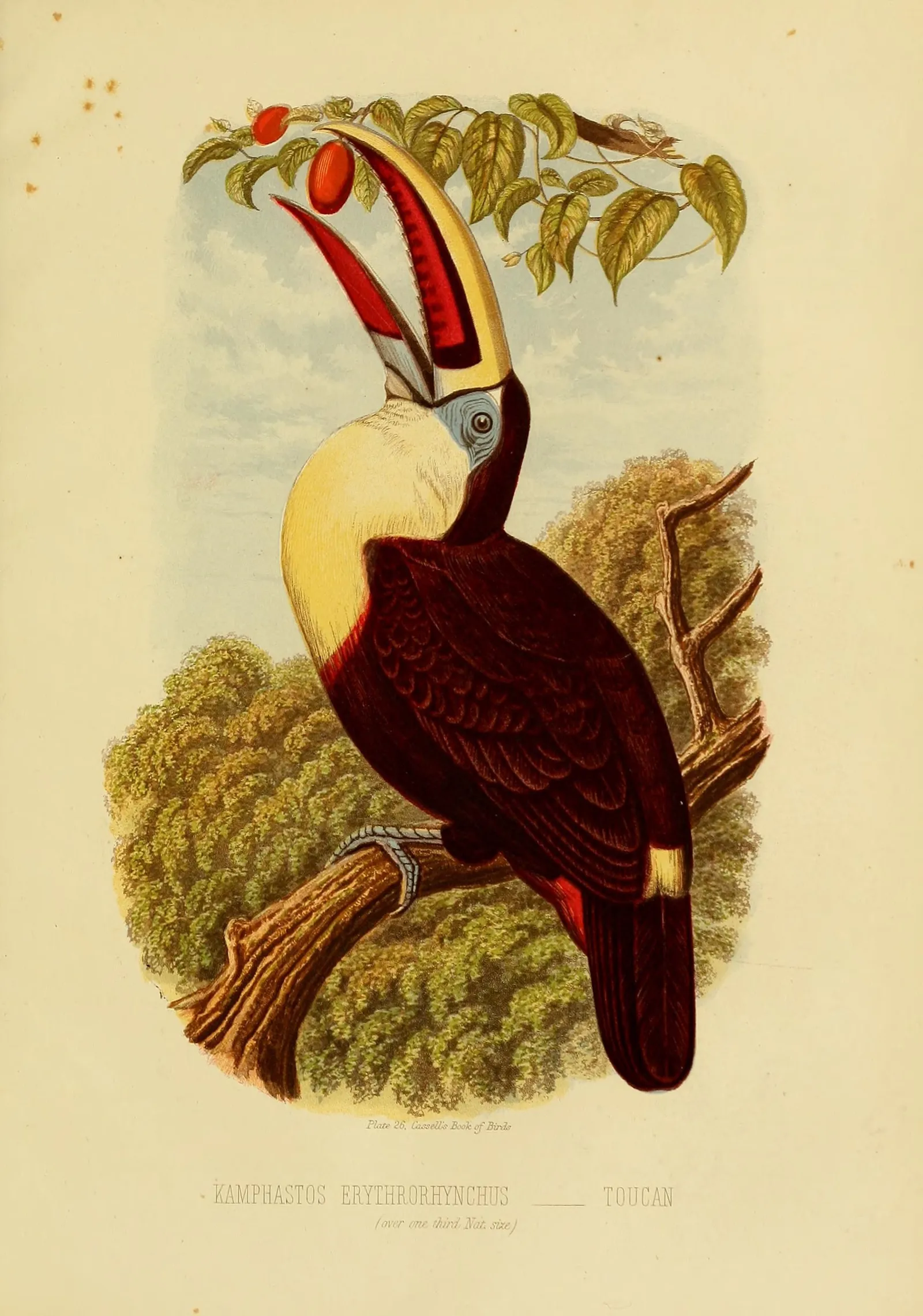
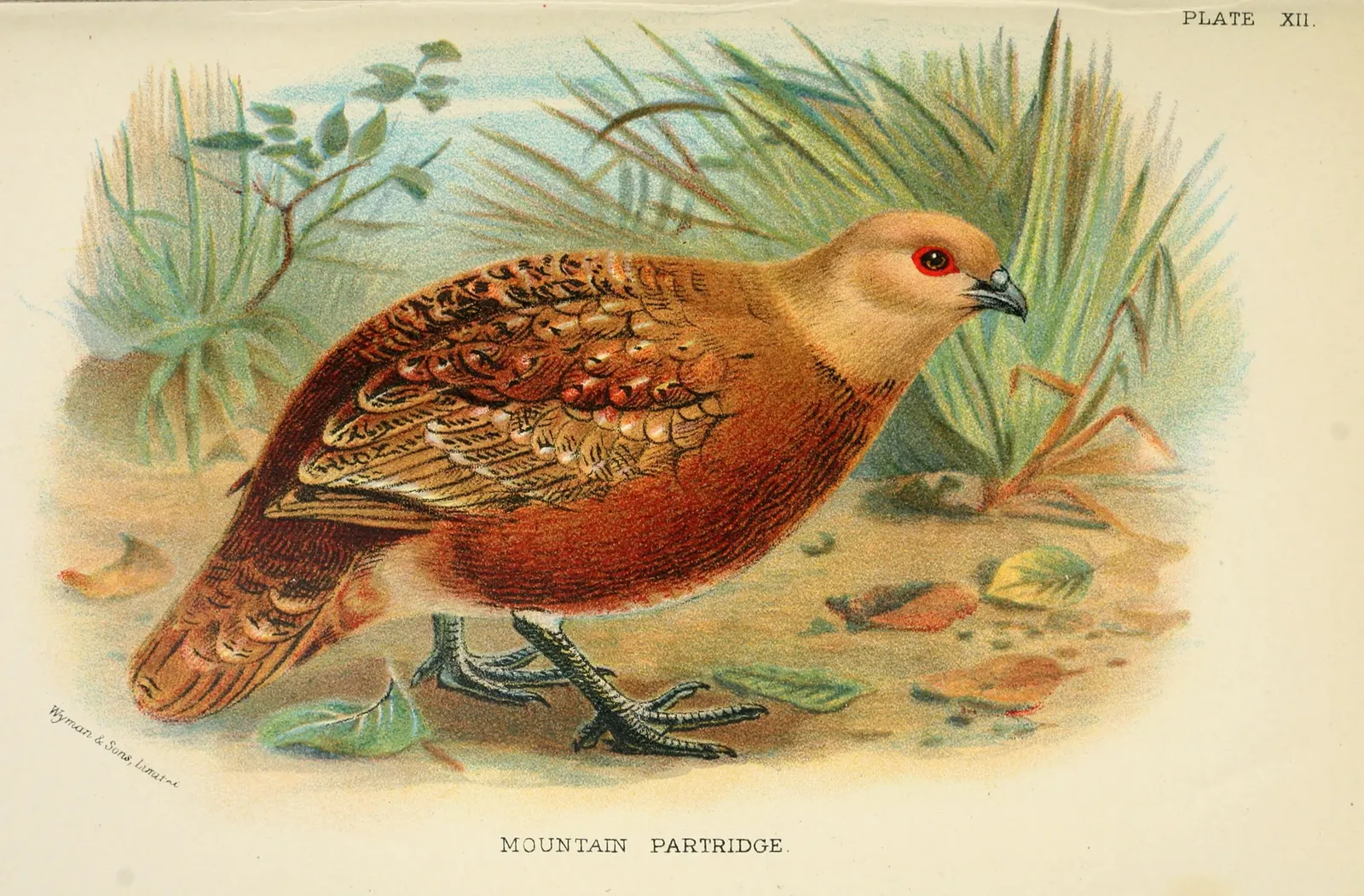
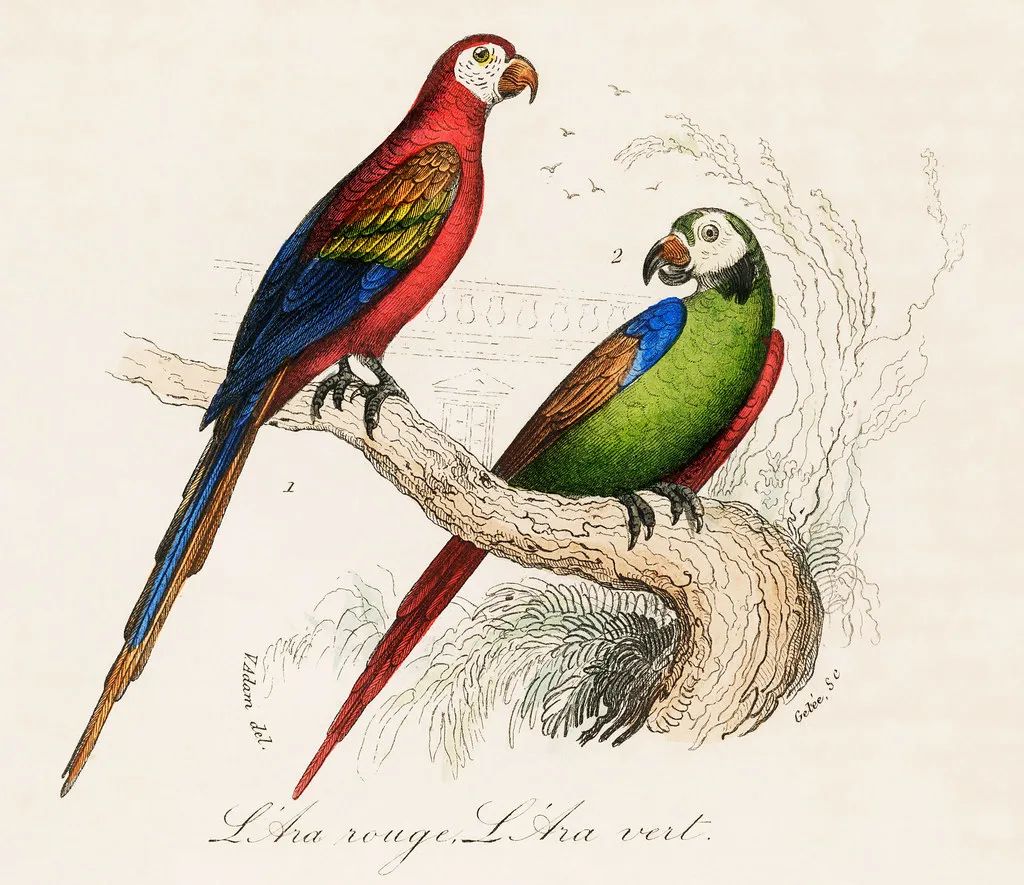
Lesser-known naturalists, early scientific treatises, and travel narratives with bird plates are all fair game for collectors. What they’re really after are hand-colored lithographs, steel engravings, or early chromolithographs – illustration techniques that predate modern printing entirely.
Even damaged volumes get “broken” by dealers so the plates can be sold individually for framing. That means a book your family assumes is unsellable might still carry value one plate at a time.
- Publication date before 1900
- Thick, often slightly uneven paper
- Engravings labeled “plate” alongside Latin species names
Condition still matters, but age combined with illustration style can lift even an obscure title into real money. Even seasoned collectors admit #9 is where the nostalgia market really kicks in.
#9 – The Children’s Bird Books Illustration Collectors Now Want Back
🔥 Would you like to save this?
We'll email this post to you, so you can come back to it later!
Most parents kept those quirky old nature books for kids. Most adult children now toss them without a second look, and that’s a mistake worth correcting.
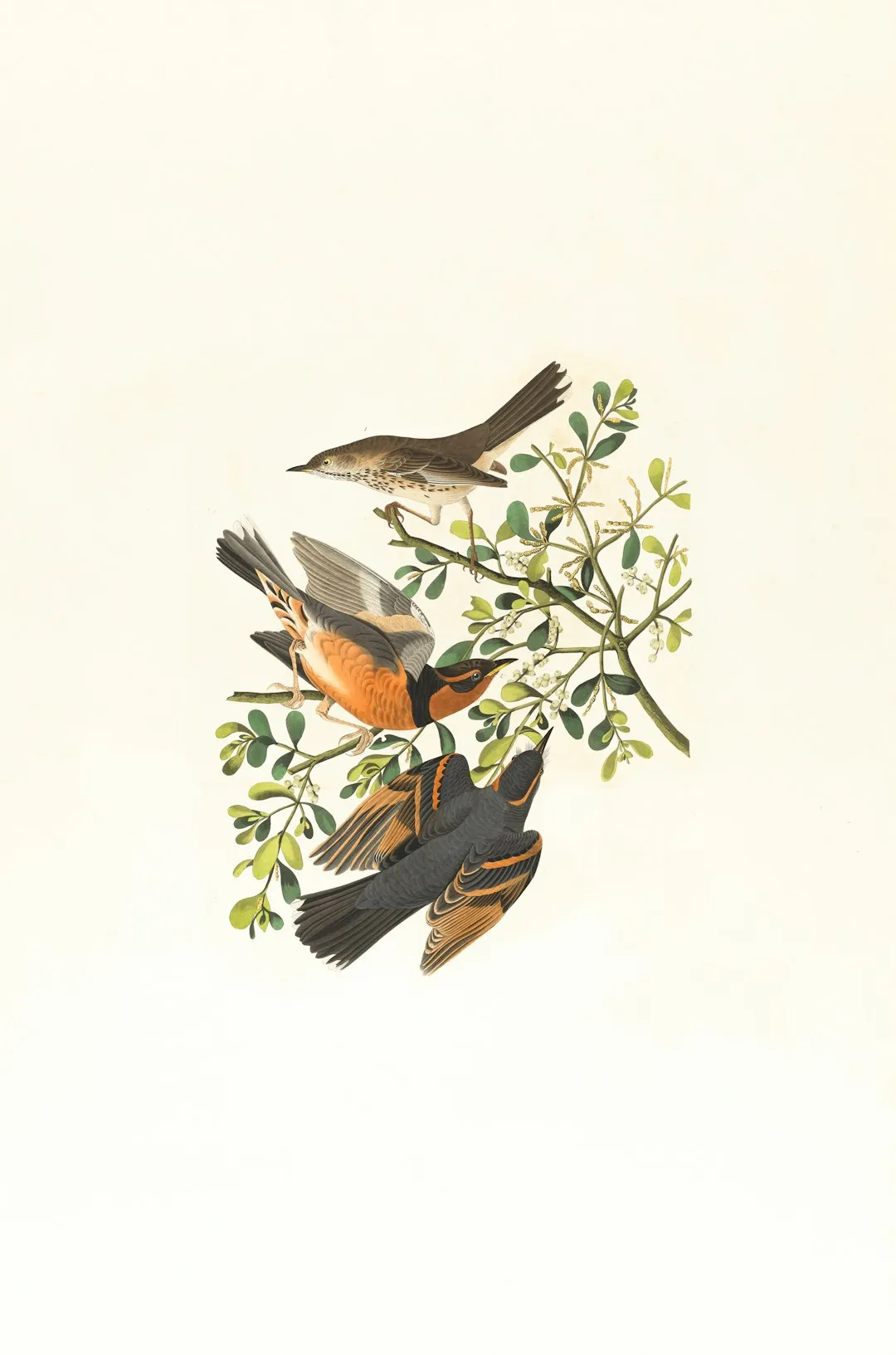
Certain 1960s-1970s children’s bird books, especially ones with bold, stylized art, are now genuinely beloved by illustration collectors, not just birders. Think simple stories paired with detailed bird pictures, or early “let’s go birdwatching” style picture books built almost like gentle science lessons.
First printings, intact dust jackets, and recognizable illustrator names can push values well beyond yard-sale territory. Some titles are chased specifically by collectors of vintage children’s illustration who don’t care about birds at all – they care about the art style.
Worth Knowing
- Bold, stylized mid-century art tends to outsell photographic covers
- Copyright page should show a true first printing, not a later book-club edition
- An unclipped price on the dust jacket signals an unaltered original release
- A recognizable illustrator’s name can matter more than the story itself
Flip through and check the copyright page for the earliest printing date, confirm the jacket is unclipped with pricing intact, and look for vibrant, unfaded color pages. It sounds almost silly, but the same book that taught your mom the difference between a robin and a wren might now be sitting on someone’s want-list. And if you think kids’ books can’t be serious money, wait until #8.
#8 – The Slim Museum Catalogue Nobody Realizes Is Worth Anything
🔥 Would you like to save this?
We'll email this post to you, so you can come back to it later!
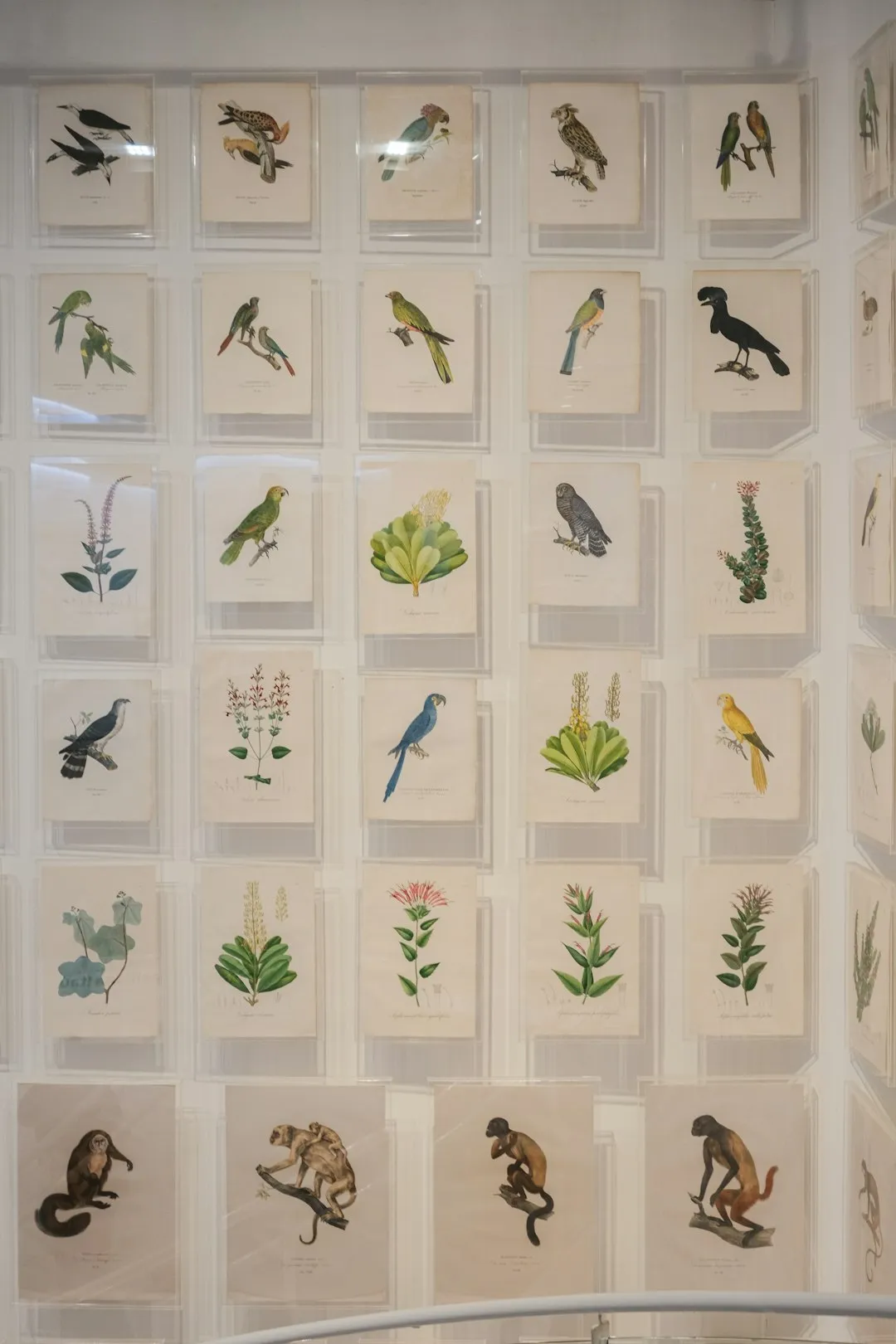
Here’s a category most families don’t even recognize as “books worth money”: exhibition catalogues and small-run monographs made for bird artists. These are often slim, beautifully printed volumes produced to accompany a single gallery show or museum exhibition, and they were never sold in regular bookstores.
Names matter a lot here. If your parents have a slim, nicely printed booklet built around one bird artist, check the colophon for the edition size before you decide it’s disposable.
Catalogues limited to a few hundred or a thousand copies, especially signed ones, can command real collector interest, sometimes because the catalogue is the only substantial printed record of that artist’s bird work at all.
- Phrases like “limited to 750 copies” or “first exhibition”
- Museum or gallery imprints on the title page
- High-quality paper and printing despite a short page count
These rarely scream value from the spine, but they quietly sell to serious art and bird collectors alike. Still, even they can’t compete with the cross-market pull of #7.
#7 – The Cheap Pocket Guide That’s Worth More Than Anyone Assumes
🔥 Would you like to save this?
We'll email this post to you, so you can come back to it later!
Most experts shrug off generic mass-market field guides, but a genuine subculture of collectors hunts for early pocket-sized bird guides from the Golden Guide series and its competitors. They’re not retirement money, but they’re far from worthless either.
The appeal is pure nostalgia. People who learned birding in the 1950s through the 1970s want the exact same little guide they carried in a jacket pocket as a kid, not a modern reprint.
First printings or early printings in near-mint condition – bright covers, uncreased spines – can sell above what you’d expect from “cheap paperbacks.” It’s a volume-driven market: one copy won’t pay a mortgage, but a whole box of them adds up.
- Pocket size, flexible covers, heavy use of color plates
- Early print years, not late-80s or 90s reprints
- No water damage and no loose pages
Most dealers treat these as filler stock, but concentrated nostalgia buyers keep prices quietly buoyant. Still, that’s small potatoes compared to what some people will pay for #6.
#6 – The Signature That Multiplies a Bird Book’s Value Overnight
🔥 Would you like to save this?
We'll email this post to you, so you can come back to it later!
Here’s where an ordinary bird book turns into an actual asset: an author or artist signature. A perfectly average field guide or monograph jumps in value the moment it’s signed by a widely respected name in ornithology or wildlife art.
If your parents ever attended nature club meetings, Audubon Society events, or old-school book signings, it’s worth checking every title page in the house. A clean, dated signature from a major name can multiply a book’s value several times over.
Add an inscription mentioning a specific event or location, and you’ve got a small piece of documented history, not just a signed copy.
Fast Facts
- A dated, legible signature typically outperforms an undated scrawl
- Signatures tied to a specific event or location carry documented context
- Letters or photos from the actual signing add credibility buyers pay for
- Authentication matters more once a signed copy climbs into four figures
This is one category where collectors genuinely disagree. Some insist a personalized inscription ruins resale value; others insist it adds soul and makes the book unrepeatable. That tension alone keeps prices volatile – and keeps the arguments lively at every book fair. Even signed copies, though, have a hard time beating the sheer visual pull of #5.
#5 – The Pre-Digital Bird Photography Book Nobody Appreciates Yet

🔥 Would you like to save this?
We'll email this post to you, so you can come back to it later!
In an age where everyone carries a decent camera in their pocket, it’s easy to forget how insanely hard serious wildlife photography used to be. Pre-digital bird photography books, especially from the 1950s through the 1980s, are now quietly appreciated as historical records of both species and technique.
Collectors look for early, all-color photography volumes built entirely around birds. The best examples show sharp images, thoughtful composition, and sometimes habitats or species that are far rarer today than they were when the photo was taken.
First editions in nice dust jackets, especially from reputable natural history publishers, are the ones that actually draw attention and money.
- Focus on one region or family – shorebirds, raptors, seabirds
- Well-known photographers or naturalists credited prominently
- Rich color reproduction on glossy paper
Some birders still dismiss photography books as “less serious” than illustrated guides. Photography collectors strongly disagree, and they’re the ones actually holding the checkbooks. Still, old-school money tends to chase illustration, which is exactly why #4 gets very real.
#4 – The Fuertes and Gould Compilations Serious Collectors Actually Chase
🔥 Would you like to save this?
We'll email this post to you, so you can come back to it later!
Your parents may have never heard the names Louis Agassiz Fuertes or John Gould. Serious collectors absolutely have. Compilations of their work, especially early, well-printed 20th-century or late-19th-century editions, are a genuine big deal in this world.
These books sit right at the bridge between scientific illustration and fine art. High-quality reproductions of iconic plates, printed large, with minimal damage, can command serious money.
Not Audubon-folio territory, but firmly in “this could fund a nice vacation” range for the right title and condition.
- Size and print quality of the plates
- Whether plates are tipped-in (mounted) or printed directly on the page
- Whether every single plate is present – one missing plate hammers the price
Dealers sometimes break damaged volumes just to sell the plates individually, which means intact, complete copies grow rarer and more valuable every year. Many families unknowingly own exactly this kind of compilation, filed away under a vague label like “old bird book.” Even these classics, though, usually bow to the cultural gravity of #3.
#3 – The Real Audubon Edition Hiding in Plain Sight

🔥 Would you like to save this?
We'll email this post to you, so you can come back to it later!
Let’s be honest up front: you almost certainly don’t have an original full-folio Audubon “Birds of America” hiding in the attic. Almost nobody does – those sell for millions and live in museums and a handful of private vaults.
But you might have one of the more desirable reduced, or “octavo,” editions, or an early authorized reprint that still carries serious weight with collectors. These smaller formats were issued starting in the mid-1800s, using scaled-down versions of Audubon’s original plates.
Even a worn copy of a genuine 19th-century octavo edition can carry four-figure value, especially with multiple intact color plates. Condition, completeness, and binding all matter, but the Audubon name does a lot of the heavy lifting on its own.
- Publication date firmly in the 1800s
- Clear mention of Audubon and an established 19th-century publisher
- Hand-colored or delicately printed plates, not flat modern offset ink
Most families own the cheap 20th-century lookalikes. A few, without realizing it, quietly own the real thing. Even Audubon, though, has to share the spotlight with a very different kind of value at #2.
#2 – The Boring-Looking Academic Book That’s Secretly Gold
🔥 Would you like to save this?
We'll email this post to you, so you can come back to it later!
Here’s the category that shocks people the most: dry-looking academic ornithology books from the early to mid-1900s. No flashy plates, no pretty cover art – just dense text, charts, and distribution maps that look like something from a college library sale bin.
For researchers and serious birders, though, these can be gold. They contain baseline data: breeding records, early migration studies, population surveys taken before major industrial change reshaped entire landscapes.
Modern conservationists and historians actually rely on these old numbers as reference points, which keeps demand quietly steady. Out-of-print technical works from respected institutions can sell reliably, even when they look boring to absolutely everyone else in the room.
- University or museum publisher names on the spine
- Detailed tables, appendices, and black-and-white maps
- Limited print runs, often cited later in field guides
These aren’t the books that win beauty contests, but they quietly do the most work in the background of the entire field. Ironically, they’re usually the first thing tossed when someone cleans out a house, which is exactly why they’ve become more collectible, not less. Yet even among every category on this list, one type of “old bird book” consistently triggers the strongest reaction of all.
#1 – The Bird Book With a Story, the One Collectors Want Most
🔥 Would you like to save this?
We'll email this post to you, so you can come back to it later!
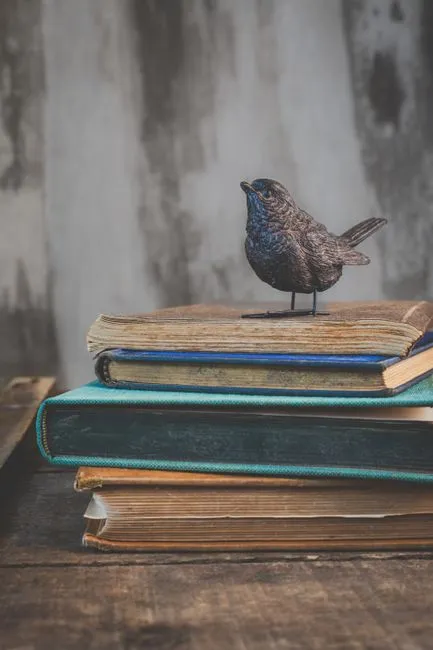
The single most underrated value factor isn’t which title or which edition you’re holding. It’s who owned it, and how well that story can actually be proven.
A modest field guide tied to a known naturalist, an early bird-club leader, or even a local legend can outrun a technically “better” book that has no story attached at all. Provenance, in this specific corner of collecting, beats rarity almost every time.
If your parents’ shelves include bird books that belonged to a pioneering local birder, a scientist, someone who kept meticulous field notes tucked inside the pages, or a person connected to a known birding hotspot, that history adds a layer of value collectors increasingly care about.
A common field guide heavily annotated by a respected birder can genuinely be more desirable than a pristine but anonymous copy of the exact same book. In an era obsessed with data and verification, personal history has become the real premium.
Worth Knowing
- Keep any loose letters, notes, or photographs tucked inside the pages
- Bookplates showing a name and date help verify a claimed owner
- Old newspaper clippings about a birder can corroborate the story
- A dealer or appraiser can help confirm provenance before you sell
The catch is that you have to keep the story intact. Letters, photographs, bookplates, even old newspaper clippings tucked between the pages – throw those away during a cleanup, and you’ve stripped away half the value without realizing it. While most people obsess over flashy titles, the smartest collectors are quietly paying for the intersection of rarity, condition, and real human history. That’s where the actual money lives.
The Bottom Line
🔥 Would you like to save this?
We'll email this post to you, so you can come back to it later!
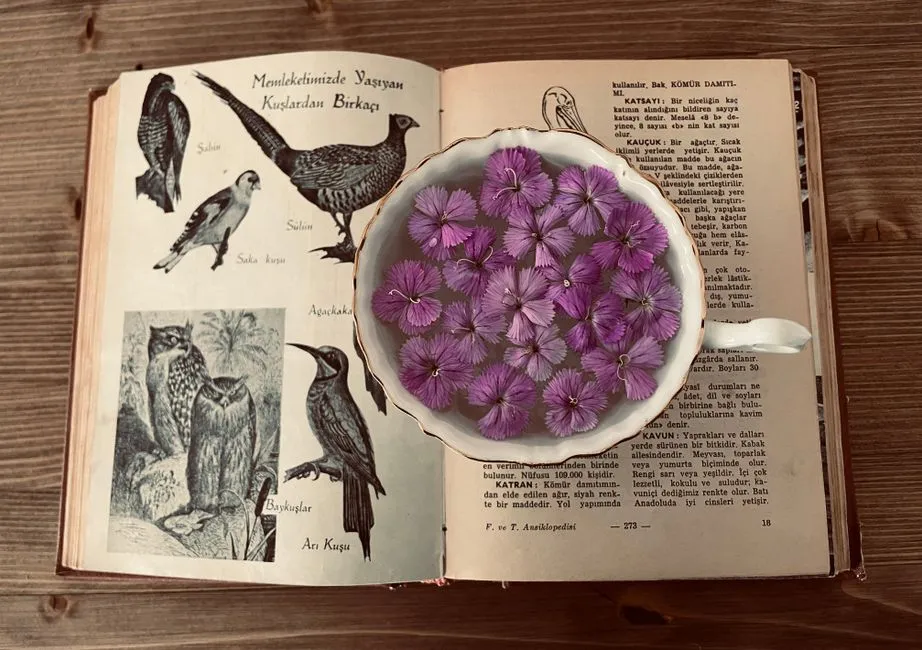
Here’s the uncomfortable truth: most of those “junk” bird books in your parents’ house aren’t junk. They’re badly misunderstood, and the collectors quietly chasing them know something most families don’t – that value in this world almost never comes from the obvious stuff.
Nobody’s paying for feathers on a cover. They’re paying for a very specific mix of age, edition, illustration quality, a real signature, or a story nobody bothered to write down. A 1970s pocket guide might be genuinely worthless, while a dry 1940s regional checklist or a signed mid-century monograph quietly pulls in real money at the exact same yard sale.
If I’m being blunt, the biggest mistake people make isn’t picking the wrong book to keep – it’s not looking at all. Donating an entire shelf without checking dates, dust jackets, plate types, signatures, or provenance is how genuine four-figure books end up in a landfill for fifty cents. Before you haul those boxes to the thrift store, spend twenty minutes actually opening the covers. That habit alone is worth more than most people realize.

- 7 Everyday Habits That Can Make Your Senior Dog Happier - November 5, 2026
- 10 Enigmatic Structures That Continue to Puzzle Scientists Today - November 5, 2026
- 10 Strange Ruins in the Americas That Challenge What We Know About Early History - November 5, 2026