

In the vast and diverse world of animal behavior, male dominance is a familiar narrative. However, this is not the rule in every kingdom. Across various species, female animals wield significant power, often controlling social structures, territorial rules, and even mating rituals. In this article, we’ll explore 15 remarkable species where females rule the roost, highlighting the diverse strategies and behaviors that these matriarchs utilize to maintain dominance. These stories of female empowerment in the wild not only enlighten our understanding of animal behavior but also challenge some of our preconceived notions about gender roles in nature.
1. The Spotted Hyena Queens of the African Savanna
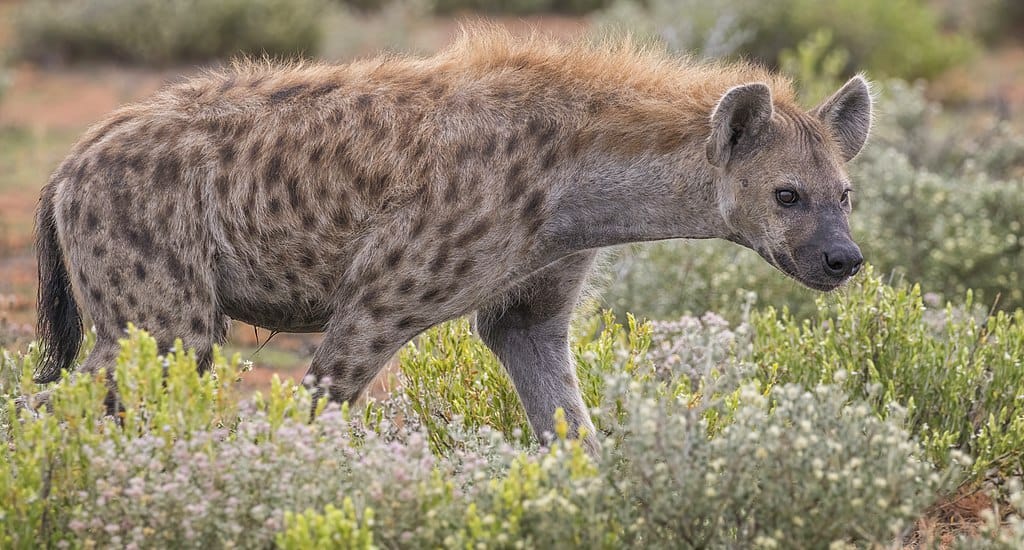
Among the most well-known matriarchal societies in the animal kingdom are the spotted hyenas. These powerful predators live in social groups known as clans, which can number up to 80 individuals and are led by an alpha female. Females are larger and more aggressive than males, with their social status inherited maternally. Surprisingly, even the lowest-ranking female dominates over the highest-ranking male, a rare trait in the animal world.
2. The African Elephant Matriarchal Memory Keepers
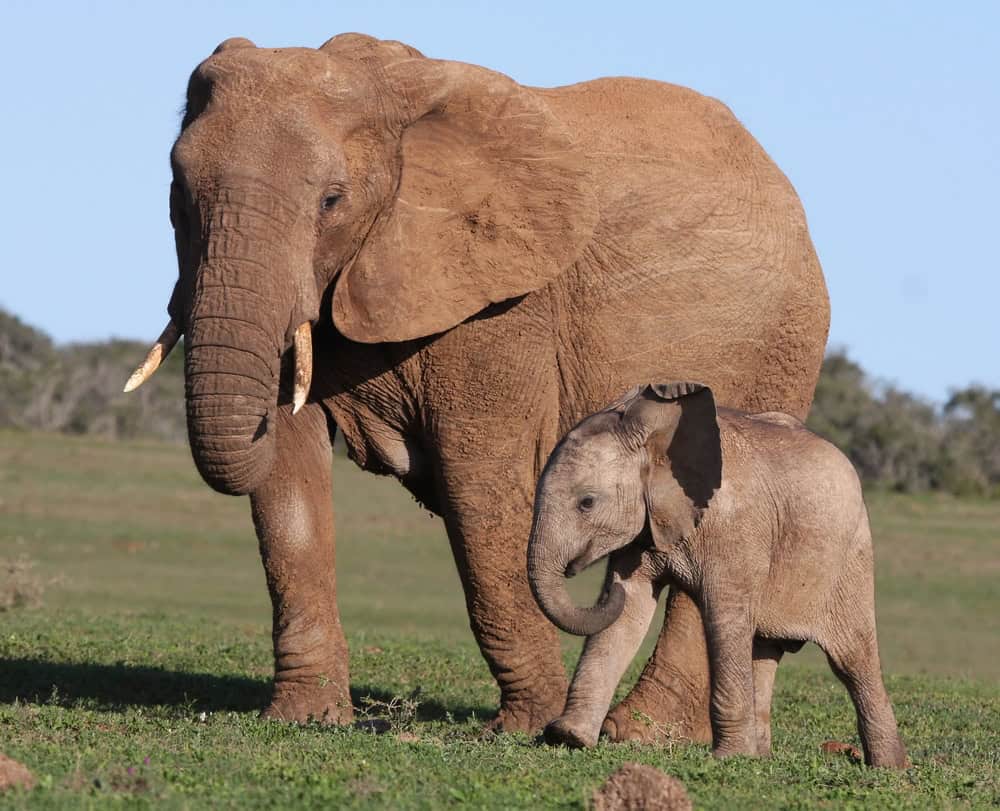
African elephants offer another fascinating example of female leadership. Elephant herds are typically led by a matriarch, an experienced female who serves as a repository of collective wisdom. She guides the herd through complex social dynamics and geographical challenges, drawing on decades of experience to navigate migration routes and find resources. Her leadership is crucial for the survival of the group.
3. Bonobos The Peacekeepers

The bonobo, a close relative of the chimpanzee, exhibits a unique societal structure where females hold significant sway over group dynamics. Female bonobos bond through grooming and sexual interactions, forming alliances that can influence male behavior. This female cooperation often results in more peaceful social interactions compared to other great apes.
4. The Orcas Pods Led by Knowledge

Orca, or killer whale, pods are led by the oldest female, whose extensive knowledge of hunting locations and techniques is invaluable. The matriarch’s leadership can span generations, influencing the survival of her offspring and grand-offspring. Studies show that post-reproductive female orcas play critical roles in their social groups, sharing their wisdom and stabilizing the pod’s dynamics.
5. The Meerkat Queen of the Desert

In meerkat societies, the dominant female holds a position of significant power. She is typically the only female allowed to breed, while subordinate females act as babysitters or lookouts in the harsh desert environment. This hierarchical structure ensures that her genes have the best chance of survival in the challenging ecosystems of southern Africa.
6. Naked Mole-Rats The Queen’s Underground Empire
Living in highly structured colonies, naked mole-rat societies revolve around their queen. Often the only female allowed to reproduce, the queen intimidates other females to maintain her status. Remarkably, she physically elongates to hold and birth extensive litter, crucial for her colony’s continued survival.
7. Lions The Lioness Leaders
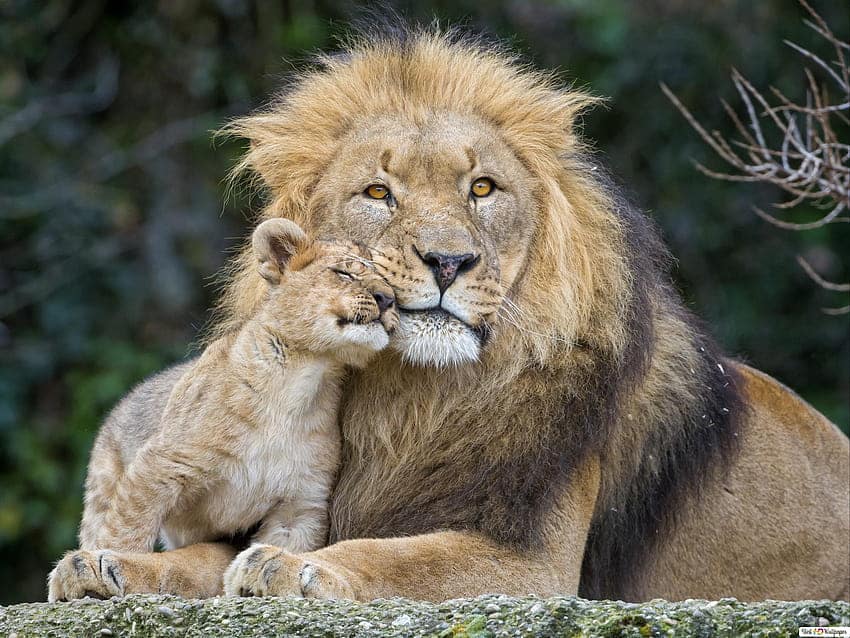
Although male lions often claim the spotlight as kings of the jungle, it’s the lionesses who typically lead the pride’s daily activities. These females are primarily responsible for hunting and rearing the young, showing remarkable teamwork and strategic planning. Their strength and cooperation ensure the pride’s cohesion and prosperity.
8. Bees The Reign of the Queen

The structure of a bee colony is dictated by its queen. She is the sole breeding female in the hive, with worker bees – all females – performing essential tasks to support the colony. Her pheromones influence hive activities and maintain the social order of thousands of individuals, demonstrating the powerful rule of one productive female.
9. Lemurs Leading the Troop with Grace

On Madagascar, female lemurs often dominate their troops, a trait not commonly found among primates. The females assert their authority in feeding and resting sites, sometimes using aggressive tactics to maintain access to resources. This leadership ensures that the troop remains well-fed and protected.
10. Ants The Comprehensive Female Hierarchy

Ant colonies are highly organized structures led by the queen. Much like bees, the queen is the reproductive powerhouse, producing offspring, while worker ants, exclusively female, care for and protect the colony. This female-driven hierarchy is central to the survival and functioning of the colony, showcasing remarkable organization.
11. Warthogs Matriarchal Family Units
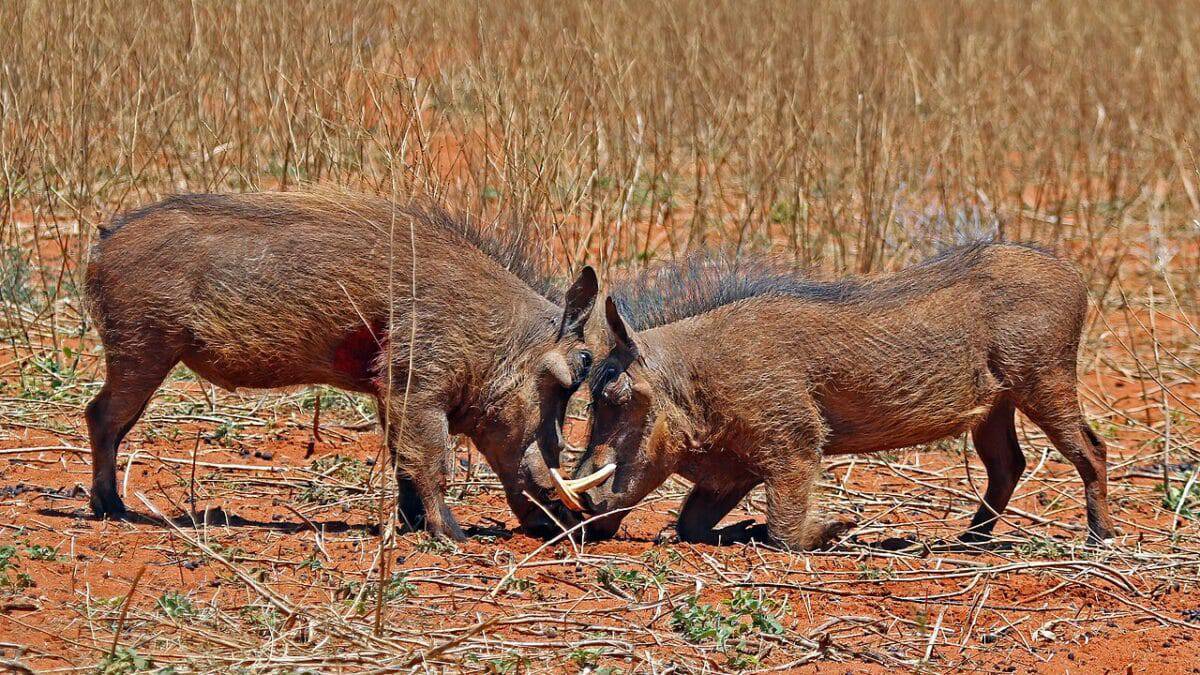
Warthogs live in small family groups led by an older, dominant female. These matriarchs oversee foraging and the defense of the group. Their role is crucial during migrations and in terms of navigating through territories densely packed with predators, illustrating female leadership in small mammal communities.
12. Aye-Aye The Nightwatcher Leaders

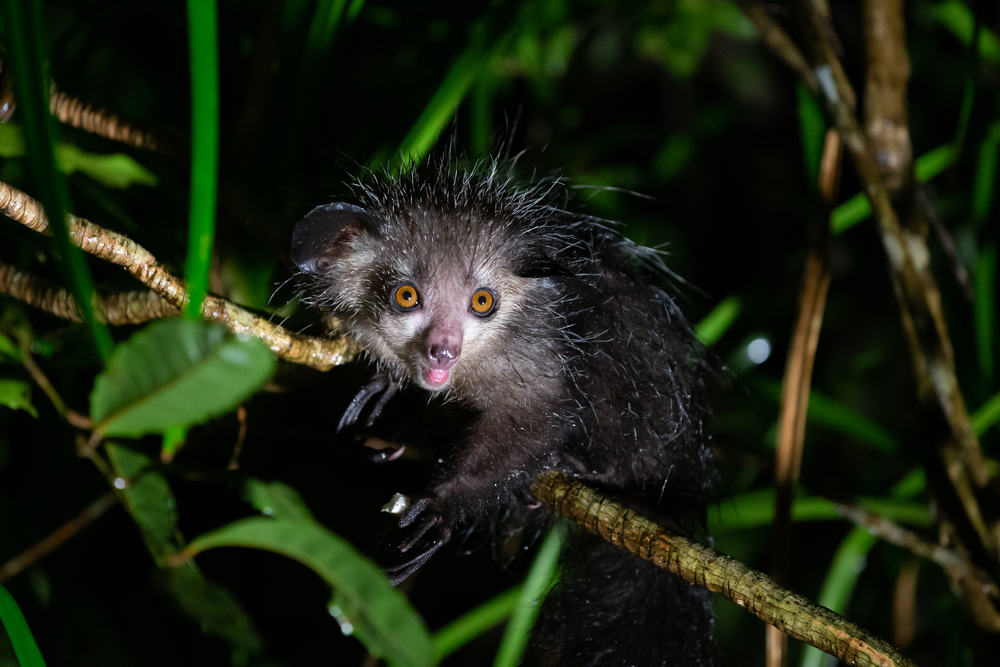
The mysterious aye-aye of Madagascar also demonstrates matriarchal traits. Female aye-ayes maintain territories and are known for being dominant during the sparse night feeding opportunities. Their role in territorial control ensures that their offspring have access to the nutritional resources necessary for survival.
13. Ring-Tailed Lemurs The Bosses of the Troop
Ring-tailed lemurs exhibit another fascinating example of a matriarchal society. In these groups, females lead social and foraging behavior. They use their power to determine troop movement and resource allocation, demonstrating that their survival depends heavily on female leadership and decision-making.
14. Bonnethead Sharks Mothers of the Sea

In the ocean, bonnethead sharks are an example where female influence reigns. These sharks often gather in female-dominated schools where the leadership role supports not only mating practices but also foraging routes and territorial boundaries, illustrating a unique underwater matriarchal society.
15. Spiders The Deadly Queens
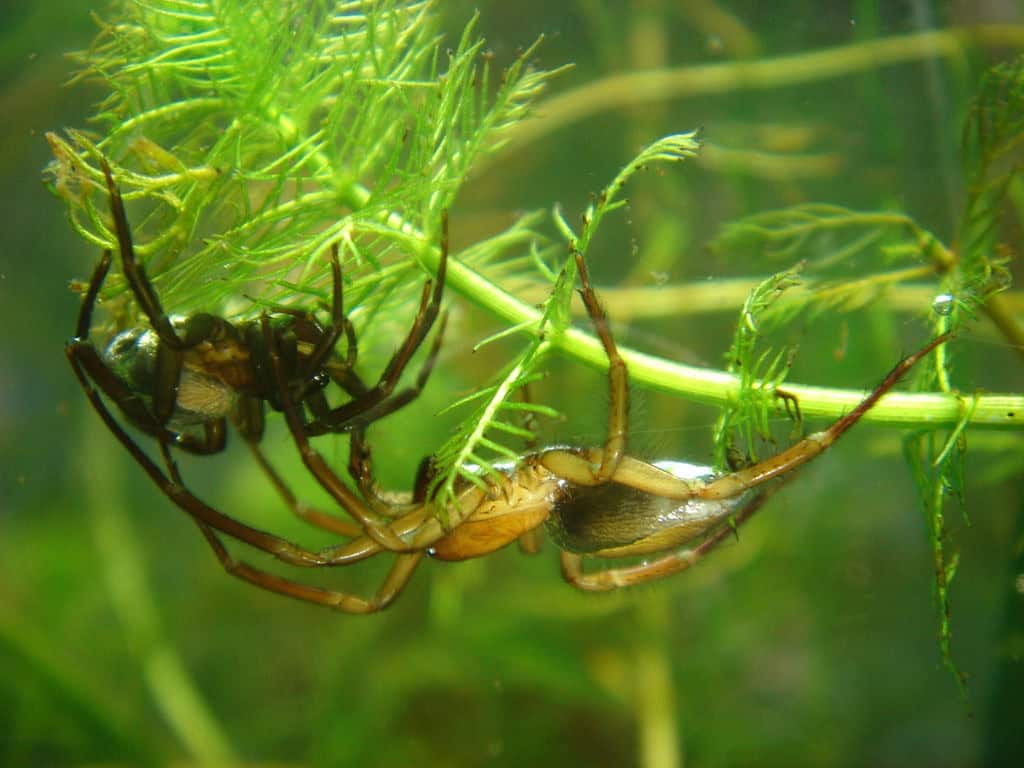
Diving Bell Spiders. Baupi, CC BY-SA 3.0 http://creativecommons.org/licenses/by-sa/3.0/, via Wikimedia Commons
In a terrifying yet fascinating portrayal, many spider species depict female dominance. In some species, females are significantly larger and more predatory, sometimes even consuming males after mating. This ensures their ability to thrive in a resource-limited environment by controlling mate selection and nest maintenance.
Conclusion: Celebrating Nature’s Leading Ladies
Exploring these remarkable examples of matriarchal societies across the animal kingdom reveals how essential female leadership can be to the survival and success of a species. Through complex social structures, strategic survival tactics, and decisive leadership, these females demonstrate the vital roles that they play in their ecosystems. By understanding these dynamics, we not only gain insight into the fascinating world of animal behavior but also question and expand our understanding of gender roles within nature. In a world where diversity is key to survival, the stories of these female leaders remind us of the power and necessity of adaptability.

As a little kid, I fell in love with nature, wildlife, and animals. Living in the USA, South Africa, Italy, China and Germany gave me the opportunity to discover the world's Wildlife. My favorite animals are Mountain Gorillas, Siberian Tigers, and Great White Sharks.
I'm a certified PADI Open Water Diver, went to Everest Base Camp and Trekked Gorillas in Uganda. I hold a Master of Science in Economics and Finance.
Please send any feedback to feedback@animalsaroundtheglobe.com
- The Spiritual Significance of the Eagle as a Spirit Animal - August 2, 2026
- 13 Animals That Changed Science Forever - August 2, 2026
- 8 Things That Draw Sharks In And 3 That Send Them Swimming Away - August 2, 2026
Leave a comment
You must be logged in to post a comment.