
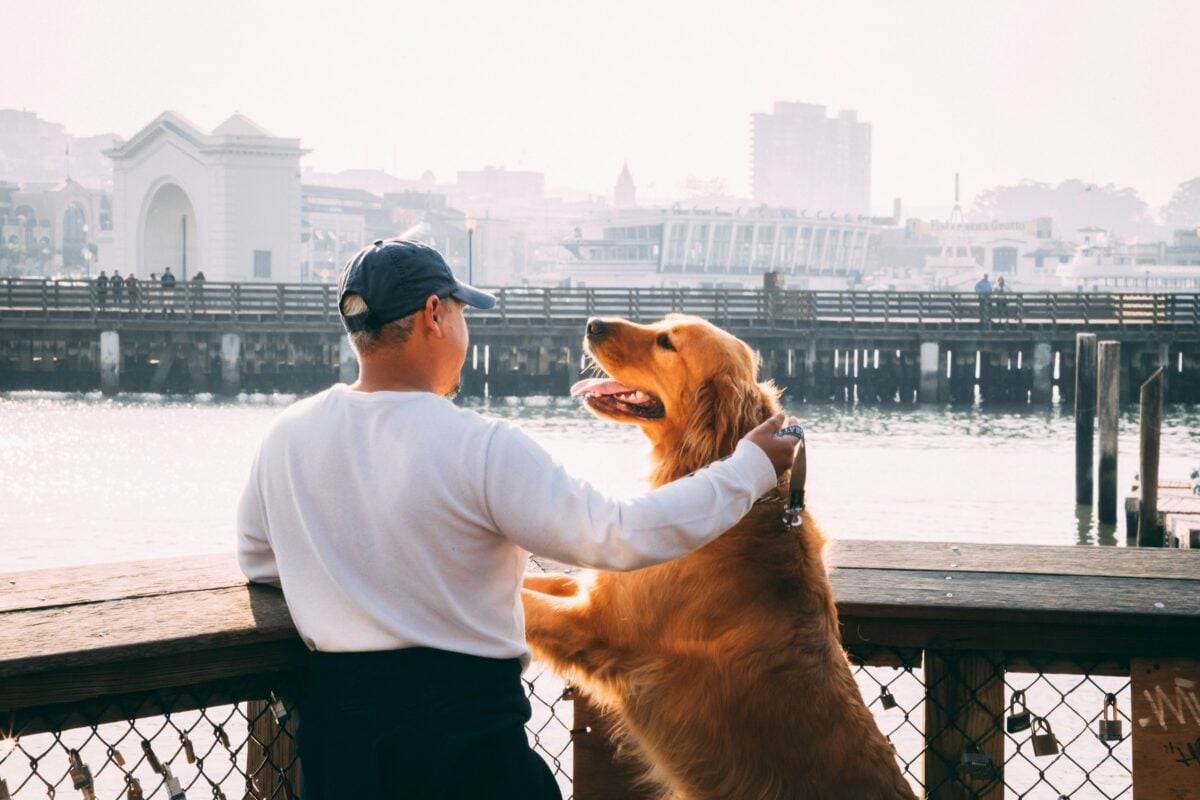
You fill the bowl twice a day and still wonder why your dog lingers by the door until someone else walks in. Many owners assume the person who handles meals holds the top spot, yet behaviorists and veterinarians keep pointing to quieter cues that reveal a deeper preference. Those small, repeated choices add up to something more telling than any routine chore.
The signs often appear in everyday moments rather than dramatic displays. Watching how a dog moves through the house, settles at night, or reacts to a raised voice can show who truly matters most. The list below walks through fifteen of the clearest indicators, drawn from patterns observed across different breeds and households.
15. They Follow You From Room to Room
🔥 Would you like to save this?
We'll email this post to you, so you can come back to it later!
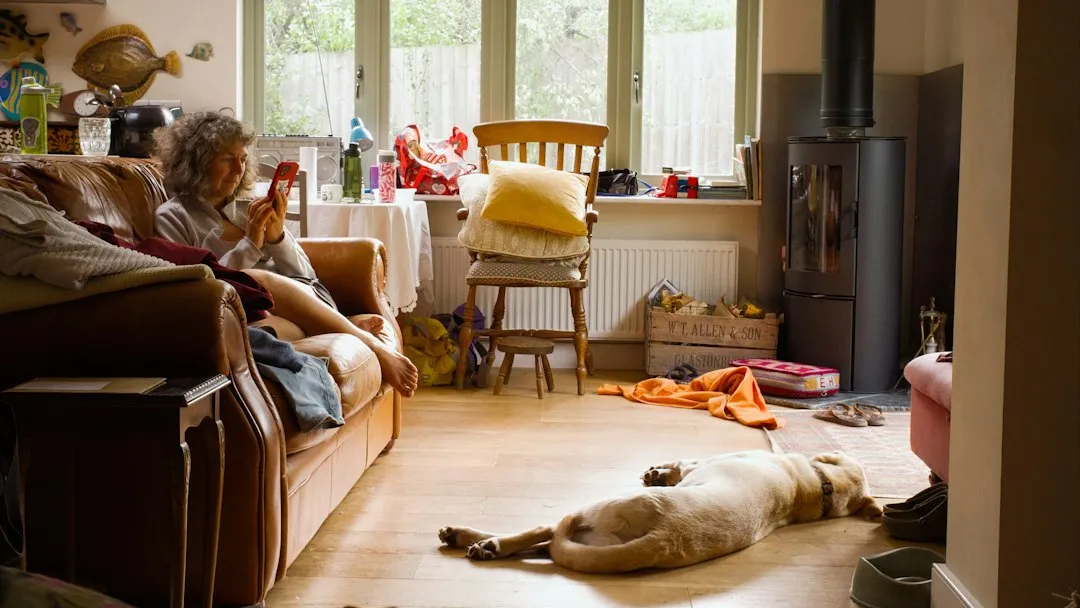
Dogs that have chosen one person often treat that individual like a moving anchor. They pad along behind you even when nothing exciting is happening, shifting from the kitchen to the living room without any promise of food or play. This shadowing behavior shows up more consistently with the preferred person than with others in the home.
The habit reflects a desire for proximity rather than simple curiosity. Over weeks it becomes noticeable because the dog rarely settles until you do. In multi person homes the pattern stands out when the dog ignores a second adult who stays put while you move around.
14. They Choose Your Side of the Bed or Couch
🔥 Would you like to save this?
We'll email this post to you, so you can come back to it later!
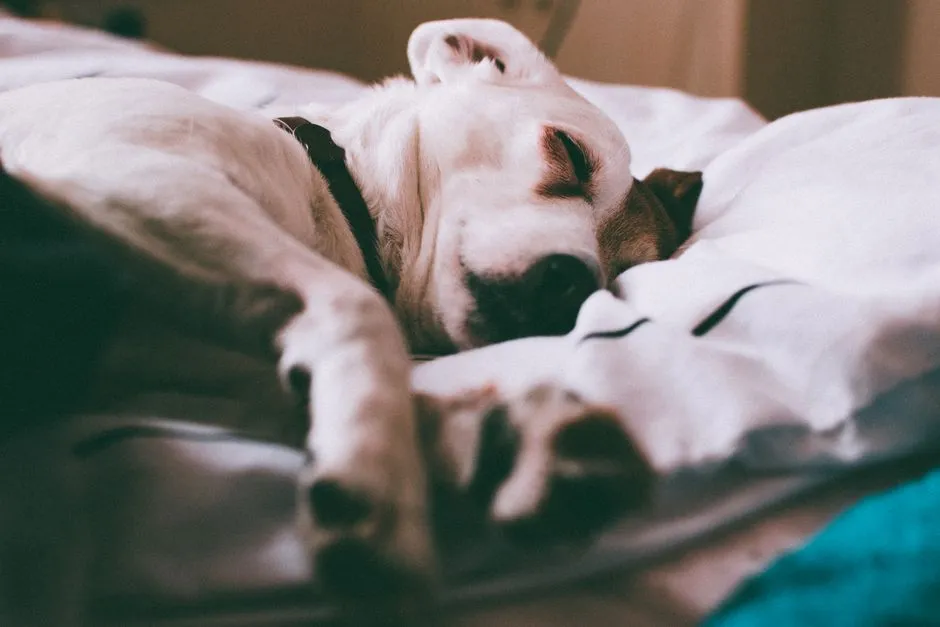
At night many dogs pick a specific spot next to one person and stick with it. They curl against your legs or rest their head on your pillow even when space exists elsewhere. This choice repeats night after night and rarely shifts to another household member.
The preference shows in how the dog arranges its body for comfort and security. It also appears during daytime naps when the dog seeks out your usual chair instead of an empty sofa. Owners notice the pattern most clearly on days when the favored person is away and the dog seems restless.
13. They Bring Toys Directly to You
🔥 Would you like to save this?
We'll email this post to you, so you can come back to it later!
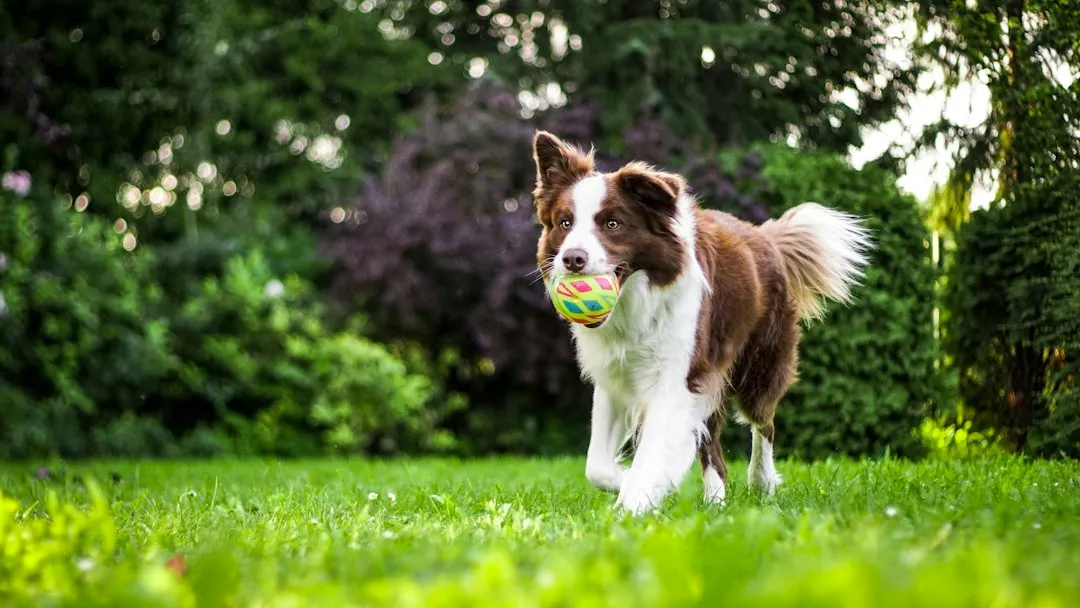
A dog that drops a ball or squeaky toy at your feet again and again is offering an invitation. The action happens more often with one person and includes waiting expectantly for a response. Other family members may receive the toy once or twice, yet the dog returns to you for the real game.
This selective play builds over time and includes variations like nudging the toy closer when you look away. It signals trust because the dog is sharing something it values. The behavior stands out during quiet evenings when the dog could easily approach anyone yet consistently chooses you.
12. They Hold Eye Contact Longer With You
🔥 Would you like to save this?
We'll email this post to you, so you can come back to it later!
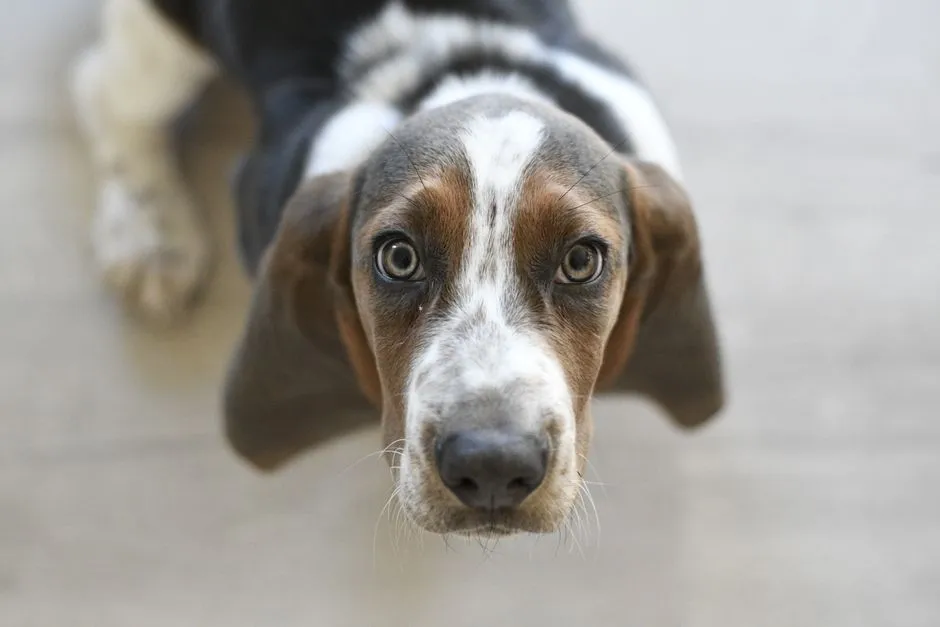
Extended eye contact in dogs often signals affection rather than challenge when the rest of the body stays relaxed. The favored person receives soft stares that last several seconds during calm moments. Other people get quicker glances or none at all once the dog feels settled.
The difference shows during training sessions or simple conversations around the house. A dog may look away from a second person after a brief moment yet linger with you. This pattern repeats across different settings and becomes a reliable marker once noticed.
11. They Lean or Press Against You for Support
🔥 Would you like to save this?
We'll email this post to you, so you can come back to it later!
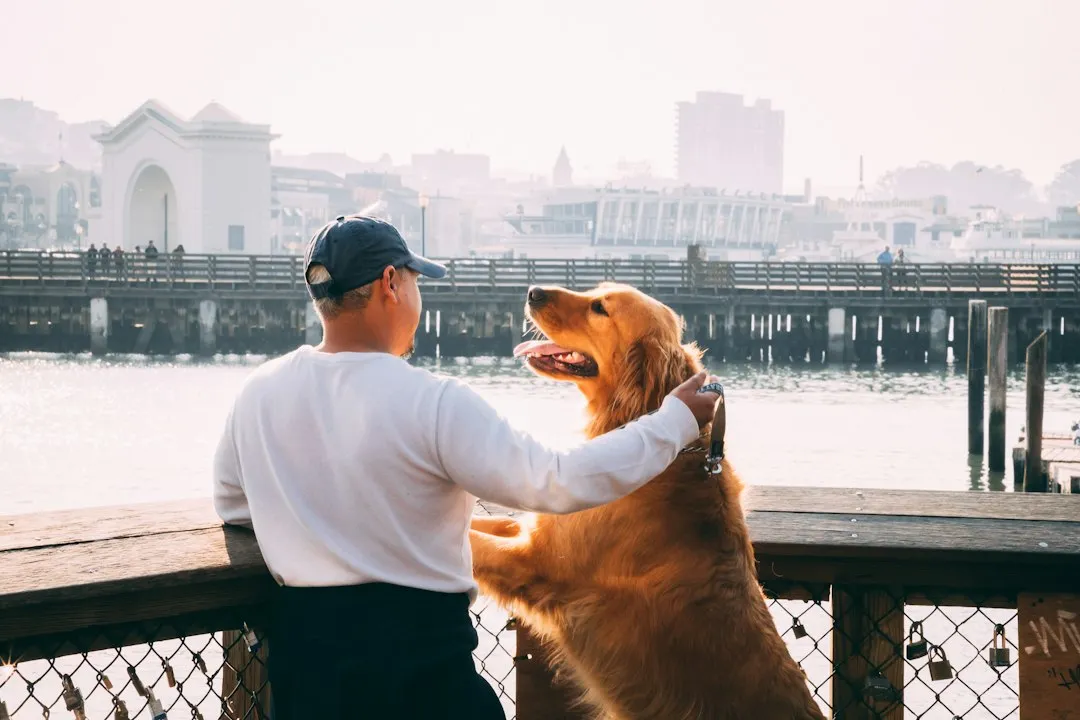
Physical contact through leaning provides comfort and marks territory in a gentle way. Dogs press their side or back into the legs of their chosen person while standing still. The contact feels deliberate and often occurs when the dog feels secure enough to relax its weight.
Other household members may receive occasional bumps, yet the sustained lean happens almost exclusively with one individual. The behavior appears both indoors and during walks when the dog drifts closer to your side. Over months it becomes a quiet but consistent signal of preference.
10. Their Tail Carries a Distinct Rhythm Around You
🔥 Would you like to save this?
We'll email this post to you, so you can come back to it later!
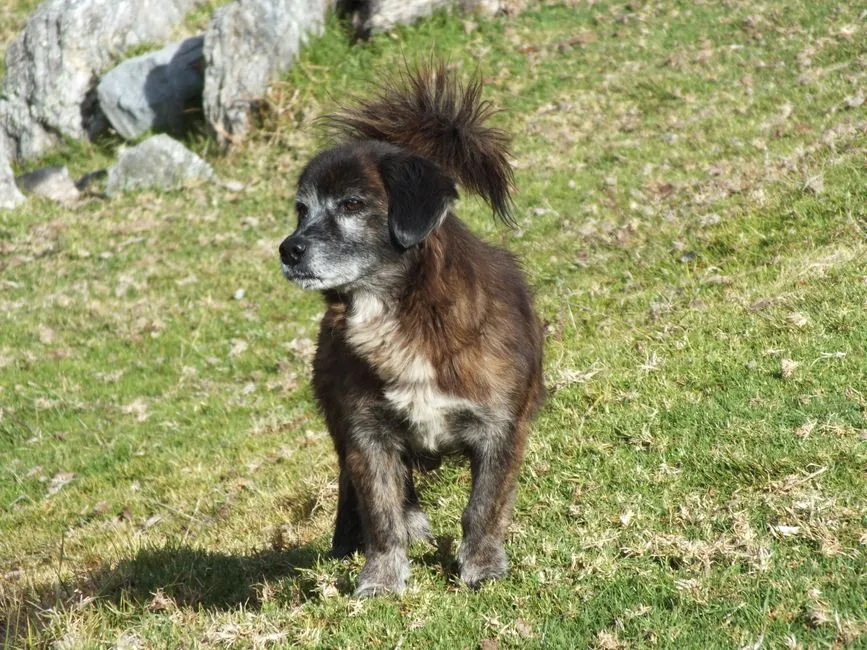
Tail wags vary in speed and height depending on the person nearby. With the favorite the wag tends to be looser and lower, sometimes sweeping the floor in wide arcs. The movement looks different from the quicker, higher wags directed at visitors or other family members.
Owners who pay attention notice the change during greetings or simple returns to the room. The tail may even pause briefly before resuming its slower pattern when you appear. This subtle variation adds another layer to the overall picture of attachment.
9. They Greet You First Even When Others Are Present
🔥 Would you like to save this?
We'll email this post to you, so you can come back to it later!
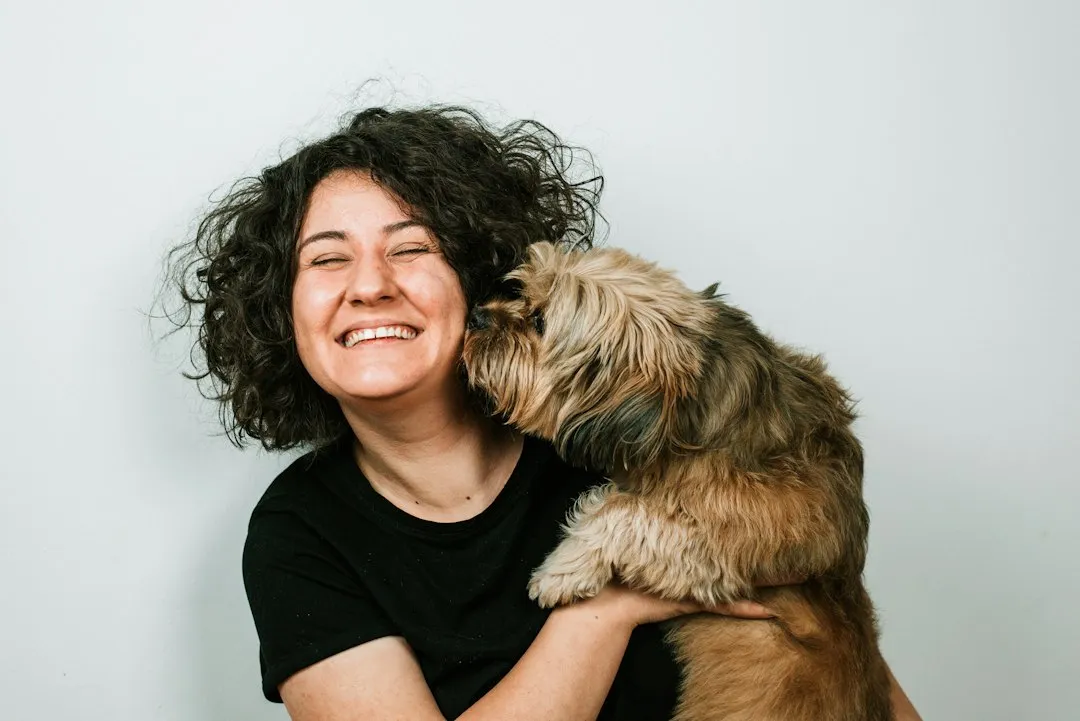
Arrival at the door triggers a clear order of attention. The dog reaches you before turning to anyone else, often with a full body wiggle or excited vocalization. The sequence stays consistent regardless of who else enters at the same time.
The pattern holds during short absences and longer ones alike. A dog may acknowledge a second person with a quick sniff yet circle back to you for sustained interaction. This ordering of greetings reveals priorities that feeding routines alone do not explain.
8. They Seek You Out When Something Startles Them
🔥 Would you like to save this?
We'll email this post to you, so you can come back to it later!
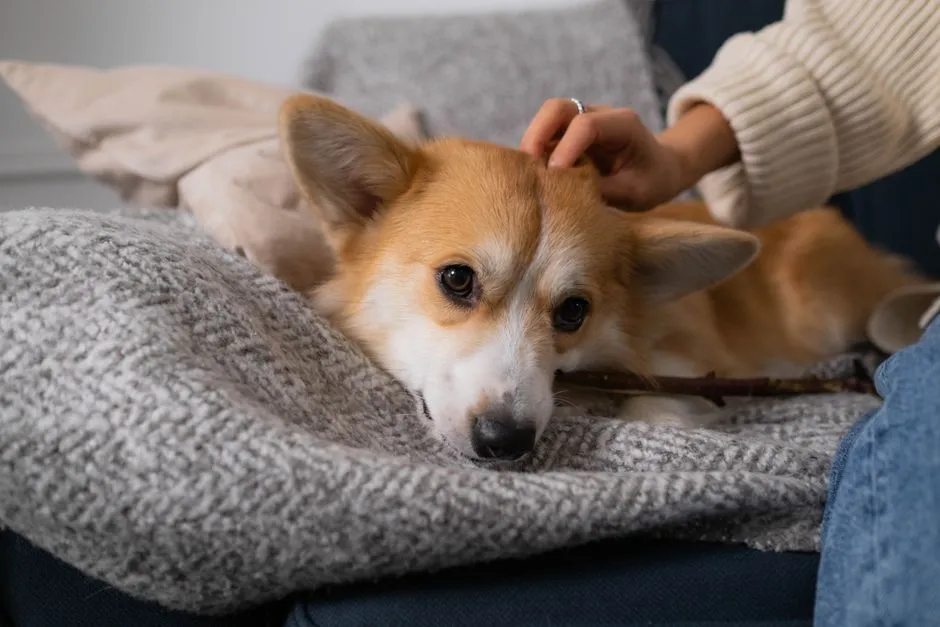
Loud noises or unfamiliar visitors send many dogs looking for reassurance. The chosen person becomes the first stop for comfort, whether that means pressing close or simply staying within sight. Other adults may offer the same calm presence without drawing the same response.
The behavior shows up during thunderstorms, doorbells, or sudden movements in the yard. The dog bypasses closer family members to reach you. Over time this selective seeking becomes one of the stronger indicators of a formed bond.
7. They Settle Faster in Your Presence
🔥 Would you like to save this?
We'll email this post to you, so you can come back to it later!
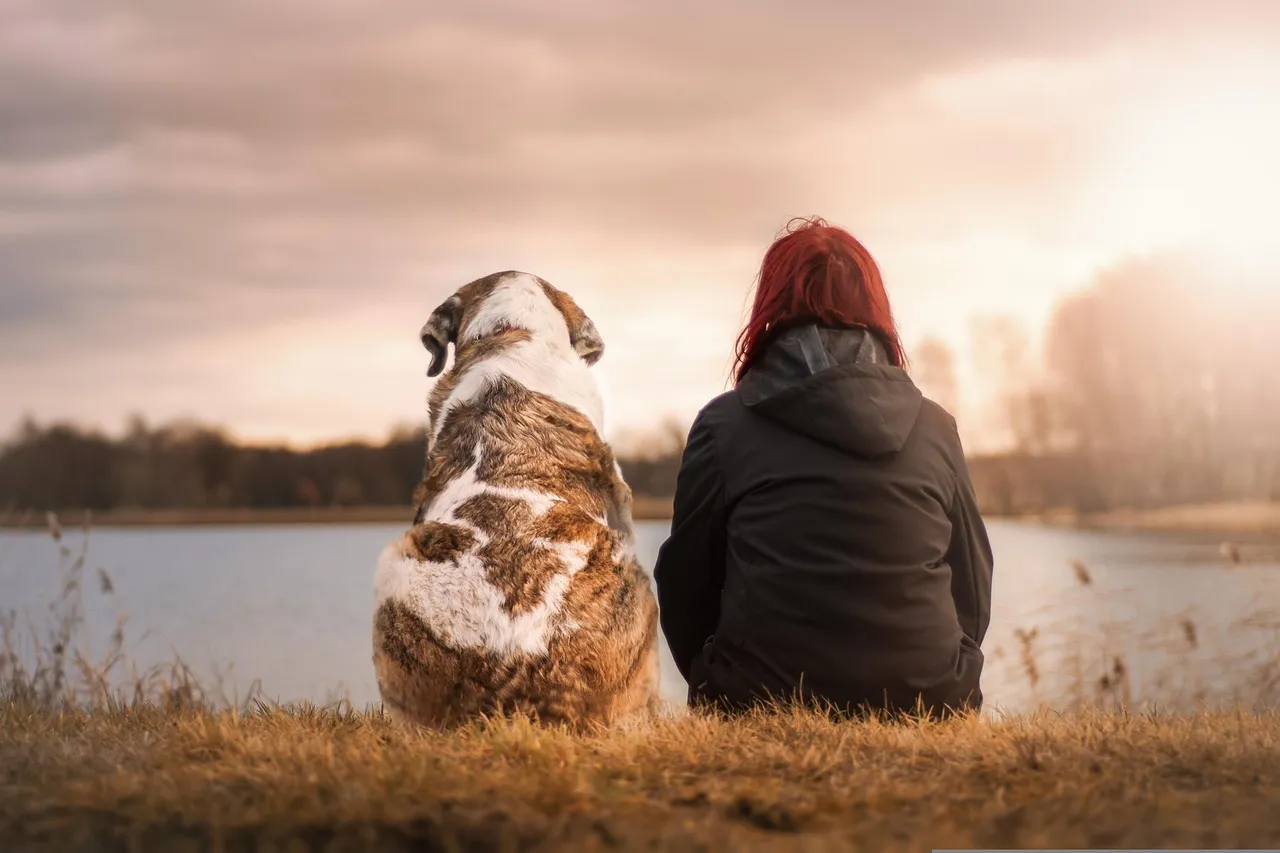
Restlessness fades more quickly when the preferred person sits nearby. A dog may pace or whine around others yet relax within minutes once you enter the room. The shift appears in breathing rate and posture as the body language softens.
This calming effect works across different times of day and activities. The dog may ignore commands from a second person yet respond to your quiet presence alone. The difference highlights how one individual carries more influence over the dog’s emotional state.
6. They Roll Over and Expose Their Belly to You
🔥 Would you like to save this?
We'll email this post to you, so you can come back to it later!
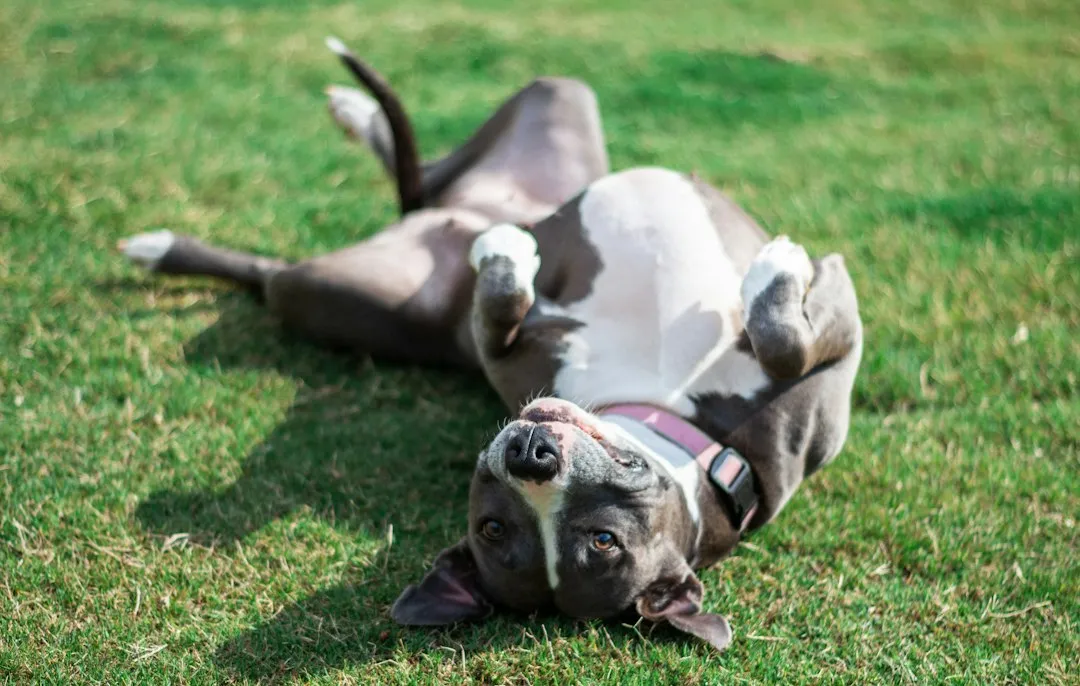
Showing the underside is a vulnerable posture that dogs reserve for trusted individuals. The roll happens more readily and lasts longer with the favorite person. Other household members receive the gesture only occasionally or not at all during relaxed moments.
The action often includes soft eye contact and a still tail rather than wriggling away. It appears during petting sessions or quiet evenings on the floor. The consistency of this display adds weight to the overall pattern of preference.
5. They Respond More Readily to Your Voice
🔥 Would you like to save this?
We'll email this post to you, so you can come back to it later!
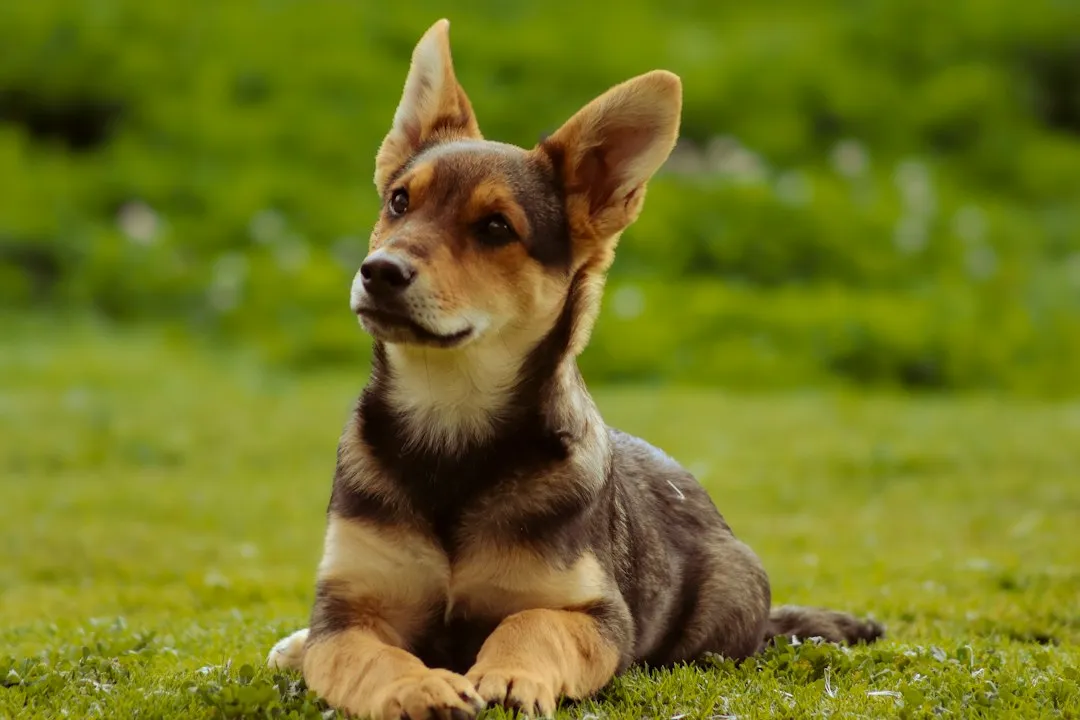
Commands or simple calls carry different weight depending on who speaks. A dog may ignore a second person repeating the same word yet turn or approach when you say it. The response includes both trained cues and casual comments spoken in passing.
The pattern emerges during walks and indoor interactions alike. Tone and volume stay similar across speakers, yet the dog’s attention stays selective. This selective listening reflects a deeper attunement built over repeated positive exchanges.
4. They Vocalize When You Leave the Room
🔥 Would you like to save this?
We'll email this post to you, so you can come back to it later!
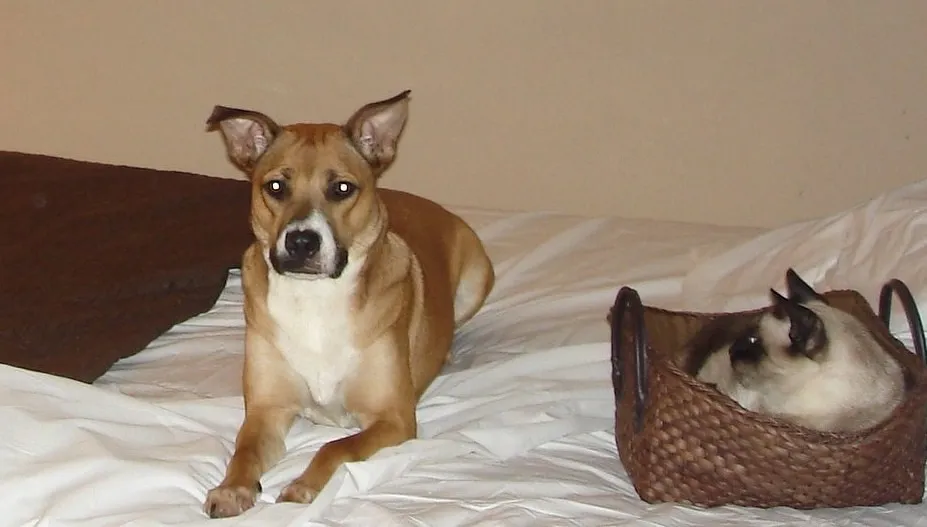
Short whines or soft barks sometimes follow the departure of the preferred person. The sound occurs even when other people remain in the house and stops once you return. The vocalization stays low key rather than escalating into full separation distress.
Owners notice the difference most during routine movements around the home. The dog stays quiet when a second adult steps out yet reacts when you do. This small but repeated response points to a specific attachment rather than general anxiety.
3. They Share Resources Without Guarding Around You
🔥 Would you like to save this?
We'll email this post to you, so you can come back to it later!
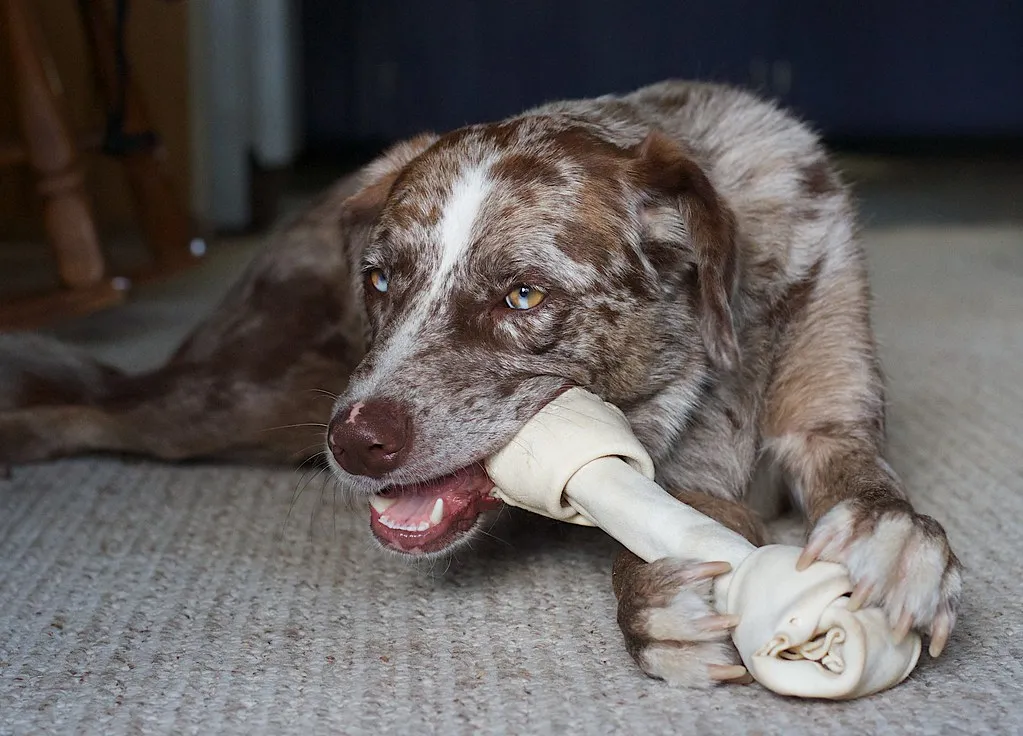
Food bowls and favorite resting spots can trigger guarding with some people. Around the chosen individual the dog shows relaxed body language and allows close approach. The absence of stiffening or growling marks a level of trust that develops over time.
The contrast appears clearly during meals or when new items enter the house. Other family members may trigger mild tension while you receive none. This selective comfort around resources strengthens the case for a primary bond.
2. They Position Themselves Between You and Potential Threats
🔥 Would you like to save this?
We'll email this post to you, so you can come back to it later!
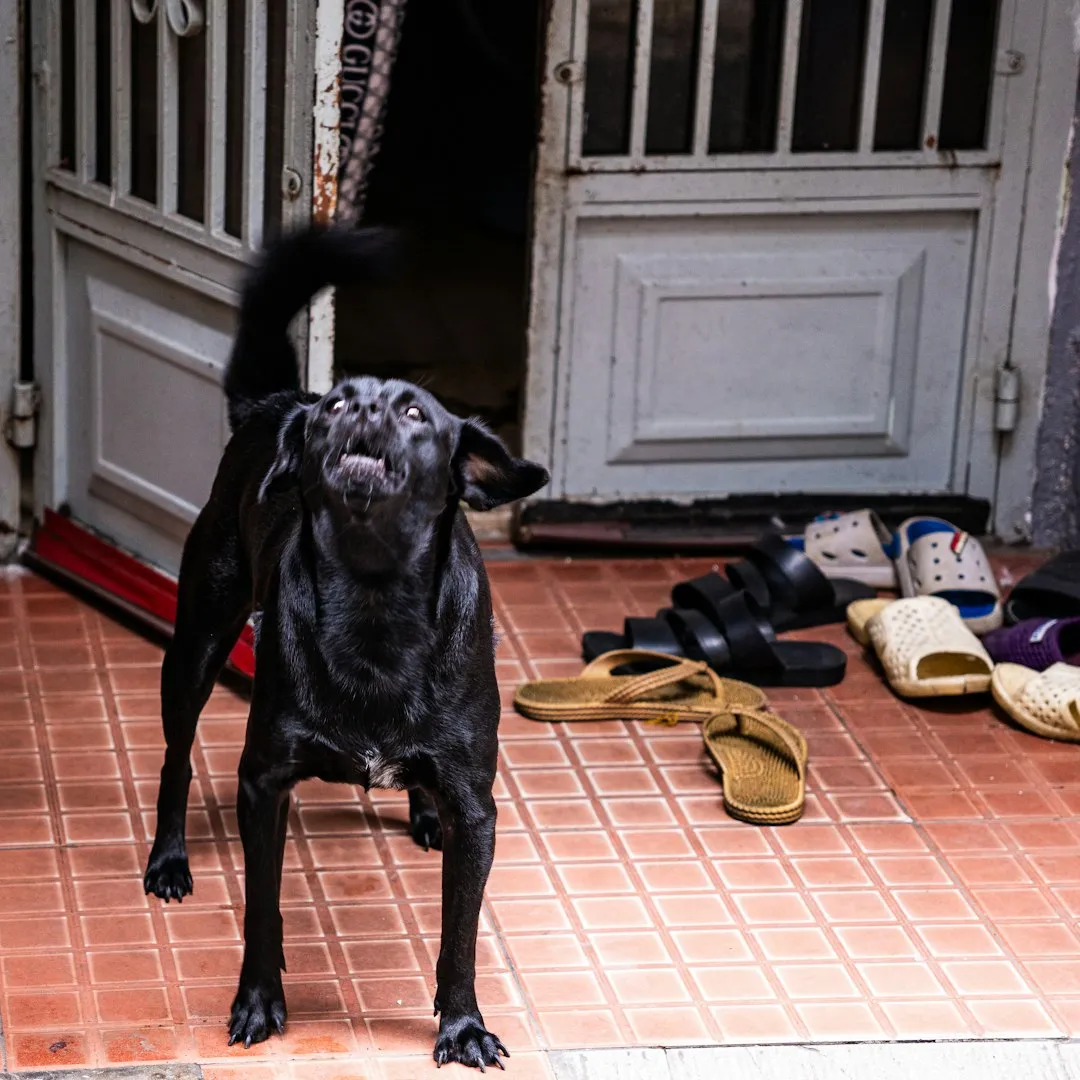
Alert barking or body blocking happens more often when the favored person is nearby. The dog places itself in front of you during encounters with strangers or unusual sounds. The protective stance feels measured rather than aggressive and fades once the situation passes.
Other household members may receive occasional glances yet rarely trigger the same positioning. The behavior repeats across different environments and builds on earlier signs of attachment. It reflects a sense of responsibility toward one specific individual.
1. They Choose You in Group Settings Every Time
🔥 Would you like to save this?
We'll email this post to you, so you can come back to it later!
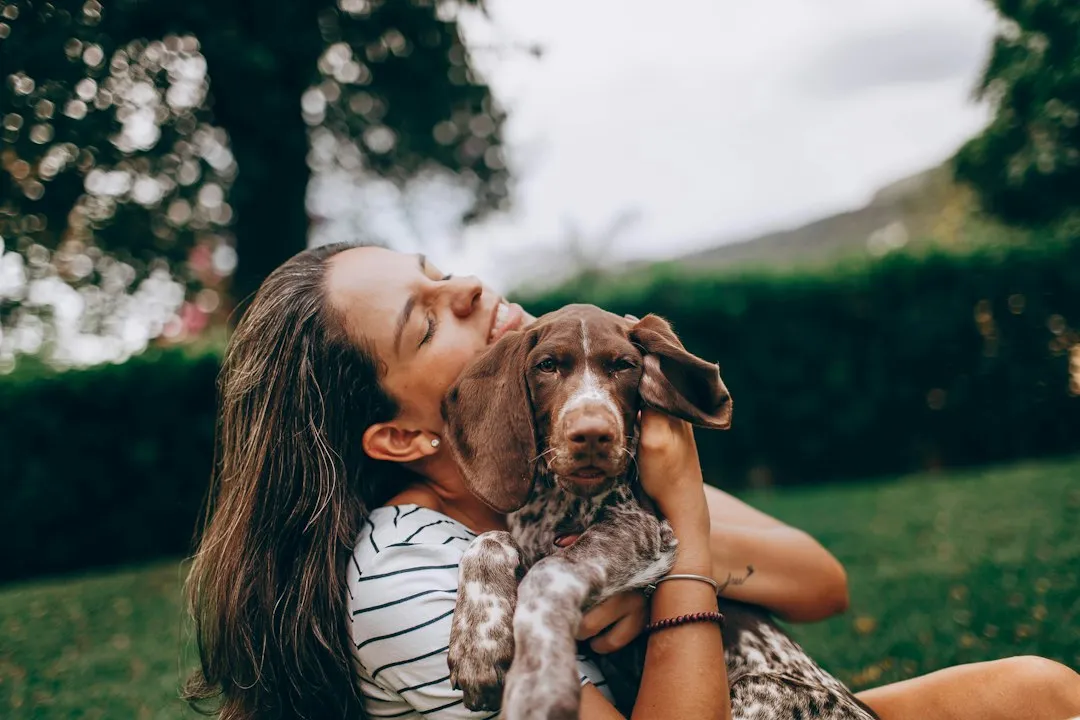
When multiple people sit or stand together the dog consistently moves to your side. The choice appears during family gatherings, walks with friends, or simple evenings with visitors present. The dog may acknowledge others briefly before returning to you.
This final pattern ties together many of the earlier behaviors into a clear preference. It shows up reliably across weeks and months rather than as a one time event. The consistency leaves little doubt about which person the dog has selected.
Putting the Signs Into Perspective
🔥 Would you like to save this?
We'll email this post to you, so you can come back to it later!
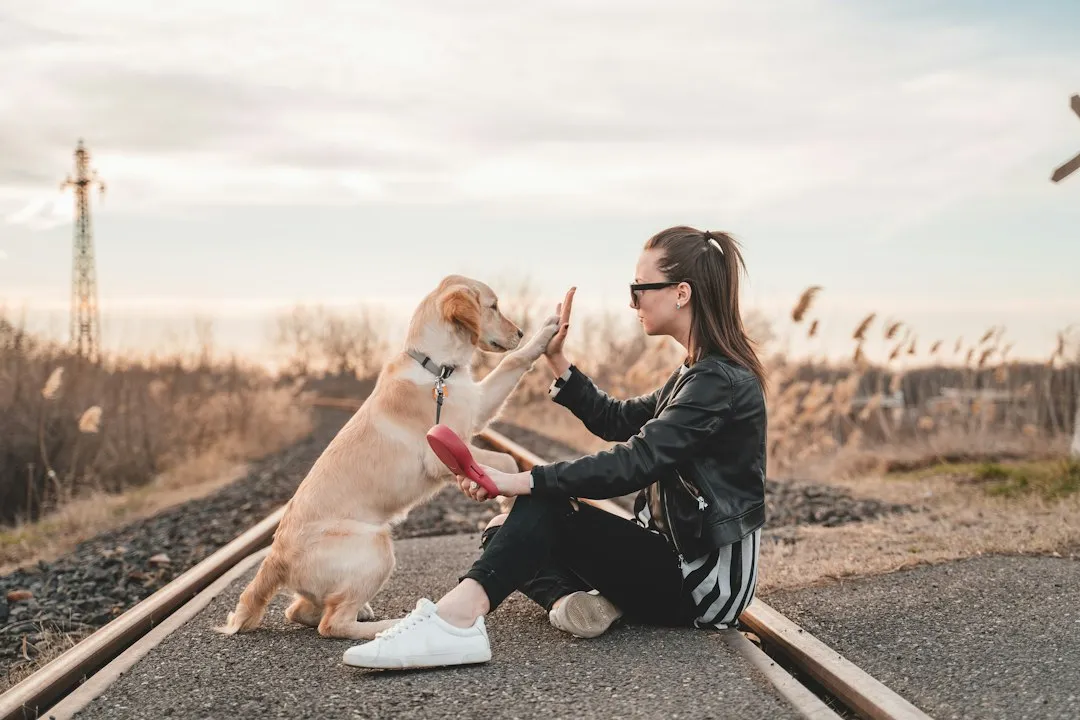
These behaviors rarely appear in isolation. Most dogs combine several of them over time, creating a picture that feels obvious once noticed. The key lies in watching patterns rather than single moments, because any one action can happen for different reasons on different days.
Feeding routines matter for health and basic care, yet they do not automatically create the strongest emotional tie. Many dogs form their closest attachment with the person who offers calm presence, consistent interaction, or simply matches their energy level best. The signs above help owners recognize that bond without needing dramatic proof.
Paying attention also improves daily life for both sides. When you notice the dog seeking you during stress or choosing your side at night, small adjustments like extra quiet time together can strengthen what already exists. The relationship grows from these ordinary exchanges rather than from any single grand gesture.

- 7 Everyday Habits That Can Make Your Senior Dog Happier - November 5, 2026
- 10 Enigmatic Structures That Continue to Puzzle Scientists Today - November 5, 2026
- 10 Strange Ruins in the Americas That Challenge What We Know About Early History - November 5, 2026