

Everyone warns you about the sad signs of an aging dog – the gray muzzle, the slower walks, the long, worried naps. Nobody tells you the other side of the story: some of those exact same signs actually mean your dog is happier and more secure than they’ve ever been in their life.
Vets are starting to flip the old “decline checklist” on its head, and once you see it, you can’t unsee it. The hard part is telling quiet joy apart from quiet suffering. Here are the 15 real signs your senior dog isn’t fading – they’re settling into the softest, most content chapter of their life.
#1 – Softer Zoomies, But Still Ready to Play
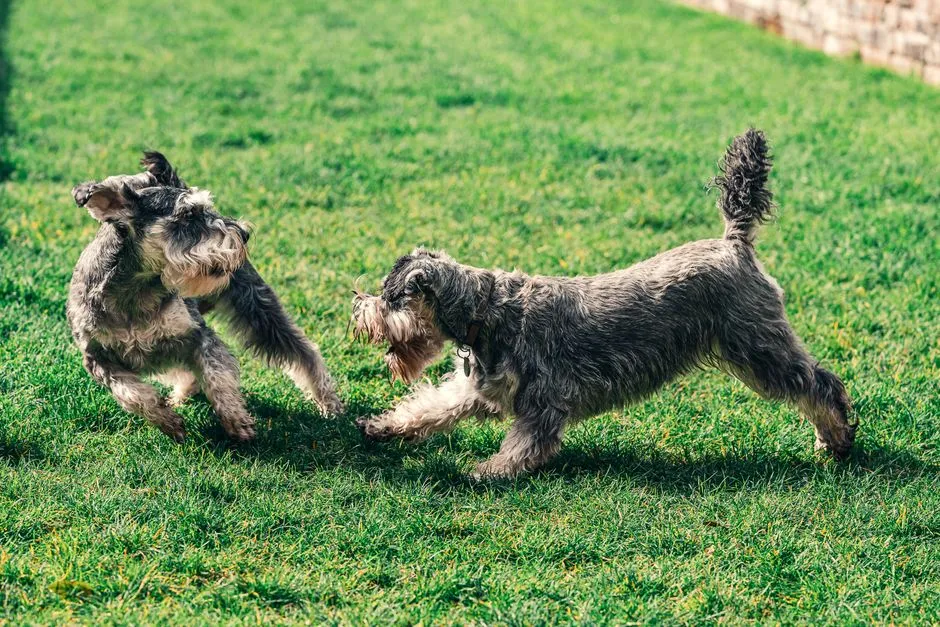
Your dog may not rocket across the yard like they used to, but those slower, goofy bursts still say a lot. Senior “zoomies” are often shorter, more controlled laps or a little playful hopping instead of full puppy chaos. The real sign of gentle aging is that your dog still initiates play, just at their own pace – trotting over with a toy, nudging your hand, or bowing clumsily before running one small victory lap.
Many owners panic the moment zoomies fade, but the truth is they usually evolve instead of vanishing outright. Watch what happens after the play stops: a joyful senior settles comfortably, maybe with a contented sigh, not panting in distress or limping away. If they can bounce back with a nap and wake up ready for more life later in the day, that’s healthy adjustment, not defeat. Wait until you see what #2 says about their sleep.
#2 – Longer Naps, But Deeper, More Relaxed Sleep
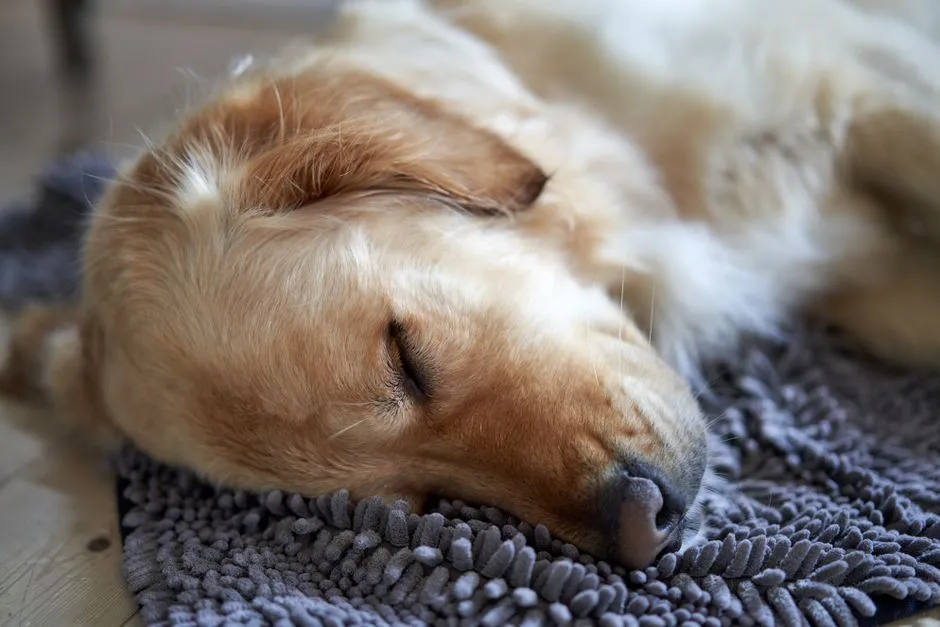
Most people assume more sleep means something’s wrong, but that’s not always true in older dogs. Senior dogs genuinely sleep more – often 16 to 18 hours a day – but how they sleep matters far more than the number. A dog sprawled on their side, belly exposed, snoring gently on the couch, is broadcasting one simple message: “I feel completely safe here.”
You’ll often notice fewer startled awakenings and more slow stretches, yawns, and soft eye blinks when they finally get up. That’s not a dog giving up on life; that’s a dog finally exhaling after a decade of being “on.” Pay attention to the pattern, not just the hours: relaxed sleep spread through the day with alert, engaged windows in between, no constant pacing, and no whining or panicky waking at night. If your dog sleeps more but still wakes up bright-eyed for food, walks, or the sound of your voice, that’s age doing exactly what it should. #3 is where things get interesting on their walks.
Fast Facts
- Most dogs cross into “senior” territory around age 7, though large breeds often get there earlier and small breeds later.
- Twitching paws or soft whimpers during sleep are usually just dream activity, not distress.
- Long, uninterrupted sleep blocks are a good sign; frequent restless waking can point to discomfort worth mentioning to a vet.
- A dog who sleeps deeply but still perks up for meals, walks, or your voice is showing a healthy daily rhythm.
#3 – Choosing Shorter Walks, But Loving Every Step
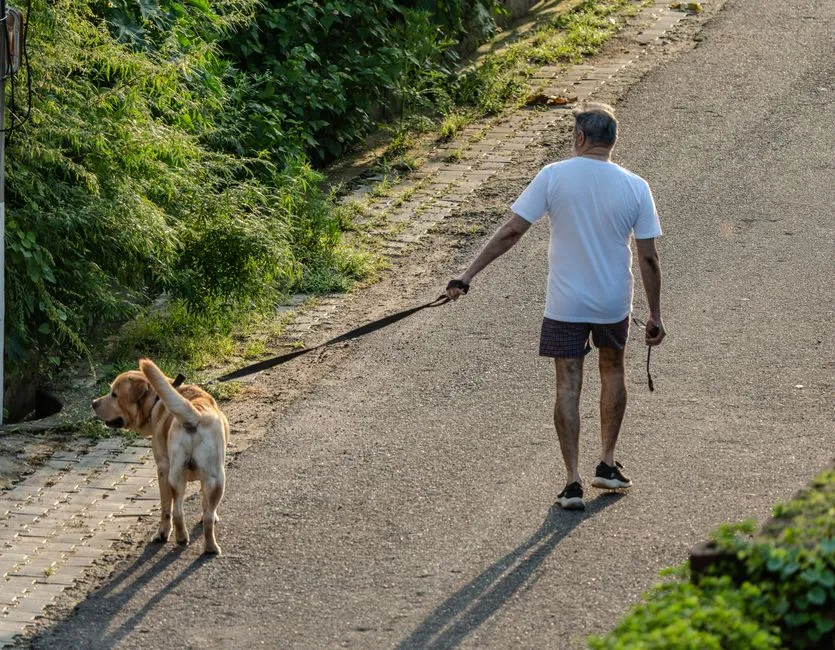
Aging gently doesn’t mean your dog wants to stop walking – it means they’ve gotten smarter about how they walk. Most senior dogs start self-limiting their own distance, slowing sooner, turning toward home faster, or flat-out refusing the marathon hikes they used to crush without thinking twice. That’s not stubbornness. That’s a body that’s finally learned to listen to itself.
The joyful part is what happens the second you grab the leash. Tail wag, perked ears, an eager trot to the door – those reactions are the real read on their emotional state, not their mileage. A happy senior will still sniff every mailbox, greet the neighbors, and find that exact same tree fascinating for the hundredth time. Vets increasingly push “quality over quantity” walks: more sniffing, less forced distance, flatter and more predictable routes that go easier on aging joints. If your dog still lights up at walk time and recovers well afterward, with no heavy limping or hours of trembling, they’re not just tolerating the walk. They’re enjoying it. #4 is easy to misread if you’re only looking at the fur.
#4 – Gray Muzzle, Bright Eyes
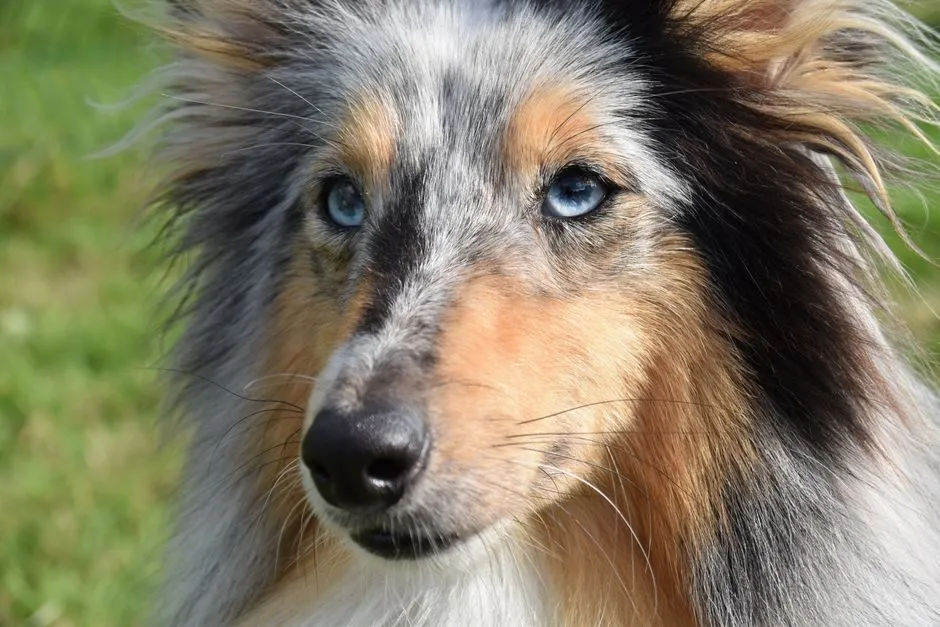
People get fixated on the gray muzzle as the ultimate symbol of decline, but they’re looking in the wrong place. Fur around the face can go silver shockingly early, sometimes by age five or six, and it tells you almost nothing about how your dog actually feels. What really reveals how gently your dog is aging is the sparkle in their eyes and how they use them.
A joyful senior will still track you across the room, hold soft eye contact, and widen their eyes slightly the second something exciting happens – like, say, the crinkle of a treat bag. That bright, responsive gaze signals curiosity and emotional health far more reliably than fur color ever could. Look for eyes that still follow sounds and movement even if the vision underneath is a little softer, a relaxed brow, and no constant squinting, rubbing, or pawing at the face. Yes, cataracts and cloudiness happen. But a dog who still “lights up” the moment they see you is telling you, loud and clear, that life is still very much worth living. #5 might be the most heartwarming one yet.
#5 – Slower to Greet, But Just as Excited
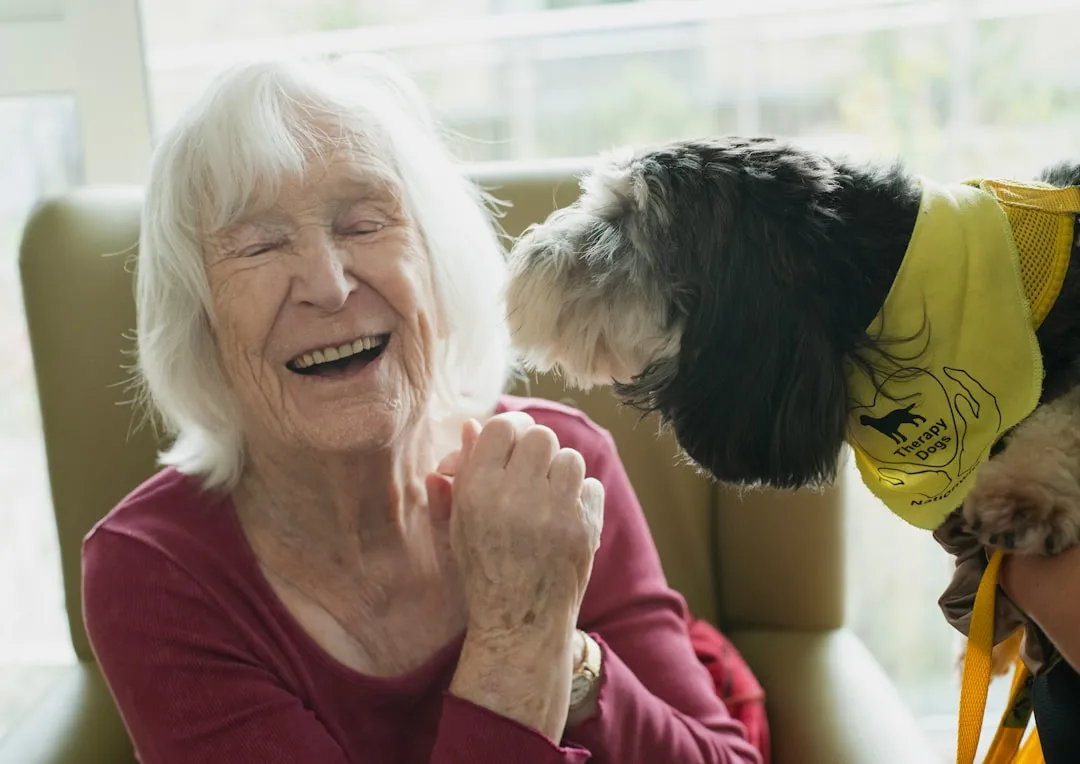
Remember how puppies used to explode at the door like tiny fireworks? Seniors remix that same energy into something quieter but just as real. A gently aging dog may not hurl themselves at your legs anymore. Instead, you might see a slow stand-up, a full-body tail wag, and a soft whine or rumble as you walk through the door – sometimes with a toy in their mouth and a slow, happy little victory lap.
That shift usually means your dog has traded frantic anxiety for confident attachment. They trust you’ll always come back, so the greeting is warm instead of desperate. The red flags look different: total disinterest, hiding, or obvious confusion can point to pain or cognitive decline. But if your dog still comes to you when you enter, leans into your legs, or nudges your hands for petting, the relationship is fully intact. The ritual has just matured, not disappeared. #6 is the one most owners completely misunderstand.
#6 – More “Shadowing,” But In a Calm, Content Way
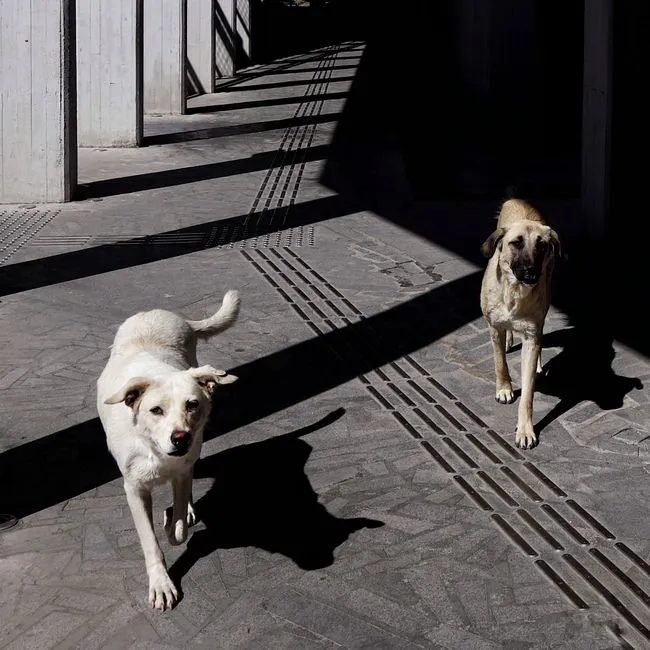
Some owners complain their old dog has suddenly gone “clingy.” In reality, it can be a massive compliment. Senior dogs often choose proximity over performance. Instead of constantly exploring or chasing new entertainment, they’re simply happiest being near their person, shuffling from room to room after you, lying by your feet while you work, or repositioning themselves so you’re always in their line of sight.
As long as they’re relaxed – loose body, deep sighs, maybe a quiet tail thump when you move – that’s a sign of secure attachment, not anxiety. There’s a real difference between calm following and panicked dependence: a calm dog sleeps near you but can rest fine if you leave the room, while a worrisome dog paces, whines, or trembles the moment you’re out of sight. A gently aging, joyful dog prefers your company but isn’t emotionally unraveling without it. That quiet loyalty might be the single best perk of the senior years. #7 will make you rethink mealtime completely.
#7 – Eating Slower, But Still Loving Mealtime
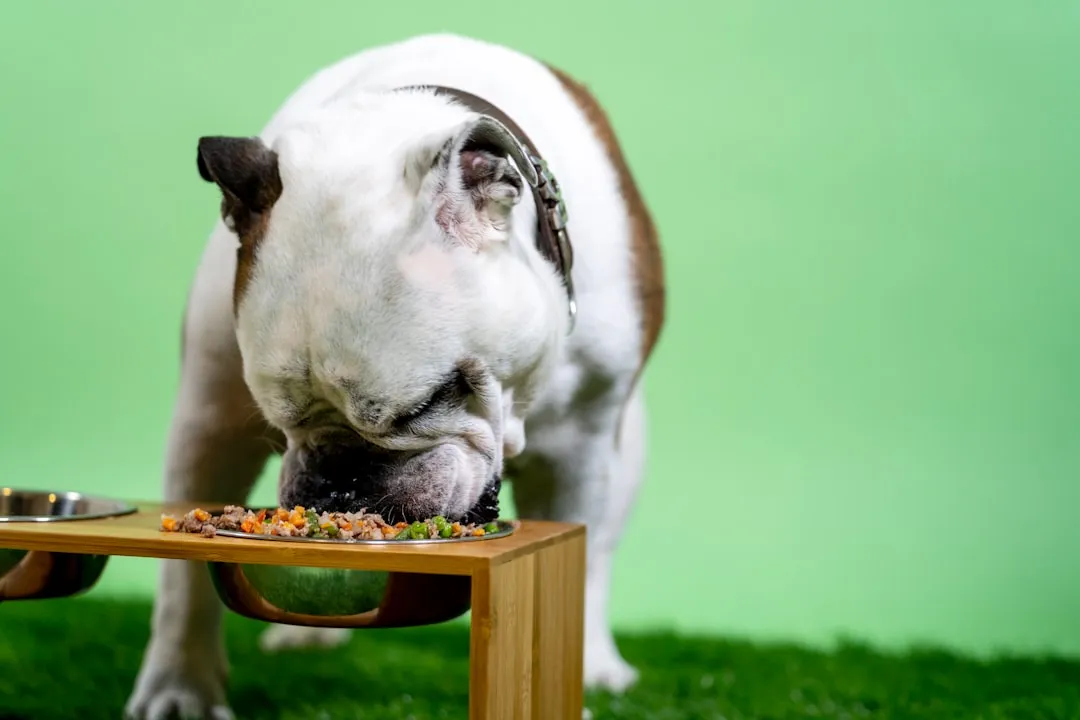
A lot of people panic the moment their senior dog stops inhaling food like a vacuum, but context is everything here. Older dogs often eat more thoughtfully. Teeth may be worn, jaws may tire faster, and stomachs have long since learned exactly what happens when they gulp too fast.
A gently aging dog will still show up excited at mealtime – alert, tail moving, maybe a little prance – but may chew longer or take small breaks. Many even start savoring softer or warmed meals with more enthusiasm than they ever showed for dry kibble. That’s preference evolving, not doom setting in. The positive signs are simple: a consistent appetite day to day, and continued interest in treats, table smells, and food puzzles. What’s actually concerning is sudden weight loss, food refusal, or visible struggle chewing. A dog who reliably finishes meals and still works for snacks is very much invested in living. #8 shows off a totally different kind of smart.
Worth Knowing
- Dental wear and mild gum sensitivity are common in older dogs, which naturally slows down chewing speed.
- Warming food slightly can boost its smell, which helps if your dog’s sense of smell has dulled with age.
- Smaller, more frequent meals are often easier on an aging digestive system than one or two large ones.
- A steady, predictable appetite is one of the simplest overall health checks you can do at home every single day.
#8 – Playing “Brain Games” Over Roughhousing
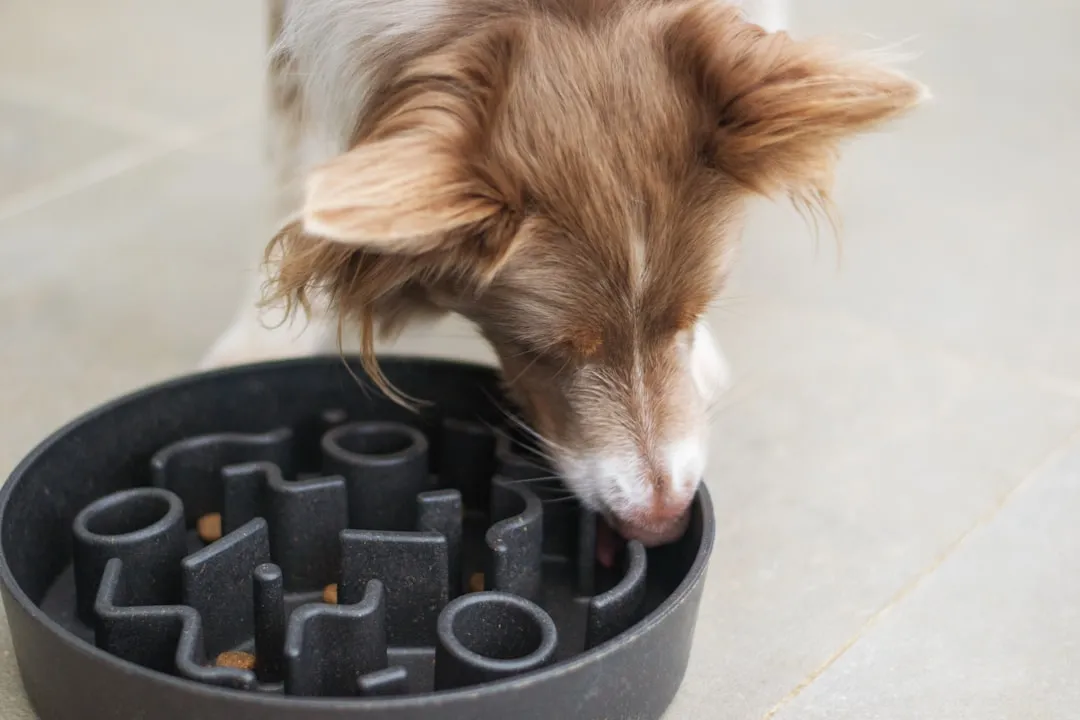
As bodies age, smart seniors quietly shift from physical chaos to mental challenges. You may notice your dog ignores that old squeaky fetch toy but lights up for snuffle mats, food puzzles, or simple scent games instead. This isn’t laziness. It’s strategy.
Thinking games let them feel capable and successful without punishing their joints in the process. A gently aging dog will still problem-solve, nose around for hidden treats, or watch you closely during training sessions, even if the tricks come out slower than before. Try noticing what actually gets their tail moving: searching for treats in a towel or cardboard box, or learning small, low-impact tricks like “touch” or “look.” If your senior is still curious enough to try, fail, and try again, they haven’t checked out – they’ve adapted. Many vets now argue regular brain work matters just as much as joint supplements in old age. #9 explains why routine isn’t boring at all.
#9 – Happier With Routine and Predictability
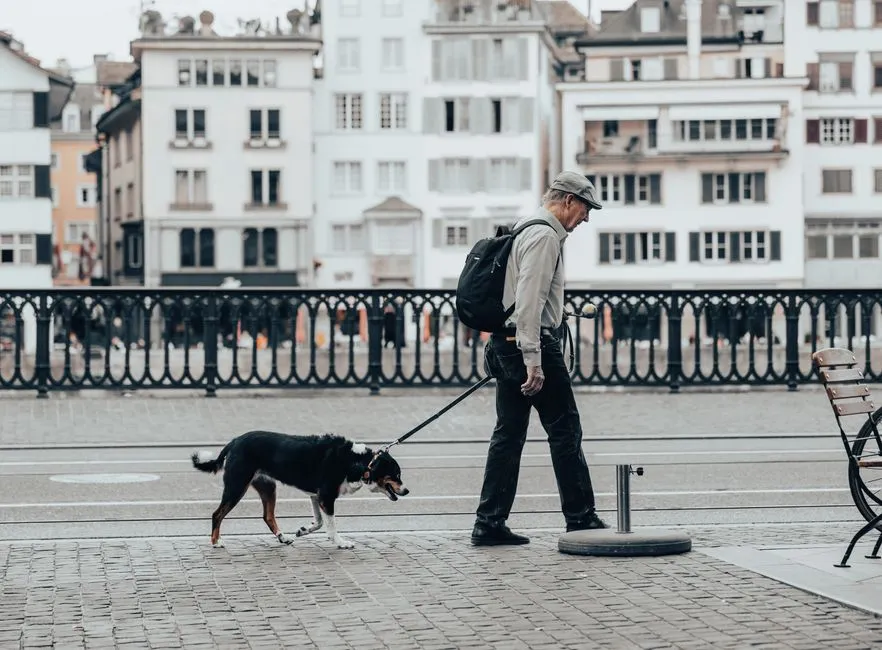
Puppies chase novelty. Plenty of seniors finally fall in love with predictability instead, and that’s not boring – it’s comforting. A gently aging dog often thrives when days follow a steady rhythm: the same walk times, the same feeding windows, the same cozy evening spot on the couch.
You’ll see less frantic pacing and more peaceful “I know what’s next” behavior. They might even go stand by the door at walk time or park themselves in the kitchen right before dinner starts. This isn’t rigidity, it’s relief – their nervous systems finally stop bracing for surprises. The signs your routine is supporting joy rather than anxiety are clear: they settle faster after transitions and recover more quickly from disruptions like guests, vet visits, or storms. Sudden changes can rattle older dogs harder than younger ones, which is exactly why a stable baseline matters so much. #10 flips a common complaint completely upside down.
#10 – Less Barking, But Sharper Social Filters
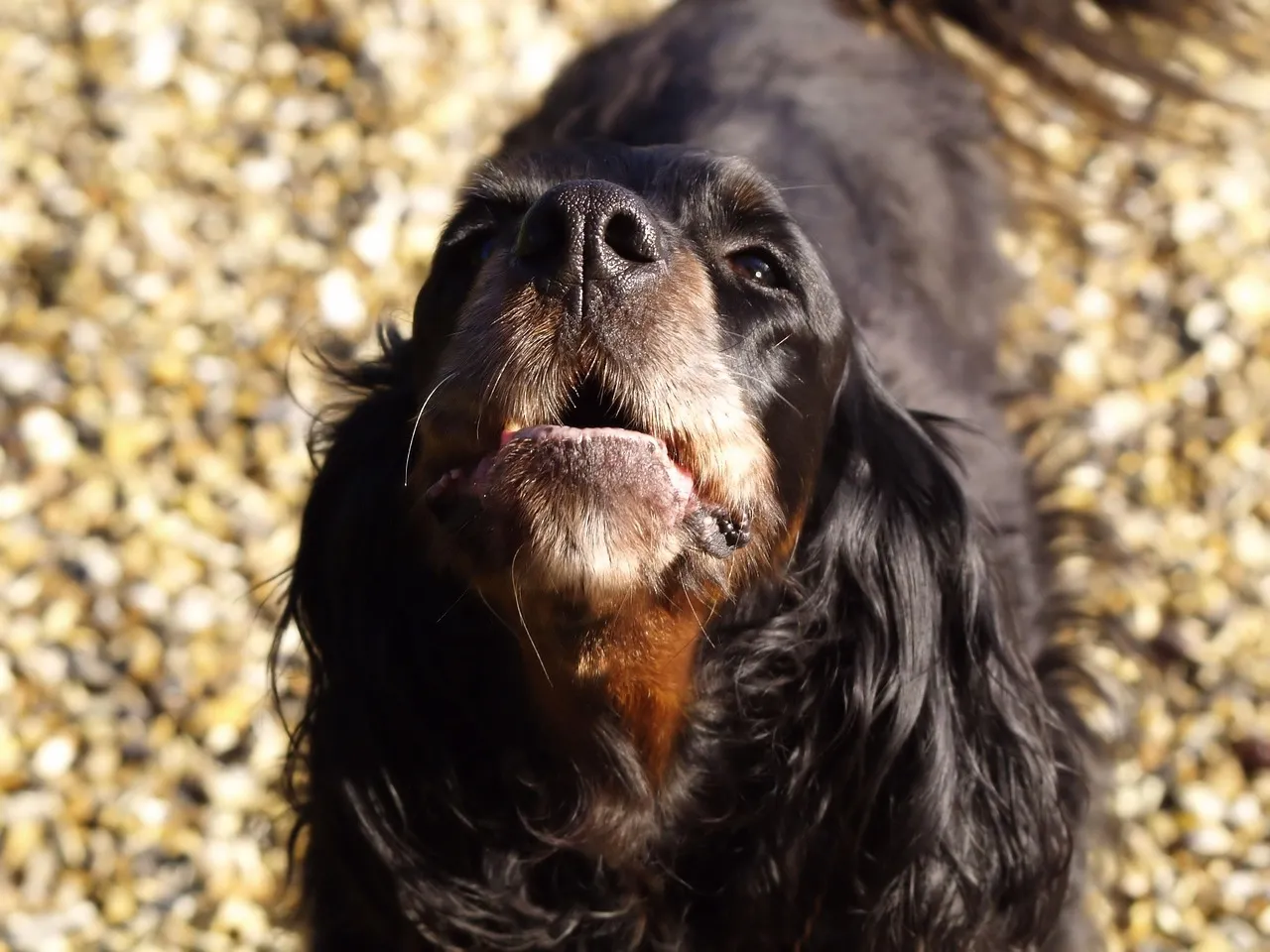
Many people celebrate when their dog “finally grows out of barking,” but the truth is more nuanced than that. A joyfully aging senior often barks less, but more meaningfully. Instead of reacting to every leaf or passing car, they save their voice for the alerts that actually matter – a stranger at the door, a strange noise at night, or you finally coming home late.
That’s not apathy. That’s social maturity. They’ve learned that not every stimulus is worth the effort anymore. Some dogs even switch from sharp, repetitive barking to a single deep “woof” followed by a look, essentially saying, “You handle it.” What you want to see is reduced random barking alongside an intact response to important events, with no distressed howling, no constant vocal pacing, and no confusion-based barking at nothing. A senior who still chooses when to speak up is very much engaged with their world. They’re just less dramatic about announcing it. #11 is something too many owners delay for too long.
#11 – Accepting Help Without Losing Their Spark
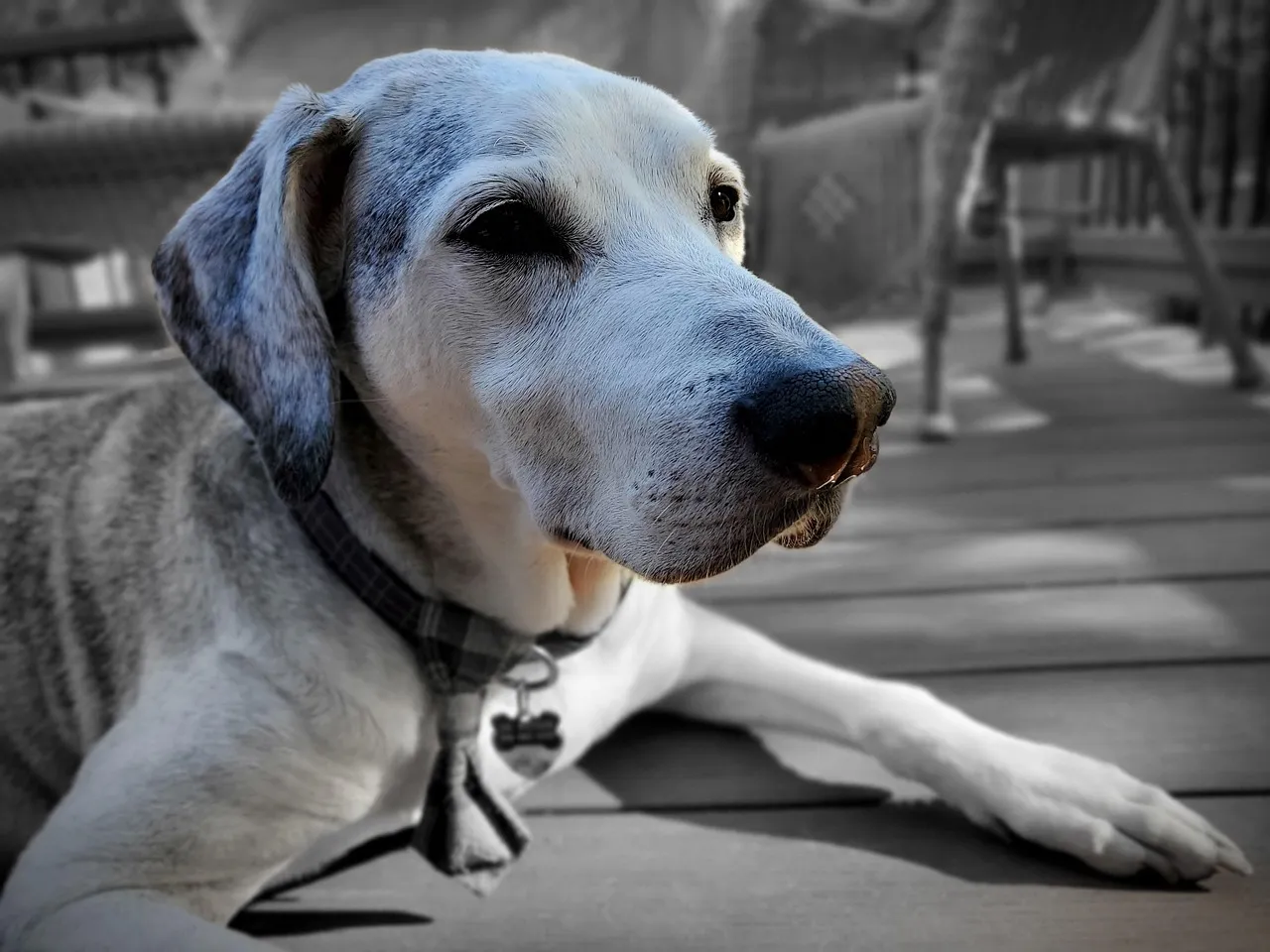
A lot of owners wait far too long to “help” their senior dog out of a fear of spoiling them, and that delay often backfires badly. Healthy, joyful aging often includes using small supports early, not after a crisis finally forces the issue. Ramps for the car, non-slip rugs, orthopedic beds, raised bowls – none of these mean your dog is giving up. They mean you’re smart enough to remove friction so they can keep doing what they love for longer.
Watch how your dog responds when you make life easier: if they move more confidently, explore more, and seem more relaxed at rest, that’s joy, not weakness. The key sign is that they still have preferences and opinions. A gently aging dog will claim the comfiest bed in the house and “tell” you when they’d rather skip the stairs or be lifted instead. Contrary to what a lot of people assume, accepting help doesn’t erase independence. It extends it. #12 is all about reading mood, not just the body.
At a Glance: Small Supports, Big Difference
- Ramps or steps for the car and couch spare hips and knees from repeated jarring impact.
- Non-slip rugs or mats over hardwood and tile prevent slips that can cause real injury.
- Raised food and water bowls ease strain on the neck, shoulders, and spine at mealtime.
- Orthopedic or memory-foam beds cushion pressure points and support aging joints overnight.
#12 – Slower Reactions, But Stable Mood
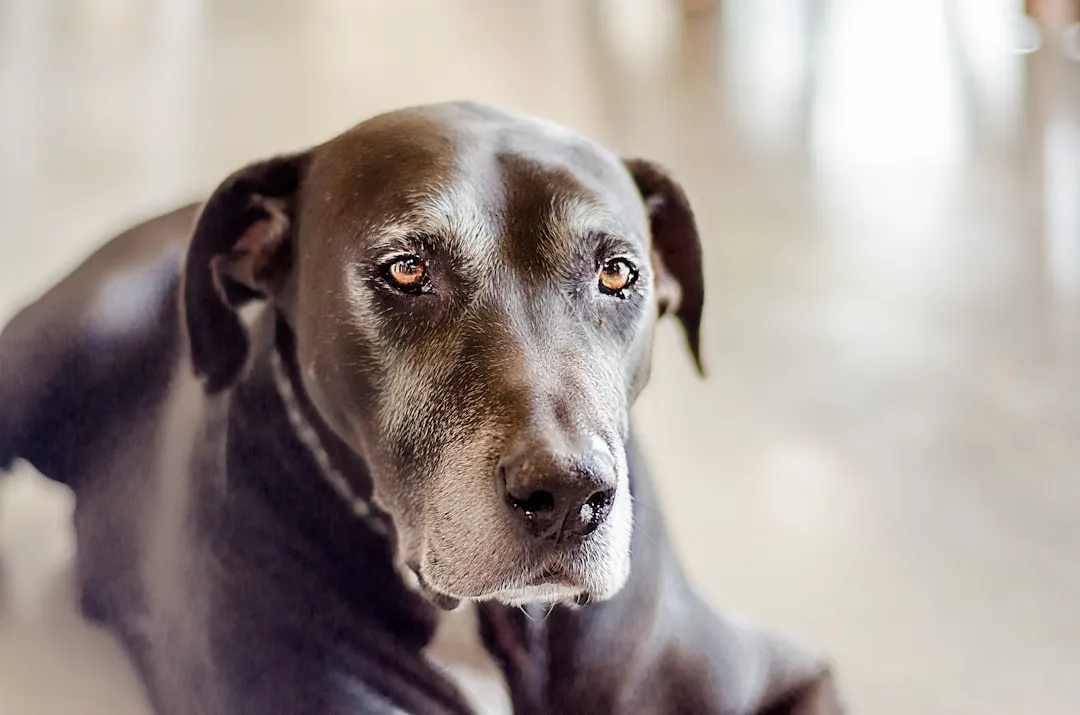
Senior dogs almost always slow down physically, but their emotional weather is what really matters. A gently aging dog might take longer to stand up, hesitate before jumping, or react a split-second slower to a thrown toy. That’s biomechanics, not mood – and it’s easy to mistake one for the other.
What you’re really watching for is emotional stability. They aren’t snapping in pain when touched, aren’t suddenly unpredictable around kids or other pets, and don’t go from zero to panic over minor things. Instead you see mostly consistent behavior with a predictable happy baseline. The positive signs: they tolerate grooming, gentle handling, and vet checks with their familiar fussing but no meltdown, and they still show affection in their usual ways – leaning, licking, flopping next to you – even if the approach is a little creaky. Physical delay paired with emotional steadiness usually means your care is on track. The body is older, but the heart hasn’t changed at all. #13 is where a lot of owners misread contentment as sadness.
#13 – Enjoying “Quiet Joys” More Than High Drama
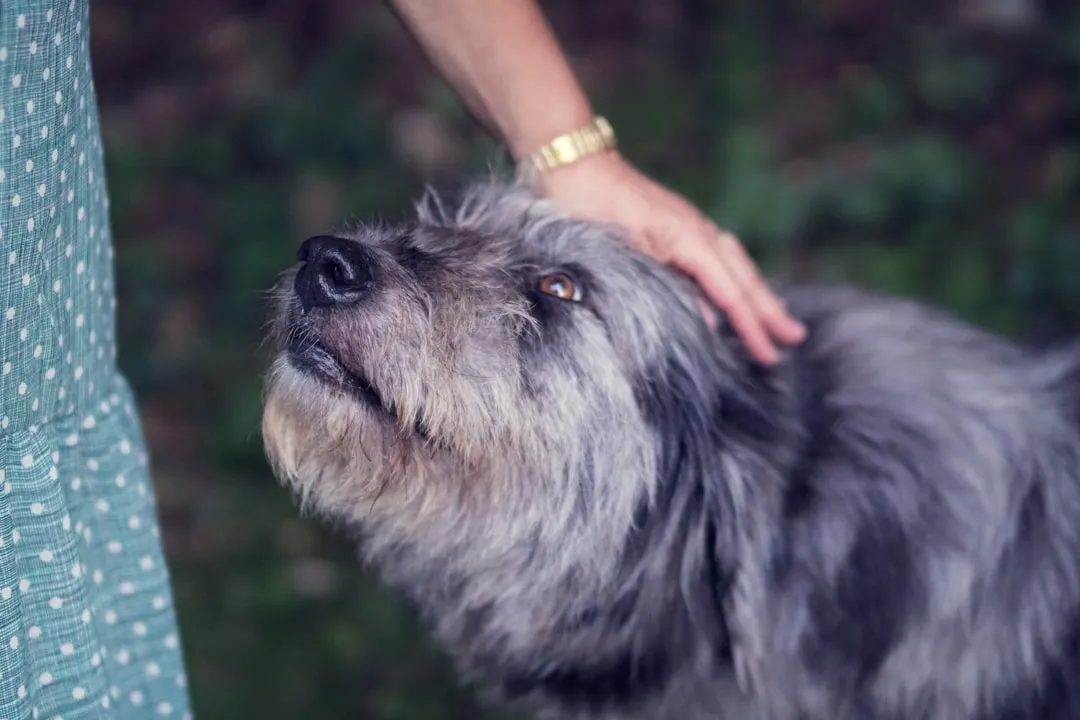
This is where a lot of people misread their dog and assume they’re sad when they’re actually just… content. Senior dogs often trade intensity for depth. Instead of needing constant toys, new parks, and frantic games, they fall in love with simple pleasures: sunbathing by a window, sniffing the breeze on the porch, curling up on a favorite blanket, watching the household drift by.
Their tail may not wag at a hundred miles an hour anymore, but it still wags, slowly and steadily, the moment something they love arrives. That’s not boredom. That’s satisfaction. If your dog seeks out cozy spots and truly relaxes there, or chooses to stay with the family even once the chaos dies down, you’re likely watching quiet joy, not depression. The high-drama puppy years are gone. The “I know exactly who my people are” years have arrived instead. #14 might be the most overlooked sign on this entire list.
Quick Compare: Contentment vs. Concern
- Slow, steady tail wag when a loved routine begins vs. a tail that stays tucked or still even around favorite people.
- Choosing a cozy spot and settling in vs. restless pacing that never seems to find comfort.
- Staying near the family after the excitement fades vs. withdrawing to hide alone repeatedly.
- Soft, relaxed breathing during rest vs. panting, trembling, or whining without an obvious trigger.
#14 – Still Curious About the World (Just From a Comfy Seat)
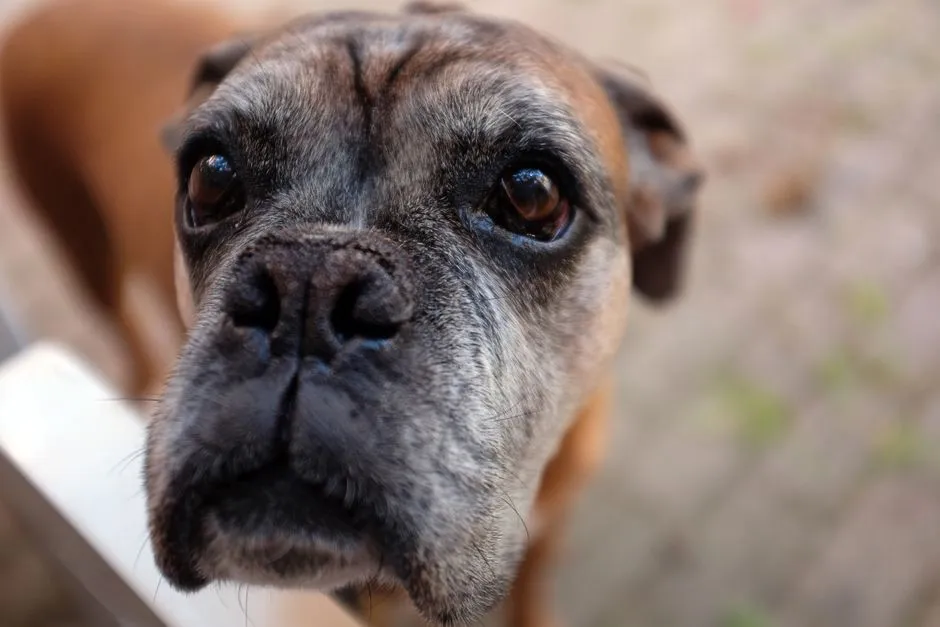
Curiosity might be the single most underrated sign of a joyful senior dog. Even when the body slows way down, a happy brain still asks questions. A gently aging dog will perk up their ears at new sounds, sniff the air when a window opens, or carefully watch the people and dogs passing by.
They might prefer to observe instead of barrel into the action, but the observing itself is a form of engagement. Some seniors even claim new favorite spots, like a porch chair, a shady tree, or the end of the sofa, purely because it gives them a better view of “their” world. Notice the head tilts at new noises and the calm interest they show visitors, rather than total shutdown or frantic fear. Once curiosity disappears entirely, that’s when real concern kicks in. But if your senior still wants to know “what’s that?”, even from their bed, they are not done living. Not even close. And the final sign on this list ties every single one of them together.
#15 – Choosing You, Over and Over Again
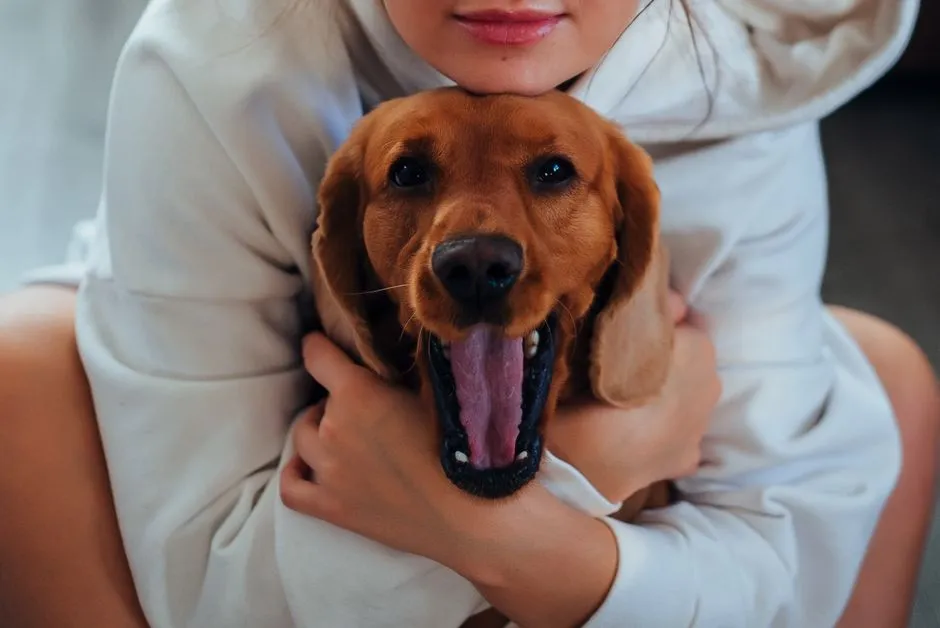
Here’s the truth people don’t like to admit: the best measure of a senior dog’s joy isn’t how fast they run. It’s who they run to. A gently aging dog who is still full of joy will actively choose connection, again and again, in small ways that are easy to miss if you’re not paying attention.
They drag their tired body off the bed to greet you. They reposition themselves so your hand can reach them without you even trying. They nuzzle you when you’re sad, or give a soft “huff” when you stop petting them too soon. They may not be able to do the big, flashy things anymore, but they are absolutely still showing up for the relationship – voluntary contact, a paw on your leg, a head in your lap, seeking you out after a loud noise instead of hiding alone. When an old dog keeps saying, in a dozen quiet ways, “You’re still my person, and this is still my life,” that’s aging gently in its purest, most honest form.
The Bottom Line
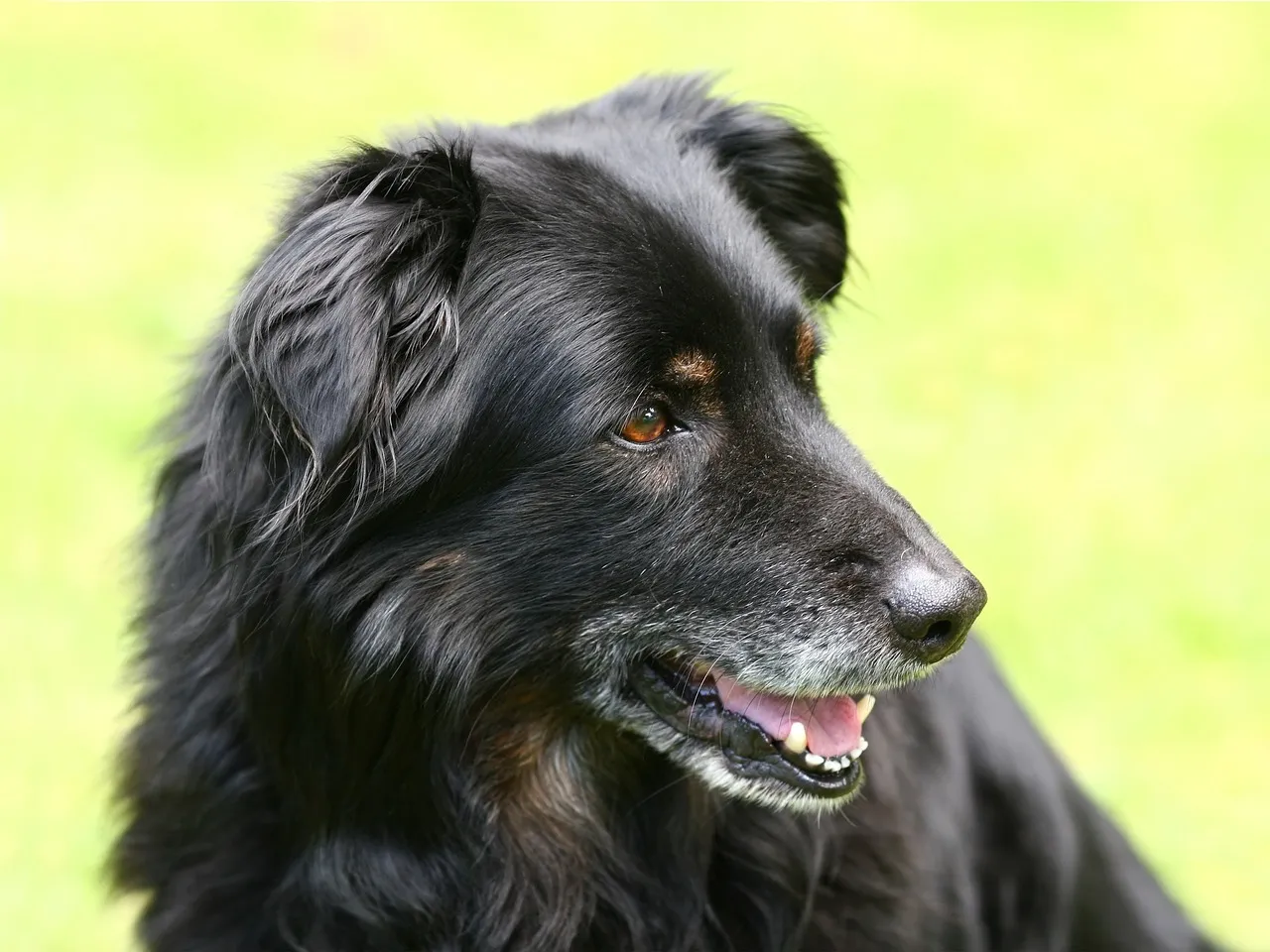
Aging doesn’t automatically steal your dog’s joy. Neglect, denial, and misunderstanding do that instead. The real red flag was never gray fur, slower walks, or longer naps – it’s the moment your dog stops caring about food, connection, and the little rituals you built together over the years.
If they’re still wagging, even slowly, still curious, even from the couch, and still choosing you, even when it costs them real effort, then they are not just “getting old.” They’re settling into a softer, more deeply bonded version of life that most puppies never even get the chance to reach. Some people look at a senior dog and feel only pity. I think that’s the wrong reaction entirely. A quiet, gray-muzzled dog who still drags themselves across the room to lean against your leg isn’t fading. They’re in their golden era, and they’re spending it exactly where they want to be – with you.
