
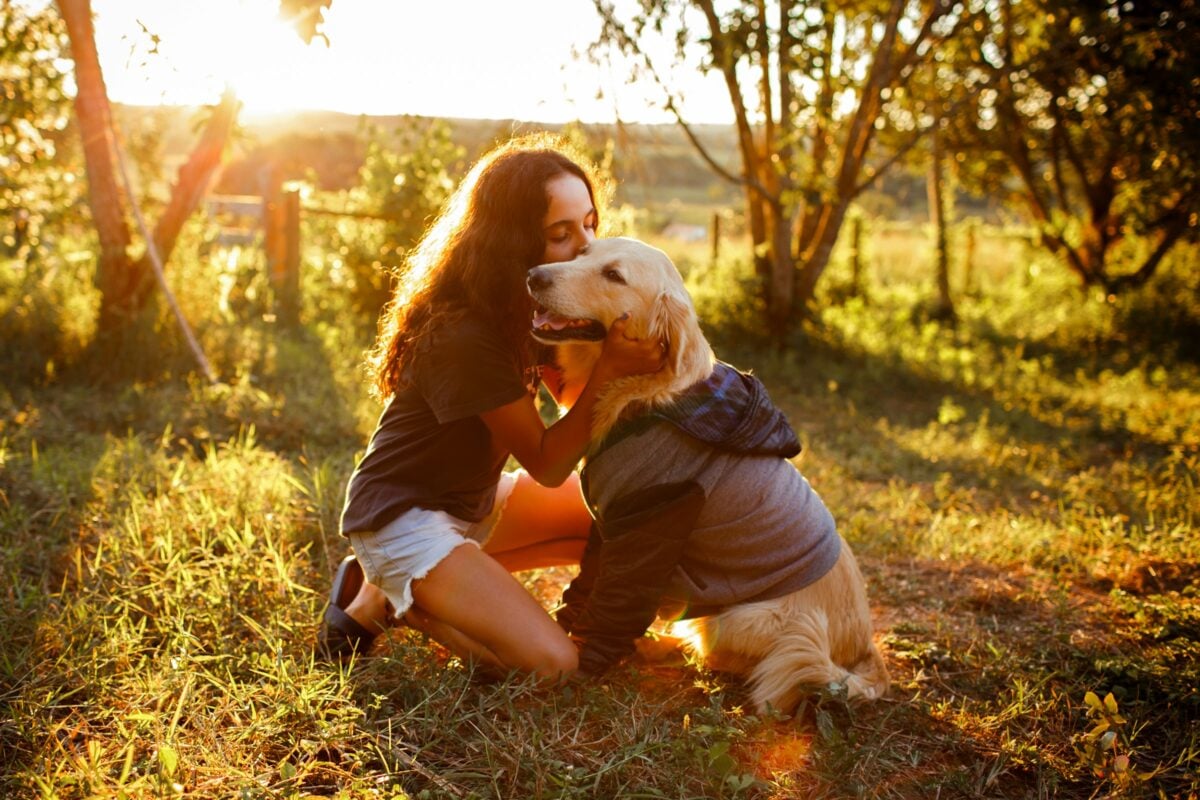
Ask most families who their dog loves best, and they’ll point to whoever holds the leash or fills the food bowl. That answer is usually incomplete. The real clues are smaller, quieter, and a lot stranger than a wagging tail, and they show up in the first few seconds your dog sees one particular person.
This list covers 15 of those clues, from a change in breathing to a dog’s whole personality bending around a single human. Here’s the twist: you’ve probably seen several of these this week and filed them under “weird dog stuff.” Some are sweet and a couple are uncomfortable. The last one may change how you see the person your dog has chosen, and possibly whether that person is you.
#15 – They Breathe Differently When You Enter The Room
🔥 Would you like to save this?
We'll email this post to you, so you can come back to it later!
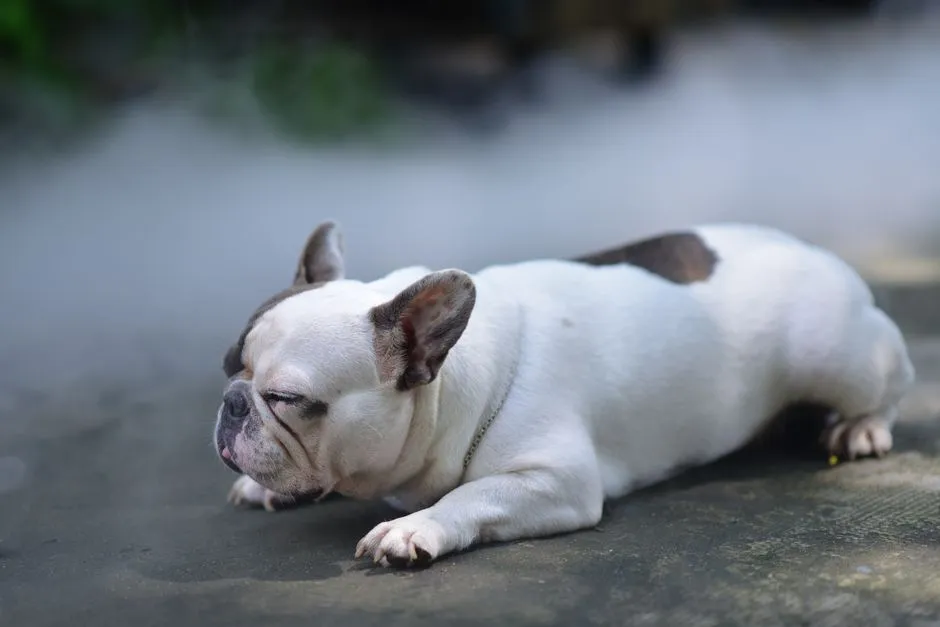
Most people watch the tail. The first change usually happens lower down, in the ribs. When a dog’s favorite person walks in, breathing often shifts from quick and alert to slow and soft, sometimes ending in one big, dramatic sigh.
That sigh isn’t boredom. It tends to look like relief, the body letting go of “stand-by” mode, much like a person exhaling after a long day. Around other household members, the same dog may keep a quicker, ready-to-move rhythm.
Next time that person sits down, watch your dog’s chest and jaw. With one specific human, many dogs:
- Sink deeper into their bed
- Take longer, slower breaths
- Add small, contented grunts or groans
It’s not flashy like zoomies, so nobody in the house ever comments on it. That’s exactly why it’s such an honest signal.
But that’s nothing compared to what we found about #14…
#14 – Their Eyes “Soften” In A Way They Don’t For Anyone Else
🔥 Would you like to save this?
We'll email this post to you, so you can come back to it later!
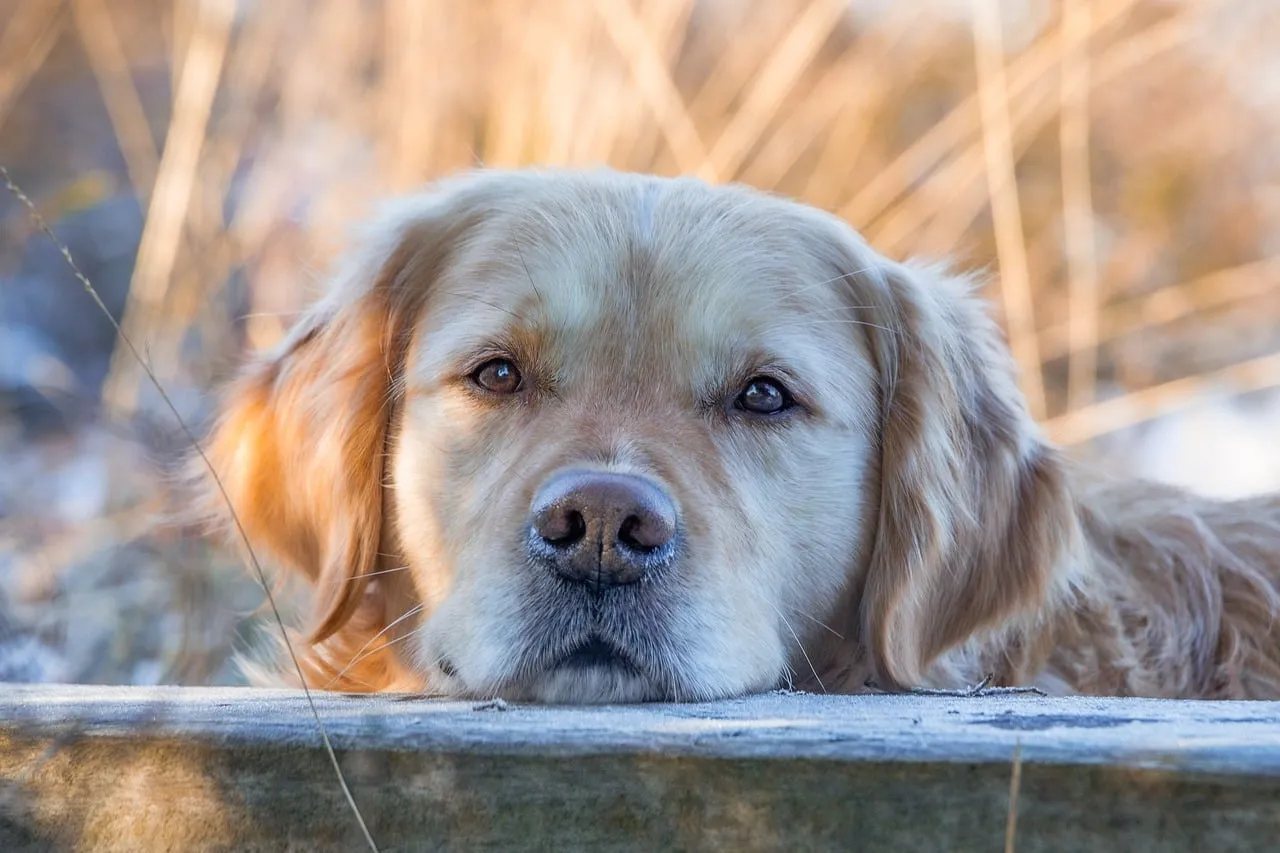
“Puppy eyes” get treated like random cuteness. But eye shape and the tension around the eyes can change noticeably around a dog’s chosen human. The eyes look rounder, blinks get slower, and the skin at the corners loosens. Some dogs even squint slightly, what behaviorists call a “soft eye.”
Compare that with how the same dog looks at strangers or less-trusted people. The stare may be fixed, the pupils wider, the eyes a little more almond-shaped and tight. That hard look isn’t “focus.” It’s a mix of alertness and uncertainty.
Around their favorite person, many dogs will:
- Hold eye contact, then slowly blink
- Tilt their head while keeping that gaze
- Show visible relaxation in the muscles around the eyes
Quick Compare
- Soft eye: rounder look, slow blinks, loose skin at the corners
- Hard eye: fixed stare, wider pupils, tight almond shape
- Where you’ll spot it: soft with the chosen person, hard with strangers or in uncertain moments
There’s science behind why this matters. Researchers in Japan found that mutual gazing between dogs and their owners raised oxytocin, the bonding hormone, in both. People love to brag that their dog “loves everybody.” But that soft, melty eye contact is usually saved for the one person who has made the dog feel safe, again and again.
But that’s nothing compared to what we found about #13…
#13 – They Always Know Exactly Where That One Person Is
🔥 Would you like to save this?
We'll email this post to you, so you can come back to it later!
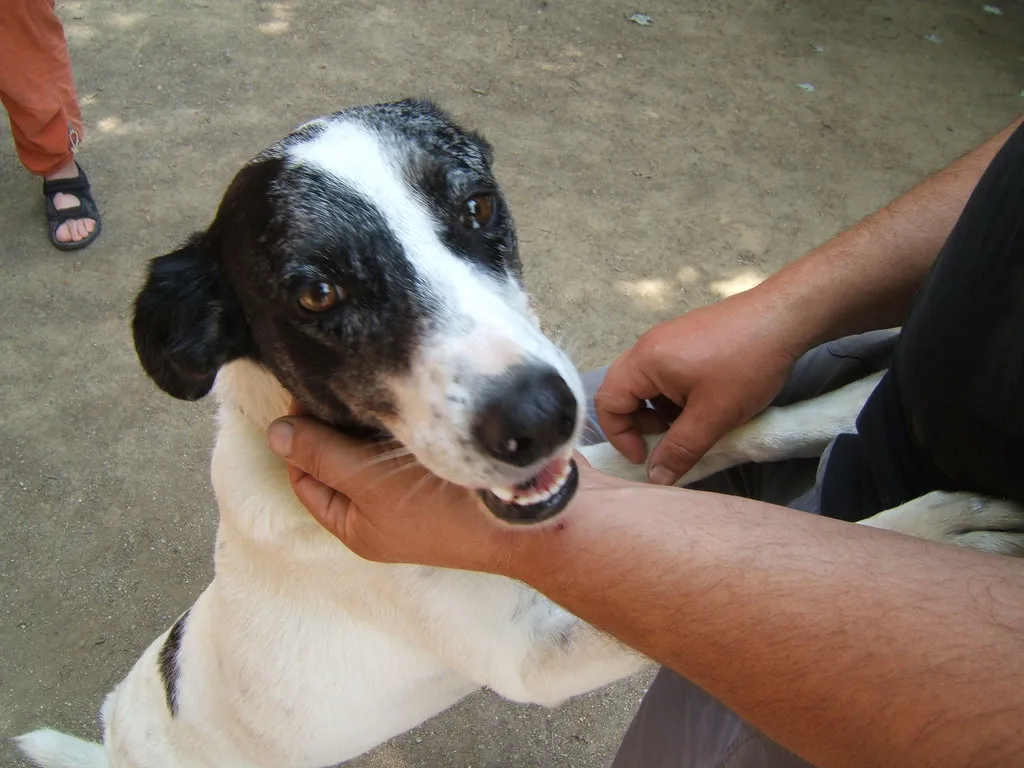
“Velcro dog” isn’t only about following someone from room to room. Many dogs keep calm, constant track of one specific person even when nobody is moving. They park themselves with a line of sight to that human, almost like they’re carrying a mental floor plan of the house.
That hallway spot isn’t random. It’s often chosen because it lets the dog:
- See into the living room
- Hear the kitchen
- Keep an eye on that person’s bedroom door
Other family members can come and go with barely a head lift. But one door sound from the favorite person gets an instant ear swivel. The dog isn’t necessarily anxious. It’s more like running background “fan tracking” on their chosen human.
Most households call this clinginess. It’s often part attachment and part self-assigned job: the dog has quietly appointed itself monitor of that one person’s movements.
But that’s nothing compared to what we found about #12…
#12 – Their Greeting Ritual Is Weirdly Specific
🔥 Would you like to save this?
We'll email this post to you, so you can come back to it later!
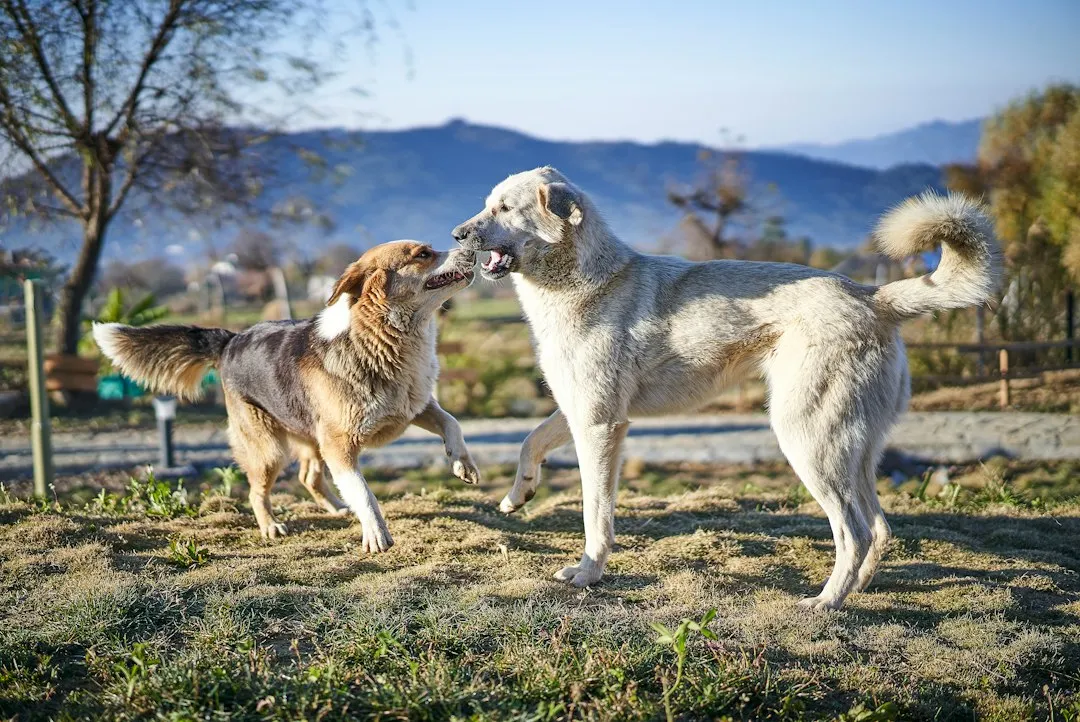
Everyone in the house might get a hello, but the favorite person gets a scripted ritual. It could be a certain toy that must be delivered, a particular circle the dog runs, or a leg bump that has to happen before anything else.
This isn’t random. It’s a behavior chain that’s been reinforced over dozens or hundreds of reunions until it’s polished. With other people you’ll see generic excitement. With their chosen human, it’s oddly precise and nearly identical every time.
Common ritual pieces include:
- Grabbing the same toy and shoving it into that person’s hand
- One fast zoom around the room, then pressing against their legs
- Jumping up once (even if they never jump on anyone else), then sitting immediately
Families often scold the behavior without realizing it’s an emotional script. Interrupting it can frustrate the dog, because the ritual is how they process the big rush of a reunion.
But that’s nothing compared to what we found about #11…
#11 – They Quietly Mirror That Person’s Schedule
🔥 Would you like to save this?
We'll email this post to you, so you can come back to it later!
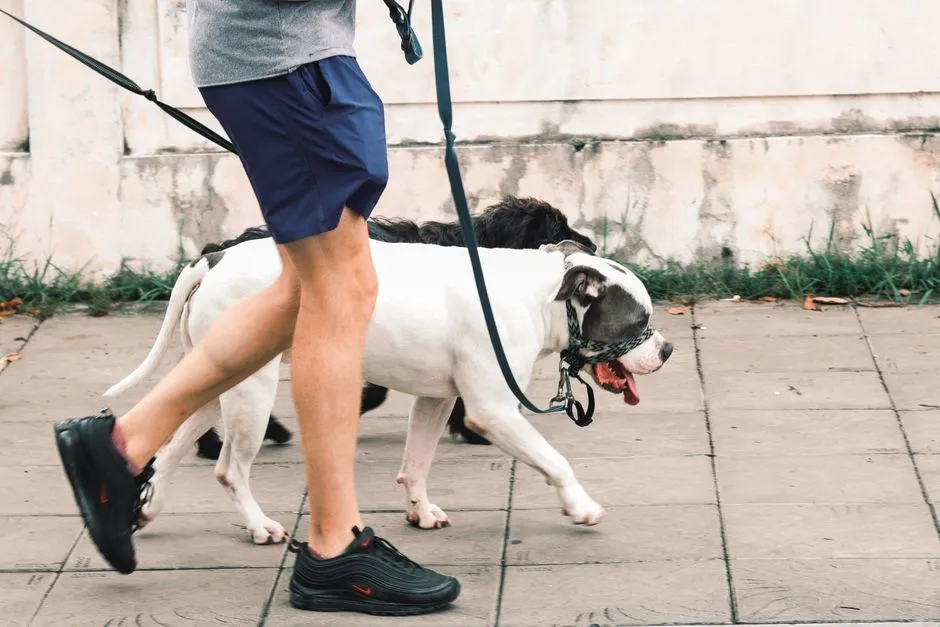
Everyone notices a dog at mealtime. Far fewer people notice the slow schedule syncing that happens with a dog’s favorite human. The dog starts waking, napping, and even drinking water around the same times as that one person.
If that human works late, the dog may refuse to settle fully until they’re home. If that person starts getting up earlier on weekdays, the dog gradually shifts too, even when someone else in the house is happy to sleep in.
Look for patterns like these:
- Napping when you sit down to watch TV, then waking the moment you stand
- Drinking or stretching when you do, with no obvious prompting
- Hovering near the bathroom or bedroom at “your” usual transition times
It’s quiet, boring behavior, which is why almost nobody talks about it online. But syncing routines with one person is a strong attachment marker. It also helps the dog predict what happens next, and predictability feels safe.
But that’s nothing compared to what we found about #10…
#10 – Their Play Style Changes Around Just One Person
🔥 Would you like to save this?
We'll email this post to you, so you can come back to it later!
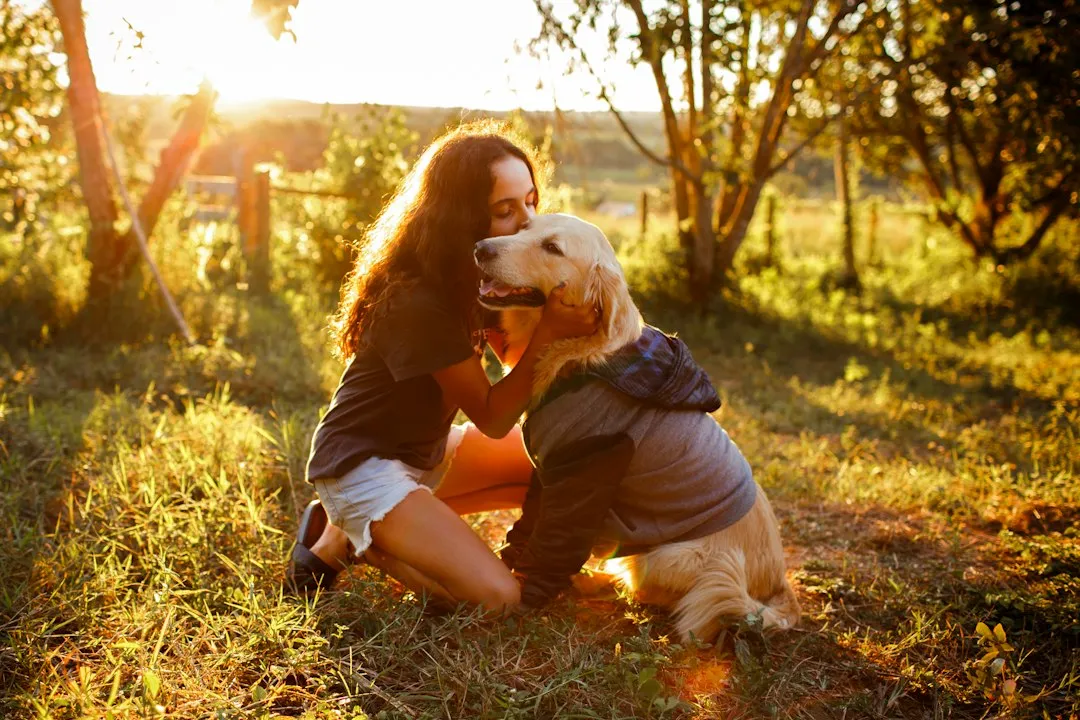
Dogs don’t just “play.” They tailor play to the partner. Around kids they may be gentle and bouncy, and around a roughhousing adult, much wilder. But with their emotionally favorite person, play often becomes more complex and more communicative.
You might see:
- More self-handicapping, like soft mouthing or flopping onto their back
- Frequent pause-and-check moments, with the dog studying that person’s face
- Repeated games that clearly started as inside jokes
They may bring that person toys they never fetch for anyone else, or insist that only this human holds the tug rope. That’s not stubbornness. It’s social preference. Dogs, like people, don’t spend their best, most nuanced energy on casual acquaintances.
Some dogs even use play to test that person’s mood. They offer a toy, then read the body language to decide whether it’s time to romp or just lean in and cuddle. Everyone else sees “hyper” or “calm” and misses the deliberate switch.
But that’s nothing compared to what we found about #9…
#9 – They Use That Person As A “Base” In New Places
🔥 Would you like to save this?
We'll email this post to you, so you can come back to it later!
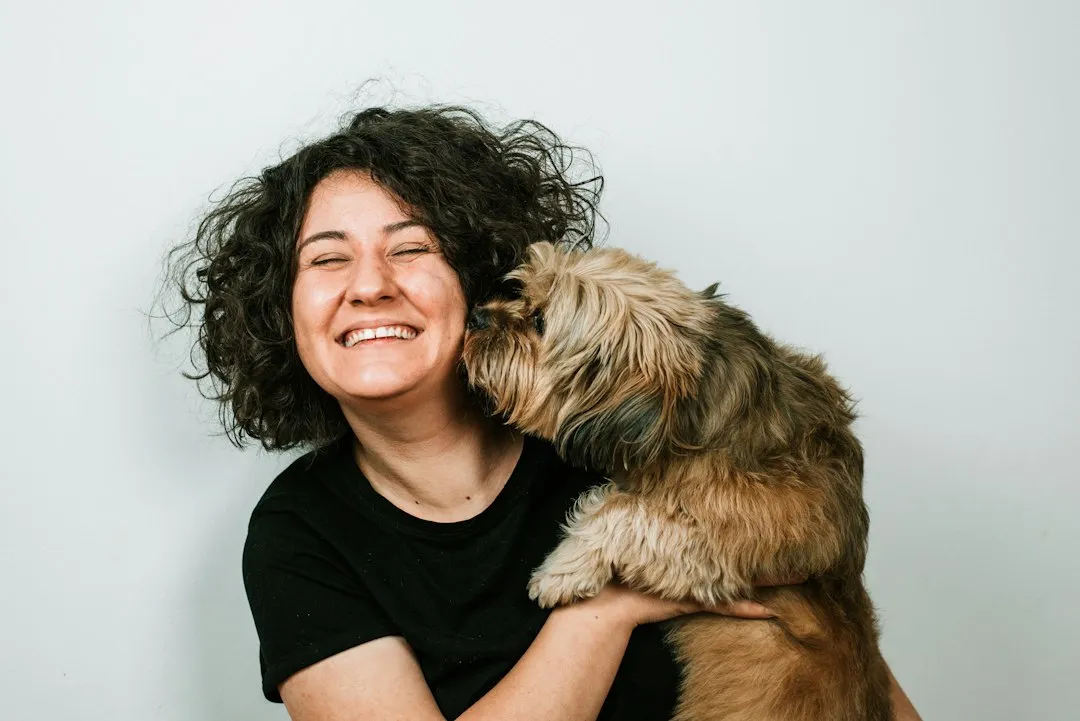
Take your dog somewhere unfamiliar, like a friend’s house, a busy patio, or a trail they’ve never smelled. Dogs with a special person keep boomeranging back to that human, using them as a “secure base” before heading out again. Other people can stand right there, but the dog’s route stays remarkably consistent.
- Circle or sniff around
- Return to touch that one person (nose, hip, or lean)
- Head out again, slightly farther this time
This comes straight from attachment theory, and researchers have studied dogs with a version of the classic “strange situation” test used on toddlers. Confident exploration plus regular check-ins basically means “I trust you to keep me safe.” A dog who only clings and never explores is showing something closer to anxiety than healthy bonding.
Worth Knowing
- The original “strange situation” test was designed by psychologist Mary Ainsworth to study attachment in infants.
- Researchers later adapted it for dogs, comparing how they behave with their owner versus a stranger.
- A secure dog explores, checks in, then settles back into exploring.
- Constant clinging with no exploring points more toward worry than a strong bond.
Most households read this as “He’s being needy with Mom again.” It’s actually a textbook sign that person is the dog’s emotional safety anchor.
But that’s nothing compared to what we found about #8…
#8 – They Obey Subtle Cues From That Person Others Don’t Even See
🔥 Would you like to save this?
We'll email this post to you, so you can come back to it later!
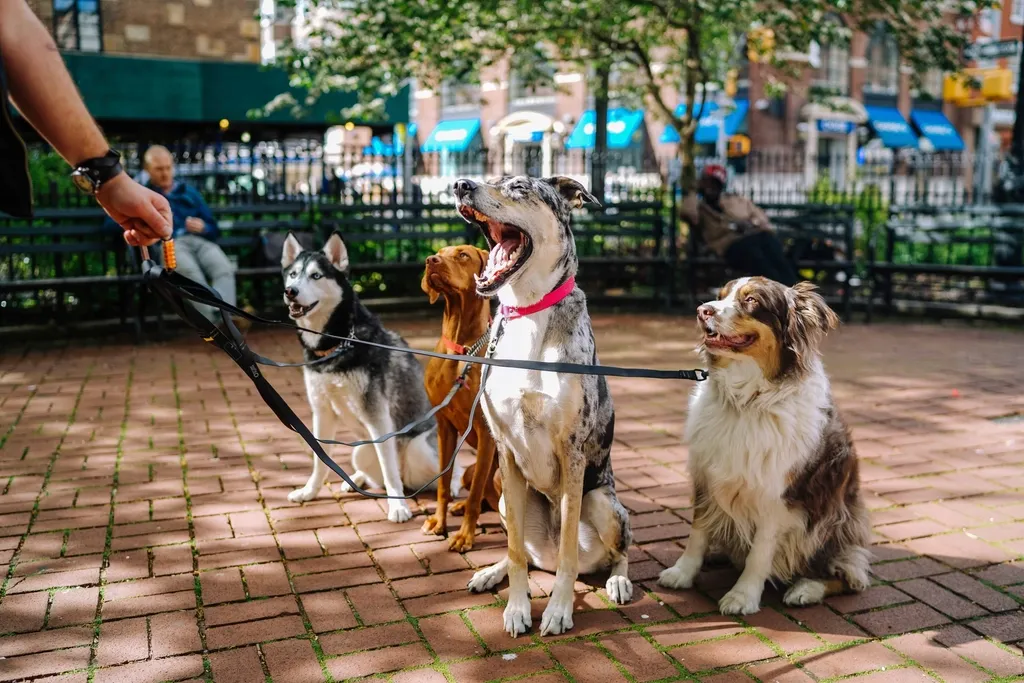
Here’s where the arguments start on Facebook: plenty of people swear their dog “only listens” to one family member because that person is stricter. Often it’s the opposite. That person uses quieter, more consistent signals, and the dog has learned to prioritize them.
Around their favorite human, dogs will:
- Respond to eyebrow raises, hand twitches, or tiny shifts in tone
- Move out of the way before being asked out loud
- Sit, lie down, or wait ahead of time because they’ve learned the pattern
To everyone else it looks like the dog can read minds. What’s really happening is long-term pattern recognition. The dog has cataloged hundreds of small moves from that one person and treats them as cues.
Most households underestimate how sharp a dog’s pattern memory is. They assume the dog is being stubborn with others, when the dog may simply never have been given stable, recognizable signals from those people.
But that’s nothing compared to what we found about #7…
#7 – They Sleep In “Guard” Position For One Person Only
🔥 Would you like to save this?
We'll email this post to you, so you can come back to it later!
Sleeping-spot drama fuels endless debates at home: couch versus crate versus bed. What almost nobody tracks is orientation, meaning which way the dog faces relative to specific people.
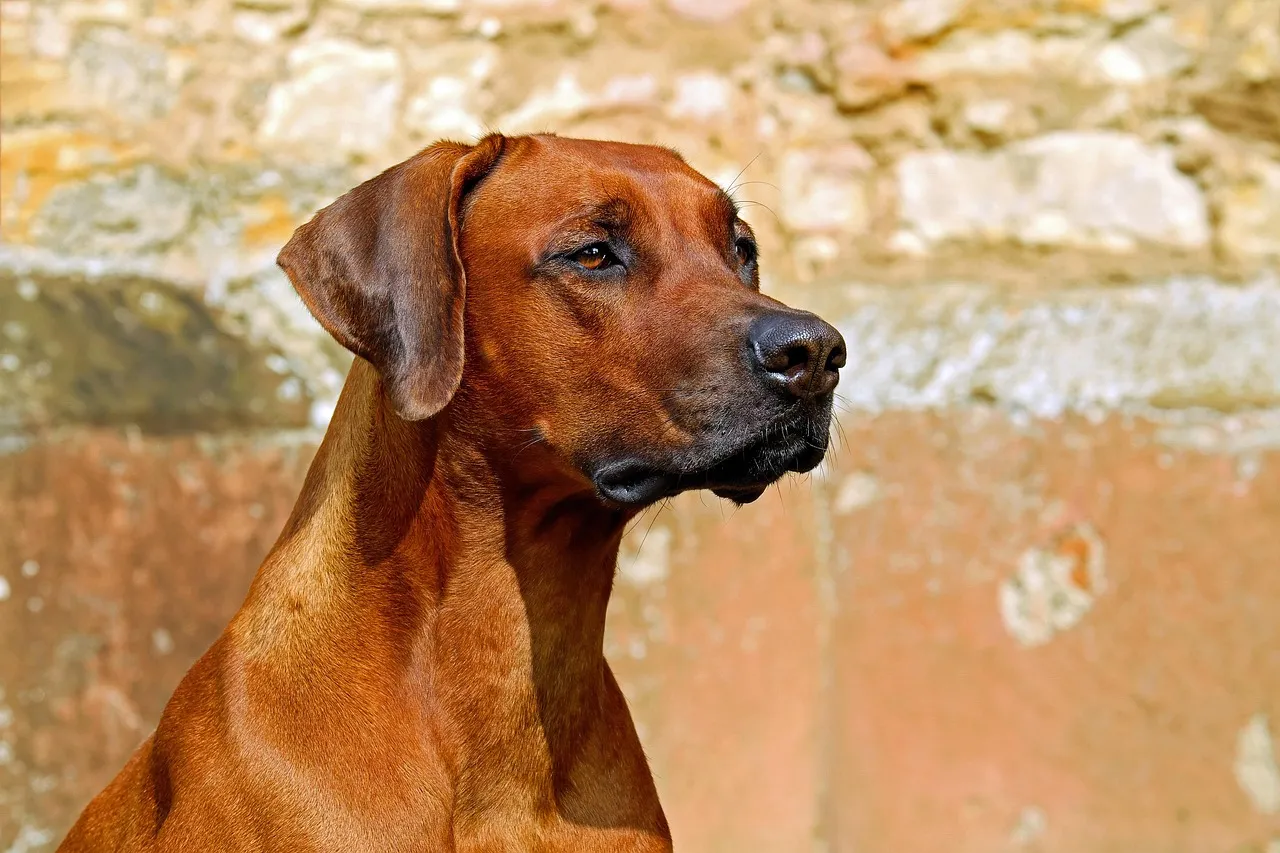
Around their chosen person, many dogs pick spots that let them:
- Watch the person and the main entry at the same time
- Block a hallway with their body
- Lie with their back to the person and eyes on the room, like a sentry
This usually isn’t about dominance. It’s about role. Some dogs seem to appoint themselves the early-warning system, especially at night or in rooms they consider vulnerable.
You might notice they switch sides of the bed depending on which side that person is on, or choose the floor over the couch only when that person is home. Many only relax fully once that human sits or lies down. Most households chalk it up to “weird dog quirks,” but the pattern is usually consistent if you bother to map it.
But that’s nothing compared to what we found about #6…
#6 – Their Vocalizations Shift To A Private “Language”
🔥 Would you like to save this?
We'll email this post to you, so you can come back to it later!
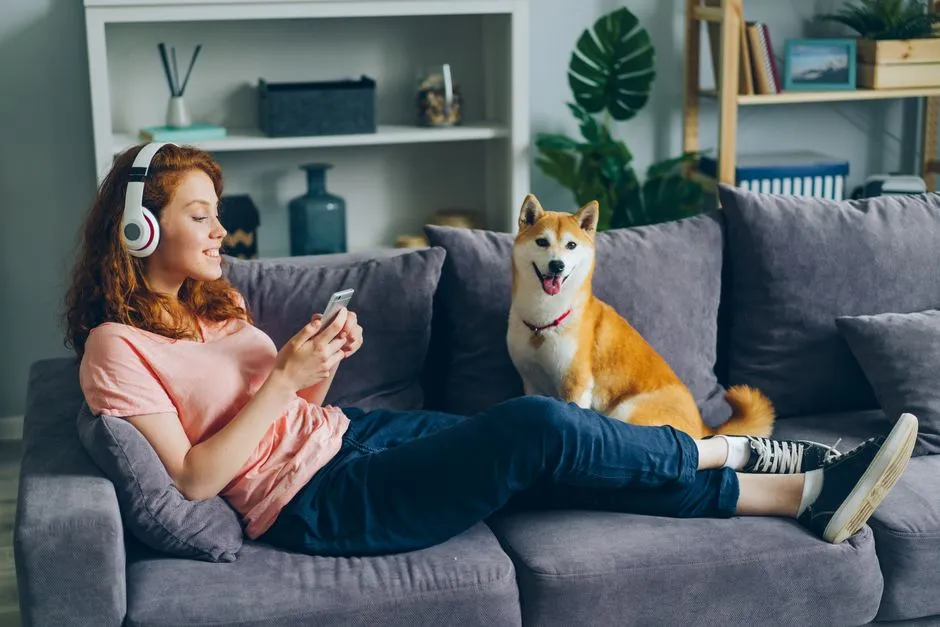
Dog owners love sharing videos of dramatic howls and barks. What’s more telling is the low-volume stuff: tiny grumbles, chuffs, and half-whines that only happen with one person.
Around that human, dogs might:
- Use soft “mmph” sounds to request a spot on the couch
- Give a single breathy whine in response to being spoken to
- Play-growl at one very specific pitch, only during shared games
Over time, that person unconsciously rewards some sounds and ignores others, shaping a mini dialect between the two of them. No, it’s not language in the human sense. But it is a consistent, two-way sound code.
Other family members hear the same noises and have no idea what they mean. Yet that one person can usually tell you exactly which sound means “move over,” which means “I need to go out,” and which means “keep petting me.” Households dismiss it as random noise. It’s closer to a private conversation.
But that’s nothing compared to what we found about #5…
#5 – They Show Their “Ugliest” Emotions Only When They Feel Safest
🔥 Would you like to save this?
We'll email this post to you, so you can come back to it later!
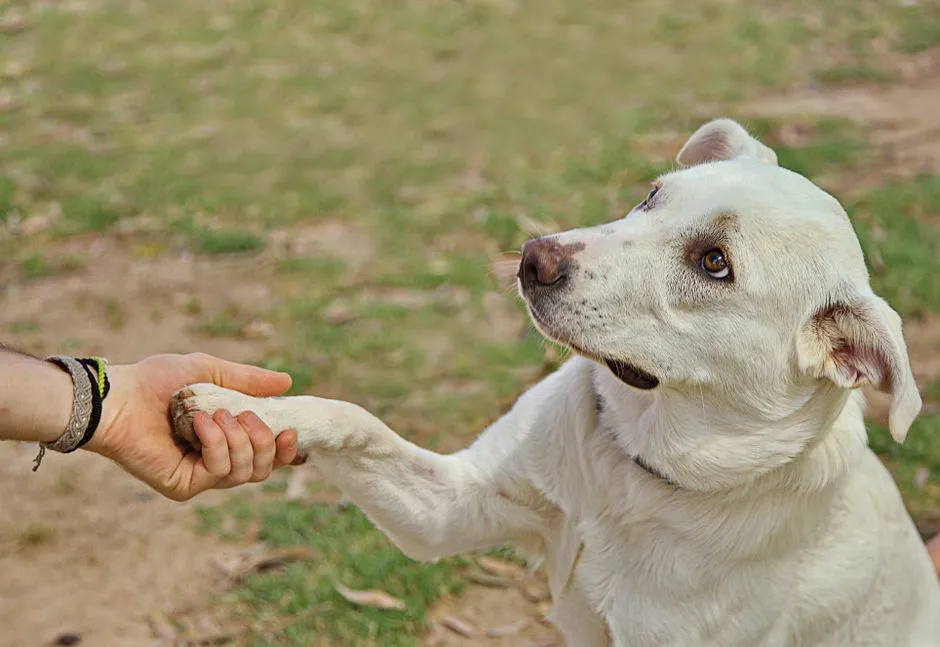
Here’s the part most people don’t want to hear: your dog’s favorite person may be the one who sees the least flattering behavior. That can mean frustration, over-attachment, and sometimes even guarding episodes. Why? Because dogs, like kids, tend to melt down where they feel safest.
That chosen person may be the one they:
- Whine at when a walk runs late
- Bark at the door with, even if they’re calmer alone with others
- Guard food or toys around, because those things “belong” in that relationship
Households often misdiagnose this: “He respects Dad more; he acts out with me.” More often, the dog feels secure enough to show his emotional extremes to that one human. It’s a backhanded compliment. You are their safe place to fall apart.
That doesn’t mean you should tolerate dangerous behavior. It does mean context matters, and a professional trainer can help sort out which is which.
But that’s nothing compared to what we found about #4…
#4 – They Save Their “Displacement” Habits For That Person
🔥 Would you like to save this?
We'll email this post to you, so you can come back to it later!
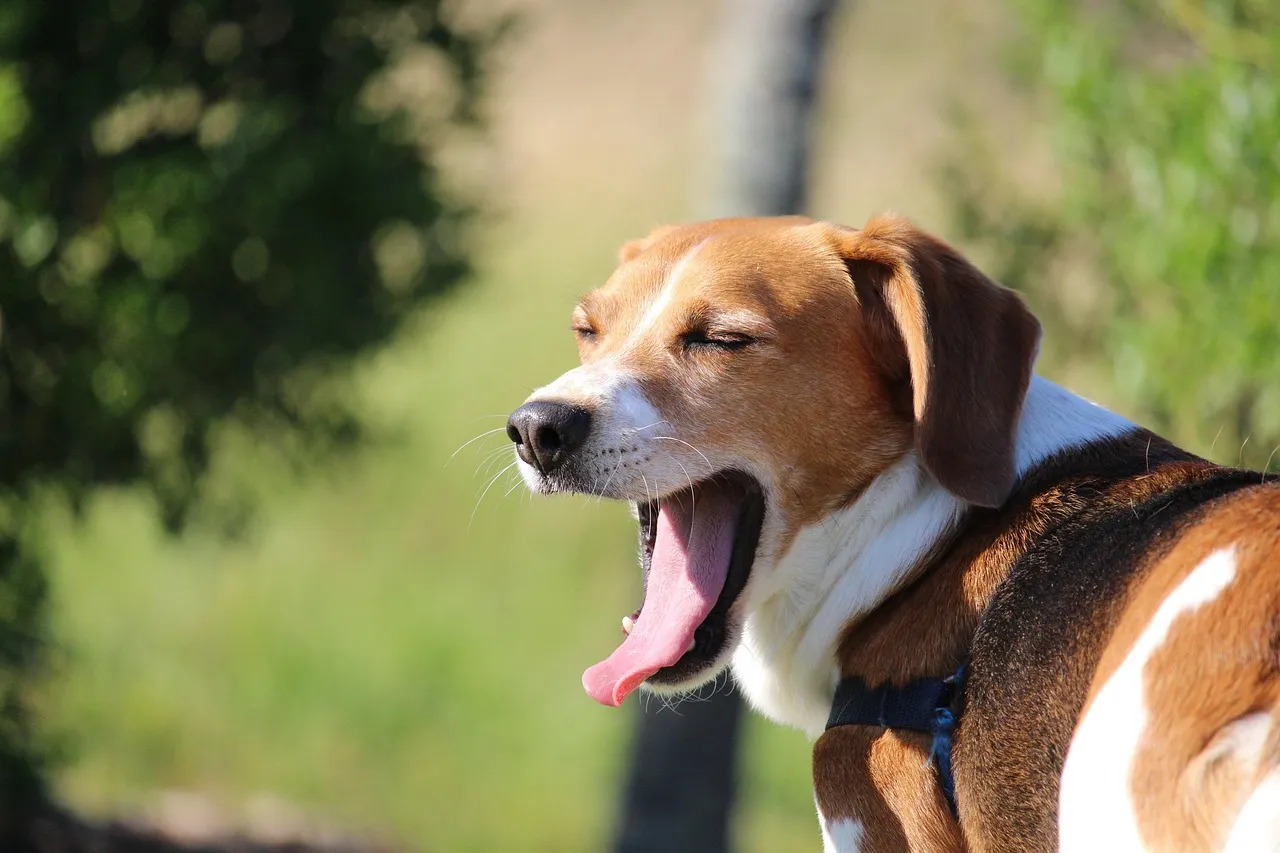
Ever seen your dog suddenly scratch, yawn, or sniff the ground in a moment that has nothing to do with itching or sleep? That’s often displacement behavior, a way to bleed off stress or conflicting emotions.
Here’s what’s wild: some dogs reserve specific displacement behaviors for one person. Examples include:
- A fake “busy sniff” whenever that person scolds them
- Dramatic yawning only when that person hugs them too tightly
- Shaking off like they’re wet after a tense training moment
At a Glance
- Yawning: a big yawn when the dog isn’t sleepy
- Scratching: a sudden itch that shows up mid-tension, then vanishes
- Sniffing: intense ground-checking during a correction
- Shake-off: a dry-dog shake right after being held or corrected
To some owners, that looks like disrespect. In reality, the dog is saying, “I’m conflicted, and I’m trying to cope without escalating.” It also shows how tuned in they are to that one person’s emotions.
Most households miss these completely, yet they’re clear stress-management attempts.
But that’s nothing compared to what we found about #3…
#3 – They Tolerate Discomfort From One Person They’d Never Accept From Others
🔥 Would you like to save this?
We'll email this post to you, so you can come back to it later!
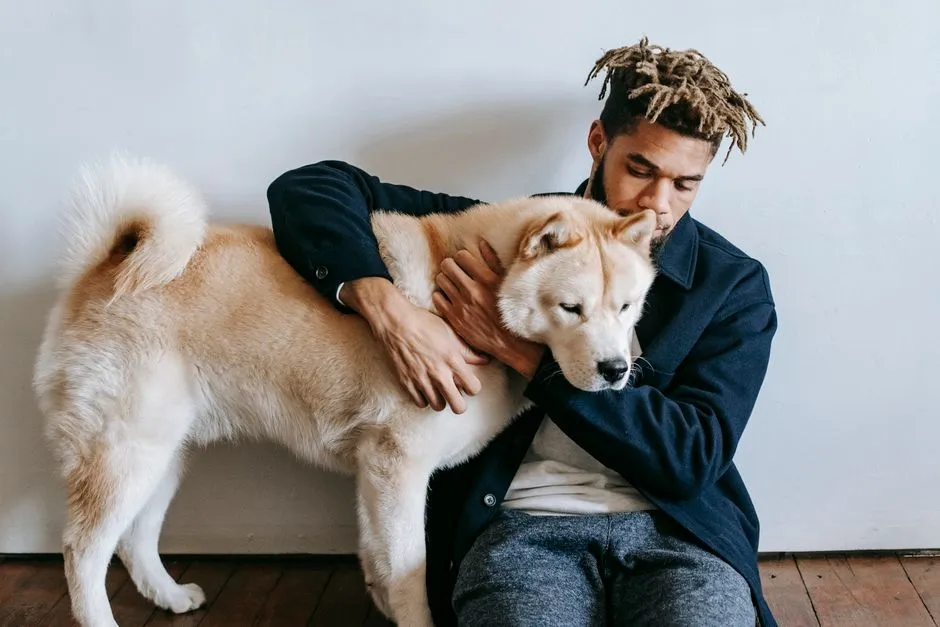
This one is controversial, but it’s real: dogs often allow more handling, more mistakes, and even clumsy affection from their favorite person than from anyone else. They’ll endure nail trims, awkward hugs, or goofy costumes when that human asks, yet snap or flee when others try.
You may notice they:
- Grumble but stay put while their chosen person wipes their paws
- Let that human nudge them off the furniture with no protest
- Accept being checked for injuries or burrs in sensitive spots
This isn’t permission to be rough. It does reveal a hierarchy of trust. The dog has decided this person is worth tolerating mild discomfort for, because history says the person always makes it okay again.
One important point: reduced reactivity does not mean zero stress. Dogs can still dislike the experience internally. They’re overriding it out of trust and habit, which is why gentle handling matters even with a dog who “doesn’t mind.”
But that’s nothing compared to what we found about #2…
#2 – They Anticipate That Person’s Emotions Before Anyone Speaks
🔥 Would you like to save this?
We'll email this post to you, so you can come back to it later!
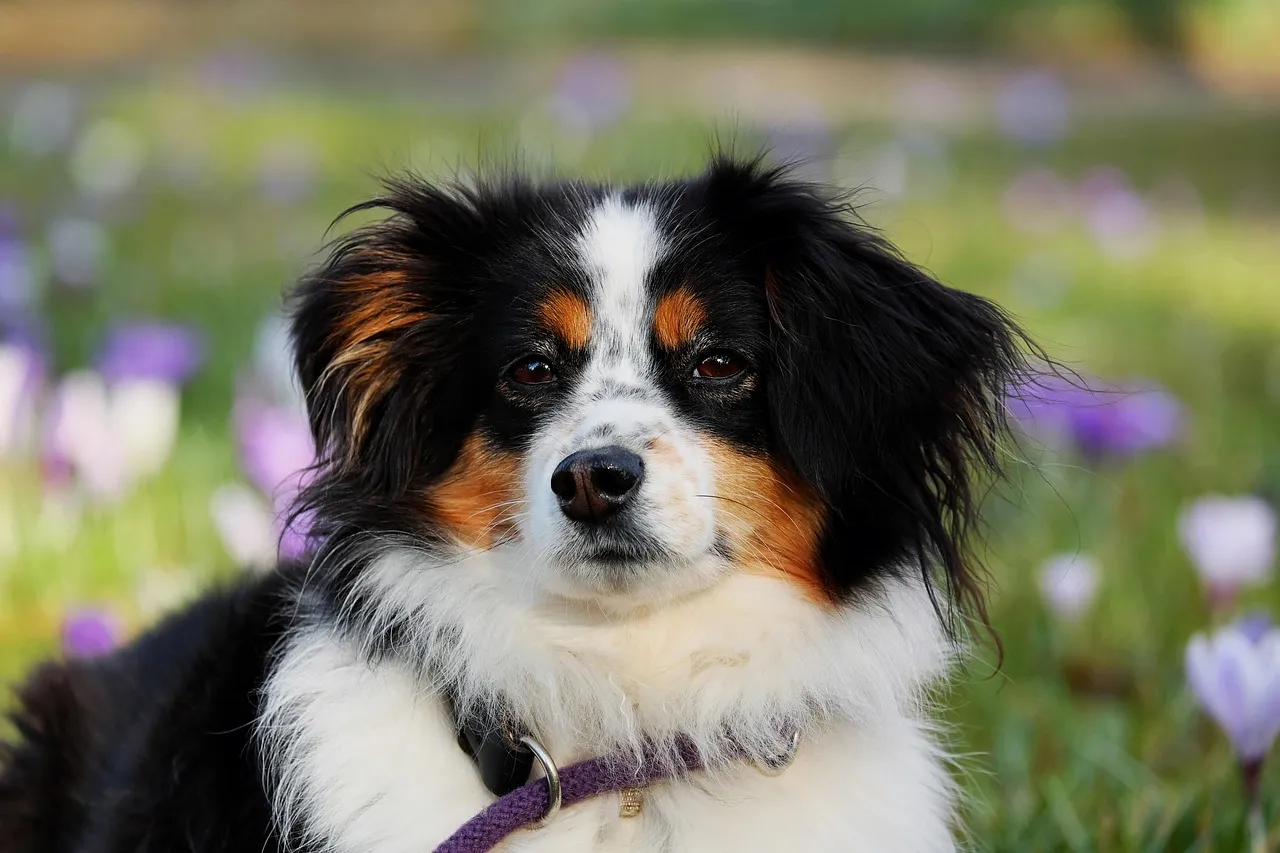
This is where dogs start to look almost psychic. Over time, they absorb one person’s emotional patterns so well that they react before any words or obvious actions appear.
Examples many households shrug off:
- The dog leaves the room seconds before an argument starts, tuned to one person’s rising tension
- They lean on that human after just a tiny sigh or shoulder slump
- They get wiggly when that person opens a laptop at the usual “workday over” time, even if the clock is off
What’s really happening is a stack of tiny observations. The dog notices micro-changes in breathing, posture, scent, and movement, then links them to past outcomes. Now they skip straight to the result, whether that’s comfort, play, or avoidance, before the moment fully unfolds.
Fast Facts
- Dogs have roughly 300 million scent receptors, compared with about 6 million in people.
- A person’s emotional state can change their body scent, and a dog’s nose is built to catch it.
- Posture, gait, and facial tension give a dog extra data every single day.
- The more hours a dog spends with one person, the bigger that person’s “baseline” file becomes.
The link may go deeper than behavior. In a Swedish study of 58 dogs and their owners, long-term stress hormone levels measured in hair tended to track each other. Most households chalk the anticipation up to coincidence or magical thinking, but it’s pattern prediction, something dogs excel at.
But that’s nothing compared to what we found about #1…
#1 – They Subtly Rewire Their Own Personality Around That One Human
🔥 Would you like to save this?
We'll email this post to you, so you can come back to it later!
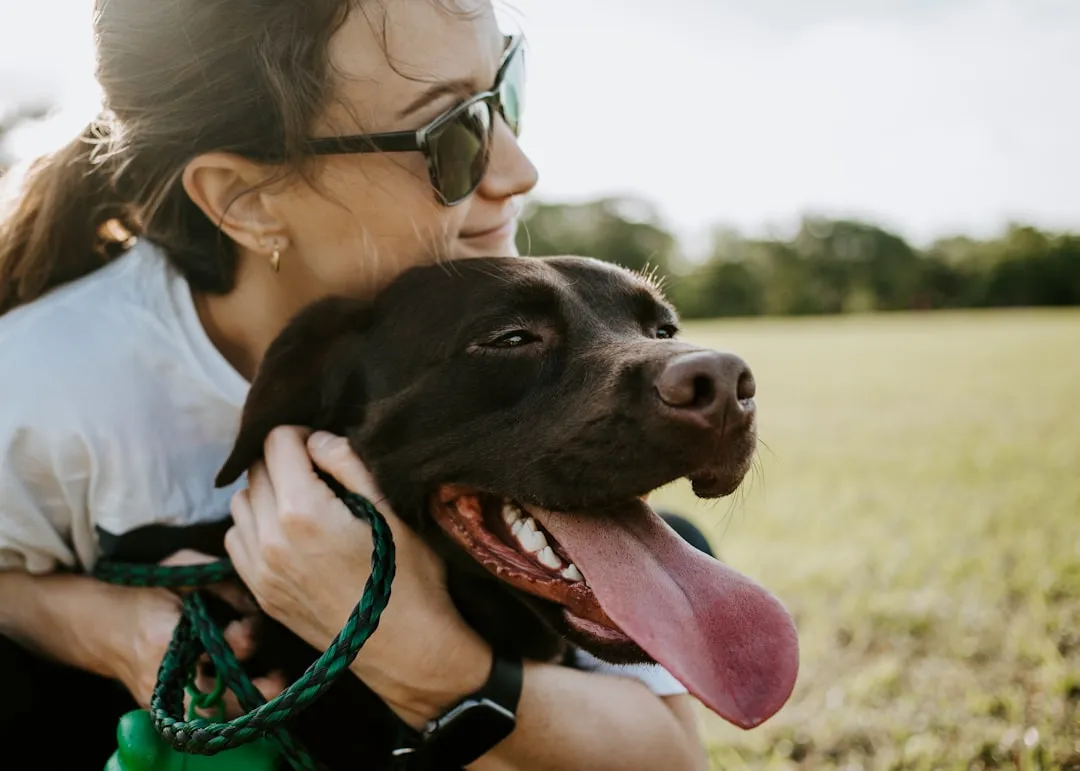
The most powerful and least discussed behavior is this: over months and years, many dogs become slightly different dogs around their chosen person. Not just happier. Different.
With that one human, your dog might be:
- Braver about new places, or oddly more cautious
- Goofier and more puppy-like, even in old age
- Quieter and more thoughtful, offering eye contact instead of chaos
This is personality calibration. Dogs pick up on what works with that person, meaning what earns affection, calm, and safety, and they gradually lean into those traits. Over time, the dog’s baseline temperament in that person’s presence drifts away from how they act with the rest of the household.
You can spot it in small ways. Strangers see your dog beside you and are shocked to hear the old stories. The family insists “she’s wild,” yet she turns composed and shadow-quiet at your side. Or a dog everyone calls “serious” becomes a clown for exactly one person. Households treat these shifts as random, when they’re the long-term result of specific relational chemistry.
When a dog quietly centers their world on one human, it rarely looks like the dramatic reunion videos people obsess over. It looks like softer eyes, slower breaths, odd little routines, and a personality that reshapes itself around one relationship. Most households never spot it because they’re busy watching the obvious: barking, tricks, whose bed the dog sleeps in.
Here’s my honest take: we need to stop pretending dogs love “the family” in a flat, equal way. They form layered, specific attachments, and the favorite isn’t always the person buying the food or posting the selfies. That can sting. But it isn’t a rejection of everyone else. It’s proof that your dog is paying far closer attention to all of us than we give them credit for.
So go back through this list and be honest. Did you just read a description of your dog with you, or with someone else in your home? Who do you think your dog has actually chosen?

- 7 Everyday Habits That Can Make Your Senior Dog Happier - November 5, 2026
- 10 Enigmatic Structures That Continue to Puzzle Scientists Today - November 5, 2026
- 10 Strange Ruins in the Americas That Challenge What We Know About Early History - November 5, 2026