
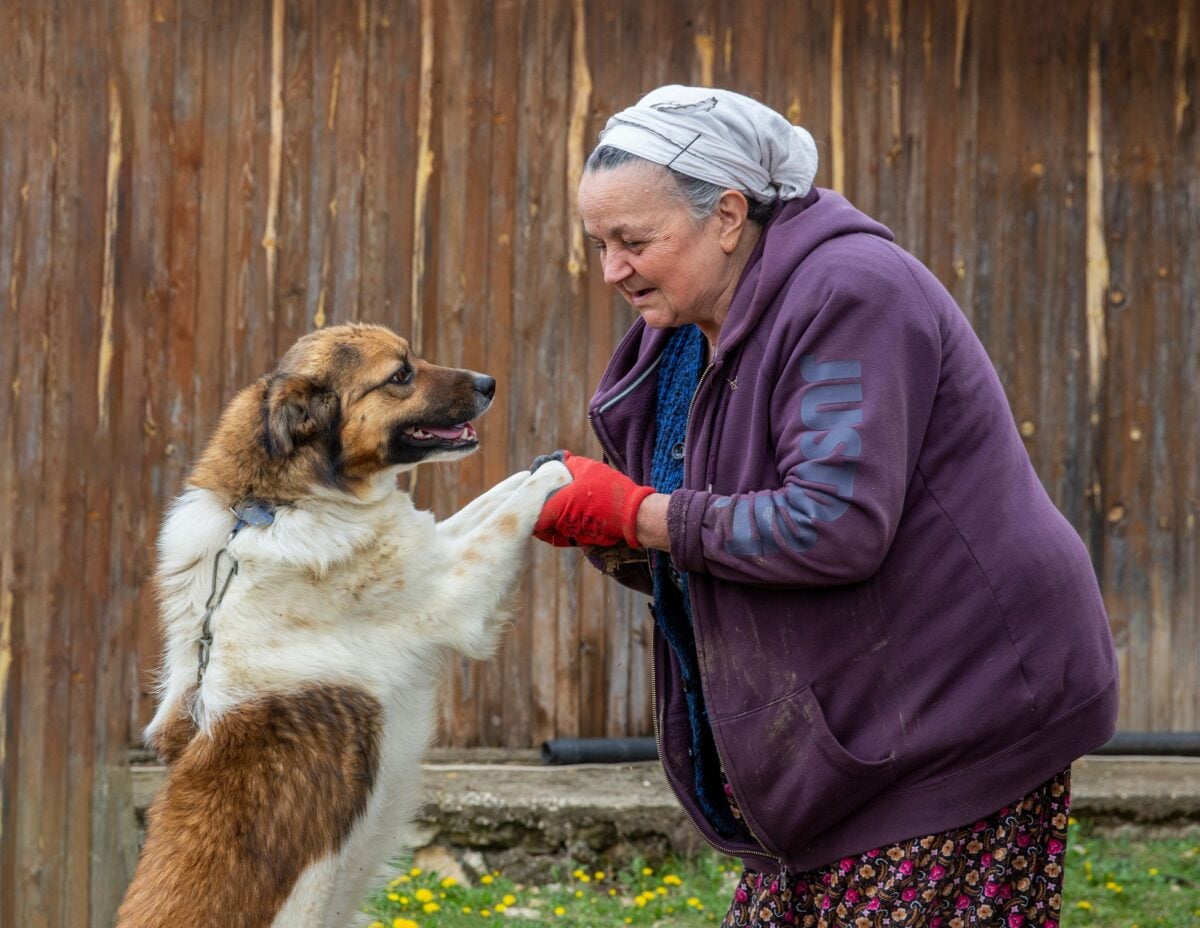
Most people assume a dying dog simply slows down – sleeps more, eats less, quietly fades into the background. That’s not the whole truth, and if you’ve ever sat beside an old dog in their final days, you already know it. In that stretch of time, dogs do something far stranger and more deliberate: they start managing their own goodbye, in ways that look startlingly like they’re holding on for you.
This isn’t magic, and it isn’t wishful thinking from grieving owners. It’s attachment, instinct, and biology overlapping in ways vets and behaviorists see again and again, in almost every breed, in almost every home. Once you know what to watch for, you’ll never look at those last quiet weeks the same way again.
#1 – They Start Following You Like a Shadow Again
🔥 Would you like to save this?
We'll email this post to you, so you can come back to it later!
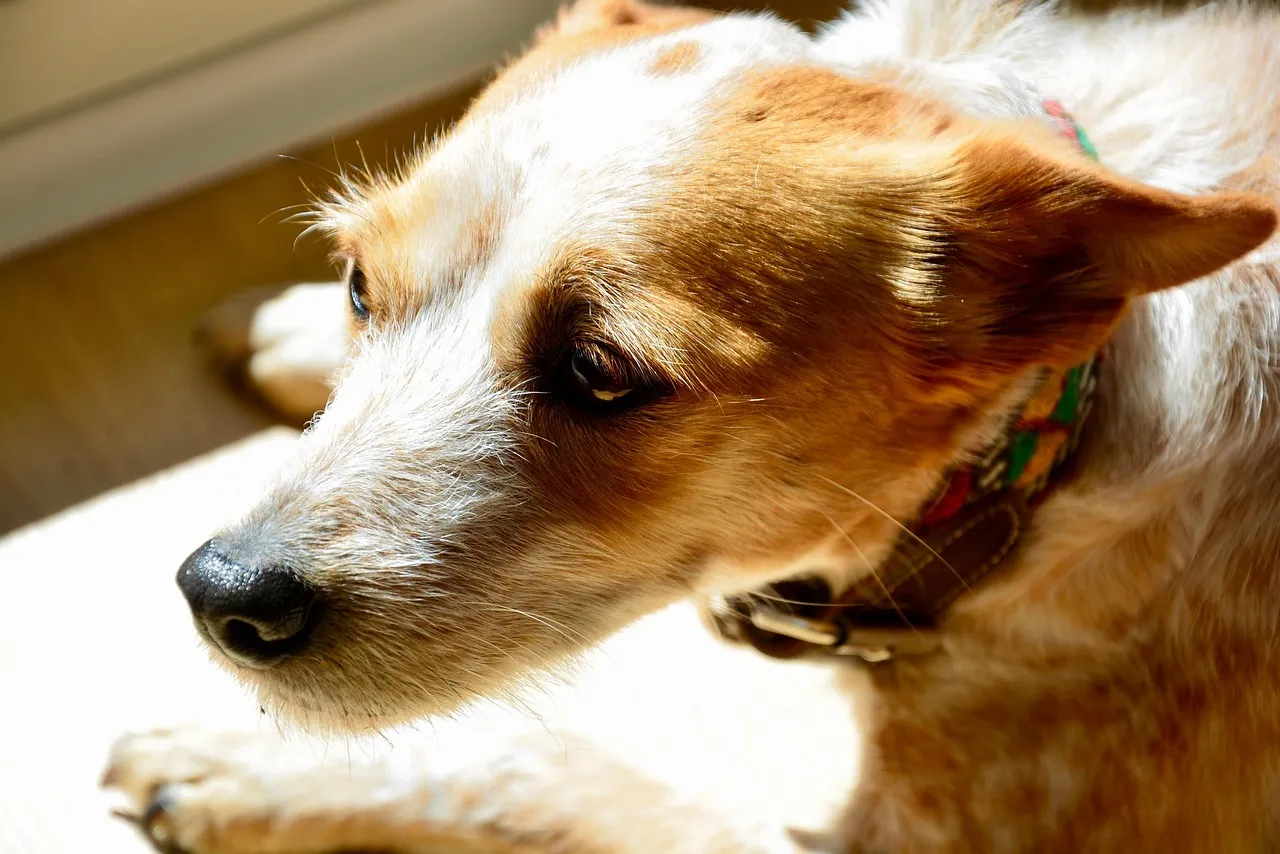
Out of nowhere, your old dog turns puppy-clingy again. A dog who used to nap in another room now insists on lying where they can see you, even if getting there means a slow, painful shuffle down the hall.
This isn’t random. As their world shrinks – hearing fades, eyesight blurs – you become the last clear anchor in a confusing landscape. Being near you keeps their nervous system calmer, which can genuinely help them hang on a little longer.
You might catch them ignoring a soft, cushioned bed just to lie on the cold floor beside your desk or your side of the mattress. Some dogs get visibly restless the moment a closed door separates you, even after years of being perfectly fine with it. It’s heartbreaking, but it’s also useful information: your presence has quietly become the pain medication they understand best.
#2 – They Have Sudden “Good Days” That Feel Like a Miracle
🔥 Would you like to save this?
We'll email this post to you, so you can come back to it later!
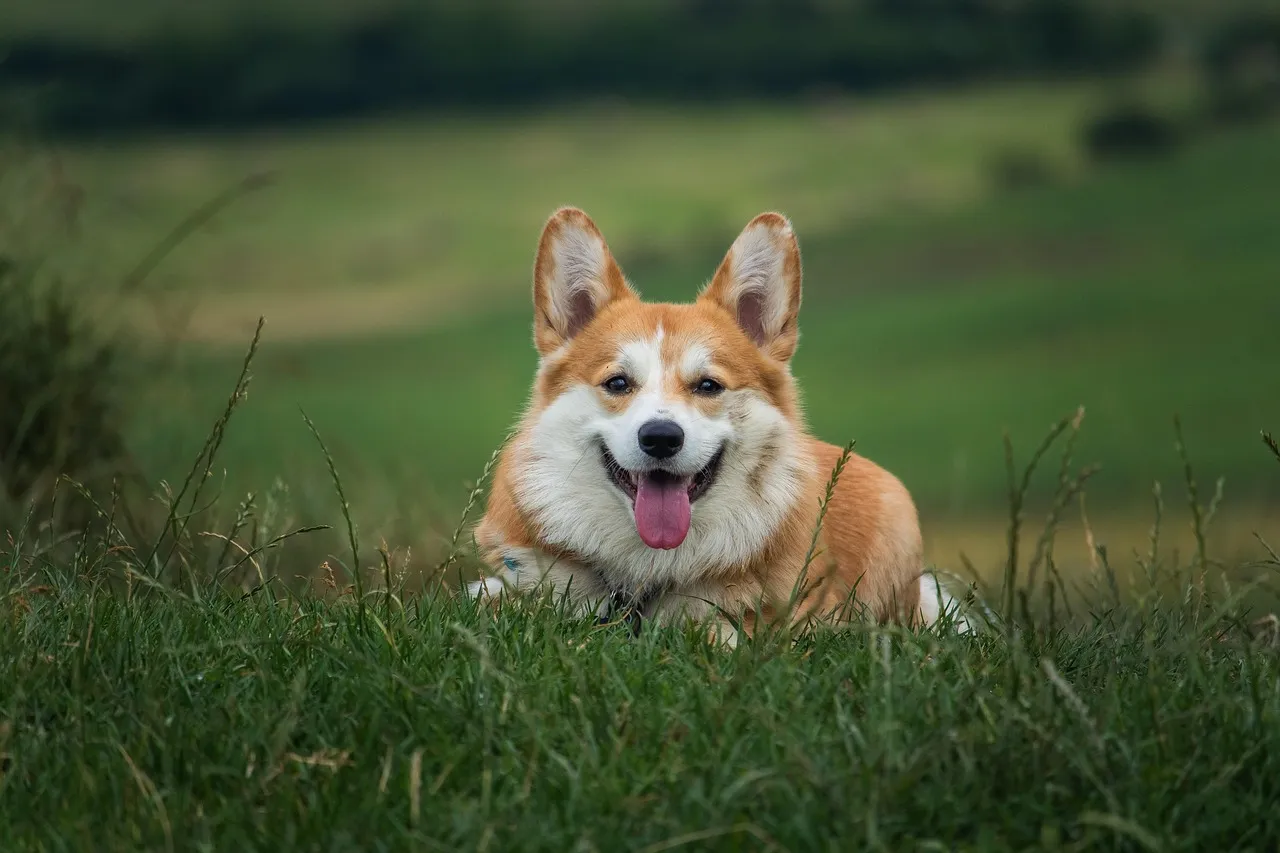
Ask any vet and they’ll tell you it’s disturbingly common: a dog who hasn’t wanted to walk in weeks suddenly trots down the street, cleans their bowl, maybe even chases a ball once. For a hopeful second, it feels like they’re getting better.
In reality, it’s often the body making one last strategic move, shifting resources and adrenaline toward whatever matters most. Their systems are failing, but their will to connect is still firing on all cylinders.
People argue about this constantly online – is it real, or just wishful projection? Here’s the uncomfortable truth: your dog doesn’t stop loving you because their kidneys are failing. That bright, “normal” day is often them spending the last of their physical budget on what matters most – one more walk, one more car ride, one more nap in your lap. Vets quietly admit these rallies are one of the hardest parts of end-of-life care, because they make an impossible decision feel suddenly, cruelly optional.
Fast Facts
- This kind of burst is sometimes compared to “terminal lucidity,” a rally pattern also documented in human hospice care
- A rally can last anywhere from a few hours to several days before energy drops again
- It reflects a temporary surge, not an actual reversal of the underlying illness
- Hospice-focused vets often warn families not to mistake a rally for a green light to wait longer
#3 – They Guard Their Spot, But Only When You’re Near
🔥 Would you like to save this?
We'll email this post to you, so you can come back to it later!
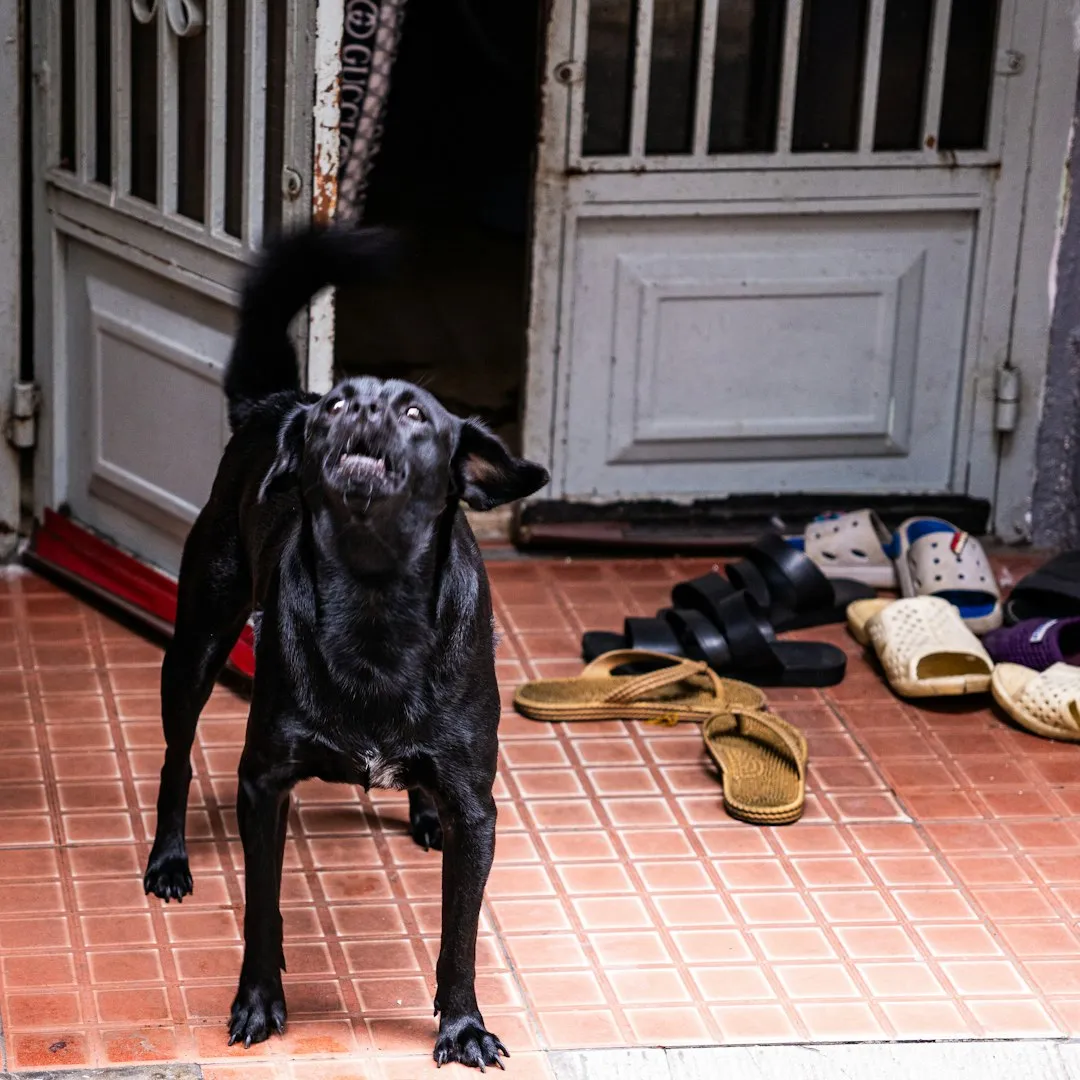
In the final days, plenty of dogs get oddly territorial about one specific resting place – a corner of the couch, a certain rug, the foot of your bed. They might grumble if another pet gets too close or shift their body to block access.
To a stranger, it looks like stubborn grumpiness. Underneath, it’s survival instinct tangled up with attachment: they’re protecting the one place where they still feel safe, and that safety is tied directly to your scent.
Watch closely and you’ll notice they only truly relax when you’re within arm’s reach. The second you sit down nearby, the guarding melts away – because their brain has done the math. Energy is low, pain is high, so they can’t afford to risk being jostled or displaced. Holding that spot near you is how they hang onto comfort and connection at the same time.
#4 – They Start Choosing One Person, Even in a Big Family
🔥 Would you like to save this?
We'll email this post to you, so you can come back to it later!
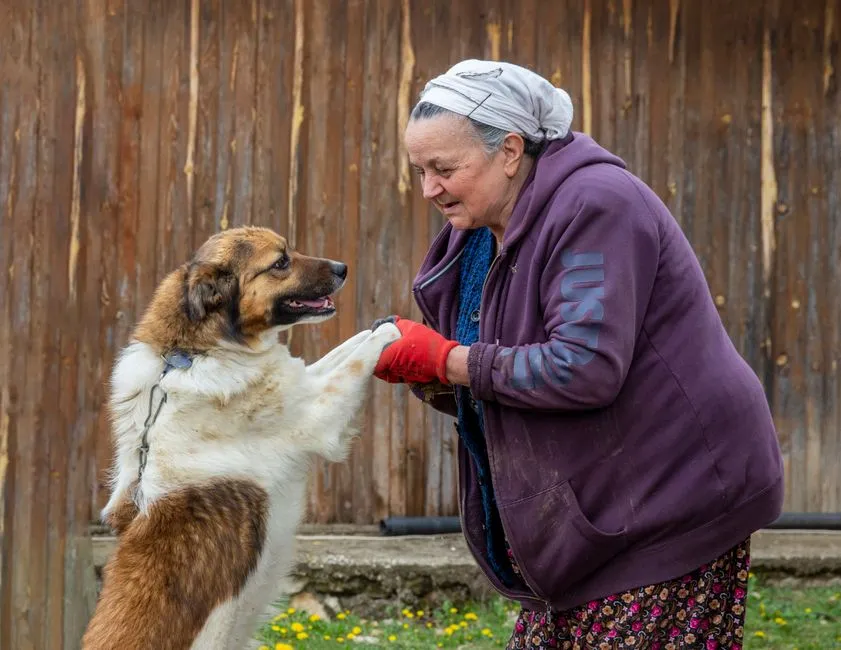
Most people don’t want to hear this, but in many households a dying dog quietly picks a person. A dog who loved everyone equally for years suddenly only settles when one specific human is in the room – tracking their movements, reaching a paw toward them, sometimes even refusing food or water until that person shows up.
It’s not favoritism. It’s triage for a failing sense of safety. Dogs build attachment hierarchies whether we like it or not, and at the end, that hierarchy becomes brutally clear.
The chosen person is usually whoever’s routine, voice, and scent have become the dog’s “home base” – often the one who feeds them or sleeps beside them, not necessarily the loudest voice in the house. It can sting for everyone else, but from the dog’s side, narrowing focus to one person is simply a way to conserve emotional energy they no longer have to spare.
#5 – They Force You Into a Slower Rhythm (And Watch How You Handle It)
🔥 Would you like to save this?
We'll email this post to you, so you can come back to it later!
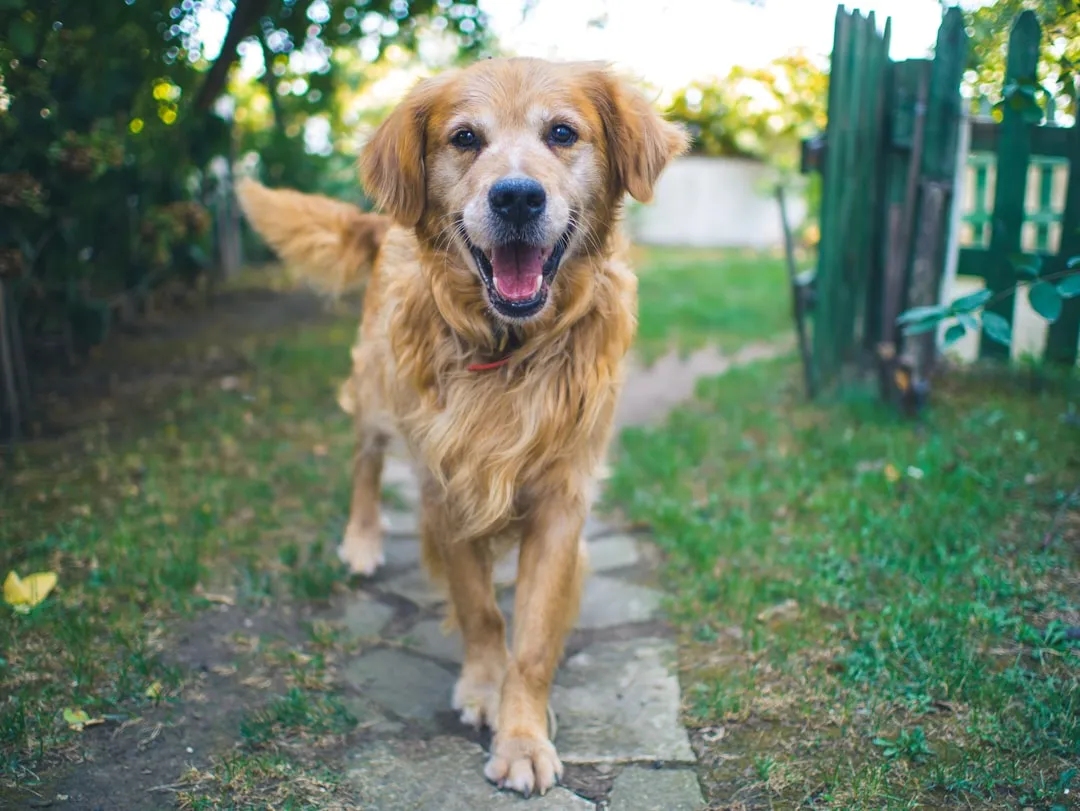
Old, dying dogs have a strange kind of power: they drag your entire life down to their speed and quietly watch whether you meet them there. Walks shrink to a few yards. Bathroom breaks take forever. Getting onto the couch suddenly requires a lift.
Plenty of people feel a flash of irritation at this, then instant guilt. That whiplash is part of what makes these final days so raw. Your dog is unmasking your real capacity for patience, in real time.
They’re not doing it on purpose – but the effect is the same. Dozens of times a day, you’re handed a small choice: rush them, or match them. Dogs read tone and body language better than most humans do, so when you choose to pause, to let them sniff that same patch of grass one more time, to carry them instead of tugging the leash, something in them visibly settles. The final days stop being a fight against death and start being about protecting their dignity.
#6 – They Seek Out “Old Rituals” You Thought They’d Forgotten
🔥 Would you like to save this?
We'll email this post to you, so you can come back to it later!
One of the strangest late-stage behaviors: a dog suddenly asks for a ritual you both abandoned months, even years, ago. Nudging the drawer where the tennis ball lives. Pawing at the car door for a drive. Insisting on the bedtime treat routine you quietly let slide.
Familiar rituals live in well-worn neural pathways, and when everything inside a dog feels unstable, those old patterns are the easiest comfort to reach for.
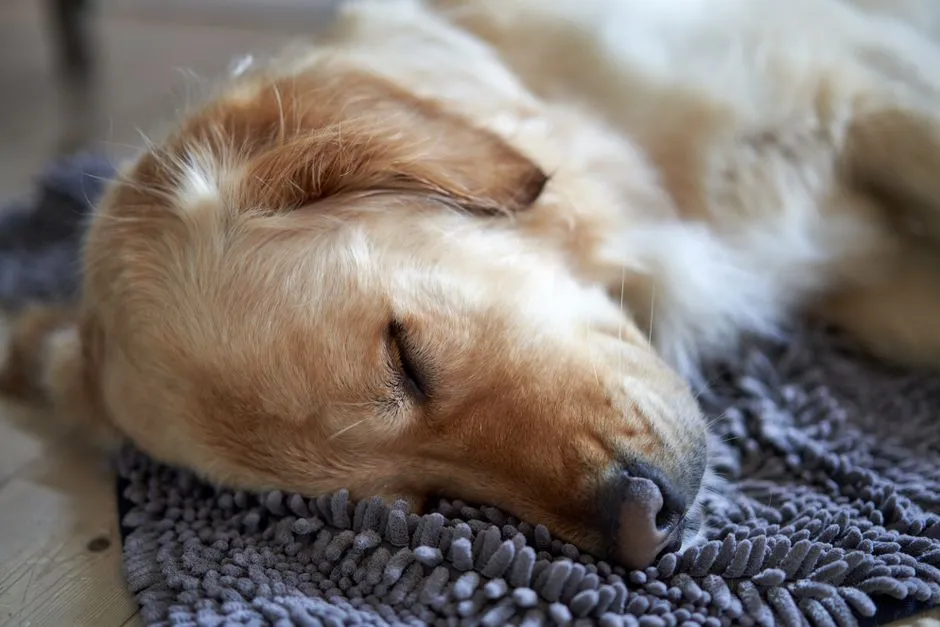
This is why some dogs, barely able to stand, will still shuffle toward the door at the sound of keys, or drag a favorite toy to your feet even though they’re too tired to actually play. It’s never really been about the activity – it’s about what the ritual has always meant: we do this together, and when we do, I know exactly who I am. Meeting them there, even in a smaller, gentler version, can bring a surprising amount of calm to a failing body.
#7 – They Start Sleeping in “Doorway” Positions
🔥 Would you like to save this?
We'll email this post to you, so you can come back to it later!
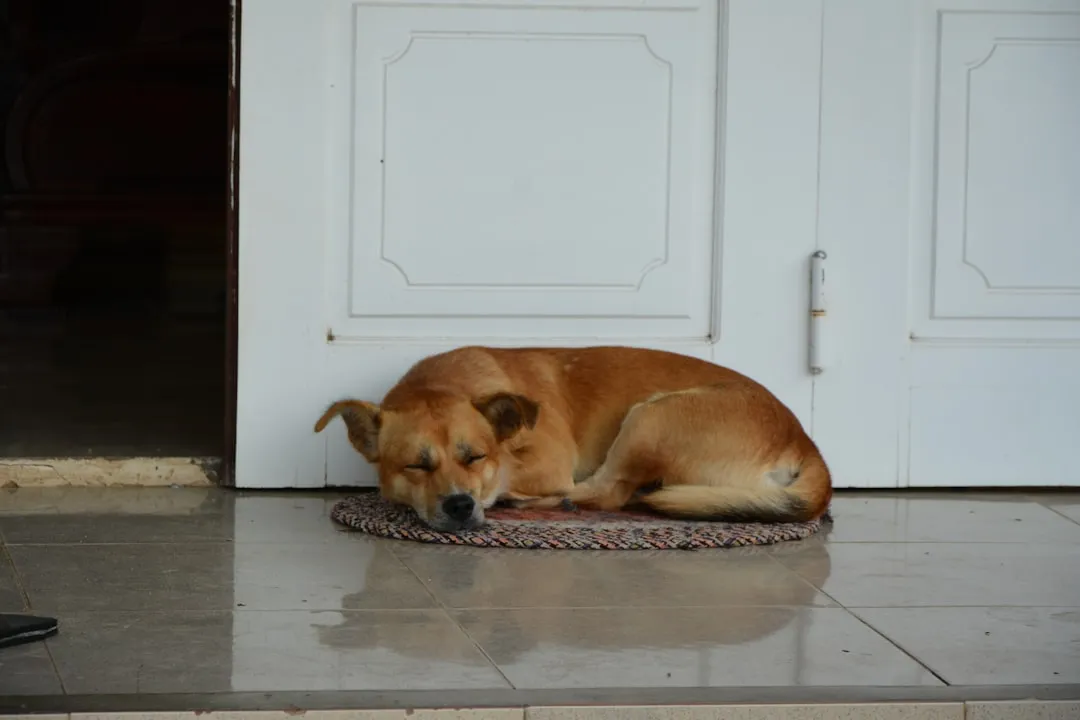
Notice where your dog chooses to sleep in these last weeks. Many pick spots that function like strategic checkpoints – across the bedroom doorway, at the top of the stairs, in the hallway facing the front door.
It’s a rough choice for old, aching joints. But instinctively, it makes total sense: even at the end, they’re still trying to watch over the pack.
This happens even in dogs who were never remotely “guard dog” material. Sleeping across a threshold lets them track movement without getting up – who’s coming, who’s going, and most importantly, when you leave and when you return. It’s part protection, part FOMO, part lifelong habit as your home’s early warning system. Moving them onto a soft bed every time can actually add stress; often the kinder move is building comfort around the strange spot they’ve chosen instead of insisting on what looks nicer to us.
#8 – They Stop Hiding Their Pain Around You
🔥 Would you like to save this?
We'll email this post to you, so you can come back to it later!
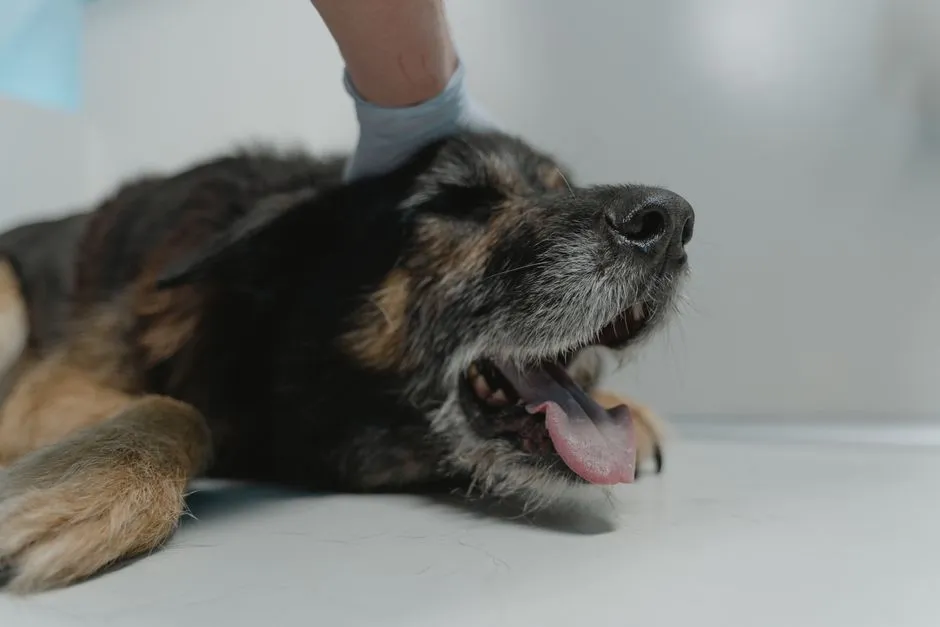
Dogs are famously skilled at masking discomfort. For most of their lives, they’ll power through aches just to chase a ball or climb the stairs to be near you. Near the end, that mask slips – especially in quiet, private moments.
You might hear more sighing, a small grunt when they lie down, a low whine when they shift position – but only when the house is quiet and you’re close by. That’s not weakness. That’s trust without the energy left to pretend.
Here’s the blunt truth many behaviorists rarely say out loud: if your dog has dropped the “I’m fine” act, they’re already deep into their pain journey. They’ve decided it’s finally safe to let the truth leak out in front of you – which means they’re asking for help the only way they know how. Ignoring it because “he still wags his tail” is how loving owners accidentally let suffering drag on. Taking those small sounds seriously is often the difference between a traumatic end and a merciful one.
Worth Knowing
- Panting at rest, even in a cool room, can be a quiet sign of discomfort
- Restlessness or trouble settling into a comfortable position is a common early cue
- A sudden dislike of being touched in one specific spot often points to localized pain
- Soft, low sounds – sighs, grunts, faint whines – are easy to miss but worth paying attention to
#9 – They Have Sudden Moments of Staring Straight Through You
🔥 Would you like to save this?
We'll email this post to you, so you can come back to it later!
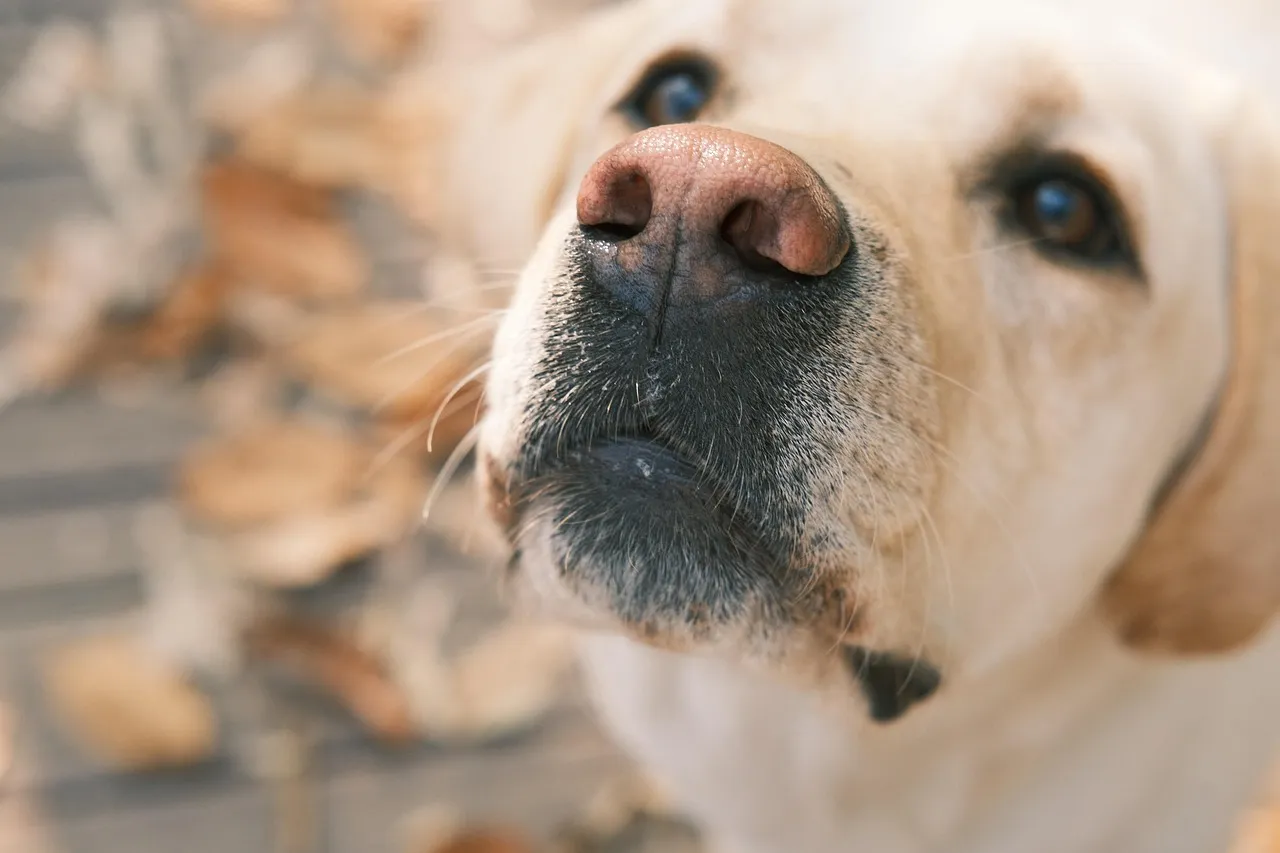
People argue fiercely about this one. In the final stretch, many dogs have episodes of staring into your eyes or toward your face for long, unmoving seconds – no tail wag, no obvious request, just a calm, unsettling lock-on gaze.
Is it neurological fog? Is it a goodbye? The honest answer is probably both. Their senses are blurring, so the familiar becomes fascinating – your face, your smell, your voice are still the clearest signals in a fading world.
Eye contact between dogs and humans is known to spike bonding hormones in both species, and in these final days, that hit of connection may be one of the only reliable good feelings a failing body can still register. Many owners later describe those long stare-downs as the exact moment they realized their dog was already halfway somewhere else. Whether or not you assign deeper meaning to it, holding that calm gaze back is a real comfort, whatever else is happening beneath the surface.
#10 – They Try to Keep Their “Accidents” Away From Where You Sit
🔥 Would you like to save this?
We'll email this post to you, so you can come back to it later!
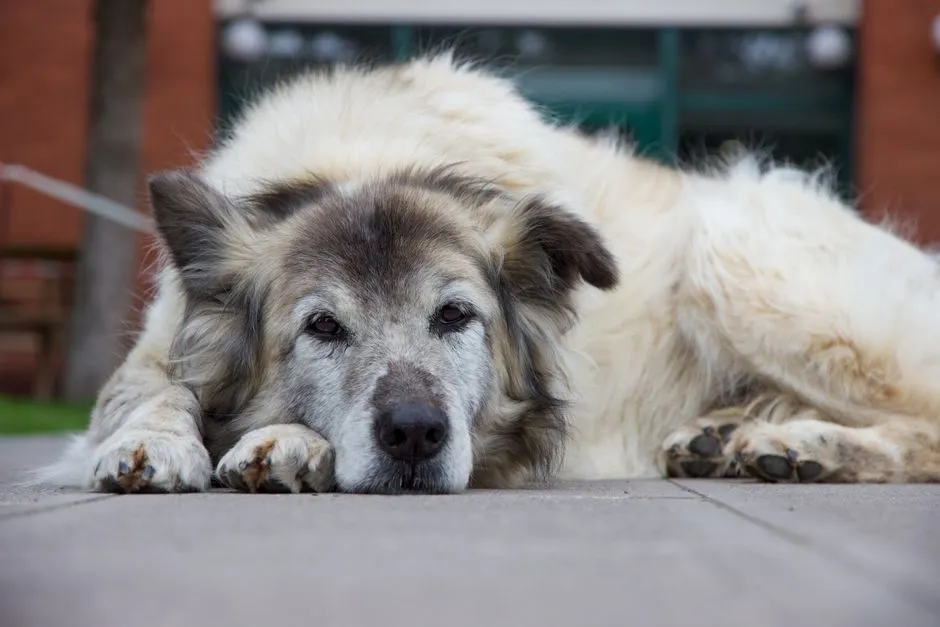
This one is brutally under-discussed. As bodies fail, bladder and bowel control go with them. Yet a striking number of elderly, seriously declining dogs will still drag themselves to a corner, a hallway, or some far-off spot to have an accident, rather than soil the space near your usual chair or bed.
That’s not random shame. It’s a deeply wired den instinct: don’t foul the heart of the nest, especially where the leader rests.
When they can no longer manage that distance, you’ll sometimes see frantic circling, panicked eyes, or attempts to get up that clearly hurt. They’re not afraid of you – they’re distressed at breaking a rule they’ve lived by for years. Shaming a dying dog for accidents is, bluntly, cruel; the guilt is already written all over their stress signals. The kinder move is changing the environment – pads, washable rugs, easier outdoor access – and letting go of the “good dog equals perfectly house-trained” myth at the end of life.
#11 – They Start Eating “For You,” Not For Themselves
🔥 Would you like to save this?
We'll email this post to you, so you can come back to it later!
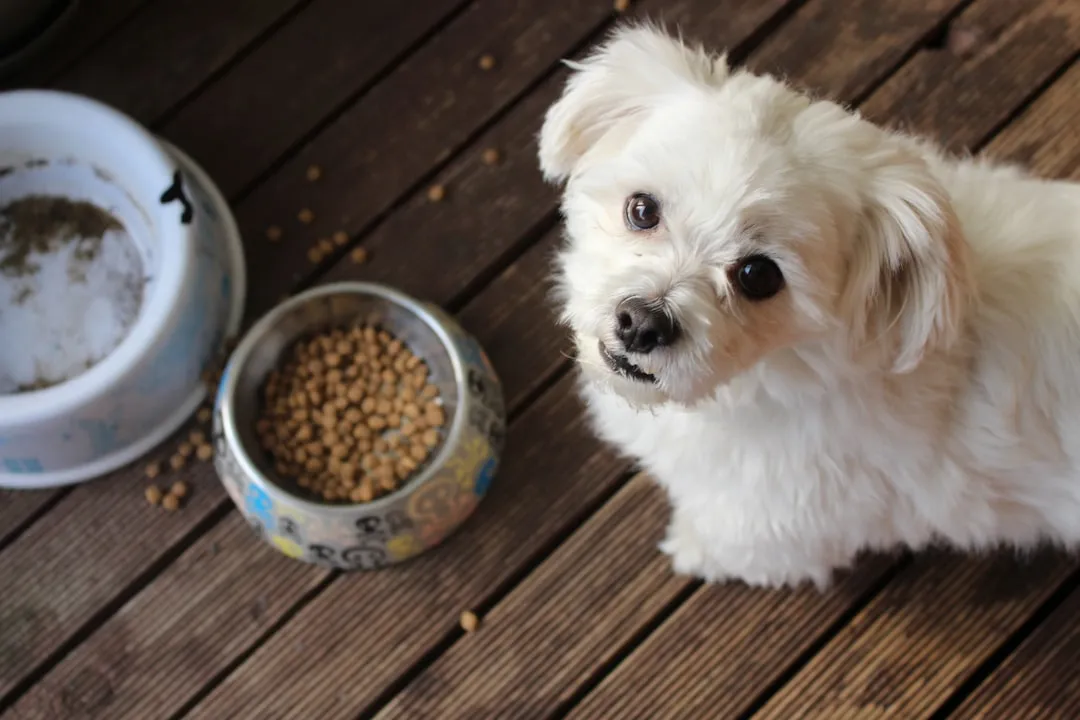
A lot of people miss this shift: there comes a point where a dog eats because you’re asking, not because their body actually wants food. You’ll see the hesitation – the sniff of the bowl, the glance up at you, the slow first bite because you’re encouraging them. Sometimes they’ll only eat straight from your hand.
Biologically, appetite often crashes near the end. Emotionally, they’re still trying to be “good” and meet your expectations.
Here’s the controversial part: forcing food at this stage is often more about us than them. We’re taught that eating equals living, so a dog refusing food feels like a personal rejection of hope. In reality, the organs in charge of digestion are clocking out. Gentle, tempting offerings – sardines, chicken, a little ice cream – are fine, especially alongside medication. But when a dog clearly says no despite you being right there, that’s a loud, honest signal. Pushing past it usually causes more nausea; listening to it is often the first brave step toward accepting what they already know.
#12 – They Become Weirdly Calm About Things That Used to Terrify Them
🔥 Would you like to save this?
We'll email this post to you, so you can come back to it later!
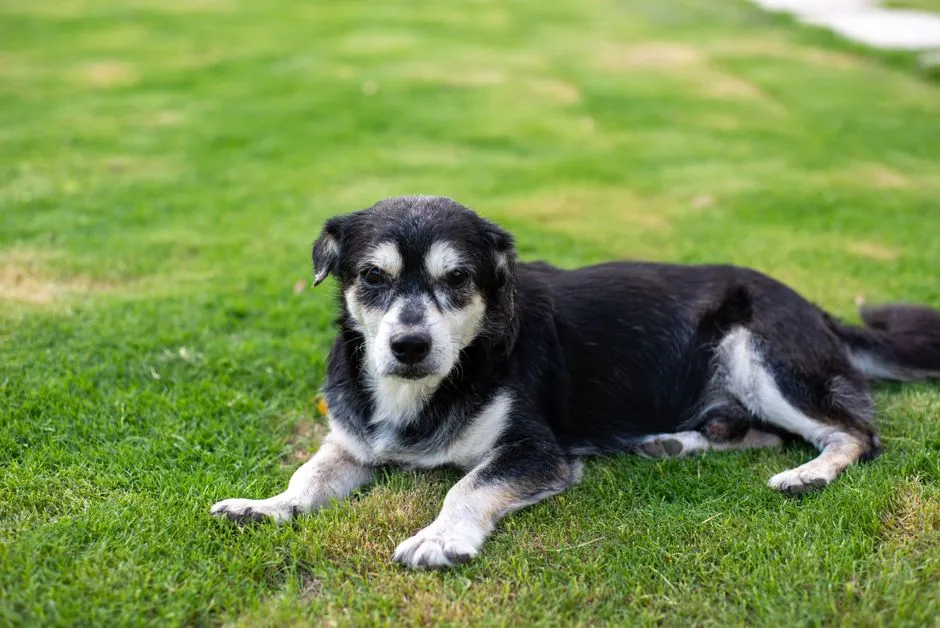
Some dogs spend their whole lives anxious – terrified of thunderstorms, the vet’s office, loud trucks, even the vacuum cleaner. In the final days, owners are often stunned to watch those fears fade into the background. The dog who used to shake through fireworks barely lifts their head. The one who hated nail trims tolerates gentle handling without a fight.
This isn’t some mystical courage. It’s the brain re-prioritizing in real time: when the internal noise of pain and fatigue gets loud enough, the outside world simply can’t compete.
There’s another layer here too. As dogs decline, the “what if” part of their brain – always scanning for danger – starts running out of fuel. What’s left is pure immediacy: Am I with my person? Am I warm? Does this hurt? A thunderclap matters less than whether your hand is resting on their side. Some owners find this calming; others find it gutting, because it makes the truth impossible to ignore. Either way, it’s a clear cue to drop training expectations and double down on comfort instead.
#13 – They Start “Checking” Favorite Places One Last Time
🔥 Would you like to save this?
We'll email this post to you, so you can come back to it later!
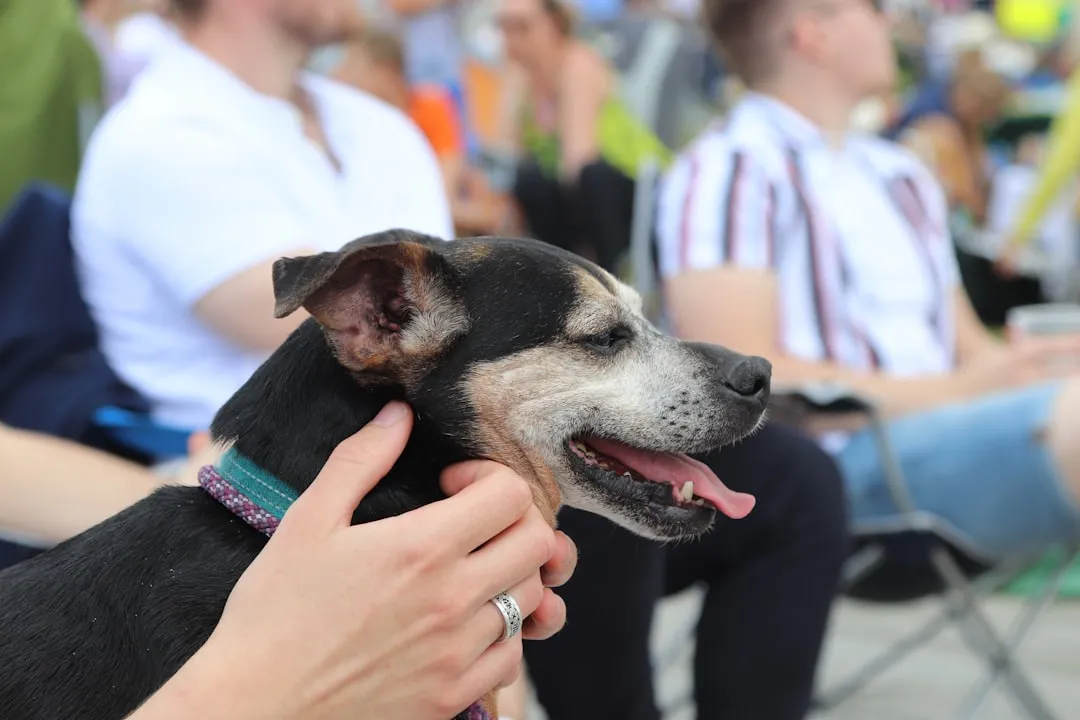
If they still have the strength, many dogs go on what looks suspiciously like a farewell tour. They’ll insist on waddling out to the backyard corner where they used to dig, the window where they watched the street for years, the exact spot in the kitchen where dropped food magically used to appear. They stand there, breathe it in, and slowly move on.
Emotionally it feels like a goodbye lap. Behaviorally, they’re revisiting scent maps that have defined their entire world.
Dogs experience life through smell more than sight, and those specific spots are layered with memory – seasons, visitors, other animals, a thousand tiny routines you’ve long since stopped noticing. As their internal systems wind down, those familiar scent signatures might be one of the last rich experiences they can still fully process. Letting them take that slow, meandering tour instead of rushing them back inside because it’s cold or you’re running late is one of the simplest, most profound kindnesses left to give.
#14 – They Wait for You to Come Home… Or Slip Away the Moment You Leave
🔥 Would you like to save this?
We'll email this post to you, so you can come back to it later!
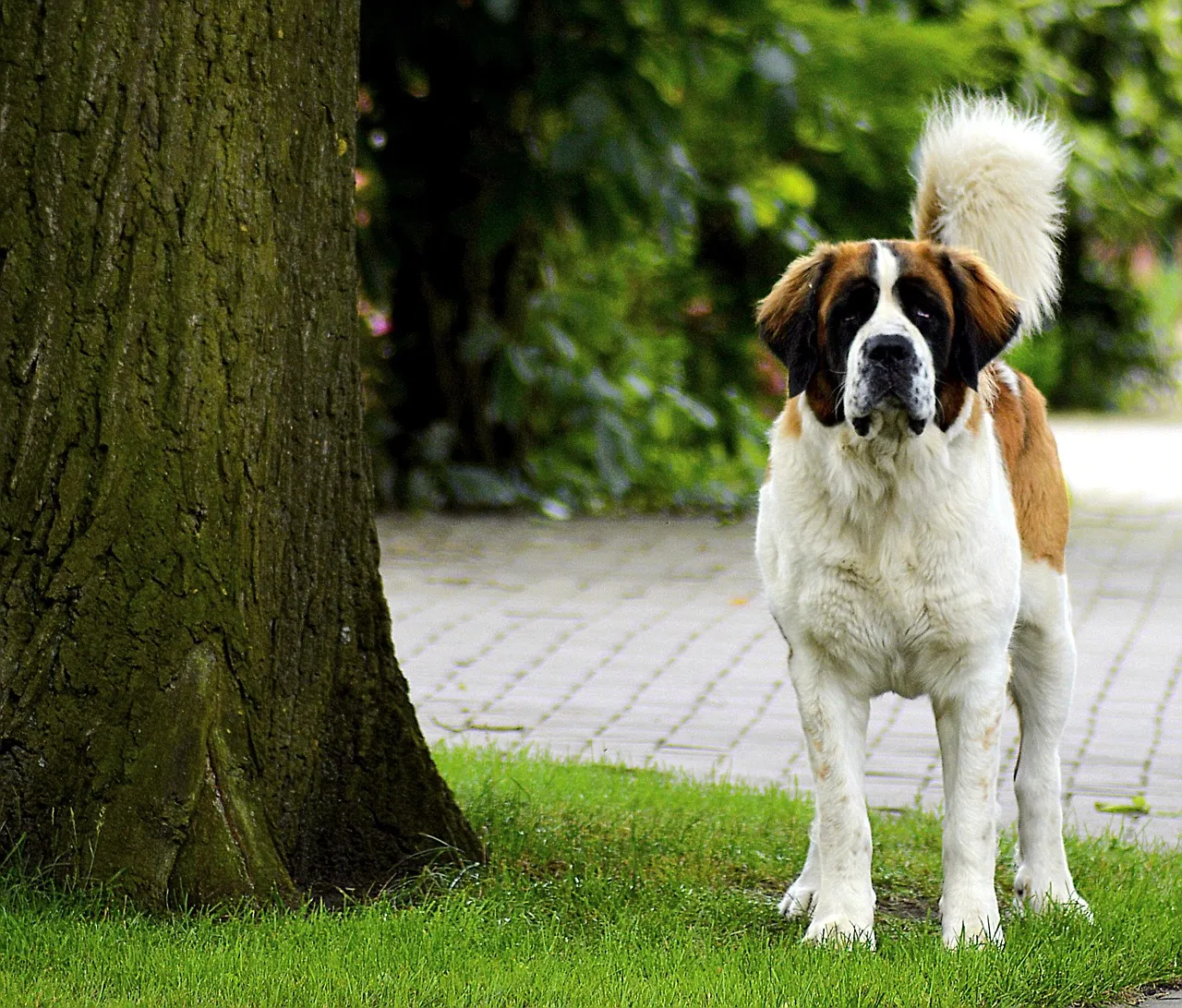
Here’s the most contested, most emotional pattern of all: countless people report their dog “waited” for them – or waited for them to finally leave the room. Some dogs hang on through impossible medical odds until a distant family member walks through the door, then pass within hours. Others die in the twenty minutes their person finally steps out for a shower or a coffee.
Both stories are real, and both hurt for opposite reasons. Behaviorally, stress and arousal can temporarily hold a failing body together – or gently let it finally go.
If you’re the primary attachment figure, your presence alone can spike stress hormones just enough to keep a failing system limping along. The moment you leave, the body can finally relax – and a body that’s been failing does what failing bodies do. The reverse happens just as often: some dogs seem to rally purely to see you one more time. Neither outcome means you failed them. It’s simply evidence of how tightly your two lives were wired together, right up to the very edge of what a body could handle.
#15 – They Let Their Guard Down So You Can Finally Decide

🔥 Would you like to save this?
We'll email this post to you, so you can come back to it later!
In the final days, one quiet thing almost every dog does – though we rarely name it out loud – is stop trying to be invincible for you. The dog who used to drag themselves to the door just to prove they “still wanted walks” eventually doesn’t get up. The one who pushed through pain to greet you now only lifts their eyes.
They’re not giving up on you. They’re stopping the performance they’ve run for years to keep you calm and reassured.
This is the point many people describe simply as “I just knew.” You notice the lightness leaving their movements, a slackness in their face, the way even joy now takes more effort than they have left. It’s excruciating, but it’s also, bluntly, the clearest and kindest communication they’ve ever given you. They’re showing you their raw reality and trusting you not to look away – holding on just long enough for you to catch up emotionally, make the call, and stay with them through whatever comes next.
At a Glance
- More bad days than good days across a given week
- Little or no interest in favorite people, food, or activities
- Pain that medication no longer seems to manage comfortably
- Loss of mobility, appetite, or bathroom control that isn’t improving
Until one has loved an animal, a part of one’s soul remains unawakened.
Anatole France
The Truth Nobody Wants to Say Out Loud
🔥 Would you like to save this?
We'll email this post to you, so you can come back to it later!
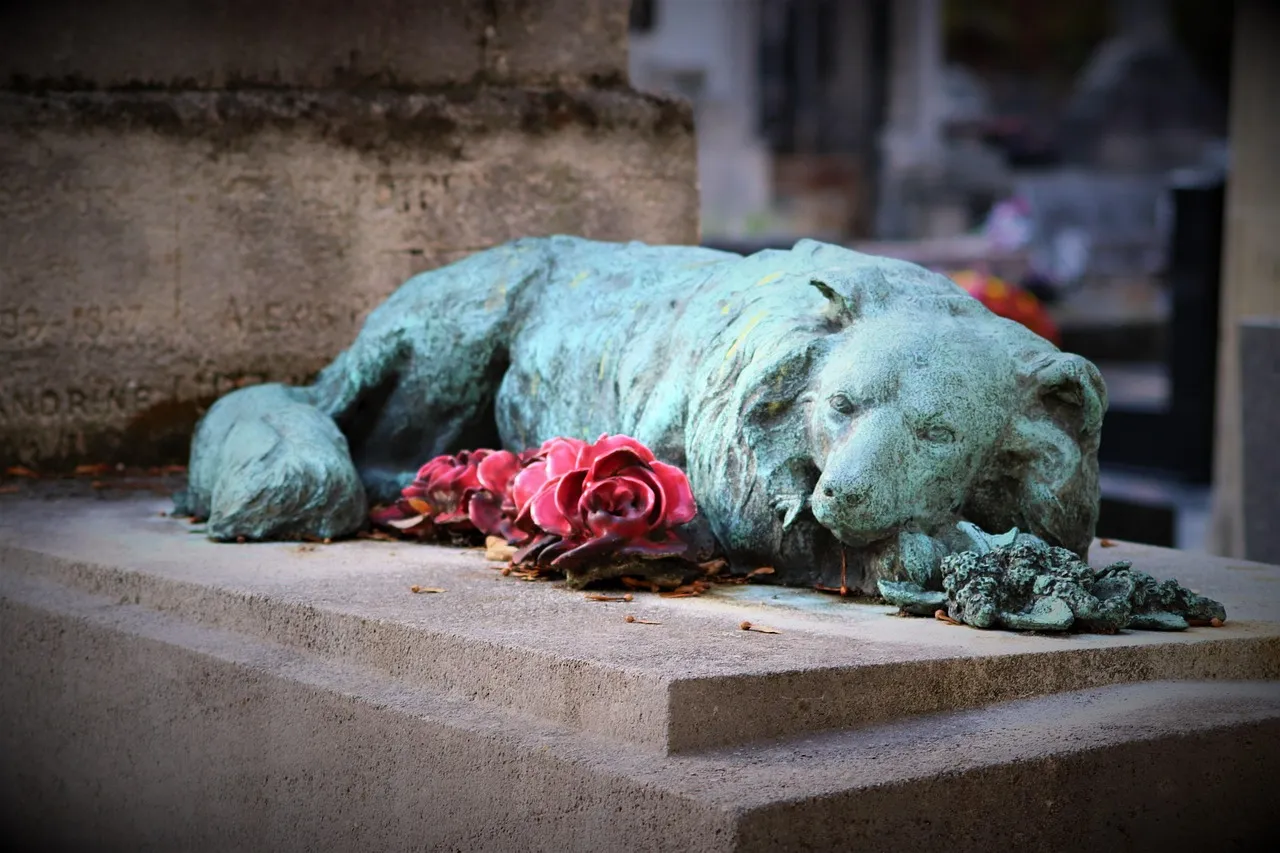
For all the mystical talk online, a dog hanging on for their person in those final days isn’t a ghost story. It’s attachment, instinct, and love grinding against biology until a tired body simply can’t keep going. They follow you more, protect your doorway, revisit old rituals, even fake “good days” – because their entire life has been built around you, and they have no other blueprint for how to leave it.
That’s not sentimental. That’s just how social mammals work.
Here’s the opinion that will upset some people: waiting around for a “perfect sign” that it’s time is often just a way of making your dog carry the emotional weight you don’t want to pick up yourself. The signs are almost always already there – subtle, steady, and honest. Your job was never to decode some cosmic message. It’s to listen to the body right in front of you, and choose mercy before suffering has to scream to be heard.
Did your dog show you something on this list – or something we didn’t cover? Tell your story in the comments. Somebody out there, facing their own goodbye tonight, probably needs to read it.

- 7 Everyday Habits That Can Make Your Senior Dog Happier - November 5, 2026
- 10 Enigmatic Structures That Continue to Puzzle Scientists Today - November 5, 2026
- 10 Strange Ruins in the Americas That Challenge What We Know About Early History - November 5, 2026