
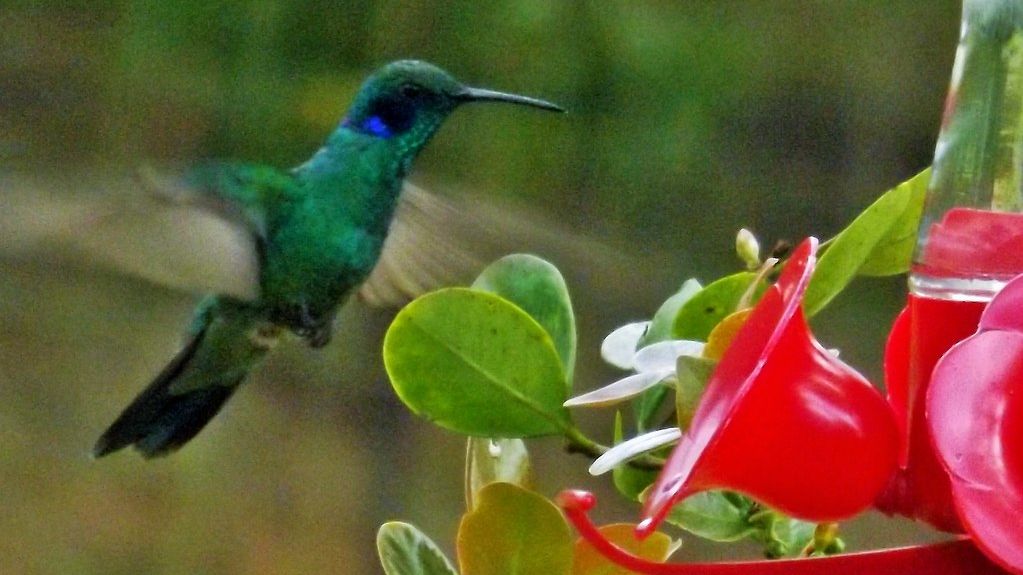
There’s a specific kind of quiet that settles over a yard when the hummingbirds stop coming. One summer they’re there – a blur of iridescent green darting past your window every twenty minutes – and then the next year the feeder just hangs there, full and untouched. Most people assume the birds moved on permanently, found a better yard, or simply forgot the place existed. It feels personal, even if you know it shouldn’t.
But here’s what makes this genuinely worth reading: backyard birding experts say hummingbirds almost never leave for good. These birds carry a spatial memory so precise they can find a feeder they visited three years ago. The real story – and the fix – is hiding in the small details most people never think to check. Keep reading, because a few of these will surprise you even if you’ve been feeding hummingbirds for years.
#1 – Restore Their Spatial Memory With Consistent Feeder Placement
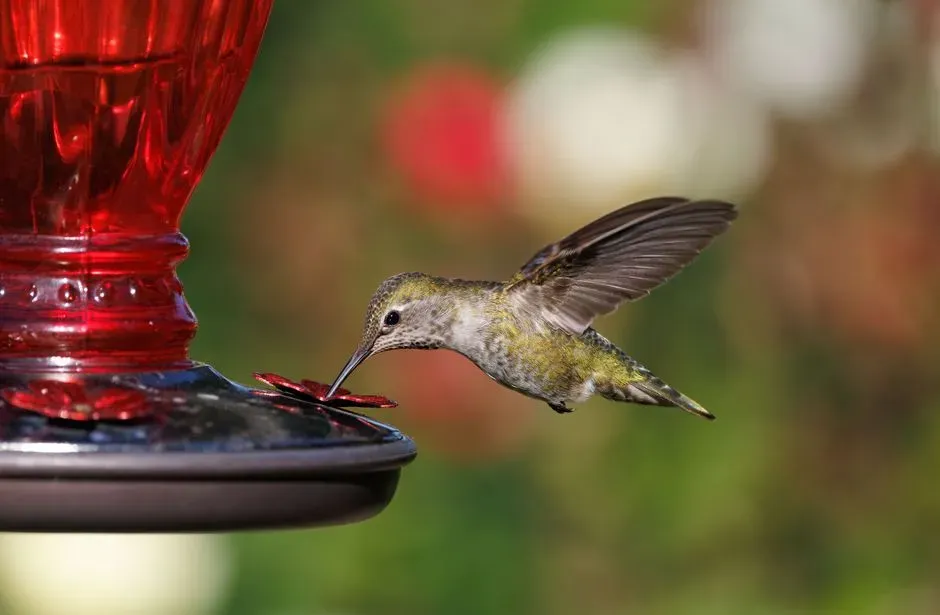
Here’s the counterintuitive part: moving your feeder around to “find a better spot” is one of the fastest ways to lose returning birds. Hummingbirds remember exact locations with startling precision – not just the general area, but the specific point in space where reliable food once existed. When they arrive in spring after a 1,500-mile migration and that spot is empty or shifted three feet to the left, the signal they get is that this place is no longer dependable.
Experts consistently point to placement consistency as the foundation everything else builds on. Put the feeder where it was during the last successful season, keep it visible from above, and leave it alone once the birds start appearing. Resist moving it mid-season even if it seems inconvenient. The trust hummingbirds extend to a reliable location is hard to earn and surprisingly easy to accidentally reset.
Fast Facts
- Banding studies have documented individual hummingbirds returning to the same backyard feeder after migrating thousands of miles.
- Hummingbirds follow a consistent circuit of known food sources called “trap-lining” – and your feeder earns a spot on that route through reliability alone.
- When researchers moved a feeder even a short distance, hummingbirds searched the original location first, demonstrating hard-wired spatial memory.
- Ruby-throated hummingbirds have been recorded arriving at the same yard on nearly the same calendar date year after year.
- The hippocampus region of a hummingbird’s brain – responsible for spatial memory – is exceptionally large compared to other bird species.
#2 – Switch to the Exact 4:1 Nectar Ratio Experts Demand
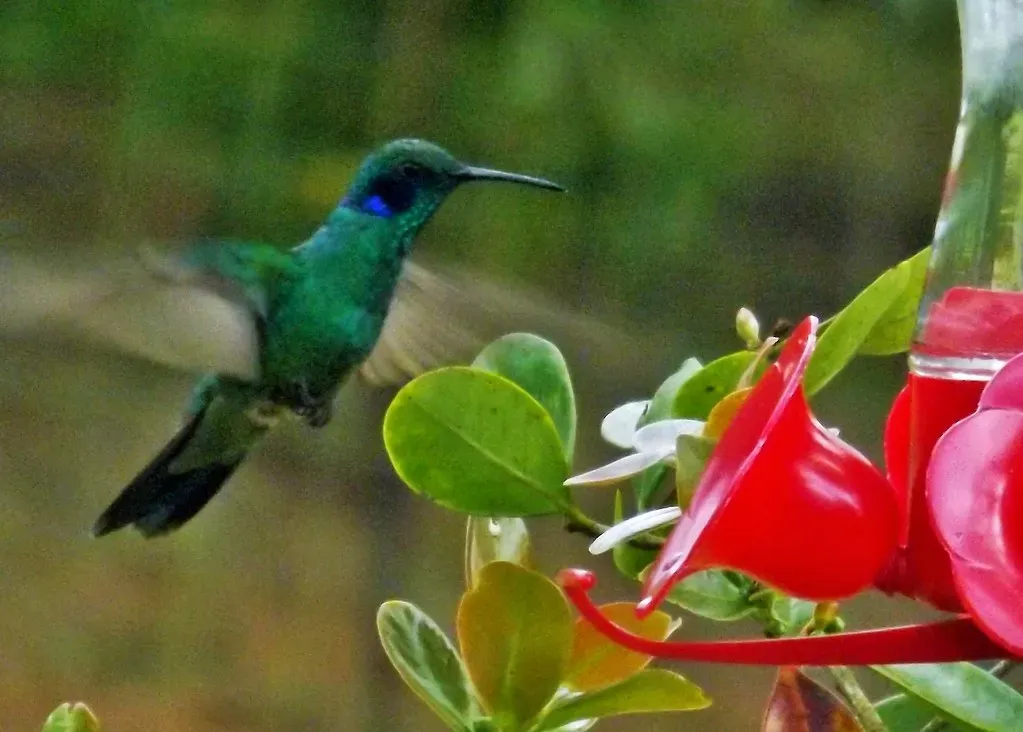
It seems logical that a sweeter mix would attract more birds faster. More sugar, more energy, more visits – right? Wrong, and this mistake drives away more returning hummingbirds than almost any other. The correct ratio is one part plain white granulated sugar to four parts water, full stop. This isn’t arbitrary; it closely mirrors the sugar concentration in the natural flower nectar hummingbirds evolved to drink. Go stronger and the nectar ferments faster and can stress their kidneys over time. Go weaker and they’ll prefer a neighbor’s yard.
Never use honey – it grows a dangerous fungus. Skip brown sugar, raw sugar, and anything artificial. Boil the water first to fully dissolve the sugar and slow bacterial growth, then cool it completely before filling the feeder. In summer heat, even a perfectly mixed batch can turn within two or three days. Consistency here isn’t fussiness; it’s the difference between a feeder birds trust and one they learn to avoid.
Quick Compare
- 4:1 (water:sugar) – Correct. Matches the ~20% sucrose of natural flower nectar. Universally recommended by ornithologists.
- 3:1 – Too strong. Can dehydrate birds in hot weather and causes nectar to ferment faster.
- 5:1 or 6:1 – Too weak. Doesn’t provide enough calories; birds will choose a richer source nearby.
- Honey – Never. Rapidly promotes bacterial and fungal growth that is deadly to hummingbirds.
- Brown, raw, or organic sugar – Never. Contains iron and minerals that stress the renal system.
#3 – Deep-Clean Feeders With Vinegar Instead of Soap
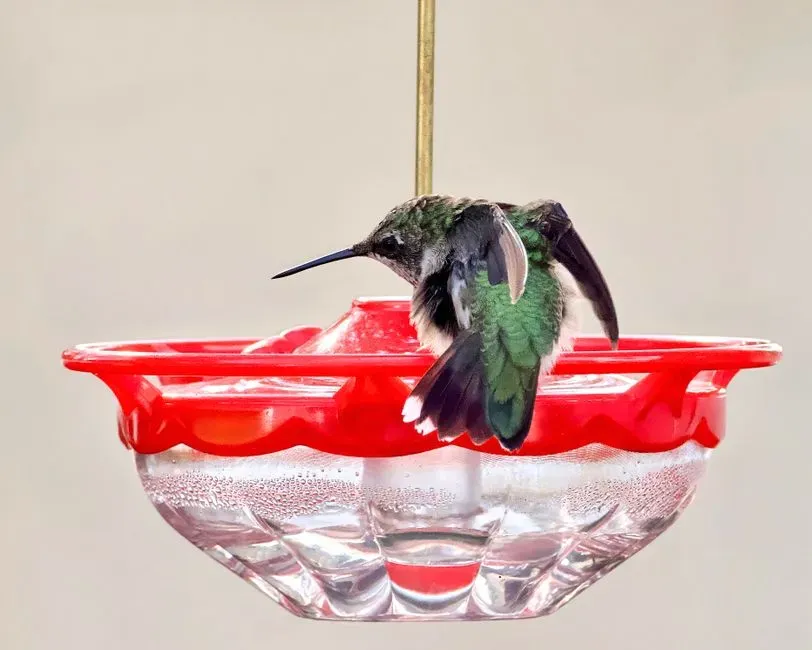
A quick rinse under the tap looks clean to human eyes, but hummingbirds are detecting what you can’t see. Old nectar leaves a sticky film inside ports and reservoirs where black mold and bacteria take hold within days, especially in warm weather. The birds smell and taste this immediately. One bad experience at a feeder is enough to make a returning visitor skip it on the next pass – and the pass after that.
Experts recommend a weekly deep clean using one part white vinegar to four parts water, scrubbing every port, crevice, and the reservoir with a bottle brush. Do not use dish soap; even a thin residue left behind is enough to repel hummingbirds. Rinse thoroughly, then air-dry completely before refilling. When temperatures climb above 80°F, that cleaning schedule should tighten to every one or two days. It sounds like a lot, but birds that find a clean, fresh feeder on every visit become the most loyal regulars in the yard.
#4 – Hang Multiple Feeders Far Apart to Defeat Territorial Bullies
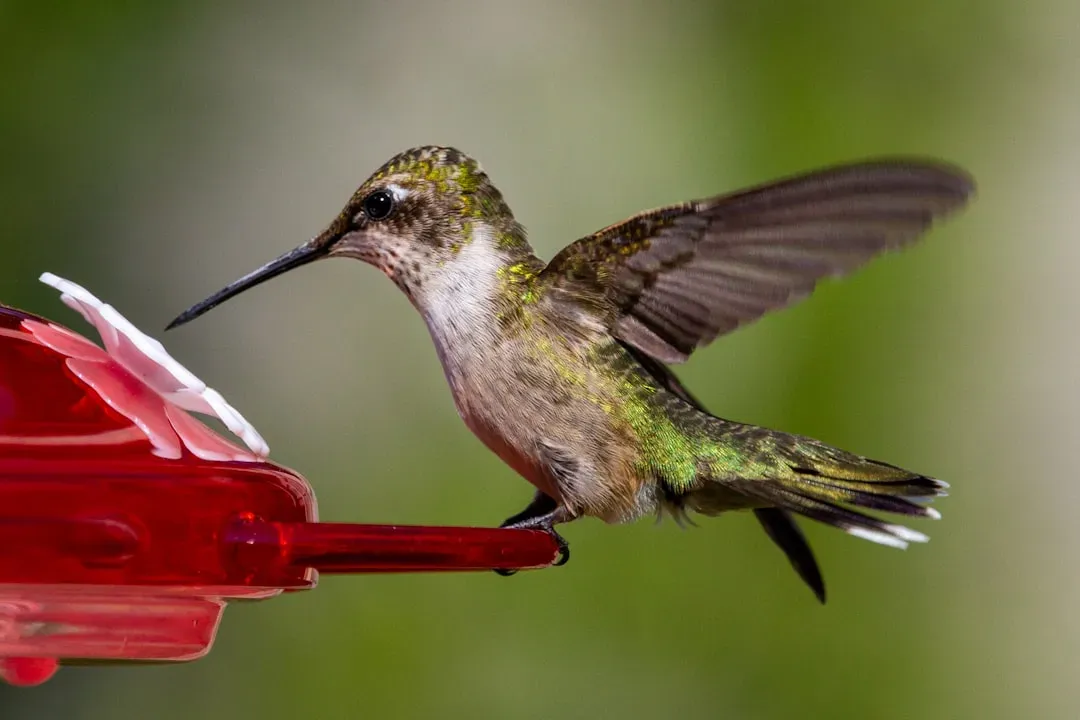
If you’ve ever watched a single male hummingbird spend more time chasing other birds away than actually eating, you’ve witnessed the single-feeder trap. One dominant male can lock down a feeder completely, hovering nearby and dive-bombing every rival that approaches. From a distance, the yard looks active. In reality, only one bird is benefiting, and every other hummingbird in the area learns that your yard isn’t worth the fight.
The fix is elegantly simple: hang multiple feeders far enough apart that the bully can’t guard them all at once. Ten to twenty feet of separation helps, but around the corner of a house – completely out of sightline – works even better. Each feeder effectively becomes its own territory, which means multiple males can coexist without constant combat. People who make this single change frequently report what feels like a sudden explosion of activity within days, as birds that had been watching from a distance finally get their chance.
Worth Knowing
- A hummingbird’s territorial instinct is so strong it carries over even to feeders with an unlimited nectar supply – the bird genuinely doesn’t register that there’s enough for everyone.
- Territorial aggression at feeders is strongest in adult males; young birds and females tend to be more tolerant of sharing.
- Placing feeders completely out of each other’s sightlines – such as on opposite sides of a house – is more effective than simple distance alone.
- Multiple feeders gradually introduced over time can reduce overall territorial behavior as birds become accustomed to the shared setup.
#5 – Add Clusters of Native Tubular Flowers for Backup Nectar
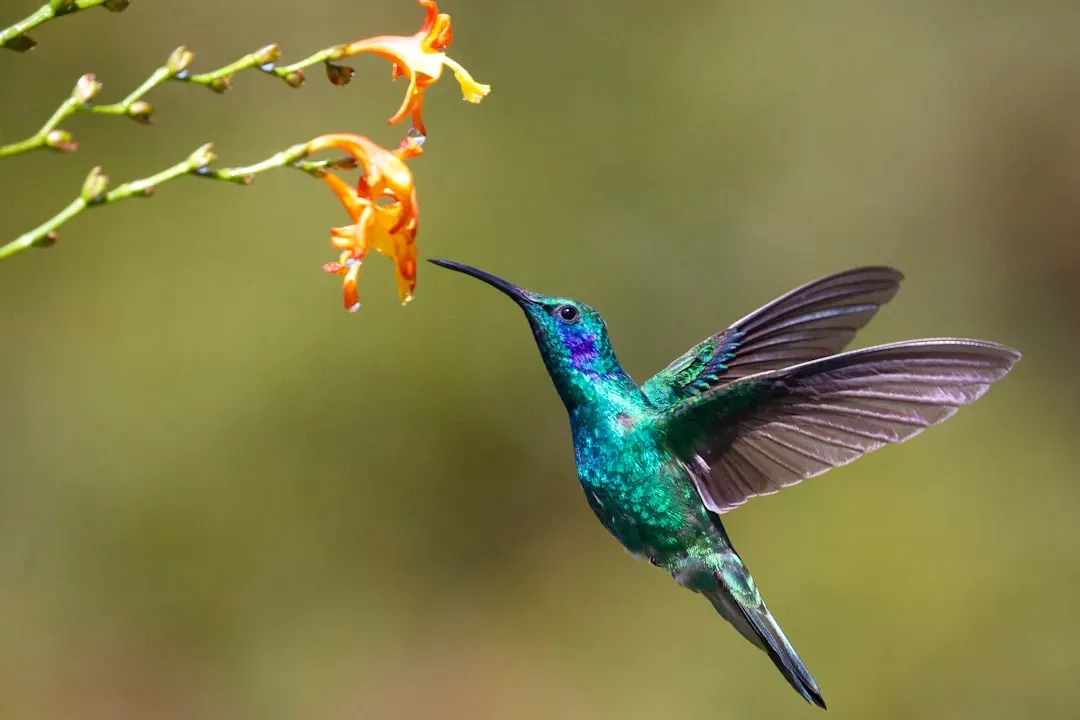
Feeders are a shortcut, and hummingbirds know it. When given the choice between processed sugar water and the nectar inside a trumpet vine flower that co-evolved with their exact beak shape over millions of years, they’ll often choose the flower. Native tubular blooms like red salvia, bee balm, cardinal flower, and trumpet honeysuckle aren’t just attractive additions to a garden – they’re the biological signal that says this territory has genuine, sustainable resources worth defending.
Plant them in visible clusters rather than scattered singles, and choose species native to your specific region and soil type since those will perform most reliably and require the least intervention. The layered effect of both feeders and living flowers does something neither accomplishes alone: it turns your yard into a complete habitat rather than just a pit stop. Even if a feeder runs dry for a few days, the flowers keep birds anchored nearby, maintaining the habit of visiting your yard through the whole season.
#6 – Install a Misting Fountain or Shallow Water Source
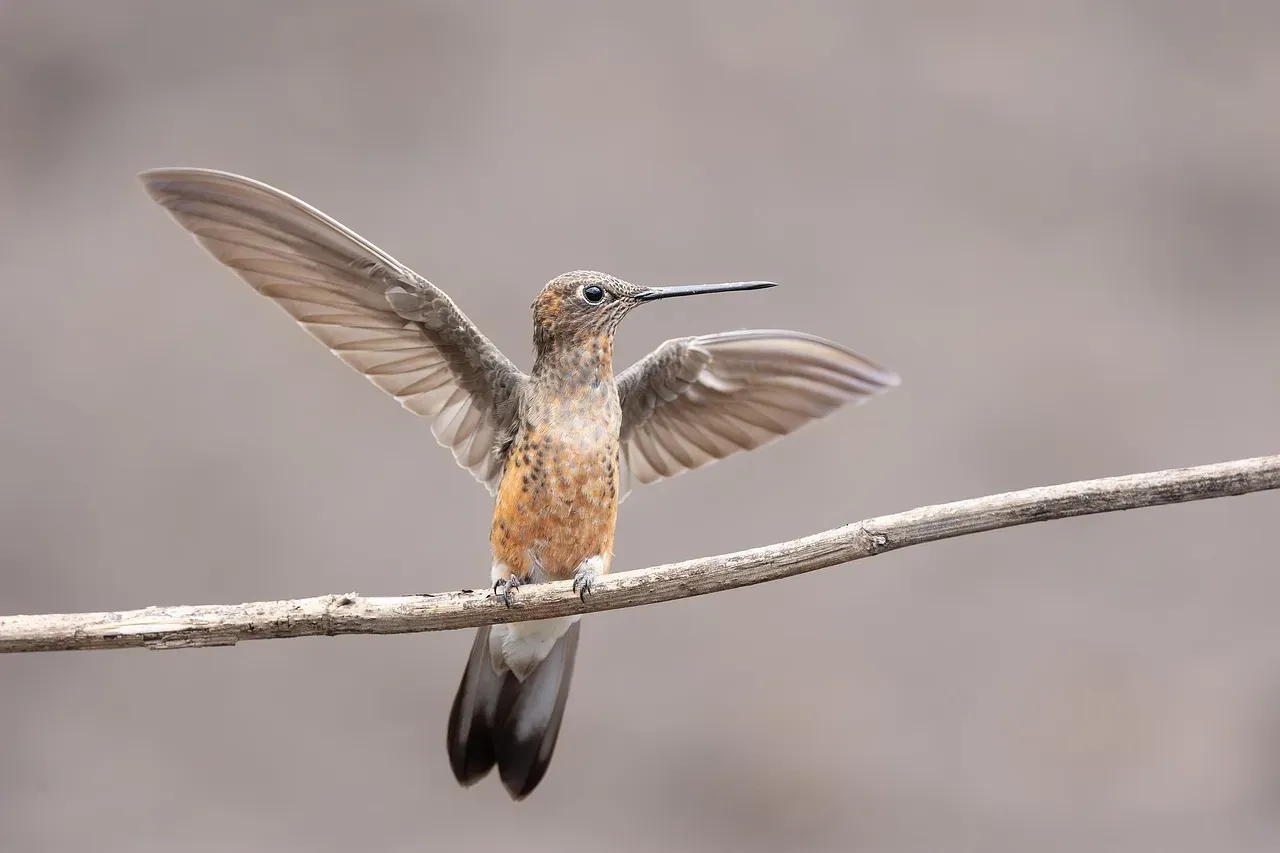
Most people set out a standard birdbath and wonder why hummingbirds never use it. The problem is depth and movement. A traditional birdbath sits too deep and too still for a bird that weighs less than a nickel. What hummingbirds actually seek out is moving, fine mist – the kind that mimics dew collecting on leaves or a light summer rain. They fly through it, hover in it, and use it to clean their feathers and cool down during the hottest part of the day.
A simple misting attachment connected to a garden hose costs almost nothing and can be positioned near feeders or flower clusters where birds already feel comfortable. If a small recirculating fountain is more your speed, look for one with a gentle spray head rather than a bubbling pool. Change the water frequently to prevent mosquito breeding. Once hummingbirds discover a reliable misting spot, they return to it with the same loyalty they show a clean feeder – sometimes more.
#7 – Add Thin Perches Near Feeders for Resting
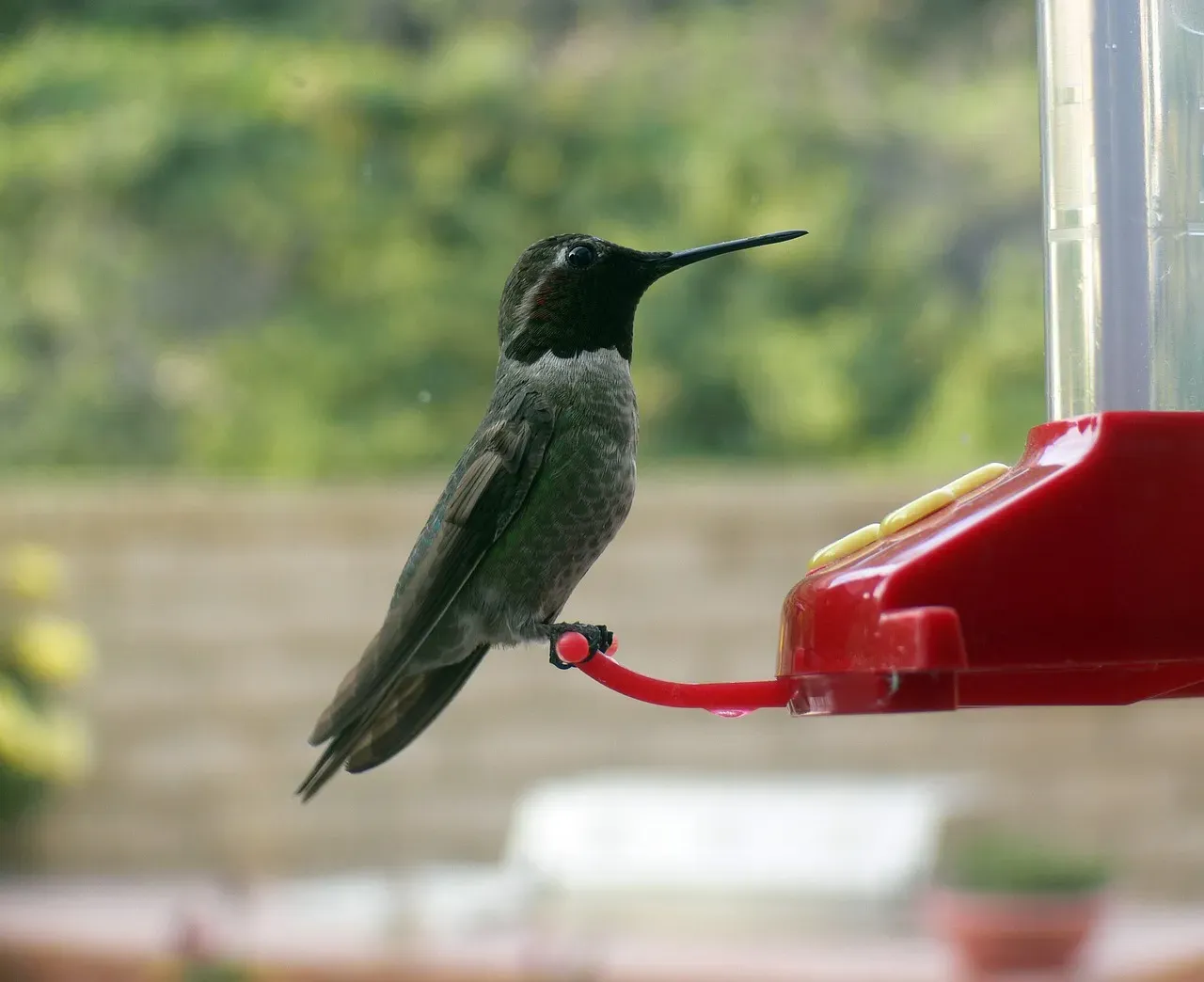
The popular image of a hummingbird is one of constant, blurring motion – and they do beat their wings up to 80 times per second in flight. But they also rest, and they rest a lot, especially between feeding bouts. A yard with nowhere to perch forces them to keep moving, which burns energy and makes your setup feel less like a home base and more like a drive-through. If there’s no comfortable branch or wire nearby, dominant birds also struggle to maintain a watching post, which reduces the territorial drama that drives others away.
You don’t need to do much here. A thin wooden dowel, a section of bare wire, or even a well-placed dead branch within a foot or two of the feeder gives them exactly what they need. Thin perches – pencil-width or smaller – are preferred over thick branches because they match the diameter hummingbirds naturally grip. Position them in partial shade so birds can rest without overheating. This small, nearly effortless addition has a measurable effect on how long individual birds stay and how often they return throughout the day.
At a Glance
- Hummingbirds spend an estimated 75–80% of their time sitting and digesting – not flying.
- Pencil-width or thinner perches are preferred; thick branches don’t give them the grip they need.
- Positioning a perch 1–2 feet from the feeder in partial shade encourages longer stays and more return visits.
- Dominant males use perches as watch posts – having one nearby can actually reduce frantic territorial chasing.
#8 – Eliminate All Pesticides From the Yard
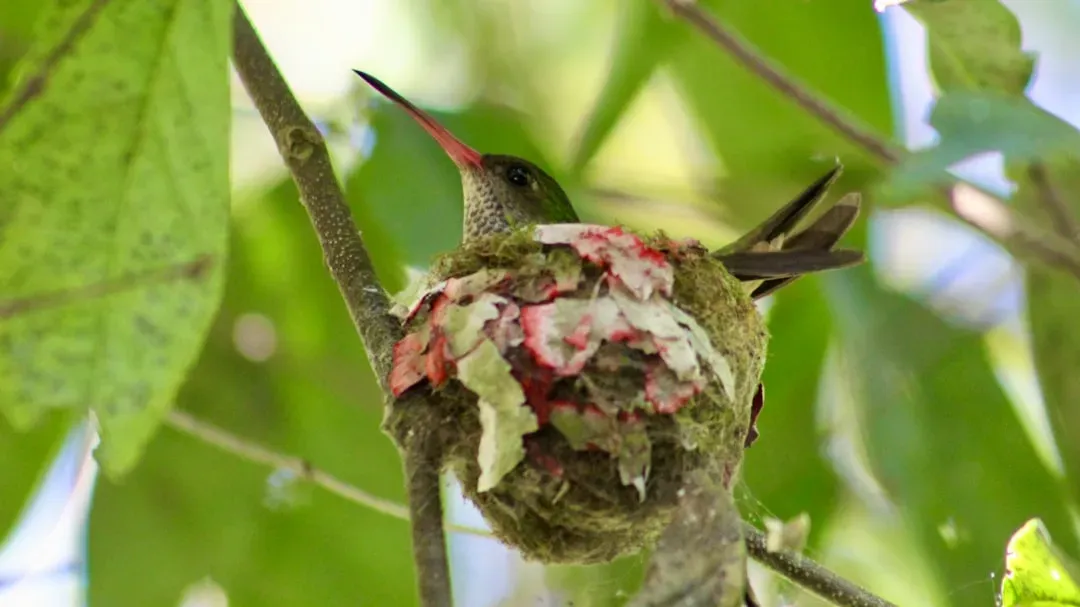
This one tends to catch people off guard, because the connection between a pesticide spray and a missing hummingbird isn’t obvious. But nectar is only half of what hummingbirds eat. They are also dedicated insect hunters, catching gnats, aphids, and tiny spiders to get the protein they need – especially females feeding nestlings. A yard treated with pesticides, even organic or “natural” ones, dramatically reduces the insect population that hummingbirds depend on to survive and raise young.
Experts who study backyard bird populations consistently point to insecticide use as one of the quieter, harder-to-diagnose reasons hummingbirds stop nesting in otherwise suitable yards. The birds may still visit a clean feeder briefly, but they won’t commit to a territory that can’t support their full nutritional needs. Switching to companion planting – marigolds near vegetables, native ground cover in borders – manages pests without eliminating the food chain that keeps hummingbirds coming back. Give it one full season pesticide-free and the difference in insect activity, and the bird activity that follows, becomes impossible to ignore.
Why It Stands Out
- Some authorities consider hummingbirds insectivorous birds that happen to also eat nectar – with insects and spiders making up a dominant share of their total diet.
- A hummingbird feeding nestlings can consume up to 2,000 small insects per day.
- University of Toronto research found that exposure to neonicotinoid insecticides caused hummingbird metabolism to drop significantly within just two hours.
- Pesticide-exposed birds showed up to a 25% reduction in energy expenditure – devastating for a creature that must feed constantly to survive.
- Avoiding mosquito-spray services and yard-wide insecticide treatments is among the highest-impact changes a backyard birder can make.
#9 – Time Feeder Setup With Local Migration Data
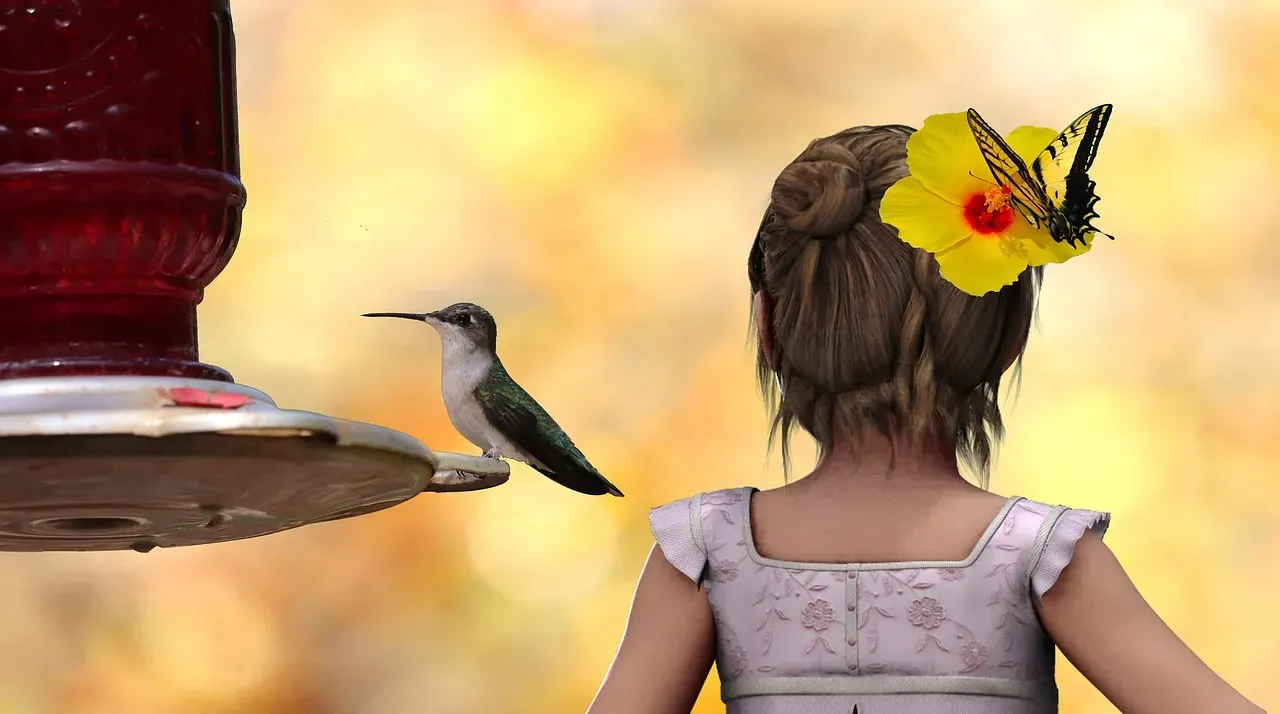
Hummingbirds are creatures of habit, but they can only return to a habit that’s ready and waiting for them. Putting feeders out too late – even by a week – means early scouts pass through and find nothing, mentally filing your yard as an unreliable stop before the season even starts. The same damage happens in reverse when feeders come down too early in fall, cutting off late migrants and juvenile birds making their first solo journey south.
The free platform eBird aggregates real-time sighting data from birders across the continent, so you can see exactly when hummingbirds have been reported in your county in previous years. Use that as your guide and aim to have feeders up and filled at least two weeks before the historical first-arrival date in your area. In fall, keep feeders running until two weeks after the last reported local sighting. Contrary to old advice, leaving feeders up late does not convince birds to stay past their migration instinct – but it does support the stragglers and first-year birds who need it most.
#10 – Position Feeders in Open, Visible Spots From the Sky
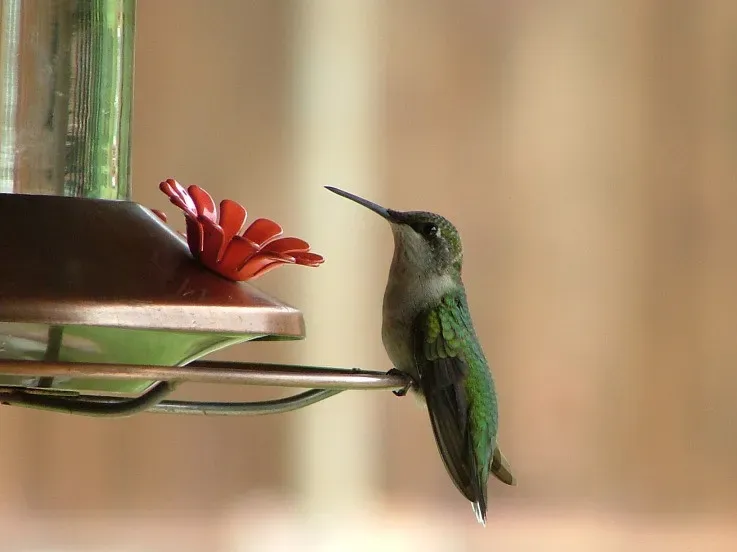
Tucking a feeder under a heavy tree canopy or flush against the eaves of a house makes it nearly invisible to a hummingbird scouting from above. These birds fly fast and high during migration and territory scouting, and they identify potential feeding sites by the flash of red color against an open background. A feeder buried in shadows might as well not exist from twenty feet up.
Start the season with feeders in the most open, sky-visible spot in your yard – even if that feels far from the house or your favorite viewing window. Once birds have established the habit of visiting, you can gradually move the feeder closer in small increments over several weeks. They’ll follow it. The initial goal is simply to get noticed, and visibility is the fastest way to make that happen with a bird that’s already inclined to return if given the right invitation.
#11 – Ditch Red Dye and Colored Parts That Attract Bees
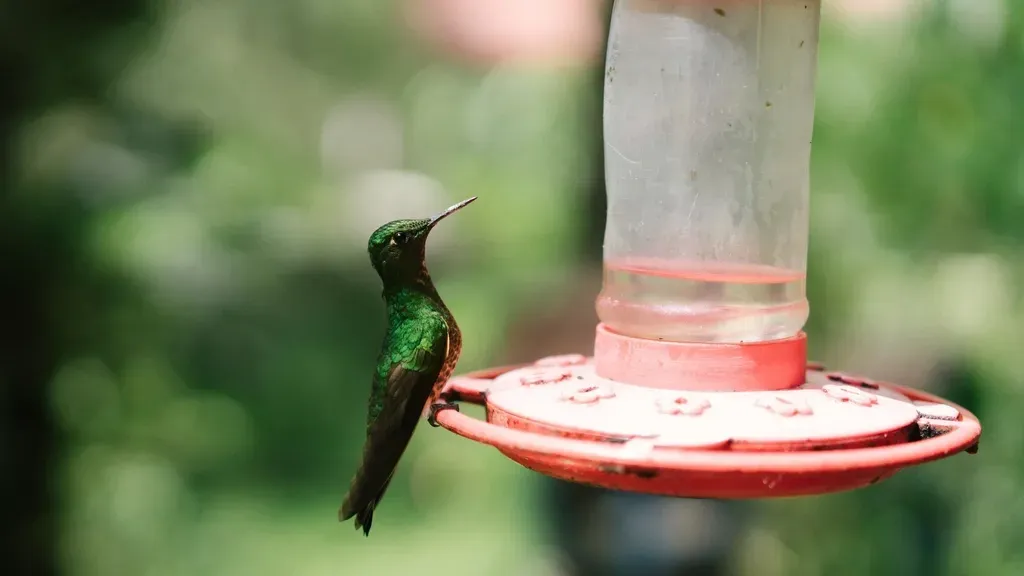
Red-dyed nectar has been marketed as a hummingbird attractant for decades, but there is no evidence it draws more birds – and growing concern among avian veterinarians that artificial dyes may be harmful over prolonged exposure. The red color on the feeder itself is what catches a hummingbird’s eye, not the liquid inside. Adding dye to the nectar is at best unnecessary and at worst a reason to quietly switch brands if your birds seem less enthusiastic than they once were.
Yellow feeder parts are a separate but related problem. Hummingbirds are not strongly attracted to yellow, but bees and wasps absolutely are, and a feeder swarming with insects will drive hummingbirds away fast. Replace yellow flower ports with red alternatives when possible, or apply a thin film of cooking oil around the ports – bees avoid it, and hummingbirds aren’t bothered by it. People who make this switch regularly report that the bee problem drops sharply within days and the hummingbirds that had been hovering at a distance start coming in confidently again.
Worth Knowing
- Red dye in nectar is unnecessary – the red color on the feeder body is sufficient to attract hummingbirds from a distance.
- Artificial red dyes are suspected of causing kidney damage over prolonged exposure; hummingbirds can drink nectar for a lifespan of 5–10 years.
- Yellow feeder ports strongly attract bees and wasps – swapping them for red parts is one of the fastest fixes available.
- A thin film of cooking oil around feeder ports deters bees without affecting hummingbirds at all.
- Hanging feeders in partial shade also discourages bees, which strongly prefer sunny feeding locations.
#12 – Keep Feeders in Shade to Slow Fermentation
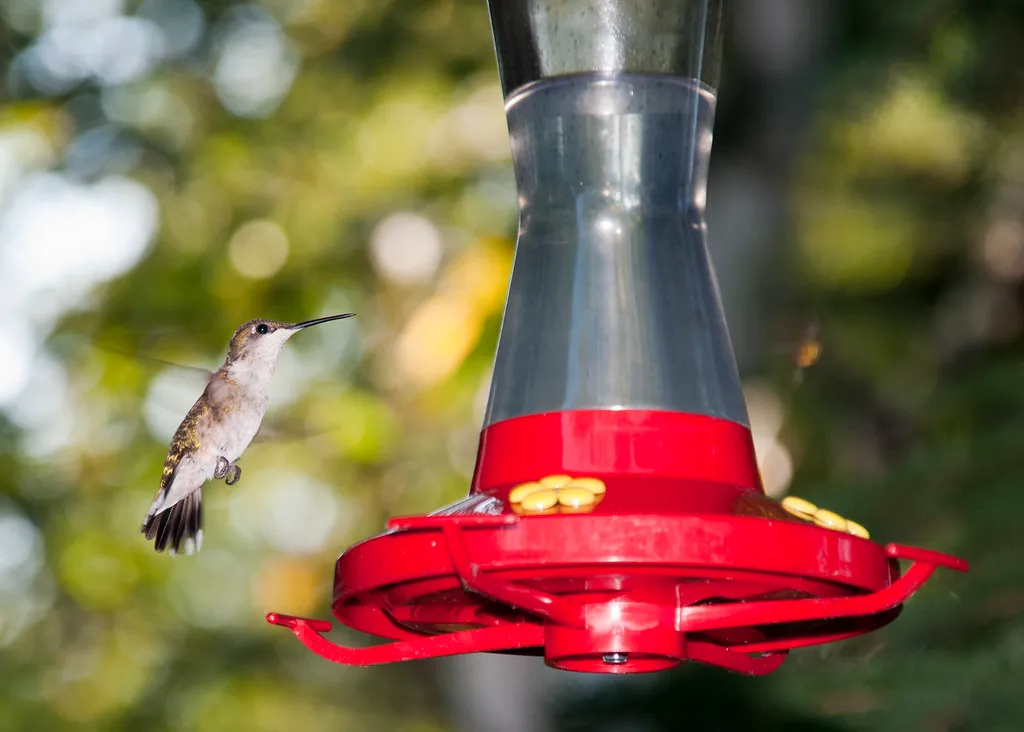
Hanging a feeder in full afternoon sun is essentially setting a timer on how long the nectar stays safe. In summer heat, sugar water in direct sunlight can begin fermenting in as little as 24 hours, developing a sour, slightly alcoholic smell that hummingbirds detect and avoid immediately. You might not notice the change, but they do, every single time.
Moving feeders to a spot that gets morning light but afternoon shade is one of the simplest ways to extend nectar freshness by a day or two without changing anything else about your routine. Shepherd’s hooks positioned near the east side of a structure, or hung under the filtered shade of a tree canopy, work well. If full shade is your only option, the nectar will stay fresh longer but birds may take longer to spot the feeder – so balance visibility with shade as best you can. When in doubt in hot weather, just change the nectar more often rather than compromising on either.
#13 – Provide Protein Sources Like Overripe Fruit for Insects
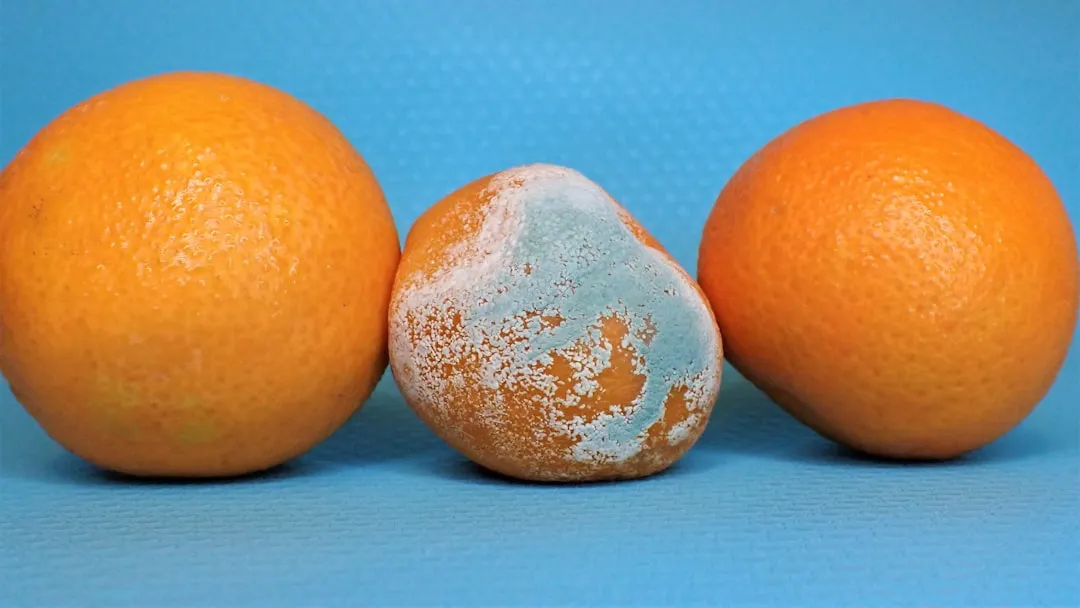
This is the tip that surprises most people most completely: placing a small dish of overripe banana or peach near your hummingbird feeders isn’t for the hummingbirds to eat directly. It’s to attract the fruit flies, gnats, and tiny insects that will swarm the rotting fruit – because those insects are exactly what hummingbirds are hunting between nectar visits. You’re essentially stocking a second pantry.
This technique becomes especially valuable in midsummer, when some flowering plants finish blooming and feeder traffic can dip. Female hummingbirds raising nestlings during this window need more protein than at any other point in the season, and a reliable insect source near your feeders can tip the balance on whether a nesting female decides your yard is worth the commitment. Keep the fruit dish shallow and change it every day or two. It’s a small, slightly odd-looking addition to a yard setup, but the birds notice it quickly.
Fast Facts
- A nesting female hummingbird primarily feeds her young spiders and small insects – not nectar.
- Gnats, fruit flies, aphids, and spiders provide the protein, amino acids, and vitamins hummingbirds can’t get from sugar water alone.
- Overripe fruit placed near feeders creates a concentrated insect cloud that hummingbirds will actively hunt.
- Leaving small patches of leaf litter or a log nearby also harbors the gnats and spiders that make a yard genuinely protein-rich.
#14 – Reduce Cat and Predator Pressure Around the Yard
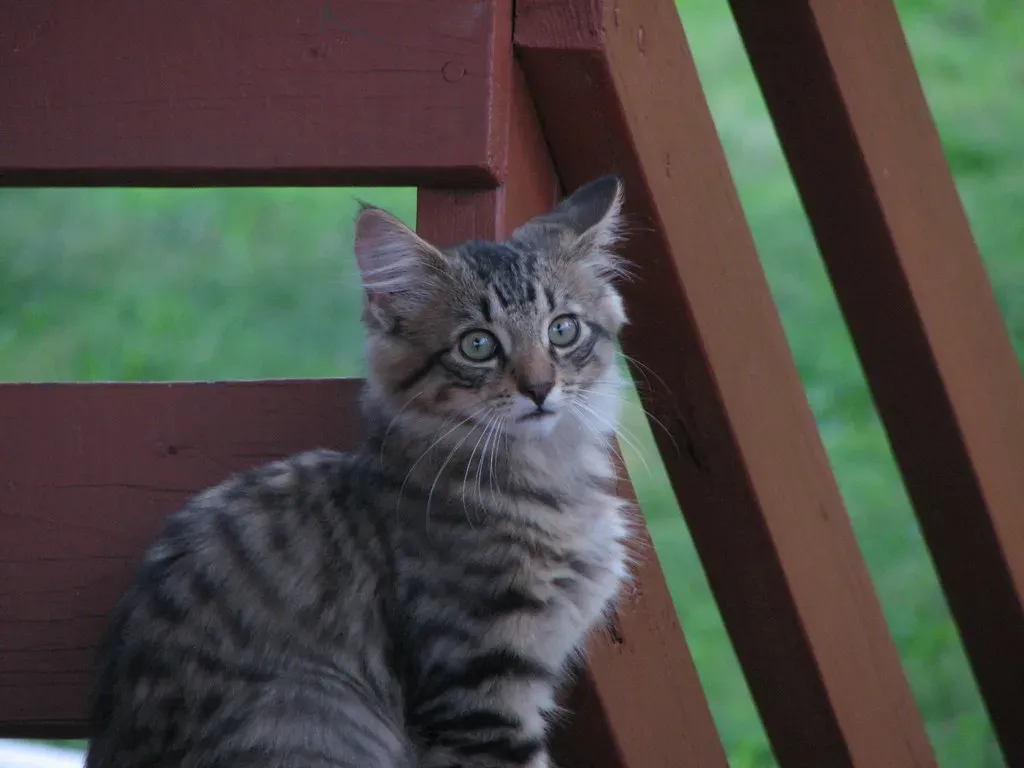
A hummingbird that has a close call in your yard – a cat lunge, a window strike, a hawk attack – doesn’t file it as a random bad day. It files it as a dangerous location. These birds survive by learning which territories carry risk, and a yard associated with a near-miss can be avoided for multiple seasons by the same individual bird. This is one of the more emotionally uncomfortable explanations for why hummingbirds disappear, because it means their absence may be a direct response to something in our own habits.
Keeping cats indoors is the single most impactful step here – domestic cats are responsible for an enormous number of bird deaths annually, and hummingbirds are especially vulnerable during their brief perch-and-rest moments. For windows, frosted or patterned decals that break up the reflection prevent birds from seeing a clear sky where solid glass actually exists. Dense shrubs near flight paths give hummingbirds escape cover if a hawk appears. None of these changes are difficult, and collectively they convert your yard from a place birds have reason to fear into one they have reason to trust.
“Domestic and feral cats are the most common predators of backyard birds, including non-nested hummingbirds.”
Bay Journal / Steward’s Corner
#15 – Build Vertical Structure With Shrubs and Small Trees
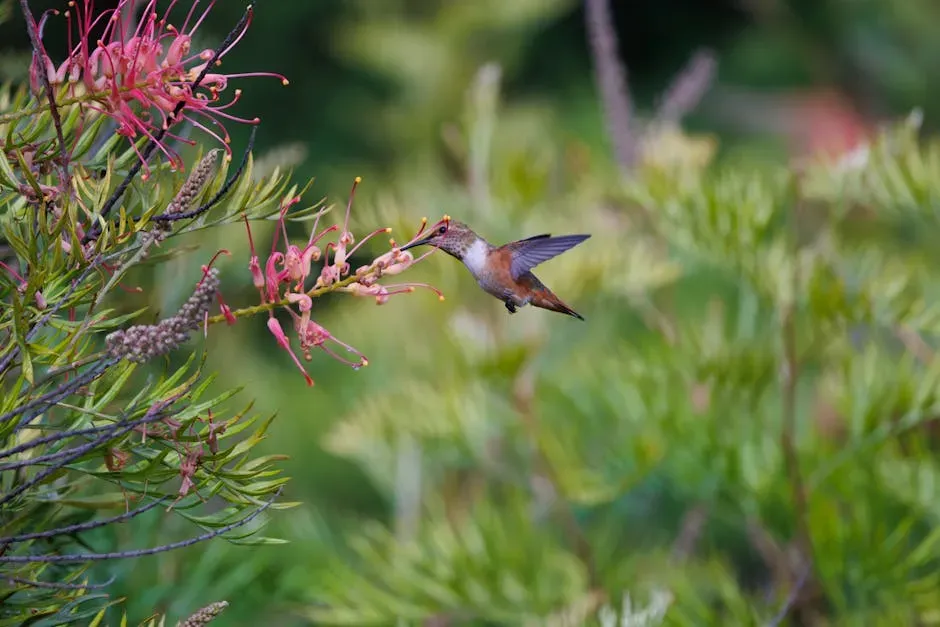
An open, manicured lawn is a beautiful thing to a homeowner and an exposed danger zone to a hummingbird. These birds don’t just need food – they need a layered landscape with high perches for territorial watching, mid-level shrubs for shelter and insect hunting, and dense cover nearby where they can vanish in half a second if something threatens them. A yard that lacks this vertical structure will see hummingbirds pass through but almost never settle into as a true territory.
Native shrubs like viburnum, buttonbush, or beautyberry serve multiple purposes at once: they provide shelter, produce berries that attract the insects hummingbirds hunt, and over time create the kind of complex, lived-in habitat that turns a casual visitor into a returning resident. Small flowering trees like serviceberry or redbud add the high perch layer that dominant males use to survey and defend territory. When you combine vertical habitat structure with clean feeders, native flowers, water, and the other steps in this list, you stop being a yard that hummingbirds visit and start being a yard that hummingbirds live in.
At a Glance: Build a Hummingbird-Ready Yard
- High layer (trees): Serviceberry, redbud, or small flowering trees for territorial perching and scouting.
- Mid layer (shrubs): Viburnum, buttonbush, or beautyberry for shelter, insects, and escape cover.
- Ground layer (flowers): Cardinal flower, bee balm, red salvia, or trumpet honeysuckle in visible clusters.
- Water: A misting attachment or gentle spray fountain positioned near established feeding areas.
- Feeders: Multiple units placed far apart, in morning light with afternoon shade, kept scrupulously clean.
Hummingbirds rarely abandon a good yard permanently – they abandon yards that have quietly stopped meeting their needs. The absence that feels like rejection is almost always just a fixable problem wearing a very convincing disguise. Every single item on this list has brought birds back to yards that went silent for two, three, even five years. Start with the feeder basics, layer in the habitat, and then watch what happens in early spring when the first scout arrives and finds exactly what it was looking for. That first buzzing visit after years of quiet is one of the more quietly thrilling things a yard can offer.
