
Most people walk into a first training session thinking the trainer will spend an hour running the dog through commands, watching for mistakes, figuring out what needs fixing. That’s not what actually happens. Within five minutes – sometimes less – an experienced trainer has already built a detailed mental profile of that dog. Temperament. Fear history. Impulse control. The real relationship between dog and owner. They’ve seen things the owner hasn’t noticed in years of living with that animal.
The signals aren’t dramatic. No barking required. No lunging, no meltdown. Just a flicker of the ear, a subtle weight shift, a single glance toward the door. Trainers read these like a language most owners never knew existed. What follows are the exact things they’re watching – and why each one changes everything about how the session unfolds.
#15 – The Tail’s True Story
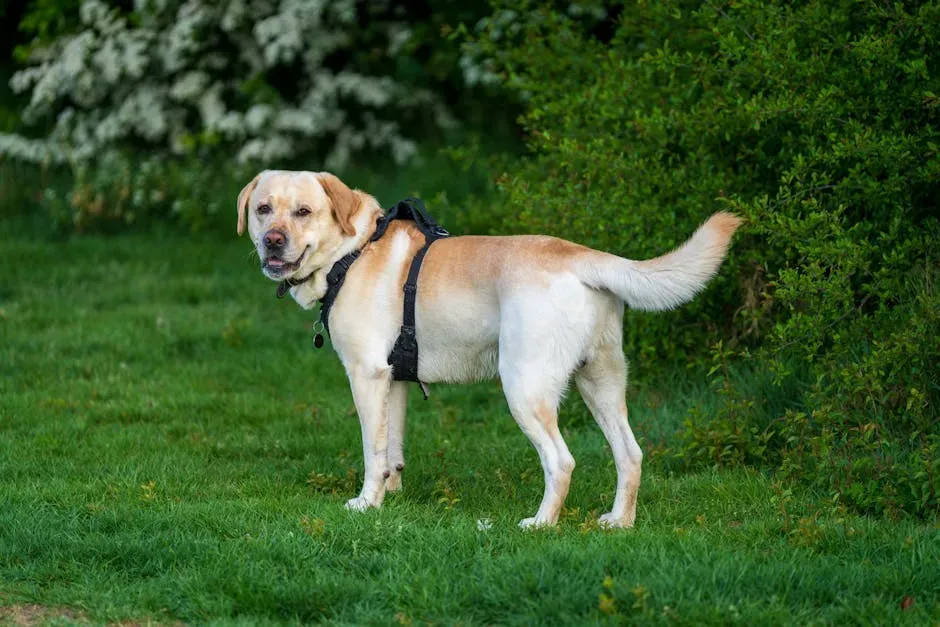
Trainers look at the tail before they look at anything else, and not just to see if it’s wagging. A loose, wide, full-body sweep reads completely differently from a stiff, high-held flag that barely moves at the tip. The height of the carry, the speed of the wag, whether the whole back end moves or just the tail – these details paint a picture of emotional state that the face alone can’t give you. Most owners see any wag and think “happy.” Trainers see something much more specific.
A tucked tail pressed against the belly signals fear or shutdown. A rapidly vibrating tail held high often means arousal that’s tipping toward tension rather than friendliness. Catching this in the first thirty seconds tells the trainer whether to approach directly or create distance, whether to use a calm voice or silence, whether the dog is ready to engage or quietly screaming for space. That one read can change the entire shape of the session before a single word is spoken.
Fast Facts: What the Tail Is Really Saying
- Wide, sweeping wag with a loose body: relaxed and genuinely friendly
- High, stiff tail with a fast but narrow wag: arousal or tension – not a greeting
- Tail tucked against belly: fear, stress, or full shutdown
- Tail extended and curved: the dog is braced and ready to act defensively
- Slow wag held low: uncertainty or appeasement in an unfamiliar situation
#14 – Ear Position Reveals Hidden Stress
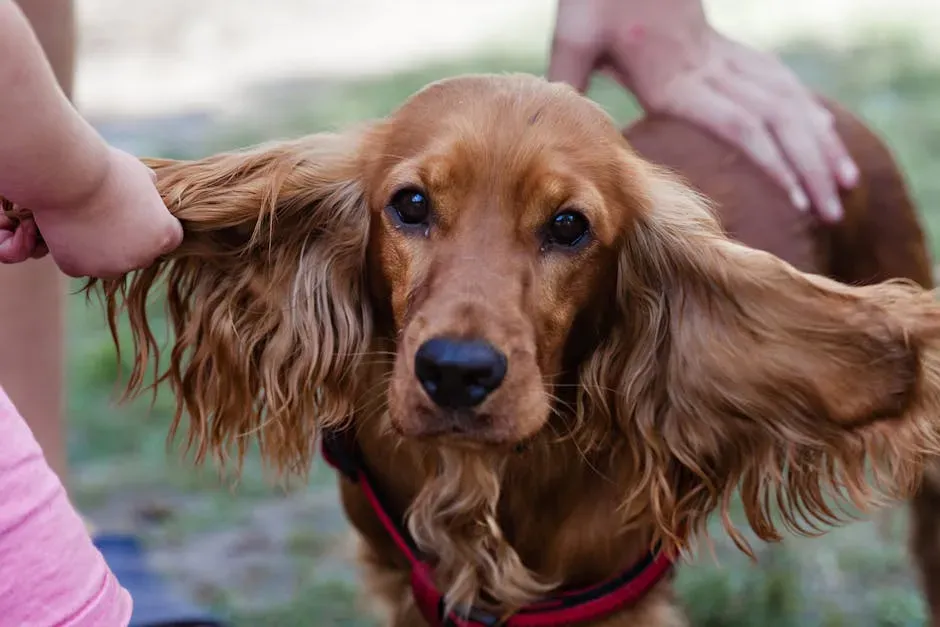
Ears are fast. They move in fractions of a second in response to new sounds, new people, new smells – and they betray stress levels that a dog’s overall behavior might be masking. Relaxed ears sit naturally against the head or in a neutral position for that breed. Pinned-back ears signal appeasement or fear. Ears rigidly pitched forward mean the dog is locked onto something and its brain is running hot. Trainers clock this during the initial greeting, often before the owner has finished their first sentence.
What makes ear position so useful is that it shifts in real time. A dog that walks in with neutral ears and pins them the moment a new person steps close is giving instant feedback about its comfort threshold. Combine that with a single lip lick or a subtle lean-away, and a trainer already knows this dog needs slow, pressure-free introductions rather than enthusiastic hellos. Owners tend to skip right past it because ears feel like a small detail. For trainers, it’s a continuous broadcast.
#13 – Eye Contact or the Deliberate Avoidance of It
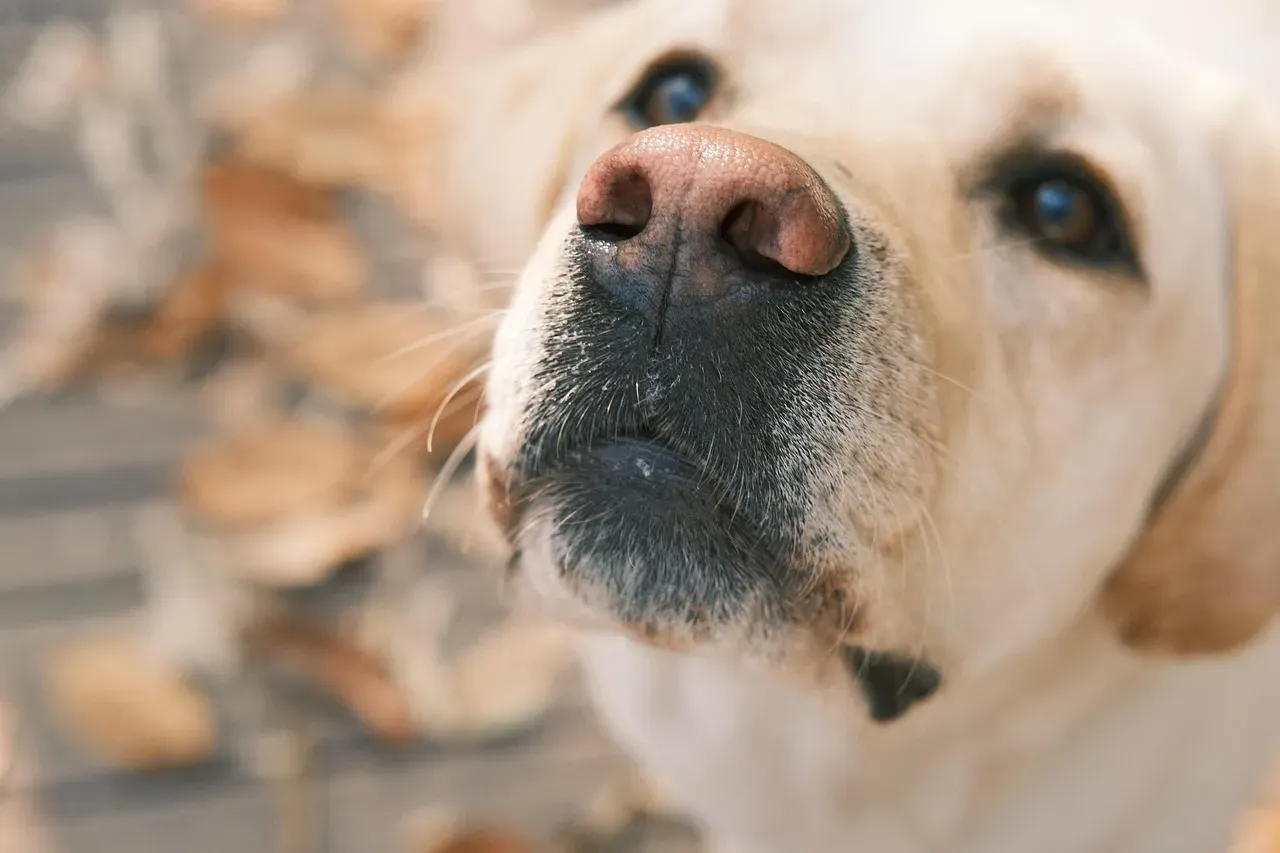
The way a dog handles eye contact in those first minutes reveals more about its history than most owners realize. Soft, willing eye contact – where the dog glances up without tension in the face – suggests it has positive associations with human attention and has been rewarded for engagement. A hard, unblinking stare is something else entirely: that’s a challenge signal, and trainers recognize the difference instantly. Then there’s the dog that won’t meet eyes at all, scanning the floor, the walls, the exit – everywhere except the human in front of it.
That avoidance pattern is particularly telling. It often points to a dog that has learned human attention precedes something unpleasant, or one that’s simply overwhelmed by the new environment. Trainers use this read to decide how quickly they can build rapport – and how. Many owners push for eye contact early, leaning in, calling the dog’s name repeatedly, and they don’t realize they’re adding pressure to an already uncertain animal. A trainer who catches avoidance early backs off strategically, and that one adjustment can open the whole session up.
#12 – How the Dog Chooses to Approach
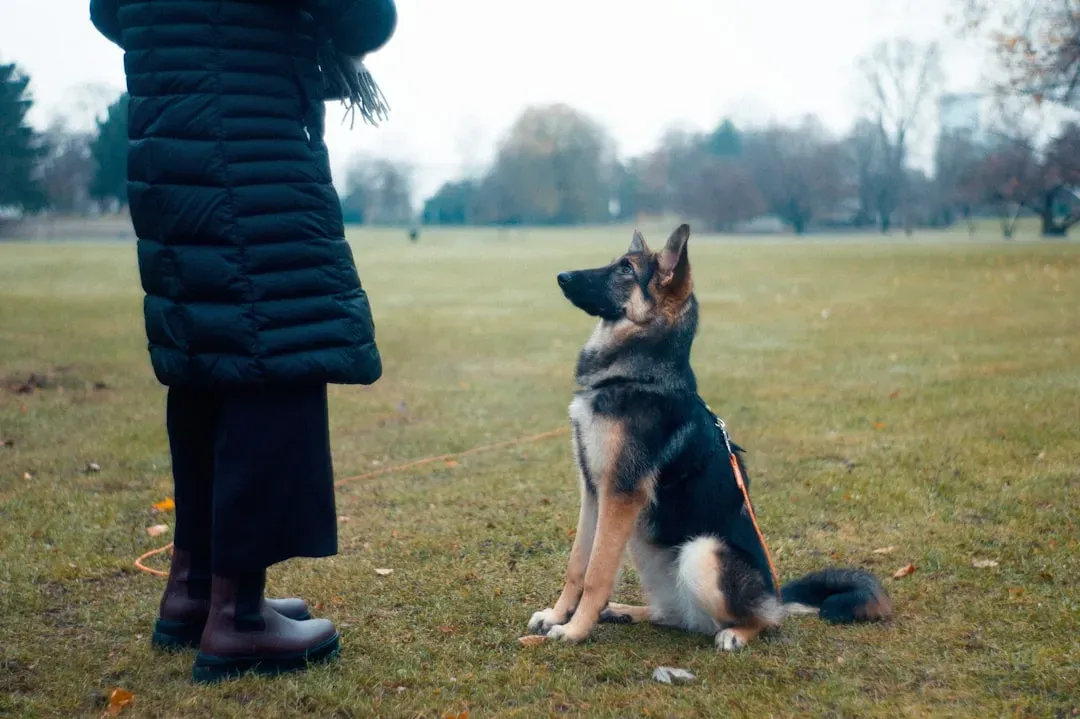
A trainer doesn’t just watch whether a dog comes over to say hello. They watch how. Does it move in a straight line with a loose body, or does it arc wide and approach from the side in a curved path? Does it stop and start, freeze halfway, or circle without committing? The geometry of that approach tells a story about socialization history and fear thresholds that no owner description can replicate. A confident, well-socialized dog closes distance calmly and with loose, easy body language. A dog with gaps in its history moves like it’s doing math on whether the risk is worth it.
This observation often completely overrides what an owner just described in the parking lot. “She loves everyone” looks very different when the dog freezes six feet away and won’t commit. Trainers adjust their energy based on this approach pattern immediately – crouching down, turning sideways, letting the dog set the pace. Getting this wrong in the first minute can poison the entire session. Getting it right makes the dog feel safe enough to actually learn.
At a Glance: Confident vs. Uncertain Approach
- Confident dog: loose body, direct-but-relaxed path, soft eyes, tail neutral or sweeping
- Uncertain dog: curved or indirect arc, starts and stops, freezes before committing
- Fearful dog: crouches low, ears back, may circle repeatedly without making contact
- Overstimulated dog: rushes in fast and hard with stiff body – excitement that reads as pressure
#11 – Leash Tension and What It Actually Means
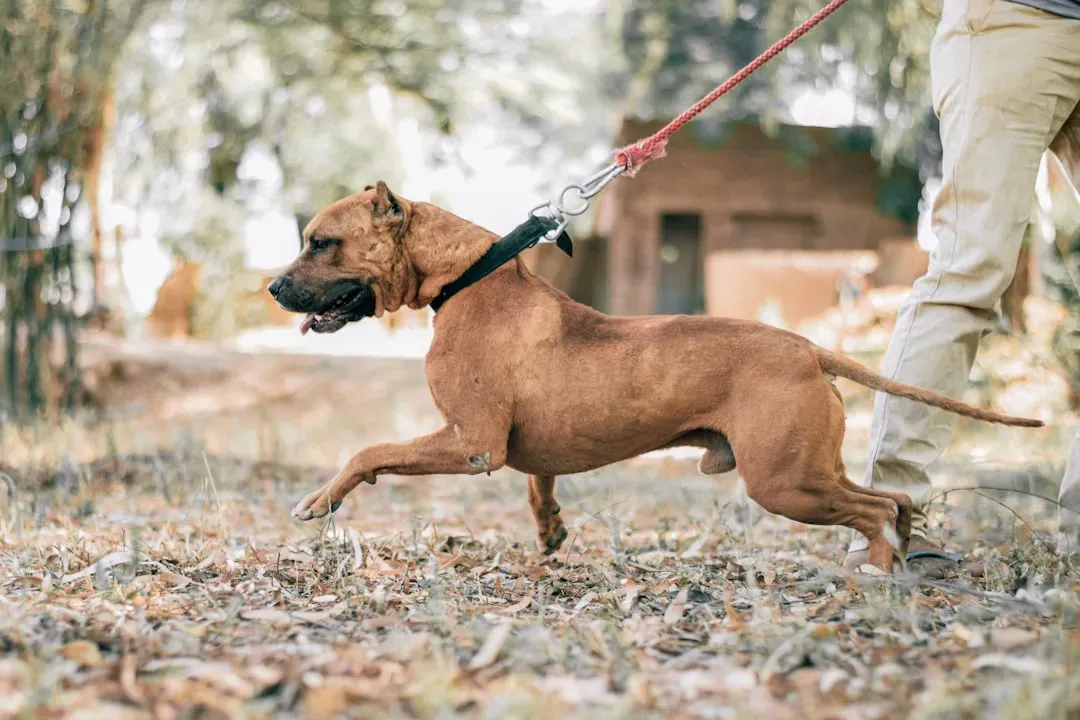
The moment a dog hits the end of the leash and pulls, a trainer already knows something important: this dog has been allowed to lead for a long time, and its owner has been following. Constant pulling, zigzagging, wrapping around legs – these aren’t just bad manners. They’re evidence of a dog with low impulse control that has never been asked to pay attention to the human on the other end of the line. It predicts how hard basic leash work will be and how much foundational rebuilding lies ahead.
But trainers also watch the opposite: a dog that walks on a loose leash immediately, checks in frequently, and adjusts pace when the handler changes direction. That dog has a training history worth building on. The leash is essentially a direct line between dog and handler, and the tension – or lack of it – is a live readout of the relationship. Owners almost always call pulling “excitement” or blame the environment. Trainers know that excitement that never self-regulates is the actual issue, and that distinction matters enormously for where the work begins.
#10 – Response to Its Own Name
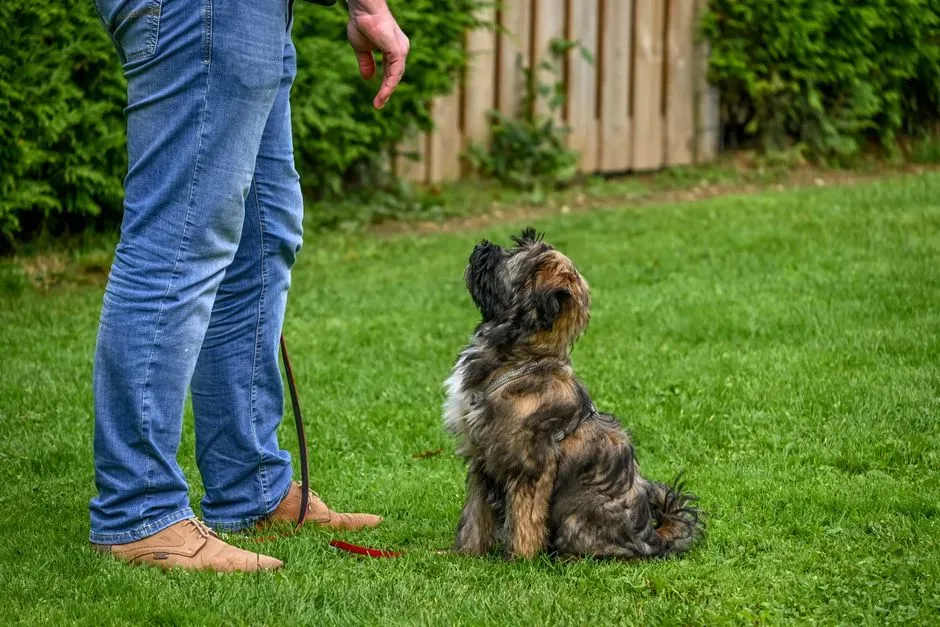
Most owners assume their dog knows its name. Trainers test that assumption within the first few minutes, and the results are often surprising. A dog that snaps its head around on the first quiet call – without the owner having to repeat it three times in an escalating voice – has a reinforcement history behind that behavior. Someone took the time to make the name mean something good. That’s a foundation trainers can build on immediately.
A dog that hears its name and keeps staring at the squirrel by the fence is telling the trainer something just as important: the name has been overused, never rewarded, or shouted in frustration often enough that the dog has learned to tune it out entirely. Trainers call this “name blindness,” and it signals that the handler relationship needs rebuilding at the most basic level. It doesn’t mean the dog is stubborn or disobedient. It means the communication system between dog and owner is essentially broken – and that the trainer now knows exactly where to start.
#9 – Body Posture and Weight Distribution
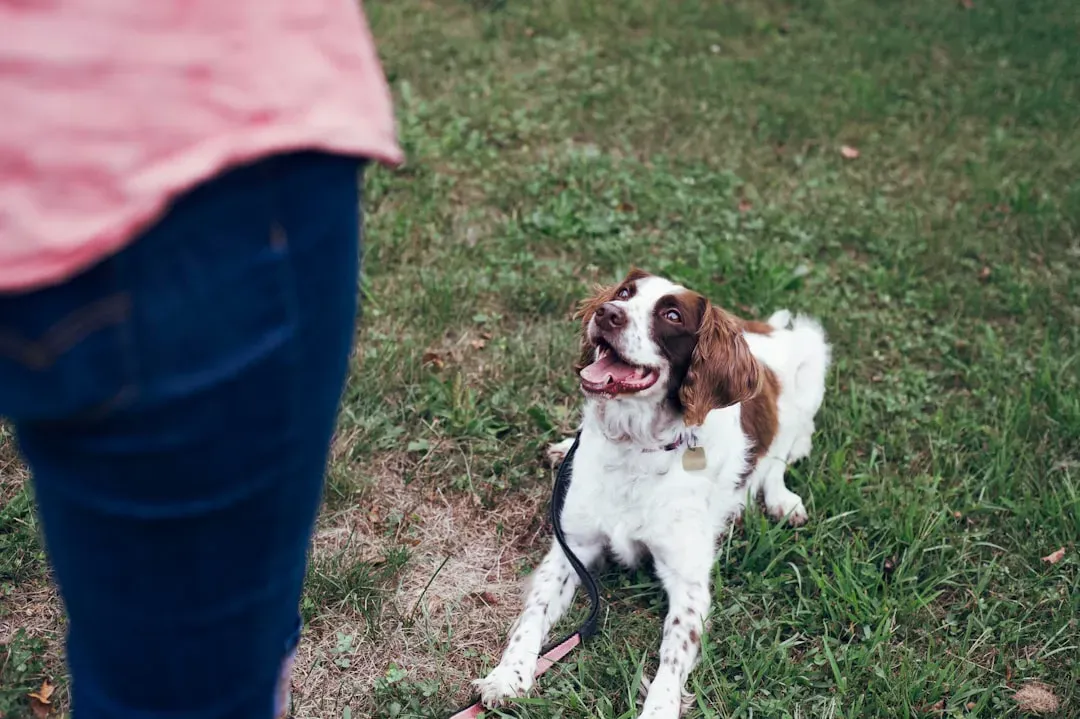
A dog standing balanced over all four paws, weight evenly distributed, is a dog in a relatively neutral state – present, open, not yet committed to a direction. A dog that shifts its weight backward, lowering at the rear with its front legs stiffened, is preparing to create distance or react defensively. A dog rocking slightly forward with its weight loaded over its front feet is moving toward something, mentally and physically. Trainers read this postural geometry before any touch, any command, any real interaction begins.
What makes this signal particularly valuable is that owners almost never see it. They’re watching the face, listening for growling, waiting for an obvious behavior. Meanwhile, the dog has already telegraphed its next three moves through its posture. A trainer who catches a backward weight shift early can reposition, reduce pressure, and prevent a reactive moment before it happens. That kind of early read doesn’t just make the session safer – it makes it more honest, because the trainer is working with what the dog is actually feeling rather than what the owner hoped it would feel.
#8 – Lip Licking and Yawning as Stress Signals
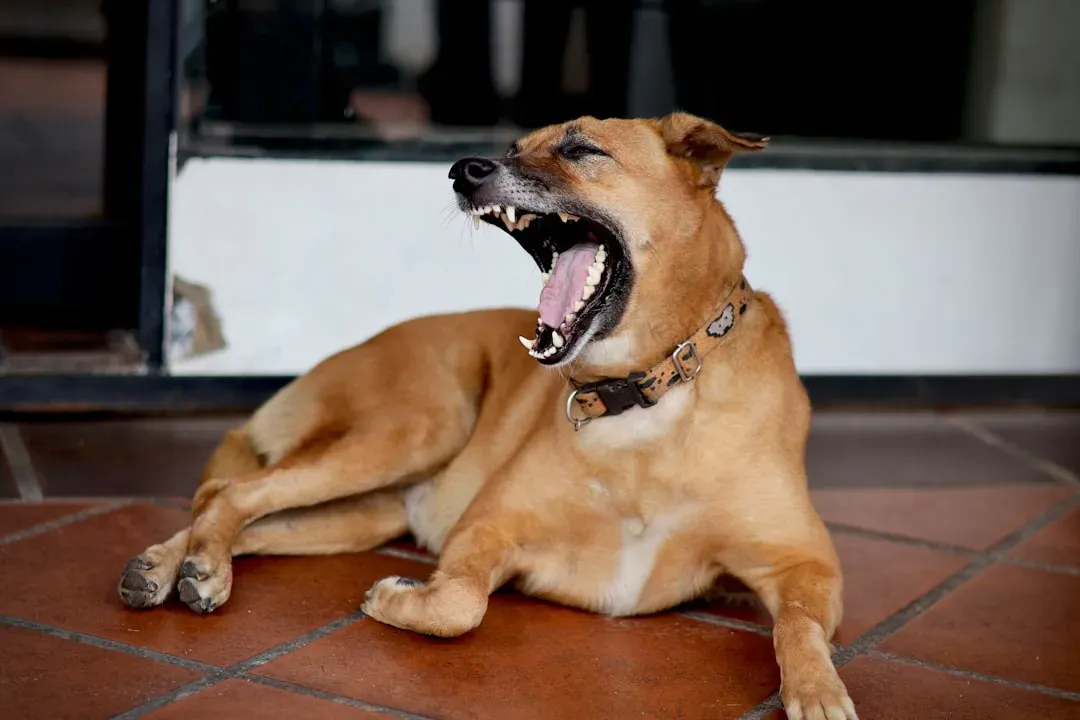
Lip licking and yawning look completely ordinary. A dog licks its lips and most people think it smelled something tasty. A dog yawns and most people think it’s tired. Trainers think neither of those things. In a new environment, during a first meeting, these are displacement behaviors – calming signals the dog is sending either to itself or to the humans around it, indicating that stress levels are rising beneath an otherwise calm exterior. The key is frequency and context. One yawn means nothing. Five lip licks in ninety seconds, unprompted by food, means something specific.
These signals tend to appear before the more obvious stress behaviors do – before the whale eye, before the growl, before the reactivity that makes owners finally pay attention. Trainers who catch the lip licking early can slow the session down, reduce stimulation, and give the dog room to settle before it escalates. Owners who miss it keep pushing forward, wondering why the dog “suddenly” snapped or shut down. There was nothing sudden about it. The dog had been announcing its discomfort for minutes. The signals were just in a language no one was reading.
Worth Knowing: Calming Signals Cheat Sheet
- Lip licking without food present: a near-universal stress or appeasement signal
- Exaggerated yawn with wide mouth and tongue curl: stress yawn, distinct from a tired yawn
- Head turn or looking away: the dog is actively trying to reduce social pressure
- Sniffing the ground suddenly: displacement behavior – the dog is overwhelmed and redirecting
- Full-body shake-off (not after water): a reset signal after stress – watch for what triggered it
#7 – Hackles: Arousal You Can See
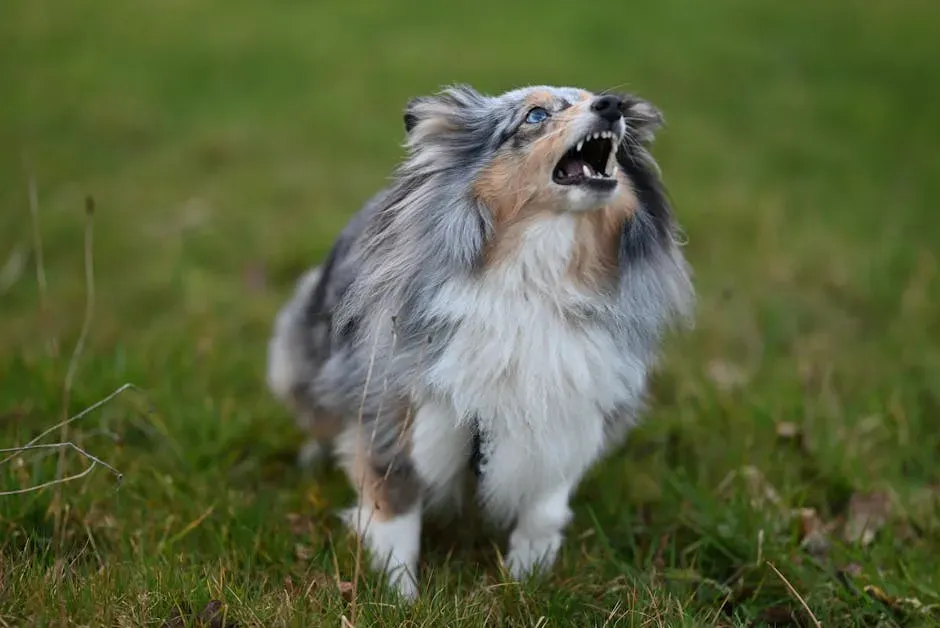
Raised hackles – the line of fur along the shoulders and spine that stands up involuntarily – are one of the clearest signs of arousal a dog can display. They’re not always aggression. Sometimes they mean excitement, sometimes alertness, sometimes genuine fear. But they are always significant, and they’re always involuntary. The dog cannot fake hackles, and it cannot suppress them. That makes them one of the most honest signals in the trainer’s first-five-minute read.
Trainers look for partial hackle raises – just the shoulders, or just the base of the tail – as much as full piloerection from neck to tail. Partial raises are often the earlier warning, and they can appear and disappear quickly in a dog that’s working to manage its own arousal. Owners frequently miss them entirely, especially on dogs with longer or darker coats. By the time hackles are obvious enough for an owner to notice, a trainer has already been factoring them in for several minutes and has adjusted the session accordingly.
#6 – Whether the Dog Will Take a Treat
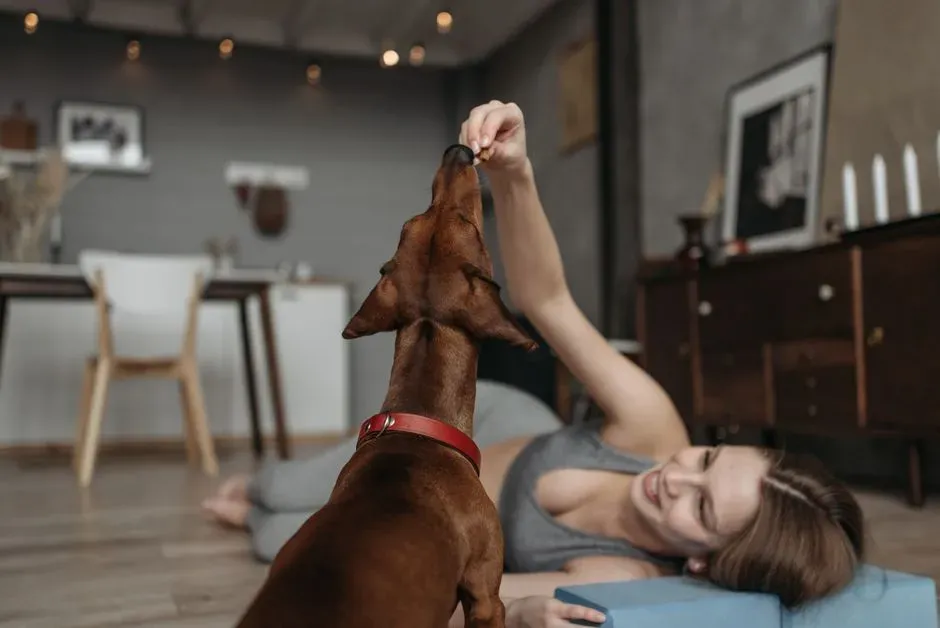
Offering a high-value treat in the first few minutes is one of the oldest diagnostic tools in a trainer’s kit, and it’s not primarily about food. It’s a stress gauge. A dog that eats calmly and freely is operating below its threshold – its brain is accessible, it can learn, it can be rewarded. A dog that sniffs the treat and turns away, or that takes it roughly with snapping jaws, or that completely ignores it, is telling the trainer that the environment is currently winning the competition for mental bandwidth.
A dog that won’t eat in a new setting isn’t being difficult or disinterested. It’s over-threshold. And a dog that’s over-threshold cannot learn new behaviors – the stress response has literally redirected resources away from the learning centers of the brain. Trainers who recognize this early shift to distance work, decompression time, or environmental management rather than diving into commands. Owners who push through because “the dog should be working for food” often make things considerably worse without understanding why.
Quick Compare: What Treat Response Tells a Trainer
- Takes treat calmly with a soft mouth: below threshold – ready to engage and learn
- Sniffs and walks away: mildly over-threshold – needs more decompression time
- Snatches with hard, snapping mouth: high arousal – stress is elevated and impulse control is low
- Completely ignores treat: fully over-threshold – environment has taken over all mental bandwidth
#5 – Whether the Dog Watches Its Owner
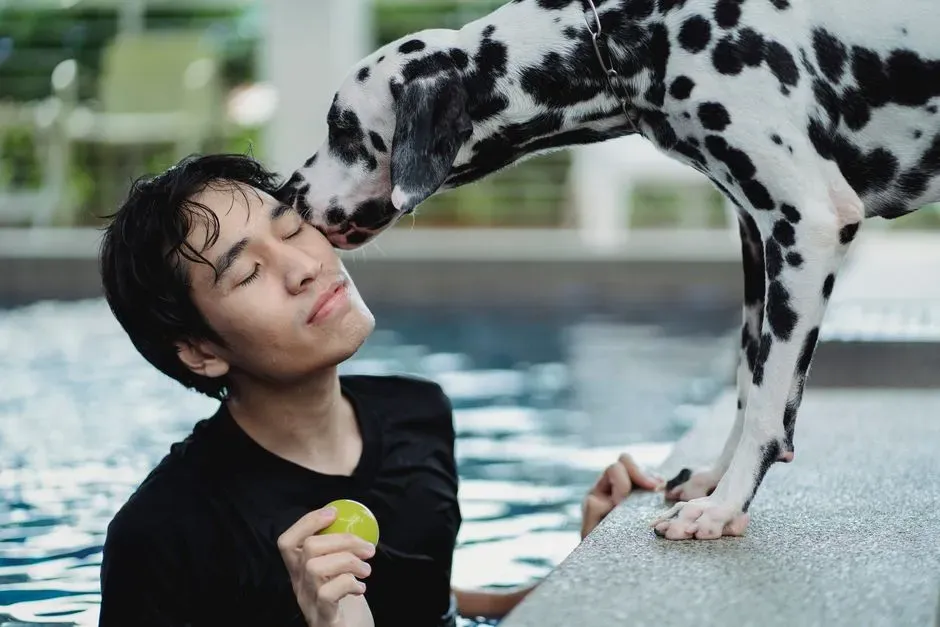
In those first few minutes in a new environment with a new person, does the dog glance back at its owner? Does it check in, even briefly, when something startles it or when it feels uncertain? Or does it operate as a completely independent unit, processing the world as if the human at the end of the leash doesn’t exist? This check-in behavior – or the conspicuous absence of it – tells a trainer the real story of the handler relationship faster than anything the owner could describe.
Owners often claim a strong bond with their dog. Trainers watch to see if the dog agrees. A dog that genuinely views its owner as a source of safety and information will orient toward them under mild stress. A dog that has never been taught to look to its human for guidance will simply do its own thing, pulling toward interesting smells, fixating on other dogs, checking out mentally. That independence isn’t a character flaw – it’s a training gap, and seeing it early tells the trainer exactly where the most important work needs to happen.
#4 – Reaction to Gentle Touch or Handling
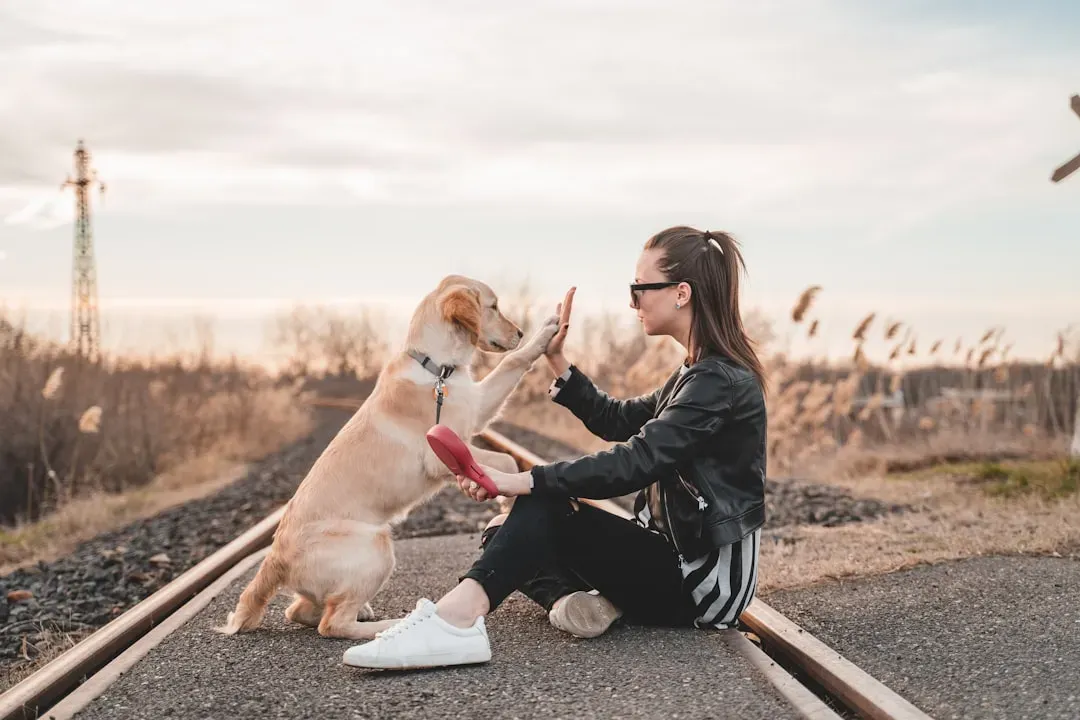
A light touch on the paw, a gentle finger near the collar, a casual hand resting briefly on the shoulder – these small handling tests tell trainers enormous amounts about a dog’s history with human contact. A dog that accepts handling easily, remains loose and relaxed, has clearly been handled frequently and positively throughout its life. A dog that stiffens, pulls away, ducks its head, or goes rigid the moment a hand approaches carries a history of either insufficient socialization or experiences it didn’t enjoy.
This matters deeply because almost every training exercise involves some degree of handling – putting on a harness, positioning the dog, working close in tight spaces. A dog that’s sensitive to touch needs a specific plan before any of that begins. Trainers who find this in the first few minutes can build consent-based handling protocols into the very first session, rather than discovering the sensitivity halfway through an exercise when the dog is already stressed. The earlier the read, the gentler and more effective the path forward.
#3 – Vocalization: Type, Timing, and What It’s Actually Saying
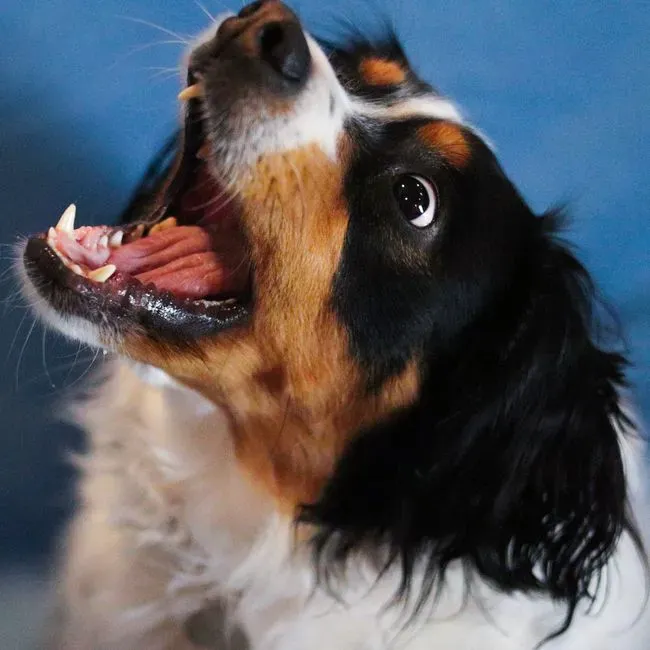
Dogs use their voices very differently, and trainers spend the first few minutes listening as much as watching. A soft, high-pitched whine when the dog sees another dog across the yard is attention-seeking mixed with frustration – it wants to get there and it hasn’t learned to wait. A low, steady grumble when someone reaches toward the food bowl is a warning being issued clearly and deliberately. A sharp, single bark when something unexpected moves is a startle response. These are not interchangeable, and treating them as the same “bad behavior” is how mislabeling happens.
What trainers also listen for is timing – how fast the vocalization appears after a trigger, and how quickly it fades. A dog that recovers its voice quickly, returning to quiet within seconds, has better emotional regulation than one that spirals into sustained barking or whining that doesn’t resolve. Early vocal reads help trainers understand the dog’s emotional drivers – is this about fear? Frustration? Attention? Predatory excitement? Getting that right from the start shapes every technique choice that follows.
Why It Stands Out: Vocal Signals and What They’re Really About
- High-pitched whine directed at another dog or gate: frustration and unmet drive – not distress
- Low, steady grumble near food or resting spot: a deliberate warning – take it seriously
- Single sharp bark at sudden movement: startle response – note how fast the dog recovers
- Sustained, unresolved barking: poor emotional regulation – the dog can’t self-interrupt
- Silence where vocalization was expected: shutdown – often the most overlooked signal of all
#2 – Energy Level and How Fast the Dog Settles

Every dog arrives with energy. The question isn’t whether they’re excited – it’s whether they can come down from that excitement. Trainers watch the arc: does the dog arrive amped, then gradually soften, sniff around, find a spot to stand calmly? Or does the energy stay at a ceiling, the dog unable to lower its own arousal no matter what the environment does? That second pattern – chronic high arousal that never self-regulates – is one of the clearest predictors of a dog that will need significant management work before training can really stick.
Recovery speed is everything. A dog that can settle within a few minutes of arrival, even imperfectly, has the neurological flexibility to learn in that session. A dog that is still spinning, panting hard, unable to orient to anything for more than a second after ten minutes has a baseline arousal problem that no amount of skilled training will overcome that day. Trainers who see this early restructure the entire plan – shorter sessions, more decompression, a different physical environment – rather than pushing through and watching the dog get worse as the hour goes on.
#1 – The Way the Dog and Owner Move Together
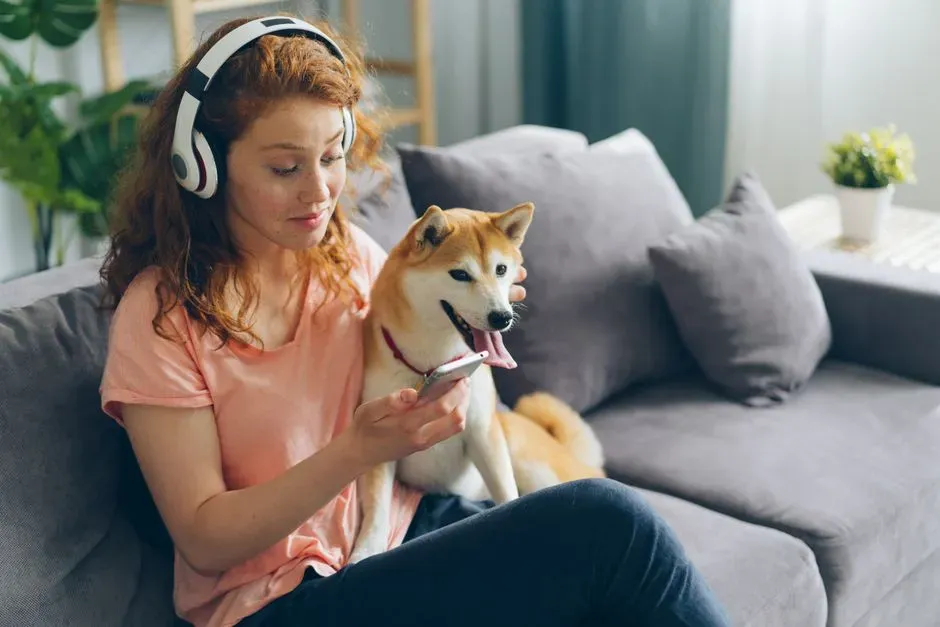
Above everything else – above the tail reads and the ear positions and the treat refusals – the single most revealing thing a trainer watches in those first five minutes is the relationship between dog and owner as a living, moving unit. Do they sync? Does the dog adjust its pace when the owner slows down, or does it drag them forward? Does the owner adjust their body for the dog without thinking, or does every interaction look like a small negotiation that neither side is winning? Years of consistent communication between a dog and its person produce a physical synchronization that is immediately visible.
When that synchronization is missing – when the dog looks unaware that a human is attached to the other end of the leash, or when the owner looks slightly afraid of their own dog – trainers know the work goes deeper than commands. The dog doesn’t need more sit-stay repetitions. The relationship needs rebuilding from the ground up: trust, communication, the owner learning to lead clearly and the dog learning it’s safe to follow. That’s the whole game, and a skilled trainer can see within five minutes whether a pair has it, is close to it, or needs to start from scratch.
What This Means for Every Dog Owner
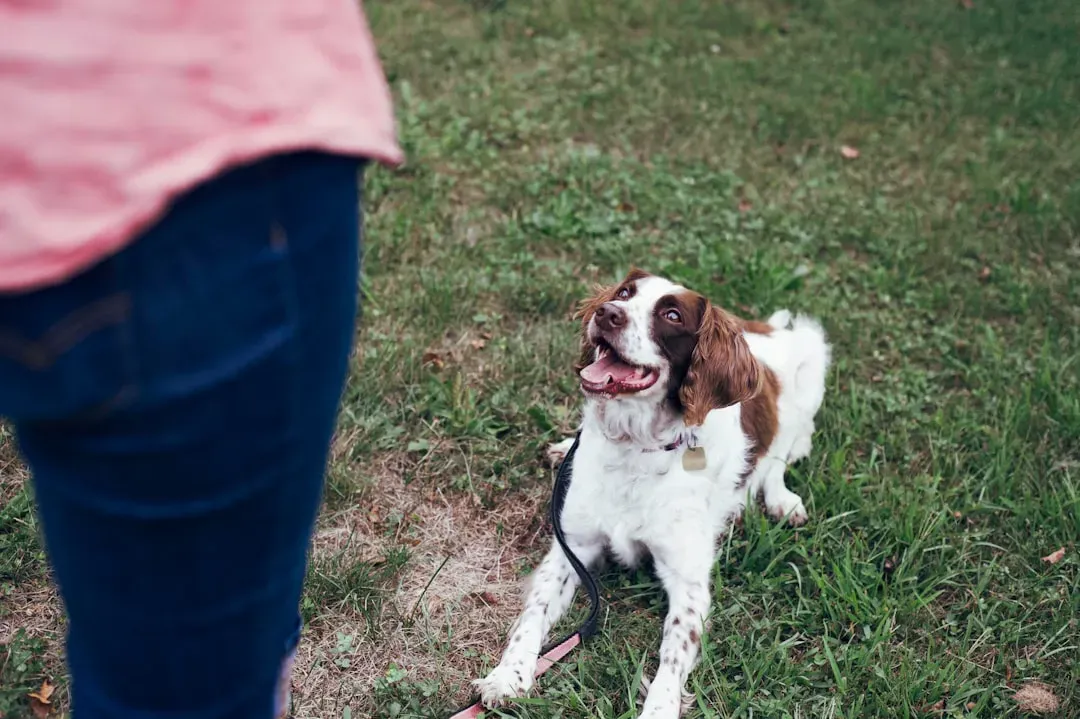
Here’s the uncomfortable truth: most of these signals have been playing out in front of owners every single day, and they’ve been invisible. Not because owners don’t care – they clearly do, or they wouldn’t be in a training session – but because nobody taught them the language. Dogs are broadcasting constantly. The tail, the ears, the weight shift, the flicker of avoidance when a hand reaches out. It’s all there, all the time, and most of it goes unread.
The trainers who are genuinely exceptional at their work aren’t primarily exceptional at training dogs. They’re exceptional at reading them. The training comes after. The read comes first. And if there’s one thing that changes for owners who learn to see these signals – really see them – it’s that they stop being frustrated by their dog’s behavior and start being curious about it. That shift, from frustration to curiosity, is where better relationships between dogs and the people who love them actually begin.
At a Glance: Signals Most Owners Miss Every Day
- Lip licking or tongue flick with no food nearby – a quiet stress signal, not a quirk
- Yawning in a tense or unfamiliar moment – the dog is asking for relief, not a nap
- Looking away when approached – appeasement, not rudeness or stubbornness
- Weight shifting backward before a growl ever comes – the warning trainers act on first
- Refusing a treat in a new place – over-threshold, not picky or uncooperative
- Not checking in with you at all – a relationship gap, not a personality trait

- 10 Mind Blowing Facts About The Great White Shark - July 26, 2026
- Elephants Communicate With Each Other Using Sounds We Cannot Hear - July 26, 2026
- 10 Surprising Foods That Are Actually Good For Your Dog’s Health - July 26, 2026