


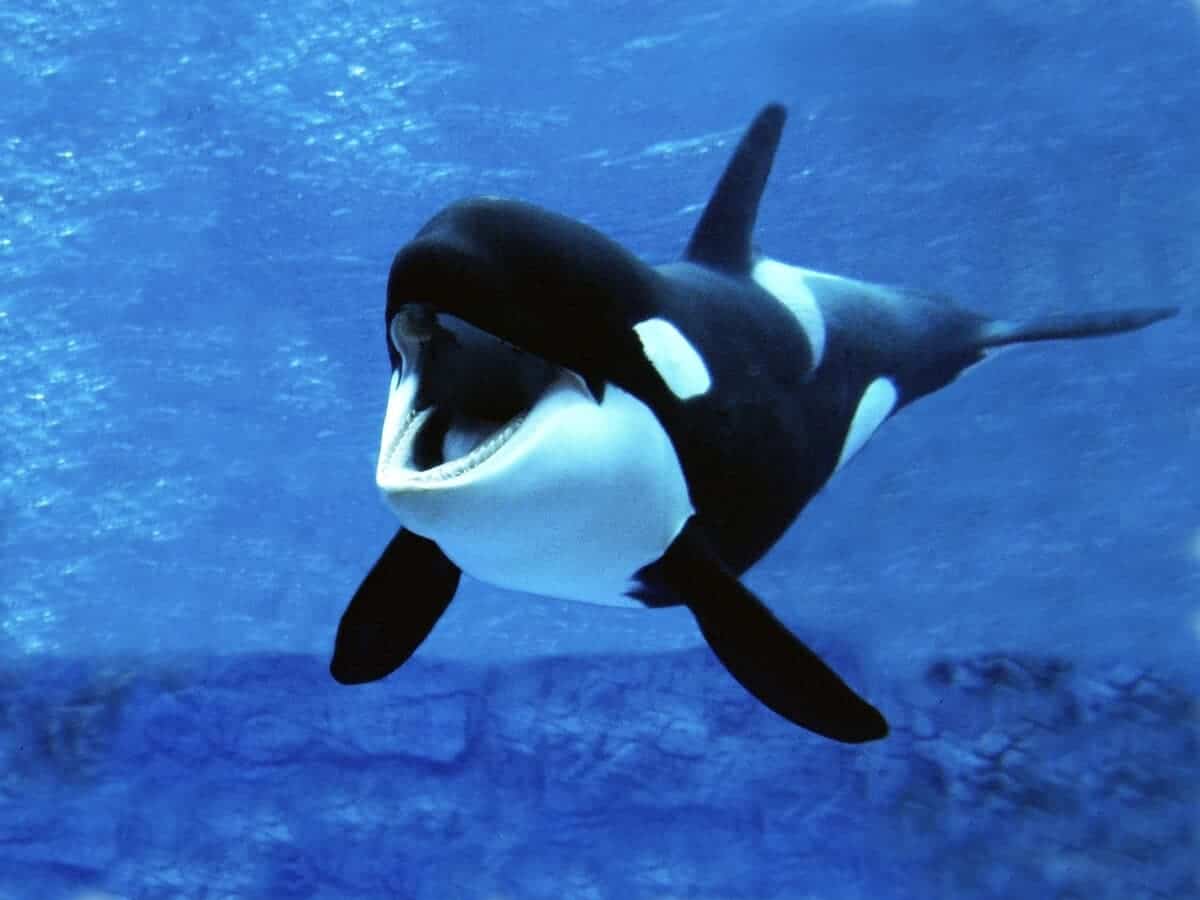
Orcas, or killer whales, have long been a source of fascination and mystery in the marine world. Known for their distinct black and white coloring and complex social structures, these apex predators are the ocean’s top mammals. Throughout history, orcas have exhibited behavior that has consistently astonished scientists and deepened our understanding of the marine ecosystem. Here, we delve into 15 instances where orcas have left researchers in awe.
Complex Social Structures

Orcas live in highly organized social structures known as pods, which are matrilineal family groups. Scientists were astonished to find that within these pods, orcas engage in cooperative hunting strategies, share responsibilities in raising young, and even display signs of cultural behaviors. This complex social structure rivals that of primates, showcasing their impressive cognitive abilities.
Varied Hunting Techniques

Unlike other predators that rely on a single style of hunting, orcas use a variety of techniques adapted to their prey. From synchronized swimming to create waves for dislodging seals off ice floes, to beaching themselves temporarily to snatch seals from the shore, their versatile hunting methods demonstrate a remarkable level of intelligence and adaptability.
Communication Through Dialects

Orcas communicate using a series of clicks, whistles, and pulsed calls. Researchers have discovered that different pods have distinct dialects, which means orcas use unique vocalizations akin to regional accents in human languages. This discovery has profound implications for understanding animal communication and social interaction.
Cultural Behaviors

Culture, once thought to be a human-exclusive trait, has been observed in orcas. Scientists have found that different groups exhibit behaviors that seem to be passed down through generations, such as feeding preferences and unique hunting methods. This cultural transmission suggests a deeper cognitive process within these marine mammals.
Emotional Depth

Orcas have been observed displaying behaviors indicative of deep emotional connections. For instance, there have been documented cases where orcas have shown signs of grief, such as carrying dead calves for extended periods. These instances highlight their capacity for complex emotions, paralleling those found in humans and primates.
Inheritance of Traditions

Research has shown that orcas inherit certain “traditions” from their mothers. These traditions can be feeding habits, migratory routes, or particular social behaviors. This mother-to-offspring transmission of knowledge underscores the vital role of maternal figures within orca communities and the importance of prolonged parental care.
Tool Use

While tool use is rarely documented in marine environments, orcas have occasionally been observed using tools. For example, they have been seen using kelp and other objects during playful activities, suggesting that they might apply their intelligence creatively, further expanding our understanding of their cognitive capabilities.
Cooperation With Humans

There have been historical instances where orcas have cooperated with humans, particularly among whalers in the 19th and early 20th centuries. Some local tribes in Australia and North America have reported stories of orcas aiding in hunts, showcasing a fascinating interspecies interaction that remains a captivating point of study.
Long Lifespans

Orcas are among the longest-living marine mammals, with life spans often exceeding 50 years and some females living over 80 years. This longevity allows for multigenerational learning and wisdom transfer within pods, contributing to their intricate social structures and cultural behaviors.
Role in Ocean Health
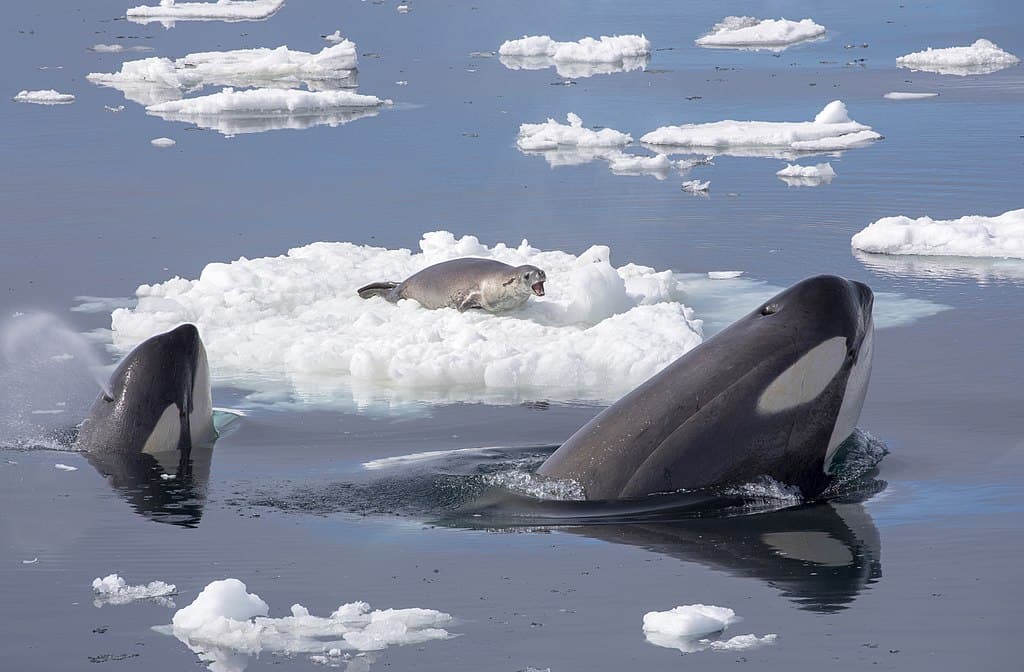
As apex predators, orcas play an essential role in maintaining the balance of marine ecosystems. Their hunting helps regulate the populations of marine animals, which in turn ensures the health of the marine food chain and the overall ecosystem stability.
Global Distribution and Adaptability
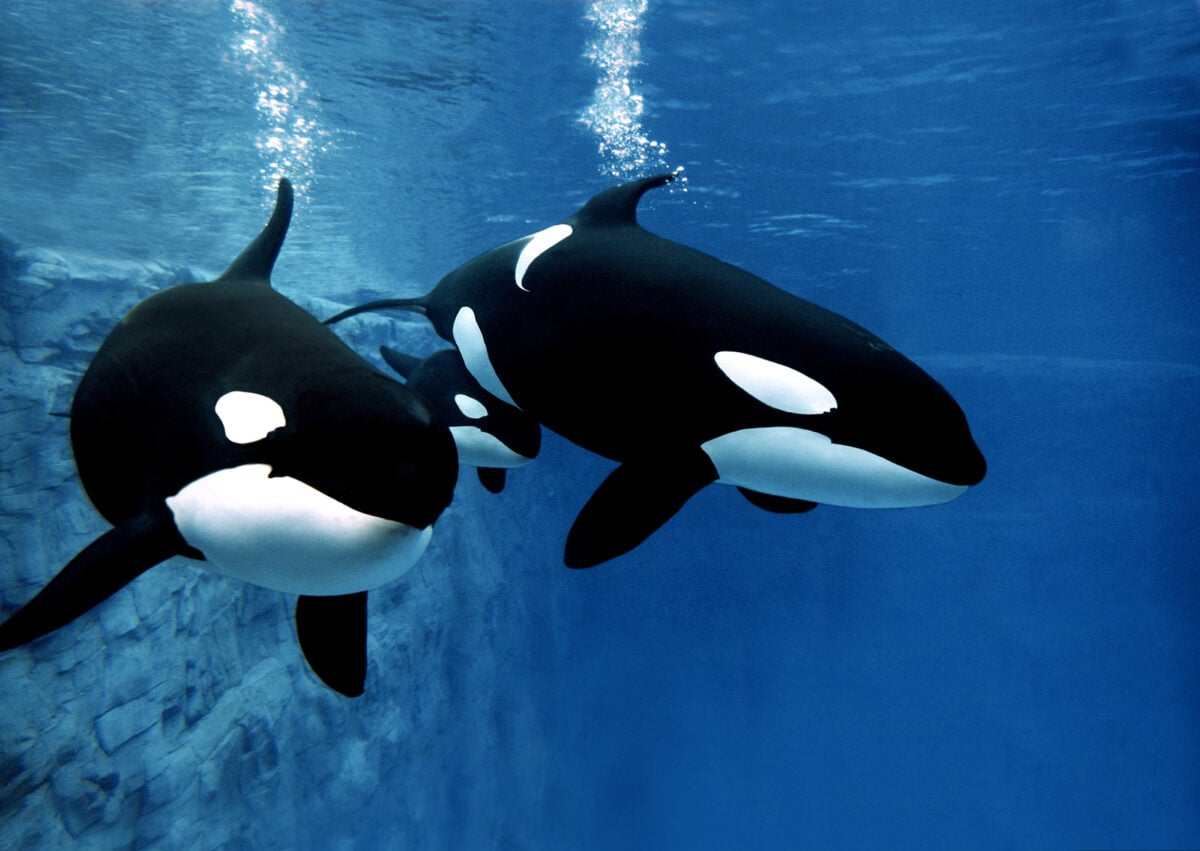
Orcas are found in oceans across the globe, from the frigid Arctic to warmer tropical waters. Their ability to adapt to a wide range of environments speaks to their resilience and adaptability. Studying their distribution patterns helps scientists understand more about oceanic conditions and the impacts of climate change.
Influence on Whale Watching Industry

Orcas are a main attraction in the whale-watching industry, significantly impacting local economies where they are frequently spotted. Their popularity has also led to increased interest and funding for marine biology research, contributing to broader conservation efforts.
Conservation Challenges

Despite their strength, orcas face numerous threats from humans, including pollution, fishing nets, and habitat degradation. Conservation efforts are crucial to ensure their survival. By understanding orcas’ roles and influence on marine ecosystems, scientists can better advocate for measures to protect these majestic creatures.
Inter-species Relations
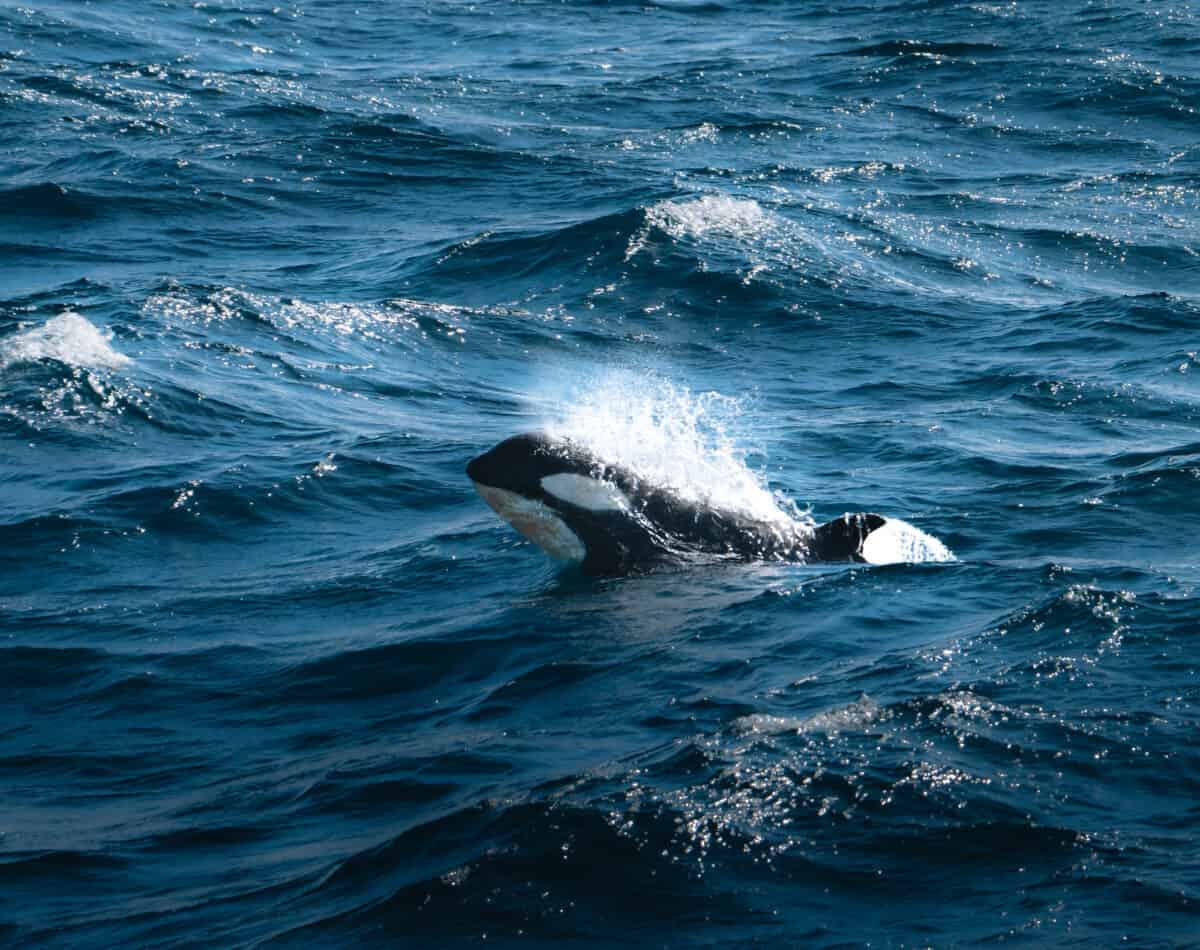
Orcas have been observed interacting with different species, including dolphins and seals, in both predatory and seemingly playful manners. These interactions provide insights into their social intelligence and complex relationships with other marine animals.
Unanswered Mysteries and Future Research
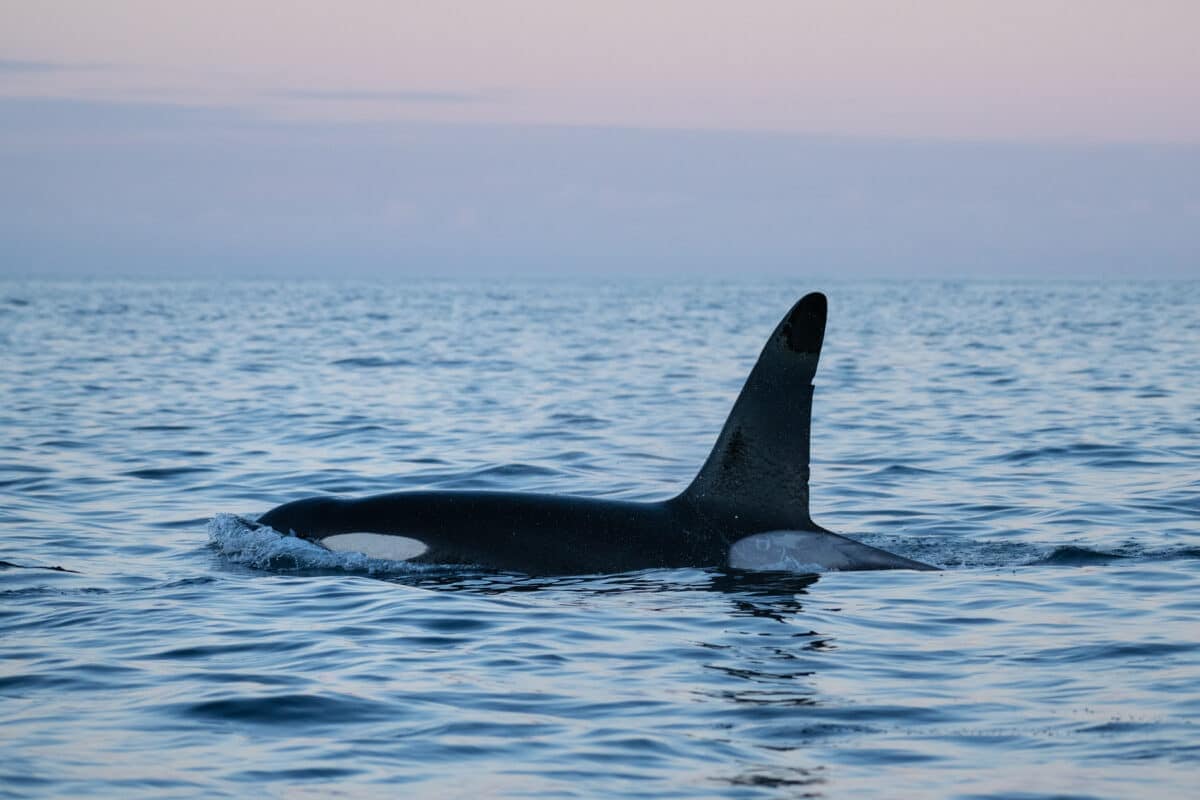
Despite decades of study, orcas continue to surprise scientists with their behaviors and capabilities. Ongoing research is necessary to unlock the myriad mysteries surrounding these fascinating creatures and to further understand their role in marine ecosystems.
Conclusion:
Through these glimpses into orcas’ lives, scientists are continually challenged to reconsider what they know about these captivating creatures. As research progresses, our understanding of orcas not only contributes to marine biology but also offers broader insights into behavior, evolution, and conservation. The journey into the world of orcas is an ongoing adventure for scientists and enthusiasts alike, filled with surprises and discoveries.

As a little kid, I fell in love with nature, wildlife, and animals. Living in the USA, South Africa, Italy, China and Germany gave me the opportunity to discover the world's Wildlife. My favorite animals are Mountain Gorillas, Siberian Tigers, and Great White Sharks.
I'm a certified PADI Open Water Diver, went to Everest Base Camp and Trekked Gorillas in Uganda. I hold a Master of Science in Economics and Finance.
Please send any feedback to feedback@animalsaroundtheglobe.com
- The 10 Rarest Dog Breeds Making a Comeback in America - July 19, 2026
- 13 Creatures That Survived Mass Extinctions - July 19, 2026
- 12 Pets That Are Perfect for Seniors - July 19, 2026