

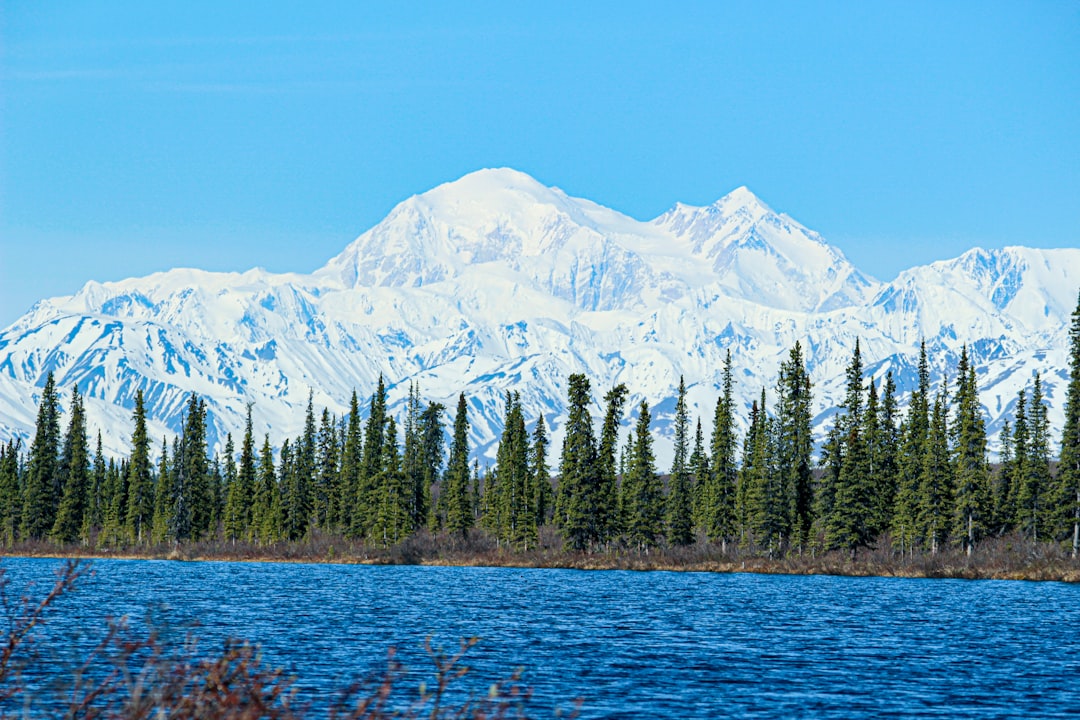
Every year, millions of adventurous souls venture into America’s stunning national parks seeking unforgettable experiences. These breathtaking landscapes offer everything from towering mountain peaks to crystal-clear rivers and vast desert expanses. Yet beneath this natural beauty lies a sobering reality that many visitors never fully consider.
According to available reports, thousands of people have tragically lost their lives while visiting national parks in recent years. Drowning is reportedly among the leading causes of death in national parks. These numbers tell a story that goes beyond simple statistics. They represent families forever changed, adventures cut tragically short, and reminders that nature’s beauty comes with genuine risks. Let’s explore the parks where danger lurks most prominently, understanding both the threats they present and the lessons they teach.
Lake Mead National Recreation Area: Nevada’s Water Death Trap
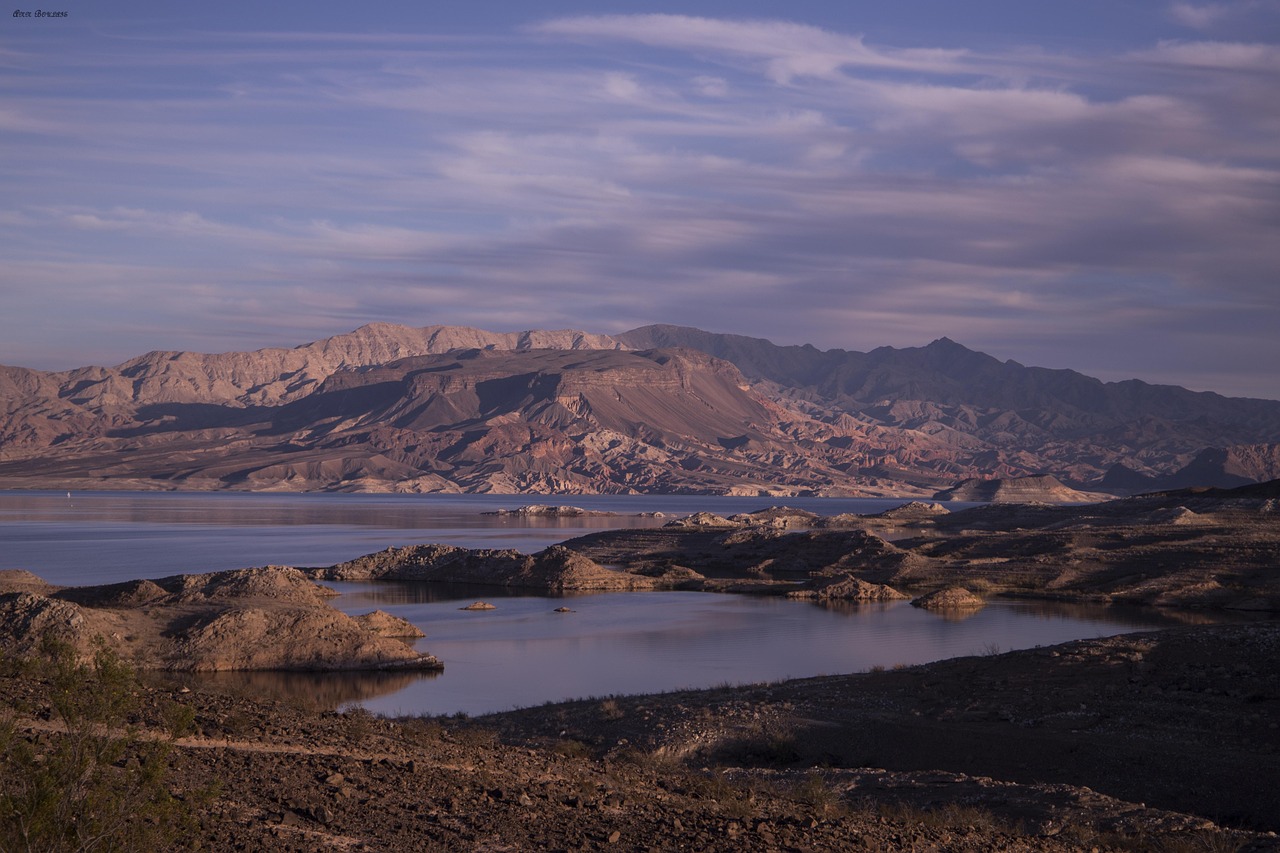
Stretching across the sun-scorched landscape between Nevada and Arizona, Lake Mead appears as an oasis of cool blue waters against harsh desert terrain. Lake Mead National Recreation Area has recorded numerous fatal incidents: The report found that drowning accounts for nearly a third of these fatal incidents, followed by motor vehicle crashes. The statistics paint a grim picture of America’s deadliest national recreation area.
About 19 people die each year at the Lake Mead National Recreation Area, which is popular for boating, tragically leading to drowning deaths also. Deaths in the area over the years have been a mix of drownings, boat and traffic accidents, medical problems, suicides and even homicides. The combination of scorching heat, unpredictable weather conditions, and treacherous waters creates a perfect storm for tragedy.
Grand Canyon National Park: Where Beauty Meets Danger
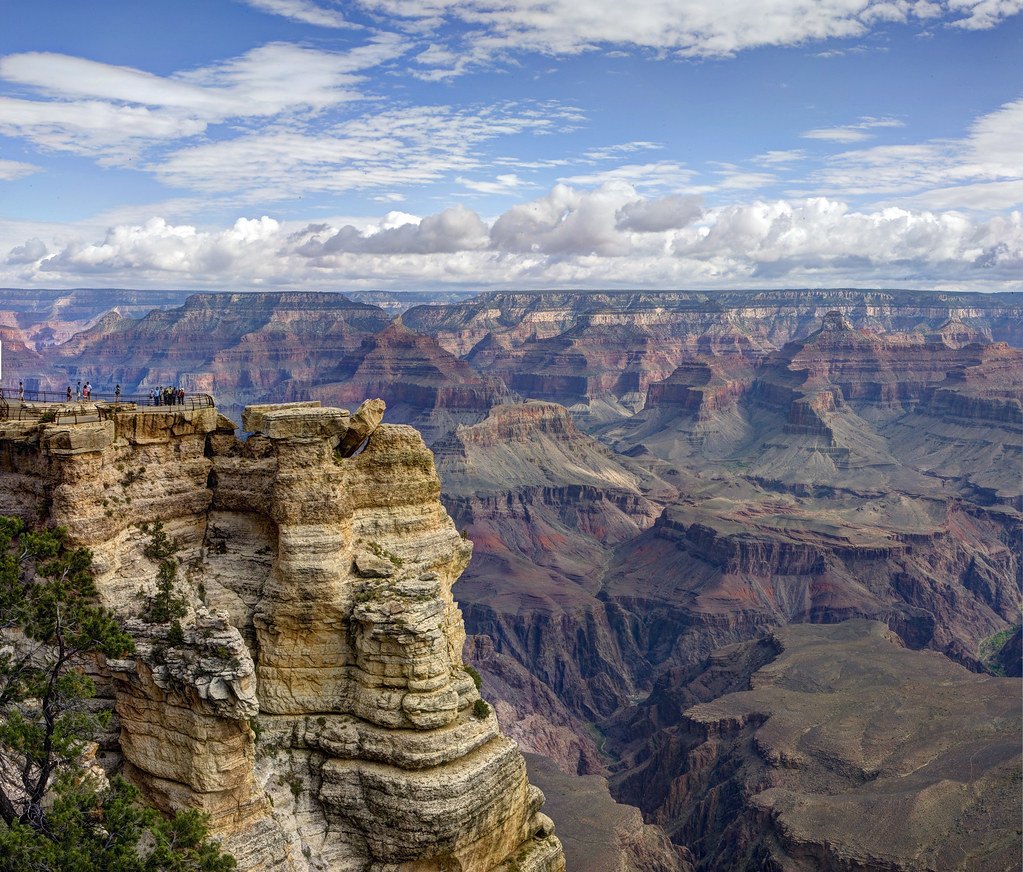
Grand Canyon National Park is among the parks with the highest number of fatalities in recent years. The dangers of this vast, steep, mile-deep canyon seem clear. However, what surprises many visitors is that falling isn’t actually the leading cause of death here.
Most Grand Canyon deaths are due to medical or natural causes. With temperatures soaring during peak summer visitation season – heat, dehydration, and sun exposure often exacerbate pre existing medical conditions. In April 2018, a 35-year-old man tragically fell to his death while trying to take a photo near the edge of the Grand Canyon in Arizona. As he backed up to capture the shot, he lost his balance and plummeted 1,000 feet (305 meters). This incident is one of many fatal falls that have occurred at the Grand Canyon over the years. The canyon’s incredible beauty creates a deadly allure that has claimed too many lives.
Yosemite National Park: California’s Climbing Catastrophe
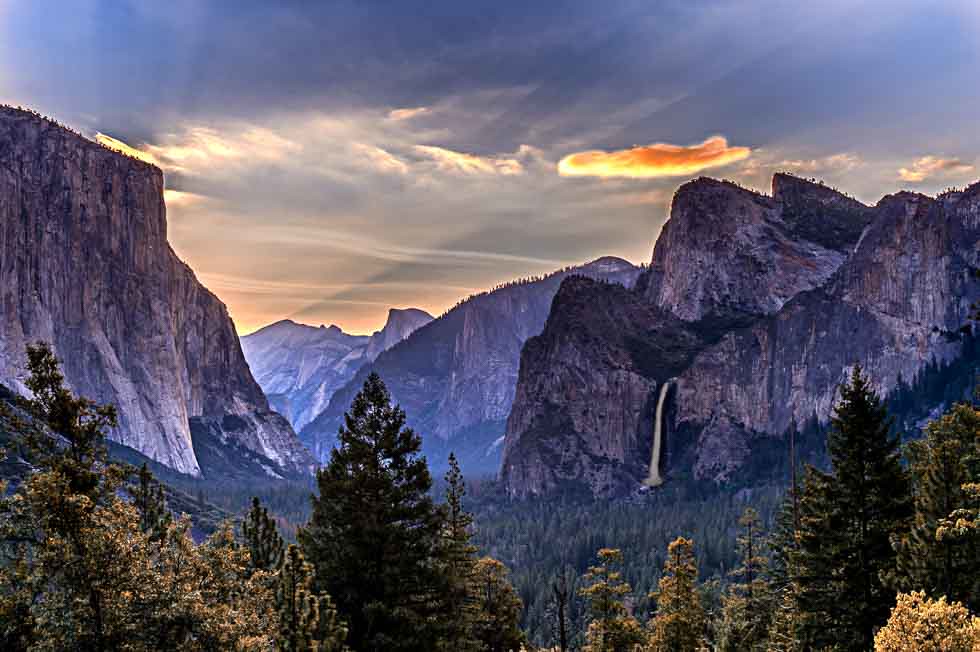
Yosemite National Park has also recorded a significant number of deaths in recent years, with 45 coming from falls. Beauty spots such as Taft Point, Nevada Fall and Half Dome have all seen deaths over the last few years, often when people were trying to capture the perfect photo without being fully aware of the dangers of their surroundings.
Nowhere do more incidents occur than in Yosemite, where 56 people died in falls, many from popular overlooks like Taft Point, Nevada Fall, and Half Dome. There are some indications that the rise of social media and smartphones has made the issue worse: A number of visitors have fallen to their deaths while taking photos in Yosemite, including an Indian couple and an Israeli man in 2018, and three visitors from California who were swept over Vernal Falls in 2011. The park’s granite cliffs and rushing waterfalls create a deadly combination of stunning views and fatal drops.
Great Smoky Mountains: America’s Most Visited Death Zone
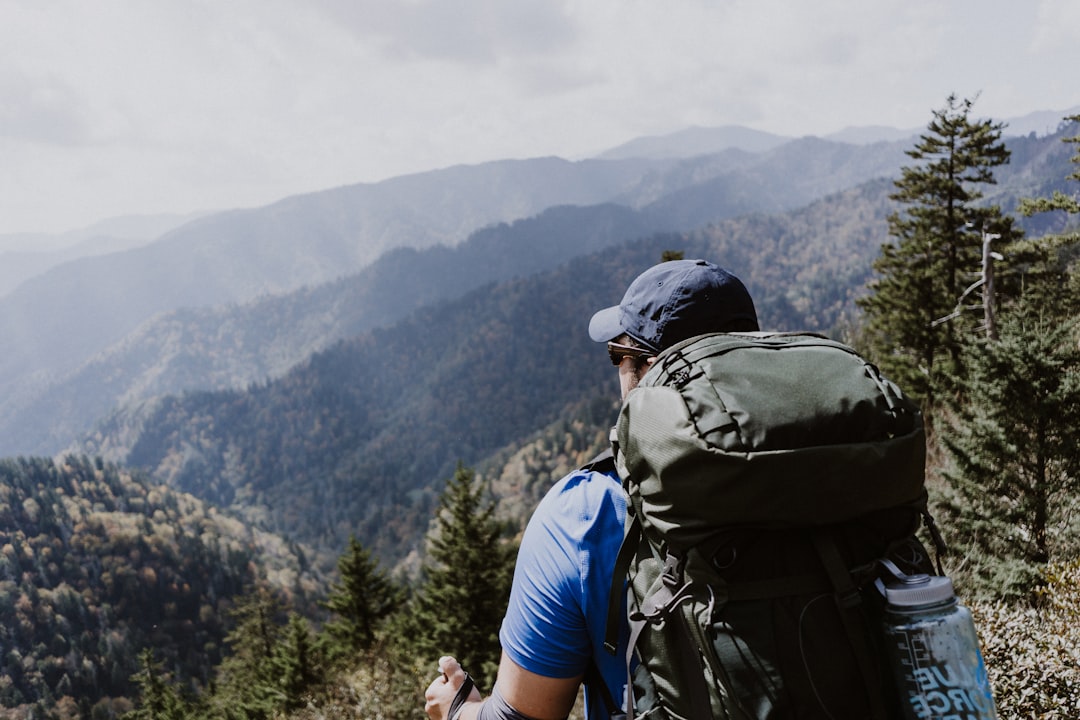
Great Smoky Mountains receives over 14 million visitors a year – so naturally the higher the number of visitors the higher the chances are for accidents and fatalities to occur. According to Park Service data the Smokies saw 92 deaths over roughly 15 years, with most of them caused by motor vehicle crashes (37).
The Great Smoky Mountains straddle North Carolina and Tennessee and are the most visited national park in the country, although it’s also where the third-highest number of deaths occur. The most common cause of death here wasn’t from falls, drowning or wild animal attacks, but actually, motor vehicle crashes, with 37 in the last ten years. The winding mountain roads that offer breathtaking views also create deadly conditions for distracted or unprepared drivers.
Denali National Park: Alaska’s Wilderness Killer
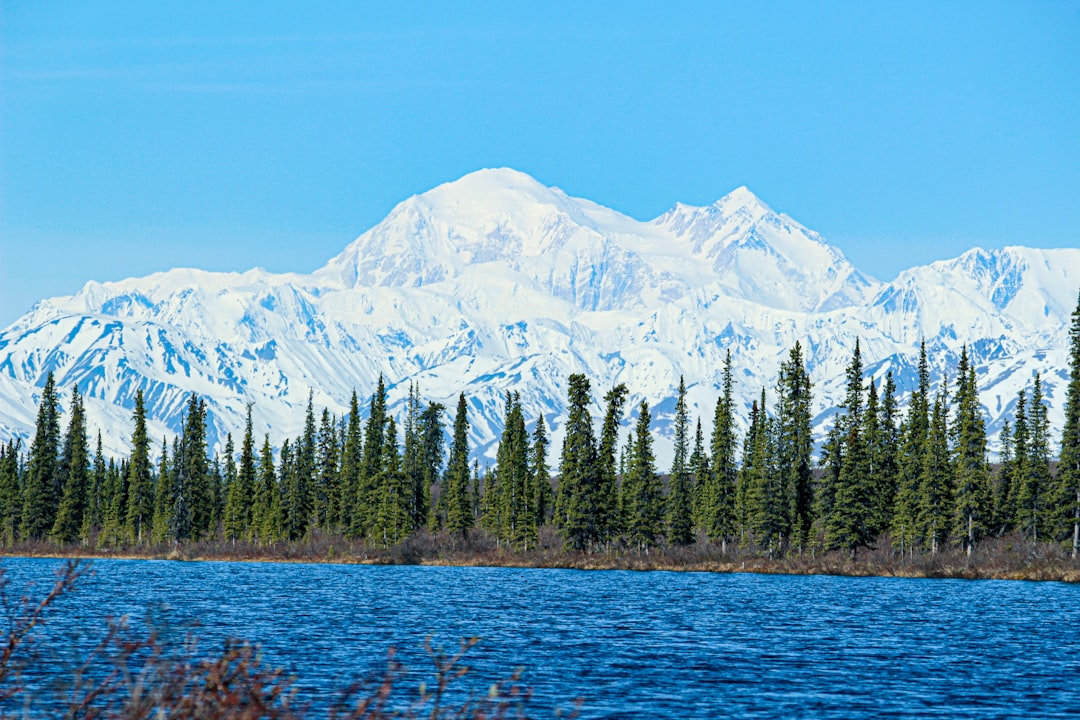
Denali National Park is Alaska’s most visited National Park (although Great Smoky still receives 21 times that volume), yet in terms of total deaths Denali has 51 to Great Smoky’s 92. That means Denali sees 9.8 deaths per million visitors. Considered one of the wildest parks in the country, this park sees a substantial amount of fatalities and accidents compared to its companions.
It’s also home to the eponymous peak, the highest in the U.S. and a serious mountaineering objective that has claimed 127 lives since 1932. Going by its per-capita death rate, Denali is by far the most dangerous national park – ten times more so than Great Smoky Mountains, which sees less than one death per million visitors. Alaska’s brutal wilderness and unpredictable weather create conditions where even experienced adventurers face mortal danger.
Yellowstone National Park: Where Wildlife Bites Back
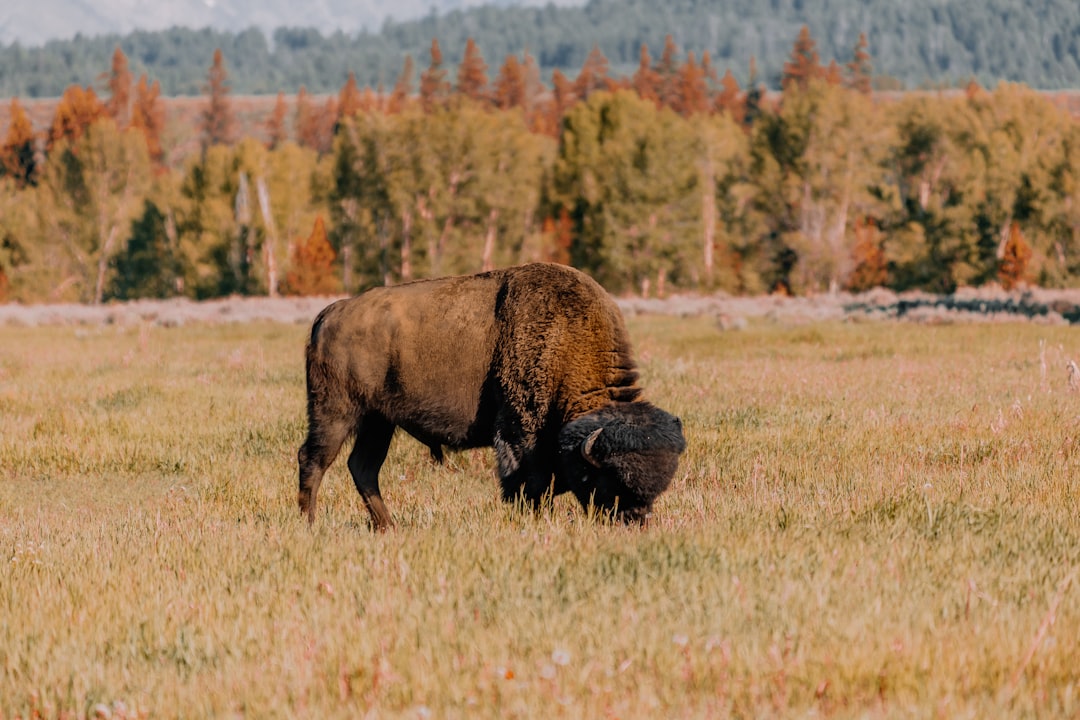
America’s first national park draws millions with its geothermal wonders and abundant wildlife, but this popularity comes with deadly consequences. It seems every week some tourist enters Yellowstone National Park and acts like they’ve never heard of a bison before. Unfortunately, a lack of common sense leads to dozens of violent animal encounters in Yellowstone every year.
The per capita risk of being killed by a grizzly bear was 1 fatality for every 26.2 million park visits. Most fatal bear attacks in YNP involved surprise encounters and/or bears conditioned to human foods. Bison can reach speeds of up to 35 miles an hour and weigh more than 1,000 pounds. Charging at a person with their strong horns and hooves, these encounters rarely end well for the person on the receiving end. The park’s deceptively docile-looking animals are actually unpredictable killers.
Big Bend National Park: Texas Heat Death Chamber
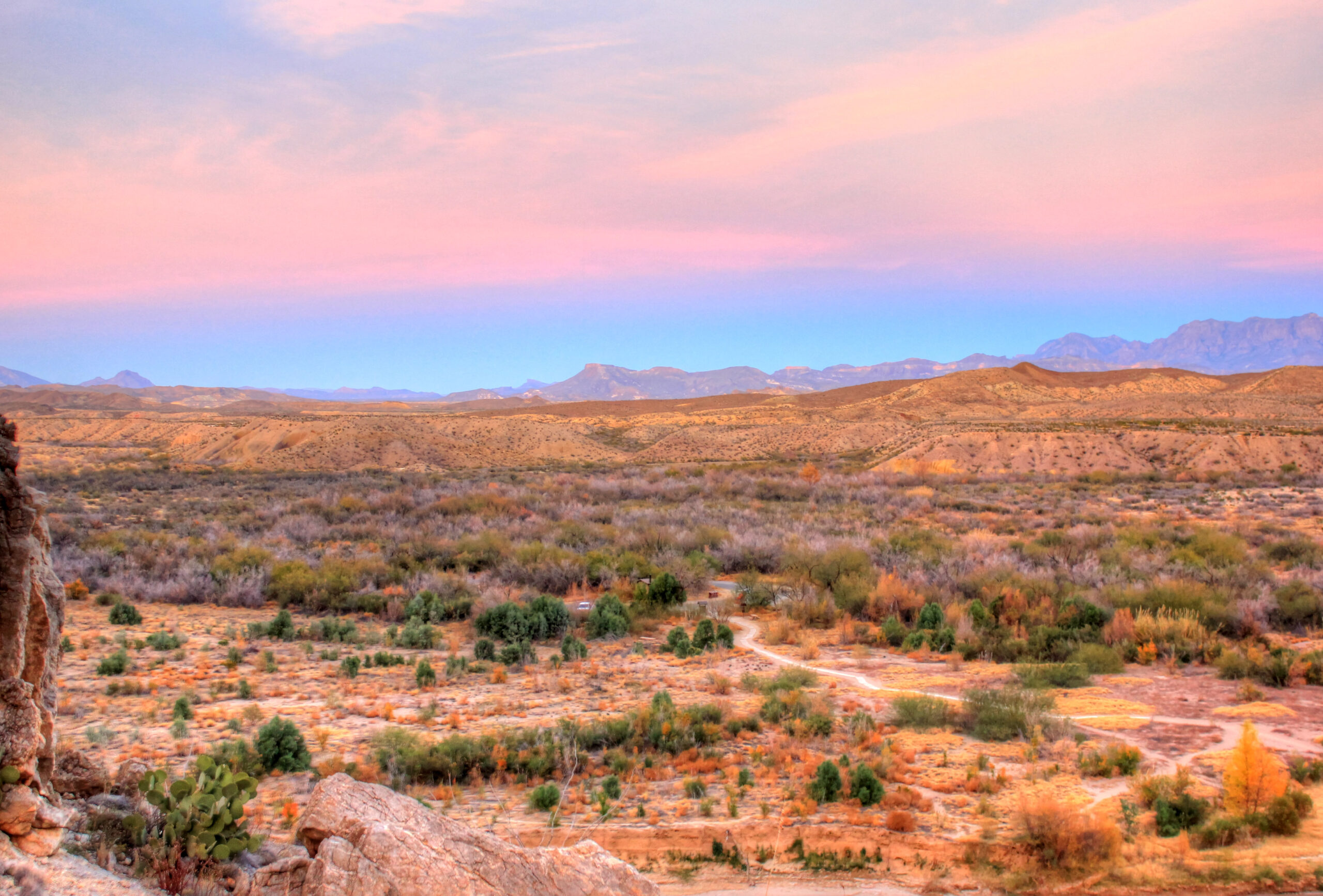
Texas is home to America’s fifth most dangerous national park, with 5.9 deaths per 1 million visits. Every 11 days, a hiker dies in a national park, and the Big Bend National Park (TX) is the eighth worst for hiking.
Big Bend National Park, a vast expanse of desert wilderness in Texas, captivates visitors with its rugged beauty and unique ecosystems. However, beneath its stunning scenery lies a surprising fact: 30 visitors lost their lives while visiting the park in the past 15 years. The main reason is the park’s extreme heat, which can lead to dehydration and heatstroke for unprepared visitors. The park’s remote location makes rescue operations incredibly challenging, often turning medical emergencies into fatal tragedies.
Zion National Park: Utah’s Canyon of No Return
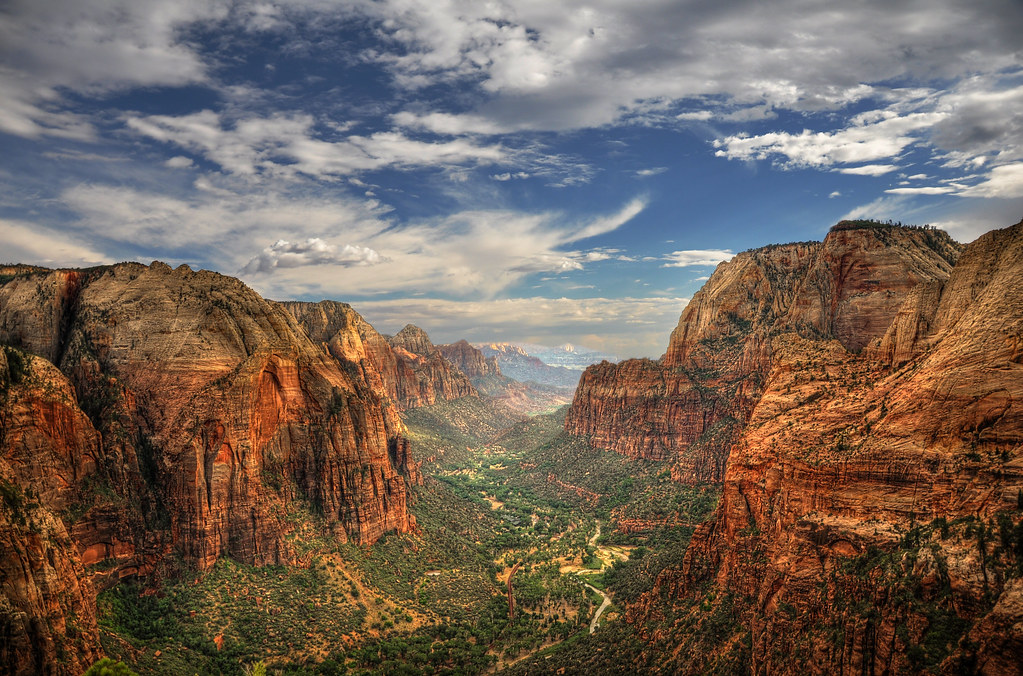
Over the last ten years, 43 people have died during their visit. Zion ranked number 10 out of the 54 national parks that had at least one death between 2010 and 2020. The park’s towering cliffs and narrow slot canyons create some of the most dangerous hiking conditions in America.
Flash floods in 2015 killed seven hikers in Keyhole Canyon. They were trapped by rising water and could not escape. These pools may look like a scene out of Fantasia but more deaths have occurred from falls in the Emerald Pools trail area than Angels Landing. People fall while trying to get a good view of the beautiful green pools or trying to get a selfie with their backs to the slick edge of the drop off. In fact more deaths have happened here than any other spot in the park.
Sequoia & Kings Canyon National Parks: California’s Falling Hazard Zone
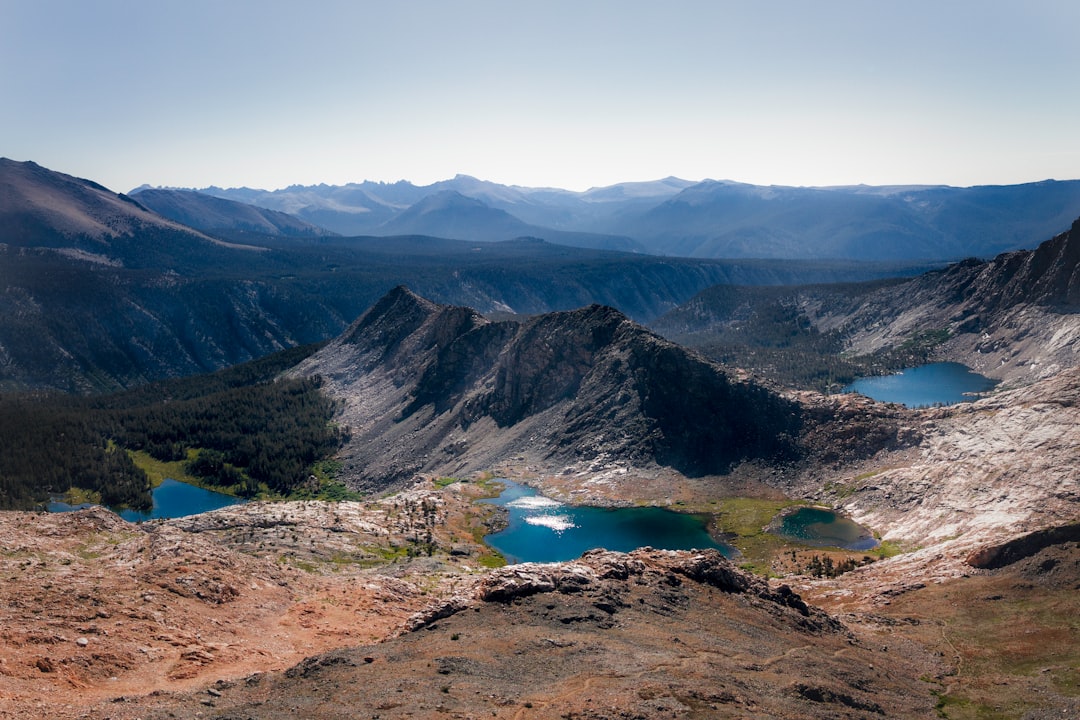
Sequoia & Kings Canyon National Parks – 65 incidents: With huge mountains, rugged foothills, dense forests, deep canyons, and the world’s largest trees, there were 65 fatal incidents reported since 2014 – many due to falls, the report said.
Sequoia and Kings Canyons National Parks airy ridges and soaring rock faces have made it a popular destination for hikers and climbers alike, but those features have also been the site of a handful of serious accidents. Over the 10-year period for which Outforia gathered data, the park saw 25 fatal falls, accounting for a third of deaths in the parks. The massive granite formations that make these parks spectacular also make them incredibly dangerous for inexperienced climbers.
Mount Rainier National Park: Washington’s Mountaineering Menace
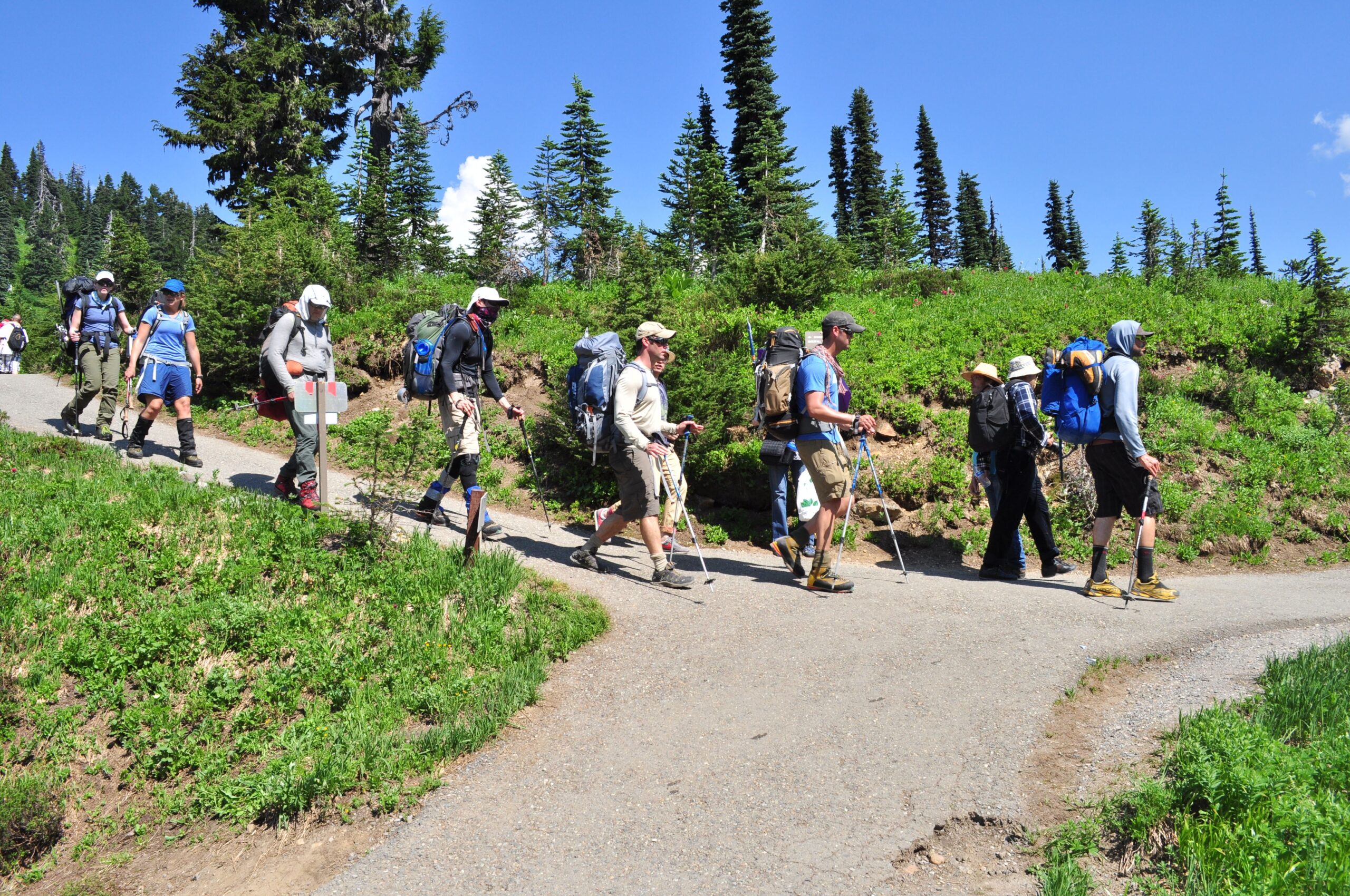
Like Denali, Mt. Rainier National Park’s death statistics have been influenced by its status as a popular destination for mountaineers. Of the 51 deaths the park recorded between 2010 and 2020, 19 occurred from falls.
Five of those were from a single incident in 2014, when a rockfall or possibly an avalanche swept a group’s camp off of the Liberty Ridge route. The mountain’s glaciated peaks and unpredictable weather create conditions where even experienced climbers can find themselves in life-threatening situations. Technical climbing routes combined with rapidly changing weather patterns make this one of America’s most dangerous mountaineering destinations.
Golden Gate National Recreation Area: California’s Coastal Killer
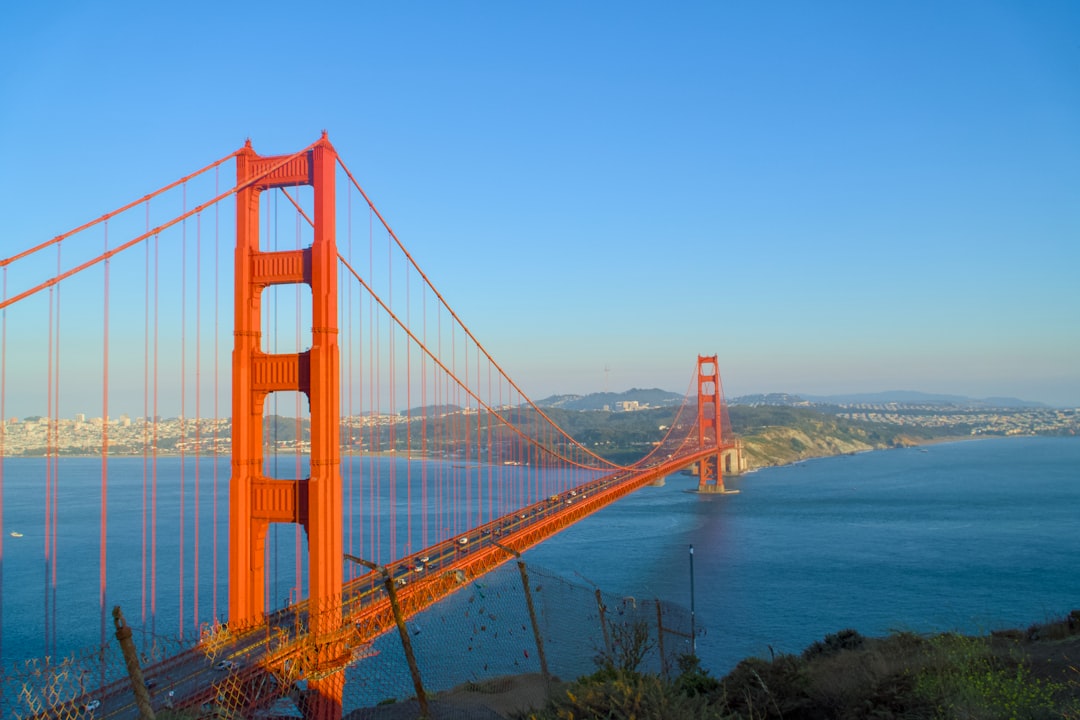
Golden Gate National Recreation Area – 72 incidents: This area surrounding the San Francisco Bay Area had 28 fatal incidents reported as undetermined, and 14 reported as drownings, according to the report – which noted the cliff edges, unpredictable weather, and chilly, dangerous swimming areas.
At Golden Gate National Recreation Area, a high number of people die due to rip currents while swimming. The deceptively beautiful coastline hides treacherous waters and unpredictable currents. Cold Pacific waters combined with strong rip currents create deadly conditions that claim lives regularly, particularly among swimmers unfamiliar with ocean safety.
Joshua Tree National Park: California’s Desert Death Trap
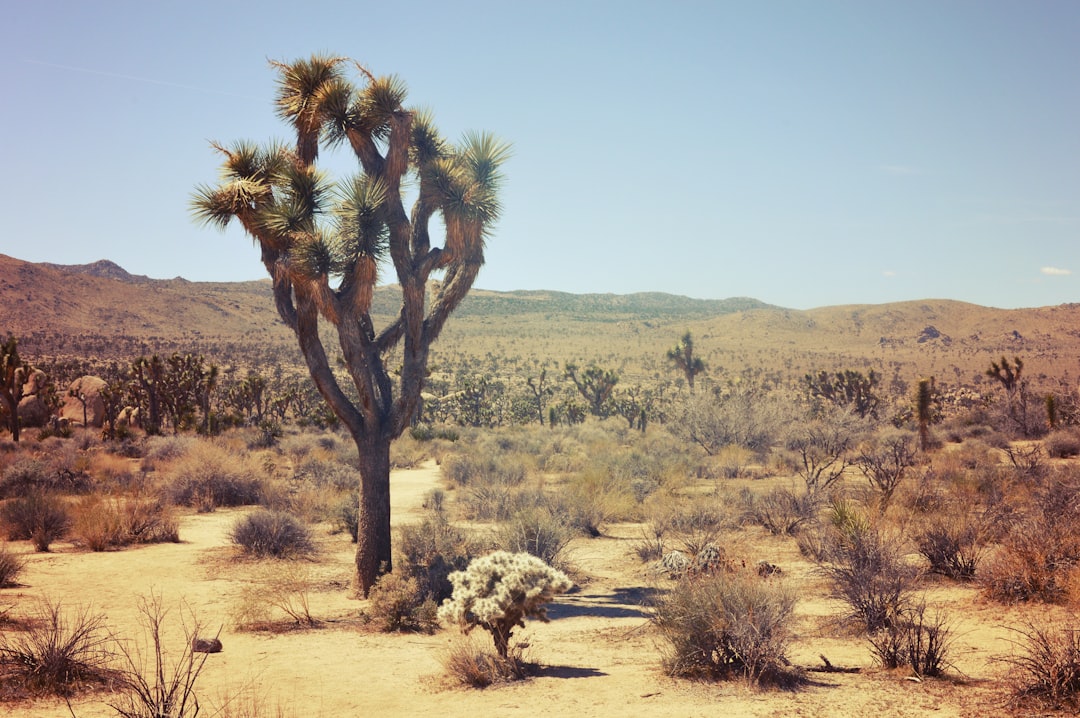
In 2018, a hiker tragically lost their life to heatstroke while trekking through Joshua Tree National Park in the scorching California desert. This serves as a serious concern when exploring the park, as temperatures can soar beyond 100°F (37.8°C). This unfortunate event underscores the peril of hiking in extreme heat, especially in dry, desert environments like Joshua Tree National Park.
The park’s otherworldly landscape of twisted Joshua trees and massive boulder formations attracts rock climbers and hikers from around the world. However, the extreme desert heat and remote location create conditions where dehydration and heat exhaustion can quickly become fatal. The park’s popularity with overnight campers also means people often underestimate the dramatic temperature swings between scorching days and freezing nights.
North Cascades National Park: Washington’s Wilderness Wasteland
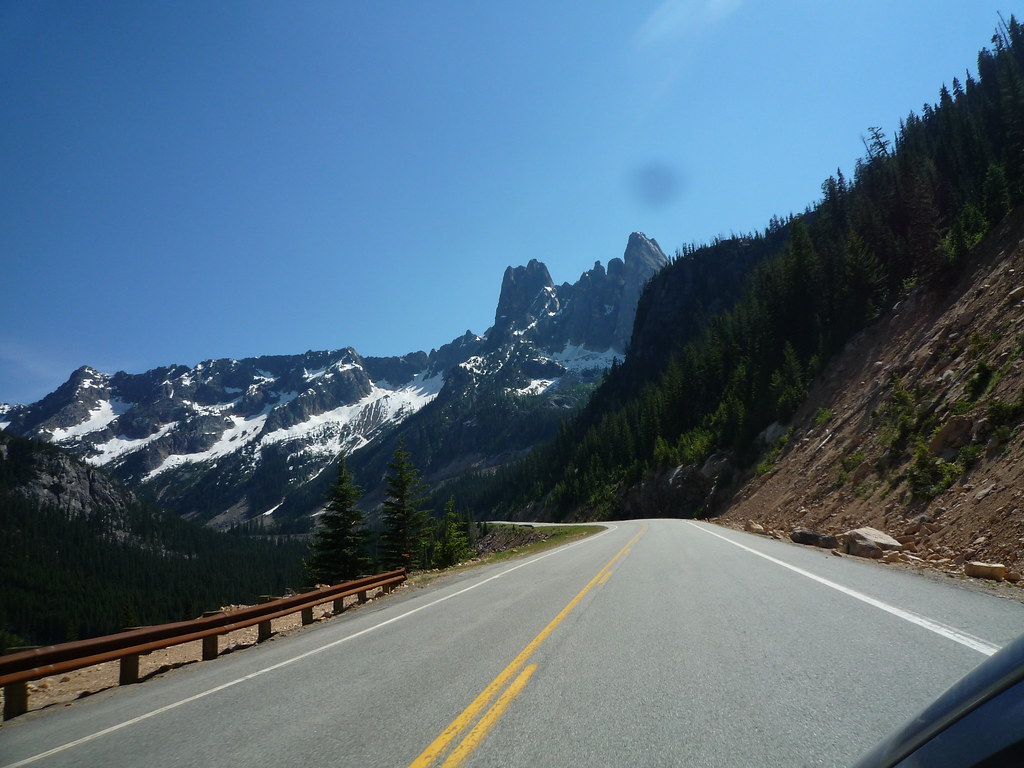
Yet travelers shouldn’t be deceived by its serene landscape, as it holds the dubious distinction of having the highest death rate among all US national parks. According to the National Park Service, 27 people lost their lives in North Cascade National Park between 2007 and 2024 out of just 448,708 visitors, which means 3.7 deaths per 100,000 visitors. This is more than three times the rate of its closest competitor.
The park’s remote location and challenging terrain make rescue operations extremely difficult. Weather conditions can change rapidly, turning a pleasant hike into a life-threatening situation. The combination of glaciated peaks, steep terrain, and limited cell phone coverage creates perfect conditions for outdoor emergencies to become fatal tragedies.
Conclusion
These statistics reveal a sobering truth about America’s most beautiful natural spaces. We feel that it is important to say that, based on our data, visiting U.S National Parks is very safe overall. Yet the numbers also remind us that preparation, respect for nature, and common sense can mean the difference between an unforgettable adventure and an unthinkable tragedy.
The parks that appear on this list aren’t inherently evil places. They’re magnificent natural wonders that offer some of the most incredible experiences on Earth. Their danger comes from the same forces that make them spectacular: towering cliffs, rushing waters, extreme weather, and powerful wildlife. Understanding these risks doesn’t mean avoiding these incredible destinations. Instead, it means approaching them with the respect and preparation they deserve.
Did you expect some of these parks to appear on this list? What would you have guessed were America’s most dangerous natural spaces? Tell us in the comments.

- 3 North American Snakes That are a Garden’s Best Friends - July 26, 2026
- Remembering Sirius, The K9 Hero of 9/11 Who Fell in The Line of Duty - July 26, 2026
- 15 of the Most Beautiful Towns in the World - July 26, 2026