
Most people assume wild animals in sanctuaries stay guarded and unpredictable around every human they encounter. Sanctuary workers quietly, firmly disagree. Behind the public-facing enclosures and cautionary signage, these caregivers witness something that defies the standard wildlife narrative: animals that are cold, evasive, or outright dangerous to every person on staff – until one day, without warning, they aren’t. Not with everyone. Just with one person.
The shift is so complete it unsettles even veteran keepers who’ve spent decades with these species. A crocodile that surfaces on cue. A wolf that abandons its own pack. A hyena that trades its cackle for something that sounds almost like relief. These aren’t trained behaviors – they’re choices the animals make. And what sanctuary workers describe once that bond locks in will make you rethink everything you thought you knew about wildness.
#15 – The Hyena That Ignores Every Other Keeper
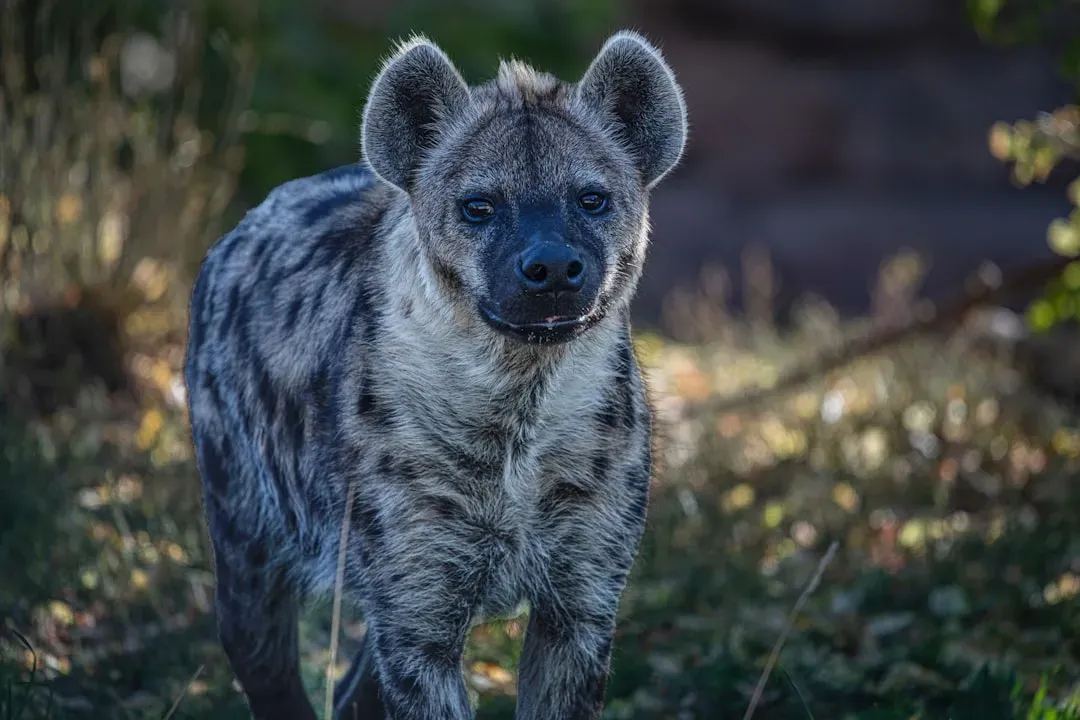
Spotted hyenas are social, vocal, and deeply hierarchical – but sanctuary staff will tell you that “social” doesn’t automatically mean “warm.” Most hyenas in care settings remain skittish, reactive, and loud around the entire rotation of keepers. One female at a southern Africa-linked sanctuary rewrote that expectation the moment she quietly chose a single night-shift caregiver as her person. Now she greets only that keeper with soft, low whoops and fully relaxed ear positions. Everyone else still gets the classic cackle-and-bolt response.
Workers describe watching her allow close proximity during feeding – something she flatly refuses with other staff – and even initiating gentle muzzle bumps that leave new volunteers genuinely stunned. The same hyena bristles at unfamiliar voices and will not accept enrichment items from any other hand. Most people assume pack animals stay socially fluid and adaptable, but this kind of selective trust, once it forms, turns out to be almost impossible to transfer. She didn’t warm up to humans. She warmed up to one.
Fast Facts
- Spotted hyenas live in matriarchal clans that can number up to 80 individuals – making their social selectivity toward one human all the more striking.
- Hyenas communicate through at least 11 distinct vocalizations, including the iconic cackle, whoops, and low grunts used only in close social bonding.
- Sanctuary behavioral logs commonly track ear position, proximity tolerance, and feeding acceptance as the three key indicators of trust shifts.
- Unlike most wild carnivores, spotted hyenas have been documented recognizing individual human voices – not just scent or silhouette.
#14 – The Crocodile That Surfaces Only for One Handler
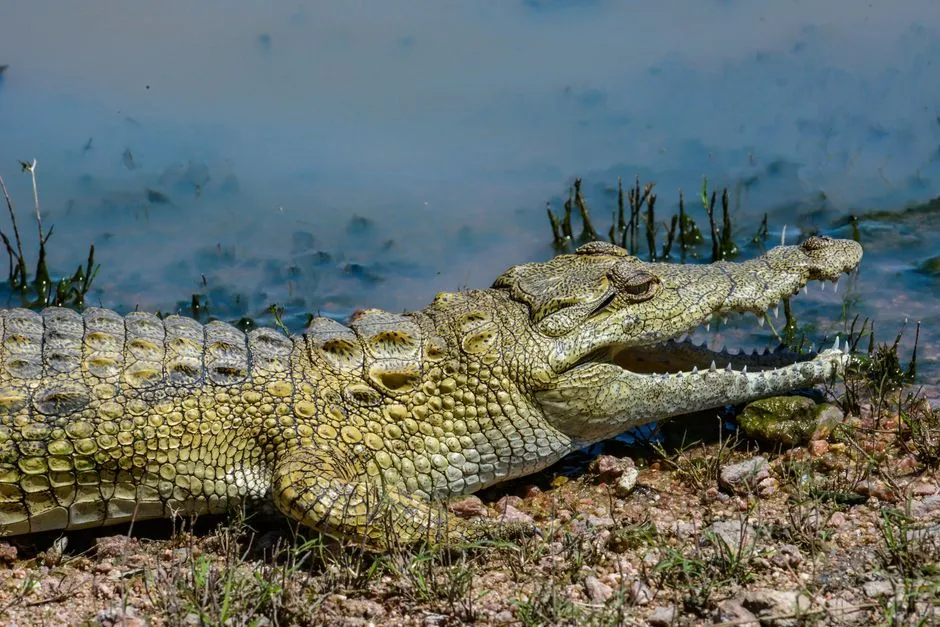
Every reputable crocodile and alligator sanctuary runs the same orientation speech: do not assume any reptile forms an attachment. It’s sound advice – until you watch a large male Nile crocodile rise predictably to the surface the moment his primary feeder appears at the enclosure edge and stay submerged or go into defensive posturing for everyone else. Staff at facilities housing Nile crocodiles have documented exactly this pattern, and it consistently surprises people who expected cold-blooded indifference across the board.
During supervised sessions with his chosen keeper, this animal allows brief touches along his back – contact he actively refuses from any other person on the team. What makes it harder to dismiss as coincidence is timing: the crocodile has learned to surface according to that specific keeper’s schedule with a precision that staff describe as almost unsettling. Visitors assume reptiles lack individual preferences. This animal seems to have never gotten that memo, and he’s been proving it for years.
#13 – The Wolf That Abandons Pack Dynamics for a Single Human
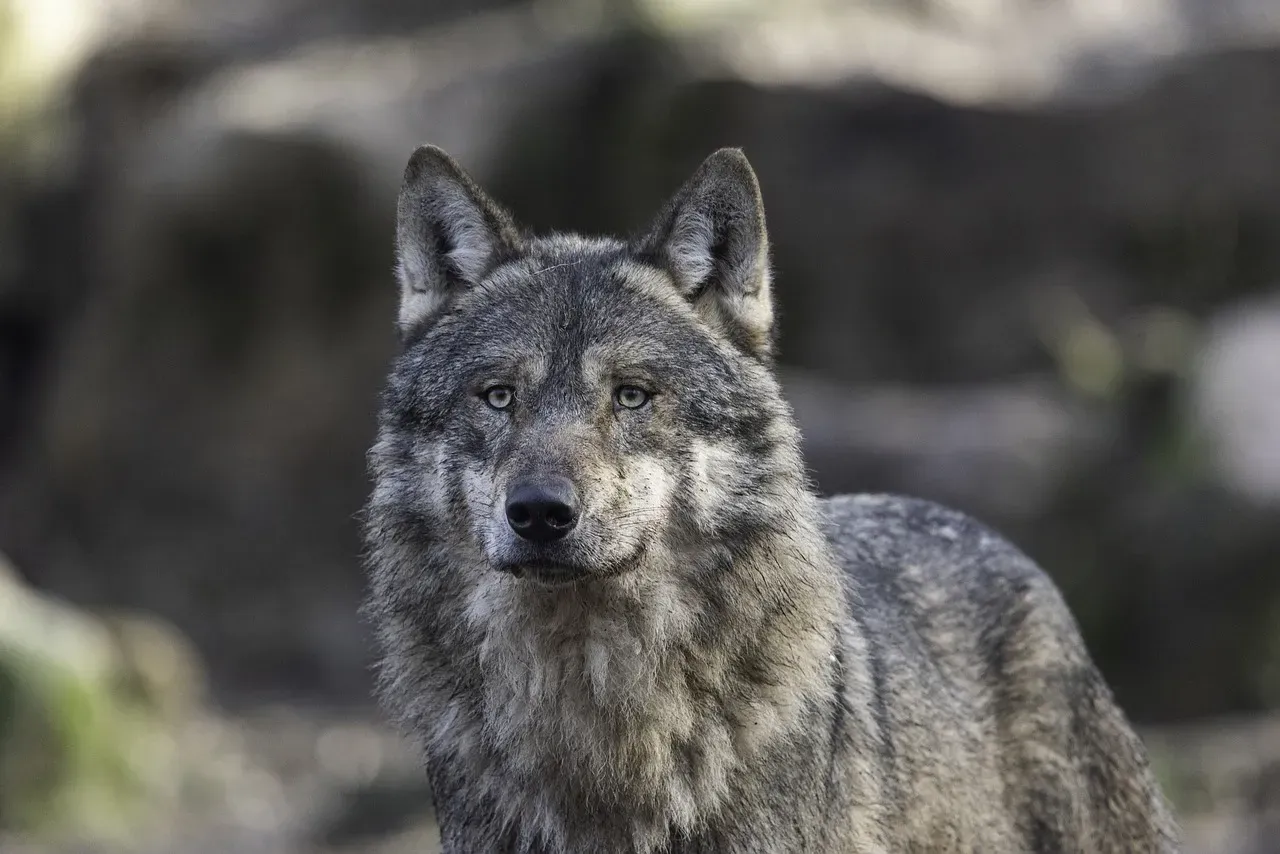
Wolves in sanctuary settings maintain tight social hierarchies, and most interactions with humans stay on the outside of that structure by design. Then there are cases like the rescued gray wolf who began deferring to one lead caregiver over his own pack mates – trailing that person along fence lines, ignoring calls from conspecifics during the same window, and creating visible tension within the group that staff had to actively manage. The pack noticed. They weren’t happy about it.
With his chosen keeper, the wolf now accepts hand-fed meals and brief physical contact. With everyone else, he holds the same careful distance he always has. Sanctuary workers note that this kind of cross-species deference can genuinely complicate group management, because the animal is essentially reorganizing his social world around a human. Most observers assume wolves view all people as outsiders by default. Long-term facility records suggest that when a wolf decides otherwise, the bond doesn’t bend – it overrides.
#12 – The Bear That Drops His Guard Only at One Voice
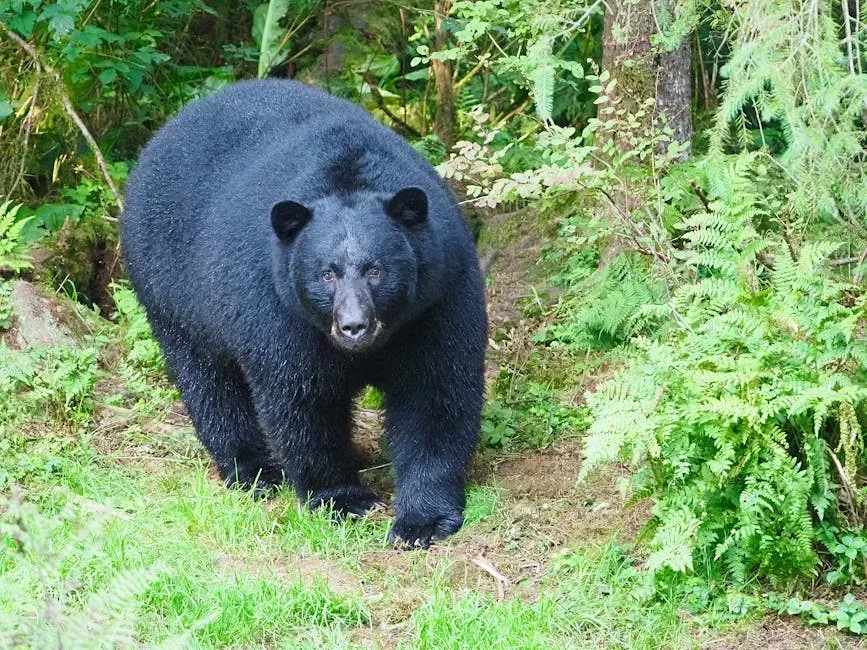
Black bears in rescue environments are usually described the same way: cautious, food-motivated, and unpredictable with anyone outside their immediate comfort zone. One large male at a North American sanctuary defied that profile in a way that still catches new staff off guard. When a particular enrichment coordinator speaks – just speaks, not feeds, not gestures – he approaches the fence and lies down. Other voices send him retreating to his den or trigger visible pacing. The response to sound alone is that specific.
Staff monitoring this bear report his demeanor visibly settles during these encounters in ways that show up on behavioral observation logs – reduced pacing, slower movement, longer resting periods. He accepts puzzle feeders and gentle vocal reassurance exclusively during these sessions and engages with enrichment he ignores entirely when presented by others. Bears routinely top the list of most consistently unpredictable sanctuary residents. This one quietly rewrote his own file the day he decided one voice was different from all the rest.
At a Glance
- Behavioral observation logs at sanctuaries typically flag pacing rate, den usage, and feeding engagement as the clearest measurable signs of stress or comfort.
- Black bears have an acute sense of hearing and can distinguish between familiar and unfamiliar voices – researchers believe scent and sound work together in their recognition of specific individuals.
- Enrichment refusal (ignoring puzzle feeders from non-bonded staff) is a well-documented welfare signal that sanctuary teams use to track social trust levels over time.
- Once a sanctuary bear establishes a comfort zone with one keeper, that preference can persist for years even through staff schedule rotations.
#11 – The Lion That Plays Only With Its Chosen Keeper
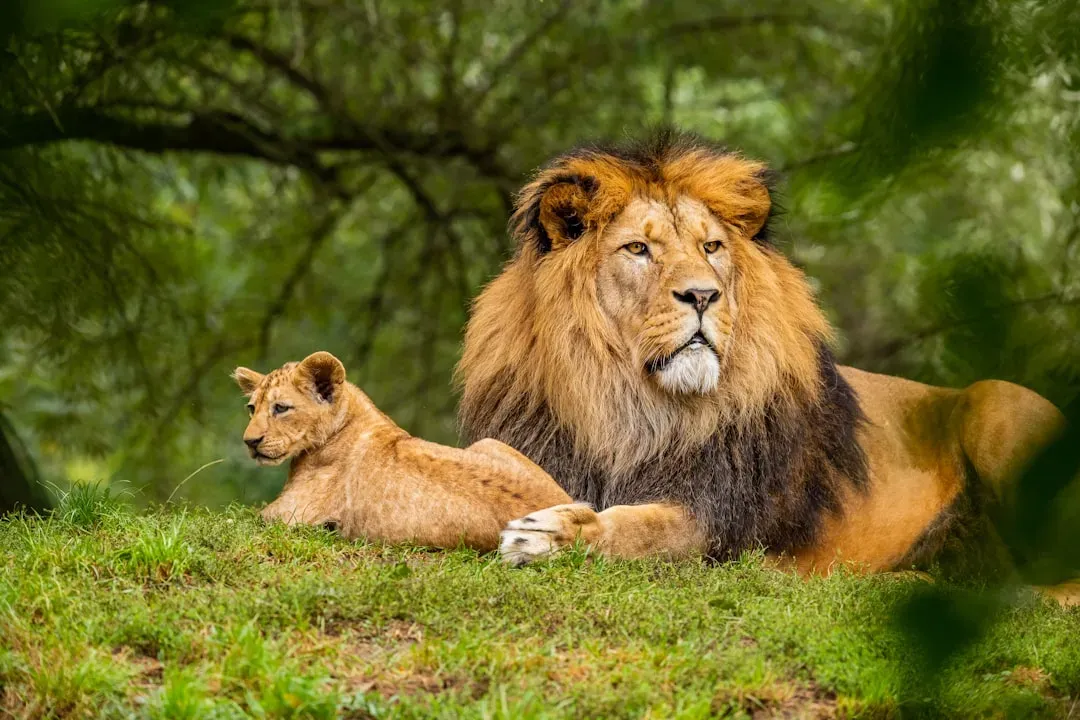
Male lions in sanctuaries carry a reputation that most keepers take seriously: territorial, unpredictable, and capable of switching moods faster than the fence between you feels reassuring. One rescued lion at a long-running big cat facility holds that reputation intact for nearly every person on staff – roaring, fence-charging, the full display. Then a longtime female caregiver walks up, and the whole performance stops. He switches into something else entirely: mock-chase games, slow rolls, and a relaxed rumble that workers describe as completely unlike any sound he makes for anyone else.
That bond has now lasted over a decade and has survived multiple enclosure changes, staff rotations, and the kind of disruptions that usually reset an animal’s trust. She is still the only person he plays with. Sanctuary records across multiple facilities show this pattern emerging reliably once a big cat makes its choice – but what makes this lion’s case stick with the people who work there is the sheer contrast. Dangerous and theatrical for everyone. Genuinely soft for one.
The animal doesn’t change. The relationship changes the animal.
Common observation among long-term big cat sanctuary caregivers
#10 – The Chimpanzee That Trusts Exactly One Face
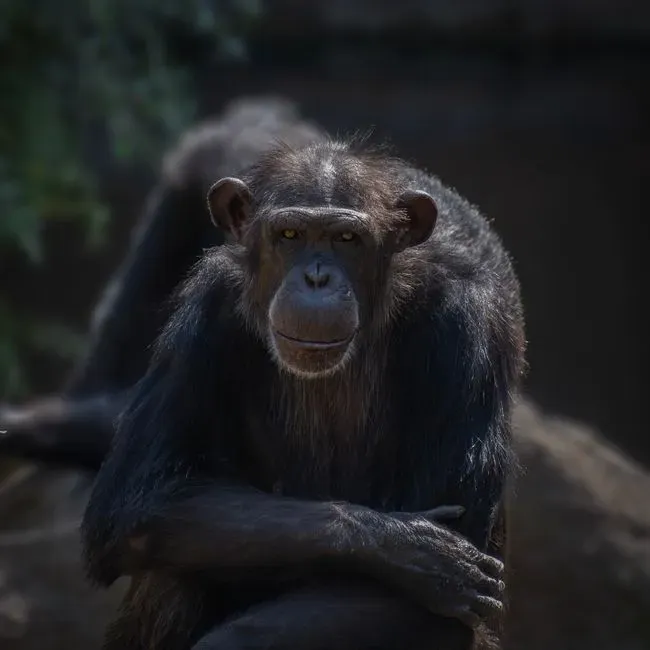
Chimpanzees are widely understood to be emotionally complex, socially sophisticated, and capable of holding grudges across years. Sanctuary workers will add one thing most outsiders don’t expect: they are also capable of forming a bond with a single human so specific and so durable that it reshapes their entire behavior profile. One rescued male who arrived at a primate sanctuary with severe trust deficits – the kind that made routine care genuinely difficult – gradually locked onto one long-term caregiver and recalibrated around her presence.
With her, he makes eye contact, accepts grooming gestures, and will sit close enough for extended quiet sessions that staff say feel more like a conversation than a care interaction. With anyone else, including experienced keepers he’s known for years, he maintains the guarded, reactive baseline he arrived with. Workers at primate facilities note that this level of selectivity is actually more common in chimps than the public realizes – but the depth of the shift, the way it reaches into behaviors that seemed permanently locked down, is what keeps surprising even the people who see it happen.
Worth Knowing
- Chimpanzees share approximately 98.7% of their DNA with humans – a fact that makes their capacity for deep, individual human attachment biologically unsurprising to researchers, even if it still catches sanctuary visitors off guard.
- Trust deficits in rescued chimps are often the result of early trauma from the illegal pet trade or biomedical research settings, and can take months or years to partially resolve – making a full bond with even one person a significant welfare milestone.
- Sanctuaries like Chimp Haven, which cares for over 300 chimpanzees, use individual behavioral logs and caregiver interaction records to track exactly these kinds of trust shifts over time.
- Eye contact initiation – rare in trauma-affected chimps – is one of the clearest indicators primatologists use to measure the depth of a cross-species bond.
#9 – The Jaguar That Goes Still for One Person
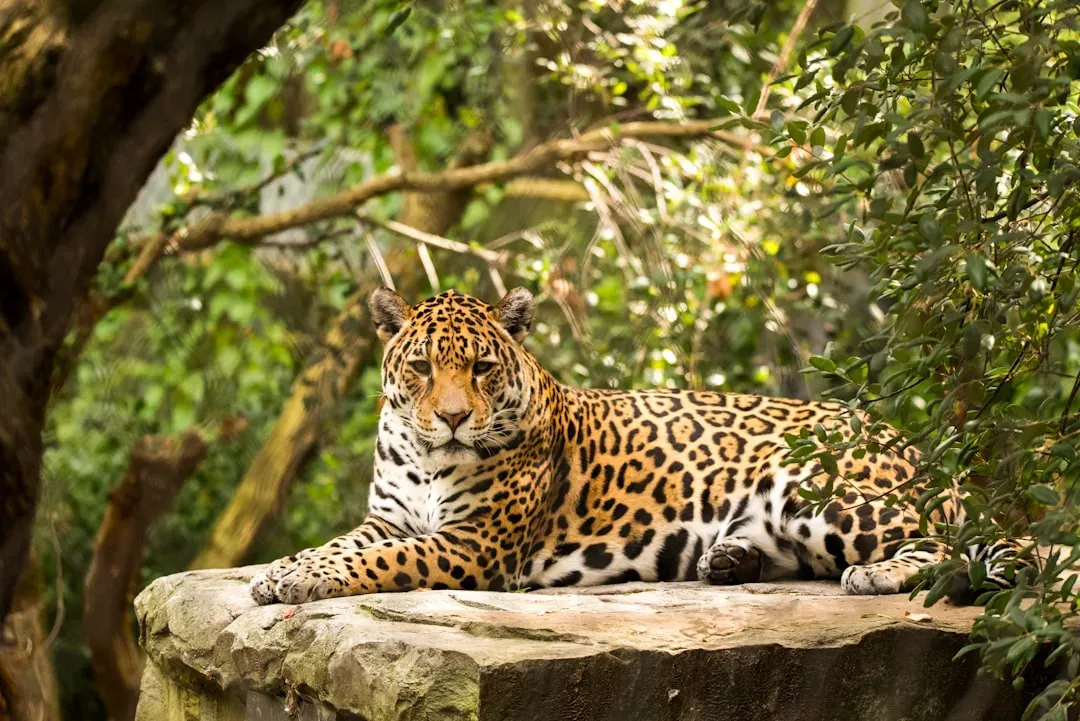
Jaguars in sanctuary settings tend to express stress in one primary way: they pace. Relentlessly, rhythmically, and with an intensity that new staff quickly learn to read as a hard boundary. One female jaguar at a South American rescue facility paces for nearly every keeper who approaches her enclosure. The exception is a single male caregiver who has worked her section for years. When he appears, she stops. Not retreats – stops. She sits, orients toward him, and holds that stillness for the duration of his visit.
Staff who have documented her behavior note that she will occasionally approach the mesh and hold a position close enough for visual contact, something she does not permit with other people regardless of how long they’ve been on her team. Jaguars are solitary and notoriously difficult to read, which makes the contrast even sharper for the people who witness it. The pacing is her baseline. The stillness is only his.
#8 – The Elephant That Vocalizes Differently for One Caregiver
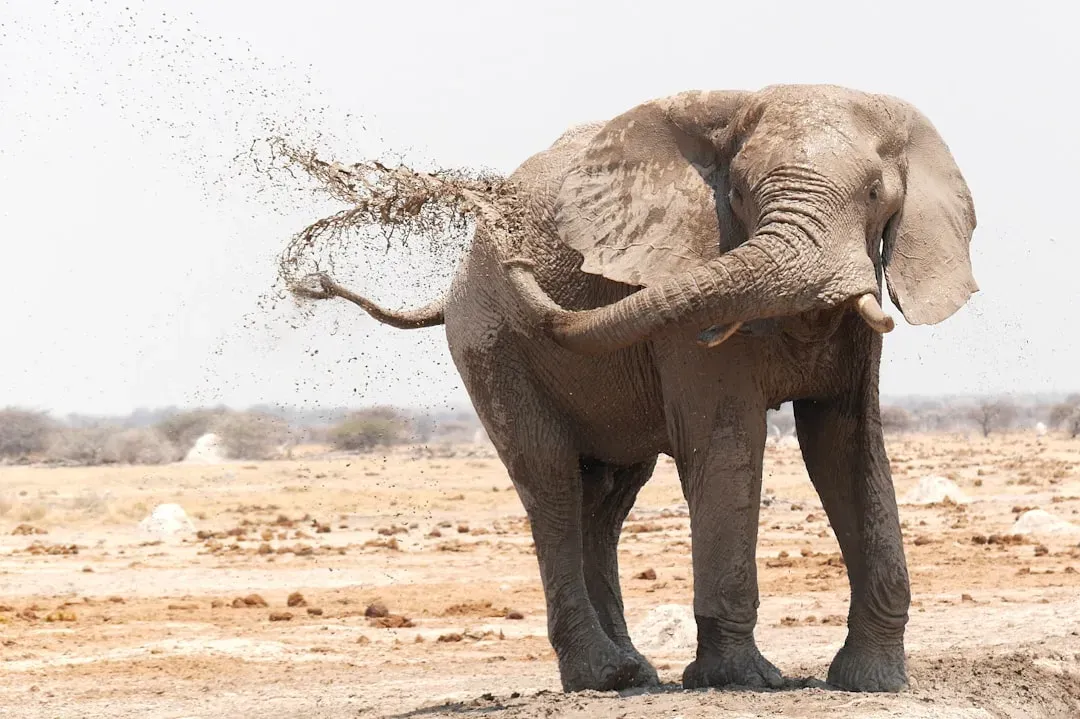
Elephants communicate in a layered, nuanced acoustic range that researchers are still working to fully decode. Sanctuary workers who spend years with individual elephants start to notice patterns that formal study eventually confirms: these animals use distinct vocalizations for distinct individuals. One female African elephant at a large sanctuary reserve produces a specific low rumble – different in pitch and rhythm from her standard contact calls – exclusively when her primary caregiver enters the yard. Other staff get the standard greeting. He gets something that sounds, to the people who hear it regularly, like recognition with warmth layered into it.
She also exhibits approach behaviors with him that she withholds from everyone else: trunk-to-face contact, sustained proximity during rest periods, and a tolerance for his presence near her calf that she has not extended to any other human. Elephants are well documented as deeply emotional and long-memoried, but what sanctuary workers emphasize is how surgical the distinction becomes – not warmer toward the whole team once they bond with one person, but warmer toward exactly that person, and essentially unchanged toward everyone else.
Quick Compare
- Standard greeting rumble: produced for all familiar staff – consistent pitch, short duration, no approach behavior
- Bonded-keeper rumble: distinct pitch and rhythm, accompanied by trunk-to-face contact and sustained proximity
- Research context: A study published in Nature Ecology & Evolution found wild African elephants use individualized, name-like vocalizations for specific individuals – a capacity that sanctuary workers see mirrored in caregiver-specific calls
- Why it matters: Elephant rumbles are individually distinct and stable over time, giving each bond its own acoustic signature that other staff can learn to recognize
#7 – The Komodo Dragon That Accepts Handling from One Staff Member
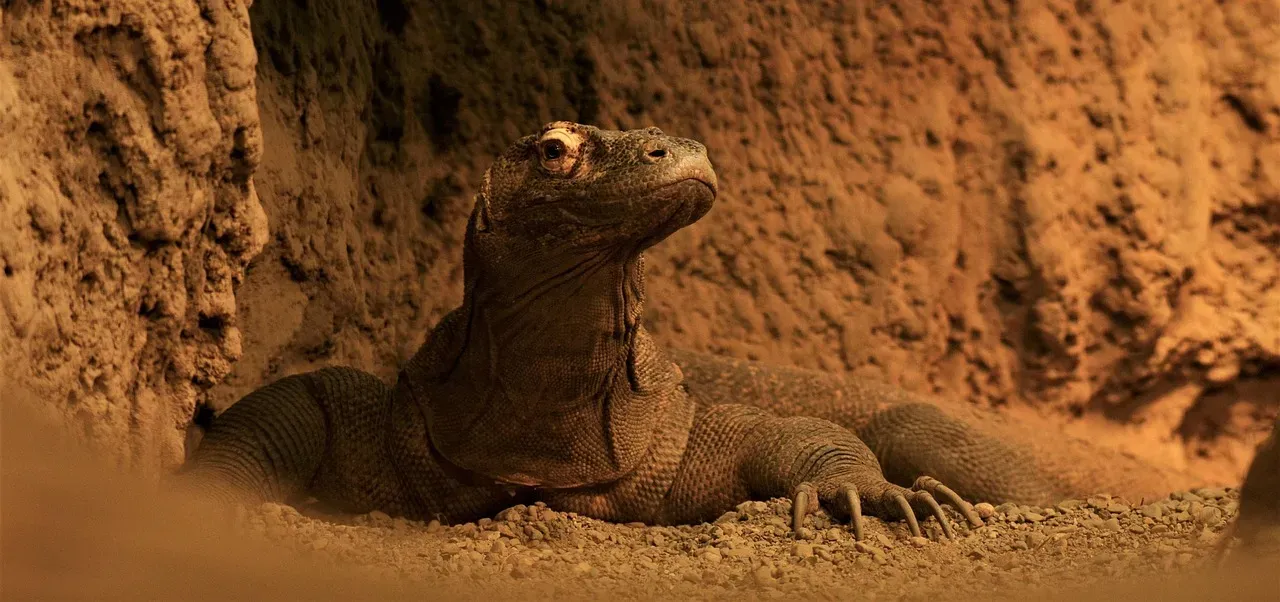
Komodo dragons are not animals that invite projection of gentle qualities. They are ambush predators with serrated teeth, powerful tails, and a patience for waiting that makes even experienced reptile handlers stay alert. Most Komodo dragons in care settings tolerate management procedures at best. One large male at an Indonesian-affiliated sanctuary facility has moved well past tolerance – but only with a single keeper who has worked with him since his arrival. With her, he remains stationary during health checks, accepts physical repositioning without defensive response, and shows none of the tail-whipping, hissing agitation that marks his interactions with other staff.
Workers who observe these sessions describe the contrast as jarring. The same animal that requires a full team protocol for routine care with other keepers essentially cooperates as an individual with her. Reptile specialists note that Komodo dragons do appear to differentiate between familiar and unfamiliar humans based on scent and visual cues, and long-term familiarity can shift their threshold – but the degree of behavioral change reported here, tied specifically to one person, sits well outside what most facilities document as typical.
#6 – The Capybara That Only Truly Relaxes With Its Person
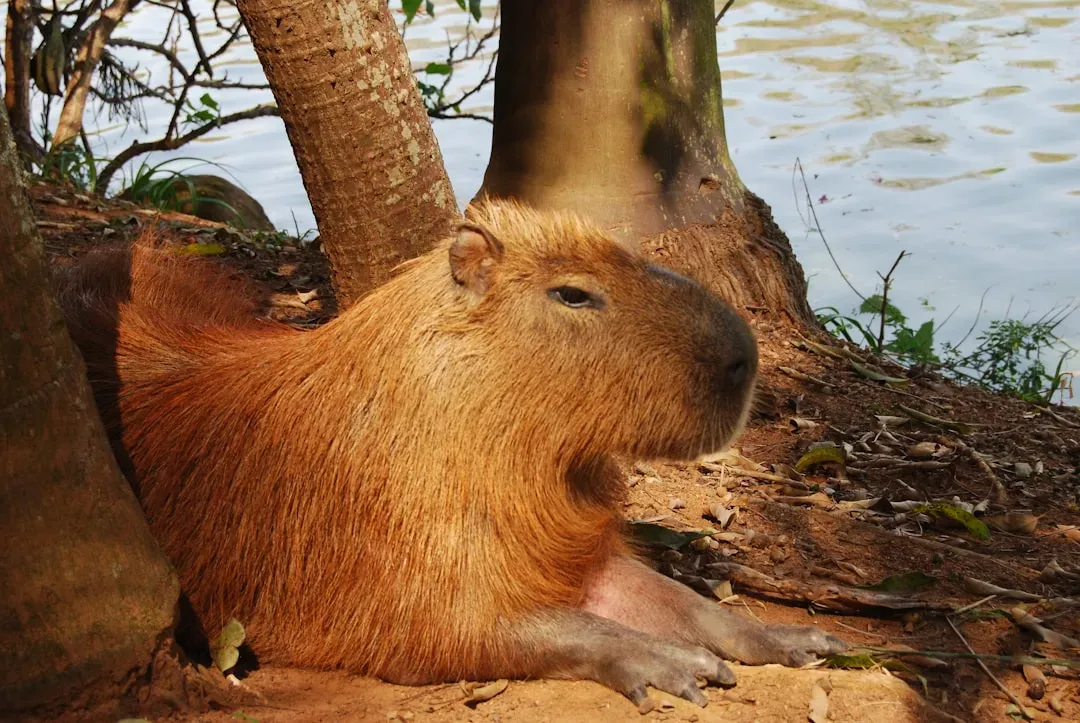
Capybaras have a reputation as the easygoing diplomats of the animal kingdom – famously calm, socially tolerant, and apparently unbothered by most things, including species that would normally be considered predators. At sanctuaries, that reputation mostly holds. But workers who observe individual capybaras closely over time notice something the casual photo doesn’t capture: there is relaxed, and then there is the specific quality of relaxation one of these animals shows when its chosen person arrives. One male at a South American rescue center is friendly enough with the full staff – and then his primary caregiver walks in, and his entire body changes register.
He goes fully horizontal. He pushes his head into her hands instead of simply tolerating contact. He makes soft sounds he produces for no one else and falls asleep in a way that staff describe as categorically different from his standard rest state. Capybaras are social and relatively trusting by nature, which makes it easy to miss the distinction – but the workers who know him say the difference between “fine with people” and “chose her” is visible the moment you see both in the same day.
#5 – The Snow Leopard That Makes Eye Contact Only Once
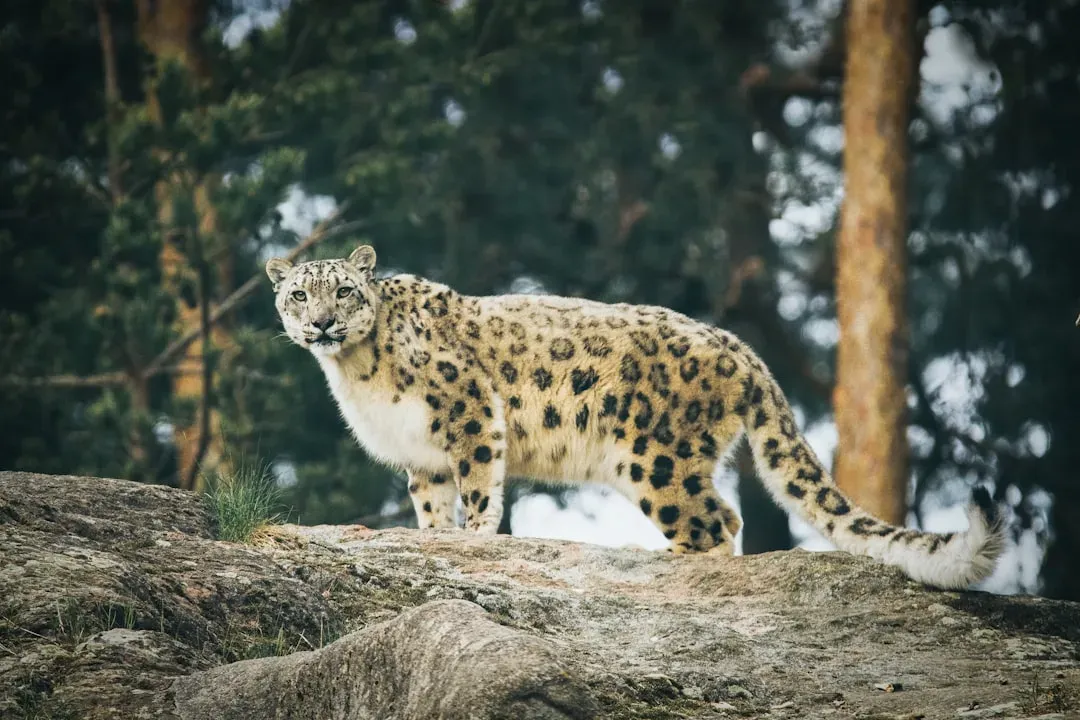
Snow leopards are ghost cats by nature – elusive, private, and deeply averse to direct eye contact in ways that even experienced big cat keepers learn to respect. Most snow leopards in sanctuary settings tolerate human presence within a narrow behavioral window and actively avoid prolonged visual engagement with any staff member. One female at a high-altitude rescue facility has exactly that relationship with the full team. With one keeper – a woman who has worked her enclosure for six years – she makes sustained, deliberate eye contact and holds it.
Staff who have witnessed these moments describe it as one of the more quietly affecting things they’ve seen in years of sanctuary work. The cat doesn’t approach, doesn’t vocalize, doesn’t perform any visible warmth the way a lion might. She just looks at her person directly and stays. For a species whose entire survival strategy is built around invisibility and avoidance, workers say that sustained, chosen eye contact is the most intimate thing this animal knows how to offer. The fact that she offers it to one human and no other makes it, in their words, impossible to explain away.
Why It Stands Out
- Snow leopards are among the most solitary and visually evasive of all big cats – described by the Snow Leopard Trust as animals whose secretive behavior has made them the subject of folklore across 12 countries.
- Research on captive snow leopard personality identified “Friendly to Humans” as a distinct, measurable personality dimension – but it varies sharply by individual, not species-wide.
- Direct, sustained eye contact in solitary felids is a known signal of non-threat and social acknowledgment – making a snow leopard choosing to hold it with one human genuinely significant to keepers trained to read feline body language.
- Unlike lions or cheetahs, snow leopards have no roar, no purr-greeting, and no obvious affiliative display – which makes eye contact one of the very few visible intimacies this species can offer.
#4 – The Cheetah That Chirps for One Person Across the Entire Facility
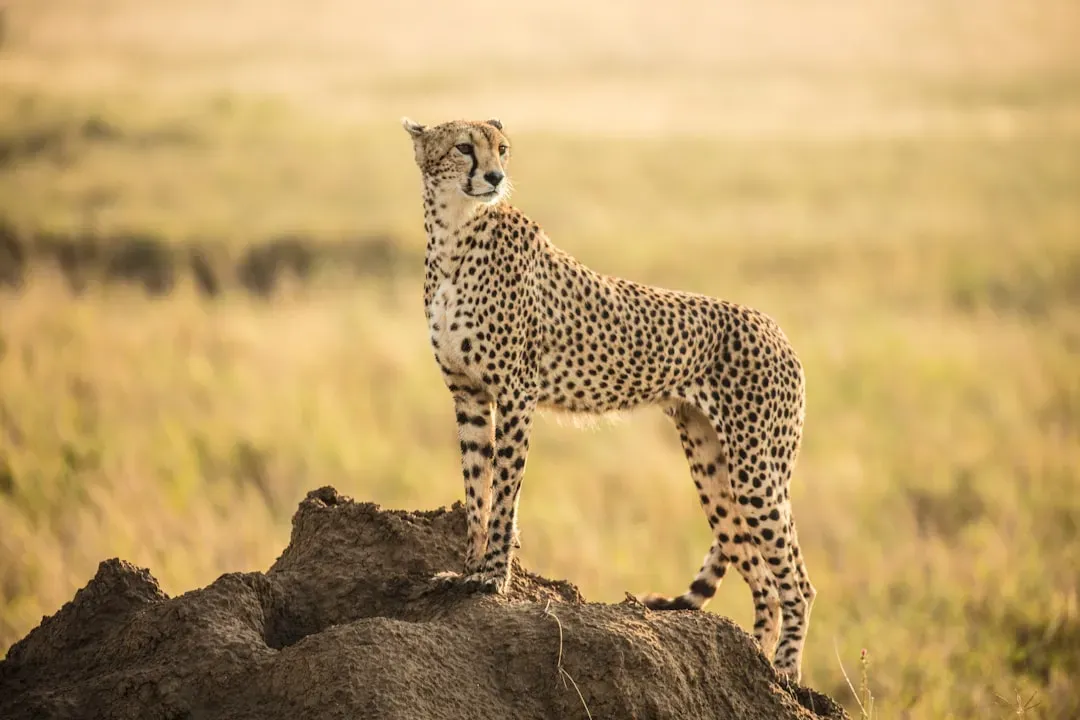
Cheetahs are the big cats most likely to vocalize in ways that sound almost domestic – they chirp, purr, and trill in a register that surprises people who expect roars. But sanctuary workers will tell you that knowing a cheetah makes those sounds is different from being the person a cheetah makes them for. One male at an African conservation sanctuary produces his full chirping repertoire for a specific female keeper in a pattern the rest of the team has tracked for years. He begins vocalizing before she is visible – when she is still a sound on the path, still a footstep pattern his ears have memorized.
With other staff he is cooperative and manageable, occasionally vocal in a neutral way. With her he is animated, following her movements along the enclosure boundary, pressing against the mesh when she pauses, and producing sustained chirping sequences that other keepers describe as clearly different in quality from his everyday sounds. Cheetahs are known to form stronger bonds with human caregivers than most large wild felids, but workers at this facility are careful to note: what this animal does with her isn’t bonding with humans. It’s bonding with one.
Fast Facts
- Unlike lions, leopards, and tigers, cheetahs cannot roar – they lack the two-piece hyoid bone that makes roaring possible, and instead communicate through chirps, purrs, and trills.
- A cheetah’s chirp can carry up to 3 km in the wild – originally evolved so mothers could locate cubs hidden in tall grass during hunts.
- Research has shown cheetahs can discriminate between individual humans by acoustic cues alone – making a keeper-specific chirping pattern biologically plausible, not just anecdotal.
- Sanctuary caregivers note that a purring cheetah during interaction is one of the most reliable welfare indicators: body relaxes, muscles loosen, and breathing slows visibly.
- Cheetahs are considered by many felid specialists to bond more readily with individual humans than any other large wild cat species.
#3 – The Grizzly Bear Who Becomes a Different Animal at One Particular Footstep
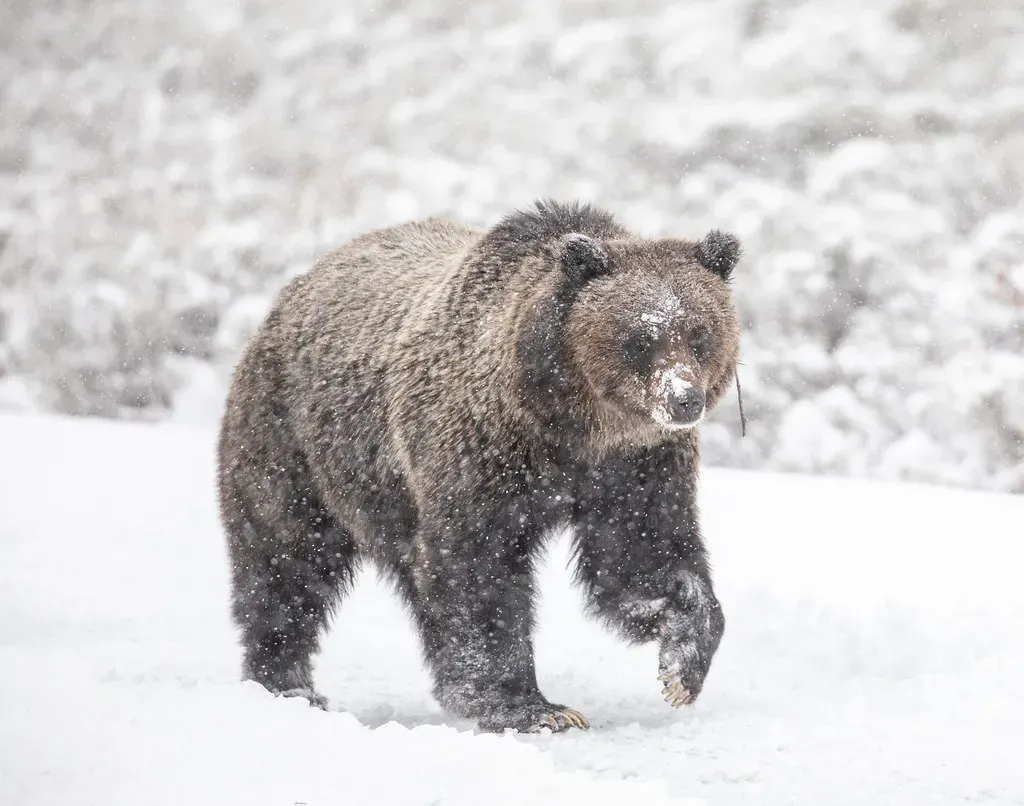
Grizzly bears at sanctuaries require layered safety protocols that exist for good reason. These are large, fast, and powerful animals whose moods staff learn to read from a careful distance. Most grizzlies in care have one behavioral mode for people: watchful tolerance at best, active avoidance or agitation more commonly. One adult female grizzly at a North American facility changed that framework entirely – but only for the enrichment specialist she bonded with after a slow, years-long process that staff watched unfold in increments almost too small to notice individually.
Now that bond is visible to anyone on the property. She distinguishes his footstep from others before he rounds the corner. She moves toward the fence instead of away, produces low vocalizations that the team has never recorded her making with other people, and accepts enrichment interaction at a physical proximity that remains off-limits for every other staff member. Sanctuary workers emphasize that nothing about her biology changed – she is still a grizzly bear, still managed with full protocol by everyone else. But they also say that watching her with him makes it genuinely difficult to hold onto the idea that wildness and chosen devotion are mutually exclusive.
#2 – The Gorilla Who Communicates Differently With One Human
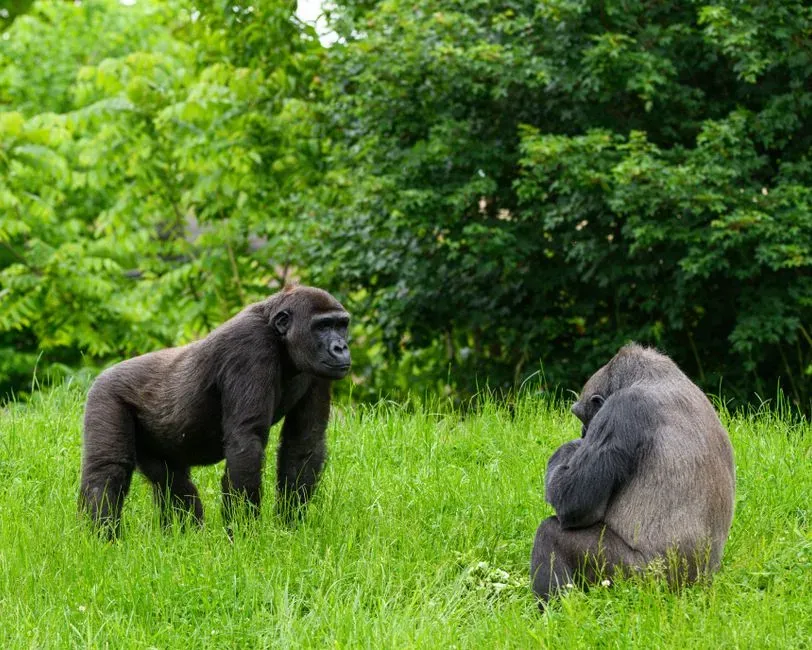
Gorillas in sanctuary settings are observed, studied, and cared for by rotating teams of experienced primatologists and keepers – and most adult gorillas, particularly silverbacks, maintain a baseline of social management with the full group of humans around them. What happens when one of them decides to communicate rather than manage is something sanctuary workers describe carefully, because it’s hard to convey without sounding like overreach. One large male silverback at a central African sanctuary began using gestures with a specific long-term keeper – deliberate, repeated, contextually appropriate gestures – that he did not use with any other person on the team.
He would signal food preferences, indicate discomfort before it escalated, and initiate what keepers describe as reciprocal exchanges – the kind of back-and-forth communication that researchers note in bonded gorilla-human relationships but that rarely reaches this level of specificity. With other staff, his communication remained standard: readable body language, compliance, occasional displays. With her, it was something closer to dialogue. Workers at the facility say the distinction fundamentally changed how they thought about what these animals are capable of – and who they choose to show it to.
At a Glance
- Gorillas use a complex system of gestures, postures, vocalizations, and facial expressions – researchers have catalogued over 100 distinct intentional gestures in great apes that carry specific, context-dependent meaning.
- Silverbacks rarely initiate communication with humans beyond dominance displays – which is precisely why keepers treat unprompted, repeated gestural exchanges as a significant behavioral departure.
- The shift from compliance-based interaction to reciprocal gesture exchange is a documented marker of what primatologists describe as a genuine cross-species communicative bond, not simply conditioned response.
- Long-term sanctuary relationships with gorillas have informed some of the most important research on ape cognition – including studies on intentional communication and theory of mind.
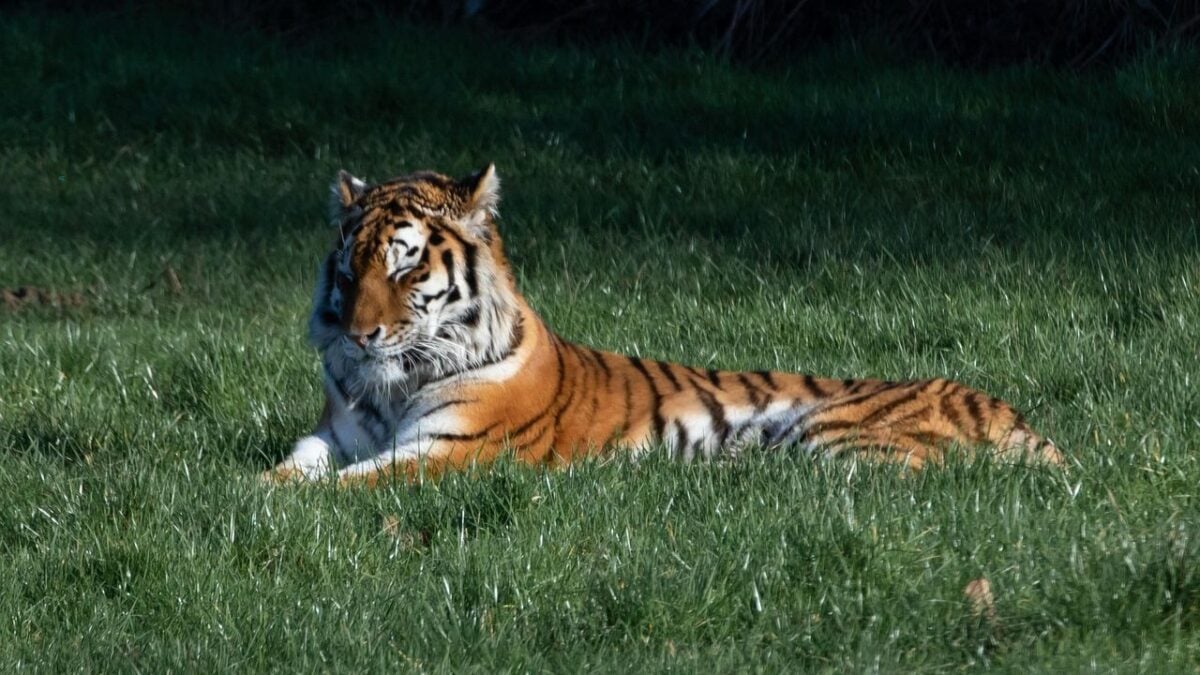
#1 – The Tiger That Lets One Person See It Sleep
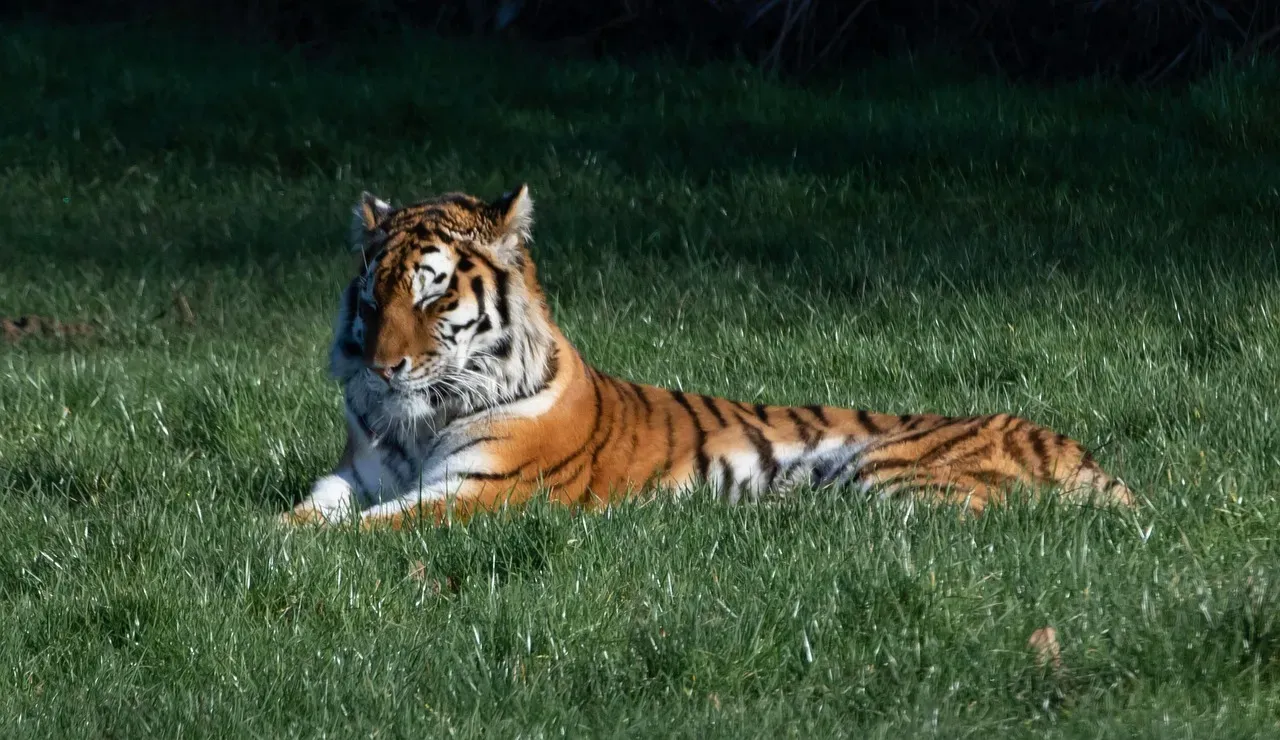
Tigers in sanctuaries are beautiful, magnetic, and consistently described by workers as animals that never fully stop being dangerous – not because they’re aggressive by default, but because their power is always present underneath whatever calm they’re showing you. Most tigers in care rest in their enclosures the way apex predators rest: with one ear still running, positioned to rise fast, maintaining an awareness of the space around them that doesn’t fully switch off. One adult Bengal tiger at a large sanctuary in India does exactly that for every keeper on the team. Except one.
With her primary caregiver – a man who has worked her section since she arrived as a rescued cub – she sleeps. Not rests. Sleeps: fully on her side, breathing slow, body loose in the specific, vulnerable way that wild animals almost never allow in the presence of humans. Staff who have witnessed it say no one on the team speaks when it’s happening, partly out of respect and partly because the sight of a tiger choosing that kind of safety with a person stops you in a way that’s hard to shake. She is still a tiger. She is still managed with every protocol the facility requires. But once a day, when he sits near the mesh and stays quiet, she goes somewhere she goes with no one else. And that, sanctuary workers say, is what it looks like when a wild animal chooses its person.
What’s striking about every one of these cases isn’t the cuteness or the drama – it’s the precision. These animals didn’t gradually warm up to humans in general. They made a specific, sustained, often inexplicable choice about one individual and then held it, sometimes for a decade or more, through staff changes, enclosure moves, and every disruption a sanctuary life brings. That kind of targeted loyalty in a wild animal doesn’t fit neatly into the stories we tell about nature versus nurture, wild versus tame, safe versus dangerous. Maybe the more honest thing sanctuary workers are quietly telling us is that wildness and deep personal attachment were never actually opposites – we just hadn’t been paying close enough attention to the right animals, or the right people.

- Why Highly Sensitive People Often Have Highly Reactive Dogs - July 31, 2026
- Avoid These 8 Cat Breeds If You’re a Scorpio - July 31, 2026
- Your Dog Understands More Than Just Your Words – Here’s How - July 31, 2026