
Yellowstone gets the postcards, the bison traffic jams, and more than 4.7 million visitors in a big year. So it’s easy to assume it’s the only place in America where wildlife shows up on cue. It isn’t. These 16 places can match or beat it on what matters during a trip: bird lists, rare species, bear density, marine life, and how many animals you see with nobody elbowing you for the view.
Some are so remote you need a bush plane or a boat just to reach the trailhead. One has a bird list that tops Yellowstone’s by well over a hundred species. One is a state park most people never connect to the Yellowstone conversation at all, and it’s our #1 pick. Start at the bottom and work your way up.
#16 – Isle Royale National Park: Moose-Wolf Drama Without the Lines
🔥 Would you like to save this?
We'll email this post to you, so you can come back to it later!
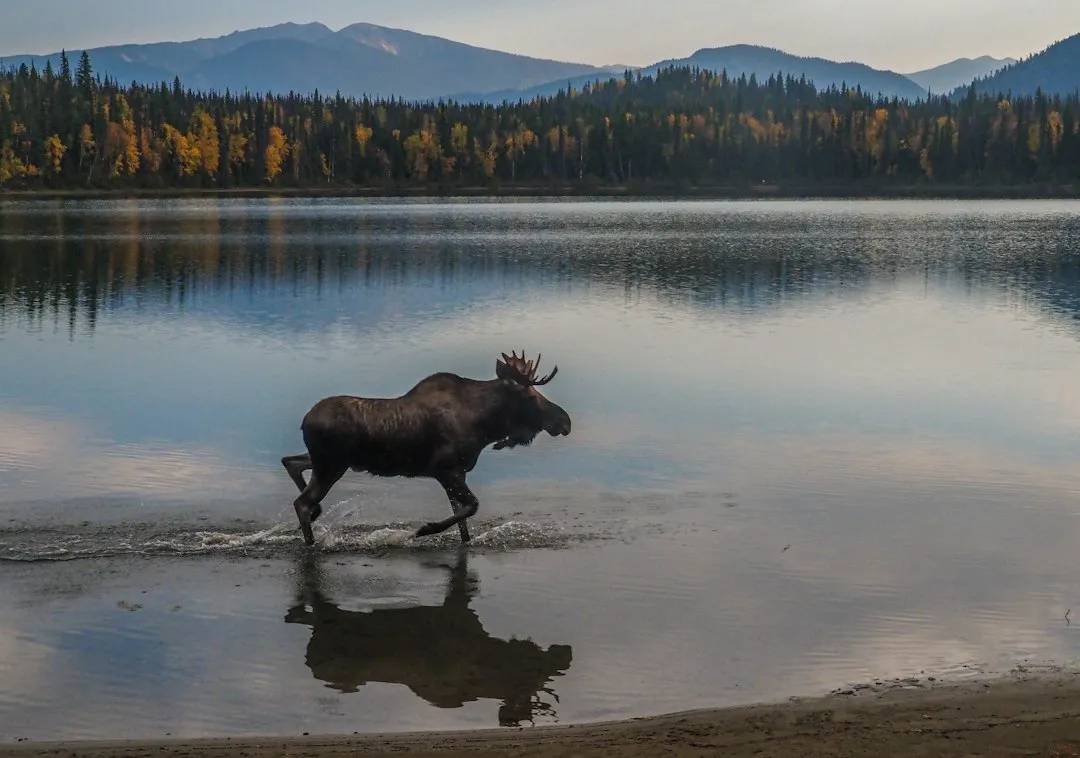
Picture a moose wading through a cold Lake Superior bay while a wolf pack works the ridge behind the spruce. No road leads here. This Michigan archipelago sees only around 25,000 visitors a year, roughly one two-hundredth of Yellowstone’s crowd.
Isle Royale also hosts the longest-running predator-prey study on Earth, which began in 1958. Wolves and moose share a closed island ecosystem, so researchers can trace every boom and bust across decades. Foxes, beavers, loons, and plenty of other birds fill in the rest of the cast.
Getting here takes a ferry or seaplane, and the park closes for winter. That does the crowd control for the rangers. Hikers can go hours on trails without meeting another person, and moose along the shoreline are a common sight.
The wolves have staged a dramatic comeback after dropping to just a couple of animals, which makes every track in the mud feel earned.
- Limited ferry capacity caps daily arrivals.
- No roads mean true backcountry immersion.
- Clear waters support healthy fish populations that sustain the food chain.
But that’s nothing compared to what’s waiting at #15…
#15 – Theodore Roosevelt National Park: Bison and Wild Horses in the Badlands
🔥 Would you like to save this?
We'll email this post to you, so you can come back to it later!
Sunset in the North Dakota badlands: a bison bull planted in the middle of the road like he’s paying the taxes, prairie dogs yelping alarm calls, and not a single honking horn behind you. Theodore Roosevelt National Park draws roughly 700,000 visitors a year. That’s still only about one-seventh of Yellowstone’s total.
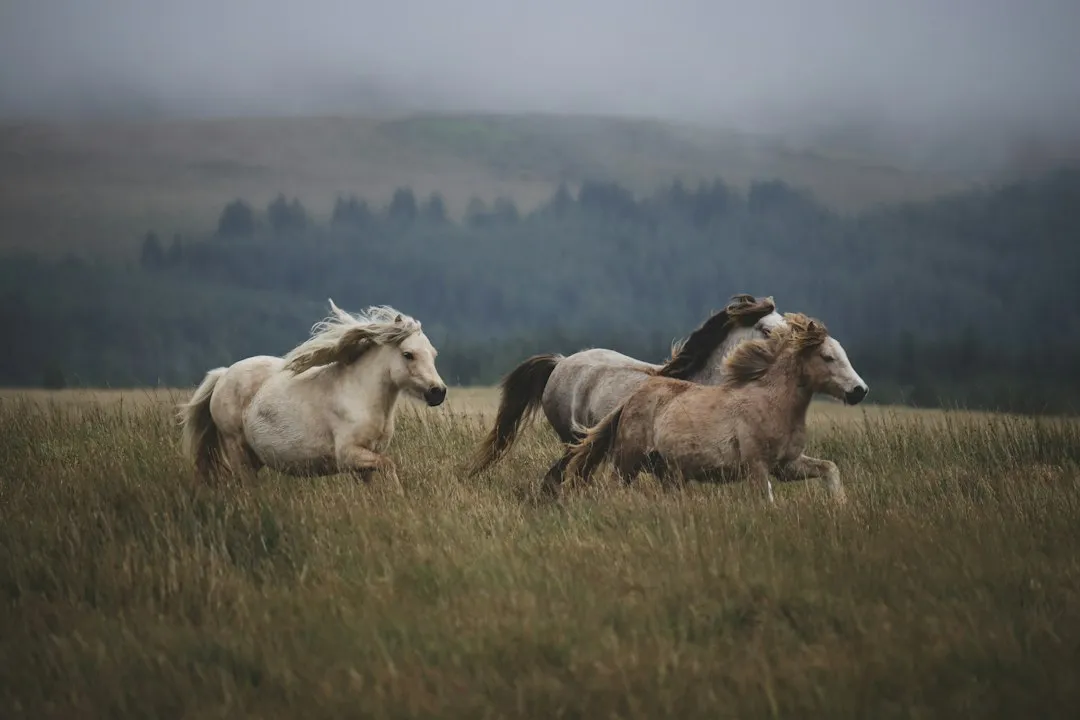
Bison herds roam the buttes alongside elk, prairie dogs, and the park’s famous wild horses. The horses descend from ranch stock and live in bands led by a stallion. Because the scenic loop drive winds right through their territory, close encounters happen from the car window.
The Little Missouri River corridor adds waterfowl, deer, and a surprising amount of birdlife to the mix. In fall, cottonwoods turn gold along the river while the animals fatten up for winter.
Spotting a horse band from an ordinary pullout feels like stumbling onto a scene from an old Western.
- Prairie dog towns create visible “cities” across the grasslands.
- The Little Missouri River corridor concentrates waterfowl and deer.
- Dark night skies make for easy stargazing between sightings.
Wait until you see what’s floating off the California coast at #14…
#14 – Channel Islands National Park: The Galápagos of North America
🔥 Would you like to save this?
We'll email this post to you, so you can come back to it later!
Just across the water from one of the busiest coastlines in the country sit five islands that feel like another planet. Channel Islands National Park draws only about a quarter-million visitors a year, despite being a short boat ride from millions of Southern Californians. Many people in Los Angeles have never set foot on it.
The islands are home to species found nowhere else, including the island fox, a cat-sized relative of the mainland gray fox. Foxes on several islands crashed to near extinction in the late 1990s and early 2000s. Targeted conservation brought them back strongly, one of the better recovery stories in American wildlife.
Beneath the surface, giant kelp forests sway in cold, nutrient-rich water. Snorkelers and kayakers regularly meet seals, sea lions, and schools of bright orange garibaldi. San Miguel Island is known for its huge seal and sea lion rookeries, and whales pass through the channel on migration.
Because everything here evolved in isolation, the islands carry distinct subspecies that exist nowhere else on Earth.
- Endemic species evolved in isolation over thousands of years.
- Kelp forests support one of the most productive marine ecosystems on the West Coast.
- Day trips from Ventura keep access easy, while limited boat schedules keep daily numbers manageable.
At a Glance
- The five islands: Anacapa, Santa Cruz, Santa Rosa, San Miguel, and Santa Barbara.
- Park status: Designated a national park in 1980.
- Biggest island: Santa Cruz is the largest island in California.
- Fox comeback: Four island fox subspecies came off the endangered species list in 2016, in what’s widely called a record-fast recovery.
But that’s nothing compared to the bird list at #13…
#13 – Big Bend National Park: A Texas Desert That Outbirds Yellowstone
🔥 Would you like to save this?
We'll email this post to you, so you can come back to it later!
Here’s a number that surprises people: Big Bend records more than 450 bird species. That’s well beyond the 300-plus documented in Yellowstone. Yet it welcomes fewer than 600,000 visitors most years, a small slice of Yellowstone’s traffic.
The secret is geography. The Rio Grande carves a green ribbon through the Chihuahuan Desert, and the Chisos Mountains rise out of the middle like a sky island. Rivers, desert flats, and cool mountain woodlands all sit inside one boundary.
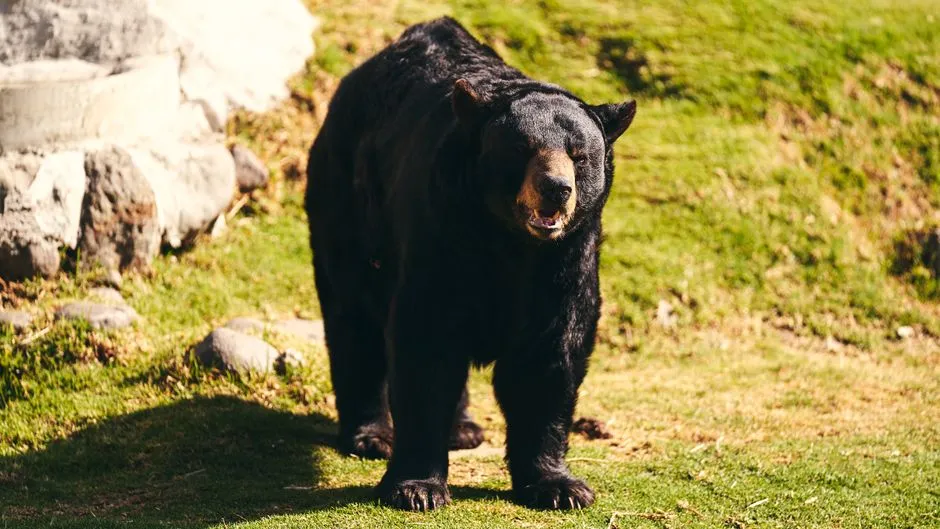
Black bears have returned to the Chisos on their own, wandering up from Mexico. Javelinas trot through camp, roadrunners dart across the pavement, and mountain lions leave their tracks on quiet trails. Birders come for the Colima warbler, which nests in the United States only here. Then night falls, and the skies rank among the darkest in the Lower 48.
Three distinct ecosystems sit in one park, which produces exceptional species variety in a single weekend.
- More than 75 mammal species are documented across elevations.
- The Rio Grande supports both resident and migratory birds.
- The remote location keeps casual day-trippers away.
Next, a park with more glaciers than almost anywhere in the Lower 48…
#12 – North Cascades National Park: Glacier Country With Almost No One In It
🔥 Would you like to save this?
We'll email this post to you, so you can come back to it later!
Washington’s North Cascades holds more glaciers than any other park in the contiguous United States, more than 300 by most counts. It sees well under 50,000 visitors a year. Jagged peaks, turquoise lakes, and cathedral-like old-growth forest are all here, minus the parking-lot circus.
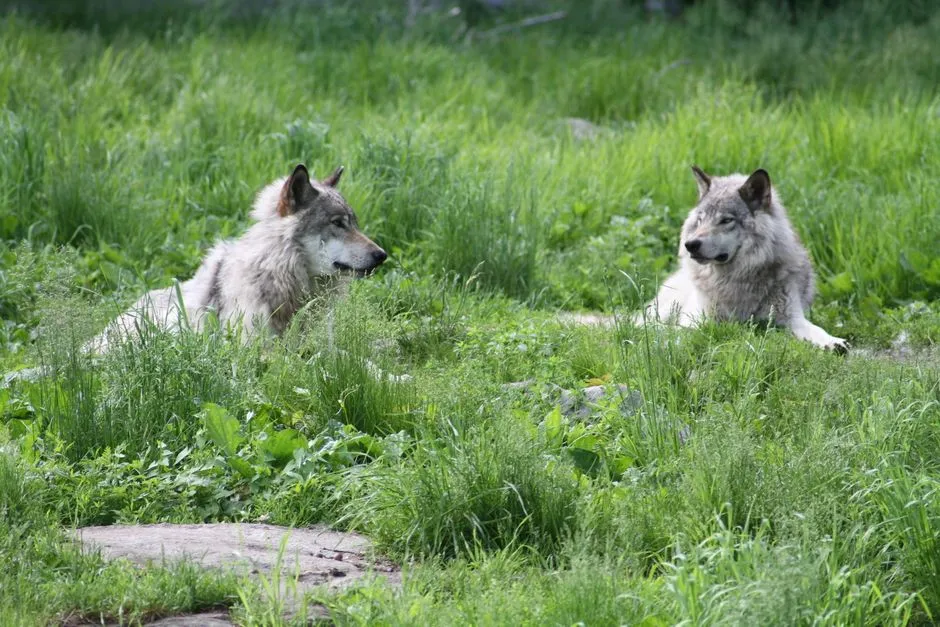
Black bears, mountain goats, and cougars roam a vast wilderness that few people ever enter. Backpackers in shoulder season often get entire valleys to themselves. Rugged terrain and limited road access keep it that way.
Glacier melt feeds cold, clean rivers that sustain salmon runs, and the salmon feed everything above them in the food chain. Grizzlies are the missing piece. They are essentially absent today, but federal agencies have moved forward with a plan to restore them to this corner of the Lower 48. Wolves, wolverines, and lynx are among the other rare residents of the wider ecosystem.
This is what a wild landscape looks like when the roads simply stop.
- Limited trailheads concentrate use on a small percentage of the acreage.
- Grizzly recovery efforts continue in this remote corner of the Lower 48.
- Ross Lake, in the adjoining recreation area, offers boat-accessed solitude for extended trips.
But the next stop is where boiling mud meets black bears…
#11 – Lassen Volcanic National Park: Boiling Mud, Black Bears, and Empty Trails
🔥 Would you like to save this?
We'll email this post to you, so you can come back to it later!
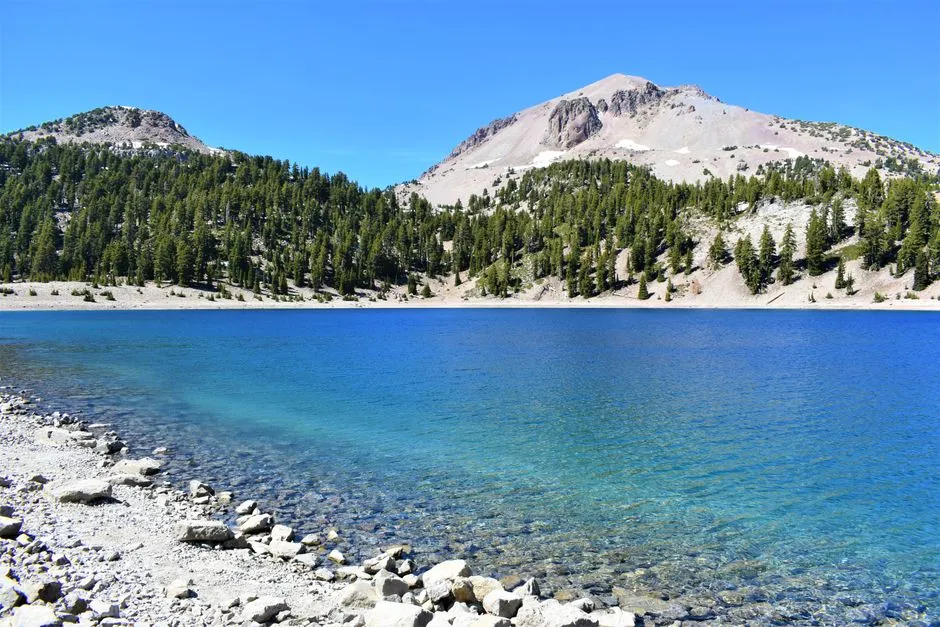
Lassen Peak last erupted in the early 1900s, and the ground still hisses to prove it. Bumpass Hell, the park’s largest hydrothermal area, bubbles with steaming vents and mud pots. Yet the park draws only about 400,000 visitors a year, a fraction of Yellowstone’s crowd, even though it offers a similar geothermal show.
Wildlife thrives in the quiet. Black bears, mule deer, and coyotes work the meadows, while pikas squeak from talus slopes and marmots sunbathe on boulders. Lassen sits where the Cascades, the Sierra Nevada, and the Great Basin meet, so plants and animals from three regions overlap.
Deep winter snow keeps much of the main park road closed well into early summer. Those who come in July and August find wildflower meadows, alpine lakes, and long stretches where the only other sound is wind. Dawn near a meadow edge is the classic time to spot a bear.
- Geothermal features and alpine wildlife share the same short drive.
- Three ecosystems overlap in one park.
- Pikas and marmots are easy to spot on rocky slopes.
Worth Knowing
- Lassen Peak stands at 10,457 feet, and its 1914 to 1917 eruptions are the last in the Cascades before Mount St. Helens in 1980.
- The Bumpass Hell trail is roughly 3 miles round trip, with boardwalks that keep boots off fragile, scalding ground.
- Stay on the marked paths. Thin crust over boiling water is a real hazard.
- Check road status before you go, since snow can delay the full opening of the park highway.
Next, a swamp forest with a reputation for mosquitoes and magic…
#10 – Congaree National Park: The Swamp Forest Nobody Talks About
🔥 Would you like to save this?
We'll email this post to you, so you can come back to it later!
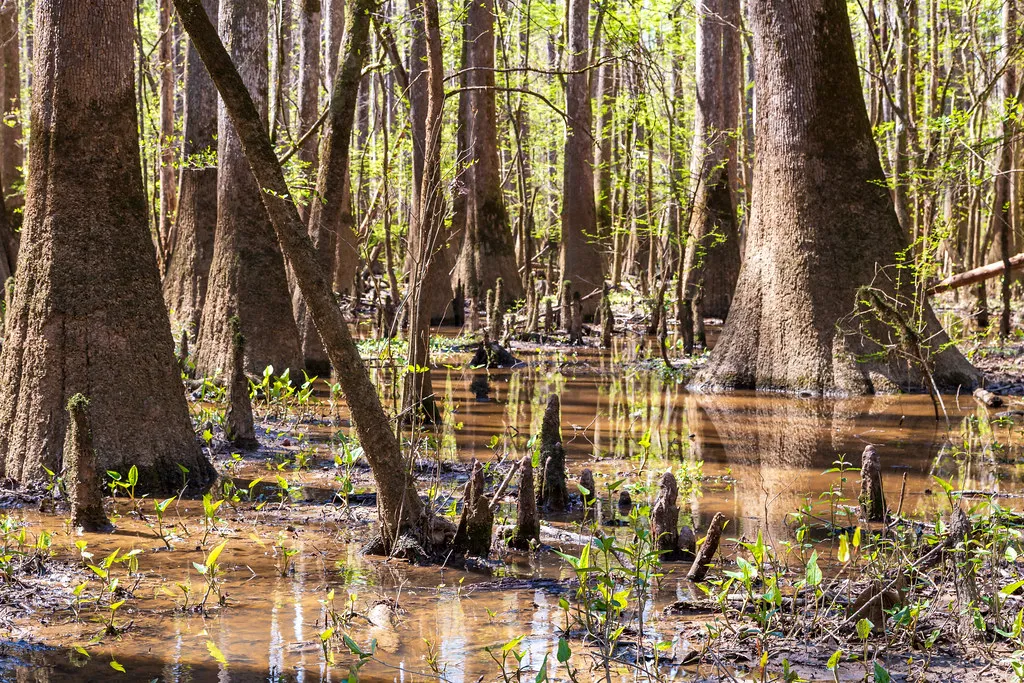
Congaree protects the largest intact stand of old-growth bottomland hardwood forest left in the Southeast. Some of its loblolly pines and bald cypress rank among the tallest of their species. It sees only a fraction of the visitors that big-name parks do, often well under 300,000 a year.
The park floods regularly, and the water feeds a dense, buzzing ecosystem. Otters slip along Cedar Creek, bobcats prowl the forest floor, and barred owls call across the trees in daylight. Deer, wild turkeys, coyotes, and an impressive variety of snakes, frogs, and birds live here too.
Late May into June, Congaree puts on one of its most memorable shows: synchronous fireflies flashing in unison through the dark forest. The park even runs a “Mosquito Meter,” a cheerfully honest warning about the other local residents. Pack bug spray, and treat the boardwalk like a nature documentary set.
- A raised boardwalk keeps the swamp accessible without wet feet.
- A paddling trail on Cedar Creek offers a quiet look at the floodplain.
- Fireflies, owls, and otters share the same forest.
But what happens at dusk at #9 will make you look up…
#9 – Carlsbad Caverns National Park: Where Hundreds of Thousands of Bats Take Flight
🔥 Would you like to save this?
We'll email this post to you, so you can come back to it later!
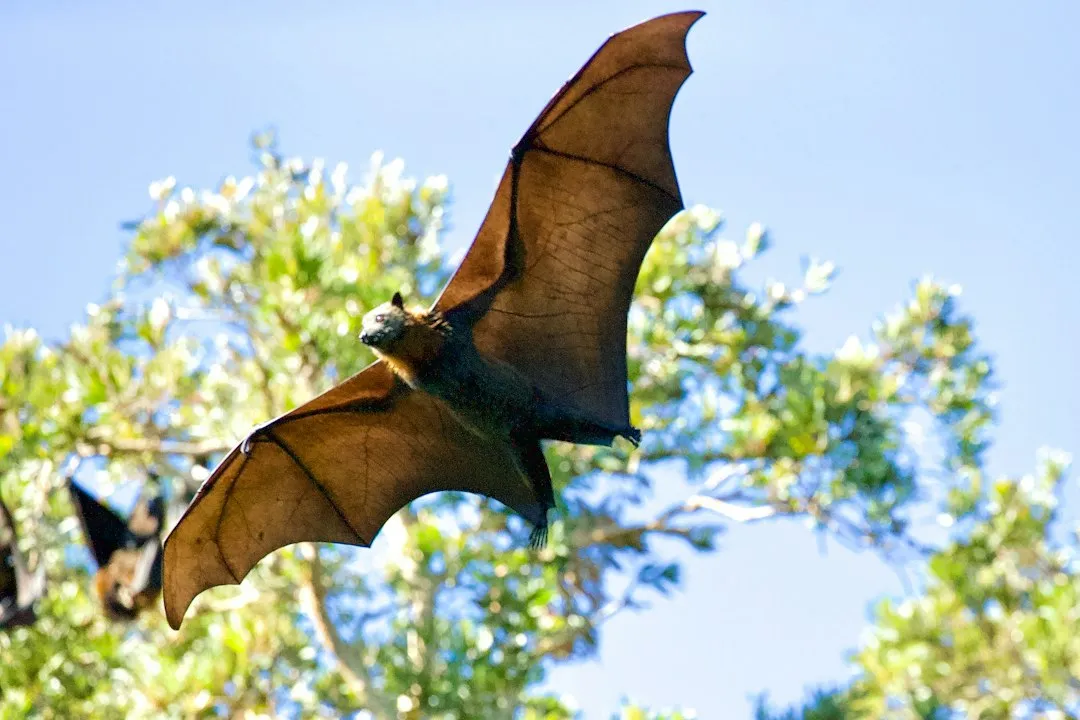
Every summer evening, a spiral of bats pours out of the cavern mouth like smoke. Hundreds of thousands of Brazilian free-tailed bats can leave in a single flight, heading into the New Mexico dusk to feed. It’s one of the great wildlife spectacles in America, and there is no traffic jam waiting at the end of it.
The park draws roughly 400,000 visitors a year, far below Yellowstone’s totals. The bat flight program runs seasonally, and electronic devices are banned to protect the animals. A lot of visitors settle in the amphitheater, put their phones away, and just watch.
Above ground, the Chihuahuan Desert holds its own surprises. Rattlesnake Springs, a lush oasis, is a well-known birding hotspot. Mule deer, ringtails, and a long list of desert reptiles use the surrounding terrain.
- The bat flights run seasonally, typically from late spring into fall.
- Several bat species roost in the park.
- Desert oases draw migrating birds.
Up next: a park where you swim with the fish, not the crowds…
#8 – Biscayne National Park: A Park That’s 95 Percent Water
🔥 Would you like to save this?
We'll email this post to you, so you can come back to it later!
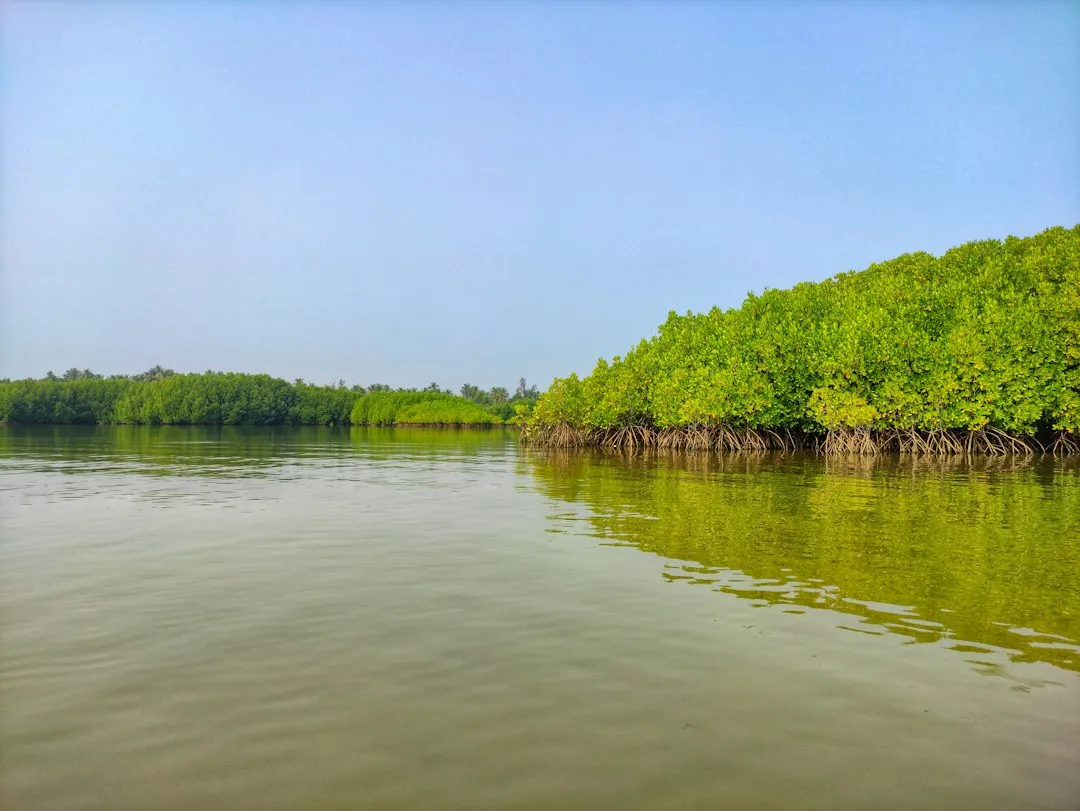
Biscayne sits just south of Miami, and the skyline is visible from some of its waters. Yet about 95 percent of the park is underwater, which means most visitors never reach the best of it. Those who do find a coral reef, mangrove shoreline, and hundreds of fish species.
The park protects part of the Florida Reef Tract, often called the third-largest barrier reef system on Earth. Manatees graze in the shallows, sea turtles cruise the seagrass, and American crocodiles lurk in the mangroves. Mangrove roots double as a nursery for juvenile fish that later populate the reef.
Getting there requires a boat, and that is exactly why the crowds thin out. Snorkel trips, kayak routes, and island campsites let you slip into a quieter Florida than the one on the postcards.
- Most of the park is accessible only by boat.
- Mangroves shelter young fish, birds, and crocodiles.
- Manatees and sea turtles are common visitors.
Now, the road that makes Alaska wildlife look easy…
#7 – Denali National Park: The Big Five on One Dirt Road
🔥 Would you like to save this?
We'll email this post to you, so you can come back to it later!
Denali is larger than the state of Massachusetts, and it has one road. That road runs 92 miles into the wilderness, and private vehicles are restricted past the first 15 miles. So you ride a bus, and the animals don’t seem to mind a bit.
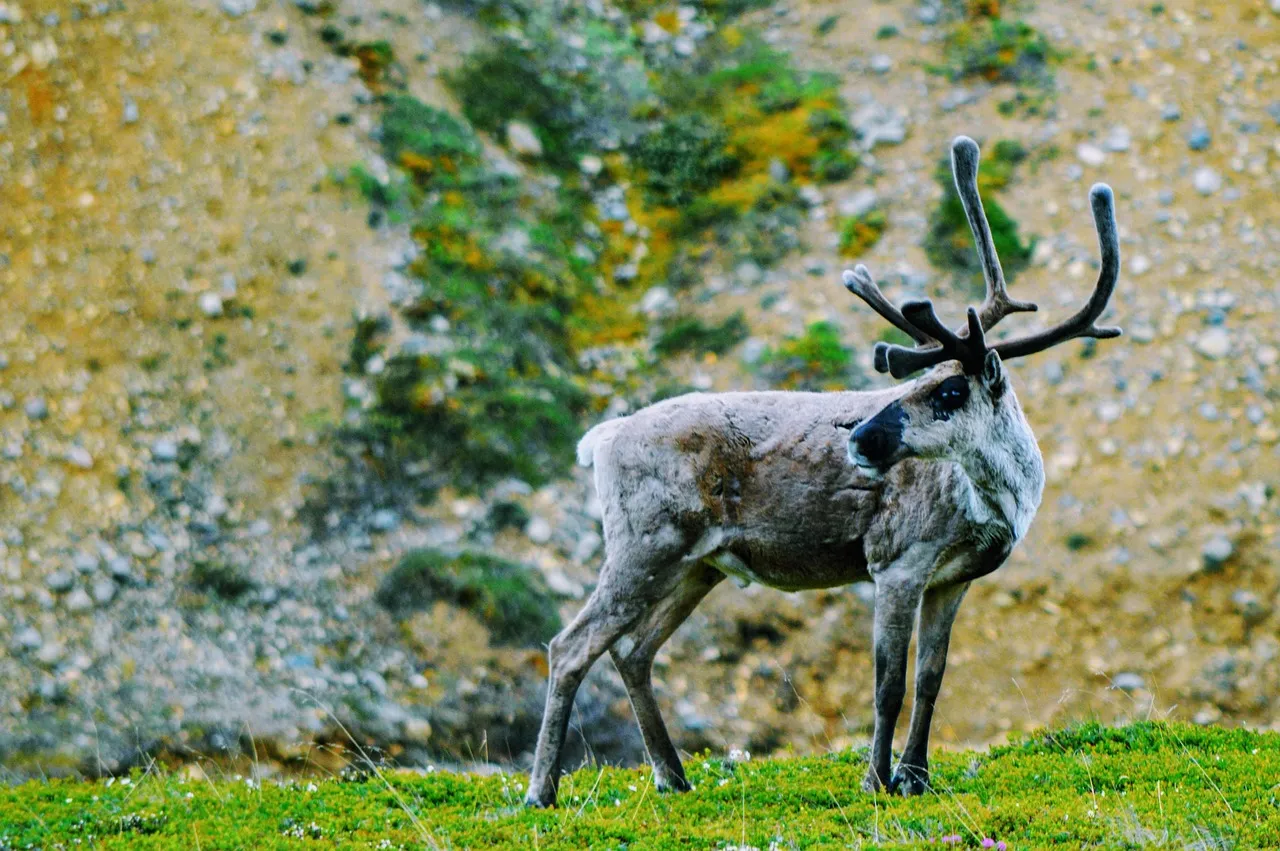
Denali’s headline cast is grizzly bears, wolves, moose, caribou, and Dall sheep. The park counts 39 mammal species and roughly 169 bird species. Sightings often come at dramatic distances, with a bear digging roots on a vast tundra slope and Denali’s 20,000-foot peak glowing in the background.
The park draws around 500,000 visitors in a typical year, a fraction of Yellowstone’s total, and most of them stay near the entrance. Further in, the crowds vanish. A window seat on a morning bus is the single best wildlife tool the park offers.
- Restricted vehicle access protects wildlife from road traffic.
- Bus drivers double as informal spotters.
- Midsummer light stretches the viewing day nearly around the clock.
Quick Compare
- Denali: roughly 6 million acres, one 92-mile road, about 500,000 visitors in a typical year.
- Yellowstone: roughly 2.2 million acres, a looping network of paved roads, more than 4.7 million visitors in a big year.
- The takeaway: Denali has nearly three times the land and a fraction of the people.
But the next park has more bears than you’ll know what to do with…
#6 – Katmai National Park: Where Brown Bears Rule the River
🔥 Would you like to save this?
We'll email this post to you, so you can come back to it later!
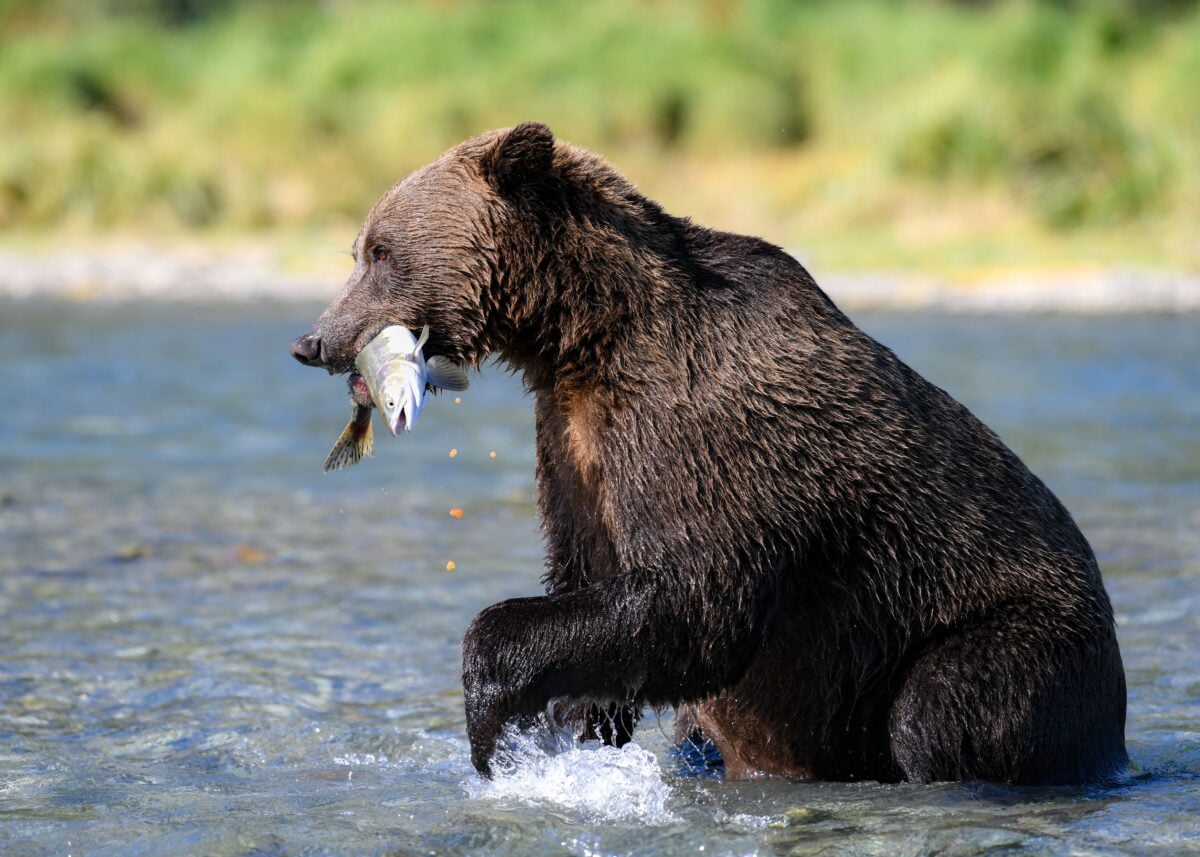
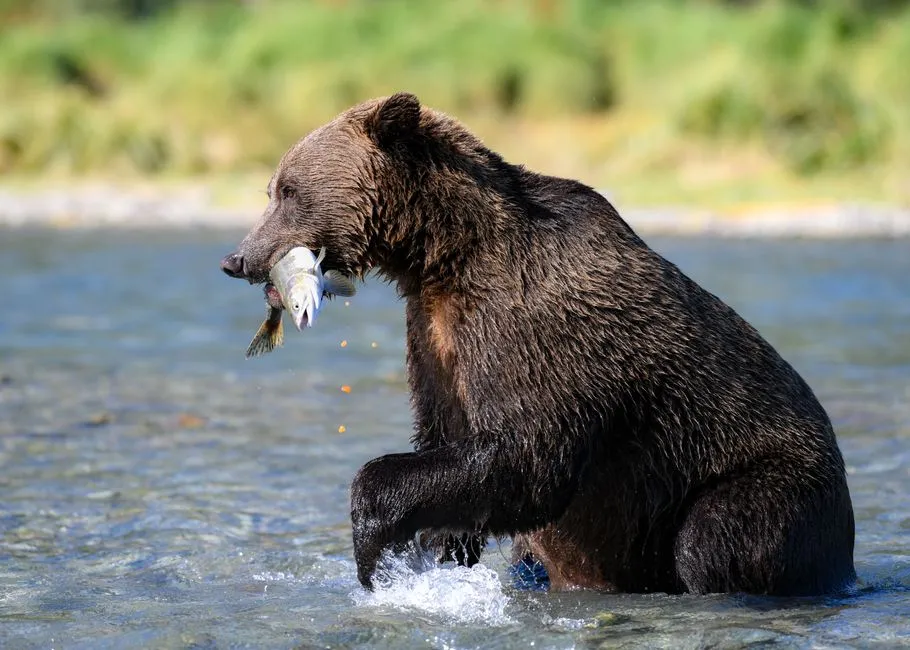
Every July and September, brown bears line the lip of Brooks Falls and catch leaping sockeye salmon in midair. The park holds thousands of brown bears, roughly 2,200 by commonly cited estimates. Katmai usually sees under 100,000 visitors a year, and you can only arrive by plane or boat.
The Bristol Bay region produces some of the biggest sockeye runs on Earth. That salmon bonanza fuels the bears and gives rise to Fat Bear Week every October, when fans around the world vote for the chunkiest bear. Even people who have never set foot in Alaska end up with a favorite.
At Brooks Camp, elevated platforms keep humans and bears safely apart, and rangers enforce strict distance rules. Beyond the river, the Valley of Ten Thousand Smokes is a stark volcanic landscape left by a massive eruption in 1912. Few places combine wildlife and geology this dramatically.
- Peak bear viewing at Brooks Falls comes in July and again in September.
- Viewing platforms put people at a safe distance.
- Fly-in access keeps visitor counts small.
And just up the coast, there’s an even quieter bear park at #5…
#5 – Lake Clark National Park: A Wilderness Without a Single Road In
🔥 Would you like to save this?
We'll email this post to you, so you can come back to it later!
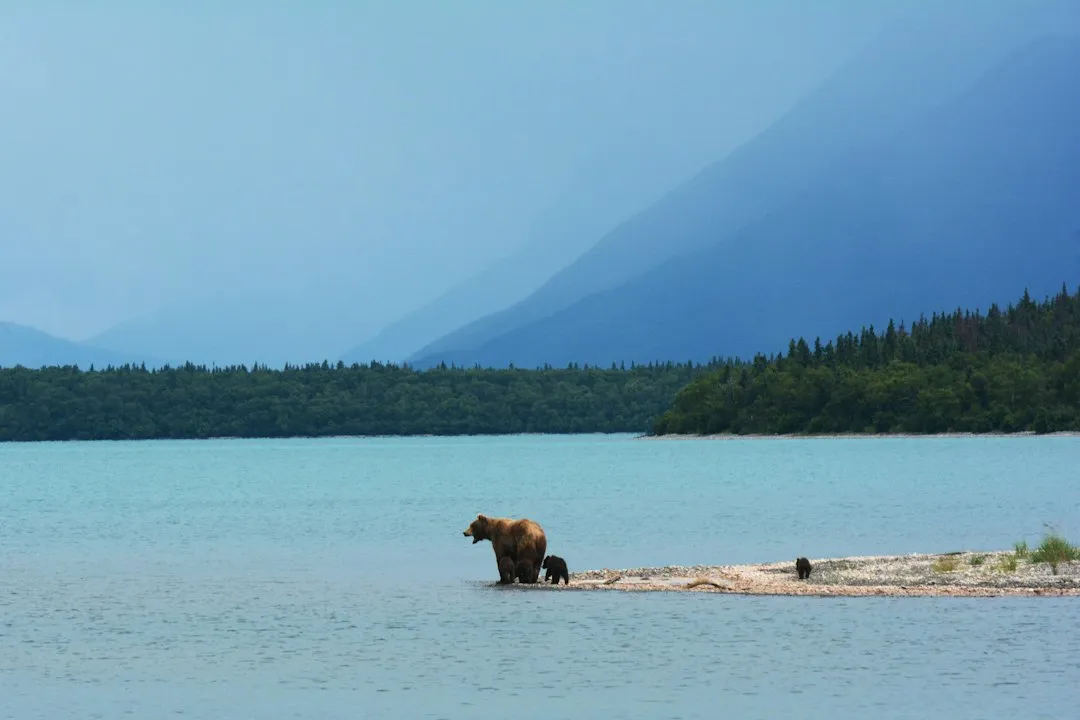
Lake Clark is one of the least-visited national parks in Alaska, often drawing fewer than 20,000 visitors a year. No roads lead in. Most people arrive on a small plane from Anchorage, an hour-long flight over volcanoes and glaciers.
On the coast, brown bears wander tidal flats digging for clams and grazing on sedge grass in spring. Farther inland, caribou, Dall sheep, moose, and wolves roam a landscape of turquoise lakes and steaming volcanoes, including Redoubt and Iliamna. The scale is hard to grasp until you’re in it.
Visitors spend their days on guided bear viewing, fishing, and flightseeing. With so few people around, the wilderness feels almost private. That sense of space is the real luxury here.
- Coastal bears are famous for clamming at low tide.
- Volcanoes and glacial lakes share one landscape.
- Fly-in logistics keep crowds tiny.
Next, a Nevada park with trees older than the pyramids…
#4 – Great Basin National Park: Ancient Trees and Starry Skies
🔥 Would you like to save this?
We'll email this post to you, so you can come back to it later!
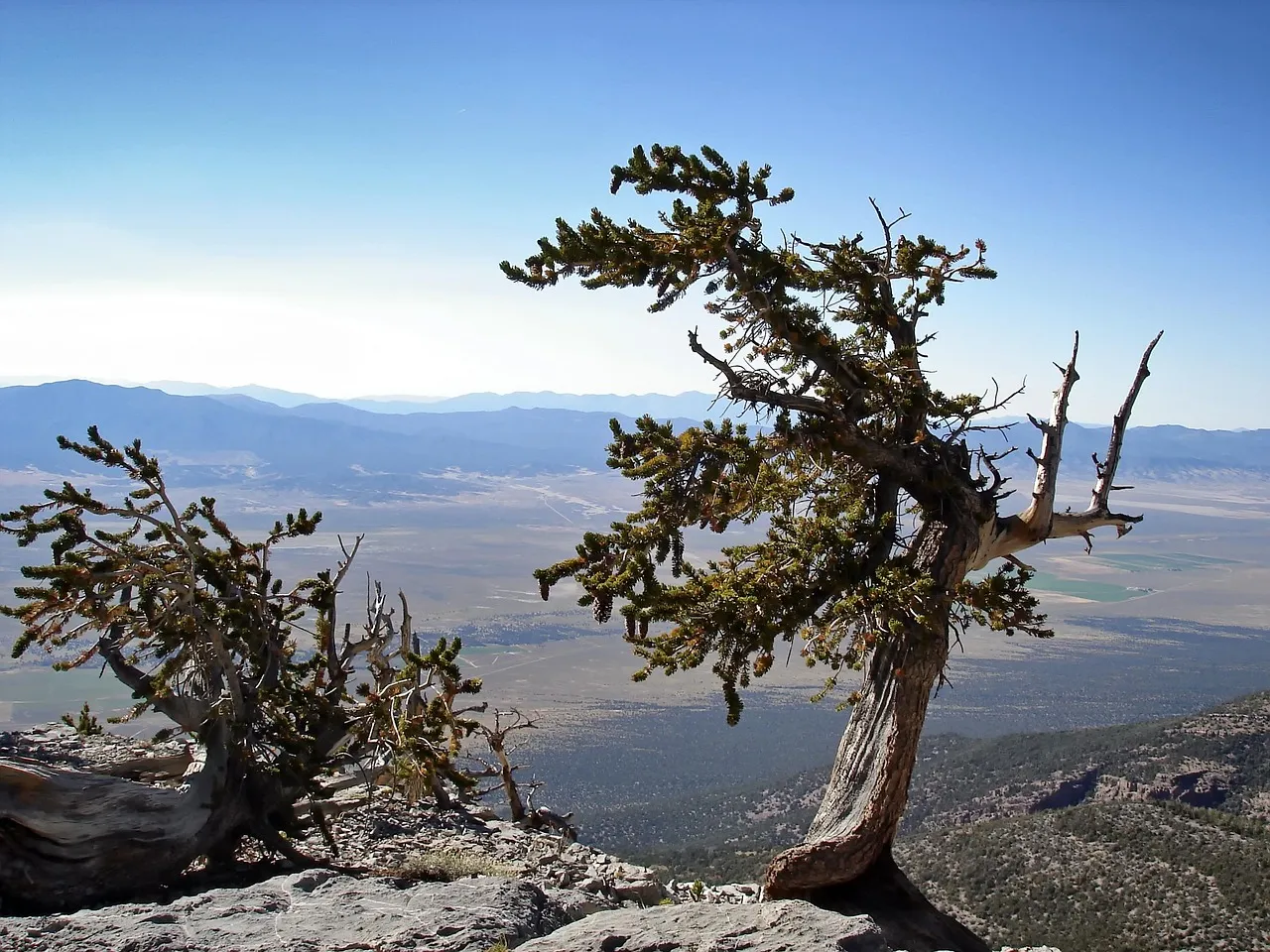
Great Basin National Park in eastern Nevada is easy to overlook, and the numbers show it: around 130,000 visitors a year. Its bristlecone pines are among the oldest living things on Earth, some more than 4,000 years old. The wildlife here is quieter than a bear parade, but it’s remarkably varied.
Mule deer, pronghorn, marmots, pikas, and sage-grouse use habitats ranging from sagebrush flats to 13,000-foot Wheeler Peak. Bonneville cutthroat trout swim the park’s cold streams, and bats roost in the limestone of Lehman Caves. That vertical range packs desert, forest, and alpine life into one drive.
At night, the park is an International Dark Sky Park, with stars thick enough to cast shadows. Historians sometimes credit one writer with summing up why places like this matter.
National parks are the best idea we ever had. Absolutely American, absolutely democratic, they reflect us at our best rather than our worst.
Wallace Stegner
- Bristlecone pines grow near the treeline.
- Lehman Caves shelters bats and delicate formations.
- Dark skies make stargazing a main attraction.
A Texas mountain park with elk and fall color comes next…
#3 – Guadalupe Mountains National Park: Elk, Lions, and a Canyon That Turns Red
🔥 Would you like to save this?
We'll email this post to you, so you can come back to it later!
Guadalupe Mountains National Park shelters Texas’s highest peak at 8,751 feet, and it sees only a modest number of visitors each year, usually around 200,000. Most travelers drive past on the way elsewhere. The ones who stop get a rugged mountain range rising out of the desert.
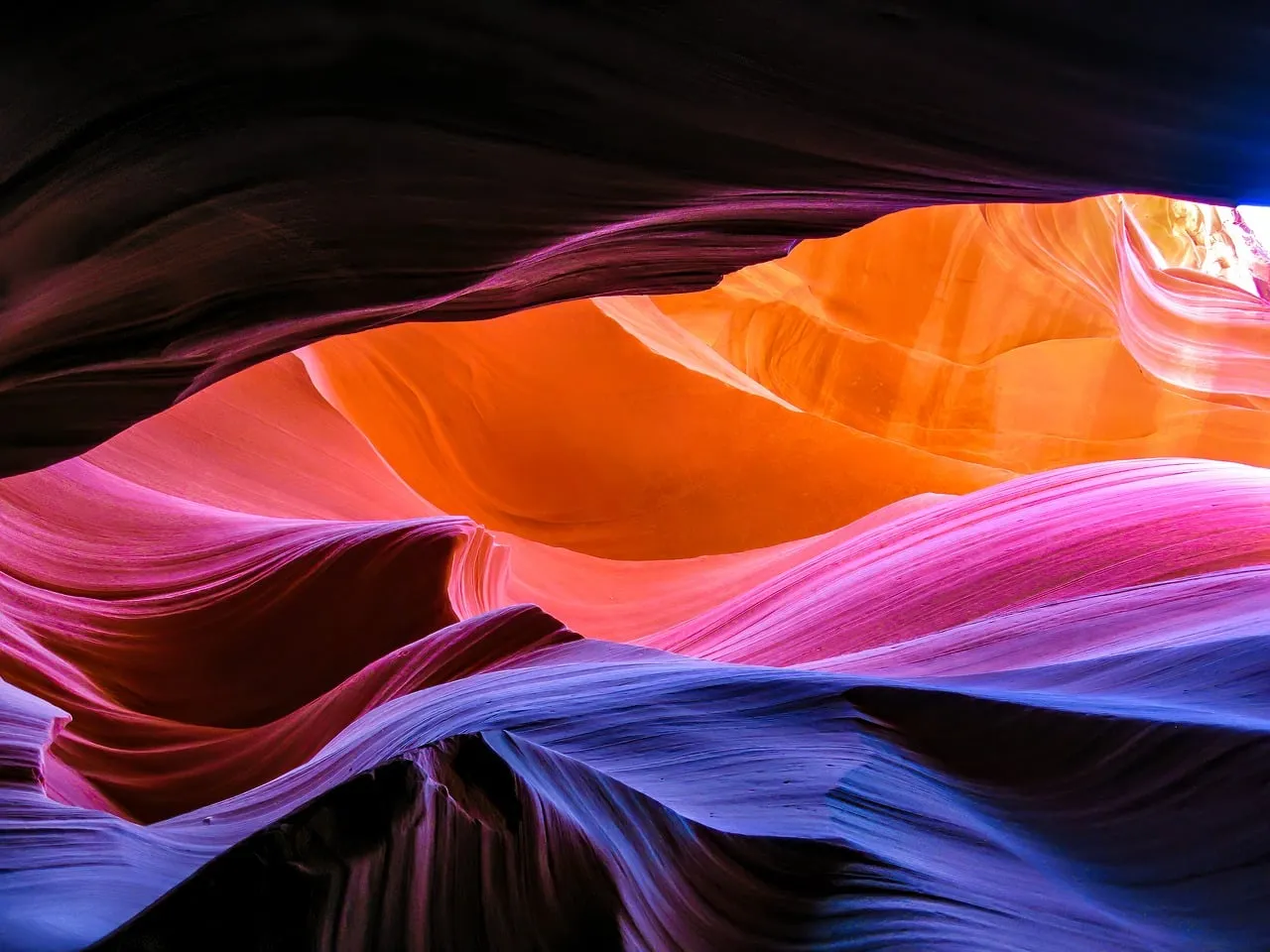
Elk, introduced in the 1920s, now roam the high country. Mule deer, mountain lions, and a long list of birds use the canyons, and the park’s species list runs into the hundreds of birds. Hidden McKittrick Canyon holds a rare riparian oasis that feels far from the surrounding desert.
In late October and early November, bigtooth maples in McKittrick Canyon turn red and gold, drawing photographers who find the trails almost empty. The park also protects a fossil reef from a prehistoric sea that once covered the region. Wildlife and deep time share the same trail.
- Fall color in McKittrick Canyon is the signature seasonal event.
- Elk, mule deer, and mountain lions share the high country.
- A 400-million-year-old fossil reef lies beneath the peaks.
Fast Facts
- The park covers roughly 86,000 acres and became a national park in 1972.
- Guadalupe Peak is the highest point in Texas, and the hike to the summit is about 8.5 miles round trip.
- Peak fall color in McKittrick Canyon usually lands from late October into early November.
- Pack more water than you think you need. The desert setting is dry year-round.
Next, a park you reach by boat and a loon call…
#2 – Voyageurs National Park: Wolves, Loons, and a Water Highway
🔥 Would you like to save this?
We'll email this post to you, so you can come back to it later!
Voyageurs, on Minnesota’s northern border, is built around water. Roughly 40 percent of the park is lakes, and you explore most of it by boat. That setup keeps visitor numbers to about 230,000 a year and gives wildlife plenty of breathing room.
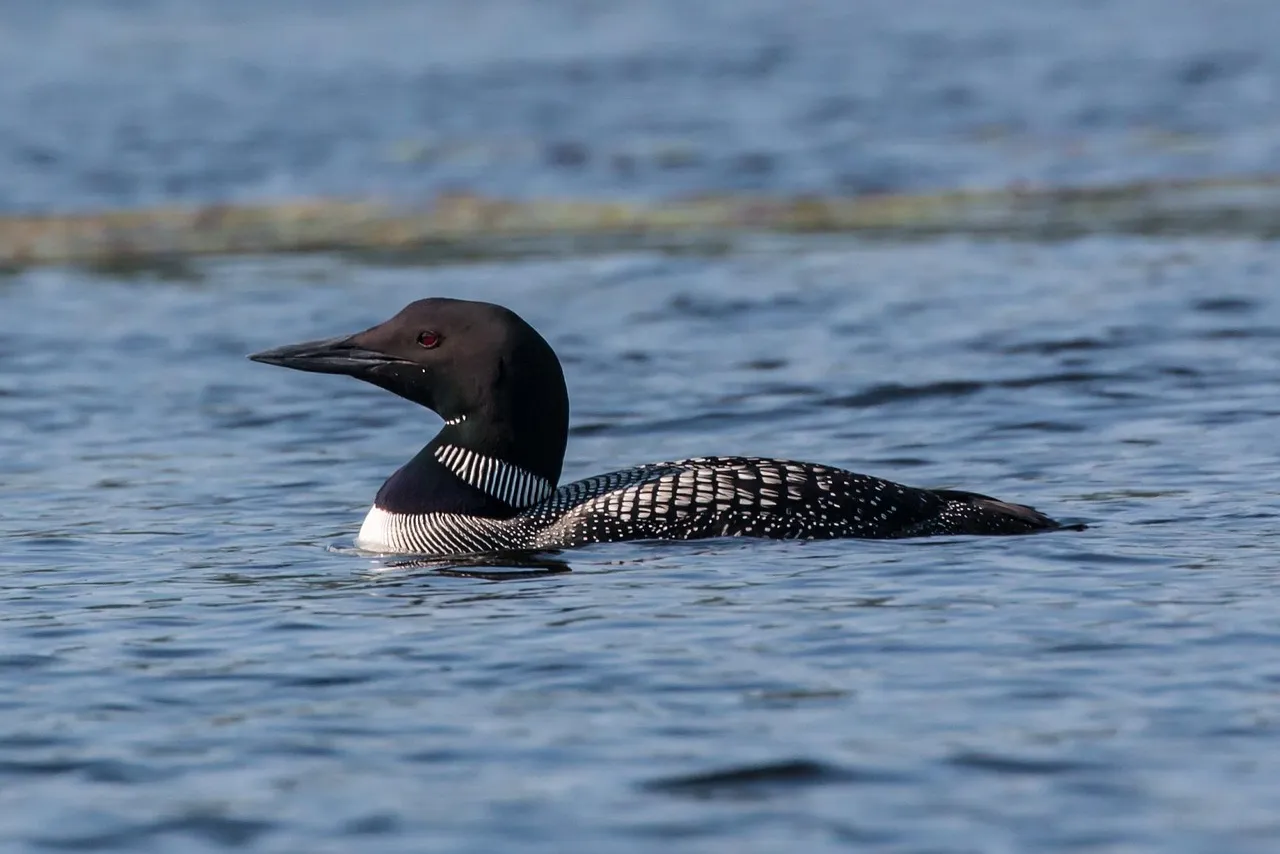
Gray wolves, moose, black bears, beavers, and bald eagles share the Northwoods, and loons give the park its signature soundtrack at dusk. Paddlers regularly glide past shoreline moose and eagles perched in white pines. Wolves are elusive, but their howls carry across the lakes on quiet nights.
Visitors can rent houseboats and anchor in secluded bays, a wonderfully lazy way to wildlife-watch. The park is also an International Dark Sky Park, and on clear nights the northern lights sometimes ripple overhead. It is a very different style of national park, and a memorable one.
- Houseboat rentals turn the lakes into a floating base camp.
- Loon calls drift across the water at dawn and dusk.
- Dark skies set the stage for aurora sightings.
And now the pick that tops the list, and it isn’t even a national park…
#1 – Custer State Park: 1,300 Bison and Begging Burros
🔥 Would you like to save this?
We'll email this post to you, so you can come back to it later!
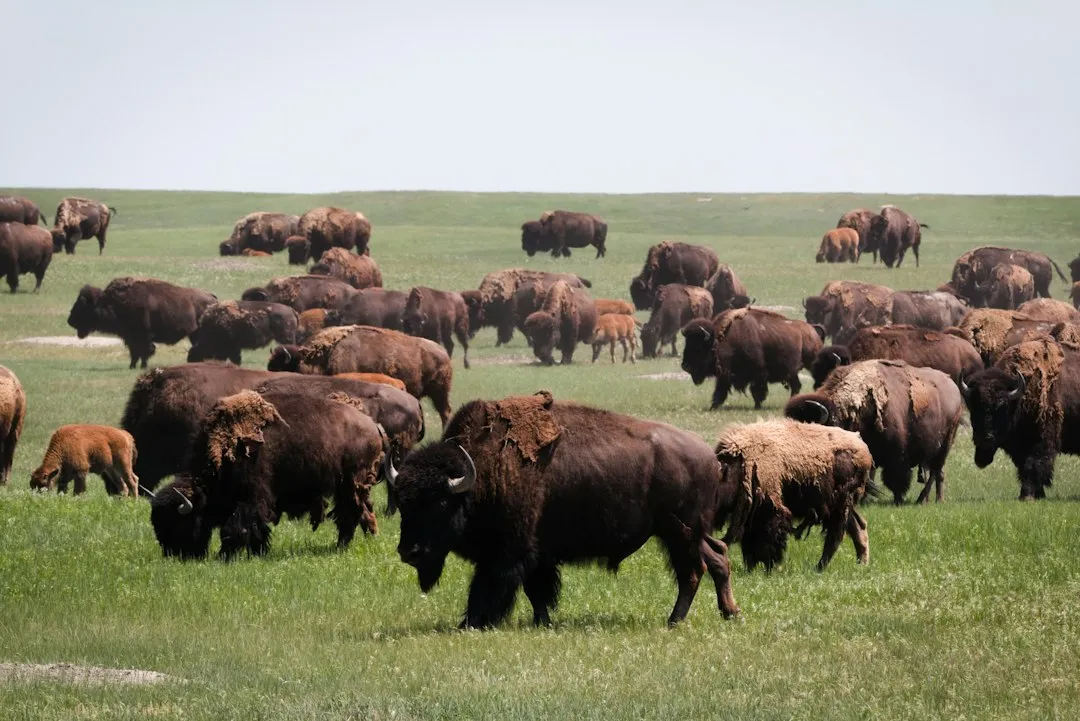
Custer State Park in South Dakota’s Black Hills isn’t a national park, and that’s part of its charm. Its roughly 71,000 acres hold a bison herd of around 1,300 animals, one of the largest publicly owned herds in the country. The herd traces back to 36 animals brought here in 1914, and it still thunders across the prairie. A drive on the 18-mile Wildlife Loop Road puts bison, pronghorn, elk, and prairie dogs right at your window.
Custer sees around two million visitors a year, which is less than half of Yellowstone’s total, spread across a park designed for easy access. Bighorn sheep scramble along the rocky slopes, and mountain goats, descended from animals brought in decades ago, perch on high ledges. Then there are the “begging burros,” wild-living donkeys that stroll up to cars looking for a handout. They are scene-stealers.
Every late September, cowboys and cowgirls on horseback herd the bison during the Buffalo Roundup, an annual event the public can watch. As a state park, Custer also offers lodges, cabins, drive-in campgrounds, and scenic routes like Needles Highway, so you don’t need backcountry skills to enjoy it. That mix of big animals, easy access, and flexibility is why it takes the top spot.
- The Wildlife Loop Road delivers bison, pronghorn, and burros from the car.
- Late September brings the Buffalo Roundup.
- Lodges and cabins make it easy for families and first-timers.
Here’s my honest take: Yellowstone isn’t overrated, it’s overbooked. The magic of seeing a wild animal does not depend on the size of the parking lot. It depends on how much space the animal has, and how much patience you bring.
If I had one summer, I’d skip the Old Faithful crowds and spend it chasing bears in Katmai, bats at Carlsbad, or bison in Custer. The best wildlife moments in America are rarely the famous ones. They happen on quiet roads, at the edge of a lake, in a place where you can hear the animal breathe.

- The Remarkable Intelligence of Octopuses: Beyond What Scientists Imagined - November 5, 2026
- What Your Dog’s Tail Wags Are Really Trying to Tell You - November 5, 2026
- The Surprising Reason Some Animals Thrive in Extreme Environments - November 5, 2026