


Starting your equestrian journey can feel overwhelming when you’re staring at countless horse breeds, each with different temperaments and training needs. Experienced trainers know that finding the right match isn’t just about preference – it’s about selecting a breed that will build your confidence while keeping you safe in the saddle.
The secret lies in choosing horses that combine patience with predictability, strength with gentleness. These are the breeds that seasoned professionals recommend time and again for newcomers to the horse world. Let’s explore the tried-and-tested favorites that have earned trainers’ trust across disciplines and continents.
#16 American Quarter Horse: The Reliable All-Rounder
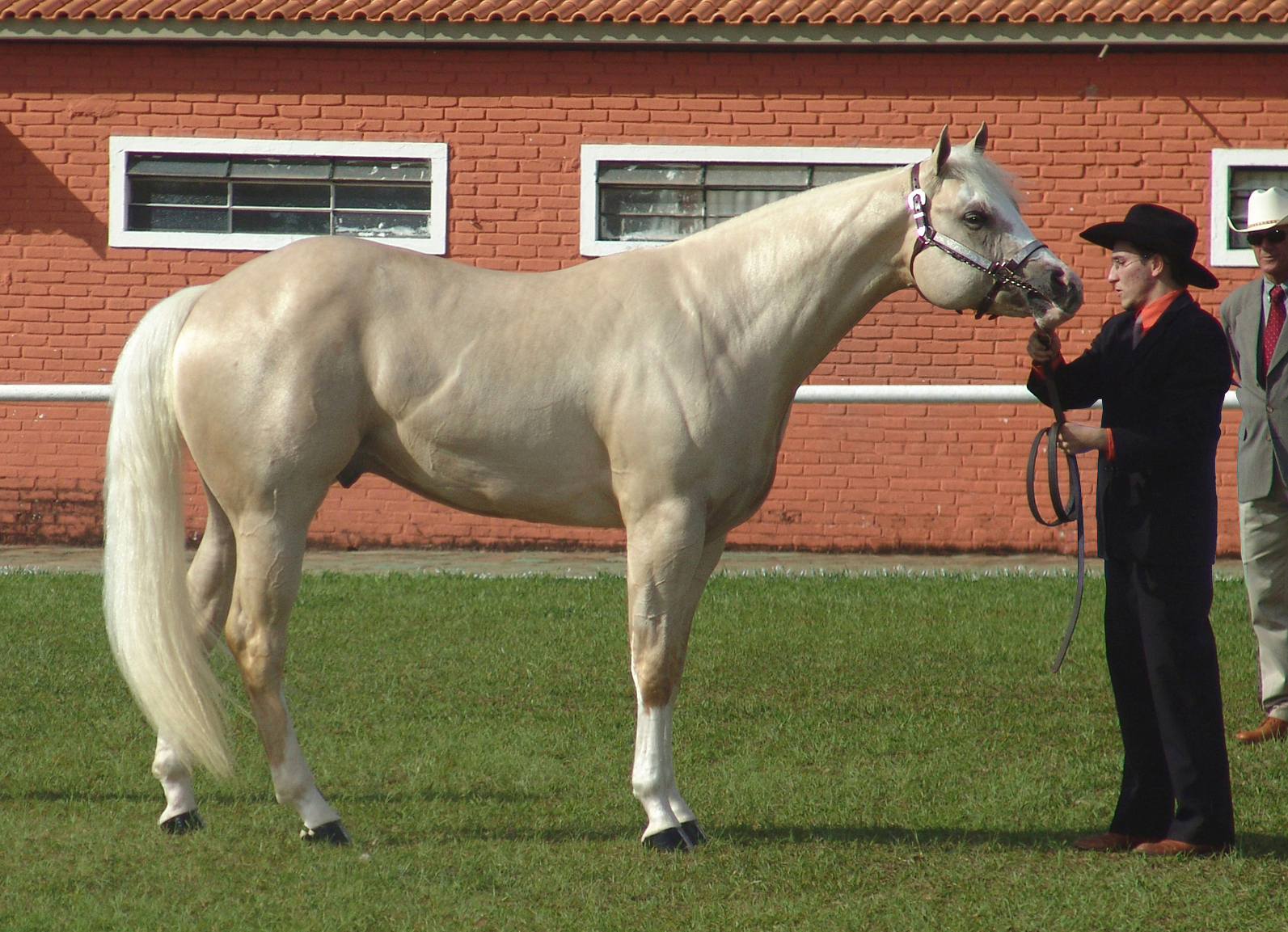
The American quarter horse is the most popular breed in the US. It’s also the most common breed among beginners. The Quarter Horse is one of the most popular breeds for beginners due to their friendly nature and versatility. They also tend to have a calm demeanor, making them easy to train and handle.
The American Quarter Horse is one of the most popular breeds and is very versatile. Quarter horses often make great beginner horses because of their even temperament, versatility, and reliability. Few breeds can compete with the American Quarter Horse when it comes to ranch or farm riding. This harder worker is always willing to go the extra mile and is not a fussy keeper.
#15 Paint Horse: The Eye-Catching Gentle Giant
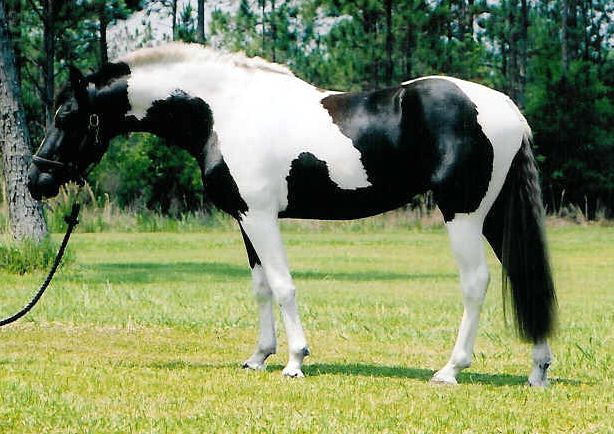
Paint Horses are another great breed for beginners. They have a similar temperament to Quarter Horses, and their unique markings make them stand out in a crowd. They’re also known for their athleticism, making them ideal for Western riding disciplines.
Paint Horses are known for being friendly, calm, and sociable. They are generally laid-back and make wonderful partners for beginners and families who want a reliable riding companion. With their eye-catching pinto coat patterns, Paints are as striking as they are versatile. These horses excel in a range of activities, from trail riding and Western pleasure to beginner-friendly English disciplines, making them ideal for new riders who want to explore different riding styles.
#14 Morgan Horse: America’s Loyal Companion
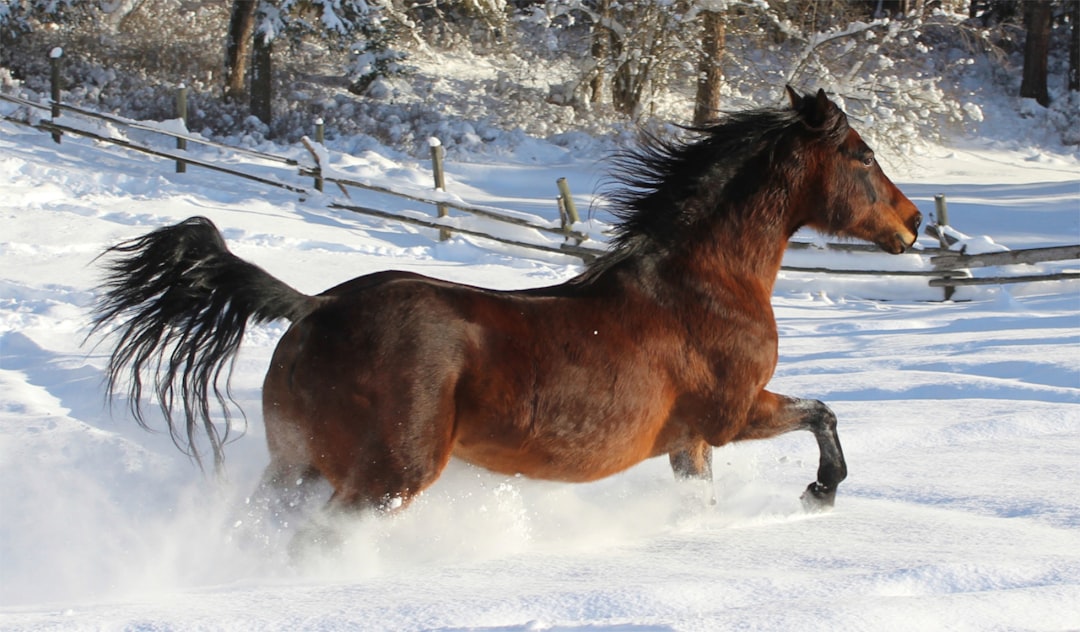
The Morgan horse nearly always tops the list of recommended breeds for newer riders. Considered America’s first breed in the 18th century, the Morgan is known for being kind and courageous. Morgan horses are loved for their gentle, easygoing nature and willingness to please, making them a fantastic choice for beginner riders. They’re patient and forgiving, which helps new riders build confidence and develop their skills while forming a close bond with their horse.
The Morgan is an excellent choice for a family horse because they are good for beginner and experienced riders. These horses are typically attentive and want to please their riders. For beginning riders, they are pretty forgiving.
#13 Missouri Fox Trotter: The Smooth Operator
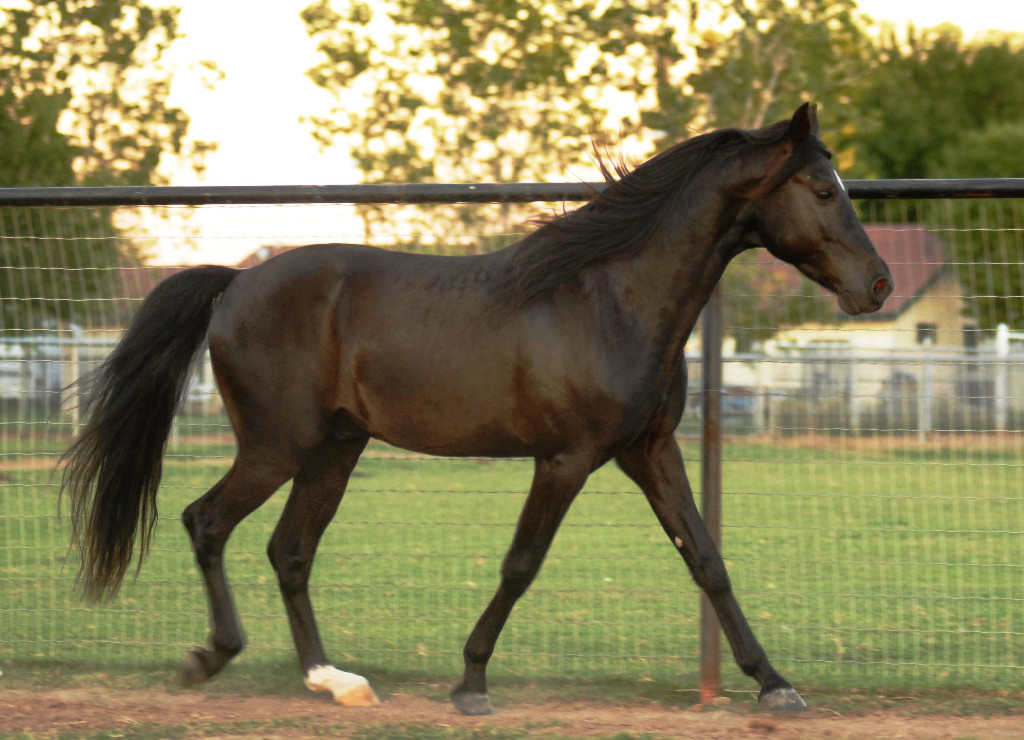
The Missouri Fox Trotter horse is a naturally gaited breed and very comfortable to ride. Their unique gait is called a foxtrot, which is an ambling gait with one foot always on the ground. This horse has a friendly, calm temperament and is an excellent choice for families.
That’s exactly what people wanted during America’s period of westward expansion, and they found it all in the Missouri Fox Trotter. This family-friendly and smooth horse has a can-do attitude and an easy-going disposition. You might like riding a Missouri Fox Trotter if you: Don’t want to bounce around. Trotting can be bouncy and takes an effort to ride, even on a slow horse. A Missouri Fox Trotter, on the other hand, does not have a traditional trotting gait.
#12 Appaloosa: The Distinctive Sport Horse
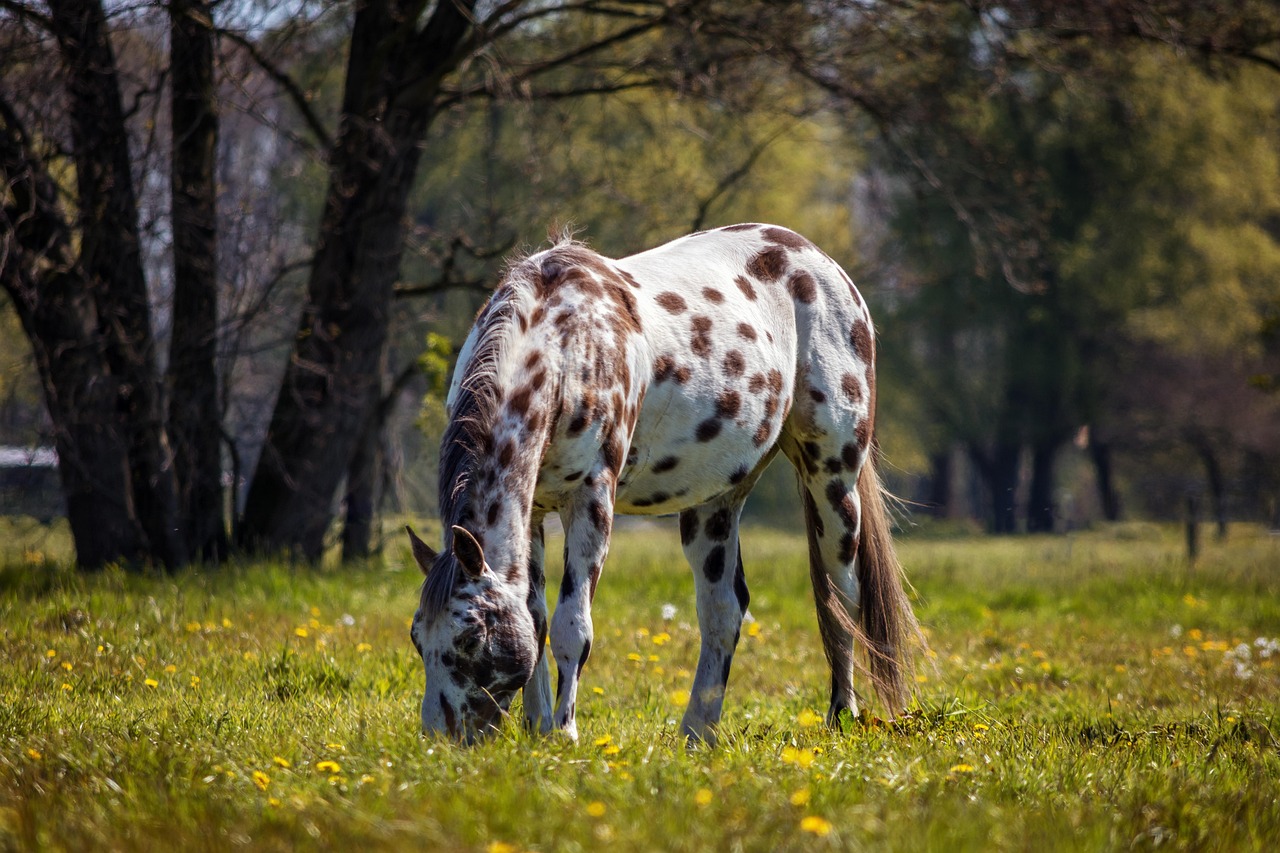
The Appaloosa is a breed known for its distinctive coat pattern and friendly nature. They’re intelligent and easy to train, making them suitable for beginners. They’re also versatile and excel in many disciplines, including Western riding, trail riding, and even dressage.
Appaloosa: With their distinctive coat patterns, Appaloosas are not only striking but also known for their even temperament and reliability. Appaloosas are known for their distinctive spotted coats and, more importantly, their gentle and forgiving temperament, making them ideal for beginner riders. Originating with the Nez Perce people of the Pacific Northwest, Appaloosas are a versatile breed, excelling in both Western and English disciplines, as well as trail riding. Their trainability and adaptability make them well-suited for riders who are just beginning their equestrian journey and exploring different riding styles.
#11 Haflinger: The Golden Mountain Horse
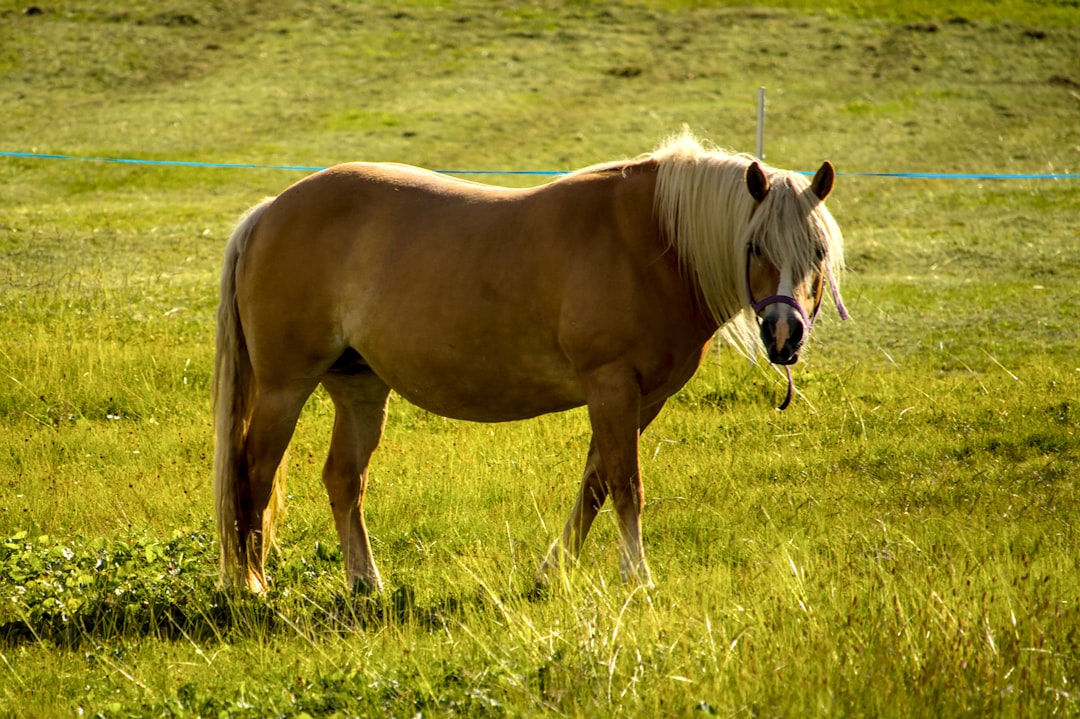
The Haflinger is a smaller breed that’s known for its gentle disposition and easy-going nature. They’re ideal for beginners due to their calm demeanor and willingness to please. They’re also strong and sturdy, making them suitable for trail riding and other outdoor activities.
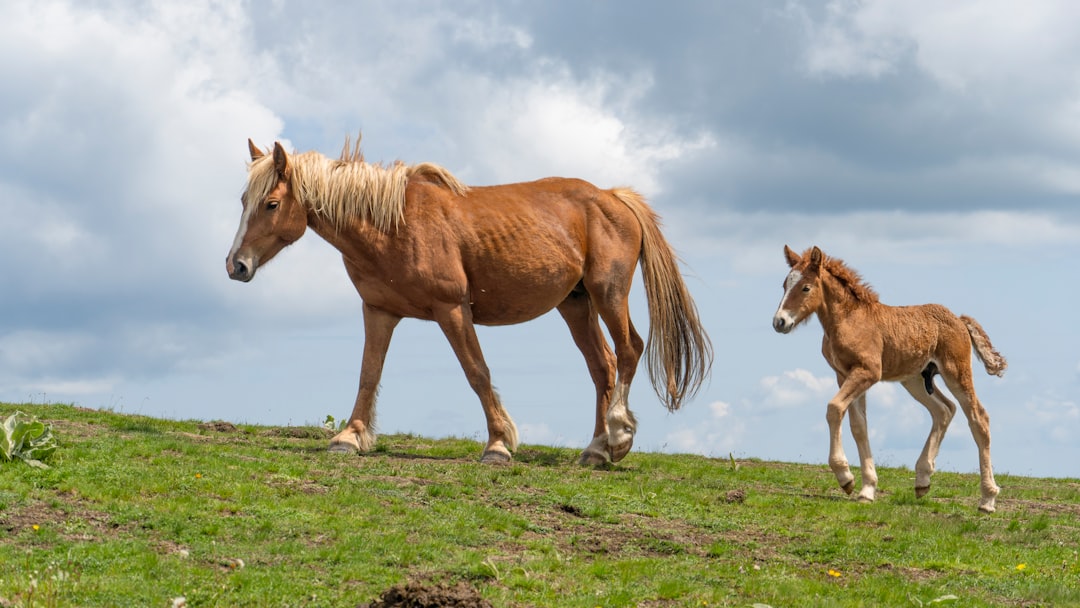
These Austrian mountain horses typically stand around fourteen to fifteen hands and are instantly recognizable by their striking chestnut coats and flowing blonde manes. Originally bred in the Tyrolean Alps, they’ve developed incredible sure-footedness and a hardy constitution that makes them reliable partners for novice riders exploring diverse terrain.
#10 Welsh Pony: The Intelligent Versatile Mount
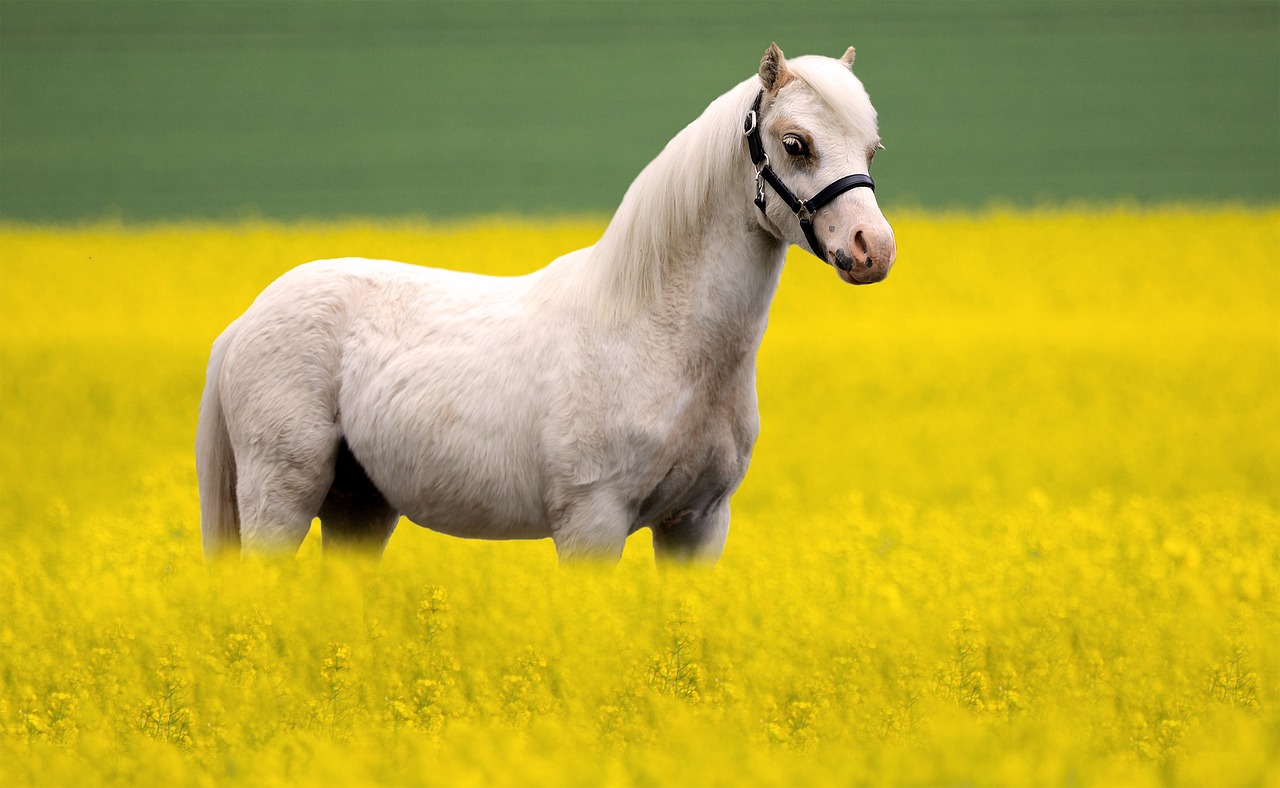
Welsh Ponies are a popular breed for children due to their smaller size and friendly personality. They’re often used in pony club activities and are suitable for both English and Western riding. They’re also versatile and can excel in many different disciplines.
Welsh Cobs are strong, versatile ponies known for their sturdy build, intelligence, and friendly temperament. They have a natural willingness to work and are highly trainable, making them an excellent choice for beginner riders. Their steady and reliable nature helps boost rider confidence, while their agility and endurance allow them to excel in various disciplines, from trail riding to jumping and dressage. Welsh Cobs are also known for their comfortable gaits and surefootedness, making them a dependable and enjoyable ride for children and adults.
#9 Icelandic Horse: The Northern Gentle Soul
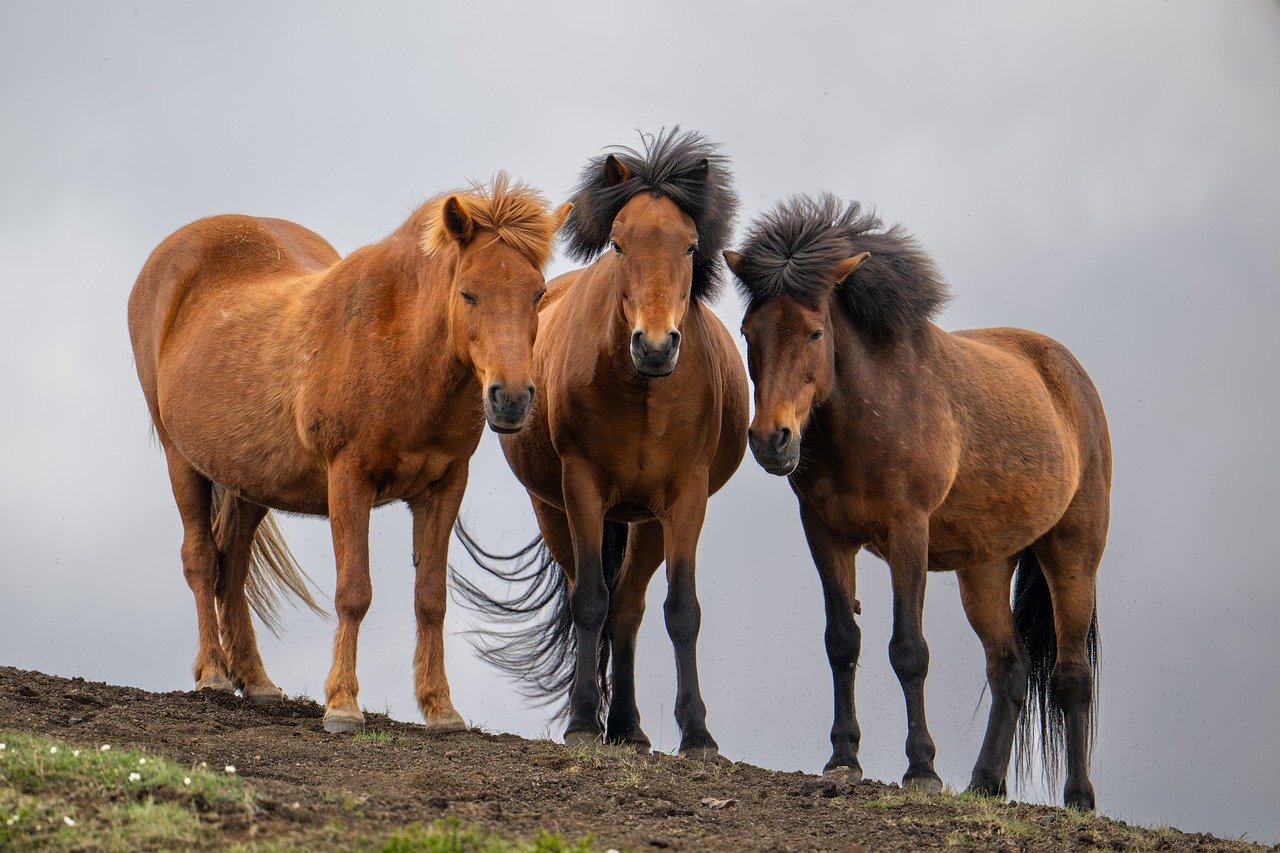
The Icelandic Horse is a unique breed known for its five gaits and friendly personality. They’re easy to train and have a calm disposition, making them ideal for beginners. They’re also strong and sturdy, making them suitable for trail riding and other outdoor activities.
Many novice riders are nervous about riding horses that are too big, so the Icelandic horse, related to the Shetland pony, is a nice compromise. This small breed typically stands about 13 to 14 hands, so they are a good choice for anxious or shorter riders. They may also work well for riders who like going out on hacks, as their height makes it easier to get in and out of the saddle without a mounting block.
#8 Tennessee Walking Horse: The Smooth Stepper
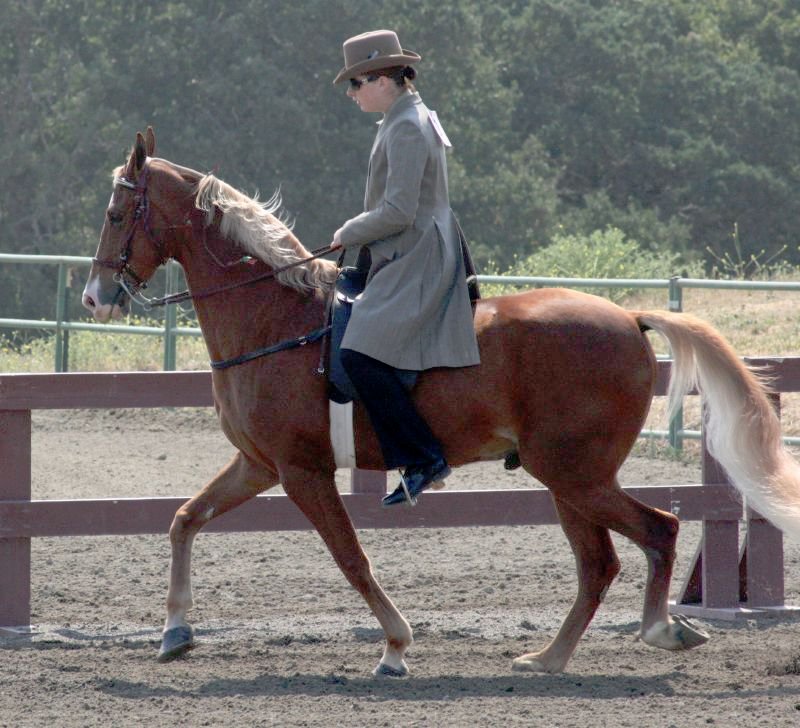
The Tennessee Walking Horse is known for its smooth gait and friendly nature. If you just want to enjoy the countryside without putting too much effort into your ride, a gaited horse like a Tennessee Walking Horse is perfect.
These naturally gaited horses possess an incredibly smooth running walk that eliminates the bouncing typically associated with trotting. Their patient temperament and willingness to please make them particularly well-suited for riders who want to focus on enjoying the scenery rather than mastering complex riding mechanics. Their gentle demeanor extends beyond riding into daily handling and care routines.
#7 Friesian: The Majestic Beauty
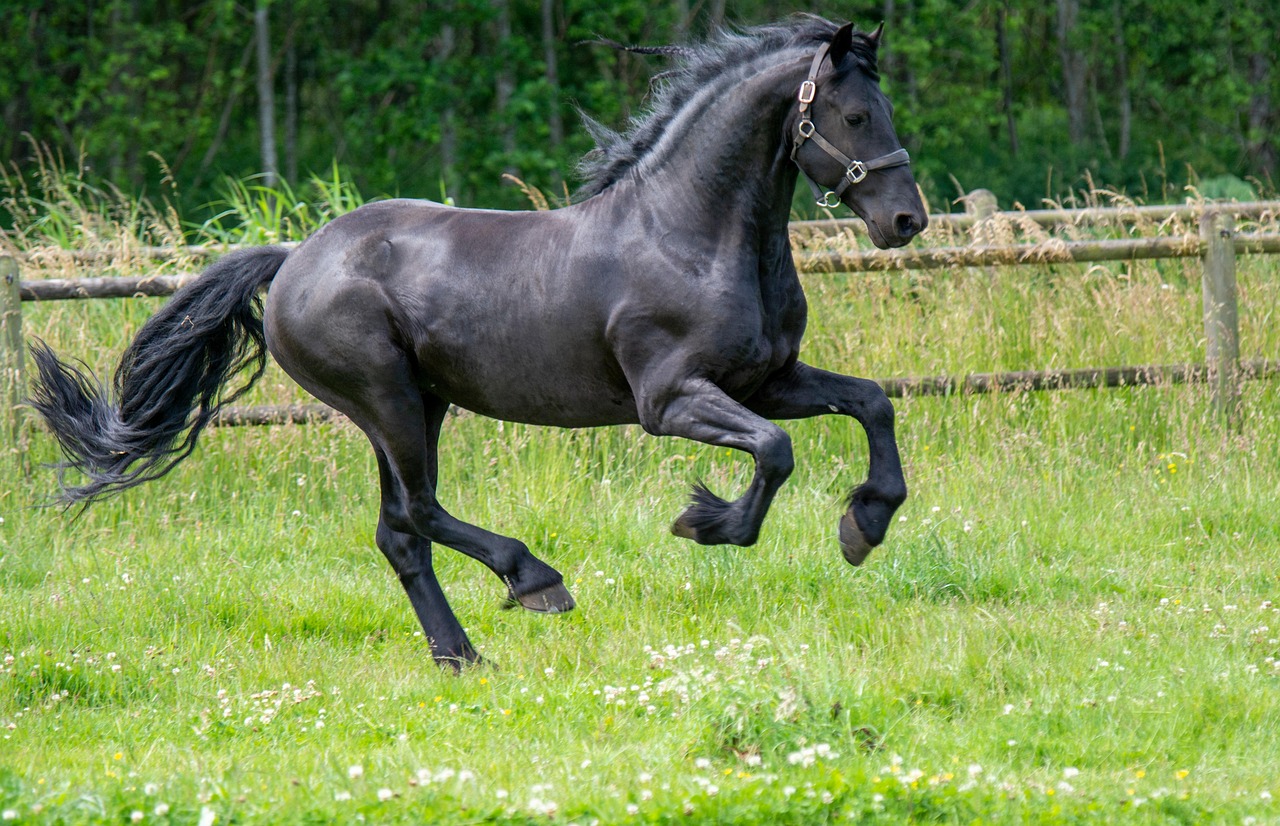
The playful Friesian is often said to have a personality like a Labrador retriever dog and is equally at home rolling around in the mud or prancing through water. Originally from the northern part of the Netherlands, this breed is instantly recognized by its heavy mane and tail, as well as the thick feathering around its feet.
Friesians are smart and well rounded and can be seen in a variety of equestrian disciplines, especially Dressage and Driving. They tend not to spook easily and they are very loyal to their owners. This breed is perfect for the owner who wants a devoted partnership with their horse.
#6 Connemara Pony: The Irish Athlete
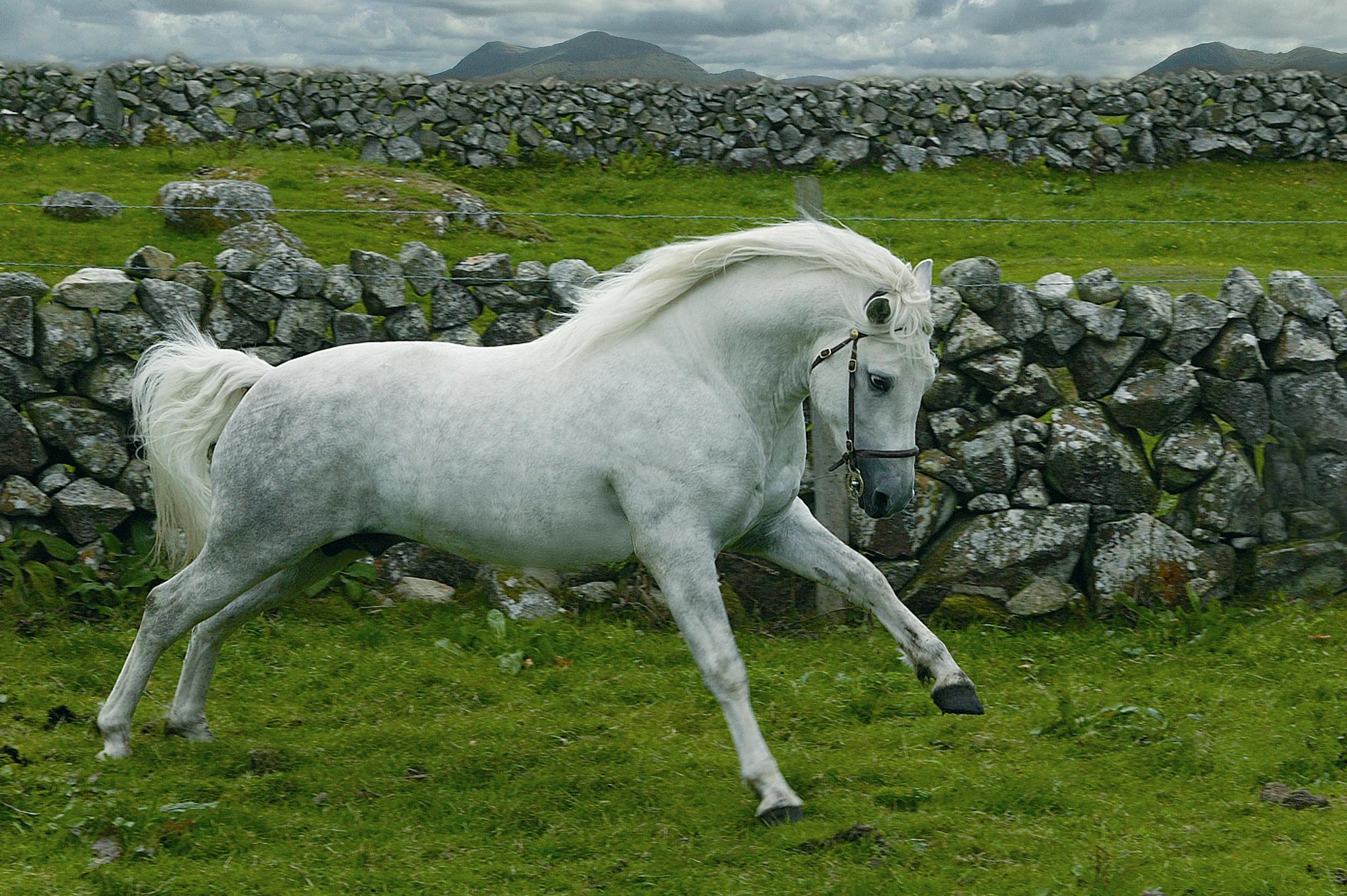
The Connemara Pony is an excellent choice for first-time owners who want a horse that can do a little bit of everything. Whether it’s dressage, show jumping, eventing, or even hacking across the countryside, this Irish breed is adaptable, intelligent, and easy to train.
Connemara Ponies are an Irish breed celebrated for their gentle, cooperative nature. They have a calm disposition that helps new or nervous riders gain assurance in their abilities, while still offering enough athleticism to progress beyond basic skills later on. Connemaras tend to be taller than some other native pony breeds as well as hardy, smart and easy to handle, which make them excellent for families.
#5 Draft Crossbreeds: The Gentle Giants
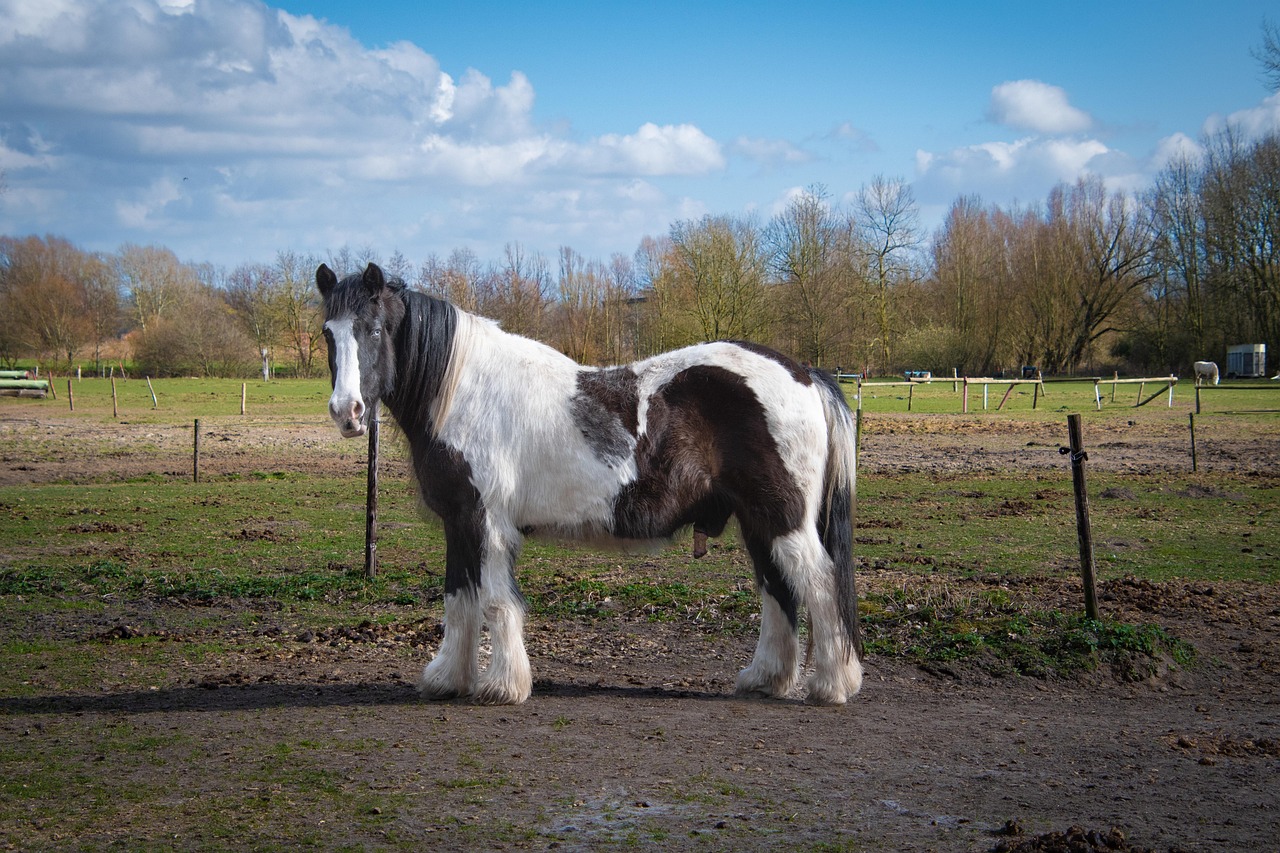
Draft crossbreeds are a nice option for beginners seeking a draft demeanor without the size. Clydesdales, Shires, and Percherons are often crossed with thoroughbreds, quarter horses, and paints to create a “sport horse.” These crossbreeds are easier for beginners to mount and ride. They are also a bit more versatile than full-blooded drafts.
QH or Paint x Belgian or Percheron are the hottest thing going around here. Larger riders are looking for heavier-boned horses, and a lot of these crosses are about 15.2 with good bone and a good temperament and they can still work cattle and hold up to long hours on the trail.
#4 Clydesdale: The Scottish Gentle Giant
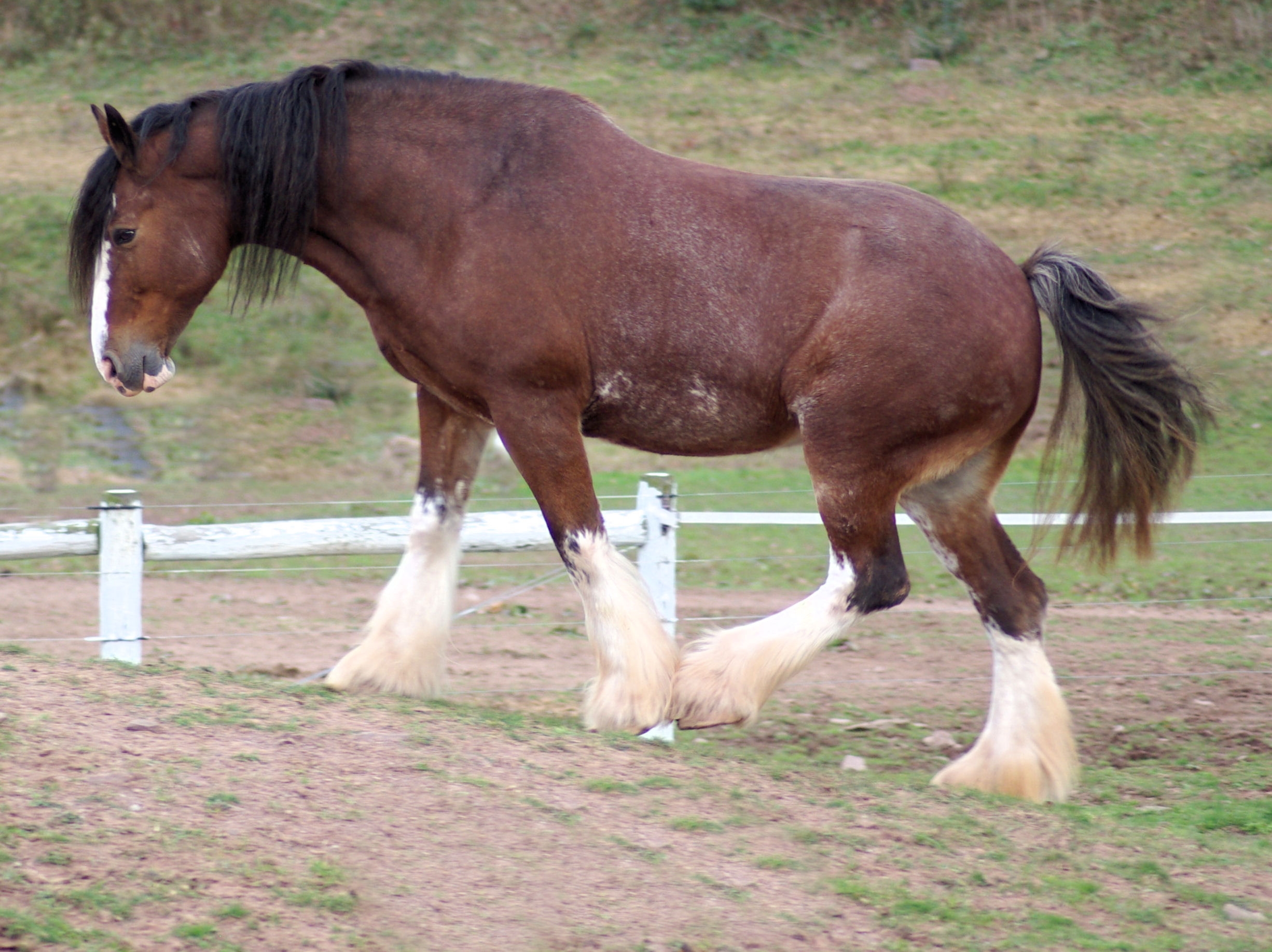
They have wonderful dispositions and are often used for riding as well as pulling. One of the standout traits of Clydesdales is their calm and gentle temperament. Horses like Windsor, who worked with beginner riders for years, were unflappable in the face of uncertain hands or wobbly balance. This forgiving attitude means beginners can learn without fear of spooking their mount.
Riding a Clydesdale is like sitting on a well-cushioned armchair – it’s steady, smooth, and not too quick. Their deliberate pace allows new riders to focus on their posture and confidence without the distraction of a bumpy trot. Standing at 16 to 18 hands tall and weighing up to 2,000 pounds, Clydesdales can be intimidating at first glance. However, their size often adds to their appeal, as riders feel a sense of security on their broad backs.
#3 Percheron: The Athletic Draft
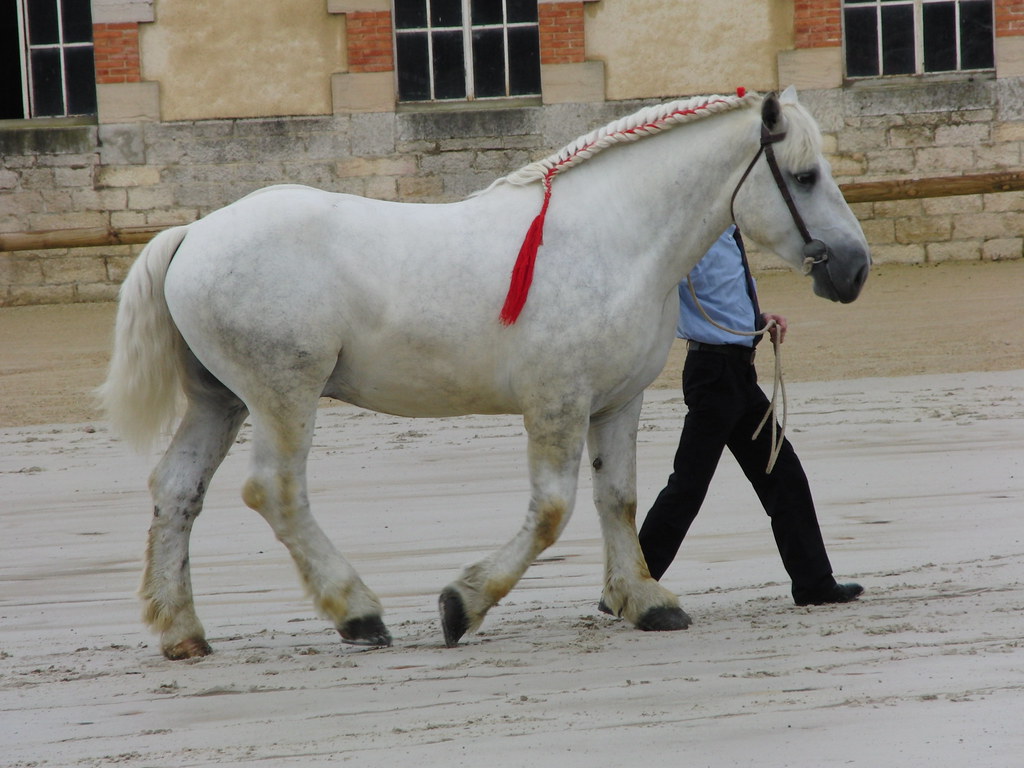
You can ride Percherons or use them to pull carts and wagons; this breed is shown extensively in the United States. They’re known for having calm personalities and being trainable. Both Percherons and Clydesdales are renowned for keeping a level head and having a ton of patience. When it comes down to it, though, many draft horse riders express a particular affinity for the Percheron. They have a reputation for being a “people horse”, and they are well known for wanting to please their owners, exhibiting patience and always trying their best.
Usually gray or black in color, Percherons are well-muscled, and known for their intelligence and willingness to work. Percherons also have warmblood and thoroughbred genes introduced in their lineage in an effort to conceive an ideal riding horse with the best qualities across the spectrum. Percherons are almost unmatched in their ability to reach top speeds without sacrificing on power, making them an athletic and versatile horse with under saddle.
#2 Shetland Pony: The Mighty Mini
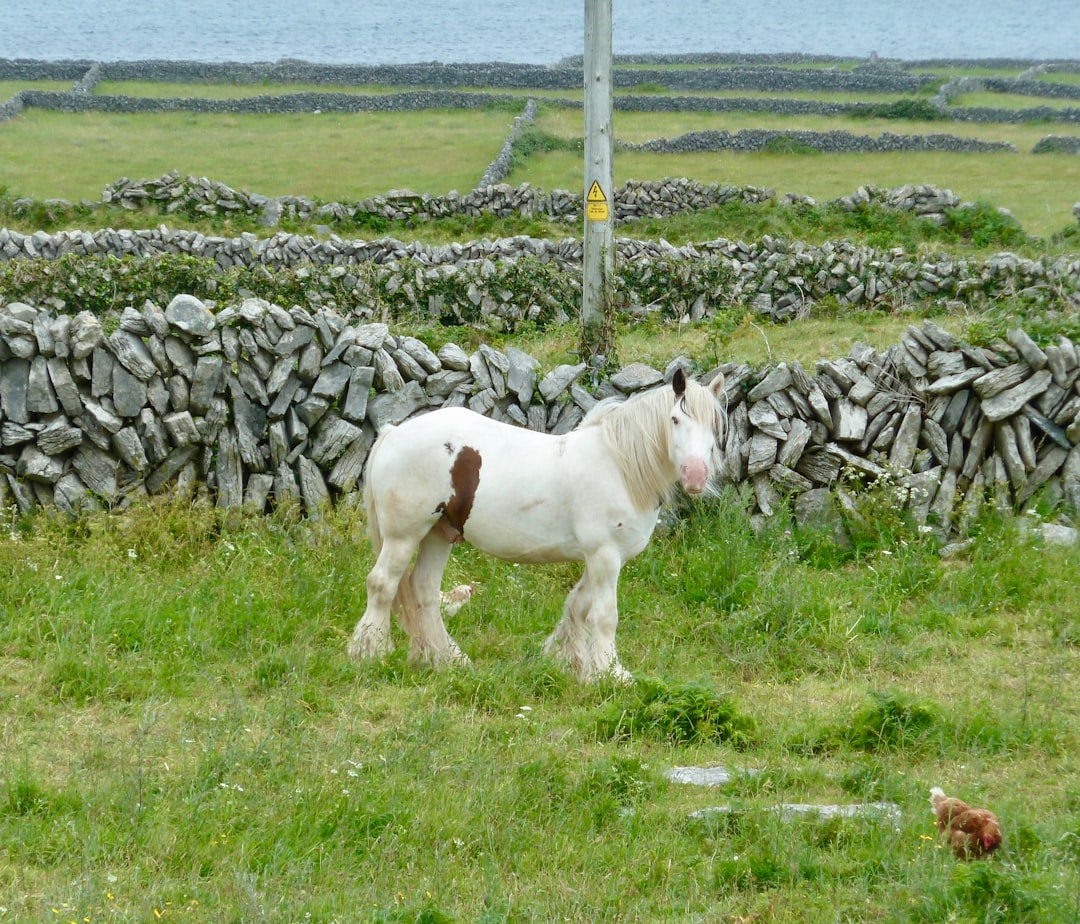
If you’re looking for the perfect first pony for a young child, the Shetland Pony is an unbeatable choice. Small yet strong, these ponies are great for lead rein riding and helping kids develop confidence in the saddle.
Originating from the rugged Shetland Isles of Scotland, these small, hardy ponies are known for their gentle nature, making them a popular choice for introducing young children to the world of horses. Though small, they are surprisingly strong, so adult supervision is essential when children are handling or riding them. Shetland Ponies are often found in riding schools and pony clubs catering to young children, providing a safe and manageable introduction to basic horsemanship and riding. A Shetland Pony can pull twice its weight, a ratio unmatched by taller horses.
#1 Mustang: The Hardy Survivor
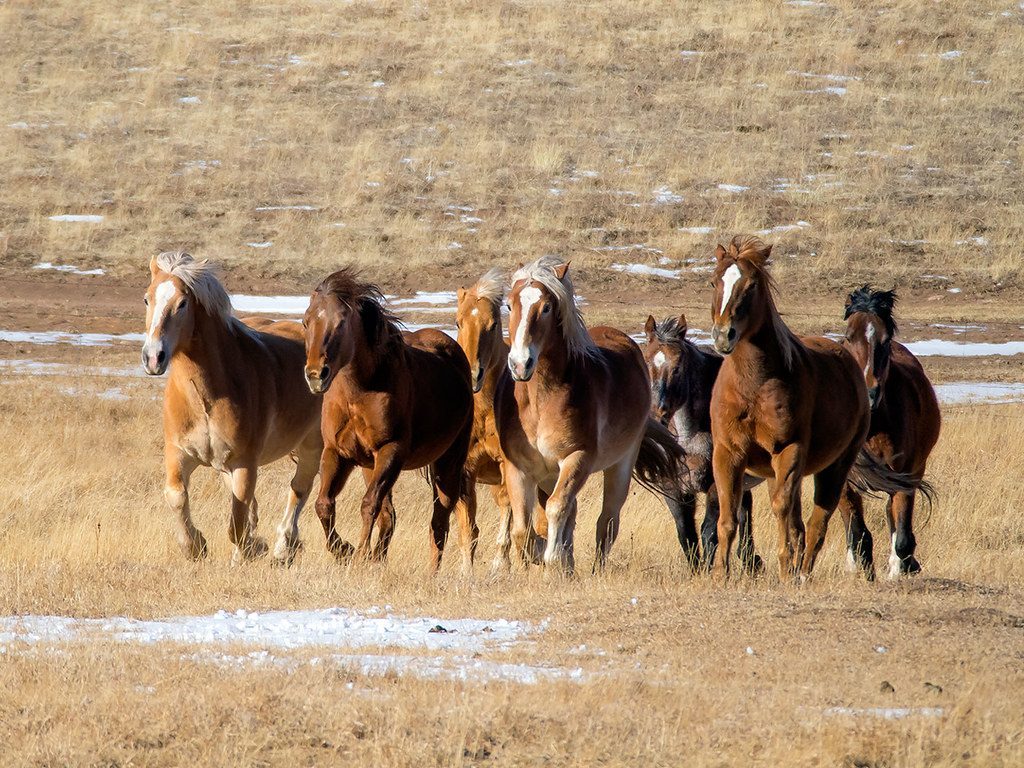
Standing a little shorter than other breeds, at around 15 hands, these horses are easier to manage for smaller riders and beginners. They are hard workers and built to last, with many living over forty years. While they can make excellent beginner horses, they tend to be temperamental if not properly trained. However, they can easily become calm, collected, talented horses when trained by a skilled professional.
Overall these horses have good genetics and very few health issues, which is why many people choose the Mustang as their first horse. Their natural survival instincts and hardiness make them incredibly resilient partners, though they require experienced handling during their initial training phases to unlock their potential as beginner-friendly mounts.
Conclusion: Finding Your Perfect Partner
Choosing a beginner-friendly horse breed isn’t just about picking the calmest or prettiest option. The best horse for beginners are mature horses that are well trained, well mannered, don’t spook easily, and have an even temperament. These sixteen breeds have earned trainers’ trust through generations of proving their reliability, patience, and willingness to work with inexperienced riders.
Remember that individual horses within any breed can vary significantly in temperament and training. When searching for a horse, especially for a beginner rider, the horse’s temperament is crucial. It’s not just about the horse’s physical abilities or its breed; it’s about how well its personality aligns with your riding goals and experience level. The journey to finding your ideal equine partner should always involve experienced guidance from trainers who know both horses and riders well.
What do you think about these trainer-approved breeds? Have any of them captured your interest for your own riding journey?

- 10 Pets Most Compatible with Zodiac Sign Aries - August 7, 2026
- Marine Biologists Shed Light on Fish Living in Manta Ray Butt - August 7, 2026
- The Pet That Fits Your Travel Bucket List Style - August 6, 2026